Sirdalud
Italy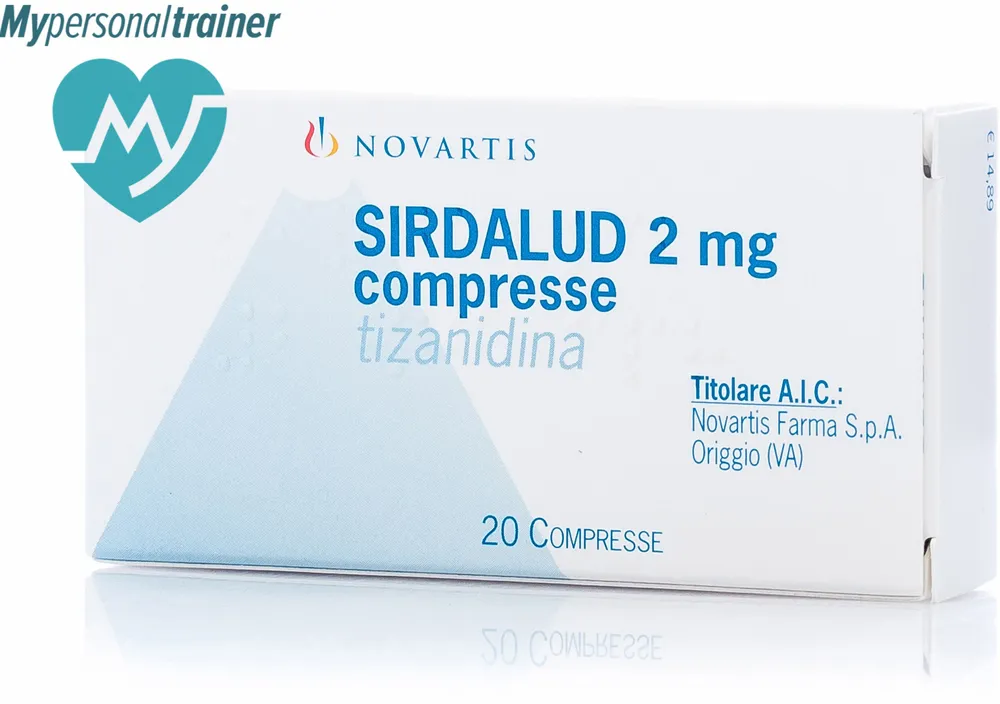
Table of Contents
- Package leaflet: Information for the patient
- Sirdalud 2 mg tablets, 4 mg tablets, 6 mg tablets
- 1. What Sirdalud is and what it is used for
- 2. What you should know before taking Sirdalud
- 3. How to take Sirdalud
- 4. Possible side effects
- 5. How to store Sirdalud
- 6. Package contents and other information
Package leaflet: Information for the patient
Sirdalud 2 mg tablets, 4 mg tablets, 6 mg tablets
tizanidine
Please read this leaflet carefully before you take this medicine because it contains important information for you.
- Keep this leaflet. You may need to read it again.
- If you have any questions, ask your doctor or pharmacist.
- This medicine has been prescribed for you only. Do not give it to other people, even if their symptoms are the same as yours, as it may be harmful.
- If you experience any side effects, including those not listed in this leaflet, contact your doctor or pharmacist. See section 4.
Contents of this leaflet:
- What Sirdalud is and what it is used for
- What you need to know before taking Sirdalud
- How to take Sirdalud
- Possible side effects
- How to store Sirdalud
- Contents of the pack and other information
1. What Sirdalud is and what it is used for
Sirdalud contains the active substance tizanidine, a compound belonging to the class of centrally-acting muscle relaxants,
which works by relaxing muscles.
Sirdalud is used to treat involuntary muscle contractions (muscle spasms) that cause pain:
- associated with spinal column disorders (osteoarthritic syndromes in the cervical and lumbar regions, torticollis, low back pain, etc.);
- following surgical procedures (disc herniation, hip osteoarthritis, etc.).
Sirdalud is also used to treat increased resting muscle tone (spasticity) due to neurological conditions such as:
- multiple sclerosis;
- chronic spinal cord disease (chronic myelopathy);
- degenerative spinal cord diseases;
- damage to cerebral blood vessels (cerebrovascular accidents).
2. What you should know before taking Sirdalud
Do not take Sirdalud
- if you are allergic to tizanidine or to any of the other ingredients of this medicine (listed in section 6)
- if you have severe liver problems
- if you are taking medicines containing the active substance fluvoxamine (used to treat depression) or ciprofloxacin (an antibiotic used to treat infections). See also section "Other medicines and Sirdalud".
Warnings and precautions
Talk to your doctor or pharmacist before taking Sirdalud.
Inform your doctor:
- if you experience symptoms of liver dysfunction such as nausea of unknown origin, reduced appetite or loss of appetite, and loss of strength (asthenia), because your doctor will perform tests to assess liver function every month during the first 4 months of treatment with Sirdalud and will evaluate whether to continue treatment
- if you have kidney problems, because your doctor may decide to prescribe you a lower daily dose of Sirdalud
- if you have heart or circulatory problems (cardiocirculatory and coronary insufficiency); in such cases, your doctor will regularly perform electrocardiograms and other diagnostic tests.
Take particular care:
- because you may experience episodes of low blood pressure during treatment with Sirdalud, which can even be severe (loss of consciousness and circulatory collapse)
- if you are taking a daily dose of Sirdalud equal to or greater than 12 mg, because you may develop liver problems. Your doctor will perform tests to assess liver function every month during the first 4 months of treatment with Sirdalud and will evaluate whether to continue treatment
- if you develop a severe allergic reaction in the first days after starting treatment with Sirdalud. If you experience symptoms such as swelling of the lips, eyelids, face, throat or mouth (angioedema), sudden breathing difficulties, skin rash or blisters on the skin, dryness and redness of the skin, itching, contact your doctor immediately.
Children and adolescents
Administration is not recommended in children and adolescents under 18 years of age.
Other medicines and Sirdalud
Inform your doctor or pharmacist if you are taking, have recently taken, or might take any other medicines.
Do not take Sirdalud with:
- fluvoxamine (used to treat depression)
- ciprofloxacin (an antibiotic used to treat infections)
Inform your doctor and take particular care if you are taking:
- antiarrhythmic medicines (used to treat irregular heartbeat) such as amiodarone, mexiletine and propafenone
- cimetidine (used to treat ulcers)
- fluoroquinolones (antibiotics used to treat infections) such as enoxacin, pefloxacin and norfloxacin
- rofecoxib (used to reduce pain and inflammation)
- oral contraceptives
- ticlopidine (used to reduce the risk of stroke)
- clonidine or other alpha2-adrenergic medicines (used to lower blood pressure)
- medicines that may cause a change in heart rhythm known as "QT interval prolongation", for example cisapride, amitriptyline, azithromycin: concomitant use with high-dose tizanidine is not recommended
- medicines to lower blood pressure, including diuretics
- rifampicin (an antibiotic used to treat infections)
- sedative and hypnotic medicines (used to reduce anxiety and induce sleep), for example benzodiazepines or baclofen
- antihistamines (used to reduce allergy symptoms)
Inform your doctor if you smoke heavily (more than 10 cigarettes per day) and are male, as it may be necessary to increase the dose of Sirdalud.
Sirdalud and alcohol
During treatment with Sirdalud, you should reduce or avoid alcohol consumption because it may increase the risk of adverse effects such as sedation and hypotension.
Sirdalud may enhance the depressant effect of alcohol on the central nervous system.
Pregnancy and breastfeeding
If you are pregnant, think you may be pregnant, are planning to become pregnant, or are breastfeeding, consult your doctor or pharmacist before taking this medicine.
Pregnancy
If you are pregnant, your doctor will assess whether the benefits to you clearly outweigh the risks to the fetus before prescribing Sirdalud.
Before starting treatment with Sirdalud, your doctor may ask you to take a pregnancy test to ensure that you are not pregnant. It is recommended to use a reliable method of contraception during treatment with Sirdalud and on the day after stopping treatment.
Breastfeeding
Do not take Sirdalud if you are breastfeeding.
Driving and using machines
You must not drive or operate machinery if you experience any symptoms related to low blood pressure, drowsiness or dizziness. If you take Sirdalud together with alcohol, these effects may be increased.
Sirdalud contains lactose
If your doctor has diagnosed you with an intolerance to certain sugars, contact him or her before taking this medicine.
3. How to take Sirdalud
Take this medicine exactly as directed by your doctor or pharmacist. If you have any doubts,
please consult your doctor or pharmacist.
Muscle spasms causing pain
The recommended dose is 2 to 4 mg, 2–3 times daily.
In severe cases, your doctor may decide to prescribe an additional 2 mg or 4 mg tablet, preferably before going to
bed.
Increased muscle tone due to neurological disorders
Your doctor will determine the most appropriate dose for you.
The initial dose should not exceed 6 mg per day, divided into 3 doses. Your doctor will then instruct you to
gradually increase the dose by 2–4 mg every 3–6 days.
In most patients, optimal therapeutic response is generally achieved with a daily dose of
12–24 mg, divided into 3 or 4 doses.
Do not exceed the maximum daily dose of 36 mg.
During treatment, your doctor will evaluate whether it may be possible to reduce the dose.
Use in elderly patients
Experience with Sirdalud in elderly patients is limited. Therefore, your doctor will prescribe the lowest dose of
Sirdalud and instruct you to increase the dose gradually.
Use in patients with severe kidney problems
The recommended starting dose at the beginning of treatment is 2 mg once daily. Your doctor will then gradually
increase your dose.
Use in patients with liver problems
Sirdalud is contraindicated in patients with severe liver problems (see “Do not use Sirdalud”).
If you have moderate liver impairment, your doctor will monitor you closely and prescribe the lowest dose of
Sirdalud. Your doctor will carefully evaluate how to increase the Sirdalud dose.
If you take more Sirdalud than you should
If you accidentally take too much Sirdalud, inform your doctor immediately or go to the nearest hospital.
Your doctor will treat an accidental overdose of Sirdalud according to your condition.
Symptoms that may occur if you take more Sirdalud than prescribed include:
- nausea
- vomiting
- low blood pressure
- changes in heart rhythm (QT interval prolongation)
- dizziness
- decreased pupil size (miosis)
- breathing difficulties
- coma
- agitation
- drowsiness
If you forget to take Sirdalud
Do not take a double dose to make up for the missed dose.
If you stop taking Sirdalud
Do not stop treatment with Sirdalud abruptly, especially if you have been taking Sirdalud for a long time, at high
doses, or if you are also taking other medicines used to lower blood pressure. This is because you may experience a
sudden increase in blood pressure and increased heart rate (tachycardia). In extreme cases, hypertension could lead
to stroke. See section 4.
If you need to stop treatment with Sirdalud, consult your doctor, who will gradually reduce your dose. The dosage
must be reduced slowly to avoid or minimize the risk of increased blood pressure (hypertension) and tachycardia.
If you have any questions about the use of this medicine, consult your doctor or pharmacist.
4. Possible side effects
Like all medicines, this medicine can cause side effects, although not everybody gets them.
Very common side effects (may affect more than 1 in 10 people)
- stomach or intestinal disturbances
- dry mouth
- muscle weakness
- fatigue
- drowsiness
- dizziness
Common side effects (may affect up to 1 in 10 people)
- nausea
- insomnia
- sleep disturbances
- low blood pressure
- increased levels of certain liver enzymes indicating liver problems (transaminases)
Uncommon side effects (may affect up to 1 in 100 people)
- slow heart rate (bradycardia)
Side effects with unknown frequency (frequency cannot be estimated from the available data)
- hallucinations
- confusion
- disorganized speech
- vertigo
- fainting (syncope)
- blurred vision
- stomach ache
- vomiting
- liver inflammation (hepatitis)
- liver failure
- loss of strength (asthenia)
- itching
- allergic reactions with swelling of the lips, eyelids, face, throat or mouth, accompanied by breathing difficulties (signs of anaphylactic reactions and angioedema), skin rash, blisters on the skin, dryness and redness of the skin, itching (signs of dermatitis, urticaria and erythema).
Withdrawal syndrome
After abrupt discontinuation of Sirdalud, a sudden increase in blood pressure and increased heart rate (tachycardia) have been observed. In extreme cases, hypertension could lead to stroke.
Reporting of side effects
If you experience any side effect, including those not listed in this leaflet, talk to your doctor or pharmacist. You can also report side effects directly via the national reporting system at http://www.aifa.gov.it/content/segnalazioni-reazioni-avverse.
By reporting side effects, you can help provide more information on the safety of this medicine.
5. How to store Sirdalud
Sirdalud 2 mg tablets and Sirdalud 4 mg tablets
- This medicinal product does not require any special storage conditions.
Sirdalud 6 mg tablets
- Do not store above 25°C.
Keep this medicinal product out of the sight and reach of children.
Do not use this medicinal product after the expiry date stated on the packaging after Exp.
The expiry date refers to the last day of that month.
Do not dispose of any medicinal product via wastewater or household waste. Ask your pharmacist how to dispose of medicines you no longer use. This will help protect the environment.
6. Package contents and other information
What Sirdalud contains
Sirdalud 2 mg tablets
- The active substance is tizanidine hydrochloride. Each tablet contains 2.29 mg of tizanidine hydrochloride (equivalent to 2 mg of tizanidine base).
- The other components are: anhydrous colloidal silica, stearic acid, microcrystalline cellulose, anhydrous lactose.
Sirdalud 4 mg tablets
- The active substance is tizanidine hydrochloride. Each tablet contains 4.58 mg of tizanidine hydrochloride (equivalent to 4 mg of tizanidine base).
- The other components are: anhydrous colloidal silica, stearic acid, microcrystalline cellulose, anhydrous lactose.
Sirdalud 6 mg tablets
- The active substance is tizanidine hydrochloride. Each tablet contains 6.86 mg of tizanidine hydrochloride (equivalent to 6 mg of tizanidine base).
- The other components are: anhydrous colloidal silica, stearic acid, microcrystalline cellulose, anhydrous lactose.
Description of the appearance of Sirdalud and contents of the pack
Each pack of Sirdalud 2 mg tablets contains 20 tablets of 2 mg.
Each pack of Sirdalud 4 mg tablets contains 30 tablets of 4 mg.
Each pack of Sirdalud 6 mg tablets contains 30 tablets of 6 mg.
Marketing Authorization Holder
Sandoz S.p.A.
L.go U. Boccioni 1
21040 Origgio (VA)
Italy
Manufacturer
Novartis Farma S.p.A
Via Provinciale Schito 131
80058 Torre Annunziata - NA
Italy
Novartis Farma S.p.A.
Viale Luigi Sturzo 43
20154 Milan MI
Italy
Novartis Farmacéutica SA
Gran Via de les Corts Catalanes, 764
08013 Barcelona
Spain
Novartis Pharma GmbH
Roonstrasse 25
90429 Nuremberg
Germany