Pritor
Italy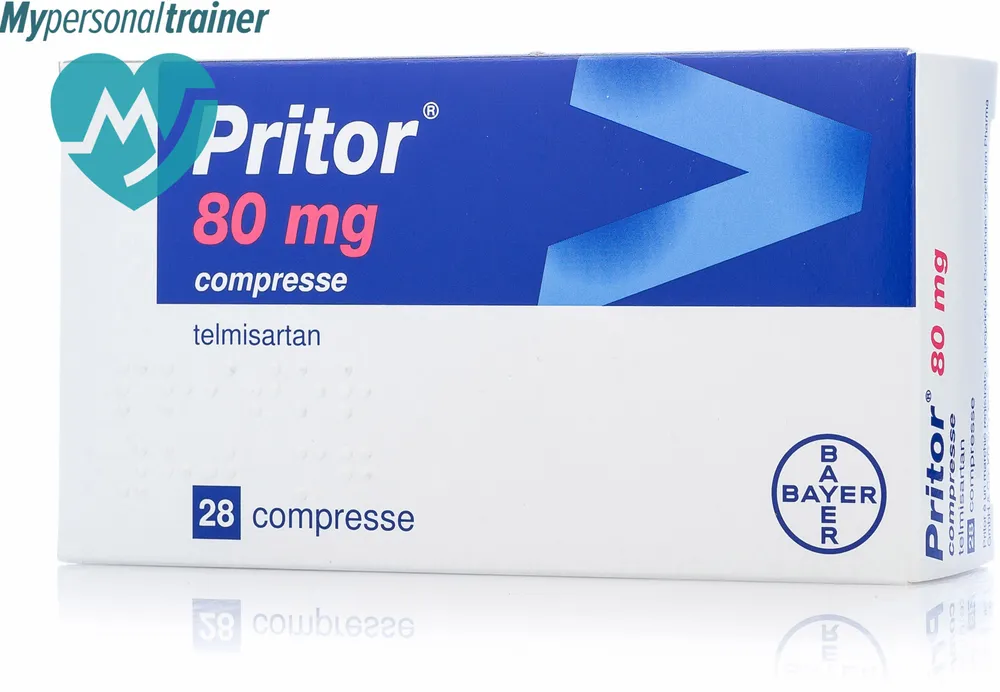
Table of Contents
- Package leaflet: Information for the user
- Pritor 20 mg tablets
- 1. What Pritor is and what it is used for
- 2. What you need to know before taking Pritor
- 3. How to take Pritor
- 4. Possible side effects
- 5. How to store Pritor
- 6. Package contents and other information
- Package leaflet: information for the user
- Pritor 40 mg tablets
- 1. What Pritor is and what it is used for
- 2. What you should know before taking Pritor
- 3. How to take Pritor
- 4. Possible side effects
- 5. How to store Pritor
- 6. Contents of the pack and other information
- Package leaflet: Information for the user
- Pritor 80 mg tablets
- 1. What Pritor is and what it is used for
- 2. What you need to know before taking Pritor
- 3. How to take Pritor
- 4. Possible side effects
- 5. How to store Pritor
- 6. Package contents and other information
Package leaflet: Information for the user
Pritor 20 mg tablets
telmisartan
Please read all of this leaflet carefully before taking this medicine because it contains important information for you.
- Keep this leaflet. You may need to read it again.
- If you have any questions, ask your doctor or pharmacist.
- This medicine has been prescribed for you only. Do not give it to others, even if their symptoms are the same as yours, as it could be harmful.
- If you experience any side effects, including those not listed in this leaflet, tell your doctor or pharmacist. See section 4.
What this leaflet contains
- What Pritor is and what it is used for
- What you need to know before taking Pritor
- How to take Pritor
- Possible side effects
- How to store Pritor
- Contents of the pack and other information
1. What Pritor is and what it is used for
Pritor belongs to a class of medicines known as angiotensin II receptor blockers. Angiotensin II is a substance in the body that causes blood vessels to narrow, thereby increasing blood pressure. Pritor blocks the effect of angiotensin II, causing blood vessels to relax and thus lowering blood pressure.
Pritor is used to treat essential hypertension (high blood pressure) in adults. "Essential" means that the high blood pressure is not caused by other conditions.
If left untreated, high blood pressure can damage blood vessels in many organs and may sometimes lead to heart attack, heart or kidney failure, stroke, or blindness. High blood pressure usually does not cause symptoms until such damage occurs. Therefore, it is important to have your blood pressure checked regularly to ensure it is within the normal range.
Pritor is also used to reduce cardiovascular events (e.g. heart attack or stroke) in adults at risk due to reduced or blocked blood flow to the heart or legs, or because they have previously had a stroke or have high-risk diabetes. Your doctor can determine whether you are at high risk for these events.
2. What you need to know before taking Pritor
Do not take Pritor
- if you are allergic to telmisartan or to any of the other ingredients of this medicine (listed in section 6).
- if you are more than 3 months pregnant (it is better to avoid taking Pritor even in early pregnancy – see section Pregnancy).
- if you have severe liver problems such as cholestasis or biliary obstruction (problems with bile drainage from the liver and gallbladder) or any other serious liver disease.
- if you have diabetes or impaired kidney function and are being treated with a blood pressure-lowering medicine containing aliskiren.
If you are in any of the above conditions, inform your doctor or pharmacist before taking Pritor.
Warnings and precautions
Talk to your doctor before taking Pritor if you have or have ever had any of the following conditions or diseases:
- Kidney disease or kidney transplant.
- Renal artery stenosis (narrowing of the blood vessels to one or both kidneys).
- Liver diseases.
- Heart problems.
- Elevated levels of aldosterone (water and salt retention in the body with imbalance of various minerals in the blood).
- Low blood pressure (hypotension), which is more likely to occur if you are dehydrated (excessive loss of water from the body) or have salt deficiency due to, for example, diuretic therapy ("diuretics"), a low-salt diet, diarrhoea or vomiting.
- High levels of potassium in the blood.
- Diabetes.
Talk to your doctor before taking Pritor:
- if you are taking any of the following medicines used to treat high blood pressure:
- an ACE inhibitor (e.g. enalapril, lisinopril, ramipril), particularly if you have kidney problems related to diabetes.
- aliskiren. Your doctor may monitor your kidney function, blood pressure and blood electrolyte levels (e.g. potassium) at regular intervals. See also the section "Do not take Pritor".
- if you are taking digoxin.
Talk to your doctor if, after taking Pritor, you experience abdominal pain, nausea, vomiting or diarrhoea. Your doctor will decide whether treatment should continue. Do not stop taking Pritor on your own.
You must inform your doctor if you think you may be pregnant (or if there is a possibility of becoming pregnant). Pritor is not recommended during early pregnancy and must not be taken if you are more than 3 months pregnant, as it may cause serious harm to the unborn baby if taken during this period (see section Pregnancy).
If you are undergoing surgery or anaesthesia, you must inform your doctor that you are taking Pritor.
Pritor may be less effective in lowering blood pressure in patients of African origin.
Children and adolescents
The use of Pritor is not recommended in children and adolescents under 18 years of age.
Other medicines and Pritor
Tell your doctor or pharmacist if you are taking, have recently taken or might take any other medicines. Your doctor may need to adjust the dose of these other medicines or take other precautions. In some cases, it may be necessary to stop taking one of these medicines. This particularly applies to the following medicines when taken at the same time as Pritor:
- Medicines containing lithium used to treat certain types of depression.
- Medicines that can increase potassium levels in the blood, such as potassium-containing salt substitutes, potassium-sparing diuretics (some "diuretics"), ACE inhibitors, angiotensin II receptor blockers, NSAIDs (non-steroidal anti-inflammatory drugs, e.g. aspirin or ibuprofen), heparin, immunosuppressants (e.g. cyclosporine or tacrolimus) and the antibiotic trimethoprim.
- Diuretics, especially when taken at high doses together with Pritor, may cause excessive loss of body water and low blood pressure (hypotension).
- If you are taking an ACE inhibitor or aliskiren (see also sections "Do not take Pritor" and "Warnings and precautions").
- Digoxin.
The effect of Pritor may be reduced when taking NSAIDs (non-steroidal anti-inflammatory drugs, e.g. aspirin or ibuprofen) or corticosteroids.
Pritor may increase the effect of other medicines used to lower high blood pressure or medicines that may potentially lower blood pressure (e.g. baclofen, amifostine). In addition, the lowering of blood pressure may be worsened by alcohol, barbiturates, narcotics or antidepressants. You may experience this drop in blood pressure as dizziness when standing up. Consult your doctor if you need to adjust the dose of other medicines while taking Pritor.
Pregnancy and breastfeeding
Pregnancy
You must inform your doctor if you think you may be pregnant (or if there is a possibility of becoming pregnant). Your doctor will usually advise you to stop taking Pritor before becoming pregnant or as soon as you know you are pregnant, and will recommend another medicine instead of Pritor. Pritor is not recommended during early pregnancy and must not be taken if you are more than 3 months pregnant, as it may cause serious harm to the unborn baby if taken after the third month of pregnancy.
Breastfeeding
Inform your doctor if you are breastfeeding or planning to breastfeed. Pritor is not recommended for women who are breastfeeding, and your doctor may choose another treatment for you if you wish to breastfeed, especially if the baby is a newborn or was born prematurely.
Driving and using machines
Some patients may experience side effects such as fainting or dizziness (vertigo) when taking Pritor. If these side effects occur, do not drive or operate machinery.
Pritor contains sorbitol
This medicine contains 84.32 mg of sorbitol per tablet.
Pritor contains sodium
This medicine contains less than 1 mmol (23 mg) of sodium per tablet, i.e. essentially 'sodium-free'.
3. How to take Pritor
Take this medicine exactly as your doctor has told you. If you are unsure, consult your doctor or pharmacist.
The recommended dose is one tablet daily. Try to take the tablet at the same time each day.
You may take Pritor with or without food. Swallow the tablets whole with a glass of water or another non-alcoholic drink.
It is important to take Pritor every day until your doctor tells you otherwise. If you feel that the effect of Pritor is too strong or too weak, consult your doctor or pharmacist.
For the treatment of high blood pressure, the usual dose of Pritor for most patients is one 40 mg tablet once daily to control blood pressure over a 24-hour period. Your doctor has prescribed you a lower dose of 20 mg daily. Pritor may also be used in combination with diuretics such as hydrochlorothiazide, with which it has been shown to have an additive effect in lowering blood pressure.
For the reduction of cardiovascular events, the usual dose of Pritor is one 80 mg tablet once daily. At the start of preventive treatment with Pritor 80 mg, blood pressure must be monitored frequently.
If your liver is not functioning properly, the usual daily dose of 40 mg must not be exceeded.
If you take more Pritor than you should
If you have taken too many tablets by mistake, contact your doctor, pharmacist, or the nearest hospital emergency department immediately.
If you forget to take Pritor
If you forget to take your medicine, do not worry. Take it as soon as you remember, then continue as before. If you miss a day’s dose, take your normal dose the next day. Do not take a double dose to make up for forgotten doses.
If you have any questions about the use of this medicine, ask your doctor or pharmacist.
4. Possible side effects
Like all medicines, this medicine can cause side effects, although not everybody gets them.
Some side effects can be serious and require immediate medical treatment.
You must contact your doctor immediately if you experience any of the following symptoms:
Sepsis* (often called "blood infection" – a severe infection causing a systemic inflammatory response throughout the body), rapid swelling of the skin and mucous membranes (angioedema). These side effects are rare (may occur in up to 1 in 1,000 people), but extremely serious, and patients must stop taking the medicine and consult a doctor immediately. If these side effects are not treated, they may be fatal.
Possible side effects of Pritor
Common side effects (may occur in up to 1 in 10 people):
Low blood pressure (hypotension) in patients treated to reduce cardiovascular events.
Uncommon side effects (may occur in up to 1 in 100 people):
Urinary tract infections, upper respiratory tract infections (e.g. sore throat, sinusitis, common cold), deficiency of red blood cells (anaemia), elevated potassium levels, difficulty falling asleep, feeling of sadness (depression), dizziness, fainting (syncope), sensation of dizziness (vertigo), slowed heart rate (bradycardia), low blood pressure (hypotension) in patients treated for high blood pressure, dizziness upon standing (orthostatic hypotension), shortness of breath, cough, abdominal pain, diarrhoea, stomach pain, bloated stomach, vomiting, itching sensation, increased sweating, drug rash, back pain, muscle cramps, muscle pain (myalgia), kidney impairment (including acute renal failure), chest pain, feeling of weakness, increased blood creatinine levels.
Rare side effects (may occur in up to 1 in 1,000 people):
Sepsis* (often called "blood infection" – a severe infection with systemic inflammatory response that may lead to death), increase in certain white blood cells (eosinophilia), low platelet count (thrombocytopenia), severe allergic reaction (anaphylactic reaction), allergic reaction (e.g. skin rash, itching, difficulty breathing, wheezing, facial swelling, or low blood pressure), low blood sugar levels (in diabetic patients), feeling of anxiety, drowsiness, visual disturbances, rapid heartbeat (tachycardia), dry mouth, stomach discomfort, taste disturbance (dysgeusia), abnormal liver function (Japanese patients are more predisposed to this side effect), rapid swelling of the skin and mucous membranes which may also be fatal (angioedema, including fatal outcomes), eczema (skin disease), redness of the skin, urticaria, severe drug-related skin rash, joint pain (arthralgia), limb pain, tendon pain, influenza-like illness, decreased haemoglobin (a blood protein), increased uric acid levels, increased liver enzymes or creatine phosphokinase in blood, low sodium levels.
Very rare side effects (may occur in up to 1 in 10,000 people):
Progressive scarring of lung tissue (interstitial lung disease)**.
Frequency not known (frequency cannot be estimated from the available data):
Intestinal angioedema: following the use of similar products, swelling of the intestine has been reported, presenting with symptoms such as abdominal pain, nausea, vomiting, and diarrhoea.
* The event may have occurred by chance or could be related to a currently unknown mechanism.
** Cases of progressive scarring of lung tissue have been reported during treatment with telmisartan. However, it is not known whether telmisartan was the cause.
Reporting of side effects
If you experience any side effects, including those not listed in this leaflet, talk to your doctor or pharmacist. You can also report side effects directly via the national reporting system listed in Annex V. By reporting side effects, you can help provide more information on the safety of this medicine.
5. How to store Pritor
Keep this medicine out of the sight and reach of children.
Do not use this medicine after the expiry date stated on the pack after "Exp". The expiry date refers to the last day of that month.
This medicine does not require any special storage temperature. Store in the original packaging to protect the medicine from moisture. Remove the Pritor tablet from the blister pack only immediately before taking it.
Do not dispose of any medicine via wastewater or household waste. Ask your pharmacist how to dispose of medicines you no longer use. This will help protect the environment.
6. Package contents and other information
What Pritor contains
The active substance is telmisartan. Each tablet contains 20 mg of telmisartan.
The other components are povidone (K25), meglumine, sodium hydroxide, sorbitol (E420), and magnesium stearate.
Description of the appearance of Pritor and contents of the pack
Pritor 20 mg tablets are white, round, and marked with the code “50H” on one side.
Pritor is available in blisters containing 14, 28, 30, 56, 90, or 98 tablets.
Not all pack sizes may be marketed in your country.
Marketing Authorization Holder
Bayer AG
51368 Leverkusen
Germany
Manufacturer
Bayer AG
Kaiser-Wilhelm-Allee
51368 Leverkusen
Germany
For further information about this medicinal product, please contact the local representative of the Marketing Authorization Holder:
België / Belgique / Belgien Lietuva
Bayer SA-NV UAB Bayer
Tél/Tel: +32-(0)2-535 63 11 Tel. +370 52 33 68 68
България Luxembourg / Luxemburg
Байер България ЕООД Bayer SA-NV
Тел. +359 (0)2-424 72 80 Tél/Tel: +32-(0)2-535 63 11
Česká republika Magyarország
Bayer s.r.o. Bayer Hungária Kft.
Tel: +420 266 101 111 Tel.: +36-14 87-41 00
Danmark Malta
Bayer A/S Alfred Gera and Sons Ltd.
Tlf.: +45-45 23 50 00 Tel: +356-21 44 62 05
Deutschland Nederland
Bayer Vital GmbH Bayer B.V.
Tel: +49-(0)214-30 513 48 Tel: +31-(0)297-28 06 66
Eesti Norge
Bayer OÜ Bayer AS
Tel: +372 655 85 65 Tlf. +47 23 13 05 00
Ελλάδα Österreich
Bayer Ελλάς ΑΒΕΕ Bayer Austria Ges. m. b. H.
Τηλ: +30 210 618 75 00 Tel: +43-(0)1-711 46-0
España Polska
Bayer Hispania S.L. Bayer Sp. z o.o.
Tel: +34-93-495 65 00 Tel.: +48-22-572 35 00
France Portugal
Bayer HealthCare Bayer Portugal Lda
Tél (N° vert): +33-(0)800 87 54 54 Tel: +351-21-416 42 00
Hrvatska România
Bayer d.o.o. SC Bayer SRL
Tel: +385-(0)1-6599 900 Tel.: +40 21 528 59 00
Ireland Slovenija
Bayer Limited Bayer d. o. o.
Tel: +353-1-216-3300 Tel.: +386-1-58 14 400
Ísland Slovenská republika
Icepharma hf. Bayer, spol. s r.o.
Sími: +354 540 8000 Tel: +421 2 59 21 31 11
Italia Suomi/Finland
Bayer S.p.A. Bayer Oy
Tel: +39-02-397 81 Puh/Tel.: +358-20 785 21
Κύπρος Sverige
NOVAGEM Limited Bayer AB
Τηλ: +357 22 48 38 58 Tel: +46-(0)8-580 223 00
Latvija
SIA Bayer
Tel: +371 67 84 55 63
Other sources of information
More detailed information on this medicinal product is available on the website of the European Medicines Agency: https://www.ema.europa.eu .
Package leaflet: information for the user
Pritor 40 mg tablets
telmisartan
Please read this leaflet carefully before taking this medicine because it contains
important information for you.
- Keep this leaflet. You may need to read it again.
- If you have any questions, ask your doctor or pharmacist.
- This medicine has been prescribed for you only. Do not give it to others, even if their symptoms are the same as yours, as it could be harmful.
- If you experience any adverse reaction, including those not listed in this leaflet, contact your doctor or pharmacist. See section 4.
Contents of this leaflet
- What Pritor is and what it is used for
- What you need to know before taking Pritor
- How to take Pritor
- Possible side effects
- How to store Pritor
- Contents of the pack and other information
1. What Pritor is and what it is used for
Pritor belongs to a class of medicines known as angiotensin II receptor blockers. Angiotensin II is a substance in the body that causes blood vessels to narrow, thereby increasing blood pressure. Pritor blocks the effect of angiotensin II, resulting in relaxation of blood vessels and thus lowering blood pressure.
Pritor is used to treat essential hypertension (high blood pressure) in adults. “Essential” means that the high blood pressure is not caused by other conditions.
If left untreated, high blood pressure can damage blood vessels in many organs and may sometimes lead to heart attack, heart or kidney failure, stroke, or blindness. High blood pressure usually does not cause symptoms until such damage occurs. Therefore, it is important to have your blood pressure checked regularly to ensure it is within the normal range.
Pritor is also used to reduce cardiovascular events (e.g., heart attack or stroke) in adults at risk because of reduced or blocked blood flow to the heart or legs, or because they have had a stroke or have high-risk diabetes. Your doctor can determine whether you are at high risk for these events.
2. What you should know before taking Pritor
Do not take Pritor
- if you are allergic to telmisartan or to any of the other ingredients of this medicine (listed in section 6).
- if you are more than 3 months pregnant (it is better to avoid taking Pritor even in the early stages of pregnancy – see Pregnancy section).
- if you have severe liver problems such as cholestasis or biliary obstruction (problems with bile drainage from the liver and gallbladder) or any other severe liver disease.
- if you have diabetes or impaired kidney function and are being treated with a blood pressure-lowering medicine containing aliskiren.
If you are in any of the above conditions, inform your doctor or pharmacist before taking Pritor.
Warnings and precautions
Talk to your doctor before taking Pritor if you have or have ever had any of the following conditions or diseases:
- Kidney disease or kidney transplant.
- Renal artery stenosis (narrowing of the blood vessels to one or both kidneys).
- Liver diseases.
- Heart problems.
- Increased levels of aldosterone (water and salt retention in the body with imbalance of various minerals in the blood).
- Low blood pressure (hypotension), which is more likely to occur if you are dehydrated (excessive loss of water from the body) or have low salt levels due to, for example, diuretic therapy (“diuretics”), a low-salt diet, diarrhoea or vomiting.
- High levels of potassium in the blood.
- Diabetes.
Talk to your doctor before taking Pritor:
- if you are taking any of the following medicines used to treat high blood pressure:
- an ACE inhibitor (e.g. enalapril, lisinopril, ramipril), particularly if you have kidney problems related to diabetes.
- aliskiren. Your doctor may monitor your kidney function, blood pressure and blood levels of electrolytes (e.g. potassium) at regular intervals. See also the section “Do not take Pritor”.
- if you are taking digoxin.
Talk to your doctor if, after taking Pritor, you experience abdominal pain, nausea, vomiting or diarrhoea.
Your doctor will decide whether treatment should continue. Do not stop taking Pritor on your own.
You must inform your doctor if you think you are pregnant (or if there is a possibility of becoming pregnant). Pritor is not recommended during early pregnancy and must not be taken if you are more than 3 months pregnant, as it may cause serious harm to the baby if taken during this period (see Pregnancy section).
If you are undergoing surgery or anaesthesia, you must inform your doctor that you are taking Pritor.
Pritor may be less effective in lowering blood pressure in patients of African origin.
Children and adolescents
The use of Pritor is not recommended in children and adolescents under 18 years of age.
Other medicines and Pritor
Tell your doctor or pharmacist if you are taking, have recently taken or might take any other medicines. Your doctor may need to adjust the dose of these other medicines or take other precautions. In some cases, it may be necessary to stop taking one of these medicines. This particularly applies to the following medicines when taken at the same time as Pritor:
- Medicines containing lithium used to treat certain types of depression.
- Medicines that may increase potassium levels in the blood, such as potassium-containing salt substitutes, potassium-sparing diuretics (some “diuretics”), ACE inhibitors, angiotensin II receptor blockers, NSAIDs (non-steroidal anti-inflammatory drugs, e.g. aspirin or ibuprofen), heparin, immunosuppressants (e.g. cyclosporine or tacrolimus) and the antibiotic trimethoprim.
- Diuretics, especially if taken at high doses together with Pritor, may cause excessive loss of body water and low blood pressure (hypotension).
- If you are taking an ACE inhibitor or aliskiren (see also sections “Do not take Pritor” and “Warnings and precautions”).
- Digoxin.
The effect of Pritor may be reduced when taken together with NSAIDs (non-steroidal anti-inflammatory drugs, e.g. aspirin or ibuprofen) or corticosteroids.
Pritor may increase the effect of other medicines used to lower high blood pressure or of medicines that may potentially lower blood pressure (e.g. baclofen, amifostine).
In addition, the lowering of blood pressure may be worsened by alcohol, barbiturates, narcotics or antidepressants. You may experience this drop in blood pressure as dizziness when standing up. Consult your doctor if you need to adjust the dose of other medicines while taking Pritor.
Pregnancy and breastfeeding
Pregnancy
You must inform your doctor if you think you are pregnant (or if there is a possibility of becoming pregnant). Your doctor will usually advise you to stop taking Pritor before becoming pregnant or as soon as you know you are pregnant, and will recommend another medicine instead of Pritor. Pritor is not recommended during early pregnancy and must not be taken if you are more than 3 months pregnant, as it may cause serious harm to the baby if taken after the third month of pregnancy.
Breastfeeding
Inform your doctor if you are breastfeeding or planning to breastfeed. Pritor is not recommended for women who are breastfeeding, and your doctor may choose another treatment for you if you wish to breastfeed, especially if the baby is a newborn or was born prematurely.
Driving and using machines
Some patients may experience side effects such as fainting or dizziness (vertigo) when taking Pritor. If these side effects occur, do not drive or operate machinery.
Pritor contains sorbitol
This medicine contains 168.64 mg of sorbitol per tablet.
Pritor contains sodium
This medicine contains less than 1 mmol (23 mg) of sodium per tablet, i.e. essentially ‘sodium-free’.
3. How to take Pritor
Take this medicine exactly as your doctor has told you. If you are in doubt, consult your doctor or pharmacist.
The recommended dose is one tablet daily. Try to take the tablet at the same time each day.
You may take Pritor with or without food. The tablets should be swallowed whole with a little water or another non-alcoholic drink. It is important to take Pritor every day until your doctor tells you otherwise. If you feel that the effect of Pritor is too strong or too weak, consult your doctor or pharmacist.
For the treatment of high blood pressure, the usual dose of Pritor for most patients is one 40 mg tablet once daily to control blood pressure over a 24-hour period. However, your doctor may sometimes advise you to take a lower dose of 20 mg or a higher dose of 80 mg. Alternatively, Pritor may be used in combination with diuretics such as hydrochlorothiazide, with which it has been shown to have an additive effect in lowering blood pressure.
For the reduction of cardiovascular events, the usual dose of Pritor is one 80 mg tablet once daily. At the beginning of preventive treatment with Pritor 80 mg, blood pressure should be monitored frequently.
If your liver is not working properly, the usual dose must not exceed 40 mg daily.
If you take more Pritor than you should
If you have taken too many tablets by mistake, contact your doctor, pharmacist, or the nearest hospital emergency department immediately.
If you forget to take Pritor
If you forget to take your medicine, do not worry. Take it as soon as you remember, then continue as before. If you miss a day's dose, take your normal dose the next day. Do not take a double dose to make up for forgotten individual doses.
If you have any doubts about how to use this medicine, talk to your doctor or pharmacist.
4. Possible side effects
Like all medicines, this medicine can cause side effects, although not everyone will get them.
Some side effects may be serious and require immediate medical treatment.
You must contact your doctor immediately if you experience any of the following symptoms:
Sepsis* (often called "blood infection" – a severe infection causing a systemic inflammatory response throughout the body), rapid swelling of the skin and mucous membranes (angioedema). These side effects are rare (may occur in up to 1 in 1,000 people), but extremely serious, and patients must stop taking the medicine and consult a doctor immediately. If these effects are not treated, they may be fatal.
Possible side effects of Pritor
Common side effects (may occur in up to 1 in 10 people):
Low blood pressure (hypotension) in patients treated for reduction of cardiovascular events.
Uncommon side effects (may occur in up to 1 in 100 people):
Urinary tract infections, upper respiratory tract infections (e.g. sore throat, sinusitis, common cold), deficiency of red blood cells (anaemia), elevated potassium levels, difficulty sleeping, feeling of sadness (depression), dizziness, fainting (syncope), sensation of spinning (vertigo), slowed heart rate (bradycardia), low blood pressure (hypotension) in patients treated for high blood pressure, dizziness upon standing (orthostatic hypotension), shortness of breath, cough, abdominal pain, diarrhoea, stomach pain, bloated stomach, vomiting, itching sensation, increased sweating, drug rash, back pain, muscle cramps, muscle pain (myalgia), kidney impairment (including acute renal failure), chest pain, feeling of weakness, increased levels of creatinine in the blood.
Rare side effects (may occur in up to 1 in 1,000 people):
Sepsis* (often called "blood infection" – a severe infection with systemic inflammatory response that may lead to death), increase in certain white blood cells (eosinophilia), low platelet count (thrombocytopenia), severe allergic reaction (anaphylactic reaction), allergic reaction (e.g. skin rash, itching, difficulty breathing, wheezing, facial swelling or low blood pressure), low blood sugar levels (in diabetic patients), feeling of anxiety, drowsiness, visual disturbances, increased heart rate (tachycardia), dry mouth, stomach discomfort, taste disturbance (dysgeusia), abnormal liver function (Japanese patients are more predisposed to this side effect), rapid swelling of the skin and mucous membranes that may also be fatal (angioedema, including fatal outcome), eczema (skin disease), redness of the skin, urticaria, severe drug-induced skin rash, joint pain (arthralgia), limb pain, tendon pain, influenza-like illness, decreased haemoglobin (a blood protein), increased uric acid levels, increased liver enzymes or creatine phosphokinase in the blood, low sodium levels.
Very rare side effects (may occur in up to 1 in 10,000 people):
Progressive scarring of lung tissue (interstitial lung disease)**.
Frequency not known (frequency cannot be estimated from the available data):
Intestinal angioedema: following the use of similar products, swelling of the intestine has been reported, presenting with symptoms such as abdominal pain, nausea, vomiting and diarrhoea.
* The event may have occurred by chance or could be related to a currently unknown mechanism.
** Cases of progressive scarring of lung tissue have been reported during telmisartan use. However, it is not known whether telmisartan was the cause.
Reporting of side effects
If you experience any side effect, including those not listed in this leaflet, talk to your doctor or pharmacist. You can also report side effects directly via the national reporting system listed in Annex V. By reporting side effects, you can help provide more information on the safety of this medicine.
5. How to store Pritor
Keep this medicine out of sight and reach of children.
Do not use this medicine after the expiry date stated on the pack after "Exp". The expiry date refers to the last day of that month.
This medicine does not require any special storage temperature. Store in the original packaging to protect the medicine from moisture. Remove the Pritor tablet from the blister pack only immediately before taking it.
Do not dispose of any medicine via wastewater or household waste. Ask your pharmacist how to dispose of medicines no longer required. This will help protect the environment.
6. Contents of the pack and other information
What Pritor contains
The active substance is telmisartan. Each tablet contains 40 mg of telmisartan.
The other components are povidone (K25), meglumine, sodium hydroxide, sorbitol (E420) and magnesium stearate.
Description of the appearance of Pritor and contents of the pack
Pritor 40 mg tablets are white, oblong-shaped, with the code “51H” engraved on one side.
Pritor is available in blisters containing 14, 28, 30, 56, 90, 98 or 280 tablets, or in unit dose divisible blisters containing 28 × 1 tablets.
Not all pack sizes may be marketed in your country.
Marketing Authorization Holder
Bayer AG
51368 Leverkusen
Germany
Manufacturer
Bayer AG
Kaiser-Wilhelm-Allee
51368 Leverkusen
Germany
For further information about this medicinal product, please contact the local representative of the Marketing Authorization Holder:
België / Belgique / Belgien Lietuva
Bayer SA-NV UAB Bayer
Tél/Tel: +32-(0)2-535 63 11 Tel. +370 52 33 68 68
България Luxembourg / Luxemburg
Байер България ЕООД Bayer SA-NV
Тел. +359 (0)2-424 72 80 Tél/Tel: +32-(0)2-535 63 11
Česká republika Magyarország
Bayer s.r.o. Bayer Hungária Kft.
Tel: +420 266 101 111 Tel.: +36-14 87-41 00
Danmark Malta
Bayer A/S Alfred Gera and Sons Ltd.
Tlf.: +45-45 23 50 00 Tel: +356-21 44 62 05
Deutschland Nederland
Bayer Vital GmbH Bayer B.V.
Tel: +49-(0)214-30 513 48 Tel: +31-(0)297-28 06 66
Eesti Norge
Bayer OÜ Bayer AS
Tel: +372 655 85 65 Tlf. +47 23 13 05 00
Ελλάδα Österreich
Bayer Ελλάς ΑΒΕΕ Bayer Austria Ges. m. b. H.
Τηλ: +30 210 618 75 00 Tel: +43-(0)1-711 46-0
España Polska
Bayer Hispania S.L. Bayer Sp. z o.o.
Tel: +34-93-495 65 00 Tel.: +48-22-572 35 00
France Portugal
Bayer HealthCare Bayer Portugal Lda
Tél (N° vert): +33-(0)800 87 54 54 Tel: +351-21-416 42 00
Hrvatska România
Bayer d.o.o. SC Bayer SRL
Tel: +385-(0)1-6599 900 Tel.: +40 21 528 59 00
Ireland Slovenija
Bayer Limited Bayer d. o. o.
Tel: +353-1-216-3300 Tel.: +386-1-58 14 400
Ísland Slovenská republika
Icepharma hf. Bayer, spol. s r.o.
Sími: +354 540 8000 Tel: +421 2 59 21 31 11
Italia Suomi/Finland
Bayer S.p.A. Bayer Oy
Tel: +39-02-397 81 Puh/Tel.: +358-20 785 21
Κύπρος Sverige
NOVAGEM Limited Bayer AB
Τηλ: +357 22 48 38 58 Tel: +46-(0)8-580 223 00
Latvija
SIA Bayer
Tel: +371 67 84 55 63
Other sources of information
More detailed information on this medicinal product is available on the website of the European Medicines Agency: https://www.ema.europa.eu .
Package leaflet: Information for the user
Pritor 80 mg tablets
telmisartan
Please read this leaflet carefully before taking this medicine because it contains important information for you.
- Keep this leaflet. You may need to read it again.
- If you have any questions, ask your doctor or pharmacist.
- This medicine has been prescribed for you only. Do not give it to others, even if their symptoms are the same as yours, as it may be harmful.
- If you experience any side effect, including those not listed in this leaflet, contact your doctor or pharmacist. See section 4.
Contents of this leaflet
- What Pritor is and what it is used for
- What you need to know before taking Pritor
- How to take Pritor
- Possible side effects
- How to store Pritor
- Contents of the pack and other information
1. What Pritor is and what it is used for
Pritor belongs to a class of medicines known as angiotensin II receptor blockers. Angiotensin II is a substance in the body that causes blood vessels to narrow, thereby increasing blood pressure. Pritor blocks the effect of angiotensin II, resulting in relaxation of blood vessels and a reduction in blood pressure.
Pritor is used to treat essential hypertension (high blood pressure) in adults. "Essential" means that the high blood pressure is not caused by other conditions.
If left untreated, high blood pressure can damage blood vessels in many organs and may sometimes lead to heart attack, heart or kidney failure, stroke, or blindness. High blood pressure usually does not cause symptoms until such damage occurs. Therefore, it is important to have your blood pressure checked regularly to ensure it is within the normal range.
Pritor is also used to reduce cardiovascular events (e.g. heart attack or stroke) in adults at risk because of reduced or blocked blood flow to the heart or legs, or because they have previously had a stroke or have high-risk diabetes. Your doctor can determine whether you are at high risk for these events.
2. What you need to know before taking Pritor
Do not take Pritor
- if you are allergic to telmisartan or to any of the other ingredients of this medicine (listed in section 6).
- if you are more than 3 months pregnant (it is better to avoid taking Pritor even in the early stages of pregnancy – see section Pregnancy).
- if you have severe liver problems such as cholestasis or biliary obstruction (problems with bile drainage from the liver and gallbladder) or any other serious liver disease.
- if you have diabetes or impaired kidney function and are being treated with a blood pressure-lowering medicine containing aliskiren.
If you are in any of the above conditions, inform your doctor or pharmacist before taking Pritor.
Warnings and precautions
Talk to your doctor before taking Pritor if you have or have ever had any of the following conditions or diseases:
- Kidney disease or kidney transplant.
- Renal artery stenosis (narrowing of the blood vessels to one or both kidneys).
- Liver diseases.
- Heart problems.
- Elevated levels of aldosterone (water and salt retention in the body with imbalance of various minerals in the blood).
- Low blood pressure (hypotension), which is more likely to occur if you are dehydrated (excessive loss of water from the body) or have salt deficiency due to, for example, diuretic therapy (“diuretics”), low-salt diet, diarrhoea or vomiting.
- High levels of potassium in the blood.
- Diabetes.
Talk to your doctor before taking Pritor:
- if you are taking any of the following medicines used to treat high blood pressure:
- an ACE-inhibitor (e.g. enalapril, lisinopril, ramipril), particularly if you have kidney problems related to diabetes.
- aliskiren. Your doctor may monitor your kidney function, blood pressure and blood electrolyte levels (e.g. potassium) at regular intervals. See also the section “Do not take Pritor”.
- if you are taking digoxin.
Talk to your doctor if, after taking Pritor, you experience abdominal pain, nausea, vomiting or diarrhoea.
Your doctor will decide whether treatment should continue. Do not stop taking Pritor on your own.
You must inform your doctor if you think you may be pregnant (or if there is a possibility of becoming pregnant). Pritor is not recommended during early pregnancy and must not be taken if you are more than 3 months pregnant, as it may cause serious harm to the unborn baby if taken during this period (see section Pregnancy).
If you are undergoing surgery or anaesthesia, you must inform your doctor that you are taking Pritor.
Pritor may be less effective in lowering blood pressure in patients of African origin.
Children and adolescents
The use of Pritor is not recommended in children and adolescents under 18 years of age.
Other medicines and Pritor
Tell your doctor or pharmacist if you are taking, have recently taken or might take any other medicines. Your doctor may decide to adjust the dose of these other medicines or take other precautions. In some cases, it may be necessary to stop taking one of these medicines. This particularly applies to the following medicines when taken together with Pritor:
- Medicines containing lithium used to treat certain types of depression.
- Medicines that may increase potassium levels in the blood, such as potassium-containing salt substitutes, potassium-sparing diuretics (some “diuretics”), ACE-inhibitors, angiotensin II receptor blockers, NSAIDs (non-steroidal anti-inflammatory drugs, e.g. aspirin or ibuprofen), heparin, immunosuppressants (e.g. cyclosporine or tacrolimus) and the antibiotic trimethoprim.
- Diuretics, especially when taken at high doses together with Pritor, may cause excessive loss of body water and low blood pressure (hypotension).
- If you are taking an ACE-inhibitor or aliskiren (see also sections “Do not take Pritor” and “Warnings and precautions”).
- Digoxin.
The effect of Pritor may be reduced when taking NSAIDs (non-steroidal anti-inflammatory drugs, e.g. aspirin or ibuprofen) or corticosteroids.
Pritor may increase the effect of other medicines used to lower high blood pressure or of medicines that may potentially lower blood pressure (e.g. baclofen, amifostine).
In addition, the lowering of blood pressure may be worsened by alcohol, barbiturates, narcotics or antidepressants. You may experience this drop in blood pressure as dizziness when standing up. Consult your doctor if you need to adjust the dose of other medicines while taking Pritor.
Pregnancy and breastfeeding
Pregnancy
You must inform your doctor if you think you may be pregnant (or if there is a possibility of becoming pregnant). Your doctor will normally advise you to stop taking Pritor before becoming pregnant or as soon as you know you are pregnant, and will recommend another medicine instead of Pritor. Pritor is not recommended during early pregnancy and must not be taken if you are more than 3 months pregnant, as it may cause serious harm to the unborn baby if taken after the third month of pregnancy.
Breast-feeding
Inform your doctor if you are breast-feeding or planning to breast-feed. Pritor is not recommended for women who are breast-feeding, and your doctor may choose another treatment for you if you wish to breast-feed, especially if the baby is a newborn or was born prematurely.
Driving and using machines
Some patients may experience side effects such as fainting or dizziness (vertigo) when taking Pritor. If these side effects occur, do not drive or operate machinery.
Pritor contains sorbitol
This medicine contains 337.28 mg of sorbitol per tablet. Sorbitol is a source of fructose.
If your doctor has told you that you have an intolerance to certain sugars, or if you have been diagnosed with hereditary fructose intolerance, a rare genetic disorder in which patients cannot metabolize fructose, talk to your doctor before taking this medicine.
Pritor contains sodium
This medicine contains less than 1 mmol (23 mg) of sodium per tablet, i.e. essentially ‘sodium-free’.
3. How to take Pritor
Take this medicine exactly as directed by your doctor. If you are unsure, consult your doctor or pharmacist.
The recommended dose is one tablet daily. Try to take the tablet at the same time each day.
You may take Pritor with or without food. Swallow the tablets whole with a glass of water or other non-alcoholic drink.
It is important to take Pritor every day unless your doctor tells you otherwise. If you feel that the effect of Pritor is too strong or too weak, consult your doctor or pharmacist.
For the treatment of high blood pressure, the usual dose of Pritor for most patients is one 40 mg tablet once daily to control blood pressure over a 24-hour period. However, your doctor may sometimes recommend a lower dose of 20 mg or a higher dose of 80 mg. Alternatively, Pritor may be used in combination with diuretics such as hydrochlorothiazide, with which it has shown an additive effect in reducing blood pressure.
For the reduction of cardiovascular events, the usual dose of Pritor is one 80 mg tablet once daily. At the beginning of preventive treatment with Pritor 80 mg, blood pressure should be monitored frequently.
If your liver is not functioning properly, the usual dose of 40 mg daily should not be exceeded.
If you take more Pritor than you should
If you have taken too many tablets by mistake, contact your doctor, pharmacist, or the nearest hospital emergency department immediately.
If you forget to take Pritor
If you forget to take your medicine, do not worry. Take it as soon as you remember, then continue as before. If you miss a day's dose, take your normal dose the next day. Do not take a double dose to make up for forgotten individual doses.
If you have any doubts about how to use this medicine, ask your doctor or pharmacist.
4. Possible side effects
Like all medicines, this medicine can cause side effects, although not everyone gets them.
Some side effects can be serious and require immediate medical treatment.
You must contact your doctor immediately if you experience any of the following symptoms:
Sepsis* (often called "blood infection" – a severe infection causing a systemic inflammatory response throughout the body), rapid swelling of the skin and mucous membranes (angioedema). These side effects are rare (may occur in up to 1 in 1,000 people), but extremely serious. Patients must stop taking the medicine and consult a doctor immediately. If these effects are not treated, they may be fatal.
Possible side effects of Pritor
Common side effects (may occur in up to 1 in 10 people):
Low blood pressure (hypotension) in patients treated to reduce cardiovascular events.
Uncommon side effects (may occur in up to 1 in 100 people):
Urinary tract infections, upper respiratory tract infections (e.g. sore throat, sinusitis, common cold), low red blood cell count (anaemia), elevated potassium levels, difficulty falling asleep, feeling of sadness (depression), dizziness, fainting (syncope), sensation of spinning (vertigo), slow heart rate (bradycardia), low blood pressure (hypotension) in patients treated for high blood pressure, dizziness upon standing (orthostatic hypotension), shortness of breath, cough, abdominal pain, diarrhoea, stomach pain, bloated stomach, vomiting, itching sensation, increased sweating, drug rash, back pain, muscle cramps, muscle pain (myalgia), kidney impairment (including acute renal failure), chest pain, feeling of weakness, increased levels of creatinine in the blood.
Rare side effects (may occur in up to 1 in 1,000 people):
Sepsis* (often called "blood infection" – a severe infection with systemic inflammatory response that may lead to death), increased levels of certain white blood cells (eosinophilia), low platelet count (thrombocytopenia), severe allergic reaction (anaphylactic reaction), allergic reaction (e.g. skin rash, itching, difficulty breathing, wheezing, facial swelling, or low blood pressure), low blood sugar levels (in diabetic patients), feeling of anxiety, drowsiness, visual disturbances, fast heartbeat (tachycardia), dry mouth, stomach discomfort, taste disturbance (dysgeusia), abnormal liver function (Japanese patients are more predisposed to this side effect), rapid swelling of the skin and mucous membranes which may also be fatal (angioedema, including fatal cases), eczema (skin disease), skin redness, urticaria, severe drug-related skin rash, joint pain (arthralgia), limb pain, tendon pain, influenza-like illness, decreased haemoglobin (a blood protein), increased uric acid levels, increased liver enzymes or creatine phosphokinase in the blood, low sodium levels.
Very rare side effects (may occur in up to 1 in 10,000 people):
Progressive scarring of lung tissue (interstitial lung disease)**.
Frequency not known (frequency cannot be estimated from the available data):
Intestinal angioedema: following the use of similar products, swelling in the intestine has been reported, presenting with symptoms such as abdominal pain, nausea, vomiting and diarrhoea.
* The event may have occurred by chance or could be related to a currently unknown mechanism.
** Cases of progressive scarring of lung tissue have been reported during treatment with telmisartan. However, it is not known whether telmisartan was the cause.
Reporting of side effects
If you experience any side effect, including those not listed in this leaflet, talk to your doctor or pharmacist. You can also report side effects directly via the national reporting system listed in Annex V. By reporting side effects, you can help provide more information on the safety of this medicine.
5. How to store Pritor
Keep this medicine out of the sight and reach of children.
Do not use this medicine after the expiry date stated on the pack after "Exp". The expiry date refers to the last day of that month.
This medicine does not require any special storage temperature. Store in the original packaging to protect the medicine from moisture. Remove the Pritor tablet from the blister pack only immediately before taking it.
Do not dispose of any medicine via wastewater or household waste. Ask your pharmacist how to dispose of medicines you no longer use. This will help protect the environment.
6. Package contents and other information
What Pritor contains
The active substance is telmisartan. Each tablet contains 80 mg of telmisartan.
The other components are povidone (K25), meglumine, sodium hydroxide, sorbitol (E420), and magnesium stearate.
Description of the appearance of Pritor and contents of the pack
Pritor 80 mg tablets are white, oval-shaped, with the code “52H” engraved on one side.
Pritor is available in blisters containing 14, 28, 30, 56, 90, 98 or 280 tablets, or in unit-dose divisible blisters containing 28 × 1 tablets.
Not all pack sizes may be marketed in your country.
Marketing Authorization Holder
Bayer AG
Kaiser-Wilhelm-Allee
51368 Leverkusen
Germany
Manufacturer
Bayer AG
Kaiser-Wilhelm-Allee
51368 Leverkusen
Germany
For further information about this medicinal product, please contact the local representative of the Marketing Authorization Holder:
België / Belgique / Belgien
Bayer SA-NV
Tél/Tel: +32-(0)2-535 63 11
България
Байер България ЕООД
Тел. +359 (0)2-424 72 80
Česká republika
Bayer s.r.o.
Tel: +420 266 101 111
Danmark
Bayer A/S
Tlf.: +45-45 23 50 00
Deutschland
Bayer Vital GmbH
Tel: +49-(0)214-30 513 48
Eesti
Bayer OÜ
Tel: +372 655 85 65
Ελλάδα
Bayer Ελλάς ΑΒΕΕ
Τηλ: +30 210 618 75 00
España
Bayer Hispania S.L.
Tel: +34-93-495 65 00
France
Bayer HealthCare
Tél (N° vert): +33-(0)800 87 54 54
Hrvatska
Bayer d.o.o.
Tel: +385-(0)1-6599 900
Ireland
Bayer Limited
Tel: +353-1-216-3300
Ísland
Icepharma hf.
Sími: +354 540 8000
Italia
Bayer S.p.A.
Tel: +39-02-397 81
Κύπρος
NOVAGEM Limited
Τηλ: +357 22 48 38 58
Latvija
SIA Bayer
Tel: +371 67 84 55 63
Lietuva
UAB Bayer
Tel. +370 52 33 68 68
Luxembourg / Luxemburg
Bayer SA-NV
Tél/Tel: +32-(0)2-535 63 11
Magyarország
Bayer Hungária Kft.
Tel.: +36-14 87-41 00
Malta
Alfred Gera and Sons Ltd.
Tel: +356-21 44 62 05
Nederland
Bayer B.V.
Tel: +31-(0)297-28 06 66
Norge
Bayer AS
Tlf. +47 23 13 05 00
Österreich
Bayer Austria Ges. m. b. H.
Tel: +43-(0)1-711 46-0
Polska
Bayer Sp. z o.o.
Tel.: +48-22-572 35 00
Portugal
Bayer Portugal Lda
Tel: +351-21-416 42 00
România
SC Bayer SRL
Tel.: +40 21 528 59 00
Slovenija
Bayer d. o. o.
Tel.: +386-1-58 14 400
Slovenská republika
Bayer, spol. s r.o.
Tel: +421 2 59 21 31 11
Suomi/Finland
Bayer Oy
Puh/Tel.: +358-20 785 21
Sverige
Bayer AB
Tel: +46-(0)8-580 223 00
Other sources of information
More detailed information on this medicinal product is available on the website of the European Medicines Agency: https://www.ema.europa.eu.
ANNEX IV
SCIENTIFIC CONCLUSIONS AND GROUNDS FOR THE VARIATION TO THE TERMS OF THE MARKETING AUTHORISATION(S)
Scientific conclusions
Taking into account the evaluation by the Pharmacovigilance and Risk Assessment Committee (PRAC) of the Periodic Safety Update Report(s) (PSUR) for hydrochlorothiazide/telmisartan and telmisartan, the following scientific conclusions have been reached:
Dizziness
In light of data on dizziness from clinical studies, literature, and spontaneous reports, including 27 cases with a close temporal relationship, 12 cases of positive dechallenge, 2 cases of positive rechallenge, and considering a plausible mechanism of action and a class effect, the PRAC rapporteur considers that a causal relationship between telmisartan and dizziness constitutes at least a reasonable possibility. The PRAC rapporteur concluded that the product information for medicinal products containing telmisartan should therefore be amended accordingly.
Having reviewed the PRAC recommendation, the Committee for Human Medicinal Products (CHMP) agrees with the overall conclusions and the reasoning behind the recommendation.
Grounds for the variation to the terms of the marketing authorisation(s)
Based on the scientific conclusions regarding hydrochlorothiazide/telmisartan and telmisartan, the CHMP considers that the benefit-risk balance of medicinal products containing hydrochlorothiazide/telmisartan and telmisartan remains favourable, subject to the proposed changes to the product information.
The CHMP recommends a variation to the terms of the marketing authorisation(s).