Pevaryl
Italy
Table of Contents
August 2024
Patient Information Leaflet: Information for the patient
Pevaryl 1% cutaneous emulsion
econazole nitrate
Please read this leaflet carefully before using this medicine because it contains important information for you.
Use this medicine exactly as described in this leaflet or as your doctor or pharmacist has instructed you.
- Keep this leaflet. You may need to read it again.
- If you need more information or advice, consult your pharmacist.
- If you experience any side effects, including those not listed in this leaflet, contact your doctor or pharmacist. See section 4.
- Contact your doctor if you do not notice improvement or if you notice worsening of symptoms.
Contents of this leaflet:
- What Pevaryl is and what it is used for
- What you need to know before using Pevaryl
- How to use Pevaryl
- Possible side effects
- How to store Pevaryl
- Package contents and other information
1. What Pevaryl is and what it is used for
Pevaryl is an antifungal medicine used for the local treatment of infections caused by certain fungi and yeasts, including suspected concomitant infections caused by Gram-positive bacteria.
This product is indicated for the treatment of:
- cutaneous fungal infections caused by dermatophytes, cutaneous candidiasis, and suspected concomitant infections caused by Gram-positive bacteria;
- Pityriasis Versicolor.
Consult your doctor if you do not feel better or if you feel worse.
2. What you need to know before using Pevaryl
Do NOT use Pevaryl
- if you are allergic to econazole nitrate or to any of the other ingredients of this medicine (listed in section 6).
Warnings and precautions
Talk to your doctor or pharmacist before using Pevaryl.
Pevaryl is intended for external use only.
Pevaryl is not intended for ophthalmic or oral use.
If allergic reactions or irritation occur, stop treatment and contact your doctor.
Children and adolescents
No data are available.
Other medicines and Pevaryl
Tell your doctor or pharmacist if you are taking, have recently taken, or might take any other medicines.
Inform your doctor or pharmacist if you are taking oral anticoagulants (medicines that interfere with blood clotting), such as warfarin or acenocoumarol: Pevaryl may alter their effect. Pevaryl should be used with caution if you are being treated with anticoagulants; your doctor will monitor your blood tests more frequently and may consider adjusting the dose of your oral anticoagulant during and after treatment with econazole.
Pregnancy and breastfeeding
If you are pregnant, think you might be pregnant, planning a pregnancy, or breastfeeding, consult your doctor or pharmacist before using this medicine.
Pregnancy
If you are confirmed or suspect you are pregnant, consult your doctor, who will determine whether Pevaryl should be prescribed.
Do not use Pevaryl during the first trimester of pregnancy unless your doctor considers it necessary for your health.
Pevaryl may be used during the second and third trimesters of pregnancy if your doctor decides that the potential benefit to the mother outweighs any possible risk to the baby.
Breastfeeding
It is not known whether econazole is excreted in breast milk.
Pevaryl should be used with caution during breastfeeding and only under medical supervision.
Driving and using machines
The effects of Pevaryl on the ability to drive vehicles or operate machinery are unknown.
Pevaryl cutaneous emulsion contains butylated hydroxyanisole
Butylated hydroxyanisole may cause localized skin reactions (e.g., contact dermatitis) or irritation of the eyes and mucous membranes.
Pevaryl cutaneous emulsion contains benzoic acid
This medicine contains 60 mg of benzoic acid per 30 g bottle, equivalent to 2 mg/g of cream.
Benzoic acid may cause local irritation.
Benzoic acid may increase jaundice (yellowing of the skin and eyes) in newborns up to 4 weeks of age.
Pevaryl cutaneous emulsion contains fragrance
This medicine contains a fragrance which includes linalool, citronellol, 3-methyl-4-(2,6,6-trimethyl-2-cyclohexen-1-yl)-3-buten-2-one, geraniol, hydroxycitronellal, coumarin, benzyl salicylate, hexyl cinnamaldehyde, d-Limonene, citral, cinnamyl alcohol, lilial, eugenol, benzyl benzoate, isoeugenol, farnesol, benzyl alcohol, and cinnamaldehyde. Linalool, citronellol, 3-methyl-4-(2,6,6-trimethyl-2-cyclohexen-1-yl)-3-buten-2-one, geraniol, hydroxycitronellal, coumarin, benzyl salicylate, hexyl cinnamaldehyde, d-Limonene, citral, cinnamyl alcohol, lilial, eugenol, benzyl benzoate, isoeugenol, farnesol, benzyl alcohol, and cinnamaldehyde may cause allergic reactions.
3. How to use Pevaryl
Use this medicine exactly as stated in this leaflet or as instructed by your doctor or pharmacist. If you have any doubts, consult your doctor or pharmacist.
Unless otherwise prescribed by a doctor, Pevaryl should be applied to the infected skin areas, with gentle massage, twice daily, in the morning and evening.
Duration of treatment:
The usual duration of treatment is 2 to 4 weeks.
Consult your doctor if symptoms do not improve after 4 weeks.
If exudate (fluid or blood) is present between lesions, clean the area (for example, the spaces between the toes or the gluteal folds) with gauze or bandages before applying Pevaryl.
Regular and correct use of Pevaryl as directed is crucial for healing.
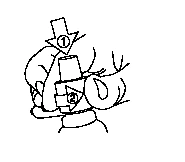
Pevaryl: child-resistant closure - how to open the bottle
If you use more Pevaryl than you should
Pevaryl is for topical use only.
In case of contact with the eyes, rinse thoroughly with clean water or saline solution and consult your doctor if symptoms persist.
In case of accidental ingestion or overdose of Pevaryl, nausea, vomiting, and diarrhoea may occur; however, in any case, seek immediate medical advice from a doctor or go to the nearest hospital. If you have any doubts about the use of Pevaryl, consult your doctor or pharmacist.
4. Possible side effects
Like all medicines, this medicine can cause side effects, although not everyone experiences them.
The use of topical products, especially if prolonged, may lead to sensitisation reactions. If this occurs, discontinue treatment and consult your doctor.
If particularly intense local reactions occur, treatment must be discontinued and medical advice sought.
Listed below are the side effects reported with Pevaryl.
Common side effects (may affect up to 1 in 10 people) include:
- Itching
- Burning sensation of the skin
- Pain
Uncommon side effects (may affect up to 1 in 100 people) include:
- Erythema
- Malaise
- Swelling
Side effects with unknown frequency include:
- Angioedema (swelling of face, mouth, lips and/or tongue)
- Contact dermatitis
- Rash (skin eruption)
- Urticaria
- Blister formation
- Skin exfoliation
- Hypersensitivity
Reporting of side effects
If you experience any side effect, including those not listed in this leaflet, consult your doctor or pharmacist.
You may also report side effects directly via the national reporting system at https://www.aifa.gov.it/content/segnalazioni-reazioni-avverse.
By reporting side effects, you can help provide more information on the safety of this medicine.
5. How to store Pevaryl
Keep this medicine out of the sight and reach of children.
Store below 25°C.
Do not use this medicine after the expiry date stated on the packaging after the word
Exp. The expiry date refers to the last day of that month.
The expiry date applies to the product in its original packaging, correctly stored.
Do not dispose of any medicine via wastewater or household waste. Ask your pharmacist how to
dispose of medicines you no longer use. This will help protect the environment.
6. Package contents and other information
What Pevaryl cutaneous emulsion contains:
The active substance is econazole nitrate. 100 g of cutaneous emulsion contain 1 g of econazole nitrate.
The other components are: precipitated silica; mixture of stearic acid esters with glycols; mixture of
fatty acids with polyethylene glycol; liquid paraffin oil; butylated hydroxyanisole; benzoic acid; fragrance
(containing linalool, citronellol, 3-methyl-4-(2,6,6-trimethyl-2-cyclohexen-1-yl)-3-buten-2-one, geraniol,
hydroxycitronellal, coumarin, benzyl salicylate, cinnamaldehyde, d-Limonene, citral, cinnamyl alcohol,
lilial, eugenol, benzyl benzoate, isoeugenol, farnesol, benzyl alcohol and cinnamaldehyde);
purified water.
Description of the appearance of Pevaryl and pack sizes
1% cutaneous emulsion: 30 ml bottle
MARKETING AUTHORISATION HOLDER
Karo Healthcare AB
Box 16184
SE-103 24 Stockholm
Sweden
RESPONSIBLE PHARMACEUTICAL MANUFACTURER FOR BATCH RELEASE
Temmler Italia S.R.L.
Via Delle Industrie, 2 – 20061
Carugate (MI)
Italy
May 2025