Perindopril Sun
Italy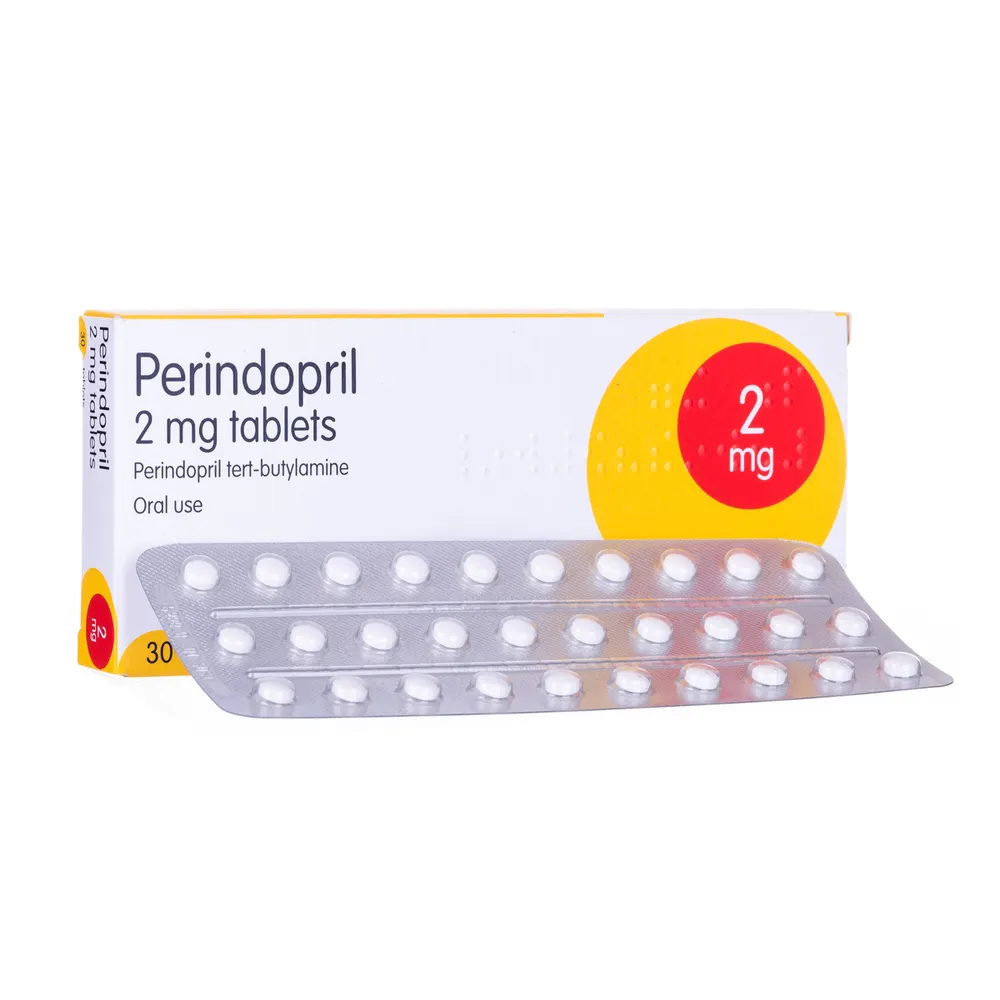
Table of Contents
- PACKAGE LEAFLET: INFORMATION FOR THE PATIENT
- Perindopril Sun 4 mg tablets
- 1. What Perindopril Sun is and what it is used for
- 2. What you need to know before taking Perindopril Sun
- 3. How to take Perindopril Sun
- 4. Possible side effects
- 5. How to store Perindopril Sun
- 6. Package contents and other information
PACKAGE LEAFLET: INFORMATION FOR THE PATIENT
Perindopril Sun 4 mg tablets
(perindopril tert-butylamine)
Generic medicine
Please read this leaflet carefully before you start taking this medicine because
it contains important information for you.
- Keep this leaflet. You may need to read it again.
- If you have any questions, ask your doctor or pharmacist.
- This medicine has been prescribed for you only. Do not give it to other people, even if their symptoms are the same as yours, as it may be harmful.
- If you experience any side effects, including those not listed in this leaflet, contact your doctor or pharmacist. See section 4.
Contents of this leaflet:
- What Perindopril Sun is and what it is used for
- What you need to know before taking Perindopril Sun
- How to take Perindopril Sun
- Possible side effects
- How to store Perindopril Sun
- Contents of the pack and other information
1. What Perindopril Sun is and what it is used for
Perindopril Sun belongs to a group of medicines called “Angiotensin Converting Enzyme (ACE) inhibitors”. ACE inhibitors work by dilating blood vessels and making it easier for the heart to pump blood through them.
Perindopril Sun is used to:
- treat high blood pressure (hypertension)
- treat heart failure (a condition in which the heart is unable to pump blood strongly enough to meet the body’s needs)
- reduce the risk of cardiac events, such as a heart attack, in patients with stable coronary artery disease (a condition in which blood flow to the heart is reduced or blocked due to narrowing of the blood vessels) who have previously had a heart attack and/or undergone a procedure to improve blood flow to the heart.
2. What you need to know before taking Perindopril Sun
Do not take Perindopril Sun:
- If you are allergic to perindopril or to any of the other ingredients of this medicine (listed in section 6), or to any other ACE inhibitor,
- if you have previously experienced symptoms such as breathlessness, swelling of the face, tongue or throat, intense itching or severe skin rashes related to prior treatment with ACE inhibitors, or if you or a family member have ever had such symptoms under any circumstances (a condition called angioedema),
- if you are more than three months pregnant. (It is also advisable to avoid Perindopril Sun during early pregnancy; see section “Pregnancy ”),
- if you have diabetes or impaired kidney function and are being treated with a blood pressure-lowering medicine containing aliskiren,
- if you are undergoing dialysis or any other type of blood filtration. Depending on the type of equipment used, Perindopril Sun may not be suitable for you,
- if you have kidney problems due to insufficient blood supply to the kidneys (renal artery stenosis),
- if you have taken or are currently taking sacubitril/valsartan, a medicine used to treat chronic heart failure in adults, as this increases the risk of angioedema (rapid swelling beneath the skin, for example in the throat).
Warnings and precautions
Talk to your doctor, pharmacist or nurse before taking Perindopril Sun:
- if you have aortic stenosis (narrowing of the main blood vessel leading to the heart), hypertrophic cardiomyopathy (a heart muscle disease), or renal artery stenosis (narrowing of the artery supplying blood to the kidneys),
- if you have other heart problems,
- if you have liver problems,
- if you have kidney problems or are undergoing haemodialysis,
- if you have abnormally high levels of the hormone aldosterone in your blood (primary aldosteronism),
- if you suffer from a collagen vascular disease (connective tissue disease) such as systemic lupus erythematosus or scleroderma,
- if you have diabetes and are taking antidiabetic medicines, including insulin, to control your diabetes (your blood sugar levels should be monitored for hypoglycaemia, especially during the first month of treatment),
- if you are on a very low-salt or salt-free diet, or if you are taking salt substitutes containing potassium,
- if you have recently experienced episodes of diarrhoea and/or vomiting or are dehydrated,
- if you are of Black origin, as you may have a higher risk of angioedema, and this medicine may be less effective in lowering blood pressure compared to non-Black patients,
- if you are taking any of the following medicines used to treat high blood pressure:
- an angiotensin-II receptor antagonist (AIIRA) [also known as sartans, e.g. valsartan, telmisartan, irbesartan], particularly if you have kidney problems related to diabetes,
- aliskiren,
- if you are taking any of the following medicines, as the risk of angioedema may be increased:
- racecadotril, a medicine used to treat diarrhoea,
- medicines used to prevent rejection of transplanted organs and to treat cancer (such as temsirolimus, sirolimus, everolimus),
- vildagliptin, a medicine used to treat diabetes.
Your doctor may check your kidney function, blood pressure, and levels of electrolytes (e.g. potassium) in your blood at regular intervals.
Angioedema
Angioedema (a serious allergic reaction with swelling of the face, lips, tongue or throat, causing difficulty in swallowing or breathing) has been reported in patients treated with ACE inhibitors, including perindopril tert-butylamine. This may occur at any time during treatment. If you develop such symptoms, you must stop taking Perindopril Sun and seek immediate medical advice. See also section 4.
See also the information under the section “Do not take Perindopril Sun”.
During treatment, inform your doctor or pharmacist:
- if you develop signs of infection (e.g. sore throat, fever),
- if you develop yellowing of the skin or whites of the eyes (jaundice),
- if you are due to undergo anaesthesia and/or major surgery,
- if you are due to undergo a treatment called LDL apheresis (a procedure in which cholesterol is removed from the blood using a special machine),
- if you are due to undergo desensitisation treatment to reduce the effects of allergy to bee or wasp stings,
- if you think you are (or could be) pregnant. Perindopril Sun is not recommended during early pregnancy and must not be taken if you are more than three months pregnant, as it may cause serious harm to the unborn child (see section “Pregnancy ”).
Children and adolescents
The use of perindopril tert-butylamine is not recommended in children and adolescents under 18 years of age.
Other medicines and Perindopril Sun
Tell your doctor or pharmacist if you are taking, have recently taken or might take any other medicines.
Perindopril Sun may affect how other medicines work, and some medicines may affect Perindopril Sun. In particular, inform your doctor if you are taking any of the following medicines:
- other medicines used to treat high blood pressure such as diuretics,
- potassium-sparing medicines (e.g. triamterene, amiloride), potassium supplements, or salt substitutes containing potassium,
- potassium-sparing medicines used in the treatment of heart failure (e.g. eplerenone, spironolactone at doses between 12.5 mg and 50 mg daily), or other medicines that may increase potassium levels in the body (e.g. co-trimoxazole, also known as trimethoprim/sulfamethoxazole),
- lithium (used to treat bipolar disorder),
- non-steroidal anti-inflammatory drugs (e.g. ibuprofen or diclofenac) used to relieve pain, or high doses of aspirin,
- medicines used to treat diabetes (such as gliptins, insulin or metformin),
- baclofen (used to treat muscle stiffness in conditions such as multiple sclerosis),
- medicines used to treat mental illnesses such as depression, anxiety, psychosis or schizophrenia (e.g. tricyclic antidepressants, antipsychotics),
- immunosuppressants (medicines that reduce the body's immune response), used to treat autoimmune diseases or after organ transplant surgery (e.g. cyclosporine, tacrolimus),
- trimethoprim (used to treat infections),
- estramustine (used in cancer therapy),
- allopurinol (used to treat gout),
- procainamide (used to treat heart rhythm problems),
- vasodilators such as nitrates (medicines that widen blood vessels, such as nitroglycerin and other nitrates),
- medicines used to thin the blood (e.g. heparin),
- medicines used to treat low blood pressure, shock or asthma (e.g. ephedrine, noradrenaline or adrenaline),
- injectable gold (used to treat arthritis).
Treatment with Perindopril Sun may be affected by other medicines. Your doctor may need to adjust your dose and/or take other precautions. These include:
- if you are taking an angiotensin II receptor blocker (ARB) or aliskiren (see also the sections “Do not take Perindopril Sun” and “Warnings and precautions”),
- medicines more commonly used to treat diarrhoea (racecadotril) or to prevent rejection of transplanted organs (sirolimus, everolimus, temsirolimus and other medicines belonging to the class of mTOR inhibitors). See section “Warnings and precautions”,
- sacubitril/valsartan, a medicine used to treat chronic heart failure in adults; see also section “Do not take Perindopril Sun”.
Perindopril Sun with food and drinks
Perindopril Sun should be taken before meals.
Pregnancy, breastfeeding and fertility
If you are pregnant or breastfeeding, think you may be pregnant or are planning to become pregnant, talk to your doctor or pharmacist before taking this medicine.
Pregnancy
You must inform your doctor if you think you are (or could be) pregnant. Your doctor will usually advise you to stop taking Perindopril Sun tablets before you become pregnant or as soon as you know you are pregnant, and will recommend an alternative medicine. Perindopril Sun is not recommended during early pregnancy and must not be taken after the third month of pregnancy, as it may cause serious harm to the unborn child if taken beyond the first trimester.
Breast-feeding
Inform your doctor if you are breast-feeding or are about to start breast-feeding. Perindopril Sun is not recommended for breastfeeding mothers, and your doctor may choose a different treatment for you if you wish to breast-feed, especially if your baby is newborn or was born prematurely.
Driving and using machines
Perindopril Sun generally does not affect alertness. However, in some patients, dizziness or weakness due to low blood pressure may occur, which could affect your ability to drive or operate machinery. You should ensure you know how you react to Perindopril Sun before driving, operating machinery or engaging in any other activity that could be dangerous if you are not fully alert.
Perindopril Sun tablets contain lactose
If your doctor has informed you that you have an intolerance to certain sugars such as lactose, contact your doctor before taking this medicine.
3. How to take Perindopril Sun
Always take this medicine exactly as instructed by your doctor or pharmacist. If you have
any doubts, consult your doctor or pharmacist.
Take the tablet by swallowing it with a glass of water, preferably at the same time each
day, in the morning, before a meal. Your doctor will determine the appropriate dose for you.
Dosage
The following information refers to the usual dose of Perindopril Sun. Your doctor may
occasionally adjust your dose to ensure you obtain the best results from this
medicine. Follow your doctor's instructions.
The recommended dose is:
High blood pressure:
The usual starting dose of Perindopril Sun is one 4 mg tablet once daily in the morning. Depending on your response to treatment, after one month, your doctor may decide to increase the dose to 8 mg once daily. The maximum recommended dose for the treatment of high blood pressure is 8 mg per day.
Elderly patients with high blood pressure:
If you are over 65 years of age, the usual starting dose is 2 mg once daily. After one month, this dose may be increased to 4 mg once daily, and if necessary, subsequently to 8 mg once daily.
Heart failure: the usual starting dose is 2 mg once daily. After two weeks, this dose may be increased to 4 mg once daily, which is the maximum recommended dose for heart failure.
Stable coronary artery disease: the usual starting dose is 4 mg once daily. After two weeks, this dose may be increased to 8 mg once daily, which is the maximum recommended dose for this indication.
Elderly patients with stable coronary artery disease:
If you are over 65 years of age, the usual starting dose is 2 mg once daily. After one week, this dose may be increased to 4 mg once daily, and after another week to 8 mg once daily.
Patients with kidney problems:
If you have kidney problems, your doctor will adjust the dose according to how well your kidneys are functioning.
If you take more Perindopril Sun than you should
If you have taken an excessive amount of tablets, consult your doctor or go immediately to the nearest
emergency room. The most likely effect in case of overdose is a drop in blood pressure, which may cause dizziness or fainting. In such a case, lying down with your legs raised may help. Other possible side effects may include: kidney failure, shock, imbalance of minerals in the body, rapid or deep breathing, increased heart rate, irregular heartbeat, slowed heart rate, anxiety, and cough.
If you forget to take Perindopril Sun
It is important to take the medicine every day, as regular treatment provides the best results. If
you forget to take a dose, take the missed tablet as soon as you remember. However,
if it is almost time for your next dose, skip the missed dose and return to your regular dosing schedule. Do not
take a double dose to make up for a missed dose.
If you stop taking Perindopril Sun
Since treatment with Perindopril Sun usually lasts for a long period of time, you must speak with
your doctor before stopping this medicine.
If you have any further questions about using this medicine, consult your doctor or pharmacist.
4. Possible side effects
Like all medicines, this medicine can cause side effects, although not everyone gets them.
If you experience any of the following side effects, stop taking Perindopril Sun and contact your doctor immediately or go to the nearest hospital Emergency Department.
Common (may affect up to 1 in 10 people):
- severe dizziness or fainting due to low blood pressure.
Uncommon (may affect up to 1 in 100 people):
- swelling of the face, lips, mouth, tongue or throat, difficulty breathing (angioedema)
- sudden shortness of breath, chest pain, shortness of breath or breathing difficulties (bronchospasm)
- severe itching or serious skin rash, formation of blisters on the skin (bullous pemphigoid)
- reduced or no urine output, cloudy urine, pain during urination or back pain (these may be signs of serious kidney problems).
Very rare (may affect up to 1 in 10,000 people):
- unusually fast or irregular heartbeat, chest pain (angina) or heart attack
- weakness in the arms or legs or problems speaking which could be signs of a possible stroke
- inflamed pancreas which may cause severe abdominal pain and back pain accompanied by severe malaise
- yellowing of the skin or eyes (jaundice), which could be a sign of hepatitis
- skin rashes which often start with red, itchy spots on the face, arms or legs (erythema multiforme)
- blood disorders, such as reduced numbers of all or some types of blood cells – you may notice pale skin, headache, increased infections such as sore throat, mouth ulcers, etc., with fever, increased unexpected bruising or bleeding, or feelings of tiredness, dizziness, shortness of breath and weakness
- eosinophilic pneumonia (a rare type of pneumonia). You may develop cough, high fever and difficulty breathing.
Other possible side effects:
Common (may affect up to 1 in 10 people):
- headache, dizziness, vertigo (spinning sensation) and tingling,
- vision disturbances,
- tinnitus (sensation of ringing in the ears),
- dizziness due to low blood pressure,
- cough, shortness of breath,
- gastrointestinal disturbances (nausea (feeling unwell), vomiting, abdominal pain, altered taste, dyspepsia or indigestion, diarrhoea, constipation),
- allergic reactions (e.g. skin rash, itching),
- muscle cramps,
- feeling of weakness or fatigue.
Uncommon (may affect up to 1 in 100 people):
- mood swings;
- depression;
- rapid heartbeat, palpitations;
- sleep disorders;
- dry mouth;
- impotence;
- excessive sweating;
- elevated eosinophils in the blood (a type of white blood cell). This may be detected in blood tests;
- drowsiness;
- fainting;
- vasculitis (inflammation of blood vessels);
- photosensitivity reactions (increased skin sensitivity to sunlight);
- arthralgia (joint pain) and myalgia (muscle pain);
- chest pain;
- peripheral oedema (swelling of hands or feet/ankles);
- fever;
- falls;
- high potassium levels in the blood (reversible upon discontinuation of treatment);
- low sodium levels in the blood;
- hypoglycaemia (very low blood sugar levels). This is important in diabetic patients;
- increased blood urea and creatinine levels. These may be detected in blood tests.
Rare (may affect up to 1 in 1,000 people):
- increased liver enzyme levels, high serum bilirubin levels. These may be detected in blood tests;
- worsening of psoriasis;
- dark-coloured urine, feeling unwell (nausea) or malaise (vomiting), muscle cramps, confusion and seizures. These symptoms may be related to a condition called SIADH (syndrome of inappropriate antidiuretic hormone secretion);
- reduced or absent urine output;
- flushing;
- acute renal failure (sudden inability of the kidneys to function properly).
Very rare (may affect up to 1 in 10,000 people):
- confusion,
- rhinitis (stuffy or runny nose),
- changes in blood test values such as low numbers of white blood cells and red blood cells, haemoglobin and platelets.
Frequency not known (frequency cannot be estimated from the available data):
- discoloration, numbness and pain in fingers or toes (Raynaud's phenomenon).
If you experience any of these symptoms, contact your doctor as soon as possible.
Reporting of side effects
If you experience any side effect, including those not listed in this leaflet, talk to your doctor or pharmacist. You can also report side effects directly via the national reporting system at: https://www.aifa.gov.it/content/segnalazioni-reazioni-avverse
By reporting side effects, you can help provide more information on the safety of this medicine.
5. How to store Perindopril Sun
Keep this medicine out of the sight and reach of children.
Do not use this medicine after the expiry date which is stated on the carton and blister after Exp.
The expiry date refers to the last day of that month.
Do not store above 25°C. Keep in the original packaging to protect from moisture.
Do not dispose of medicines via wastewater or household waste. Ask your pharmacist how to dispose of medicines you no longer use. This will help protect the environment.
6. Package contents and other information
What Perindopril Sun contains
The active substance is perindopril tert-butylamine. Each tablet contains 4 mg of perindopril tert-
butylamine.
The other components are:
Monohydrate lactose
microcrystalline cellulose (E460)
magnesium stearate (E470b)
anhydrous colloidal silica (E551)
Description of the appearance of Perindopril Sun and package contents
Perindopril Sun 4 mg tablets; white to off-white, round-shaped tablets, marked with ‘P’ and ‘5’ on both sides of the break line on one side, and a break line on the other side.
Dimensions – Diameter: 5.1 mm, Thickness: 2.15 mm (1.9 mm – 2.4 mm)
The tablets can be divided into two equal doses.
Perindopril Sun 4 mg tablets are available in blisters containing 14, 30, 60 and 90 tablets.
A hospital pack containing 1x500 tablets is also available.
Not all pack sizes may be marketed.
Marketing Authorization Holder
Sun Pharmaceutical Industries (Europe) B.V.
Polaris Avenue 87
2132 JH
B.V. 1441408 Netherlands
Local representative:
Sun Pharma Italia S.r.l. - Viale Giulio Richard, 3 - 20143 Milano
Manufacturers
Sun Pharmaceutical Industries Europe B.V.
Polarisavenue 87
2132JH Hoofddorp
Netherlands
Terapia S.A.
124 Fabricii Str.
400 362 Cluji-Napoca
Romania
This medicinal product is authorized in the European Economic Area countries under the
following names:
Italy: Perindopril Sun 4 mg tablets
Netherlands: Perindopril tert-butylamine SUN 4 mg tabletten
Spain: Perindopril 4mg comprimidos SUN