Pentacol
Italy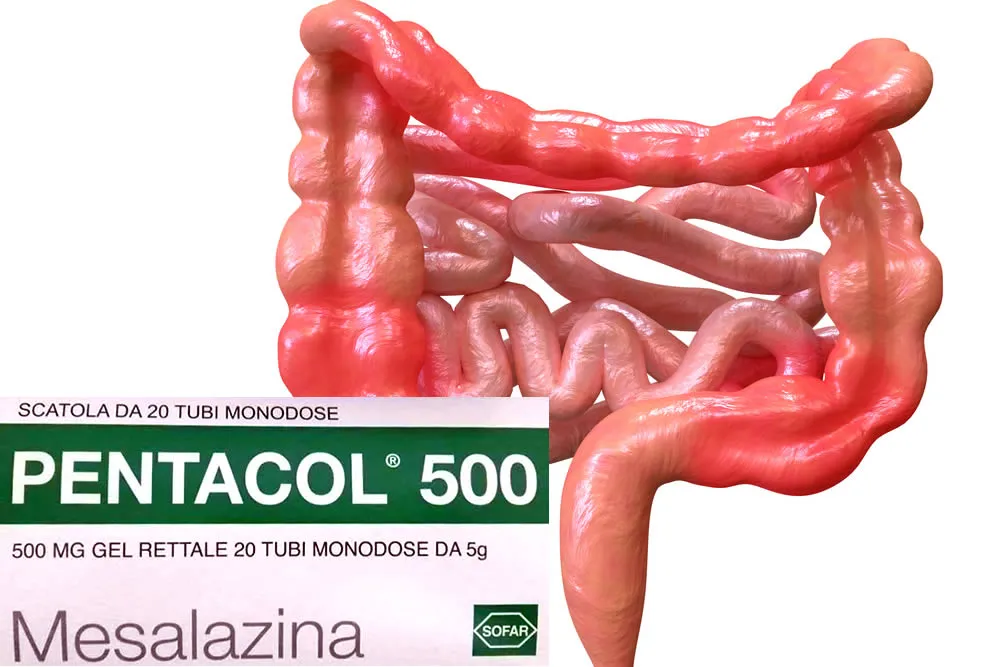
Table of Contents
- Patient Information Leaflet
- Pentacol 400 mg gastro-resistant tablets, 800 mg gastro-resistant tablets, 1200 mg gastro-resistant tablets
- 1. What Pentacol is and what it is used for
- 2. What you should know before taking Pentacol
- 3. How to take Pentacol
- 4. Possible adverse reactions
- 5. How to store Pentacol
- 6. Package contents and other information
- Patient Information Leaflet: Information for the User
- Pentacol 500 mg rectal gel
- 1. What Pentacol is and what it is used for
- 2. What you need to know before using Pentacol
- 3. How to use Pentacol
- 4. Possible side effects
- 5. How to store Pentacol
- 6. Package contents and other information
- Package leaflet: Information for the user
- Pentacol 1500 mg granules for rectal suspension
- 1. What Pentacol is and what it is used for
- 2. What you should know before using Pentacol
- 3. How to use Pentacol
- 4. Possible side effects
- 5. How to store Pentacol
- 6. Package contents and other information
- Package leaflet: Information for the user
- Pentacol 2 g rectal foam, 4 g rectal foam
- 1. What Pentacol is and what it is used for
- 2. What you need to know before using Pentacol
- 3. How to use Pentacol
- 4. Possible adverse reactions
- 5. How to store Pentacol
- 6. Contents of the pack and other information
- Package leaflet: information for the user
- Pentacol 4 g/100 ml rectal suspension
- 1. What Pentacol is and what it is used for
- 2. What you need to know before using Pentacol
- 3. How to use Pentacol
- 4. Possible side effects
- 5. How to store Pentacol
- 6. Package contents and other information
- Package leaflet: information for the user
- Pentacol 500 mg suppositories
- 1. What Pentacol is and what it is used for
- 2. What you need to know before using Pentacol
- 3. How to use Pentacol
- 4. Possible adverse reactions
- 5. How to store Pentacol
- 6. Package contents and other information
Patient Information Leaflet
Pentacol 400 mg gastro-resistant tablets, 800 mg gastro-resistant tablets, 1200 mg gastro-resistant tablets
Mesalazine
Please read all of this leaflet carefully before taking this medicine because it contains important information for you.
- Keep this leaflet. You may need to read it again.
- If you have any questions, ask your doctor or pharmacist.
- This medicine has been prescribed for you only. Do not give it to other people, even if they have the same symptoms as you, because it may be harmful.
- If you experience any adverse reactions, including those not listed in this leaflet, contact your doctor or pharmacist. See section 4.
Contents of this leaflet:
- What Pentacol is and what it is used for
- What you need to know before taking Pentacol
- How to take Pentacol
- Possible side effects
- How to store Pentacol
- Contents of the pack and other information
1. What Pentacol is and what it is used for
Pentacol contains the active substance mesalazine and belongs to a class of medicines known as "intestinal anti-inflammatory agents".
Mesalazine is a non-steroidal anti-inflammatory drug (NSAID) of the salicylate class, which exerts an anti-inflammatory action at the gastrointestinal level.
Pentacol, as gastro-resistant tablets in 400 mg and 800 mg strengths, is used for the treatment of the following intestinal diseases:
- ulcerative colitis, a chronic inflammatory bowel disease;
- Crohn’s disease, a chronic inflammatory bowel disease;
- acute and chronic intestinal inflammations of unknown cause (Inflammatory bowel disease unclassified (IBDU)).
Pentacol 1200 mg gastro-resistant tablets are used for the treatment of ulcerative colitis, a chronic inflammatory bowel disease.
Pentacol gastro-resistant tablets are primarily used when inflammation affects the terminal part of the small intestine (distal ileum) and/or the large intestine (colon).
Pentacol is indicated both during the active phase of the disease and to prevent the recurrence of symptoms (relapses).
In severe active phases of the disease, your doctor may prescribe Pentacol together with steroid anti-inflammatory medicines (corticosteroids).
2. What you should know before taking Pentacol
Do not take Pentacol if:
- you are allergic (hypersensitive) to mesalazine, salicylates, or any of the other ingredients of this medicine (listed in section 6);
- you have severe impairment of kidney function;
- you have severe impairment of liver function;
- you have active peptic ulcer;
- you have severe kidney diseases (nephropathies);
- you are at risk of bleeding;
- you are in the last weeks of pregnancy or are breastfeeding (see also section 3).
Pentacol 400 mg and 800 mg gastro-resistant tablets must not be administered to children under 6 years of age.
Pentacol 1200 mg gastro-resistant tablets must not be administered to children and adolescents under 18 years of age due to the large size of the tablet, which may make swallowing difficult.
Warnings and precautions
Before starting treatment with Pentacol, you should undergo the necessary clinical investigations to confirm diagnosis and establish therapeutic indications.
Talk to your doctor or pharmacist before taking Pentacol if:
- you have kidney or liver damage;
- you suffer from kidney problems (renal failure);
- you have unusually slow gastric digestion or have a narrowing at the level of the pylorus (pyloric stenosis), as in such cases mesalazine may be released already in the stomach, causing gastric irritation and loss of efficacy of Pentacol;
- you have ever developed a severe skin rash or skin peeling, blisters and/or mouth ulcers after taking mesalazine.
If you experience severe or recurrent headache, visual disturbances, ringing or buzzing in the ears, contact your doctor immediately.
Mesalazine may cause a red-brown discoloration of urine after contact with sodium hypochlorite contained in bleach present in toilet water. This is due to a harmless chemical reaction between mesalazine and bleach.
Exercise particular caution with mesalazine:
Serious severe skin adverse reactions have been reported in association with mesalazine treatment, including drug reaction with eosinophilia and systemic symptoms (DRESS), Stevens-Johnson syndrome (SJS), and toxic epidermal necrolysis (TEN). Stop taking mesalazine and contact your doctor immediately if you notice any of the symptoms related to these serious skin reactions described in section 4.
Prolonged use of Pentacol may lead to sensitization phenomena.
Mesalazine use may cause kidney stone formation. Symptoms may include pain in the sides of the abdomen and blood in the urine. It is recommended to drink sufficient fluids during treatment with mesalazine.
Relapse symptoms, both objective and subjective, may occur either after discontinuation of Pentacol treatment or during inadequate maintenance therapy.
Impaired or reduced kidney or liver function may occur during treatment with mesalazine. Therefore, your doctor will advise careful monitoring during treatment with Pentacol, particularly:
- before starting treatment and during Pentacol therapy, especially during the first months of treatment, your doctor will check your kidney and liver function and prescribe blood tests;
- your doctor will instruct you to stop treatment with Pentacol immediately if your kidney or liver function worsens or if blood abnormalities are suspected.
Cases of increased liver enzyme levels have been reported in patients treated with mesalazine-containing preparations.
If you suffer from lung disease, particularly asthma, you should be closely monitored during Pentacol treatment, as there is a risk of developing sensitization phenomena, especially with prolonged use.
Stop treatment immediately (see also section “Possible side effects”):
- if, following treatment with Pentacol, you develop bleeding, bruising, red spots on the skin due to leakage of blood from superficial blood vessels (purpura), decreased hemoglobin levels in the blood (anemia), fever, or laryngitis;
- if acute intolerance syndrome is suspected, which may present with symptoms such as cramps, acute abdominal pain and bloody diarrhea, sometimes accompanied by fever, headache (cephalalgia), and erythema;
- if you have an allergic reaction (see section 4 for more information).
Rare cases of mesalazine-induced cardiac hypersensitivity reactions have been reported [inflammation of the heart muscle (myocarditis) and inflammation of the membrane surrounding the heart (pericarditis)].
Inform your doctor if you have risk factors predisposing to these conditions (see section 4).
If you have previously experienced adverse reactions to sulfasalazine-containing preparations, you should be kept under close medical supervision at the beginning of a treatment cycle with Pentacol.
The occurrence of hypersensitivity reactions requires immediate discontinuation of treatment (see also section 4).
Children and adolescents
Pentacol 400 mg and 800 mg gastro-resistant tablets must not be administered to children under 6 years of age.
Pentacol 1200 mg gastro-resistant tablets must not be administered to children and adolescents under 18 years of age, as they may have difficulty swallowing the tablets.
Other medicines and Pentacol
Inform your doctor or pharmacist if you are taking, have recently taken, or might take any other medicines.
In particular, inform your doctor if you are taking:
- oral hypoglycemic agents for the treatment of diabetes, such as sulfonylureas;
- medicines that promote urine elimination (diuretics), including spironolactone and furosemide;
- oral anticoagulants, such as coumarins;
- medicines that modulate anti-inflammatory responses (corticosteroids and non-steroidal anti-inflammatory drugs);
- methotrexate, a medicine used in cancer treatment that has anti-inflammatory and immunosuppressive activity;
- probenecid and sulfinpyrazone, medicines used to lower blood uric acid levels;
- rifampicin, an antibiotic used to treat bacterial infections;
- azathioprine and 6-mercaptopurine, medicines used as immunosuppressants, as there is evidence that mesalazine may weakly inhibit the enzyme (thiopurine methyltransferase, TPMT) responsible for metabolizing these substances, thereby increasing their effects. In addition, using mesalazine concomitantly with azathioprine or 6-mercaptopurine may increase the risk of blood disorders (hematological dyscrasias).
Do not take Pentacol gastro-resistant tablets together with lactulose or other medicines that lower colonic pH, as they may interfere with the release of mesalazine from the tablets.
Pentacol with food, drinks or alcohol
Take Pentacol away from meals.
Pregnancy and breastfeeding
If you are pregnant, think you may be pregnant, planning to become pregnant, or are breastfeeding, consult your doctor or pharmacist before taking this medicine.
If you are pregnant or suspect you may be pregnant, Pentacol should be used only if clearly needed and under direct medical supervision, as mesalazine is known to cross the placental barrier. However, Pentacol should be avoided during the last weeks of pregnancy.
If you are breastfeeding, use Pentacol only under medical supervision, which will assess the necessity of treatment. Mesalazine is excreted in breast milk.
Driving and using machines
Pentacol does not affect the ability to drive vehicles or operate machinery.
Pentacol gastro-resistant tablets contain sodium:
This medicine contains less than 1 mmol (23 mg) of sodium per tablet, i.e., essentially "sodium-free".
3. How to take Pentacol
Take Pentacol exactly as directed by your doctor. If you have any doubts, consult your doctor or pharmacist.
If you are taking Pentacol gastro-resistant tablets for the first time, your doctor will advise you to gradually increase the dose over the first few days of treatment to reach the recommended final dose.
The duration of treatment during the active phase of the disease is 4-6 weeks.
To prevent relapses during long-term treatment, your doctor will prescribe the daily dose based on your health status and the progression of the disease.
Swallow the gastro-resistant tablets whole (do not divide or chew) with a glass of water. Take the tablets away from meals.
Treatment of ulcerative colitis
Remission maintenance phase
The recommended average daily dose for adults is 2.4 g of mesalazine (6 tablets of 400 mg, or 3 tablets of 800 mg, or 2 tablets of 1200 mg), taken in two or three divided doses per day.
Induction of remission in ulcerative colitis
In mild acute forms of the disease, the recommended starting daily dose of Pentacol is 2.4 g of mesalazine (6 tablets of 400 mg, or 3 tablets of 800 mg, or 2 tablets of 1200 mg), taken in two or three divided doses per day.
In moderate acute forms of the disease, your doctor may increase the recommended daily dose of Pentacol up to 4.8 g of mesalazine, taken in two or three divided doses per day.
Treatment of Crohn's disease and inflammatory bowel disease unclassified (IBDU)
The recommended average daily dose for adults is 2 tablets of 400 mg or 1 tablet of 800 mg, taken three times a day.
During acute phases of the disease, your doctor may increase the dose up to 10 tablets of 400 mg or 5 tablets of 800 mg per day.
Use in children aged 6 years and older
Limited data are available on the use of Pentacol in children aged between 6 and 18 years.
Acute phases of the disease
The recommended dose will be determined individually by the doctor, starting at 30–50 mg of mesalazine per kg of body weight per day, divided throughout the day. The maximum dose is 75 mg of mesalazine per kg of body weight per day, divided throughout the day. The total daily dose must not exceed 4.8 g of mesalazine (the maximum dose in adults).
Maintenance treatment
The recommended dose will be determined individually by the doctor, starting at 15–30 mg of mesalazine per kg of body weight per day, divided throughout the day. The total daily dose must not exceed 2 g of mesalazine per day (the recommended dose in adults).
For children weighing up to 40 kg, the recommended dose is generally half that of adults; for children weighing over 40 kg, the recommended dose equals that for adults.
If you take more Pentacol than you should
Limited data are available on overdose due to ingestion of Pentacol.
If you have taken or ingested an excessive dose of Pentacol, contact your doctor immediately or go to the nearest hospital. Standard intervention procedures will be applied (such as gastrointestinal decontamination or infusion of electrolyte solutions).
If you forget to take Pentacol
Do not take a double dose of tablets to make up for a missed dose.
If you stop taking Pentacol
If you have any doubts about using Pentacol, consult your doctor or pharmacist.
4. Possible adverse reactions
Like all medicines, this medicine can cause adverse reactions, although not everybody gets them.
If you notice any of the following adverse reactions, stop treatment and contact your doctor immediately:
- Flat, red spots on the trunk, target-shaped or circular, often with central blisters, skin peeling, mouth, throat, nose, genital or eye ulcers, widespread rash, fever and swollen lymph nodes. These serious skin reactions may be preceded by fever and flu-like symptoms.
Contact your doctor immediately if you experience severe or recurrent headache, vision disturbances, ringing or buzzing in the ears. These may be symptoms of increased pressure inside the skull (idiopathic intracranial hypertension) [Frequency not known (frequency cannot be estimated from the available data)].
The following adverse reactions may occur during treatment with Pentacol
Common (may affect up to 1 in 10 people):
- Headache.
- Increased blood pressure (hypertension).
- Skin rashes.
- Nausea.
- Diarrhea.
- Fever.
- Abdominal swelling.
- Generalized weakness (asthenia).
Uncommon (may affect up to 1 in 100 people):
- Itching (pruritus).
- Drowsiness.
- Tremor.
- Upper abdominal pain.
- Increased heart rate (tachycardia).
- Decreased blood pressure (hypotension).
- Fatigue.
- Facial swelling.
Rare (may affect up to 1 in 1,000 people):
- Increased skin sensitivity to sunlight and ultraviolet light (photosensitivity).
- Dizziness.
- Flatulence.
- Vomiting.
Very rare (may affect up to 1 in 10,000 people):
- Inflammatory diseases affecting the heart and the membrane surrounding it (pericarditis, myocarditis).
- Decreased number of white blood cells in the blood (leucopenia, neutropenia, agranulocytosis), decreased number of platelets in the blood (thrombocytopenia), a form of anaemia characterized by insufficient production in the bone marrow of all types of blood cells (aplastic anaemia, pancytopenia).
- Allergic reactions, including skin rashes with widespread blistering, fever, symptoms similar to those of a severe inflammatory skin disease (lupus-like syndrome), widespread inflammation of the colon (pancolitis).
- Sudden weakness, numbness, tingling, or movement or balance disorders (peripheral neuropathy).
- Inflammation of the liver and pancreas (hepatitis, cholestatic hepatitis, pancreatitis), transient changes in liver function tests (increased transaminase levels and cholestasis), gallstones (cholelithiasis).
- Hair loss (alopecia).
- Kidney inflammation (interstitial nephritis) and reduced kidney function (renal failure).
- Muscle or joint pain (myalgia, arthralgia).
- Inflammatory respiratory tract diseases (eosinophilic pneumonia, alveolitis, pneumonia, interstitial pneumonia) or other types (cough, breathing difficulty).
- Transient reduction in the number of sperm in the ejaculate (oligospermia).
Frequency not known (frequency cannot be estimated from the available data):
- Skin swelling (angioedema).
- Kidney stones and associated kidney pain (see also section 2).
- Diarrhoea with blood, cramps.
Reporting of adverse reactions
If you experience any adverse reaction, including those not listed in this leaflet, talk to your doctor or pharmacist. You can also report adverse reactions directly via the national reporting system at https://www.aifa.gov.it/content/segnalazioni-reazioni-avverse
By reporting adverse reactions, you can help provide more information on the safety of this medicine.
5. How to store Pentacol
Keep this medicine out of the sight and reach of children.
Do not use this medicine after the expiry date stated on the packaging after "Exp.".
The expiry date refers to the last day of that month.
Store below 30°C.
Avoid direct exposure to sunlight and sources of heat.
Do not dispose of medicines via wastewater or household waste. Ask your pharmacist how to
dispose of medicines you no longer use. This will help protect the environment.
6. Package contents and other information
What Pentacol enteric-coated tablets contain
- The active substance is mesalazine (5-aminosalicylic acid). Each 400 mg enteric-coated tablet of Pentacol contains 400 mg of mesalazine. Each 800 mg enteric-coated tablet of Pentacol contains 800 mg of mesalazine. Each 1200 mg enteric-coated tablet of Pentacol contains 1200 mg of mesalazine.
- The other components are: microcrystalline cellulose, sodium carboxymethylamidone, maize starch, magnesium stearate, polyvinylpyrrolidone, mannitol, methacrylic acid copolymers, talc, titanium dioxide, red iron oxide, triethyl citrate.
Description of the appearance of Pentacol and package contents
Pentacol is available as enteric-coated tablets contained in PVC/aluminum blisters.
Pentacol 400 mg enteric-coated tablets: red brick-colored, round, biconvex tablets, available in packs of 60 tablets.
Pentacol 800 mg enteric-coated tablets: red brick-colored, round, biconvex tablets, available in packs of 30, 60, and 90 tablets.
Pentacol 1200 mg enteric-coated tablets: red brick-colored, oblong tablets, available in packs of 60 and 120 tablets.
Not all pack sizes may be marketed.
Marketing Authorization Holder and Manufacturer
Marketing Authorization Holder
Alfasigma S.p.A. - Via Ragazzi del ’99, n. 5 - 40133 Bologna (BO)
Manufacturer
SOFAR S.p.A.
Via Firenze, 40
20060 Trezzano Rosa (MI)
Italy
Patient Information Leaflet: Information for the User
Pentacol 500 mg rectal gel
Mesalazine
Please read this leaflet carefully before using this medicine because it contains important information for you.
- Keep this leaflet. You may need to read it again.
- If you have any questions, consult your doctor or pharmacist.
- This medicine has been prescribed for you only. Do not give it to other people, even if their symptoms are the same as yours, as it may be harmful.
- If you experience any side effects, including those not listed in this leaflet, contact your doctor or pharmacist. See section 4.
Contents of this leaflet:
- What Pentacol is and what it is used for
- What you need to know before using Pentacol
- How to use Pentacol
- Possible side effects
- How to store Pentacol
- Package contents and other information
1. What Pentacol is and what it is used for
Pentacol contains the active substance mesalazine and belongs to a class of medicines known as
"intestinal anti-inflammatory agents".
Mesalazine is a non-steroidal anti-inflammatory drug (NSAID) of the salicylate class, which exerts an anti-inflammatory effect in the gastrointestinal tract.
Pentacol rectal gel is used to treat the following intestinal diseases:
- ulcerative colitis (ulcerative proctitis), a chronic inflammatory bowel disease localized in the rectum, in mild form;
- Crohn's disease, a chronic inflammatory bowel disease;
- intestinal inflammations, acute and chronic, of unknown cause (idiopathic intestinal inflammations). Pentacol rectal gel is mainly used when inflammation affects the rectum, anus, and the area surrounding the anus (perianal area).
Pentacol is indicated both during the active phase of the disease and for preventing the recurrence of symptoms (relapses).
In severe active phases of the disease, your doctor may instruct you to take Pentacol together with steroid anti-inflammatory medicines (corticosteroids).
2. What you need to know before using Pentacol
Do not use Pentacol if:
- you are allergic (hypersensitive) to mesalazine, salicylates, or to any of the other ingredients of this medicine (listed in section 6);
- you have severe impairment of kidney function;
- you have severe impairment of liver function;
- you have active peptic ulcer;
- you have severe kidney diseases (nephropathies);
- you are at risk of bleeding;
- you are in the last weeks of pregnancy or are breastfeeding (see also section 3).
Pentacol rectal gel must not be administered to children under 2 years of age.
Warnings and precautions
Before starting treatment with Pentacol, you should undergo the necessary clinical investigations to
establish diagnosis and therapeutic indications.
Talk to your doctor or pharmacist before using Pentacol if:
- you have kidney or liver damage;
- you suffer from kidney problems (renal failure);
- you have ever developed a severe skin rash or skin exfoliation, blisters and/or mouth ulcers after taking mesalazine.
If you experience severe or recurrent headache, visual disturbances, ringing or buzzing in the ears, contact
your doctor immediately.
Mesalazine may cause a red-brown discoloration of urine after contact with sodium hypochlorite
contained in bleach present in toilet water. This is due to a harmless chemical reaction occurring
between mesalazine and bleach.
Exercise particular caution with mesalazine:
Serious skin adverse reactions have been reported in association with mesalazine treatment, including
drug reaction with eosinophilia and systemic symptoms (DRESS), Stevens-Johnson syndrome (SJS), and
toxic epidermal necrolysis (TEN). Stop using mesalazine and contact your doctor immediately if you notice
any of the symptoms related to these serious skin reactions described in section 4.
Prolonged use of Pentacol may lead to sensitization phenomena.
The use of mesalazine may cause kidney stone formation. Symptoms may include pain in the sides of the
abdomen and blood in the urine. It is recommended to drink an adequate amount of fluids during
treatment with mesalazine.
Relapse symptoms, both objective and subjective, may occur either after discontinuation of treatment with
Pentacol or during inadequate maintenance therapy.
Impaired or reduced kidney or liver function may occur during treatment with mesalazine; therefore, your
doctor will advise careful monitoring and check-ups during treatment with Pentacol, particularly:
- before starting treatment and during treatment with Pentacol, especially during the first months of therapy, your doctor will check your kidney and liver function and may prescribe blood tests;
- your doctor will instruct you to immediately stop treatment with Pentacol if your kidney or liver function worsens or if blood abnormalities are suspected.
Cases of increased liver enzyme levels have been reported in patients treated with formulations
containing mesalazine.
If you suffer from lung disease, particularly asthma, you should be closely monitored during
treatment with Pentacol, as there is a risk of developing sensitization phenomena, especially with prolonged use.
Stop treatment immediately (see also section “Possible side effects”):
- if, following treatment with Pentacol, you experience bleeding, bruising, red spots on the skin due to leakage of blood from superficial blood vessels (purpura), decreased haemoglobin levels in the blood (anaemia), fever, or laryngitis.
- in case of suspected acute intolerance syndrome, which may present with symptoms such as cramps, acute abdominal pain and bloody diarrhoea, sometimes accompanied by fever, headache (cephalalgia), and erythema.
- if you have an allergic reaction (see section 4 for more information).
Rare cases of cardiac hypersensitivity reactions induced by mesalazine have been reported [inflammation of the heart muscle (myocarditis) and inflammation of the membrane surrounding the heart (pericarditis)]. Inform your doctor if you have risk factors predisposing to these conditions (see section 4).
If you have previously experienced adverse reactions following treatment with formulations containing sulfasalazine, you should be kept under close medical supervision at the beginning of a treatment cycle with Pentacol.
The occurrence of hypersensitivity reactions requires immediate discontinuation of treatment (see also section 4).
Children and adolescents
Pentacol rectal gel must not be administered to children under 2 years of age.
Other medicines and Pentacol
Inform your doctor or pharmacist if you are taking, have recently taken, or might take any other medicines.
In particular, inform your doctor if you are taking:
- oral hypoglycaemic agents for the treatment of diabetes, such as sulfonylureas;
- medicines that promote urine elimination (diuretics), including spironolactone and furosemide;
- oral anticoagulants, such as coumarins;
- medicines that modulate anti-inflammatory responses (corticosteroids and non-steroidal anti-inflammatory drugs);
- methotrexate, a medicine used for cancer treatment that has anti-inflammatory and immunosuppressive activity;
- probenecid and sulfinpyrazone, medicines used to lower blood uric acid levels;
- rifampicin, an antibiotic used to treat bacterial infections;
- azathioprine and 6-mercaptopurine, medicines used as immunosuppressants, since there is evidence that mesalazine may weakly inhibit the enzyme (thiopurine methyltransferase, TPMT) responsible for metabolizing these substances, thereby increasing their effects. Furthermore, using mesalazine concomitantly with azathioprine or 6-mercaptopurine may increase the risk of blood disorders (haematological dyscrasias).
Pregnancy and breastfeeding
If you are pregnant, think you may be pregnant or are planning to become pregnant, or if you are breastfeeding,
ask your doctor or pharmacist for advice before taking this medicine.
If you are pregnant or suspect you may be pregnant, Pentacol should only be used if clearly needed and under
direct medical supervision, as mesalazine is known to cross the placental barrier. However, the use of Pentacol
should be avoided during the last weeks of pregnancy.
If you are breastfeeding, use Pentacol only under medical supervision, with the doctor assessing the necessity of
treatment. Mesalazine is excreted in breast milk.
Driving and using machines
Pentacol does not affect the ability to drive or use machinery.
Pentacol rectal gel contains:
- methyl hydroxybenzoate and propyl hydroxybenzoate, which may cause allergic reactions (including delayed ones).
3. How to use Pentacol
Use Pentacol exactly as directed by your doctor. If you have any doubts, consult your doctor or pharmacist.
Pentacol rectal gel is a formulation designed to deliver the medication directly into contact with the mucosa affected by the inflammatory process, particularly in cases involving the anal canal, sphincters, and the perianal area—regions not directly accessible with other available formulations of Pentacol (suppositories and enemas).
Adults
Unless otherwise directed by your doctor, the recommended daily dose of Pentacol rectal gel during the active phase of the disease is 1.5 g of mesalazine (equivalent to 3 single-dose tubes), administered three times a day at regular intervals.
The duration of treatment during the active phase is 4–6 weeks.
Once symptoms have subsided, you will be placed on a long-term maintenance therapy to prevent relapses; your doctor will determine the appropriate dosage and frequency of Pentacol treatment.
Children
For children over two years of age, the doctor will determine proportionally reduced doses.
Method of administration:
Pentacol rectal gel should be used when the rectum is free of feces.
Apply Pentacol rectal gel following these instructions:
- Unscrew the cap of the single-dose tube and use it (inverted) to pierce the sealed membrane of the tube.
- Remove the cannula from its protective packaging and screw it onto the tube.
- Gently insert the cannula into the anal orifice and completely empty the tube by squeezing it with two fingers (thumb and index finger).
- Spread any excess gel that comes out around the perianal area.
- Dispose of the empty tube in the waste container.
If you use more Pentacol than you should
Limited data are available regarding overdose due to Pentacol administration.
If you have taken an excessive dose of Pentacol, contact your doctor immediately or go to the nearest hospital.
If you forget to use Pentacol
Do not use a double dose of gel to make up for a missed dose.
If you stop using Pentacol
If you have any questions about the use of Pentacol, consult your doctor or pharmacist.
4. Possible side effects
Like all medicines, this medicine can cause side effects, although not everyone experiences them.
If you notice any of the following side effects, stop treatment immediately and contact your doctor:
- Flat, red rash on the trunk, target-shaped or circular, often with central blisters, skin peeling, mouth ulcers, ulcers in the throat, nose, genitals, and eyes, widespread skin rash, fever, and swollen lymph nodes. These severe skin rashes may be preceded by fever and flu-like symptoms.
Contact your doctor immediately if you experience severe or recurrent headache, visual disturbances, ringing or buzzing in the ears. These may be symptoms of increased pressure inside the skull (idiopathic intracranial hypertension) [Frequency not known (frequency cannot be estimated from the available data)].
The following side effects may occur during treatment with Pentacol:
Common (may affect up to 1 in 10 people):
- Headache.
- Increased blood pressure (hypertension).
- Skin rashes.
- Nausea.
- Diarrhea.
- Fever.
- Abdominal swelling.
- General feeling of weakness (asthenia).
Uncommon (may affect up to 1 in 100 people):
- Itching (pruritus).
- Drowsiness.
- Tremor.
- Pain in the upper abdomen.
- Increased heart rate (tachycardia).
- Decreased blood pressure (hypotension).
- Fatigue.
- Facial swelling.
Rare (may affect up to 1 in 1,000 people):
- Increased sensitivity of the skin to sunlight and ultraviolet light (photosensitivity).
- Dizziness.
- Flatulence.
- Vomiting.
Very rare (may affect up to 1 in 10,000 people):
- Inflammatory diseases affecting the heart and the membrane surrounding it (pericarditis, myocarditis).
- Decreased number of white blood cells in the blood (leucopenia, neutropenia, agranulocytosis), decreased number of platelets in the blood (thrombocytopenia), a form of anaemia characterized by insufficient production in the bone marrow of all types of blood cells (aplastic anaemia, pancytopenia).
- Allergic reactions, including skin rashes with widespread blistering, fever, symptoms similar to those of a severe inflammatory skin disease (lupus-like syndrome), extensive inflammation of the colon (pancolitis).
- Sudden weakness, numbness, tingling, or movement or balance disorders (peripheral neuropathy).
- Inflammation of the liver and pancreas (hepatitis, cholestatic hepatitis, pancreatitis), transient changes in liver function tests (elevated transaminase levels and cholestasis), gallstones (cholelithiasis).
- Hair loss (alopecia).
- Kidney inflammation (interstitial nephritis) and reduced kidney function (renal failure).
- Muscle or joint pain (myalgia, arthralgia).
- Inflammatory respiratory tract diseases (eosinophilic pneumonia, alveolitis, pneumonia, interstitial pneumonia) or other respiratory conditions (cough, difficulty breathing).
- Temporary reduction in the number of sperm in the ejaculate (oligospermia).
Frequency not known (frequency cannot be estimated from the available data):
- Swelling of the skin (angioedema).
- Kidney stones and associated kidney pain (see also section 2).
- Diarrhoea with blood, cramps.
Reporting of side effects
If you experience any side effects, including those not listed in this leaflet, please inform your doctor or pharmacist. You can also report side effects directly via the national reporting system at https://www.aifa.gov.it/content/segnalazioni-reazioni-avverse
By reporting side effects, you can help provide more information on the safety of this medicine.
5. How to store Pentacol
Keep this medicine out of the sight and reach of children.
Do not use this medicine after the expiry date stated on the packaging after "Exp.".
The expiry date refers to the last day of that month.
Store below 25 °C.
Avoid direct exposure to sunlight and heat sources.
Do not dispose of any medicine via wastewater or household waste. Ask your pharmacist how to dispose of
medicines you no longer use. This will help protect the environment.
6. Package contents and other information
What Pentacol 500 mg/5 g rectal gel contains
- The active substance is mesalazine (5-aminosalicylic acid). Each 5 g tube of Pentacol contains 0.5 g (500 mg) of mesalazine.
- The other components are: carbopol, triethanolamine, E218 methyl hydroxybenzoate, E216 propyl hydroxybenzoate, glycerol, purified water.
Description of the appearance of Pentacol and contents of the pack
Pentacol is a rectal gel, opaque, mucilaginous, cream-colored, supplied in single-dose tubes of 5 g (containing 500 mg of mesalazine), made of aluminum/epoxy-phenolic resin.
Packs containing 10 and 20 single-dose tubes are available.
Not all pack sizes may be marketed.
Marketing Authorization Holder and Manufacturer
Marketing Authorization Holder
Alfasigma S.p.A. - Via Ragazzi del '99, n. 5 - 40133 Bologna (BO)
Manufacturer
SOFAR S.p.A.
Via Firenze, 40
20060 Trezzano Rosa (MI)
Italy
Package leaflet: Information for the user
Pentacol 1500 mg granules for rectal suspension
Mesalazine
Please read this leaflet carefully before using this medicine because it contains important information for you.
- Keep this leaflet. You may need to read it again.
- If you have any questions, consult your doctor or pharmacist.
- This medicine has been prescribed for you only. Do not give it to others, even if their symptoms are the same as yours, as it could be harmful.
- If you experience any side effect, including those not listed in this leaflet, contact your doctor or pharmacist. See section 4.
Contents of this leaflet:
- What Pentacol is and what it is used for
- What you need to know before using Pentacol
- How to use Pentacol
- Possible side effects
- How to store Pentacol
- Contents of the pack and other information
1. What Pentacol is and what it is used for
Pentacol contains the active substance mesalazine and belongs to a class of medicines called
"intestinal anti-inflammatory agents".
Mesalazine is a non-steroidal anti-inflammatory drug (NSAID) of the salicylate class, which exerts an anti-inflammatory action at the gastrointestinal level.
Pentacol, as granules for rectal suspension, is used to treat the following intestinal diseases:
- Ulcerative colitis, a chronic inflammatory bowel disease;
- Intestinal inflammations, acute and chronic, of unknown cause (idiopathic intestinal inflammations). Pentacol, as granules for rectal suspension, is mainly used when inflammation affects the rectum and/or the distal portion of the large intestine (sigmoid).
Pentacol is indicated both during the active phase of the disease and for preventing the recurrence of disease symptoms (relapses).
In severe active phases of the disease, your doctor may instruct you to take Pentacol together with steroid anti-inflammatory medicines (corticosteroids).
2. What you should know before using Pentacol
Do not use Pentacol if:
- you are allergic (hypersensitive) to mesalazine, salicylates, or any of the other ingredients of this medicine (listed in section 6);
- you have severely impaired kidney function;
- you have severely impaired liver function;
- you have active peptic ulcer;
- you have severe kidney diseases (nephropathies);
- you are at risk of bleeding;
- you are in the last weeks of pregnancy or are breastfeeding (see also section 3).
Pentacol granules for rectal suspension must not be administered to children under 2 years of age.
Warnings and precautions
Before starting treatment with Pentacol, you should undergo the necessary clinical investigations to
establish diagnosis and therapeutic indications.
Talk to your doctor or pharmacist before using Pentacol if:
- you have kidney or liver damage;
- you suffer from kidney problems (renal failure);
- you have ever developed a severe skin rash, skin exfoliation, blisters and/or mouth ulcers after taking mesalazine.
If you experience severe or recurrent headache, visual disturbances, ringing or buzzing in the ears, contact
your doctor immediately.
Mesalazine may cause a red-brown discoloration of urine after contact with sodium hypochlorite
contained in bleach present in toilet water. This is due to a harmless chemical reaction occurring between
mesalazine and bleach.
Exercise particular caution with mesalazine:
Severe cutaneous adverse reactions have been reported in association with mesalazine treatment, including
drug reaction with eosinophilia and systemic symptoms (DRESS), Stevens-Johnson syndrome (SJS), and
toxic epidermal necrolysis (TEN). Discontinue use of mesalazine and contact your doctor immediately if
you notice any of the symptoms related to these serious skin reactions described in section 4.
Prolonged use of Pentacol may lead to sensitization phenomena.
The use of mesalazine may cause kidney stone formation. Symptoms may include pain in the sides of the
abdomen and blood in the urine. It is recommended to drink sufficient fluids during treatment with
mesalazine.
Relapse symptoms, both objective and subjective, may occur either after discontinuation of Pentacol
treatment or during inadequate maintenance therapy.
Impaired or reduced kidney or liver function may occur during treatment with mesalazine. Therefore, your
doctor will advise careful monitoring during treatment with Pentacol, particularly:
- before starting treatment and during treatment with Pentacol, especially during the first months of therapy, your doctor will check your kidney and liver function and prescribe blood tests;
- your doctor will instruct you to immediately discontinue treatment with Pentacol if your kidney or liver function worsens or if blood abnormalities are suspected.
Cases of increased liver enzyme levels have been reported in patients treated with formulations
containing mesalazine.
If you suffer from lung disease, particularly asthma, you should be closely monitored during treatment
with Pentacol, as there is a risk of developing sensitization phenomena, especially with prolonged use.
Immediately discontinue treatment (see also section “Possible side effects”):
- if, following treatment with Pentacol, you develop bleeding, bruising, red spots on the skin due to bleeding from superficial blood vessels (purpura), decreased hemoglobin levels in the blood (anemia), fever, or laryngitis;
- if acute intolerance syndrome is suspected, which may present with symptoms such as cramps, acute abdominal pain and bloody diarrhea, sometimes fever, headache (cephalalgia), and erythema;
- if you have an allergic reaction (see section 4 for more information).
Rare cases of mesalazine-induced cardiac hypersensitivity reactions have been reported [inflammation of
the heart muscle (myocarditis) and inflammation of the membrane surrounding the heart (pericarditis)]. Inform
your doctor if you have risk factors predisposing to these conditions (see section 4).
If you have previously experienced adverse reactions to sulfasalazine-containing preparations, you should
be kept under close medical supervision at the beginning of a treatment cycle with Pentacol.
The occurrence of hypersensitivity reactions requires immediate discontinuation of treatment (see also
section 4).
Children and adolescents
Pentacol granules for rectal suspension must not be administered to children under 2 years of age.
Other medicines and Pentacol
Inform your doctor or pharmacist if you are taking, have recently taken, or might take any other medicines.
In particular, inform your doctor if you are taking:
- oral hypoglycemic agents for the treatment of diabetes, such as sulfonylureas;
- medicines that promote urine elimination (diuretics), including spironolactone and furosemide;
- oral anticoagulants, such as coumarins;
- medicines that modulate anti-inflammatory responses (corticosteroids and non-steroidal anti-inflammatory drugs);
- methotrexate, a medicine used in cancer treatment which has anti-inflammatory and immunosuppressive activity;
- probenecid and sulfinpyrazone, medicines used to lower blood uric acid concentration;
- rifampicin, an antibiotic used against bacterial infections;
- azathioprine and 6-mercaptopurine, medicines used as immunosuppressants, since there is evidence that mesalazine may weakly inhibit the enzyme (thiopurine methyltransferase, TPMT) responsible for metabolizing these substances, thereby increasing their effects. Furthermore, using mesalazine concomitantly with azathioprine or 6-mercaptopurine may increase the risk of blood disorders (hematological dyscrasias).
Pregnancy and breastfeeding
If you are pregnant, think you may be pregnant, planning to become pregnant, or are breastfeeding, consult
your doctor or pharmacist before taking this medicine.
If you are pregnant or suspect pregnancy, Pentacol should be used only if clearly needed and under direct
medical supervision, as mesalazine is known to cross the placental barrier. However, the use of Pentacol
should be avoided during the last weeks of pregnancy.
If you are breastfeeding, use Pentacol only under medical supervision, which will assess the necessity of
treatment. Mesalazine is excreted in breast milk.
Driving and using machines
Pentacol does not affect the ability to drive or operate machinery.
3. How to use Pentacol
Use Pentacol exactly as directed by your doctor. If you have any doubts, consult your doctor or pharmacist.
Adults
Unless otherwise instructed by your doctor, the recommended daily dose of Pentacol granules for rectal suspension during the active phase of the disease is one enema containing 1500 mg of mesalazine (equivalent to one sachet) twice daily, in the morning and evening, or one enema containing 3 g of mesalazine (equivalent to two sachets) once daily in the evening before bedtime.
The duration of treatment during the active phase is 4–6 weeks.
During remission, you will be placed on long-term maintenance therapy to prevent relapses. Your doctor will determine the appropriate dosage and frequency of Pentacol treatment.
Children
For children over two years of age, the doctor will determine proportionally reduced doses.
Method of administration:
Pentacol granules for rectal suspension should be used when the rectum is free of feces.
Enemas can be prepared at different dosages and volumes, using 1 or 2 sachets per enema (1500 mg or 3000 mg of mesalazine) in 50 or 100 ml of water.
Your doctor will advise you on the most appropriate dosage and volume, based on your ability to retain the enema.
Administer Pentacol following these steps:
- Introduce the dose of mesalazine prescribed by your doctor into the bottle.
- Add tap water (lukewarm or cold) to the desired volume.
- Screw the rectal cannula onto the bottle.
- Shake the bottle for about one minute to obtain a homogeneous suspension.
- Remove the protective cap covering the cannula.
- Lie on your left side with your right leg bent.
- Insert the cannula into the rectum, aiming toward the navel, and press the bottle until the entire contents are instilled into the intestine.
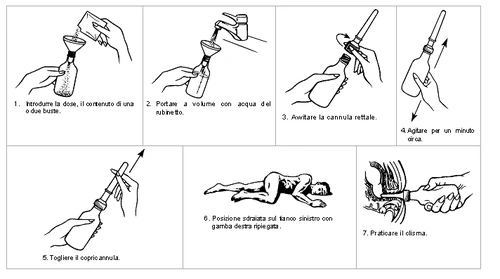
To achieve the best therapeutic effect, remain lying down for at least 30 minutes after administering the enema, turning occasionally from side to side to help spread the medication over a larger surface area of the colonic mucosa.
Retain the enema for as long as possible.
If you have difficulty retaining the 100 ml enema, your doctor may recommend starting treatment with a smaller volume (e.g., 50 ml), gradually increasing it to the desired retention volume, using the graduations marked on the bottle.
After administration, unscrew and discard only the used cannula. Rinse the bottle thoroughly and reuse it for subsequent enemas, using the remaining rectal cannulas provided in the package.
If you use more Pentacol than you should
Limited data are available on overdose with Pentacol.
If you accidentally take too much Pentacol, contact your doctor immediately or go to the nearest hospital.
If you forget to take Pentacol
Do not use a double dose to make up for a missed dose.
If you stop using Pentacol
If you have any questions about using Pentacol, consult your doctor or pharmacist.
4. Possible side effects
Like all medicines, this medicine can cause side effects, although not everybody gets them.
If you notice any of the following side effects, stop treatment immediately and contact your doctor:
- Reddish, flat patches on the trunk, target-shaped or circular, often with central blisters, skin peeling, mouth, throat, nose, genital or eye ulcers, widespread rash, fever and swollen lymph nodes. These severe skin rashes may be preceded by fever and flu-like symptoms.
Contact your doctor immediately if you experience severe or recurring headache, vision disturbances, ringing or buzzing in the ears. These could be symptoms of increased pressure inside the skull (idiopathic intracranial hypertension) [Frequency not known (frequency cannot be estimated from the available data)].
The following side effects may occur during treatment with Pentacol:
Common (may affect up to 1 in 10 people):
- Headache.
- Increased blood pressure (hypertension).
- Skin rashes.
- Nausea.
- Diarrhoea.
- Fever.
- Abdominal swelling.
- Generalised weakness (asthenia).
Uncommon (may affect up to 1 in 100 people):
- Itching (pruritus).
- Drowsiness.
- Tremor.
- Pain in the upper abdomen.
- Increased heart rate (tachycardia).
- Decreased blood pressure (hypotension).
- Fatigue.
- Facial swelling.
Rare (may affect up to 1 in 1,000 people):
- Increased sensitivity of the skin to sunlight and ultraviolet light (photosensitivity).
- Dizziness.
- Flatulence.
- Vomiting.
Very rare (may affect up to 1 in 10,000 people):
- Inflammatory diseases affecting the heart and the membrane surrounding it (pericarditis, myocarditis).
- Decreased number of white blood cells in the blood (leucopenia, neutropenia, agranulocytosis), decreased number of platelets in the blood (thrombocytopenia), a form of anaemia characterised by insufficient production in the bone marrow of all types of blood cells (aplastic anaemia, pancytopenia).
- Allergic reactions, including skin rashes with widespread blistering, fever, symptoms resembling those of a serious inflammatory skin disease (lupus-like syndrome), extensive inflammation of the colon (pancolitis).
- Sudden weakness, numbness, tingling, or movement or balance disorders (peripheral neuropathy).
- Inflammation of the liver and pancreas (hepatitis, cholestatic hepatitis, pancreatitis), transient changes in liver function tests (increased transaminase levels and cholestasis), gallstones (cholelithiasis).
- Hair loss (alopecia).
- Kidney inflammation (interstitial nephritis) and reduced kidney function (renal failure).
- Muscle or joint pain (myalgia, arthralgia).
- Inflammatory respiratory disorders (eosinophilic pneumonia, alveolitis, pneumonia, interstitial pneumonia) or other respiratory problems (cough, breathing difficulty).
- Transient reduction in the number of sperm in the ejaculate (oligospermia).
Frequency not known (frequency cannot be estimated from the available data):
- Swelling of the skin (angioedema).
- Kidney stones and associated kidney pain (see also section 2).
- Diarrhoea with blood, cramps.
Reporting of side effects
If you get any side effects, including ones not listed in this leaflet, talk to your doctor or pharmacist. You can also report side effects directly via the national reporting system at https://www.aifa.gov.it/content/segnalazioni-reazioni-avverse.
By reporting side effects, you can help provide more information on the safety of this medicine.
5. How to store Pentacol
Keep this medicine out of the sight and reach of children.
Do not use this medicine after the expiry date which is stated on the packaging after "Exp.".
The expiry date refers to the last day of that month.
This medicine does not require any special storage conditions.
Avoid direct exposure to sunlight and sources of heat.
Do not dispose of any medicine via wastewater or household waste. Ask your pharmacist how to dispose of
medicines no longer required. This will help protect the environment.
6. Package contents and other information
What Pentacol 1500 mg granules for rectal suspension contains
- The active substance is mesalazine (5-aminosalicylic acid). Each sachet of Pentacol contains 1500 mg of mesalazine.
- The other ingredients are: microcrystalline cellulose, polyvinylpyrrolidone, dimethicone.
Description of the appearance of Pentacol and package contents
Pentacol is presented in sachets containing white to off-white granules.
The pack contains 20 sachets, together with a graduated soft plastic bottle for preparing and administering enemas, and 20 single-use rectal cannulas.
Marketing Authorisation Holder and Manufacturer
Marketing Authorisation Holder
Alfasigma S.p.A. - Via Ragazzi del '99, n. 5 - 40133 Bologna (BO), Italy
Manufacturer
SOFAR S.p.A.
Via Firenze, 40
20060 Trezzano Rosa (MI)
Italy
Package leaflet: Information for the user
Pentacol 2 g rectal foam, 4 g rectal foam
Mesalazine
Please read this leaflet carefully before using this medicine because it contains important information for you.
- Keep this leaflet. You may need to read it again.
- If you have any questions, consult your doctor or pharmacist.
- This medicine has been prescribed for you only. Do not give it to others, even if their symptoms are the same as yours, as it could be harmful.
- If you experience any side effect, including those not listed in this leaflet, contact your doctor or pharmacist. See section 4.
Contents of this leaflet:
- What Pentacol is and what it is used for
- What you need to know before using Pentacol
- How to use Pentacol
- Possible side effects
- How to store Pentacol
- Contents of the pack and other information
1. What Pentacol is and what it is used for
Pentacol contains the active substance mesalazine and belongs to a class of medicines called
"intestinal anti-inflammatory agents".
Mesalazine is a non-steroidal anti-inflammatory drug (NSAID) of the salicylate class, which exerts an anti-inflammatory action at the gastrointestinal level.
Pentacol, as a rectal foam, is used for the treatment of the following intestinal diseases:
- Ulcerative colitis, a chronic inflammatory bowel disease;
- Intestinal inflammations, both acute and chronic, of unknown cause (idiopathic intestinal inflammations).
Pentacol, as a rectal foam, is used primarily when inflammation affects the rectum and/or the large intestine (sigmoid colon, left colon, and distal transverse colon).
Pentacol is indicated both during the active phase of the disease and to prevent the recurrence of disease symptoms (relapses).
In severe active phases of the disease, your doctor may instruct you to take Pentacol together with steroidal anti-inflammatory medicines (corticosteroids).
2. What you need to know before using Pentacol
Do not use Pentacol if:
- you are allergic (hypersensitive) to mesalazine, salicylates, or any of the other ingredients of this medicine (listed in section 6);
- you have severely reduced kidney function;
- you have severely reduced liver function;
- you have active peptic ulcer;
- you have severe kidney diseases (nephropathies);
- you are at risk of bleeding;
- you are in the last weeks of pregnancy or are breastfeeding (see also section 3).
Pentacol rectal foam must not be administered to children under 2 years of age.
Warnings and precautions
Before starting treatment with Pentacol, you should undergo the necessary clinical investigations to
establish diagnosis and therapeutic indications.
Talk to your doctor or pharmacist before using Pentacol if:
- you have kidney or liver damage;
- you have kidney problems (renal failure);
- you have ever developed a severe skin rash or skin exfoliation, blisters and/or mouth ulcers after taking mesalazine.
If you experience severe or recurring headache, vision disturbances, ringing or buzzing in the ears, contact
your doctor immediately.
Mesalazine may cause a red-brown discoloration of urine after contact with sodium hypochlorite
contained in bleach present in toilet water. This is due to a harmless chemical reaction occurring
between mesalazine and bleach.
Exercise particular caution with mesalazine:
Serious skin adverse reactions have been reported in association with mesalazine treatment, including
drug reaction with eosinophilia and systemic symptoms (DRESS), Stevens-Johnson syndrome (SJS), and toxic epidermal necrolysis (TEN). Stop using mesalazine and contact your doctor immediately if you notice any of the symptoms related to these serious skin reactions described in section 4.
Prolonged use of Pentacol may lead to sensitization phenomena.
Use of mesalazine may cause kidney stone formation. Symptoms may include pain in the sides of the abdomen and blood in the urine. It is recommended to drink sufficient fluids during treatment with mesalazine.
Relapse symptoms, both objective and subjective, may occur either after discontinuation of Pentacol treatment or during inadequate maintenance therapy.
Impaired or reduced kidney or liver function may occur during treatment with mesalazine; therefore, your doctor will advise careful monitoring during treatment with Pentacol, particularly:
- before starting treatment and during treatment with Pentacol, especially during the first months of therapy, your doctor will check your kidney and liver function and prescribe blood tests;
- your doctor will instruct you to immediately stop treatment with Pentacol if your kidney or liver function worsens or if blood abnormalities are suspected.
Cases of increased liver enzyme levels have been reported in patients treated with mesalazine-containing formulations.
If you suffer from lung disease, particularly asthma, you should be closely monitored during treatment with Pentacol, as there is a risk of developing sensitization phenomena, especially with prolonged use.
Stop treatment immediately (see also section “Possible side effects”):
- if, following treatment with Pentacol, you experience bleeding, bruising, red spots on the skin due to leakage of blood from superficial blood vessels (purpura), decreased haemoglobin levels in the blood (anaemia), fever, or laryngitis;
- in case of suspected acute intolerance syndrome, which may present with symptoms such as cramps, acute abdominal pain and bloody diarrhoea, sometimes accompanied by fever, headache (cephalalgia), and erythema;
- if you have an allergic reaction (see section 4 for more information).
Rare cases of mesalazine-induced cardiac hypersensitivity reactions have been reported [inflammation of the heart muscle (myocarditis) and inflammation of the membrane surrounding the heart (pericarditis)]. Inform your doctor if you have risk factors predisposing to these conditions (see section 4).
If you have previously experienced adverse reactions to sulfasalazine-containing formulations, you should be kept under close medical supervision at the beginning of a treatment cycle with Pentacol.
The occurrence of hypersensitivity reactions requires immediate discontinuation of treatment (see also section 4).
Children and adolescents
Pentacol rectal foam must not be administered to children under 2 years of age.
Other medicines and Pentacol
Inform your doctor or pharmacist if you are taking, have recently taken, or might take any other medicines.
In particular, inform your doctor if you are taking:
- oral hypoglycaemic agents for the treatment of diabetes, such as sulfonylureas;
- medicines that promote urine elimination (diuretics), including spironolactone and furosemide;
- oral anticoagulants, such as coumarins;
- medicines that modulate anti-inflammatory responses (corticosteroids and non-steroidal anti-inflammatory drugs);
- methotrexate, a medicine used in cancer treatment that has anti-inflammatory and immunosuppressive activity;
- probenecid and sulfinpyrazone, medicines used to lower blood uric acid levels;
- rifampicin, an antibiotic used to treat bacterial infections;
- azathioprine and 6-mercaptopurine, medicines used as immunosuppressants, since there is evidence that mesalazine may weakly inhibit the enzyme (thiopurine methyltransferase, TPMT) responsible for metabolizing these substances, thereby increasing their effects. Furthermore, concomitant use of mesalazine with azathioprine or 6-mercaptopurine may increase the risk of blood disorders (haematological dyscrasias).
Pregnancy and breastfeeding
If you are pregnant, suspect you may be pregnant, planning to become pregnant, or are breastfeeding, consult your doctor or pharmacist before taking this medicine.
If you are pregnant or suspect pregnancy, Pentacol should only be used when clearly necessary and under direct medical supervision, as mesalazine is known to cross the placental barrier. However, Pentacol should be avoided during the last weeks of pregnancy.
If you are breastfeeding, use Pentacol only under medical supervision, which will assess the necessity of its use. Mesalazine is excreted in breast milk.
Driving and using machines
Pentacol does not affect the ability to drive vehicles or operate machinery.
Pentacol rectal foam contains:
- polysorbates, which may cause allergic reactions;
- methyl hydroxybenzoate and propyl hydroxybenzoate, which may cause allergic reactions (including delayed reactions);
- propylene glycol, which may cause skin irritation.
Pentacol 2 g rectal foam contains 3.853 g of propylene glycol per 130 ml foam dose
Pentacol 4 g rectal foam contains 2.889 g of propylene glycol per 130 ml foam dose
3. How to use Pentacol
Use Pentacol exactly as directed by your doctor. If you have any doubts, consult your doctor or pharmacist.
Adults
Unless otherwise directed by your doctor, the recommended daily dose of Pentacol rectal foam during the active phase of the disease is 2 g of mesalazine, once or twice daily, or 4 g of mesalazine, administered in the evening before bedtime.
The duration of treatment during the active phase is 4–6 weeks.
As symptoms subside, you will be placed on long-term maintenance therapy to prevent relapses. Your doctor will determine the appropriate dosage and frequency of Pentacol treatment.
Children
For children over two years of age, the doctor will determine proportionally reduced doses.
Method of administration:
Pentacol rectal foam should be used when the rectum is free of feces.
Foam is released only when the cap is released, not while it is being pressed (see diagrams 1, 2, and 3 below). The canister functions only when inverted.
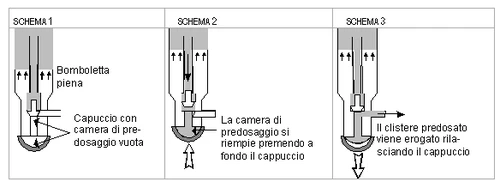
If you are to administer the full dose (130 ml of foam, corresponding to 2 g or 4 g of mesalazine), press the cap fully down and immediately release it, twice consecutively.
If your doctor has prescribed reduced and divided doses throughout the day, you may administer a precisely measured half-dose (65 ml of foam, corresponding to 1 g or 2 g) by pressing and releasing the cap once. Use the same cannula, properly cleaned, for administration of the second half-dose.
A residual amount of product may remain in the canister.
Instructions for use of Pentacol rectal foam
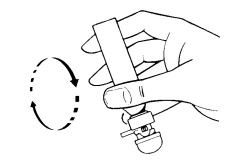
- Shake the pressurized container vigorously before use.
- Remove the plastic safety tab located under the cap.
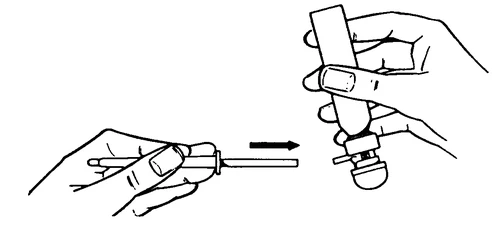
- Insert the rectal cannula into the nozzle. Rotate the cap to align the underlying semicircular mark with the nozzle.
- While standing, place one foot on a chair and slowly insert the entire length of the cannula into the rectum, directed toward the navel, with the pressurized container held inverted. Pre-lubrication of the cannula may ease insertion.
Keep the container inverted and press the cap fully down, then release it, twice consecutively, to instill the full dose of 130 ml of foam into the rectum. If your doctor has prescribed a half-dose, press and release the cap only once.
Store the container for subsequent administrations.
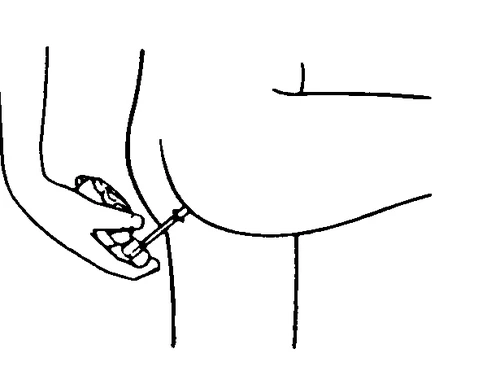
Note: Each multidose pressurized container delivers 14 half-doses of rectal foam, each containing 1 g or 2 g of mesalazine. Each package contains 7 rectal cannulas: each cannula should be used for the administration of one full dose or two half-doses.
For optimal therapeutic effect, after administration of the enema, lie down for at least 30 minutes, turning periodically from side to side, to promote contact of the medication with a larger surface area of the colonic mucosa.
Retain the rectal foam as long as possible, even overnight or for the interval between enemas.
Caution: The pressurized container functions only when inverted.
Do not press the cap more than the two times specified for administration of a full dose (two half-doses).
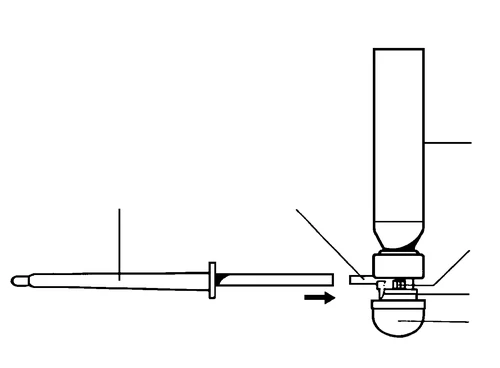
If you use more Pentacol than you should
Limited data are available on overdose with Pentacol.
If you have taken an excessive dose of Pentacol, contact your doctor immediately or go to the nearest hospital.
If you forget to take Pentacol
Do not use a double dose of foam to make up for a missed dose.
If you stop using Pentacol
If you have any questions about the use of Pentacol, consult your doctor or pharmacist.
4. Possible adverse reactions
Like all medicines, this medicine can cause adverse reactions, although not everyone experiences them.
If you notice any of the following adverse reactions, stop treatment immediately and contact your doctor:
- Reddish, non-elevated patches on the trunk, target-shaped or circular in appearance, often with central blisters, skin peeling, mouth, throat, nose, genital, and eye ulcers, widespread rash, fever, and swollen lymph nodes. These severe skin rashes may be preceded by fever and flu-like symptoms.
Contact your doctor immediately if you experience severe or recurrent headache, vision disturbances, ringing or buzzing in the ears. These may be symptoms of increased pressure inside the skull (idiopathic intracranial hypertension) [Frequency not known (frequency cannot be estimated from the available data)].
The following adverse reactions may occur during the use of Pentacol:
Common (may affect up to 1 in 10 people):
- Headache.
- Increased blood pressure (hypertension).
- Skin rashes.
- Nausea.
- Diarrhea.
- Fever.
- Abdominal swelling.
- Generalized weakness (asthenia).
Uncommon (may affect up to 1 in 100 people):
- Itching (pruritus).
- Drowsiness.
- Tremor.
- Upper abdominal pain.
- Increased heart rate (tachycardia).
- Decreased blood pressure (hypotension).
- Fatigue.
- Facial swelling.
Rare (may affect up to 1 in 1,000 people):
- Increased sensitivity of the skin to sunlight and ultraviolet light (photosensitivity).
- Dizziness.
- Flatulence.
- Vomiting.
Very rare (may affect up to 1 in 10,000 people):
- Inflammatory diseases affecting the heart and the membrane surrounding it (pericarditis, myocarditis).
- Decreased number of white blood cells in the blood (leucopenia, neutropenia, agranulocytosis), decreased number of platelets in the blood (thrombocytopenia), a form of anaemia characterized by insufficient production in the bone marrow of all types of blood cells (aplastic anaemia, pancytopenia).
- Allergic reactions, including skin rashes with widespread blistering, fever, symptoms resembling those of a serious inflammatory skin disease (lupus-like syndrome), extensive inflammation of the colon (pancolitis).
- Sudden weakness, numbness, tingling, or movement or balance disorders (peripheral neuropathy).
- Inflammation of the liver and pancreas (hepatitis, cholestatic hepatitis, pancreatitis), transient changes in liver function tests (increased transaminase levels and cholestasis), gallstones (cholelithiasis).
- Hair loss (alopecia).
- Kidney inflammation (interstitial nephritis) and reduced kidney function (renal failure).
- Muscle or joint pain (myalgia, arthralgia).
- Inflammatory respiratory tract diseases (eosinophilic pneumonia, alveolitis, pneumonia, interstitial pneumonia) or other types (cough, breathing difficulties).
- Transient decrease in the number of sperm in the ejaculate (oligospermia).
Frequency not known (frequency cannot be estimated from the available data):
- Swelling of the skin (angioedema).
- Kidney stones and associated kidney pain (see also section 2).
- Diarrhea with blood, cramps.
Reporting of adverse reactions
If you experience any adverse reaction, including those not listed in this leaflet, inform your doctor or pharmacist. You may also report adverse reactions directly via the national reporting system at https://www.aifa.gov.it/content/segnalazioni-reazioni-avverse.
By reporting adverse reactions, you can help provide more information on the safety of this medicine.
5. How to store Pentacol
Keep this medicine out of the sight and reach of children.
Do not use this medicine after the expiry date stated on the packaging after "Exp.".
The expiry date refers to the last day of that month.
This medicine does not require any special storage conditions.
Avoid direct exposure to sunlight and heat sources.
Do not dispose of any medicine via wastewater or household waste. Ask your pharmacist how to dispose of
medicines you no longer use. This will help protect the environment.
6. Contents of the pack and other information
What Pentacol 2 g rectal foam contains
- The active substance is mesalazine (5-aminosalicylic acid). Each container of Pentacol contains 2 g of mesalazine.
- The other components are: polysorbate 20, emulsifying wax, E218 methylhydroxybenzoate, E216 propylhydroxybenzoate, propylene glycol, purified water. Propellants: isobutane, nitrogen.
What Pentacol 4 g rectal foam contains
- The active substance is mesalazine (5-aminosalicylic acid). Each container of Pentacol contains 4 g of mesalazine.
- The other components are: polysorbate 20, emulsifying wax, E218 methylhydroxybenzoate, E216 propylhydroxybenzoate, propylene glycol, purified water. Propellants: isobutane, nitrogen.
Description of the appearance of Pentacol and contents of the pack
Pentacol 2 g rectal foam – 1 pressurized container of 14 g + 7 rectal cannulas
- Pentacol is a soft, cream-white rectal foam contained in an aluminum/resin pressurized container of 14 g, supplied with 7 rectal cannulas. Each carton contains 1 pressurized container sufficient for 14 administrations (14 half-doses) of 1 g each.
Pentacol 4 g rectal foam – 1 pressurized container of 28 g + 7 cannulas - Pentacol is a soft, cream-white rectal foam contained in an aluminum/resin pressurized container of 28 g, supplied with 7 rectal cannulas. Each carton contains 1 pressurized container sufficient for 14 administrations (14 half-doses) of 2 g each.
It is possible that not all pack sizes are marketed.
Marketing Authorization Holder and Manufacturer
Marketing Authorization Holder
Alfasigma S.p.A. - Via Ragazzi del ’99, n. 5 - 40133 Bologna (BO), Italy
Manufacturer
SOFAR S.p.A.
Via Firenze, 40
20060 Trezzano Rosa (MI)
Italy
Package leaflet: information for the user
Pentacol 4 g/100 ml rectal suspension
Mesalazine
Please read this leaflet carefully before using this medicine because it contains important information for you.
- Keep this leaflet. You may need to read it again.
- If you have any questions, consult your doctor or pharmacist.
- This medicine has been prescribed for you only. Do not give it to others, even if their symptoms are the same as yours, as it could be harmful.
- If you experience any side effects, including those not listed in this leaflet, contact your doctor or pharmacist. See section 4.
Contents of this leaflet:
- What Pentacol is and what it is used for
- What you need to know before using Pentacol
- How to use Pentacol
- Possible side effects
- How to store Pentacol
- Contents of the pack and other information
1. What Pentacol is and what it is used for
Pentacol contains the active substance mesalazine and belongs to a class of medicines called
"intestinal anti-inflammatory agents".
Mesalazine is a non-steroidal anti-inflammatory drug (NSAID) of the salicylate class, which exerts an anti-inflammatory action in the gastrointestinal tract.
Pentacol, as a rectal suspension, is used for the treatment of ulcerative colitis, a chronic inflammatory bowel disease, when inflammation affects the rectum and/or the lower part of the large intestine (sigmoid colon).
Pentacol is indicated both during the active phase of the disease and to prevent the recurrence of symptoms (relapses).
In severe active phases of the disease, your doctor may instruct you to take Pentacol together with steroid anti-inflammatory medicines (corticosteroids).
2. What you need to know before using Pentacol
Do not use Pentacol if:
- you are allergic (hypersensitive) to mesalazine, salicylates, or any of the other ingredients of this medicine (listed in section 6);
- you have severely reduced kidney function;
- you have severely impaired liver function;
- you have active peptic ulcer disease;
- you have severe kidney diseases (nephropathies);
- you are at risk of bleeding;
- you are in the last weeks of pregnancy or are breastfeeding (see also section 3).
Pentacol rectal suspension must not be administered to children under 2 years of age.
Warnings and precautions
Before starting treatment with Pentacol, you should undergo the necessary clinical investigations to
establish diagnosis and therapeutic indications.
Talk to your doctor or pharmacist before using Pentacol if:
- you have kidney or liver damage;
- you suffer from kidney problems (renal failure);
- you have ever developed a severe skin rash or skin peeling, blisters and/or mouth ulcers after taking mesalazine.
If you experience severe or recurrent headache, visual disturbances, ringing or buzzing in the ears, contact
your doctor immediately.
Mesalazine may cause a red-brown discoloration of urine after contact with sodium hypochlorite
contained in bleach present in toilet water. This is due to a harmless chemical reaction occurring
between mesalazine and bleach.
Exercise particular caution with mesalazine:
Serious cutaneous adverse reactions, including drug reaction with eosinophilia and systemic symptoms (DRESS),
Stevens-Johnson syndrome (SJS), and toxic epidermal necrolysis (TEN), have been reported in association with
mesalazine therapy. Discontinue mesalazine and contact your doctor immediately if you notice any of the
symptoms related to these serious skin reactions described in section 4.
Prolonged use of Pentacol may lead to sensitization phenomena.
The use of mesalazine may cause kidney stone formation. Symptoms may include pain in the sides of the abdomen and blood in the urine. It is recommended to drink sufficient fluids during treatment with mesalazine.
Relapse symptoms, both objective and subjective, may occur either after discontinuation of Pentacol treatment or during inadequate maintenance therapy.
Impaired or reduced renal or hepatic function may occur during mesalazine treatment; therefore, your doctor will advise careful monitoring and follow-up during Pentacol therapy, particularly:
- before starting treatment and during treatment with Pentacol, especially during the first months of therapy, your doctor will check your kidney and liver function and may prescribe blood tests;
- your doctor will instruct you to immediately discontinue Pentacol treatment if your kidney or liver function worsens or if blood abnormalities are suspected.
Cases of increased liver enzyme levels have been reported in patients treated with mesalazine-containing formulations.
If you suffer from lung disease, particularly asthma, you should be closely monitored during treatment with Pentacol, as there is a risk of developing sensitization phenomena, especially with prolonged use.
Immediately discontinue treatment (see also section “Possible side effects”):
- if, following Pentacol treatment, you develop bleeding, bruising, red spots on the skin due to leakage of blood from superficial blood vessels (purpura), decreased hemoglobin levels in the blood (anemia), fever, or laryngitis;
- in case of suspected acute intolerance syndrome, which may present with symptoms such as cramps, acute abdominal pain and bloody diarrhea, sometimes accompanied by fever, headache (cephalalgia), and erythema;
- if you have an allergic reaction (see section 4 for more information).
Rare cases of mesalazine-induced cardiac hypersensitivity reactions have been reported [inflammation of the heart muscle (myocarditis) and inflammation of the membrane surrounding the heart (pericarditis)]. Inform your doctor if you have risk factors predisposing to these conditions (see section 4).
If you have previously experienced adverse reactions to sulfasalazine-containing preparations, you should be kept under close medical supervision at the beginning of a Pentacol treatment cycle.
The occurrence of hypersensitivity reactions requires immediate discontinuation of treatment (see also section 4).
Children and adolescents
Pentacol rectal suspension must not be administered to children under 2 years of age.
Other medicines and Pentacol
Inform your doctor or pharmacist if you are taking, have recently taken, or might take any other medicine.
In particular, inform your doctor if you are taking:
- oral hypoglycemic agents for diabetes treatment, such as sulfonylureas;
- medicines that promote urine elimination (diuretics), including spironolactone and furosemide;
- oral anticoagulants, such as coumarins;
- medicines that modulate anti-inflammatory responses (corticosteroids and non-steroidal anti-inflammatory drugs);
- methotrexate, a medicine used in cancer treatment that has anti-inflammatory and immunosuppressive activity;
- probenecid and sulfinpyrazone, medicines used to lower blood uric acid concentration;
- rifampicin, an antibiotic used to treat bacterial infections;
- azathioprine and 6-mercaptopurine, medicines used as immunosuppressants, since evidence suggests that mesalazine may weakly inhibit the enzyme (thiopurine methyltransferase, TPMT) responsible for metabolizing these substances, thereby increasing their effects. Furthermore, concomitant use of mesalazine with azathioprine or 6-mercaptopurine may increase the risk of blood disorders (hematologic dyscrasias).
Pregnancy and breastfeeding
If you are pregnant, think you may be pregnant, planning to become pregnant, or breastfeeding, consult your doctor or pharmacist before taking this medicine.
If you are pregnant or suspect pregnancy, Pentacol should be used only if clearly needed and under direct medical supervision, as mesalazine is known to cross the placental barrier. However, Pentacol should be avoided during the last weeks of pregnancy.
If you are breastfeeding, use Pentacol only under medical supervision, after the doctor has evaluated the necessity of treatment. Mesalazine is excreted in breast milk.
Driving and using machines
Pentacol does not affect the ability to drive or operate machinery.
Pentacol rectal suspension contains:
methyl hydroxybenzoate, which may cause allergic reactions (including delayed-type reactions).
3. How to use Pentacol
Use Pentacol exactly as directed by your doctor. If you have any doubts, consult your doctor or pharmacist.
Adults
The recommended daily dose of Pentacol rectal suspension is one enema containing 4 g of mesalazine, administered once daily, preferably in the evening before going to bed.
To prevent relapses, you will be placed on long-term treatment, and your doctor will gradually reduce the dosage initially used during the active phase of the disease.
Children
For children above the age of two years, the doctor will determine proportionally reduced doses.
Method of administration:
Pentacol rectal suspension should be used with an empty rectum (free of feces).
Administer Pentacol, supplied as a single-dose 100 ml enema bottle with a cannula, following these instructions:
- Shake well before use to obtain a homogeneous suspension.
- Remove the protective cap covering the cannula.
- Lie on your left side with your right leg bent and your left leg straight.
- Insert the cannula into the rectum.
- Squeeze the bottle gradually and steadily until the bottle is completely emptied.
- Remain lying in the above position for approximately 30 minutes.
You will achieve a better therapeutic effect if you allow the suspension to remain in the rectum/intestine overnight.
If you use more Pentacol than you should
Limited data are available on overdose due to ingestion of Pentacol.
If you have taken an excessive dose of Pentacol, contact your doctor immediately or go to the nearest hospital.
If you forget to take Pentacol
Do not use a double dose of rectal suspension to make up for a forgotten dose.
If you stop using Pentacol
If you have any doubts about the use of Pentacol, consult your doctor or pharmacist.
4. Possible side effects
Like all medicines, this medicine can cause side effects, although not everyone experiences them.
If you notice any of the following side effects, stop treatment immediately and contact your doctor:
- Reddish, non-elevated patches on the trunk, target-shaped or circular rashes, often with central blisters, skin peeling, mouth, throat, nose, genital, or eye ulcers, widespread rash, fever, and swollen lymph nodes. These severe skin reactions may be preceded by fever and flu-like symptoms.
Contact your doctor immediately if you experience severe or recurrent headache, vision disturbances, ringing or buzzing in the ears. These could be symptoms of increased pressure inside the skull (idiopathic intracranial hypertension) [Frequency not known (frequency cannot be estimated from the available data)].
The following side effects may occur during treatment with Pentacol:
Common (may affect up to 1 in 10 people):
- Headache.
- Increased blood pressure (hypertension).
- Skin rashes.
- Nausea.
- Diarrhea.
- Abdominal swelling.
- General weakness (asthenia).
Uncommon (may affect up to 1 in 100 people):
- Itching (pruritus).
- Drowsiness.
- Tremor.
- Upper abdominal pain.
- Increased heart rate (tachycardia).
- Decreased blood pressure (hypotension).
- Fatigue.
- Facial swelling.
Rare (may affect up to 1 in 1,000 people):
- Increased sensitivity of the skin to sunlight and ultraviolet light (photosensitivity).
- Dizziness.
- Flatulence.
- Vomiting.
Very rare (may affect up to 1 in 10,000 people):
- Inflammatory diseases affecting the heart and the membrane surrounding it (pericarditis, myocarditis).
- Decreased number of white blood cells in the blood (leucopenia, neutropenia, agranulocytosis), decreased number of platelets in the blood (thrombocytopenia), a form of anaemia characterised by inadequate production in the bone marrow of all types of blood cells (aplastic anaemia, pancytopenia).
- Allergic reactions, including skin rashes with widespread blistering, fever, symptoms resembling those of a serious inflammatory skin disease (lupus-like syndrome), extensive inflammation of the colon (pancolitis).
- Sudden weakness, numbness, tingling, or movement or balance disturbances (peripheral neuropathy).
- Inflammation of the liver and pancreas (hepatitis, cholestatic hepatitis, pancreatitis), transient changes in liver function tests (increased transaminase levels and cholestasis), gallstones (cholelithiasis).
- Hair loss (alopecia).
- Kidney inflammation (interstitial nephritis) and reduced kidney function (renal failure).
- Muscle or joint pain (myalgia, arthralgia).
- Inflammatory respiratory tract diseases (eosinophilic pneumonia, alveolitis, pneumonia, interstitial pneumonia) or other types (cough, breathing difficulty).
- Transient reduction in the number of sperm in the ejaculate (oligospermia).
Frequency not known (frequency cannot be estimated from the available data):
- Skin swelling (angioedema);
- Kidney stones and associated kidney pain (see also section 2);
- Diarrhoea with blood, cramps.
Reporting of side effects
If you experience any side effects, including those not listed in this leaflet, please inform your doctor or pharmacist. You may also report side effects directly via the national reporting system at https://www.aifa.gov.it/content/segnalazioni-reazioni-avverse.
By reporting side effects, you can help provide more information on the safety of this medicine.
5. How to store Pentacol
Keep this medicine out of the sight and reach of children.
Do not use this medicine after the expiry date stated on the packaging after "Exp.".
The expiry date refers to the last day of that month.
This medicine does not require any special storage conditions.
Avoid direct exposure to sunlight and to sources of heat.
Do not dispose of any medicine via wastewater or household waste. Ask your pharmacist how to dispose of
medicines you no longer use. This will help protect the environment.
6. Package contents and other information
What Pentacol 4 g/100 ml rectal suspension contains
- The active substance is mesalazine (5-aminosalicylic acid). Each single-dose container of Pentacol contains 4 g of mesalazine.
- The other components are: colloidal silica, xanthan gum, sodium carboxymethylcellulose, E218 methylhydroxybenzoate, sodium metabisulfite, concentrated phosphoric acid, purified water.
Description of the appearance of Pentacol and contents of the pack
Pentacol is an opalescent suspension supplied in single-dose containers (bottles) of 100 ml (containing 4 g of mesalazine), made of polyethylene, with a rectal cannula.
Each pack contains 7 single-dose containers with rectal cannula.
Marketing Authorization Holder and Manufacturer
Marketing Authorization Holder
Alfasigma S.p.A. - Via Ragazzi del '99, n. 5 - 40133 Bologna (BO)
Manufacturer
SOFAR S.p.A.
Via Firenze, 40
20060 Trezzano Rosa (MI)
Italy
Package leaflet: information for the user
Pentacol 500 mg suppositories
Mesalazine
Please read this entire leaflet carefully before using this medicine because it contains important information for you.
- Keep this leaflet. You may need to read it again.
- If you have any questions, ask your doctor or pharmacist.
- This medicine has been prescribed for you only. Do not give it to others, even if their symptoms are the same as yours, as it could be harmful.
- If you experience any side effects, including those not listed in this leaflet, consult your doctor or pharmacist. See section 4.
Contents of this leaflet:
- What Pentacol is and what it is used for
- What you need to know before using Pentacol
- How to use Pentacol
- Possible side effects
- How to store Pentacol
- Package contents and other information
1. What Pentacol is and what it is used for
Pentacol contains the active substance mesalazine and belongs to a class of medicines known as
"intestinal anti-inflammatory agents".
Mesalazine is a non-steroidal anti-inflammatory drug (NSAID) of the salicylate class, which exerts an anti-inflammatory action in the gastrointestinal tract.
Pentacol in the form of suppositories is used for the treatment of ulcerative colitis, a chronic inflammatory bowel disease, when inflammation affects the rectum.
Pentacol is indicated both during active phases of the disease and to prevent the recurrence of disease symptoms (relapses).
In severe active phases of the disease, your doctor may instruct you to take Pentacol together with steroid anti-inflammatory medicines (corticosteroids).
2. What you need to know before using Pentacol
Do not use Pentacol if:
- you are allergic (hypersensitive) to mesalazine, salicylates, or to any of the other ingredients of this medicine (listed in section 6);
- you have severe impairment of kidney function;
- you have severe impairment of liver function;
- you have active peptic ulcer;
- you have severe kidney diseases (nephropathies);
- you are at risk of bleeding;
- you are in the last weeks of pregnancy or are breastfeeding (see also section 3).
Pentacol suppositories must not be administered to children under 2 years of age.
Warnings and precautions
Before starting treatment with Pentacol, you should undergo the necessary clinical investigations to
establish diagnosis and therapeutic indications.
Talk to your doctor or pharmacist before using Pentacol if:
- you have kidney or liver damage;
- you suffer from kidney problems (renal failure);
- you have ever developed a severe skin rash or skin exfoliation, blisters, and/or mouth ulcers after taking mesalazine.
If you experience severe or recurrent headache, visual disturbances, or ringing or buzzing in the ears, contact
your doctor immediately.
Mesalazine may cause a red-brown discoloration of urine after contact with sodium hypochlorite
contained in bleach present in toilet water. This is due to a harmless chemical reaction occurring
between mesalazine and bleach.
Exercise particular caution with mesalazine:
Severe cutaneous adverse reactions have been reported in association with mesalazine treatment, including
drug reaction with eosinophilia and systemic symptoms (DRESS), Stevens-Johnson syndrome (SJS), and
toxic epidermal necrolysis (TEN). Discontinue use of mesalazine and contact your doctor immediately if you
notice any of the symptoms related to these severe skin reactions described in section 4.
Prolonged use of Pentacol may lead to sensitization phenomena.
Use of mesalazine may cause kidney stone formation. Symptoms may include pain in the sides of the abdomen and blood in the urine. It is recommended to drink an adequate amount of fluids during treatment with mesalazine.
Relapse symptoms, both objective and subjective, may occur either after discontinuation of Pentacol treatment or during inadequate maintenance therapy.
Impaired or reduced kidney or liver function may occur during treatment with mesalazine. Therefore, your doctor will advise careful monitoring during treatment with Pentacol, particularly:
- before starting treatment and during Pentacol therapy, especially during the first months of treatment, your doctor will check your kidney and liver function and prescribe blood tests;
- your doctor will instruct you to immediately discontinue treatment with Pentacol if your kidney or liver function worsens or if blood abnormalities are suspected.
Cases of increased liver enzyme levels have been reported in patients treated with mesalazine-containing formulations.
If you suffer from lung disease, particularly asthma, you should be closely monitored during treatment with Pentacol, as there is a risk of developing sensitization phenomena, especially with prolonged use.
Immediately discontinue treatment (see also section “Possible side effects”):
- if, following treatment with Pentacol, you experience bleeding, bruising, red spots on the skin due to leakage of blood from superficial blood vessels (purpura), decreased hemoglobin levels in the blood (anemia), fever, or laryngitis.
- in case of suspected acute intolerance syndrome, which may present with symptoms such as cramps, acute abdominal pain and bloody diarrhea, sometimes accompanied by fever, headache (cephalalgia), and erythema.
- if you have had an allergic reaction (see section 4 for more information).
Rare cases of cardiac hypersensitivity reactions induced by mesalazine have been reported [inflammation of the heart muscle (myocarditis) and inflammation of the membrane surrounding the heart (pericarditis)]. Inform your doctor if you have risk factors predisposing to these conditions (see section 4).
If you have previously experienced adverse reactions to formulations containing sulfasalazine, you should be kept under close medical supervision at the beginning of a Pentacol treatment cycle.
The occurrence of hypersensitivity reactions requires immediate discontinuation of treatment (see also section 4).
Children and adolescents
Pentacol suppositories must not be administered to children under 2 years of age.
Other medicines and Pentacol
Inform your doctor or pharmacist if you are taking, have recently taken, or might take any other medicines.
In particular, inform your doctor if you are taking:
- oral hypoglycemic agents for the treatment of diabetes, such as sulfonylureas;
- medicines that promote urine elimination (diuretics), including spironolactone and furosemide;
- oral anticoagulants, such as coumarins;
- medicines that modulate anti-inflammatory responses (corticosteroids and non-steroidal anti-inflammatory drugs);
- methotrexate, a medicine used in cancer treatment that has anti-inflammatory and immunosuppressive activity;
- probenecid and sulfinpyrazone, medicines used to lower blood uric acid concentration;
- rifampicin, an antibiotic used to treat bacterial infections;
- azathioprine and 6-mercaptopurine, medicines used as immunosuppressants, since there is evidence that mesalazine may weakly inhibit the enzyme (thiopurine methyltransferase, TPMT) responsible for metabolizing these substances, thereby increasing their effects. Furthermore, concomitant use of mesalazine with azathioprine or 6-mercaptopurine may increase the risk of blood disorders (hematological dyscrasias).
Pregnancy and breastfeeding
If you are pregnant, suspect you may be pregnant, plan to become pregnant, or are breastfeeding, consult your doctor or pharmacist before taking this medicine.
If you are pregnant, confirmed or suspected, Pentacol should be used only if clearly necessary and under direct medical supervision, as mesalazine is known to cross the placental barrier. However, Pentacol use should be avoided during the last weeks of pregnancy.
If you are breastfeeding, use Pentacol only under medical supervision, after the doctor has evaluated the necessity of treatment. Mesalazine is excreted in breast milk.
Driving and use of machines
Pentacol does not affect the ability to drive vehicles or operate machinery.
3. How to use Pentacol
Use Pentacol exactly as directed by your doctor. If you have any doubts, consult your doctor or pharmacist.
Adults
The recommended daily dose of Pentacol suppositories during the active phase of the disease is 3 suppositories, administered two to three times a day.
For preventive treatment of relapses, the recommended daily dose is 1–2 suppositories.
To prevent the occurrence of relapses, you will be placed on long-term therapy, and your doctor will gradually reduce the dosage initially used during the active phase of the disease.
Children
For children over two years of age, the doctor will determine proportionally reduced doses.
Method of administration:
Pentacol suppositories should be used with an empty rectum.
For optimal therapeutic effect, retain the suppository for at least 30 minutes, or, if possible, for longer periods—for example, overnight.
If you use more Pentacol than you should
Limited data are available on overdose due to Pentacol administration.
If you take an excessive dose of Pentacol, contact your doctor immediately or go to the nearest hospital.
If you forget to take Pentacol
Do not use a double dose of suppositories to make up for a missed dose.
If you stop using Pentacol
If you have any doubts about the use of Pentacol, consult your doctor or pharmacist.
4. Possible adverse reactions
Like all medicines, this medicine can cause adverse reactions, although not everyone experiences them.
If you notice any of the following adverse reactions, stop treatment and contact your doctor immediately:
- Flat, reddish patches on the trunk, target-shaped or circular, often with central blisters, skin peeling, mouth ulcers, ulcers in the throat, nose, genitals and eyes, widespread rash, fever and swollen lymph nodes. These severe skin rashes may be preceded by fever and flu-like symptoms.
Contact your doctor immediately if you experience severe or recurrent headache, vision disturbances, ringing or buzzing in the ears. These could be symptoms of increased pressure inside the skull (idiopathic intracranial hypertension) [Frequency not known (frequency cannot be estimated from the available data)].
The following adverse reactions may occur during treatment with Pentacol
Common (may affect up to 1 in 10 people):
- Headache.
- Increased blood pressure (hypertension).
- Skin rashes.
- Nausea.
- Diarrhea.
- Fever.
- Abdominal swelling.
- General feeling of weakness (asthenia).
Uncommon (may affect up to 1 in 100 people):
- Itching (pruritus).
- Drowsiness.
- Tremor.
- Pain in the upper abdomen.
- Increased heart rate (tachycardia).
- Decreased blood pressure (hypotension).
- Fatigue.
- Facial swelling.
Rare (may affect up to 1 in 1,000 people):
- Increased sensitivity of the skin to sunlight and ultraviolet light (photosensitivity).
- Dizziness.
- Flatulence.
- Vomiting.
Very rare (may affect up to 1 in 10,000 people):
- Inflammatory diseases affecting the heart and the membrane surrounding it (pericarditis, myocarditis).
- Decreased number of white blood cells in the blood (leucopenia, neutropenia, agranulocytosis), decreased number of platelets in the blood (thrombocytopenia), a form of anaemia characterised by insufficient production in the bone marrow of all types of blood cells (aplastic anaemia, pancytopenia).
- Allergic reactions, including skin rashes with widespread blistering, fever, symptoms similar to those of a serious inflammatory skin disease (lupus-like syndrome), extensive inflammation of the colon (pancolitis).
- Sudden weakness, numbness, tingling, or movement or balance disorders (peripheral neuropathy).
- Inflammation of the liver and pancreas (hepatitis, cholestatic hepatitis, pancreatitis), transient changes in liver function tests (increased transaminase levels and cholestasis), gallstones (cholelithiasis).
- Hair loss (alopecia).
- Kidney inflammation (interstitial nephritis) and reduced kidney function (renal failure).
- Muscle or joint pain (myalgia, arthralgia).
- Inflammatory respiratory tract diseases (eosinophilic pneumonia, alveolitis, pneumonia, interstitial pneumonia) or other types (cough, breathing difficulties).
- Transient reduction in the number of sperm in the ejaculate (oligospermia).
Frequency not known (frequency cannot be estimated from the available data):
- Skin swelling (angioedema).
- Kidney stones and associated kidney pain (see also section 2).
- Diarrhea with blood, cramps.
Reporting of adverse reactions
If you experience any adverse reaction, including those not listed in this leaflet, talk to your doctor or pharmacist. You can also report adverse reactions directly via the national reporting system at https://www.aifa.gov.it/content/segnalazioni-reazioni-avverse.
By reporting adverse reactions, you can help provide more information on the safety of this medicine.
5. How to store Pentacol
Keep this medicine out of the sight and reach of children.
Do not use this medicine after the expiry date stated on the packaging after "Exp.".
The expiry date refers to the last day of that month.
Store below 30°C.
Avoid direct exposure to sunlight and heat sources.
Do not dispose of any medicine via wastewater or household waste. Ask your pharmacist how to dispose of
medicines you no longer use. This will help protect the environment.
6. Package contents and other information
What Pentacol 500 mg suppositories contains
- The active substance is mesalazine (5-aminosalicylic acid). Each Pentacol suppository contains 500 mg of mesalazine.
- The other component is: solid semisynthetic glycerides.
Description of the appearance of Pentacol and contents of the pack
Pentacol is available as torpedo-shaped suppositories, contained in PVC/PE blisters sealed by heat sealing.
Each pack contains 20 suppositories.
Marketing Authorisation Holder and Manufacturer
Marketing Authorisation Holder
Alfasigma S.p.A. - Via Ragazzi del '99, n. 5 - 40133 Bologna (BO)
Manufacturer
Lamp San Prospero SpA
Via della Pace 25/A
San Prospero (MO)
Italy