Oxygen Ter.Gas
Italy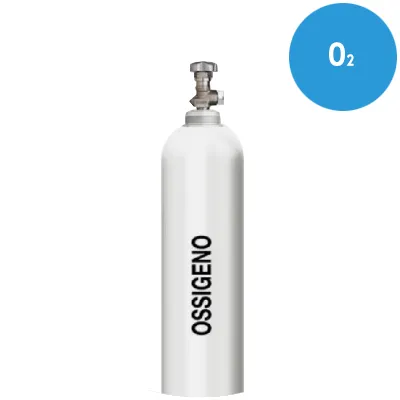
Table of Contents
- Patient Information Leaflet
- OSSIGENO TER.GAS 200 BAR COMPRESSED MEDICINAL GAS, CRYOGENIC MEDICINAL GAS
- 1. What OSSIGENO TER.GAS is and what it is used for
- 2. What you need to know before using OSSIGENO TER.GAS
- 3. How to use OSSIGENO TER.GAS
- 4. Possible side effects
- 5. How to store OSSIGENO TER.GAS
- 6. Package contents and other information
- Patient information leaflet
- MEDICAL COMPRESSED OXYGEN GAS 200 BAR
- 1. What OSSIGENO TER.GAS is and what it is used for
- 2. What you should know before being administered OSSIGENO TER.GAS
- 3. How OSSIGENO TER.GAS will be administered to you
- 4. Possible side effects
- 5. How to store OXYGEN MEDICINAL GAS
- 6. Package Contents and Other Information
- General Instructions for Use
Patient Information Leaflet
OSSIGENO TER.GAS 200 BAR COMPRESSED MEDICINAL GAS, CRYOGENIC MEDICINAL GAS
Oxygen
Please read this leaflet carefully before using this medicine because it contains important information for you.
- Keep this leaflet. You may need to read it again.
- If you have any questions, ask your doctor or pharmacist.
- This medicine has been prescribed for you only. Do not give it to other people, even if they have the same symptoms as yours, because it could be harmful.
- If you experience any side effect, including those not listed in this leaflet, contact your doctor or pharmacist. See section 4.
Contents of this leaflet:
- What OSSIGENO TER.GAS is and what it is used for
- What you need to know before using OSSIGENO TER.GAS
- How to use OSSIGENO TER.GAS
- Possible side effects
- How to store OSSIGENO TER.GAS
- Contents of the pack and other information
1. What OSSIGENO TER.GAS is and what it is used for
OSSIGENO TER.GAS contains oxygen, a gas naturally present in the air we breathe.
Medical oxygen increases the amount of oxygen transported to all tissues of the body.
OSSIGENO TER.GAS is indicated in patients of all ages for the treatment of respiratory disorders
(acute and chronic respiratory failure).
Consult your doctor if you do not feel better or if you feel worse.
2. What you need to know before using OSSIGENO TER.GAS
Under normal conditions, there are no contraindications.
Warnings and precautions
Talk to your doctor, pharmacist, or nurse before using OSSIGENO TER.GAS.
Inform your doctor:
- if you suffer from hyperthyroidism (a condition caused when the thyroid gland, a gland located in the neck, is overactive)
- if you have vitamin C and/or vitamin E deficiency, or if you have anemia caused by a deficiency of a substance called glutathione (an antioxidant, i.e. one that counteracts aging)
- if you have undergone treatment for paraquat poisoning (a herbicide)
- if you consume large amounts of alcohol (oxygen may increase respiratory depression caused by alcohol)
- if you are taking medicines to treat epilepsy (barbiturates) and/or pain (opioids)
- if you have airway inflammation causing breathing difficulties (Chronic Obstructive Pulmonary Disease, COPD)
- if you have specific diseases (e.g. COPD; cystic fibrosis, pathological obesity, chest wall deformities, neuromuscular disorders, respiratory depressant drug overdose), which may reduce sensitivity to carbon dioxide pressure in the blood or lead to increased carbon dioxide concentration in the blood (hypercapnic respiratory failure)
- if you have suffered lung injury caused by the use of bleomycin (a drug used to treat certain tumors)
- if you have recently undergone an X-ray examination.
Children
In preterm and full-term newborns, oxygen therapy may cause eye damage (retinopathy of prematurity), lung damage, and brain hemorrhages. The doctor will determine the appropriate oxygen concentration to administer to the newborn for optimal treatment.
SAFETY PRECAUTIONS
During transport, storage, and use of cylinders
- Avoid contact of oils and greases with cylinders: for example, do not touch cylinders with hands, clothing, or face contaminated with grease, oil, creams, or ointments
- Do not use greasy creams or lipsticks
- Do not use oils or greases on connectors, taps, valves, or any material in contact with oxygen. (OIL AND GREASE CAN SPONTANEOUSLY CATCH FIRE IN CONTACT WITH OXYGEN).
- Do not touch frozen parts (for cryogenic containers).
- Use only containers that do not show visible damage or that have not been damaged or exposed to extreme temperatures.
- Use only equipment suitable for the specific container model.
- Keep cylinders away from heat sources and open flames.
- Do not smoke in the area where cylinders are located, especially while oxygen is being administered to the patient.
- Do not use any electrical equipment that may produce sparks near the cylinders, especially while oxygen is being administered to the patient.
- Never introduce oxygen into a device that might contain materials that can catch fire, particularly fatty substances.
- Do not use pliers or other tools to open or close the cylinder valve.
- Do not modify the shape of the container.
- In case of leakage, immediately close the cylinder valve and, if safe to do so, move the cylinder to a safer outdoor location to allow oxygen to escape freely.
- Close valves on empty cylinders.
- Do not administer pressurized gas.
During transport, storage, and use of cryogenic oxygen
- Liquid oxygen can cause cold burns.
- If liquid oxygen comes into contact with the skin or eyes, wash the affected area with abundant cold water or apply cold compresses. Seek medical advice immediately.
Other medicines and OSSIGENO TER.GAS
Inform your doctor, nurse, or pharmacist if you are taking, have recently taken, or might take any other medicine.
In particular, inform your doctor, nurse, or pharmacist if you are taking:
- catecholamines (e.g. epinephrine, norepinephrine), medicines that affect multiple organs and are generally used in emergency treatment of sudden allergic reactions;
- corticosteroids (e.g. dexamethasone, methylprednisolone), medicines used to treat inflammation;
- hormones (e.g. testosterone, thyroxine);
- amiodarone, a medicine used to treat heart rhythm disorders;
- chemotherapeutic agents (e.g. bleomycin, cyclophosphamide, 1,3-bis(2-chloroethyl)-1-nitrosourea) and adriamycin, medicines used to treat tumors;
- antimicrobial agents (e.g. nitrofurantoin);
- antibiotics (e.g. bleomycin, actinomycin, nitrofurantoin), medicines used to treat infections;
- vitamin K supplements (menadione);
- medicines for mental disorders (e.g. promazine, chlorpromazine, thioridazine);
- chloroquine, a medicine used to treat malaria.
OSSIGENO TER.GAS and alcohol
Do not consume alcohol during treatment with OSSIGENO TER.GAS, as oxygen increases respiratory depression (difficulty in breathing) caused by alcohol.
Pregnancy and breastfeeding
If you are pregnant, suspect you may be pregnant, planning to become pregnant, or breastfeeding, consult your doctor or pharmacist before using this medicine.
Pregnancy
OSSIGENO TER.GAS may be used during pregnancy only when necessary, in cases of life-threatening indications, critical conditions, or hypoxemia (inadequate oxygenation of the blood).
Breastfeeding
There are no contraindications for the use of oxygen during breastfeeding.
Driving and using machines
OSSIGENO TER.GAS does not affect, or affects only negligibly, the ability to drive vehicles or operate machinery.
Avoid driving vehicles and operating machinery until any negative effects on attention and vigilance have completely disappeared.
3. How to use OSSIGENO TER.GAS
Use this medicine exactly as directed by your doctor or pharmacist. If you have any doubts, consult your doctor or pharmacist.
If you do not have respiratory insufficiency, Ossigeno TER.GAS will be inhaled through the nose and mouth via a nasal cannula or a mask.
If you suffer from respiratory insufficiency or are undergoing anesthesia, Ossigeno TER.GAS will be administered via assisted ventilation.
The dose will be determined by your doctor based on your health status.
During treatment with Ossigeno TER.GAS, your doctor may perform measurements of blood gases (oxygen and carbon dioxide) in arterial blood and monitor oxygen levels bound to hemoglobin, a protein that transports oxygen in the blood.
If you use more OSSIGENO TER.GAS than you should
If you use more Ossigeno TER.GAS than recommended, contact your doctor or go to hospital immediately.
Symptoms of an overdose may include:
- sore throat,
- cough and chest pain,
- difficulty breathing (dyspnea, hypoventilation) and bluish skin (cyanosis),
- damage to bronchi and lungs,
- uncoordinated movements,
- tingling in limbs,
- visual and hearing disturbances,
- nausea, dizziness,
- anxiety, confusion and irritability,
- muscle cramps and spasms,
- loss of consciousness,
- uncontrolled body movements (convulsions), sometimes with loss of consciousness (epileptic seizures),
- eye damage (retinopathy of prematurity) in premature infants,
- respiratory depression and increased blood acidity in patients at risk of high carbon dioxide levels in the blood (hypercapnic respiratory failure).
Treatment
If you have used excessive doses, your doctor will administer appropriate therapy and monitor you closely.
In most cases, symptoms resolve within 4 hours after stopping treatment.
If you have any questions about the use of this medicine, consult your doctor, pharmacist, or nurse.
4. Possible side effects
Like all medicines, this medicine can cause side effects, although not everybody will experience them.
Below are the side effects associated with Ossigeno TER.GAS.
Very common (may affect more than 1 in 10 people)
- Eye damage (retinopathy of prematurity)
Not known (frequency cannot be estimated from the available data)
- Pulmonary toxicity characterized by:
- airway infection characterized by pain beneath the sternum and dry cough (tracheobronchitis)
- accumulation of fluid in the tissues lining the pulmonary alveoli (interstitial edema)
- respiratory disease characterized by the formation of scar tissue replacing normal lung tissue (pulmonary fibrosis)
- Increased carbon dioxide levels in the blood (hypercapnia), leading to:
- hypoventilation
- increased acid levels in the blood (respiratory acidosis)
- respiratory arrest
- Dryness and irritation of mucous membranes (congestion or obstruction of paranasal sinuses with pain and bleeding)
- Local irritation and inflammation of the mucosa
Other reported side effects:
- Slight reduction in heart rate and cardiac output
- Failure of lung expansion (atelectasis)
- Lung injury
- Dryness and irritation of the eyes
- Slowed clearance of nasal secretions
For the cryogenic formulation only
Cold burns may occur following direct contact with liquid oxygen (see section Safety precautions).
Reporting of side effects
If you experience any side effects, including those not listed in this leaflet, please inform your doctor, pharmacist, or nurse.
You can also report side effects directly via the national reporting system at https://www.aifa.gov.it/content/segnalazioni-reazioni-avverse.
By reporting side effects, you can help provide more information on the safety of this medicine.
5. How to store OSSIGENO TER.GAS
Store cylinders at temperatures between -10°C and 50°C.
Keep this medicine out of the sight and reach of children.
Do not use this medicine after the expiry date stated on the label after EXP. The expiry date refers to the last day of that month.
Do not dispose of any medicine via wastewater or household waste. Ask your pharmacist how to dispose of medicines you no longer use. This will help protect the environment.
6. Package contents and other information
What OSSIGENO TER.GAS contains
- The active substance is oxygen. Description of the appearance of OSSIGENO TER.GAS and contents of the pack Compressed medicinal gas
OSSIGENO TER.GAS compressed medicinal gas is supplied in cylinders in compressed gaseous form at 200 bar at 15°C. The cylinders are made of steel and equipped with valves compatible with pressure regulators or with integrated pressure-reducing valves.
Cryogenic medicinal gas
OSSIGENO TER.GAS cryogenic medicinal gas is supplied in mobile cryogenic containers.
Available pack sizes:
Compressed medicinal gas
Steel cylinder with valve: 1, 2, 7, 10, 14, 27 litres
Cryogenic medicinal gas
Mobile cryogenic container: 31 litres
Not all pack sizes may be marketed.
Marketing Authorization Holder and Manufacturer
Marketing Authorization Holder
TER.GAS S.R.L. - via dei Sanniti 134-80011 Acerra (NA)
Manufacturer
Compressed medicinal gas
TER.GAS srl – via dei Sanniti 134-80011– Acerra (NA)
Cryogenic medicinal gas (mobile containers)
TER.GAS srl – via dei Sanniti 134-80011– Acerra (NA)
The following information is intended exclusively for physicians or healthcare professionals:
Precautions for use
Oxygen must be administered with caution, adjusted according to the individual patient's needs. The lowest effective dose that maintains arterial oxygen tension at 8 kPa (60 mmHg) should be administered. Higher concentrations should be given for the shortest possible duration, with frequent monitoring of blood gas analysis.
Oxygen can be safely administered at the following concentrations and for the following durations:
Up to 100% for less than 6 hours
60–70% for 24 hours
40–50% during the second 24-hour period.
Oxygen is potentially toxic after two days at concentrations exceeding 40%.
Low oxygen concentrations should be used in patients with respiratory insufficiency in whom the respiratory drive is hypoxia-dependent. In these cases, treatment must be closely monitored by measuring arterial oxygen tension (PaO₂), or by pulse oximetry (arterial oxygen saturation – SpO₂) and clinical assessment.
Administration of oxygen to patients with drug-induced respiratory failure (opioids, barbiturates) or chronic obstructive pulmonary disease (COPD) may further worsen respiratory insufficiency due to hypercapnia caused by elevated carbon dioxide levels in the blood, which abolishes receptor responses.
High oxygen concentrations in inhaled air or gas reduce nitrogen concentration and partial pressure. This also reduces nitrogen levels in tissues and lungs (alveoli). If oxygen is absorbed into the blood through the alveoli faster than it is supplied by ventilation, alveoli may collapse (atelectasis). This may impair arterial blood oxygenation, as gas exchange does not occur despite adequate perfusion.
In patients with reduced sensitivity to arterial carbon dioxide pressure, high oxygen levels may cause carbon dioxide retention. In extreme cases, this may lead to carbon dioxide narcosis.
Patients at risk of hypercapnic respiratory failure
Special precautions must be taken in patients with reduced sensitivity to arterial carbon dioxide pressure or at risk of hypercapnic respiratory failure ("hypoxic drive") (e.g. patients with chronic obstructive bronchopulmonary disease (COPD), cystic fibrosis, morbid obesity, chest wall deformities, neuromuscular disorders, respiratory depressant drug overdose). Administration of supplemental oxygen may cause respiratory depression and increased PaCO₂, leading to symptomatic respiratory acidosis. In these patients, oxygen therapy must be carefully titrated; the target oxygen saturation may be lower than in other patients, and oxygen should be administered at low flow rates.
Special precautions in patients with bleomycin-induced lung injury
Pulmonary toxicity from high-dose oxygen therapy may exacerbate lung injury, even years after the initial bleomycin-induced lung damage, and the target oxygen saturation may need to be lower than in other patients.
Paediatric population
Due to the newborn's increased sensitivity to supplemental oxygen, the lowest effective oxygen concentration should be administered to achieve adequate oxygenation in neonates.
In preterm and term neonates, increased PaO₂ may lead to retinopathy of prematurity, chronic lung disease, and intraventricular haemorrhage.
It is recommended to initiate resuscitation of term or near-term neonates with air rather than 100% oxygen. In preterm neonates, the optimal oxygen concentration and oxygen target are not precisely defined. If supplemental oxygen is required, it should be carefully monitored and guided by pulse oximetry.
In term and preterm neonates, administration of oxygen at concentrations above 30–40% may result in insufficient production of endogenous antioxidant enzymes, thus impairing the ability to counteract the production and toxic effects of reactive oxygen species. In such cases, the lowest effective oxygen concentration should be administered, arterial oxygen pressure (PaO₂) should be closely monitored, and maintained below 13.3 kPa (100 mmHg).
Special warnings
- In hyperoxic environments, oxygen may saturate clothing.
- Contact with frozen parts must be strictly avoided (for cryogenic containers).
- Cylinders and mobile cryogenic containers must not be used if there are visible damages, suspected damage, or exposure to extreme temperatures.
- Only oxygen-compatible equipment suitable for the specific container model may be used.
- Pliers or other tools must not be used to open or close the cylinder valve to prevent damage.
- In case of leakage, the cylinder valve must be closed immediately, if this can be done safely. If the valve cannot be closed, the cylinder must be moved to a safe outdoor location to allow oxygen to escape freely.
- Valves of empty cylinders must remain closed.
- Oxygen has a strong oxidizing effect and may react violently with organic substances. Therefore, special precautions are required when handling and storing containers.
- Administration of gas under pressure is not permitted.
For cryogenic formulation
Cold burns from direct contact with liquid oxygen
Oxygen becomes liquid at approximately -183°C. At such low temperatures, direct contact of liquid oxygen with skin or mucous membranes may cause cold burns. Special safety precautions must be taken when handling cryogenic containers: appropriate protective clothing (gloves, goggles, loose clothing, and trousers covering shoes) must be worn. If liquid oxygen contacts skin or eyes, the affected areas must be washed with abundant cold water or cold compresses applied; immediate medical assistance must be sought.
Dosage, method and duration of administration
Oxygen (compressed or cryogenic) is administered via inhaled air, preferably using dedicated devices (e.g. nasal cannula or face mask); the dosage is delivered to the patient independently of the medicinal gas packaging through dosing devices (flowmeters).
With these systems, oxygen is delivered through the inspired air, while expired gas and any excess oxygen leave the patient's inspiratory circuit, mixing with the surrounding air (open system or anti-rebreathing system).
Normobaric oxygen therapy
Normobaric oxygen therapy refers to the administration of a gas mixture richer in oxygen than atmospheric air, i.e. with an inspired oxygen fraction (FiO₂) exceeding 21%, at a partial pressure between 0.21 and 1 atmosphere (0.213 and 1.013 bar).
In patients without respiratory insufficiency, oxygen may be administered via spontaneous ventilation using nasal cannulas, nasopharyngeal catheters, or suitable masks.
In patients with respiratory insufficiency or under anaesthesia, oxygen must be administered via assisted ventilation.
Oxygen cylinders contain an internal pressure of approximately 200 bar. This high pressure is regulated by a pressure reducer and indicated on the pressure gauge. Multiplying the pressure gauge reading by the cylinder volume (in litres) gives the amount of oxygen remaining in the cylinder.
(Example: Content calculation: a cylinder has a volume of 10 litres and the pressure gauge reads 200 bar, resulting in 2000 litres of oxygen; at a consumption rate of 2 litres per minute, the cylinder will be empty after approximately 16 hours).
With spontaneous ventilation
Patients with chronic respiratory insufficiency: administer oxygen at a flow rate between 0.5 and 2 litres/minute, adjustable according to blood gas analysis.
Patients with acute respiratory insufficiency: administer oxygen at a flow rate between 0.5 and 15 litres/minute, adjustable according to blood gas analysis.
Paediatric population
Neonates may receive 100% oxygen when necessary. However, careful monitoring during treatment is required. It is recommended to avoid oxygen concentrations exceeding 40% to reduce the risk of lens damage or lung collapse. Arterial oxygen pressure (PaO₂) must be monitored; however, if maintained below 13.3 kPa (100 mmHg) and significant fluctuations in oxygenation are avoided, the risk of ocular damage is reduced.
Furthermore, the risk of ocular damage may be reduced by avoiding significant fluctuations in oxygenation (see also Precautions for use).
Instructions for use and handling
Medicinal oxygen cylinders and cryogenic containers are intended exclusively for containing/transporting oxygen for inhalation, for therapeutic use.
Cylinders and mobile cryogenic containers (Base Units) must be transported using appropriate means to protect them from impact and falling risks.
Strictly follow the instructions below:
- Carefully read the instruction and user manual of the container (packaging).
- Check that all equipment is in good condition.
- Secure cylinders and base units in an upright position to prevent falls; protect containers from impact and maintain them at temperatures below 50°C, ensuring adequate ventilation/aeration of rooms where the product is used. Cylinders must be fitted with a protective cap/tulip over the valve.
- Handle equipment with clean hands, free from grease or oil traces.
- Lift and move cylinders and base units only using the appropriate trolley; never lift the cylinder by the valve.
- Use specific connectors, connection tubes or hoses compatible with oxygen.
- Particular attention must be paid to securing pressure reducers to cylinders, if not already integrated into the container closure system, to prevent accidental breakage.
- Any intervention on delivery equipment and related accessories or components is strictly prohibited (OIL AND GREASE MAY IGNITE ON CONTACT WITH OXYGEN).
- Do not lubricate or attempt to repair defective valves/taps.
- Do not handle equipment or components with hands, clothing or face contaminated with grease, oil, creams or ointments.
General instructions for use
Cylinders equipped with a simple shut-off valve only
- Remove the protective cap, if present
- Ensure the delivery valve is closed
- Remove the tamper-evident seal
- Connect the pressure reducer to the cylinder valve and the corresponding flowmeter
- Connect the humidifier/bubbler
- Connect the cannula with mask or goggles to the humidifier
- Slowly open the main valve fully
- Adjust the flowmeter to the required flow rate (litres/minute)
Cylinders equipped with integrated pressure-reducing valve
- Ensure the valve is closed
- Remove the tamper-evident seal
- Ensure the flow indicator is set to zero
- Connect the humidifier/bubbler
- Connect the cannula with mask or goggles to the humidifier
- Slowly open the main valve fully
- Adjust the flowmeter to the required flow rate (litres/minute)
Mobile cryogenic containers
- Ensure the flow indicator is set to zero
- Remove the tamper-evident seal
- Connect the humidifier/bubbler
- Connect the cannula with mask or goggles to the humidifier
- Set the flow regulator to the required flow rate (litres/minute)
NOTE: FOR MORE DETAILS, PLEASE CONSULT THE USER MANUAL OF THE
CONTAINER
ATTENTION
- Open container closure systems (valve or tap) gradually to avoid pressure surges.
- Do not force taps or valves during opening or closing.
- Never stand directly in front of the gas outlet of the tap/valve; always stand to the side. Do not expose yourself or the patient to direct gas flow.
- Do not use oil or grease in contact with the gas.
- Do not completely empty the container.
- After use, close the cylinder tap.
- In case of gas leakage, close the tap and contact the technical service of the supplier indicated in the container's user manual.
- Use only containers suitable for the product and for the intended operating pressure and temperature.
During use
- Do not use greasy creams or lipsticks.
- Do not smoke.
- Do not bring open flames near the container.
- No electrical equipment capable of producing sparks should be used near patients receiving oxygen.
- Do not use oils or greases on connectors, taps, valves, or any material in contact with oxygen.
- Never introduce oxygen into a device that might contain combustible materials, especially greasy substances.
Disposal
- Store empty cylinders with valves closed.
- Do not discharge into sewers, basements or pits where accumulation may be hazardous.
- Return empty or unused containers, even if only partially empty, to the supplier. Any residual medicinal product remaining in the pressurized cylinder will be safely eliminated through appropriate procedures in a well-ventilated area by the company responsible for subsequent refilling of the same container.
- Unused medicinal product and waste derived from this medicinal product must be disposed of in accordance with applicable local regulations. Observe all relevant rules regarding the use and movement of pressurized cylinders and containers holding cryogenic liquids. Store cylinders and mobile cryogenic containers at temperatures between -10°C and 50°C, in well-ventilated areas or well-ventilated sheds, avoiding the formation of hyperoxic atmospheres (O₂ > 21% vol), in an upright position with valves closed and protected from rain and weather, direct sunlight, and away from heat or ignition sources and combustible materials. Empty containers or those containing other types of gas must be stored separately.
Patient information leaflet
MEDICAL COMPRESSED OXYGEN GAS 200 BAR
Oxygen
Please read this leaflet carefully before you are administered this medicine, as it contains
important information for you.
- Keep this leaflet. You may need to read it again.
- If you have any questions, ask your doctor, pharmacist, or nurse.
- If you experience any side effects, including those not listed in this leaflet, contact your doctor, pharmacist, or nurse. See section 4.
Contents of this leaflet:
- What OSSIGENO TER.GAS is and what it is used for
- What you need to know before being administered OSSIGENO TER.GAS
- How OSSIGENO TER.GAS will be administered to you
- Possible side effects
- How to store OSSIGENO TER.GAS
- Package contents and other information
1. What OSSIGENO TER.GAS is and what it is used for
OSSIGENO TER.GAS contains oxygen, a gas naturally present in the air we breathe.
Medical oxygen increases the delivery of oxygen to all tissues of the body.
OSSIGENO TER.GAS is indicated in patients of all ages:
- for the treatment of respiratory disorders (acute and chronic respiratory failure);
- for use in anaesthesia;
- in intensive care, a hospital unit where seriously ill patients are treated;
- in a hyperbaric chamber, a room where the air pressure is higher than atmospheric pressure.
2. What you should know before being administered OSSIGENO TER.GAS
Normobaric oxygen therapy
Under normal conditions, there are no contraindications.
Hyperbaric oxygen therapy
You will not be administered OSSIGENO TER.GAS in a hyperbaric chamber if:
- you suffer from a lung disease causing the formation of lung bubbles (bullous emphysema)
- you suffer from asthma
- you currently have or have previously had lung collapse (pneumothorax)
- you suffer from a disease causing airway obstruction, making it difficult to expel air from the lungs, resulting in shortness of breath (also called dyspnea) (COPD)
- you suffer from a lung inflammation (Pneumocystis carinii pneumonia)
- you suffer from a condition characterized by uncontrollable body movements (epilepsy)
- you have fear of enclosed spaces (claustrophobia)
- you are in the first 3 months of pregnancy and do not have a serious illness
- you have an upper respiratory tract infection
- you have heat stroke (hyperthermia)
- you suffer from a red blood cell disorder, a type of blood cell (hereditary spherocytosis)
- you suffer from an optic nerve disease
- you suffer from malignant tumors
- you suffer from high levels of acid in the blood (acidosis)
- you are taking medications to treat tumors such as doxorubicin, adriamycin, daunorubicin, bleomycin, cis-platinum (see section Other medicines and OSSIGENO TER.GAS)
- you are taking medications to treat inflammation such as corticosteroids (see section Other medicines and OSSIGENO TER.GAS)
- you are taking a medication to treat alcohol dependence (disulfiram – see section Other medicines and OSSIGENO TER.GAS)
- you consume alcohol
- you have recently been exposed to toxic substances (aromatic hydrocarbons)
- you smoke or take nicotine-based medications to help quit smoking
- the newborn was premature.
Warnings and precautions
Talk to your doctor, pharmacist, or nurse before being administered OSSIGENO TER.GAS.
Inform your doctor:
- if you suffer from a thyroid disease, a gland located in the neck that is overactive (hyperthyroidism)
- if you suffer from a deficiency of vitamin C and/or vitamin E or if you suffer from anemia caused by deficiency of a substance called glutathione (an antioxidant, i.e. one that counteracts aging)
- if you have undergone treatment for paraquat poisoning (an herbicide)
- if you consume large amounts of alcohol (oxygen may increase respiratory depression caused by alcohol)
- if you are taking medications to treat epilepsy (barbiturates) and/or pain (opioids)
- if you suffer from airway inflammation making breathing difficult (Chronic Obstructive Bronchopneumopathy COPD)
- if you suffer from specific diseases (e.g. COPD; cystic fibrosis, pathological obesity, chest wall deformities, neuromuscular disorders, respiratory depressant drug overdose), which may reduce sensitivity to carbon dioxide pressure in the blood or lead to increased carbon dioxide concentration in the blood (hypercapnic respiratory failure)
- if you have sustained lung injury due to the use of bleomycin
- if you have recently undergone an X-ray.
Children
In preterm and full-term newborns, oxygen therapy may cause eye damage (retinopathy of prematurity), lung damage, and brain hemorrhages. The doctor will determine the appropriate oxygen concentration to administer to the newborn for optimal treatment.
Hyperbaric oxygen therapy (HBOT)
The doctor will carefully evaluate whether to administer oxygen in a hyperbaric chamber if you have:
- ear and/or nasal inflammation (recurrent otitis and/or sinusitis, laryngocele, mastoid cavity, vestibular syndrome, hearing loss due to a recent middle ear surgery)
- a heart disease (ischemic and/or congestive heart disease)
- high blood pressure and are not taking medications to treat it (untreated arterial hypertension)
- lung diseases that prevent air passage (restrictive and/or severely restrictive pulmonary diseases)
- an eye disease characterized by high pressure of the fluid inside the eyes (glaucoma), retinal detachment, or a membrane in the eye, even if surgically treated (compensation maneuvers)
- history of uncontrollable body movements (seizures), sometimes with loss of consciousness (epileptic seizures)
- uncontrolled high fever
- severe anxiety, altered perception of reality (psychosis), fear of narrow or enclosed spaces (claustrophobia)
- diabetes mellitus, as hyperbaric therapy may counteract insulin effect and increase your blood sugar levels (hyperglycemia)
- respiratory disorders (e.g. uncontrolled asthma, pulmonary emphysema, chronic obstructive bronchopneumopathy - COPD) or recent thoracic surgery.
SAFETY PRECAUTIONS
During transport, storage, and use of cylinders
- Avoid contact of oils and greases with cylinders: for example, avoid touching cylinders with hands, clothes, or face contaminated with grease, oil, creams, or ointments
- Do not use greasy creams or lipsticks
- Do not use oils or greases on connectors, taps, valves, or any material in contact with oxygen. ( OIL AND GREASE MAY SPONTANEOUSLY CATCH FIRE IN CONTACT WITH OXYGEN ).
- Use only containers that show no visible damage or that have not been damaged or exposed to extreme temperatures.
- Use only equipment suitable for the specific container model.
- Keep cylinders away from heat sources and open flames.
- Do not smoke in the area where cylinders are located, especially while oxygen is being administered to the patient.
- Do not use any electrical equipment that may emit sparks near the cylinders, especially while oxygen is being administered to the patient.
- Never introduce oxygen into a device that might contain materials that can catch fire, particularly greasy substances.
- Do not use pliers or other tools to open or close the cylinder valve. Do not alter the shape of the container.
- In case of leakage, immediately close the cylinder valve and, if safely possible, move the cylinder to a safer outdoor location to allow oxygen to escape freely.
- Close valves on empty cylinders.
- Do not administer pressurized gas.
Other medicines and OSSIGENO TER.GAS
Inform your doctor, nurse, or pharmacist if you are taking, have recently taken, or might take any other medicine.
In particular, inform your doctor, nurse, or pharmacist if you are taking:
- catecholamines (e.g. epinephrine, norepinephrine), medicines that affect multiple body organs and are generally used for emergency treatment of sudden allergic reactions;
- corticosteroids (e.g. dexamethasone, methylprednisolone), medicines to treat inflammation;
- hormones (e.g. testosterone, thyroxine);
- amiodarone, a medicine to treat heart rhythm disorders;
- chemotherapeutic agents (e.g. bleomycin, cyclophosphamide, 1,3-bis(2-chloroethyl)-1-nitrosourea) and adriamycin, medicines to treat tumors;
- antimicrobial agents (e.g. nitrofurantoin);
- antibiotics (e.g. bleomycin, actinomycin, nitrofurantoin), medicines to treat infections;
- vitamin K supplements (menadione);
- medicines to treat mental disorders (e.g. promazine, chlorpromazine, thioridazine);
- chloroquine, a medicine to treat malaria.
OSSIGENO TER.GAS and alcohol
Do not consume alcohol during treatment with OSSIGENO TER.GAS, as oxygen increases respiratory depression (difficulty breathing) caused by alcohol.
Pregnancy and breastfeeding
If you are pregnant, suspect you may be pregnant, are planning a pregnancy, or are breastfeeding, consult your doctor, pharmacist, or nurse before taking this medicine.
Pregnancy
Normobaric oxygen therapy
OSSIGENO TER.GAS may be used during pregnancy only when necessary, in cases of life-threatening indications, critical conditions, or hypoxemia (inadequate blood oxygenation).
Hyperbaric oxygen therapy
Use of hyperbaric treatment is contraindicated during the first trimester of pregnancy for non-acute conditions.
Breastfeeding
There are no contraindications for the use of oxygen during breastfeeding.
Driving and using machines
Normobaric oxygen therapy
OSSIGENO TER.GAS does not alter, or alters only negligibly, the ability to drive vehicles and use machinery.
Avoid driving vehicles and using machinery until any negative effects on attention and vigilance have completely disappeared.
Hyperbaric oxygen therapy
Visual and hearing disturbances that may affect the ability to drive vehicles and use machinery have been reported after oxygen administration.
Avoid driving vehicles and using machinery until any negative effects on your attention and vigilance have completely disappeared.
3. How OSSIGENO TER.GAS will be administered to you
This medicine will be administered to you through the inhaled air, always following exactly the instructions given by your doctor or nurse. If you have any doubts, consult your doctor.
If you do not suffer from respiratory insufficiency, Ossigeno TER.GAS will be inhaled through the nose and mouth via a nasal cannula or a face mask.
If you have respiratory insufficiency or are undergoing anaesthesia, Ossigeno TER.GAS will be administered via assisted ventilation.
The dose will be determined by your doctor based on your health condition.
During treatment with Ossigeno TER.GAS, your doctor may perform measurements of blood gases (oxygen and carbon dioxide) in arterial blood and monitor oxygen levels bound to haemoglobin, a protein that carries oxygen in the blood.
If you are given more OSSIGENO TER.GAS than you should
It is very unlikely that you will be administered more Ossigeno TER.GAS than required, as your doctor or nurse will monitor you during treatment.
Symptoms of an overdose that you might experience include:
- sore throat
- cough and chest pain
- breathing difficulties (dyspnoea, hypoventilation) and bluish skin (cyanosis)
- disturbances of vision and hearing
- cramps and muscle spasms
- nausea, dizziness
- anxiety, confusion and irritability
- loss of consciousness
- uncontrolled body movements (convulsions), sometimes with loss of consciousness (epileptic seizures)
- damage to the bronchi and lungs
- uncoordinated movements
- tingling in the limbs
- eye damage (retinopathy of prematurity) in premature infants
- respiratory depression and increased blood acidity in patients at risk of high carbon dioxide levels in the blood (hypercapnic respiratory failure).
Treatment
If you are given excessive doses, your doctor will provide appropriate therapy and monitor you closely.
In most cases, symptoms resolve within 4 hours after stopping treatment.
4. Possible side effects
Like all medicines, this medicine can cause side effects, although not everyone experiences them. Listed below are the side effects of Oxygen TER.GAS.
Very common (may affect more than 1 in 10 people)
- Eye damage (retinopathy of prematurity)
Not known (frequency cannot be estimated from the available data)
- Pulmonary toxicity characterised by:
- airway infection characterised by substernal pain and dry cough (tracheobronchitis)
- accumulation of fluid occurring in the tissues lining the lung alveoli (interstitial edema)
- respiratory disease characterised by the formation of scar tissue in place of normal lung tissue (pulmonary fibrosis)
- Increased carbon dioxide in the blood (hypercapnia), leading to:
- hypoventilation
- increase in blood acidity (respiratory acidosis)
- respiratory arrest
- Dryness and irritation of mucous membranes (congestion or obstruction of the paranasal sinuses with pain and bleeding)
- Local irritation and inflammation of the mucosa
Other reported side effects:
- Mild reduction in heart rate and cardiac output
- Failure of lung expansion (atelectasis)
- Lung injury
- Dryness and irritation of the eyes
- Slowed elimination of nasal secretions
Side effects associated with hyperbaric oxygen therapy
Very common (may affect more than 1 in 10 people)
- Ear pain
- Progressive myopia
- Tissue injury caused by imbalance between the air pressure within a body cavity and the surrounding environmental pressure (barotrauma), which may manifest as ear pain and possible ear bleeding, toothache, intestinal gas release (flatulence), and colic pain.
Common (may affect up to 1 in 10 people)
- Uncontrollable body movements (convulsions)
Uncommon (may affect up to 1 in 100 people)
- Tympanic membrane perforation
Rare (may affect up to 1 in 1,000 people)
- Breathing difficulties (dyspnea)
- Decreased blood glucose levels (hypoglycaemia) in diabetic patients
Not known (frequency cannot be estimated from the available data)
- Respiratory disorders
- Involuntary muscle contractions (localized muscle spasms)
- Dizziness (vertigo)
- Ringing in the ears (tinnitus)
- Hearing loss
- Inflammation of the middle ear (acute serous otitis media)
- Nausea
- Abnormal behaviour
- Reduced field of vision (decreased peripheral vision)
- Blurred vision
- Cataract
Reporting of side effects
If you experience any side effect, including those not listed in this leaflet, consult your doctor, pharmacist, or nurse. You may also report side effects directly via the national reporting system at https://www.aifa.gov.it/content/segnalazioni-reazioni-avverse.
By reporting side effects, you can help provide more information on the safety of this medicine.
5. How to store OXYGEN MEDICINAL GAS
Store cylinders at temperatures between -10°C and 50°C.
Keep this medicine out of the sight and reach of children.
Do not use this medicine after the expiry date stated on the label after EXP. The expiry date refers to the
last day of that month.
Do not dispose of any medicine via wastewater or household waste. Ask your pharmacist how to dispose of
medicines you no longer use. This will help protect the environment.
6. Package Contents and Other Information
What OSSIGENO TER.GAS Contains
- The active substance is oxygen
Description of the Appearance of OSSIGENO TER.GAS and Contents of the Package
Compressed medicinal gas
OSSIGENO TER.GAS compressed medicinal gas is supplied in cylinders, in the form of compressed gas at
200 bar at 15°C. The cylinders are made of steel and equipped with valves compatible with a pressure reducer or with integrated pressure-reducing valves.
The following packaging is available:
Steel cylinder with 40-litre valve.
Marketing Authorization Holder and Manufacturer
TER.GAS S.R.L. - Via dei Sanniti 134 - 80011 – ACERRA (NA)
The following information is intended exclusively for physicians or healthcare professionals:
Precautions for Use
Oxygen must be administered with caution, adjusted according to the individual needs of each patient.
The lowest effective dose that maintains arterial oxygen tension at 8 kPa (60 mmHg) should be administered.
Higher concentrations should be given for the shortest possible duration, with frequent monitoring of blood gas analysis.
Oxygen can be safely administered at the following concentrations and for the following durations:
Up to 100% for less than 6 hours
60–70% for 24 hours
40–50% during the second 24-hour period.
Oxygen may become potentially toxic after two days at concentrations exceeding 40%.
Low oxygen concentrations should be used in patients with respiratory insufficiency in whom the respiratory drive is stimulated by hypoxia. In such cases, treatment must be closely monitored by measuring arterial oxygen tension (PaO₂), or via pulse oximetry (arterial oxygen saturation – SpO₂) and clinical assessment.
Administration of oxygen to patients with drug-induced respiratory failure (e.g., opioids, barbiturates) or chronic obstructive pulmonary disease (COPD) may further worsen respiratory insufficiency due to hypercapnia caused by elevated carbon dioxide levels in the blood, which counteracts receptor effects.
High oxygen concentrations in inhaled air or gas reduce nitrogen concentration and partial pressure. This also decreases nitrogen levels in tissues and alveoli. If oxygen is absorbed into the blood through the alveoli faster than it is replenished by ventilation, alveolar collapse (atelectasis) may occur. This can impair arterial oxygenation, as gas exchange does not occur despite adequate perfusion. In patients with reduced sensitivity to arterial carbon dioxide tension, high oxygen levels may cause carbon dioxide retention. In extreme cases, this may lead to carbon dioxide narcosis.
Patients at Risk of Hypercapnic Respiratory Failure:
Special precautions must be taken in patients with reduced sensitivity to arterial carbon dioxide tension or at risk of hypercapnic respiratory failure ("hypoxic drive") (e.g., patients with chronic obstructive bronchopulmonary disease (COPD), cystic fibrosis, morbid obesity, chest wall deformities, neuromuscular disorders, or respiratory depressant drug overdose). Administration of supplemental oxygen may cause respiratory depression and increased PaCO₂, leading to symptomatic respiratory acidosis.
In these patients, oxygen therapy must be carefully titrated; the target oxygen saturation may be lower than in other patients, and oxygen should be administered at low flow rates.
Special Precautions in Patients with Bleomycin-Induced Lung Injury
Pulmonary toxicity from high-dose oxygen therapy may exacerbate lung damage, even years after the initial lung injury caused by bleomycin. The target oxygen saturation in these patients may need to be lower than in others.
Paediatric Population
Due to the newborn's increased sensitivity to supplemental oxygen, the lowest effective oxygen concentration should be administered to achieve adequate oxygenation in neonates. In preterm and full-term neonates, increased PaO₂ may lead to retinopathy of prematurity, chronic lung disease, and intraventricular haemorrhage.
It is recommended to initiate resuscitation of full-term or near-term neonates with air rather than 100% oxygen. In preterm neonates, the optimal oxygen concentration and target oxygen saturation are not precisely defined. If supplemental oxygen is required, it should be carefully monitored and guided by pulse oximetry.
In full-term and preterm neonates, administration of oxygen at concentrations above 30–40% leads to inadequate production of endogenous antioxidant enzymes, resulting in an inability to counteract the production and toxic effects of reactive oxygen species. In such cases, the lowest effective oxygen concentration should be administered, arterial oxygen tension (PaO₂) should be closely monitored, and maintained below 13.3 kPa (100 mmHg).
Special Warnings
- In hyperoxic environments, oxygen may saturate clothing.
- Cylinders must not be used if there are visible damages or if damage or exposure to extreme temperatures is suspected.
- Only oxygen-compatible equipment suitable for the specific cylinder model may be used.
- Pliers or other tools must not be used to open or close the cylinder valve to prevent the risk of damage.
- In case of leakage, the cylinder valve must be closed immediately, if safely possible. If the valve cannot be closed, the cylinder must be moved to a safe outdoor location to allow oxygen to escape freely.
- Valves of empty cylinders must remain closed.
- Oxygen has a strong oxidizing effect and may react violently with organic substances. Therefore, special precautions are required for handling and storage of the cylinders.
- Administration of pressurized gas is not permitted.
Dosage, Method, and Duration of Administration
Oxygen (compressed) is administered via inhaled air, preferably using dedicated devices (e.g., nasal cannula or facial mask); the dosage is delivered independently of the medicinal gas packaging via dosing devices (flowmeters).
With these systems, oxygen is delivered through the inspired air, while expired gas and any excess oxygen leave the patient's inspiratory circuit, mixing with the surrounding air (open or anti-rebreathing system).
In anaesthesia, a special system is often used that allows rebreathing of previously exhaled gas (closed or rebreathing system).
Oxygen may also be administered directly into the blood via an oxygenator, using a cardiopulmonary bypass system in cardiac surgery and other cases requiring extracorporeal circulation.
Numerous oxygen delivery devices exist and are categorized as follows:
- Low-flow systems: The simplest method for delivering an oxygen-air mixture; an example is a system where oxygen is delivered via a flowmeter connected to a nasal cannula or facial mask.
- High-flow systems: Designed to provide the patient with a total gas mixture meeting their entire respiratory needs. These systems deliver stable and constant oxygen concentrations that are not diluted by ambient air; an example is Venturi masks, where, once the oxygen flow is set, the air inspired by the patient is enriched with a constant oxygen concentration.
- Demand valve systems: Designed to deliver 100% oxygen without contact with ambient air. Intended for short-term use only, in emergency situations.
- Hyperbaric oxygen therapy: Performed in a specially designed pressurized chamber capable of maintaining pressures up to three times atmospheric pressure. Hyperbaric oxygen therapy may also be administered via a tightly sealed mask, helmet, or endotracheal tube.
Normobaric Oxygen Therapy
Normobaric oxygen therapy refers to the administration of a gas mixture richer in oxygen than atmospheric air, i.e., with an inspired oxygen fraction (FiO₂) exceeding 21%, at a partial pressure between 0.21 and 1 atmosphere (0.213 and 1.013 bar).
In patients without respiratory insufficiency, oxygen may be administered via spontaneous ventilation using nasal cannulas, nasopharyngeal catheters, or suitable masks.
In patients with respiratory insufficiency or under anaesthesia, oxygen must be administered via assisted ventilation.
Oxygen cylinders contain an internal pressure of approximately 150–200 bar.
Pressure is regulated by a reducer and displayed on the pressure gauge.
Multiplying the pressure gauge reading by the cylinder volume gives the remaining oxygen volume available in the cylinder.
(Example: Approximate content calculation: a cylinder with a 10-litre capacity showing 200 bar on the gauge contains 2000 litres of oxygen. At a consumption rate of 2 litres per minute, the cylinder will be empty after approximately 16 hours.)
With spontaneous ventilation
Patients with chronic respiratory insufficiency: Administer oxygen at a flow rate of 0.5 to 2 litres/minute, adjustable according to blood gas analysis.
Patients with acute respiratory insufficiency: Administer oxygen at a flow rate of 0.5 to 15 litres/minute, adjustable according to blood gas analysis.
With assisted ventilation
The minimum FiO₂ is 21%, and may be increased up to 100%.
The therapeutic goal of oxygen therapy is to ensure that arterial oxygen partial pressure (PaO₂) does not fall below 8 kPa (60 mmHg), or that arterial haemoglobin oxygen saturation does not fall below 90%, achieved by adjusting the inspired oxygen fraction (FiO₂).
Dosage must be individualized.
The general recommendation is to use the lowest FiO₂ necessary to achieve the desired therapeutic effect, i.e., normal PaO₂ values.
In cases of severe hypoxaemia, FiO₂ values that carry a potential risk of oxygen toxicity may be required.
Continuous monitoring of therapy and ongoing assessment of therapeutic effect are essential, through repeated measurement of PaO₂ or, alternatively, arterial oxygen saturation (SpO₂).
In short-term oxygen therapy, the inspired oxygen fraction (FiO₂) should be sufficient to maintain PaO₂ > 8 kPa, with or without positive end-expiratory pressure (PEEP) or continuous positive airway pressure (CPAP), while avoiding FiO₂ values > 0.6 (i.e., >60% oxygen in the inhaled gas mixture) whenever possible.
Short-term oxygen therapy should be monitored by repeated arterial blood gas analysis (PaO₂) or transcutaneous oximetry, which provides a numerical value of haemoglobin oxygen saturation (SpO₂). In any case, these parameters are only indirect measures of tissue oxygenation. Clinical evaluation of treatment remains paramount.
For long-term therapy, the need for supplemental oxygen must be determined from arterial blood gas values. To prevent excessive carbon dioxide accumulation, blood oxygen levels must be monitored to allow appropriate adjustment of oxygen therapy in patients with hypercapnia.
Low oxygen concentrations should be used in patients with respiratory insufficiency whose respiratory drive depends on hypoxia (e.g., due to COPD). Inspired oxygen concentration should not exceed 28%; in some patients, even 24% may be excessive.
If oxygen is mixed with other gases, its concentration in the inhaled gas mixture must be maintained at least at 21%. In practice, levels below 30% are generally avoided. When necessary, the inspired oxygen fraction may be increased up to 100%.
Paediatric Population
Neonates may receive 100% oxygen when necessary. However, careful monitoring during treatment is essential. It is recommended to avoid oxygen concentrations exceeding 40% to reduce the risk of lens damage or pulmonary collapse. Arterial oxygen pressure (PaO₂) must be monitored; however, if levels are maintained below 13.3 kPa (100 mmHg) and significant fluctuations in oxygenation are avoided, the risk of ocular damage is reduced. Additionally, the risk of ocular damage may be minimized by avoiding marked fluctuations in oxygenation.
Hyperbaric Oxygen Therapy
Hyperbaric oxygen therapy refers to treatment with 100% oxygen at pressures exceeding 1.4 times atmospheric pressure at sea level (1 atm = 101.3 kPa = 760 mmHg). For safety reasons, pressure in hyperbaric oxygen therapy should not exceed 3 atm.
Oxygen must be administered in a hyperbaric chamber.
Treatment sessions in a hyperbaric chamber at pressures between 2 and 3 atmospheres (i.e., 2.026 and 3.039 bar) last between 60 minutes and 4–6 hours. These sessions may be repeated 2 to 4 times daily, depending on the patient's clinical condition.
Compression and decompression should be performed slowly according to standard procedures to prevent barotrauma to air-containing anatomical cavities communicating with the external environment.
Hyperbaric oxygen therapy must be administered by qualified personnel trained in this procedure.
Instructions for Use and Handling
Medicinal oxygen cylinders are intended exclusively for containing and transporting oxygen for inhalation, for therapeutic use.
Cylinders must be transported using appropriate means to protect them from impact and falls.
Strictly follow these instructions:
- Carefully read the instruction and user manual for the container (packaging).
- Ensure all equipment is in good condition.
- Secure cylinders to keep them in an upright position and prevent falls; protect containers from impact and maintain them at temperatures below 50°C, ensuring adequate ventilation in areas where the product is used. Cylinders must be fitted with a protective cap or shroud over the valve.
- Handle equipment with clean hands, free of grease or oil.
- Lift and move cylinders only using the appropriate trolley; never lift a cylinder by its valve.
- Use connectors, hoses, or flexible couplings specifically designed and compatible with oxygen.
- Particular attention must be paid to securing pressure reducers to cylinders, especially if not integrated into the container closure system, to prevent accidental breakage.
- It is strictly forbidden to modify or tamper with cylinder connectors, delivery equipment, or any accessories or components (OIL AND GREASE MAY SPONTANEOUSLY IGNITE IN CONTACT WITH OXYGEN).
- Do not lubricate or attempt to repair a defective valve.
- It is strictly forbidden to handle equipment or components with hands, clothing, or face contaminated with grease, oil, creams, or ointments.
General Instructions for Use
Cylinders equipped with shut-off valve only
- Remove the protective cap, if present
- Ensure that the delivery valve is closed
- Remove the tamper-evident seal
- Connect the pressure regulator to the cylinder valve and the corresponding flowmeter
- Connect the humidifier/bubbler
- Connect the cannula with mask or goggles to the humidifier
- Slowly open the main valve until fully open
- Adjust the flowmeter to the required flow rate (litres/minute)
NOTE: FOR MORE DETAILS, PLEASE CONSULT THE INSTRUCTIONS FOR USE OF THE
CONTAINER
ATTENTION
- Open container closure systems (valve or tap) gradually to avoid pressure surges.
- Do not force taps and valves during opening or closing.
- Never position yourself in front of the gas outlet of the tap/valve, but always to the side. Do not expose yourself or the patient to the direct gas flow.
- Do not use oil or grease in contact with the gas.
- Do not completely empty the container.
- After use, close the cylinder valve.
- In case of gas leakage, close the valve immediately and notify the technical service of the supplier indicated in the Container’s Instructions for Use.
- Use only containers suitable for the product, and for the intended operating pressure and temperature.
During use
- Do not use oily creams or lipsticks.
- Do not smoke.
- Do not bring open flames near the equipment.
- No electrical equipment capable of producing sparks shall be used near patients receiving oxygen.
- Do not apply oils or greases to connectors, taps, valves, or any materials in contact with oxygen.
- Never introduce oxygen into a device that could contain combustible materials, and in particular greasy substances.
Disposal
- Store empty cylinders with valves closed.
- Do not discharge into sewers, basements, or pits where accumulation could be hazardous.
- Return empty or unused containers, even if only partially empty, to the supplier. Any residual unused medicinal product remaining in the pressurized cylinder will be safely eliminated, through appropriate procedures, in a well-ventilated area by the company responsible for refilling the container.
- Unused medicinal product and waste derived from such medicinal product must be disposed of in accordance with applicable local regulations.
Observe all relevant rules regarding the use and handling of pressurized cylinders.
Store cylinders at temperatures between -10°C and 50°C, in well-ventilated areas or in well-ventilated sheds, avoiding the formation of oxygen-enriched atmospheres (O₂ > 21% vol). Cylinders must be stored upright with valves closed, protected from rain and weather conditions, direct sunlight, and kept away from heat or ignition sources and combustible materials. Empty containers or those containing other types of gas must be stored separately.