Orudis
Italy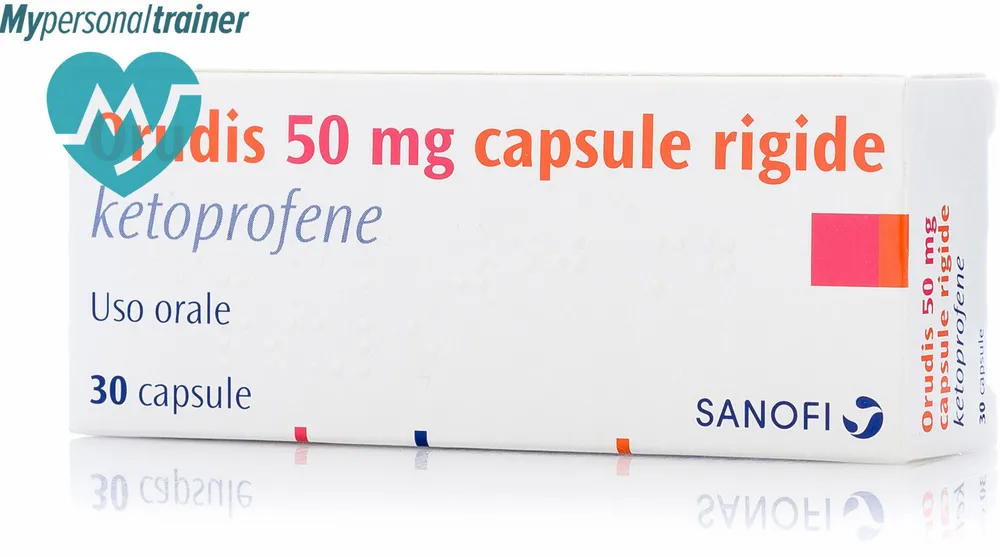
Table of Contents
- PACKAGE LEAFLET: INFORMATION FOR THE USER
- ORUDIS 100 mg / 2 ml injectable solution for intramuscular use
- 1. What ORUDIS is and what it is used for
- 2. What you should know before using ORUDIS
- 3. How to use ORUDIS
- 4. Possible side effects
- 5. How to store ORUDIS
- 6. Package contents and other information
- PACKAGE LEAFLET: INFORMATION FOR THE PATIENT
- ORUDIS 50 mg hard capsules
- 1. What ORUDIS is and what it is used for
- 2. What you need to know before taking ORUDIS
- 3. How to take ORUDIS
- 4. Possible side effects
- 5. How to store ORUDIS
- 6. Package contents and other information
- PATIENT LEAFLET: INFORMATION FOR THE USER
- ORUDIS 100 mg suppositories
- 1. What ORUDIS is and what it is used for
- 2. What you should know before using ORUDIS
- 3. How to use ORUDIS
- 4. Possible side effects
- 5. How to store ORUDIS
- 6. Package contents and other information
PACKAGE LEAFLET: INFORMATION FOR THE USER
ORUDIS 100 mg / 2 ml injectable solution for intramuscular use
Ketoprofen
Read this leaflet carefully before using this medicine because it contains important information for you.
- Keep this leaflet. You may need to read it again.
- If you have any questions, ask your doctor or pharmacist.
- This medicine has been prescribed for you only. Do not give it to other people, even if their symptoms are the same as yours, because it could be harmful.
- If you experience any adverse reaction, including those not listed in this leaflet, contact your doctor or pharmacist. See section 4.
Contents of this leaflet:
- What ORUDIS is and what it is used for
- What you need to know before using ORUDIS
- How to use ORUDIS
- Possible side effects
- How to store ORUDIS
- Contents of the pack and other information
1. What ORUDIS is and what it is used for
ORUDIS contains the active substance ketoprofen, which belongs to a group of medicines called non-steroidal anti-inflammatory drugs ("NSAIDs"), used to treat pain and inflammation.
ORUDIS is indicated for the treatment of acute painful episodes caused by inflammation of bones, muscles, and joints.
2. What you should know before using ORUDIS
Do not use ORUDIS
- if you are allergic to ketoprofen, to similar medicines (NSAIDs), or to any of the other ingredients of this medicine (listed in section 6);
- if you have previously experienced an allergic reaction (e.g. bronchospasm, asthma, rhinitis, urticaria) after taking other non-steroidal anti-inflammatory drugs such as acetylsalicylic acid, since severe, rarely fatal, allergic (anaphylactic) reactions may occur;
- if you are in the third trimester of pregnancy (see section “Pregnancy and breastfeeding”);
- if the person using the medicine is a child;
- if you are taking diuretic medicines (medicines that promote urine elimination) intensively (see section “Other medicines and ORUDIS”);
- if you suffer from or have previously suffered from stomach or intestinal ulcer (active peptic ulcer), gastrointestinal bleeding or perforation of the stomach or intestines (see section “Other medicines and ORUDIS”);
- if you have severe kidney problems (severe renal insufficiency), liver problems (severe hepatic insufficiency, liver cirrhosis, severe hepatitis), or heart problems (severe heart failure);
- if you suffer from blood disorders such as leukopenia or thrombocytopenia, if you have bleeding (blood loss), or if you are prone to bleeding (hemorrhagic diathesis);
- if you have bleeding disorders (hemostatic disorders);
- if you are taking blood-thinning medicines (anticoagulants) (see section “Other medicines and ORUDIS”);
- if you have bleeding affecting the blood vessels of the brain.
Warnings and precautions
Talk to your doctor or pharmacist before using ORUDIS.
Be especially careful with ORUDIS:
- if you suffer from or have previously suffered from allergies, or if you have asthma associated with chronic cold, chronic sinusitis, or nasal polyps;
- if you have heart failure, cirrhosis, nephrosis, chronic renal insufficiency, or are taking diuretic medicines (medicines that increase urine elimination), particularly if you are elderly; your doctor will monitor you, as ketoprofen administration may worsen kidney function;
- if you have high blood pressure and/or heart problems such as mild or moderate congestive heart failure, as fluid retention and swelling due to fluid accumulation (edema) may occur;
- if you have an irregular heart rhythm (atrial fibrillation);
- if you have uncontrolled high blood pressure, heart or circulation problems (congestive heart failure, established ischemic heart disease, peripheral arterial disease and/or cerebrovascular disease), diabetes, high blood lipid levels (hyperlipidemia), or if you smoke. In these cases, your doctor will determine whether you can use this medicine;
- if you have previously had stomach or intestinal problems (ulcers, Crohn’s disease, ulcerative colitis) or if you are taking medicines that may increase the risk of damage to these organs (oral corticosteroids, anticoagulants such as warfarin, selective serotonin reuptake inhibitors, antiplatelet agents such as aspirin or nicorandil) (see section “Other medicines and ORUDIS”);
- if you have high potassium levels due to diabetes or medicines known as potassium-sparing agents;
- if you have an infection – see section “Infections” below;
- if you have liver problems or have previously had liver problems, because ORUDIS may worsen your condition. In such cases, your doctor should monitor you frequently during treatment, especially for prolonged treatment periods;
- if you suffer from ulcers, particularly if complicated by bleeding or perforation; the risk of gastrointestinal bleeding, ulceration, or perforation is higher with high doses: start treatment with the lowest available dose; your doctor may prescribe medicines to protect the stomach, such as misoprostol or proton pump inhibitors;
- if you have ever developed fixed drug eruption (round or oval patches of redness and swelling of the skin that usually recur at the same site(s), blisters, urticaria, and itching) with ketoprofen.
Infections
ORUDIS may mask symptoms of infections such as fever and pain. Therefore, ORUDIS may delay appropriate treatment of the infection, potentially increasing the risk of complications. This has been observed in bacterial pneumonia and bacterial skin infections associated with chickenpox.
If you take this medicine while having an infection and infection symptoms persist or worsen, contact your doctor immediately.
This medicine may cause:
- stomach and intestinal problems that can be fatal (bleeding, ulcers, perforations), especially at high doses and if your body weight is low;
- severe, although very rare, skin and mucous membrane reactions, even fatal, such as exfoliative dermatitis, Stevens-Johnson syndrome, and toxic epidermal necrolysis, which may present as skin and mucous membrane lesions. This is particularly likely during the first month of treatment;
- serious heart and circulatory problems (arterial thrombotic events, heart attack, or stroke), especially at high doses, during prolonged treatment, or when used to treat pain before or after coronary artery bypass surgery (see section “Possible side effects”);
- liver or kidney problems (see section “Possible side effects”);
- visual disturbances (blurred vision).
During treatment, especially if long-term, your doctor should monitor you.
If you experience any of these effects, stop treatment immediately and contact your doctor right away.
You can reduce the risk of side effects by taking ORUDIS at the lowest effective dose and for the shortest duration possible.
Avoid taking other non-steroidal anti-inflammatory drugs during treatment with ORUDIS.
Always use this medicine under strict medical supervision because it is not a simple painkiller.
Use ORUDIS only for the treatment of acute pain; once pain is reduced, switch to other ketoprofen-based medicines administered by non-parenteral routes (intramuscular or intravenous injection).
This medicine may be administered for prolonged periods by intramuscular injection only in hospitals and care facilities.
Intramuscular solutions must be injected only into the muscle and not directly into a vein.
Children
This medicine is contraindicated in children.
Elderly
If you are elderly, use this medicine with caution, as you are more prone to gastrointestinal bleeding and perforation, which may be fatal, and to other side effects such as reduced kidney, heart, and liver function (see section “Possible side effects”). Your doctor will advise you on the appropriate dose and whether you need medicines to protect against ulcers (misoprostol or proton pump inhibitors). Your doctor should monitor you during treatment with ketoprofen.
Other medicines and ORUDIS
Inform your doctor or pharmacist if you are taking, have recently taken, or might take any other medicines.
Avoid using the following medicines together with ORUDIS:
- lithium, used to treat depression or similar disorders;
- other non-steroidal anti-inflammatory drugs (NSAIDs) and high-dose salicylates (see section “Warnings and precautions”);
- methotrexate (a medicine used to treat rheumatoid arthritis and cancer) at high doses (15 mg per week);
- medicines that thin the blood (anticoagulants, e.g. heparin, warfarin, dabigatran, apixaban, rivaroxaban, edoxaban) and antiplatelet agents such as ticlopidine and clopidogrel (see section “Warnings and precautions”).
Use ORUDIS with caution if you are taking any of the following medicines:
- medicines that increase potassium levels in the blood, such as potassium salts, potassium-sparing diuretics, ACE inhibitors, angiotensin II receptor antagonists, NSAIDs, heparin (low molecular weight or unfractionated), cyclosporine, tacrolimus, and trimethoprim;
- diuretic medicines used to promote urine elimination, especially if you are an elderly, particularly dehydrated patient (see section “Do not use ORUDIS” and “Warnings and precautions”);
- medicines for high blood pressure (ACE inhibitors and angiotensin II antagonists), especially if you are elderly and drink little water (are poorly hydrated);
- low-dose methotrexate (less than 15 mg per week);
- corticosteroids, medicines used for inflammation;
- pentoxifylline, a medicine used for circulatory problems;
- tenofovir, a medicine used to treat certain viral infections;
- nicorandil, a medicine used to prevent or relieve chest pain due to heart problems;
- cardiac glycosides, medicines used to treat heart failure.
Your doctor should monitor you and may reduce the dose of ketoprofen if you are taking any of the following medicines:
- medicines used to treat high blood pressure such as beta-blockers, angiotensin-converting enzyme inhibitors, diuretics;
- thrombolytics and antiplatelet agents such as tirofiban, eptifibatide, abciximab, and iloprost, used for blood clotting disorders;
- selective serotonin reuptake inhibitors (SSRIs);
- probenecid, a medicine used for gout;
- gemeprost, a medicine used in gynecological procedures;
- intrauterine contraceptive devices (IUDs), as their effectiveness may be reduced, leading to pregnancy;
- mifepristone: a medicine used for medical termination of pregnancy;
- cyclosporine and tacrolimus (medicines used after organ transplantation or to treat immune system disorders);
- certain antibiotics used to treat infections (quinolone antibiotics).
Pregnancy, breastfeeding, and fertility
If you are pregnant, suspect you may be pregnant, are planning to become pregnant, or are breastfeeding, consult your doctor or pharmacist before using this medicine.
Pregnancy
Do not take ORUDIS during the last three months of pregnancy, as it may harm the fetus or cause problems during delivery. This medicine may cause kidney and heart problems in the fetus. It may also affect your and your baby’s tendency to bleed and delay or prolong labor more than expected. You should not take ORUDIS during the first six months of pregnancy unless absolutely necessary and under medical advice. If treatment is required during this period or during attempts to conceive, the lowest possible dose for the shortest possible time should be used. From week 20 of pregnancy, ORUDIS may cause kidney problems in the fetus if taken for more than a few days, reducing the levels of amniotic fluid surrounding the baby (oligohydramnios) or causing narrowing of a blood vessel (ductus arteriosus) in the baby’s heart. If treatment is needed for more than a few days, your doctor may recommend additional monitoring.
Breastfeeding
The use of ORUDIS during breastfeeding is not recommended.
Fertility
ORUDIS may cause fertility problems in women. Inform your doctor if you plan to become pregnant, as this medicine may reduce fertility, and if you are undergoing fertility tests, as results may be affected.
Driving and using machines
ORUDIS may cause dizziness, vertigo, drowsiness, seizures, or visual disturbances. If you experience any of these, avoid driving or operating machinery.
ORUDIS contains benzyl alcohol
This medicine contains 50 mg of benzyl alcohol per 2 ml vial.
Benzyl alcohol may cause allergic reactions.
Benzyl alcohol has been associated with a risk of serious adverse effects, including respiratory problems (gasping syndrome), in young children.
Consult your doctor or pharmacist if you are pregnant or breastfeeding, as large amounts of benzyl alcohol may accumulate in the body and cause adverse effects (such as metabolic acidosis).
Consult your doctor or pharmacist if you have liver or kidney disease, as large amounts of benzyl alcohol may accumulate in the body and cause adverse effects (such as metabolic acidosis).
3. How to use ORUDIS
Use this medicine exactly as directed by your doctor or pharmacist. If you have any doubts, consult your doctor or pharmacist.
The recommended dose is 50–100 mg, 1 or 2 times daily. The maximum dose is 200 mg of ketoprofen per day, and higher doses are not recommended.
The lowest effective dose for the shortest duration necessary to relieve symptoms should be used. If you have an infection, contact your doctor immediately if symptoms (e.g., fever and pain) persist or worsen (see section 2).
This medicine may be administered for prolonged periods by intramuscular injection only in hospitals and nursing homes.
Intramuscular solutions may be injected only into the muscle and not directly into a vein.
The solution must be used immediately and the injection must be performed under strict conditions of sterility, asepsis, and antisepsis.
Use in the elderly and in patients with kidney problems
If you are elderly or have kidney problems, your doctor will determine the appropriate dose, possibly reducing the recommended dosage.
Use in patients with liver problems
If you have liver problems, your doctor must monitor you during treatment, and the lowest effective daily dose should be used (see section “Do not use ORUDIS” and “Warnings and precautions”).
Use in children
Safety and efficacy have not been established in children.
If you take more ORUDIS than you should
If you (or someone else) have taken an excessive dose of ORUDIS, or if you suspect a child has taken an excessive dose, contact a doctor immediately or go to the nearest hospital emergency department.
Symptoms of overdose include: headache, dizziness, drowsiness, abdominal pain, nausea, vomiting, and diarrhoea. A drop in blood pressure, breathing problems (respiratory depression), and gastrointestinal bleeding may also occur. If this happens, consult a doctor who will initiate appropriate treatment for the symptoms.
If you forget to use ORUDIS
If you forget to take a dose, take it as soon as you remember, unless it is almost time for your next dose. Do not use a double dose to make up for the forgotten dose.
If you have any questions about the use of this medicine, consult your doctor or pharmacist.
4. Possible side effects
Like all medicines, this medicine can cause side effects, although not everybody will get them.
The side effects that may occur with ORUDIS are:
Common (may affect up to 1 in 10 people)
Nausea, vomiting, digestive problems (dyspepsia), abdominal pain.
Uncommon (may affect up to 1 in 100 people)
Headache, dizziness, vertigo, somnolence, constipation, diarrhoea, flatulence, inflammation of the stomach (gastritis), skin irritation (rash) and itching, swelling due to fluid retention (oedema).
Rare (may affect up to 1 in 1,000 people)
Reduction in red blood cells due to bleeding and reduction in white blood cells (haemorrhagic anaemia, leucopenia), blurred vision, ringing in the ears (tinnitus), asthma, inflammation of the mouth (stomatitis), ulcer (peptic ulcer), colitis, liver problems (hepatitis, increased levels of certain blood tests such as transaminases and bilirubin due to liver disorders, jaundice), disturbances in sensation of arms, legs or other parts of the body (paraesthesiae), weight gain.
Frequency not known (cannot be estimated from the available data)
Blood disorders (thrombocytopenia, agranulocytosis, bone marrow failure), reduction in red blood cells (haemolytic anaemia), depression, hallucinations, confusion, mood alterations, convulsions, taste disturbances (dysgeusia), inflammation of the membranes covering the brain not caused by bacteria (aseptic meningitis), heart problems (heart failure), changes in heartbeat (palpitations, tachycardia, atrial fibrillation), increased blood pressure, dilation of blood vessels, generalized redness due to blood vessel changes (vasculitis, including leukocytoclastic vasculitis), bronchial constriction (bronchospasm), cold-like symptoms (rhinitis), breathing difficulties (dyspnoea), stomach and intestinal problems (worsening of colitis and Crohn's disease, gastrointestinal haemorrhage and perforation), blood in faeces and vomit, inflammation of the pancreas (pancreatitis), excessive sensitivity to light (photosensitivity), hair loss (alopecia), skin diseases including very severe ones (skin rash, urticaria, erythema, bullous eruptions, Stevens-Johnson syndrome and toxic epidermal necrolysis), widespread red and infected lesions (generalized acute exanthematous pustulosis), swelling of the skin, mucous membranes and submucosal tissues (angioedema), symptoms of a characteristic allergic skin reaction known as fixed drug eruption, which usually recurs at the same site(s) upon re-exposure to the drug and may appear as round or oval patches of redness and swelling of the skin, blister formation (urticaria), itching; kidney problems (acute renal failure, tubulo-interstitial nephritis, nephrotic syndrome, abnormalities in kidney function tests), allergic (anaphylactic) reactions, even severe ones, with shock, decreased sodium levels in the blood (hyponatraemia), increased potassium levels in the blood (hyperkalaemia), injection site reactions such as pain, burning, redness and spots (including Nicolau's syndrome).
Reporting of side effects
If you experience any side effect, including those not listed in this leaflet, talk to your doctor or pharmacist. You can also report side effects directly via the national reporting system at www.aifa.gov.it/content/segnalazioni-reazioni-avverse. By reporting side effects, you can help provide more information on the safety of this medicine.
5. How to store ORUDIS
Keep this medicine out of the sight and reach of children.
Do not use this medicine after the expiry date stated on the carton after “Exp.”. The expiry date refers to the last day of that month.
Do not store above 25°C.
Store in the original packaging to protect the medicine from light.
Use the contents of the vial immediately after opening.
Do not dispose of any medicine via wastewater or household waste. Ask your pharmacist how to dispose of medicines you no longer use. This will help protect the environment.
6. Package contents and other information
What ORUDIS 100 mg / 2 ml injectable solution for intramuscular use contains
The active substance is ketoprofen. Each vial contains 100 mg of ketoprofen.
The other components are: arginine, benzyl alcohol, citric acid monohydrate, water for injectable preparations.
Description of the appearance of ORUDIS and contents of the pack
Carton pack containing 6 vials of 2 ml.
Marketing Authorization Holder
Phoenix Labs Unlimited Company
Suite 12, Bunkilla Plaza,
Bracetown Business Park,
Clonee, County Meath,
Ireland
Manufacturers
Famar Health Care Services Madrid, S.A.U - Avenida de Leganes 62 - Alcorcon, Madrid - Spain
Delpharm Dijon - 6, boulevard de l’Europe - 21800 Quétigny - France
PACKAGE LEAFLET: INFORMATION FOR THE PATIENT
ORUDIS 50 mg hard capsules
Ketoprofen
Please read this leaflet carefully before taking this medicine because it contains important information for you.
- Keep this leaflet. You may need to read it again.
- If you have any questions, ask your doctor or pharmacist.
- This medicine has been prescribed for you only. Do not give it to other people, even if their symptoms are the same as yours, as it may be harmful to them.
- If you experience any side effect, including those not listed in this leaflet, contact your doctor or pharmacist. See section 4.
Contents of this leaflet:
- What ORUDIS is and what it is used for
- What you need to know before taking ORUDIS
- How to take ORUDIS
- Possible side effects
- How to store ORUDIS
- Contents of the pack and other information
1. What ORUDIS is and what it is used for
ORUDIS contains the active substance ketoprofen, which belongs to a group of medicines called non-steroidal anti-inflammatory drugs ("NSAIDs"), used to treat pain and inflammation.
ORUDIS is indicated for the treatment of painful symptoms caused by inflammation of bones, muscles, and joints, such as: rheumatoid arthritis, ankylosing spondylitis, acute gout; osteoarthritis at various sites; sciatica, radiculitis, myalgia; bursitis, tendinitis, tenosynovitis, synovitis, capsulitis; bruises, sprains, dislocations, muscle tears; phlebitis, superficial thrombophlebitis, lymphangitis.
This medicine is also indicated for the treatment of painful symptoms caused by inflammation of the mouth, teeth, ears, throat, urinary tract, and respiratory tract.
2. What you need to know before taking ORUDIS
Do not take ORUDIS
- if you are allergic to ketoprofen, to similar medicines (NSAIDs), or to any of the other ingredients of this medicine (listed in section 6);
- if you have previously experienced an allergic reaction (e.g. bronchospasm, asthma, rhinitis, urticaria) after taking other non-steroidal anti-inflammatory drugs such as acetylsalicylic acid;
- if you have severe kidney problems (severe renal insufficiency), liver problems (severe hepatic insufficiency, liver cirrhosis, severe hepatitis), or heart problems (severe heart failure);
- if you currently suffer or have previously suffered from stomach or intestinal ulcers (active peptic ulcer), gastrointestinal bleeding, or perforation of the stomach or intestines;
- if you are currently taking diuretics (medicines that increase urine elimination) intensively (see sections "Warnings and precautions" and "Other medicines and ORUDIS");
- if you suffer from blood disorders such as leukopenia or thrombocytopenia, if you have active bleeding, are predisposed to bleeding (hemorrhagic diathesis), or have bleeding disorders (hemostatic disorders);
- if you are in the third trimester of pregnancy (see section "Pregnancy and breastfeeding");
- if the person to take the medicine is a child.
Warnings and precautions
Talk to your doctor or pharmacist before taking ORUDIS.
Be especially careful with ORUDIS:
- if you suffer from asthma associated with chronic rhinitis, sinusitis, and/or nasal polyps, or if you are predisposed to bronchospasm or other allergic reactions;
- if you are taking other non-steroidal anti-inflammatory drugs (NSAIDs) (see section "Other medicines and ORUDIS");
- if you have high blood pressure that is not adequately controlled, or heart problems (e.g. congestive heart failure, established ischemic heart disease, peripheral arterial disease, and/or cerebrovascular disease);
- if you have a heart rhythm disorder (atrial fibrillation);
- if you have high potassium levels, especially if you have diabetes, kidney problems, or are being treated with other medicines that increase potassium levels. In this case, your doctor should monitor these levels;
- if you have had stomach or intestinal problems (bleeding, perforation, ulcers, Crohn's disease, ulcerative colitis), or if you are taking medicines that may increase the risk of damage to these organs (oral corticosteroids, anticoagulants such as warfarin, selective serotonin reuptake inhibitors, antiplatelet agents such as aspirin or nicorandil) (see sections "Do not take ORUDIS" and "Other medicines and ORUDIS");
- if you have an infection – see section "Infections" below;
- if you have liver problems or have previously had liver problems, as ORUDIS may worsen your condition. In such cases, your doctor should perform regular monitoring during treatment, especially for prolonged treatment periods;
- if you have diabetes (diabetes mellitus), high blood lipid levels (hyperlipidemia), or if you smoke;
- if you have kidney problems or are taking diuretic medicines that increase urine elimination (see sections "Do not take ORUDIS" and "Other medicines and ORUDIS"). Your doctor should monitor your kidney function during treatment with this medicine;
- if you have previously developed fixed drug eruption (round or oval patches of redness and swelling of the skin that usually recur at the same site(s), blisters, urticaria, and itching) with ketoprofen.
Infections
ORUDIS may mask symptoms of infections such as fever and pain. Therefore, ORUDIS may delay appropriate treatment of the infection, potentially increasing the risk of complications. This has been observed in bacterial pneumonia and bacterial skin infections associated with chickenpox.
If you take this medicine while having an infection and infection symptoms persist or worsen, contact your doctor immediately.
This medicine may cause:
- serious heart and circulatory problems (arterial thrombotic events, heart attack, or stroke), especially at high doses, during prolonged treatment, or when used to treat pain before or after coronary artery bypass surgery;
- serious stomach and intestinal problems (bleeding, ulcers, perforations), especially at high doses. Your doctor may prescribe medicines to protect your stomach (misoprostol or proton pump inhibitors);
- severe skin and mucous membrane disorders, including life-threatening conditions such as exfoliative dermatitis, Stevens-Johnson syndrome, and toxic epidermal necrolysis, which may present with skin and mucous membrane lesions. These are most likely to occur during the first month of treatment;
- vision problems such as blurred vision (see section "Possible side effects").
If you experience any of these effects, stop treatment immediately and contact your doctor without delay. You can reduce the risk of side effects by taking ORUDIS at the lowest effective dose and for the shortest duration possible (see section "How to take ORUDIS").
Children
This medicine is contraindicated in children.
Elderly
If you are elderly, take this medicine with caution, as you are more susceptible to gastrointestinal bleeding and perforation, which may be fatal, and to other adverse effects such as reduced function of the kidneys, heart, and liver (see section "Possible side effects"). Your doctor will determine the appropriate dose and may prescribe medicines to protect against ulcers (misoprostol or proton pump inhibitors). Your doctor should monitor you during treatment with ketoprofen.
Other medicines and ORUDIS
Inform your doctor or pharmacist if you are taking, have recently taken, or might take any other medicine.
Avoid taking the following medicines together with ORUDIS:
- other non-steroidal anti-inflammatory drugs (NSAIDs) and high doses of salicylates (see section "Warnings and precautions");
- medicines that thin the blood (anticoagulants, e.g. heparin, warfarin, dabigatran, apixaban, rivaroxaban, edoxaban) and antiplatelet agents such as ticlopidine and clopidogrel (see sections "Do not take ORUDIS" and "Warnings and precautions");
- lithium, used to treat depression or similar disorders;
- methotrexate (a medicine used to treat rheumatoid arthritis and cancer) at high doses (15 mg per week).
Take ORUDIS with caution if you are taking any of the following medicines:
- medicines that increase potassium levels in the blood, such as potassium salts, potassium-sparing diuretics, ACE inhibitors, angiotensin II receptor antagonists, NSAIDs, heparin (low molecular weight or unfractionated), cyclosporine, tacrolimus, and trimethoprim;
- diuretic medicines used to increase urine elimination, especially if you are an elderly patient who is particularly dehydrated (see sections "Do not take ORUDIS" and "Warnings and precautions");
- medicines for high blood pressure (ACE inhibitors and angiotensin II receptor antagonists), especially if you are elderly and drink little water (are poorly hydrated);
- low-dose methotrexate (less than 15 mg per week);
- corticosteroids (medicines used for inflammation);
- pentoxifylline, a medicine used for circulation problems;
- tenofovir, a medicine used to treat certain viral infections;
- nicorandil, a medicine used to prevent or relieve chest pain due to heart problems;
- cardiac glycosides, medicines used to treat heart failure.
Your doctor should monitor you and may reduce the dose of ketoprofen
if you are taking any of the following medicines:
- medicines used to treat high blood pressure such as beta-blockers and angiotensin-converting enzyme inhibitors;
- thrombolytics and antiplatelet agents such as tirofiban, eptifibatide, abciximab, and iloprost, used for blood clotting disorders;
- selective serotonin reuptake inhibitors (SSRIs) (see section "Warnings and precautions");
- probenecid, a medicine used for gout;
- gemeprost, a medicine used in gynecological procedures;
- intrauterine contraceptive devices (IUDs), as their effectiveness may be reduced, leading to pregnancy;
- mifepristone, a medicine used for medical termination of pregnancy;
- cyclosporine and tacrolimus, medicines used after organ transplantation or to treat immune system disorders;
- certain antibiotics used to treat infections (quinolone antibiotics).
Pregnancy, breastfeeding, and fertility
If you are pregnant, think you may be pregnant, are planning to become pregnant, or are breastfeeding, consult your doctor or pharmacist before taking this medicine.
Pregnancy
Do not take ORUDIS during the last three months of pregnancy, as it may harm the fetus or cause problems during delivery. This medicine may cause kidney and heart problems in the fetus. It may also affect your and your baby's tendency to bleed and may delay or prolong labor. You should not take ORUDIS during the first six months of pregnancy unless absolutely necessary and under medical advice. If treatment is required during this period or during attempts to conceive, the lowest possible dose for the shortest possible time should be used. From week 20 of pregnancy, ORUDIS may cause kidney problems in the fetus if taken for more than a few days, leading to reduced levels of amniotic fluid surrounding the baby (oligohydramnios) or narrowing of a blood vessel (ductus arteriosus) in the baby's heart. If treatment for more than a few days is required, your doctor may recommend additional monitoring.
Breastfeeding
The use of ORUDIS during breastfeeding is not recommended.
Fertility
ORUDIS may cause fertility problems in women. Inform your doctor if you are planning to become pregnant, as this medicine may reduce fertility, or if you are undergoing fertility tests, as results may be affected.
Driving and using machines
ORUDIS may cause dizziness, vertigo, drowsiness, seizures, or visual disturbances. If you experience any of these, avoid driving or operating machinery.
ORUDIS contains lactose
This medicine contains lactose, a type of sugar. If your doctor has diagnosed you with an intolerance to certain sugars, contact them before taking this medicine.
3. How to take ORUDIS
Take this medicine exactly as directed by your doctor or pharmacist. If you have any doubts, consult your doctor or pharmacist.
The recommended dose is 150–200 mg (3–4 capsules) per day, divided with meals.
Take the capsule with a glass of water. Your doctor will determine the appropriate dose depending on the severity of your symptoms.
The lowest effective dose for the shortest duration necessary to relieve symptoms should be used. If you have an infection, contact your doctor immediately if symptoms (such as fever and pain) persist or worsen (see section 2).
Use in the elderly and in people with kidney problems
If you are elderly or have kidney problems, your doctor will determine the appropriate dose.
Use in people with liver problems
In this case, your doctor will determine the appropriate dose (see section 2 “Do not take ORUDIS” and “Warnings and precautions”).
Use in children
Safety and efficacy have not been established in children.
If you take more ORUDIS than you should
In case of accidental ingestion of an excessive dose of this medicine, contact your doctor immediately or go to the nearest hospital emergency department.
Symptoms of overdose with doses up to 2.5 g of ketoprofen include: lethargy, drowsiness, stomach pain, nausea, and vomiting. If this occurs, consult your doctor, who will decide on appropriate treatment for the symptoms. Headache, dizziness, and diarrhoea may also occur.
In cases of severe overdose, low blood pressure, breathing problems (respiratory depression), and gastrointestinal bleeding may also occur.
If you forget to take ORUDIS
If you forget to take a dose, take it as soon as you remember, unless it is almost time for your next dose. Do not take a double dose to make up for the missed dose.
If you have any doubts about how to use this medicine, consult your doctor or pharmacist.
4. Possible side effects
Like all medicines, this medicine can cause side effects, although not everyone gets them.
The side effects that may occur with ORUDIS are:
Common (may affect up to 1 in 10 people)
Nausea, digestive problems (dyspepsia), abdominal pain, vomiting.
Uncommon (may affect up to 1 in 100 people)
Headache, dizziness, vertigo, somnolence, constipation, diarrhoea, flatulence, inflammation of the stomach (gastritis), skin irritation (rash) and itching, swelling due to fluid retention (oedema), fatigue.
Rare (may affect up to 1 in 1,000 people)
Reduction in red blood cells due to bleeding (haemorrhagic anaemia), reduced number of white blood cells (leucopenia), altered sensation in limbs (paraesthesia), blurred vision, ringing in the ears (tinnitus), asthma, inflammation of the mouth (stomatitis), ulcer (peptic ulcer), colitis, liver problems (hepatitis, increased blood test values such as transaminases, bilirubin due to liver disorders, jaundice), weight gain.
Frequency not known (frequency cannot be estimated from the available data)
Blood disorders (thrombocytopenia, agranulocytosis, bone marrow failure), reduction in red blood cells (haemolytic anaemia), depression, hallucinations, confusion, mood alterations, seizures, taste disturbances (dysgeusia), inflammation of the membranes covering the brain not caused by bacteria (aseptic meningitis), heart problems (heart failure), changes in heart rhythm (palpitations, tachycardia, atrial fibrillation), increased blood pressure, blood vessel dilation, widespread redness due to blood vessel changes (vasculitis, including leukocytoclastic vasculitis), bronchial constriction (bronchospasm), cold-like symptoms (rhinitis), breathing difficulties (dyspnoea), stomach and intestinal problems (worsening of colitis and Crohn's disease, gastrointestinal haemorrhage and perforation), blood in stools and vomit, inflammation of the pancreas (pancreatitis), excessive sensitivity to light (photosensitivity), hair loss (alopecia), skin disorders including severe conditions (skin rash, urticaria, erythema, bullous eruptions, Stevens-Johnson syndrome and toxic epidermal necrolysis), widespread red and infected lesions (acute generalised exanthematous pustulosis), skin, mucous membranes and submucosal tissue swelling (angioedema), symptoms of a distinct allergic skin reaction known as drug eruption, which usually recurs at the same site(s) upon re-exposure to the drug and may appear as round or oval patches of redness and swelling of the skin, blister formation (urticaria), itching; kidney problems (acute renal failure, tubulo-interstitial nephritis, nephrotic syndrome, abnormalities in kidney function tests), allergic (anaphylactic) reactions, even severe ones, with shock, decreased sodium levels in the blood (hyponatraemia), increased potassium levels in the blood (hyperkalaemia).
Reporting of side effects
If you experience any side effect, including those not listed in this leaflet, talk to your doctor or pharmacist. You can also report side effects directly via the national reporting system at www.aifa.gov.it/content/segnalazioni-reazioni-avverse. By reporting side effects, you can help provide more information on the safety of this medicine.
5. How to store ORUDIS
Keep this medicine out of the sight and reach of children.
Do not use this medicine after the expiry date which is stated on the packaging after "Exp.". The expiry date refers to the last day of that month.
Do not store above 30 °C.
Keep in the original packaging to protect the medicine from light.
Do not dispose of any medicine via wastewater or household waste. Ask your pharmacist how to dispose of medicines you no longer use. This will help protect the environment.
6. Package contents and other information
What ORUDIS contains
The active substance is ketoprofen. Each capsule contains 50 mg of ketoprofen.
The other components are: magnesium stearate, lactose.
Components of the capsule shell: yellow iron oxide (E172), gelatin, titanium dioxide (E171).
Description of the appearance of ORUDIS and contents of the pack
Box containing 30 hard capsules in blister packs.
Marketing Authorization Holder
Phoenix Labs Unlimited Company
Suite 12, Bunkilla Plaza,
Bracetown Business Park,
Clonee, County Meath,
Ireland
Manufacturer
FAMAR Health Care Services Madrid S.A.U. – Avda Leganés 62 – Alcorcon, 28923 Madrid (Spain)
PATIENT LEAFLET: INFORMATION FOR THE USER
ORUDIS 100 mg suppositories
Ketoprofen
Please read this leaflet carefully before using this medicine because it contains important information for you.
- Keep this leaflet. You may need to read it again.
- If you have any questions, ask your doctor or pharmacist.
- This medicine has been prescribed for you only. Do not give it to others, even if their symptoms are the same as yours, as it could be harmful.
- If you experience any side effect, including those not listed in this leaflet, contact your doctor or pharmacist. See section 4.
Contents of this leaflet:
- What ORUDIS is and what it is used for
- What you need to know before using ORUDIS
- How to use ORUDIS
- Possible side effects
- How to store ORUDIS
- Contents of the pack and other information
1. What ORUDIS is and what it is used for
ORUDIS contains the active substance ketoprofen, which belongs to a group of medicines called non-steroidal anti-inflammatory drugs ("NSAIDs"), used to relieve pain and inflammation.
ORUDIS is indicated for the treatment of painful symptoms caused by inflammation of bones, muscles, and joints, such as: rheumatoid arthritis, ankylosing spondylitis, acute gout; osteoarthritis at various sites; sciatica, radiculitis, myalgia; bursitis, tendinitis, tenosynovitis, synovitis, capsulitis; bruises, sprains, dislocations, muscle tears; phlebitis, superficial thrombophlebitis, lymphangitis.
This medicine is also indicated for the treatment of painful symptoms due to inflammation of the mouth, teeth, ears, throat, urinary tract, and respiratory tract.
2. What you should know before using ORUDIS
Do not use ORUDIS
- if you are allergic to ketoprofen, to similar medicines (NSAIDs) or to any of the other ingredients of this medicine (listed in section 6);
- if you have previously experienced an allergic reaction (e.g. bronchospasm, asthma, rhinitis, urticaria) after taking other non-steroidal anti-inflammatory drugs (NSAIDs), such as acetylsalicylic acid;
- if you are currently taking diuretic medicines (medicines that increase urine elimination) on a regular basis (see sections “Warnings and precautions” and “Other medicines and ORUDIS”);
- if you have severe kidney problems (severe renal insufficiency), liver problems (severe hepatic insufficiency, liver cirrhosis, severe hepatitis) or heart problems (severe heart failure);
- if you suffer from blood disorders such as leukopenia or thrombocytopenia, if you have bleeding (blood loss), if you are prone to bleeding (hemorrhagic diathesis) or if you have bleeding disorders (hemostatic disorders);
- if you have previously experienced stomach or intestinal perforation or bleeding caused by taking non-steroidal anti-inflammatory drugs (NSAIDs);
- if you currently suffer from or have previously suffered from stomach or intestinal ulcers (active peptic ulcer), gastrointestinal bleeding or perforation;
- if you are in the third trimester of pregnancy (see section “Pregnancy and breastfeeding”);
- if the person using the medicine is a child;
- if you suffer from inflammatory disease or rectal bleeding (proctitis, proctorrhagia);
- if you currently suffer from or have recently suffered from problems affecting the veins of the rectum or anus (hemorrhoidal disorders) or other lesions in the same area.
Warnings and precautions
Talk to your doctor or pharmacist before using ORUDIS.
Exercise particular caution with ORUDIS:
- if you suffer from asthma associated with chronic rhinitis, sinusitis and/or nasal polyps, or if you are prone to bronchospasm or other allergic reactions;
- if you are taking other non-steroidal anti-inflammatory drugs (NSAIDs) (see section “Other medicines and ORUDIS”);
- if you have untreated or poorly controlled high blood pressure, or heart problems (e.g. congestive heart failure, established ischemic heart disease, peripheral arterial disease and/or cerebrovascular disease);
- if you have an irregular heart rhythm (atrial fibrillation);
- if you have high potassium levels, especially if you have diabetes, kidney problems, or are taking other medicines that increase potassium levels. In such cases, your doctor should monitor these levels;
- if you have previously experienced stomach or intestinal problems (bleeding, perforations, ulcers, Crohn’s disease, ulcerative colitis) or if you are taking medicines that may increase the risk of damage to these organs (oral corticosteroids, anticoagulants such as warfarin, selective serotonin reuptake inhibitors, antiplatelet agents such as aspirin or nicorandil) (see sections “Do not use ORUDIS” and “Other medicines and ORUDIS”);
- if you have an infection – see section “Infections” below;
- if you have liver problems or have previously had liver problems, as ORUDIS may worsen your condition. In such cases, your doctor should monitor you regularly during treatment, especially during prolonged therapy;
- if you have diabetes (diabetes mellitus), high blood lipid levels (hyperlipidemia), or if you smoke;
- if you have kidney problems or are taking diuretic medicines that increase urine elimination (see sections “Do not use ORUDIS” and “Other medicines and ORUDIS”). Your doctor should monitor your kidney function during treatment with this medicine;
- if you have previously developed drug-induced fixed eruption (round or oval patches of redness and swelling of the skin, usually recurring in the same site(s), blisters, urticaria and itching) with ketoprofen.
Infections
ORUDIS may mask symptoms of infections such as fever and pain. Therefore, ORUDIS may delay appropriate treatment of the infection, potentially increasing the risk of complications. This has been observed in bacterial pneumonia and bacterial skin infections associated with chickenpox.
If you take this medicine while having an infection and your infection symptoms persist or worsen, contact your doctor immediately.
This medicine may cause:
- serious heart and circulatory problems (arterial thrombotic events, heart attack or stroke), particularly at high doses, during long-term treatment, or when used to treat pain before or after coronary artery bypass surgery;
- serious stomach and intestinal problems (bleeding, ulcers, perforations), especially at high doses. Your doctor may prescribe medicines to protect your stomach (misoprostol or proton pump inhibitors);
- severe skin and mucous membrane diseases, even fatal ones, such as exfoliative dermatitis, Stevens-Johnson syndrome and toxic epidermal necrolysis, which may present with skin and mucous membrane lesions. These reactions are most likely to occur during the first month of treatment;
- vision problems such as blurred vision (see section “Possible side effects”).
If you experience any of these effects, stop treatment immediately and contact your doctor without delay.
You can reduce the risk of side effects by using ORUDIS at the lowest effective dose and for the shortest duration necessary (see section “How to use ORUDIS”).
Children
This medicine is contraindicated in children.
Elderly
If you are elderly, use this medicine with caution, as you are more prone to gastrointestinal bleeding and perforation, which may be fatal, and to other side effects such as reduced kidney, heart and liver function (see section “Possible side effects”). Your doctor will determine the appropriate dose and may prescribe medicines to protect your stomach (misoprostol or proton pump inhibitors). Your doctor should monitor you regularly during treatment with ketoprofen.
Other medicines and ORUDIS
Inform your doctor or pharmacist if you are taking, have recently taken or might take any other medicines.
Avoid taking the following medicines together with ORUDIS:
- other non-steroidal anti-inflammatory drugs (NSAIDs) and high-dose salicylates (see section “Warnings and precautions”);
- medicines that thin the blood (anticoagulants, e.g. heparin, warfarin, dabigatran, apixaban, rivaroxaban, edoxaban) and antiplatelet agents such as ticlopidine and clopidogrel (see sections “Do not use ORUDIS” and “Warnings and precautions”);
- lithium, used to treat depression or similar disorders;
- methotrexate (a medicine used to treat rheumatoid arthritis and cancer) at high doses (15 mg per week).
Use ORUDIS with caution if you are taking any of the following medicines:
- medicines that increase potassium levels in the blood, such as potassium salts, potassium-sparing diuretics, ACE inhibitors, angiotensin II receptor antagonists, NSAIDs, heparin (low molecular weight or unfractionated), cyclosporine, tacrolimus and trimethoprim;
- diuretic medicines used to increase urine elimination, especially if you are an elderly patient who is significantly dehydrated (see sections “Do not use ORUDIS” and “Warnings and precautions”);
- medicines for high blood pressure (ACE inhibitors and angiotensin II antagonists), especially if you are elderly and drink little water (are dehydrated);
- low-dose methotrexate (less than 15 mg per week);
- corticosteroids (medicines used for inflammation);
- pentoxifylline, a medicine used for circulatory problems;
- tenofovir, a medicine used to treat certain viral infections;
- nicorandil, a medicine used to prevent or relieve chest pain due to heart problems;
- cardiac glycosides, medicines used to treat heart failure.
Your doctor should monitor you and may reduce your ketoprofen dose
if you are taking any of the following medicines:
- medicines used to treat high blood pressure such as beta-blockers, angiotensin-converting enzyme (ACE) inhibitors;
- thrombolytics and antiplatelet agents such as tirofiban, eptifibatide, abciximab and iloprost, used for blood clotting disorders;
- selective serotonin reuptake inhibitors (SSRIs) (see section “Warnings and precautions”);
- probenecid, a medicine used for gout;
- gemeprost, a medicine used in gynecological procedures;
- intrauterine contraceptive devices (IUDs), as their effectiveness may be reduced, leading to pregnancy;
- mifepristone: a medicine used for medical termination of pregnancy;
- cyclosporine and tacrolimus, medicines used after organ transplantation or to treat immune system disorders;
- certain antibiotics (quinolone antibiotics).
Pregnancy, breastfeeding and fertility
If you are pregnant, think you may be pregnant, are planning to become pregnant, or are breastfeeding, consult your doctor or pharmacist before using this medicine.
Pregnancy
Do not take ORUDIS during the last three months of pregnancy, as it may harm the fetus or cause problems during delivery. This medicine may cause kidney and heart problems in the fetus. It may also affect your and your baby’s tendency to bleed and may delay or prolong labour beyond the expected time. You should not take ORUDIS during the first six months of pregnancy unless absolutely necessary and under medical advice. If treatment is required during this period or during attempts to conceive, the lowest possible dose for the shortest possible time should be used. From week 20 of pregnancy, ORUDIS may cause kidney problems in the fetus if taken for more than a few days, leading to reduced amniotic fluid levels surrounding the baby (oligohydramnios) or constriction of a blood vessel (ductus arteriosus) in the baby’s heart. If treatment is needed for more than a few days, your doctor may recommend additional monitoring.
Breastfeeding
The use of ORUDIS during breastfeeding is not recommended.
Fertility
ORUDIS may cause fertility problems in women. You should inform your doctor if you are planning to become pregnant, as this medicine may reduce fertility, and if you are undergoing fertility tests, as results may be affected.
Driving and using machines
ORUDIS may cause dizziness, vertigo, drowsiness, seizures or visual disturbances. If you experience any of these, avoid driving or operating machinery.
3. How to use ORUDIS
Use this medicine exactly as directed by your doctor or pharmacist. If you are unsure, consult your doctor or pharmacist.
The recommended dose is 2 suppositories (200 mg) per day.
The maximum dose is 200 mg per day; higher doses are not recommended.
The lowest effective dose for the shortest duration necessary to relieve symptoms should be used. If you have an infection, contact your doctor immediately if symptoms (e.g. fever and pain) persist or worsen (see section 2).
Use in the elderly and in patients with kidney problems
If you are elderly or have kidney problems, your doctor will determine the appropriate dose.
Use in patients with liver problems
In this case, your doctor will determine the lowest effective dose (see sections “Do not use ORUDIS” and “Warnings and precautions”).
Use in children
The safety and efficacy of ORUDIS have not been established in children.
If you use more ORUDIS than you should
If you accidentally use or ingest too much of this medicine, contact your doctor immediately or go to the nearest hospital emergency department.
Symptoms of overdose with ketoprofen up to 2.5 g include: lethargy, drowsiness, stomach pain, nausea and vomiting. If this occurs, contact your doctor, who will provide appropriate treatment. Headache, dizziness and diarrhoea may also occur.
In cases of severe overdose, low blood pressure, breathing problems (respiratory depression) and gastrointestinal bleeding may also occur.
If you forget to use ORUDIS
If you forget to take a dose, take it as soon as you remember, unless it is almost time for your next dose. Do not take a double dose to make up for the missed dose.
If you have any doubts about how to use this medicine, consult your doctor or pharmacist.
4. Possible side effects
Like all medicines, this medicine can cause side effects, although not everyone experiences them.
The side effects that may occur with ORUDIS are:
Common (may affect up to 1 in 10 people)
Nausea, digestive problems (dyspepsia), abdominal pain, vomiting.
Uncommon (may affect up to 1 in 100 people)
Headache, dizziness, vertigo, drowsiness, constipation, diarrhoea, flatulence, inflammation of the stomach (gastritis), skin irritation (rash) and itching, swelling due to fluid retention (oedema), fatigue.
Rare (may affect up to 1 in 1,000 people)
Reduction in red blood cells due to bleeding (haemorrhagic anaemia), reduced number of white blood cells (leucopenia), altered sensation in limbs (paraesthesia), blurred vision, ringing in the ears (tinnitus), asthma, inflammation of the mouth (stomatitis), ulcer (peptic ulcer), colitis, liver problems (hepatitis, increased levels of certain blood tests such as transaminases, bilirubin due to liver disorders, jaundice), weight gain.
Frequency not known (cannot be estimated from the available data)
Blood disorders (thrombocytopenia, agranulocytosis, bone marrow failure), reduction in red blood cells (haemolytic anaemia), depression, hallucinations, confusion, mood changes, seizures, disturbances in taste (dysgeusia), inflammation of the membranes covering the brain not caused by bacteria (aseptic meningitis), heart problems (heart failure), changes in heartbeat (palpitations, tachycardia, atrial fibrillation), increased blood pressure, dilation of blood vessels, generalized redness due to blood vessel disorders (vasculitis, including leukocytoclastic vasculitis), bronchial constriction (bronchospasm), cold-like symptoms (rhinitis), breathing difficulties (dyspnoea), stomach and intestinal problems (worsening of colitis and Crohn's disease, gastrointestinal haemorrhage and perforation), blood in faeces and vomit, inflammation of the pancreas (pancreatitis), excessive sensitivity to light (photosensitivity), hair loss (alopecia), skin disorders including very severe ones (skin rash, urticaria, erythema, bullous eruptions, Stevens-Johnson syndrome and toxic epidermal necrolysis), widespread infected red lesions (generalized exanthematous pustulosis), swelling of the skin, mucous membranes and submucosal tissues (angioedema), symptoms of a characteristic skin allergic reaction known as drug eruption fixed eruption, which usually recurs at the same site(s) upon re-exposure to the drug and may appear as round or oval patches of redness and swelling of the skin, blister formation (urticaria), itching; kidney problems (acute renal failure, tubulo-interstitial nephritis, nephrotic syndrome, abnormalities in kidney function tests), allergic (anaphylactic) reactions, even severe ones, with shock, decreased sodium levels in the blood (hyponatraemia), increased potassium levels in the blood (hyperkalaemia).
Reporting of side effects
If you experience any side effect, including those not listed in this leaflet, talk to your doctor or pharmacist. You can also report side effects directly via the national reporting system at www.aifa.gov.it/content/segnalazioni-reazioni-avverse. By reporting side effects, you can help provide more information on the safety of this medicine.
5. How to store ORUDIS
Keep this medicine out of the sight and reach of children.
Do not use this medicine after the expiry date which is stated on the container after "Exp.". The expiry date refers to the last day of that month.
Do not store above 30°C.
Do not dispose of any medicine via wastewater or household waste. Ask your pharmacist how to dispose of medicines you no longer use. This will help protect the environment.
6. Package contents and other information
What ORUDIS contains
The active substance is ketoprofen. Each suppository contains 100 mg of ketoprofen.
The other components are: lidocaine hydrochloride, semisynthetic glycerides.
Description of the appearance of ORUDIS and contents of the pack
Pack containing 10 suppositories.
Marketing Authorization Holder
Phoenix Labs Unlimited Company
Suite 12, Bunkilla Plaza,
Bracetown Business Park,
Clonee, County Meath,
Ireland
Manufacturer
UNITHER LIQUID MANUFACTURING -– 1-3 Allée de la Neste, - Z.I. d’en Sigal, - 31770 Colomiers
(France)