Omnitrope
Italy
Table of Contents
- Package leaflet: Information for the user
- Omnitrope 5 mg/1.5 ml solution for injection in cartridge, 10 mg/1.5 ml solution for injection in cartridge
- 1. What Omnitrope is and what it is used for
- 2. What you must know before using Omnitrope
- 3. How to use Omnitrope
- 4. Possible side effects
- 5. How to store Omnitrope
- 6. Package contents and other information
- Package leaflet: information for the user
- Omnitrope 5 mg/1.5 ml solution for injection in cartridge, 10 mg/1.5 ml solution for injection in cartridge, 15 mg/1.5 ml solution for injection in cartridge
- 1. What Omnitrope is and what it is used for
- 2. What you should know before using Omnitrope
- 3. How to use Omnitrope
- 4. Possible side effects
- 5. How to store Omnitrope
- 6. Package contents and other information
Package leaflet: Information for the user
Omnitrope 5 mg/1.5 ml solution for injection in cartridge, 10 mg/1.5 ml solution for injection in cartridge
somatropin
Please read all of this leaflet carefully before using this medicine because it contains important information for you.
- Keep this leaflet. You may need to read it again.
- If you have any questions, ask your doctor, pharmacist, or nurse.
- This medicine has been prescribed for you only. Do not pass it on to others, even if their symptoms are the same as yours, as it may be harmful.
- If you experience any adverse reactions, including those not listed in this leaflet, talk to your doctor, pharmacist, or nurse. See section 4.
Contents of this leaflet:
- What Omnitrope is and what it is used for
- What you need to know before using Omnitrope
- How to use Omnitrope
- Possible side effects
- How to store Omnitrope
- Contents of the pack and other information
1. What Omnitrope is and what it is used for
Omnitrope is a recombinant human growth hormone (also known as somatropin). Its structure is identical to natural human growth hormone, which is responsible for the growth of bones and muscles and promotes proper development of adipose and muscle tissue. "Recombinant" means that it is not extracted from human or animal tissues.
In children, Omnitrope is indicated for the treatment of the following growth disorders:
- When they do not grow as they should and do not produce sufficient amounts of growth hormone.
- When they have Turner syndrome. Turner syndrome is a genetic disease affecting children and may impair growth. If they have this syndrome, their doctor will already have informed them.
- When they have chronic renal insufficiency. If the kidneys lose their ability to function properly, growth may be affected.
- When they were small or had low birth weight. Growth hormone may promote increased height if they have not shown catch-up or continued normal growth by the age of four years or later.
- When they have Prader-Willi syndrome (a chromosomal disorder). Growth hormone promotes growth in children who are still growing and improves body composition. Excess fat decreases and insufficient muscle mass increases.
In adults, Omnitrope is indicated for
- the treatment of individuals with marked growth hormone deficiency. The deficiency may begin in adulthood or persist from childhood. If you were treated with Omnitrope due to growth hormone deficiency during childhood, your growth hormone levels will be reassessed upon completion of body growth. If marked growth hormone deficiency is confirmed, your doctor will recommend continuing treatment with Omnitrope.
This medicine must be administered to you only by a physician experienced in growth hormone therapy and who has confirmed the diagnosis.
2. What you must know before using Omnitrope
Do not use Omnitrope
- if you are allergic (hypersensitive) to somatropin or to any of the other ingredients of Omnitrope.
- and inform your doctor if you have active cancer (tumour). Tumours must be inactive and anti-tumour therapy must have been completed before starting treatment with Omnitrope.
- and inform your doctor if Omnitrope has been prescribed to stimulate growth, but you have already stopped growing (epiphyseal closure).
- if you are severely ill (e.g., complications from open-heart surgery, abdominal surgery, accidental trauma, acute respiratory failure, or similar clinical conditions). If you are about to undergo or have recently undergone major surgery or if you need to go to hospital for any reason, inform your doctor and remind the healthcare professionals treating you that you are using growth hormone.
Warnings and precautions
Talk to your doctor before using Omnitrope.
- If you are receiving glucocorticoid replacement therapy, you should consult your doctor regularly, as you may need adjustments in your glucocorticoid dose.
- If you are at risk of developing diabetes, your doctor should monitor your blood glucose levels during somatropin therapy.
- If you have diabetes, you should carefully monitor your blood glucose during treatment with somatropin and discuss the measured values with your doctor to determine whether the dose of your diabetes medication needs to be adjusted.
- After starting somatropin treatment, some patients may require thyroid hormone replacement therapy.
- If you are already receiving thyroid hormones, your dose may need to be adjusted.
- If you suffer from increased intracranial pressure (which causes symptoms such as severe headache, visual disturbances, or vomiting), inform your doctor.
- If you limp or start limping during treatment with growth hormone, inform your doctor.
- If you are being treated with somatropin due to growth hormone deficiency following a previous tumour (cancer), you should be monitored regularly for possible tumour recurrence or development of another type of cancer.
- If you experience abdominal pain that worsens, you must inform your doctor.
- Experience in patients over 80 years of age is limited. Elderly patients may be more sensitive to the effects of somatropin and therefore more prone to developing adverse effects.
- Omnitrope may cause inflammation of the pancreas, which causes severe abdominal and back pain. Contact your doctor if you or the child experiences stomach pain after taking Omnitrope.
- Progression of lateral curvature of the spine (scoliosis) may occur in any child during rapid growth. During treatment with somatropin, your doctor will monitor for any signs of scoliosis in you (or in your child).
Children with chronic renal insufficiency
- Before starting treatment with somatropin, your doctor will assess kidney function and growth velocity. Medication for kidney function must continue. Treatment with somatropin should be discontinued at the time of kidney transplantation.
Children with Prader-Willi syndrome
- Your doctor will prescribe a diet to control body weight.
- Before starting treatment with somatropin, your doctor will check for signs of upper airway obstruction, sleep apnoea (breathing interruption during sleep), or respiratory infection.
- During treatment with somatropin, inform your doctor if you notice signs of upper airway obstruction (such as new or increased snoring); in such cases, your doctor will examine you and may discontinue treatment with somatropin.
- During treatment, your doctor will monitor for signs of scoliosis, a type of spinal deformity.
- Inform your doctor if you develop a lung infection during treatment, so that the infection can be treated.
Children born small or with low birth weight
- If the child was small at birth or had low birth weight and is now between 9 and 12 years old, specifically ask your doctor for advice about treatment with this medicine during puberty.
- Treatment should continue until completion of growth.
- Your doctor will check blood glucose and insulin levels before starting treatment and annually during therapy.
Other medicines and Omnitrope
Tell your doctor or pharmacist if you are taking, have recently taken, or might take any other
medicines.
In particular, inform your doctor if you are taking or have recently taken any of the following
medicines. Your doctor may need to adjust the dose of Omnitrope or of other medicines:
- medicines for the treatment of diabetes,
- thyroid hormones,
- medicines for the control of epilepsy (anticonvulsants),
- cyclosporine (a medicine that suppresses the immune system after transplantation),
- oral estrogens or other sex hormones,
- synthetic adrenal hormones (corticosteroids). Your doctor may need to adjust the dose of these medicines or the dose of somatropin.
Pregnancy and breastfeeding
Do not use Omnitrope if you are pregnant or trying to become pregnant.
If you are pregnant or breastfeeding, consult your doctor or pharmacist. This is because benzyl alcohol can accumulate in the body and may cause adverse effects (referred to as “metabolic acidosis”).
Important information about some excipients in Omnitrope
This medicine contains less than 1 mmol (23 mg) of sodium per mL, i.e., it is practically “sodium-free”.
Omnitrope 5 mg/1.5 ml solution for injection:
This medicine contains 9 mg of benzyl alcohol per mL.
Benzyl alcohol may cause allergic reactions.
Benzyl alcohol has been associated with the risk of serious adverse effects, including breathing problems (gasping syndrome), in young children.
Do not administer to neonates up to 4 weeks of age unless otherwise recommended by the doctor.
Consult your doctor or pharmacist if you have liver or kidney disease. This is because large amounts of benzyl alcohol may accumulate in the body and cause adverse effects (such as metabolic acidosis).
Due to the presence of benzyl alcohol, this medicine must not be given to premature infants or neonates. It may cause toxic and allergic reactions in children up to 3 years of age.
Do not use for more than one week in young children (under 3 years of age) unless otherwise recommended by your doctor or pharmacist.
3. How to use Omnitrope
Use this medicine exactly as prescribed by your doctor, pharmacist, or nurse. If you have any doubts, consult your doctor, nurse, or pharmacist.
The dose depends on your body weight, the condition being treated, and the response to growth hormone. Each of us is different. Your doctor will determine the most appropriate dose of Omnitrope for you; the dose is calculated in milligrams (mg) based on body weight in kilograms (kg) or on body surface area calculated from height and weight and expressed in square meters (m²). Your doctor will also inform you about the treatment schedule. Do not change the dosage or treatment schedule without consulting your doctor.
Recommended doses are for:
Children with growth hormone deficiency
0.025–0.035 mg/kg body weight per day, or 0.7–1.0 mg/m² body surface area per day.
Higher doses may also be used. If growth hormone deficiency persists during adolescence, treatment with Omnitrope should continue until completion of physical growth.
Children with Turner syndrome
0.045–0.050 mg/kg body weight per day, or 1.4 mg/m² body surface area per day.
Children with chronic renal insufficiency
0.045–0.050 mg/kg body weight per day, or 1.4 mg/m² body surface area per day. Higher doses may be required if growth velocity is low. After six months of treatment, dose adjustment may be necessary.
Children with Prader-Willi syndrome
0.035 mg/kg body weight per day, or 1.0 mg/m² body surface area per day. The daily dose must not exceed 2.7 mg. Treatment should not be administered to adolescents who have nearly completed growth after puberty.
Small children or those born small for gestational age with growth disorders
0.035 mg/kg body weight per day, or 1.0 mg/m² body surface area per day. It is important to continue treatment until final height is reached. Treatment must be discontinued after the first year if there is no response or if final height and cessation of growth have been achieved.
Adults with growth hormone deficiency
If you continue taking Omnitrope after having been treated in childhood, start with 0.2–0.5 mg per day.
This dose should be gradually increased or decreased based on blood test results, clinical response, and adverse effects.
If growth hormone deficiency begins in adulthood, start with 0.15–0.3 mg per day.
This dose will be gradually increased based on blood test results, clinical response, and adverse effects. The maintenance dose usually does not exceed 1.0 mg per day. Women may require higher doses than men. Dosage should be reviewed every six months. Individuals over 60 years of age should start with a dose of 0.1–0.2 mg per day, which should be gradually increased according to individual needs. The lowest effective dose should be used. The maintenance dose is rarely higher than 0.5 mg per day.
Follow your doctor’s instructions.
Injection of Omnitrope
Inject the growth hormone every day at approximately the same time. Bedtime is a good option, as it is easy to remember. Moreover, growth hormone levels naturally rise during the night.
Omnitrope 5 mg/1.5 ml is multi-dose. It must be injected only with the Omnitrope Pen 5, an injection device specifically designed for use with Omnitrope 5 mg/1.5 ml injectable solution.
Omnitrope 10 mg/1.5 ml is multi-dose. It must be injected only with the Omnitrope Pen 10, an injection device specifically designed for use with Omnitrope 10 mg/1.5 ml injectable solution.
Omnitrope is intended for subcutaneous use. This means it is injected into the fatty tissue just beneath the skin using a short injection needle. Most people administer injections in the thigh or buttocks. Inject at the site shown to you by your doctor. The fatty tissue under the skin may become indented at the injection site. To avoid this, slightly change the injection site each time. This way, the skin and underlying tissue have time to recover before another injection is given in the same area.
Your doctor should have already shown you how to use Omnitrope. Always inject Omnitrope exactly as instructed by your doctor. If you have any doubts, consult your doctor or pharmacist.
How to inject Omnitrope
The following instructions explain how to self-inject Omnitrope. Read the instructions carefully and follow them step by step. Your doctor or nurse will show you how to inject Omnitrope. Do not attempt to perform the injection until you fully understand the procedure and requirements.
- Omnitrope is administered as a subcutaneous injection.
- Before injecting the solution, carefully inspect it and use only if it is clear and transparent.
- Change the injection site to reduce the risk of local lipoatrophy (localized reduction of subcutaneous fatty tissue).
Preparation
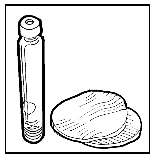
Gather all necessary items for the injection:
- a cartridge containing Omnitrope injectable solution.
- the Omnitrope Pen injection device, specifically designed for Omnitrope injectable solution (not supplied in the package; refer to the Instructions for Use provided with the Omnitrope Pen).
- a pen needle for subcutaneous injection (not supplied in the package).
- 2 alcohol swabs (not supplied in the package).
Wash your hands before proceeding to the next step.
Injection of Omnitrope
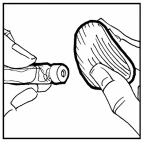
- Using an alcohol swab, disinfect the rubber membrane of the cartridge.
- The solution must be clear and colorless.
- Insert the cartridge into the injection pen. Follow the Pen User Instructions. To set the pen, rotate the dose dial.
- Choose the injection site. The best sites for injection are areas with a layer of fat between the skin and muscle, such as the thigh or abdomen (except around the navel and waistline).
- Be careful to inject at least 1 cm away from the previous injection site and rotate injection sites as instructed.
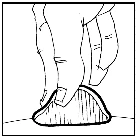
- Before injecting, thoroughly disinfect the skin with an alcohol swab. Allow the area to dry.
- Insert the needle into the skin as shown by your doctor.
After injection
- After injection, press the injection site gently with a cotton ball or sterile gauze for several seconds. Do not massage.
- Remove the needle from the pen using the outer needle cap and dispose of it properly. This keeps the Omnitrope solution sterile and prevents leakage. It also prevents air from entering the pen and needle blockage. Do not share needles or the pen.
- Leave the cartridge in the pen, replace the cap, and store in the refrigerator.
- The solution must be clear when taken out of the refrigerator. Do not use if the solution is cloudy or contains any precipitate.
If you use more Omnitrope than you should
If you inject much more than prescribed, contact your doctor or pharmacist immediately.
Blood sugar may drop too low and later rise too high. You may feel dizzy, sleepy, "strange," or may lose consciousness.
If you forget to use Omnitrope
Do not use a double dose to make up for a missed dose. Use the growth hormone regularly. If you miss a dose, administer the next injection the following day at your usual time. Keep a record of missed doses and inform your doctor at your next follow-up visit.
If you stop using Omnitrope
Consult your doctor before stopping treatment with Omnitrope.
If you have any questions about the use of this medicine, ask your doctor, pharmacist, or nurse.
4. Possible side effects
Like all medicines, this medicine can cause side effects, although not everybody gets them. Very common and common side effects in adults may start during the first months of treatment and may resolve spontaneously or with dose reduction.
Very common side effects (may affect more than 1 in 10 people) include:
- joint pain
- fluid retention (manifesting as swollen fingers or ankles for a short period at the beginning of treatment)
- redness, itching, or pain at the injection site
Common side effects (may affect less than 1 in 10 people) include:
- raised, itchy skin rashes (hives)
- skin rash
- numbness or tingling
- stiffness in arms and legs, muscle pain
In adults:
- pain or burning sensation in hands or forearms (carpal tunnel syndrome)
Uncommon side effects (may affect less than 1 in 100 people) include:
- breast enlargement (gynecomastia)
- itching
Rare side effects (may affect less than 1 in 1,000 people) include:
In children:
- leukaemia (reported in a small number of patients with growth hormone deficiency, some of whom were treated with somatropin. However, there is no evidence of an increased incidence of leukaemia in patients receiving growth hormone in the absence of predisposing factors)
- increased intracranial pressure (causing symptoms such as severe headache, vision disturbances, or vomiting)
Not known (frequency cannot be estimated from the available data):
- type 2 diabetes
- reduced blood levels of cortisol hormone
- facial swelling
- headache
- hypothyroidism
In adults:
- increased intracranial pressure (causing symptoms such as severe headache, vision disturbances, or vomiting)
Formation of antibodies against the injected growth hormone, which however do not appear to impair the action of growth hormone.
The skin around the injection site may become irregular or develop nodules, but this can be avoided by injecting the medicine each time at a different site.
Rare cases of sudden death have been observed in patients with Prader-Willi syndrome, but no causal relationship with Omnitrope treatment has been established.
Your doctor may consider the possibility of slipped capital femoral epiphysis or Legg-Calvé-Perthes disease if you (or your child) experience hip or knee discomfort or pain during treatment with Omnitrope.
Other possible side effects related to growth hormone treatment may include:
you (or your child) may develop elevated blood sugar levels or reduced thyroid hormone levels. These can be monitored by your doctor, who will prescribe appropriate treatment if necessary. Rarely, inflammation of the pancreas has been reported in patients treated with growth hormone.
Reporting of side effects
If you experience any side effect, including those not listed in this leaflet, talk to your doctor, pharmacist, or nurse. You can also report side effects directly via the national reporting system listed in Annex V. By reporting side effects, you can help provide more information on the safety of this medicine.
5. How to store Omnitrope
Keep this medicine out of the sight and reach of children.
Do not use this medicine after the expiry date stated on the label and the carton after
Exp. The expiry date refers to the last day of that month.
- Store and transport in the refrigerator (2°C - 8°C).
- Do not freeze.
- Keep in the original packaging to protect the medicine from light.
- After the first injection, the cartridge must be stored in the pen in the refrigerator (between 2°C - 8°C) and used within a maximum of 28 days. Do not use Omnitrope if you notice that the solution is cloudy.
Do not dispose of any medicine via wastewater or household waste. Ask your pharmacist how to dispose of medicines you no longer use. This will help protect the environment.
6. Package contents and other information
What Omnitrope 5 mg/1.5 ml contains
-
The active substance in Omnitrope is somatropin. Each ml of solution contains 3.3 mg of somatropin (equivalent to 10 IU). One cartridge contains 5.0 mg of somatropin (equivalent to 15 IU) in 1.5 ml.
-
Other components are:
sodium phosphate dibasic heptahydrate
sodium phosphate monobasic dihydrate
mannitol
poloxamer 188
benzyl alcohol
water for injections
What Omnitrope 10 mg/1.5 ml contains
-
The active substance in Omnitrope is somatropin. Each ml of solution contains 6.7 mg of somatropin (equivalent to 20 IU). One cartridge contains 10.0 mg of somatropin (equivalent to 30 IU) in 1.5 ml.
-
Other components are:
sodium phosphate dibasic heptahydrate
sodium phosphate monobasic dihydrate
glycine
poloxamer 188
phenol
water for injections
Description of Omnitrope and contents of the pack
Omnitrope is a clear, colourless injectable solution.
Pack sizes of 1, 5 or 10.
Not all pack sizes may be marketed.
Marketing Authorisation Holder
Sandoz GmbH
Biochemiestr. 10
A-6250 Kundl
Austria
Manufacturer
Sandoz GmbH
Biochemiestr. 10
A-6336 Langkampfen
Austria
Novartis Pharmaceutical Manufacturing GmbH
Biochemiestr. 10
A-6336 Langkampfen
Austria
More detailed information on this medicine is available on the European Medicines Agency website: http://www.ema.europa.eu.
For further information on this medicine, please contact the local representative of the Marketing Authorisation Holder:
België/Belgique/Belgien Lietuva
Sandoz nv/sa Sandoz Pharmaceuticals d.d filialas
Tél/Tel: +32 2 722 97 97 Tel: +370 5 2636 037
България Luxembourg/Luxemburg
Сандоз България КЧТ Sandoz nv/sa (Belgique/Belgien)
Тел.: +359 2 970 47 47 Tél/Tel.: +32 2 722 97 97
Česká republika Magyarország
Sandoz s.r.o. Sandoz Hungária Kft.
Tel: +420 225 775 111 Tel.: +36 1 430 2890
Danmark/Norge/Ísland/Sverige Malta
Sandoz A/S Sandoz Pharmaceuticals d.d.
Tlf: +45 63 95 10 00 Tel: +35699644126
Deutschland Nederland
Hexal AG Sandoz B.V.
Tel: +49 8024 908 0 Tel: +31 36 52 41 600
Eesti Österreich
Sandoz d.d. Eesti filiaal Sandoz GmbH
Tel: +372 665 2400 Tel: +43 5338 2000
Ελλάδα Polska
SANDOZ HELLAS ΜΟΝΟΠΡΟΣΩΠΗ Α.Ε. Sandoz Polska Sp. z o.o.
Τηλ: +30 216 600 5000 Tel.: +48 22 209 70 00
España Portugal
Sandoz Farmacéutica, S.A. Sandoz Farmacêutica Lda.
Tel: +34 900 456 856 Tel: +351 21 000 86 00
France România
Sandoz SAS Sandoz Pharmaceuticals SRL
Tél: +33 1 49 64 48 00 Tel: +40 21 407 51 60
Hrvatska Slovenija
Sandoz farmacevtska družba d.d.
Sandoz d.o.o.
Tel: +386 1 580 29 02
Tel: +385 1 23 53 111
Ireland Slovenská republika
Rowex Ltd. Sandoz d.d. - organizačná zložka
Tel: +353 27 50077 Tel: +421 2 48 200 600
Italia Suomi/Finland
Sandoz S.p.A. Sandoz A/S
Tel: +39 02 96541 Puh/Tel: +358 10 6133 400
Κύπρος United Kingdom (Northern Ireland)
Sandoz Pharmaceuticals d.d. Sandoz GmbH (Austria)
Τηλ: +357 22 69 0690 Tel: +43 5338 2000
Latvija
Sandoz d.d. Latvia filiāle
Tel: +371 67 892 006
Package leaflet: information for the user
Omnitrope 5 mg/1.5 ml solution for injection in cartridge, 10 mg/1.5 ml solution for injection in cartridge, 15 mg/1.5 ml solution for injection in cartridge
somatropin
Please read this entire leaflet carefully before using this medicine because it contains important information for you.
- Keep this leaflet. You may need to read it again.
- If you have any questions, consult your doctor, pharmacist, or nurse.
- This medicine has been prescribed for you only. Do not give it to others, even if their symptoms are the same as yours, as it may be harmful.
- If you experience any side effect, including those not listed in this leaflet, contact your doctor, pharmacist, or nurse. See section 4.
Contents of this leaflet:
- What Omnitrope is and what it is used for
- What you need to know before using Omnitrope
- How to use Omnitrope
- Possible side effects
- How to store Omnitrope
- Contents of the pack and other information
1. What Omnitrope is and what it is used for
Omnitrope is a recombinant human growth hormone (also known as somatropin). Its structure is identical to natural human growth hormone, which is responsible for the growth of bones and muscles and promotes proper development of adipose and muscular tissue. "Recombinant" means that it is not extracted from human or animal tissues.
In children, Omnitrope is indicated for the treatment of the following growth disorders:
- When they do not grow as they should and do not produce sufficient amounts of growth hormone.
- When they have Turner syndrome. Turner syndrome is a genetic disorder affecting children and may impair growth. If they have this condition, their doctor will already have informed them.
- When they have chronic renal insufficiency. If the kidneys lose their ability to function properly, growth may be affected.
- When they were small or had low birth weight. Growth hormone may help increase height if they have not shown catch-up or continued normal growth by the age of four or later.
- When they have Prader-Willi syndrome (a chromosomal disorder). Growth hormone promotes growth in children who are still growing and improves body composition. Excess fat decreases and insufficient muscle mass increases.
In adults, Omnitrope is indicated for
- the treatment of individuals with marked deficiency of growth hormone. The deficiency may begin in adulthood or persist from childhood. If you were treated with Omnitrope due to growth hormone deficiency during childhood, your growth hormone levels will be reassessed at the end of body development. If marked growth hormone deficiency is confirmed, your doctor will propose continuing treatment with Omnitrope.
This medicine must be administered to you only by a physician experienced in growth hormone therapy and who has confirmed the diagnosis.
2. What you should know before using Omnitrope
Do not use Omnitrope
- if you are allergic (hypersensitive) to somatropin or to any of the other ingredients of Omnitrope.
- and inform your doctor if you have active cancer (tumour). Tumours must be inactive and anti-tumour treatment must have been completed before starting treatment with Omnitrope.
- and inform your doctor if Omnitrope has been prescribed to you to stimulate growth, but you have stopped growing (epiphyseal closure).
- if you are severely ill (e.g. complications following open-heart surgery, abdominal surgery, accidental trauma, acute respiratory failure, or similar clinical conditions). If you are about to undergo or have recently undergone major surgery, or if you are admitted to hospital for any reason, inform your doctor and remind the treating physicians that you are using growth hormone.
Warnings and precautions
Talk to your doctor before using Omnitrope.
- If you are receiving glucocorticoid replacement therapy, you should consult your doctor regularly, as your glucocorticoid dose may need to be adjusted.
- If you are at risk of developing diabetes, your doctor should monitor your blood glucose levels during somatropin therapy.
- If you have diabetes, you should carefully monitor your blood glucose levels during treatment with somatropine and discuss the measured values with your doctor to determine whether the dose of your diabetes medication needs to be adjusted.
- After starting treatment with somatropin, some patients may require thyroid hormone replacement therapy.
- If you are already being treated with thyroid hormones, your dose may need to be adjusted.
- If you suffer from increased intracranial pressure (which causes symptoms such as severe headache, visual disturbances or vomiting), inform your doctor.
- If you limp or start limping during treatment with growth hormone, inform your doctor.
- If you are being treated with somatropin due to growth hormone deficiency following a previous tumour (cancer), you should be monitored regularly for possible tumour recurrence or development of another type of cancer.
- If you have abdominal pain that worsens, you must inform your doctor.
- Experience in patients over 80 years of age is limited. Elderly patients may be more sensitive to the effects of somatropin and therefore more prone to developing adverse effects.
- Omnitrope may cause inflammation of the pancreas, which causes severe abdominal and back pain. Contact your doctor if you or your child experiences stomach pain after taking Omnitrope.
- Progression of lateral curvature of the spine (scoliosis) may occur in any child during rapid growth. During treatment with somatropin, your doctor will monitor you (or your child) for signs of scoliosis.
Children with chronic renal insufficiency
- Before starting treatment with somatropin, your doctor will check kidney function and growth rate. Medication for kidney function must continue. Treatment with somatropin should be discontinued at the time of kidney transplantation.
Children with Prader-Willi syndrome
- Your doctor will prescribe a diet to control body weight.
- Before starting treatment with somatropin, your doctor will check for signs of upper airway obstruction, sleep apnoea (interruption of breathing during sleep), or respiratory infection.
- During treatment with somatropin, inform your doctor if you develop signs of upper airway obstruction (such as new or worsening snoring); in such cases, your doctor will examine you and may discontinue treatment with somatropin.
- During treatment, your doctor will monitor for signs of scoliosis, a type of spinal deformity.
- Inform your doctor if you develop a lung infection during treatment so that it can be treated.
Children born small or with low birth weight
- If the child was small or had low birth weight at birth and is now between 9 and 12 years old, specifically ask your doctor for advice about treatment with this medicine during puberty.
- Treatment should continue until growth is complete.
- Your doctor will check blood glucose and insulin levels before starting treatment and annually during therapy.
Other medicines and Omnitrope
Inform your doctor or pharmacist if you are taking, have recently taken, or might take any other
medicines.
In particular, inform your doctor if you are taking or have recently taken any of the following
medicines. Your doctor may need to adjust the dose of Omnitrope or of other medicines:
- medicines for the treatment of diabetes,
- thyroid hormones,
- medicines for controlling epilepsy (anticonvulsants),
- cyclosporine (a medicine that suppresses the immune system after transplantation),
- orally administered estrogens or other sex hormones,
- synthetic adrenal hormones (corticosteroids). Your doctor may need to adjust the dose of these medicines or the dose of somatropin.
Pregnancy and breastfeeding
Do not use Omnitrope if you are pregnant or trying to become pregnant.
If you are pregnant or breastfeeding, consult your doctor or pharmacist. This is because benzyl alcohol may accumulate in the body and cause adverse effects (so-called “metabolic acidosis”).
Important information about some of the excipients of Omnitrope
This medicine contains less than 1 mmol (23 mg) of sodium per mL and is therefore practically “sodium-free”.
Omnitrope 5 mg/1.5 ml solution for injection:
This medicine contains 9 mg of benzyl alcohol per mL.
Benzyl alcohol may cause allergic reactions.
Benzyl alcohol has been associated with a risk of serious adverse effects, including breathing problems (gasping syndrome), in young children.
Do not administer to neonates up to 4 weeks of age unless otherwise recommended by the doctor.
Consult your doctor or pharmacist if you have liver or kidney disease. This is because large amounts of benzyl alcohol may accumulate in the body and cause adverse effects (such as metabolic acidosis).
Due to the presence of benzyl alcohol, this medicine must not be given to premature infants or neonates. It may cause toxic and allergic reactions in children up to 3 years of age.
Do not use for more than one week in young children (less than 3 years of age) unless otherwise recommended by the doctor or pharmacist.
3. How to use Omnitrope
Use this medicine exactly as prescribed by your doctor, pharmacist, or nurse. If you have any doubts, consult your doctor, nurse, or pharmacist.
The dose depends on your body weight, the condition being treated, and the response to growth hormone. Each person is different. Your doctor will determine the most appropriate dose of Omnitrope for you; the dose is calculated in milligrams (mg) based on body weight in kilograms (kg) or on body surface area calculated from height and weight and expressed in square meters (m²). Your doctor will also inform you about the treatment schedule. Do not change the dosage or treatment schedule without consulting your doctor.
Recommended doses are for:
Children with growth hormone deficiency
0.025–0.035 mg/kg body weight per day, or 0.7–1.0 mg/m² body surface area per day.
Higher doses may also be used. If growth hormone deficiency persists during adolescence, treatment with Omnitrope should continue until completion of physical growth.
Children with Turner syndrome
0.045–0.050 mg/kg body weight per day, or 1.4 mg/m² body surface area per day.
Children with chronic renal insufficiency
0.045–0.050 mg/kg body weight per day, or 1.4 mg/m² body surface area per day. Higher doses may be required if growth velocity is low. Dose adjustment may be necessary after six months of treatment.
Children with Prader-Willi syndrome
0.035 mg/kg body weight per day, or 1.0 mg/m² body surface area per day. The daily dose must not exceed 2.7 mg. Treatment should not be performed in adolescents who have nearly completed growth after puberty.
Small children or those born with low birth weight and growth disorders
0.035 mg/kg body weight per day, or 1.0 mg/m² body surface area per day. It is important to continue treatment until final height is reached. Treatment should be discontinued after the first year if there is no response or if final height and completion of growth have been achieved.
Adults with growth hormone deficiency
If you continue taking Omnitrope after having been treated in childhood, start with 0.2–0.5 mg per day.
This dose should be gradually increased or decreased based on blood test results, clinical response, and side effects.
If growth hormone deficiency begins in adulthood, start with 0.15–0.3 mg per day.
This dose will be gradually increased based on blood test results, clinical response, and side effects. The daily maintenance dose usually does not exceed 1.0 mg per day. Women may require higher doses than men. Dosage should be reviewed every six months. Individuals over 60 years of age should start with a dose of 0.1–0.2 mg per day, which should be gradually increased according to individual needs. The lowest effective dose should be used. The maintenance dose is rarely higher than 0.5 mg per day.
Follow your doctor’s instructions.
Injection of Omnitrope
Inject the growth hormone every day at approximately the same time. Bedtime is a good time because it is easy to remember. Also, growth hormone levels naturally rise during the night.
Omnitrope 5 mg/1.5 ml in a cartridge for SurePal 5 is multi-use. It must be injected only with SurePal 5, an injection device specifically developed for use with Omnitrope 5 mg/1.5 ml injectable solution.
Omnitrope 10 mg/1.5 ml in a cartridge for SurePal 10 is multi-use. It must be injected only with SurePal 10, an injection device specifically developed for use with Omnitrope 10 mg/1.5 ml inject combustible solution.
Omnitrope 15 mg/1.5 ml in a cartridge for SurePal 15 is multi-use. It must be injected only with SurePal 15, an injection device specifically developed for use with Omnitrope 15 mg/1.5 ml injectable solution.
Omnitrope is intended for subcutaneous use. This means it is injected into the fatty tissue just beneath the skin using a short injection needle. Most people administer injections in the thigh or buttocks. Administer the injection at the site shown to you by your doctor. The fatty tissue under the skin may become indented at the injection site. To avoid this, change the injection site slightly each time. This allows the skin and underlying tissue time to recover before another injection is given in the same area.
Your doctor should have already shown you how to use Omnitrope. Always inject Omnitrope exactly as instructed by your doctor. If you have any doubts, consult your doctor or pharmacist.
How to inject Omnitrope
The following instructions explain how to self-inject Omnitrope. Read the instructions carefully and follow them step by step. Your doctor or nurse will show you how to inject Omnitrope. Do not attempt to perform the injection until you fully understand the procedure and requirements.
- Omnitrope is administered as a subcutaneous injection.
- Before injecting the solution, inspect it carefully and use only if it is clear and transparent.
- Change the injection site to reduce the risk of local lipoatrophy (localized reduction of subcutaneous fatty tissue).
Preparation
Gather all necessary items for the injection:
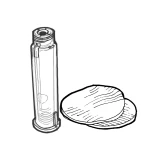
- a cartridge containing Omnitrope injectable solution.
- the SurePal injection device, specifically developed for use with Omnitrope injectable solution (not supplied in the package; refer to the Instructions for Use provided with SurePal).
- a pen needle for subcutaneous injection (not supplied in the package).
- 2 alcohol swabs (not supplied in the package).
Wash your hands before proceeding to the next step.
Injection of Omnitrope
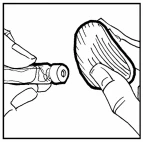
- Using an alcohol swab, disinfect the rubber membrane of the cartridge.
- The solution must be clear and colorless.
- Insert the cartridge into the injection pen. Follow the Instructions for Use of the pen injector. To adjust the pen, rotate the dose dial.
- Choose the injection site. The best sites for injection are areas with a layer of fat between the skin and muscle, such as the thigh or abdomen (except around the navel and waistline).
- Be careful to inject at least 1 cm away from the previous injection site and rotate injection sites as instructed.
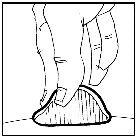
- Before injecting, thoroughly disinfect the skin with an alcohol swab. Allow the area to dry.
- Insert the needle into the skin as shown by your doctor.
After the injection
- After the injection, press the injection site gently with a cotton swab or sterile gauze for several seconds. Do not massage.
- Remove the needle from the pen using the outer needle cap, and dispose of it properly. This keeps the Omnitrope solution sterile and prevents leakage. It also prevents air from entering the pen and needle blockage. Do not share needles or the pen.
- Leave the cartridge in the pen, replace the cap, and store in the refrigerator.
- The solution should be clear when taken out of the refrigerator. Do not use if the solution is cloudy or contains any deposit.
If you use more Omnitrope than you should
If you inject much more than you should, contact your doctor or pharmacist immediately.
Blood sugar may drop too low and later rise too high. You may feel dizzy, sleepy, or "unusual," and you may lose consciousness.
If you forget to use Omnitrope
Do not use a double dose to make up for a missed dose. Use the growth hormone regularly. If you miss a dose, administer the next injection the following day at your usual time. Keep a record of missed doses and inform your doctor at your next check-up visit.
If you stop using Omnitrope
Ask your doctor for advice before stopping treatment with Omnitrope.
If you have any questions about the use of this medicine, consult your doctor, pharmacist, or nurse.
4. Possible side effects
Like all medicines, this medicine can cause side effects, although not everybody gets them. Very common and common side effects in adults may start during the first months of treatment and may resolve spontaneously or with dose reduction.
Very common side effects (may affect more than 1 in 10 people) include:
- joint pain
- fluid retention (which may present as swollen fingers or ankles for a short period at the beginning of treatment)
- redness, itching or pain at the injection site
Common side effects (may affect less than 1 in 10 people) include:
- itchy, raised wheals on the skin
- skin rash
- numbness or tingling
- stiffness in arms and legs, muscle pain
In adults:
- pain or burning sensation in hands or forearms (carpal tunnel syndrome)
Uncommon side effects (may affect less than 1 in 100 people) include:
- breast enlargement (gynecomastia)
- itching
Rare side effects (may affect less than 1 in 1,000 people) include:
In children:
- leukaemia (reported in a small number of patients with growth hormone deficiency, some of whom were treated with somatropin. However, there is no evidence of an increased incidence of leukaemia in individuals receiving growth hormone in the absence of predisposing factors)
- increased intracranial pressure (causing symptoms such as severe headache, visual disturbances or vomiting)
Not known (frequency cannot be estimated from the available data):
- type 2 diabetes
- reduced levels of cortisol hormone in the blood
- facial swelling
- headache
- hypothyroidism
In adults:
- increased intracranial pressure (causing symptoms such as severe headache, visual disturbances or vomiting)
Formation of antibodies against the injected growth hormone, which however do not appear to impair the action of the growth hormone.
The skin around the injection site may become irregular or develop nodules, but this can be avoided by injecting the medicine each time at a different site.
Rare cases of sudden death have been observed in patients with Prader-Willi syndrome, but no causal relationship with Omnitrope treatment has been established.
Your doctor should consider the possibility of slipped capital femoral epiphysis and Legg-Calvé-Perthes disease if you (or your child) experience hip or knee discomfort or pain during treatment with Omnitrope.
Other possible side effects related to growth hormone treatment may include:
You (or your child) may develop elevated blood sugar levels or reduced thyroid hormone levels. These tests can be performed by your doctor, who will prescribe appropriate treatment if necessary. Rarely, inflammation of the pancreas has been reported in patients treated with growth hormone.
Reporting of side effects
If you experience any side effect, including those not listed in this leaflet, talk to your doctor, pharmacist, or nurse. You can also report side effects directly through the national reporting system listed in Annex V. By reporting side effects, you can help provide more information on the safety of this medicine.
5. How to store Omnitrope
Keep this medicine out of the sight and reach of children.
Do not use this medicine after the expiry date stated on the label and on the carton after
Exp. The expiry date refers to the last day of that month.
- Store and transport in a refrigerator (2°C - 8°C).
- Do not freeze.
- Keep in the original packaging to protect the medicine from light.
- After the first injection, the cartridge must be kept in the pen and stored in the refrigerator (between 2°C - 8°C) and used within a maximum of 28 days. Do not use Omnitrope if you notice that the solution is cloudy.
Do not dispose of any medicine via wastewater or household waste. Ask your pharmacist how to dispose of medicines you no longer use. This will help protect the environment.
6. Package contents and other information
What Omnitrope 5 mg/1.5 ml contains
- The active substance of Omnitrope is somatropin. Each ml of solution contains 3.3 mg of somatropin (equivalent to 10 IU). One cartridge contains 5.0 mg of somatropin (equivalent to 15 IU) in 1.5 ml.
- The other components are: dibasic sodium phosphate heptahydrate, monobasic sodium phosphate dihydrate, mannitol, poloxamer 188, benzyl alcohol, water for injections
What Omnitrope 10 mg/1.5 ml contains
- The active substance of Omnitrope is somatropin. Each ml of solution contains 6.7 mg of somatropin (equivalent to 20 IU). One cartridge contains 10.0 mg (equivalent to 30 IU) of somatropin in 1.5 ml.
- The other components are: dibasic sodium phosphate heptahydrate, monobasic sodium phosphate dihydrate, glycine, poloxamer 188, phenol, water for injections
What Omnitrope 15 mg/1.5 ml contains
- The active substance of Omnitrope is somatropin. Each ml of solution contains 10 mg of somatropin (equivalent to 30 IU). One cartridge contains 15.0 mg (equivalent to 45 IU) of somatropin in 1.5 ml.
- The other components are: dibasic sodium phosphate heptahydrate, monobasic sodium phosphate dihydrate, sodium chloride, poloxamer 188, phenol, water for injections
Description of the appearance of Omnitrope and contents of the pack
Omnitrope is a clear, colourless injectable solution.
Omnitrope 5 mg/1.5 ml solution for injection must be used exclusively with SurePal 5.
Omnitrope 10 mg/1.5 ml solution for injection must be used exclusively with SurePal 10.
Omnitrope 15 mg/1.5 ml solution for injection must be used exclusively with SurePal 15.
Pack sizes of 1, 5 or 10.
Not all pack sizes may be marketed.
Marketing Authorization Holder
Sandoz GmbH
Biochemiestr. 10
A-6250 Kundl
Austria
Manufacturer
Sandoz GmbH
Biochemiestr. 10
A-6336 Langkampfen
Austria
Novartis Pharmaceutical Manufacturing GmbH
Biochemiestr. 10
A-6336 Langkampfen
Austria
More detailed information on this medicinal product is available on the European Medicines Agency website: http://www.ema.europa.eu.
For further information on this medicinal product, please contact the local representative of the Marketing Authorization Holder:
België/Belgique/Belgien Lietuva
Sandoz nv/sa Sandoz Pharmaceuticals d.d filialas
Tél/Tel: +32 2 722 97 97 Tel: +370 5 2636 037
България Luxembourg/Luxemburg
Сандоз България КЧТ Sandoz nv/sa (Belgique/Belgien)
Тел.: +359 2 970 47 47 Tél/Tel.: +32 2 722 97 97
Česká republika Magyarország
Sandoz s.r.o. Sandoz Hungária Kft.
Tel: +420 225 775 111 Tel.: +36 1 430 2890
Danmark/Norge/Ísland/Sverige Malta
Sandoz A/S Sandoz Pharmaceuticals d.d.
Tlf: +45 63 95 10 00 Tel: +35699644126
Deutschland Nederland
Hexal AG Sandoz B.V.
Tel: +49 8024 908 0 Tel: +31 36 52 41 600
Eesti Österreich
Sandoz d.d. Eesti filiaal Sandoz GmbH
Tel: +372 665 2400 Tel: +43 5338 2000
Ελλάδα Polska
SANDOZ HELLAS ΜΟΝΟΠΡΟΣΩΠΗ Α.Ε. Sandoz Polska Sp. z o.o.
Τηλ: +30 216 600 5000 Tel.: +48 22 209 70 00
España Portugal
Sandoz Farmacéutica, S.A. Sandoz Farmacêutica Lda.
Tel: +34 900 456 856 Tel: +351 21 000 86 00
France România
Sandoz SAS Sandoz Pharmaceuticals SRL
Tél: +33 1 49 64 48 00 Tel: +40 21 407 51 60
Hrvatska Slovenija
Sandoz farmacevtska družba d.d.
Sandoz d.o.o.
Tel: +386 1 580 29 02
Tel: +385 1 23 53 111
Ireland Slovenská republika
Rowex Ltd. Sandoz d.d. - organizačná zložka
Tel: +353 27 50077 Tel: +421 2 48 200 600
Italia Suomi/Finland
Sandoz S.p.A. Sandoz A/S
Tel: +39 02 96541 Puh/Tel: +358 10 6133 400
Κύπρος United Kingdom (Northern Ireland)
Sandoz Pharmaceuticals d.d. Sandoz GmbH (Austria)
Τηλ: +357 22 69 0690 Tel: +43 5338 2000
Latvija
Sandoz d.d. Latvia filiāle
Tel: +371 67 892 006