Nivestim
Italy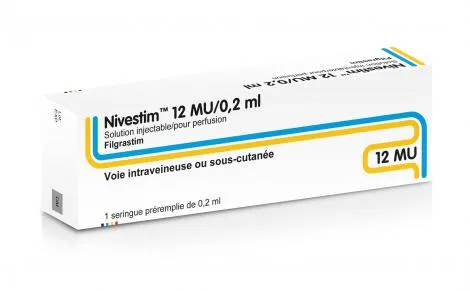
Table of Contents
- Package leaflet: Information for the user
- Nivestim 12 MU/0.2 ml solution for injection or infusion, 30 MU/0.5 ml solution for injection or infusion, 48 MU/0.5 ml solution for injection or infusion
- 1. What Nivestim is and what it is used for
- 2. What you need to know before using Nivestim
- 3. How to use Nivestim
- 4. Possible side effects
- 5. How to store Nivestim
- 6. Other information
- THE FOLLOWING INFORMATION IS INTENDED EXCLUSIVELY FOR PHYSICIANS OR
Package leaflet: Information for the user
Nivestim 12 MU/0.2 ml solution for injection or infusion, 30 MU/0.5 ml solution for injection or infusion, 48 MU/0.5 ml solution for injection or infusion
filgrastim
Please read all of this leaflet carefully before you start using this medicine because it contains important information for you.
- Keep this leaflet. You may need to read it again.
- If you have any questions, ask your doctor, nurse, or pharmacist.
- This medicine has been prescribed for you only. Do not give it to other people, even if they have the same symptoms as yours, because it could be harmful.
- If you experience any side effects, including those not listed in this leaflet, tell your doctor, pharmacist, or nurse. See section 4.
Contents of this leaflet
- What Nivestim is and what it is used for
- What you need to know before using Nivestim
- How to use Nivestim
- Possible side effects
- How to store Nivestim
- Contents of the pack and other information
1. What Nivestim is and what it is used for
Nivestim is a white blood cell growth factor (granulocyte colony-stimulating factor) and belongs to a group of medicines called cytokines. Growth factors are proteins naturally produced in the body, but they can also be produced using biotechnology for use as medicines. Nivestim stimulates the bone marrow to produce a greater number of white blood cells.
A reduction in the number of white blood cells (neutropenia) can occur for various reasons, reducing the body's ability to defend itself against infections. Nivestim stimulates the bone marrow to rapidly produce new white blood cells.
Nivestim may be used:
- to increase the number of white blood cells after chemotherapy treatment, thereby helping to prevent infections;
- to increase the number of white blood cells after a bone marrow transplant, thereby helping to prevent infections;
- prior to high-dose chemotherapy to stimulate the bone marrow to produce more stem cells, which can be collected and reinfused after treatment. These cells may be collected from you or from a donor. The stem cells will then return to the bone marrow and produce blood cells;
- to increase the number of white blood cells if you suffer from severe chronic neutropenia, thereby helping to prevent infections;
- in patients with advanced HIV infection, to help reduce the risk of infections.
2. What you need to know before using Nivestim
Do not use Nivestim
- if you are allergic to filgrastim or any of the excipients of this medicine (listed in
section 6).
Warnings and precautions
Talk to your doctor, pharmacist, or nurse before taking Nivestim.
Contact your doctor before starting treatment if you:
- have sickle cell anaemia, as Nivestim may trigger sickle cell crisis;
- have osteoporosis (a bone disease).
Immediately inform your doctor during treatment with Nivestim if:
- you develop sudden signs of allergy, such as rash, itching or hives on the skin, swelling of the face, lips, tongue or other parts of the body, shortness of breath or difficulty breathing, as these may be signs of a severe allergic reaction (hypersensitivity).
- you experience swelling of the face or ankles, blood in the urine or brown-coloured urine, or notice that you are urinating less than usual (glomerulonephritis).
- you feel pain in the upper left part of the abdomen (abdominal pain), pain under the left side of the rib cage, or pain at the tip of the left shoulder (these may be symptoms of an enlarged spleen (splenomegaly) or possible spleen rupture).
- you notice unusual bleeding or bruising (these may be symptoms of a reduced number of blood platelets (thrombocytopenia), resulting in decreased blood clotting ability).
Rare cases of inflammation of the aorta (the large blood vessel carrying blood from the heart to the rest of the body) have been reported in cancer patients and healthy individuals. Symptoms may include fever, abdominal pain, malaise, back pain, and increased inflammatory markers. Inform your doctor if you experience any of these symptoms.
Loss of response to filgrastim
If you experience a decreased response or failure to maintain response to filgrastim treatment, your doctor will investigate possible causes, including the possibility that you have developed antibodies that neutralize the activity of filgrastim.
Your doctor may decide to monitor you closely; see section 4 of the package leaflet.
If you are a patient with severe chronic neutropenia, you may be at risk of developing a blood cancer (leukaemia, myelodysplastic syndrome [MDS]). You should discuss with your doctor the risks of developing blood cancers and which tests should be performed. If you have or are at risk of developing blood cancers, you must not use Nivestim unless specifically prescribed by your doctor.
If you are a stem cell donor, you must be between 16 and 60 years of age.
Take particular care with other medicines that stimulate white blood cells
Nivestim belongs to a group of medicines that stimulate the production of white blood cells.
Healthcare professionals must always record the exact medicine being used.
Other medicines and Nivestim
Inform your doctor or pharmacist if you are taking, have recently taken, or might take any other medicines.
Pregnancy and breastfeeding
Nivestim has not been studied in pregnant or breastfeeding women.
Nivestim is not recommended during pregnancy.
It is important that you inform your doctor if:
- you are pregnant or breastfeeding;
- you suspect you may be pregnant; or
- you are planning a pregnancy.
If you become pregnant while being treated with Nivestim, inform your doctor.
Unless otherwise advised by your doctor, you must stop breastfeeding while using Nivestim.
Driving and using machines
Nivestim may have a minor influence on the ability to drive and use machines. This medicine may cause dizziness. It is recommended to wait and observe how you feel after taking Nivestim before driving or operating machinery.
Nivestim contains sodium
This medicine contains less than 1 mmol of sodium (23 mg) per 0.6 mg/ml or 0.96 mg/ml dose, i.e., essentially "sodium-free".
Nivestim contains sorbitol
This medicine contains 50 mg of sorbitol per ml.
Sorbitol is a source of fructose. If your doctor has diagnosed you (or the child) with hereditary fructose intolerance (HFI), a rare genetic disorder, you (or the child) must not take this medicine. Patients with hereditary fructose intolerance (HFI) are unable to metabolize fructose, and its accumulation can lead to serious adverse effects.
Before taking this medicine, inform your doctor if you (or the child) have hereditary fructose intolerance (HFI) or if the child feels unwell, vomits, or experiences unpleasant reactions such as bloating, stomach cramps, or diarrhoea after consuming sweetened foods or drinks.
3. How to use Nivestim
Use this medicine exactly as instructed by your doctor. If you have any doubts, consult your doctor, nurse, or pharmacist.
How is Nivestim administered and what dose should I take?
Nivestim is generally given as a daily injection into the tissue just beneath the skin (known as a subcutaneous injection). It may also be given as a daily slow-release injection into the vein (known as an intravenous infusion). The usual dose varies depending on your condition and body weight. Your doctor will tell you how much Nivestim to take.
Patients receiving bone marrow transplantation after chemotherapy:
You will normally receive the first dose of Nivestim at least 24 hours after chemotherapy and at least 24 hours after receiving the bone marrow transplant.
You or your caregivers may be taught how to administer subcutaneous injections so that treatment can continue at home. However, you must not attempt to self-inject unless you have first received proper training from your doctor.
How long should I use Nivestim?
You will need to take Nivestim until your white blood cell count has returned to normal. Blood tests will be performed to monitor your white blood cell count. Your doctor will advise you on how long to continue treatment.
Use in children
Nivestim is used to treat children who have undergone chemotherapy or who suffer from a severe reduction in white blood cells (neutropenia). The dosage in children undergoing chemotherapy is the same as that used in adults.
If you use more Nivestim than you should
Do not increase the dose prescribed by your doctor. If you think you have injected more than you should, contact your doctor as soon as possible.
If you forget to use Nivestim
If you have missed an injection or if the injected amount was too low, contact your doctor as soon as possible. Do not take a double dose to make up for a forgotten dose.
If you have any further questions about the use of this medicine, ask your doctor, nurse, or pharmacist.
4. Possible side effects
Like all medicines, this medicine can cause side effects, although not everyone gets them.
Contact your doctor immediately during treatment:
- if you experience an allergic reaction including weakness, low blood pressure, breathing difficulties, facial swelling (anaphylaxis), skin rash, itchy rash (urticaria), swelling of the face, lips, mouth, tongue or throat (angioedema), or shortness of breath (dyspnea).
- if you develop cough, fever, and difficulty breathing (dyspnea), as these may be symptoms of acute respiratory distress syndrome (ARDS).
- if kidney damage (glomerulonephritis) occurs. Kidney damage has been observed in patients receiving filgrastim. Contact your doctor immediately if you experience swelling of the face or ankles, blood in the urine, brown-colored urine, or notice a decrease in the frequency of urination.
- if you experience one or a combination of the following side effects: swelling or puffiness, which may be associated with less frequent urination, difficulty breathing, abdominal swelling and feeling of fullness, and a general feeling of fatigue. These symptoms usually appear rapidly. They may indicate a condition called "Capillary Leak Syndrome," which causes fluid leakage from small blood vessels in the body and requires urgent medical attention.
- if you experience a combination of the following symptoms: fever or chills, intense feeling of cold, rapid heart rate, confusion or disorientation, shortness of breath, severe pain or discomfort, or sweaty, clammy skin. These may be symptoms of a condition called "sepsis" (also known as "blood poisoning"), a serious infection with a systemic inflammatory response that can be potentially fatal and requires urgent medical treatment.
- if you experience pain in the upper left part of the abdomen (abdominal pain), pain under the left side of the rib cage, or pain at the tip of the shoulder, as these may indicate a problem with the spleen (enlargement of the spleen (splenomegaly) or rupture of the spleen).
- if you are being treated for chronic severe neutropenia and have blood in your urine (hematuria). Your doctor may regularly check your urine if this side effect occurs or if proteins are found in the urine (proteinuria).
A common side effect associated with the use of filgrastim is muscle or bone pain (musculoskeletal pain), which can be relieved by taking common painkillers (analgesics). In patients undergoing stem cell or bone marrow transplantation, graft-versus-host disease (GvHD) may occur: this is a reaction of donor cells against the transplant recipient; signs and symptoms include skin rash on the palms of the hands or soles of the feet, and ulcers or sores in the mouth, intestines, liver, skin, eyes, lungs, vagina, and joints.
In healthy stem cell donors, an increase in white blood cells (leukocytosis) and a decrease in platelet count may occur. This reduces the blood's ability to clot (thrombocytopenia). These events will be monitored by your doctor.
Very common side effects (affect more than 1 in 10 people):
- decrease in platelets, reducing the blood's ability to clot (thrombocytopenia)
- low red blood cell count (anemia)
- headache
- diarrhea
- vomiting
- nausea
- unusual hair loss or thinning (alopecia)
- fatigue (tiredness)
- pain and swelling of the lining of the digestive tract, from mouth to anus (mucositis)
- fever (pyrexia)
Common side effects (affect up to 1 in 10 people):
- inflammation of the lungs (bronchitis)
- upper respiratory tract inflammation
- urinary tract infection
- reduced appetite
- difficulty sleeping (insomnia)
- dizziness
- reduced sensation, particularly of the skin (hypoesthesia)
- tingling or numbness of hands or feet (paresthesia)
- low blood pressure (hypotension)
- high blood pressure (hypertension)
- cough
- coughing up blood (hemoptysis)
- mouth and throat pain (oropharyngeal pain)
- nosebleeds (epistaxis)
- constipation
- mouth pain
- enlarged liver (hepatomegaly)
- skin rash
- redness of the skin (erythema)
- muscle spasms
- pain during urination (dysuria)
- chest pain
- pain
- general weakness (asthenia)
- general feeling of discomfort (malaise)
- swelling of hands and feet (peripheral edema)
- increase in certain liver enzymes in the blood
- changes in blood test values
- transfusion reaction
Uncommon side effects (affect up to 1 in 100 people):
- increase in white blood cells (leukocytosis)
- allergic reaction (hypersensitivity)
- rejection of bone marrow transplant (graft-versus-host disease)
- high levels of uric acid in the blood, which may cause gout (hyperuricemia) (increased serum uric acid)
- liver damage caused by blockage of small veins within the liver (veno-occlusive disease)
- lungs not functioning properly, causing shortness of breath (respiratory failure)
- swelling and/or fluid in the lungs (pulmonary edema)
- inflammation of the lungs (interstitial lung disease)
- abnormal lung X-ray (pulmonary infiltrate)
- lung bleeding (pulmonary hemorrhage)
- reduced oxygen uptake in the lungs (hypoxia)
- irregular skin rash (maculopapular rash)
- a disease that reduces bone density, making bones weaker, more fragile and prone to fractures (osteoporosis)
- injection site reaction
Rare side effects (affect up to 1 in 1000 people):
- severe bone, chest, intestinal or joint pain (sickle cell anemia with crisis)
- sudden, life-threatening allergic reaction (anaphylactic reaction)
- joint pain and swelling, similar to gout (pseudogout)
- a change in fluid regulation in the body that may lead to swelling (fluid volume disorder)
- inflammation of skin blood vessels (cutaneous vasculitis)
- painful, raised purple lesions on limbs, sometimes on face and neck, associated with fever (Sweet's syndrome)
- worsening of rheumatoid arthritis
- unusual changes in urine tests
- reduced bone density
- inflammation of the aorta (the large blood vessel carrying blood from the heart to the rest of the body), see section 2
- formation of blood cells outside the bone marrow (extramedullary hematopoiesis)
Reporting of side effects
If you experience any side effect, including those not listed in this leaflet, talk to your doctor, pharmacist, or nurse. You can also report side effects directly via the national reporting system detailed in Annex V.
By reporting side effects, you can help provide more information on the safety of this medicine.
5. How to store Nivestim
Keep this medicine out of the sight and reach of children.
Do not use this medicine after the expiry date stated on the outer packaging and on the label of the syringe after the abbreviation Exp./EXP. The expiry date refers to the last day of the month.
Store and transport in a refrigerator (2°C – 8°C). Do not freeze. Keep the pre-filled syringe in its original packaging to protect the medicine from light.
The syringe may be kept outside the refrigerator and stored at room temperature for a single period of up to 15 days (however, not above 25°C).
Do not use this medicine if you notice it is cloudy or if there are particles present.
Do not dispose of any medicine via wastewater or household waste. Ask your pharmacist how to dispose of medicines no longer in use. This will help protect the environment.
6. Other information
What Nivestim contains
- The active substance is filgrastim. Each millilitre contains 60 million units [MU] (600 mcg) or 96 million units [MU] (960 mcg) of filgrastim.
- Nivestim 12 MU/0.2 ml solution for injection or infusion: each pre-filled syringe contains 12 million units (MU), 120 mcg of filgrastim in 0.2 ml (equivalent to 0.6 mg/ml).
- Nivestim 30 MU/0.5 ml solution for injection or infusion: each pre-filled syringe contains 30 million units (MU), 300 mcg of filgrastim in 0.5 ml (equivalent to 0.6 mg/ml).
- Nivestim 48 MU/0.5 ml solution for injection or infusion: each pre-filled syringe contains 48 million units (MU), 480 mcg of filgrastim in 0.5 ml (equivalent to 0.96 mg/ml).
- The other components are glacial acetic acid, sodium hydroxide, sorbitol E420, polysorbate 80, and water for injections.
Description of the appearance of Nivestim and contents of the pack
Nivestim is a clear, colourless solution for injection or infusion, supplied in a pre-filled syringe with
an injection needle (stainless steel) with a protective cap. The needle cap contains epoxiprene,
a derivative of natural rubber latex which may come into contact with the needle.
Each pack may contain 1, 5, 8 or 10 syringes. Not all pack sizes may be marketed.
Marketing Authorisation Holder and Manufacturer
Pfizer Europe MA EEIG
Boulevard de la Plaine 17
1050 Brussels
Belgium
Manufacturer
Hospira Zagreb d.o.o.
Prudnička cesta 60
10291 Prigorje Brdovečko
Croatia
For further information about this medicine, contact the local representative of the Marketing Authorisation Holder:
België/Belgique/Belgien Lietuva
Luxembourg/Luxemburg Pfizer Luxembourg SARL filialas Lietuvoje
Pfizer NV/SA Tel: +370 52 51 4000
Tél/Tel: +32 (0)2 554 62 11
България Magyarország
Пфайзер Люксембург САРЛ, Клон Pfizer Kft.
България Tel.: +36 1 488 37 00
Тел.: +359 2 970 4333
Česká republika Malta
Pfizer, spol. s r.o. Drugsales Ltd
Tel: +420-283-004-111 Tel: +356 21 419 070/1/2
Danmark Nederland
Pfizer ApS Pfizer bv
Tlf.: +45 44 20 11 00 Tel: +31 (0)800 63 34 636
Deutschland Norge
PFIZER PHARMA GmbH Pfizer AS
Tel: +49 (0)30 550055-51000 Tlf: +47 67 52 61 00
Eesti Österreich
Pfizer Luxembourg SARL Eesti filiaal Pfizer Corporation Austria Ges.m.b.H.
Tel: +372 666 7500 Tel: +43 (0)1 521 15-0
Ελλάδα Polska
Pfizer ΕΛΛΆΣ A.E. Pfizer Polska Sp. z o.o.
Τηλ: +30 210 6785 800 Tel.: +48 22 335 61 00
España Portugal
Pfizer, S.L. Laboratórios Pfizer, Lda.
Tel: +34 91 490 99 00 Tel: +351 21 423 55 00
France România
Pfizer Pfizer România S.R.L.
Tél: +33 (0)1 58 07 34 40 Tel: +40 (0)21 207 28 00
Hrvatska Slovenija
Pfizer Croatia d.o.o. Pfizer Luxembourg SARL
Tel: +385 1 3908 777 Pfizer, podružnica za svetovanje s področja
farmacevtske dejavnosti, Ljubljana
Tel: +386 (0)1 52 11 400
Ireland Slovenská republika
Pfizer Healthcare Ireland Unlimited Pfizer Luxembourg SARL, organizačná zložka
Company Tel: +421–2–3355 5500
Tel: +1800 633 363 (toll free)
Tel: +44 (0) 1304 616161
Ísland Suomi/Finland
Icepharma hf. Pfizer Oy
Sími: +354 540 8000 Puh/Tel: +358 (0)9 430 040
Italia Sverige
Pfizer S.r.l. Pfizer AB
Tel: +39 06 33 18 21 Tel: +46 (0)8 550 520 00
Κύπρος
Pfizer ΕΛΛΑΣ Α.Ε. (Cyprus Branch)
Τηλ: +357 22 817690
Latvija
Pfizer Luxembourg SARL filiāle Latvijā
Tel: + 371 670 35 775
More detailed information on this medicine is available on the website of the European Medicines Agency, https://www.ema.europa.eu.
Patient instructions for self-injection
This section contains information on how to self-inject Nivestim. It is important that you do not
attempt to self-inject the medicine before you have been specifically trained by your doctor or
nurse. It is also important that you dispose of the syringe in a sharps disposal container (puncture-proof). If you have any doubts or questions about self-injection, please consult your
doctor or nurse.
How do I perform self-injection?
Nivestim is normally administered once daily by injection into the tissue beneath the skin, also known as a subcutaneous injection.
Learning how to self-inject allows you to avoid waiting at home for a nurse to arrive, or having to go to hospital or clinic every day to receive the injection.
You should administer the injection at approximately the same time each day. The most suitable injection sites are:
the front of the thigh,
the abdomen, except the area around the navel.
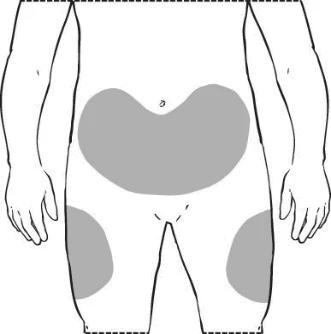
It is best to change the injection site every day to avoid discomfort in a particular area.
Equipment required for administration
The following equipment is required when performing a subcutaneous self-injection:
- A new pre-filled syringe of Nivestim.
- A sharps disposal container (puncture-proof) for safe disposal of used syringes.
- Disinfectant wipes (if recommended by your doctor or nurse).
How do I perform subcutaneous self-injection of Nivestim?
- Try to perform the self-injection at approximately the same time each day.
- Remove the box containing the pre-filled syringe of Nivestim from the refrigerator.
- Take the blister containing the pre-filled syringe out of the box. If the box contains a blister with more than one pre-filled syringe, tear along the perforated section to separate one pre-filled syringe blister, return the remaining blister with syringes to the box, and place the box back in the refrigerator.
- Open the blister containing the pre-filled syringe by removing the cover. Remove the pre-filled syringe from the blister by holding the body. Do not grasp the grey needle cap or the plunger rod.
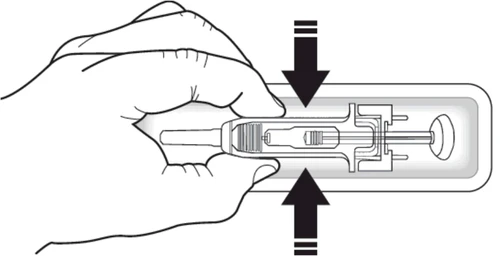
Inspect the syringe and ensure that the needle safety device covers the barrel. Do not
push the needle safety device over the cap before injection, as this may activate or block the device. If the safety device covers the needle, it means it has been activated.
Check that the solution is clear, colourless and practically free from visible particles. Do not
inspect the product through the plastic of the safety device.
Check the expiry date on the label to ensure the medicine has not expired.
Ensure that you have the sharps disposal container (puncture-proof) nearby.
Allow the pre-filled syringe to reach room temperature (approximately 25 °C). This will take 15–30 minutes.
Do not remove the needle cap while the pre-filled syringe is warming to room temperature.
Do not shake the syringe.
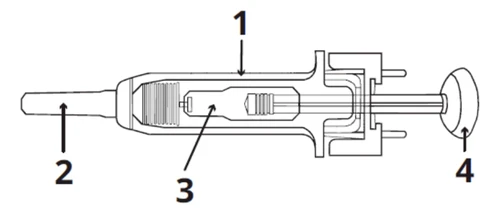
1 Needle safety device
2 Needle cap
3 Medication
4 Plunger rod
- Do not use the Nivestim syringe if:
- The box is open or damaged.
- The needle safety device is missing, detached, or has been activated.
- The medicine is cloudy, discoloured, or contains floating particles.
- Any part of the pre-filled syringe appears cracked or broken, or some of the liquid has leaked out.
- The pre-filled syringe has been dropped. The pre-filled syringe may be broken even if the damage is not visible.
- The needle cap is missing or not securely attached.
- The expiry date printed on the label has passed.
In all of the above cases, discard the pre-filled syringe and use a new one.
- Find a well-lit workspace for the injection and to check the prescribed dose.
- Wash your hands thoroughly with soap and water.
- Hold the pre-filled syringe by the body of the needle safety device with the needle cap pointing upwards.
Do not hold the syringe by the plunger head, plunger, or needle cap.
Do not pull back on the plunger.
Do not remove the needle cap of the pre-filled syringe until you are ready to inject the medicine. - Remove the needle cap from the syringe by holding the barrel and pulling the cap straight off carefully, without twisting, away from your body. Discard the needle cap. Do not reattach the needle cap. Do not push the plunger, touch the needle, or shake the syringe.
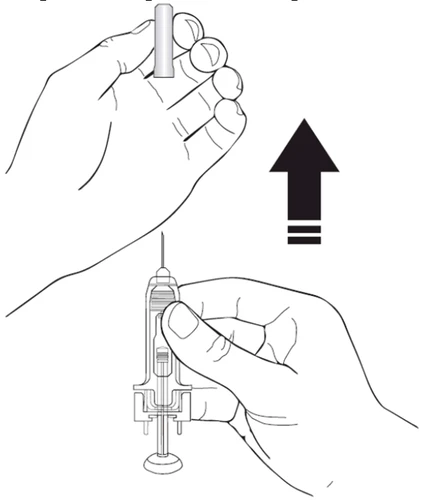
- The syringe is now ready for use. A small air bubble may be present in the syringe. Do not remove the air bubble before injection. Injecting the solution with an air bubble present is not dangerous.
- Decide where to inject Nivestim – select a site on the front of the abdomen or the front part of the thighs. Choose a different site each time for injection. Do not select an area that is tender, red, bruised, or scarred. Clean the skin surface with a disinfectant wipe.
- Pinch a large fold of skin between your thumb and index finger, taking care not to touch the area you have just cleaned.
- With the other hand, hold the pre-filled syringe as if holding a pencil. With a quick motion, like throwing a dart, insert the needle under the skin at an angle of approximately 45° as shown.
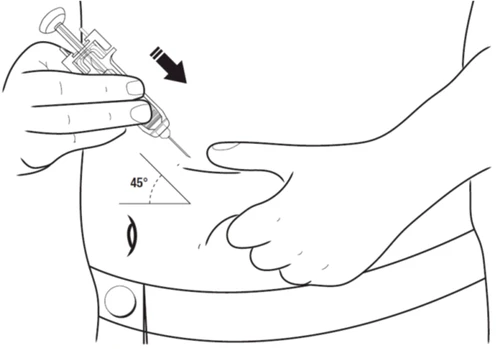
- Gently pull back on the plunger to check whether blood enters the syringe. If you see blood in the syringe, remove the needle and insert it at another site. Press slowly on the plunger until the entire contents of the syringe have been emptied.
- After injecting the solution, remove the needle from the skin.
- Following the instructions below for the active or passive needle safety device, ensure that the device covers the needle.
- Do not attempt to re-cap the needle. Place the syringe into a sharps disposal container (puncture-proof).
- Keep used syringes out of the sight and reach of children.
- Never dispose of syringes in household waste.
Remember
Most people are able to learn subcutaneous self-injection, but if you experience significant difficulty, do not hesitate to ask your doctor or nurse for help and advice.
Use of the Active UltraSafe Needle Guard for Nivestim 12 MU/0.2 ml solution for injection or infusion
The pre-filled syringe is equipped with an active needle safety device, UltraSafe Active Needle Guard, which protects against accidental needle stick. When handling the pre-filled syringe, keep your hands behind the needle.
- Perform the injection using the technique described above.
- After completing the injection, slide the needle safety device forward until the needle is completely covered (the device will lock into place).

Use of the Passive UltraSafe Needle Guard for Nivestim 30 MU/0.5 ml solution for injection or infusion and Nivestim 48 MU/0.5 ml solution for injection or infusion
The pre-filled syringe is equipped with a passive needle safety device, UltraSafe Passive Needle Guard, which protects against accidental needle stick. When handling the pre-filled syringe, keep your hands behind the needle.
- Perform the injection using the technique described above.
- While holding the syringe with your fingers on its support rim, press on the plunger until the entire dose has been injected. The passive needle safety system will NOT activate unless the FULL dose has been administered.
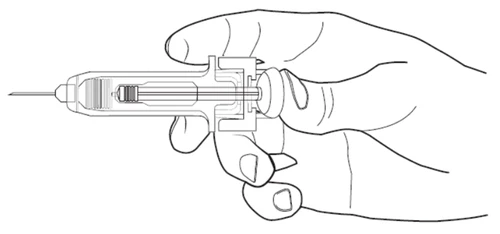
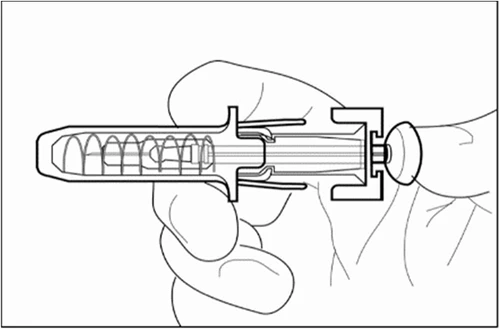
- Remove the needle from the skin, then release the plunger; the syringe will move forward until the safety mechanism covers and locks over the needle.
THE FOLLOWING INFORMATION IS INTENDED EXCLUSIVELY FOR PHYSICIANS OR
HEALTHCARE PROFESSIONALS:
Nivestim contains no preservative. Due to the risk of bacterial contamination, Nivestim syringes are for single use only.
Accidental exposure to freezing temperatures for up to 24 hours has no negative effect on the stability of Nivestim. A frozen pre-filled syringe may be thawed and returned to the refrigerator for subsequent use. However, if exposure to low temperatures exceeds 24 hours or if the product has been frozen more than once, Nivestim MUST NOT be used.
Nivestim must not be diluted in disodium chloride solution. This medicinal product must not be mixed with other medicinal products except those mentioned below. If not diluted as described below, diluted filgrastim may adsorb to glass and plastic materials.
If required, Nivestim may be diluted in 5% glucose solution. Dilution to final concentrations < 0.2 MU (2 mcg) per ml is not recommended. The solution should be inspected visually before use. Only clear solutions without visible particles should be used. For patients treated with filgrastim diluted to concentrations below 1.5 MU (15 mcg) per ml, human serum albumin (HSA) should be added to a final concentration of 2 mg/ml.
Example: for a final injection volume of 20 ml, total filgrastim doses below 30 MU (300 mcg) must be administered by adding 0.2 ml of a 200 mg/ml (20%) human albumin solution. When diluted with 5% glucose solution, Nivestim is compatible with glass and various plastic materials such as PVC, polyolefin (a copolymer of polypropylene and polyethylene), and polypropylene.
After dilution: the chemical and physical in-use stability of the diluted infusion solution has been demonstrated for 24 hours at temperatures between 2°C and 8°C. From a microbiological standpoint, the product should be used immediately. If not used immediately, the user is responsible for the duration and conditions of storage prior to use, which normally should not exceed 24 hours between 2°C and 8°C, unless the dilution was carried out under controlled and validated aseptic conditions.