Necloral
ItalyNECLORAL 750 mg modified-release tablets
Cefaclor monohydrate
Generic medicinal product
COMPOSITION
Each tablet contains:
Active substance:
Cefaclor monohydrate equivalent to Cefaclor 750 mg
Excipients: hypromellose, mannitol, povidone, magnesium stearate, colloidal anhydrous silica, propylene glycol, titanium dioxide.
PHARMACEUTICAL FORM AND CONTENT
Modified-release tablets in a pack containing 6 tablets.
THERAPEUTIC PHARMACOLOGICAL CATEGORY
Antibiotic for oral use, belonging to the cephalosporin class.
MARKETING AUTHORISATION HOLDER
NEW RESEARCH srl
Via della Tenuta di Torrenova n° 142 - 00133 Rome
MANUFACTURER AND FINAL CONTROLLER
FACTA FARMACEUTICI S.p.A.
Via Laurentina Km 24.730 - 00040 Pomezia (Rome)
THERAPEUTIC INDICATIONS
NECLORAL 750 mg modified-release tablets are indicated for the treatment of severe forms of the following infections:
- Acute bronchitis and acute exacerbation of chronic bronchitis;
- Pharyngitis and tonsillitis;
- Skin and soft tissue infections;
- Uncomplicated lower urinary tract infections.
CONTRAINDICATIONS
Hypersensitivity to the active substance or to any of the excipients, or to other cephalosporins or penicillins.
PRECAUTIONS FOR USE
Severe reactions (including anaphylaxis) have occurred in patients following administration of penicillins or cephalosporins, including Cefaclor. These are IgE-mediated reactions, typically manifesting at cutaneous, gastrointestinal, respiratory, and cardiovascular levels.
Symptoms may include: severe and sudden hypotension, tachycardia or bradycardia, unusual fatigue or weakness, anxiety, restlessness, dizziness, loss of consciousness, difficulty in breathing or swallowing, generalized pruritus especially on the soles of the feet and palms of the hands, urticaria with or without angioedema (swollen and itchy skin areas, most frequently located on extremities, external genitalia, and face, particularly around the eyes and lips), skin redness especially around the ears, cyanosis, profuse sweating, nausea, vomiting, crampy abdominal pain, and diarrhea.
Before initiating therapy with NECLORAL, careful inquiry should be made regarding previous history of hypersensitivity reactions to cephalosporins, penicillins, or other drugs.
If an allergic reaction to NECLORAL occurs, discontinue administration of the drug.
Treatment with broad-spectrum antibiotics, including NECLORAL, alters the normal colonic flora and leads to an increase in clostridia. Various studies have shown that a toxin produced by Clostridium difficile is the main cause of severe antibiotic-associated diarrhea, including pseudomembranous colitis. Therefore, this diagnosis should be considered in patients who develop diarrhea during therapy with these antibiotics.
As with other antibiotics, during treatment with NECLORAL, the possible emergence of resistant microorganisms should be considered, which may lead to superinfection requiring appropriate management.
Use in neonates
Efficacy and tolerability in children have not been well established.
INTERACTIONS
The extent of absorption of NECLORAL decreases if antacids containing magnesium or aluminium hydroxide are administered within one hour after antibiotic intake, whereas H₂-blockers do not alter the rate or extent of NECLORAL absorption.
Similarly to other beta-lactams, renal excretion of NECLORAL is inhibited by probenecid; no other significant drug interactions have been observed in clinical studies.
SPECIAL WARNINGS
This medicine is not contraindicated in patients with celiac disease.
Use during pregnancy and breastfeeding
There are no specific, well-controlled studies in pregnant women, and since animal reproduction studies are not always predictive of human response, this drug should be used during pregnancy only if clearly needed.
The use of NECLORAL during labor and delivery has not been studied; therefore, the drug should be administered only if clearly necessary.
The effects of Cefaclor on the nursing infant are unknown. During breastfeeding, the use of the drug is recommended with caution.
Effects on ability to drive and use machines
NECLORAL has no effect on the ability to drive or operate machinery.
Keep out of reach and sight of children.
DOSAGE, METHOD AND DURATION OF ADMINISTRATION
NECLORAL is administered orally and may be taken independently of meals. However, concomitant food intake increases the absorption of NECLORAL (see Pharmacokinetics).
Tablets must be swallowed whole and should not be split, crushed, or chewed.
The following dosage regimens are recommended:
- Pharyngitis, tonsillitis, and skin and soft tissue infections: 750 mg twice daily.
- Uncomplicated lower urinary tract infections: 750 mg twice daily.
- Bronchitis: 750 mg twice daily. In the treatment of infections caused by S. pyogenes (group A streptococci), therapy with NECLORAL should be continued for up to 10 days.
Instructions for use
NECLORAL is administered orally and may be taken independently of meals. Tablets must be swallowed whole and should not be split, crushed, or chewed.
OVERDOSE
Signs and symptoms. Toxic symptoms following overdose of NECLORAL may include nausea, vomiting, gastric disturbances, and diarrhea.
Treatment. In addition to general supportive measures, intestinal absorption may be reduced by inducing emesis, gastric lavage, or administration of activated charcoal.
Forced diuresis, peritoneal dialysis, hemodialysis, or hemoperfusion have not been shown to be beneficial in accelerating the elimination of NECLORAL.
UNDESIRABLE EFFECTS
After oral administration of NECLORAL in clinical trials, a low number of adverse events (generally with an incidence rate below 1%) were observed, most of which were mild and transient.
Gastrointestinal manifestations: diarrhea, nausea, vomiting, and dyspepsia.
Allergic manifestations: skin rash, urticaria, and pruritus have been reported. In controlled clinical trials involving 3,272 patients treated with NECLORAL, a serum sickness-like reaction (0.03%) was observed, characterized by the appearance of erythema multiforme, skin rash, and other skin manifestations, sometimes accompanied by arthritis/ararthralgia, with or without fever. These manifestations usually occur during or after a course of Cefaclor therapy and have been observed more frequently in children than in adults. Signs and symptoms generally appear a few days after the start of therapy and resolve a few days after discontinuation. Antihistamines and corticosteroids may aid recovery. No severe complications have been observed.
Lymphatic and circulatory system: eosinophilia.
Genitourinary system: vaginal candidiasis and vaginitis.
The following adverse events, whose causal relationship with the drug is uncertain, have been observed in patients treated with NECLORAL: headache, dizziness, somnolence, transient increases in transaminases and alkaline phosphatase, transient increases in blood urea nitrogen and creatinine, transient thrombocytopenia, leukopenia, lymphocytosis, neutropenia, and urinary abnormalities.
In patients treated with Cefaclor, the following have occasionally been observed: erythema multiforme, fever, anaphylaxis (more frequent in patients with a history of penicillin allergy), Stevens-Johnson syndrome, positive direct Coombs test, genital pruritus, toxic epidermal necrolysis, reversible interstitial nephritis, altered liver function including cholestasis, prolonged prothrombin time in patients receiving Cefaclor and warfarin concomitantly, reversible hyperactivity, nervousness, insomnia, confusion, hypertonia, aplastic anemia, agranulocytosis, and hemolytic anemia.
Treatment with broad-spectrum antibiotics may alter the intestinal bacterial flora, occasionally leading to pseudomembranous colitis.
Anaphylactoid reactions may present as isolated manifestations, including angioedema, asthenia, edema (facial or in limbs), dyspnea, paresthesia, syncope, and vasodilation.
Inform your doctor or pharmacist of any adverse reaction not described in this leaflet.
EXPIRY DATE AND STORAGE
WARNING: DO NOT USE THE MEDICINE AFTER THE EXPIRY DATE INDICATED ON THE PACKAGE.
SPECIAL STORAGE PRECAUTIONS
Store below 25°C.
REVISION OF THE PACKAGE LEAFLET BY THE ITALIAN MEDICINES AGENCY
21 April 2007
NECLORAL “250 mg/5 ml – Oral suspension granules”
Cefaclor monohydrate
Generic medicinal product
COMPOSITION
5 ml of suspension contains:
Active substance
Cefaclor monohydrate equivalent to Cefaclor 250 mg
Excipients:
Dimethicone, polysaccharide gum, starch 10 mg, erythrosine E127 aluminium lake, strawberry flavor, sodium lauryl sulfate, methylcellulose, sucrose.
PHARMACEUTICAL FORM AND CONTENT
Oral suspension granules – 1 bottle of 100 ml
THERAPEUTIC PHARMACOLOGICAL CATEGORY
Antibiotic for oral use, belonging to the cephalosporin class.
MARKETING AUTHORISATION HOLDER
NEW RESEARCH srl
Via della Tenuta di Torrenova n° 142 - 00133 Rome
MANUFACTURER AND FINAL CONTROLLER
FRANCIA FARMACEUTICI srl
Via Dei Pestagalli n° 7 – 20138 Milan
THERAPEUTIC INDICATIONS
Cefaclor is indicated for the treatment of the following infections caused by susceptible microorganisms:
- Respiratory tract infections, including pneumonia, bronchitis, acute exacerbations of chronic bronchitis, pharyngitis, and tonsillitis;
- Otitis media;
- Skin and soft tissue infections;
- Urinary tract infections, including pyelonephritis and cystitis;
- Sinusitis;
- Gonococcal urethritis.
CONTRAINDICATIONS
Hypersensitivity to the active substance or to any of the excipients, or to other cephalosporins or penicillins.
PRECAUTIONS FOR USE
Severe reactions (including anaphylaxis) have occurred in patients following administration of penicillins or cephalosporins, including Cefaclor. These are IgE-mediated reactions, typically manifesting at cutaneous, gastrointestinal, respiratory, and cardiovascular levels. Symptoms may include: severe and sudden hypotension, tachycardia or bradycardia, unusual fatigue or weakness, anxiety, restlessness, dizziness, loss of consciousness, difficulty in breathing or swallowing, generalized pruritus especially on the soles of the feet and palms of the hands, urticaria with or without angioedema (swollen and itchy skin areas, most frequently located on extremities, external genitalia, and face, particularly around the eyes and lips), skin redness especially around the ears, cyanosis, profuse sweating, nausea, vomiting, crampy abdominal pain, and diarrhea.
Before initiating therapy with NECLORAL, careful inquiry should be made regarding previous history of hypersensitivity reactions to cephalosporins, penicillins, or other drugs.
If an allergic reaction to NECLORAL occurs, discontinue administration of the drug.
Treatment with broad-spectrum antibiotics, including NECLORAL, alters the normal colonic flora and leads to an increase in clostridia. Various studies have shown that a toxin produced by Clostridium difficile is the main cause of severe antibiotic-associated diarrhea, including pseudomembranous colitis. Therefore, this diagnosis should be considered in patients who develop diarrhea during therapy with these antibiotics.
As with other antibiotics, during treatment with NECLORAL, the possible emergence of resistant microorganisms should be considered, which may lead to superinfection requiring appropriate management.
Use in neonates
Efficacy and tolerability in children have not been well established.
INTERACTIONS
The extent of absorption of NECLORAL decreases if antacids containing magnesium or aluminium hydroxide are administered within one hour after antibiotic intake, whereas H₂-blockers do not alter the rate or extent of NECLORAL absorption.
Similarly to other beta-lactams, renal excretion of NECLORAL is inhibited by probenecid; no other significant drug interactions have been observed in clinical studies.
SPECIAL WARNINGS
This medicine is not contraindicated in patients with celiac disease.
Use during pregnancy and breastfeeding
There are no specific, well-controlled studies in pregnant women, and since animal reproduction studies are not always predictive of human response, this drug should be used during pregnancy only if clearly needed.
The use of NECLORAL during labor and delivery has not been studied; therefore, the drug should be administered only if clearly necessary.
The effects of Cefaclor on the nursing infant are unknown. During breastfeeding, the use of the drug is recommended with caution.
Effects on ability to drive and use machines
NECLORAL has no effect on the ability to drive or operate machinery.
Keep out of reach and sight of children.
DOSAGE, METHOD AND DURATION OF ADMINISTRATION
Cefaclor is administered orally and may be taken independently of meals.
Adults. The usual dosage for adults is 250 mg every 8 hours. Higher doses may be required for more severe infections.
The maximum recommended dose is 2 g per day.
For the treatment of acute gonococcal urethritis in both sexes, a single dose of 3 g of Cefaclor is recommended, possibly in combination with 1 g of Probenecid.
Children. The usual daily dosage for children is 20 mg/kg divided into doses every 8 hours.
For more severe infections (such as otitis media), a dosage of 40 mg/kg/day is recommended, up to a maximum daily dose of 1 g.
Alternative dosing: In otitis media and pharyngitis, the total daily dose may be administered in divided doses every 12 hours.
MEASURING CUP AND SYRINGE FOR NECLORAL 250 mg/5 ml
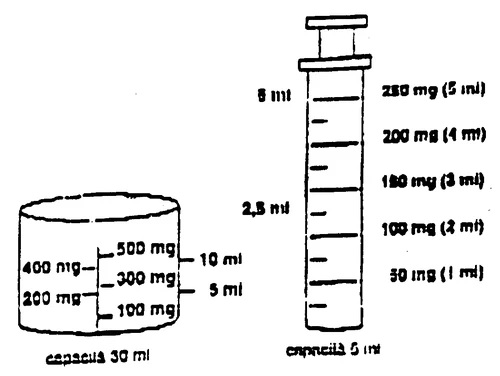
For illustrative purposes, for a daily dose of 40 mg/kg
(NECLORAL 250 mg/5 ml) -------- 3 times daily (individual dose)
| Up to 8 kg Syringe | From 8 to 16 kg Syringe or Measuring cup | From 6 to 21 kg Syringe or Measuring cup | Over 21 kg Measuring cup |
| 100 mg (2 ml) | 200 mg (4 ml) | 250 mg (5 ml) | 300 mg (6 ml) |
Alternative administration schedule; in otitis media and pharyngitis, the total daily dose may be administered in divided doses every 12 hours; the amount of reconstituted product to be taken should follow the scheme below:
For illustrative purposes, for a daily dose of 40 mg/kg
(NECLORAL 250 mg/5 ml) ----- twice daily (single dose)
| Up to 8 kg Syringe | From 8 to 16 kg Syringe or Measuring spoon | From 6 to 21 kg Syringe or Measuring spoon | Over 21 kg Measuring spoon |
| 150 mg (3 ml) | 300 mg (6 ml) | 400 mg (8 ml) | 500 mg (10 ml) |
Note: The tables refer to the maximum daily dosage of 40 mg/kg; the doses of 20 mg/kg correspond
to half of the values reported above.
Instructions for preparing the suspension
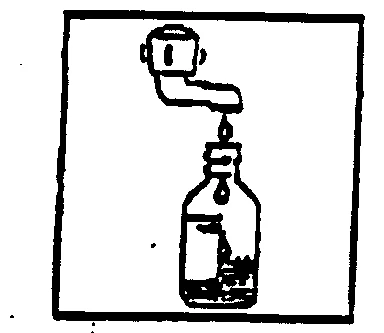
Shake the bottle well before preparation; then add water up to the level indicated by the arrow on the
label, close the bottle and shake well. Add water again up to the level indicated by the arrow, and shake
thoroughly until a uniform suspension is obtained.
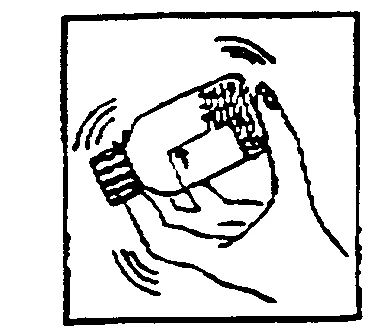
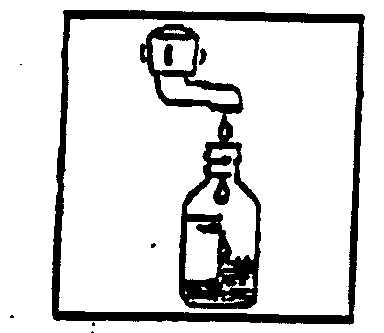
- Before adding water 2. Add water up to the level Shake the bottle well to indicated by the arrow on the disperse the powder. label
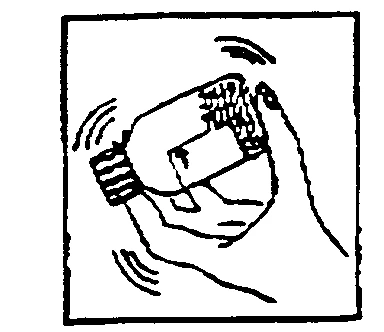
- Close the bottle. 4. Add more water Shake well until the suspension until the level reaches the correct volume becomes homogeneous. indicated by the arrow. The volume will drop below the level indicated by the arrow.
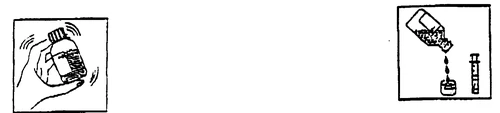
- Shake again. 5. Use the oral syringe or dosing cup for administration
If prepared according to these instructions, 5 ml of suspension will contain Cefaclor monohydrate
equivalent to 250 mg of Cefaclor. Shake well before each administration.
OVERDOSE
Signs and symptoms: may include nausea, vomiting, epigastric distress and diarrhoea, the severity of
which is related to the dose ingested. If other symptoms are present, they are likely secondary to a
pre-existing condition, an allergic reaction, or another toxic state.
Treatment: always consider the possibility that overdose may be due to multiple drugs, drug interac-
tions, or the patient's particular pharmacokinetics.
Gastric lavage is not necessary when the patient has not ingested more than 5 times the normal dose
of Cefaclor.
The patient should be closely monitored, paying particular attention to airway patency, ventilation and
perfusion, vital signs (heart rate and blood pressure), blood gas analysis, serum electrolytes, etc.
Gastrointestinal absorption may be reduced by administering activated charcoal, which in many
cases is more effective than induced emesis or gastric lavage; therefore, consider activated charcoal as
an alternative or additional treatment to gastric emptying. Repeated administration of activated char-
coal may enhance the elimination of certain co-ingested drugs. Carefully monitor the patient's airway
during gastric emptying and when using activated charcoal.
It has not been established that forced diuresis, peritoneal dialysis, haemodialysis or haemoperfusion
with activated charcoal provide benefit to the patient.
ADVERSE EFFECTS
Adverse reactions considered to be related to Cefaclor treatment include the following:
Allergic manifestations: hypersensitivity reactions have been observed in 1.5% of patients, includ-
ing morbilliform rashes (1%); pruritus, urticaria and positive Coombs test occur in less than 1 in 200
treated patients.
Generalized serum-sickness-like reactions have been reported, characterized by the presence of mul-
tiform erythema, skin rash and other cutaneous manifestations, accompanied by arthritis/ararthralgia
(inflammatory or painful joint disorders), with or without fever. Serum-sickness-like reactions appear
to be due to hypersensitivity and occur more frequently during and after a course of Cefaclor treat-
ment, particularly in children compared to adults. Signs and symptoms appear a few days after begin-
ning therapy and resolve a few days after its completion. Antihistamines and corticosteroids promote
recovery. No severe complications have been observed.
More severe hypersensitivity reactions (such as Stevens-Johnson syndrome, toxic epidermal necro-
lysis and anaphylaxis) have been reported rarely.
Gastrointestinal manifestations: may occur in approximately 2.5% of patients, sometimes with
diarrhoea.
Pseudomembranous colitis may occur during or after antibiotic therapy. Nausea and vomiting are
rarely observed. With some penicillins and other cephalosporins, transient hepatitis and cholestatic
jaundice have been observed rarely.
Other manifestations: angioedema (abnormal fluid retention in tissues of allergic origin), eosinophilia,
genital pruritus, vaginal moniliasis, vaginitis, and, rarely, thrombocytopenia and reversible interstitial
nephritis.
Cases of haemolytic anaemia have been reported following treatment with cephalosporins.
Effects for which a causal relationship to treatment is uncertain.
Central Nervous System: rarely reversible hyperactivity, restlessness, insomnia, mental confusion,
hypertonia (increased muscle tone), hallucinations, sensation of instability and staggering, drowsiness.
Digestive system: mild increases in transaminase levels (SGOT and SGPT) or alkaline phosphatase.
Haematopoietic system: transient lymphocytosis, leucopenia, and, rarely, haemolytic anaemia, aplas-
tic anaemia, agranulocytosis and reversible neutropenia. Rare reports of increased prothrombin time,
with or without clinical consequences (e.g. bleeding), have been reported in patients receiving Cefaclor
and sodium warfarin (an anticoagulant) concomitantly.
Genitourinary system: slight increases in blood urea nitrogen or creatinine levels and abnormalities in
urinalysis have been reported.
If any adverse effects occur, even if different from those described, patients are advised to inform
their doctor or pharmacist.
EXPIRY AND STORAGE
Warning: do not use the medicine after the expiry date stated on the packaging.
SPECIAL STORAGE PRECAUTIONS
Once the suspension has been prepared, it must be stored in the refrigerator (between +2°C and +8°C)
and used within 14 days.
REVISION OF THE PACKAGE LEAFLET BY THE ITALIAN MEDICINES AGENCY (AIFA):
21 April 2007