Myfortic
Italy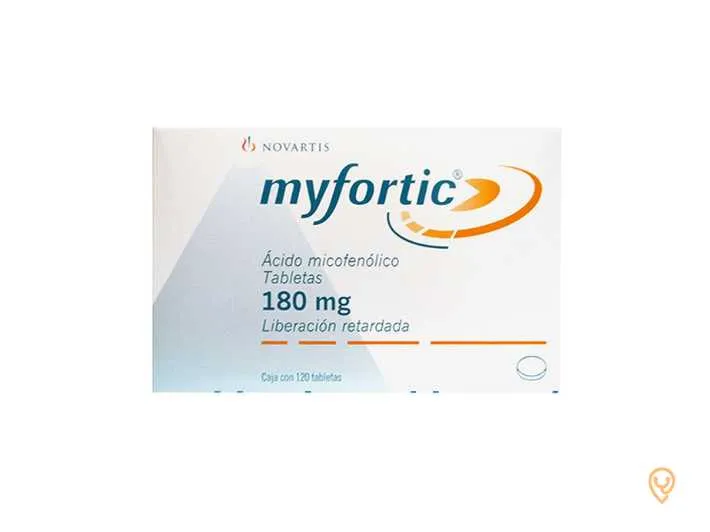
Table of Contents
- Package leaflet: Information for the user
- Myfortic 180 mg gastro-resistant tablets
- 1. What Myfortic is and what it is used for
- 2. What you need to know before taking Myfortic
- 3. How to take Myfortic
- 4. Possible side effects
- 5. How to store Myfortic
- 6. Package contents and other information
- Package leaflet: Information for the user
- Myfortic 360 mg gastro-resistant tablets
- 2. What Myfortic is and what it is used for
- 5. What you need to know before taking Myfortic
- 6. How to take Myfortic
- 7. Possible side effects
- 5. How to store Myfortic
- 6. Package contents and other information
Package leaflet: Information for the user
Myfortic 180 mg gastro-resistant tablets
mycophenolic acid (as sodium mycophenolate)
Please read all of this leaflet carefully before you start taking this medicine because it contains important information for you.
- Keep this leaflet. You may need to read it again.
- If you have any questions, ask your doctor or pharmacist.
- This medicine has been prescribed for you only. Do not give it to other people, even if their symptoms are the same as yours, as it may be harmful.
- If you experience any side effects, including those not listed in this leaflet, tell your doctor or pharmacist. See section 4.
What this leaflet contains:
- What Myfortic is and what it is used for
- What you need to know before taking Myfortic
- How to take Myfortic
- Possible side effects
- How to store Myfortic
- Contents of the pack and other information
1. What Myfortic is and what it is used for
Myfortic contains a substance called mycophenolic acid. It belongs to a group of medicines
known as immunosuppressants.
Myfortic is used to prevent rejection of the transplanted kidney by the immune system. It is used in
combination with other medicines containing cyclosporine and corticosteroids.
2. What you need to know before taking Myfortic
WARNING
Mycophenolate causes birth defects and miscarriages. If you are a woman of childbearing age, you must provide a negative pregnancy test before starting treatment and must follow your doctor’s advice regarding contraception.
Your doctor will discuss with you and provide written information, particularly about the effects of mycophenolate on the unborn child.
Read this information carefully and follow the instructions.
If you do not fully understand the instructions, ask your doctor to explain them again before taking mycophenolate. You may find further information in this section under “Warnings and precautions” and “Pregnancy and breastfeeding”.
Do not take Myfortic:
- if you are allergic to mycophenolic acid, sodium mycophenolate, mycophenolate mofetil, or any of the other ingredients of this medicine (listed in section 6).
- if you are a woman of childbearing age (able to become pregnant) and have not provided a negative pregnancy test before the first prescription, as mycophenolate causes congenital malformations and miscarriage.
- if you are pregnant, planning a pregnancy, or think you may be pregnant.
- if you are not using an effective contraceptive method (see Contraception in women and men).
- if you are breastfeeding (also see “Pregnancy and breastfeeding”).
If any of the above apply to you, inform your doctor before taking Myfortic.
Warnings and precautions
Talk to your doctor or pharmacist before taking Myfortic:
- if you have or have ever had severe gastrointestinal disorders, such as gastric ulcer.
- if you have a rare inherited deficiency of the enzyme hypoxanthine-guanine phosphoribosyltransferase (HGPRT), such as Lesch-Nyhan syndrome or Kelley-Seegmiller syndrome.
You should also be aware that:
- Myfortic reduces the skin’s natural protection from sunlight. This increases the risk of skin cancer. You should limit exposure to sunlight and ultraviolet (UV) rays by protecting exposed areas as much as possible and regularly applying high-protection sunscreen. Ask your doctor for advice on sun protection.
- If you have previously had hepatitis B or C, Myfortic may increase the risk of reactivation of these diseases. Your doctor may perform blood tests and monitor symptoms of these conditions. If you experience any symptoms (yellowing of eyes or skin, nausea, loss of appetite, dark urine), inform your doctor immediately.
- If you develop a persistent cough or shortness of breath, especially while taking other immunosuppressants, inform your doctor immediately.
- Your doctor may request regular monitoring of antibody levels in your blood during treatment with Myfortic, particularly if infections recur, especially if you are also taking other immunosuppressants, and will inform you whether you can continue treatment with Myfortic.
- If you show signs of infection (such as fever or sore throat) or experience unexpected bruising or bleeding, inform your doctor immediately.
- Your doctor may request regular monitoring of white blood cell counts during treatment with Myfortic and will inform you whether you can continue treatment.
- The active substance, mycophenolic acid, is different from that in other medicines with similar names, such as mycophenolate mofetil. Do not switch from one medicine to another unless instructed by your doctor.
- Use of Myfortic during pregnancy may harm the fetus (see also “Pregnancy and breastfeeding”) and may increase the risk of pregnancy loss (miscarriage).
Children and adolescents
Due to lack of data, use of Myfortic is not recommended in children and adolescents.
Elderly
Elderly people (aged 65 years or older) can take Myfortic without the need to adjust the usual recommended dose.
Other medicines and Myfortic
Inform your doctor or pharmacist if you are taking, have recently taken, or might take any other medicines, including those not requiring a prescription.
In particular, inform your doctor if you are taking any of the following medicines:
- other immunosuppressive medicines such as azathioprine or tacrolimus.
- medicines used to treat high cholesterol levels in the blood such as cholestyramine.
- activated charcoal used to treat gastrointestinal disorders such as diarrhoea, stomach upset, and flatulence.
- antacids containing magnesium and aluminium.
- medicines used to treat viral infections such as aciclovir or ganciclovir.
You should also inform your doctor if you intend to receive any vaccination.
You must not donate blood during treatment with Myfortic and for at least 6 weeks after stopping treatment. Men must not donate sperm during treatment with Myfortic and for at least 90 days after stopping treatment.
Myfortic with food and drink
Myfortic may be taken with or without food. You should choose whether to take the tablets with or without food and then continue taking them the same way every day. This ensures that you absorb the same amount of medicine each day.
Pregnancy and breastfeeding
If you are pregnant or breastfeeding, think you may be pregnant, or are planning a pregnancy, consult your doctor or pharmacist before taking this medicine. Your doctor will discuss the risks associated with pregnancy and alternative therapies you may take to prevent organ transplant rejection if:
- you are planning a pregnancy.
- you have missed or think you may have missed a menstrual period, notice unusual menstrual bleeding, or suspect you are pregnant.
- you have had sexual intercourse without using an effective contraceptive method. If you become pregnant while taking mycophenolate, inform your doctor immediately. However, continue taking mycophenolate until you have seen your doctor.
Pregnancy
Mycophenolate causes a very high rate of miscarriages (50%) and serious birth defects (23–27%) in the unborn child. Reported birth defects include abnormalities of the ears, eyes, face (cleft lip/palate), finger development, heart, oesophagus (the tube connecting the throat to the stomach), kidneys, and nervous system (e.g. spina bifida, where the spine bones are not properly formed). One or more of these may affect your baby.
If you are a woman of childbearing age, you must provide a negative pregnancy test before starting treatment and must follow your doctor’s advice on contraception. Your doctor may require more than one test to confirm you are not pregnant before starting treatment.
Breastfeeding
Do not take Myfortic if you are breastfeeding. Small amounts of the medicine may pass into breast milk.
Contraception in women taking Myfortic
If you are a woman of childbearing age, you must use an effective method of contraception while taking Myfortic. This includes:
- Before starting treatment with Myfortic
- Throughout the entire treatment period with Myfortic
- For 6 weeks after stopping treatment with Myfortic. Discuss with your doctor which contraceptive method is most suitable for you. Using two methods of contraception is preferred, as this reduces the risk of unintended pregnancy. This will depend on your personal circumstances. Contact your doctor as soon as possible if you think your contraceptive method may not be effective or if you have forgotten to take your contraceptive pill.
You may be considered non-fertile if any of the following apply to you:
- You are postmenopausal, i.e. you are at least 50 years old and your last menstrual period occurred more than one year ago (if your periods have stopped due to cancer treatment, you may still be able to become pregnant).
- You have had both fallopian tubes and both ovaries surgically removed (bilateral salpingo-oophorectomy).
- You have had your uterus surgically removed (hysterectomy).
- Your ovaries are no longer functioning (confirmed premature ovarian failure by a gynaecological specialist).
- You were born with one of the following rare conditions that make pregnancy impossible: XY genotype, Turner syndrome, or uterine agenesis.
- You are a child or adolescent who has not yet had her first menstrual period.
Contraception in men taking Myfortic
Available evidence does not indicate an increased risk of malformations or miscarriage if the father is taking mycophenolate. However, a risk cannot be completely ruled out. As a precaution, it is recommended that you and your partner use an effective contraceptive method during treatment and for 90 days after stopping Myfortic.
If you are planning to have a child, discuss potential risks with your doctor.
Driving and using machines
Myfortic has a minor influence on the ability to drive and use machines.
Myfortic contains sodium
This medicine contains 13 mg of sodium (a key component of common salt) per 180 mg Myfortic tablet. This corresponds to 0.65% of the maximum daily dietary intake recommended for an adult.
Myfortic contains lactose
If your doctor has diagnosed you with an intolerance to certain sugars (including lactose, galactose, or glucose), contact your doctor before taking Myfortic.
3. How to take Myfortic
Always take Myfortic exactly as instructed by your doctor. Myfortic will only be prescribed by doctors experienced in the treatment of transplant patients. If you have any doubts, consult your doctor or pharmacist.
What dose to take
The recommended daily dose of Myfortic is 1440 mg (8 tablets of Myfortic 180 mg). This should be taken as two separate doses of 720 mg each (4 tablets of Myfortic 180 mg).
Take the tablets in the morning and in the evening.
The first 720 mg dose will be administered within 72 hours after transplantation.
If you have severe kidney problems
The daily dose must not exceed 1440 mg (8 tablets of Myfortic 180 mg).
How to take Myfortic
Swallow the tablets whole with a glass of water.
Do not break or crush the tablets.
Do not take any broken or divided tablets.
Treatment will continue for as long as immunosuppression is needed to prevent rejection of the transplanted organ.
If you take more Myfortic than you should
If you have taken more Myfortic than prescribed, or if someone else has taken your tablets, contact your doctor and go to hospital immediately. Medical treatment may be necessary. Bring the tablets with you and show them to your doctor or hospital staff. If you have run out of tablets, bring the empty packaging with you.
If you forget to take Myfortic
If you forget to take a dose of Myfortic, take it as soon as you remember, unless it is almost time for your next dose. In that case, take the next dose at the scheduled time. Consult your doctor for advice. Do not take a double dose to make up for a missed dose.
If you stop taking Myfortic
Do not stop taking Myfortic unless instructed by your doctor. Stopping treatment with Myfortic may increase the risk of rejection of the transplanted kidney.
If you have any questions about the use of this medicine, consult your doctor or pharmacist.
4. Possible side effects
Like all medicines, this medicine can cause side effects, although not everybody gets them.
Elderly patients may experience more side effects due to a reduced immune defence.
Immunosuppressants, including Myfortic, reduce the body's defence mechanisms to prevent it from rejecting the transplanted organ. As a result, your body will not be able to defend itself against infections as effectively as under normal conditions. Therefore, if you are taking Myfortic, you may get more infections than usual, such as infections of the brain, skin, mouth, stomach and intestine, lungs, and urinary tract.
You will be regularly monitored by your doctor with blood tests to check for changes in the number of blood cells or levels of substances carried in the blood, such as sugar, fats, and cholesterol.
Some side effects can be serious:
- signs of infection including fever, chills, sweating, feeling tired, drowsiness, or lack of energy. While taking Myfortic, you may get viral, bacterial, and fungal infections more often than usual. These infections may affect various parts of the body but most commonly the kidneys, bladder, upper and/or lower airways.
- vomiting blood, dark or bloody stools, gastric or intestinal ulcer.
- swelling of glands, development of new skin growths, increase in size of existing growths, or changes in existing growths. As may occur in patients treated with immunosuppressants, a very small number of patients taking Myfortic have developed skin cancer or lymph node tumours. If you experience any of the above side effects after taking Myfortic, contact your doctor immediately.
Other side effects may include:
Very common ( affects more than 1 in 10 people )
- low levels of white blood cells.
- low levels of calcium in the blood (hypocalcaemia)
- low levels of potassium in the blood (hypokalaemia)
- high levels of uric acid in the blood (hyperuricaemia)
- high blood pressure (hypertension)
- anxiety
- diarrhoea
- joint pain (arthralgia)
Common ( affects less than 1 in 10 people )
- low levels of red blood cells which may cause tiredness, shortness of breath, and paleness (anaemia)
- low levels of platelets in the blood which may cause unexpected bleeding and bruising (thrombocytopenia)
- high levels of potassium in the blood (hyperkalaemia)
- low levels of magnesium in the blood (hypomagnesaemia)
- dizziness
- headache
- cough
- low blood pressure (hypotension)
- shortness of breath (dyspnoea)
- abdominal or stomach pain, inflammation of the stomach lining, abdominal swelling, constipation, indigestion, flatulence, loose stools, nausea, vomiting
- tiredness, fever
- abnormal results in liver and kidney function tests
- respiratory infections
- acne
- weakness (asthenia)
- muscle pain (myalgia)
- swelling of the hands, ankles or feet (peripheral oedema)
- itching
Uncommon ( affects less than 1 in 100 people )
- fast heartbeat (tachycardia) or irregular heartbeat (ventricular extrasystoles), fluid in the lungs (pulmonary oedema)
- skin cyst-like fluid collection (lymphocele)
- tremor, difficulty falling asleep
- redness and swelling of the eyes (conjunctivitis), blurred vision
- wheezing
- belching, difficulty breathing, intestinal blockage (ileus), lip ulceration, heartburn, change in tongue colour, dry mouth, gum inflammation, inflammation of the pancreas causing severe upper stomach pain (pancreatitis), blockage of salivary glands, inflammation of the inner lining of the abdomen (peritonitis)
- bone, blood, and skin infections
- blood in the urine, kidney damage, pain and difficulty urinating
- hair loss, bruising
- joint inflammation (arthritis), back pain, muscle cramps
- loss of appetite, increased levels of lipids (hyperlipidaemia), sugar (diabetes), cholesterol (hypercholesterolaemia), or decreased levels of phosphate in the blood (hypophosphataemia)
- flu-like symptoms (such as tiredness, chills, sore throat, joint or muscle pain), swelling of ankles and feet, pain, stiffness, thirst, or weakness
- abnormal dreams, feeling of disappointment
- inability to achieve or maintain an erection
- cough, difficulty breathing, painful breathing (possible symptoms of interstitial lung disease).
Not known ( frequency cannot be estimated from the available data )
- fever, sore throat, frequent infections (possible symptoms of lack of white blood cells in the blood) (agranulocytosis)
- rash, itching, hives, shortness of breath or difficulty breathing, wheezing or cough, dizziness, vertigo, changes in level of consciousness, hypotension, with or without mild generalized itching, skin redness, and swelling of the face/throat (symptoms of severe allergic reaction)
Other side effects reported with medicines similar to Myfortic
Additional side effects have been reported with the group of medicines to which Myfortic belongs:
inflammation of the colon (large intestine), inflammation of the stomach lining caused by cytomegalovirus, development of a lesion in the intestinal wall causing severe abdominal pain with possible bleeding, gastric or duodenal ulcer, low levels of white blood cells specifically or of all blood cells, severe infections such as inflammation of the heart and heart valves and of the membranes covering the brain and spinal cord, shortness of breath, cough which may be caused by bronchiectasis (a condition in which the airways of the lungs are abnormally widened) and other less common bacterial infections that usually cause serious lung disorders (tuberculosis and infections from atypical mycobacteria). Contact your doctor if you develop a persistent cough or shortness of breath.
Reporting of side effects
If you experience any side effect, including those not listed in this leaflet, talk to your doctor or pharmacist. You can also report side effects directly via the national reporting system at https://www.aifa.gov.it/content/segnalazioni-reazioni-avverse. By reporting side effects, you can help provide more information on the safety of this medicine.
5. How to store Myfortic
Keep this medicine out of the sight and reach of children.
Do not use Myfortic after the expiry date stated on the carton. The expiry date refers to the last day of the month.
This medicine does not require any special storage temperature conditions.
Store Myfortic in the original packaging to protect the medicine from moisture.
Do not use Myfortic if you notice that the packaging is damaged or shows signs of tampering.
Do not dispose of any medicine via wastewater or household waste. Ask your pharmacist how to dispose of medicines you no longer use. This will help protect the environment.
6. Package contents and other information
What Myfortic contains
- The active substance is mycophenolic acid (as sodium mycophenolate). Each Myfortic tablet contains 180 mg of mycophenolic acid.
- The excipients are:
- Tablet core: maize starch, povidone, crospovidone, lactose, anhydrous colloidal silica, magnesium stearate.
- Tablet coating: hypromellose phthalate, titanium dioxide (E 171), yellow iron oxide (E 172), indigo carmine (E 132).
Description of the appearance of Myfortic and the contents of the pack
Myfortic 180 mg gastro-resistant tablets are yellowish-green, film-coated, round tablets, with “C” imprinted on one side.
Myfortic 180 mg gastro-resistant tablets are available in blisters in packs containing 20, 50, 100 or 120 tablets, or in multiple packs containing 5 packs of 50 tablets (250 tablets).
Not all pack sizes may be marketed.
Marketing Authorization Holder
Novartis Farma S.p.A.
Viale Luigi Sturzo 43
20154 Milan MI
Italy
Manufacturer
Novartis Pharma GmbH
Sophie-Germain-Strasse 10
90443 Nuremberg
Germany
Lek d.d., PE PROIZVODNJA LENDAVA
Trimlini 2D
Lendava, 9220
Slovenia
Novartis Pharmaceutical Manufacturing LLC
Verovskova Ulica 57
Ljubljana, 1000
Slovenia
Novartis Farmacéutica S.A.
Gran Via de les Corts Catalanes, 764
08013 Barcelona
Spain
This medicinal product is authorized in the European Economic Area and in the United Kingdom (Northern Ireland) under the following name:
Myfortic: Austria, Belgium, Cyprus, Czech Republic, Denmark, Estonia, Finland, France, Germany, Greece, Iceland, Ireland, Italy, Latvia, Lithuania, Luxembourg, Malta, Norway, Netherlands, Poland, Portugal, Slovakia, Slovenia, Spain, Sweden, Hungary.
Other sources of information
More detailed information on this medicinal product is available on the website of the Italian Medicines Agency (http://www.aifa.gov.it/)
Package leaflet: Information for the user
Myfortic 360 mg gastro-resistant tablets
mycophenolic acid (as sodium mycophenolate)
Please read this leaflet carefully before taking this medicine because it contains important information for you.
- Keep this leaflet. You may need to read it again.
- If you have any questions, ask your doctor or pharmacist.
- This medicine has been prescribed for you only. Do not give it to other people, even if their symptoms are the same as yours, because it could be harmful.
- If you experience any side effects, including those not listed in this leaflet, contact your doctor or pharmacist. See section 4.
Contents of this leaflet:
- What Myfortic is and what it is used for
- What you need to know before taking Myfortic
- How to take Myfortic
- Possible side effects
- How to store Myfortic
- Contents of the pack and other information
2. What Myfortic is and what it is used for
Myfortic contains a substance called mycophenolic acid. It belongs to a group of medicines known as immunosuppressants.
Myfortic is used to prevent rejection of the transplanted kidney by the immune system. It is used in combination with other medicines containing cyclosporine and corticosteroids.
5. What you need to know before taking Myfortic
WARNING
Mycophenolate causes birth defects and spontaneous abortions. If you are a woman of childbearing potential, you must provide a negative pregnancy test before starting treatment and must follow the contraception advice provided by your doctor.
Your doctor will discuss and provide you with written information, particularly regarding the effects of mycophenolate on the unborn child.
Read the information carefully and follow the instructions.
If you do not fully understand the instructions, ask your doctor to explain them again before taking mycophenolate. You may find further information in this section under “Warnings and precautions” and “Pregnancy and breastfeeding”.
Do not take Myfortic:
- if you are allergic to mycophenolic acid, sodium mycophenolate, mycophenolate mofetil, or any of the other ingredients of this medicine (listed in section 6).
- if you are a woman of childbearing potential (able to become pregnant) and have not provided a negative pregnancy test before the first prescription, as mycophenolate causes congenital malformations and spontaneous abortion.
- if you are pregnant, planning a pregnancy, or think you may be pregnant.
- if you are not using an effective contraceptive method (see Contraception in women and men).
- if you are breastfeeding (see also “Pregnancy and breastfeeding”).
If any of the above applies to you, inform your doctor and do not take Myfortic.
Warnings and precautions
Talk to your doctor or pharmacist before taking Myfortic:
- if you have or have ever had severe digestive disorders, such as gastric ulcer.
- if you have a rare inherited deficiency of the enzyme hypoxanthine-guanine phosphoribosyltransferase (HGPRT), such as Lesch-Nyhan syndrome or Kelley-Seegmiller syndrome.
You should also be aware that:
- Myfortic reduces the skin's natural protection from sunlight. This increases the risk of skin cancer. You must limit exposure to sunlight and ultraviolet (UV) rays by protecting exposed areas as much as possible and regularly applying high-protection sunscreen. Ask your doctor for advice on sun protection.
- If you have previously had hepatitis B or C, Myfortic may increase the risk of reactivation of these diseases. Your doctor may perform blood tests and monitor symptoms of these conditions. If you experience any symptoms (yellowing of eyes or skin, nausea, loss of appetite, dark urine), inform your doctor immediately.
- If you have a persistent cough or shortness of breath, especially while taking other immunosuppressants, inform your doctor immediately.
- Your doctor may request periodic monitoring of antibody levels in your blood during treatment with Myfortic, particularly if infections recur, especially if you are also being treated with other immunosuppressants, and will inform you whether you can continue treatment with Myfortic.
- If you show signs of infection (such as fever or sore throat) or experience unexpected bruising or bleeding, inform your doctor immediately.
- Your doctor may request regular monitoring of white blood cell counts during treatment with Myfortic and will inform you whether you can continue treatment with Myfortic.
- The active substance, mycophenolic acid, is different from that in other medicines with similar names, such as mycophenolate mofetil. Do not switch from one medicine to another unless instructed by your doctor.
- Use of Myfortic during pregnancy may harm the fetus (see also “Pregnancy and breastfeeding”) and may increase the risk of pregnancy loss and spontaneous abortion.
Children and adolescents
Due to lack of data, use of Myfortic is not recommended in children and adolescents.
Elderly
Elderly patients (aged 65 years or older) can take Myfortic without the need to adjust the usual recommended dose.
Other medicines and Myfortic
Inform your doctor or pharmacist if you are taking, have recently taken, or might take any other medicines, including those not requiring a prescription.
In particular, inform your doctor if you are taking any of the following medicines:
- other immunosuppressive medicines such as azathioprine or tacrolimus.
- medicines used to treat high cholesterol levels in the blood, such as colestyramine.
- activated charcoal used to treat digestive disorders such as diarrhoea, stomach upset, and flatulence.
- antacids containing magnesium and aluminium.
- medicines used to treat viral infections such as aciclovir or ganciclovir.
You should also inform your doctor if you intend to receive any vaccination.
You must not donate blood during treatment with Myfortic and for at least 6 weeks after stopping treatment. Men must not donate sperm during treatment with Myfortic and for at least 90 days after stopping treatment.
Myfortic with food and drink
Myfortic can be taken with or without food. You should choose whether to take the tablets with or without food and then continue taking them in the same way every day. This ensures that you absorb the same amount of medicine each day.
Pregnancy and breastfeeding
If you are pregnant or breastfeeding, if you think you may be pregnant, or if you are planning a pregnancy, ask your doctor or pharmacist for advice before taking this medicine. Your doctor will discuss the risks associated with pregnancy and alternative therapies you may take to prevent organ transplant rejection if:
- you are planning a pregnancy.
- you have missed or think you may have missed a menstrual period, notice unusual menstrual bleeding, or suspect you are pregnant.
- you have had sexual intercourse without using an effective contraceptive method. If you become pregnant while taking mycophenolate, inform your doctor immediately. However, continue taking mycophenolate until you have seen your doctor.
Pregnancy
Mycophenolate causes a very high rate of spontaneous abortions (50%) and severe birth defects (23–27%) in newborns. Reported birth defects include abnormalities of the ears, eyes, face (cleft lip/palate), finger development, heart, oesophagus (the tract connecting the throat to the stomach), kidneys, and nervous system (e.g., spina bifida, where the spinal bones are not properly formed). One or more of these may affect your baby.
If you are a woman of childbearing potential, you must provide a negative pregnancy test before starting treatment and must follow your doctor’s contraception advice. Your doctor may require more than one test to confirm you are not pregnant before starting treatment.
Breastfeeding
Do not take Myfortic if you are breastfeeding, as small amounts of the medicine may pass into breast milk.
Contraception in women taking Myfortic
If you are a woman of childbearing potential, you must use an effective method of contraception while taking Myfortic. This includes:
- Before starting treatment with Myfortic
- Throughout the entire treatment period with Myfortic
- For 6 weeks after stopping treatment with Myfortic. Discuss with your doctor which contraceptive method is most suitable for you. The use of two contraceptive methods is preferred, as this reduces the risk of unintended pregnancy. This will depend on your personal circumstances. Contact your doctor as soon as possible if you think your contraceptive method may not be effective or if you have missed taking your contraceptive pill.
If any of the following conditions apply to you, you may be considered non-fertile:
- You are postmenopausal, i.e., you are at least 50 years old and your last menstrual period occurred more than one year ago (if menstruation has stopped due to cancer treatment, you may still be able to become pregnant)
- You have had both fallopian tubes and both ovaries surgically removed (bilateral salpingo-oophorectomy)
- You have had your uterus surgically removed (hysterectomy)
- Your ovaries are no longer functioning (confirmed premature ovarian failure by a gynaecology specialist)
- You were born with one of the following rare conditions that make pregnancy impossible: XY genotype, Turner syndrome, or uterine agenesis
- You are a child or adolescent who has not yet had her first menstrual period.
Contraception in men taking Myfortic
Available evidence does not indicate an increased risk of malformations or miscarriage if the father is taking mycophenolate. However, a risk cannot be completely ruled out. As a precaution, it is recommended that you and your partner use an effective contraceptive method during treatment and for 90 days after stopping Myfortic.
If you are planning to have a child, discuss the potential risks with your doctor.
Driving and using machines
Myfortic has a minor influence on the ability to drive and use machines.
Myfortic contains sodium
This medicine contains 26 mg of sodium (the main component of table salt) per 360 mg Myfortic tablet. This corresponds to 1.3% of the maximum daily dietary intake recommended for an adult.
Myfortic contains lactose
If your doctor has diagnosed you with an intolerance to certain sugars (including lactose, galactose, or glucose), contact your doctor before taking Myfortic.
6. How to take Myfortic
Always take Myfortic exactly as directed by your doctor. Myfortic will only be prescribed by doctors experienced in managing transplant patients. If you have any doubts, consult your doctor or pharmacist.
What dose to take
The recommended daily dose of Myfortic is 1440 mg (4 tablets of Myfortic 360 mg). This is taken as two separate doses of 720 mg each (2 tablets of Myfortic 360 mg).
Take the tablets in the morning and in the evening.
The first 720 mg dose will be administered within 72 hours after transplantation.
If you have severe kidney problems
The daily dose must not exceed 1440 mg (4 tablets of Myfortic 360 mg).
Taking Myfortic
Swallow the tablets whole with a glass of water.
Do not break or crush the tablets.
Do not take any broken or divided tablets.
Treatment will continue as long as immunosuppression is needed to prevent rejection of the transplanted organ.
If you take more Myfortic than you should
If you have taken more Myfortic than you were told to take, or if someone else has taken your tablets, contact your doctor and go to hospital immediately. Medical treatment may be necessary. Bring the tablets with you and show them to your doctor or hospital staff. If you have used all your tablets, bring the empty packaging with you.
If you forget to take Myfortic
If you forget to take a dose of Myfortic, take it as soon as you remember, unless it is almost time for your next dose. In that case, take the next dose at the scheduled time. Ask your doctor for advice. Do not take a double dose to make up for a forgotten dose.
If you stop taking Myfortic
Do not stop taking Myfortic unless your doctor tells you to do so. Stopping treatment with Myfortic may increase the risk of rejection of the transplanted kidney.
If you have any questions about using this medicine, ask your doctor or pharmacist.
7. Possible side effects
Like all medicines, this medicine can cause side effects, although not everybody gets them.
Elderly patients may experience more side effects due to a reduced immune defence.
Immunosuppressants, including Myfortic, reduce your body’s defence mechanisms to prevent rejection of your transplanted organ. As a result, your body will not be able to defend itself against infections as it normally would. Therefore, if you are taking Myfortic, you may get more infections than usual, such as infections of the brain, skin, mouth, stomach and intestine, lungs, and urinary tract.
You will be regularly monitored by your doctor with blood tests to check for changes in blood cell counts or levels of substances carried in the blood, such as sugar, fats, and cholesterol.
Some side effects can be serious:
- signs of infection including fever, chills, sweating, feeling tired, drowsiness, or lack of energy. While taking Myfortic, you may get viral, bacterial, and fungal infections more often than usual. These infections may affect various parts of the body but most commonly affect the kidneys, bladder, and upper and/or lower airways.
- vomiting blood, dark or bloody stools, gastric or intestinal ulcer.
- swelling of glands, development of new skin growths, increase in size of existing growths, or changes in existing growths. As may occur in patients treated with immunosuppressants, a very small number of patients taking Myfortic have developed skin or lymph node tumours. If you experience any of the above side effects after taking Myfortic, contact your doctor immediately.
Other side effects may include:
Very common ( affects more than 1 in 10 people )
- low levels of white blood cells.
- low levels of calcium in the blood (hypocalcaemia)
- low levels of potassium in the blood (hypokalaemia)
- high levels of uric acid in the blood (hyperuricaemia)
- high blood pressure (hypertension)
- anxiety
- diarrhoea
- joint pain (arthralgia)
Common ( affects less than 1 in 10 people )
- low levels of red blood cells which may cause tiredness, shortness of breath, and paleness (anaemia)
- low levels of platelets in the blood which may cause unexpected bleeding and bruising (thrombocytopenia)
- high levels of potassium in the blood (hyperkalaemia)
- low levels of magnesium in the blood (hypomagnesaemia)
- dizziness
- headache
- cough
- low blood pressure (hypotension)
- shortness of breath (dyspnoea)
- abdominal or stomach pain, inflammation of the stomach wall, abdominal swelling, constipation, dyspepsia, flatulence, soft stools, nausea, vomiting
- tiredness, fever
- abnormal results in liver and kidney function tests
- respiratory infections
- acne
- weakness (asthenia)
- muscle pain (myalgia)
- swelling of the hands, ankles, or feet (peripheral oedema)
- itching
Uncommon ( affects less than 1 in 100 people )
- fast heartbeat (tachycardia) or irregular heartbeat (ventricular extrasystoles), fluid in the lungs (pulmonary oedema)
- skin cyst-like fluid collection (lymphocele)
- tremor, difficulty sleeping
- itching, redness and swelling of the eyes (conjunctivitis), blurred vision
- wheezing
- belching, difficulty breathing, intestinal blockage (ileus), ulceration of the lips, heartburn, change in tongue colour, dry mouth, inflammation of the gums, inflammation of the pancreas causing severe upper stomach pain (pancreatitis), blockage of the salivary glands, inflammation of the inner abdominal wall (peritonitis)
- bone, blood, and skin infections
- blood in the urine, kidney damage, pain and difficulty urinating
- hair loss, bruising
- joint inflammation (arthritis), back pain, muscle cramps
- loss of appetite, increased levels of lipids (hyperlipidaemia), sugar (diabetes), cholesterol (hypercholesterolaemia), or decreased levels of phosphates in the blood (hypophosphataemia)
- flu-like symptoms (such as tiredness, chills, sore throat, joint or muscle pain), swelling of ankles and feet, pain, stiffness, thirst, or weakness
- unusual dreams, feeling of disappointment
- inability to achieve or maintain an erection
- cough, difficulty breathing, painful breathing (possible symptoms of interstitial lung disease)
Not known ( frequency cannot be estimated from the available data )
- fever, sore throat, frequent infections (possible symptoms of lack of white blood cells in the blood) (agranulocytosis)
- rash, itching, hives, shortness of breath or difficulty breathing, wheezing or cough, dizziness, drowsiness, changes in level of consciousness, hypotension, with or without mild generalized itching, skin redness, and swelling of the face/throat (symptoms of a severe allergic reaction)
Other side effects reported with medicines similar to Myfortic
Additional side effects have been reported with the group of medicines to which Myfortic belongs: inflammation of the colon (large intestine), inflammation of the stomach wall caused by cytomegalovirus, formation of a lesion in the intestinal wall causing severe abdominal pain with possible bleeding, gastric or duodenal ulcer, low levels of specific white blood cells or of all blood cells, severe infections such as inflammation of the heart and heart valves and of the membranes covering the brain and spinal cord (shortness of breath, cough which may be caused by bronchiectasis (a condition in which the airways of the lungs are abnormally widened) and other less common bacterial infections that usually cause serious lung disorders (tuberculosis and infections from atypical mycobacteria). Contact your doctor if you develop a persistent cough or shortness of breath.
Reporting of side effects
If you experience any side effect, including those not listed in this leaflet, talk to your doctor or pharmacist. You can also report side effects directly via the national reporting system at https://www.aifa.gov.it/content/segnalazioni-reazioni-avverse. By reporting side effects, you can help provide more information on the safety of this medicine.
5. How to store Myfortic
Keep this medicine out of the sight and reach of children.
Do not use Myfortic after the expiry date stated on the carton. The expiry date refers to the last day of the month.
This medicine does not require any special storage temperature.
Store Myfortic in its original packaging to protect the medicine from moisture.
Do not use Myfortic if you notice that the packaging is damaged or shows any signs of tampering.
Do not dispose of medicines via wastewater or household waste. Ask your pharmacist how to dispose of medicines you no longer use. This will help protect the environment.
6. Package contents and other information
What Myfortic contains
- The active substance is mycophenolic acid (as sodium mycophenolate). Each Myfortic tablet contains 360 mg of mycophenolic acid.
- The excipients are:
- Tablet core: maize starch, povidone, crospovidone, lactose, anhydrous colloidal silica, magnesium stearate.
- Coating: hypromellose phthalate, titanium dioxide (E 171), yellow iron oxide (E 172), red iron oxide (E 172).
Description of the appearance of Myfortic and contents of the pack
The Myfortic 360 mg gastro-resistant tablets are pale orange-red in colour, film-coated, oval-shaped, and marked with "CT" on one side.
Myfortic 360 mg gastro-resistant tablets are available in blisters packed in containers containing 50, 100, 120 or 250 tablets.
Not all pack sizes may be marketed.
Marketing Authorization Holder
Novartis Farma S.p.A.
Viale Luigi Sturzo 43
20154 Milan MI
Italy
Manufacturer
Novartis Pharma GmbH
Sophie-Germain-Strasse 10
90443 Nuremberg
Germany
Lek d.d., PE PROIZVODNJA LENDAVA
Trimlini 2D
Lendava, 9220
Slovenia
Novartis Pharmaceutical Manufacturing LLC
Verovskova Ulica 57
Ljubljana, 1000
Slovenia
Novartis Farmacéutica S.A.
Gran Via de les Corts Catalanes, 764
08013 Barcelona
Spain
This medicinal product is authorized in the European Economic Area countries and in the United Kingdom (Northern Ireland) under the following name:
Myfortic:
Austria, Belgium, Cyprus, Czech Republic, Denmark, Estonia, Finland, France, Germany, Greece, Iceland, Ireland, Italy, Latvia, Lithuania, Luxembourg, Malta, Norway, Netherlands, Poland, Portugal, Slovakia, Slovenia, Spain, Sweden, Hungary.
Other sources of information
More detailed information on this medicinal product is available on the website of the Italian Medicines Agency (http://www.aifa.gov.it/)