Monores
Italy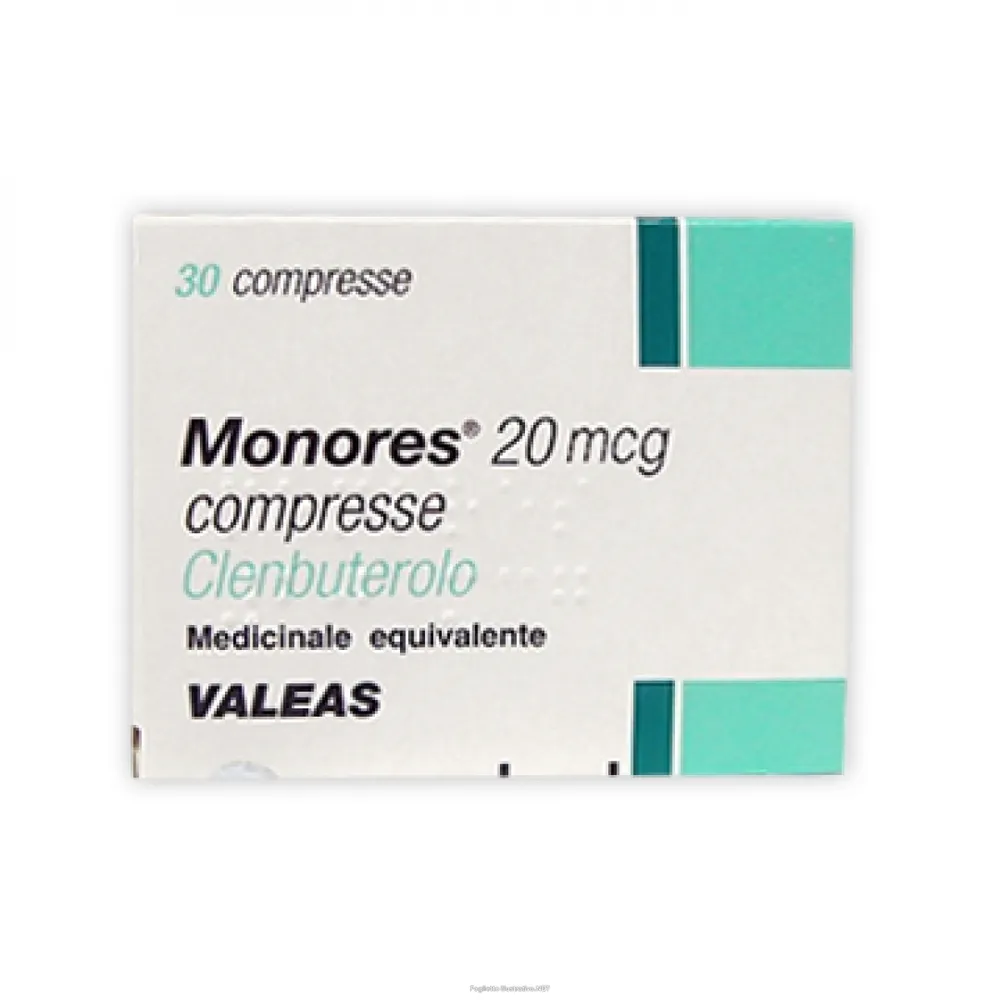
MONORES 5 micrograms/5 ml Syrup
Clenbuterol
Equivalent Medicinal Product
THERAPEUTIC PHARMACOLOGICAL CATEGORY
Drugs for obstructive respiratory syndromes. Selective beta-adrenergic receptor agonists
THERAPEUTIC INDICATIONS
Prophylaxis and treatment of bronchial asthma and other conditions with reversible airway obstruction, e.g. chronic obstructive bronchopulmonary disease with an asthmatic component.
Concomitant anti-inflammatory therapy should be considered for patients with asthma and/or chronic obstructive lung disease.
CONTRAINDICATIONS
Do not use Monores in the following cases:
- Obstructive hypertrophic cardiomyopathy
- Tachyarrhythmia
- Hypersensitivity to clenbuterol hydrochloride or to any of the other components of this medicinal product
- In cases of sugar intolerance, particularly to fructose (a component of sorbitol)
PRECAUTIONS FOR USE
Elderly patients and children require caution when using Monores.
Strictly adhere to the recommended doses and duration of treatment.
Improper use of Monores may cause severe and potentially life-threatening adverse effects and should be discouraged (see also section Overdose). Fatal outcomes have been observed following the misuse of clenbuterol with other medicines intended to improve appearance and performance, even in young adults.
Anticholinergic bronchodilators may still be administered by inhalation concurrently with Monores.
Do not use Monores:
- Concurrently with other sympathomimetic bronchodilators, unless under strict medical supervision.
- For the treatment of symptoms during acute asthma attacks, as Monores is not suitable for this type of treatment.
Patients taking Monores should exercise particular caution, especially if taking doses higher than recommended, if they have any of the following conditions:
- Poorly controlled diabetes mellitus
- Coronary artery disease, arrhythmias, arterial hypertension, recent myocardial infarction, severe heart failure or vascular disorders
- Pheochromocytoma
- Hyperthyroidism
- Glaucoma
- Prostatic hypertrophy
Monores, like other beta-2 agonists, may rarely cause cardiac ischemia. Patients with pre-existing severe cardiac disease (e.g. ischemic heart disease, arrhythmia or severe heart failure) should consult their physician if they experience chest pain or other symptoms indicating worsening of cardiac condition.
If bronchial obstruction worsens or if breathing difficulty (dyspnea) occurs, do not increase the recommended doses of Monores and consult your physician immediately for appropriate reassessment of therapy adequacy.
A regular increase in the use of beta-agonists to control bronchial obstruction symptoms may indicate worsening disease control.
Monores, like other beta-2 agonists, may cause potentially severe hypokalemia (reduction of potassium levels in the blood). Particular caution is recommended:
- In severe asthma and when concurrently treated with xanthine derivatives (theophylline), corticosteroids, and diuretics, as hypokalemia may be potentiated
- In hypoxia (oxygen deficiency), which may worsen the effects of hypokalemia on heart rhythm
In such situations, monitoring of serum potassium levels is recommended.
INTERACTIONS
Patients should inform their physician if they are taking or have recently taken any other medicinal products, including those without prescription requirement.
This is particularly important for the following medicines that may interact with Monores:
- Beta-adrenergic agents, non-inhaled anticholinergics, xanthine derivatives (theophylline), and corticosteroids, as they may enhance its effect
- Sympathomimetic drugs, as synergism may lead to cardiac adverse effects
- Monoamine oxidase inhibitors or tricyclic antidepressants
- Halogenated hydrocarbon anesthetics such as halothane, trichloroethylene, and enflurane, as they may sensitize the myocardium to the arrhythmogenic effects of beta-agonists
- Beta-blockers, as they antagonize the effect of Monores
SPECIAL WARNINGS
Inform your doctor before starting treatment if you have a history of heart disease, cardiac rhythm disorders, or angina.
Pregnancy and Breast-feeding
Data on the use of Monores during pregnancy are limited.
Monores inhibits uterine contractions. Do not use Monores before childbirth unless otherwise recommended by a physician.
Do not use Monores during pregnancy and breast-feeding.
For athletes: The use of this medicine without therapeutic need constitutes doping and may result in a positive anti-doping test.
Driving and use of machinery
No studies have been conducted on the ability to drive vehicles or operate machinery.
During treatment with Monores, adverse effects such as dizziness may occur.
Therefore, caution is advised when driving vehicles or operating machinery. In case of dizziness, it is recommended to avoid hazardous tasks or operating machinery.
Important information about certain excipients
Monores syrup contains sorbitol and parahydroxybenzoates.
In case of sugar intolerance, particularly to fructose (a component of sorbitol), contact your physician before taking this medicine.
Sorbitol may have a mild laxative effect. Calorific value: 2.6 kcal/g sorbitol.
Parahydroxybenzoates may cause allergic reactions (including delayed reactions).
DOSAGE, METHOD AND DURATION OF ADMINISTRATION
The individual dosage regimen of Monores must be determined by the physician before starting therapy. Patients should be kept under medical supervision during treatment (e.g. through regular peak flow monitoring).
Unless otherwise prescribed, the recommended total daily dose for adults and adolescents over 12 years of age is 40 micrograms per day, divided into two doses of 20 micrograms each, administered 12 hours apart.
During treatment, this dose can often be reduced to 20 micrograms (10 micrograms twice daily). In severe bronchospasm, treatment may be initiated with a dosage up to 80 micrograms per day (40 micrograms twice daily).
The total daily dose in children is 1.2 micrograms/kg body weight, ranging from 0.8 micrograms to 1.5 micrograms/kg body weight, divided into two to three doses.
Due to limited information on use in children under 6 years of age, the recommended doses for this age group should only be administered under medical supervision.
Note:
| 1 / 4 measuring spoon | 2.5 ml | 2.5 micrograms of clenbuterol |
| 1 / 2 measuring spoon | 5 ml | 5 micrograms of clenbuterol |
| 3 / 4 measuring spoon | 7.5 ml | 7.5 micrograms of clenbuterol |
| 1 measuring spoon | 10 ml | 10 micrograms of clenbuterol |
Adults and adolescents above 12 years of age
Normally: 2 measuring cups in the morning (20 ml) and 2 measuring cups in the evening (20 ml) (equivalent to 40 micrograms/day).
During prolonged treatment, the dose may be reduced to 1 measuring cup in the morning (10 ml) and 1 measuring cup in the evening (10 ml) (equivalent to 20 micrograms/day).
Children under 12 years of age
Normally: 1.2 micrograms/kg of Clenbuterol, divided into two to three daily doses.
Unless otherwise prescribed by the Physician:
Newborns up to 8 months (4-8 kg):
1/4 measuring cup (2.5 ml) in the morning and 1/4 measuring cup (2.5 ml) in the evening (equivalent to 5 micrograms/day)
8-24 months (8-12 kg):
½ measuring cup (5 ml) in the morning and ½ measuring cup (5 ml) in the evening (equivalent to 10 micrograms/day)
2 - 4 years (12-16 kg):
3/4 measuring cup (7.5 ml) in the morning and 3/4 measuring cup (7.5 ml) in the evening (equivalent to 15 micrograms/day)
4 - 6 years (16-22 kg):
1 measuring cup (10 ml) in the morning and 1 measuring cup (10 ml) in the evening (equivalent to 20 micrograms/day)
6 - 12 years (22-35 kg):
3 half measuring cups (3 x 5 ml) in the morning and 3 half measuring cups (3 x 5 ml) in the evening (equivalent to 30 micrograms/day)
During prolonged treatment, the dose may be reduced.
OVERDOSE
Symptoms:
Symptoms expected in case of overdose are those resulting from excessive beta-stimulation, for example any of the symptoms listed in the undesirable effects section: hyperglycemia, hypertension, hypotension, increased heart rate, anginal pain, and arrhythmia.
Following improper use of clenbuterol, particularly in association with other medicines for improving appearance and performance, life-threatening and fatal outcomes have been observed.
Treatment:
Discontinue administration of Monores.
It is recommended to contact the Physician or the nearest hospital to initiate appropriate symptomatic therapy.
In cases of severe intensive care, treatment may consist of administration of sedatives and tranquilizers.
Non-selective beta-blockers, such as propranolol, are suitable as specific antidotes. However, an increase in bronchial obstruction must be considered, and therefore the dose of the beta-blocker must be carefully adjusted in patients with bronchial asthma.
Antidote treatment for overdose should be repeated at short intervals depending on symptoms.
It should be considered that the effects of Monores may last longer than those of the antidote; therefore, repeated administration of beta-blockers may be necessary.
In case of accidental ingestion/overdose of excessive Monores, contact the physician immediately or go to the nearest hospital.
IF YOU HAVE ANY DOUBTS ABOUT THE USE OF MONORES, CONSULT YOUR PHYSICIAN OR PHARMACIST.
UNDESIRABLE EFFECTS
Like all medicines, Monores can cause undesirable effects, although not everybody experiences them.
a) General description
Similarly to other beta-adrenergic agents, Monores may cause the following undesirable beta-mimetic effects, including severe hypokalemia:
b) List of undesirable effects
The undesirable effects listed by frequency are reported using the following convention:
Very common (≥1/10); common (≥1/100 to <1/10); uncommon (≥1/1,000 to <1/100); rare (≥1/10,000 to <1/1,000); very rare (<1/10,000); frequency not known (cannot be estimated from available data).
Common undesirable effects:
: palpitations
D: restlessness
: headache, tremors
*: nausea
Uncommon undesirable effects:
D: hypersensitivity
D: nervousness, hyperactivity in children
: dizziness
: arrhythmia, tachycardia
P: paradoxical bronchospasm
*: muscle cramps, mild tremors affecting skeletal muscles, usually more evident in the hands, myalgia
Effects with unknown frequency:
: hyperglycemia
D: hypokalemia
: myocardial infarction, myocardial ischemia
c) Special population
In diabetic patients, an increase in blood glucose has been observed.
Although the frequency is unknown, occasional chest pain (due to heart problems such as angina) may occur in some individuals.
Inform your physician immediately if these symptoms occur during treatment with Monores, but do not discontinue use of the medicine unless advised by the physician.
Following the instructions in the package leaflet reduces the occurrence of undesirable effects.
Reporting of undesirable effects
If you experience any undesirable effect, including those not listed in this leaflet, consult your Physician or Pharmacist. You may also report undesirable effects directly via the national reporting system at:
www.agenziafarmaco.gov.it/it/responsabili
By reporting undesirable effects, you can help provide more information on the safety of this medicine.
EXPIRY AND STORAGE
Expiry: see the expiry date stated on the packaging.
Do not use the medicine after the expiry date stated on the packaging.
The expiry date refers to the last day of that month and to the product in intact packaging, correctly stored.
Store at a temperature not exceeding 25°C.
KEEP THIS MEDICINE OUT OF THE SIGHT AND REACH OF CHILDREN
Medicines must not be disposed of via wastewater or household waste. Ask your pharmacist how to dispose of medicines no longer in use. This will help protect the environment.
COMPOSITION
MONORES 5 micrograms/5 ml syrup
100 ml of syrup contains as active ingredient Clenbuterol 0.1 mg,
as clenbuterol hydrochloride 0.113 mg
Excipients: Methyl para-hydroxybenzoate, Ethyl para-hydroxybenzoate, Cherry flavor,
Azorubine (E 122), Non-crystallizable liquid sorbitol, Purified water.
PHARMACEUTICAL FORM AND CONTENT
120 mL bottle in opacified polyethylene, packaged with a measuring cup, together with the package leaflet, in a cardboard box.
MARKETING AUTHORISATION HOLDER
NEOPHARMED GENTILI S.p.A. – Via San Giuseppe Cottolengo 15 – 20143 Milan
MANUFACTURER
Valeas S.p.A. - Via Vallisneri, 10 – 20133 Milan
MONORES 10 micrograms tablets
Clenbuterol
Equivalent Medicine
THERAPEUTIC PHARMACOLOGICAL CATEGORY
Drugs for obstructive airway disorders. Selective beta2-adrenergic receptor agonists.
THERAPEUTIC INDICATIONS
Prophylaxis and treatment of bronchial asthma and other conditions with reversible airway obstruction, e.g., chronic obstructive bronchopathy with asthmatic component.
Concomitant anti-inflammatory therapy should be considered for patients with asthma and/or chronic obstructive pulmonary disease.
CONTRAINDICATIONS
Do not use Monores in the following cases:
- hypertrophic obstructive cardiomyopathy
- tachyarrhythmia
- hypersensitivity to clenbuterol hydrochloride or to any of the other components of this medicine
- in cases of sugar intolerance, particularly to galactose (component of lactose), e.g., galactosemia
PRECAUTIONS FOR USE
Elderly patients and children require caution when using Monores.
Strictly adhere to the recommended doses and duration of treatment.
Improper use of Monores may cause severe and potentially life-threatening undesirable effects and should be discouraged (see also Overdose section). Following improper use of clenbuterol with other medicines for improving appearance and performance, fatal outcomes have been observed, even in young adults.
Anticholinergic bronchodilators may still be administered by inhalation route concomitantly with Monores.
Do not use Monores:
- concomitantly with other sympathomimetic bronchodilators, unless under careful medical supervision.
- for treatment of symptoms of acute asthma attacks, as Monores is not suitable for this type of treatment.
Patients taking Monores should pay particular attention, especially if taking doses higher than recommended, if they have the following conditions:
- poorly controlled diabetes mellitus
- coronary artery disease, arrhythmias, arterial hypertension, recent myocardial infarction, severe heart failure or vascular disorders
- pheochromocytoma
- hyperthyroidism
- glaucoma
- prostatic hypertrophy
Monores, like other beta-2 agonists, may rarely cause cardiac ischemia.
Patients with pre-existing severe cardiac disease (e.g., ischemic heart disease, arrhythmia or severe heart failure) should consult their physician if they experience chest pain or other symptoms of worsening cardiac condition.
If bronchial obstruction worsens or breathing difficulty (dyspnea) occurs, do not increase the recommended doses of Monores and contact your physician immediately for appropriate reassessment of therapy adequacy.
Regularly increasing use of beta-agonists to control bronchial obstruction symptoms may indicate worsening disease control.
Monores, like other beta-2 agonists, may cause hypokalemia (reduced potassium levels in blood), potentially severe. Particular caution is recommended:
- in severe asthma and when treated concomitantly with xanthine derivatives (theophylline), corticosteroids, and diuretics, as hypokalemia may be potentiated
- in hypoxia (oxygen deficiency), which may worsen the effects of hypokalemia on heart rhythm
In such situations, monitoring of blood potassium levels is recommended.
INTERACTIONS
It is recommended to inform your Physician if you are taking or have recently taken any other medicines, including those without prescription.
This is particularly important for the following medicines that may interact with Monores:
- beta-adrenergic agents, non-inhaled anticholinergics, xanthine derivatives (theophylline), and corticosteroids, as they may potentiate its effect
- sympathomimetic drugs, as synergism may lead to undesirable cardiac effects
- monoamine oxidase inhibitors or tricyclic antidepressants
- halogenated hydrocarbon anesthetics such as halothane, trichloroethylene, and enflurane, as they may sensitize the myocardium to the arrhythmogenic effects of beta-agonists
- beta-blockers, as they antagonize the effect of Monores
SPECIAL WARNINGS
Inform your physician before starting treatment if you have a history of heart disease, cardiac rhythm disturbances, or angina.
Pregnancy and Lactation
Data on the use of Monores during pregnancy are limited.
Monores inhibits uterine contractions. Do not use Monores before childbirth unless otherwise recommended by the Physician.
Do not use Monores during pregnancy and lactation.
For those engaged in sports: using the drug without therapeutic need constitutes doping and may result in a positive anti-doping test.
Driving and operating machinery
No studies have been conducted on the ability to drive vehicles or operate machinery.
During treatment with Monores, undesirable effects such as dizziness may occur.
Therefore, caution is recommended when driving vehicles or operating machinery. In case of dizziness, it is recommended to avoid dangerous tasks such as driving or operating machinery.
Important information about certain excipients
Monores tablets contain lactose; therefore, in case of confirmed sugar intolerance (particularly to galactose, a component of lactose), contact your physician before taking this medicine.
DOSAGE, METHOD AND DURATION OF ADMINISTRATION
The individual dosage regimen for Monores must be determined by the physician before starting therapy. Medical monitoring during treatment is recommended (e.g., through regular peak flow monitoring).
Unless otherwise prescribed, the recommended total daily dose for adults and adolescents above 12 years of age is 40 micrograms per day, divided into two doses of 20 micrograms each, 12 hours apart.
During treatment, this dose may often be reduced to 20 micrograms per day (10 micrograms twice daily). In severe bronchospasm, treatment may be initiated with a dosage up to 80 micrograms per day (40 micrograms twice daily).
The total daily dose in children is 1.2 micrograms/kg body weight, ranging from 0.8 micrograms to 1.5 micrograms/kg body weight, divided into two to three doses.
Due to limited data in children under 6 years of age, the recommended doses for this age group should only be administered under medical supervision.
Adults and adolescents above 12 years of age
Normally: 2 tablets of 10 micrograms both in the morning and in the evening (equivalent to 40 micrograms/day).
During prolonged treatment, the dose may be reduced to: 1 tablet in the morning and 1 tablet in the evening (equivalent to 20 micrograms/day).
In more severe forms, during the first days of treatment, dosage may be increased to: 4 tablets in the morning and 4 tablets in the evening (equivalent to 80 micrograms/day). Once the desired improvement is achieved, follow the normally recommended doses.
Children under 12 years of age
Normally: 1.2 micrograms/kg of Clenbuterol, divided into two to three daily doses.
Unless otherwise prescribed by the Physician:
6 - 12 years: 1 tablet, two to three times daily (equivalent to 20 – 30 micrograms/day).
During prolonged treatment, the dose may be reduced.
OVERDOSE
Symptoms:
Symptoms expected in case of overdose are those resulting from excessive beta-stimulation, for example any of the symptoms listed in the undesirable effects section: hyperglycemia, hypertension, hypotension, increased heart rate, anginal pain, and arrhythmia.
Following improper use of clenbuterol, particularly in association with other medicines for improving appearance and performance, life-threatening and fatal outcomes have been observed.
Treatment:
Discontinue administration of Monores.
It is recommended to contact the Physician or the nearest hospital to initiate appropriate symptomatic therapy.
In cases of severe intensive care, treatment may consist of administration of sedatives and tranquilizers.
Non-selective beta-blockers, such as propranolol, are suitable as specific antidotes. However, an increase in bronchial obstruction must be considered, and therefore the dose of the beta-blocker must be carefully adjusted in patients with bronchial asthma.
Antidote treatment for overdose should be repeated at short intervals depending on symptoms.
It should be considered that the effects of Monores may last longer than those of the antidote; therefore, repeated administration of beta-blockers may be necessary.
In case of accidental ingestion/overdose of excessive Monores, contact the physician immediately or go to the nearest hospital.
IF YOU HAVE ANY DOUBTS ABOUT THE USE OF MONORES, CONSULT YOUR PHYSICIAN OR PHARMACIST.
UNDESIRABLE EFFECTS
Like all medicines, Monores can cause undesirable effects, although not everybody experiences them.
a) General description
Similarly to other beta-adrenergic agents, Monores may cause the following undesirable beta-mimetic effects, including severe hypokalemia.
b) List of undesirable effects
The undesirable effects listed by frequency are reported using the following convention:
Very common (≥1/10); common (≥1/100 to <1/10); uncommon (≥1/1,000 to <1/100); rare (≥1/10,000 to <1/1,000); very rare (<1/10,000); frequency not known (cannot be estimated from available data).
Common undesirable effects:
: palpitations
D: restlessness
: headache, tremors
*: nausea
Uncommon undesirable effects:
D: hypersensitivity
D: nervousness, hyperactivity in children
: dizziness
: arrhythmia, tachycardia
P: paradoxical bronchospasm
*: muscle cramps, mild tremors affecting skeletal muscles, usually more evident in the hands, myalgia
Effects with unknown frequency:
: hyperglycemia
D: hypokalemia
: myocardial infarction, myocardial ischemia
c) Special population
In diabetic patients, an increase in blood glucose has been observed.
Although the frequency is unknown, occasional chest pain (due to heart problems such as angina) may occur in some individuals.
Inform your physician immediately if these symptoms occur during treatment with Monores, but do not discontinue use of the medicine unless advised by the physician.
Following the instructions in the package leaflet reduces the occurrence of undesirable effects.
Reporting of undesirable effects
If you experience any undesirable effect, including those not listed in this leaflet, consult your Physician or Pharmacist. You may also report undesirable effects directly via the national reporting system at:
www.agenziafarmaco.gov.it/it/responsabili
By reporting undesirable effects, you can help provide more information on the safety of this medicine.
EXPIRY AND STORAGE
Expiry: see the expiry date stated on the packaging.
Do not use the medicine after the expiry date stated on the packaging.
The expiry date refers to the last day of that month and to the product in intact packaging, correctly stored.
Store at a temperature not exceeding 25°C.
KEEP THIS MEDICINE OUT OF THE SIGHT AND REACH OF CHILDREN
Medicines must not be disposed of via wastewater or household waste.
Ask your pharmacist how to dispose of medicines no longer in use. This will help protect the environment.
COMPOSITION
Monores 10 micrograms tablets
One tablet contains as active ingredient:
Clenbuterol 10 micrograms
as Clenbuterol hydrochloride 11.3 micrograms
Excipients:
Lactose, Microcrystalline cellulose, Talc, Anhydrous colloidal silica, Magnesium stearate.
Pharmaceutical Form and Content
30 tablets of 10 micrograms
MARKETING AUTHORISATION HOLDER
Neopharmed Gentili S.p.A – Via San Giuseppe Cottolengo 15 – 20143 Milan
MANUFACTURER
Valeas S.p.A. - Chemical and Pharmaceutical Industry - Via Vallisneri, 10 - 20133 Milan
MONORES 20 micrograms/5 ml Syrup
Clenbuterol
Equivalent Medicine
THERAPEUTIC PHARMACOLOGICAL CATEGORY
Drugs for obstructive airway disorders. Selective beta-adrenergic receptor agonists
THERAPEUTIC INDICATIONS
Prophylaxis and treatment of bronchial asthma and other conditions with reversible airway obstruction, e.g., chronic obstructive bronchopathy with asthmatic component.
Concomitant anti-inflammatory therapy should be considered for patients with asthma and/or chronic obstructive pulmonary disease.
CONTRAINDICATIONS
Do not use Monores in the following cases:
- hypertrophic obstructive cardiomyopathy
- tachyarrhythmia
- hypersensitivity to clenbuterol hydrochloride or to any of the other components of this medicine
- in cases of sugar intolerance, particularly to fructose (component of sorbitol)
PRECAUTIONS FOR USE
Elderly patients and children require caution when using Monores.
Strictly adhere to the recommended doses and duration of treatment.
Improper use of Monores may cause severe and potentially life-threatening undesirable effects and should be discouraged (see also Overdose section). Following improper use of clenbuterol with other medicines for improving appearance and performance, fatal outcomes have been observed, even in young adults.
Anticholinergic bronchodilators may still be administered by inhalation route concomitantly with Monores.
Do not use Monores:
- concomitantly with other sympathomimetic bronchodilators, unless under careful medical supervision.
- for treatment of symptoms of acute asthma attacks, as Monores is not suitable for this type of treatment.
Patients taking Monores should pay particular attention, especially if taking doses higher than recommended, if they have the following conditions:
- poorly controlled diabetes mellitus
- coronary artery disease, arrhythmias, arterial hypertension, recent myocardial infarction, severe heart failure or vascular disorders
- pheochromocytoma
- hyperthyroidism
- glaucoma
- prostatic hypertrophy
Monores, like other beta-2 agonists, may rarely cause cardiac ischemia.
Patients with pre-existing severe cardiac disease (e.g., ischemic heart disease, arrhythmia or severe heart failure) should consult their physician if they experience chest pain or other symptoms of worsening cardiac condition.
If bronchial obstruction worsens or breathing difficulty (dyspnea) occurs, do not increase the recommended doses of Monores and contact your physician immediately for appropriate reassessment of therapy adequacy.
Regularly increasing use of beta-agonists to control bronchial obstruction symptoms may indicate worsening disease control.
Monores, like other beta-2 agonists, may cause hypokalemia (reduced potassium levels in blood), potentially severe. Particular caution is recommended:
- in severe asthma and when treated concomitantly with xanthine derivatives (theophylline), corticosteroids, and diuretics, as hypokalemia may be potentiated
- in hypoxia (oxygen deficiency), which may worsen the effects of hypokalemia on heart rhythm
In such situations, monitoring of blood potassium levels is recommended.
INTERACTIONS
It is recommended to inform your Physician if you are taking or have recently taken any other medicines, including those without prescription.
This is particularly important for the following medicines that may interact with Monores:
- beta-adrenergic agents, non-inhaled anticholinergics, xanthine derivatives (theophylline), and corticosteroids, as they may potentiate its effect
- sympathomimetic drugs, as synergism may lead to undesirable cardiac effects
- monoamine oxidase inhibitors or tricyclic antidepressants
- halogenated hydrocarbon anesthetics such as halothane, trichloroethylene, and enflurane, as they may sensitize the myocardium to the arrhythmogenic effects of beta-agonists
- beta-blockers, as they antagonize the effect of Monores
SPECIAL WARNINGS
Inform your physician, before starting treatment, if you have a history of heart disease, cardiac rhythm disturbances, or angina.
Pregnancy and Lactation
Data on the use of Monores during pregnancy are limited.
Monores inhibits uterine contractions. Do not use Monores before childbirth, unless otherwise recommended by the Physician.
Do not use Monores during pregnancy and lactation.
For those engaged in sports: using the drug without therapeutic need constitutes doping and may result in a positive anti-doping test.
Driving and operating machinery
No studies have been conducted on the ability to drive vehicles and operate machinery.
During treatment with Monores, undesirable effects such as dizziness may occur.
Therefore, caution is recommended when driving vehicles or operating machinery. In case of dizziness, it is recommended to avoid dangerous tasks or operating machinery.
Important information about certain excipients
Monores syrup contains sorbitol and para-hydroxybenzoates. In case of sugar intolerance, particularly to fructose (component of sorbitol), contact your physician before taking this medicine.
Sorbitol may have a mild laxative effect. Calorific value: 2.6 Kcal/g sorbitol.
Para-hydroxybenzoates may cause allergic reactions (including delayed ones).
DOSAGE, METHOD AND DURATION OF ADMINISTRATION
The individual dosage regimen for Monores must be determined by the physician before starting therapy. It is recommended to keep patients under medical supervision during treatment (e.g., through regular peak flow monitoring).
Unless otherwise prescribed, the recommended total daily dose for adults and adolescents above 12 years of age is 40 micrograms per day, divided into two doses of 20 micrograms each, 12 hours apart.
During treatment, this dose may often be reduced to 20 micrograms (10 micrograms twice daily). In severe bronchospasm, treatment may be initiated with a dosage up to 80 micrograms per day (40 micrograms twice daily).
The total daily dose in children is 1.2 micrograms/kg body weight, ranging from 0.8 micrograms to 1.5 micrograms/kg body weight, divided into two to three doses.
Due to limited data on use in children under 6 years of age, the recommended doses for this age group should only be administered under medical supervision.
Note well
| 1 / 4 measuring cup | 2.5 ml | 10 micrograms of clenbuterol |
| 1 / 2 measuring cup | 5 ml | 20 micrograms of clenbuterol |
| 3 / 4 measuring cup | 7.5 ml | 30 micrograms of clenbuterol |
| 1 measuring cup | 10 ml | 40 micrograms of clenbuterol |
Adults and adolescents above 12 years of age
Normally: 1/2 measuring cup (5 ml) in the morning and 1/2 measuring cup (5 ml) in the evening (equivalent to 40 micrograms/day).
During prolonged treatment, the dose may be reduced to 1/4 measuring cup (2.5 ml) in the morning and 1/4 measuring cup (2.5 ml) in the evening (equivalent to 20 micrograms/day).
In more severe cases, during the first days of treatment, the dosage may be increased to 1 measuring cup (10 ml) in the morning and 1 measuring cup (10 ml) in the evening (equivalent to 80 micrograms/day).
Once the desired improvement has been achieved, follow the normally recommended doses.
Children under 12 years of age
Normally: 1.2 micrograms/kg of Clenbuterol, divided into two to three daily administrations.
Unless otherwise prescribed by the physician:
4–6 years (16–22 kg): 1/4 measuring cup (2.5 ml) in the morning and 1/4 measuring cup (2.5 ml) in the evening (equivalent to 20 micrograms/day).
6–12 years (22–35 kg): 1/4 measuring cup (2.5 ml) three times daily (equivalent to 30 micrograms/day).
During prolonged treatment, the dose may be reduced.
OVERDOSE
Symptoms:
Symptoms expected in case of overdose are those resulting from excessive beta-stimulation, for example any of the symptoms listed under "Undesirable Effects": hyperglycemia, hypertension, hypotension, increased heart rate, anginal pain, and arrhythmia.
Following improper use of clenbuterol, particularly in association with other medicines for improving appearance and performance, life-threatening and fatal outcomes have been observed.
Treatment:
Discontinue administration of Monores.
It is recommended to contact a physician or the nearest hospital to initiate appropriate symptomatic therapy.
In cases of severe intensive care, treatment may include administration of sedatives and tranquilizers.
Non-selective beta-blockers, such as propranolol, are suitable as specific antidotes. However, an increase in bronchial obstruction must be considered, and therefore the dose of the beta-blocker must be carefully adjusted in patients with bronchial asthma.
Antidote treatment for overdose must be repeated at short intervals depending on symptoms.
It should be considered that the effects of Monores may last longer than those of the antidote; therefore, repeated administration of beta-blockers may be necessary.
In case of accidental ingestion/overdose of Monores, contact a physician immediately or go to the nearest hospital.
IF YOU HAVE ANY DOUBTS ABOUT THE USE OF MONORES, CONSULT YOUR DOCTOR OR PHARMACIST.
UNDESIRABLE EFFECTS
Like all medicines, Monores can cause undesirable effects, although not everyone experiences them.
a) General description
Similar to other beta-adrenergic agents, Monores may cause the following undesirable beta-mimetic effects, including severe hypokalemia.
b) List of undesirable effects
The undesirable effects listed by frequency are reported using the following convention:
Very common (≥1/10); common (from ≥1/100 to <1/10); uncommon (from ≥1/1,000 to <1/100); rare (from ≥1/10,000 to <1/1,000); very rare (<1/10,000); frequency not known (cannot be estimated based on available data).
Common undesirable effects:
- Palpitations
- Restlessness
- Headache, tremors
- Nausea
Uncommon undesirable effects:
-
Hypersensitivity
-
Nervousness, hyperactivity in children
-
Dizziness
-
Arrhythmia, tachycardia
-
Paradoxical bronchospasm
-
Muscle cramps, mild tremors affecting skeletal muscles, usually more evident in the hands, myalgia
Effects with unknown frequency:
- Hyperglycemia
- Hypokalemia
- Myocardial infarction, myocardial ischemia
c) Special population
In diabetic patients, an increase in blood glucose has been observed.
Although the frequency is unknown, occasional chest pain (due to heart problems such as angina) may occur in some individuals.
Inform your doctor immediately if these symptoms occur during treatment with Monores, but do not discontinue use of the medicine unless advised by your doctor.
Following the instructions in the package leaflet reduces the occurrence of undesirable effects.
Reporting of undesirable effects
If you experience any undesirable effect, including those not listed in this leaflet, consult your doctor or pharmacist. You may also report undesirable effects directly via the national reporting system at:
www.agenziafarmaco.gov.it/it/responsabili
By reporting undesirable effects, you can help provide more information on the safety of this medicine.
EXPIRY AND STORAGE
Expiry: see the expiry date stated on the packaging.
Do not use the medicine after the expiry date shown on the packaging.
The expiry date refers to the last day of that month and to the product in intact packaging, correctly stored.
Store at a temperature not exceeding 25°C.
KEEP THIS MEDICINE OUT OF SIGHT AND REACH OF CHILDREN
Medicines must not be disposed of via wastewater or household waste. Ask your pharmacist how to dispose of medicines no longer used. This will help protect the environment.
COMPOSITION
MONORES 20 micrograms/5 ml syrup
100 ml of syrup contains as active ingredient Clenbuterol 0.4 mg,
as clenbuterol hydrochloride 0.452 mg
Excipients: Methyl p-hydroxybenzoate, Ethyl p-hydroxybenzoate, Cherry flavor, Azorubine (E 122), Non-crystallizable liquid sorbitol, Purified water.
PHARMACEUTICAL FORM AND CONTENT
120 mL bottle in opacified polyethylene, packaged with a measuring cup and package leaflet in a cardboard box.
MARKETING AUTHORIZATION HOLDER
Neopharmed Gentili S.p.A. – Via San Giuseppe Cottolengo 15 – 20143 Milan
MANUFACTURER
Valeas S.p.A. - Via Vallisneri, 10 – 20133 Milan
MONORES 20 micrograms tablets
Clenbuterol
Equivalent Medicine
THERAPEUTIC PHARMACOLOGICAL CATEGORY
Drugs for obstructive airway syndromes. Selective beta2-adrenergic receptor agonists.
THERAPEUTIC INDICATIONS
Prophylaxis and treatment of bronchial asthma and other conditions with reversible airway obstruction, e.g., chronic obstructive bronchopathy with an asthmatic component.
Concomitant anti-inflammatory therapy should be considered for patients with asthma and/or chronic obstructive pulmonary disease.
CONTRAINDICATIONS
Do not use Monores in the following cases:
- Obstructive hypertrophic cardiomyopathy
- Tachyarrhythmia
- Hypersensitivity to clenbuterol hydrochloride or to any of the other components of this medicine
- In cases of sugar intolerance, particularly to galactose (component of lactose), e.g., galactosemia
PRECAUTIONS FOR USE
Elderly patients and children require caution when using Monores.
Strictly adhere to the recommended doses and duration of treatment.
Improper use of Monores may cause severe and potentially life-threatening undesirable effects and should be discouraged (see also section "Overdose"). Fatal outcomes have been observed following improper use of clenbuterol, particularly in combination with other medicines for improving appearance and performance, even in young adults.
Anticholinergic bronchodilators may still be administered by inhalation concomitantly with Monores.
Do not use Monores:
- Concomitantly with other sympathomimetic bronchodilators, unless under close medical supervision.
- For the treatment of symptoms during acute asthma attacks, as Monores is not suitable for this type of treatment.
Patients taking Monores should pay particular attention, especially if taking doses higher than recommended, if they have any of the following conditions: - Poorly controlled diabetes mellitus
- Coronary artery disease, arrhythmias, arterial hypertension, recent myocardial infarction, severe heart failure, or vascular disorders
- Pheochromocytoma
- Hyperthyroidism
- Glaucoma
- Prostatic hypertrophy
Monores, like other beta-2 agonists, may rarely cause cardiac ischemia.
Patients with pre-existing severe cardiac disease (e.g., ischemic heart disease, arrhythmia, or severe heart failure) should consult their doctor if they experience chest pain or other symptoms indicating worsening cardiac condition.
If bronchial obstruction worsens or breathing difficulty (dyspnea) occurs, do not increase the recommended doses of Monores and consult your doctor immediately for appropriate reassessment of therapy adequacy.
A regular increase in the use of beta-agonists to control bronchial obstruction symptoms may indicate worsening disease control.
Monores, like other beta-2 agonists, may cause hypokalemia (reduced potassium levels in blood), potentially severe. Particular caution is recommended:
- In severe asthma and when treated concomitantly with xanthine derivatives (theophylline), corticosteroids, and diuretics, as hypokalemia may be potentiated
- In hypoxia (oxygen deficiency), which may worsen the effects of hypokalemia on heart rhythm
In such situations, monitoring of blood potassium levels is recommended.
INTERACTIONS
Inform your doctor if you are taking or have recently taken any other medicines, including those without a prescription.
This is particularly important for the following drugs that may interact with Monores:
- Beta-adrenergic agents, non-inhaled anticholinergics, xanthine derivatives (theophylline), and corticosteroids, as they may enhance its effect
- Sympathomimetic drugs, as synergism may lead to undesirable cardiac effects
- Monoamine oxidase inhibitors or tricyclic antidepressants
- Halogenated anesthetic hydrocarbons such as halothane, trichloroethylene, and enflurane, as they may sensitize the myocardium to the arrhythmogenic effects of beta-agonists
- Beta-blockers, as they antagonize the effect of Monores
SPECIAL WARNINGS
Inform your doctor before starting treatment if you have a history of heart disease, cardiac rhythm disorders, or angina.
Pregnancy and Breastfeeding
Data on the use of Monores during pregnancy are limited.
Monores inhibits uterine contractions. Do not use Monores before childbirth unless otherwise recommended by the doctor.
Do not use Monores during pregnancy and breastfeeding.
For athletes: using this drug without therapeutic need constitutes doping and may result in a positive anti-doping test.
Driving and operating machinery
No studies have been conducted on the ability to drive or operate machinery.
During treatment with Monores, undesirable effects such as dizziness may occur.
Therefore, caution is advised when driving or operating machinery. If dizziness occurs, avoid dangerous tasks such as driving or operating machinery.
Important information about certain excipients
Monores tablets contain lactose; therefore, if you have confirmed sugar intolerance (particularly to galactose, a component of lactose), consult your doctor before taking this medicine.
DOSAGE, METHOD AND DURATION OF ADMINISTRATION
The individual dosage regimen of Monores must be determined by the doctor before starting therapy. Medical monitoring during treatment is recommended (e.g., through regular peak flow monitoring).
Unless otherwise prescribed, the recommended total daily dose for adults and adolescents over 12 years of age is 40 micrograms per day, divided into two 20-microgram doses 12 hours apart.
During therapy, this dose may often be reduced to 20 micrograms per day (10 micrograms twice daily). In severe bronchospasm, treatment may be initiated with a dose up to 80 micrograms per day (40 micrograms twice daily).
The total daily dose in children is 1.2 micrograms/kg body weight, ranging from 0.8 to 1.5 micrograms/kg body weight, divided into two to three doses.
Due to limited data in children under 6 years of age, the recommended doses for this age group should only be given under medical supervision.
Adults and adolescents above 12 years of age
Normally: 1 tablet in the morning and 1 tablet in the evening (equivalent to 40 micrograms/day).
During prolonged treatment, the dose may be reduced to: 1/2 tablet in the morning and 1/2 tablet in the evening (equivalent to 20 micrograms/day).
In more severe cases, during the first days of treatment, the dosage may be increased to: 2 tablets in the morning and 2 tablets in the evening (equivalent to 80 micrograms/day). Once the desired improvement has been achieved, follow the normally recommended doses.
Children under 12 years of age
Normally: 1.2 micrograms/kg of Clenbuterol, divided into two to three daily doses.
Unless otherwise prescribed by the physician:
6–12 years: 1/2 tablet two to three times daily (equivalent to 20–30 micrograms/day).
During prolonged treatment, the dose may be reduced.
OVERDOSE
Symptoms:
Symptoms expected in case of overdose are those resulting from excessive beta-stimulation, for example any of the symptoms listed under "Undesirable Effects": hyperglycemia, hypertension, hypotension, increased heart rate, anginal pain, and arrhythmia.
Following improper use of clenbuterol, particularly in association with other medicines for improving appearance and performance, life-threatening and fatal outcomes have been observed.
Treatment:
Discontinue administration of Monores.
It is recommended to contact a physician or the nearest hospital to initiate appropriate symptomatic therapy.
In cases of severe intensive care, treatment may include administration of sedatives and tranquilizers.
Non-selective beta-blockers, such as propranolol, are suitable as specific antidotes. However, an increase in bronchial obstruction must be considered, and therefore the dose of the beta-blocker must be carefully adjusted in patients with bronchial asthma.
Antidote treatment for overdose must be repeated at short intervals depending on symptoms.
It should be considered that the effects of Monores may last longer than those of the antidote; therefore, repeated administration of beta-blockers may be necessary.
In case of accidental ingestion/overdose of Monores, contact a physician immediately or go to the nearest hospital.
IF YOU HAVE ANY DOUBTS ABOUT THE USE OF MONORES, CONSULT YOUR DOCTOR OR PHARMACIST.
UNDESIRABLE EFFECTS
Like all medicines, Monores can cause undesirable effects, although not everyone experiences them.
c) General description
Similar to other beta-adrenergic agents, Monores may cause the following undesirable beta-mimetic effects, including severe hypokalemia.
d) List of undesirable effects
The undesirable effects listed by frequency are reported using the following convention:
Very common (≥1/10); common (from ≥1/100 to <1/10); uncommon (from ≥1/1,000 to <1/100); rare (from ≥1/10,000 to <1/1,000); very rare (<1/10,000); frequency not known (cannot be estimated based on available data).
Common undesirable effects:
- Palpitations
- Restlessness
- Headache, tremors
- Nausea
Uncommon undesirable effects:
-
Hypersensitivity
-
Nervousness, hyperactivity in children
-
Dizziness
-
Arrhythmia, tachycardia
-
Paradoxical bronchospasm
-
Muscle cramps, mild tremors affecting skeletal muscles, usually more evident in the hands, myalgia
Effects with unknown frequency:
- Hyperglycemia
- Hypokalemia
- Myocardial infarction, myocardial ischemia
c) Special population
In diabetic patients, an increase in blood glucose has been observed.
Although the frequency is unknown, occasional chest pain (due to heart problems such as angina) may occur in some individuals.
Inform your doctor immediately if these symptoms occur during treatment with Monores, but do not discontinue use of the medicine unless advised by your doctor.
Following the instructions in the package leaflet reduces the occurrence of undesirable effects.
Reporting of undesirable effects
If you experience any undesirable effect, including those not listed in this leaflet, consult your doctor or pharmacist. You may also report undesirable effects directly via the national reporting system at:
www.agenziafarmaco.gov.it/it/responsabili
By reporting undesirable effects, you can help provide more information on the safety of this medicine.
EXPIRY AND STORAGE
Expiry: see the expiry date stated on the packaging.
Do not use the medicine after the expiry date shown on the packaging.
The expiry date refers to the last day of that month and to the product in intact packaging, correctly stored.
Store at a temperature not exceeding 25°C.
KEEP THIS MEDICINE OUT OF SIGHT AND REACH OF CHILDREN
Medicines must not be disposed of via wastewater or household waste. Ask your pharmacist how to dispose of medicines no longer used. This will help protect the environment.
COMPOSITION
Monores 20 micrograms tablets
One tablet contains as active ingredient:
Clenbuterol 20 micrograms
as clenbuterol hydrochloride 22.6 micrograms
Excipients:
Lactose, microcrystalline cellulose, talc, anhydrous colloidal silica, magnesium stearate, E 132.
Pharmaceutical Form and Content
30 tablets of 20 micrograms
MARKETING AUTHORIZATION HOLDER
NEOPHARMED GENTILI S.p.A. – Via San Giuseppe Cottolengo 15 – 20143 Milan
MANUFACTURER
VALEAS S.p.A. - Chemical and Pharmaceutical Industry - Via Vallisneri, 10 - 20133 Milan