Lyumjev
Italy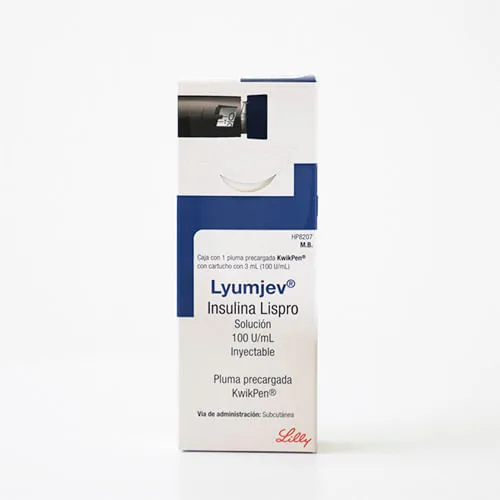
Table of Contents
- Package leaflet: Information for the user
- Lyumjev 100 units/mL solution for injection in a vial
- 1. What Lyumjev is and what it is used for
- 2. What you need to know before using Lyumjev
- 3. How to use Lyumjev
- 4. Possible side effects
- 5. How to store Lyumjev
- 6. Package contents and other information
- The following information is intended exclusively for healthcare professionals:
- Package leaflet: Information for the user
- Lyumjev 100 units/mL solution for injection in cartridge
- 1. What Lyumjev is and what it is used for
- 2. What you need to know before using Lyumjev
- 3. How to use Lyumjev
- 4. Possible side effects
- 5. How to store Lyumjev
- 6. Package contents and other information
- Package leaflet: information for the user
- Lyumjev 100 units/mL KwikPen pre-filled pen injection solution
- 1. What Lyumjev KwikPen is and what it is used for
- 2. What you need to know before using Lyumjev KwikPen
- 3. How to use Lyumjev KwikPen
- 4. Possible side effects
- 5. How to store Lyumjev KwikPen
- 6. Package contents and other information
- Instructions for use
- Lyumjev 100 units/mL KwikPen injectable solution in a prefilled pen
- Instructions for the User: Patient Information Leaflet
- Lyumjev 100 units/mL Junior KwikPen injectable solution in pre-filled pen
- 1. What Lyumjev Junior KwikPen is and what it is used for
- 2. What you need to know before using Lyumjev Junior KwikPen
- 3. How to use Lyumjev Junior KwikPen
- 4. Possible side effects
- 5. How to store Lyumjev Junior KwikPen
- 6. Package contents and other information
- Instructions for use
- Lyumjev 100 units/mL Junior KwikPen injectable solution in pre-filled pen
- Lyumjev Junior KwikPen. There may be new information. This information does not
- Package leaflet: Information for the user
- Lyumjev 100 units/mL Tempo Pen injectable solution in a pre-filled pen
- 1. What Lyumjev Tempo Pen is and what it is used for
- 2. What you need to know before using Lyumjev Tempo Pen
- 3. How to use Lyumjev Tempo Pen
- 4. Possible side effects
- 5. How to store Lyumjev Tempo Pen
- 6. Package contents and other information
- Instructions for use
- Lyumjev 100 units/mL Tempo Pen injectable solution in a prefilled pen
- Package leaflet: Information for the user
- Lyumjev 200 units/mL KwikPen pre-filled pen injectable solution
- 1. What Lyumjev 200 units/mL KwikPen is and what it is used for
- 2. What you need to know before using Lyumjev 200 units/mL KwikPen
- 3. How to use Lyumjev 200 units/mL KwikPen
- 4. Possible side effects
- 5. How to store Lyumjev 200 units/mL KwikPen
- 6. Package contents and other information
- Instructions for use
- Lyumjev 200 units/mL KwikPen injectable solution in a prefilled pen
Package leaflet: Information for the user
Lyumjev 100 units/mL solution for injection in a vial
insulin lispro
Please read all of this leaflet carefully before using this medicine because it contains important information for you.
- Keep this leaflet. You may need to read it again.
- If you have any questions, ask your doctor, pharmacist, or nurse.
- This medicine has been prescribed for you only. Do not give it to others, even if they have the same symptoms as you, because it could be harmful.
- If you experience any side effect, including those not listed in this leaflet, talk to your doctor, pharmacist, or nurse. See section 4.
Contents of this leaflet
- What Lyumjev is and what it is used for
- What you need to know before using Lyumjev
- How to use Lyumjev
- Possible side effects
- How to store Lyumjev
- Contents of the pack and other information
1. What Lyumjev is and what it is used for
Lyumjev 100 units/mL solution for injection in vial contains the active substance insulin lispro.
Lyumjev is used for the treatment of diabetes mellitus in adults, adolescents, and children aged 1 year and older. It is a prandial insulin that acts more rapidly than other medicines containing insulin lispro. Lyumjev contains components that accelerate the absorption of insulin lispro into the body.
Diabetes is a condition in which the body does not produce enough insulin or does not use insulin effectively, resulting in effects such as high blood sugar levels. Lyumjev is an insulin-based medicine used in the treatment of diabetes and therefore controls blood sugar. Effective diabetes treatment with good blood sugar control prevents long-term complications of diabetes.
Treatment with Lyumjev helps control blood glucose levels over the long term and prevent diabetes complications. Lyumjev exerts its maximum effect from 1 to 3 hours after injection, and this effect lasts up to 5 hours. You must use Lyumjev at the beginning of a meal or up to 20 minutes after starting the meal.
Your doctor may prescribe both Lyumjev and a long- or intermediate-acting insulin.
Do not change the type of insulin unless instructed by your doctor.
2. What you need to know before using Lyumjev
DO NOT use Lyumjev
- if you think your blood sugar level is dropping ( hypoglycaemia ). Later in this leaflet, instructions on how to treat low blood sugar are provided (see section 3, “If you use more Lyumjev than you should”).
- if you are allergic to insulin lispro or to any of the excipients in this medicine (listed in section 6).
Warnings and precautions
Talk to your doctor, pharmacist, or nurse before using Lyumjev.
If you have poor eyesight, you will need help from someone trained to administer injections.
- Low blood sugar level (hypoglycaemia)
A low blood sugar level can be serious, and untreated hypoglycaemia may even lead to death. Lyumjev begins lowering blood sugar more quickly than other mealtime insulins. Any hypoglycaemia may therefore occur earlier after a Lyumjev injection. If you frequently experience hypoglycaemia or have difficulty recognizing it, discuss this with your doctor or nurse. If your blood sugar level is well controlled with your current insulin therapy or if you have had diabetes for a long time, you may not notice the warning symptoms when your blood sugar level is dropping too low. The warning signs are listed later in this leaflet. For symptoms, see "Common diabetes problems".
You must pay close attention to meal timing, frequency, and physical activity levels.
You must also monitor your blood sugar levels regularly by frequent testing.
Changing the types of insulin you use may cause excessive increases or decreases in blood sugar levels.
You may need to test your blood sugar more often if you are at risk of low blood sugar levels. Your doctor may need to adjust the doses of your other diabetes medications.
- High blood sugar level (hyperglycaemia)
Stopping or not taking enough insulin may cause high blood sugar (hyperglycaemia) and diabetic ketoacidosis, serious conditions that may even lead to death. For symptoms, see "Common diabetes problems". - If you are using an insulin pump that stops working, you must resolve the issue immediately, as it may cause high blood sugar. You may need to administer a Lyumjev injection using an insulin pen or syringe if the pump stops working.
- If insulin treatment is combined with a class of diabetes medicines called thiazolidinediones or glitazones, such as pioglitazone, inform your doctor as soon as possible if you experience signs of heart failure such as unusual shortness of breath, rapid weight gain, or localized swelling due to fluid retention (oedema).
- In case of a severe allergic reaction to insulin or to any of the components of Lyumjev, stop using this medicine and contact emergency medical services immediately.
- Always check the packaging and label to confirm the name and type of insulin provided by the pharmacist. Ensure that your Lyumjev package matches the one prescribed by your doctor.
- Keep the packaging or note down the batch number shown on the package. If you experience a side effect, you can provide this number when reporting it (see "Reporting of side effects").
- Always use a new needle for each injection to prevent infections and needle blockage. If a needle becomes blocked, replace it with a new one.
- Skin changes at injection site
Rotate your injection sites to prevent skin changes such as lumps under the skin. Insulin may not work as effectively if you inject into an area with lumps (see “How to use Lyumjev”). If you currently inject into an area with lumps, consult your doctor before switching to a new injection site. Your doctor may advise you to monitor your blood sugar more closely and possibly adjust your insulin dose or that of other antidiabetic medicines.
Children and adolescents
This medicine is not recommended for use in children under 1 year of age.
Other medicines and Lyumjev
Inform your doctor, pharmacist, or nurse if you are taking, have recently taken, or might take any other medicines. Some medicines affect blood sugar levels, which may require adjustment of your insulin dose.
Blood sugar levels may decrease (hypoglycaemia) if you take:
- other diabetes medicines (oral or injectable)
- sulphonamide antibiotics (for infections)
- acetylsalicylic acid (for pain and mild fever, and to prevent blood clotting)
- certain antidepressants (monoamine oxidase inhibitors or selective serotonin reuptake inhibitors)
- certain angiotensin-converting enzyme (ACE) inhibitors (e.g., captopril, enalapril) (for certain heart problems or high blood pressure)
- angiotensin II receptor blockers (for high blood pressure or heart problems)
- somatostatin analogues (such as octreotide, used to treat a rare disease characterized by excessive growth hormone production).
Blood sugar levels may increase (hyperglycaemia) if you take:
- danazol (for endometriosis)
- oral contraceptives (birth control pills)
- thyroid hormone replacement therapy (for thyroid problems)
- human growth hormone (for growth hormone deficiency)
- diuretics (for high blood pressure or fluid accumulation in the body)
- sympathomimetic agents (for severe allergic reactions or in some cold remedies)
- corticosteroids (to treat asthma or autoimmune diseases).
Beta-blockers (used for hypertension, arrhythmia, or angina) may make it more difficult to recognize the warning signs of low blood sugar.
Lyumjev and alcohol
Your blood sugar levels may increase or decrease if you consume alcohol. Therefore, the amount of insulin needed may change. You should therefore check your blood sugar levels more often than usual.
Pregnancy and breastfeeding
If you are planning a pregnancy, suspect you are pregnant, are pregnant, or are breastfeeding, consult your doctor, pharmacist, or nurse before taking this medicine. The amount of insulin you need usually decreases during the first 3 months of pregnancy and increases during the remaining 6 months. After delivery, your insulin requirement will likely return to your pre-pregnancy level.
There are no restrictions on using Lyumjev during breastfeeding. If you are breastfeeding, you may need to adjust your insulin dose or diet.
Driving and using machines
Your ability to concentrate and react may be reduced during hypoglycaemia. Be aware of this potential problem in any situation where you could endanger yourself or others (e.g., driving a vehicle or operating machinery). You should consult your doctor to determine whether you may drive if you:
- have frequent episodes of hypoglycaemia
- have reduced or absent warning symptoms of hypoglycaemia.
Lyumjev contains sodium
This medicine contains less than 1 mmol of sodium (23 mg) per dose, i.e., it is essentially “sodium-free”.
3. How to use Lyumjev
Always use this medicine exactly as stated in this leaflet
or as instructed by your doctor, pharmacist, or nurse. If you have any doubts, consult your doctor,
pharmacist, or nurse.
Your doctor, pharmacist, or nurse will tell you exactly how much Lyumjev to use, when to use it, and how frequently. They will also advise you on how often to visit your diabetes care center.
You should always keep a spare supply of insulin and another injection device available in case you need them.
If you are blind or have poor vision, you will need someone else to help you with the injections.
Your doctor may instruct you to use both Lyumjev and a longer- or intermediate-acting insulin. These must
be injected separately. Lyumjev must not be mixed with any other insulin.
When to inject Lyumjev
Lyumjev is a mealtime insulin. You should use Lyumjev at the start of a meal, or one or two minutes before eating; alternatively, you may choose to inject the medicine up to 20 minutes after starting your meal.
How much insulin to use
Your doctor will determine your dose based on your blood glucose levels and body weight and will explain:
- how much Lyumjev you need with each meal;
- how and when to monitor your blood sugar levels;
- how to adjust your insulin dose based on your blood sugar levels;
- what to do if you change your diet or level of physical activity, if you become ill, or if you take other medicines;
- if you change the type of insulin you are using, you may need to take more or less than before. This adjustment may be needed only for the first injection or may occur gradually over several weeks or months.
Do not use Lyumjev
- If it does not look like water. Lyumjev must be clear, colorless, and free from solid particles. Check each time before injection.
- If Lyumjev has not been stored correctly (see section 5 "How to store Lyumjev").
- If the plastic cap of the vial is damaged, do not use it.
Where to inject
- Inject Lyumjev under the skin (subcutaneous injection).
- Do not inject the medicine directly into a vein. Only a doctor may administer Lyumjev intravenously, and this will only be done under special circumstances, such as during surgery or if you are ill and your blood sugar levels are too high.
- Make sure to inject at least 1 cm away from the previous injection site and rotate injection sites (arm, thigh, buttocks, or abdomen) as instructed.
- If you need to inject another insulin at the same time as Lyumjev, use a different injection site.
How to inject Lyumjev from a vial
- First, wash your hands.
- Before injecting, disinfect your skin as instructed. Disinfect the rubber stopper of the vial, but do not remove it.
- Use a new sterile syringe and needle to pierce the rubber stopper and draw up the required amount of Lyumjev to inject. Your doctor, nurse, or diabetes care center will show you exactly how to do this. Do not share needles or syringes with other people.
- Inject the medicine under the skin as instructed. After injection, leave the needle in the skin for 5 seconds to ensure the full dose has been delivered.
Use of Lyumjev in an insulin pump
- Only certain insulin pumps can be used for the infusion of Lyumjev.
- Follow the instructions provided with the insulin pump carefully.
- Make sure to use the correct reservoir and catheter compatible with your insulin pump. To avoid damaging the pump, it is important to use a needle of the correct length when filling the system.
- Change the infusion set (tubing and needle) according to the instructions provided with the infusion set.
- If you experience repeated or severe episodes of low blood sugar, inform your doctor or nurse.
- A malfunction of the insulin pump or an obstruction in the infusion set may lead to a rapid rise in blood sugar levels. If you suspect an interruption in the flow of Lyumjev, follow the instructions in the pump’s documentation and, if necessary, inform your doctor or nurse.
- You may need to administer an injection of Lyumjev if the insulin pump is not functioning properly.
After injection
If you are unsure how much medicine you injected, check your blood sugar levels before deciding whether you need another injection.
If you use more Lyumjev than you should
If you have injected too much Lyumjev, or are unsure of the amount injected, your blood sugar level may drop too low (hypoglycemia). Check your blood sugar level.
If your blood sugar level is low (hypoglycemia) and you are able to treat it yourself, eat glucose tablets, sugar, or drink a sugary beverage. Then eat fruit, biscuits, or a sandwich as advised by your doctor or nurse, and rest. This is often sufficient to counteract low blood sugar or a mild insulin overdose.
Check your blood sugar again after 15–20 minutes until it has stabilized.
If you are unable to care for yourself (severe hypoglycemia) due to dizziness, weakness, confusion, difficulty speaking, loss of consciousness, or seizures, you may need to be treated with glucagon. Glucagon can be administered by someone who knows how to use it.
Eat glucose or sugar after receiving glucagon. If glucagon does not work, you must go to the hospital or call emergency services. Ask your doctor for information about glucagon.
Inform everyone you spend time with that you have diabetes. Let them know what could happen if your blood sugar drops too low, including the risk of fainting.
Tell them that if you faint, they should: turn you onto your side to prevent choking, seek immediate medical help, and not try to give you food or drink as you could choke.
If you forget to use Lyumjev
If you forget to take your insulin, take less than required, or are unsure of the amount injected, your blood sugar may become too high (hyperglycemia). Check your blood sugar level to determine whether an insulin dose is needed. Resume your usual dosing schedule at the next meal.
If you stop using Lyumjev
Do not stop or change the type of insulin unless instructed by your doctor.
If you use less Lyumjev than required, your blood sugar level may increase.
If high blood sugar (hyperglycemia) is not treated, it can become very serious and cause headache, nausea, vomiting, stomach pain, dehydration, loss of consciousness, coma, or even death (see section 4).
Three simple precautions to reduce the risk of hypoglycemia or hyperglycemia:
- always keep spare syringes and a vial of Lyumjev available;
- always carry identification indicating that you have diabetes;
- always carry sugar with you.
If you have any doubts about how to use this medicine, consult your doctor, pharmacist, or nurse.
4. Possible side effects
Like all medicines, this medicine can cause side effects, although not everybody gets them.
Low blood sugar (hypoglycaemia) is very common with insulin treatment (may affect more than 1 in 10 people). It can be very serious. If your blood sugar drops too low, you may lose consciousness. Severe hypoglycaemia can cause brain damage and may be life-threatening. If you experience symptoms related to low blood sugar, act immediately to raise your blood sugar level. See section 3 under "If you use more Lyumjev than you should".
Allergic reactions are common (may affect up to 1 in 10 people). They can be serious and may include the following symptoms:
skin rash and feeling of low blood pressure
itching all over the body, rapid heartbeat
difficulty breathing, sweating
wheezing
In case of a severe allergic reaction (including an anaphylactic attack) to insulin or any of the excipients in Lyumjev, stop using this medicine and contact emergency medical services immediately.
Other side effects include
Very common (may affect more than 1 in 10 people)
Infusion site reactions. Some people may experience redness, pain, swelling, or itching at the insulin infusion site. If you experience infusion site reactions, inform your doctor.
Common (may affect up to 1 in 10 people)
Injection site reactions. Some people may experience redness, pain, swelling, or itching at the insulin injection site. These reactions usually resolve within minutes or weeks without the need to discontinue Lyumjev. Inform your doctor if you experience injection site reactions.
Uncommon (may affect up to 1 in 100 people)
Skin changes at the injection site: if you inject insulin too often in the same spot, fatty tissue may become thinner (lipoatrophy) or thicker (lipohypertrophy). Lumps under the skin may also be caused by the buildup of a protein called amyloid (cutaneous amyloidosis). Insulin may not work as effectively if injected into an area with lumps. Rotate your injection site with each injection to prevent these skin changes.
Other potential side effects
Swelling of the arms or ankles due to fluid retention (oedema), particularly at the beginning of insulin therapy or during a change in diabetes medications.
Reporting of side effects
If you experience any side effects, including those not listed in this leaflet, please consult your doctor or pharmacist. You can also report side effects directly via the national reporting system listed in Annex V.
By reporting side effects, you can help provide more information on the safety of this medicine.
Common diabetes-related problems
Low blood sugar
Low blood sugar (hypoglycaemia) means that there is not enough sugar in the blood. It may occur if:
- you take too high a dose of Lyumjev or another insulin;
- you delay or miss a meal or change your diet;
- you perform excessive physical activity or exertion shortly before or after a meal;
- you have an infection or other illness (especially diarrhoea or vomiting);
- there is a change in your insulin requirement, for example due to weight loss, or worsening of a pre-existing kidney or liver disorder. See section "If you use more Lyumjev than you should".
Usually, the first symptoms of hypoglycaemia appear quickly and include:
- tiredness
- rapid heartbeat
- nervousness or restlessness
- discomfort
- headache
- cold sweat.
If you are unable to recognize the warning signs of hypoglycaemia, avoid situations—such as driving a vehicle—where hypoglycaemia could put you or others at risk.
High blood sugar (hyperglycaemia) and diabetic ketoacidosis
Hyperglycaemia (too much sugar in the blood) means that glucose levels in your body are too high. Hyperglycaemia may be caused by:
- missing insulin doses;
- using less insulin than your body needs;
- an imbalance between the amount of carbohydrates you eat and the insulin you take; or
- fever, infection, or severe emotional stress.
The first symptoms of hyperglycaemia are:
- excessive thirst
- headache
- drowsiness
- increased need to urinate.
Hyperglycaemia can lead to diabetic ketoacidosis. The first symptoms develop slowly over several hours or days. Additional symptoms include:
- nausea and/or vomiting
- abdominal pain
- rapid pulse
- laboured breathing
- moderate or high levels of ketones in the urine. Ketones are produced when the body burns fat for energy instead of glucose.
If you have any of these symptoms and high blood sugar, seek immediate medical attention.
See section “If you forget to take Lyumjev”.
Illnesses
If you are ill, especially if you feel unwell or are sick, your insulin requirement may change. Even if you are not eating normally, you still need insulin. Check your urine and blood, follow the precautions you already know for when you are ill, and inform your doctor.
5. How to store Lyumjev
Keep this medicine out of sight and reach of children.
Do not use this medicine after the expiry date stated on the label and packaging.
The expiry date refers to the last day of the month.
Do not freeze.
Keep in the original packaging to protect from light.
Before first use
Store in a refrigerator (2 °C – 8 °C).
After first use
Do not store at temperatures above 30 °C.
Discard after 28 days, even if some solution remains.
Do not dispose of any medicine via wastewater or household waste. Ask your pharmacist how to dispose of medicines no longer in use. This will help protect the environment.
6. Package contents and other information
What Lyumjev 100 units/mL solution for injection in vial contains
- The active substance is insulin lispro. Each mL of solution contains 100 units of insulin lispro. One vial contains 1,000 units of insulin lispro in 10 mL of solution.
- The excipients are metacresol, glycerol, magnesium chloride hexahydrate, sodium citrate dihydrate, treprostinil sodium, zinc oxide, water for injections. Sodium hydroxide or hydrochloric acid may be added to adjust the pH (see end of section 2 under “Lyumjev contains sodium”).
Description of the appearance of Lyumjev and contents of the pack
Lyumjev 100 units/mL, solution for injection is a clear, colourless aqueous solution contained in a vial.
Each vial contains 1,000 units (10 millilitres).
Pack sizes of 1, 2 or multiple packs containing 5 x 1 vials.
Not all pack sizes may be marketed.
Marketing Authorisation Holder
Eli Lilly Nederland B.V.
Papendorpseweg 83
3528 BJ Utrecht
The Netherlands
Manufacturer
Lilly France
Rue du Colonel Lilly
67640 Fegersheim
France
For further information about this medicine, please contact the local representative of the Marketing Authorisation Holder.
Belgique/België/Belgien Lietuva
Eli Lilly Benelux S.A./N.V. Eli Lilly Lietuva
Tél/Tel: + 32-(0)2 548 84 84 Tel: +370 (5) 2649600
България Luxembourg/Luxemburg
ТП "Ели Лили Недерланд" Б.В. - България Eli Lilly Benelux S.A./N.V.
Tел.: + 359 2 491 41 40 Tél/Tel: + 32-(0)2 548 84 84
Česká republika Magyarország
ELI LILLY ČR, s.r.o. Lilly Hungária Kft.
Tel: + 420 234 664 111 Tel.: + 36 1 328 5100
Danmark Malta
Eli Lilly Danmark A/S Charles de Giorgio Ltd.
Tlf.: +45 45 26 6000 Tel: + 356 25600 500
Deutschland Nederland
Lilly Deutschland GmbH Eli Lilly Nederland B.V.
Tel: + 49-(0) 6172 273 2222 Tel: + 31-(0) 30 60 25 800
Eesti Norge
Eli Lilly Nederland B.V. Eli Lilly Norge A.S.
Tel: + 372 6817 280 Tlf: + 47 22 88 18 00
Ελλάδα Österreich
ΦΑΡΜΑΣΕΡΒ-ΛΙΛΛΥ Α.Ε.Β.Ε. Eli Lilly Ges. m.b.H.
Τηλ: +30 210 629 4600 Tel: + 43-(0) 1 711 780
España Polska
Dista S.A. Eli Lilly Polska Sp. z o.o.
Tel: + 34-91 663 50 00 Tel: +48 22 440 33 00
France Portugal
Lilly France Lilly Portugal - Produtos Farmacêuticos, Lda
Tél: +33-(0) 1 55 49 34 34 Tel: + 351-21-4126600
Hrvatska România
Eli Lilly Hrvatska d.o.o. Eli Lilly România S.R.L.
Tel: +385 1 2350 999 Tel: + 40 21 4023000
Ireland Slovenija
Eli Lilly and Company (Ireland) Limited Eli Lilly farmacevtska družba, d.o.o.
Tel: + 353-(0) 1 661 4377 Tel: +386 (0) 1 580 00 10
Ísland Slovenská republika
Icepharma hf. Eli Lilly Slovakia s.r.o.
Sími: + 354 540 8000 Tel: + 421 220 663 111
Italia Suomi/Finland
Eli Lilly Italia S.p.A. Oy Eli Lilly Finland Ab
Tel: + 39- 055 42571 Puh/Tel: + 358-(0) 9 85 45 250
Κύπρος Sverige
Phadisco Ltd Eli Lilly Sweden AB
Τηλ: +357 22 715000 Tel: + 46-(0) 8 7378800
Latvija
Eli Lilly (Suisse) S.A. Pārstāvniecība Latvijā
Tel: + 371 67364000
Other sources of information
More detailed information on this medicine is available on the website of the European Medicines Agency: https://www.ema.europa.eu.
The following information is intended exclusively for healthcare professionals:
Lyumjev 100 units/mL is available in vials when intravenous administration is required.
For intravenous use, Lyumjev must be diluted to concentrations between 0.1 and 1.0 unit/mL in a 5% glucose injectable solution or in a 9 mg/mL (0.9%) sodium chloride injectable solution.
It is recommended to prime the system before starting infusion to the patient.
Compatibility has been demonstrated with ethylene-propylene copolymer, polyvinyl chloride, and polyolefin bags.
Chemical and physical stability in use has been demonstrated for 14 days at 2 – 8 °C and for 20 hours at 20 – 25 °C, when protected from light. From a microbiological standpoint, the medicinal product should be used immediately. If not used immediately, the times and conditions of storage prior to use are under the responsibility of the user and should normally not exceed 24 hours at 2 – 8 °C, unless dilution has taken place under controlled and validated aseptic conditions.
Package leaflet: Information for the user
Lyumjev 100 units/mL solution for injection in cartridge
insulin lispro
Please read this leaflet carefully before using this medicine because it contains important information for you.
- Keep this leaflet. You may need to read it again.
- If you have any questions, ask your doctor, pharmacist or nurse.
- This medicine has been prescribed for you only. Do not give it to others, even if their symptoms are the same as yours, as it could be harmful.
- If you experience any side effects, including those not listed in this leaflet, talk to your doctor, pharmacist or nurse. See section 4.
Contents of this leaflet
- What Lyumjev is and what it is used for
- What you need to know before using Lyumjev
- How to use Lyumjev
- Possible side effects
- How to store Lyumjev
- Contents of the pack and other information
1. What Lyumjev is and what it is used for
Lyumjev 100 units/mL solution for injection in a cartridge contains the active substance insulin lispro.
Lyumjev is used in the treatment of diabetes mellitus in adults, adolescents, and children aged 1 year and older. It is a prandial insulin that acts more rapidly than other medicines containing insulin lispro. Lyumjev contains components that accelerate the absorption of insulin lispro into the body.
Diabetes is a condition in which the body either does not produce enough insulin or does not use insulin effectively, resulting in high blood sugar levels. Lyumjev is an insulin-based medicine used in the treatment of diabetes and therefore controls blood sugar. Effective diabetes treatment with good blood sugar control helps prevent long-term complications of diabetes.
Treatment with Lyumjev helps control blood glucose levels over the long term and helps prevent diabetes-related complications. Lyumjev reaches its maximum effect between 1 and 3 hours after injection, and this effect lasts up to 5 hours. You should use Lyumjev at the beginning of a meal or up to 20 minutes after starting the meal.
Your doctor may prescribe both Lyumjev and a long- or intermediate-acting insulin.
Do not change the type of insulin unless instructed by your doctor.
2. What you need to know before using Lyumjev
Do NOT use Lyumjev
- if you think your blood sugar level is dropping ( hypoglycaemia ). Later in this leaflet, you will find information on how to treat low blood sugar (see section 3, “If you use more Lyumjev than you should”).
- if you are allergic to insulin lispro or to any of the excipients of this medicine (listed in section 6).
Warnings and precautions
Talk to your doctor, pharmacist, or nurse before using Lyumjev.
If you have poor eyesight, you will need help from someone trained to administer injections.
- Low blood sugar level (hypoglycaemia)
A low blood sugar level can be serious, and untreated hypoglycaemia may even lead to death. Lyumjev begins to lower blood sugar faster than other prandial insulins. Hypoglycaemia may therefore occur earlier after an injection of Lyumjev. If you frequently experience hypoglycaemia or have difficulty recognizing it, discuss this with your doctor or nurse. If your blood sugar is well controlled by your current insulin therapy or if you have had diabetes for a long time, you may not notice the warning symptoms when your blood sugar is dropping too low. The warning signs are listed later in this leaflet. For symptoms, see "Common problems of diabetes".
You must pay close attention to meal timing, frequency, and physical activity.
You must also monitor your blood glucose levels regularly by frequent testing.
Changing the types of insulin you use may cause excessive increases or decreases in blood sugar levels.
You may need to test your blood glucose more often if you are at risk of low blood sugar levels. Your doctor may need to adjust the doses of your other diabetes medications.
- High blood sugar level (hyperglycaemia)
Stopping or not taking enough insulin may cause high blood sugar (hyperglycaemia) and diabetic ketoacidosis, serious conditions that may even lead to death. For symptoms, see "Common problems of diabetes". - If insulin treatment is combined with a class of diabetes medicines called thiazolidinediones or glitazones, such as pioglitazone, inform your doctor as soon as possible if you develop signs of heart failure such as unusual shortness of breath, rapid weight gain, or localized swelling due to fluid retention (oedema).
- In case of a severe allergic reaction to insulin or to any component of Lyumjev, stop using this medicine and contact emergency medical services immediately.
- Always check the packaging and label for the name and type of insulin you receive from the pharmacist. Make sure your Lyumjev package matches the one prescribed by your doctor.
- Keep the packaging or note down the batch number on the package. If you experience an adverse effect, you can provide this number when reporting the adverse effect; see "Reporting of side effects".
- Always use a new needle for each injection to prevent infections and needle blockage. If a needle becomes blocked, replace it with a new one.
- Skin changes at injection site
Injection sites should be rotated to prevent skin changes, such as the development of lumps under the skin. Insulin may not work as effectively if you inject into an area with lumps (see “How to use Lyumjev”). If you currently inject into an area with lumps, consult your doctor before starting to inject in another area. Your doctor may ask you to monitor your blood glucose more closely and adjust your insulin dose or that of other antidiabetic medicines.
Children and adolescents
This medicine is not recommended for use in children under 1 year of age.
Other medicines and Lyumjev
Tell your doctor, pharmacist, or nurse if you are taking, have recently taken, or might take any other medicines. Some medicines affect blood sugar levels, which may mean your insulin dose needs to be adjusted.
Blood sugar levels may decrease (hypoglycaemia) if you take:
- other diabetes medicines (oral and injectable)
- sulphonamide antibiotics (for infections)
- acetylsalicylic acid (for mild pain and fever and to prevent blood clotting)
- certain antidepressants (monoamine oxidase inhibitors or selective serotonin reuptake inhibitors)
- certain angiotensin-converting enzyme (ACE) inhibitors (e.g., captopril, enalapril) (for certain heart problems or high blood pressure)
- angiotensin II receptor blockers (for high blood pressure or heart problems)
- somatostatin analogues (such as octreotide, used to treat a rare disease characterized by excessive growth hormone production).
Blood sugar levels may increase (hyperglycaemia) if you take:
- danazol (for endometriosis)
- contraceptive pills (birth control pills)
- thyroid hormone replacement therapy (for thyroid problems)
- human growth hormone (for growth hormone deficiency)
- diuretics (for high blood pressure or fluid accumulation in the body)
- sympathomimetic agents (for severe allergic reactions or used in some cold remedies)
- corticosteroids (to treat asthma or autoimmune diseases).
Beta-blockers (used for hypertension, arrhythmia, or angina) make it more difficult to recognize the warning signs of low blood sugar.
Lyumjev and alcohol
Blood sugar levels may increase or decrease if you consume alcohol. Therefore, the amount of insulin needed may change. You should therefore monitor your blood sugar level more frequently than usual.
Pregnancy and breastfeeding
If you are planning a pregnancy, suspect you are pregnant, are pregnant, or are breastfeeding, consult your doctor, pharmacist, or nurse before taking this medicine. The amount of insulin you need usually decreases during the first 3 months of pregnancy and increases during the remaining 6 months. After delivery, your insulin requirement will likely return to your pre-pregnancy level.
There are no restrictions on using Lyumjev during breastfeeding. If you are breastfeeding, you may need to adjust your insulin dose or diet.
Driving and using machines
Your ability to concentrate and react may be reduced during hypoglycaemia. Keep this potential problem in mind in any situation where you might endanger yourself or others (e.g., driving a vehicle or operating machinery). You should consult your doctor to determine whether you may drive if you have:
- frequent episodes of hypoglycaemia
- reduced or absent warning symptoms of hypoglycaemia.
Lyumjev contains sodium
This medicine contains less than 1 mmol of sodium (23 mg) per dose, i.e., essentially “sodium-free”.
3. How to use Lyumjev
Always use this medicine exactly as described in this leaflet
or as instructed by your doctor, pharmacist, or nurse. If you have any doubts, consult your doctor,
pharmacist, or nurse.
Your doctor, pharmacist, or nurse will tell you exactly how much Lyumjev to use, when to use it, and how frequently. They will also advise you how often to visit your diabetes clinic.
To prevent possible transmission of diseases, each cartridge must be used only by you, even if the pen needle is changed.
You should always keep a spare insulin supply and another injection device with you in case you need it.
If you are blind or visually impaired, you will need someone’s help to administer the injections.
Your doctor may instruct you to use both Lyumjev and a longer- or intermediate-acting insulin. These must be injected separately. Lyumjev must not be mixed with any other insulin.
When to inject Lyumjev
Lyumjev is a mealtime insulin. You should use Lyumjev when you start eating, or one or two minutes before a meal; you may also choose to inject the medicine up to 20 minutes after starting the meal.
How much insulin to use
Your doctor will determine your dose based on your blood glucose and body weight and will explain:
- how much Lyumjev you need at each meal;
- how and when to monitor your blood sugar levels;
- how to adjust your insulin dose based on blood glucose levels;
- what to do if you change your diet or level of physical activity, if you become ill, or if you take other medicines;
- if you change the type of insulin you use, you may need to take more or less than before. This adjustment may be needed only for the first injection or may occur gradually over several weeks or months.
Do not use Lyumjev
- If it does not look like water. Lyumjev must be clear, colourless, and free from solid particles. Check each time before injection.
- If Lyumjev has not been stored correctly (see section 5 "How to store Lyumjev").
- If any part of the cartridge appears damaged, do not use it.
Preparing the pen
- First, wash your hands. Disinfect the rubber membrane of the cartridge.
- You must use Lyumjev cartridges only with Lilly insulin pens. Ensure that the words Lyumjev or Lilly cartridges are mentioned in the leaflet accompanying the pen. The 3 mL cartridge can only be used with a 3 mL pen.
- Follow the instructions provided with the pen. Insert the cartridge into the pen.
- Use a new needle (needles are not included in the pack).
- Prime the pen each time. The pen must be primed until you see insulin at the tip of the needle before each injection to ensure the pen is ready to deliver the dose. If you do not prime the pen, you may inject an incorrect dose.
Injecting Lyumjev
- Before injecting, disinfect your skin.
- Inject the medicine under the skin (subcutaneous injection), as taught by your doctor or nurse.
- After injection, leave the needle in the skin for 5 seconds to ensure the full dose has been delivered. Make sure to inject at least 1 cm away from the previous injection site and rotate injection sites (arm, thigh, buttocks, or abdomen).
- If there is not enough insulin in the pen to complete the dose, note how much more you need to take. Load a new pen and inject the remaining dose.
- If you need to inject another insulin at the same time as Lyumjev, use a different injection site.
- Do not inject the medicine directly into a vein.
After injection
-
Immediately after completing the injection, remove the needle from the pen using the outer needle cap. This will help keep Lyumjev sterile and prevent leakage of the medicine. It will also prevent air from entering the pen and needle blockage. Do not share your needles with other people. Do not share your pen with other people. Replace the cap on the pen. Leave the cartridge in the pen.
-
If you are unsure how much medicine you have injected, check your blood sugar levels before deciding whether you need another injection.
Subsequent injections
- Each time you plan to give an injection, use a new needle. Before each injection, prime the pen to remove larger air bubbles.
- Once the cartridge is empty, do not reuse it.
If you use more Lyumjev than you should
If you have injected too high a dose of Lyumjev, or are unsure how much you have injected, your blood sugar level may drop. Check your blood sugar level.
If your blood sugar level is low (hypoglycaemia) and you are able to treat it yourself, eat glucose tablets, sugar, or drink a sugary drink. Then eat fruit, biscuits, or a sandwich, as advised by your doctor or nurse, and rest. This is often sufficient to counteract mild hypoglycaemia or a modest insulin overdose. Check your blood glucose again after 15–20 minutes until it stabilises.
If you are unable to care for yourself (severe hypoglycaemia) due to dizziness, weakness, confusion, difficulty speaking, loss of consciousness, or seizures, you may need to be treated with glucagon. Glucagon can be administered by someone who knows how to use it. Eat glucose or sugar after glucagon administration. If glucagon does not work, you will need to go to hospital or call emergency services. Ask your doctor for information about glucagon.
Inform everyone you spend time with that you have diabetes. Let them know what could happen if your blood sugar drops too low, including the risk of fainting.
Tell them that if you faint, they should: turn you onto your side to prevent choking, seek immediate medical help, and not try to give you food or drink as you could choke.
If you forget to take Lyumjev
If you forget to use your insulin, use less than required, or are unsure how much you injected, your blood sugar level may become too high (hyperglycaemia). Check your blood sugar level to determine whether an insulin dose is needed. Resume your usual dosing schedule at the next meal.
If you stop using Lyumjev
Do not stop or change the type of insulin unless instructed by your doctor.
If you use less Lyumjev than required, your blood sugar level may increase.
If high blood sugar (hyperglycaemia) is not treated, it can become very serious and cause headache, nausea, vomiting, stomach pain, dehydration, loss of consciousness, coma, or even death (see section 4).
Three simple precautions to reduce the risk of hypoglycaemia or hyperglycaemia:
- always keep a spare pen and cartridges in case you lose or damage your pen or cartridges;
- always carry identification indicating that you have diabetes;
- always carry some sugar with you.
If you have any doubts about using this medicine, consult your doctor, pharmacist, or nurse.
4. Possible side effects
Like all medicines, this medicine can cause side effects, although not everybody gets them.
Low blood sugar (hypoglycaemia) is very common with insulin treatment (may affect more than 1 in 10 people).
It can be very serious. If your blood sugar level drops too low, you may lose consciousness. Severe hypoglycaemia can cause brain damage and may be life-threatening. If you experience symptoms related to low blood sugar, act immediately to raise your blood sugar level. See section 3 "If you use more Lyumjev than you should".
Allergic reactions are common (may affect up to 1 in 10 people). They can be severe and may include the following symptoms:
skin rash and a sensation of low blood pressure
itching all over the body, rapid heartbeat
difficulty breathing, sweating
wheezing
In case of a severe allergic reaction (including an anaphylactic attack) to insulin or any of the excipients of Lyumjev, stop using this medicine and contact emergency medical services immediately.
Other side effects include
Common (may affect up to 1 in 10 people)
Injection site reactions. Some people may experience redness, pain, swelling, or itching at the insulin injection site. This usually resolves within a few minutes or weeks without the need to discontinue Lyumjev. Inform your doctor if you experience injection site reactions.
Uncommon (may affect up to 1 in 100 people)
Skin changes at the injection site: if you inject insulin too often in the same spot, the fatty tissue may become thinner (lipoatrophy) or thicker (lipohypertrophy). Lumps under the skin may also be caused by the buildup of a protein called amyloid (cutaneous amyloidosis).
Insulin may not work as well as it should if you inject into an area with lumps. Change your injection site with each injection to prevent these skin changes.
Other potential side effects
Swelling of the arms or ankles due to fluid retention (oedema), particularly at the beginning of insulin therapy or during a change in diabetes medication.
Reporting of side effects
If you experience any side effect, including those not listed in this leaflet, talk to your doctor or pharmacist. You can also report side effects directly via the national reporting system listed in Annex V.
By reporting side effects, you can help provide more information on the safety of this medicine.
Common diabetes problems
Low blood sugar
Low blood sugar (hypoglycaemia) means that there is not enough sugar in the blood. It may occur if:
- you take too high a dose of Lyumjev or another insulin;
- you delay or miss a meal, or change your diet;
- you perform excessive physical activity or exertion shortly before or after a meal;
- you have an infection or other illness (especially diarrhoea or vomiting);
- there is a change in your insulin requirement, for example due to weight loss, or worsening of a pre-existing kidney or liver disorder. See section "If you use more Lyumjev than you should".
Usually, the first symptoms of hypoglycaemia appear quickly and include:
- tiredness
- rapid heartbeat
- nervousness or restlessness
- feeling unwell
- headache
- cold sweat.
If you are unable to recognise the warning signs of hypoglycaemia, avoid situations—such as driving a vehicle—where hypoglycaemia could put you or others at risk.
High blood sugar (hyperglycaemia) and diabetic ketoacidosis
Hyperglycaemia (too much sugar in the blood) means that glucose levels in your body are too high. Hyperglycaemia may be caused by:
- missing an insulin dose;
- using less insulin than your body needs;
- an imbalance between the amount of carbohydrates you eat and the insulin you take; or
- fever, infection, or strong emotional stress.
The first symptoms of hyperglycaemia are:
- excessive thirst
- headache
- feeling drowsy
- increased need to urinate.
Hyperglycaemia can lead to diabetic ketoacidosis. The first symptoms develop slowly over several hours or days. Additional symptoms include:
- nausea and/or vomiting
- abdominal pain
- rapid pulse
- heavy breathing
- moderate or high levels of ketones in the urine. Ketones are produced when the body burns fat for energy instead of glucose.
If you have any of these symptoms and high blood glucose, seek medical help immediately.
See section “If you forget to take Lyumjev”.
Illnesses
If you are unwell, especially if you feel sick or are actually ill, your insulin requirement may change.
Even if you are not eating normally, you still need insulin. Test your urine and blood, follow the precautions you already know for when you are unwell, and inform your doctor.
5. How to store Lyumjev
Keep this medicine out of the sight and reach of children.
Do not use this medicine after the expiry date stated on the label and packaging.
The expiry date refers to the last day of the month.
Before first use
Store in a refrigerator (2 °C – 8 °C).
Do not freeze.
Keep in the original packaging to protect from light.
After first use (after inserting the cartridge into the pen)
Do not store above 30 °C.
Do not freeze.
Do not refrigerate.
The pen with the cartridge inserted must not be stored with the needle attached.
Keep the cap on the pen to protect it from light.
Dispose of after 28 days even if some solution remains.
Do not dispose of any medicine via wastewater or household waste. Ask your pharmacist how to dispose of medicines no longer required. This will help protect the environment.
6. Package contents and other information
What Lyumjev 100 units/mL solution for injection in cartridge contains
- The active substance is insulin lispro. Each mL of solution contains 100 units of insulin lispro. One cartridge contains 300 units of insulin lispro in 3 mL of solution.
- The excipients are metacresol, glycerol, magnesium chloride hexahydrate, sodium citrate dihydrate, treprostinil sodium, zinc oxide, water for injections. Sodium hydroxide or hydrochloric acid may be added to adjust the pH (see end of section 2 under “Lyumjev contains sodium”).
Description of the appearance of Lyumjev and package contents
Lyumjev 100 units/mL, solution for injection, is an aqueous, clear, colourless solution contained in a cartridge.
Each cartridge contains 300 units (3 millilitres).
Pack sizes of 2, 5, and 10 cartridges.
Not all pack sizes may be marketed.
Marketing Authorisation Holder
Eli Lilly Nederland B.V.
Papendorpseweg 83
3528 BJ Utrecht
The Netherlands
Manufacturer
Lilly France
Rue du Colonel Lilly
67640 Fegersheim
France
For further information about this medicinal product, please contact the local representative of the Marketing Authorisation Holder.
Belgique/België/Belgien Lietuva
Eli Lilly Benelux S.A./N.V. Eli Lilly Lietuva
Tél/Tel: + 32-(0)2 548 84 84 Tel: +370 (5) 2649600
България Luxembourg/Luxemburg
ТП "Ели Лили Недерланд" Б.В. - България Eli Lilly Benelux S.A./N.V.
Tel.: + 359 2 491 41 40 Tél/Tel: + 32-(0)2 548 84 84
Česká republika Magyarország
ELI LILLY ČR, s.r.o. Lilly Hungária Kft.
Tel: + 420 234 664 111 Tel.: + 36 1 328 5100
Danmark Malta
Eli Lilly Danmark A/S Charles de Giorgio Ltd.
Tlf.: +45 45 26 6000 Tel: + 356 25600 500
Deutschland Nederland
Lilly Deutschland GmbH Eli Lilly Nederland B.V.
Tel. + 49-(0) 6172 273 2222 Tel: + 31-(0) 30 60 25 800
Eesti Norge
Eli Lilly Nederland B.V. Eli Lilly Norge A.S.
Tel: + 372 6817 280 Tlf: + 47 22 88 18 00
Ελλάδα Österreich
ΦΑΡΜΑΣΕΡΒ-ΛΙΛΛΥ Α.Ε.Β.Ε. Eli Lilly Ges. m.b.H.
Τηλ: +30 210 629 4600 Tel: + 43-(0) 1 711 780
España Polska
Dista S.A. Eli Lilly Polska Sp. z o.o.
Tel: + 34-91 663 50 00 Tel: +48 22 440 33 00
France Portugal
Lilly France Lilly Portugal - Produtos Farmacêuticos, Lda
Tél: +33-(0) 1 55 49 34 34 Tel: + 351-21-4126600
Hrvatska România
Eli Lilly Hrvatska d.o.o. Eli Lilly România S.R.L.
Tel: +385 1 2350 999 Tel: + 40 21 4023000
Ireland Slovenija
Eli Lilly and Company (Ireland) Limited Eli Lilly farmacevtska družba, d.o.o.
Tel: + 353-(0) 1 661 4377 Tel: +386 (0) 1 580 00 10
Ísland Slovenská republika
Icepharma hf. Eli Lilly Slovakia s.r.o.
Sími: + 354 540 8000 Tel: + 421 220 663 111
Italia Suomi/Finland
Eli Lilly Italia S.p.A. Oy Eli Lilly Finland Ab
Tel: + 39- 055 42571 Puh/Tel: + 358-(0) 9 85 45 250
Κύπρος Sverige
Phadisco Ltd Eli Lilly Sweden AB
Τηλ: +357 22 715000 Tel: + 46-(0) 8 7378800
Latvija
Eli Lilly (Suisse) S.A. Pārstāvniecība Latvijā
Tel: + 371 67364000
Other sources of information
More detailed information on this medicinal product is available on the European Medicines Agency website: https://www.ema.europa.eu .
Package leaflet: information for the user
Lyumjev 100 units/mL KwikPen pre-filled pen injection solution
insulin lispro
Each KwikPen delivers from 1 to 60 units in increments of 1 unit per single injection.
Please read this leaflet carefully before using this medicine, as it contains important information for you.
- Keep this leaflet. You may need to read it again.
- If you have any questions, consult your doctor, pharmacist, or nurse.
- This medicine has been prescribed for you only. Do not give it to other people, even if they have the same symptoms as yours, as it may be harmful.
- If you experience any side effects, including those not listed in this leaflet, contact your doctor, pharmacist, or nurse. See section 4.
Contents of this leaflet
- What Lyumjev KwikPen is and what it is used for
- What you need to know before using Lyumjev KwikPen
- How to use Lyumjev KwikPen
- Possible side effects
- How to store Lyumjev KwikPen
- Contents of the pack and other information
1. What Lyumjev KwikPen is and what it is used for
Lyumjev 100 units/mL KwikPen pre-filled pen injection solution contains the active substance
insulin lispro. Lyumjev is used in the treatment of diabetes mellitus in adults, adolescents, and
children aged 1 year and older. It is a prandial insulin that acts more rapidly than other
medicines containing insulin lispro. Lyumjev contains components that accelerate the absorption
of insulin lispro in the body.
Diabetes is a condition in which the body does not produce enough insulin or does not use
insulin effectively, resulting in effects such as high blood sugar levels. Lyumjev is an insulin-based medicine used in the treatment of diabetes and therefore controls blood sugar. Effective treatment of diabetes, with good control of blood sugar levels, prevents long-term complications of diabetes.
Treatment with Lyumjev helps control blood glucose over the long term and helps prevent diabetes-related complications. Lyumjev reaches its maximum effect from 1 to 3 hours after injection, and this effect lasts up to 5 hours. You must use Lyumjev at the beginning of a meal or within 20 minutes after starting the meal.
Your doctor may prescribe both Lyumjev and a long- or intermediate-acting insulin for you.
Do not switch insulin types unless instructed by your doctor.
Lyumjev 100 units/mL KwikPen is a disposable pre-filled pen device containing 3 mL
(300 units, 100 units/mL) of insulin lispro. One KwikPen contains multiple doses of insulin. The
KwikPen allows you to select doses in 1-unit increments. The number of units is displayed in the
dose window; always check it before injecting. You can administer from 1 to 60 units in a single
injection. If your dose exceeds 60 units, you will need to give more than one injection.
2. What you need to know before using Lyumjev KwikPen
Do NOT use Lyumjev KwikPen
- if you think your blood sugar level is dropping ( hypoglycaemia ). Later in this leaflet, instructions on how to treat low blood sugar are provided (see section 3, “If you use more Lyumjev than you should”).
- if you are allergic to insulin lispro or to any of the excipients of this medicine (listed in section 6).
Warnings and precautions
Talk to your doctor, pharmacist, or nurse before using Lyumjev.
If you cannot see very well, you will need help from someone trained to administer injections.
- Low blood sugar level (hypoglycaemia)
Low blood sugar can be serious, and untreated hypoglycaemia may even lead to death. Lyumjev begins to lower blood sugar faster than other prandial insulins. Any hypoglycaemia may therefore occur earlier after a Lyumjev injection. If you frequently experience hypoglycaemia or have difficulty recognizing its symptoms, discuss this with your doctor or nurse. If your blood sugar level is well controlled by your current insulin therapy or if you have had diabetes for a long time, you may not notice the warning signs when your blood sugar is dropping too low. The warning signs are listed later in this leaflet. For symptoms, see "Common problems of diabetes".
You must pay close attention to meal timing, frequency, and physical activity levels.
You must also monitor your blood glucose levels frequently.
Changing the types of insulin you use may cause excessive increases or decreases in blood sugar levels.
You may need to monitor your blood glucose more often if you are at risk of low blood sugar levels. Your doctor may need to adjust the doses of your other diabetes medications.
- High blood sugar level (hyperglycaemia)
Stopping or not taking enough insulin may cause high blood sugar (hyperglycaemia) and diabetic ketoacidosis, serious conditions which may even lead to death. For symptoms, see "Common problems of diabetes". - If insulin treatment is combined with a class of diabetes medicines called thiazolidinediones or glitazones, such as pioglitazone, inform your doctor as soon as possible if you develop signs of heart failure such as unusual shortness of breath, rapid weight gain, or localized swelling due to fluid retention (oedema).
- In case of a severe allergic reaction to insulin or to any of the components of Lyumjev, stop using this medicine and contact emergency medical services immediately.
- Always check the packaging and label for the name and type of insulin delivered to you by the pharmacist. Make sure your Lyumjev package matches the one prescribed by your doctor.
- Keep the packaging or note down the batch number shown on the package. If you experience an adverse reaction, you can provide this number when reporting the adverse effect; see "Reporting of side effects".
- Always use a new needle for each injection to prevent infections and needle blockage. If a needle becomes blocked, replace it with a new needle.
- Skin changes at injection site
Rotate injection sites to prevent skin changes such as lumps under the skin. Insulin may not work as effectively if you inject into an area with lumps (see “How to use Lyumjev KwikPen”). If you currently inject into an area with lumps, consult your doctor before switching to a different injection site. Your doctor may advise you to monitor your blood glucose more closely and adjust your insulin dose or that of other antidiabetic medicines.
Children and adolescents
This medicine is not recommended for use in children under 1 year of age.
Other medicines and Lyumjev
Inform your doctor, pharmacist, or nurse if you are taking, have recently taken, or might take any other medicines. Some medicines affect blood sugar levels, which may require adjustment of your insulin dose.
Blood sugar levels may decrease (hypoglycaemia) if you take:
- other diabetes medicines (oral and injectable)
- sulphonamide antibiotics (for infections)
- acetylsalicylic acid (for mild pain and fever, and to prevent blood clotting)
- some antidepressants (monoamine oxidase inhibitors or selective serotonin reuptake inhibitors)
- some angiotensin-converting enzyme (ACE) inhibitors (e.g., captopril, enalapril) (for certain heart problems or high blood pressure)
- angiotensin II receptor blockers (for high blood pressure or heart problems)
- somatostatin analogues (such as octreotide, used to treat a rare disease characterized by excessive growth hormone production)
Blood sugar levels may increase (hyperglycaemia) if you take:
- danazol (for endometriosis)
- oral contraceptives (birth control pills)
- thyroid hormone replacement therapy (for thyroid problems)
- human growth hormone (for growth hormone deficiency)
- diuretics (for high blood pressure or fluid buildup in the body)
- sympathomimetic agents (for severe allergic reactions or used in some cold remedies)
- corticosteroids (to treat asthma or autoimmune diseases)
Beta-blockers (used for hypertension, arrhythmia, or angina) can make it more difficult to recognize the warning signs of low blood sugar.
Lyumjev and alcohol
Blood sugar levels may increase or decrease if you consume alcohol. Therefore, the amount of insulin needed may change. You should therefore monitor your blood sugar more often than usual.
Pregnancy and breastfeeding
If you are planning a pregnancy, suspect you are pregnant, are pregnant, or are breastfeeding, consult your doctor, pharmacist, or nurse before taking this medicine. The amount of insulin you need usually decreases during the first 3 months of pregnancy and increases during the remaining 6 months. After delivery, your insulin requirement will likely return to your pre-pregnancy level.
There are no restrictions on using Lyumjev during breastfeeding. If you are breastfeeding, you may need to adjust your insulin dose or diet.
Driving and using machines
Your ability to concentrate and react may be reduced during hypoglycaemia. Be aware of this potential problem in any situation where you could endanger yourself or others (e.g., driving a vehicle or operating machinery). You should consult your doctor to determine whether you may drive if you:
- have frequent episodes of hypoglycaemia
- have reduced or absent warning signs of hypoglycaemia.
Lyumjev KwikPen contains sodium
This medicine contains less than 1 mmol of sodium (23 mg) per dose, i.e., essentially “sodium-free”.
3. How to use Lyumjev KwikPen
Always use this medicine exactly as instructed in this leaflet
or as directed by your doctor, pharmacist, or nurse. If you have any doubts, consult your doctor,
pharmacist, or nurse.
Your doctor, pharmacist, or nurse will tell you exactly how much Lyumjev to use, when to use it,
and how often. They will also advise you how frequently to visit the diabetes clinic.
To prevent the possible transmission of diseases, each pen must be used only by you, even if
the needle is changed.
You should always keep a spare insulin supply and another injection device available in case you need it.
If you are blind or visually impaired, you will need someone to help you with the injections.
Your doctor may instruct you to use both Lyumjev and a longer- or intermediate-acting insulin.
These must be injected separately. Lyumjev must not be mixed with any other insulin.
When to inject Lyumjev
Lyumjev is a mealtime insulin. You should use Lyumjev at the start of a meal, or one or two minutes before eating;
you may also choose to inject the medicine up to 20 minutes after starting the meal.
How much insulin to use
Your doctor will determine your dose based on your blood glucose and body weight and will explain:
- how much Lyumjev you need with each meal;
- how and when to monitor your blood sugar levels;
- how to adjust your insulin dose based on your blood sugar levels;
- what to do if you change your diet, physical activity level, if you become ill, or if you take other medicines;
- if you switch the type of insulin you use, you may need to take more or less than before. This adjustment may be needed only for the first injection or may occur gradually over several weeks or months.
Do not use Lyumjev
- If it does not look like water. Lyumjev must be clear, colourless, and free of solid particles. Check this before each injection.
- If Lyumjev has not been stored correctly (see section 5 "How to store Lyumjev").
- If any part of the pen appears damaged, do not use it.
Preparing the KwikPen for use (refer to the instructions for use)
- First, wash your hands.
- Read the instructions on how to use your pre-filled insulin pen and follow them carefully. The following are some important points.
- Use a new needle. (Needles are not included in the pack.)
- Prime the KwikPen every time before use. This allows you to check that insulin comes out and removes air bubbles from the KwikPen. Some small air bubbles may remain in the pen. Small air bubbles are normal and do not affect the dose to be injected.
- The number of units appears in the dose window; always check it before injection.
Injecting Lyumjev
- Before injecting, clean your skin with an antiseptic.
- Inject the medicine under the skin (subcutaneous injection), as taught by your doctor or nurse.
- After injection, leave the needle in the skin for 5 seconds to ensure the full dose has been delivered. Make sure to inject at least 1 cm away from your last injection site and rotate injection sites (upper arm, thigh, buttocks, or abdomen).
- If there is not enough insulin in the pen to complete the dose, note how much more you need to inject. Load a new pen and inject the remaining dose.
- If you need to inject another insulin at the same time as Lyumjev, use a different injection site.
- Do not inject the medicine directly into a vein.
After injection
- Immediately after completing the injection, remove the needle from the KwikPen using the outer needle cap. This helps keep the insulin sterile and prevents leakage of medicine. It also prevents air from entering the pen and needle blockage. Do not share needles with other people. Do not share your pen with other people. Replace the cap on the pen.
- If you are unsure how much medicine you have injected, check your blood sugar levels before deciding whether you need another injection.
Subsequent injections
- Each time you use a KwikPen, you must use a new needle. Before each injection, remove any air bubbles. You can check how much insulin remains in the pen by holding the KwikPen vertically with the needle pointing upwards.
- Once the KwikPen is empty, do not reuse it.
If you use more Lyumjev than you should
If you have injected too high a dose of Lyumjev, or are unsure of how much you have injected, your
blood sugar level may drop too low. Check your blood sugar level.
If your blood sugar level is low (hypoglycaemia) and you are able to treat it yourself, eat glucose tablets, sugar, or drink a sugary beverage. Then eat fruit, biscuits, or a sandwich as advised by your doctor or nurse, and rest. This is often sufficient to counteract mild hypoglycaemia or a minor insulin overdose. Check your blood sugar again after 15–20 minutes until it stabilises.
If you are unable to care for yourself (severe hypoglycaemia) due to dizziness, weakness, confusion, difficulty speaking, loss of consciousness, or seizures, you may need to be treated with glucagon. Glucagon can be administered by someone who knows how to use it.
Eat glucose or sugar after receiving glucagon. If glucagon does not work, you will need to go to hospital or call emergency services. Ask your doctor for information about glucagon.
Inform everyone you spend time with that you have diabetes. Let them know what could happen if your blood sugar drops too low, including the risk of fainting.
Tell them that if you faint, they should: turn you onto your side to prevent choking, seek immediate medical help, and not try to give you food or drink as you could choke.
If you forget to use Lyumjev
If you forget to use your insulin, use less than required, or are unsure how much you injected, your
blood sugar level may become too high (hyperglycaemia). Check your blood sugar level to determine if an insulin dose is needed. Resume your usual dosing schedule at the next meal.
If you stop using Lyumjev
Do not stop or change the type of insulin unless instructed by your doctor.
If you use less Lyumjev than required, your blood sugar level may increase.
If high blood sugar (hyperglycaemia) is not treated, it can become very serious and cause headache, nausea, vomiting, stomach pain, dehydration, loss of consciousness, coma, or even death (see section 4).
Three simple precautions to reduce the risk of hypoglycaemia or hyperglycaemia:
- always keep a spare pen available in case you lose your KwikPen or it becomes damaged;
- always carry identification indicating that you have diabetes;
- always carry sugar with you.
If you have any doubts about using this medicine, consult your doctor, pharmacist, or nurse.
4. Possible side effects
Like all medicines, this medicine can cause side effects, although not everybody gets them.
Low blood sugar (hypoglycaemia) is very common with insulin treatment (may affect more than 1 in 10 people). It can be very serious. If your blood sugar drops too low, you may lose consciousness. Severe hypoglycaemia can cause brain damage and may be life-threatening. If you experience symptoms related to low blood sugar, act immediately to raise your blood sugar level. See section 3 "If you use more Lyumjev than you should".
Allergic reactions are common (may affect up to 1 in 10 people). They can be serious and may include the following symptoms:
skin rash and feeling of low blood pressure
itching all over the body, rapid heartbeat
difficulty breathing, sweating
wheezing
In case of a severe allergic reaction (including an anaphylactic attack) to insulin or any of the excipients of Lyumjev, stop using this medicine immediately and contact emergency medical services at once.
Other side effects include
Common (may affect up to 1 in 10 people)
Injection site reactions. Some people may experience redness, pain, swelling, or itching at the insulin injection site. This usually resolves within minutes or weeks without the need to discontinue Lyumjev. Inform your doctor if you experience injection site reactions.
Uncommon (may affect up to 1 in 100 people)
Skin changes at the injection site: if you inject insulin too often in the same spot, the fatty tissue may thin (lipoatrophy) or thicken (lipohypertrophy). Lumps under the skin may also be caused by the buildup of a protein called amyloid (cutaneous amyloidosis). Insulin may not work as effectively if injected into an area with lumps. Rotate your injection site with each injection to prevent these skin changes.
Other potential side effects
Swelling of the arms or ankles due to fluid retention (oedema), particularly at the beginning of insulin therapy or during a change in diabetes medication.
Reporting of side effects
If you experience any side effects, including those not listed in this leaflet, talk to your doctor or pharmacist. You can also report side effects directly via the national reporting system listed in Annex V.
By reporting side effects, you can help provide more information on the safety of this medicine.
Common diabetes problems
Low blood sugar
Low blood sugar (hypoglycaemia) means that there is not enough sugar in the blood. It may occur if:
- you take too high a dose of Lyumjev or another insulin;
- you delay or miss a meal or change your diet;
- you perform excessive physical activity or exertion shortly before or after a meal;
- you have an infection or other illness (especially diarrhoea or vomiting);
- there is a change in your insulin requirement, for example due to weight loss, or if there is a worsening of a pre-existing kidney or liver disorder. See section "If you use more Lyumjev than you should".
Usually, the first symptoms of hypoglycaemia appear rapidly and include:
- tiredness
- rapid heartbeat
- nervousness or restlessness
- feeling unwell
- headache
- cold sweat.
If you are unable to recognise the warning signs of hypoglycaemia, avoid situations—such as driving a vehicle—where hypoglycaemia could put you or others at risk.
High blood sugar (hyperglycaemia) and diabetic ketoacidosis
Hyperglycaemia (too much sugar in the blood) means that glucose levels in your body are too high. Hyperglycaemia may be caused by:
- missing insulin doses;
- using less insulin than your body needs;
- an imbalance between the amount of carbohydrates you eat and the insulin you take; or
- fever, infection, or severe emotional stress.
The first symptoms of hyperglycaemia are:
- excessive thirst
- headache
- drowsiness
- increased need to urinate.
Hyperglycaemia can lead to diabetic ketoacidosis. The first symptoms develop slowly over several hours or days. Further symptoms include:
- nausea and/or vomiting
- abdominal pain
- rapid pulse
- heavy breathing
- moderate or high levels of ketones in the urine. Ketones are produced when the body burns fat for energy instead of glucose.
If you have any of these symptoms and high blood sugar, seek immediate medical attention.
See section “If you forget to take Lyumjev”.
Illness
If you are unwell, especially if you feel sick or are sick, your insulin requirements may change. Even if you are not eating normally, you still need insulin. Test your urine and blood, follow the precautions you already know for when you are unwell, and inform your doctor.
5. How to store Lyumjev KwikPen
Keep this medicine out of the sight and reach of children.
Do not use this medicine after the expiry date stated on the label and packaging. The expiry date refers to the last day of the month.
Before first use
Store in the refrigerator (2 °C – 8 °C).
Do not freeze.
Keep in the original packaging to protect from light.
After first use
Do not store above 30 °C.
Do not freeze.
Do not refrigerate.
The KwikPen must not be stored with the needle attached. Keep the cap on the pen to protect from light.
Dispose of after 28 days even if some solution remains.
Do not dispose of any medicine via wastewater or household waste. Ask your pharmacist how to dispose of medicines no longer used. This will help protect the environment.
6. Package contents and other information
What Lyumjev 100 units/mL KwikPen injectable solution contains
- The active substance is insulin lispro. Each mL of solution contains 100 units of insulin lispro. One KwikPen contains 300 units of insulin lispro in 3 mL of solution.
- The excipients are metacresol, glycerol, magnesium chloride hexahydrate, disodium citrate dihydrate, treprostinil sodium, zinc oxide, water for injections. Sodium hydroxide or hydrochloric acid may be added to adjust the pH (see end of section 2 under “Lyumjev KwikPen contains sodium”).
Description of the appearance of Lyumjev KwikPen and contents of the pack
Lyumjev KwikPen, injectable solution, is a clear, colourless aqueous solution contained in a pre-filled pen. Each pre-filled pen contains 300 units (3 millilitres).
Packs containing 2, 5, or multiple packs of 2 x 5 pre-filled pens.
Not all pack sizes may be marketed.
Lyumjev KwikPen is mole-coloured. The dose selection button is blue with raised markings on the side. The label is blue and white.
Each Lyumjev KwikPen delivers from 1 to 60 units in increments of 1 unit at a time in a single injection.
Marketing Authorisation Holder
Eli Lilly Nederland B.V.
Papendorpseweg 83
3528 BJ Utrecht
The Netherlands
Manufacturer
Lilly France
Rue du Colonel Lilly
67640 Fegersheim
France
For further information about this medicinal product, contact the local representative of the Marketing Authorisation Holder.
Belgique/België/Belgien Lietuva
Eli Lilly Benelux S.A./N.V. Eli Lilly Lietuva
Tél/Tel: + 32-(0)2 548 84 84 Tel: +370 (5) 2649600
България Luxembourg/Luxemburg
ТП "Ели Лили Недерланд" Б.В. - България Eli Lilly Benelux S.A./N.V.
Tel.: + 359 2 491 41 40 Tél/Tel: + 32-(0)2 548 84 84
Česká republika Magyarország
ELI LILLY ČR, s.r.o. Lilly Hungária Kft.
Tel: + 420 234 664 111 Tel.: + 36 1 328 5100
Danmark Malta
Eli Lilly Danmark A/S Charles de Giorgio Ltd.
Tlf.: +45 45 26 6000 Tel: + 356 25600 500
Deutschland Nederland
Lilly Deutschland GmbH Eli Lilly Nederland B.V.
Tel: + 49-(0) 6172 273 2222 Tel: + 31-(0) 30 60 25 800
Eesti Norge
Eli Lilly Nederland B.V. Eli Lilly Norge A.S.
Tel: + 372 6817 280 Tlf: + 47 22 88 18 00
Ελλάδα Österreich
ΦΑΡΜΑΣΕΡΒ-ΛΙΛΛΥ Α.Ε.Β.Ε. Eli Lilly Ges. m.b.H.
Τηλ: +30 210 629 4600 Tel: + 43-(0) 1 711 780
España Polska
Dista S.A. Eli Lilly Polska Sp. z o.o.
Tel: + 34-91 663 50 00 Tel: +48 22 440 33 00
France Portugal
Lilly France Lilly Portugal - Produtos Farmacêuticos, Lda
Tél: +33-(0) 1 55 49 34 34 Tel: + 351-21-4126600
Hrvatska România
Eli Lilly Hrvatska d.o.o. Eli Lilly România S.R.L.
Tel: +385 1 2350 999 Tel: + 40 21 4023000
Ireland Slovenija
Eli Lilly and Company (Ireland) Limited Eli Lilly farmacevtska družba, d.o.o.
Tel: + 353-(0) 1 661 4377 Tel: +386 (0) 1 580 00 10
Ísland Slovenská republika
Icepharma hf. Eli Lilly Slovakia s.r.o.
Sími: + 354 540 8000 Tel: + 421 220 663 111
Italia Suomi/Finland
Eli Lilly Italia S.p.A. Oy Eli Lilly Finland Ab
Tel: + 39- 055 42571 Puh/Tel: + 358-(0) 9 85 45 250
Κύπρος Sverige
Phadisco Ltd Eli Lilly Sweden AB
Τηλ: +357 22 715000 Tel: + 46-(0) 8 7378800
Latvija
Eli Lilly (Suisse) S.A. Pārstāvniecība Latvijā
Tel: + 371 67364000
Other sources of information
More detailed information on this medicinal product is available on the European Medicines Agency website: https://www.ema.europa.eu .
Instructions for use
Lyumjev 100 units/mL KwikPen injectable solution in a prefilled pen
insulin lispro
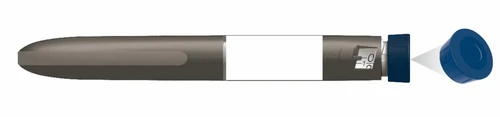
READ THESE INSTRUCTIONS BEFORE USE
Read the instructions for use before using Lyumjev and each time you are to use another
Lyumjev KwikPen. There may be new information. These instructions do not replace discussions with your healthcare provider regarding your medical condition or treatment.
Do not share your Lyumjev KwikPen with other people, even if the needle has been changed. Do not
reuse or share needles with others. You could cause a serious infection in others or get a serious infection from them.
Lyumjev 100 units/mL KwikPen (“Pen”) is a disposable prefilled pen containing 3 mL
(300 units, 100 units/mL) of insulin lispro injectable solution.
- Your healthcare provider will tell you how many units to administer as your dose and how to inject the prescribed dose of insulin.
- You may administer more than one dose from the Pen.
- Each turn of the dose selector button selects 1 unit of insulin. You may inject from 1 to 60 units in a single injection.
- If your dose is greater than 60 units, you will need to administer more than one injection. Always check the number in the dose window to ensure you have selected the correct dose.
- The plunger moves only slightly with each injection and you may not notice the movement. The plunger will reach the end of the cartridge only after you have used all 300 units in the Pen. This pen must not be used by people who are blind or have visual impairments without the assistance of a trained person to use the Pen.
Components of the Lyumjev KwikPen
Pen cap Cartridge container Dose indicator
Label

Cap clip Rubber closure Plunger Pen body Dose window Dose selector
button
Components of the Pen needle Dose selector
(needles are not included) button
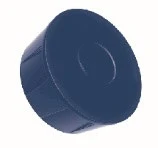
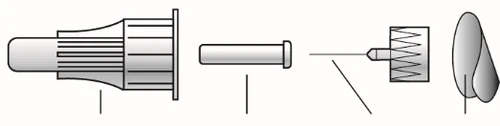
Outer needle cap Inner needle cap Needle Paper needle shield
How to recognize Lyumjev KwikPen
- Pen color: Mole
- Dose selector button: Blue, with raised ridges on the side
- Label: Blue and white
Materials needed for administration
- Lyumjev KwikPen
- Compatible pen needle (BD pen needles [Becton, Dickinson and Company] are recommended)
- Alcohol swab or gauze
Preparing the pen
- Wash your hands with soap and water.
- Check the Pen to make sure you are using the correct type of insulin. This is especially important if you use more than one type of insulin.
- Do not use the Pen after the expiration date printed on the label or for more than 28 days after first use of the Pen.
- Always use a new needle for each injection. This helps prevent infections and needle blockages.
| Step 1: • Remove the cap from the Pen. – Do not remove the label from the Pen. • Clean the rubber closure with a swab. | 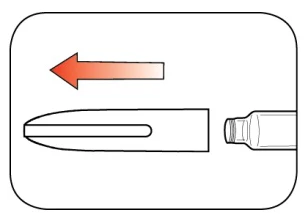 |
| Step 2: • Check the appearance of the liquid in the Pen. • Lyumjev should be clear and colourless. Do not use it if it appears cloudy, discoloured, or contains particles or clumps. | |
| Step 3: • Take a new needle. • Remove the paper protector from the outer needle cap. | 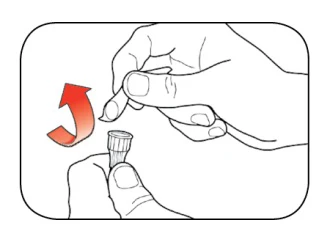 |
| Step 4: • Attach the needle, with its cap still on, straight onto the end of the Pen and screw the needle on until firmly secured. | 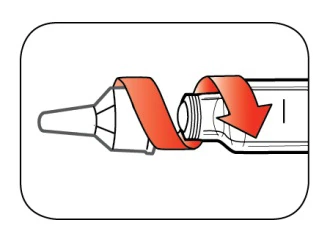 |
| Step 5: • Remove the outer needle cap. Do not discard it. • Remove the inner needle cap and discard it. | Keep Discard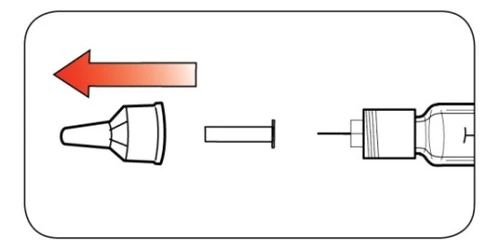 |
Loading the Pen
Load before each injection.
- Loading the Pen means removing any air that may have accumulated in the needle and cartridge during normal use, ensuring that the Pen is functioning properly.
- If you do not perform the loading step before each injection, you may inject too much or too little insulin.
| Step 6: • To prime the Pen, select 2 units by rotating the dose selector knob. | 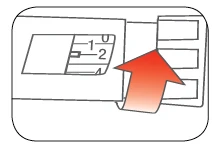 |
| Step 7: • Hold the Pen with the needle pointing upward. Gently tap the cartridge to bring any air bubbles to the surface. | 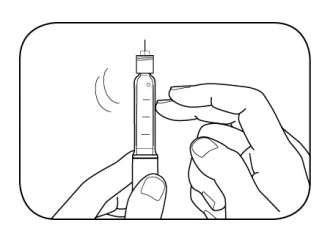 |
| Step 8: • Continue holding the Pen with the needle pointing upward. Press the dose selector button until it stops and a “0” appears in the dose window. Keep the dose selector button pressed and count slowly to 5. You should see insulin at the tip of the needle. – If insulin is not visible, repeat the priming steps from step 6 to step 8, but no more than 4 times. – If insulin is still not visible, replace the needle and repeat the priming steps from step 6 to step 8. Small air bubbles are normal and do not interfere with the dose. | 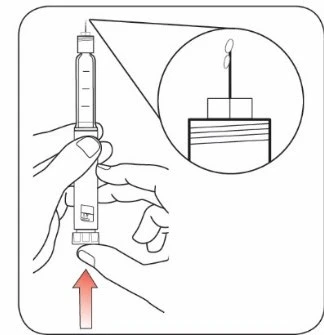 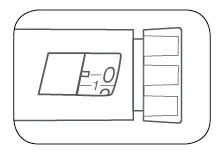 |
Dose Selection
- You can administer from 1 to 60 units in a single injection.
- If the dose exceeds 60 units, more than one injection must be administered.
- If you need help dividing the dose correctly, ask your healthcare professional.
- You must use a new needle for each new injection and repeat the loading procedure.
Step 9:
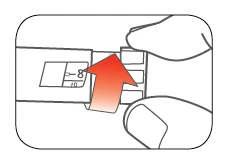
- Rotate the dose selector knob until the number of units to be injected is displayed. The dose indicator must be aligned with the selected dose.
- The Pen allows you to select doses in increments of 1 unit.
- The dose selector knob will click as you rotate it.
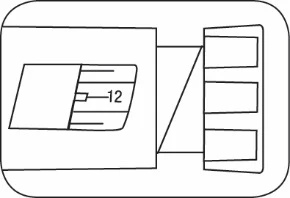
- Do not select the dose by counting the number of clicks. This may result in selecting an incorrect dose, which could lead to administering too much insulin or not enough insulin. Example: 12 units.
- The dose can be adjusted by rotating the dose selector knob in either direction until the correct dose shown in the dose window is aligned with the dose indicator.
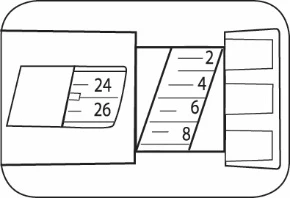
- Even numbers are printed on the dial. The example on the right shows 12 units.
- Odd numbers after number 1 are displayed as solid lines between the numbers. Example: 25 units. The example on the right shows 25 units in the dose window.
- Always check the number in the dose window to make sure you have selected the correct dose.
- The Pen will not allow you to select more units than are remaining in the Pen.
- If you need to administer more units than are left in the Pen, you may:
- administer the remaining amount in the Pen and then use a new Pen to deliver the rest of the dose, or
- take a new Pen and administer the full dose.
- It is normal to see a small amount of insulin remaining in the Pen that cannot be injected.
Administering the Dose
- Inject the insulin as shown to you by your healthcare professional.
- Change (rotate) the injection site for each injection.
- Do not attempt to change the dose while you are administering the injection.
| Step 10: • Choose the injection site. Lyumjev is injected under the skin (subcutaneous injection) in the abdominal area, buttocks, thighs, or upper arms. • Clean the skin with an alcohol swab and wait for the skin to dry before injecting the dose. | 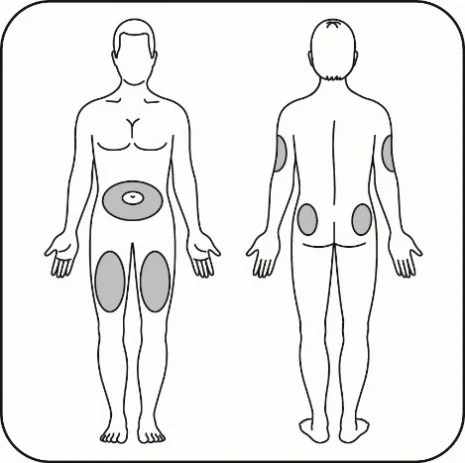 |
Step 11: • Insert the needle into the skin. • Press the dose button fully down. • Keep holding the dose button down and slowly count to 5 before removing the needle. Do not try to inject the insulin by turning the dose selector button. Turning the dose selector button will not deliver your insulin dose. 5 sec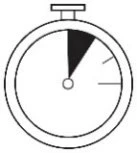 | 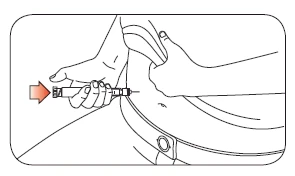 |
| Step 12: • Remove the needle from the skin. – A small drop of insulin remaining at the tip of the needle is normal and will not affect the delivered dose. • Check the number shown in the dose window. – If you see “0” in the dose window, this means you have received the full selected dose. – If you do not see “0” in the dose window, this means the full dose has not been delivered. Do not re-dial the dose. Insert the needle into the skin and complete the injection. – If you think you have not yet received the full dose you selected, do not restart or repeat the injection. Check your blood glucose level as instructed by your healthcare provider. – If you usually require 2 injections to deliver your full dose, make sure to perform the second injection. The plunger moves only slightly with each injection, and you may not notice the movement. If you see blood after removing the needle from the skin, gently press a gauze or swab against the injection site. Do not rub the area. | 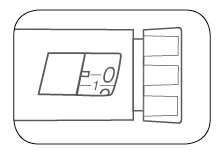 |
After injection
| Step 13: •Carefully replace the outer cap onto the needle. | 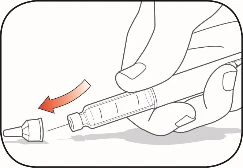 |
| Step 14: •Unscrew the needle with the cap on and dispose of it as described below (see section “Disposal of the Pen and Needles”). •Do not store the Pen with the needle attached to prevent leakage, needle blockage, and entry of air into the Pen. | 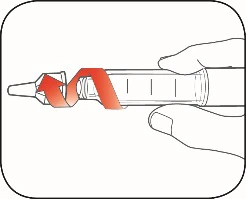 |
| Step 15: •Replace the cap on the Pen, aligning the cap clip with the dose indicator, and press straight onto the Pen. | 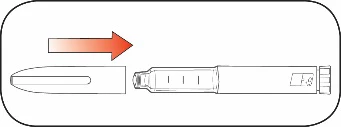 |
Disposal of the Pen and Needles
- Place used needles into a closable, dedicated sharps container or a hard plastic container with a secure lid. Do not dispose of needles directly into household waste.
- Do not reuse the container once it is filled with needles.
- Ask healthcare personnel for available options for proper disposal of the Pen and the container.
- Instructions regarding needle handling must not replace local, institutional, or healthcare personnel regulations.
Troubleshooting
- If you cannot remove the Pen cap, gently rotate it back and forth, then pull it off.
- If you have difficulty pressing the dose selector button:
- Pressing the dose selector button more slowly may make the injection easier.
- The needle may be blocked. Insert a new needle and prime the Pen.
- There may be dust, food, or liquid inside the Pen. Discard the Pen and use a new one. For further information or if you have problems with Lyumjev 100 units/mL KwikPen, contact your healthcare provider for assistance or contact your local Eli Lilly affiliate.
Date of document revision:
Instructions for the User: Patient Information Leaflet
Lyumjev 100 units/mL Junior KwikPen injectable solution in pre-filled pen
insulin lispro
Each Junior KwikPen delivers from 0.5 to 30 units in increments of 0.5 units per single injection.
Please read this leaflet carefully before using this medicine, as it contains important information for you.
- Keep this leaflet. You may need to read it again.
- If you have any questions, ask your doctor, pharmacist, or nurse.
- This medicine has been prescribed for you only. Do not give it to other people, even if their symptoms are the same as yours, as it may be harmful.
- If you experience any side effects, including those not listed in this leaflet, contact your doctor, pharmacist, or nurse. See section 4.
Contents of this leaflet
- What Lyumjev Junior KwikPen is and what it is used for
- What you need to know before using Lyumjev Junior KwikPen
- How to use Lyumjev Junior KwikPen
- Possible side effects
- How to store Lyumjev Junior KwikPen
- Contents of the pack and other information
1. What Lyumjev Junior KwikPen is and what it is used for
Lyumjev 100 units/mL Junior KwikPen pre-filled pen solution for injection contains the active substance
insulin lispro. Lyumjev is used in the treatment of diabetes mellitus in adults, adolescents, and children
aged 1 year and older. It is a prandial insulin that acts more rapidly than other medicines containing
insulin lispro. Lyumjev contains components that accelerate the absorption of insulin lispro into the body.
Diabetes is a condition in which the body does not produce enough insulin or does not use insulin
effectively, resulting in effects such as high blood sugar levels. Lyumjev is an insulin-based medicine used
in the treatment of diabetes and therefore controls blood sugar. Effective diabetes treatment with good
blood sugar control helps prevent long-term complications of diabetes.
Treatment with Lyumjev helps control blood glucose over the long term and helps prevent diabetes
complications. Lyumjev exerts its maximum effect from 1 to 3 hours after injection, and this effect lasts
up to 5 hours. You must use Lyumjev at the beginning of a meal or up to 20 minutes after starting the meal.
Your doctor may prescribe both Lyumjev and a long- or intermediate-acting insulin.
Do not change the type of insulin unless instructed by your doctor.
Lyumjev 100 units/mL Junior KwikPen is a disposable pre-filled pen device containing 3 mL (300 units,
100 units/mL) of insulin lispro. One KwikPen contains multiple insulin doses. The KwikPen allows you to
select half units (0.5 units) at a time. The number of units is visible in the dose window; always check it
before injecting. You can administer from 0.5 units up to 30 units in a single injection. If the dose is
greater than 30 units, you will need to administer more than one injection.
2. What you need to know before using Lyumjev Junior KwikPen
Do NOT use Lyumjev Junior KwikPen
- if you think your blood sugar level is dropping ( hypoglycemia ). Later in this leaflet, instructions are provided on how to treat low blood sugar (see section 3, “If you use more Lyumjev than you should”).
- if you are allergic to insulin lispro or to any of the excipients of this medicine (listed in section 6).
Warnings and precautions
Talk to your doctor, pharmacist, or nurse before using Lyumjev.
If you have poor eyesight, you will need help from someone trained to administer injections.
- Low blood sugar level (hypoglycemia)
Low blood sugar can be serious, and untreated hypoglycemia may even lead to death. Lyumjev begins to lower blood sugar faster than other prandial insulins. Hypoglycemia may therefore occur earlier after an injection of Lyumjev. If you frequently experience hypoglycemia or have difficulty recognizing its symptoms, discuss this with your doctor or nurse. If your blood sugar level is well controlled by your current insulin therapy or if you have had diabetes for a long time, you may not notice the warning signs when your blood sugar is dropping too low. The warning signs are listed later in this leaflet. For symptoms, see “Common problems of diabetes”.
You must pay close attention to meal timing, frequency, and physical activity.
You should also monitor your blood glucose levels regularly by frequent testing.
Changing the types of insulin you use may cause excessive increases or decreases in blood sugar levels.
You may need to test your blood glucose more frequently if you are at risk of low blood sugar levels. Your doctor may need to adjust the doses of your other diabetes medications.
- High blood sugar level (hyperglycemia)
Stopping or not taking enough insulin may cause high blood sugar (hyperglycemia) and diabetic ketoacidosis, serious conditions that may even lead to death. For symptoms, see “Common problems of diabetes”. - If insulin treatment is combined with a class of diabetes medicines called thiazolidinediones or glitazones, such as pioglitazone, inform your doctor as soon as possible if you develop signs of heart failure, such as unusual shortness of breath, rapid weight gain, or localized swelling due to fluid retention (edema).
- In case of a severe allergic reaction to insulin or to any of the components of Lyumjev, stop using this medicine immediately and contact emergency medical services.
- Always check the packaging and label to confirm the name and type of insulin dispensed to you by the pharmacist. Make sure your Lyumjev package matches the one prescribed by your doctor.
- Keep the packaging or note down the batch number on the package. If you experience an adverse reaction, you can provide this number when reporting it (see “Reporting of side effects”).
- Always use a new needle for each injection to prevent infections and needle blockage. If a needle becomes blocked, replace it with a new one.
- Skin changes at injection site
Injection sites should be rotated to prevent skin changes such as the development of lumps under the skin. Insulin may not work as effectively if injected into an area with lumps (see “How to use Lyumjev Junior KwikPen”). If you currently inject into an area with lumps, consult your doctor before switching to a different injection site. Your doctor may advise you to monitor your blood glucose more closely and possibly adjust your insulin dose or other antidiabetic medications.
Children and adolescents
This medicine is not recommended for use in children under 1 year of age.
Other medicines and Lyumjev
Inform your doctor, pharmacist, or nurse if you are taking, have recently taken, or might take any other medicines. Some medicines affect blood sugar levels, which may require adjustment of your insulin dose.
Blood sugar levels may decrease (hypoglycemia) if you take:
- other diabetes medicines (oral and injectable)
- sulfonamide antibiotics (for infections)
- acetylsalicylic acid (for pain and mild fever, and to prevent blood clotting)
- certain antidepressants (monoamine oxidase inhibitors or selective serotonin reuptake inhibitors)
- certain angiotensin-converting enzyme (ACE) inhibitors (e.g., captopril, enalapril) (for certain heart problems or high blood pressure)
- angiotensin II receptor blockers (for high blood pressure or heart problems)
- somatostatin analogues (such as octreotide, used to treat a rare disease characterized by excessive growth hormone production)
Blood sugar levels may increase (hyperglycemia) if you take:
- danazol (for endometriosis)
- oral contraceptives (birth control pills)
- thyroid hormone replacement therapy (for thyroid problems)
- human growth hormone (for growth hormone deficiency)
- diuretics (for high blood pressure or fluid accumulation in the body)
- sympathomimetic agents (for severe allergic reactions or in some cold remedies)
- corticosteroids (to treat asthma or autoimmune diseases)
Beta-blockers (used for hypertension, arrhythmia, or angina) can make it harder to recognize the warning signs of low blood sugar.
Lyumjev and alcohol
Blood sugar levels may increase or decrease if you consume alcohol. Therefore, the amount of insulin needed may change. You should therefore monitor your blood sugar more frequently than usual.
Pregnancy and breastfeeding
If you are planning a pregnancy, suspect you are pregnant, are pregnant, or are breastfeeding, consult your doctor, pharmacist, or nurse before taking this medicine. The amount of insulin you need usually decreases during the first 3 months of pregnancy and increases during the remaining 6 months. After delivery, your insulin requirement will likely return to pre-pregnancy levels.
There are no restrictions on using Lyumjev during breastfeeding. If you are breastfeeding, you may need to adjust your insulin dose or diet.
Driving and using machines
Your ability to concentrate and react may be reduced during hypoglycemia. Keep this potential problem in mind in any situation where you could endanger yourself or others (e.g., driving a vehicle or operating machinery). You should consult your doctor to determine whether you may drive if you:
- have frequent episodes of hypoglycemia
- have reduced or absent warning signs of hypoglycemia.
Lyumjev Junior KwikPen contains sodium
This medicine contains less than 1 mmol of sodium (23 mg) per dose, i.e., essentially “sodium-free”.
3. How to use Lyumjev Junior KwikPen
Always use this medicine exactly as described in this leaflet,
or as instructed by your doctor, pharmacist, or nurse. If you have any doubts, consult your doctor,
pharmacist, or nurse.
Your doctor, pharmacist, or nurse will tell you exactly how much Lyumjev to use, when to use it, and how often.
They will also advise you how frequently to visit your diabetes care center.
To prevent the possible transmission of disease, each pen must be used only by you, even if the needle is changed.
Always keep a spare insulin supply and another injection device available in case you need them.
If you are blind or have poor vision, you will need someone to help you with the injections.
Your doctor may instruct you to use both Lyumjev and a longer- or intermediate-acting insulin. These must be injected separately.
Lyumjev must not be mixed with any other insulin.
When to inject Lyumjev
Lyumjev is a prandial insulin. You should use Lyumjev when you start eating, or one or two minutes before a meal;
you may also choose to inject the medicine up to 20 minutes after starting the meal.
How much insulin to use
Your doctor will determine your dose based on your blood glucose and body weight and will explain:
- how much Lyumjev you need at each meal;
- how and when to monitor your blood sugar levels;
- how to adjust your insulin dose based on your blood sugar levels;
- what to do if you change your diet, change your level of physical activity, become ill, or take other medicines;
- if you change the type of insulin you use, you may need to take more or less than before. This adjustment may be needed only for the first injection or may occur gradually over several weeks or months.
Do not use Lyumjev
- If it does not look like water. Lyumjev must be clear, colorless, and free from solid particles. Check this before each injection.
- If Lyumjev has not been stored correctly (see section 5 "How to store Lyumjev").
- If any part of the pen appears damaged, do not use it.
Preparing the Lyumjev Junior KwikPen for use (refer to the instructions for use)
- First, wash your hands.
- Read the instructions on how to use your pre-filled insulin pen. Follow the instructions carefully. Below are some important points.
- Use a new needle (needles are not included in the package).
- Prime the Lyumjev Junior KwikPen every time before use. This allows you to check that insulin comes out and removes air bubbles from the Lyumjev Junior KwikPen. Small air bubbles may remain in the pen. Small air bubbles are normal and do not affect the dose to be injected.
- The number of units appears in the dose window; always check it before injection.
Injecting Lyumjev
- Before injecting, clean your skin.
- Inject the medicine under the skin (subcutaneous injection), as taught by your doctor or nurse.
- After injection, leave the needle in the skin for 5 seconds to ensure the full dose has been delivered. Make sure to inject at least 1 cm away from the previous injection site and rotate injection sites (arm, thigh, buttocks, or abdomen).
- If there is not enough insulin in the pen to complete the dose, note how much more you need to inject. Load a new pen and inject the remaining dose.
- If another insulin needs to be injected at the same time as Lyumjev, use a different injection site.
- Do not inject the medicine directly into a vein.
After injection
- Immediately after completing the injection, remove the needle from the Lyumjev Junior KwikPen using the outer needle cap. This helps maintain sterility of the insulin and prevents leakage of the medicine. It also prevents air from entering the pen and needle blockage. Do not share your needles with other people. Do not share your pen with other people. Replace the cap on the pen.
- If you are unsure how much medicine you have injected, check your blood sugar levels before deciding whether you need another injection.
Subsequent injections
- Each time you use a Lyumjev Junior KwikPen, use a new needle. Before each injection, remove any air bubbles. You can check how much insulin remains in the pen by holding the Lyumjev Junior KwikPen vertically with the needle pointing upward.
- Once the Lyumjev Junior KwikPen is empty, do not reuse it.
If you use more Lyumjev than you should
If you have injected too high a dose of Lyumjev, or are unsure how much you have injected, your blood sugar level may drop too low. Check your blood sugar level.
If your blood sugar level is low (hypoglycemia) and you are able to treat it yourself, eat glucose tablets, sugar, or drink a sugary beverage. Then eat fruit, biscuits, or a sandwich, as advised by your doctor or nurse, and rest. This is often sufficient to counteract mild hypoglycemia or a minor insulin overdose. Check your blood sugar again after 15–20 minutes until it stabilizes.
If you are unable to care for yourself (severe hypoglycemia) due to dizziness, weakness, confusion, difficulty speaking, loss of consciousness, or seizures, you may need to be treated with glucagon. Glucagon can be administered by someone who knows how to use it.
Eat glucose or sugar after receiving glucagon. If glucagon does not work, you must go to the hospital or call emergency services. Ask your doctor for information about glucagon.
Inform everyone you spend time with that you have diabetes. Let them know what could happen if your blood sugar drops too low, including the risk of fainting.
Tell them that if you faint, they should: turn you onto your side to prevent choking, call for immediate medical help, and not try to give you food or drink as you could choke.
If you forget to use Lyumjev
If you forget to use your insulin, use less than required, or are unsure how much you have injected, your blood sugar level may become too high (hyperglycemia). Check your blood sugar level to determine whether an insulin dose is needed. Resume your usual dosing schedule at the next meal.
If you stop using Lyumjev
Do not stop or change the type of insulin unless instructed by your doctor.
If you use less Lyumjev than required, your blood sugar level may increase.
If high blood sugar (hyperglycemia) is not treated, it can become very serious and cause headache, nausea, vomiting, abdominal pain, dehydration, loss of consciousness, coma, or even death (see section 4).
Three simple measures to reduce the risk of hypoglycemia or hyperglycemia:
- always keep a spare pen available in case you lose your Lyumjev Junior KwikPen or it becomes damaged;
- always carry identification indicating that you have diabetes;
- always carry sugar with you.
If you have any doubts about using this medicine, consult your doctor, pharmacist, or nurse.
4. Possible side effects
Like all medicines, this medicine can cause side effects, although not everyone gets them.
Low blood sugar (hypoglycaemia) is very common with insulin treatment (may affect more than 1 in 10 people). It can be very serious. If your blood sugar drops too low, you may lose consciousness. Severe hypoglycaemia can cause brain damage and may be life-threatening. If you experience symptoms related to low blood sugar, act immediately to raise your blood sugar level. See section 3 "If you use more Lyumjev than you should".
Allergic reactions are common (may affect up to 1 in 10 people). They can be serious and may include the following symptoms:
skin rash and feeling of low blood pressure
itching all over the body, rapid heartbeat
difficulty breathing, sweating
wheezing
In case of a severe allergic reaction (including anaphylactic shock) to insulin or any of the excipients in Lyumjev, stop using this medicine and contact emergency medical services immediately.
Other side effects include
Common (may affect up to 1 in 10 people)
Injection site reactions. Some people may experience redness, pain, swelling, or itching at the insulin injection site. This usually resolves within a few minutes or within a few weeks without the need to discontinue Lyumjev. Inform your doctor if you experience injection site reactions.
Uncommon (may affect up to 1 in 100 people)
Skin changes at the injection site: if you inject insulin too often in the same spot, fatty tissue may thin (lipoatrophy) or thicken (lipohypertrophy). Lumps under the skin may also be caused by the buildup of a protein called amyloid (cutaneous amyloidosis).
Insulin may not work as effectively if injected into an area with lumps. Rotate your injection site with each injection to prevent these skin changes.
Other potential side effects
Swelling of the arms or ankles due to fluid retention (oedema), particularly at the beginning of insulin therapy or during a change in diabetes medications.
Reporting of side effects
If you experience any side effect, including those not listed in this leaflet, talk to your doctor or pharmacist. You can also report side effects directly via the national reporting system listed in Annex V.
Reporting side effects can help provide more information on the safety of this medicine.
Common diabetes-related problems
Low blood sugar
Low blood sugar (hypoglycaemia) means there is not enough sugar in the blood. It may occur if:
- you take too high a dose of Lyumjev or another insulin;
- you delay or miss a meal or change your diet;
- you perform excessive physical activity or exertion shortly before or after a meal;
- you have an infection or other illness (especially diarrhoea or vomiting);
- there is a change in your insulin requirement, for example due to weight loss, or worsening of a pre-existing kidney or liver disorder. See section "If you use more Lyumjev than you should".
Usually, the early symptoms of hypoglycaemia appear quickly and include:
- tiredness
- rapid heartbeat
- nervousness or restlessness
- malaise
- headache
- cold sweating.
If you are unable to recognize the warning symptoms of hypoglycaemia, avoid situations—such as driving a vehicle—where hypoglycaemia could put you or others at risk.
High blood sugar (hyperglycaemia) and diabetic ketoacidosis
Hyperglycaemia (too much sugar in the blood) means that glucose levels in your body are too high. Hyperglycaemia may be caused by:
- missing insulin doses;
- using less insulin than your body needs;
- an imbalance between the amount of carbohydrates you eat and the insulin you take; or
- fever, infection, or strong emotional stress.
The early symptoms of hyperglycaemia are:
- excessive thirst
- headache
- drowsiness
- increased need to urinate.
Hyperglycaemia can lead to diabetic ketoacidosis. The first symptoms develop slowly over several hours or days. Additional symptoms include:
- nausea and/or vomiting
- abdominal pain
- rapid pulse
- laboured breathing
- moderate or high levels of ketones in the urine. Ketones are produced when the body burns fat for energy instead of glucose.
If you have any of these symptoms and high blood glucose, seek immediate medical help.
See section “If you forget to take Lyumjev”.
Illnesses
If you are ill, especially if you feel unwell or are sick, your insulin requirements may change.
Even if you are not eating normally, you still need insulin. Test your urine and blood, follow the precautions you already know for when you are ill, and inform your doctor.
5. How to store Lyumjev Junior KwikPen
Keep this medicine out of the sight and reach of children.
Do not use this medicine after the expiry date stated on the label and packaging.
The expiry date refers to the last day of the month.
Before first use
Store in a refrigerator (2 °C – 8 °C).
Do not freeze.
Keep in the original packaging to protect from light.
After first use
Do not store above 30 °C.
Do not freeze.
Do not refrigerate.
The Lyumjev Junior KwikPen must not be stored with the needle attached. Keep the cap on the pen to protect from light.
Dispose of after 28 days even if some solution remains.
Do not dispose of any medicine via wastewater or household waste. Ask your pharmacist how to dispose of medicines no longer in use. This will help protect the environment.
6. Package contents and other information
What Lyumjev 100 units/mL Junior KwikPen injectable solution contains
- The active substance is insulin lispro. Each mL of solution contains 100 units of insulin lispro. One Lyumjev Junior KwikPen contains 300 units of insulin lispro in 3 mL of solution.
- The excipients are metacresol, glycerol, magnesium chloride hexahydrate, disodium citrate dihydrate, treprostinil sodium, zinc oxide, water for injections. Sodium hydroxide or hydrochloric acid may be added to adjust the pH (see end of section 2 under “Lyumjev Junior KwikPen contains sodium”).
Description of the appearance of Lyumjev 100 units/mL Junior KwikPen and contents of the pack
Lyumjev 100 units/mL Junior KwikPen, injectable solution, is an aqueous, clear, colourless solution contained in a pre-filled pen.
Each pre-filled pen contains 300 units (3 millilitres).
Packs of 2, 5 or multiple packs of 2 x 5 pre-filled pens.
Not all pack sizes may be marketed.
Lyumjev Junior KwikPen is mole-coloured. The dose selector button is peach-coloured with raised markings on the bottom and side. The label is white with a peach-coloured stripe and a band in peach, light blue and dark blue.
Each Lyumjev Junior KwikPen delivers from 0.5 to 30 units in increments of 0.5 units per single injection.
Marketing Authorisation Holder
Eli Lilly Nederland B.V.
Papendorpseweg 83
3528 BJ Utrecht
The Netherlands
Manufacturer
Lilly France
Rue du Colonel Lilly
67640 Fegersheim
France
For further information on this medicinal product, please contact the local representative of the Marketing Authorisation Holder.
Belgique/België/Belgien Lietuva
Eli Lilly Benelux S.A./N.V. Eli Lilly Lietuva
Tél/Tel: + 32-(0)2 548 84 84 Tel: +370 (5) 2649600
България Luxembourg/Luxemburg
ТП "Ели Лили Недерланд" Б.В. - България Eli Lilly Benelux S.A./N.V.
T ел.: + 359 2 491 41 40 Tél/Tel: + 32-(0)2 548 84 84
Česká republika Magyarország
ELI LILLY ČR, s.r.o. Lilly Hungária Kft.
Tel: + 420 234 664 111 Tel.: + 36 1 328 5100
Danmark Malta
Eli Lilly Danmark A/S Charles de Giorgio Ltd.
Tlf.: +45 45 26 6000 Tel: + 356 25600 500
Deutschland Nederland
Lilly Deutschland GmbH Eli Lilly Nederland B.V.
Tel: + 49-(0) 6172 273 2222 Tel: + 31-(0) 30 60 25 800
Eesti Norge
Eli Lilly Nederland B.V. Eli Lilly Norge A.S.
Tel: + 372 6817 280 Tlf: + 47 22 88 18 00
Ελλάδα Österreich
ΦΑΡΜΑΣΕΡΒ-ΛΙΛΛΥ Α.Ε.Β.Ε. Eli Lilly Ges. m.b.H.
Τηλ: +30 210 629 4600 Tel: + 43-(0) 1 711 780
España Polska
Dista S.A. Eli Lilly Polska Sp. z o.o.
Tel: + 34-91 663 50 00 Tel: +48 22 440 33 00
France Portugal
Lilly France Lilly Portugal - Produtos Farmacêuticos, Lda
Tél: +33-(0) 1 55 49 34 34 Tel: + 351-21-4126600
Hrvatska România
Eli Lilly Hrvatska d.o.o. Eli Lilly România S.R.L.
Tel: +385 1 2350 999 Tel: + 40 21 4023000
Ireland Slovenija
Eli Lilly and Company (Ireland) Limited Eli Lilly farmacevtska družba, d.o.o.
Tel: + 353-(0) 1 661 4377 Tel: +386 (0) 1 580 00 10
Ísland Slovenská republika
Icepharma hf. Eli Lilly Slovakia s.r.o.
Sími: + 354 540 8000 Tel: + 421 220 663 111
Italia Suomi/Finland
Eli Lilly Italia S.p.A. Oy Eli Lilly Finland Ab
Tel: + 39- 055 42571 Puh/Tel: + 358-(0) 9 85 45 250
Κύπρος Sverige
Phadisco Ltd Eli Lilly Sweden AB
Τηλ: +357 22 715000 Tel: + 46-(0) 8 7378800
Latvija
Eli Lilly (Suisse) S.A. Pārstāvniecība Latvijā
Tel: + 371 67364000
Other sources of information
More detailed information on this medicinal product is available on the website of the European Medicines Agency: https://www.ema.europa.eu.
Instructions for use
Lyumjev 100 units/mL Junior KwikPen injectable solution in pre-filled pen
insulin lispro
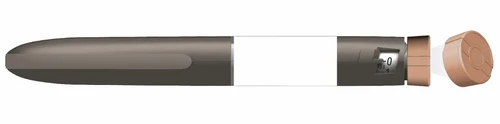
READ THESE INSTRUCTIONS BEFORE USE
Read the instructions for use before using Lyumjev and each time you need to use another
Lyumjev Junior KwikPen. There may be new information. This information does not
replace discussions with healthcare professionals regarding your medical condition or treatment.
Do not share your Lyumjev Junior KwikPen with other people, even if the needle has been changed.
Do not reuse needles or share them with other people. You could cause a serious infection in others or get a serious infection from them.
Lyumjev 100 units/mL Junior KwikPen (“Pen”) is a disposable pre-filled pen containing 3 mL
(300 units, 100 units/mL) of injectable solution of insulin lispro.
- Your healthcare provider will tell you how many units to administer as your dose and how to inject the prescribed dose of insulin.
- You may administer more than one dose from the Pen.
- Each turn of the dose selector knob selects half (0.5) unit of insulin. You can inject from half a unit (0.5 units) up to 30 units in a single injection.
- If your dose is greater than 30 units, you will need to administer more than one injection. Always check the number in the dose window to make sure you have selected the correct dose.
- The plunger moves only slightly with each injection and you may not notice the movement. The plunger will reach the end of the cartridge only when all 300 units in the Pen have been used. This Pen must not be used by people who are blind or have impaired vision without the assistance of a person trained to use the Pen.
Components of the Lyumjev Junior KwikPen
Pen cap Cartridge container Dose indicator
Label

Cap clip Rubber stopper Plunger Pen body Dose window Dose selector
knob
Components of the Pen needle Dose selector
(needles are not included) knob
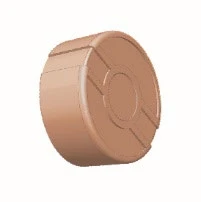
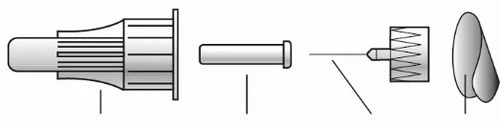
Outer cap Inner cap Needle Needle shield
paper
How to recognize Lyumjev Junior KwikPen
- Pen color: Mole
- Dose selector knob color: Peach, with raised ridges on the bottom and side
- Label: White with a peach-colored stripe and a peach, light blue, and dark blue band.
Materials needed for administration
- Lyumjev Junior KwikPen
- Compatible Pen needle (BD [Becton, Dickinson and Company] pen needles are recommended)
- Alcohol swab or gauze
Preparing the Pen
- Wash your hands with soap and water.
- Check the Pen to make sure you are using the correct type of insulin. This is especially important if you use more than one type of insulin.
- Do not use the Pen after the expiration date printed on the label or for more than 28 days after you started using the Pen.
- Always use a new needle for each injection to help prevent infections and needle blockages.
| Step 1: •Remove the cap from the Pen. – Do not remove the label from the Pen. •Clean the rubber closure with a swab. | 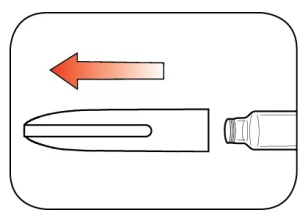 |
| Step 2: •Check the appearance of the liquid in the Pen. •Lyumjev should be clear and colourless. Do not use if it appears cloudy, discoloured, or contains particles or clumps. | |
| Step 3: •Take a new needle. •Remove the paper protector from the outer needle cap. | 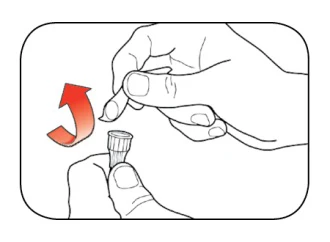 |
| Step 4: •Attach the needle, still covered by its cap, straight onto the end of the Pen and twist the needle until it is securely tightened. | 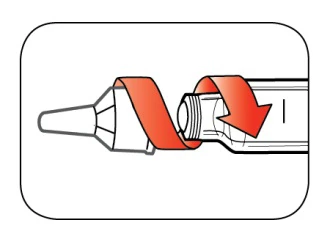 |
| Step 5: •Remove the outer needle cap. Do not discard it. •Remove the inner needle cap and discard it. | Keep Discard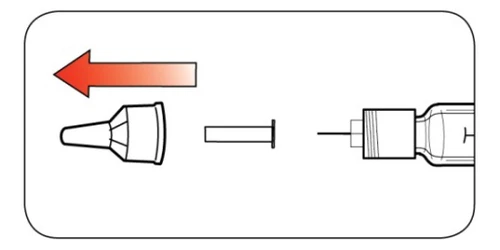 |
Loading the Pen
Load the Pen before each injection.
- Loading the pen means removing any air that may have accumulated in the needle and cartridge during normal use, and ensures that the pen is working properly.
- If you do not perform the loading step before each injection, you may inject too much or too little insulin.
| Step 6: • To prime the Pen, select 2 units by rotating the dose selector button. | 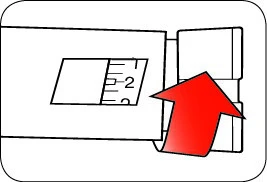 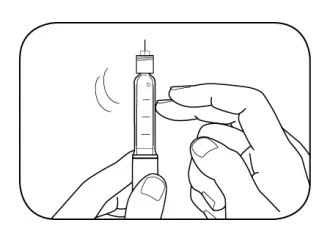 |
| Step 7: • Hold the Pen with the needle pointing upwards. Gently tap the cartridge to bring air bubbles to the surface. | 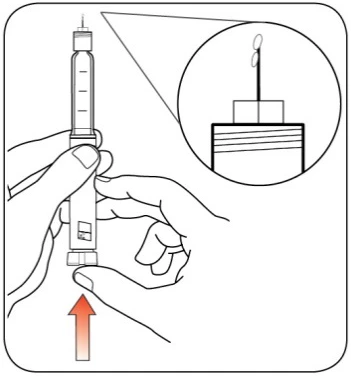 |
| Step 8: • Keep holding the Pen with the needle pointing upwards. Press the dose selector button until it stops and a “0” appears in the dose window. Keep the dose selector button fully pressed and count slowly to 5. You should see insulin at the tip of the needle. – If insulin does not appear, repeat the priming steps from step 6 to step 8, but no more than 4 times. – If insulin still does not appear, replace the needle and repeat the priming steps from step 6 to step 8. Small air bubbles are normal and do not interfere with the dosage. | 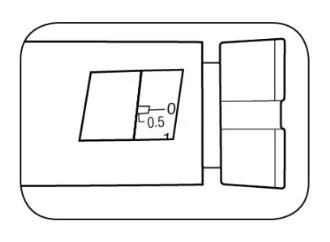 |
Dose Selection
- You can administer from half a unit (0.5 unit) to 30 units in a single injection.
- If the dose is greater than 30 units, more than one injection will need to be administered.
- If you need help dividing the dose correctly, consult your healthcare provider.
- You must use a new needle for each injection and repeat the loading procedure.
- If your usual insulin requirement is typically greater than 30 units, ask your healthcare provider whether another Lyumjev KwikPen might be more suitable for you.
Step 9:
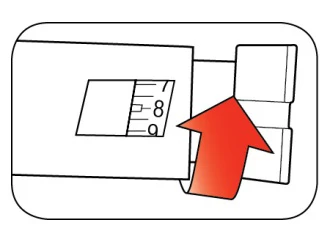
- Rotate the dose selector knob until the required number of units is displayed. The dose indicator must align with the selected dose.
- The Pen allows dose selection in half-unit (0.5 unit) increments.
- The dose selector knob will click as you rotate it.
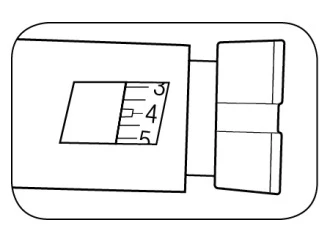
- Do not select the dose by counting the number of clicks. This may result in selecting an incorrect dose, which could lead to administering too much or too little insulin. Example: 4 units.
- The dose can be adjusted by rotating the dose selector knob in either direction until the correct dose aligns with the dose indicator.
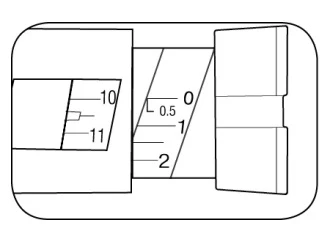
- Numbers corresponding to whole units are printed on the dial. The example on the right shows 4 units.
- Half units are indicated by lines between the whole unit numbers. Example: 10 units and a half (10.5). The example on the right shows 10.5 units.
- Always check the number in the dose window to ensure you have selected the correct dose.
- The Pen will not allow you to select more units than are remaining in the Pen.
- If you need to administer more units than are left in the Pen, you may:
- administer the remaining amount in the Pen and then use a new Pen to deliver the rest of the dose, or
- use a new Pen and administer the full dose.
- It is normal to see a small amount of insulin remaining in the Pen that cannot be injected.
Administering the Dose
- Inject the insulin as shown to you by your healthcare provider.
- Change (rotate) the injection site for each injection.
- Do not attempt to change the dose while injecting.
| Step 10: • Choose the injection site. Lyumjev is injected under the skin (subcutaneous injection) in the abdominal area, buttocks, thighs, or upper arms. • Clean the skin with a swab and wait for the skin to dry before injecting the dose. | 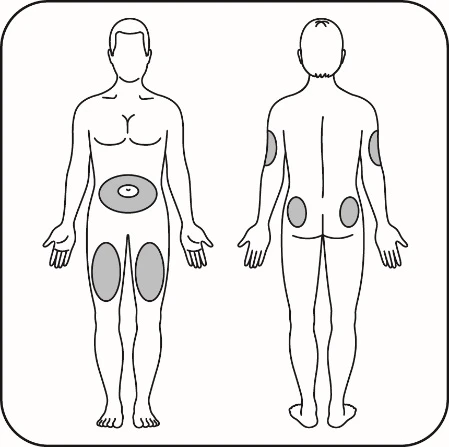 |
Step 11: • Insert the needle into the skin. • Press the dose selector button fully down. • Keep holding the dose selector button pressed and count slowly to 5 before removing the needle. Do not try to inject the insulin by turning the dose selector button. Turning the dose selector button will not deliver your insulin dose. 5 sec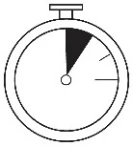 | 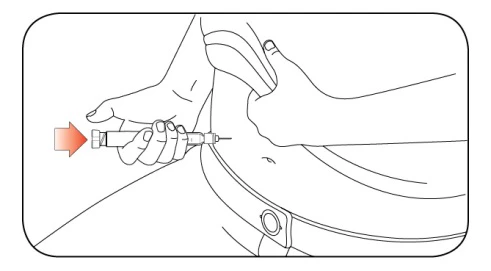 |
| Step 12: • Remove the needle from the skin. – A small drop of insulin remaining at the tip of the needle is normal and will not affect the delivered dose. • Check the number shown in the dose display window. – If you see “0” in the dose display window, the full selected amount has been administered. – If you do not see “0” in the dose display window, the full dose has not been delivered. Do not reselect the dose. Insert the needle into the skin and complete the injection. – If you think you have not received the full amount you selected for injection, do not restart or repeat the injection. Check your blood glucose level as instructed by your healthcare provider. – If you usually require 2 injections to deliver your full dose, make sure to perform the second injection. The plunger moves only slightly with each injection and you may not notice the movement. If you see blood after removing the needle from the skin, apply light pressure to the injection site with gauze or a swab. Do not rub the area. | 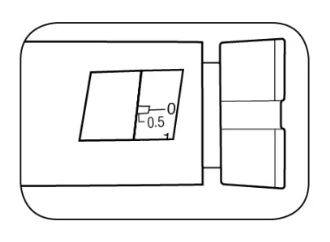 |
After injection
| Step 13: • Carefully replace the outer cap onto the needle. | 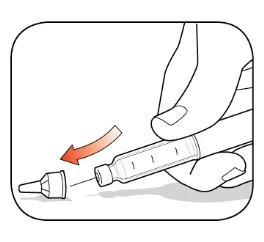 |
| Step 14: • Unscrew the needle with the cap still attached and dispose of it as described below (see section “Disposal of the Pen and Needles”). • Do not store the Pen with the needle attached to prevent leakage, needle blockage, and entry of air into the Pen. | 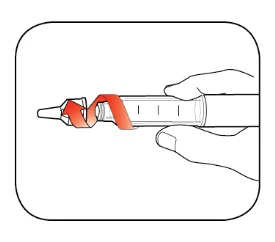 |
| Step 15: • Replace the cap on the Pen, aligning the cap clip with the dose indicator, and press straight onto the Pen. | 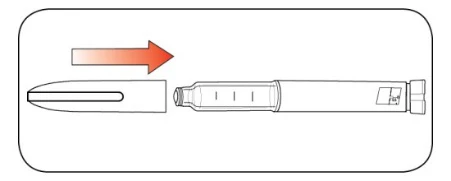 |
Disposal of the Pen and Needles
- Place used needles in a closable, dedicated sharps container or in a strong plastic container with a secure lid. Do not dispose of needles directly into household waste.
- Do not reuse the container once it is filled with needles.
- Ask your healthcare professional for available options for proper disposal of the Pen and the container.
- Instructions regarding needle handling must not replace local, institutional, or healthcare personnel regulations.
Troubleshooting
- If you cannot remove the Pen cap, gently rotate it back and forth, then pull it off.
- If you have difficulty pressing the dose selection button:
- Pressing the dose selection button more slowly may make the injection easier.
- The needle may be blocked. Insert a new needle and prime the Pen.
- There may be dust, food, or liquid inside the Pen. Discard the Pen and use a new one.
For further information or if you experience any problems with Lyumjev 100 units/mL Junior KwikPen, contact your healthcare professional for assistance or contact your local Eli Lilly branch.
Date of document revision:
Package leaflet: Information for the user
Lyumjev 100 units/mL Tempo Pen injectable solution in a pre-filled pen
insulin lispro
Each Tempo Pen delivers from 1 to 60 units in increments of 1 unit per single injection.
Please read this leaflet carefully before using this medicine, as it contains important information for you.
- Keep this leaflet. You may need to read it again.
- If you have any questions, consult your doctor, pharmacist, or nurse.
- This medicine has been prescribed for you only. Do not give it to others, even if their symptoms are the same as yours, as it could be harmful.
- If you experience any side effect, including those not listed in this leaflet, contact your doctor, pharmacist, or nurse. See section 4.
Contents of this leaflet
- What Lyumjev Tempo Pen is and what it is used for
- What you need to know before using Lyumjev Tempo Pen
- How to use Lyumjev Tempo Pen
- Possible side effects
- How to store Lyumjev Tempo Pen
- Contents of the pack and other information
1. What Lyumjev Tempo Pen is and what it is used for
Lyumjev 100 units/mL Tempo Pen pre-filled pen injection solution contains the active substance
insulin lispro. Lyumjev is used in the treatment of diabetes mellitus in adults, adolescents, and
children aged 1 year and under. It is a prandial insulin that acts more rapidly than other
medicinal products containing insulin lispro. Lyumjev contains components that accelerate the
absorption of insulin lispro into the body.
Diabetes is a condition in which the body does not produce enough insulin or does not use
insulin effectively, resulting in effects such as high blood sugar levels. Lyumjev is an insulin-based
medicine used in the treatment of diabetes and therefore controls blood sugar. Effective diabetes
treatment with good blood sugar control prevents long-term complications of diabetes.
Treatment with Lyumjev helps control blood glucose levels over the long term and helps prevent
diabetes-related complications. Lyumjev exerts its maximum effect 1 to 3 hours after injection, and
this effect lasts up to 5 hours. You must use Lyumjev at the beginning of a meal or within 20 minutes
after starting the meal.
Your doctor may prescribe both Lyumjev and a long- or intermediate-acting insulin.
Do not change the type of insulin unless instructed by your doctor.
Lyumjev 100 units/mL Tempo Pen is a disposable pre-filled pen device containing 3 mL
(300 units, 100 units/mL) of insulin lispro. One Tempo Pen contains multiple doses of insulin. The
Tempo Pen allows you to select doses in increments of 1 unit. The number of units is displayed in the
dose window; always check it before injecting. You can administer from 1 to 60 units in a single
injection. If the dose is greater than 60 units, you will need to give more than one injection.
2. What you need to know before using Lyumjev Tempo Pen
Do NOT use Lyumjev Tempo Pen
- if you think your blood sugar level is dropping ( hypoglycaemia ). Later in this leaflet, instructions on how to treat low blood sugar are provided (see section 3 below “If you use more Lyumjev than you should”).
- if you are allergic to insulin lispro or to any of the excipients of this medicine (listed in section 6).
Warnings and precautions
Talk to your doctor, pharmacist, or nurse before using Lyumjev.
If you cannot see very well, you will need help from someone who has been trained to administer
injections.
- Low blood sugar level (hypoglycaemia)
Low blood sugar can be serious, and untreated hypoglycaemia may even lead to death. Lyumjev begins lowering blood sugar faster than other prandial insulins. Hypoglycaemia may therefore occur earlier after an injection of Lyumjev. If you frequently experience hypoglycaemia or have difficulty recognizing it, discuss this with your doctor or nurse. If your blood sugar level is well controlled by your current insulin therapy or if you have had diabetes for a long time, you may not notice the warning symptoms when your blood sugar is dropping too low. The warning signs are listed later in this leaflet. For symptoms, see "Common problems with diabetes".
You must pay close attention to meal timing, frequency, and physical activity.
You must also monitor your blood glucose levels frequently.
Changing the types of insulin you use may cause excessive increases or decreases in blood sugar levels.
You may need to increase the frequency of blood glucose testing if you are at risk of low blood sugar levels. Your doctor may need to adjust the doses of your other diabetes medications.
- High blood sugar level (hyperglycaemia)
Stopping or not taking enough insulin may cause high blood sugar (hyperglycaemia) and diabetic ketoacidosis, serious conditions which may even lead to death. For symptoms, see "Common problems with diabetes". - If insulin treatment is combined with a class of diabetes medicines called thiazolidinediones or glitazones, such as pioglitazone, inform your doctor as soon as possible if signs of heart failure occur, such as unusual shortness of breath, rapid weight gain, or localized swelling due to fluid retention (oedema).
- In case of a severe allergic reaction to insulin or to any component of Lyumjev, stop using this medicine and contact emergency medical services immediately.
- Always check the packaging and label to confirm the name and type of insulin provided by your pharmacist. Make sure your Lyumjev package matches the one prescribed by your doctor.
- Keep the packaging or note down the batch number on the package. If you experience a side effect, you can provide this number when reporting it (see "Reporting of side effects").
- Always use a new needle for each injection to prevent infections and needle blockage. If a needle becomes blocked, replace it with a new one.
- Skin changes at injection site
Rotate injection sites to prevent skin changes such as the development of lumps under the skin. Insulin may not work as effectively if you inject into an area with lumps (see “How to use Lyumjev Tempo Pen”). If you currently inject into an area with lumps, consult your doctor before switching to a new injection site. Your doctor may advise you to monitor your blood glucose more closely and possibly adjust your insulin dose or that of other antidiabetic medicines.
The Tempo Pen contains a magnet. If you have an implanted medical device, such as a
cardiac pacemaker, it may not function properly if the Tempo Pen is held too
close. The magnetic field extends approximately 1.5 cm.
Children and adolescents
This medicine is not recommended for use in children under 1 year of age.
Other medicines and Lyumjev
Inform your doctor, pharmacist, or nurse if you are taking, have recently taken, or might take any other medicines. Some medicines affect blood sugar levels, which may require adjustment of your insulin dose.
Blood sugar levels may decrease (hypoglycaemia) if you take:
- other diabetes medicines (oral and injectable)
- sulphonamide antibiotics (for infections)
- acetylsalicylic acid (for mild pain and fever, and to prevent blood clotting)
- certain antidepressants (monoamine oxidase inhibitors or selective serotonin reuptake inhibitors)
- certain angiotensin-converting enzyme (ACE) inhibitors (e.g., captopril, enalapril) (for certain heart problems or high blood pressure)
- angiotensin II receptor blockers (for high blood pressure or heart problems)
- somatostatin analogues (such as octreotide, used to treat a rare disease characterized by excessive growth hormone production).
Blood sugar levels may increase (hyperglycaemia) if you take:
- danazol (for endometriosis)
- oral contraceptives (birth control pills)
- thyroid hormone replacement therapy (for thyroid problems)
- human growth hormone (for growth hormone deficiency)
- diuretics (for high blood pressure or fluid accumulation)
- sympathomimetic agents (for severe allergic reactions or in some cold remedies)
- corticosteroids (to treat asthma or autoimmune diseases).
Beta-blockers (used for hypertension, arrhythmia, or angina) may make it more difficult to recognize the
warning signs of low blood sugar.
Lyumjev and alcohol
Blood sugar levels may increase or decrease if you consume alcohol. Therefore, the amount of insulin needed may change. You should therefore monitor your blood sugar level more frequently than usual.
Pregnancy and breastfeeding
If you are planning a pregnancy, suspect you are pregnant, are pregnant, or are breastfeeding, consult your doctor, pharmacist, or nurse before taking this medicine. The amount of insulin you need generally decreases during the first 3 months of pregnancy and increases during the remaining 6 months. After delivery, your insulin requirement will likely return to pre-pregnancy levels.
There are no restrictions on treatment with Lyumjev during breastfeeding. If you are breastfeeding, you may need to adjust your insulin dose or diet.
Driving and using machines
Your ability to concentrate and react may be reduced during hypoglycaemia. Be aware of this potential problem in any situation where you could endanger yourself or others (e.g., driving a vehicle or operating machinery). You should consult your doctor to determine whether you may drive if you have:
- frequent episodes of hypoglycaemia
- reduced or absent warning signs of hypoglycaemia.
Lyumjev Tempo Pen contains sodium
This medicine contains less than 1 mmol of sodium (23 mg) per dose, i.e. essentially “sodium-free”.
3. How to use Lyumjev Tempo Pen
Always use this medicine exactly as described in this leaflet
or as instructed by your doctor, pharmacist, or nurse. If you have any doubts, consult your doctor,
pharmacist, or nurse.
Your doctor, pharmacist, or nurse will tell you exactly how much Lyumjev to use, when to use it, and how frequently. They will also advise you how often to visit your diabetes clinic.
To prevent the possible transmission of diseases, each pen must be used only by you, even if the needle is changed.
Always keep a spare insulin supply and another injection device with you in case you need them.
If you are blind or have poor vision, you will need someone’s help to administer the injections.
Your doctor may instruct you to use both Lyumjev and a longer- or intermediate-acting insulin. These must be injected separately. Lyumjev must not be mixed with any other insulin.
The Tempo Pen is designed to work with the Tempo Smart Button. The optional add-on Tempo Smart Button is a product available for the Tempo Pen, which can be used to transmit dose information to a mobile application. The Tempo Pen can be used with or without the connected Tempo Smart Button. For further information, see the instructions provided with the Tempo Smart Button and the mobile application.
When to inject Lyumjev
Lyumjev is a prandial insulin. You should use Lyumjev at the start of a meal, or one or two minutes before eating; you may also choose to inject the medicine up to 20 minutes after starting the meal.
How much insulin to use
Your doctor will determine the dose based on your blood glucose and body weight and will explain:
- how much Lyumjev you need at each meal;
- how and when to monitor your blood sugar levels;
- how to adjust your insulin dose based on your blood sugar levels;
- what to do if you change your diet, physical activity level, if you become ill, or if you take other medicines;
- if you change the type of insulin you use, you may need to take more or less than before. This adjustment may be needed only for the first injection or may occur gradually over several weeks or months.
Do not use Lyumjev
- If it does not look like water. Lyumjev must be clear, colourless, and free of solid particles. Check this before each injection.
- If Lyumjev has not been stored correctly (see section 5 "How to store Lyumjev").
- If any part of the pen appears damaged, do not use it.
Preparing the Tempo Pen for use (refer to the instructions for use)
- First, wash your hands.
- Read the instructions on how to use your pre-filled insulin pen. Follow the instructions carefully. Below are some important points.
- Use a new needle. (Needles are not included in the pack.)
- Prime the Tempo Pen every time before use. This ensures that insulin flows out and removes air bubbles from the Tempo Pen. Small air bubbles may remain in the pen. Small air bubbles are normal and do not affect the injected dose.
- The number of units is displayed in the dose window; always check this before injecting.
Injecting Lyumjev
- Before injecting, clean your skin.
- Inject the medicine under the skin (subcutaneous injection), as taught by your doctor or nurse.
- After the injection, leave the needle in the skin for 5 seconds to ensure the full dose has been delivered. Make sure to inject at least 1 cm away from the previous injection site and rotate injection sites (arm, thigh, buttocks, or abdomen).
- If there is not enough insulin in the pen to complete the dose, note how much more you need to take. Load a new pen and inject the remaining dose.
- If you need to inject another insulin at the same time as Lyumjev, use a different injection site.
- Do not inject the medicine directly into a vein.
After the injection
- Immediately after completing the injection, remove the needle from the Tempo Pen using the outer needle cap. This helps maintain sterility of the insulin and prevents leakage of the medicine. It also prevents air from entering the pen and needle blockage. Do not share your needles with other people. Do not share your pen with other people. Replace the cap on the pen.
- If you are unsure how much medicine you have injected, check your blood sugar levels before deciding whether you need another injection.
Subsequent injections
- Each time you use a Tempo Pen, use a new needle. Before each injection, remove any air bubbles. You can check how much insulin remains in the pen by holding the Tempo Pen upright with the needle pointing upwards.
- Once the Tempo Pen is empty, do not reuse it.
If you use more Lyumjev than you should
If you have injected too high a dose of Lyumjev, or are unsure of how much you have injected, your blood sugar level may drop. Check your blood sugar level.
If your blood sugar level is low (hypoglycaemia) and you are able to treat it yourself, eat glucose tablets, sugar, or drink a sugary beverage. Then eat fruit, biscuits, or a sandwich, as advised by your doctor or nurse, and rest. This is often sufficient to counteract mild hypoglycaemia or a minor insulin overdose. Check your blood glucose again after 15–20 minutes until it stabilises.
If you are unable to care for yourself (severe hypoglycaemia) due to dizziness, weakness, confusion, difficulty speaking, loss of consciousness, or seizures, you may need to be treated with glucagon. Glucagon can be administered by someone who knows how to use it. Eat glucose or sugar after receiving glucagon. If glucagon does not work, you must go to hospital or call emergency services. Ask your doctor for information about glucagon.
Inform everyone you spend time with that you have diabetes. Let them know what could happen if your blood sugar drops too low, including the risk of fainting.
Tell them that if you faint, they should: turn you onto your side to prevent choking, seek immediate medical help, and not try to give you food or drink as you could choke.
If you forget to use Lyumjev
If you forget to use your insulin, use less than required, or are unsure how much you injected, your blood sugar may rise too much (hyperglycaemia). Check your blood sugar level to determine whether an insulin dose is needed. Resume your usual dosing schedule at the next meal.
If you stop using Lyumjev
Do not stop or change the type of insulin unless instructed by your doctor.
If you use less Lyumjev than required, your blood sugar level may increase.
If high blood sugar (hyperglycaemia) is not treated, it can become very serious and cause headache, nausea, vomiting, stomach pain, dehydration, loss of consciousness, coma, or even death (see section 4).
Three simple measures to reduce the risk of hypoglycaemia or hyperglycaemia:
- always keep a spare pen with you in case you lose your Tempo Pen or it becomes damaged;
- always carry identification indicating that you have diabetes;
- always carry sugar with you.
If you have any questions about the use of this medicine, consult your doctor, pharmacist, or nurse.
4. Possible side effects
Like all medicines, this medicine can cause side effects, although not everybody gets them.
Low blood sugar (hypoglycaemia) is very common with insulin treatment (may affect more than 1 in 10 people). It can be very serious. If your blood sugar drops too low, you may lose consciousness. Severe hypoglycaemia can cause brain damage and may be life-threatening. If you experience symptoms related to low blood sugar, act immediately to raise your blood sugar level. See section 3 "If you use more Lyumjev than you should".
Allergic reactions are common (may affect up to 1 in 10 people). They may be serious and may include the following symptoms:
- rash and feeling of low blood pressure
- itching all over the body
- fast heartbeat
- difficulty breathing
- sweating
- wheezing
In case of a severe allergic reaction (including anaphylactic reaction) to insulin or any of the excipients of Lyumjev, stop using this medicine and contact emergency medical services immediately.
Other side effects include
Common (may affect up to 1 in 10 people)
Injection site reactions. Some people may experience redness, pain, swelling, or itching at the insulin injection site. This usually resolves within minutes or weeks without the need to discontinue Lyumjev. Inform your doctor if you experience injection site reactions.
Uncommon (may affect up to 1 in 100 people)
Skin changes at the injection site: if you inject insulin too often in the same spot, the fatty tissue may thin (lipoatrophy) or thicken (lipohypertrophy). Lumps under the skin may also be caused by the build-up of a protein called amyloid (cutaneous amyloidosis). Insulin may not work as well as it should if you inject into an area with lumps. Change your injection site with each injection to prevent these skin changes.
Other potential side effects
Swelling of the arms or ankles due to fluid retention (oedema), particularly at the beginning of insulin therapy or during a change in diabetes medications.
Reporting of side effects
If you experience any side effects, including those not listed in this leaflet, please talk to your doctor or pharmacist. You can also report side effects directly through the national reporting system listed in Annex V.
By reporting side effects, you can help provide more information on the safety of this medicine.
Common diabetes problems
Low blood sugar
Low blood sugar (hypoglycaemia) means there is not enough sugar in the blood. It may occur if:
- you take too high a dose of Lyumjev or another insulin;
- you delay or miss a meal, or change your diet;
- you perform excessive physical activity or exertion shortly before or after a meal;
- you have an infection or other illness (especially diarrhoea or vomiting);
- there is a change in your insulin requirement, for example due to weight loss, or if there is worsening of a pre-existing kidney or liver disorder. See section "If you use more Lyumjev than you should".
Usually, the early symptoms of hypoglycaemia appear quickly and include:
- tiredness
- fast heartbeat
- nervousness or restlessness
- feeling unwell
- headache
- cold sweat.
If you are unable to recognize the warning signs of hypoglycaemia, avoid situations—such as driving a vehicle—where hypoglycaemia could put you or others at risk.
High blood sugar (hyperglycaemia) and diabetic ketoacidosis
Hyperglycaemia (too much sugar in the blood) means that glucose levels in your body are too high. Hyperglycaemia may be caused by:
- missing an insulin dose;
- using less insulin than your body needs;
- an imbalance between the amount of carbohydrates you eat and the insulin you take; or
- fever, infection, or severe emotional stress.
The early symptoms of hyperglycaemia are:
- excessive thirst
- headache
- feeling drowsy
- increased need to urinate.
Hyperglycaemia can lead to diabetic ketoacidosis. The first symptoms develop slowly over several hours or days. Further symptoms include:
- nausea and/or vomiting
- abdominal pain
- rapid pulse
- heavy breathing
- moderate or high levels of ketones in the urine. Ketones are produced when the body burns fat instead of glucose for energy.
If you have any of these symptoms and high blood glucose, seek medical help immediately.
See section “If you forget to take Lyumjev”.
Illness
If you are ill, especially if you feel unwell or are sick, your insulin requirement may change. Even if you are not eating normally, you still need insulin. Check your urine and blood, follow the precautions you already know for when you are ill, and inform your doctor.
5. How to store Lyumjev Tempo Pen
Keep this medicine out of the sight and reach of children.
Do not use this medicine after the expiry date stated on the label and packaging.
The expiry date refers to the last day of the month.
Before first use
Store in the refrigerator (2 °C – 8 °C).
Do not freeze.
Keep in the original packaging to protect from light.
After first use
Do not store above 30 °C.
Do not freeze.
Do not refrigerate.
The Tempo Pen must not be stored with the needle attached. Keep the cap on the pen to protect from light.
Dispose of after 28 days, even if some solution remains.
Do not dispose of medicines via wastewater or household waste. Ask your pharmacist how to dispose of medicines you no longer use. This will help protect the environment.
6. Package contents and other information
What Lyumjev 100 units/mL Tempo Pen injectable solution contains
- The active substance is insulin lispro. Each mL of solution contains 100 units of insulin lispro. One Tempo Pen contains 300 units of insulin lispro in 3 mL of solution.
- The excipients are metacresol, glycerol, magnesium chloride hexahydrate, sodium dihydrate citrate, treprostinil sodium, zinc oxide, water for injections. Sodium hydroxide or hydrochloric acid may be added to adjust the pH (see end of section 2 under “Lyumjev Tempo Pen contains sodium”).
- The Tempo Pen contains a magnet (see section 2, "Warnings and precautions").
Description of the appearance of Lyumjev Tempo Pen and contents of the pack
Lyumjev Tempo Pen, injectable solution, is a clear, colourless aqueous solution contained in a pre-filled pen.
Each pre-filled pen contains 300 units (3 millilitres).
Packs of 5 or multiple packs of 2 x 5 pre-filled pens.
Not all pack sizes may be marketed.
Lyumjev Tempo Pen is mole-coloured. The dose selector button is blue with raised markings along the side. The label is blue, green and white.
Each Lyumjev Tempo Pen delivers from 1 to 60 units in increments of 1 unit per single injection.
Marketing Authorisation Holder
Eli Lilly Nederland B.V
Papendorpseweg 83
3528 BJ Utrecht
The Netherlands
Manufacturer
Lilly France
Rue du Colonel Lilly
67640 Fegersheim
France
For further information about this medicinal product, please contact the local representative of the Marketing Authorisation Holder.
Belgique/België/Belgien Lietuva
Eli Lilly Benelux S.A./N.V. Eli Lilly Lietuva
Tél/Tel: + 32-(0)2 548 84 84 Tel: +370 (5) 2649600
България Luxembourg/Luxemburg
ТП "Ели Лили Недерланд" Б.В. - България Eli Lilly Benelux S.A./N.V.
Тел.: + 359 2 491 41 40 Tél/Tel: + 32-(0)2 548 84 84
Česká republika Magyarország
ELI LILLY ČR, s.r.o. Lilly Hungária Kft.
Tel: + 420 234 664 111 Tel.: + 36 1 328 5100
Danmark Malta
Eli Lilly Danmark A/S Charles de Giorgio Ltd.
Tlf.: +45 45 26 6000 Tel: + 356 25600 500
Deutschland Nederland
Lilly Deutschland GmbH Eli Lilly Nederland B.V.
Tel: + 49-(0) 6172 273 2222 Tel: + 31-(0) 30 60 25 800
Eesti Norge
Eli Lilly Nederland B.V. Eli Lilly Norge A.S.
Tel: + 372 6817 280 Tlf: + 47 22 88 18 00
Ελλάδα Österreich
ΦΑΡΜΑΣΕΡΒ-ΛΙΛΛΥ Α.Ε.Β.Ε. Eli Lilly Ges. m.b.H.
Τηλ: +30 210 629 4600 Tel: + 43-(0) 1 711 780
España Polska
Dista S.A. Eli Lilly Polska Sp. z o.o.
Tel: + 34-91 663 50 00 Tel: +48 22 440 33 00
France Portugal
Lilly France Lilly Portugal - Produtos Farmacêuticos, Lda
Tél: +33-(0) 1 55 49 34 34 Tel: + 351-21-4126600
Hrvatska România
Eli Lilly Hrvatska d.o.o. Eli Lilly România S.R.L.
Tel: +385 1 2350 999 Tel: + 40 21 4023000
Ireland Slovenija
Eli Lilly and Company (Ireland) Limited Eli Lilly farmacevtska družba, d.o.o.
Tel: + 353-(0) 1 661 4377 Tel: +386 (0) 1 580 00 10
Ísland Slovenská republika
Icepharma hf. Eli Lilly Slovakia s.r.o.
Sími: + 354 540 8000 Tel: + 421 220 663 111
Italia Suomi/Finland
Eli Lilly Italia S.p.A. Oy Eli Lilly Finland Ab
Tel: + 39- 055 42571 Puh/Tel: + 358-(0) 9 85 45 250
Κύπρος Sverige
Phadisco Ltd Eli Lilly Sweden AB
Τηλ: +357 22 715000 Tel: + 46-(0) 8 7378800
Latvija
Eli Lilly (Suisse) S.A. Pārstāvniecība Latvijā
Tel: + 371 67364000
Other sources of information
More detailed information on this medicinal product is available on the European Medicines Agency website: https://www.ema.europa.eu .
Instructions for use
Lyumjev 100 units/mL Tempo Pen injectable solution in a prefilled pen
insulin lispro

READ THESE INSTRUCTIONS BEFORE USE
Read the instructions for use before using Lyumjev and each time you use a new Lyumjev Tempo Pen. There may be new information. These instructions do not replace discussions with your healthcare provider about your medical condition or treatment.
Lyumjev 100 units/mL Tempo Pen (“Pen”) is a disposable prefilled pen containing 3 mL (300 units, 100 units/mL) of injectable insulin lispro solution.
- Your healthcare provider will tell you how many units to administer as your dose and how to inject your prescribed dose of insulin.
- You may administer more than one dose from the Pen.
- Each turn of the dose selector button selects 1 unit of insulin. You can inject from 1 to 60 units in a single injection.
- If your dose exceeds 60 units, you will need to administer more than one injection. Always check the number in the dose window to ensure you have selected the correct dose.
- The plunger moves only slightly with each injection and you may not notice the movement. The plunger will reach the end of the cartridge only after all 300 units in the Pen have been used.
The Tempo Pen is designed to work with the Tempo Smart Button. The Tempo Smart Button is an optional device that can be attached to the dose selector button of the Tempo Pen and helps transmit dose information from the Tempo Pen to a compatible mobile application.
The Tempo Pen delivers insulin with or without the Tempo Smart Button attached. The Smart Button must be attached to a Tempo Pen to record or transfer dose data. Press the Smart Button straight down onto the dose selector button until you hear or feel a click, indicating that the Smart Button has snapped into place. To transmit data to the mobile application, follow the instructions provided with the Tempo Smart Button and those provided with the mobile application.
Do not share the Lyumjev Tempo Pen with other people, even if the needle has been changed. Do not reuse or share needles with other people. You could cause a serious infection in the person you share it with or get a serious infection from the person who shared it with you.
This pen must not be used by people who are blind or have visual impairments without the assistance of a trained person to operate the Pen.
Components of the Lyumjev Tempo Pen
Pen cap Cartridge holder Label Dose indicator

Clip of cap Rubber stopper Plunger Pen body Dose window Dose selector button
Components of the Pen needle Dose selector
(Needles are not included) button
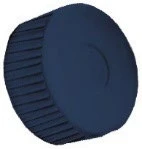
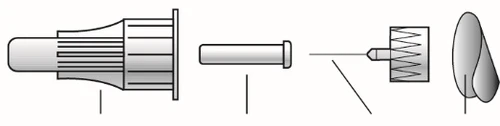
Outer needle cap Inner needle cap Needle Paper needle shield
How to recognize the Lyumjev Tempo Pen:
- Pen color: Mole
- Dose selector button: Blue, with raised ridges along the side
- Label: Blue, green, and white
Materials needed for injection:
- Lyumjev Tempo Pen
- Compatible needle for the Tempo Pen (BD pen needles [Becton, Dickinson and Company] are recommended)
- Alcohol swab or gauze
Needles, alcohol swabs, and gauze are not included.
Preparing the Pen
- Wash your hands with soap and water.
- Check the Pen to make sure you are using the correct type of insulin. This is especially important if you use more than one type of insulin.
- Do not use the Pen after the expiration date printed on the label or for more than 28 days after first use of the Pen.
- Always use a new needle for each injection to help prevent infections and needle blockages.
| Step 1: • Remove the cap from the Pen. – Do not remove the label from the Pen. • Clean the rubber cap with an alcohol swab. | 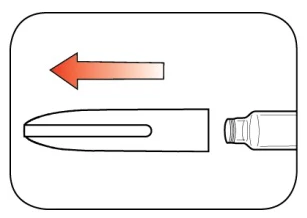 |
| Step 2: • Check the appearance of the liquid in the Pen. • Lyumjev should be clear and colourless. Do not use it if it looks cloudy, coloured, or contains particles or clumps. | |
| Step 3: • Take a new needle. • Remove the paper protector from the outer needle cap. | 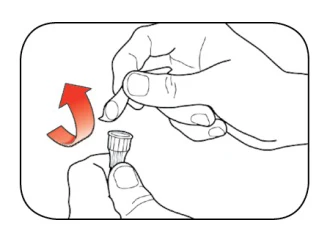 |
| Step 4: • Insert the needle, with its cap still on, straight onto the end of the Pen and rotate it until it is securely attached. | 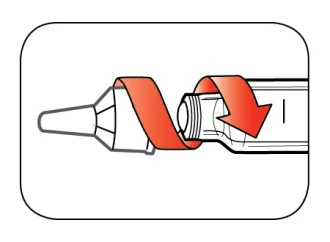 |
| Step 5: • Remove the outer needle cap. Do not discard it. • Remove the inner needle cap and discard it. | Keep Discard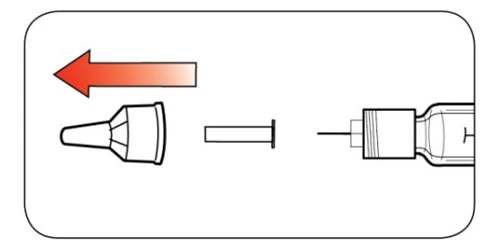 |
Loading the Pen
Load before each injection.
- Loading the pen means removing any air that may have accumulated in the needle and cartridge during normal use, and ensures that the pen is working properly.
- If you do not load before each injection, you may inject too much or too little insulin.
| Step 6: • To prime the Pen, select 2 units by rotating the dose selector button. | 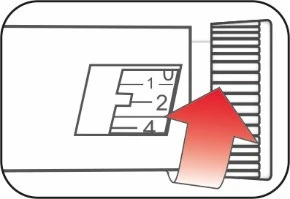 |
| Step 7: • Hold the Pen with the needle pointing upwards. Gently tap the cartridge to collect any air bubbles at the top. | 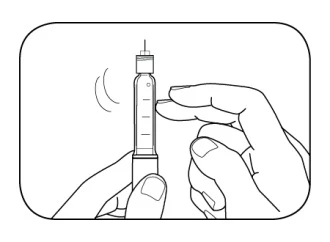 |
| Step 8: • Keep holding the Pen with the needle pointing upwards. Press the dose selector button completely until it stops and a “0” appears in the dose window. Keep the dose selector button fully pressed and count slowly to 5. You should see insulin at the tip of the needle. | 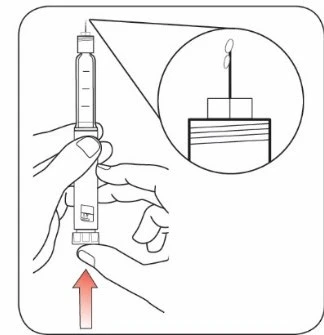 |
| 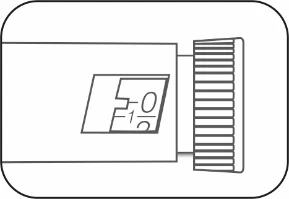 |
Dose Selection
- You may administer from 1 to 60 units in a single injection.
- If the dose exceeds 60 units, more than one injection will be required.
- If you need help dividing the dose correctly, ask your healthcare professional.
- You must use a new needle for each new injection and repeat the loading procedure.
Step 9:
- Rotate the dose selector button until the
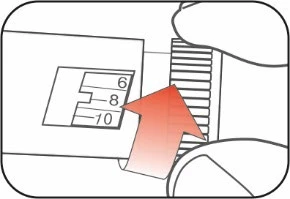
number of units to be injected aligns with the dose indicator. The dose indicator must be aligned with the selected dose.
- The Pen allows you to select doses in 1-unit increments.
- The dose selector button clicks as you rotate it.
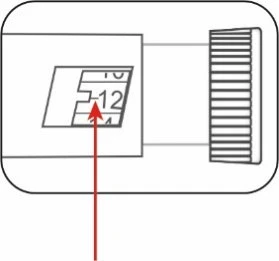
- Do not select the dose by counting the number of clicks. This may result in selecting an incorrect dose, which could lead to administering too much or too little insulin. Example: 12 units.
- The dose can be adjusted by rotating the dose selector button in either direction until the correct dose is aligned with the dose indicator.
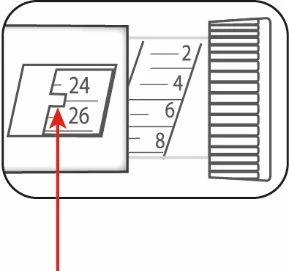
- Even numbers are printed on the dial. The example on the right shows 12 units.
- Odd numbers, starting from 1, are displayed as solid lines between the numbers. The example on the right shows 25 units. Example: 25 units.
- Always check the number in the dose display window to ensure that you have selected the correct dose.
- The Pen will not allow you to select more units than are remaining in the Pen.
- If you need to administer more units than are left in the Pen, you can:
- administer the remaining amount in the Pen and then use a new Pen to deliver the rest of the dose, or
- take a new Pen and administer the full dose.
- It is normal to see a small amount of insulin remaining in the Pen that cannot be injected.
Administering the Dose
- Inject the insulin as shown to you by your healthcare professional.
- Change (rotate) your injection site with each injection.
- Do not attempt to change the dose while you are injecting.
| Step 10: • Choose your injection site. Lyumjev is injected under the skin (subcutaneous injection) into the abdominal area, buttocks, thighs, or upper arms. • Clean the skin with a swab and wait for the skin to dry before injecting the dose. | 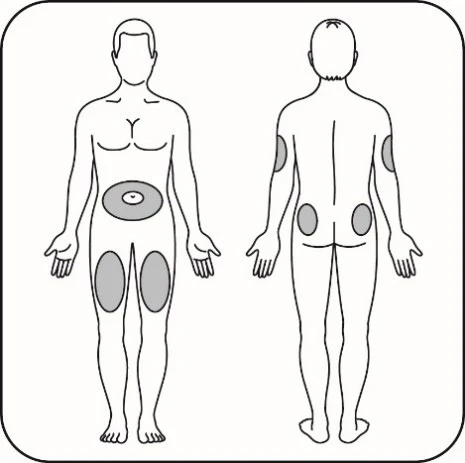 |
Step 11: • Insert the needle into the skin. • Press the dose selector button fully down. • Continue holding the dose selector button down and count slowly to 5 before removing the needle. Do not try to inject your insulin by turning the dose selector button. Turning the dose selector button will not deliver your insulin dose. 5 sec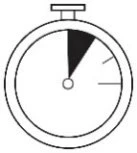 | 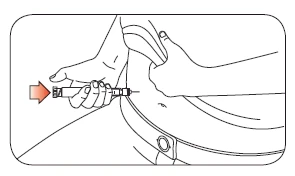 |
| Step 12: • Remove the needle from the skin. – A drop of insulin remaining at the tip of the needle is normal and will not affect the dose delivered. • Check the number shown in the dose window. – If you see “0” in the dose window, this means you have received the full selected dose. – If you do not see “0” in the dose window, this means the full dose has not been delivered. Do not reselect the dose. Insert the needle into the skin and complete your injection. – If you think you have not yet received the full amount you selected for your injection, do not restart or repeat the injection. Check your blood glucose level as instructed by your healthcare provider. – If you usually require 2 injections to deliver your full dose, make sure to perform the second injection. The plunger moves only slightly with each injection and you may not notice the movement. If you see blood after removing the needle from the skin, apply light pressure to the injection site with a gauze or swab. Do not rub the area. | 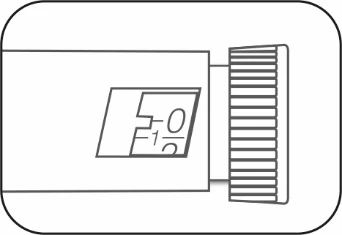 |
After the injection
| Step 13: • Carefully place the outer cap back onto the needle. | 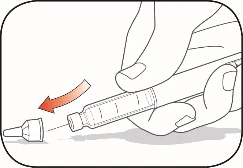 |
| Step 14: • Unscrew the needle with the cap still attached and dispose of it as described below (see the section “Disposal of the Pen and Needles”). • Do not store the Pen with the needle attached to prevent leakage, needle blockage, and entry of air into the Pen. | 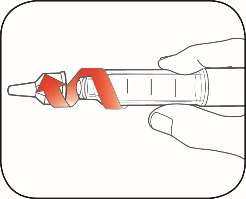 |
| Step 15: • Replace the cap on the Pen, aligning the cap clip with the dose indicator, and press straight onto the Pen. | 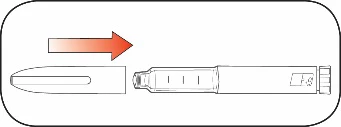 |
Disposal of the Pen and Needles
- Place used needles in a closable, dedicated sharps container or in a hard plastic container with a secure lid. Do not dispose of needles directly into household waste.
- Do not reuse the container once it is filled with needles.
- Ask your healthcare provider about available options for proper disposal of the Pen and the container.
- Instructions regarding needle handling must not replace local, institutional, or healthcare personnel regulations.
Troubleshooting
- If you cannot remove the Pen cap, gently rotate it back and forth, then pull it off.
- If you have difficulty pressing the dose selector button:
- Pressing the dose selector button more slowly may make the injection easier.
- The needle may be blocked. Insert a new needle and prime the Pen.
- There may be dust, food, or liquid inside the Pen. Discard the Pen and use a new one. You may need a prescription from your doctor.
For further information or if you experience problems with Lyumjev 100 units/mL Tempo Pen, contact your healthcare provider for assistance or contact your local Eli Lilly branch.
Document revision date:
Package leaflet: Information for the user
Lyumjev 200 units/mL KwikPen pre-filled pen injectable solution
insulin lispro
Each KwikPen delivers from 1 to 60 units in increments of one unit per single injection.
Please read this leaflet carefully before using this medicine, as it contains important information for you.
- Keep this leaflet. You may need to read it again.
- If you have any questions, ask your doctor, pharmacist, or nurse.
- This medicine has been prescribed for you only. Do not give it to others, even if they have the same symptoms as you, because it could be harmful.
- If you experience any side effect, including those not listed in this leaflet, speak to your doctor, pharmacist, or nurse. See section 4.
Contents of this leaflet
- What Lyumjev 200 units/mL KwikPen is and what it is used for
- What you need to know before using Lyumjev 200 units/mL KwikPen
- How to use Lyumjev 200 units/mL KwikPen
- Possible side effects
- How to store Lyumjev 200 units/mL KwikPen
- Contents of the pack and other information
1. What Lyumjev 200 units/mL KwikPen is and what it is used for
Lyumjev 200 units/mL KwikPen pre-filled pen solution for injection contains the active substance
insulin lispro. Lyumjev is used in the treatment of diabetes in adults. It is a prandial insulin that
acts more rapidly than other medicines containing insulin lispro. Lyumjev contains components that
accelerate the absorption of insulin lispro into the body.
Diabetes is a condition in which the body does not produce enough insulin or does not use
insulin effectively, resulting in effects such as high blood sugar levels. Lyumjev is an insulin-based
medicine used in the treatment of diabetes and therefore controls blood sugar. Effective diabetes
treatment with good blood sugar control helps prevent long-term complications of diabetes.
Treatment with Lyumjev helps control blood glucose levels over time and helps prevent diabetes-related
complications. Lyumjev exerts its maximum effect between 1 and 3 hours after injection, and this effect
lasts up to 5 hours. You must use Lyumjev at the beginning of a meal or up to 20 minutes after starting
the meal.
Your doctor may prescribe both Lyumjev and a long- or intermediate-acting insulin.
Do not change the type of insulin unless directed by your doctor.
Lyumjev 200 units/mL KwikPen is a disposable pre-filled pen device containing 3 mL
(600 units, 200 units/mL) of insulin lispro. One KwikPen contains multiple insulin doses. The
KwikPen allows you to select doses one unit at a time. The number of units is displayed in the
dose window; always check it before injecting. You can administer from 1 to 60 units in a single
injection. If the dose is more than 60 units, you will need to give more than one injection.
2. What you need to know before using Lyumjev 200 units/mL KwikPen
DO NOT use Lyumjev 200 units/mL KwikPen
- if you think your blood sugar level is dropping ( hypoglycaemia ). Later in this leaflet, you will find information on how to treat low blood sugar (see section 3 below “If you use more Lyumjev than you should”).
- if you are allergic to insulin lispro or to any of the excipients of this medicine (listed in section 6).
Warnings and precautions
- Lyumjev 200 units/mL solution for injection in the pre-filled pen (the KwikPen) must be injected ONLY using this pre-filled pen. Do NOT transfer the insulin lispro from Lyumjev 200 units/mL KwikPen into a syringe. The scale on an insulin syringe will not indicate the correct dose. A serious overdose may occur, causing low blood sugar, which could be life-threatening. Do NOT transfer insulin from Lyumjev 200 units/mL KwikPen to any other insulin delivery device such as insulin infusion pumps.
Talk to your doctor, pharmacist, or nurse before using Lyumjev.
If you cannot see well, you will need help from someone who has been trained to give injections.
- Low blood sugar level (hypoglycaemia) A low blood sugar level can be serious, and untreated hypoglycaemia may even lead to death. Lyumjev begins to lower blood sugar more quickly than other prandial insulins. Hypoglycaemia may therefore occur earlier after an injection of Lyumjev. If you often experience hypoglycaemia or have difficulty recognising it, talk to your doctor or nurse. If your blood sugar level is well controlled by your current insulin therapy or if you have had diabetes for a long time, you may not notice the warning symptoms when your blood sugar is dropping too low. Warning signs are listed later in this leaflet. For symptoms, see "Common problems of diabetes".
You must pay close attention to meal timing, frequency, and physical activity.
You must also monitor your blood sugar levels frequently.
Changing the types of insulin you use may cause excessive increases or decreases in blood sugar levels.
You may need to increase the frequency of blood sugar testing if you are at risk of low blood sugar levels. Your doctor may need to adjust the doses of your other diabetes medicines.
- High blood sugar level (hyperglycaemia) Stopping or not taking enough insulin may cause high blood sugar (hyperglycaemia) and diabetic ketoacidosis, serious conditions that may even lead to death. For symptoms, see "Common problems of diabetes".
- If insulin treatment is combined with one of a class of diabetes medicines called thiazolidinediones or glitazones, such as pioglitazone, inform your doctor as soon as possible if you experience signs of heart failure such as unusual shortness of breath, rapid weight gain, or localized swelling due to fluid retention (oedema).
- In case of a severe allergic reaction to insulin or to any of the components of Lyumjev, stop using this medicine and contact emergency medical services immediately.
- Always check the packaging and label to confirm the name and type of insulin dispensed to you by the pharmacist. Make sure your Lyumjev package matches the one prescribed by your doctor.
- Keep the packaging or note down the batch number on the package. If you experience an adverse effect, you can provide this number when reporting the adverse effect; see "Reporting of adverse effects".
- Always use a new needle for each injection to prevent infections and needle blockage. If a needle becomes blocked, replace it with a new needle.
- Skin changes at injection site Injection sites should be rotated to prevent skin changes such as lumps under the skin. Insulin may not work as effectively if you inject into an area with lumps (see “How to use Lyumjev 200 units/mL KwikPen”). If you currently inject into an area with lumps, consult your doctor before switching to a different injection site. Your doctor may advise you to monitor your blood sugar more closely and possibly adjust your insulin dose or that of other antidiabetic medicines.
Children and adolescents
This medicine must not be used in children or adolescents, as there is no experience with this medicine in children and adolescents under 18 years of age.
Other medicines and Lyumjev
Inform your doctor, pharmacist, or nurse if you are taking, have recently taken, or might take any other medicines. Some medicines affect blood sugar levels; this may mean that your insulin dose needs to be adjusted.
Blood sugar levels may decrease (hypoglycaemia) if you take:
- other diabetes medicines (oral and injectable)
- sulphonamide antibiotics (for infections)
- acetylsalicylic acid (for mild pain and fever and to prevent blood clotting)
- some antidepressants (monoamine oxidase inhibitors or selective serotonin reuptake inhibitors)
- some angiotensin-converting enzyme (ACE) inhibitors (e.g., captopril, enalapril) (for certain heart problems or high blood pressure)
- angiotensin II receptor blockers (for high blood pressure or heart problems)
- somatostatin analogues (such as octreotide, used to treat a rare disease characterised by excessive growth hormone production).
Blood sugar levels may increase (hyperglycaemia) if you take:
- danazol (for endometriosis)
- contraceptive pills (birth control pills)
- thyroid hormone replacement therapy (for thyroid problems)
- human growth hormone (for growth hormone deficiency)
- diuretics (for high blood pressure or fluid accumulation in the body)
- sympathomimetic agents (for severe allergic reactions or used in some cold remedies)
- corticosteroids (to treat asthma or autoimmune diseases).
Beta-blockers (used for hypertension, arrhythmia, or angina) can make it more difficult to recognise the warning signs of low blood sugar.
Lyumjev and alcohol
Blood sugar levels may increase or decrease if you consume alcohol. Therefore, the amount of insulin needed may change. You should therefore monitor your blood sugar level more frequently than usual.
Pregnancy and breastfeeding
If you are planning a pregnancy, suspect you are pregnant, are pregnant, or are breastfeeding, consult your doctor, pharmacist, or nurse before taking this medicine. The amount of insulin you need generally decreases during the first 3 months of pregnancy and increases during the remaining 6 months. After delivery, your insulin requirement will likely return to your pre-pregnancy level.
There are no restrictions on treatment with Lyumjev during breastfeeding. If you are breastfeeding, you may need to adjust your insulin dose or diet.
Driving and using machines
Your ability to concentrate and react may be reduced during hypoglycaemia. Keep this potential problem in mind in any situation where you could endanger yourself or others (e.g., driving a vehicle or operating machinery). You should consult your doctor to determine whether you may drive if you have:
- frequent episodes of hypoglycaemia
- reduced or absent warning signs of hypoglycaemia.
Lyumjev 200 units/mL KwikPen contains sodium
This medicine contains less than 1 mmol of sodium (23 mg) per dose, i.e., essentially “sodium-free”.
3. How to use Lyumjev 200 units/mL KwikPen
Always use this medicine exactly as described in this leaflet or as instructed by your doctor, pharmacist, or nurse. If you have any doubts, consult your doctor, pharmacist, or nurse.
Your doctor, pharmacist, or nurse will tell you exactly how much Lyumjev to use, when to use it, and how often. They will also advise you on how frequently you should visit your diabetes care center.
To prevent possible transmission of diseases, each pen must be used only by you, even if the needle is changed.
Do not use Lyumjev 200 units/mL KwikPen solution for injection in an insulin pump.
Always keep a spare insulin supply and another injection device available in case you need it.
If you are blind or have low vision, you will need assistance from someone else to administer your injections.
Your doctor may instruct you to use both Lyumjev and a longer- or intermediate-acting insulin. These must be injected separately. Lyumjev must not be mixed with any other insulin.
When to inject Lyumjev
Lyumjev is a prandial insulin. You should use Lyumjev at the start of a meal, or one or two minutes before eating; alternatively, you may choose to inject the medicine up to 20 minutes after starting your meal.
How much insulin to use
Your doctor will determine your dose based on your blood glucose and body weight and will explain:
- how much Lyumjev you need with each meal;
- how and when to monitor your blood sugar levels;
- how to adjust your insulin dose based on your blood sugar levels;
- what to do if you change your diet, change your level of physical activity, become ill, or take other medicines;
- if you switch the type of insulin you are using, you may need more or less than before. This adjustment may be required only for the first injection or may occur gradually over several weeks or months.
Do not use Lyumjev
- If it does not look like water. Lyumjev must be clear, colorless, and free of solid particles. Check this before every injection.
- If Lyumjev has not been stored correctly (see section 5 "How to store Lyumjev").
- If any part of the pen appears damaged, do not use it.
Preparing Lyumjev 200 units/mL KwikPen for use (refer to the instructions for use)
- First, wash your hands.
- Read the instructions on how to use your pre-filled insulin pen and follow them carefully. The following are some important points.
- Use a new needle (needles are not included in the package).
- Prime the Lyumjev 200 units/mL KwikPen every time before use. This ensures that insulin flows out and removes air bubbles from the Lyumjev 200 units/mL KwikPen. Small air bubbles may remain in the pen. Small air bubbles are normal and do not affect the dose to be injected.
- The number of units is displayed in the dose window; always check it before injection.
Injecting Lyumjev
- Before injecting, clean the skin with an antiseptic.
- Inject the medicine under the skin (subcutaneous injection), as taught by your doctor or nurse.
- After the injection, leave the needle in the skin for 5 seconds to ensure the full dose has been delivered. Make sure to inject at least 1 cm away from the previous injection site and rotate injection sites (arm, thigh, buttocks, or abdomen).
- If there is not enough insulin in the pen to complete the dose, note how much more you need to inject. Load a new pen and administer the remaining dose.
- If another insulin must be injected at the same time as Lyumjev, use a different injection site.
- Do not inject the medicine directly into a vein.
After the injection
- Immediately after completing the injection, remove the needle from the Lyumjev 200 units/mL KwikPen using the outer needle cap. This helps maintain sterility of the insulin, prevents leakage of the medicine, stops air from entering the pen, and prevents needle blockage. Do not share your needles with other people. Do not share your pen with other people. Replace the cap on the pen.
- If you are unsure how much medicine you have injected, check your blood sugar levels before deciding whether you need another injection.
Subsequent injections
- Each time you use a Lyumjev 200 units/mL KwikPen, you must use a new needle. Before each injection, remove any air bubbles. You can check how much insulin remains in the pen by holding the Lyumjev 200 units/mL KwikPen upright with the needle pointing upward.
- Once the Lyumjev 200 units/mL KwikPen is empty, do not reuse it.
If you use more Lyumjev than you should
If you have injected too much Lyumjev, or are unsure of how much you injected, your blood sugar level may drop. Check your blood sugar level.
If your blood sugar level is low (hypoglycaemia) and you are able to treat it yourself, eat glucose tablets, sugar, or drink a sugary beverage. Then eat fruit, biscuits, or a sandwich as advised by your doctor or nurse, and rest. This is often sufficient to counteract mild hypoglycaemia or a minor insulin overdose. Check your blood sugar again after 15–20 minutes until it stabilizes.
If you are unable to care for yourself (severe hypoglycaemia) due to dizziness, weakness, confusion, difficulty speaking, loss of consciousness, or seizures, you may need treatment with glucagon. Glucagon can be administered by someone who knows how to use it. Eat glucose or sugar after receiving glucagon. If glucagon does not work, you must go to hospital or call emergency services. Ask your doctor for information about glucagon.
Inform everyone you spend time with that you have diabetes. Let them know what could happen if your blood sugar drops too low, including the risk of fainting.
Tell them that if you faint, they should: turn you onto your side to prevent choking, seek immediate medical help, and not try to give you food or drink as you could choke.
If you forget to use Lyumjev
If you forget to use your insulin, use less than required, or are unsure how much you injected, your blood sugar level may become too high (hyperglycaemia). Check your blood sugar level to determine whether an insulin dose is needed. Resume your usual dosing schedule at the next meal.
If you stop using Lyumjev
Do not stop or change the type of insulin unless instructed by your doctor.
If you use less Lyumjev than required, your blood sugar level may increase.
If high blood sugar (hyperglycaemia) is not treated, it can become very serious and cause headache, nausea, vomiting, stomach pain, dehydration, loss of consciousness, coma, or even death (see section 4).
Three simple measures to reduce the risk of hypoglycaemia or hyperglycaemia:
- always keep a spare pen available in case you lose or damage your Lyumjev 200 units/mL KwikPen;
- always carry identification indicating that you have diabetes;
- always carry sugar with you.
If you have any questions about the use of this medicine, consult your doctor, pharmacist, or nurse.
4. Possible side effects
Like all medicines, this medicine can cause side effects, although not everybody gets them.
Low blood sugar level (hypoglycaemia) is very common with insulin treatment (may affect more than 1 in 10 people). It can be very serious. If your blood sugar level drops too low, you may lose consciousness. Severe hypoglycaemia can cause brain damage and may be life-threatening. If you experience symptoms related to low blood sugar, act immediately to raise your blood sugar level. See section 3, "If you use more Lyumjev than you should".
Allergic reactions are common (may affect up to 1 in 10 people). They may be severe and may include the following symptoms:
- skin rash and feeling of low blood pressure
- itching all over the body
- rapid heartbeat
- difficulty breathing
- sweating
- wheezing
In case of a severe allergic reaction (including anaphylactic shock) to insulin or to any of the excipients of Lyumjev, stop using this medicine and contact emergency medical services immediately.
Other side effects include
Common (may affect up to 1 in 10 people)
Injection site reactions. Some people may experience redness, pain, swelling or itching at the injection site. These reactions usually resolve within a few minutes or a few weeks without the need to discontinue Lyumjev. Inform your doctor if you experience injection site reactions.
Uncommon (may affect up to 1 in 100 people)
Skin changes at the injection site: if you inject insulin too often in the same spot, fatty tissue may become thinner (lipoatrophy) or thicker (lipohypertrophy). Lumps under the skin may also be caused by the build-up of a protein called amyloid (cutaneous amyloidosis). Insulin may not work as well as it should if injected into an area with lumps. Rotate your injection site with each injection to prevent these skin changes.
Other potential side effects
Swelling of the arms or ankles due to fluid retention (oedema), particularly at the beginning of insulin therapy or during a change in diabetes medicines.
Reporting of side effects
If you experience any side effects, including those not listed in this leaflet, talk to your doctor or pharmacist. You can also report side effects directly via the national reporting system referred to in Annex V.
By reporting side effects, you can help provide more information on the safety of this medicine.
Common diabetes problems
Low blood sugar level
A low blood sugar level (hypoglycaemia) means that there is not enough sugar in the blood. It may occur if:
- you take too high a dose of Lyumjev or another insulin;
- you delay or miss a meal or change your diet;
- you perform excessive physical activity or exertion shortly before or after a meal;
- you have an infection or other illness (especially diarrhoea or vomiting);
- there is a change in your insulin requirement, for example due to weight loss, or if there is a worsening of a pre-existing kidney or liver disorder. See section "If you use more Lyumjev than you should".
Usually, the early symptoms of hypoglycaemia appear quickly and include:
- tiredness
- rapid heartbeat
- nervousness or restlessness
- discomfort
- headache
- cold sweating.
If you are unable to recognise the warning signs of hypoglycaemia, avoid situations—such as driving a vehicle—where hypoglycaemia could put you or others at risk.
High blood sugar level (hyperglycaemia) and diabetic ketoacidosis
Hyperglycaemia (too much sugar in the blood) means that glucose levels in your body are too high. Hyperglycaemia may be caused by:
- missing insulin doses;
- using less insulin than your body needs;
- an imbalance between the amount of carbohydrates you eat and the insulin you take; or
- fever, infection, or severe emotional stress.
The early symptoms of hyperglycaemia are:
- excessive thirst
- headache
- feeling sleepy
- increased need to urinate.
Hyperglycaemia can lead to diabetic ketoacidosis. The first symptoms develop slowly over several hours or days. Further symptoms include:
- nausea and/or vomiting
- abdominal pain
- rapid pulse
- heavy breathing
- moderate or high levels of ketones in the urine. Ketones are produced when the body burns fat for energy instead of glucose.
If you have any of these symptoms and high blood glucose, seek immediate medical attention.
See section “If you forget to take Lyumjev”.
Illness
If you are ill, especially if you feel unwell or are sick, your insulin requirement may change. Even if you are not eating normally, you still need insulin. Check your urine and blood, follow the precautions you already know for when you are ill, and inform your doctor.
5. How to store Lyumjev 200 units/mL KwikPen
Keep this medicine out of the sight and reach of children.
Do not use this medicine after the expiry date stated on the label and packaging.
The expiry date refers to the last day of the month.
Keep in the original packaging to protect from light.
Before first use
Store in the refrigerator (2 °C – 8 °C).
Do not freeze.
After first use
Do not store above 30 °C.
Do not freeze.
Do not refrigerate.
The Lyumjev 200 units/mL KwikPen must not be stored with the needle attached. Keep the cap on the pen to protect from light.
Discard after 28 days, even if some solution remains.
Do not dispose of medicines via wastewater or household waste. Ask your pharmacist how to dispose of medicines no longer required. This will help protect the environment.
6. Package contents and other information
What Lyumjev 200 units/mL KwikPen injectable solution contains
- The active substance is insulin lispro. Each mL of solution contains 200 units of insulin lispro. One Lyumjev 200 units/mL KwikPen contains 600 units of insulin lispro in 3 mL of solution.
- The excipients are metacresol, glycerol, magnesium chloride hexahydrate, disodium citrate dihydrate, treprostinil sodium, zinc oxide, water for injections. Sodium hydroxide or hydrochloric acid may be added to adjust the pH (see end of section 2 under “Lyumjev 200 units/mL KwikPen contains sodium”).
Description of the appearance of Lyumjev 200 units/mL KwikPen and contents of the pack
Lyumjev 200 units/mL KwikPen, injectable solution is an aqueous, clear, colourless solution contained in a pre-filled pen.
Each pre-filled pen contains 600 units (3 millilitres).
Pack sizes of 2, 5 or multiple pack of 10 (2 x 5) pre-filled pens.
Not all pack sizes may be marketed.
Lyumjev 200 units/mL KwikPen is mole-coloured. The dose selector button is mole-coloured with raised markings on the side. The label is white with a blue stripe and a checkerboard design. The insulin concentration is highlighted in a box with a yellow background on the packaging and label.
The yellow warning label on the cartridge holder reminds you to "Use only with this pen, otherwise serious overdose may occur".
Each Lyumjev 200 units/mL KwikPen delivers from 1 to 60 units in increments of 1 unit per injection.
Marketing Authorisation Holder
Eli Lilly Nederland B.V.
Papendorpseweg 83
3528 BJ Utrecht
The Netherlands
Manufacturer
Lilly France
Rue du Colonel Lilly
67640 Fegersheim
France
For further information about this medicine, contact the local representative of the Marketing Authorisation Holder.
Belgique/België/Belgien Lietuva
Eli Lilly Benelux S.A./N.V. Eli Lilly Lietuva
Tél/Tel: + 32-(0)2 548 84 84 Tel: +370 (5) 2649600
България Luxembourg/Luxemburg
ТП "Ели Лили Недерланд" Б.В. - България Eli Lilly Benelux S.A./N.V.
Тел.: + 359 2 491 41 40 Tél/Tel: + 32-(0)2 548 84 84
Česká republika Magyarország
ELI LILLY ČR, s.r.o. Lilly Hungária Kft.
Tel: + 420 234 664 111 Tel.: + 36 1 328 5100
Danmark Malta
Eli Lilly Danmark A/S Charles de Giorgio Ltd.
Tlf.: +45 45 26 6000 Tel: + 356 25600 500
Deutschland Nederland
Lilly Deutschland GmbH Eli Lilly Nederland B.V.
Tel: + 49-(0) 6172 273 2222 Tel: + 31-(0) 30 60 25 800
Eesti Norge
Eli Lilly Nederland B.V Eli Lilly Norge A.S.
Tel: + 372 6817 280 Tlf: + 47 22 88 18 00
Ελλάδα Österreich
ΦΑΡΜΑΣΕΡΒ-ΛΙΛΛΥ Α.Ε.Β.Ε. Eli Lilly Ges. m.b.H.
Τηλ: +30 210 629 4600 Tel: + 43-(0) 1 711 780
España Polska
Dista S.A. Eli Lilly Polska Sp. z o.o.
Tel: + 34-91 663 50 00 Tel: +48 22 440 33 00
France Portugal
Lilly France Lilly Portugal - Produtos Farmacêuticos, Lda
Tél: +33-(0) 1 55 49 34 34 Tel: + 351-21-4126600
Hrvatska România
Eli Lilly Hrvatska d.o.o. Eli Lilly România S.R.L.
Tel: +385 1 2350 999 Tel: + 40 21 4023000
Ireland Slovenija
Eli Lilly and Company (Ireland) Limited Eli Lilly farmacevtska družba, d.o.o.
Tel: + 353-(0) 1 661 4377 Tel: +386 (0) 1 580 00 10
Ísland Slovenská republika
Icepharma hf. Eli Lilly Slovakia s.r.o.
Sími: + 354 540 8000 Tel: + 421 220 663 111
Italia Suomi/Finland
Eli Lilly Italia S.p.A. Oy Eli Lilly Finland Ab
Tel: + 39- 055 42571 Puh/Tel: + 358-(0) 9 85 45 250
Κύπρος Sverige
Phadisco Ltd Eli Lilly Sweden AB
Τηλ: +357 22 715000 Tel: + 46-(0) 8 7378800
Latvija
Eli Lilly (Suisse) S.A. Pārstāvniecība Latvijā
Tel: + 371 67364000
Other sources of information
More detailed information on this medicine is available on the website of the European Medicines Agency: https://www.ema.europa.eu .
Instructions for use
Lyumjev 200 units/mL KwikPen injectable solution in a prefilled pen
insulin lispro

READ THESE INSTRUCTIONS BEFORE USE

Read the instructions for use before using Lyumjev and each time you need to use another
Lyumjev KwikPen. There may be new information. These instructions do not replace
consultation with healthcare professionals regarding your medical condition or treatment.
Do not share your Lyumjev KwikPen with other people, even if the needle has been changed. Do not
reuse needles or share them with others. You could cause a serious infection in others or acquire a serious infection from them.
Lyumjev 200 units/mL KwikPen ("Pen") is a disposable prefilled pen containing 3 mL
(600 units, 200 units/mL) of injectable insulin lispro solution.
- Your healthcare provider will tell you how many units to administer as your dose and how to inject the prescribed dose of insulin.
- You may administer more than one dose from the Pen.
- Each turn of the dose selector knob selects 1 unit of insulin. You may inject yourself with 1 to 60 units in a single injection.
- If your dose exceeds 60 units, you will need to administer more than one injection. Always check the number in the dose window to ensure you have selected the correct dose.
- The plunger moves only slightly with each injection, and you may not notice the movement. The plunger will reach the end of the cartridge only after you have used all 600 units in the Pen.
This pen is designed to allow you to inject higher doses than other pens you may have used previously. Select your usual dose as instructed by your healthcare provider.
Lyumjev KwikPen is available in two concentrations: 100 units/mL and 200 units/mL. Inject Lyumjev 200 units/mL only using the Pen. Do not transfer insulin from the Pen into any other insulin delivery device. Syringes and insulin infusion pumps will not deliver 200 units/mL insulin correctly. A severe overdose may occur, leading to dangerously low blood sugar levels, which could be life-threatening.
This pen must not be used by blind individuals or those with visual impairments without the assistance of a trained person.
Components of the Lyumjev KwikPen
Pen cap Cartridge holder Label Dose indicator

Clip of the rubber stopper Pen body Dose window Dose selector knob
Components of the Pen Needle Dose selector knob
(needles not included)
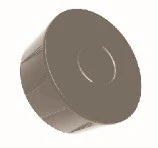
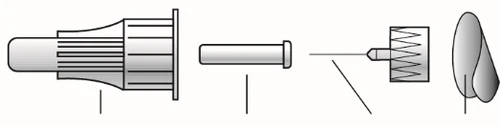
Outer needle cap Inner needle cap Needle Paper needle shield
How to recognize Lyumjev KwikPen
- Pen color: Mole (dark gray)
- Dose selector knob: Mole (dark gray), with raised ridges on the side
- Label: White with a blue stripe and a checkerboard design. Yellow warning on the cartridge holder
Materials needed for administration
- Lyumjev KwikPen
- Compatible pen needle (BD [Becton, Dickinson and Company] pen needles are recommended)
- Alcohol swab or gauze
Preparing the Pen
- Wash your hands with soap and water.
- Check the Pen to ensure you are using the correct type of insulin. This is especially important if you use more than one type of insulin.
- Do not use the Pen after the expiration date printed on the label or for more than 28 days after you first started using the Pen.
- Always use a new needle for each injection to help prevent infections and needle blockages.
| Step 1:• Remove the cap from the Pen. – Do not remove the Pen label.• Clean the rubber closure with an alcohol swab. | USE ONLY WITH THIS PEN, OTHERWISE A SERIOUS OVERDOSE MAY OCCUR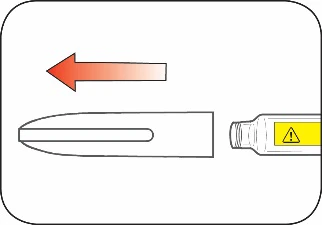 |
| Step 2: • Check the appearance of the liquid in the Pen. • Lyumjev should be clear and colourless. Do not use if it looks cloudy, coloured, or contains particles or clumps. |  |
| Step 3: • Select a new needle. • Remove the paper protector from the outer needle cap. | 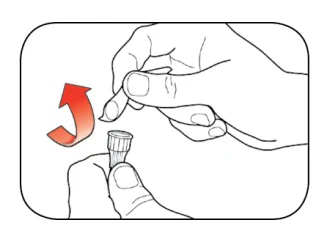 |
| Step 4: • Attach the needle covered with the cap straight onto the end of the Pen and twist the needle until it is securely tightened. | 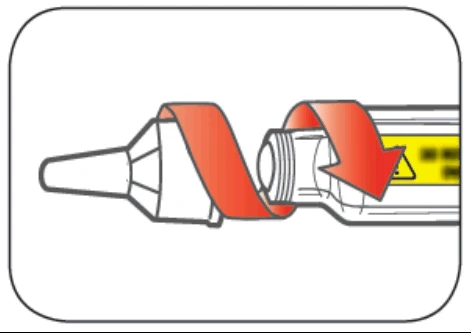 |
| Step 5: • Remove the outer needle cap. Do not discard it. • Remove the inner needle cap and discard it. | Keep Discard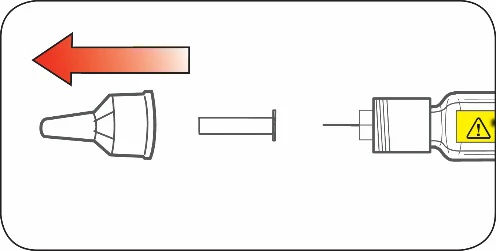 |
Loading the Pen
Load the Pen before each injection.
- Loading the Pen means removing any air that may have accumulated in the needle or cartridge during normal use, and ensuring that the Pen is working properly.
- If you do not perform loading before each injection, you may inject too much or too little insulin.
| Step 6: • To prime the Pen, select 2 units by rotating the dose selector button. | 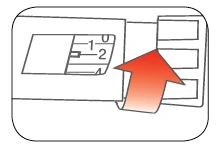 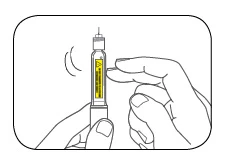 |
| Step 7: • Hold the Pen with the needle pointing upwards. Gently tap the cartridge to collect any air bubbles at the surface. | 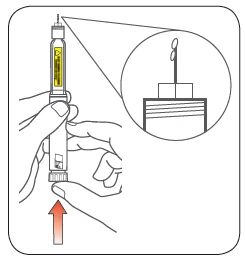 |
| Step 8: • Keep holding the Pen with the needle pointing upwards. Press the dose selector button until it stops and a “0” appears in the dose window. Keep the dose selector button fully pressed and count slowly to 5. You should see insulin at the tip of the needle. – If you do not see insulin, repeat steps 6 to 8, but no more than 8 times. – If insulin still does not appear, replace the needle and repeat steps 6 to 8. Small air bubbles are normal and do not interfere with dosing. | 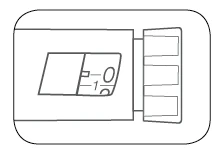 |
Dose Selection
This pen has been designed to allow you to inject the dose displayed in the viewing window.
Select your usual dose as instructed by your healthcare professional.
- You can administer from 1 to 60 units in a single injection.
- If your dose is greater than 60 units, you will need to give more than one injection.
- If you need help dividing your dose correctly, consult your healthcare professional.
- You must use a new needle for each injection and repeat the priming procedure.
Step 9:
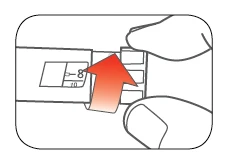
- Rotate the dose selector knob until the number of units to be injected appears in the viewing window. The dose indicator must be aligned with the selected dose.
- The pen allows you to select doses in increments of 1 unit.
- The dose selector knob clicks as you turn it.
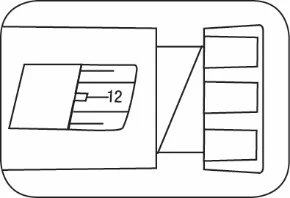
- Do not select the dose by counting the number of clicks. This may result in selecting an incorrect dose, which could lead to administering too much or too little insulin. Example: 12 units.
- The dose can be adjusted by rotating the dose selector knob in either direction until the correct dose shown in the dose viewing window is aligned with the dose indicator.
- Even numbers are printed on the
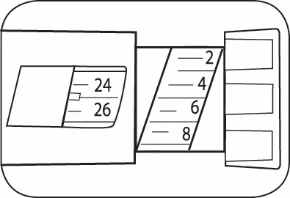
dial. The example on the right shows 12 units.
- Odd numbers after number 1 are shown as solid lines between the numbers. The example on the right shows Example: 25 units 25 units displayed in the
- Always check the number in the dose viewing window to ensure that you have selected the correct dose.
- The pen will not allow you to select more units than are currently available in the pen.
- If you need to administer more units than are left in the pen, you may:
- administer the remaining amount in the pen and then use a new pen to deliver the rest of the dose, or
- take a new pen and administer the full dose.
- It is normal to see a small amount of insulin remaining in the pen that cannot be injected. Do not transfer it to a syringe. A serious overdose may occur.
Injecting the Dose
- Inject the insulin as shown to you by your healthcare professional.
- Change (rotate) your injection site with each injection.
- Do not attempt to change the dose while injecting.
| Step 10: • Choose your injection site. Lyumjev is injected under the skin (subcutaneous injection) in the abdominal area, buttocks, thighs, or upper arms. • Clean the skin with an alcohol swab and wait for the skin to dry before injecting the dose. | 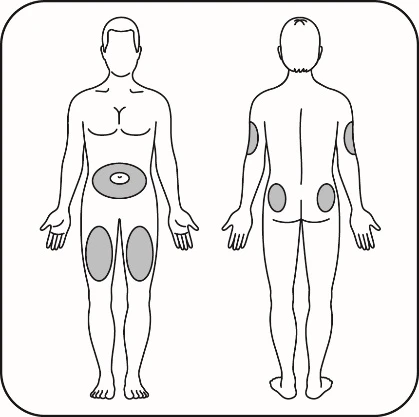 |
Step 11: • Insert the needle into the skin. • Press the dose selector button all the way down. • Keep holding the dose selector button fully pressed and count slowly to 5 before removing the needle. Do not attempt to inject the insulin by turning the dose selector button. Turning the dose selector button will not deliver your insulin dose. 5 sec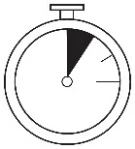 | 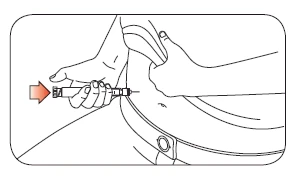 |
| Step 12: • Remove the needle from the skin. – A small drop of insulin remaining at the tip of the needle is normal and will not affect the delivered dose. • Check the number shown in the dose window. – If you see “0” in the dose window, this means the full selected amount has been administered. – If you do not see “0” in the dose window, this means the full dose has not been administered. Do not reselect the dose. Insert the needle into the skin again and complete your injection. – If you think you have still not received the full amount you selected, do not restart or repeat the injection. Check your blood glucose level as instructed by your healthcare provider. – If you normally require 2 injections to administer your full dose, make sure to perform the second injection. The plunger moves only slightly with each injection, and you may not notice the movement. If you see blood after removing the needle from the skin, gently press a gauze or swab against the injection site. Do not rub the area. | 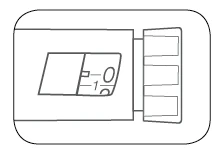 |
After the injection
| Step 13: • Carefully place the outer cap back onto the needle. | 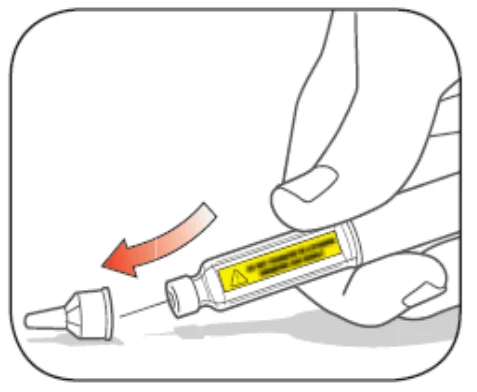 |
| Step 14: • Unscrew the needle with the cap still on, and dispose of it as described below (see the section “Disposal of the Pen and Needles”). • Do not store the Pen with the needle attached to prevent leakage, needle blockage, and entry of air into the Pen. | 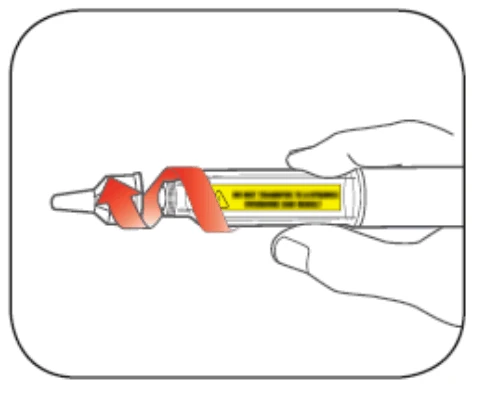 |
| Step 15: • Replace the cap on the Pen by aligning the cap clip with the dose indicator and press straight onto the Pen. | 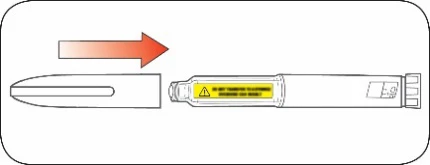 |
Disposal of the Pen and Needles
- Place used needles in a closable, dedicated sharps container or in a hard plastic container with a secure lid. Do not dispose of needles directly into household waste.
- Do not recycle the container once it is filled with needles.
- Ask your healthcare provider about available options for proper disposal of the Pen and the container.
- Instructions regarding needle handling should not replace local, institutional, or healthcare provider regulations.
Troubleshooting
- If you cannot remove the Pen cap, gently rotate it back and forth, then pull it off.
- If you have difficulty pressing the dose selector button:
- Pressing the dose selector button more slowly may make the injection easier.
- The needle may be blocked. Attach a new needle and prime the Pen.
- There may be dust, food, or liquid inside the Pen. Discard the Pen and use a new one. For further information or if you experience problems with Lyumjev 200 units/mL KwikPen, contact your healthcare provider for assistance or contact your local Eli Lilly branch.
Date of document revision: