Lansox
Italy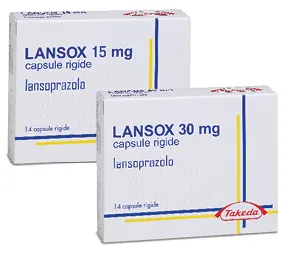
Table of Contents
- PATIENT LEAFLET: INFORMATION FOR THE PATIENT
- Lansox 15 mg hard capsules, 30 mg hard capsules
- 1. What Lansox is and what it is used for
- 2. What you should know before taking Lansox
- 3. How to take Lansox
- 4. Possible side effects
- 5. How to store Lansox
- 6. Package contents and other information
- Package Leaflet: Information for the User
- Lansox 15 mg orodispersible tablets, 30 mg orodispersible tablets
- 1. What Lansox is and what it is used for
- 2. What you should know before taking Lansox
- 3. How to take Lansox
- 4. Possible side effects
- 5. How to store Lansox
- 6. Package contents and other information
PATIENT LEAFLET: INFORMATION FOR THE PATIENT
Lansox 15 mg hard capsules, 30 mg hard capsules
lansoprazole
Please read this leaflet carefully before taking this medicine because it contains
important information for you.
- Keep this leaflet. You may need to read it again.
- If you have any questions, ask your doctor or pharmacist.
- This medicine has been prescribed for you only. Do not give it to others, even if their symptoms are the same as yours, as it could be harmful.
- If you experience any side effects, including those not listed in this leaflet, talk to your doctor or pharmacist. See section 4.
Contents of this leaflet:
- What Lansox is and what it is used for
- What you need to know before taking Lansox
- How to take Lansox
- Possible side effects
- How to store Lansox
- Contents of the pack and other information
1. What Lansox is and what it is used for
The active substance of Lansox is lansoprazole, which is a proton pump inhibitor.
Proton pump inhibitors reduce the amount of acid produced by your stomach.
Your doctor may prescribe Lansox for the following indications in adults:
- Treatment of duodenal and gastric ulcers
- Treatment of inflammation of the oesophagus (reflux oesophagitis)
- Prevention of reflux oesophagitis
- Treatment of heartburn and acid regurgitation
- Treatment of infections caused by the bacterium Helicobacter pylori, when administered in combination with antibiotic therapy
- Treatment or prevention of duodenal or gastric ulcers in patients requiring long-term treatment with NSAIDs (non-steroidal anti-inflammatory drugs) (NSAIDs are used to treat pain or inflammation)
- Treatment of Zollinger-Ellison syndrome
Your doctor may have prescribed Lansox for a different indication or at a dosage different from that
mentioned in this leaflet. Always carry the medicine with you when visiting your doctor.
Contact your doctor if you do not feel better or if you feel worse after 14 days.
2. What you should know before taking Lansox
Do not take Lansox:
- if you are allergic to lansoprazole or to any of the other ingredients of this medicine (listed in section 6).
Warnings and precautions
Tell your doctor if you have severe liver disease. Your doctor may need to adjust your dose.
Your doctor may perform or may have already performed an additional examination called endoscopy to diagnose your condition and/or exclude a malignant disease.
If you develop diarrhea during treatment with Lansox, contact your doctor immediately, as Lansox has been associated with a small increased risk of infectious diarrhea.
If your doctor has prescribed Lansox in combination with other medicines for the treatment of Helicobacter pylori infection (antibiotics) or together with anti-inflammatory medicines for pain or rheumatic diseases: please read carefully the package leaflet of these medicines as well.
If you take a proton pump inhibitor such as Lansox, especially for more than one year, there may be a slight increase in the risk of fractures of the hip, wrist, or spine. Inform your doctor if you have osteoporosis (reduced bone density) or if your doctor tells you that you are at risk of osteoporosis (for example, if you are taking steroids).
If you take Lansox long-term (for more than 1 year), your doctor will likely monitor you regularly. You should report any new or unusual symptoms and circumstances at every visit to your doctor.
Talk to your doctor before taking lansoprazole:
- If you have low levels of vitamin B12 or have risk factors for low vitamin B12 levels and are receiving long-term treatment with lansoprazole. As with all agents that reduce acid, lansoprazole may lead to reduced absorption of vitamin B12.
- If you are scheduled to undergo a specific blood test (Chromogranin A).
- If you have ever had a skin reaction after treatment with a medicine similar to lansoprazole that reduces gastric acidity.
- If you notice the appearance of a skin rash, especially in areas exposed to sunlight, consult your doctor as soon as possible, as it may be necessary to discontinue treatment with lansoprazole. Remember to also report any other adverse effects such as joint pain.
- Severe skin reactions [Stevens-Johnson syndrome, toxic epidermal necrolysis, and drug reaction with eosinophilia and systemic symptoms (DRESS)] have been reported in association with Lansox treatment. Stop using Lansox and contact your doctor immediately if you notice any of the symptoms related to these severe skin reactions described in section 4.
- During treatment with lansoprazole, inflammation of the kidneys may occur. Signs and symptoms may include decreased urine volume or blood in the urine and/or hypersensitivity reactions such as fever, rash, and joint stiffness. These signs must be reported to your doctor.
Other medicines and Lansox
Inform your doctor or pharmacist if you are taking, have recently taken, or might take any other medicines, including those without a prescription.
In particular, tell your doctor or pharmacist if you are taking medicines containing any of the following active substances, as Lansox may affect their mechanism of action:
- HIV protease inhibitors such as atazanavir and nelfinavir (used to treat HIV)
- methotrexate (used to treat autoimmune diseases and cancer)
- ketoconazole, itraconazole, rifampicin (used to treat infections)
- digoxin (used to treat heart problems)
- warfarin (used to treat blood clots)
- theophylline (used to treat asthma)
- tacrolimus (used to prevent transplant rejection)
- fluvoxamine (used to treat depression and other psychiatric disorders)
- antacids (used to treat heartburn or acid regurgitation)
- sucralfate (used to heal ulcers)
- St. John’s wort (Hypericum perforatum) (used to treat mild depression)
Lansox with food and drinks
To achieve the best results, take Lansox with a glass of water at least 30 minutes before eating.
Pregnancy, breastfeeding, and fertility
If you are pregnant, think you may be pregnant, planning to become pregnant, or breastfeeding, consult your doctor or pharmacist before taking this medicine.
Driving and using machines
Adverse effects such as dizziness, vertigo, fatigue, and visual disturbances may occasionally occur in patients taking Lansox.
If you experience such adverse effects, you should be cautious, as your ability to concentrate may be reduced.
You are solely responsible for deciding whether you are fit to drive a motor vehicle or perform other tasks requiring heightened concentration. The use of medicines is one of the factors that may impair your ability to perform these activities safely, due to their effects or side effects.
Descriptions of these effects can be found in other sections.
Read all the information in this leaflet carefully.
If you are unsure about anything, discuss it with your doctor or pharmacist.
Lansox contains sucrose
If your doctor has diagnosed you with an intolerance to certain sugars, contact him/her before taking this medicine.
3. How to take Lansox
Take this medicine exactly as your doctor has told you. If you are unsure, consult your doctor or pharmacist.
Swallow the capsule whole with a glass of water. If you have difficulty swallowing hard capsules, your doctor may advise you on an alternative way to take the medicine. Do not crush or chew the hard capsules or the contents of emptied hard capsules, as the medicine will not work properly.
If you take Lansox once a day, try to take it at the same time each day. You may achieve better results if you take Lansox first thing in the morning.
If you take Lansox twice a day, you should take the first dose in the morning and the second dose in the evening.
The dose of Lansox depends on your condition. The usual doses of Lansox for adults are listed below. Your doctor may sometimes prescribe a different dose and will tell you how long the treatment should last.
Treatment of heartburn and acid regurgitation: one 15 mg or 30 mg capsule for 4 weeks. If symptoms have not improved within 4 weeks, contact your doctor.
Treatment of duodenal ulcer: one 30 mg capsule daily for 2 weeks
Treatment of gastric ulcer: one 30 mg capsule daily for 4 weeks
Treatment of inflammation of the oesophagus (reflux oesophagitis): one 30 mg capsule daily for 4 weeks
Long-term prevention of reflux oesophagitis: one 15 mg capsule daily; your doctor may adjust the dose up to one 30 mg capsule daily
Treatment of Helicobacter pylori infection: the usual dose is one 30 mg capsule in combination with two different antibiotics in the morning and one 30 mg capsule in combination with two different antibiotics in the evening. The treatment lasts for 7 days.
The recommended antibiotic combinations are:
30 mg Lansox together with 250–500 mg clarithromycin and 1,000 mg amoxicillin
30 mg Lansox together with 250 mg clarithromycin and 400–500 mg metronidazole
If you are being treated for this infection because you have an ulcer, the ulcer is unlikely to recur if the infection is successfully treated. To achieve the best results from this therapy, take the medicine at the scheduled times and do not miss any dose.
Treatment of duodenal or gastric ulcer in patients requiring continuous NSAID treatment: one 30 mg capsule daily for 4 weeks
Prevention of duodenal or gastric ulcer in patients requiring continuous NSAID treatment: one 15 mg capsule daily; your doctor may adjust the dose up to one 30 mg capsule daily
Zollinger-Ellison syndrome: the usual starting dose is two 30 mg hard capsules daily; thereafter, based on your response to Lansox, your doctor will decide the most appropriate dose for you.
Use in children
Lansox must not be given to children.
If you take more Lansox than you should
If you take more Lansox than you have been prescribed, seek immediate advice from your doctor.
If you forget to take Lansox
If you forget to take a dose, take it as soon as you remember, unless it is almost time for your next dose. In that case, do not take the missed dose and continue with your regular dosing schedule. Do not take a double dose to make up for a forgotten capsule.
If you stop taking Lansox
Do not stop treatment prematurely if your symptoms have improved. Your condition may not be fully healed and may recur if you do not complete the full course of treatment.
If you have any questions about the use of this medicine, consult your doctor or pharmacist.
4. Possible side effects
Like all medicines, this medicine can cause side effects, although not everybody gets them.
Stop using Lansox and consult your doctor immediately if you notice any of the following
symptoms:
- Flat, reddish spots on the skin, target-shaped or circular in appearance, on the trunk, often with blisters in the centre, skin peeling, mouth, throat, nose, genital or eye ulcers. These serious skin rashes may be preceded by fever and flu-like symptoms (Stevens-Johnson syndrome, toxic epidermal necrolysis).
- Widespread rash, high body temperature, and swollen lymph nodes (DRESS syndrome or drug hypersensitivity syndrome).
Common side effects (may affect up to 1 in 10 people)
- Headache, dizziness
- Diarrhoea, constipation, stomach pain, feeling unwell, intestinal gas (flatulence), dry or inflamed mouth or throat
- Skin rash, itching
- Changes in liver function tests
- Tiredness
- Benign stomach polyps
Uncommon side effects (may affect up to 1 in 100 people)
- Depression
- Joint and muscle pain
- Fluid retention or swelling
- Changes in red blood cell count
Rare side effects (may affect up to 1 in 1,000 people)
- Fever
- Restlessness, drowsiness, confusion, hallucinations, insomnia, vision disturbances, dizziness
- Altered sense of taste, loss of appetite, inflammation of the tongue (glossitis)
- Skin reactions such as burning or prickling sensation under the skin, bruising, redness and excessive sweating
- Light sensitivity
- Hair loss
- Tingling sensation on the skin (paraesthesia), tremor
- Anaemia (pallor)
- Kidney problems
- Pancreatitis
- Liver inflammation (may present as yellowing of the skin or eyes)
- Breast swelling in men, impotence
- Candidiasis (fungal infection, may affect skin or mucous membranes)
- Angioedema; you must immediately see a doctor if you experience symptoms of angioedema such as swelling of the face, tongue or throat, difficulty swallowing, hives, or breathing difficulties.
Very rare side effects (may affect up to 1 in 10,000 people)
- Severe hypersensitivity reactions including shock. Symptoms of hypersensitivity reactions may include fever, rash, swelling, and sometimes low blood pressure.
- Inflammation of the mouth (stomatitis)
- Inflammation of the colon (colitis)
- Changes in laboratory values such as sodium, cholesterol and triglyceride levels
- Very severe skin reactions with redness, blisters, severe inflammation and skin loss
- Very rarely, Lansox may cause a reduction in the number of white blood cells, and therefore resistance to infections may decrease. If you develop an infection with symptoms such as fever and severe worsening of your general condition, or fever with signs of local infection such as inflamed throat/pharynx/mouth or urinary problems, consult your doctor immediately. A blood test will be performed to check for possible reduction in white blood cells (agranulocytosis).
Frequency not known (frequency cannot be estimated from available data)
- If you take Lansox for more than three months, blood magnesium levels may decrease. Low magnesium levels may present as fatigue, involuntary muscle contractions, disorientation, seizures, dizziness, increased heart rate. If you experience any of these symptoms, consult your doctor immediately. Low magnesium levels may also lead to reduced blood levels of potassium or calcium. Your doctor should decide whether regular monitoring of blood magnesium levels is necessary.
- Low sodium levels in the blood. Common symptoms include nausea and vomiting, headache, drowsiness and tiredness, confusion, muscle weakness or spasms, irritability, seizures, coma.
- Erythema, possibly associated with joint pain.
- Visual hallucinations.
Reporting of side effects
If you experience any side effect, including those not listed in this leaflet, talk to your doctor or pharmacist. You can also report side effects directly via the national reporting system at
https://www.aifa.gov.it/content/segnalazioni-reazioni-avverse.
By reporting side effects, you can help provide more information on the safety of this medicine.
5. How to store Lansox
Keep this medicine out of the sight and reach of children.
Do not use this medicine after the expiry date stated on the blister pack and carton. The expiry date refers to the last day of that month.
Store below 30°C. Keep in the original packaging to protect the medicine from moisture.
Do not dispose of any medicine via wastewater or household waste. Ask your pharmacist how to dispose of medicines you no longer use. This will help protect the environment.
6. Package contents and other information
What Lansox contains
- The active substance is lansoprazole.
- The excipients are: inert microgranules, sucrose, methacrylic acid-ethyl acrylate copolymer (1:1) dispersion 30%, low-substituted hydroxypropylcellulose, maize starch, magnesium carbonate, talc, macrogol 8000, titanium dioxide, hydroxypropylcellulose, polysorbate 80, anhydrous colloidal silica.
- Capsule shell: gelatin, titanium dioxide (E171), red iron oxide (E172), shellac (E904), propylene glycol (E1520), concentrated ammonia solution (E527), potassium hydroxide (E525), black iron oxide (E172).
Description of the appearance of Lansox and contents of the pack
Lansox hard capsules are white and pink in colour. Each hard capsule contains gastro-resistant granules ranging in colour from white to pale brownish-white.
Lansox 15 mg hard capsules: packs of 14, 28 and 35 hard capsules.
Lansox 30 mg hard capsules: packs of 14, 28 and 35 hard capsules.
Marketing Authorisation Holder and Manufacturer
The Marketing Authorisation Holder is:
Takeda Italia SpA – Via Elio Vittorini 129 – 00144 Rome, Italy
Tel.: 06 502601
Fax: 06 5001784
under licence from Takeda Pharmaceutical Company Ltd - Osaka - Japan
The manufacturer is:
Delpharm Novara S.r.l. – Via Crosa 86 - Cerano (NO), Italy
This medicinal product is authorised in the European Economic Area Member States under the following brand names:
Austria: AGOPTON
Belgium: DAKAR
France: LANZOR, OGAST
Germany: AGOPTON
Greece: LAPRAZOL
Italy: LANSOX, LIMPIDEX, ZOTON
Luxembourg: DAKAR
Portugal: OGASTO
Spain: OPIREN
This patient information leaflet was last approved on
Other sources of information
More detailed information on this medicinal product is available on the website of the Italian Medicines Agency (AIFA) (https://www.aifa.gov.it/).
Package Leaflet: Information for the User
Lansox 15 mg orodispersible tablets, 30 mg orodispersible tablets
lansoprazole
Please read this leaflet carefully before taking this medicine because it contains
important information for you.
- Keep this leaflet. You may need to read it again.
- If you have any questions, consult your doctor or pharmacist.
- This medicine has been prescribed for you only. Do not give it to other people, even if their symptoms are the same as yours, as it may be harmful.
- If you experience any side effects, including those not listed in this leaflet, contact your doctor or pharmacist. See section 4.
Contents of this leaflet:
- What Lansox is and what it is used for
- What you need to know before taking Lansox
- How to take Lansox
- Possible side effects
- How to store Lansox
- Contents of the pack and other information
1. What Lansox is and what it is used for
The active substance of Lansox is lansoprazole, which is a proton pump inhibitor. Proton pump inhibitors reduce the amount of acid produced by your stomach.
Your doctor may prescribe Lansox for the following indications in adults:
- Treatment of duodenal and gastric ulcers
- Treatment of inflammation of the oesophagus (reflux oesophagitis)
- Prevention of reflux oesophagitis
- Treatment of heartburn and acid regurgitation
- Treatment of infections caused by the bacterium Helicobacter pylori when administered in combination with antibiotic therapy
- Treatment or prevention of duodenal or gastric ulcers in patients requiring long-term treatment with NSAIDs (non-steroidal anti-inflammatory drugs) (NSAIDs are used to treat pain or inflammation)
- Treatment of Zollinger-Ellison syndrome
Your doctor may have prescribed Lansox for a different indication or at a dosage different from that stated in this leaflet. Always carry the medicine with you when visiting the doctor.
Consult your doctor if you do not feel better or if you feel worse after 14 days.
2. What you should know before taking Lansox
Do not take Lansox:
- if you are allergic to lansoprazole or to any of the other ingredients of this medicine (listed in section 6).
Warnings and precautions
Tell your doctor if you have severe liver disease. Your doctor may need to adjust the dosage.
Your doctor may carry out or may have already carried out a further examination called endoscopy to diagnose your condition and/or exclude malignant disease.
If you develop diarrhoea during treatment with Lansox, contact your doctor immediately, as Lansox has been associated with a small increased risk of infectious diarrhoea.
If your doctor has prescribed Lansox in addition to other medicines for the treatment of Helycobacter pylori infection (antibiotics) or together with anti-inflammatory medicines to treat pain or rheumatic diseases: please read carefully the package leaflet of these medicines as well.
If you take a proton pump inhibitor such as Lansox, especially for a period longer than one year, there may be a slightly increased risk of fractures of the hip, wrist or spine. Inform your doctor if you have osteoporosis (reduced bone density) or if your doctor tells you that you are at risk of osteoporosis (for example, if you are taking steroids).
If you take Lansox long-term (for more than 1 year), your doctor will likely monitor you regularly. You must report any new or unusual symptoms and circumstances each time you see your doctor.
Talk to your doctor before taking lansoprazole:
- If you have low levels of vitamin B12 or have risk factors for low vitamin B12 levels and are receiving long-term treatment with lansoprazole. As with all agents that reduce acid, lansoprazole may lead to reduced absorption of vitamin B12.
- If you need to undergo a specific blood test (Chromogranin A).
- If you have ever had a skin reaction after treatment with a medicine similar to lansoprazole that reduces gastric acidity.
- If you notice the appearance of a skin rash, especially in areas exposed to sunlight, consult your doctor as soon as possible, as it may be necessary to discontinue treatment with lansoprazole. Remember to also report any other adverse effects such as joint pain.
- Serious skin reactions [Stevens-Johnson syndrome, toxic epidermal necrolysis, and drug reaction with eosinophilia and systemic symptoms (DRESS)] have been reported in association with treatment with Lansox. Stop using Lansox and consult your doctor immediately if you notice any of the symptoms related to these serious skin reactions described in section 4.
- During treatment with lansoprazole, inflammation of the kidneys may occur. Signs and symptoms may include decreased urine volume or blood in the urine and/or hypersensitivity reactions such as fever, rash, and joint stiffness. These signs must be reported to your doctor.
Other medicines and Lansox
Inform your doctor or pharmacist if you are taking, have recently taken, or might take any other medicines, including those without a prescription.
In particular, tell your doctor or pharmacist if you are taking medicines containing any of the following active substances, as Lansox may affect their mechanism of action:
- HIV protease inhibitors such as atazanavir and nelfinavir (used to treat HIV)
- methotrexate (used to treat autoimmune diseases and cancer)
- ketoconazole, itraconazole, rifampicin (used to treat infections)
- digoxin (used to treat heart problems)
- theophylline (used to treat asthma)
- warfarin (used to treat blood clots)
- tacrolimus (used to prevent transplant rejection)
- fluvoxamine (used to treat depression and other psychiatric disorders)
- antacids (used to treat heartburn or acid reflux)
- sucralfate (used to heal ulcers)
- St John's wort (Hypericum perforatum) (used to treat mild depression)
Lansox with food and drink
To achieve the best results, take Lansox at least 30 minutes before eating food.
Pregnancy, breastfeeding and fertility
If you are pregnant, suspect you may be pregnant, are planning to become pregnant, or are breastfeeding, ask your doctor or pharmacist for advice before taking this medicine.
Driving and using machines
Adverse effects such as dizziness, vertigo, fatigue, and visual disturbances may occasionally occur in patients taking Lansox.
If you experience adverse effects such as these, you should be cautious, as your ability to concentrate may be reduced.
It is your responsibility to decide whether you are fit to drive a motor vehicle or perform other tasks requiring increased concentration. The use of medicines is one of the factors that may reduce your ability to perform these actions safely due to their effects or side effects.
Descriptions of these effects can be found in other sections.
Read all the information contained in this leaflet as guidance.
If you are unsure about anything, discuss it with your doctor or pharmacist.
Lansox contains lactose
If your doctor has diagnosed you with an intolerance to certain sugars, contact your doctor before taking this medicine.
Lansox contains aspartame
Lansox contains 4.5 mg of aspartame in each 15 mg tablet. Aspartame is a source of phenylalanine. It may be harmful if you have phenylketonuria, a rare genetic disorder causing accumulation of phenylalanine because the body cannot eliminate it properly.
Lansox contains 9.0 mg of aspartame in each 30 mg tablet. Aspartame is a source of phenylalanine. It may be harmful if you have phenylketonuria, a rare genetic disorder causing accumulation of phenylalanine because the body cannot eliminate it properly.
3. How to take Lansox
Always take this medicine exactly as your doctor has told you. If you are unsure, consult your
doctor or pharmacist.
Place the tablet on your tongue and suck it slowly. The tablet dissolves rapidly in the mouth, releasing microgranules which must be swallowed without chewing. You may also swallow the tablets whole with a glass of water.
Your doctor may instruct you to take the tablet using a syringe if you have serious difficulty swallowing.
Follow these instructions if taking via a syringe:
It is important to carefully test the suitability of the syringe chosen:
- Remove the plunger from the syringe (use at least a 5 ml syringe for a 15 mg tablet and a 10 ml syringe for a 30 mg tablet)
- Place the tablet into the syringe
- Replace the plunger into the syringe
- For the 15 mg tablet: draw 4 ml of tap water into the syringe
- For the 30 mg tablet: draw 10 ml of tap water into the syringe
- Turn the syringe upside down and draw in an additional 1 ml of air
- Gently shake the syringe for 10–20 seconds until the tablet is dissolved
- The contents can be emptied directly into the mouth
- Refill the syringe with 2–5 ml of tap water to completely empty the syringe into the mouth
If you take Lansox once daily, try to take it at the same time each day. You may achieve better results if you take Lansox first thing in the morning.
If you take Lansox twice daily, take the first dose in the morning and the second in the evening.
The dose of Lansox depends on your condition. The usual doses of Lansox for adults are listed below. Your doctor may sometimes prescribe a different dose and will inform you of how long your treatment should last.
Treatment of heartburn and acid regurgitation: one orodispersible tablet of 15 mg or 30 mg for 4 weeks. If symptoms are not relieved within 4 weeks, contact your doctor.
Treatment of duodenal ulcer: one orodispersible tablet of 30 mg daily for 2 weeks.
Treatment of gastric ulcer: one orodispersible tablet of 30 mg daily for 4 weeks.
Treatment of inflammation of the oesophagus (reflux oesophagitis): one orodispersible tablet of 30 mg daily for 4 weeks.
Long-term prevention of reflux oesophagitis: one orodispersible tablet of 15 mg daily; your doctor may adjust the dose up to one orodispersible tablet of 30 mg daily.
Treatment of Helicobacter pylori infection: the usual dose is one orodispersible tablet of 30 mg in combination with two different antibiotics in the morning, and one orodispersible tablet of 30 mg in combination with two different antibiotics in the evening. Treatment lasts for 7 days.
The recommended antibiotic combinations are:
30 mg Lansox together with 250–500 mg clarithromycin and 1,000 mg amoxicillin
30 mg Lansox together with 250 mg clarithromycin and 400–500 mg metronidazole
If you are being treated for this infection because you have an ulcer, the ulcer is unlikely to recur if the infection is successfully treated. To achieve the best results from this therapy, take the medicine at the scheduled times and never miss a dose.
Treatment of duodenal or gastric ulcer in patients requiring continuous NSAID treatment: one orodispersible tablet of 30 mg daily for 4 weeks.
Prevention of duodenal or gastric ulcer in patients requiring continuous NSAID treatment: one orodispersible tablet of 15 mg daily; your doctor may adjust the dosage up to one orodispersible tablet of 30 mg daily.
Zollinger-Ellison syndrome: the usual initial dose is two orodispersible tablets of 30 mg daily; thereafter, based on your response to Lansox, your doctor will determine the most appropriate dose for you.
Use in children
Lansox must not be given to children.
If you take more Lansox than you should
If you take more Lansox than prescribed, seek immediate advice from your doctor.
If you forget to take Lansox
If you forget to take a dose, take it as soon as you remember, unless it is almost time for your next dose. In that case, do not take the missed dose but continue with your regular dosing schedule. Do not take a double dose to make up for a forgotten tablet.
If you stop taking Lansox
Do not stop treatment prematurely even if your symptoms have improved. Your condition may not be fully healed and symptoms may return if you do not complete the full course of treatment.
If you have any doubts about how to use this medicine, consult your doctor or pharmacist.
4. Possible side effects
Like all medicines, this medicine can cause side effects, although not everybody gets them.
Stop using Lansox and consult your doctor immediately if you notice any of the following
symptoms
-
flat, reddish patches on the trunk, which resemble a target or are circular in shape, often with blisters in the centre, skin peeling, mouth, throat, nose, genital or eye ulcers. These severe skin rashes may be preceded by fever and flu-like symptoms (Stevens-Johnson syndrome, toxic epidermal necrolysis).
-
widespread rash, high body temperature and swollen lymph nodes (DRESS syndrome or drug hypersensitivity syndrome).
Common side effects (may affect up to 1 in 10 people)
- headache, dizziness
- diarrhoea, constipation, stomach pain, feeling unwell, intestinal gas (flatulence), dry or inflamed mouth or throat
- skin rash, itching
- changes in liver function tests
- fatigue
- benign polyps in the stomach
Uncommon side effects (may affect up to 1 in 100 people)
- depression
- joint and muscle pain
- fluid retention or swelling
- changes in red blood cell count
Rare side effects (may affect up to 1 in 1,000 people)
- fever
- restlessness, drowsiness, confusion, hallucinations, insomnia, vision disturbances, dizziness
- altered taste sensation, loss of appetite, inflammation of the tongue (glossitis)
- skin reactions such as burning or prickling sensation under the skin, bruising, redness and excessive sweating
- sensitivity to light
- hair loss
- tingling sensation on the skin (paraesthesia), tremor
- anaemia (pallor)
- kidney problems
- pancreatitis
- liver inflammation (may present with yellowing of the skin or eyes)
- breast enlargement in men, impotence
- candidiasis (fungal infection, may affect the skin or mucous membranes)
- angioedema; you must immediately see a doctor if you experience symptoms of angioedema such as swelling of the face, tongue or pharynx, difficulty swallowing, urticaria or breathing difficulties.
Very rare side effects (may affect up to 1 in 10,000 people)
- severe hypersensitivity reactions including shock. Symptoms of hypersensitivity reactions may include fever, rash, swelling and sometimes low blood pressure
- inflammation of the mouth ( stomatitis )
- inflammation of the colon ( colitis )
- changes in laboratory values such as sodium, cholesterol and triglyceride levels
- very severe skin reactions with redness, blisters, severe inflammation and skin loss
- very rarely, Lansox may cause a reduction in white blood cell count, and therefore resistance to infections may decrease. If you develop an infection with symptoms such as fever and severe worsening of your general condition, or fever with signs of local infection such as inflamed throat/pharynx/mouth or urinary problems, see your doctor immediately. A blood test will be performed to check for a possible reduction in white blood cells (agranulocytosis).
Frequency not known (frequency cannot be estimated from the available data)
- If you take Lansox for more than three months, your blood magnesium levels may decrease. Low magnesium levels may present as fatigue, involuntary muscle contractions, disorientation, seizures, dizziness and increased heart rate. If you experience any of these symptoms, consult your doctor immediately. Low magnesium levels may also lead to reduced blood levels of potassium or calcium. Your doctor should decide whether to monitor your blood magnesium levels regularly.
- Low sodium levels in the blood. Common symptoms include nausea and vomiting, headache, drowsiness and fatigue, confusion, muscle weakness or spasms, irritability, seizures, coma
- Erythema, possibly associated with joint pain.
- Visual hallucinations.
Reporting of side effects
If you experience any side effect, including those not listed in this leaflet, talk to your doctor or pharmacist. You can also report side effects directly via the reporting system at https://www.aifa.gov.it/content/segnalazioni-reazioni-avverse.
By reporting side effects, you can help provide more information on the safety of this medicine.
5. How to store Lansox
Keep this medicine out of the sight and reach of children.
Do not use this medicine after the expiry date stated on the blister and carton. The expiry date refers to the last day of that month.
Do not store above 25°C. Store in the original packaging.
Do not dispose of any medicine via wastewater or household waste. Ask your pharmacist how to dispose of medicines no longer used. This will help protect the environment.
6. Package contents and other information
What Lansox contains
- The active substance is lansoprazole.
- The excipients are: monohydrate lactose, microcrystalline cellulose, magnesium carbonate, low-substituted hydroxypropylcellulose, hydroxypropylcellulose, hypromellose, titanium dioxide, talc, mannitol, methacrylic acid-ethyl acrylate copolymer (1:1) dispersion 30%, polyacrylate dispersion 30%, Macrogol 8000, glyceryl monostearate, polysorbate 80, triethyl citrate, anhydrous citric acid, yellow iron oxide (E172) and red iron oxide (E172), crospovidone, strawberry flavor, aspartame, magnesium stearate.
Description of the appearance of Lansox and package contents
Lansox orodispersible tablets are white to off-white in colour, with specks ranging from orange to dark brown. Each orodispersible tablet contains gastroresistant granules of orange to dark brown colour.
Lansox 15 mg orodispersible tablets – 14 and 28 orodispersible tablets
Lansox 30 mg orodispersible tablets – 14 and 28 orodispersible tablets
Marketing Authorization Holder and Manufacturer
The Marketing Authorization Holder is:
Takeda Italia SpA – Via Elio Vittorini 129 – 00144 Rome, Italy
Tel.: 06 502601
Fax: 06 5001784
under licence from Takeda Pharmaceutical Company Ltd - Osaka - Japan
The manufacturer is:
Delpharm Novara S.r.l. - Via Crosa 86 – Cerano (NO), Italy
This medicinal product is authorized in the Member States of the European Economic Area under the following trade names:
France: OGASTORO
Germany: AGOPTON
Greece: LAPRAZOL FasTab
Italy: LANSOX, LIMPIDEX, ZOTON
Portugal: OGASTO
Spain: OPIREN Flas
This summary of product characteristics was last approved on
Further sources of information
More detailed information on this medicinal product is available on the website of the Italian Medicines Agency (AIFA) (https://www.aifa.gov.it/).