Lansoprazole EG Stada
Italy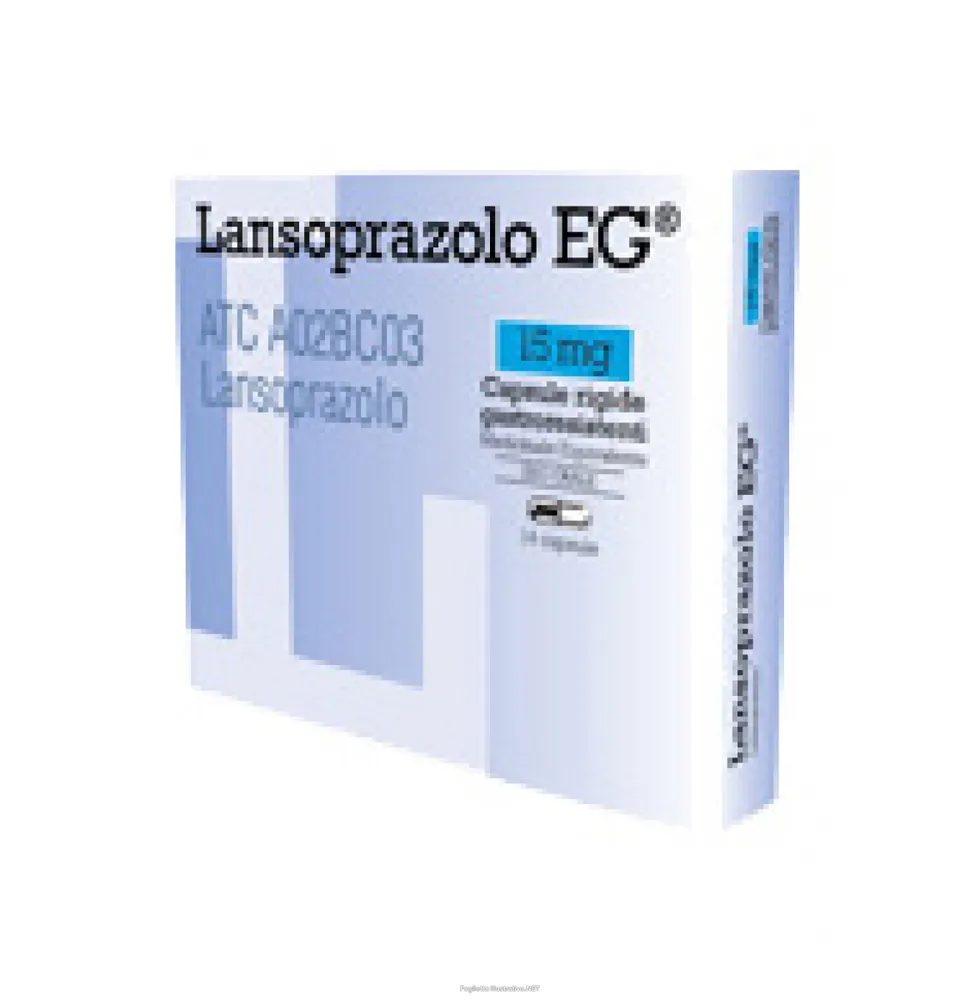
Table of Contents
- Package leaflet: Information for the user
- LANSOPRAZOLE EUROGENERICI 15 mg orodispersible tablets
- 1. What Lansoprazole Eurogenerici is and what it is used for
- 2. What you need to know before taking Lansoprazole Eurogenerics
- 3. How to take Lansoprazole Eurogenerici
- 4. Possible side effects
- 5. How to store Lansoprazole Eurogenerici
- 6. Package contents and other information
- LANSOPRAZOLE EUROGENERICI 30 mg orodispersible tablets
- 1. What LANSOPRAZOLO EUROGENERICI is and what it is used for
- 2. What you should know before taking LANSOPRAZOLE EUROGENERICI
- 3. How to take LANSOPRAZOLE EUROGENERICI
- 4. Possible side effects
- 5. How to store LANSOPRAZOLE EUROGENERICI
- 6. Package contents and other information
Package leaflet: Information for the user
LANSOPRAZOLE EUROGENERICI 15 mg orodispersible tablets
Equivalent medicine
Please read all of this leaflet carefully before you start taking this medicine because it contains
important information for you.
Keep this leaflet. You may need to read it again.
If you have any questions, ask your doctor or pharmacist.
This medicine has been prescribed for you only. Do not give it to others, even if their symptoms are
the same as yours, as it may be harmful.
If you experience any side effect, including those not listed in this leaflet, tell your doctor or
pharmacist. See section 4.
Contents of this leaflet
- What Lansoprazole Eurogenerici is and what it is used for
- What you need to know before taking Lansoprazole Eurogenerici
- How to take Lansoprazole Eurogenerici
- Possible side effects
- How to store Lansoprazole Eurogenerici
- Contents of the pack and other information
1. What Lansoprazole Eurogenerici is and what it is used for
The active substance of Lansoprazole Eurogenerici 15 mg orodispersible tablets is lansoprazole,
a proton pump inhibitor. Proton pump inhibitors reduce the amount of
acid produced by the stomach.
Lansoprazole Eurogenerici is used for the treatment of adults.
Your doctor may prescribe Lansoprazole Eurogenerici for the following indications:
- Treatment of duodenal and gastric ulcers.
- Treatment of inflammation of the oesophagus (reflux oesophagitis).
- Prevention of reflux oesophagitis.
- Treatment of heartburn and acid regurgitation.
- Treatment of infections caused by the bacterium Helicobacter pylori when administered in combination with antibiotic therapy.
- Treatment or prevention of duodenal or gastric ulcers in patients requiring ongoing treatment with NSAIDs (non-steroidal anti-inflammatory drugs used for pain or inflammation).
- Treatment of Zollinger-Ellison syndrome.
Your doctor may have prescribed Lansoprazole Eurogenerici for another indication or at a
different dosage than that stated in this leaflet. Follow your doctor's instructions for taking the medicine.
2. What you need to know before taking Lansoprazole Eurogenerics
Do NOT take Lansoprazole Eurogenerics
- if you are allergic to lansoprazole or to any of the other ingredients of this medicine (listed in section 6);
- if you are taking a medicine containing the active substance atazanavir (used in the treatment of HIV).
Warnings and precautions
Talk to your doctor or pharmacist before taking Lansoprazole Eurogenerics
- if you have severe liver problems. Your doctor may need to adjust the dosage;
- if you have ever developed a skin reaction during treatment with a medicine similar to Lansoprazole Eurogenerics used to reduce stomach acid. If you develop a rash, particularly affecting areas exposed to sunlight, inform your doctor as soon as possible, as treatment with Lansoprazole Eurogenerics may need to be stopped. Remember to also report any other side effects such as joint pain.
- If you are due to have a specific blood test (chromogranin A).
Your doctor may perform or may have already performed an additional test called endoscopy
to diagnose your condition and/or rule out a possible malignant nature of the disease.
If you develop diarrhoea during treatment with Lansoprazole Eurogenerics, contact your
doctor immediately, as Lansoprazole Eurogenerics has been associated with a slightly increased
risk of infectious diarrhoea.
If your doctor has prescribed Lansoprazole Eurogenerics in combination with other medicines
for the treatment of Helicobacter pylori infection (antibiotics) or together with anti-inflammatory
drugs for pain or rheumatic disease, read carefully the package leaflets of these medicines.
If you take a proton pump inhibitor such as Lansoprazole Eurogenerics, especially for more
than one year, there may be a slight increase in the risk of fractures of the hip, wrist or spine.
If you have osteoporosis or are taking corticosteroids (which can increase the risk of osteoporosis),
consult your doctor.
If you take Lansoprazole Eurogenerics long-term (for more than one year), your doctor will
likely monitor you regularly. You should inform your doctor at each visit about any new or
unusual symptoms or circumstances.
Other medicines and Lansoprazole Eurogenerics
Inform your doctor or pharmacist if you are taking, have recently taken, or might take any other medicines.
In particular, tell your doctor if you are taking medicines containing any of the following
active substances, as Lansoprazole Eurogenerics may affect how they work:
- Ketoconazole, itraconazole, rifampicin (medicines used to treat infections).
- Digoxin (used to treat heart conditions).
- Theophylline (used to treat asthma).
- Tacrolimus (used to prevent organ transplant rejection).
- Fluvoxamine (used to treat depression and other psychiatric disorders).
- Antacids (used to treat heartburn and acid regurgitation).
- Sucralfate (used to heal ulcers).
- St. John’s wort (Hypericum perforatum) (used to treat mild depression).
Lansoprazole Eurogenerics with food and drinks
For best results, take Lansoprazole Eurogenerics at least 30 minutes before eating.
Pregnancy and breastfeeding
If you are pregnant, think you might be pregnant, are planning a pregnancy, or are breastfeeding,
ask your doctor or pharmacist for advice before taking this medicine.
Driving and using machines
Side effects such as dizziness, vertigo, fatigue, and visual disturbances may occasionally occur
in patients treated with Lansoprazole Eurogenerics. If you experience side effects like these,
you should be cautious, as your reaction ability may be reduced.
Only you can decide whether you are fit to drive a motor vehicle or perform tasks requiring
high concentration. Due to their mechanism of action or side effects, one of the factors that
may reduce your ability to safely perform these activities is your use of medicines.
Descriptions of these effects can be found in other sections.
Read all the information in this leaflet.
If you have any doubts, contact your doctor, nurse, or pharmacist.
Lansoprazole Eurogenerics contains aspartame
This medicine contains 5.25 mg of aspartame in each orodispersible tablet.
Aspartame is a source of phenylalanine. It may be harmful if you suffer from phenylketonuria (PKU),
a rare genetic disorder in which phenylalanine accumulates because the body cannot properly eliminate it.
3. How to take Lansoprazole Eurogenerici
Take this medicine exactly as directed by your doctor. If you have any doubts,
consult your doctor or pharmacist.
Place the tablet on your tongue and suck it slowly. The tablet dissolves rapidly
in the mouth, releasing microgranules which must be swallowed without chewing. You may
also swallow the tablets whole with a glass of water.
If you take Lansoprazole Eurogenerici once daily, try to take it at the same time every day.
You may achieve better results if you take Lansoprazole Eurogenerici first thing in the morning.
If you take Lansoprazole Eurogenerici twice daily, take the first dose in the morning and the second in the evening.
The dose of Lansoprazole Eurogenerici depends on your condition. The usual doses of
Lansoprazole Eurogenerici for adults are listed below. Your doctor may sometimes prescribe a different dose and will inform you of the duration of treatment.
Treatment of heartburn and acid regurgitation: one or two orodispersible tablets of 15 mg daily for 4 weeks. If symptoms persist, inform your doctor. If symptoms do not improve within 4 weeks, consult your doctor.
Treatment of duodenal ulcer: two orodispersible tablets of 15 mg daily for 2 weeks.
Treatment of gastric ulcer: two orodispersible tablets of 15 mg daily for 4 weeks.
Treatment of inflammation of the oesophagus (reflux oesophagitis): two orodispersible tablets of 15 mg daily for 4 weeks.
Long-term prevention of reflux oesophagitis: one orodispersible tablet of 15 mg daily; your doctor may adjust the dosage up to two orodispersible tablets of 15 mg daily.
Treatment of Helicobacter pylori infection: the usual dose is two orodispersible tablets of 15 mg in combination with two different antibiotics in the morning and two orodispersible tablets of 15 mg in combination with two different antibiotics in the evening. Treatment lasts for 7 days.
The recommended antibiotic combinations are:
- 30 mg of Lansoprazole Eurogenerici together with 250–500 mg of clarithromycin and 1000 mg of amoxicillin.
- 30 mg of Lansoprazole Eurogenerici together with 250 mg of clarithromycin and 400–500 mg of metronidazole.
If you are being treated for this infection because you have an ulcer, it is unlikely that the ulcer will recur if the infection is successfully treated. To ensure the medicine works effectively, take it at the scheduled times and never miss a dose.
Treatment of duodenal or gastric ulcer in patients requiring continuous NSAID therapy: two orodispersible tablets of 15 mg daily for 4 weeks.
Prevention of duodenal or gastric ulcer in patients requiring continuous NSAID therapy: one orodispersible tablet of 15 mg daily; your doctor may adjust the dosage up to two orodispersible tablets of 15 mg daily.
Zollinger-Ellison syndrome: the usual dose is four orodispersible tablets of 15 mg daily as initial treatment; thereafter, your doctor will determine the best dose for you based on your response to Lansoprazole Eurogenerici.
Use in children and adolescents
Lansoprazole Eurogenerici must not be given to children.
If you take more Lansoprazole Eurogenerici than you should
If you take more Lansoprazole Eurogenerici than prescribed, contact your doctor immediately.
If you forget to take Lansoprazole Eurogenerici
If you forget to take a dose, take it as soon as you remember, unless it is almost time for your next dose. In that case, skip the missed dose and take the next dose at the usual time. Do not take a double dose to make up for a forgotten tablet.
If you stop taking Lansoprazole Eurogenerici
Do not stop treatment prematurely just because your symptoms have improved. Your condition may not be fully healed and symptoms may return if you do not complete the full course of treatment.
If you have any questions about using this medicine, consult your doctor or pharmacist.
4. Possible side effects
Like all medicines, this medicine can cause side effects, although not everybody gets them.
If you develop diarrhoea during treatment with lansoprazole, contact your doctor immediately,
as lansoprazole has been associated with a small increased risk of infectious diarrhoea.
The following side effects are common (may affect up to 1 in 10 people):
- headache, dizziness;
- diarrhoea, constipation, stomach ache, feeling unwell or malaise, flatulence, dry or inflamed mouth or throat;
- skin rash, itching;
- abnormal liver function tests;
- fatigue;
- benign gastric polyps.
The following side effects are uncommon (may affect up to 1 in 100 people):
- depression;
- joint or muscle pain;
- fluid retention or swelling;
- changes in blood cell counts;
- risk of fracture of the hip, wrist or spine.
The following side effects are rare (may affect up to 1 in 1,000 people):
- fever;
- restlessness, drowsiness, confusion, hallucinations, insomnia, visual disturbances, dizziness;
- altered taste sensation, loss of appetite, inflammation of the tongue (glossitis);
- skin reactions such as burning or prickling sensation under the skin, bruising, redness and excessive sweating;
- sensitivity to light;
- hair loss;
- tingling sensation on the skin (paraesthesia), tremor;
- anaemia (pallor);
- kidney problems;
- pancreatitis;
- liver inflammation (may be noticed by yellowing of the skin or eyes);
- breast swelling in men, impotence;
- candidiasis (fungal infection affecting skin or mucous membranes);
- angioedema. Contact your doctor immediately if you experience symptoms of angioedema such as swelling of the face, tongue or pharynx, difficulty swallowing, hives, or breathing difficulties.
The following side effects are very rare (may affect up to 1 in 10,000 people):
- severe hypersensitivity reactions including shock. Symptoms of a hypersensitivity reaction may include fever, rash, swelling, and sometimes a drop in blood pressure;
- inflammation of the mouth (stomatitis);
- colitis (inflammation of the colon);
- abnormal laboratory values such as sodium, cholesterol and triglyceride levels;
- very severe skin reactions with redness, blistering, severe inflammation and skin loss;
- very rarely, lansoprazole may cause a reduction in the number of white blood cells, possibly reducing your resistance to infections;
- contact your doctor immediately if you develop an infection with symptoms such as fever and severe deterioration in your general condition, or fever with signs of local infection such as sore throat/pharyngitis/oral ulcers or urinary problems. A blood test may be useful to check for a possible reduction in white blood cells (agranulocytosis).
The following side effects have unknown frequency (frequency cannot be estimated from the
available data):
-
if you take lansoprazole for more than three months, your blood magnesium levels may decrease. Low magnesium levels may present as fatigue, involuntary muscle contractions, disorientation, seizures, dizziness and increased heart rate. If you experience any of these symptoms, consult your doctor immediately. Low magnesium levels may also lead to reduced blood levels of potassium or calcium. Your doctor may decide to monitor your blood magnesium levels regularly;
-
skin rash, possibly associated with joint pain (subacute cutaneous lupus erythematosus);
-
visual hallucinations.
Reporting of side effects
If you get any side effects, including any not listed in this leaflet, talk to your doctor, pharmacist or nurse.
You can also report side effects directly via the national reporting system at
https://www.aifa.gov.it/content/segnalazioni-reazioni-avverse. By reporting side effects, you can help provide more information on the safety of this medicine.
5. How to store Lansoprazole Eurogenerici
Keep this medicine out of the sight and reach of children.
Do not use this medicine after the expiry date stated on the packaging or on the blister after the wording “EXP”. The expiry date refers to the last day of that month.
Store below 25°C. Keep the medicine in the original packaging to protect it from moisture.
Do not dispose of any medicine via wastewater or household waste. Ask your pharmacist how to dispose of medicines you no longer use. This will help protect the environment.
6. Package contents and other information
What Lansoprazolo Eurogenerici contains
- The active substance is lansoprazole. One (1) orodispersible tablet contains 15 mg of lansoprazole.
- The other components are: Tablet core: microcrystalline cellulose, light magnesium carbonate, low-substituted hydroxypropylcellulose, hydroxypropylcellulose (E463).
Coating: hypromellose 3 cps (E464), low-substituted hydroxypropylcellulose, talc (E553b), titanium dioxide (E171), mannitol (E421), methacrylic acid – ethyl acrylate copolymer (1:1) dispersion, polyacrylate dispersion, glycerol monostearate, polyethylene glycol 6000, triethyl citrate, polysorbate 80, anhydrous citric acid (E330), yellow iron oxide (E172), red iron oxide (E172), talc (E553b), F-melt type C (mannitol, xylitol, microcrystalline cellulose, crospovidone, anhydrous dibasic calcium phosphate), crospovidone, microcrystalline cellulose, aspartame (E951), strawberry flavour (flavouring, corn maltodextrin, propylene glycol (E1520)), magnesium stearate (of vegetable origin) (E470b).
Description of the appearance of Lansoprazolo Eurogenerici and package contents
Lansoprazolo 15 mg orodispersible tablets are uncoated tablets of white to off-white colour with specks varying in colour from orange to dark brown. The 15 mg orodispersible tablets of lansoprazole are marked with "15" on one side. Each 15 mg orodispersible tablet of lansoprazole has a strawberry flavour.
Lansoprazolo 15 mg orodispersible tablets are available in packs of 7, 14, 28, 30 and 56 tablets.
Not all pack sizes may be marketed.
Marketing Authorisation Holder
EG S.p.A., Via Pavia 6 - 20136 Milano, Italy
Manufacturer
STADA Arzneimittel AG, Stadastrasse 2 – 18, 61118 Bad Vilbel, Germany
Patient Information Leaflet
LANSOPRAZOLE EUROGENERICI 30 mg orodispersible tablets
Generic medicine
Please read this entire leaflet carefully before taking this medicine, as it contains
important information for you.
- Keep this leaflet. You may need to read it again.
- If you have any questions, ask your doctor or pharmacist.
- This medicine has been prescribed for you only. Do not give it to other people, even if their symptoms are the same as yours, as it may be harmful.
- If you experience any side effect, including those not listed in this leaflet, contact your doctor or pharmacist. See section 4.
Contents of this leaflet:
- What LANSOPRAZOLE EUROGENERICI is and what it is used for
- What you need to know before taking LANSOPRAZOLE EUROGENERICI
- How to take LANSOPRAZOLE EUROGENERICI
- Possible side effects
- How to store LANSOPRAZOLE EUROGENERICI
- Contents of the pack and other information
1. What LANSOPRAZOLO EUROGENERICI is and what it is used for
The active substance of LANSOPRAZOLO EUROGENERICI 30 mg orodispersible tablets is
lansoprazole, which is a proton pump inhibitor. Proton pump inhibitors
reduce the amount of acid produced by your stomach.
LANSOPRAZOLO EUROGENERICI is used in adults.
Your doctor may prescribe LANSOPRAZOLO EUROGENERICI for the following indications:
- Treatment of duodenal and gastric ulcers.
- Treatment of inflammation of the oesophagus (reflux esophagitis).
- Prevention of reflux esophagitis.
- Treatment of heartburn and acid regurgitation.
- Treatment of infections caused by the bacterium Helicobacter pylori when administered in combination with antibiotic therapy.
- Treatment or prevention of duodenal or gastric ulcers in patients requiring continuous treatment with NSAIDs (NSAIDs are used to treat pain or inflammation).
- Treatment of Zollinger-Ellison syndrome.
Your doctor may have prescribed LANSOPRAZOLO EUROGENERICI for another indication or
at a dosage different from that stated in this leaflet. Always follow your doctor's
instructions for taking the medicine.
2. What you should know before taking LANSOPRAZOLE EUROGENERICI
DO NOT take LANSOPRAZOLE EUROGENERICI
- If you are allergic to lansoprazole or to any of the other ingredients of this medicine (listed in section 6).
- If you are taking a medicine containing the active substance atazanavir (used in the treatment of HIV).
Warnings and precautions
Talk to your doctor or pharmacist before taking LANSOPRAZOLE EUROGENERICI:
- if you have severe liver problems. Your doctor may need to adjust your dose;
- if you have developed a skin reaction during treatment with a medicine similar to LANSOPRAZOLE EUROGENERICI that reduces stomach acidity. If a rash develops, particularly on areas exposed to sunlight, inform your doctor as soon as possible, since treatment with LANSOPRAZOLE EUROGENERICI may need to be stopped. Remember also to mention any other adverse effects such as joint pain;
- if you are due to have a specific blood test (chromogranin A).
Your doctor may have performed or may perform an additional test called endoscopy in order to diagnose your condition and/or exclude the possibility of a malignant nature of the disease.
If you develop diarrhoea during treatment with LANSOPRAZOLE EUROGENERICI, contact your doctor immediately, as LANSOPRAZOLE EUROGENERICI has been associated with a small increased risk of infectious diarrhoea.
If your doctor has prescribed LANSOPRAZOLE EUROGENERICI in combination with other medicines for the treatment of Helicobacter pylori infection (antibiotics) or together with anti-inflammatory medicines for pain or rheumatic disease, please read carefully the package leaflets of these medicines.
Taking a proton pump inhibitor such as LANSOPRAZOLE EUROGENERICI, especially if used long-term (for more than 1 year), may cause a slight increase in the risk of fractures of the hip, wrist and spine. Inform your doctor if you have osteoporosis or if you are taking corticosteroids (which may increase the risk of osteoporosis).
If you take LANSOPRAZOLE EUROGENERICI long-term (for more than 1 year), your doctor will likely monitor you regularly. You should report to your doctor any new or unusual symptoms or circumstances each time you see them.
Other medicines and LANSOPRAZOLE EUROGENERICI
Tell your doctor or pharmacist if you are taking, have recently taken or might take any other medicines.
In particular, tell your doctor if you are taking medicines containing any of the following active substances, as LANSOPRAZOLE EUROGENERICI may affect how they work:
- ketoconazole, itraconazole, rifampicin (medicines used to treat infections);
- digoxin (used to treat heart conditions);
- theophylline (used to treat asthma);
- tacrolimus (used to prevent organ transplant rejection);
- fluvoxamine (used to treat depression and other psychiatric disorders);
- antacids (used to treat heartburn and acid regurgitation);
- sucralfate (used to heal ulcers);
- St John's wort (Hypericum perforatum) (used to treat mild depression).
LANSOPRAZOLE EUROGENERICI with food and drink
For best results, take LANSOPRAZOLE EUROGENERICI at least 30 minutes before eating.
Pregnancy and breastfeeding
If you are pregnant, think you may be pregnant, planning to become pregnant, or are breastfeeding, consult your doctor or pharmacist before taking this medicine.
Driving and using machines
Undesirable effects such as dizziness, vertigo, fatigue and visual disturbances may occasionally occur in patients taking LANSOPRAZOLE EUROGENERICI. If you experience such effects, take care, as your reaction capability may be reduced.
Only you can decide whether you are fit to drive a vehicle or perform tasks requiring high concentration. The use of medicines, due to their effects or side effects, is one of the factors that may impair your ability to perform these activities safely.
Descriptions of these effects can be found in other sections of this leaflet.
Please read all the information contained in this leaflet.
If you have any doubts, contact your doctor, nurse or pharmacist.
LANSOPRAZOLE EUROGENERICI contains aspartame
This medicine contains a source of phenylalanine. It may be harmful if you have phenylketonuria.
3. How to take LANSOPRAZOLE EUROGENERICI
Take this medicine exactly as your doctor has told you. If you are not sure, consult your doctor or pharmacist.
Place the tablet on your tongue and allow it to dissolve slowly. The tablet dissolves rapidly in the mouth, releasing microgranules which must be swallowed without chewing. Alternatively, you may swallow the tablets whole with a glass of water.
If you take LANSOPRAZOLE EUROGENERICI once daily, try to take it at the same time each day. You may achieve better results if you take LANSOPRAZOLE EUROGENERICI first thing in the morning.
If you take LANSOPRAZOLE EUROGENERICI twice daily, take the first dose in the morning and the second dose in the evening.
The dose of LANSOPRAZOLE EUROGENERICI depends on your condition. The usual doses of LANSOPRAZOLE EUROGENERICI for adults are given below. Your doctor may sometimes prescribe a different dose and will inform you of the duration of treatment.
Treatment of heartburn and acid regurgitation: one 15 mg orodispersible tablet (for this dosage, appropriate dosage strengths are available) or one 30 mg orodispersible tablet daily for 4 weeks. If symptoms persist, inform your doctor. If symptoms do not improve within 4 weeks, consult your doctor.
Treatment of duodenal ulcer: one 30 mg orodispersible tablet daily for 2 weeks.
Treatment of gastric ulcer: one 30 mg orodispersible tablet daily for 4 weeks.
Treatment of inflammation of the oesophagus (reflux oesophagitis): one 30 mg orodispersible tablet daily for 4 weeks.
Long-term prevention of reflux oesophagitis: one 15 mg orodispersible tablet daily (for this dosage, appropriate dosage strengths are available); your doctor may adjust the dose up to one 30 mg orodispersible tablet daily.
Treatment of Helicobacter pylori infection: the usual dose is one 30 mg orodispersible tablet in combination with two different antibiotics in the morning and one 30 mg orodispersible tablet in combination with two different antibiotics in the evening. Treatment should last for 7 days.
The recommended antibiotic combinations are:
- 30 mg of LANSOPRAZOLE EUROGENERICI together with 250–500 mg of clarithromycin and 1,000 mg of amoxicillin;
- 30 mg of LANSOPRAZOLE EUROGENERICI together with 250 mg of clarithromycin and 400–500 mg of metronidazole.
If you are being treated for this infection because you have an ulcer, the ulcer is unlikely to recur if the infection is successfully treated. To achieve the best results from this therapy, take the medicine at the prescribed times and do not miss any doses.
Treatment of duodenal or gastric ulcer in patients requiring continued NSAID therapy: one 30 mg orodispersible tablet daily for 4 weeks.
Prevention of duodenal or gastric ulcer in patients requiring continued NSAID therapy: one 15 mg orodispersible tablet daily (for this dosage, appropriate dosage strengths are available); your doctor may adjust the dose up to one 30 mg orodispersible tablet daily.
Zollinger-Ellison syndrome: the usual initial dose is two 30 mg orodispersible tablets daily; thereafter, depending on your response to LANSOPRAZOLE EUROGENERICI, your doctor will decide the most appropriate dose for you.
Use in children and adolescents
LANSOPRAZOLE EUROGENERICI must not be given to children.
If you take more LANSOPRAZOLE EUROGENERICI than you should
If you take more LANSOPRAZOLE EUROGENERICI than prescribed, contact your doctor immediately.
If you forget to take LANSOPRAZOLE EUROGENERICI
If you forget to take a dose, take it as soon as you remember, unless it is almost time for your next dose. In this case, do not take the missed dose and take the next dose at the usual time. Do not take a double dose to make up for a forgotten tablet.
If you stop taking LANSOPRAZOLE EUROGENERICI
Do not stop treatment prematurely, even if your symptoms have improved. Your condition may not be completely healed and symptoms may return if you do not complete the full course of treatment.
If you have any doubts about how to use this medicine, consult your doctor or pharmacist.
4. Possible side effects
Like all medicines, this medicine can cause side effects, although not everybody gets them.
If you develop diarrhoea during treatment with lansoprazole, contact your doctor immediately, as lansoprazole has been associated with a small increased risk of infectious diarrhoea.
Common side effects (may affect up to 1 in 10 people):
- headache, dizziness;
- diarrhoea, constipation, stomach pain, feeling unwell or malaise, flatulence, dry or inflamed mouth or throat;
- skin rash, itching;
- changes in liver function tests;
- fatigue;
- benign polyps in the stomach.
Uncommon side effects (may affect up to 1 in 100 people):
- depression;
- joint or muscle pain;
- fluid retention or swelling;
- changes in blood cell counts;
- risk of fracture of the hip, wrist or spine.
Rare side effects (may affect up to 1 in 1,000 people):
- fever;
- restlessness, drowsiness, confusion, hallucinations, insomnia, visual disturbances, dizziness;
- altered taste sensation, loss of appetite, inflammation of the tongue (glossitis);
- skin reactions such as burning or prickling sensations under the skin, bruising, redness and excessive sweating;
- light sensitivity;
- hair loss;
- tingling sensation on the skin (paraesthesia), tremor;
- anaemia (pallor);
- kidney problems;
- pancreatitis;
- liver inflammation (may present as yellowing of the skin or eyes);
- breast enlargement in men, impotence;
- candidiasis (fungal infection affecting skin or mucous membranes);
- angioedema. Contact your doctor immediately if you experience symptoms of angioedema such as swelling of the face, tongue or throat, difficulty swallowing, hives, or breathing difficulties.
Very rare side effects (may affect up to 1 in 10,000 people):
- severe hypersensitivity reactions including shock. Symptoms of a hypersensitivity reaction may include fever, rash, swelling, and sometimes a drop in blood pressure;
- inflammation of the mouth (stomatitis);
- colitis (inflammation of the colon);
- changes in laboratory values such as sodium, cholesterol and triglyceride levels;
- very severe skin reactions with redness, blistering, severe inflammation and skin loss;
- very rarely, lansoprazole may cause a reduction in the number of white blood cells, and your resistance to infections may therefore decrease;
- contact your doctor immediately if you develop an infection with symptoms such as fever and a marked worsening of your general condition, or fever with signs of local infection, sore throat/pharyngitis/oral ulcers or urinary tract problems. A blood test may be helpful to check for a possible reduction in white blood cells (agranulocytosis).
Side effects with unknown frequency (frequency cannot be estimated from the available data):
- if you have been taking lansoprazole for more than three months, it is possible that your blood magnesium levels may decrease. Low magnesium levels in the blood may lead to fatigue, involuntary muscle contractions, disorientation, seizures, dizziness, or increased heart rate. If you experience these symptoms, contact your doctor immediately. Low magnesium levels may also cause reduced levels of potassium or calcium in the blood. Your doctor may decide to perform regular blood tests to monitor your magnesium levels;
- skin rash, possibly associated with joint pain (subacute cutaneous lupus erythematosus);
- visual hallucinations.
Reporting of side effects
If you experience any side effect, including those not listed in this leaflet, talk to your doctor or pharmacist. You can also report side effects directly via the national reporting system at the website
https://www.aifa.gov.it/content/segnalazioni-reazioni-avverse.
By reporting side effects, you can help provide more information on the safety of this medicine.
5. How to store LANSOPRAZOLE EUROGENERICI
Keep this medicine out of the sight and reach of children.
Do not use this medicine after the expiry date stated on the pack and on the
blister. The expiry date refers to the last day of that month.
Store below 25°C. Keep the medicine in the original packaging
to protect it from moisture.
Do not dispose of any medicine via wastewater or household waste. Ask your pharmacist
how to dispose of medicines no longer required. This will help protect the environment.
6. Package contents and other information
What LANSOPRAZOLO EUROGENERICI contains
- The active substance is lansoprazole. One 30 mg orodispersible tablet contains 30 mg of lansoprazole.
- The other components are:
Tablet core: microcrystalline cellulose, light magnesium carbonate,
low-substituted hydroxypropylcellulose, hydroxypropylcellulose (E463).
Coating: hypromellose 3 cps (E464), low-substituted hydroxypropylcellulose, talc
(E553b), titanium dioxide (E171), mannitol (E421), methacrylic acid-ethyl acrylate
copolymer (1:1) dispersion, polyacrylate dispersion, glycerol monostearate, polyethylene
glycol 6000, triethyl citrate, polysorbate 80, anhydrous citric acid (E330), yellow iron oxide
(E172), red iron oxide (E172), talc (E553b), F-melt type C (mannitol, xylitol,
microcrystalline cellulose, crospovidone, anhydrous dicalcium phosphate), crospovidone,
microcrystalline cellulose, aspartame (E951), strawberry flavour (flavouring, maize
maltodextrin, propylene glycol (E1520)), magnesium stearate (of vegetable origin) (E470b).
Description of the appearance of LANSOPRAZOLO EUROGENERICI and package contents
Lansoprazole 30 mg orodispersible tablets are available as uncoated tablets, white to off-white in colour, with specks ranging from orange to dark brown. The 30 mg orodispersible tablets are marked with "30" on one side. Each 30 mg orodispersible tablet of lansoprazole has a strawberry flavour.
Lansoprazole 30 mg orodispersible tablets are available in packs containing 7, 14, 28, 30 and 56 tablets.
Not all pack sizes may be marketed.
Marketing Authorization Holder
EG S.p.A., Via Pavia 6, 20136 Milano, Italy
Manufacturers
STADA Arzneimittel AG, Stadastrasse 2 – 18, 61118 Bad Vilbel, Germany
STADA Arzneimittel GmbH, Muthgasse 36, 1190 Wien, Austria
This medicinal product is authorized in the European Economic Area countries under the following names:
Italy: LANSOPRAZOLO EUROGENERICI 30 mg orodispersible tablets
Portugal: Lansoprazol Ciclum
Spain: Lansoprazol Flas STADA 30 mg bucodispersables comprimidos EFG