Isocef
Italy
Table of Contents
- Patient Information Leaflet
- Isocef 36 mg/ml granules for oral suspension
- 1. What Isocef is and what it is used for
- 2. What you should know before using Isocef
- 3. How to use Isocef
- 4. Possible side effects
- 5. How to store Isocef
- 6. Package contents and other information
- Patient information leaflet
- Isocef 400 mg granules for oral suspension, 200 mg granules for oral suspension
- 1. What Isocef is and what it is used for
- 2. What you need to know before using Isocef
- 3. How to use Isocef
- 4. Possible side effects
- 5. How to store Isocef
- 6. Package contents and other information
- Package leaflet: Information for the patient
- Isocef 200 mg hard capsules, 400 mg hard capsules
- 1. What Isocef is and what it is used for
- 2. What you need to know before using Isocef
- 3. How to use Isocef
- 4. Possible side effects
- 5. How to store Isocef
- 6. Package contents and other information
Patient Information Leaflet
Isocef 36 mg/ml granules for oral suspension
ceftibuten
Please read this leaflet carefully before taking this medicine as it contains important information for you.
- Keep this leaflet. You may need to read it again.
- If you have any questions, ask your doctor or pharmacist.
- This medicine has been prescribed for you only. Do not give it to other people, even if their symptoms are the same as yours, as it may be harmful.
- If you experience any side effects, including those not listed in this leaflet, contact your doctor or pharmacist. See section 4.
Contents of this leaflet:
- What Isocef is and what it is used for
- What you need to know before taking Isocef
- How to take Isocef
- Possible side effects
- How to store Isocef
- Contents of the pack and other information
1. What Isocef is and what it is used for
Isocef contains the active substance ceftibuten.
Ceftibuten is an antibiotic belonging to the beta-lactam class and to a family of medicines called cephalosporins.
Isocef is used against bacteria that are sensitive to the medicine.
Isocef is indicated for the treatment of:
- upper respiratory tract infections: of the throat (pharyngitis, tonsillitis), of the cavities near the nose (sinusitis), and of the ears (otitis media)
- lower respiratory tract infections: of the bronchi (bronchitis), of the lungs (community-acquired primary pneumonia), and of both the bronchi and lungs simultaneously (bronchopneumonia)
- urinary tract infections: of the kidneys, bladder, and the duct carrying urine from the bladder to the outside (acute and chronic pyelitis, cystopyelitis, cystitis, urethritis, and as a second-choice medicine in uncomplicated acute gonococcal urethritis).
2. What you should know before using Isocef
Do not use Isocef
- if you are allergic to the active substance, to any cephalosporin antibiotic, or to any of the other ingredients of this medicine (listed in section 6)
- if you have previously experienced severe and sudden allergic reactions (anaphylaxis) to other antibiotics known as penicillins or to other antibiotics belonging to the beta-lactam family
- if you are a woman who is pregnant or suspect you may be pregnant (see "Pregnancy and breastfeeding")
- if it is for a child under six months of age (see "Warnings and precautions").
Warnings and precautions
Talk to your doctor or pharmacist before using Isocef if:
- you have severe kidney problems (renal impairment) or are undergoing dialysis. In these cases, your doctor will decide the appropriate dose of Isocef. If you are on dialysis, your doctor will closely monitor your health status and will plan the administration of Isocef immediately after dialysis.
- you have stomach or intestinal problems, particularly if you have chronic inflammation of the colon (chronic colitis). Your doctor will prescribe this medicine with caution.
- during treatment with Isocef, an alteration of intestinal flora (bacteria present in the intestine) may occur, leading to moderate to severe diarrhea (including pseudomembranous colitis caused by Clostridium difficile toxins).
- you have a history of allergy or suspect an allergy to penicillins, a class of antibiotics. If you are allergic to penicillins, you may also be allergic to cephalosporins (cross-reactivity) and could experience severe and sudden allergic reactions (anaphylaxis). In such cases, your doctor will stop treatment with Isocef and administer appropriate therapy. If seizures or anaphylactic shock occur during treatment with Isocef, your doctor will immediately discontinue administration of the medicine and promptly initiate appropriate medical treatment.
- you are taking medicines that delay blood coagulation, as Isocef may reduce the ability to stop bleeding. In these cases, your doctor will prescribe specific blood tests (prothrombin time or International Normalized Ratio - INR).
- upon opening the vial, a sulfur-like odor may be noticed, which does not affect the quality of the product. This sulfur-like odor disappears after reconstitution.
Children
Experience in children under six months of age is insufficient to establish the safety of ceftibuten in these patients.
Other medicines and Isocef
Inform your doctor or pharmacist if you are currently using, have recently used, or might use any other medicines.
Isocef does not interact with medications that reduce stomach acidity containing aluminum-magnesium or ranitidine, or with asthma medications containing theophylline (when administered as a single intravenous dose).
Cephalosporins, including Isocef, may in rare cases interact with anticoagulant medicines and may reduce the ability to stop bleeding. In such cases, your doctor may prescribe specific blood tests (prothrombin time).
Isocef with food
Concomitant intake of food may delay and reduce the absorption of Isocef oral suspension.
Pregnancy and breastfeeding
If you are pregnant, suspect you may be pregnant, plan to become pregnant, or are breastfeeding, consult your doctor or pharmacist before using this medicine.
Administration of Isocef during pregnancy and breastfeeding should be evaluated in terms of potential risk and benefit for both mother and fetus.
Breastfeeding
Ceftibuten is excreted in breast milk; therefore, infants may develop diarrhea severe enough to require discontinuation of breastfeeding.
Due to the risk of developing possible allergic reactions, Isocef should be administered during breastfeeding only when the benefits outweigh the risks.
Driving and using machines
Isocef has no effect on the ability to drive or operate machinery.
Isocef granules contain sucrose and sodium benzoate:
- sucrose: patients with rare hereditary problems of fructose intolerance, glucose-galactose malabsorption, or sucrase-isomaltase insufficiency should not take this medicine
- sodium benzoate: in newborns, it may increase the risk of jaundice.
3. How to use Isocef
Use this medicine exactly as directed by your doctor or pharmacist. If you have
any doubts, consult your doctor or pharmacist.
The recommended dose is:
Adults:
- lower respiratory tract infections pneumonia: 200 mg twice daily bronchitis: 400 mg once daily
- upper respiratory tract infections 400 mg once daily
- urinary tract infections 400 mg once daily.
Children over 6 months of age :
- uncomplicated lower respiratory tract infections 9.0 mg/kg once daily
- upper respiratory tract infections (e.g. otitis media) 9.0 mg/kg once daily
- urinary tract infections 9.0 mg/kg once daily.
The maximum daily dose in children must not exceed 400 mg/day.
Isocef oral suspension granules can be taken one to two hours before or after meals, and should always be taken on an empty stomach.
INSTRUCTIONS FOR PREPARING THE SUSPENSION
Shake the bottle before adding water to facilitate dispersion of the granules. Fill the provided measuring device with water up to the "water level" mark engraved on it. Add half of this water to the bottle, close it, invert it, and shake vigorously. Then add the remaining water from the measuring device to the bottle, close it again, and shake vigorously until the granules are completely dispersed.
After reconstitution, the suspension is stable for 14 days.
Shake the suspension well before each administration.
INSTRUCTIONS FOR USING THE DOSING DEVICE
After reconstituting the suspension, proceed as follows:
- Remove the colored protective cap from the dosing device
- Insert the dosing device fully into the bottle
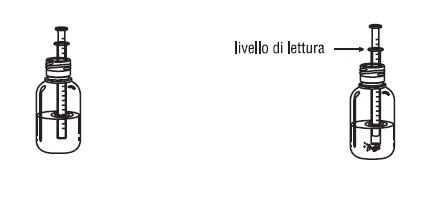
- Draw up the suspension by pulling only the graduated piston until the mark corresponding to the child's weight, or to the recommended adult dose, is reached.
WARNING: use the dosing device exclusively for Isocef.
If you take more Isocef than you should
No toxic effects have been reported following accidental overdose of Isocef.
In case of accidental ingestion or intake of an excessive dose of Isocef, contact your doctor immediately or go to the nearest hospital.
If you forget to take Isocef
Do not take a double dose to make up for the missed dose.
If you stop using Isocef
If you have any doubts about using this medicine, consult your doctor or pharmacist.
4. Possible side effects
Like all medicines, this medicine can cause side effects, although not everybody gets them.
In clinical studies conducted in approximately 3000 patients, the most frequently reported side effects were:
- nausea (3%)
- diarrhoea (3%)
- headache (cephalalgia) (2%).
The following side effects have been observed in clinical studies and post-marketing surveillance:
Common (may affect up to 1 in 10 people)
- headache (cephalalgia)
- nausea
- diarrhoea
Uncommon (may affect up to 1 in 100 people)
- fungal infection (oral candidiasis)
- vaginal infection
- increase in eosinophils (a type of blood cell) (eosinophilia, direct Coombs test positivity* (a laboratory test))
- decrease in haemoglobin (a protein that carries oxygen in the blood)
- prolonged prothrombin time (indicating blood clotting time)
- increased INR (a value indicating blood clotting time)
- loss of appetite (anorexia)
- reduced sense of taste (dysgeusia)
- stuffy nose (nasal congestion)
- difficulty breathing (dyspnoea)
- inflammation of the stomach (gastritis)
- vomiting
- abdominal pain
- constipation
- dry mouth
- difficulty digesting (dyspepsia)
- passing gas through the anus (flatulence)
- faecal incontinence
- increase in some liver function parameters: bilirubin and transaminases (hyperbilirubinaemia*, increase in AST and ALT)
- difficulty urinating (dysuria)
- renal impairment*
- kidney damage (toxic nephropathy*)
- presence of sugars and other substances called ketone bodies in urine (renal glycosuria* and ketonuria*) * observed with other cephalosporins and which may occur with the use of Isocef.
Rare (may affect up to 1 in 1000 people)
- inflammation of a part of the intestine called colon caused by a bacterial infection (Clostridium difficile colitis)
- reduction in the number of a type of blood cell (leucopenia)
- reduction in the number of platelets (thrombocytopaenia)
- reduction in the number of red blood cells (aplastic anaemia, haemolytic anaemia)
- bleeding disorders
- reduction in the number of all types of blood cells (pancytopenia)
- reduction in the number of a type of white blood cells called neutrophils (neutropenia)
- severe reduction in white blood cells (agranulocytosis)
- convulsions
- increased blood levels of some liver function parameters (lactate dehydrogenase - LDH)
Very rare (may affect up to 1 in 10,000 people)
- altered sensation (paraesthesia)
- drowsiness
- dizziness
- fatigue
Not known (frequency cannot be estimated from the available data)
- superimposed infections (superinfection)
- serum sickness (characterised by skin rashes, joint pain, fever, swollen lymph nodes, decreased blood pressure and enlarged spleen)
- hypersensitivity reactions including severe and sudden reactions (anaphylactic reaction), contraction of bronchial muscles (bronchospasm)
- skin rash
- urticaria
- sensitivity to light (photosensitivity)
- itching (pruritus)
- severe skin reactions (angioedema, Stevens-Johnson syndrome, erythema multiforme and toxic epidermal necrolysis)
- mental disorders (psychotic)
- language impairment (aphasia)
- dark stools (melena)
- liver (hepatobiliary) disorders and yellowing of the skin and eyes (jaundice)
Additional side effects in children
Uncommon (may affect up to 1 in 100 children)
- skin inflammation (dermatitis) due to nappy rash
- blood in urine (haematuria)
Very rare (may affect up to 1 in 10,000 children)
- restlessness
- insomnia
- excessive movement (hyperkinesia)
- irritability
- chills
Reporting of side effects
If you get any side effects, including those not listed in this leaflet, talk to your doctor or pharmacist. You can also report side effects directly via the national reporting system at www.agenziafarmaco.gov.it/content/come-segnalare-una-sospetta-reazione-avversa
By reporting side effects, you can help provide more information on the safety of this medicine.
5. How to store Isocef
Do not store above 25°C.
Keep this medicine out of the sight and reach of children.
Do not use this medicine after the expiry date stated on the packaging after "Expires".
The expiry date refers to the last day of that month.
Do not dispose of any medicine via wastewater or household waste.
Ask your pharmacist how to dispose of medicines you no longer use. This will help protect
the environment.
6. Package contents and other information
What Isocef contains
- The active substance is: ceftibuten. 100 g of granules contain 14.40 g of ceftibuten.
- The other components are: polysorbate 80, simethicone, xanthan gum, silicon dioxide, cherry flavour, titanium dioxide, sodium benzoate (E211), sucrose.
Description of the appearance of Isocef and contents of the pack
Isocef is presented as granules for oral suspension 36 mg/ml.
The pack contains 1 bottle with 15 g of granules.
Marketing Authorization Holder
RECORDATI Industria Chimica e Farmaceutica S.p.A. – Via Civitali, 1 - Milan
Manufacturer
FACTA FARMACEUTICI S.p.A. - Pharmaceutical Plant of Pomezia – Plant 2 - Via
Laurentina km 24.730
Biopharma S.R.L. – Via Delle Gerbere, 20/22 - 00040 Santa Palomba – Rome – Italy
SIFI S.p.A. - Via Ercole Patti, 36 – 95020 Lavinaio - Aci S. Antonio (Catania)
Patient information leaflet
Isocef 400 mg granules for oral suspension, 200 mg granules for oral suspension
ceftibuten
Please read this leaflet carefully before using this medicine because it contains
important information for you.
- Keep this leaflet. You may need to read it again.
- If you have any questions, ask your doctor or pharmacist.
- This medicine has been prescribed for you only. Do not give it to other people, even if their symptoms are the same as yours, because it could be harmful.
- If you experience any side effects, including those not listed in this leaflet, consult your doctor or pharmacist. See section 4.
Contents of this leaflet:
- What Isocef is and what it is used for
- What you need to know before taking Isocef
- How to take Isocef
- Possible side effects
- How to store Isocef
- Contents of the pack and other information
1. What Isocef is and what it is used for
Isocef contains the active substance ceftibuten.
Ceftibuten is an antibiotic belonging to the beta-lactam class and to a family of medicines known as cephalosporins.
Isocef is used against bacteria that are sensitive to the medicine.
Isocef is indicated for the treatment of:
- upper respiratory tract infections: of the throat (pharyngitis, tonsillitis), of the cavities near the nose (sinusitis), and of the ears (otitis media)
- lower respiratory tract infections: of the bronchi (bronchitis), of the lungs (community-acquired primary pneumonia), and of both the bronchi and lungs simultaneously (bronchopneumonia)
- urinary tract infections: of the kidneys, bladder, and the duct carrying urine from the bladder to the outside (acute and chronic pyelitis, pyelocystitis, cystitis, urethritis), and as a second-choice medicine in uncomplicated acute gonococcal urethritis.
2. What you need to know before using Isocef
Do not use Isocef
- if you are allergic to the active substance, to any cephalosporin, or to any of the other ingredients of this medicine (listed in section 6)
- if you have had known severe and sudden allergic reactions (anaphylaxis) to other antibiotics called penicillins or to other antibiotics belonging to the beta-lactam family
- if you are a woman who is pregnant or suspect you may be pregnant (see "Pregnancy and breastfeeding")
- if it is for a child under six months of age (see "Warnings and precautions").
Warnings and precautions
Talk to your doctor or pharmacist before using Isocef if:
- you have severe kidney problems (renal failure) or are undergoing dialysis. In these cases, your doctor will decide which dose of Isocef to use. If you are on dialysis, your doctor will carefully monitor your health status and plan the administration of Isocef immediately after dialysis
- you have stomach or intestinal problems, particularly if you have chronic inflammation of the colon (chronic colitis). The doctor will exercise caution when prescribing this medicine
- during treatment with Isocef, alteration of intestinal flora (bacteria present in the intestine) may occur, leading to moderate to severe diarrhea (including pseudomembranous colitis caused by Clostridium difficile toxins)
- you have a history of allergy or suspect an allergy to a class of antibiotics known as penicillins. If you are allergic to penicillins, you may also be allergic to cephalosporins (cross-reactivity) and may experience severe and sudden allergic reactions (anaphylaxis). In such cases, your doctor will stop treatment with Isocef and administer appropriate therapy
- if seizures or anaphylactic shock occur during treatment with Isocef, your doctor will immediately discontinue administration of the medicine and promptly initiate appropriate medical treatment
- you are taking medicines that delay blood coagulation, since Isocef may reduce the ability to stop bleeding. In these cases, your doctor may prescribe specific blood tests (prothrombin time or International Normalized Ratio - INR).
An odour of sulphur may be noticed when opening the sachets, but this does not affect the quality of the product. This odour disappears after reconstitution.
Children
Isocef is not indicated for children under six months of age.
Other medicines and Isocef
Inform your doctor or pharmacist if you are currently using, have recently used, or might use any other medicine.
Isocef does not interact with medicines that reduce stomach acidity containing aluminium-magnesium or ranitidine, or with asthma medicines containing theophylline (when administered as a single intravenous dose).
Cephalosporins, including Isocef, may rarely interact with medicines that delay blood coagulation and may reduce the ability to stop bleeding. In such cases, your doctor may prescribe specific blood tests (prothrombin time).
Isocef with food
Concomitant intake with food may delay and reduce absorption of Isocef oral suspension.
Pregnancy and breastfeeding
If you are pregnant, suspect you may be pregnant, plan to become pregnant, or are breastfeeding, consult your doctor or pharmacist before using this medicine.
Administration of Isocef during pregnancy and breastfeeding should be evaluated in terms of potential risk and benefit for both mother and fetus.
Breastfeeding
Ceftibuten passes into breast milk; therefore, infants may develop diarrhea severe enough to require discontinuation of breastfeeding.
Due to the risk of developing an allergic reaction, Isocef should only be administered during breastfeeding when the benefits outweigh the risks.
Driving and using machines
Isocef has no effect on the ability to drive or use machinery.
Isocef granules contain sucrose and sodium benzoate:
- sucrose: patients with rare hereditary fructose intolerance, glucose-galactose malabsorption, or sucrase-isomaltase deficiency must not take this medicine
- sodium benzoate: in newborns, it may increase the risk of jaundice.
3. How to use Isocef
Use this medicine exactly as instructed by your doctor or pharmacist. If you have any doubts, consult your doctor or pharmacist.
The recommended dose in adults is:
- lower respiratory tract infections
pneumonia: 200 mg twice daily
bronchitis: 400 mg once daily - upper respiratory tract infections: 400 mg once daily
- urinary tract infections: 400 mg once daily.
Isocef granules for oral suspension can be taken one to two hours before or after meals, and should in any case be taken on an empty stomach.
The contents of the sachets should be dispersed in a small amount of water and taken immediately.
If you take more Isocef than you should
No toxic effects have been reported following accidental overdose of Isocef.
In case of accidental ingestion/overdose of a large amount of Isocef, contact your doctor immediately or go to the nearest hospital.
If you forget to take Isocef
Do not take a double dose to make up for the missed dose.
If you stop treatment with Isocef
If you have any doubts about using this medicine, consult your doctor or pharmacist.
4. Possible side effects
Like all medicines, this medicine can cause side effects, although not everyone will experience them.
In clinical studies conducted in approximately 3000 patients, the most frequently reported side effects were:
- nausea (3%)
- diarrhoea (3%)
- headache (cephalalgia) (2%).
The following side effects have been observed in clinical studies and in post-marketing surveillance:
Common (may affect up to 1 in 10 people)
- headache (cephalalgia)
- nausea
- diarrhoea
Uncommon (may affect up to 1 in 100 people)
- fungal infection (oral candidiasis)
- vaginal infection
- increase in eosinophils (a type of blood cell) (eosinophilia)
- positive direct Coombs test* (a laboratory test)
- decrease in haemoglobin (a protein that carries oxygen in the blood)
- prolonged prothrombin time (indicating blood clotting time)
- increase in INR (a value indicating blood clotting time)
- loss of appetite (anorexia)
- reduced sense of taste (dysgeusia)
- stuffy nose (nasal congestion)
- difficulty breathing (dyspnoea)
- inflammation of the stomach (gastritis)
- vomiting
- abdominal pain
- constipation
- dry mouth
- difficulty digesting (dyspepsia)
- passing gas (flatulence)
- faecal incontinence
- increase in certain liver function parameters: bilirubin and transaminases (hyperbilirubinaemia*, increase in AST and ALT)
- difficulty urinating (dysuria)
- renal impairment*
- kidney damage (toxic nephropathy*)
- presence of sugars and other substances called ketone bodies in urine (renal glycosuria* and ketonuria*) * observed with other cephalosporins and which may occur with the use of Isocef.
Rare (may affect up to 1 in 1000 people)
- inflammation of a part of the intestine called the colon, caused by bacteria (Clostridium difficile colitis)
- reduction in the number of a type of blood cell called white blood cells (leucopenia)
- reduction in the number of platelets (thrombocytopenia)
- reduction in the number of red blood cells (aplastic anaemia, haemolytic anaemia)
- bleeding disorders
- reduction in the number of all types of blood cells (pancytopenia)
- reduction in the number of a type of white blood cells called neutrophils (neutropenia)
- severe reduction in white blood cells (agranulocytosis)
- seizures
- increased blood levels of certain liver function parameters (lactate dehydrogenase - LDH)
Very rare (may affect up to 1 in 10,000 people)
- altered sensation (paraesthesia)
- drowsiness
- dizziness
- fatigue
Not known (frequency cannot be estimated from the available data)
- superimposed infections (superinfection)
- serum sickness (characterised by skin rashes, joint pain, fever, swollen lymph nodes, low blood pressure, and enlarged spleen)
- hypersensitivity reactions including severe and sudden reactions (anaphylactic reaction), contraction of the bronchial muscles (bronchospasm)
- skin rash
- urticaria
- sensitivity to light (photosensitivity)
- itching
- severe skin reactions (angioedema, Stevens-Johnson syndrome, erythema multiforme, and toxic epidermal necrolysis)
- psychiatric disorders (psychotic)
- language impairment (aphasia)
- black stools (melena)
- liver (hepatobiliary) disorders and yellowing of the skin and eyes (jaundice)
Additional side effects in children
Uncommon (may affect up to 1 in 100 children)
- skin inflammation (diaper dermatitis)
- blood in urine (haematuria)
Very rare (may affect up to 1 in 10,000 children)
- restlessness
- insomnia
- excessive movement (hyperkinesia)
- irritability
- chilliness
Reporting of side effects
If you experience any side effect, including those not listed in this leaflet, talk to your doctor or pharmacist.
You can also report side effects directly via the national reporting system at:
www.agenziafarmaco.gov.it/content/come-segnalare-una-sospetta-reazione-avversa
By reporting side effects, you can help provide more information on the safety of this medicine.
5. How to store Isocef
Do not store above 25°C.
Keep this medicine out of the sight and reach of children.
Do not use this medicine after the expiry date stated on the pack after “Expiry”.
The expiry date refers to the last day of that month.
Do not dispose of any medicine via wastewater or household waste.
Ask your pharmacist how to dispose of medicines you no longer use. This will help protect
the environment.
6. Package contents and other information
What Isocef contains
Isocef 200 mg granules for oral suspension contains:
- The active substance is: ceftibuten. Each sachet contains 200 mg or 400 mg of ceftibuten.
- The other components are: polysorbate 80, simethicone, xanthan gum, anhydrous colloidal silica, cherry flavour, titanium dioxide, sodium benzoate (E211), sucrose.
Description of the appearance of Isocef and contents of the pack
Isocef is available as sachets of granules for oral suspension. It is available in the following pack sizes:
200 mg: 6 and 12 sachets
400 mg: 4 and 6 sachets
Marketing Authorization Holder and Manufacturer
RECORDATI Industria Chimica e Farmaceutica S.p.A. – Via Civitali, 1 - Milan
Manufacturer (Isocef 200 mg granules for oral suspension – 12 sachets and Isocef 400 mg granules for oral suspension – 6 sachets)
SIFI S.p.A. - Officina Farmaceutica di Aci S.Antonio (Catania) - via Ercole Patti, 36
Package leaflet: Information for the patient
Isocef 200 mg hard capsules, 400 mg hard capsules
ceftibuten
Please read this leaflet carefully before using this medicine because it contains
important information for you.
- Keep this leaflet. You may need to read it again.
- If you have any questions, ask your doctor or pharmacist.
- This medicine has been prescribed for you only. Do not give it to others, even if their symptoms are the same as yours, as it could be harmful.
- If you experience any side effects, including those not listed in this leaflet, consult your doctor or pharmacist. See section 4.
Contents of this leaflet:
- What Isocef is and what it is used for
- What you need to know before taking Isocef
- How to take Isocef
- Possible side effects
- How to store Isocef
- Contents of the pack and other information
1. What Isocef is and what it is used for
Isocef contains the active substance ceftibuten.
Ceftibuten is an antibiotic belonging to the beta-lactam class and to a family of medicines called cephalosporins.
Isocef is used against bacteria that are sensitive to the medicine.
Isocef is indicated for the treatment of:
- upper respiratory tract infections: of the throat (pharyngitis, tonsillitis), of the sinuses near the nose (sinusitis), and of the ears (otitis media)
- lower respiratory tract infections: of the bronchi (bronchitis), of the lungs (primary community-acquired pneumonia), and of both the bronchi and lungs simultaneously (bronchopneumonia)
- urinary tract infections: of the kidneys, bladder, and the duct carrying urine from the bladder to the outside (acute and chronic pyelitis, pyelocystitis, cystitis, urethritis), and as a second-choice medicine in uncomplicated acute gonococcal urethritis.
2. What you need to know before using Isocef
Do not use Isocef
- if you are allergic to the active substance, to any other cephalosporin, or to any of the other ingredients of this medicine (listed in section 6)
- if you have experienced severe and sudden allergic reactions (anaphylaxis) to other antibiotics known as penicillins or to other antibiotics belonging to the beta-lactam family
- if you are a woman who is pregnant or suspect you may be pregnant (see Pregnancy and breastfeeding)
- if it is for a child under six months of age (see "Warnings and precautions")
Warnings and precautions
Talk to your doctor or pharmacist before using Isocef if:
- you have severe kidney problems (renal impairment) or are on dialysis. In these cases, your doctor will decide which dose of Isocef to use. If you are on dialysis, your doctor will carefully monitor your health status and plan the administration of Isocef immediately after dialysis.
- you have stomach or intestinal problems, particularly if you have chronic inflammation of the colon (chronic colitis); your doctor will exercise caution when prescribing this medicine.
- during treatment with Isocef, changes in intestinal flora (bacteria present in the intestine) may occur, leading to diarrhea ranging from moderate to severe (including pseudomembranous colitis due to Clostridium difficile toxins).
- you have a history of allergy or suspect an allergy to a class of antibiotics called penicillins. If you are allergic to penicillins, you may also be allergic to cephalosporins (cross-reactivity) and may experience severe and sudden allergic reactions (anaphylaxis). In such cases, your doctor will discontinue treatment with Isocef and initiate appropriate therapy. If seizures or allergic shock occur during use of Isocef, the doctor will immediately stop administration of the medicine and promptly start appropriate medical treatment.
- you are taking medicines that delay blood clotting, as Isocef may reduce the ability to stop bleeding. In these cases, your doctor may prescribe specific blood tests (prothrombin time or International Normalized Ratio - INR).
Children
Isocef is not indicated for children under six months of age.
Other medicines and Isocef
Tell your doctor or pharmacist if you are taking, have recently taken, or might take any other medicines.
Isocef does not interact with medications that reduce stomach acidity based on aluminum-magnesium or ranitidine, or with asthma medications containing theophylline (in a single intravenous dose).
Cephalosporins, including Isocef, may rarely interact with medications that delay blood clotting and may reduce the ability to stop bleeding. In such cases, your doctor may prescribe specific blood tests (prothrombin time).
Isocef with food
Concomitant intake of food does not interfere with the effectiveness of Isocef capsules.
Pregnancy and breastfeeding
If you are pregnant, think you may be pregnant, planning a pregnancy, or breastfeeding, consult your doctor or pharmacist before using this medicine.
Administration of Isocef during pregnancy and breastfeeding should be evaluated in terms of potential risks and benefits for both mother and fetus.
Breastfeeding
Ceftibuten passes into breast milk; therefore, infants may develop diarrhea severe enough to require temporary discontinuation of breastfeeding.
Due to the risk of developing possible allergy, Isocef should only be administered during breastfeeding when the benefits outweigh the risks.
Driving and using machines
Isocef has no effect on the ability to drive or use machinery.
3. How to use Isocef
Use this medicine exactly as instructed by your doctor or pharmacist. If you have
any doubts, consult your doctor or pharmacist.
The recommended dose in adults is:
- lower respiratory tract infections
pneumonia: 200 mg twice daily
bronchitis: 400 mg once daily - upper respiratory tract infections
400 mg once daily - urinary tract infections
400 mg once daily
Isocef capsules can be taken regardless of meal times. The capsules should be
swallowed with some water.
If you take more Isocef than you should
No toxic effects have been reported following accidental overdose with Isocef.
In case of accidental ingestion or intake of an excessive dose of Isocef, inform your
doctor immediately or go to the nearest hospital.
If you forget to take Isocef
Do not take a double dose to make up for the missed dose.
If you stop treatment with Isocef
If you have any doubts about how to use this medicine, consult your doctor or pharmacist.
4. Possible side effects
Like all medicines, this medicine can cause side effects, although not everybody will get them.
In clinical studies conducted on approximately 3000 patients, the most frequently reported side effects were:
- nausea (3%)
- diarrhoea (3%)
- headache (cephalalgia) (2%).
The following side effects have been observed in clinical studies and in post-marketing surveillance:
Common (may affect up to 1 in 10 people)
- headache (cephalalgia)
- nausea
- diarrhoea
Uncommon (may affect up to 1 in 100 people)
- fungal infection (oral candidiasis)
- vaginal infection
- increase in eosinophils (a type of blood cell) (eosinophilia)
- positive direct Coombs test* (a laboratory test)
- decrease in haemoglobin (a protein that carries oxygen in the blood)
- prolonged prothrombin time (indicating blood clotting time)
- increased INR (a value indicating blood clotting time)
- loss of appetite (anorexia)
- reduced sense of taste (dysgeusia)
- stuffy nose (nasal congestion)
- difficulty breathing (dyspnoea)
- inflammation of the stomach (gastritis)
- vomiting
- abdominal pain
- constipation
- dry mouth
- difficulty digesting (dyspepsia)
- passing of gas through the anus (flatulence)
- faecal incontinence
- increase in certain liver function parameters: bilirubin and transaminases (hyperbilirubinaemia*, increase in AST and ALT)
- difficulty urinating (dysuria)
- renal impairment*
- kidney damage (toxic nephropathy*)
- presence of sugar and other substances called ketone bodies in urine (renal glycosuria* and ketonuria*) * observed with other cephalosporins and which may occur with the use of Isocef.
Rare (may affect up to 1 in 1000 people)
- inflammation of a part of the intestine called the colon caused by a bacterial infection (Clostridium difficile colitis)
- reduction in the number of a type of blood cell called white blood cells (leucopenia)
- reduction in the number of platelets (thrombocytopaenia)
- reduction in the number of red blood cells (aplastic anaemia, haemolytic anaemia)
- bleeding disorders
- reduction in the number of all types of blood cells (pancytopenia)
- reduction in the number of a type of white blood cell called neutrophils (neutropenia)
- severe reduction in the number of white blood cells (agranulocytosis)
- convulsions
- increased blood levels of certain liver function parameters (lactate dehydrogenase - LDH)
Very rare (may affect up to 1 in 10,000 people)
- altered sensation (paraesthesia)
- somnolence
- dizziness
- fatigue
Not known (frequency cannot be estimated from the available data)
- infections that occur on top of existing ones (superinfection)
- serum sickness (characterized by skin rashes, joint pain, fever, swollen lymph nodes, decreased blood pressure and enlarged spleen)
- hypersensitivity reactions including severe and sudden reactions (anaphylactic reaction)
- contraction of bronchial muscles (bronchospasm)
- skin rash
- urticaria
- light sensitivity (photosensitivity)
- itching
- severe skin reactions (angioedema, Stevens-Johnson syndrome, erythema multiforme and toxic epidermal necrolysis)
- mental disorders (psychotic)
- impairment of speech (aphasia)
- dark stools (melena)
- liver (hepatobiliary) disorders and yellowing of the skin and eyes (jaundice)
Additional side effects in children
Uncommon (may affect up to 1 in 100 children)
- skin inflammation (diaper dermatitis)
- blood in the urine (haematuria)
Very rare (may affect up to 1 in 10,000 children)
- restlessness
- insomnia
- excessive movement (hyperkinesia)
- irritability
- chill
Reporting of side effects
If you experience any side effect, including those not listed in this leaflet, talk to your doctor or pharmacist. You can also report side effects directly via the national reporting system at www.agenziafarmaco.gov.it/content/come-segnalare-una-sospetta-reazione-avversa
By reporting side effects, you can help provide more information on the safety of this medicine.
5. How to store Isocef
Do not store above 25°C.
Keep this medicine out of the sight and reach of children.
Do not use this medicine after the expiry date stated on the carton after “Exp”.
The expiry date refers to the last day of that month.
Do not dispose of any medicine via wastewater or household waste.
Ask your pharmacist how to dispose of medicines you no longer use. This will help protect
the environment.
6. Package contents and other information
What Isocef contains
- The active substance is ceftibuten. Each capsule contains 200 mg or 400 mg of ceftibuten.
- The other components are: microcrystalline cellulose, sodium glycolate starch, magnesium stearate. Capsule components: gelatin, titanium dioxide, sodium lauryl sulfate. Sealing band components: gelatin, polysorbate 80.
Description of the appearance of Isocef and package contents
Isocef is presented as hard capsules for oral use.
It is available in the following pack sizes:
200 mg: 6 and 12 hard capsules in blister packs.
400 mg: 4 and 6 hard capsules in blister packs.
Marketing Authorization Holder
RECORDATI Industria Chimica e Farmaceutica S.p.A. – Via Civitali, 1 - Milan
Manufacturer
200 mg capsules
FACTA FARMACEUTICI S.p.A. - Pharmaceutical Plant of Pomezia - Via Laurentina km 24,730
400 mg capsules
SIFI S.p.A. - Pharmaceutical Plant of Aci S. Antonio (Catania) - via Ercole Patti, 36