Heparin Vister
Italy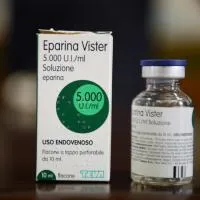
Table of Contents
- Patient Information Leaflet
- Eparina Vister 5,000 IU/ml solution for injection
- 1. What Eparina Vister is and what it is used for
- 2. What you must know before taking Eparina Vister
- 3. How to take Eparina Vister
- 4. Possible side effects
- 5. How to store Eparina Vister
- 6. Package contents and other information
Patient Information Leaflet
Eparina Vister 5,000 IU/ml solution for injection
sodium heparin
Please read this leaflet carefully before using this medicine because it contains important information for you.
- Keep this leaflet. You may need to read it again.
- If you have any questions, ask your doctor, pharmacist, or nurse.
- This medicine has been prescribed for you only. Do not give it to other people, even if they have the same symptoms as yours, because it could be harmful.
- If you experience any side effects, including those not listed in this leaflet, contact your doctor, pharmacist, or nurse. See section 4.
Contents of this leaflet:
- What Eparina Vister is and what it is used for
- What you need to know before using Eparina Vister
- How to use Eparina Vister
- Possible side effects
- How to store Eparina Vister
- Contents of the pack and other information
1. What Eparina Vister is and what it is used for
Eparina Vister contains heparin, a substance with anticoagulant activity capable of preventing or
slowing the formation of blood clots (thrombi). Eparina Vister is used to prevent and treat venous and arterial thromboembolic disease, a condition characterized by occlusion of blood vessels.
It is also used in patients undergoing haemodialysis or surgical procedures involving extracorporeal circulation.
2. What you must know before taking Eparina Vister
Do not take Eparina Vister
- if you are allergic to the active substance or to any of the other ingredients of this medicine (listed in section 6);
- if you suffer from a condition characterized by an excessive decrease in the number of blood cells called platelets (severe thrombocytopenia);
- if you have conditions associated with a tendency to bleeding, for example diseases characterized by a disorder in the blood coagulation mechanism (coagulopathies);
- if you suffer from severe liver, kidney, or pancreatic diseases;
- if your medical condition does not allow appropriate periodic clinical checks (blood tests) necessary to monitor the adequacy of treatment, when Eparina Vister is administered at therapeutic doses; indeed, it is particularly important to ensure that the dosage is appropriate and does not increase the risk of bleeding; such risks are lower when heparin is taken at low doses as preventive therapy, and therefore, in these cases, routine monitoring is generally not performed;
- if you have ongoing uncontrolled bleeding;
- if you have disseminated intravascular coagulation (DIC) due to heparin-induced thrombocytopenia;
- if you are scheduled for a procedure requiring local anesthesia and Eparina Vister has been prescribed at higher doses to treat a thrombotic event;
- if you have recently had a stroke or cerebral hemorrhage (brain damage occurring due to sudden blockage or rupture of an artery);
- if you suffer from diseases associated with lesions that may increase the risk of bleeding, such as gastric or intestinal ulcers, cerebral hemorrhage or aneurysm, brain tumors;
- in case of trauma or surgical procedures involving the brain, eyes, or ears;
- if you suffer from retinopathy or vitreous hemorrhage of the eye;
- if you suffer from infectious inflammation of the heart (infective endocarditis).
Warnings and precautions
Talk to your doctor, pharmacist, or nurse before taking Eparina Vister.
During treatment with heparin, your doctor will closely monitor you if:
- you have a suspected tumor associated with a predisposition to bleeding;
- you have alcohol dependence;
- you are elderly, as the risk of bleeding is higher, especially in women;
- you previously had an allergic reaction to low-molecular-weight heparin;
- you suffer from diabetes mellitus, kidney problems, metabolic acidosis, high potassium levels in the blood, or are taking medications that increase potassium levels in the blood, or have been taking heparin for a long time, since sodium heparin may increase blood potassium levels;
- you are at risk of bleeding due to conditions such as:
Cardiovascular:
o subacute infectious inflammation of the heart (subacute bacterial endocarditis),
o uncontrolled high blood pressure despite antihypertensive therapy (uncontrolled hypertension).
Hematological:
o congenital or acquired diseases characterized by reduced blood clotting (hemophilic syndromes or deficiency of coagulation factors),
o reduced platelet count (thrombocytopenia),
o impaired platelet function (thrombocytopathies),
o certain hemorrhagic vascular purpuras (e.g., Rendu-Osler disease).
Gastrointestinal:
o peptic ulcer,
o esophagitis or erosive gastritis,
o active inflammatory bowel disease,
o continuous drainage of the stomach or small intestine.
Surgical:
during and immediately after:
o lumbar puncture or spinal anesthesia,
o major surgical procedures on the brain, spine, or eye.
Hepatic:
o liver diseases with coagulation abnormalities and/or esophageal varices or portal hypertension gastropathy with high risk of hemorrhage.
Other:
o threatened abortion,
o during menstrual cycle,
o postpartum period,
o concomitant treatment with fibrinolytic drugs or oral anticoagulants, platelet aggregation inhibitors (e.g., acetylsalicylic acid, ticlopidine, clopidogrel), non-steroidal anti-inflammatory drugs (NSAIDs), and/or glycoprotein IIb/IIIa receptor antagonists.
Indeed, the use of heparin increases the risk of bleeding (hemorrhage) in any part of the body.
Any signs or symptoms, such as sudden drop in blood pressure or decrease in the proportion of blood occupied by red blood cells (hematocrit), not attributable to specific causes, will be carefully evaluated by your doctor to rule out ongoing bleeding. If you are taking heparin and experience any of the adverse effects listed in this leaflet, contact your doctor immediately (see also section “Possible side effects”).
Laboratory tests (coagulation tests)
If the medicine has been prescribed at high doses to achieve an anticoagulant effect and treat a thrombotic event, your doctor will regularly perform blood tests to ensure that the prescribed doses are correct and do not impair your blood's ability to clot. Otherwise, the dose of heparin should be reduced or, if necessary, discontinued. Blood tests will return to normal within a few hours after stopping heparin treatment.
Heparin-induced thrombocytopenia
One of the best-known complications of heparin therapy is thrombocytopenia, which consists of an excessive reduction in the number of blood cells called platelets. This may in some cases be mild, remain stable, and then resolve. In other cases, thrombocytopenia may be severe and lead to serious consequences, such as thrombus formation with complications including skin necrosis, limb gangrene, myocardial infarction, pulmonary embolism, and stroke. Thrombocytopenia may occur even weeks after discontinuation of heparin treatment. To exclude the risk of serious complications from thrombocytopenia, your doctor will prescribe blood tests to monitor your platelet count both before and during treatment (for treatments lasting longer than 5 days). If thrombocytopenia, new thrombosis, or worsening of pre-existing thrombosis occurs, your doctor will immediately discontinue heparin treatment and prescribe an alternative anticoagulant therapy.
Decreased sensitivity to heparin
The following conditions may reduce the effect of heparin: fever, conditions leading to thrombus formation within blood vessels (thrombosis) such as inflammation of superficial veins (which may lead to thrombophlebitis), certain infections, other inflammatory states, sometimes myocardial infarction, tumors, deficiency of the blood protein called antithrombin III (congenital or acquired), and surgical procedures.
Spinal/epidural anesthesia
The use of heparin during spinal or epidural anesthesia or lumbar puncture may rarely be associated with the risk of developing hematomas (blood accumulation) in the spinal column, which may lead to prolonged or permanent paralysis (see also section “Possible side effects”). Your doctor will carefully evaluate your health condition to rule out the presence of conditions that could further increase this risk and will take all necessary precautions to reduce the risk of bleeding at the site of anesthesia.
After anesthesia, the timing for resuming heparin therapy will be assessed based on the risk/benefit ratio and your postoperative health status.
If your doctor decides to administer heparin before or after epidural/spinal anesthesia or lumbar puncture, you will be closely monitored to promptly detect any symptoms of epidural or spinal hematoma. Inform your doctor or nurse immediately if you experience lower back pain, numbness or weakness in the lower limbs, or disturbances in bladder or bowel function. These may be symptoms of neurological impairment caused by bleeding in the spinal area (see also section “Possible side effects”). Medical or nursing staff will intervene immediately to restore your health.
During heparin treatment, take special care to avoid injury, as the process of blood clotting and wound healing is slower than normal. In case of injury, consult your doctor.
Heparin must not be administered intramuscularly (injection into a muscle) due to the risk of hematoma formation. This medicine should only be administered by direct intravenous or subcutaneous injection (intravenous or subcutaneous route).
During heparin treatment, particular caution should be exercised when administering other medicines intramuscularly (by direct injection into a muscle), due to the increased risk of bleeding.
Other medicines and Eparina Vister
Inform your doctor, pharmacist, or nurse if you are taking, have recently taken, or might take any other medicines.
In particular, inform your doctor if you are taking:
- other anticoagulant medicines: your doctor will need to carefully monitor your blood clotting ability (clotting time, prothrombin time, partial thromboplastin time, etc.) through blood tests to avoid the risk of severe bleeding, especially when switching from heparin therapy to oral anticoagulants;
- aspirin (acetylsalicylic acid), non-steroidal anti-inflammatory drugs (NSAIDs) (phenylbutazone, ibuprofen, indomethacin, ketorolac, diclofenac), antiplatelet agents (ticlopidine, clopidogrel, sulfinpyrazone), cephalosporins (cefaclor, cefixime, ceftriaxone, cefamandole, cefoperazone), dextran, dipyridamole, hydroxychloroquine, fibrinolytic drugs (streptokinase, urokinase, alteplase), coumarin derivatives, glycoprotein IIb/IIIa receptor antagonists (eptifibatide, abciximab), epoprostenol, or other drugs interfering with platelet aggregation: in this case, concomitant use of heparin may increase the risk of bleeding;
- nitroglycerin administered by intravenous infusion, as it may reduce the effect of heparin; your doctor will carefully monitor your blood clotting ability (clotting time, prothrombin time, partial thromboplastin time, etc.) through blood tests;
- medicines that increase serum potassium levels (e.g., ACE inhibitors, sartans, potassium-sparing diuretics, potassium salts, beta-blockers);
- digitalis (used for heart conditions), tetracyclines and penicillins (antibiotics), nicotine (present in cigarette smoke and smoking cessation products), glucocorticoids (anti-inflammatory drugs), or antihistamines (such as phenothiazines, used to treat allergic symptoms), as they may reduce heparin's activity.
Pregnancy
If you are pregnant, suspect you may be pregnant, planning to become pregnant, or breastfeeding, consult your doctor, pharmacist, or nurse before taking this medicine.
Your doctor will decide whether to use heparin during pregnancy after carefully evaluating the individual risk/benefit ratio.
Breastfeeding
Heparin is not excreted in breast milk.
Fertility
There are no available data on the effect of heparin on human fertility.
Driving and using machines
Eparina Vister does not affect the ability to drive or operate machinery.
Eparina Vister contains
- sodium: this medicine contains up to 71 mg of sodium (main component of table salt) per vial. This corresponds to 3.6% of the maximum daily dietary intake recommended for an adult;
- chlorocresol: may cause allergic reactions.
3. How to take Eparina Vister
Take this medicine exactly as instructed by your doctor, nurse, or pharmacist. If you have any doubts, consult your doctor or pharmacist.
The following are recommended doses; however, your doctor may adjust them according to your individual needs. During treatment, your doctor may decide to order blood tests to ensure that the prescribed heparin doses do not excessively impair your blood's ability to clot. Otherwise, the heparin dose should be reduced or, if necessary, discontinued.
Prophylaxis of arterial and venous thromboembolism
Perioperative prophylaxis
Initial dose: 5,000 IU subcutaneously, 2 hours before surgery, followed by 5,000 IU every 8–12 hours for at least 7 days or until the patient resumes ambulation.
Prophylaxis in non-surgical patients
The same dose is used for prophylaxis in high-risk non-surgical patients.
The choice between administration every 8 or 12 hours should take into account the individual patient’s thromboembolic risk and bleeding risk.
Extracorporeal circulation (cardiopulmonary bypass)
300 IU/kg intravenously, adjusted to maintain the Activated Clotting Time (ACT) between 400 and 500 seconds.
Haemodialysis
Initial dose: 1,000–5,000 IU intravenously, followed by 1,000–2,000 IU/hour, adjusted according to individual needs.
Monitoring:
Routine monitoring is not required.
Treatment of arterial and venous thromboembolism
Initial dose
80 IU/kg intravenously as a bolus, or
5,000 IU as an intravenous bolus injection (10,000 IU in case of severe pulmonary embolism).
Maintenance dose
18 IU/kg/hour by continuous intravenous infusion (range 1,000–2,000 IU/hour), adjusted according to response, or
1,000 IU/hour by continuous infusion.
Alternative treatment regimens
Intermittent intravenous injection: 10,000 IU IV bolus followed by 5,000–10,000 IU IV every 4–6 hours.
Intermittent subcutaneous injection: initial dose of 333 IU/kg, followed by 250 IU/kg every 12 hours (range 10,000–20,000 IU) or 8,000–10,000 IU every 8 hours.
Monitoring
When administering sodium heparin at anticoagulant doses, dosage must be based on coagulation tests. The most commonly used test is activated partial thromboplastin time (aPTT). The aPTT of treated patients should be maintained at 1.5 to 2.5 times the normal value. Regular monitoring of aPTT values is recommended, preferably on a daily basis.
If coagulation tests exceed the therapeutic range or if bleeding occurs, the dose should be reduced or, if appropriate, heparin should be discontinued.
Special populations
Paediatric population
Prophylaxis of arterial and venous thromboembolism
Dosage recommendations are not available.
Treatment of arterial and venous thromboembolism
Initial dose: 50 IU/kg as an intravenous bolus injection.
Maintenance dose: 15–25 IU/kg/hour by continuous intravenous infusion,
or 100 IU/kg IV every 4 hours as intermittent injection,
or 250 IU/kg subcutaneously every 12 hours.
Monitoring:
When administering sodium heparin at anticoagulant doses, dosage should be adjusted based on aPTT values.
Younger children may require higher doses and infusion rates to achieve anticoagulation levels and aPTT prolongation comparable to older children.
Elderly
Lower doses may be required due to an increased risk of bleeding.
Monitoring:
When administering sodium heparin at anticoagulant doses, doses should be adjusted according to aPTT values.
Method of administration
Intravenous administration via continuous infusion or intermittent injection, or subcutaneous injection.
Because the effects of sodium heparin are short-term, administration by continuous intravenous infusion or subcutaneous injection is preferred over intermittent intravenous injection.
If you take more Eparina Vister than you should
An overdose of heparin may lead to bleeding. In cases of mild or moderate overdose, your doctor will decide whether to reduce the heparin dose or discontinue treatment.
If rapid reversal of heparin activity is required due to severe bleeding, a substance called protamine will be administered to neutralize heparin’s effects. The dose of protamine depends on the amount of heparin in circulation and the time elapsed since the heparin injection.
If you forget to take Eparina Vister
Do not take a double dose to make up for a missed dose.
If you stop taking Eparina Vister
If you decide to stop treatment before the prescribed duration, consult your doctor.
If you have any questions about the use of this medicine, consult your doctor, pharmacist, or nurse.
4. Possible side effects
Like all medicines, this medicine can cause side effects, although not everyone gets them.
Stop taking this medicine immediately and contact your doctor or nurse if you experience any of the following:
- difficulty breathing or swallowing, swelling of the face, eyes, lips and/or tongue, skin irritation: these may be symptoms of a severe allergic reaction (anaphylactic shock), which is rare;
- lower back pain, numbness and weakness in the lower limbs, or changes in bladder or bowel function, if you have received epidural anaesthesia or a lumbar puncture during treatment with heparin. These may be symptoms of a neurological disorder caused by bleeding in the spinal area;
- a sudden drop in blood pressure without an apparent cause;
- painful skin rash with dark red spots under the skin that do not fade when pressed (petechiae, purpura).
Other side effects with unknown frequency (frequency cannot be estimated from the available data) include:
- bleeding (haemorrhage in any part of the body): this is the main side effect. If mild, it may be managed by reducing the dose or temporarily stopping treatment, as assessed by the doctor. In cases of severe bleeding, in addition to stopping treatment, the doctor may administer substances capable of counteracting heparin's activity (protamine – see also section “If you take more Eparina Vister than you should”). In cases of gastrointestinal or urinary tract bleeding, your doctor may decide to carry out further investigations to identify any hidden lesions that could worsen with treatment. Your doctor will also be cautious about possible hard-to-detect bleeding, such as:
o bleeding into the adrenal glands;
o bleeding into the ovaries;
o retroperitoneal haemorrhage (posterior abdominal region); - skin irritation, erythema, mild pain, formation of haematoma (collection of blood under the skin), or ulcer formation at the injection site (see section “Warnings and precautions”);
- allergic reactions: these may present with symptoms such as chills, fever, urticaria, asthma, irritation and inflammation of the nasal mucosa (rhinitis), lacrimation, nausea and vomiting, itching and burning in the feet, hypotension, vasospasm;
- excessive reduction in the number of blood cells called platelets. Generally, this condition is mild and clinically not significant (heparin-induced thrombocytopenia - HIT); sometimes this condition is accompanied by serious circulatory complications such as arterial and venous thrombosis, embolism, disseminated intravascular coagulation (heparin-induced thrombocytopenia and thrombosis - HITT);
- bruising (haematomas);
- petechiae and purpura;
- increased platelet aggregation;
- severe skin damage (cutaneous necrosis); bleeding in the gastrointestinal tract (melena);
- osteoporosis (a condition that makes bones more fragile), usually after therapeutic dosing;
- liver toxicity (hepatotoxicity);
- amnesia;
- bleeding affecting the central nervous system (cerebral haemorrhage, extradural intracranial haematoma, non-traumatic spinal subdural haematoma, ventricular haemorrhage);
- respiratory constriction (bronchospasm);
- fluid accumulation in the lungs (pulmonary oedema);
- bleeding in the chest (haemothorax);
- hypoaldosteronism (reduced production of a hormone called aldosterone), sometimes associated with other conditions such as metabolic acidosis and elevated serum potassium levels (hyperkalaemia), especially in patients with kidney problems or diabetes mellitus;
- temporary hair loss (alopecia);
- persistent and abnormal erection (priapism);
- increased cholesterol and triglyceride levels in the blood after stopping treatment (rebound hyperlipidaemia upon discontinuation);
- increased levels of certain liver enzymes (transaminases);
- increased thyroid hormones (FT3 and FT4).
Reporting of side effects
If you experience any side effect, including those not listed in this leaflet, please inform your doctor, pharmacist, or nurse. You can also report side effects directly via the national reporting system at:
www.aifa.gov.it/content/segnalazionireazioni-
avverse. By reporting side effects, you can help provide more information on the safety of this medicine.
5. How to store Eparina Vister
This medicinal product does not require any special storage conditions.
Keep this medicine out of the sight and reach of children.
Do not use this medicinal product after the expiry date stated on the packaging after "Exp.".
The expiry date refers to the last day of that month.
6. Package contents and other information
What Eparina Vister contains
- The active substance is sodium heparin. 1 ml of injectable solution contains 5,000 IU of sodium heparin.
- The other components are: chlorocresol, sodium chloride, hydrochloric acid (pH adjuster), sodium hydroxide (pH adjuster), and water for injectable preparations.
Description of the appearance of Eparina Vister and contents of the pack
Eparina Vister is supplied in a glass vial with a puncturable stopper, containing 10 ml of injectable solution (50,000 IU of sodium heparin), packaged in a cardboard box.
Marketing Authorization Holder and Manufacturer
Marketing Authorization Holder
Teva Italia S.r.l. - Piazzale Luigi Cadorna, 4 - 20123 Milano
Manufacturer
Alfasigma S.p.A. - Via Enrico Fermi, 1 - 65020 Alanno (PE)
The following information is intended exclusively for physicians or healthcare professionals:
During heparin therapy, unlike therapies based on other anticoagulants such as, for example, dicoumarol, laboratory monitoring of heparin therapy is not strictly necessary.
For monitoring purposes, it is sufficient to determine the clotting time in a test tube (Lee White method), and prothrombin time determination is not required.
Due to the animal origin of heparin, in patients with a history of allergic reactions, it is advisable to test the patient's reactivity by administering a test dose of 1,000 units of heparin.
Spinal or epidural anesthesia
In patients undergoing spinal or epidural anesthesia, epidural analgesia, or lumbar puncture, prophylaxis with unfractionated heparin may very rarely be associated with spinal or epidural hematomas, which can lead to prolonged or permanent paralysis. The risk is increased by the use of indwelling epidural catheters for continuous infusion, concomitant use of drugs affecting hemostasis such as non-steroidal anti-inflammatory drugs (NSAIDs), platelet aggregation inhibitors, or anticoagulants, traumatic or repeated spinal punctures, underlying coagulation disorders, and advanced age. The presence of one or more of these risk factors should be carefully evaluated before proceeding with this type of anesthesia/analgesia during unfractionated heparin prophylaxis.
As a rule, insertion of a spinal catheter should be performed at least 12 hours after the last prophylactic dose of unfractionated heparin. Subsequent doses should not be administered earlier than 4 hours after catheter insertion or removal, or should be further delayed or withheld if bloody aspirate occurs during initial placement of the spinal or epidural needle. Removal of an indwelling epidural catheter should be performed at the longest possible interval (approximately 12 hours) from the last prophylactic dose of heparin administered during anesthesia.
If administration of unfractionated heparin is considered before or after epidural or spinal anesthesia, extreme caution must be exercised, and frequent monitoring for neurological signs and symptoms should be performed, such as: lower back pain, sensory and motor deficits (numbness and weakness in the lower limbs), and disturbances in bladder or bowel function. Nursing staff should be trained to recognize these signs and symptoms. Patients should be instructed to immediately inform medical or nursing staff if any of the above symptoms occur.
If signs or symptoms suggestive of epidural or spinal hematoma are suspected, immediate diagnosis must be established and treatment initiated, including spinal cord decompression.
Limited data from individual clinical cases have indicated a possible association between heparin use and altered thyroid function tests (e.g., falsely elevated T3 and T4 levels).
Treatment of overdose
Minor bleeding
Discontinue heparin therapy.
Severe hemorrhage (antagonist action of protamine)
Protamine is used for the rapid neutralization of heparin activity in cases of significant bleeding. The amount required depends on the blood level of administered heparin and the time elapsed since injection. 1 mg intravenously neutralizes 100 IU of heparin present in the patient. The dose of protamine needed to neutralize a heparin bolus decreases proportionally with time elapsed since bolus administration (100% of the dose immediately after bolus, 50% after 30 minutes).
The dose of protamine to be administered in case of continuous heparin infusion corresponds to the amount needed to neutralize the IU of heparin infused over the last 4 hours.
Protamine must be administered by slow intravenous infusion; the dose must not exceed 50 mg over 10 minutes.
Incompatibilities
In the absence of specific compatibility data, this product must not be mixed with other medicinal products.
Sodium heparin is known to be incompatible with many injectable preparations, including antibiotics, opioid analgesics, and antihistamines.
Physical or physico-chemical incompatibilities have been reported with the following drugs:
haloperidol lactate, amikacin sulfate, amiodarone hydrochloride, aprotinin, chlorpromazine hydrochloride, ciprofloxacin lactate, cephaloridine, cisatracurium besylate, cytarabine, dacarbazine, daunorubicin hydrochloride, diazepam, doxorubicin hydrochloride, droperidol, erythromycin, gentamicin sulfate, hyaluronidase, hydroxyzine hydrochloride, hydrocortisone sodium succinate, kanamycin sulfate, labetalol hydrochloride, levofloxacin, methotrimeprazine, narcotic analgesics, netilmicin sulfate, nicardipine hydrochloride, novobiocin sodium, pethidine hydrochloride, polymyxin B sulfate, prochlorperazine, promazine hydrochloride, promethazine hydrochloride, streptomycin sulfate, tobramycin sulfate, triflupromazine hydrochloride, vinblastine sulfate, vinorelbine tartrate, viomycin sulfate, and, depending on the diluent, with cephalothin sodium and vancomycin hydrochloride.
Conflicting results have been reported with ampicillin sodium, benzylpenicillin, dimenhydrinate, methicillin sodium, oxytetracycline hydrochloride, sulfafurazole diethanolamine, and tetracycline hydrochloride.
Dobutamine hydrochloride and heparin must not be mixed or infused through the same intravenous line due to the risk of precipitation.
Heparin and r-PA (reteplase) are incompatible when combined in solution.