Glimepiride Accord Healthcare
Italy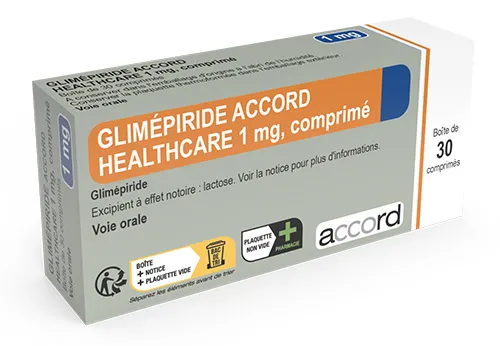
Table of Contents
- Package leaflet: Information for the user
- Glimepiride Accord Healthcare 1 mg Tablets, 2 mg Tablets, 3 mg Tablets, 4 mg Tablets
- 2. What you should know before taking Glimepiride Accord Healthcare
- 3. How to take Glimepiride Accord Healthcare
- 4. Possible side effects
- 5. How to store Glimepiride Accord Healthcare
- 6. Package contents and other information
Package leaflet: Information for the user
Glimepiride Accord Healthcare 1 mg Tablets, 2 mg Tablets, 3 mg Tablets, 4 mg Tablets
glimepiride
Generic medicine
Read this leaflet carefully before you take this medicine because it contains important information for you
- Keep this leaflet. You may need to read it again.
- If you have any questions, ask your doctor or pharmacist.
- This medicine has been prescribed for you only. Do not pass it on to others, even if they have the same symptoms as yours, because it may be harmful.
- If you experience any adverse reactions, including those not listed in this leaflet, contact your doctor or pharmacist. See section 4.
Contents of this leaflet:
- What Glimepiride Accord Healthcare is and what it is used for
- What you need to know before taking Glimepiride Accord Healthcare
- How to take Glimepiride Accord Healthcare
- Possible side effects
- How to store Glimepiride Accord Healthcare
- Contents of the pack and other information
1. What Glimepiride Accord Healthcare is and what it is used for
Glimepiride is an oral antidiabetic agent that lowers blood glucose levels. This medicine belongs to a group of medicines called sulfonylureas, which lower blood glucose. Glimepiride works by increasing the amount of insulin released by the pancreas. Insulin in turn reduces blood glucose levels.
What Glimepiride Accord Healthcare is used for:
Glimepiride Accord Healthcare is used in the treatment of a type of diabetes (type 2 diabetes mellitus) when diet, exercise, and weight reduction alone are not sufficient to control blood glucose levels.
2. What you should know before taking Glimepiride Accord Healthcare
Do not take Glimepiride Accord Healthcare and inform your doctor if:
- You are allergic to glimepiride or to other sulfonylureas (medicines used to lower blood sugar levels, such as glibenclamide) or sulfonamides (medicines used to treat bacterial infections, such as sulfamethoxazole), or to any of the other ingredients of this medicine (listed in section 6).
- You have insulin-dependent diabetes (type 1 diabetes mellitus).
- You have diabetic ketoacidosis (a complication of diabetes when acid levels in the body rise and some of the following signs may be present: fatigue, nausea, frequent urination, and muscle stiffness).
- You are in a diabetic coma.
- You have severe kidney disease.
- You have severe liver disease.
Do not take this medicine if any of the above apply to you. If you are in doubt, consult your doctor or pharmacist before taking Glimepiride Accord Healthcare.
Warnings and precautions
Consult your doctor or pharmacist before taking Glimepiride Accord Healthcare:
- If you are recovering from trauma, surgery, infections with fever, or other forms of stress, inform your doctor, as temporary changes in treatment may be necessary.
- If you have severe liver or kidney disease.
If you are unsure whether any of these conditions apply to you, consult your doctor or pharmacist before taking Glimepiride Accord Healthcare. A decrease in hemoglobin levels and breakdown of red blood cells (hemolytic anemia) may occur in patients who lack the enzyme glucose-6-phosphate dehydrogenase.
Limited data are available on the use of Glimepiride tablets in individuals under 18 years of age. Therefore, its use in these patients is not recommended.
Important information about hypoglycemia (low blood sugar)
When taking Glimepiride Accord Healthcare, you may experience hypoglycemia (low blood sugar). See below for further information on hypoglycemia, its symptoms, and treatment.
The following factors may increase the risk of hypoglycemia:
- Malnutrition, irregular meal times, skipped or delayed meals, or fasting
- Changes in diet
- Taking more Glimepiride Accord Healthcare than prescribed
- Reduced kidney function
- Severe liver disease
- Hormone-related disorders (e.g., disorders of the thyroid gland, pituitary gland, or adrenal cortex)
- Drinking alcohol (especially when skipping a meal)
- Taking certain other medicines (see "Other medicines and Glimepiride Accord Healthcare")
- Increasing physical exercise without eating enough food or consuming foods with fewer carbohydrates than usual
Signs of hypoglycemia include:
Hunger pangs, headache, nausea, vomiting, lethargy, drowsiness, sleep disturbances, restlessness, aggression, difficulty concentrating, reduced alertness and reaction time, depression, confusion, speech and vision disturbances, slurred speech, sensory disturbances, tremor, partial paralysis, dizziness, weakness.
Additional signs may include:
Sweating, clammy skin, anxiety, rapid heartbeat, high blood pressure, palpitations, sudden severe chest pain possibly radiating to nearby areas (angina pectoris and cardiac arrhythmias).
If blood sugar levels continue to fall, you may experience marked confusion (delirium), seizures, loss of consciousness, shallow breathing, and slowed heart rate. The clinical picture of severe hypoglycemia may resemble that of a stroke.
Treatment of hypoglycemia:
In most cases, symptoms of low blood glucose resolve quickly when you consume sugar in some form, such as sugar cubes, fruit juice, or sweetened tea.
You should therefore always carry some form of sugar (e.g., sugar cubes) with you. Remember that artificial sweeteners are not effective. Consult your doctor or go to hospital if consuming sugar does not help or if symptoms recur.
Laboratory tests
Your blood or urine sugar levels should be monitored regularly. Your doctor may also perform tests to monitor your blood cell counts and liver function.
Children and adolescents
The use of Glimepiride Accord Healthcare in children under 18 years of age is not recommended.
Other medicines and Glimepiride Accord Healthcare: Inform your doctor or pharmacist if you are taking, have recently taken, or might take any other medicines, including those obtained without a prescription.
Your doctor may need to adjust your dose of Glimepiride Accord Healthcare if you are taking other medicines that may weaken or enhance its blood sugar-lowering effect.
The following medicines may enhance the blood sugar-lowering effect of Glimepiride Accord Healthcare. This may increase the risk of hypoglycemia (low blood sugar):
- Medicines for pain and inflammation (phenylbutazone, azapropazone, oxyphenbutazone, aspirin-like medicines)
- Other medicines for the treatment of diabetes mellitus (such as insulin or metformin)
- Medicines that promote muscle growth (anabolic agents)
- Medicines that inhibit blood clotting (coumarin derivatives such as warfarin)
- Medicines used for weight reduction (fenfluramine)
- Medicines called antiarrhythmics, used to control abnormal heart rhythms (disopyramide)
- Medicines that lower high cholesterol levels (fibrates)
- Medicines that reduce high blood pressure (ACE inhibitors)
- Medicines for the treatment of depression (fluoxetine, MAO inhibitors)
- Medicines for the treatment of gout (allopurinol, probenecid, sulfinpyrazone)
- Medicines for the treatment of cancer (cyclophosphamide, ifosfamide, trofosfamide)
- Medicines for the treatment of bacterial and fungal infections (tetracyclines, chloramphenicol, fluconazole, miconazole, quinolones, clarithromycin)
- Medicines for nasal allergies such as hay fever (tritoqualine)
- Medicines to improve circulation when administered intravenously at high doses (pentoxifylline)
- Medicines for the treatment of urinary tract infections (such as certain long-acting sulfonamides)
- Medicines used for male hormone replacement therapy
- Medicines called sympatholytics, used to treat high blood pressure, heart failure, or prostate symptoms
The following medicines reduce the blood sugar-lowering effect of Glimepiride Accord Healthcare. This may increase the risk of hyperglycemia (high blood sugar):
- Medicines containing female sex hormones (estrogens, progestins)
- Medicines that promote urine production (thiazide diuretics)
- Medicines used to stimulate the thyroid gland (e.g., levothyroxine)
- Medicines for the treatment of allergies and inflammation (glucocorticoids)
- Medicines for the treatment of severe mental disorders (chlorpromazine and other phenothiazine derivatives)
- Medicines used to increase heart rate, treat asthma or nasal congestion, coughs and colds, used for weight reduction, or used in life-threatening emergencies (adrenaline and sympathomimetics)
- Medicines for the treatment of high cholesterol (nicotinic acid)
- Medicines for constipation when used long-term (laxatives)
- Medicines for the treatment of epileptic seizures (phenytoin)
- Medicines for the treatment of high blood pressure or that raise blood sugar levels (diazoxide)
- Medicines for the treatment of very low blood sugar (glucagon)
- Medicines for nervousness and sleep problems (barbiturates)
- Medicines for the treatment of infections, tuberculosis (rifampicin)
- Medicines for the treatment of elevated intraocular pressure (acetazolamide)
The following medicines may either increase or decrease the blood sugar-lowering effect of Glimepiride Accord Healthcare:
- Medicines for high blood pressure or heart failure, such as beta-blockers, clonidine, guanethidine, and reserpine. These may also mask the signs of hypoglycemia; therefore, extra caution is required when taking these medicines.
- Medicines for gastric ulcers (H\textsubscript{2}-receptor antagonists)
Glimepiride Accord Healthcare may increase or decrease the effects of the following medicines:
- Medicines that inhibit blood clotting (coumarin derivatives such as warfarin)
Colesevelam, a medicine used to lower cholesterol, affects the absorption of Glimepiride Accord Healthcare. To avoid this interaction, it is recommended to take Glimepiride Accord Healthcare at least 4 hours before colesevelam.
Glimepiride Accord Healthcare and alcohol:
Drinking alcohol may unpredictably increase or decrease the blood sugar-lowering effect of Glimepiride Accord Healthcare.
Pregnancy and breastfeeding:
Pregnancy
Glimepiride Accord Healthcare must not be taken during pregnancy. Inform your doctor if you are pregnant, think you may be pregnant, or are planning a pregnancy.
Breastfeeding
Glimepiride may pass into breast milk. Glimepiride must not be taken during breastfeeding.
Ask your doctor or pharmacist for advice before taking this medicine.
Driving and using machines:
Your ability to concentrate or react may be impaired if your blood sugar levels are low (hypoglycemia) or high (hyperglycemia), or if you develop visual disturbances due to these conditions. Remember that you may put yourself or others at risk (e.g., when driving a car or operating machinery). Ask your doctor whether you may drive if:
- You have frequent episodes of hypoglycemia
- You have fever or no warning signs of hypoglycemia
Glimepiride Accord Healthcare contains lactose
Glimepiride Accord Healthcare contains lactose. If your doctor has diagnosed you with an intolerance to certain sugars, contact him before taking this medicine.
3. How to take Glimepiride Accord Healthcare
Take this medicine exactly as directed by your doctor or pharmacist. If you are
unsure, consult your doctor or pharmacist.
How to take this medicine
-
Take this medicine orally just before or with your first main meal of the day (usually breakfast). If you do not eat breakfast, take the medicine according to the schedule prescribed by your doctor. It is important not to skip any meals while taking Glimepiride Accord Healthcare.
-
Swallow the tablets whole with at least half a glass of water, without crushing or chewing them.
-
Each tablet may be divided into equal doses.
How much medicine to take
The dose of Glimepiride Accord Healthcare depends on your individual needs, your condition, and the results of blood and urine sugar tests, and is determined by your doctor. Do not take more tablets than prescribed by your doctor.
- The usual starting dose is one 1 mg glimepiride tablet once daily.
- If necessary, your doctor may increase the dose after 1 to 2 weeks of treatment.
- The maximum recommended dose is 6 mg of Glimepiride Accord Healthcare per day.
- Combination therapy with glimepiride and metformin or glimepiride and insulin may be initiated. In such cases, your doctor will determine the appropriate doses of glimepiride, metformin, or insulin specific to you.
- If your weight changes, if your lifestyle changes, or if you experience a stressful situation, your glimepiride dose may need to be adjusted; therefore, inform your doctor.
- If you think the effect of the medicine is too weak or too strong, do not change the dose on your own, but consult your doctor.
If you take more Glimepiride Accord Healthcare than you should
If you have taken too much Glimepiride Accord Healthcare or an additional dose, there is a risk of hypoglycaemia (hypoglycaemia symptoms – see section 2). You should immediately consume an adequate amount of sugar (e.g. a small piece of sugar cube, sweetened fruit juice, sweetened tea) and contact a doctor immediately. In the treatment of hypoglycaemia caused by accidental ingestion in children, the amount of sugar given must be carefully controlled to avoid causing dangerous hyperglycaemia. Do not give food or drink to unconscious individuals.
Since the hypoglycaemic state may last for some time, it is very important that the patient is closely monitored until there is no further danger. Hospitalisation may be necessary, even as a precautionary measure. Show the doctor the packaging or any remaining tablets so that the doctor knows what has been taken.
Severe cases of hypoglycaemia, accompanied by loss of consciousness and serious neurological impairment, are medical emergencies requiring immediate medical treatment and hospitalisation.
You should ensure that there is always an informed person available who can call a doctor in case of emergency.
If you forget to take Glimepiride Accord Healthcare
If you forget to take a dose, do not take a double dose to make up for the missed dose.
If you stop taking Glimepiride Accord Healthcare
If you stop or discontinue treatment, you should be aware that the desired blood glucose-lowering effect will not be achieved, or your condition may worsen again. Continue taking Glimepiride Accord Healthcare until your doctor tells you to stop.
If you have any doubts about how to use this medicine, consult your doctor, pharmacist, or nurse.
4. Possible side effects
Like all medicines, this medicine can cause side effects, although not everyone gets them.
If you notice any of the following side effects, tell your doctor immediately:
- Allergic reactions (including inflammation of blood vessels, often with skin rash) which may progress to severe reactions with breathing difficulties, low blood pressure and sometimes leading to shock
- Abnormal liver function, including yellowing of the skin and eyes (jaundice), problems with bile flow (cholestasis), inflammation of the liver (hepatitis) or liver failure
- Skin allergy (hypersensitivity), such as itching, skin rash, hives and increased sensitivity to sunlight. Some mild allergic reactions may progress to severe reactions
- Severe hypoglycaemia including loss of consciousness, seizures or coma
Some patients have experienced side effects after taking Glimepiride Accord Healthcare:
Uncommon side effects (may occur in 1 to 10 out of 1,000 patients)
Blood sugar levels lower than normal (hypoglycaemia) (See section 2)
Reduction in the number of blood cells:
Platelets (increasing the risk of bleeding or bruising)
White blood cells (making infections more likely)
Red blood cells (which may cause pale skin, weakness or shortness of breath)
These problems usually improve once you stop taking Glimepiride Accord Healthcare
- Weight gain
- Hair loss
- Taste disturbances
Very rare side effects (may occur in up to 1 out of 10,000 patients):
Allergic reactions (including inflammation of blood vessels, often with skin rash) which may progress to severe reactions with breathing difficulties, low blood pressure and sometimes leading to shock. If you experience any of these symptoms, tell your doctor immediately.
Abnormal liver function, including yellowing of the skin and eyes (jaundice), problems with bile flow (cholestasis), inflammation of the liver (hepatitis) or liver failure. If you experience any of these symptoms, tell your doctor immediately.
Nausea or vomiting, diarrhoea, feeling of fullness or bloating, and abdominal pain
Reduction in the level of sodium in the blood (shown by blood tests)
Other side effects include:
Skin allergy (hypersensitivity), such as itching, skin rash, hives and increased sensitivity to sunlight. Some mild allergic reactions may progress to severe reactions, with difficulty swallowing or breathing, swelling of the lips, throat and tongue. Therefore, if any of these symptoms occur, contact your doctor immediately.
Allergic reactions may occur with sulfonylureas, sulfonamides or related medicines.
Vision disturbances when starting treatment with Glimepiride Accord Healthcare. These effects are due to changes in blood sugar levels and should improve quickly.
Increased liver enzymes
Severe, unusual bleeding or bruising under the skin.
Reporting of side effects
If you experience any side effect, including those not listed in this leaflet, talk to your doctor or pharmacist. You can also report side effects directly via the Agenzia del Farmaco website: https://www.aifa.gov.it/content/segnalazioni-reazioni-avverse .
By reporting side effects, you can help provide more information on the safety of this medicine.
5. How to store Glimepiride Accord Healthcare
- Keep this medicine out of the sight and reach of children.
- This medicine does not require any special storage temperature. Store in the original packaging to protect the medicine from moisture. Keep the blister pack inside the outer packaging.
- Do not use this medicine after the expiry date stated on the carton after "Exp". The expiry date refers to the last day of that month.
- Do not use this medicine if you notice any visible signs of deterioration.
- Medicines must not be disposed of via wastewater or household waste. Ask your pharmacist how to dispose of medicines no longer required. This will help protect the environment.
6. Package contents and other information
What Glimepiride Accord Healthcare contains:
The active substance is glimepiride.
For 1 mg: Each tablet contains 1 mg of glimepiride.
For 2 mg: Each tablet contains 2 mg of glimepiride.
For 3 mg: Each tablet contains 3 mg of glimepiride.
For 4 mg: Each tablet contains 4 mg of glimepiride.
The other components are:
Tablet core: monohydrate lactose, sodium starch glycolate (type A), povidone (K-30), magnesium stearate
Colourant:
Glimepiride Accord Healthcare 1 mg: Red iron oxide (E172)
Glimepiride Accord Healthcare 2 mg: Red iron oxide (E172)
Glimepiride Accord Healthcare 3 mg: Yellow iron oxide (E172)
Description of the appearance of Glimepiride Accord Healthcare and pack contents:
Glimepiride Accord Healthcare 1 mg: Uncoated, flat, round tablets, pink in colour, with bevelled edges, scored on one side and smooth on the other side.
Glimepiride Accord Healthcare 2 mg: Uncoated, oval-shaped tablets, light pink in colour, scored on one side and smooth on the other side.
Glimepiride Accord Healthcare 3 mg: Uncoated, oval-shaped tablets, pale yellow in colour, scored on one side and smooth on the other side.
Glimepiride Accord Healthcare 4 mg: Uncoated, oval-shaped tablets, white in colour, scored on one side and smooth on the other side.
The score line on the tablet is intended to facilitate breaking the tablet for easier swallowing and is not intended to divide the tablet into equal doses.
Glimepiride Accord Healthcare is available in blister packs containing 10, 30, 60, 90, 120 and 180 tablets.
Not all pack sizes may be marketed.
Marketing Authorisation Holder and Manufacturer
Marketing Authorisation Holder
Accord Healthcare S.L.U.
World Trade Center, Moll de Barcelona,
s/n, Edifici Est 6ª planta
08039-Barcelona,
Spain
Manufacturer
Accord Healthcare Polska Sp.z o.o.,
ul. Lutomierska 50, 95-200 Pabianice, Poland
Accord Healthcare single member S.A.
64th Km National Road Athens, Lamia,
Schimatari, 32009, Greece
This medicinal product is authorised in the European Economic Area and the United Kingdom (Northern Ireland) under the following names:
| Member State | Name of the medicinal product | |--------------|-------------------------------| | Estonia | Glimepiride Accord 1mg/2mg/3mg/4mg Tabletid | | France | Glimepiride Accord Healthcare 1mg/2mg/3mg/4mg comprime | | Ireland | Glimepiride 1mg/2mg/3mg/4mg Tablets | | Italy | Glimepiride Accord Healthcare 1 mg/2mg/3mg/4mg compresse | | Netherlands | Glimepiride Accord 1mg/2mg/3mg/4mg Tabletten | | United Kingdom | Glimepiride 1mg/2mg/3mg/4mg Tablets |
This Patient Information Leaflet was last approved in 12/2025.