Fevarin
Italy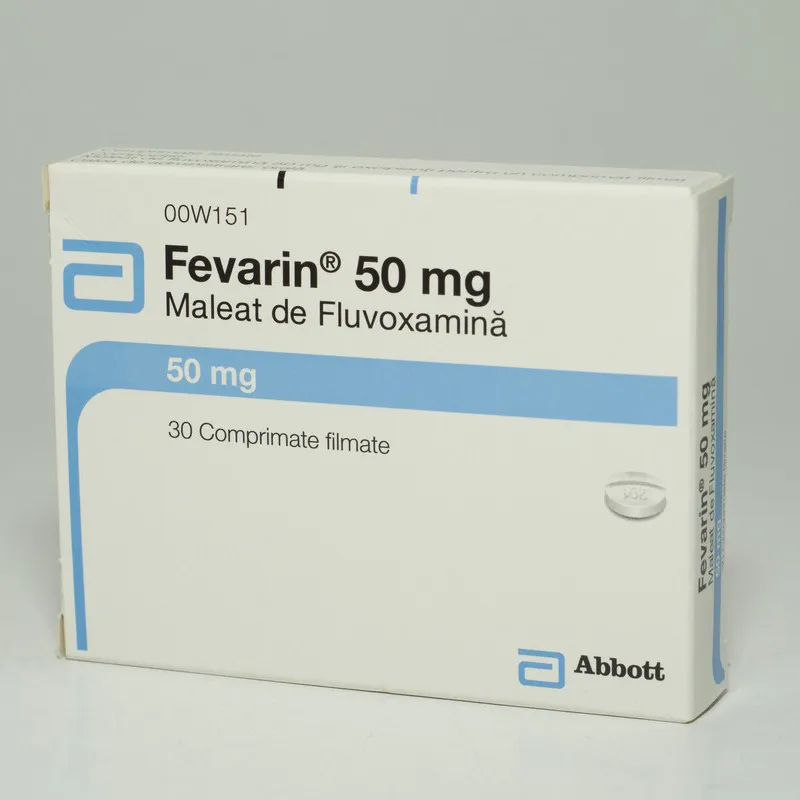
Table of Contents
- **1. WHAT FEVARIN IS AND WHAT IT IS USED FOR**
- **2. BEFORE TAKING FEVARIN**
- **Warnings and precautions**
- **Suicidal thoughts and worsening of depression or anxiety disorders**
- **Use in children and adolescents under 18 years of age**
- **Other medicines and Fevarin**
- **Taking Fevarin with food and drinks**
- **Pregnancy, breastfeeding, and fertility**
- **Driving and using machines**
- **Fevarin contains sodium**
- 3. HOW TO TAKE FEVARIN
- 4. POSSIBLE ADVERSE REACTIONS
- 5. HOW TO STORE FEVARIN
- 6. OTHER INFORMATION
FEVARIN
50 mg and 100 mg film-coated tablets
Fluvoxamine maleate
PLEASE READ THIS LEAFLET CAREFULLY BEFORE TAKING THIS MEDICINE
Keep this leaflet. You may need to read it again.
If you have any questions, ask your doctor or pharmacist.
This medicine has been prescribed for you only. Do not give it to other people, even if their symptoms are the same as yours, as it may be harmful.
If you experience any adverse effects, including those not listed in this leaflet, contact your doctor or pharmacist. See section 4.
Contents of this leaflet:
1. What FEVARIN is and what it is used for
2. Before taking FEVARIN
3. How to take FEVARIN
4. Possible side effects
5. How to store FEVARIN
6. Further information
1. WHAT FEVARIN IS AND WHAT IT IS USED FOR
FEVARIN belongs to a class of medicines called selective serotonin reuptake inhibitors (SSRIs). Fevarin contains a substance called fluvoxamine. This is an antidepressant used to treat depression (major depressive episode).
FEVARIN may also be used to treat people with obsessive-compulsive disorder (OCD).
2. BEFORE TAKING FEVARIN
Do not use Fevarin if any of the following apply to you:
- If you are allergic (hypersensitive) to fluvoxamine or to any of the other excipients in the tablet (see section 6 “Further information”)
- If you are taking medicines called monoamine oxidase inhibitors (MAOIs), sometimes prescribed to treat depression or anxiety, including linezolid (an antibiotic which is also an MAOI).
Treatment with fluvoxamine must be started at least 2 weeks after stopping an irreversible MAOI. However, treatment with fluvoxamine after stopping certain reversible MAOIs may be started the next day. In exceptional cases, linezolid (an antibiotic which is also an MAOI) may be used concomitantly with fluvoxamine, provided your doctor can monitor you closely. Your doctor will advise you on how to start taking Fevarin after stopping MAOI treatment.
- If you are taking tizanidine, a medicine often used as a muscle relaxant
- If you are taking pimozide, a neuroleptic drug used to treat schizophrenia and other psychiatric disorders
- If you are breastfeeding
If any of the above conditions apply to you, do not take Fevarin and speak to your doctor.
Warnings and precautions
Before taking this medicine, talk to your doctor or pharmacist if:
- You have recently had a heart attack
- You are pregnant or may become pregnant
- You have epilepsy
- You have previously had bleeding problems or regularly take medicines that increase the risk of bleeding, such as common painkillers, or if you are pregnant (see section “Pregnancy”)
- You have diabetes
- You are undergoing electroconvulsive therapy (ECT)
- You have previously experienced mania (feelings of euphoria or overexcitement)
- You have liver or kidney problems
- You have high eye pressure (glaucoma)
- You are under 18 years of age (see also section 3 “How to take Fevarin”)
- You are taking medicines containing buprenorphine or buprenorphine/naloxone, as using these together with Fevarin may cause serotonin syndrome, a condition that can be fatal (for symptoms, see section 4, "Possible side effects") – see also “Other medicines and Fevarin”
If any of the above conditions apply to you, your doctor will advise whether it is safe for you to start taking Fevarin.
Occasionally, feelings of restlessness, for example inability to sit still or stand still (akathisia), may occur or worsen during the first weeks of treatment with Fevarin, until the antidepressant effect begins.
Inform your doctor immediately if you experience such symptoms. A dose adjustment may then be helpful.
Severe skin reactions have been reported during use of Fevarin. Stop taking Fevarin and contact a doctor immediately if you develop skin rashes or mucosal lesions. Severe skin rashes may include rash starting on the extremities, usually on both sides of the body, progressing into concentric rings resembling a target (erythema multiforme), widespread rash with blisters and skin peeling, especially around the mouth, nose, eyes, and genitals (Stevens-Johnson syndrome), or extensive skin shedding (more than 30% of body surface area – toxic epidermal necrolysis).
Medicines such as Fevarin (so-called selective serotonin reuptake inhibitors, SSRIs) may cause symptoms of sexual dysfunction (see section 4). In some cases, these symptoms have persisted after discontinuation of treatment.
Suicidal thoughts and worsening of depression or anxiety disorders
If you are depressed and/or suffer from anxiety disorders, you may sometimes have self-harming or suicidal thoughts. These thoughts may increase at the beginning of treatment with antidepressants, as such medicines take time to work, usually about two weeks but sometimes longer.
You are more likely to have these thoughts:
- If you have previously had self-harming or suicidal thoughts
- If you are a young adult. Clinical trial data have shown an increased risk of suicidal behaviour in adults under 25 years of age with psychiatric disorders treated with an antidepressant.
If you develop self-harming or suicidal thoughts at any time, contact your doctor immediately or go to hospital.
It may be helpful to tell a relative or close friend that you are depressed or have an anxiety disorder and ask them to read this leaflet. You may ask them to inform you if they think your depression or anxiety is worsening, or if they are concerned about changes in your behaviour.
Contact your doctor immediately if you have any distressing thoughts or experiences.
Use in children and adolescents under 18 years of age
Children and adolescents under 18 years of age must not take this medicine unless they are being treated for obsessive-compulsive disorder (OCD). This is because Fevarin is not used to treat depression in patients under 18 years of age.
People under 18 years of age who take this type of medicine have an increased risk of adverse effects, such as suicide attempts, suicidal thoughts, and hostility-like aggression, oppositional behaviour, and anger.
If your doctor has prescribed Fevarin for a patient under 18 years of age and you wish to discuss this, contact your doctor again. You must inform your doctor if any of the symptoms described above appear or worsen during treatment with Fevarin in a patient under 18 years of age.
Furthermore, it is not known whether taking Fevarin under the age of 18 may have long-term effects on growth, maturation, or intellectual or behavioural development.
Other medicines and Fevarin
- During treatment with Fevarin, do not start taking the herbal remedy St. John’s wort (Hypericum perforatum), as it may increase side effects. If you are already taking St. John’s wort at the start of Fevarin treatment, stop taking it and inform your doctor at your next visit.
- If you are taking or have taken in the last two weeks a medicine for depression or anxiety, or if you suffer from schizophrenia, check with your doctor or pharmacist.
Your doctor or pharmacist will check whether you are taking other medicines to treat your depression or related psychiatric conditions; these may include:
- Benzodiazepines
- Tricyclic antidepressants
- Neuroleptics or antipsychotics
- Lithium
- Tryptophan
- Monoamine oxidase inhibitors (MAOIs) such as moclobemide
- Pimozide
- Selective serotonin reuptake inhibitors (SSRIs) such as citalopram
Your doctor will advise whether it is safe for you to start taking Fevarin.
You must also inform your doctor or pharmacist if you are taking any of the following medicines:
- Aspirin (acetylsalicylic acid) or aspirin-like medicines, used to treat pain and inflammation (arthritis)
- Cyclosporine, used to reduce immune system activity
- Methadone, used to treat pain and withdrawal symptoms
- Mexiletine, used to treat irregular heart rhythm
- Phenytoin or carbamazepine, used to treat epilepsy
- Propranolol, used to treat high blood pressure and heart conditions
- Ropinirole, for Parkinson’s disease
- A “triptan”, used to treat migraine, such as sumatriptan
- Terfenadine, used to treat allergies. Fevarin must not be used together with terfenadine
- Sildenafil, used to treat erectile dysfunction
- Theophylline, used to treat asthma and bronchitis
- Tramadol, a painkiller
- Buprenorphine and buprenorphine/naloxone
- Clopidogrel, warfarin, nicoumalone, or any other medicine used to prevent blood clots
If you are taking or have recently taken any of the medicines listed above and have not yet discussed this with your doctor, return to your doctor and ask what to do. Your dose may need to be changed or you may need a different medicine.
Inform your doctor or pharmacist if you are taking or have taken any other medicines – including those without a prescription. These include herbal medicines.
Taking Fevarin with food and drinks
- Do not drink alcohol while taking this medicine, as alcohol acts together with Fevarin to make you drowsy and less alert.
- If you normally drink large amounts of tea, coffee, or caffeine-containing drinks, you may experience symptoms such as hand tremors, discomfort, increased heart rate (palpitations), restlessness, and difficulty sleeping (insomnia). Reducing caffeine intake may relieve these symptoms.
Pregnancy, breastfeeding, and fertility
Ask your doctor or pharmacist for advice before taking any medicine.
Pregnancy
There is only limited experience with the use of fluvoxamine during pregnancy. Do not take fluvoxamine during pregnancy unless your doctor considers it absolutely necessary.
If you are already taking fluvoxamine and planning a pregnancy, or if you are a father planning to conceive, consult your doctor to decide whether alternative treatment is necessary or appropriate.
If you take Fevarin near the end of pregnancy, there may be an increased risk of heavy vaginal bleeding shortly after delivery, especially if you have bleeding disorders (tendency to bleed easily). Inform your doctor or midwife that you are taking Fevarin so they can advise you accordingly.
In animal studies, fluvoxamine has been shown to reduce sperm quality. In theory, this could affect fertility, but no impact on fertility has been observed so far.
Ensure that your midwife and/or doctor know that you are being treated with fluvoxamine. Medicines such as fluvoxamine, when taken during pregnancy, particularly during the last three months, may increase the risk of a serious condition in newborns called persistent pulmonary hypertension of the newborn (PPHN), which causes the baby to breathe rapidly and appear bluish. These symptoms usually appear within the first 24 hours after birth. If this occurs in your baby, inform your midwife or doctor immediately.
Do not stop treatment with fluvoxamine abruptly. If you are taking fluvoxamine during the last three months of pregnancy, your baby may experience additional symptoms at birth, besides breathing problems or bluish skin colour, such as difficulty sleeping or feeding, being too hot or too cold, discomfort, prolonged crying, stiff or floppy muscles, lethargy, tremors, agitation, or seizures. If your baby has any of these symptoms after birth, inform your doctor immediately.
Breastfeeding
Fluvoxamine passes into breast milk. There is a risk of effects on the infant; therefore, discuss this with your doctor, who will decide whether you should stop breastfeeding or stop treatment with fluvoxamine.
Driving and using machines
You may drive and use machines while taking this medicine, provided it does not make you drowsy.
Fevarin contains sodium
This medicine contains less than 1 mmol (23 mg) of sodium per tablet, i.e., essentially "sodium-free".
3. HOW TO TAKE FEVARIN
How much Fevarin to take
Always take Fevarin exactly as directed by your doctor. If you have any doubts, consult your doctor or
pharmacist.
Usual starting dose for adults (18 years and older):
For the treatment of depression:
- Start with 50 or 100 mg daily, taken in the evening.
For the treatment of obsessive-compulsive disorder (OCD): - Start with 50 mg daily, preferably in the evening.
If you do not start to feel better after a couple of weeks, discuss this with your doctor, who will advise you. Your
doctor may decide to gradually increase your dose.
The maximum recommended daily dose is 300 mg.
If your doctor advises you to take more than 150 mg daily, do not take it all at once; instead, ask your
doctor when to take the doses.
Usual dose for children and adolescents with obsessive-compulsive disorder (OCD) (8 years and older):
Start with 25 mg (half a tablet) daily, preferably before going to bed. Your doctor may increase the dose by 25 mg
at a time every 4–7 days, depending on tolerability, until an effective dose is reached.
The maximum daily dose is 200 mg.
If your doctor advises you to take more than 50 mg daily, do not take it all at once, but ask your doctor when
to take the doses. If the dose is not divided into equal parts, the higher dose should be taken before going to bed
at night.
Children and adolescents under 18 years of age must not take this medicine for the treatment of depression.
This medicine should be prescribed for children and adolescents only for obsessive-compulsive disorder (OCD).
How to take Fevarin
Swallow the tablets with water. Do not chew them.
You may split the tablets in half if your doctor has instructed you to do so.
How long does it take to work?
Fevarin may take some time to start working. Some patients may not notice improvement during the first 2 or 3
weeks of treatment.
Continue taking your tablets until your doctor tells you to stop. Even when you start to feel better, your doctor
may want you to continue taking the tablets for some time—at least six months—to ensure the treatment has
worked fully.
Do not stop taking Fevarin too quickly.
You may experience withdrawal symptoms such as:
- agitation and anxiety
- confusion
- diarrhoea
- difficulty sleeping/intense dreams
- dizziness
- emotional instability
- headache
- irritability
- nausea and/or vomiting
- palpitations (rapid heartbeat)
- sensory disturbances (such as electric shock sensations or visual disturbances)
- sweating
- tremors
When stopping treatment with FEVARIN, your doctor will help you gradually reduce the dose over several weeks
or months, which should help reduce the occurrence of withdrawal symptoms. For most people, withdrawal
symptoms after stopping Fevarin are mild and resolve on their own within 2 weeks. For some people, these
symptoms may be more severe or last longer.
If you experience withdrawal symptoms while stopping the tablets, your doctor may decide that you should stop
more slowly. If you experience severe withdrawal symptoms when stopping Fevarin, see your doctor. He or she
may ask you to restart taking the tablets and then stop more slowly (see also section 4 “Possible side effects”).
If you experience any symptoms when stopping treatment, contact your doctor.
If you take more Fevarin than you should
If you or someone else has taken too much FEVARIN (overdose), contact a doctor or go to a hospital as soon as
possible. Take the medicine packaging with you.
Symptoms of overdose may include, but are not limited to, nausea, vomiting, diarrhoea, drowsiness, or dizziness.
Cardiac events (slow or rapid heartbeat, low blood pressure), liver problems, seizures, and coma have also been
reported.
If you forget to take Fevarin
If you forget to take a tablet, wait until it is time for your next dose. Do not take a double dose to make up for
the missed dose.
If you have any other questions about using this medicine, ask your doctor or pharmacist.
4. POSSIBLE ADVERSE REACTIONS
Like all medicines, FEVARIN may cause adverse reactions (undesirable effects or reactions), although
not everyone experiences them.
The frequencies of observed adverse reactions are defined as follows:
| very common | affects more than 1 in 10 users |
| common | affects 1 to 10 in 100 users |
| uncommon | affects 1 to 10 in 1,000 users |
| rare | affects 1 to 10 in 10,000 users |
| very rare | affects less than 1 in 10,000 users |
| not known | frequency cannot be estimated from the available data |
Undesirable effects associated with this type of medicine
Occasionally, suicidal or self-harming thoughts may occur or worsen during the first
weeks of treatment with Fevarin, until the antidepressant effect has taken place.
Contact your doctor immediately if you experience any distressing thoughts or events.
If you have several symptoms at the same time, you may be experiencing one of the rare conditions listed below:
- Serotonin syndrome: if you experience sweating, muscle stiffness or spasms, unsteadiness, confusion, irritability, or severe agitation
- Neuroleptic Malignant Syndrome: if you have muscle rigidity, high fever, confusion, and other associated symptoms
- SIADH (Syndrome of Inappropriate Antidiuretic Hormone Secretion): if you feel tired, weak, or confused and have sore, stiff, or uncontrollable muscles
- Severe skin reactions such as rashes or redness, including a rash starting from the extremities, usually on both sides of the body, progressing into concentric rings resembling a target (erythema multiforme), widespread rash with blisters and skin peeling, particularly around the mouth, nose, eyes, and genitals (Stevens-Johnson syndrome), extensive skin peeling (affecting more than 30% of body surface area – toxic epidermal necrolysis). The frequency of these adverse reactions is unknown (cannot be estimated from available data).
Stop taking Fevarin and contact your doctor immediately.
If you develop unusual bruises or red spots on your skin, or if you vomit blood or notice blood in your stools, contact your doctor for advice.
Discontinuation of fluvoxamine (especially if abrupt) commonly leads to withdrawal symptoms (see section 3, Withdrawal Symptoms).
Sometimes patients may experience mild nausea shortly after Fevarin starts working. Although nausea may be unpleasant, it should resolve quickly if you continue taking your tablets as prescribed. This may take a few weeks.
Undesirable effects specifically associated with Fevarin
Common undesirable effects:
agitation
anxiety
constipation
diarrhea
difficulty sleeping
dizziness
dry mouth
increased heart rate
drowsiness (lethargy)
malaise
headache
indigestion
loss of appetite
nervousness
stomach pain
sweating
tremor
muscle weakness (asthenia)
vomiting
Uncommon undesirable effects:
allergic skin reactions (including swelling of the face, lips, or tongue, rash, or itching)
confusion
delayed ejaculation
dizziness upon standing up too quickly
hallucinations
lack of coordination
muscle or joint pain
aggression
Rare undesirable effects:
seizures
liver problems
mania (feelings of euphoria or overexcitement)
sensitivity to sunlight
unexpected milk discharge from the nipple
Other reported undesirable effects (frequency unknown):
akathisia (inability to remain still)
taste disturbances
anorgasmia (failure to reach orgasm)
in female patients: menstrual disorders (menstrual bleeding)
heavy vaginal bleeding shortly after childbirth (postpartum haemorrhage); see section 2 “Pregnancy” for further information
urinary disorders (such as frequent need to urinate during the day and/or night, sudden loss of bladder control during the day and/or night, or inability to urinate)
paraesthesia (tingling or numbness)
glaucoma (increased eye pressure)
dilated pupils
increased prolactin hormone levels (a hormone that stimulates milk production in breastfeeding women)
weight fluctuations
An increased risk of bone fractures has been observed in patients taking this type of medicine.
Undesirable effects during treatment for OCD in children and adolescents (frequencies not specified):
hypomania (feelings of euphoria or overexcitement)
agitation
seizures
difficulty sleeping (insomnia)
lack of strength (asthenia)
hyperactivity (hyperkinesia)
feeling sleepy (somnolence)
indigestion
Reporting of undesirable effects
If you experience any undesirable effect, including those not listed in this leaflet, contact your doctor or pharmacist. You may also report adverse effects directly via the national reporting system at https://www.aifa.gov.it/content/segnalazioni-reazioni-avverse .
By reporting adverse effects, you can help provide more information on the safety of this medicine.
5. HOW TO STORE FEVARIN
- Keep Fevarin out of the reach and sight of children.
- Do not use the tablets after the expiry date (EXP) printed on the carton and blister pack.
- Do not store above 25°C.
If your doctor discontinues your treatment, return any unused tablets to a pharmacist.
Do not dispose of any medicine via wastewater or household waste. Ask your pharmacist how to dispose of
medicines you no longer use. This will help protect the environment.
6. OTHER INFORMATION
What Fevarin 50 mg and Fevarin 100 mg contain
The active substance is fluvoxamine maleate.
Each 50 mg tablet contains 50 mg of fluvoxamine maleate.
Each 100 mg tablet contains 100 mg of fluvoxamine maleate.
The excipients are: mannitol (E421), maize starch, pregelatinized starch, sodium stearyl fumarate, anhydrous colloidal silica, hypromellose, macrogol 6000, talc and titanium dioxide (E171).
Description of the appearance of Fevarin and packaging contents
The Fevarin 50 mg tablet is film-coated, white to off-white, round, with '291' imprinted on both sides of the break line.
The Fevarin 100 mg tablet is film-coated, white to off-white, oval, with '313' imprinted on both sides of the break line.
Fevarin 50 mg is available in packs of 5, 10, 20, 30, 50, 60, 90, 100 and 250 tablets.
Fevarin 100 mg is available in packs of 15, 20, 30, 50, 60, 90, 100, 120 and 250 tablets.
Not all pack sizes may be marketed.
Marketing Authorization Holder and Manufacturer
Fevarin is manufactured by:
Mylan Laboratories SAS, Route de Belleville, Lieu dit Maillard, 01400 Châtillon sur Chalaronne, France
This medicinal product is authorized in the European Economic Area countries under the following names:
Austria, Belgium, France, Luxembourg: Floxyfral
Denmark, Finland, Germany, Italy, Norway, Netherlands, Sweden: Fevarin
Ireland, United Kingdom (NI): Faverin
Greece, Portugal: Dumyrox
Italy, Spain: Dumirox
Italy: Maveral