Dona
Italy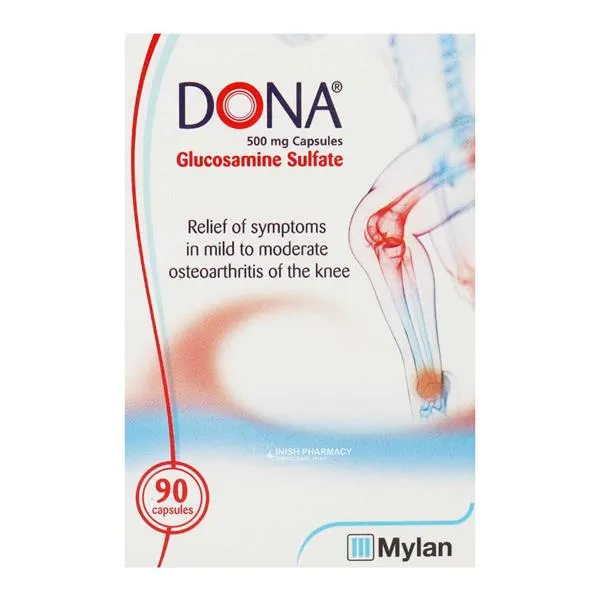
Table of Contents
- Package leaflet: information for the patient
- DONA 250 mg hard capsules, 250 mg coated tablets, 1500 mg powder for oral solution, 750 mg film-coated tablets
- 1. What DONA is and what it is used for
- 2. What you need to know before taking DONA
- 3. How to take DONA
- 4. Possible side effects
- 5. How to store DONA
- 6. Package contents and other information
- Package leaflet: Information for the user
- 1. What DONA is and what it is used for
- 2. What you need to know before taking DONA
- 3. How to take DONA
- 4. Possible side effects
- 5. How to store DONA
- 6. Package contents and other information
- Package leaflet: Information for the user
- 1. What DONA is and what it is used for
- 2. What you need to know before taking DONA
- 3. How to take DONA
- 4. Possible side effects
- 5. How to store DONA
- 6. Package contents and other information
Package leaflet: information for the patient
DONA 250 mg hard capsules, 250 mg coated tablets, 1500 mg powder for oral solution, 750 mg film-coated tablets
Glucosamine sulfate
Please read this leaflet carefully before taking this medicine because it contains important information for you.
- Keep this leaflet. You may need to read it again.
- If you have any questions, consult your doctor or pharmacist.
- This medicine has been prescribed for you only. Do not give it to others, even if their symptoms are the same as yours, as it may be harmful.
- If you experience any adverse reactions, including those not listed in this leaflet, consult your doctor or pharmacist. See section 4.
Contents of this leaflet:
- What DONA is and what it is used for
- What you need to know before taking DONA
- How to take DONA
- Possible side effects
- How to store DONA
- Contents of the pack and other information
1. What DONA is and what it is used for
DONA contains glucosamine sulfate, which belongs to the group of medicines called non-steroidal anti-inflammatory drugs, and is indicated for relieving symptoms in mild to moderate forms of knee osteoarthritis (a degeneration of the joint).
2. What you need to know before taking DONA
Do not take DONA
- if you are allergic to glucosamine sulfate or to any of the other ingredients of this medicine (listed in section 6);
- if you are allergic to shellfish, as the active substance in this medicine is derived from shellfish.
Warnings and precautions
Talk to your doctor or pharmacist before taking DONA.
Inform your doctor if:
- you have a predisposition to heart or circulatory diseases; in this case, lipid levels in the blood should be monitored, as they may increase during treatment with this medicine (hypercholesterolemia);
- you suffer from asthma (a condition causing narrowing and inflammation of the airways), as use of this medicine may worsen your symptoms;
- you have severe liver or kidney problems (severe hepatic or renal insufficiency); in this case, your doctor will monitor you closely;
- you have glucose intolerance (elevated blood sugar levels); in this case, your doctor will prescribe regular checks before and during treatment (see section 4).
Children and adolescents
The safety and efficacy of this medicine in children and adolescents have not yet been established.
Other medicines and DONA
Inform your doctor or pharmacist if you are taking, have recently taken, or might take any other medicines.
Caution is required if DONA is to be taken together with other medicines, particularly:
- certain types of medicines used to prevent blood clotting (e.g. warfarin, dicoumarol, phenprocoumon, acenocoumarol, and fluidandione). The effect of these medicines may be enhanced when used with glucosamine. Therefore, patients receiving such combinations must be monitored very closely when starting or stopping glucosamine therapy;
- antibiotics used to treat bacterial infections (tetracyclines).
Pregnancy, breastfeeding and fertility
If you are pregnant, think you might be pregnant, are planning to become pregnant, or are breastfeeding, consult your doctor or pharmacist before taking this medicine.
Pregnancy
Data on the use of glucosamine sulfate in pregnant women are limited.
Your doctor will prescribe DONA only if clearly needed.
Breastfeeding
It is not known whether glucosamine sulfate passes into breast milk.
Your doctor will prescribe DONA only if clearly needed.
Fertility
If you have fertility problems or are undergoing fertility assessments, discontinue treatment with DONA.
Driving and using machines
During treatment with DONA, you may experience dizziness, drowsiness, fatigue, headache, or visual disturbances; therefore, you should avoid driving or operating machinery.
DONA 250 mg hard capsules contain
Lactose: if your doctor has diagnosed you with an intolerance to certain sugars, contact him/her before taking this medicine.
Sodium: this medicine contains 151 mg of sodium (the main component of table salt) per 1500 mg daily dose. This corresponds to 7.6% of the maximum daily intake recommended in an adult's diet.
DONA 250 mg film-coated tablets contain
Glucose syrup and sucrose: if your doctor has diagnosed you with an intolerance to certain sugars, contact him/her before taking this medicine.
Sodium: this medicine contains 165.6 mg of sodium (the main component of table salt) per 1500 mg daily dose. This corresponds to 8.3% of the maximum daily intake recommended in an adult's diet.
DONA 1500 mg oral solution powder contains
Sodium: this medicine contains 151 mg of sodium (the main component of table salt) per 1500 mg daily dose. This corresponds to 7.6% of the maximum daily intake recommended in an adult's diet.
Aspartame: this medicine contains 2.5 mg of aspartame per sachet. Aspartame is a source of phenylalanine. It may be harmful if you have phenylketonuria, a rare genetic disorder causing accumulation of phenylalanine due to the body's inability to metabolize it properly.
Sorbitol: this medicine contains approximately 2 g of sorbitol per sachet. Sorbitol is a source of fructose. If your doctor has told you (or your child) that you have an intolerance to certain sugars, or if you have been diagnosed with hereditary fructose intolerance, a rare genetic disorder in which patients cannot metabolize fructose, speak with your doctor before taking this medicine.
DONA 750 mg film-coated tablets contain
Sodium: this medicine contains 151 mg of sodium (the main component of table salt) per 1500 mg daily dose. This corresponds to 7.6% of the maximum daily intake recommended in an adult's diet.
3. How to take DONA
Take this medicine exactly as instructed by your doctor or pharmacist. If you have
any doubts, consult your doctor or pharmacist.
DONA 250 mg hard capsules:
The recommended dose is 2 capsules 3 times a day.
DONA 250 mg coated tablets:
The recommended dose is 2 tablets 3 times a day.
DONA 1500 mg oral solution powder:
The recommended dose is 1 sachet per day. Dissolve the contents of the sachet in water.
DONA 750 mg film-coated tablets:
The recommended dose is 2 tablets per day.
The duration of treatment will be determined by your doctor, who will take into account your individual condition.
If you suffer from severe liver or kidney problems (severe hepatic or renal insufficiency), your doctor will closely monitor you during treatment with this medicine (see section “Warnings and precautions”).
The safety and efficacy of Dona in children and adolescents have not yet been established.
If you take more DONA than you should
Cases of overdose are not known.
If you have taken or ingested too much of this medicine, contact your doctor immediately or go to the nearest hospital.
If you forget to take DONA
Do not take a double dose to make up for the missed dose.
If you have any doubts about how to use this medicine, consult your doctor or pharmacist.
4. Possible side effects
Like all medicines, this medicine can cause side effects, although not everybody will experience them.
DONA may cause the following side effects:
Common (may affect up to 1 in 10 people)
- headache;
- drowsiness;
- nausea;
- abdominal pain;
- indigestion;
- diarrhoea;
- constipation;
- flatulence (passing wind);
- stomach heaviness and pain;
- difficulty in digestion (dyspepsia);
- fatigue.
Uncommon (may affect up to 1 in 100 people)
- flushing;
- erythema (redness of the skin);
- rash;
- itching.
Not known (frequency cannot be estimated from the available data)
- allergic reaction (hypersensitivity);
- inadequate control of diabetes (a condition characterised by high blood sugar levels, see section 2);
- insomnia;
- dizziness;
- visual disturbances;
- changes in heart rhythm (arrhythmias), for example tachycardia (increased heart rate);
- vomiting;
- hair loss;
- swelling of the lips, face, throat or tongue (angioedema);
- hives (urticaria);
- constriction and inflammation of the bronchi (bronchospasm);
- worsening of asthma (asthma exacerbation);
- yellowing of the skin and whites of the eyes (jaundice);
- fluid retention (oedema);
- fluid retention in the extremities (peripheral oedema);
- increased liver enzymes indicating liver function;
- increased blood glucose;
- increased blood pressure;
- fluctuations in the international normalized ratio (INR), a value in blood coagulation tests.
Cases of increased blood fat levels (cholesterol) (hypercholesterolaemia) have been reported from spontaneous reports.
Reporting of side effects
If you experience any side effect, including those not listed in this leaflet, talk to your doctor or pharmacist.
You can also report side effects directly via the national reporting system at https://www.aifa.gov.it/content/segnalazioni-reazioni-avverse.
By reporting side effects, you can help provide more information on the safety of this medicine.
5. How to store DONA
Keep this medicine out of the sight and reach of children.
Do not use this medicine after the expiry date stated on the packaging after "Exp.". The expiry date refers to the last day of that month. The stated expiry date applies to the product when unopened and stored correctly.
DONA 250 mg film-coated tablets: store away from sources of heat.
DONA 250 mg hard capsules and DONA 1500 mg oral suspension powder: store below 30°C.
DONA 750 mg film-coated tablets: store below 25°C.
The shelf life after first opening of the 60-tablet container is 1 month, if stored below 25°C.
The shelf life after first opening of the 180-tablet container is 3 months, if stored below 25°C.
Do not use DONA if you notice any obvious signs of deterioration of the packaging.
Do not dispose of any medicine via wastewater or household waste. Ask your pharmacist how to dispose of medicines you no longer use. This will help protect the environment.
6. Package contents and other information
What DONA 250 mg hard capsules contains
- The active substance is glucosamine sulfate sodium chloride. Each capsule contains 314 mg of glucosamine sulfate sodium chloride (equivalent to 250 mg of glucosamine and 64 mg of sodium chloride).
- The other components are maize starch, lactose, magnesium stearate, talc. Capsule components: titanium dioxide (E 171), iron oxide (E 172), erythrosine (E 127), gelatin.
What DONA 250 mg coated tablets contains
- The active substance is glucosamine sulfate sodium chloride. Each tablet contains 314 mg of glucosamine sulfate sodium chloride (equivalent to 250 mg of glucosamine and 64 mg of sodium chloride).
- The other components are maize starch, povidone, microcrystalline cellulose, sodium chloride, macrogol glycerol ricinoleate, sodium croscarmellose, magnesium stearate, silicon dioxide, sucrose, talc, triethyl citrate, sodium carmellose, methacrylic acid-ethyl acrylate copolymer 1:1 (Eudragit L 30 D), colloidal silicon dioxide, silicone fluid emulsion, titanium dioxide (E 171), macrogol 6000, kaolin, glucose syrup, montanglycol wax.
What DONA 1500 mg powder for oral solution contains
- The active substance is glucosamine sulfate sodium chloride. Each sachet contains 1884 mg of glucosamine sulfate sodium chloride (equivalent to 1500 mg of glucosamine and 384 mg of sodium chloride).
- The other components are aspartame, sorbitol, citric acid, Macrogol 4000.
What DONA 750 mg film-coated tablets contains
- The active substance is glucosamine sulfate sodium chloride. Each tablet contains 942 mg of glucosamine sulfate sodium chloride (equivalent to 750 mg of glucosamine and 192 mg of sodium chloride).
- The other components are microcrystalline cellulose, povidone, sodium croscarmellose, Macrogol 6000, magnesium stearate, talc, Eudragit 12.5, Eudragit RL 30 D, titanium dioxide (E171), triacetin.
Description of the appearance of DONA and contents of the pack
DONA 250 mg hard capsules: box containing 10 capsules.
DONA 250 mg coated tablets: box containing 30 tablets.
DONA 1500 mg powder for oral solution: box containing 20 or 30 sachets.
DONA 750 mg film-coated tablets: container containing 60 or 180 tablets.
Marketing Authorization Holder and Manufacturer
Marketing Authorization Holder
Meda Pharma s.p.a., via Felice Casati 20, 20124 Milano (MI) - Italy
Manufacturer
Coated tablets:
MADAUS GMBH, Lütticher Strasse, 5 - 53842 Troisdorf (Germany).
Powder for oral solution:
Rottapharm LTD, Damastown Industrial Park, Mulhuddart, Dublin 15 (Ireland);
SIGMAR Italia S.r.l. - Via Sombreno, 11 - Alme (BG), Italy.
Hard capsules:
Rottapharm LTD, Damastown Industrial Park, Mulhuddart, Dublin 15 (Ireland).
Film-coated tablets:
MADAUS GMBH, Lütticher Strasse, 5 - 53842 Troisdorf (Germany).
Package leaflet: Information for the user
DONA 400 mg/3 ml concentrate for solution for injection and solvent for intramuscular use with
lidocaine
Glucosamine sulfate
Please read all of this leaflet carefully before you start using this medicine because it contains important information for you.
- Keep this leaflet. You may need to read it again.
- If you have any questions, ask your doctor or pharmacist.
- This medicine has been prescribed for you only. Do not give it to others, even if they have the same symptoms as you, because it could be harmful.
- If you experience any side effect, including those not listed in this leaflet, tell your doctor or pharmacist. See section 4.
Contents of this leaflet:
- What DONA is and what it is used for
- What you need to know before using DONA
- How to use DONA
- Possible side effects
- How to store DONA
- Contents of the pack and other information
1. What DONA is and what it is used for
DONA contains glucosamine sulfate, which belongs to a group of medicines called non-steroidal anti-inflammatory drugs, and is indicated to relieve symptoms in mild to moderate forms of knee osteoarthritis (a degeneration of the joint).
2. What you need to know before taking DONA
Do not take DONA
- if you are allergic to glucosamine sulfate or lidocaine, or to any of the other ingredients of this medicine (listed in section 6);
- if you are allergic to shellfish, as the active substance in this medicine is derived from shellfish;
- if you have heart problems (acute heart failure, conduction disorders).
Warnings and precautions
Talk to your doctor or pharmacist before using DONA.
Inform your doctor if:
- you are predisposed to heart or circulatory diseases; in this case, your blood lipid levels should be monitored, as they may increase during treatment with this medicine (hypercholesterolemia);
- you suffer from asthma (a condition causing narrowing and inflammation of the airways), as use of this medicine may worsen your symptoms;
- you have severe liver or kidney problems (severe hepatic or renal insufficiency); in this case, your doctor will monitor you closely;
- you have glucose intolerance (elevated blood sugar levels); in this case, your doctor will prescribe monitoring tests before and during treatment (see section 4).
Children and adolescents
The safety and efficacy of this medicine in children and adolescents have not yet been established.
Other medicines and DONA
Inform your doctor or pharmacist if you are taking, have recently taken, or might take any other medicines.
Caution is required if DONA is to be taken together with other medicines, particularly:
- certain types of medicines used to prevent blood clotting (e.g., warfarin, dicoumarol, phenprocoumon, acenocoumarol, and fluidone). The effect of these medicines may be enhanced when used with glucosamine. Therefore, patients receiving such combinations must be closely monitored when starting or stopping glucosamine therapy;
- antibiotics used to treat bacterial infections (tetracyclines).
Pregnancy, breastfeeding, and fertility
If you are pregnant, think you may be pregnant, planning a pregnancy, or breastfeeding, consult your doctor or pharmacist before using this medicine.
Pregnancy
Data on the use of glucosamine sulfate in pregnant women are limited.
Your doctor will prescribe DONA only if clearly needed.
Breastfeeding
It is not known whether glucosamine sulfate passes into breast milk.
Your doctor will prescribe DONA only if clearly needed.
Fertility
If you have fertility problems or are undergoing fertility assessments, discontinue treatment with DONA.
Driving and using machines
During treatment with DONA, you may experience dizziness, drowsiness, fatigue, headache, or visual disturbances; therefore, you should avoid driving vehicles or operating machinery.
DONA contains sodium
This medicine contains 40.3 mg of sodium (a main component of table salt) per vial. This is equivalent to 2% of the maximum daily recommended dietary intake for an adult.
3. How to take DONA
Take this medicine exactly as directed by your doctor or pharmacist. If you have
any doubts, consult your doctor or pharmacist.
The recommended dose is 1 or 2 pairs of vials (one pair consists of vial A and vial B),
administered into a muscle (intramuscular route), 3 times a week for 4–6 weeks. Draw up
the contents of vial A (brown) and vial B (colourless) into the same syringe.
A slight yellowish discoloration of the solution in vial A is normal.
The duration of treatment will be determined by your doctor based on your condition.
If you have severe liver or kidney problems (severe hepatic or renal insufficiency), your doctor will
closely monitor you during treatment with this medicine (see section “Warnings and
precautions”).
The safety and efficacy of Dona in children and adolescents have not yet been established.
If you take more DONA than you should
Cases of overdose have not been reported.
In case of accidental ingestion or administration of an excessive dose of this medicine, contact your
doctor immediately or go to the nearest hospital.
If you forget to take DONA
Do not take a double dose to make up for the missed dose.
If you have any questions about the use of this medicine, consult your doctor or pharmacist.
4. Possible side effects
Like all medicines, this medicine can cause side effects, although not everybody will get them.
DONA may cause the following side effects:
Common (may affect up to 1 in 10 people)
- headache;
- drowsiness;
- nausea;
- abdominal pain;
- indigestion;
- diarrhoea;
- constipation;
- flatulence (passing wind);
- stomach heaviness and pain;
- difficulty in digestion (dyspepsia);
- fatigue.
Uncommon (may affect up to 1 in 100 people)
- flushing;
- erythema (redness of the skin);
- rash;
- itching.
Not known (frequency cannot be estimated from the available data)
- allergic reaction (hypersensitivity);
- inadequate control of diabetes (a disease characterised by high blood sugar levels, see section 2);
- insomnia;
- dizziness;
- visual disturbances;
- changes in heart rhythm (arrhythmias), for example tachycardia (increased heart rate);
- vomiting;
- hair loss;
- swelling of the lips, face, throat or tongue (angioedema);
- hives;
- narrowing and inflammation of the bronchi (asthma);
- worsening of asthma (exacerbated asthma);
- yellowing of the skin and whites of the eyes (jaundice);
- fluid retention (oedema);
- fluid retention in the extremities (peripheral oedema);
- reaction at the site of administration;
- increased liver enzymes indicating liver function;
- increased blood glucose;
- increased blood pressure;
- fluctuations in the international normalized ratio (INR), a measure in blood coagulation tests.
Cases of increased blood fat levels (cholesterol) (hypercholesterolaemia) have been reported from spontaneous reports.
Reporting of side effects
If you get any side effects, including ones not listed in this leaflet, talk to your doctor or pharmacist.
You can also report side effects directly via the national reporting system at https://www.aifa.gov.it/content/segnalazioni-reazioni-avverse. By reporting side effects, you can help provide more information on the safety of this medicine.
5. How to store DONA
Keep this medicine out of the sight and reach of children.
Do not use this medicine after the expiry date stated on the packaging after "Exp.". The expiry date refers to
the last day of that month.
Store this medicine in the refrigerator (2°C – 8°C).
Do not use DONA if you notice any obvious signs of deterioration of the packaging.
Do not dispose of any medicine via wastewater or household waste. Ask your pharmacist how to dispose of
medicines no longer used. This will help protect the environment.
6. Package contents and other information
What DONA contains
- The active substance is glucosamine sulfate sodium chloride. Each vial A (brown) contains 502.5 mg of glucosamine sulfate sodium chloride (equivalent to 400 mg of glucosamine sulfate and 102.5 mg of sodium chloride).
- The other components are: vial A (brown): lidocaine hydrochloride monohydrate and water for injections. Vial B (colourless) (solvent): diethanolamine and water for injections.
Description of the appearance of DONA and contents of the pack
Carton pack containing 6 vials with glucosamine sulfate and 6 vials of solvent.
Marketing Authorisation Holder and Manufacturer
Marketing Authorisation Holder
Meda Pharma s.p.a., Via Felice Casati 20, 20124 Milan (MI) - Italy
Manufacturer
BIOLOGICI ITALIA LABORATORIES S.r.l., Via Filippo Serpero, 2 - 20060, Masate (MI) (Italy)
Package leaflet: Information for the user
DONA 400 mg/3 ml concentrate for solution for injection and solvent for intramuscular use with
lidocaine
Glucosamine sulfate
Please read all of this leaflet carefully before you start taking this medicine because it contains important information for you.
- Keep this leaflet. You may need to read it again.
- If you have any questions, ask your doctor or pharmacist.
- This medicine has been prescribed for you only. Do not give it to other people, even if they have the same symptoms as yours, because it may be harmful.
- If you experience any adverse reaction, including those not listed in this leaflet, contact your doctor or pharmacist. See section 4.
Contents of this leaflet:
- What DONA is and what it is used for
- What you need to know before taking DONA
- How to take DONA
- Possible side effects
- How to store DONA
- Contents of the pack and other information
1. What DONA is and what it is used for
DONA contains glucosamine sulfate, which belongs to the group of medicines called non-steroidal anti-inflammatory drugs, and is indicated to relieve symptoms in mild to moderate forms of knee osteoarthritis (a degeneration of the joint).
2. What you need to know before taking DONA
Do not take DONA
- if you are allergic to glucosamine sulfate or lidocaine, or to any of the other ingredients of this medicine (listed in section 6);
- if you are allergic to shellfish, because the active substance in this medicine is derived from shellfish;
- if you have heart problems (acute heart failure, conduction disorders).
Warnings and precautions
Talk to your doctor or pharmacist before using DONA.
Inform your doctor if:
- you have a tendency towards heart or circulatory diseases; in this case, your blood lipid levels should be monitored, as they may increase during treatment with this medicine (hypercholesterolemia);
- you suffer from asthma (a condition causing narrowing and inflammation of the airways), as use of this medicine may worsen your symptoms;
- you have severe liver or kidney problems (severe hepatic or renal insufficiency); in this case, your doctor will monitor you closely;
- you have glucose intolerance (elevated blood sugar levels); in this case, your doctor will prescribe regular checks before and during treatment (see section 4).
Children and adolescents
The safety and efficacy of this medicine in children and adolescents have not yet been established.
Other medicines and DONA
Inform your doctor or pharmacist if you are taking, have recently taken, or might take any other medicines.
Caution is required if DONA is to be taken together with other medicines, particularly:
- certain types of medicines used to prevent blood clotting (e.g. warfarin, dicoumarol, phenprocoumon, acenocoumarol, and fluidone). The effect of these medicines may be enhanced when used with glucosamine. Therefore, patients receiving such combinations must be monitored very closely when starting or stopping glucosamine therapy;
- antibiotics used to treat bacterial infections (tetracyclines).
Pregnancy, breastfeeding and fertility
If you are pregnant, think you may be pregnant, are planning to become pregnant, or are breastfeeding, consult your doctor or pharmacist before using this medicine.
Pregnancy
Data on the use of glucosamine sulfate in pregnant women are limited.
Your doctor will prescribe DONA only if clearly necessary.
Breastfeeding
It is not known whether glucosamine sulfate passes into breast milk.
Your doctor will prescribe DONA only if clearly necessary.
Fertility
If you have fertility problems or are undergoing fertility assessments, discontinue treatment with DONA.
Driving and using machines
During treatment with DONA, you may experience dizziness, drowsiness, fatigue, headache, or visual disturbances. Therefore, you should avoid driving vehicles or operating machinery.
DONA contains sodium
This medicine contains 40.3 mg of sodium (a main component of common table salt) per vial.
This is equivalent to 2% of the maximum daily recommended dietary intake of sodium for an adult.
3. How to take DONA
Take this medicine exactly as directed by your doctor or pharmacist.
If you have any doubts, consult your doctor or pharmacist.
The recommended dose is 1 or 2 pairs of vials (one pair consists of one vial A and one vial B), to be administered into a muscle (intramuscular route), 3 times a week for 4-6 weeks. Draw up the contents of vial A (brown) and vial B (colourless) into the same syringe.
A slight yellowish colouration of the solution in vial A is normal.
The duration of treatment will be determined by your doctor, who will take into account your individual condition.
If you suffer from severe liver or kidney problems (severe hepatic or renal insufficiency), your doctor will monitor you closely during treatment with this medicine (see section "Warnings and precautions").
The safety and efficacy of Dona in children and adolescents have not yet been established.
If you take more DONA than you should
Cases of overdose are not known.
If you ingest or take an excessive dose of this medicine, inform your doctor immediately or go to the nearest hospital.
In case of overdose, disturbances affecting the brain, spinal cord, and heart due to the lidocaine contained in the solution used to dissolve DONA may occur.
If you forget to take DONA
Do not take a double dose to make up for the missed dose.
If you have any doubts about the use of this medicine, consult your doctor or pharmacist.
4. Possible side effects
Like all medicines, this medicine can cause side effects, although not everybody gets them.
Dona may cause the following side effects:
Common (may affect up to 1 in 10 people)
- headache;
- drowsiness;
- nausea;
- abdominal pain;
- indigestion;
- diarrhoea;
- constipation;
- flatulence (passing gas through the anus);
- stomach heaviness and pain;
- difficulty in digestion (dyspepsia);
- fatigue.
Uncommon (may affect up to 1 in 100 people)
- flushing;
- erythema (redness of the skin);
- rash;
- itching.
Not known (frequency cannot be estimated from the available data)
- allergic reaction (hypersensitivity);
- inadequate control of diabetes (a condition characterized by high blood sugar levels, see section 2);
- insomnia;
- dizziness;
- visual disturbances;
- changes in heart rhythm (arrhythmias), for example tachycardia (increased heart rate);
- vomiting;
- hair loss;
- swelling of the lips, face, throat or tongue (angioedema);
- urticaria;
- constriction and inflammation of the bronchi (asthma);
- worsening of asthma (asthma exacerbation);
- yellowing of the skin and whites of the eyes (jaundice);
- fluid retention (oedema);
- fluid retention in the extremities (peripheral oedema);
- reaction at the site of administration;
- increased liver enzymes indicating liver function;
- increased blood glucose;
- increased blood pressure;
- fluctuations in the international normalized ratio (INR), a value in blood coagulation tests.
Cases of increased blood fat levels (cholesterol) (hypercholesterolaemia) have been reported from spontaneous reports.
Reporting of side effects
If you experience any side effect, including those not listed in this leaflet, talk to your doctor or pharmacist.
You can also report side effects directly via the national reporting system at https://www.aifa.gov.it/content/segnalazioni-reazioni-avverse.
By reporting side effects, you can help provide more information on the safety of this medicine.
5. How to store DONA
Keep this medicine out of the sight and reach of children.
Do not use this medicine after the expiry date stated on the packaging after "Exp.".
The expiry date refers to the last day of that month.
Store this medicine in the refrigerator (2°C – 8°C).
Do not use DONA if you notice any obvious signs of deterioration of the packaging.
Do not dispose of any medicine via wastewater or household waste. Ask your pharmacist how to
dispose of medicines you no longer use. This will help protect the environment.
6. Package contents and other information
What DONA contains
- The active substance is sodium chloride glucosamine sulfate. Each vial A (brown) contains 502.5 mg of sodium chloride glucosamine sulfate (equivalent to 400 mg of glucosamine sulfate and 102.5 mg of sodium chloride).
- The other components are: vial A (brown): lidocaine hydrochloride monohydrate and water for injections. vial B (colourless) (solvent): diethanolamine and water for injections.
Description of the appearance of DONA and contents of the pack
Carton pack containing 6 vials of glucosamine sulfate and 6 vials of solvent.
Marketing Authorization Holder and Manufacturer
Marketing Authorization Holder
Meda Pharma s.p.a., via Felice Casati 20, 20124 Milano (MI) - Italy
Manufacturer
BIOLOGICI ITALIA LABORATORIES S.r.l., Via Filippo Serpero, 2 - 20060, Masate (MI) (Italy)