Coumadin
Italy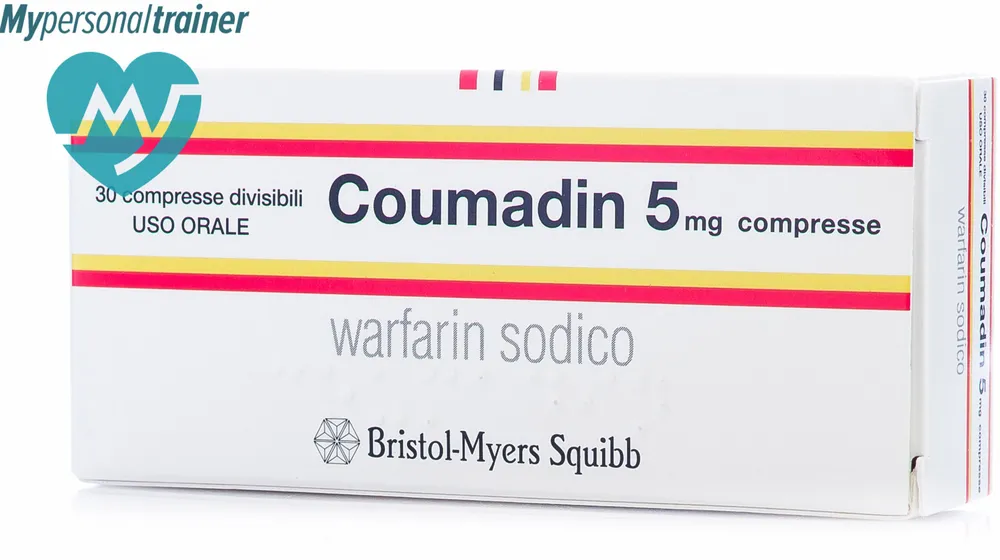
Table of Contents
Patient Information Leaflet
COUMADIN 5 mg tablets
warfarin sodium
Please read this leaflet carefully before taking this medicine because it contains important information for you.
- Keep this leaflet. You may need to read it again.
- If you have any questions, ask your doctor or pharmacist.
- This medicine has been prescribed for you only. Do not give it to others, even if their symptoms are the same as yours, as it could be harmful.
- If you experience any adverse reactions, including those not listed in this leaflet, contact your doctor or pharmacist. See section 4.
Contents of this leaflet:
- What COUMADIN is and what it is used for
- What you need to know before taking COUMADIN
- How to take COUMADIN
- Possible side effects
- How to store COUMADIN
- Contents of the pack and other information
1. What COUMADIN is and what it is used for
COUMADIN is an anticoagulant, meaning it helps prevent the formation of blood clots (clots).
COUMADIN is a medicine with a narrow therapeutic index, which means that even small changes in the
dose can have serious consequences: too much medicine may cause bleeding, while too little
medicine may lead to the formation of dangerous blood clots.
Your doctor has prescribed COUMADIN to prevent the formation of clots. These clots are
dangerous because they can block normal blood flow. For example, if a clot reaches the
brain, it can cause a stroke (interruption of blood flow to the brain).
COUMADIN is used to treat and prevent clots:
- in the legs and lungs;
- associated with an irregular and rapid heartbeat, called “atrial fibrillation”;
- associated with heart valve replacement.
If you have had a heart attack (myocardial infarction), COUMADIN is used to:
- reduce the risk of having another heart attack;
- reduce the risk of stroke;
- reduce the risk of clots travelling to the legs or lungs.
Contact your doctor if you do not feel better or if you feel worse.
2. What you need to know before taking COUMADIN
Do not take COUMADIN
- If you are allergic to sodium warfarin or any of the other ingredients of this medicine (listed in section 6).
- If you have a risk of bleeding or active bleeding.
- If you are pregnant or might be pregnant.
- If you are a woman of childbearing age who is not using contraception.
- If you are pregnant and at risk of miscarriage or have very high blood pressure.
- If you have recently undergone or are about to undergo surgery, even under local anaesthesia (loss of sensation in one area of the body).
- If you are due to have a hospital procedure, including a spinal puncture.
- If you suffer from very high blood pressure, which may cause damage to the eyes (malignant hypertension).
- If you are taking preparations containing St. John’s wort – Hypericum perforatum (herbal medicine used to treat depression) (see section Interactions with other medicines and COUMADIN).
Warnings and precautions
Talk to your doctor or pharmacist before taking COUMADIN:
- If you notice any unusual bleeding or experience signs or symptoms of bleeding (see section 4. Possible side effects).
- If you have or have previously had abnormally high values of the International Normalized Ratio (INR), an index of blood clotting, above 4.0 or highly variable.
- If you have had gastrointestinal bleeding (stomach and intestine).
- If you suffer from high blood pressure.
- If you suffer from a disease affecting the blood vessels in the brain.
- If you have a decrease in haemoglobin levels, a protein that carries oxygen to tissues, in the blood (anaemia).
- If you have a malignant tumour (cancer).
- If you suffer from kidney disease.
- If someone in your family suffers from a blood disorder.
- If you are elderly (age greater than or equal to 65 years). Your doctor will determine the appropriate dose for you. This dose may change over time.
- If your toes become blue and painful. Stop treatment with COUMADIN and contact your doctor, who will prescribe another medicine (see section 4 Possible side effects).
- If you suffer from a decrease in platelet count, a type of blood cell, following treatment with heparin, a medicine used to make the blood less viscous.
- If you suffer from mild to severe liver disease. Your doctor will determine the appropriate dose for you.
- If during treatment with COUMADIN you experience vomiting, diarrhoea, or an infection.
- If during treatment with COUMADIN you notice that part of your body or skin turns black (skin or tissue necrosis) (see section 4 Possible side effects).
- If during treatment with COUMADIN you notice painful, itchy spots or nodules on your skin. Sometimes these lesions may worsen and lead to swelling, paleness, or blackish discolouration, progressing to ulceration and infection of the affected area (calciphylaxis) (see section 4 Possible side effects).
- If you have had a catheter (a small, flexible tube) inserted.
- If you have a condition affecting protein C, a naturally occurring protein in the body that helps make the blood less viscous.
- If you are due to undergo eye surgery.
- If you hit your head or have a serious fall.
- If you suffer from an increase in blood cells, detectable through blood tests.
- If you have high levels of phosphorus or calcium in the blood (hyperphosphataemia, hypercalcaemia).
- If you have low levels of albumin (a type of protein) in the blood.
- If you suffer from inflammation of blood vessels.
- If you suffer from diabetes mellitus (elevated blood sugar levels).
- If you eat poorly.
- If you suffer from vitamin K deficiency.
- If you are taking medicines or foods containing vitamin K (see sections Interactions with other medicines and COUMADIN; COUMADIN with food, drinks, and alcohol).
- If you are due to undergo surgery, even dental procedures. Inform any healthcare provider (including your dentist) that you are taking COUMADIN, as treatment with COUMADIN must be suspended or reduced before, during, and immediately after the procedure.
Interactions with other medicines and COUMADIN
Inform your doctor or pharmacist if you are taking, have recently taken, or might take any other medicines.
Inform your doctor if you notice any changes in your health status or make changes to the medicines you are taking or to your lifestyle (travel, environmental conditions, physical activity).
In particular, inform your doctor if you are taking:
- Herbal preparations, especially Hypericum perforatum (used to treat depression) (see section 2 Do not take COUMADIN)
- Medicines to treat infections (amoxicillin, benzylpenicillin, penicillin G, piperacillin, ticarcillin, cefaclor, cefamandole, cefazolin, cefixime, cefotetan, cefonicid, cefotiam, cefoxitin, ceftriaxone, cefuroxime, doxycycline, tetracycline, tigecycline, azithromycin, clarithromycin, erythromycin, roxithromycin, telithromycin, neomycin, ciprofloxacin, levofloxacin, nalidixic acid, moxifloxacin, norfloxacin, pefloxacin, ofloxacin, sulfadoxine, sulfafurazole, sulfamethizole, sulfamethoxazole/trimethoprim, sulfisoxazole, aminosalicylic acid, isoniazid, chloramphenicol, vancomycin, clindamycin, dicloxacillin, nafcillin, rifampicin, rifapentine)
- Medicines to treat fungal infections (miconazole, econazole, fluconazole, ketoconazole, itraconazole, voriconazole, griseofulvin)
- Medicines to prevent and treat parasitic infections (proguanil, metronidazole, nimorazole, tinidazole, quinine)
- Medicines to treat viral infections (delavirdine, efavirenz, etravirine, nevirapine, atazanavir, ritonavir, peginterferon alfa-2b, ribavirin, darunavir)
- Medicines to treat organ rejection in transplant patients (cyclosporine)
- Medicines to treat inflammation and pain (paracetamol, acetylsalicylic acid, diflunisal, propoxyphene, tramadol, diclofenac, indomethacin, ketorolac, sulindac, fenoprofen, ibuprofen, ketoprofen, naproxen, oxaprozin, celecoxib, etoricoxib, lumiracoxib, rofecoxib, mefenamic acid, meclofenamic acid, lornoxicam, piroxicam, glucosamine, dexamethasone, methylprednisolone, prednisone, cortisone)
- Medicines to make the blood less viscous (prasugrel, ticlopidine, abciximab, tirofiban, heparin, argatroban, bivalirudin, desirudin, lepirudin)
- Medicines to dissolve blood clots (streptokinase, alteplase)
- Medicines to treat depression (desvenlafaxine, duloxetine, venlafaxine, citalopram, escitalopram, fluoxetine, fluvoxamine, paroxetine, sertraline, vilazodone, trazodone)
- Medicines to treat epilepsy, a disease characterised by uncontrolled body movements and loss of consciousness (valproic acid, valproate, fosphenytoin, phenytoin, phenobarbital, primidone, carbamazepine)
- Medicines to treat mental disorders and anxiety (haloperidol, chlordiazepoxide)
- Medicines to treat Parkinson’s disease, a central nervous system disorder characterised by tremors, muscle rigidity, slowed movements, and difficulty maintaining balance (entacapone, tolcapone, ropinirole)
- Medicines to treat dementia, a disease characterised by memory loss, disorientation in space and time, and difficulty speaking (Ginkgo biloba, memantine)
- Medicines that stimulate brain activity (methylphenidate)
- Medicines to treat insomnia (chloral hydrate, glutethimide, butobarbital, pentobarbital, secobarbital)
- Medicines to treat lung diseases (zafirlukast)
- Medicines to treat cough (noscapine, oxeladine)
- Medicines to treat menopausal disorders in women (permanent cessation of menstruation) (tibolone, lasofoxifene, raloxifene)
- Medicines to treat cancer (tamoxifen, toremifene, megestrol, bicalutamide, flutamide, nilutamide, cyclophosphamide, ifosfamide, carboplatin, capecitabine, fluorouracil, tegafur, paclitaxel, trastuzumab, etoposide, erlotinib, gefitinib, imatinib, sorafenib, romidepsin, vorinostat, aminoglutethimide, mercaptopurine, mitotane)
- Medicines for contraception (oral contraceptives) (medroxyprogesterone, oral contraceptives containing oestrogen)
- Medicines to treat sexual disorders (testosterone)
- Medicines to treat irregular menstrual cycles (danazol)
- Medicines that increase metabolism (methandienone, oxandrolone, oxymetholone, stanozolol)
- Vaccines (influenza vaccine)
- Vitamins (vitamins E, C, K)
- Medicines to treat skin diseases (isotretinoin, etretinate, benzalkonium chloride)
- Medicines to treat alcohol dependence (disulfiram)
- Topical ointments for pain (methyl salicylate ointment, trolamine salicylate ointment)
- Medicines to treat obesity (orlistat)
- Medicines to treat high blood sugar levels (diabetes) (exenatide)
- Medicines to treat low blood sugar levels (glucagon)
- Medicines to treat thyroid diseases, a gland in the neck (levothyroxine, liotrix, thyroid extracts, methimazole, propylthiouracil)
- Medicines to treat urinary incontinence (tolterodine)
- Medicines to treat enlarged prostate, the gland in men that produces seminal fluid (tamsulosin)
- Medicines to treat rheumatoid arthritis, a disease characterised by joint inflammation, swelling, movement difficulties, and pain (leflunomide, azathioprine)
- Medicines to treat heart rhythm disorders (quinidine, propafenone, amiodarone, disopyramide)
- Medicines to treat high blood pressure (propranolol, pentoxifylline, benzbromarone)
- Medicines to treat high blood pressure in the pulmonary artery (bosentan)
- Medicines to treat heart diseases (ethacrynic acid, tienilic acid, spironolactone, chlorthalidone)
- Medicines to treat coenzyme Q10 deficiency, a substance useful to the body (ubiquinone or ubiquinone)
- Medicines to treat high blood lipid levels (bezafibrate, clofibrate, ciprofibrate, fenofibrate, gemfibrozil, atorvastatin, fluvastatin, lovastatin, pravastatin, rosuvastatin, simvastatin, ezetimibe, colesevelam, colestyramine)
- Medicines to treat heartburn (cimetidine, ranitidine, esomeprazole, lansoprazole, omeprazole, pantoprazole, rabeprazole, sucralfate)
- Medicines to treat vomiting (aprepitant, fosaprepitant)
- Medicines to treat gallstones in the gallbladder, the organ that stores bile, a substance important in digestion (chenodiol)
- Medicines to treat digestive disorders (cisapride)
- Medicines to treat intestinal inflammation (olsalazine)
- Medicines to treat uric acid deposits causing joint pain (gout) (allopurinol, benzbromarone, sulfinpyrazone)
- Corticotropin, a diagnostic medicine
- Medicines containing alcohol (see section COUMADIN with food, drinks, and alcohol)
COUMADIN with food, drinks, and alcohol
- Do not start a diet without first consulting your doctor.
- Do not make sudden changes to your eating habits, such as starting to eat large amounts of foods rich in vitamin K (green leafy vegetables such as spinach, lettuce, broccoli, cauliflower, Brussels sprouts and, to a lesser extent, cereals, meat, and dairy products).
- If a child is taking artificial milk, treatment with COUMADIN may be affected.
- Do not take garlic, Ginkgo biloba, ginseng, echinacea, grapefruit juice, or goldenseal during treatment with COUMADIN. For a complete list of foods and herbs to avoid, consult your doctor.
- Avoid alcohol consumption.
Pregnancy and breastfeeding
Pregnancy
Do not take COUMADIN during pregnancy, if you suspect you are pregnant, or if you could become pregnant.
If you are a woman of childbearing age who is not using contraception.
This medicine may harm the unborn child.
If you are taking COUMADIN, talk to your doctor before planning a pregnancy.
Breastfeeding
COUMADIN does not pass into breast milk and infants breastfed by mothers taking COUMADIN have not shown changes in prothrombin time. Take COUMADIN with caution during breastfeeding and monitor the infant for signs of bruising or bleeding.
Driving and using machines
Treatment with COUMADIN does not affect your ability to drive or operate machinery.
COUMADIN contains lactose
This medicine contains lactose (milk sugar). If your doctor has diagnosed you with an intolerance to certain sugars, contact them before taking this medicine.
3. How to take COUMADIN
Take this medicine exactly as prescribed by your doctor, at the same time every day. You may take COUMADIN with or without food. Your dose may vary over time, depending on your response to COUMADIN and your liver condition.
- To determine the appropriate dose for you, your doctor will prescribe a blood test to measure your prothrombin time (PT); PT results are often reported as INR (International Normalized Ratio), which is a standardized way of expressing them.
- Blood tests to monitor PT/INR are very important because they help your doctor understand how long it takes for your blood to clot and determine whether your COUMADIN dose needs to be adjusted.
- When you start treatment with COUMADIN, you will need frequent PT/INR checks. Later, these checks may become less frequent, unless you have a kidney disease. These tests, along with regular visits to your doctor, are very important for the success of your COUMADIN therapy. Throughout your treatment with COUMADIN, you must periodically monitor your PT/INR (approximately once a month) and keep it within the optimal range for your health condition. If you have any doubts, consult your doctor or pharmacist. The tablet may be divided into equal parts.
If you take more COUMADIN than you should
If you have taken too much COUMADIN, contact your doctor or a healthcare facility immediately to receive appropriate assistance.
Signs and symptoms of overdose may include: suspicious or obvious abnormal bleeding (e.g. blood in stools or urine, haematuria, excessive menstrual flow, dark and foul-smelling stools (melena), small red spots on the skin (petechiae), tendency to bruise easily, persistent bleeding from minor wounds, unexplained decrease in haemoglobin.
If you forget to take COUMADIN
Always try to take COUMADIN exactly as prescribed by your doctor. If you happen to miss a dose, inform your doctor immediately. Take the missed dose on the same day as soon as you remember. If it is already time for your next dose, do not take the missed dose as well; instead, continue with your regular dosing schedule.
If you stop taking COUMADIN
If you have any doubts about using this medicine, consult your doctor or pharmacist.
4. Possible side effects
Like all medicines, this medicine can cause side effects, although not everyone will experience them.
Serious side effects include:
- bleeding (haemorrhage) in various parts of the body (around the heart, adrenal gland, eye, intestine, back of the abdomen, liver, head, lung)
- a part of the body or skin turns black (skin necrosis or necrosis of other tissues)
- blockage of a blood vessel due to fat (systemic atheroemboli and cholesterol microemboli). In this case, you may notice that your toes become blue and painful (Blue Toe Syndrome)*
- painful skin rash. In rare cases, warfarin may cause serious skin conditions, including one called calciphylaxis, which may initially present as a painful skin rash but can
lead to other serious complications. This adverse reaction occurs more frequently in patients with
chronic kidney disease
If you experience any of the above-mentioned side effects, STOP treatment with
COUMADIN and contact your doctor immediately.
Additionally, the following side effects may occur, listed by frequency:
Common (may affect up to 1 in 10 people)
- decrease in haemoglobin, a protein that carries oxygen to tissues, in the blood (anaemia)*
- chest pain*
- bleeding (haemorrhage) of the eye
- stomach pain*, diarrhoea, bleeding of the gums, nausea, bleeding (haemorrhage) from the rectum, vomiting
- weakness (asthenia)*, fatigue*, swelling due to fluid retention (oedema)*, fever (pyrexia)
- joint pain (arthralgia)*, muscle pain (myalgia)*
- dizziness*, headache*
- blood in the urine (haematuria)
- nosebleeds (epistaxis), difficulty breathing (dyspnoea)*, coughing up blood (haemoptysis)
- bruising (ecchymoses), itching, skin rash
- bleeding (haemorrhage), low blood pressure (hypotension)*, fainting (syncope)*
Uncommon (may affect up to 1 in 100 people)
- metallic taste in the mouth (dysgeusia), bloating in the abdominal area (abdominal distension), difficulty swallowing (dysphagia)*, passing gas (flatulence), vomiting blood (haematemesis), blood in the stool (haematochezia), dark, foul-smelling stools (melena)
- chills, malaise*, pain*
- allergy (hypersensitivity)
- changes in blood tests (increased liver enzyme)
- accumulation of blood around a joint (haemarthrosis)
- bleeding (haemorrhage) in the head, numbness (paraesthesia)*
- state of deep drowsiness with reduced response to normal stimuli (lethargy)*
- vaginal bleeding
- bleeding into the chest cavity (haemothorax)
- loss of hair and body hair (alopecia), skin irritation (dermatitis), skin spots (petechiae), red, itchy skin rash (urticaria)
Rare (may affect up to 1 in 1,000 people)
- bleeding (haemorrhage) in the back of the abdomen
- inflammation of the liver (hepatitis), yellowing of the skin (jaundice)
- allergic reaction (anaphylactic)
- complete or partial loss of ability to move (paralysis)*
- bleeding (haemorrhage) in the lung
- part of the skin turns black (skin necrosis)
- inflammation of blood vessels (vasculitis), low blood pressure with severe reduction in heart function (shock)*
Very rare (may affect up to 1 in 10,000 people)
- bleeding (haemorrhage) around the heart
- bleeding (haemorrhage) of the adrenal gland
- pallor*
- bleeding (haemorrhage) of the liver
- accumulation of blood around the spine (spinal haematoma)
- excessive blood loss during menstruation (menorrhagia)
- calcium salt deposits in the lung (pulmonary calcification)
- skin irritation with blisters (bullous dermatitis)
- Blue Toe Syndrome (foot)*, blockage of an artery caused by an obstruction to normal blood flow, which may be a blood clot or an air bubble (arterial embolism), blockage of a blood vessel due to fat (fat embolism), a part of the body turns black (necrosis)
Frequency not known
- painful, itchy spots or nodules on the skin. Sometimes these lesions may worsen and cause swelling, pallor, or blackish discolouration, progressing to ulceration and infection of the affected area (calciphylaxis).
- acute kidney injury.
Side effects marked with an asterisk (*) are symptoms or medical conditions resulting
from bleeding.
- Blood test results may also show changes in levels of haemoglobin (a protein that carries oxygen to tissues), haematocrit (percentage of blood volume occupied by red blood cells), and enzymes indicating the condition of the liver and biliary tract (hepatobiliary).
Reporting of side effects
If you experience any side effect, including those not listed in this leaflet, talk to your
doctor. You can also report side effects directly via the national reporting system at www.agenziafarmaco.gov.it/content/come-segnalare-una-sospetta-reazione-
avversa.
By reporting side effects, you can help provide more information on the safety of
this medicine.
5. How to store COUMADIN
Do not store above 30°C.
Keep in the original packaging.
Keep this medicine out of the sight and reach of children. Healthcare personnel who are pregnant should avoid exposure to crushed or broken COUMADIN tablets.
Do not use this medicine after the expiry date stated on the carton after "Exp".
The expiry date refers to the last day of that month.
Do not dispose of any medicine via wastewater or household waste. Ask your pharmacist how to dispose of medicines you no longer use. This will help protect the environment.
6. Package contents and other information
What COUMADIN contains
- The active substance is warfarin sodium.
- The other components are starch, magnesium stearate, stearic acid, lactose (see section 2 "COUMADIN contains lactose").
Description of the appearance of COUMADIN and package contents
COUMADIN is presented as divisible tablets.
COUMADIN is available in packs of 30 tablets, each containing 5 mg of warfarin sodium.
Marketing Authorization Holder
Teofarma S.r.l.
Via F.lli Cervi, 8
27010 Valle Salimbene (PV)
Manufacturer
VIANEX S.A. 15th km Marathonos Ave.
153 44 Pallini Attiki - Athens - Greece