Broncovaleas
ItalyTable of Contents
- Package leaflet: Information for the patient
- Broncovaleas 2 mg/5 ml syrup
- 1. What Broncovaleas syrup is and what it is used for
- 2. What you should know before taking Broncovaleas syrup
- 3. How to take Broncovaleas syrup
- 4. Possible side effects
- 5. How to store Broncovaleas syrup
- 6. Package contents and other information
- Patient information leaflet
- Broncovaleas 5mg/ml nebulizing solution
- 1. What Broncovaleas nebulizer solution is and what it is used for
- 2. What you should know before using Broncovaleas nebulizing solution
- 3. How to use Broncovaleas nebulizing solution
- Instructions for use
- 4. Possible side effects
- 5. How to store Broncovaleas nebulizing solution
- 6. Package contents and other information
- Patient Information Leaflet
- Broncovaleas 100 micrograms/spray
- 1. What Broncovaleas pressurised inhalation suspension is and what it is used for
- 2. What you need to know before using Broncovaleas pressurized suspension for inhalation
- 3. How to use Broncovaleas pressurized suspension for inhalation
- 4. Possible side effects
- 5. How to store Broncovaleas pressurised inhalation suspension
- 6. Package contents and other information
Package leaflet: Information for the patient
Broncovaleas 2 mg/5 ml syrup
Salbutamol
Please read this leaflet carefully before taking this medicine because it contains
important information for you.
- Keep this leaflet. You may need to read it again.
- If you have any questions, ask your doctor or pharmacist.
- This medicine has been prescribed for you only. Do not give it to other people, even if their symptoms are the same as yours, as it may be harmful.
- If you experience any adverse reactions, including those not listed in this leaflet, contact your doctor or pharmacist. See section 4.
Contents of this leaflet:
- What Broncovaleas syrup is and what it is used for
- What you need to know before taking Broncovaleas syrup
- How to take Broncovaleas syrup
- Possible side effects
- How to store Broncovaleas syrup
- Contents of the pack and other information
1. What Broncovaleas syrup is and what it is used for
Broncovaleas syrup contains the active substance salbutamol, which belongs to a group of
medicines called bronchodilators. Salbutamol helps keep the airways open,
allowing air to flow more easily.
This medicine is used to treat breathing difficulties caused by bronchial asthma and/or
obstructive bronchopathies with an asthmatic component.
2. What you should know before taking Broncovaleas syrup
Do not take Broncovaleas syrup
- if you are allergic to salbutamol or to any of the other ingredients of this medicine (listed in section 6).
Warnings and precautions
Talk to your doctor or pharmacist before taking Broncovaleas syrup.
Inform your doctor if you have severe heart disease or if you experience chest pain (angina) behind the breastbone before starting treatment with Broncovaleas syrup.
If you have severe or unstable asthma, Broncovaleas syrup must not be the only or main treatment.
Severe asthma requires regular medical monitoring, including tests assessing lung function.
In patients with severe asthma, your doctor may prescribe the maximum recommended doses of inhaled and/or oral steroids.
If you notice an increased need to use your asthma medication more frequently to control symptoms, contact your doctor, as this may indicate worsening asthma and you may require a different treatment (see section “How to use Broncovaleas”).
Exercise particular caution with this medicine:
- if during treatment you notice a worsening of asthma; in this case, contact your doctor immediately, as worsening asthma may be potentially life-threatening, and your doctor may consider increasing the dose or initiating treatment with corticosteroids (medicines for inflammation);
- if you have serious heart problems, such as coronary artery disease (blood vessels supplying blood to the heart) (ischemic heart disease), rapid and irregular heartbeat (tachyarrhythmia), or severe heart failure; if during treatment you experience chest pain or worsening of heart disease symptoms, because the use of Broncovaleas syrup may increase the risk of inadequate oxygen supply to the heart muscle (myocardial ischemia);
- if you have any of the following conditions, use Broncovaleas syrup only if strictly necessary: heart artery disease (coronary artery disease), irregular heartbeat (arrhythmias), high blood pressure (hypertension), a condition of the optic nerve called glaucoma, excessive production of thyroid hormones (hyperthyroidism), pheochromocytoma, a rare tumor of the adrenal gland, enlarged prostate (prostatic hypertrophy), diabetes.
Broncovaleas syrup may cause reversible changes in certain metabolic parameters, such as increased blood sugar levels (hyperglycemia), which diabetic patients may not always be able to manage without adjusting their ongoing diabetes treatment. In some cases, a diabetic complication called ketoacidosis has been reported, characterized by rapid weight loss, nausea, or vomiting. Concomitant administration of other asthma medicines (glucocorticoids) may worsen this effect.
Furthermore, this medicine may cause decreased potassium levels in the blood (hypokalemia), especially if taken together with other asthma medications (such as xanthine derivatives or steroids) or medicines that increase urine production (diuretics), or if you suffer from lack of oxygen in the body (hypoxia). In such cases, your doctor may recommend regular blood tests to monitor potassium levels.
For athletes: using this medicine without therapeutic need constitutes doping and may result in a positive anti-doping test.
Other medicines and Broncovaleas syrup
Inform your doctor or pharmacist if you are taking, have recently taken, or might take any other medicines.
Bronchodilator medicines such as the beta-agonist salbutamol and antihypertensive medicines such as the non-selective beta-blocker propranolol should generally not be prescribed together.
Pregnancy, breastfeeding, and fertility
If you are pregnant, suspect you may be pregnant, planning to become pregnant, or breastfeeding, consult your doctor or pharmacist before taking this medicine.
There is limited information available regarding use during pregnancy; therefore, you should use Broncovaleas syrup only if your doctor considers it absolutely necessary.
Breastfeeding
Since salbutamol may pass into breast milk, its use is not recommended in breastfeeding mothers unless considered absolutely necessary by your doctor.
It is not known whether salbutamol in breast milk may cause harmful effects on the infant.
Driving and using machines
No effects on the ability to drive or operate machinery have been reported.
Broncovaleas syrup contains parahydroxybenzoates (parabens), sucrose, azorubine (E122), and ethanol
This medicine contains methyl parahydroxybenzoate and ethyl parahydroxybenzoate, which may cause allergic reactions (including delayed reactions).
This medicine contains sucrose. The amount of sucrose is 7.7 g per 10 ml dose of medicine. This should be considered in patients with diabetes mellitus.
If your doctor has diagnosed you with an intolerance to certain sugars, contact them before taking this medicine.
This medicine contains the colouring agent E122 azorubine, which may cause allergic reactions.
This medicine contains 7.6 mg of alcohol (ethanol), contained in the cherry flavour, in a 10 ml dose (1 measuring spoon) of Broncovaleas syrup. The amount of ethanol in 10 ml of this medicine is equivalent to 0.2 ml of beer or 0.1 ml of wine.
The small amount of alcohol in this medicine will not produce significant effects.
3. How to take Broncovaleas syrup
Take this medicine exactly as directed by your doctor or pharmacist. If
you have any doubts, consult your doctor or pharmacist.
| ¼ measuring spoon | 2.5 ml (first mark from the bottom) | 1 mg of salbutamol |
| half measuring spoon | 5 ml (second mark from the bottom) | 2 mg of salbutamol |
| 1 measuring spoon | 10 ml (third mark from the bottom) | 4 mg of salbutamol |
The doctor will determine the most appropriate dose for you.
Adults: The effective doses of Broncovaleas syrup should be individually determined, starting with the lowest dose of half a measuring spoon (5 ml) twice daily, up to a maximum of one full measuring spoon (10 ml) twice daily.
Use in children and adolescents under 12 years of age
Children from 3 to 6 years: one quarter to half a measuring spoon (2.5 ml - 5 ml), twice daily.
Children from 6 to 12 years: half a measuring spoon (5 ml), twice daily.
Above 12 years: adult dosage applies.
Since undesirable effects may occur at higher doses, dosage and frequency of administration should only be modified if directed by the physician.
If you take more Broncovaleas syrup than you should
In case of accidental ingestion/overdose of Broncovaleas syrup, contact your doctor immediately or go to the nearest hospital.
The main signs and symptoms of an overdose may include:
agitation, tremors, palpitations (tachycardia), restlessness, reduced blood potassium levels (hypokalemia), and accumulation of lactic acid in the body (lactic acidosis).
Additionally, particularly in children, nausea, vomiting, and increased blood sugar levels (hyperglycemia) have been reported following oral overdose of salbutamol.
The specific antidote in case of accidental overdose consists of medicines with effects opposite to those of Broncovaleas syrup (cardioselective beta-blockers). These medicines should nevertheless be used with caution, as in sensitive individuals they may cause severe bronchospasm (narrowing of the airways, causing breathing difficulties).
If you forget to take Broncovaleas syrup
Do not take a double dose to make up for the missed dose.
If you stop taking Broncovaleas syrup
Do not stop taking this medicine without consulting your doctor.
If you have any doubts about the use of this medicine, consult your doctor or pharmacist.
4. Possible side effects
Like all medicines, this medicine can cause side effects, although not everybody gets them.
Very common (may affect more than 1 in 10 people)
- tremor.
Common (may affect up to 1 in 10 people)
- headache;
- increased heart rate (tachycardia);
- palpitations;
- muscle cramps.
Rare (may affect up to 1 in 1,000 people)
- decreased levels of potassium in the blood (hypokalaemia);
- irregular heartbeat (cardiac arrhythmia), including atrial fibrillation (a type of cardiac arrhythmia originating in the heart's atria), supraventricular tachycardia (rapid rhythm originating above the ventricle), and extrasystoles (extra heartbeat occurring earlier than expected);
- dilation of blood vessels in the skin (peripheral vasodilation).
Very rare (may affect up to 1 in 10,000 people)
- hypersensitivity reactions including: rapid swelling of the skin and mucous membranes (angioedema), urticaria, breathing difficulties due to narrowing of the bronchi (bronchospasm), reduction in blood pressure (hypotension), loss of consciousness (collapse);
- hyperactivity;
- inadequate oxygen supply to the heart muscle (myocardial ischaemia);
- sensation of muscle tightness. Following the instructions provided in this leaflet reduces the risk of side effects.
Reporting of side effects
If you experience any side effect, including those not listed in this leaflet, talk to your doctor or pharmacist.
You can also report side effects directly via the national reporting system at:
https://www.aifa.gov.it/content/segnalazioni-reazioni-avverse .
By reporting side effects, you can help provide more information on the safety of this medicine.
5. How to store Broncovaleas syrup
Keep this medicine out of the sight and reach of children.
Do not use this medicine after the expiry date stated on the packaging after “Exp.”.
The expiry date refers to the last day of that month. The expiry date applies to the product
in its original, unopened packaging, properly stored.
Store below 25°C.
Do not dispose of any medicine via wastewater or household waste. Ask your pharmacist how to
dispose of medicines you no longer use. This will help protect the environment.
6. Package contents and other information
What Broncovaleas syrup contains
- The active substance is salbutamol. 5 ml of syrup contain 2 mg of salbutamol (equivalent to 2.41 mg of salbutamol sulfate).
- The other components are: sucrose, methyl p-hydroxybenzoate, ethyl p-hydroxybenzoate, cherry flavour (contains ethanol), azorubine dye E 122, purified water.
Description of the appearance of Broncovaleas syrup and contents of the pack
Broncovaleas syrup is a syrup.
The Broncovaleas syrup pack contains one 120 ml syrup bottle.
Marketing Authorization Holder
NEOPHARMED GENTILI S.p.A. – Via San Giuseppe Cottolengo 15 - 20143 Milan
Manufacturer
Lachifarma S.r.l. Laboratorio Chimico Farmaceutico Salentino - S.S. 16 – Zona Industriale 73010
Zollino (LE)
Patient information leaflet
Broncovaleas 5mg/ml nebulizing solution
Salbutamol
Please read this leaflet carefully before using this medicine because it contains
important information for you.
- Keep this leaflet. You may need to read it again.
- If you have any questions, consult your doctor or pharmacist.
- This medicine has been prescribed for you only. Do not give it to other people, even if their symptoms are the same as yours, as it could be harmful.
- If you experience any side effects, including those not listed in this leaflet, contact your doctor or pharmacist. See section 4.
Contents of this leaflet:
- What Broncovaleas nebulizing solution is and what it is used for
- What you need to know before using Broncovaleas nebulizing solution
- How to use Broncovaleas nebulizing solution
- Possible side effects
- How to store Broncovaleas nebulizing solution
- Contents of the pack and other information
1. What Broncovaleas nebulizer solution is and what it is used for
Broncovaleas nebulizer solution contains the active substance salbutamol, which belongs to
a group of medicines called bronchodilators. Salbutamol helps keep the airways open,
allowing air to pass more easily.
This medicine is used to treat breathing difficulties caused by bronchospasm (narrowing of the bronchi)
in patients over 2 years of age who have reversible obstructive airway diseases, and for acute attacks of bronchospasm.
2. What you should know before using Broncovaleas nebulizing solution
Do not use Broncovaleas nebulizing solution
- if you are allergic to salbutamol or to any of the other ingredients of this medicine (listed in section 6).
Warnings and precautions
Talk to your doctor or pharmacist before using Broncovaleas nebulizing solution.
Inform your doctor if you have severe heart diseases or if you experience chest pain (angina)
behind the breastbone before starting treatment with Broncovaleas nebulizing solution.
If you have severe or unstable asthma, Broncovaleas nebulizing solution must not be
the only or main treatment.
Severe asthma requires regular medical evaluation, including tests monitoring lung function.
In patients with severe asthma, your doctor may prescribe the maximum recommended doses of
inhaled and/or oral corticosteroids.
If you notice an increasing need to use your medication more frequently to control asthma symptoms,
contact your doctor immediately, as this may indicate worsening asthma and you may require a different treatment (see section “How to use Broncovaleas”).
During treatment with inhaled medications, shortly after inhalation, breathing may suddenly worsen due to excessive bronchial constriction (paradoxical bronchospasm) (see section “Possible side effects”).
If this occurs, stop treatment with Broncovaleas nebulizing solution immediately and contact your doctor immediately to initiate an alternative treatment.
Exercise particular caution with this medicine:
- if during treatment you notice worsening asthma; in this case, contact your doctor immediately, as sudden worsening of asthma may be life-threatening. Your doctor may consider increasing the dose or starting treatment with corticosteroids (medicines for inflammation);
- if you have serious heart problems, such as coronary artery disease (blood vessels supplying the heart), tachyarrhythmia (rapid and irregular heartbeat), or severe heart failure; if during treatment you experience chest pain or worsening of heart disease symptoms, because using Broncovaleas nebulizing solution may increase the risk of inadequate oxygen supply to the heart muscle (myocardial ischemia);
- if you are concurrently using anticholinergic medicines (e.g., ipratropium bromide) administered by nebulization, due to the risk of a condition affecting the optic nerve called acute angle-closure glaucoma (see “Other medicines and Broncovaleas nebulizing solution”). Follow the instructions for correct administration of the medicine and avoid contact of the solution or nebulized mist with the eyes.
- if you suffer from any of the following conditions, use Broncovaleas nebulizing solution only if absolutely necessary: heart artery diseases (coronary artery disease), irregular heartbeat (arrhythmias), high blood pressure (hypertension), a condition of the optic nerve called glaucoma, excessive production of thyroid hormones (hyperthyroidism), pheochromocytoma (a rare tumor of the adrenal gland), prostate enlargement (prostatic hypertrophy), or diabetes.
Broncovaleas nebulizing solution may cause reversible changes in certain metabolic parameters, such as increased blood sugar levels (hyperglycemia), which diabetic patients may not always be able to manage without adjusting their ongoing diabetes treatment.
In some cases, a diabetes complication called ketoacidosis has been reported, characterized by rapid weight loss, nausea, or vomiting. Concurrent administration of other asthma medicines (glucocorticoids) may worsen this effect.
High therapeutic doses of Broncovaleas nebulizing solution may cause lactate accumulation in the body (lactic acidosis), especially during acute exacerbation of asthma (see section “Possible side effects”).
Increased lactate levels may cause difficulty in breathing (dyspnea) and very rapid breathing (compensatory hyperventilation), which could be mistakenly interpreted as a sign of asthma treatment failure, leading to inappropriate intensification of treatment with bronchodilator medicines (short-acting beta-agonists). In this situation, your doctor may recommend blood tests to monitor lactate levels to prevent excessive accumulation (metabolic acidosis).
Furthermore, this medicine may cause low potassium levels in the blood (hypokalaemia), especially if taken together with other asthma medicines (such as xanthine derivatives or steroids) or diuretics (medicines to increase urine production), or if you suffer from low oxygen levels in the body (hypoxia). In such cases, your doctor may recommend regular blood tests to monitor potassium levels.
For individuals engaged in sports activities: using this medicine without therapeutic need constitutes doping and may result in a positive anti-doping test.
Other medicines and Broncovaleas nebulizing solution
Inform your doctor or pharmacist if you are taking, have recently taken, or might take any other medicines.
Bronchodilator medicines such as the beta-agonist salbutamol and antihypertensive medicines such as the non-selective beta-blocker propranolol should generally not be prescribed together.
Pregnancy, breastfeeding, and fertility
If you are pregnant, suspect you may be pregnant, planning a pregnancy, or breastfeeding, consult your doctor or pharmacist before using this medicine. There is limited knowledge regarding use during pregnancy; therefore, you should use Broncovaleas only if your doctor considers it absolutely necessary.
Breastfeeding
Since salbutamol may pass into breast milk, its use is not recommended in breastfeeding mothers unless your doctor considers it absolutely necessary.
It is not known whether salbutamol in breast milk may cause harmful effects to the infant.
Driving and using machines
No effects on the ability to drive or use machines have been reported.
Broncovaleas nebulizing solution contains para-hydroxybenzoates (parabens)
The medicine contains methyl parahydroxybenzoate, ethyl parahydroxybenzoate, and butyl parahydroxybenzoate, which may cause allergic reactions (including delayed reactions) and, rarely, bronchospasm (narrowing of the airways and difficulty breathing).
3. How to use Broncovaleas nebulizing solution
Use this medicine exactly as directed by your doctor or pharmacist. If you have
any doubts, consult your doctor or pharmacist.
Broncovaleas nebulizing solution is for inhalation use only and must be used only
through a suitable nebulizer.
The solution must not be swallowed or injected.
Salbutamol has a duration of action of 4 to 6 hours in most patients.
Correlation number of drops - ml - mg
| Drops | 1 | 2 | 3 | 4 | 5 | 6 | 7 | 8 | 9 | 10 |
| ml | 0.05 | 0.10 | 0.15 | 0.20 | 0.25 | 0.30 | 0.35 | 0.40 | 0.45 | 0.50 |
| mg | 0.25 | 0.50 | 0.75 | 1.00 | 1.25 | 1.50 | 1.75 | 2.00 | 2.25 | 2.50 |
Recommended doses are:
Adults, adolescents and children over 12 years of age
2.5 mg of salbutamol administered three or four times daily by nebulization. A frequency of administration greater than four times daily or doses exceeding 2.5 mg are not recommended.
To administer 2.5 mg of salbutamol, dilute 0.5 ml of Broncovaleas solution with 2.5 ml of sterile physiological solution. The flow rate of the nebulizer should be adjusted so that the dose is delivered over a period of between 5 and 15 minutes.
Since undesirable effects may occur at higher doses, dosage and frequency of administration should only be modified if indicated by the physician.
Replace the solution in the nebulizer ampoule at least once daily.
Use in children and adolescents from 2 to 12 years of age
Warning: due to the risk of overdose from administration errors in children, strictly follow the dosage prescribed by the physician, paying particular attention to the correct correspondence between "drops - ml - mg".
The initial dosage should be based on body weight (0.1 to 0.15 mg/kg per dose), with subsequent titration to achieve the desired clinical response.
The dose must never exceed 2.5 mg three or four times daily by nebulization (read carefully the table below).
| Body weight (kg) | Dose (mg) | Solution volume (ml) | Number of drops |
| 10-15 | 1.25 | 0.25 | 5 drops |
| >15 | 2.5 | 0.5 | 10 drops |
Instructions for use
To prevent the bottle from being easily opened, a dropper cap has been used which requires the following action to open:
- To open the bottle, press down on the dropper cap while simultaneously turning it counterclockwise.
- To close the bottle, screw the cap tightly back on in the normal clockwise direction. To ensure that the safety mechanism has been properly engaged, turn the cap counterclockwise without pressing down and verify that the bottle cannot be opened.
Broncovaleas nebulizer solution should be used as needed rather than on a regular schedule.
If asthma is active (for example, frequent symptoms or exacerbations such as shortness of breath making it difficult to speak, eat or sleep, coughing, wheezing, chest tightness or reduced physical capacity), contact your doctor immediately. The doctor may start or increase an asthma control medication, such as an inhaled corticosteroid.
Inform your doctor as soon as possible if the medication does not seem to be working as well as usual (for example, if higher doses are needed to relieve breathing problems or if the inhaler does not provide relief for at least 3 hours), since asthma may be worsening and another medication may be required.
If you use Broncovaleas nebulizer solution more than twice a week to treat asthma symptoms, excluding preventive use before physical exercise, this indicates poorly controlled asthma and may increase the risk of severe asthma attacks (worsening of asthma) which can lead to serious complications and may be life-threatening or even fatal.
You must contact your doctor as soon as possible to review your asthma treatment.
If you are taking a daily medication for lung inflammation, such as an “inhaled corticosteroid”, it is important to continue taking it regularly, even if you feel better.
If you use more Broncovaleas nebulizer solution than you should
In case of accidental ingestion or overdose of Broncovaleas nebulizer solution, contact your doctor immediately or go to the nearest hospital.
The main signs and symptoms of an overdose may include:
agitation, tremors, palpitations (tachycardia), restlessness, low blood potassium levels (hypokalemia), and accumulation of lactic acid in the body (lactic acidosis).
The specific antidote in case of accidental overdose consists of medications with effects opposite to those of Broncovaleas nebulizer solution (cardioselective beta-blockers). These medications should be used with caution, however, as they may cause severe bronchospasm (airway narrowing causing breathing difficulty) in sensitive individuals.
Following a salbutamol overdose, your doctor may request monitoring of blood potassium and lactate levels. Monitoring of blood lactate levels may be indicated due to the risk of excessive accumulation (metabolic acidosis), particularly if increased breathing rate (tachypnea) persists or worsens, due to inadequate breathing (dyspnea).
If you forget to use Broncovaleas nebulizer solution
Do not use a double dose to make up for the forgotten dose.
If you stop using Broncovaleas nebulizer solution
Do not stop using this medicine without first consulting your doctor.
If you have any doubts about how to use this medicine, consult your doctor or pharmacist.
4. Possible side effects
Like all medicines, this medicine can cause side effects, although not everybody gets them.
Very common (may affect more than 1 in 10 people)
- tremor.
Common (may affect up to 1 in 10 people)
- headache;
- increased heart rate (tachycardia);
- palpitations;
- muscle cramps.
Uncommon (may affect up to 1 in 100 people)
- irritation of mouth and throat.
Rare (may affect up to 1 in 1,000 people)
- decrease in blood potassium levels (hypokalaemia);
- irregular heartbeat (cardiac arrhythmia), including atrial fibrillation (a heart rhythm disorder originating in the atria of the heart), supraventricular tachycardia (fast rhythm originating above the ventricle), and extrasystoles (extra heartbeat occurring earlier than expected);
- dilation of blood vessels in the skin (peripheral vasodilation).
Very rare (may affect up to 1 in 10,000 people)
- hypersensitivity reactions including: rapid swelling of the skin and mucous membranes (angioedema), urticaria, breathing difficulties due to narrowing of the bronchi (bronchospasm);
- reduction in blood pressure (hypotension), loss of consciousness (collapse);
- hyperactivity;
- inadequate oxygen supply to the heart muscle (myocardial ischaemia);
- severe breathing difficulty caused by excessive constriction of the bronchi following inhalation of the bronchodilator medicine (paradoxical bronchospasm) (see "Warnings and precautions");
- sensation of muscle tension.
Frequency not known (frequency cannot be estimated from the available data)
- build-up of lactate in the body (lactic acidosis) (see "Warnings and precautions").
Following the instructions provided in the leaflet reduces the risk of side effects.
Reporting of side effects
If you get any side effects, including those not listed in this leaflet, talk to your doctor or pharmacist.
You can also report side effects directly via the national reporting system at: https://www.aifa.gov.it/content/segnalazioni-reazioni-avverse. By reporting side effects, you can help provide more information on the safety of this medicine.
5. How to store Broncovaleas nebulizing solution
Keep this medicine out of the sight and reach of children.
Do not use this medicine after the expiry date stated on the packaging after "Exp.".
The expiry date refers to the last day of that month. The expiry date applies to the product in its original, unopened packaging, when stored correctly.
Do not use Broncovaleas nebulizing solution more than 3 months after the first opening of the vial.
Store below 25°C.
Keep in the original packaging to protect the medicine from light.
Do not dispose of any medicine via wastewater or household waste. Ask your pharmacist how to dispose of medicines no longer required. This will help protect the environment.
6. Package contents and other information
What Broncovaleas nebulizing solution contains
- The active substance is salbutamol. 100 ml of solution contain 500 mg of salbutamol (equivalent to 600 mg of salbutamol sulfate).
- The other components are: methyl parahydroxybenzoate (E218), ethyl parahydroxybenzoate (E214), butyl parahydroxybenzoate, sodium chloride, sulfuric acid 1N solution, purified water.
Description of the appearance of Broncovaleas nebulizing solution and contents of the pack
Broncovaleas is a solution for nebulization.
The pack of Broncovaleas nebulizing solution contains one 15 ml amber glass bottle.
Marketing Authorization Holder
NEOPHARMED GENTILI S.p.A. – Via San Giuseppe Cottolengo 15 - 20143 Milan
Manufacturer
Special Product’s Line S.p.A. – Via Fratta Rotonda Vado Largo, 1 – 03012 Anagni (FR)
Lachifarma S.r.l. Laboratorio Chimico Farmaceutico Salentino - S.S. 16 Zona Industriale -73010
Zollino (LE)
Patient Information Leaflet
Broncovaleas 100 micrograms/spray
Pressurized inhalation suspension
Salbutamol
Please read this leaflet carefully before using this medicine as it contains
important information for you.
- Keep this leaflet. You may need to read it again.
- If you have any questions, ask your doctor or pharmacist.
- This medicine has been prescribed for you only. Do not give it to others, even if their symptoms are the same as yours, as it could be harmful.
- If you experience any side effects, including those not listed in this leaflet, consult your doctor or pharmacist. See section 4.
Contents of this leaflet:
- What Broncovaleas pressurized inhalation suspension is and what it is used for
- What you need to know before using Broncovaleas pressurized inhalation suspension
- How to use Broncovaleas pressurized inhalation suspension
- Possible side effects
- How to store Broncovaleas pressurized inhalation suspension
- Contents of the pack and other information
1. What Broncovaleas pressurised inhalation suspension is and what it is used for
Broncovaleas pressurised inhalation suspension contains the active substance salbutamol, which belongs to a group of medicines called bronchodilators. Salbutamol helps the airways to stay open, making it easier for air to pass through.
This medicine is used to treat breathing difficulties caused by bronchial asthma and/or obstructive bronchopathies with an asthmatic component.
2. What you need to know before using Broncovaleas pressurized suspension for inhalation
Do not use Broncovaleas pressurized suspension for inhalation
- if you are allergic to salbutamol or to any of the other ingredients of this medicine (listed in section 6).
Warnings and precautions
Talk to your doctor or pharmacist before using Broncovaleas pressurized suspension for inhalation.
Inform your doctor if you have severe heart disease or if you suffer from chest pain (angina) behind the breastbone, before starting treatment with Broncovaleas pressurized suspension for inhalation.
If you have severe or unstable asthma, Broncovaleas pressurized suspension for inhalation should not be the only or main treatment.
Severe asthma requires regular medical monitoring, including tests assessing lung function.
In patients with severe asthma, your doctor may prescribe the maximum recommended doses of inhaled and/or oral steroids.
If you notice an increased need to use your medication to control asthma symptoms, consult your doctor, as this may indicate worsening asthma and you may therefore require a different treatment (see section “How to use Broncovaleas”).
During treatment with inhaled medicines, bronchospasm (paradoxical bronchospasm) may occur immediately after inhalation, resulting in increased wheezing due to excessive narrowing of the airways (see section “Possible side effects”).
If this occurs, stop treatment with Broncovaleas pressurized suspension for inhalation immediately and contact your doctor right away to establish an alternative treatment.
Exercise special caution with this medicine:
- if you notice worsening asthma during treatment; in this case, contact your doctor immediately, as sudden worsening of asthma may be life-threatening. Your doctor may consider increasing the dose or initiating treatment with corticosteroids (medicines for inflammation);
- if you have serious heart problems, such as coronary artery disease (blood vessels supplying the heart), irregular and rapid heartbeat (tachyarrhythmia), or severe heart failure, or if you experience chest pain or worsening of heart disease symptoms during treatment, because the use of Broncovaleas pressurized suspension for inhalation may increase the risk of inadequate oxygen supply to the heart muscle (myocardial ischemia);
- if you have any of the following conditions, use Broncovaleas pressurized suspension for inhalation only if absolutely necessary: heart artery diseases (coronary artery disease), irregular heartbeat (arrhythmias), high blood pressure (hypertension), a condition of the optic nerve called glaucoma, excessive production of thyroid hormones (hyperthyroidism), phaeochromocytoma (a rare tumor of the adrenal gland), enlarged prostate (prostatic hypertrophy), or diabetes.
Broncovaleas pressurized suspension for inhalation may cause reversible changes in certain metabolic parameters, such as increased blood sugar levels (hyperglycemia), which diabetic patients may not always be able to balance without adjusting their current diabetes treatment. In some cases, a diabetes complication called ketoacidosis has been reported, characterized by rapid weight loss, nausea, or vomiting. Concurrent administration of other asthma medications (glucocorticoids) may worsen this effect.
Furthermore, this medicine may cause decreased potassium levels in the blood (hypokalemia), especially if taken together with other asthma medications (such as xanthine derivatives or steroids) or medications that increase urine production (diuretics), or if you suffer from lack of oxygen in the body (hypoxia). In such cases, your doctor may recommend regular blood tests to monitor potassium levels.
For athletes: using this medicine without therapeutic need constitutes doping and may result in a positive anti-doping test.
Other medicines and Broncovaleas pressurized suspension for inhalation
Inform your doctor or pharmacist if you are taking, have recently taken, or might take any other medicines.
In general, bronchodilators such as the beta2-agonist salbutamol and antihypertensive medicines such as the non-selective beta-blocker propranolol should not be prescribed together.
Pregnancy, breastfeeding, and fertility
If you are pregnant, think you may be pregnant, planning to become pregnant, or breastfeeding, consult your doctor or pharmacist before using this medicine.
There is limited information regarding use during pregnancy; therefore, you should use Broncovaleas only if your doctor considers it absolutely necessary.
Breastfeeding
Since salbutamol may pass into breast milk, its use is not recommended in breastfeeding mothers unless your doctor considers it absolutely necessary.
It is not known whether salbutamol in breast milk may cause harmful effects in the infant.
Driving and using machines
No effects on the ability to drive or operate machinery have been reported.
Broncovaleas suspension contains ethanol
This medicine contains 6.908 mg of ethyl alcohol (ethanol) per dose (spray). The amount of ethanol contained in one spray of this medicine is equivalent to 0.2 ml of beer or 0.1 ml of wine. The small amount of alcohol in this medicine will not produce significant effects.
3. How to use Broncovaleas pressurized suspension for inhalation
Use this medicine exactly as directed by your doctor or pharmacist. If you have
any doubts, consult your doctor or pharmacist.
The recommended doses are:
Adults: 2 sprays, 3–6 times daily.
If you know the times when breathing difficulties (bronchospasm) may occur, try to use
the medicine approximately half an hour before the expected attack.
Use in children
The dose should be proportionally reduced according to age and severity of the current
condition. Children must use Broncovaleas pressurized suspension for inhalation only
under the direct supervision of an adult, strictly adhering to the prescribed dose.
Administer a maximum of 2 doses of pressurized suspension at a time and wait
at least 4 hours before repeating the treatment.
Caution: Excessive use of Broncovaleas pressurized suspension for inhalation can be
dangerous.
Shake well before use.
Always keep the mouthpiece and valve clean. Wash the mouthpiece frequently with warm water.
Protect the mouthpiece from dust.
Instructions for use:
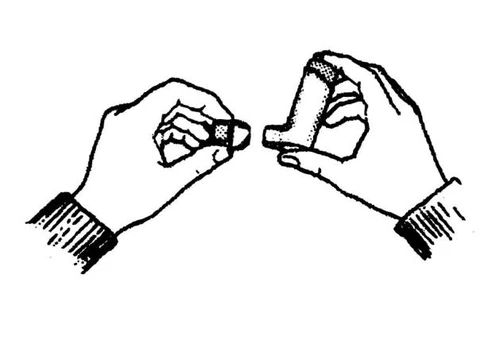
- Remove the cap from the mouthpiece.

- Hold the inhaler with your thumb and index finger, without pressing the canister. Shake vigorously.
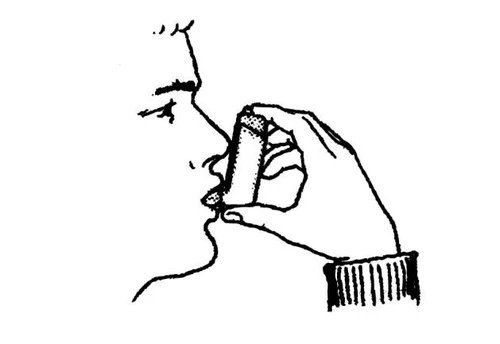
- Close your lips firmly around the mouthpiece.
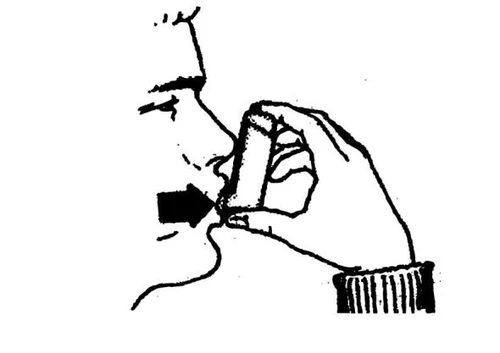
- Breathe out deeply, blowing directly into the mouthpiece.
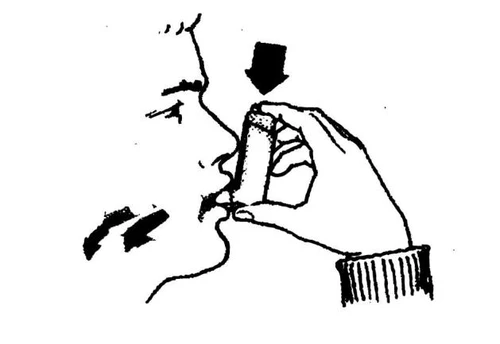
- Begin a slow and deep inhalation, simultaneously pressing once with your index finger on the base of the canister, so that the release of the medicine coincides with the beginning of the inhalation.
- Hold your breath as long as possible. Remove the mouthpiece from your lips and breathe out slowly.
- Wait at least one minute before performing the next inhalation of the medicine. Follow the steps described in points 2, 3, 4, 5, and 6.
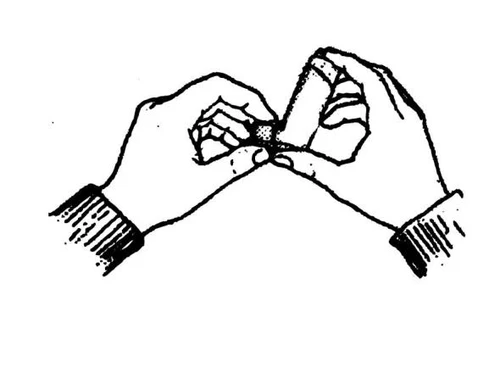
- Replace the cap on the mouthpiece.
Broncovaleas pressurized suspension for inhalation should be used as needed, rather than
on a regular basis.
If asthma is active (for example, frequent symptoms or exacerbations such as shortness of breath making
it difficult to speak, eat, or sleep, cough, wheezing, chest tightness, or limitation of physical activity),
you must inform your doctor immediately. The doctor may start or increase an asthma control medication, such as an inhaled corticosteroid.
Inform your doctor as soon as possible if the medicine does not seem to work as well as usual
(for example, if higher doses are needed to relieve breathing problems, or if the inhaler
does not provide relief for at least 3 hours), since asthma may be worsening and another
medication may be required.
If you use Broncovaleas pressurized suspension for inhalation more than twice a week to treat asthma symptoms,
excluding preventive use before physical exercise, this indicates poorly controlled asthma and may increase the risk of severe asthma attacks (worsening
of asthma) that can lead to serious complications and may be life-threatening or even fatal. You must contact your doctor as soon as possible to review your asthma treatment.
If you are taking a daily medication for lung inflammation, such as an inhaled
corticosteroid, it is important to continue using it regularly, even if you feel better.
If you use more Broncovaleas pressurized suspension for inhalation than you should
In case of accidental ingestion/overdose of Broncovaleas pressurized
suspension for inhalation, contact your doctor immediately or go to the nearest hospital.
The main signs and symptoms of overdose may include:
agitation, tremors, palpitations (tachycardia), restlessness, decreased blood potassium levels (hypokalemia), and accumulation of lactic acid in the body (lactic acidosis).
The specific antidote in case of accidental overdose consists of medicines with effects opposite to those of Broncovaleas pressurized suspension for inhalation (cardioselective beta-blockers).
These medicines should be used with caution, however, as in sensitive individuals they may trigger severe bronchospasm attacks (narrowing of the airways, causing difficulty in breathing).
Following salbutamol overdose, your doctor may request monitoring of blood potassium and lactate levels. Blood lactate monitoring may be indicated due to the risk of excessive accumulation (metabolic acidosis), particularly if increased breathing rate (tachypnea) persists or worsens, due to inadequate breathing (dyspnea).
If you forget to use Broncovaleas pressurized suspension for inhalation
Do not use a double dose to make up for the forgotten dose.
If you stop using Broncovaleas pressurized suspension for inhalation
Do not stop using this medicine without first consulting your doctor.
If you have any doubts about how to use this medicine, consult your doctor or pharmacist.
4. Possible side effects
Like all medicines, this medicine can cause side effects, although not everyone experiences them.
Very common (may affect more than 1 in 10 people)
- tremor.
Common (may affect up to 1 in 10 people)
- headache;
- increased heart rate (tachycardia);
- palpitations;
- muscle cramps.
Uncommon (may affect up to 1 in 100 people)
- irritation of the mouth and throat.
Rare (may affect up to 1 in 1,000 people)
- decrease in blood potassium levels (hypokalaemia);
- irregular heartbeat (cardiac arrhythmia), including atrial fibrillation (a heart rhythm disorder originating in the atria of the heart), supraventricular tachycardia (rapid rhythm originating above the ventricles), and extrasystoles (premature heartbeat);
- dilation of blood vessels in the skin (peripheral vasodilation).
Very rare (may affect up to 1 in 10,000 people)
- hypersensitivity reactions including: rapid swelling of the skin and mucous membranes (angioedema), urticaria, breathing difficulties due to narrowing of the bronchi (bronchospasm), reduction in blood pressure (hypotension), loss of consciousness (collapse);
- hyperactivity;
- inadequate oxygen supply to the heart muscle (myocardial ischaemia);
- severe breathing difficulty caused by excessive constriction of the bronchi following inhalation of this bronchodilator medicine (paradoxical bronchospasm) (see "Warnings and precautions");
- sensation of muscle tension.
Following the instructions in this leaflet reduces the risk of side effects.
Reporting of side effects
If you experience any side effects, including those not listed in this leaflet, tell your doctor or pharmacist. You may also report side effects directly via the national reporting system at: https://www.aifa.gov.it/content/segnalazioni-reazioni-avverse. By reporting side effects, you can help provide more information on the safety of this medicine.
5. How to store Broncovaleas pressurised inhalation suspension
Keep this medicine out of the sight and reach of children.
Do not use this medicine after the expiry date which is stated on the packaging after "Exp.".
The expiry date refers to the last day of that month. The expiry date applies to the product in its original packaging, stored correctly.
Store below 25°C.
The pressurised container must not be punctured and must not be exposed – even when empty – to heat sources, direct sunlight or freezing.
Do not dispose of any medicine via wastewater or household waste. Ask your pharmacist how to dispose of medicines no longer required. This will help protect the environment.
6. Package contents and other information
What Broncovaleas pressurized suspension for inhalation contains
- The active substance is salbutamol. One pressurized container contains 20 mg of salbutamol (equivalent to 24.1 mg of salbutamol sulfate).
- The other components are: oleic acid, ethanol, norflurane.
- This medicinal product contains fluorinated greenhouse gases.
- Each inhaler contains 10.067 g of HFA-134a, equivalent to 0.0144 tonnes of CO2 (global warming potential GWP = 1430).
Description of the appearance of Broncovaleas pressurized suspension for inhalation and pack contents
Broncovaleas is a pressurized suspension for inhalation.
The product does not contain substances harmful to the stratospheric ozone layer.
The pack of Broncovaleas pressurized suspension for inhalation contains one pressurized container delivering 200 sprays of 100 micrograms.
Marketing Authorization Holder
NEOPHARMED GENTILI S.p.A. – Via San Giuseppe Cottolengo 15 - 20143 Milan
Manufacturer
VALEAS S.p.A. - Chemical and Pharmaceutical Industry - Via Vallisneri, 10 - 20133 Milan