Benazepril Sandoz
ItalyTable of Contents
- Package leaflet: Information for the patient
- Benazepril Sandoz 5 mg film-coated tablets, 10 mg film-coated tablets
- 1. WHAT BENAZEPRIL SANDOZ IS AND WHAT IT IS USED FOR
- 2. WHAT YOU SHOULD KNOW BEFORE TAKING BENAZEPRIL SANDOZ
- 3. HOW TO TAKE BENAZEPRIL SANDOZ
- 4. POSSIBLE ADVERSE REACTIONS
- 5. HOW TO STORE BENAZEPRIL SANDOZ
- 6. PACKAGING CONTENTS AND OTHER INFORMATION
Package leaflet: Information for the patient
Benazepril Sandoz 5 mg film-coated tablets, 10 mg film-coated tablets
Generic medicine
Please read all of this leaflet carefully before you start taking this medicine because it contains important information for you.
- Keep this leaflet. You may need to read it again.
- If you have any questions, ask your doctor or pharmacist.
- This medicine has been prescribed for you only. Do not give it to other people, even if they have the same symptoms as yours, because it could be harmful.
- If you experience any side effects, including those not listed in this leaflet, tell your doctor or pharmacist. See section 4.
Contents of this leaflet
- What Benazepril Sandoz is and what it is used for
- What you need to know before taking Benazepril Sandoz
- How to take Benazepril Sandoz
- Possible side effects
- How to store Benazepril Sandoz
- Contents of the pack and other information
1. WHAT BENAZEPRIL SANDOZ IS AND WHAT IT IS USED FOR
Benazepril Sandoz is used to treat:
- high blood pressure, alone or in combination with another medicine
- heart failure, in combination with another medicine.
Benazepril contains benazepril hydrochloride, which belongs to a group of medicines called ACE inhibitors.
It reduces the workload of the heart by lowering blood pressure and widening blood vessels.
2. WHAT YOU SHOULD KNOW BEFORE TAKING BENAZEPRIL SANDOZ
Do not take Benazepril Sandoz:
- if you are allergic to benazepril hydrochloride or to any of the other ingredients of this medicine (listed in section 6)
- if you have narrowing of the arteries supplying the kidneys
- if you have undergone a kidney transplant
- if you have significant narrowing in the area of the heart valves or any other obstruction to blood flow in the left ventricle
- if you have elevated blood levels of aldosterone (primary hyperaldosteronism)
- if you have ever experienced severe, mainly painful swelling of the deep layers of the skin, especially of the face
- if you are taking or have taken sacubitril/valsartan, a medicine used to treat chronic heart failure in adults, as this increases the risk of angioedema (rapid swelling beneath the skin, e.g. in the throat)
- if you are more than three months pregnant. (Benazepril Sandoz should also be avoided during early pregnancy – see section "Pregnancy".) FI_BENAZEPRIL_SANDOZ
- if you have diabetes or impaired kidney function and are being treated with a blood pressure-lowering medicine containing aliskiren
Warnings and precautions
Talk to your doctor before taking Benazepril Sandoz:
- if you suffer from excessive fluid loss due to:
o diuretic medicines
o dialysis
o a low-salt diet
o vomiting or diarrhoea
At the start of treatment, you may experience a marked drop in blood pressure, with dizziness or fainting. - if you have heart problems other than those being treated. These include valve disorders, narrowing of blood vessels, or thickening of the heart muscle.
- if you have kidney or liver problems or narrowing of the blood vessels to the kidney. If you have had a kidney transplant, do not take this medicine. See also section “Do not take Benazepril Sandoz”.
- if you are undergoing any of the following treatments:
- dialysis with high-flux membranes
- cholesterol removal by procedures similar to dialysis
- or desensitisation therapy to reduce allergic reactions. Inform your doctor that you are taking Benazepril Sandoz; they may decide to change your treatment to avoid a possible allergic reaction.
- if you have had allergies in the past
- if you have previously experienced swelling mainly of the face and throat while taking other medicines (including an ACE inhibitor). If you develop any of these symptoms, stop taking Benazepril Sandoz and contact your doctor immediately.
- if you are scheduled for surgery with general anaesthesia. Inform your doctor that you are taking Benazepril Sandoz.
- if you suffer from collagen vascular diseases (a group of disorders in which the body attacks its own tissues, often causing joint pain and inflammation), such as systemic lupus erythematosus or scleroderma.
- if you have diabetes. Your diabetes medication may require dose adjustment.
- if you are being treated for hyperkalaemia (high potassium levels in the blood)
- if you are taking any of the following medicines for high blood pressure:
- an angiotensin II receptor antagonist (AIIRA) (also known as sartans – e.g. valsartan, telmisartan, irbesartan), especially if you have kidney problems related to diabetes.
- aliskiren
Your doctor may monitor your kidney function, blood pressure, and electrolyte levels (e.g. potassium) at regular intervals. See also section “Do not take Benazepril Sandoz”.
- if you are taking any of the following medicines, the risk of angioedema may be increased:
- racecadotril, a medicine used to treat diarrhoea
- medicines used to prevent rejection of transplanted organs and to treat cancer (such as temsirolimus, sirolimus, everolimus)
- vildagliptin, a medicine used to treat diabetes
- You must inform your doctor if you think you are pregnant (or if there is a possibility of becoming pregnant). Benazepril Sandoz is not recommended during early pregnancy and must not be taken after the third month of pregnancy, as it may cause severe harm to the unborn child (see section "Pregnancy").
FI_BENAZEPRIL_SANDOZ
Your doctor will regularly monitor your kidney function, levels of salts and glucose, and blood cell counts.
This monitoring will be more frequent if you have kidney problems, diabetes, or skin disorders.
Children and adolescents
This medicine is not recommended for children and adolescents under 18 years of age due to limited experience of use in this age group.
Elderly (65 years and over)
If necessary, your doctor will adjust the dose of Benazepril Sandoz according to your response to treatment.
Other medicines and Benazepril Sandoz
Tell your doctor or pharmacist if you are taking, have recently taken, or might take any other medicines.
The following medicines in particular may interact with Benazepril Sandoz or be affected by it:
- medicines used to treat high blood pressure, such as:
- glyceryl trinitrate (also known as nitroglycerin) or other medicines used to dilate blood vessels
- methyldopa
- medicines with active substance names ending in the suffix “olol”
- medicines such as nifedipine, verapamil, known as calcium antagonists
- anaesthetic agents
- potassium supplements (including salt substitutes), potassium-sparing diuretics (medicines used to increase urine production such as triamterene, amiloride, and spironolactone), and other medicines that may increase potassium levels in the blood (such as trimethoprim and cotrimoxazole used to treat bacterial infections; cyclosporine, an immunosuppressant used to prevent organ transplant rejection; and heparin, a medicine used to thin the blood and prevent clotting)
- other medicines used to increase urine production, such as furosemide
- lithium: a medicine used to treat depression
- some medicines used to treat depression, mental disorders, or anxiety, such as imipramine, doxepine, amitriptyline, opipramol, and other medicines used for mental illness and obsessive anxiety
- some medicines used to reduce inflammation or prevent organ rejection, such as prednisolone
- medicines used to treat diabetes, such as insulin, gliclazide, metformin, vildagliptin; see also section “Warnings and precautions”. Your doctor may need to adjust the doses of these medicines.
- medicines that increase the body’s ability to react quickly, for example by increasing blood pressure, heart rate, and widening the airways. Examples include: dobutamine, dopexamine, ephedrine
- non-steroidal anti-inflammatory drugs (NSAIDs) used to relieve pain and inflammation (e.g. ibuprofen, indomethacin)
- acetylsalicylic acid when used to relieve pain and inflammation (benazepril may be used with aspirin when aspirin is taken to prevent heart attacks and strokes)
- allopurinol and probenecid: medicines used to treat gout
- procainamide: a medicine used to treat heart rhythm disorders
- medicines used to treat cancer, such as cyclophosphamide, methotrexate
- erythropoietin: a medicine used to treat anaemia
- injectable gold used to treat jaw pain and swelling
FI_BENAZEPRIL_SANDOZ
- medicines used to prevent organ transplant rejection and to treat cancer (e.g. temsirolimus, sirolimus, everolimus). See section “Warnings and precautions”
- racecadotril used to treat diarrhoea. See section “Warnings and precautions”
- sacubitril/valsartan (used for long-term treatment of heart failure). See section “Do not take Benazepril Sandoz”
Your doctor may consider it necessary to adjust the dose and/or take other precautions:
If you are taking an angiotensin II receptor antagonist (AIIRA) or aliskiren (see also section “Do not take Benazepril Sandoz” and “Warnings and precautions”).
Benazepril Sandoz and alcohol
Drinking alcohol is not recommended, as it may increase the risk of a severe drop in blood pressure.
Pregnancy and breastfeeding
If you are pregnant, think you may be pregnant, planning to become pregnant, or are breastfeeding, consult your doctor before taking this medicine.
Pregnancy
Inform your doctor if you think you are pregnant (or if there is a possibility of becoming pregnant). Your doctor will usually advise you to stop taking Benazepril Sandoz before becoming pregnant or as soon as pregnancy is confirmed, and will recommend an alternative medicine.
Benazepril Sandoz is not recommended during early pregnancy and must not be taken after the third month of pregnancy, as it may cause serious harm to the unborn child if taken beyond the third month of pregnancy.
Breastfeeding
Inform your doctor if you are breastfeeding or planning to breastfeed.
Breastfeeding of newborns (first weeks after birth), and especially of premature infants, is not recommended while taking Benazepril Sandoz.
For older infants, your doctor will advise you on the benefits and risks of taking Benazepril Sandoz during breastfeeding compared to other treatments.
Consult your doctor or pharmacist before taking this medicine.
Driving and using machines
Dizziness may occur during treatment with Benazepril Sandoz. If your concentration or alertness is reduced, do not drive or operate machinery.
Benazepril Sandoz contains lactose.
If your doctor has diagnosed you with an intolerance to certain sugars, contact them before taking this medicine.
3. HOW TO TAKE BENAZEPRIL SANDOZ
Take this medicine exactly as your doctor has instructed you. If you have any doubts, consult your doctor or pharmacist.
Benazepril 5 mg
Dosage in adults
- For the treatment of high blood pressure
- Recommended starting dose: 2–4 tablets taken once daily or divided into 2 doses FI_BENAZEPRIL_SANDOZ
- Maximum dose: 8* tablets per day
- For the treatment of heart failure
- Recommended starting dose: ½ tablet per day. If necessary, after 2–4 weeks your doctor may increase the dose to 1 tablet per day.
- Maximum dose: 4* tablets per day
Benazepril 10 mg
Dosage in adults
- For the treatment of high blood pressure
- Recommended starting dose: 1–2 tablets taken once daily or divided into 2 doses
- Maximum dose: 4* tablets per day
- For the treatment of heart failure
- Recommended starting dose: 2.5 mg* of benazepril hydrochloride per day. If necessary, after 2–4 weeks your doctor may increase the dose to ½ tablet per day.
- Maximum dose: 2 tablets per day
* For these dosages, other suitable strengths of this medicine are available.
Patients with kidney problems
Your doctor will adjust the dose according to your response to treatment.
Instructions for splitting the tablet
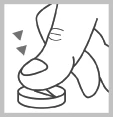
Place the tablet on a firm surface with the break line facing upwards. Split the tablet by gently applying pressure with your thumb.
Method of administration
Take Benazepril Sandoz at the same time every day, preferably in the morning, with a glass of water.
Duration of treatment
Your doctor will decide how long you should take this medicine.
If you take more Benazepril Sandoz than you should
Contact your doctor immediately. The doctor will decide what further steps are necessary.
Symptoms of overdose include:
- marked drop in blood pressure
- shock
- fluid and electrolyte imbalances
- kidney failure
- heart rhythm disturbances FI_BENAZEPRIL_SANDOZ
- dizziness.
If you forget to take Benazepril Sandoz
Do not take a double dose to make up for the forgotten dose. Continue taking Benazepril Sandoz as prescribed, taking the next dose at the usual time.
If you stop taking Benazepril Sandoz
Do not stop taking Benazepril Sandoz without permission from your doctor, as abruptly stopping Benazepril Sandoz may increase blood pressure.
If you have any questions about the use of this medicine, consult your doctor or pharmacist.
4. POSSIBLE ADVERSE REACTIONS
Like all medicines, this medicine can cause adverse reactions, although not everyone experiences them.
Some adverse reactions can be serious
If you experience any of the following adverse reactions, inform your doctor immediately:
- swelling of the face, eyes, lips or tongue, or problems with swallowing or breathing (rare adverse reactions: may affect up to 1 in 1,000 people)
- difficulty breathing or wheezing (bronchospasm) (a very rare adverse reaction: may affect up to 1 in 10,000 people)
- sudden, severe chest pain, irregular heartbeat (possible signs of heart problems) (rare adverse reactions: may affect up to 1 in 1,000 people)
- heart attack or stroke (weakness or paralysis of limbs or face, difficulty speaking) (very rare adverse reactions: may affect up to 1 in 10,000 people)
- abdominal pain with nausea, vomiting, fever (possible sign of inflammation of the pancreas) (very rare adverse reaction: may affect up to 1 in 10,000 people)
- rash, skin redness, blisters on the lips, eyes or mouth, skin peeling, fever (a very rare adverse reaction called Stevens-Johnson syndrome - may affect up to 1 in 10,000 people or a rare adverse reaction called pemphigus - may affect up to 1 in 1,000 people)
- yellowing of the eyes and skin, nausea, loss of appetite, dark-coloured urine (possible signs of liver problems) (a rare adverse reaction: may affect up to 1 in 1,000 people)
- severe reduction in urine production (possible sign of kidney problems) (a very rare adverse reaction: may affect up to 1 in 10,000 people)
- paleness, fatigue, shortness of breath, dark-coloured urine (possible signs of low red blood cell count) (a very rare adverse reaction: may affect up to 1 in 10,000 people)
- spontaneous bleeding or bruising (possible signs of low platelet count) (a very rare adverse reaction: may affect up to 1 in 10,000 people)
- fatigue, shortness of breath, dizziness, paleness, weakness, bruising or increased likelihood of infections (possible signs of low white and/or red blood cells) (uncommon adverse reactions: may affect up to 1 in 100 people)
- drop in blood pressure when standing (possible signs of orthostatic hypotension) (a rare adverse reaction: may affect up to 1 in 1,000 people)
- muscle cramps, abnormal heart rhythm (signs of high potassium levels in the blood) (frequency of this adverse reaction is unknown)
- sore throat or mouth ulcers due to infections, fever or chills, more frequent infections (signs of blood disorders) (frequency of these adverse reactions is unknown)
- abdominal pain with or without vomiting and diarrhoea (frequency of this adverse reaction is unknown) FI_BENAZEPRIL_SANDOZ
- severe allergic reaction (frequency of this adverse reaction is unknown)
If you experience any of the following symptoms, contact your doctor as soon as possible:
- concentrated urine (dark in colour), feeling unwell, muscle cramps, confusion and seizures which may be due to inappropriate ADH (antidiuretic hormone) secretion. The frequency of this adverse reaction is unknown.
Other adverse reactions by frequency:
Common: may affect up to 1 in 10 people
- cough
- headache
- dizziness
- fatigue
- loss of consciousness
- pharyngitis, sore throat and throat irritation (possible signs of upper respiratory tract infections)
- inflammation of the airways in the lung
- indigestion
- reduction in red blood pigment
- reduction in red blood cell count relative to total blood cell count
- reduction in white blood cell count
- hot flushes
- hypersensitivity reaction to sunlight
- abnormal urinary frequency
- palpitations
- skin rash
- itching
Uncommon: may affect up to 1 in 100 people
- increased protein excretion
- shortness of breath
- loss of appetite
- mood swings
- mental confusion
- impotence
Rare: may affect up to 1 in 1,000 people
- extremely high levels of nitrogen compounds in the blood due to reduced kidney function
- accumulation in the blood of substances normally eliminated in urine due to acute kidney failure
- joint pain, joint inflammation, muscle pain
- increased blood creatinine (indicative of kidney function)
- difficulty sleeping, drowsiness
- nervousness
- abnormal sensations such as tingling, pricking and itching
- chest pain, heart rhythm disorders
- vomiting
- diarrhoea
- constipation
- abdominal pain
FI_BENAZEPRIL_SANDOZ
- nausea
- urticaria
Very rare: may affect up to 1 in 10,000 people
- rapid heartbeat
- inflammation of the tongue
- dryness of the oral cavity
- intestinal obstruction
- hair loss
- thickened, red/silver-coloured skin patches (psoriasis)
- cold or numb fingers or toes
- disturbance of taste sensation
- tinnitus
- renal dysfunction
Not known: frequency cannot be estimated from the available data
- vision disorders
Reporting of adverse reactions
If you experience any adverse reaction, including those not listed in this leaflet, please inform your doctor or pharmacist. You can also report adverse reactions directly via the national reporting system at https://www.aifa.gov.it/content/segnalazioni-reazioni-avverse. By reporting adverse reactions, you can help provide more information on the safety of this medicine.
5. HOW TO STORE BENAZEPRIL SANDOZ
Keep this medicine out of sight and reach of children.
Do not use this medicine after the expiry date stated on the blister pack and the carton after Exp..
The expiry date refers to the last day of that month.
Do not store above 30°C.
Do not dispose of any medicine via wastewater or household waste. Ask your pharmacist how to dispose of medicines you no longer use. This will help protect the environment.
6. PACKAGING CONTENTS AND OTHER INFORMATION
What Benazepril Sandoz contains
The active substance is benazepril hydrochloride.
Each film-coated tablet contains 5 mg of benazepril hydrochloride.
Each film-coated tablet contains 10 mg of benazepril hydrochloride.
The other components are:
microcrystalline cellulose, crospovidone, hydrogenated castor oil, hypromellose, lactose (as monohydrate),
macrogol 4000, anhydrous colloidal silica, pregelatinized starch (maize), titanium dioxide (E171), and yellow iron oxide (E172).
FI_BENAZEPRIL_SANDOZ
Description of the appearance of Benazepril Sandoz and packaging contents
5 mg film-coated tablets
Round, convex, film-coated tablets, light yellow in colour, with a breakline on one side.
10 mg film-coated tablets
Round, convex, film-coated tablets, yellow in colour, with a breakline on one side.
The tablets are packaged in blisters made of Aclar/PVC/AL and placed in cardboard boxes.
Pack sizes: 14, 20, 28, 30, 42, 50, 98, 100, 280 (20x14), 280 film-coated tablets.
Not all pack sizes may be marketed.
Marketing Authorization Holder
SANDOZ S.p.A.
Largo Boccioni, 1
21040 Origgio (VA)
Italy
Manufacturer
SALUTAS Pharma GmbH
Otto-von-Guericke-Allee, 1
39179 Barleben (Germany)
This medicinal product is authorized in the European Economic Area Member States under the following names:
Germany: Benazepril HEXAL 5 mg Filmtabletten
Benazepril HEXAL 10 mg Filmtabletten
Benazepril HEXAL 20 mg Filmtabletten
Italy: Benazepril Sandoz 5 mg compresse rivestite con film
Benazepril Sandoz 10 mg compresse rivestite con film
FI_BENAZEPRIL_SANDOZ