Atenolol ABC
Italy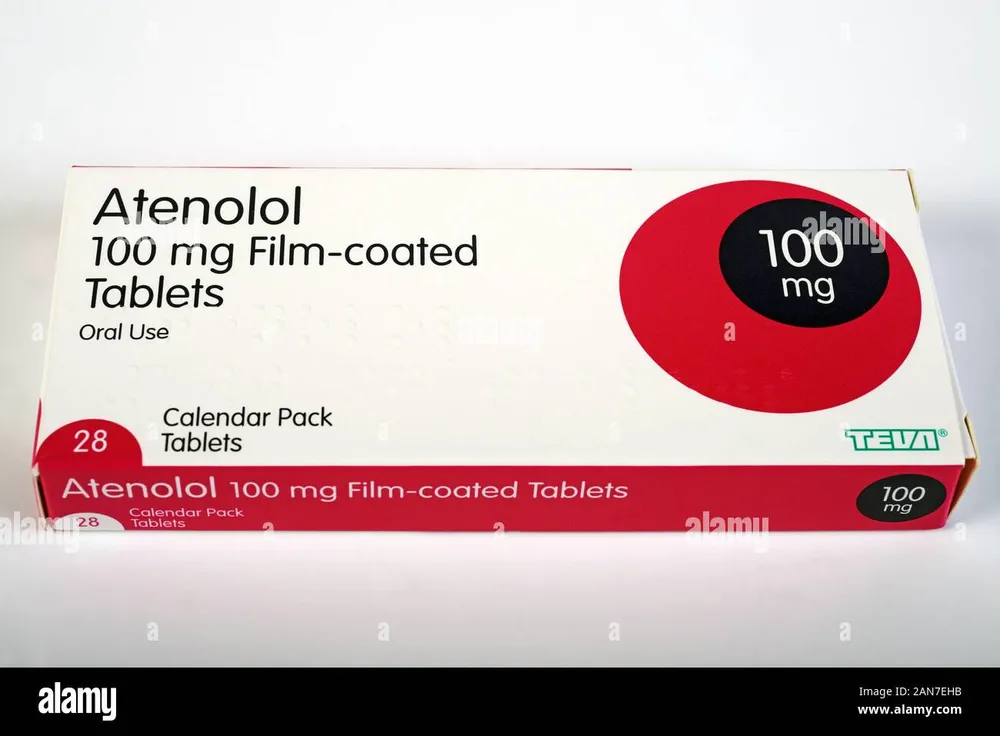
Table of Contents
Patient Information Leaflet
ATENOLOLO ABC 100 mg film-coated tablets
Atenolol
Equivalent medicine
Please read all of this leaflet carefully before you start taking this medicine, as it contains important information for you.
- Keep this leaflet. You may need to read it again.
- If you have any questions, ask your doctor or pharmacist.
- This medicine has been prescribed for you only. Do not give it to others, even if they have the same symptoms as you, because it could be harmful.
- If you experience any side effects, including those not listed in this leaflet, talk to your doctor or pharmacist. See section 4.
Contents of this leaflet
- What Atenololo ABC is and what it is used for
- What you need to know before taking Atenololo ABC
- How to take Atenololo ABC
- Possible side effects
- How to store Atenololo ABC
- Contents of the pack and other information
1. What Atenololo ABC is and what it is used for
Atenololo ABC contains atenolol. Atenolol belongs to a group of medicines called beta-blockers,
which work by slowing down the heartbeat.
Atenololo ABC is indicated in adults for:
- treating high blood pressure (arterial hypertension)
- treating angina pectoris attacks (a heart condition characterized by chest pain)
Consult your doctor if you do not feel better or if you feel worse.
2. What you need to know before taking Atenololo ABC
Do not take Atenololo ABC
- if you are allergic to atenolol or to any of the other ingredients of this medicine (listed in section 6)
- if you have heart diseases, including uncontrolled heart failure or heart block
- if you suffer from slow or irregular heartbeats, very low blood pressure, or severe circulatory disorders
- if you are in shock (a heart disorder occurring when blood is inadequately oxygenated)
- if your doctor has diagnosed abnormally high levels of acid in your blood (metabolic acidosis)
- if you have a tumor called "pheochromocytoma" not currently under treatment (this tumor usually develops near a kidney and may cause high blood pressure)
- if you have a rare disease characterized by brief episodes of narrowing of the arteries, the blood vessels carrying blood from the heart to the rest of the body (Raynaud's syndrome)
- if you suffer from severe asthma or severe chronic obstructive pulmonary disease
- if you are being treated with intravenous verapamil or diltiazem
- if you are breastfeeding
- if you are undergoing blood filtration (hemodialysis)
If you are in any of the above situations, inform your doctor.
Warnings and precautions
Talk to your doctor or pharmacist before taking Atenololo ABC.
- if you have kidney problems
- if you have thyroid problems (a gland located in the neck)
- if you have diabetes (a condition characterized by high blood sugar levels) or hypoglycemia (a condition characterized by low blood sugar levels), because atenolol may mask changes in heart rate (tachycardia). Atenolol may also increase the risk of severe hypoglycemia when used with certain types of antidiabetic medicines called sulfonylureas (e.g., gliquidone, gliclazide, glibenclamide, glipizide, glimepiride, or tolbutamide)
- if you have heart problems or circulatory disorders, even if controlled by adequate therapy
- if you have respiratory problems or asthma
- if you suffer from a type of chest pain called "Prinzmetal's angina"
- if you are pregnant, planning to become pregnant, or breastfeeding (See section “Pregnancy and Breastfeeding”)
- if you have previously experienced allergic reactions (e.g., from insect stings)
- if you are being treated with verapamil or diltiazem
- do not stop taking Atenololo ABC abruptly, especially if you have inadequate oxygen supply to the heart (ischemic heart disease). If you need to stop or discontinue treatment with Atenololo ABC after prolonged use, the dose must always be reduced gradually through a stepwise tapering regimen, as sudden discontinuation may lead to reduced oxygenated blood supply to a more or less extensive area of the heart (myocardial ischemia), worsening of angina pectoris (a heart condition causing chest pain), or even myocardial infarction, or may cause worsening of hypertension
- if you have severe impairment of kidney function, dose adjustment is necessary because Atenololo ABC is eliminated via the kidneys.
Special caution is required when using anesthetic agents during treatment with Atenololo ABC.
If you are scheduled for surgery, treatment with Atenololo ABC should be discontinued at least 24 hours before the procedure, due to an increased risk of low blood pressure (hypotension). Consult your doctor regarding the risk-benefit assessment of stopping Atenololo ABC.
Reduced heart rate (number of heartbeats per minute)
During treatment with Atenololo ABC, you may experience a reduced heart rate (see section “Possible side effects”). This effect is normal, but if it becomes a concern for you, consult your doctor.
Diabetes or hypoglycemia (low blood sugar levels)
If you have diabetes and are being treated with antidiabetic medicines, this medicine may increase your blood sugar levels. This usually causes an increase in heart rate.
Anesthesia
If you are to be admitted to hospital, you must inform the medical staff about your ongoing treatment with Atenololo ABC, and particularly the anesthesiologist (the doctor in charge of anesthesia) if undergoing surgery.
For athletes
Using this medicine without therapeutic need constitutes doping and may result in a positive anti-doping test.
Children and adolescents
Atenololo ABC must not be administered to children and adolescents under 18 years of age.
Atenololo ABC contains lactose
If your doctor has diagnosed you with an intolerance to certain sugars, contact him/her before taking this medicine.
Atenololo ABC contains sodium
This medicine contains less than 23 mg (1 mmol) of sodium per tablet, i.e., essentially “sodium-free”.
Other medicines and Atenololo ABC
Inform your doctor or pharmacist if you are taking, have recently taken, or might take any other medicines.
Tell your doctor or pharmacist if you are taking any of the following medicines:
- medicines for high blood pressure or chest pain (especially verapamil, diltiazem, clonidine, or nifedipine), as concomitant use with these medicines may worsen the above-mentioned conditions, particularly in patients with impaired heart function. This may lead to severe lowering of blood pressure (severe hypotension), heart rate reduction below 60 beats per minute (bradycardia), and heart failure. At least 48 hours must elapse between stopping intravenous verapamil or diltiazem treatment and starting Atenololo ABC, and vice versa.
- medicines for irregular heartbeats (disopyramide or amiodarone)
- medicine for heart failure (digoxin, a medicine used for heart disorders)
- nasal decongestants or other medicines (containing, for example, pseudoephedrine) for colds
- painkillers such as indomethacin or ibuprofen
- clonidine (a medicine for treating high blood pressure or preventing migraine). If you are taking both clonidine and Atenololo ABC, do not stop treatment with either medicine without first consulting your doctor. Also consult your doctor if you are switching from clonidine to Atenololo ABC.
- insulin or oral antidiabetic medicines such as sulfonylureas (e.g., gliquidone, gliclazide, glibenclamide, glipizide, glimepiride, or tolbutamide)
Pregnancy and breastfeeding
If you are pregnant, suspect you may be pregnant, planning to become pregnant, or breastfeeding, consult your doctor or pharmacist before taking this medicine.
Infants born to mothers who took Atenololo ABC before delivery or during breastfeeding may be at risk of hypoglycemia (low blood sugar) or bradycardia (reduced heart rate).
Atenolol accumulates in breast milk; therefore, its use is contraindicated during breastfeeding.
Driving and using machines
It is unlikely that taking Atenololo ABC will affect your ability to drive or operate machinery.
However, dizziness and fatigue may occasionally occur; if you experience these symptoms, it is advisable not to perform such activities.
3. How to take Atenololo ABC
Take this medicine exactly as prescribed by your doctor or pharmacist. If you have any doubts,
consult your doctor or pharmacist.
Your doctor will tell you how many tablets to take each day and when, depending on your condition. The recommended
initial dose, especially in elderly patients, is the lowest possible dose in order to promptly detect the onset of symptoms of heart failure (the heart's inability to supply adequate blood flow according to the body's actual needs), bradycardia (reduction in heart rate below 60 beats per minute), and bronchial symptoms.
The tablets should be swallowed whole with a little water, preferably always at the same time each day and in a single administration.
The tablets must not be chewed and should be taken with sufficient liquid to aid swallowing.
Adults
High blood pressure (arterial hypertension)
Begin treatment with 50 mg of atenolol daily using another atenolol-containing medicine for which this dosage is
available/obtainable.
The desired blood pressure-lowering effect is usually achieved after one or two weeks of treatment.
If a satisfactory effect is not obtained, take one tablet daily during the second week.
If necessary, further reduction in blood pressure may be achieved by taking Atenololo ABC together with other medicines used to control high blood pressure (antihypertensive agents).
Angina pectoris
Most patients respond to the administration of one tablet daily.
Elderly
If you are elderly, your doctor may decide to prescribe a lower dose of Atenololo ABC.
If you have severe kidney problems
If you suffer from severe kidney problems, your doctor may decide to prescribe a lower dose of Atenololo ABC.
Use in children and adolescents
Atenololo ABC must not be administered to children and adolescents under 18 years of age.
If you take more Atenololo ABC than you should
In case of accidental ingestion or overdose of Atenololo ABC, contact your doctor immediately or go to the nearest hospital.
If you forget to take Atenololo ABC
Do not take a double dose to make up for the forgotten tablet.
If you forget to take a dose, it is advisable to take it as soon as possible. Two doses must not be taken at the same time.
If you stop taking Atenololo ABC
An improvement in your health status should not lead to discontinuation of treatment, unless instructed by your doctor.
Treatment should be stopped gradually.
If you have any questions about the use of this medicine, consult your doctor or pharmacist.
4. Possible side effects
Like all medicines, this medicine can cause side effects, although not everybody gets them.
During treatment with Atenololo ABC, as with any drug, the following side effects may occur with the frequency listed below:
Common (may affect up to 1 in 10 people):
- slow heart rate
- cold fingers and toes
- gastrointestinal disorders (e.g. nausea, vomiting, diarrhoea, abdominal pain)
- changes in blood tests related to liver function (transaminases)
- fatigue
Uncommon (may affect up to 1 in 100 people):
- sleep disorders
Rare (may affect up to 1 in 1,000 people):
- worsening of heart function up to cardiac failure (a condition that may cause abnormal heartbeat, dizziness, fatigue or fainting), breathing difficulties and/or swelling of the ankles in patients with heart failure
- sudden drop in blood pressure when standing, possibly leading to loss of consciousness; worsening of intermittent claudication (walking difficulty that improves with rest); numbness and cramps in the fingers followed by a sensation of heat and pain (Raynaud's phenomenon)
- dizziness, headache, tingling in hands or feet
- mood changes, nightmares, confusion, psychosis (mental disorders), hallucinations (seeing things that are not there), worsening of neurological diseases with mental depression, catatonia (apathy and reduced motor activity), and memory disturbances
- dry mouth
- liver toxicity, including intrahepatic cholestasis (reduced bile flow to the duodenum due to internal obstruction in the liver), which may lead to yellowing of the skin and eyes
- purpura (purple spots on the skin), thrombocytopenia (reduced number of platelets in the blood)
- hair loss, skin rashes including worsening of psoriasis (chronic skin inflammation), skin redness, and worsening of loss of skin pigment in patients with vitiligo (a skin disease causing white patches)
- dry eyes, visual disturbances
- impotence (inability to achieve an erection)
- bronchospasm (worsening of breathing difficulties) in patients with asthma or history of asthmatic conditions
Frequency not known (cannot be estimated from the available data):
- lupus-like syndrome (a disease in which the immune system produces antibodies that mainly attack the skin and joints)
- hypotension (a condition in which blood pressure is much lower than normal values)
- dyspnoea (difficulty breathing)
Reporting of side effects
If you experience any side effect, including those not listed in this leaflet, talk to your doctor or pharmacist.
You can also report side effects directly via the national reporting system at: https://www.aifa.gov.it/content/segnalazioni-reazioni-avverse
Reporting side effects can help provide more information on the safety of this medicine.
5. How to store Atenolol ABC
- Keep this medicine out of the sight and reach of children.
- Do not use this medicine after the expiry date stated on the packaging after EXP. The expiry date refers to the last day of that month. This medicine does not require any special storage conditions.
Do not dispose of medicines via wastewater or household waste. Ask your pharmacist how to dispose of medicines you no longer use. This will help protect the environment.
6. Package contents and other information
What Atenololo ABC contains
- The active substance is: atenolol 100 mg
- The other components are: microcrystalline cellulose, lactose monohydrate, povidone, talc, sodium croscarmellose, magnesium stearate, maize starch, hypromellose, titanium dioxide, and macrogol 6000.
Description of the appearance of Atenololo ABC and package contents
Carton containing 14 film-coated tablets of 100 mg
Carton containing 42 film-coated tablets of 100 mg
Carton containing 50 film-coated tablets of 100 mg
Marketing Authorization Holder
ABC Farmaceutici S.p.A. – Corso Vittorio Emanuele II, 72 – 10121 Turin
Manufacturers
ABC Farmaceutici S.p.A. – Canton Moretti, 29 – 10015 San Bernardo d’Ivrea (TO)