Ascriptin
Italy
Table of Contents
- Package leaflet: Information for the patient
- Ascriptin
- 1. What Ascriptin is and what it is used for
- 2. What you need to know before taking Ascriptin
- 3. How to take Ascriptin
- 4. Possible side effects
- 5. How to store Ascriptin
- 6. Package contents and other information
- Patient information leaflet: information for the patient
- ASCRIPTIN
- 1. What ASCRIPTIN is and what it is used for
- 2. What you should know before taking ASCRIPTIN
- 3. How to take ASCRIPTIN
- 5. How to store ASCRIPTIN
- 6. Package contents and other information
Package leaflet: Information for the patient
Ascriptin
300 mg + 80 mg + 70 mg tablets
acetylsalicylic acid
magnesium hydroxide
aluminium hydroxide
Please read all of this leaflet carefully before you start taking this medicine because it contains important information for you.
- Keep this leaflet. You may need to read it again.
- If you have any questions, ask your doctor or pharmacist.
- This medicine has been prescribed for you only. Do not give it to other people, even if their symptoms are the same as yours, as it may be harmful.
- If you experience any adverse reaction, including those not listed in this leaflet, talk to your doctor or pharmacist. See section 4.
Contents of this leaflet
- What Ascriptin is and what it is used for
- What you need to know before taking Ascriptin
- How to take Ascriptin
- Possible side effects
- How to store Ascriptin
- Contents of the pack and other information
1. What Ascriptin is and what it is used for
Ascriptin contains the active substances acetylsalicylic acid, magnesium hydroxide, and aluminium hydroxide, and belongs to a class of medicines called "Antithrombotic, Antiplatelet agents" which work by preventing the formation of blood clots (thrombi), blocking the aggregation of certain blood cells known as "platelets".
Ascriptin is indicated
In adults:
- For the prevention of problems caused by blood clot formation and hardening of the arteries (major atherothrombotic events):
- after heart attack (myocardial infarction),
- after damage to blood vessels in the brain (cerebral stroke) or after transient disturbances in blood circulation (transient ischaemic attacks: TIA),
- if you suffer from chest pain at rest (unstable angina pectoris),
- if you suffer from chest pain on exertion (chronic stable angina pectoris).
- For the prevention of re-closure of heart bypass grafts (re-occlusion of aortocoronary bypasses) and in a specific procedure that widens the arteries supplying blood to the heart (percutaneous transluminal coronary angioplasty - PTCA).
- For the prevention of heart and circulatory problems (cardiovascular events) in individuals with arterial hardening and damage (established atherosclerotic disease), in a specific inflammatory condition of blood vessels (Kawasaki syndrome), in individuals undergoing haemodialysis, and for the prevention of blood clot formation (thrombosis) during surgical techniques involving blood circulation outside the body (extracorporeal circulation).
- As a medicine for the treatment of pain (analgesic), fever (antipyretic), and inflammation (anti-inflammatory) in the following conditions:
- disorders known as "rheumatic diseases",
- an inflammatory condition called "rheumatoid arthritis",
- headache,
- toothache,
- severe nerve pains known as "neuralgias",
- muscle pain,
- joint pain (articular pain),
- menstrual pain,
- flu-like symptoms,
- cold symptoms.
In children and adolescents under 16 years of age:
Ascriptin is indicated solely:
- for an inflammatory disease called "rheumatoid arthritis",
- for a disease characterized by disorders known as "rheumatic diseases",
- for a blood vessel disease called "Kawasaki disease",
- as a medicine acting on blood platelets (antiplatelet agent).
2. What you need to know before taking Ascriptin
Do not take Ascriptin
- If you are allergic to the active substances or to any of the other ingredients of this medicine (listed in section 6).
- If you suffer from a disease characterized by the accumulation of certain cells in various organs called "mastocytosis", because the active ingredient acetylsalicylic acid may cause allergic reactions such as shock (circulatory shock) with hot flushes, drop in blood pressure (hypotension), increased heart rate (tachycardia), and vomiting.
- If you have a disease characterized by severe lesions in the stomach and part of the intestine called gastro-duodenal ulcer.
- If you are allergic to substances similar to acetylsalicylic acid (hypersensitivity to salicylates).
- If you have severe bleeding disorders (hemorrhagic diathesis).
- If you have severe liver problems (severe hepatic insufficiency).
- If you have severe kidney problems (severe renal insufficiency).
- If you have severe heart problems (severe uncontrolled cardiac insufficiency).
- If you are taking a medicine called "methotrexate" at doses of 15 mg per week or higher (see "Other medicines and Ascriptin").
- If in the past you suffered from asthma after taking medicines similar to acetylsalicylic acid (salicylates) or medicines that act similarly (particularly "non-steroidal anti-inflammatory drugs").
- If you are in the third trimester of pregnancy and are taking a dose greater than 100 mg per day (see "Pregnancy, breastfeeding and fertility").
- If you have a viral infection such as chickenpox or influenza, because there is a risk of developing a disease called "Reye's syndrome" (serious brain and liver disorders, especially in children).
- If you are a child or adolescent under 16 years of age, you may take this medicine only for certain conditions (see "What Ascriptin is and what it is used for").
Warnings and precautions
Talk to your doctor or pharmacist before taking Ascriptin.
Take Ascriptin with food.
Avoid taking Ascriptin if you are taking oral antibiotics called "tetracyclines", because the active ingredients magnesium hydroxide and aluminum may reduce intestinal absorption of tetracyclines (see "Other medicines and Ascriptin").
Aluminum hydroxide may cause constipation, and excessive doses (overdose) of magnesium salts may cause reduced intestinal function (intestinal hypomotility); high doses of this medicine may cause or worsen intestinal diseases called "intestinal obstruction" and "pathological ileus" in patients at higher risk, such as those with impaired kidney function, children under 2 years of age, or elderly patients.
Aluminum hydroxide is poorly absorbed from the stomach and intestine (gastrointestinal tract), and systemic effects are therefore rare in patients with normal kidney function. However, excessive doses or long-term use, or even normal doses in patients on low-phosphorus diets or in children under 2 years of age, may lead to phosphate elimination (due to aluminum-phosphate binding), accompanied by increased bone resorption and increased calcium in the urine (hypercalciuria), with risk of bone fragility (osteomalacia). It is advisable to consult your doctor if long-term use is expected or in patients at risk of abnormally low phosphate levels in the blood (hypophosphatemia).
Take this medicine with caution if you suffer from asthma, severe joint inflammation (gout), or have mild or moderate liver function impairment (hepatic insufficiency).
If you have a deficiency of a substance in the blood called G6PD (glucose-6-phosphate dehydrogenase), acetylsalicylic acid should be prescribed under strict medical supervision, as it may lead to red blood cell breakdown (hemolysis) (see "Possible side effects").
If you take Ascriptin before surgery, you may experience bleeding problems during the surgical procedure (intraoperative hemostasis).
Alcohol may increase the risk of stomach and intestinal damage and alter blood coagulation tests (prolonged bleeding time) when taken together with acetylsalicylic acid. Therefore, alcoholic beverages should be consumed with caution by patients during and within 36 hours after taking acetylsalicylic acid (see "Other medicines and Ascriptin").
If you take Nicorandil (a medicine used to prevent or relieve chest pain due to heart problems) concomitantly with salicylates, the risk of gastrointestinal ulcer, perforation, and bleeding may increase (see "Warnings and precautions").
Avoid using Ascriptin in combination with levothyroxine (a medicine used to treat thyroid disorders) and with other medicines containing acetylsalicylates (see "Other medicines and Ascriptin").
Ascriptin may increase blood levels of thyroid hormones; therefore, your doctor will monitor your thyroid hormone levels.
For acetylsalicylic acid dosages ≥ 500 mg/day:
This medicine, by inhibiting the production of an enzyme (cyclooxygenase), thereby reducing prostaglandin (hormone-like substances) production, may reduce fertility in women by affecting ovulation. This effect is reversible upon discontinuation of the medicine. Consider this especially if you have fertility problems or are undergoing fertility investigations.
If you are over 70 years of age, especially if you are taking other medicines, you should use this medicine only after consulting a doctor.
In patients receiving the varicella vaccine, the use of acetylsalicylic acid should be avoided for 6 weeks following vaccination.
Children and adolescents
If you are a child or adolescent under 16 years of age, you may take this medicine only for certain conditions (see "What Ascriptin is and what it is used for").
Other medicines and Ascriptin
Tell your doctor or pharmacist if you are taking, have recently taken, or might take any other medicines.
The effect of treatment may be altered if you take Ascriptin together with other medicines such as:
- Medicines used to slow or stop blood clotting (anticoagulants, e.g., warfarin);
- Medicines used to prevent transplant rejection (immunosuppressants, e.g., cyclosporine, tacrolimus);
- Medicines for high blood pressure (antihypertensives, e.g., diuretics and ACE inhibitors);
- Medicines for pain (analgesics) and inflammation (anti-inflammatory drugs) (e.g., steroids, non-steroidal anti-inflammatory drugs);
- Medicines for an inflammatory disease called "gout" (e.g., probenecid);
- Medicines for cancer and rheumatoid arthritis (methotrexate).
Ascriptin may affect or be affected by the following medicines.
The combination of Ascriptin with the following medicines is contraindicated:
- Methotrexate (used for cancer and various inflammatory diseases), at doses greater than or equal to 15 mg per week: because Ascriptin increases methotrexate toxicity (see "What you need to know before taking Ascriptin").
The combination of Ascriptin with the following medicines requires precautions:
- Methotrexate (used for cancer and various inflammatory diseases) at doses less than 15 mg per week: because Ascriptin increases methotrexate toxicity;
- Metamizole (used for pain and fever): because it may reduce the blood clot prevention effect (platelet aggregation effect) of acetylsalicylic acid. If you are taking low-dose acetylsalicylic acid for heart protection, use this combination with caution;
- Ibuprofen (used for inflammation): because ibuprofen may interfere with the blood clot prevention effects of low-dose acetylsalicylic acid (platelet aggregation);
- Medicines that slow or prevent blood clot formation (anticoagulants, thrombolytics/other antiplatelet agents): because combination with Ascriptin may increase the risk of bleeding;
- Other anti-inflammatory medicines (non-steroidal anti-inflammatory drugs containing high-dose salicylates): because combination with Ascriptin may increase the risk of severe stomach damage (ulcers) and gastrointestinal bleeding;
- Medicines associated with bleeding risk: because combination with Ascriptin may have an additive effect on platelet aggregation (leading to increased bleeding risk);
- Nicorandil (a medicine used to prevent or relieve chest pain due to heart problems): because when taken concomitantly with salicylates, it may increase the risk of gastrointestinal ulcer, perforation, and bleeding (see "Warnings and precautions");
- Medicines called "selective serotonin reuptake inhibitors" (used for depression): because combination with Ascriptin may increase the risk of severe bleeding (hemorrhages), especially in the stomach and intestine;
- Medicines used to reduce acid concentration in the blood (systemic alkalinizing agents such as bicarbonates): because they may reduce the therapeutic efficacy of Ascriptin;
- Cyclosporine (used mainly after transplants): because combination with Ascriptin increases cyclosporine toxicity. Exercise particular caution if you are elderly;
- Digoxin (used for heart problems): because combination with Ascriptin may increase digoxin levels in the blood and kidneys;
- Antidiabetic medicines (e.g., insulin, sulfonylureas): because combination with Ascriptin may cause excessive lowering of blood sugar (hypoglycemic effect with high doses of acetylsalicylic acid);
- Diuretics (used for high blood pressure);
- Systemic glucocorticoids (used for various diseases, e.g., immune system disorders, except hydrocortisone used in Addison's disease): because combination with Ascriptin may reduce medicine levels in the blood and increase the risk of salicylate overdose after stopping glucocorticoid treatment;
- Acetazolamide (used for high blood pressure): caution is recommended when administering salicylates concomitantly with acetazolamide due to increased risk of a blood condition called "metabolic acidosis";
- Angiotensin-converting enzyme inhibitors (ACE inhibitors) and angiotensin II receptor antagonists (sartans) (used for high blood pressure), in combination with high-dose acetylsalicylic acid: kidney problems (reduced glomerular filtration due to inhibition of vasodilatory prostaglandins) and reduced antihypertensive effect;
- Other medicines for high blood pressure (antihypertensive beta-blockers): because Ascriptin may reduce the blood pressure-lowering effect;
- Levothyroxine (used to treat thyroid disorders): Ascriptin may increase blood levels of thyroid hormones; therefore, your doctor will monitor your thyroid hormone levels;
- Valproic acid (used to treat epilepsy): Ascriptin, when used with valproic acid-based medicines, may increase blood levels of valproic acid. Therefore, your doctor will monitor valproate levels in your blood;
- Tetracyclines (used as antibiotics): because magnesium and aluminum salts reduce intestinal absorption of tetracyclines;
- Uricosuric agents such as probenecid (used for a disease called "gout"): because combination with Ascriptin may reduce the effect of these medicines (competition with tubular excretion of uric acid);
- Vancomycin (used as an antibiotic): increased risk of vancomycin-induced ototoxicity;
- Varicella vaccine: it is recommended not to administer salicylates to patients who have received the varicella vaccine for a period of six weeks after vaccination. Cases of severe brain and liver disorders, especially in children (Reye's syndrome), have occurred following the use of salicylates during varicella infection;
- Tenofovir (used in the treatment of certain viral infections): using Ascriptin with Tenofovir may increase the likelihood of kidney problems (renal failure). Therefore, your doctor will monitor your kidney function.
Ascriptin with alcohol
Alcohol taken together with acetylsalicylic acid may increase the risk of stomach and intestinal damage and alter blood coagulation tests (prolonged bleeding time). Therefore, alcoholic beverages should be consumed with caution by patients during and within 36 hours after taking acetylsalicylic acid.
Pregnancy, breastfeeding and fertility
If you are pregnant, suspect you may be pregnant, are planning to become pregnant, or are breastfeeding, ask your doctor or pharmacist for advice before taking this medicine.
Pregnancy
Administration of acetylsalicylic acid in doses greater than 100 mg per day during the last three months of pregnancy (after 24 weeks of gestation) is contraindicated.
During other stages of pregnancy, take Ascriptin only for long-term treatment if your doctor has instructed you to do so, because acetylsalicylic acid may cause:
bleeding in both you and the fetus,
delayed delivery,
heart problems (premature closure of the ductus arteriosus) in the newborn.
Ascriptin may negatively affect pregnancy and/or neonatal development.
Use of Ascriptin in early pregnancy may increase the risk of miscarriage, abdominal wall malformation (gastroschisis), and heart malformations. Therefore, do not use Ascriptin during the first 24 weeks of pregnancy unless your doctor considers its use strictly necessary.
If you are trying to conceive or during the first 24 weeks of pregnancy, your doctor will keep the dose and duration of treatment as low as possible.
Beyond 24 weeks of pregnancy, all medicines acting like Ascriptin (prostaglandin synthesis inhibitors) may expose the fetus to:
- Heart and lung problems (with premature closure of the ductus arteriosus and pulmonary hypertension);
- Kidney problems, even severe (renal dysfunction, which may progress to renal failure with oligo- or anhydramnios).
Towards the end of pregnancy, you and the newborn may experience:
- Prolonged bleeding time, which may occur even after very low doses of acetylsalicylic acid;
- Inhibition of uterine contractions, resulting in delayed or prolonged labor.
Breastfeeding
It is advisable not to take Ascriptin during breastfeeding, as this medicine passes into breast milk and may cause undesirable effects in the infant.
Fertility
Administration of Ascriptin should be discontinued if you have fertility problems or are undergoing fertility investigations.
Driving and using machines
Ascriptin does not affect the ability to drive or use machinery.
Ascriptin contains lactose
If your doctor has diagnosed you with an intolerance to certain sugars, contact him before taking this medicine.
3. How to take Ascriptin
Take this medicine exactly as directed by your doctor or pharmacist. If you have any doubts, consult your doctor or pharmacist.
Adults
- As an antiplatelet agent: the recommended dose is: 1 tablet or half a tablet once daily.
- As an analgesic, antipyretic, or anti-rheumatic: the recommended dose is: 1 or 2 tablets, 2 or 4 times daily, as directed by the physician.
Use in children and adolescents
In children and adolescents under 16 years of age, the doctor will adjust the recommended dose according to age.
Tablets containing acetylsalicylic acid should preferably be taken with food, especially when high doses or prolonged treatment periods are required.
Elderly patients
If you are elderly, your doctor will determine the appropriate dose and duration of treatment.
Instructions on how to split the Ascriptin tablet
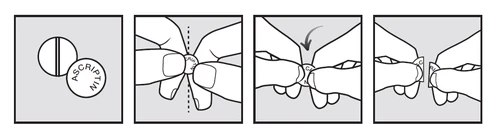
If you take more Ascriptin than you should
In case of accidental ingestion/overdose of Ascriptin, contact your doctor immediately or go to the nearest hospital.
An overdose of acetylsalicylic acid and similar medicines (salicylates), particularly in young children, may cause severe hypoglycemia (low blood sugar) and poisoning that can be fatal.
Symptoms of chronic Ascriptin poisoning may include: dizziness, vertigo, ringing in the ears (tinnitus), hearing loss, sweating, nausea and vomiting, headache (cephalalgia), confusion, blurred vision, vasodilation, and rapid breathing (hyperventilation), as well as neurological disturbances such as confusion, delirium, seizures, and coma.
The main feature of acute intoxication is a severe disturbance in blood acidity (acid-base balance), which may vary depending on age and severity of poisoning.
Acute or chronic overdose of Ascriptin may cause a serious lung condition known as “non-cardiogenic pulmonary edema” (see “Possible side effects”), diarrhea, vomiting, abdominal pain, and intestinal problems (intestinal obstruction and pathological ileus) in at-risk patients (see “Special warnings”).
If you forget to take Ascriptin
Do not take a double dose to make up for the missed dose.
If you have any doubts about how to use this medicine, consult your doctor or pharmacist.
4. Possible side effects
Like all medicines, this medicine can cause side effects, although not everyone will experience them.
The following side effects may occur during treatment with Ascriptin:
Common side effects (may affect up to 1 in 10 people)
- At high doses, reduced blood levels of prothrombin, a protein involved in blood clotting (hypoprothrombinemia),
- irritation and inflammation of the nose (rhinitis),
- severe bronchial problems (paroxysmal bronchospasm),
- severe breathing problems (severe dyspnea),
- bleeding in the stomach and intestine (gastrointestinal haemorrhage: melaena, haematemesis),
- abdominal pain,
- nausea,
- gastrointestinal problems such as: dyspepsia, vomiting, gastric ulcer, duodenal ulcer,
- skin problems such as: urticaria, skin irritations (exanthematous eruption and fixed drug eruption), swelling of the skin, mucous membranes and eyes (angioedema).
Uncommon side effects (may affect up to 1 in 100 people)
- blood disorder called "anaemia",
- liver toxicity (hepatotoxicity, particularly in patients with juvenile arthritis),
- a serious condition called "Reye's syndrome" in children under 16 years of age,
- diarrhoea or constipation (constipation).
Frequency not known (frequency cannot be estimated from the available data)
- potentially life-threatening bleeding (haemorrhagic syndromes: epistaxis, gingival bleeding, purpura, etc.), with prolonged bleeding time. This effect persists for 4–8 days after discontinuation of acetylsalicylic acid treatment,
- blood and blood cell count abnormalities (thrombocytopenia, haemolytic anaemia in patients with glucose-6-phosphate dehydrogenase (G6PD) deficiency, pancytopenia, bilineage cytopenia, aplastic anaemia, bone marrow failure, agranulocytosis, neutropenia, leucopenia),
- at prolonged high doses, excessive sweating, headache (cephalalgia), and confusion may occur,
- bleeding inside the skull (intracranial haemorrhage), which could be fatal, especially when the medicine is administered to elderly patients,
- at high and prolonged doses, dizziness, ringing in the ears (tinnitus), and deafness may occur. In such cases, treatment must be immediately discontinued,
- severe lung problems (non-cardiogenic pulmonary oedema) during chronic use, especially in patients with hypersensitivity to acetylsalicylic acid,
- severe problems in the upper gastrointestinal tract (oesophagitis, erosive duodenitis, erosive gastritis, oesophageal ulcers, perforations) and lower gastrointestinal tract (ulcers in the small intestine (jejunum and ileum) and large intestine (colon and rectum), colitis, and intestinal perforations). These reactions may be associated with bleeding and may occur at any dose of acetylsalicylic acid, in patients with or without predictive disorders and with or without a history of serious gastrointestinal events,
- pancreas disorder (acute pancreatitis in the context of a hypersensitivity reaction to acetylsalicylic acid), liver problems (increased liver enzymes, liver damage mainly hepatocellular, chronic hepatitis),
- severe kidney problems (renal failure; high and prolonged doses may cause acute renal failure and acute interstitial nephritis),
- in patients with a history of hypersensitivity to acetylsalicylic acid and/or other non-steroidal anti-inflammatory drugs, allergic reactions (anaphylactic/anaphylactoid) may occur. This may also happen in patients who previously did not show hypersensitivity to these medicines, fluid retention-related swelling (oedema) may occur with administration of high doses,
- delayed delivery,
- inflammation of blood vessels (vasculitis including Schönlein-Henoch purpura),
- a condition called "Kounis syndrome" (in the context of a hypersensitivity reaction to acetylsalicylic acid),
- blood in semen (haemospermia),
- allergic reactions (anaphylactic),
- increased magnesium levels in blood (hypermagnesaemia),
- increased aluminium levels in blood (hyperaluminaemia),
- decreased phosphate levels in blood (hypophosphataemia during prolonged use or at high doses, or even at normal doses in patients on phosphorus-poor diets or in children under 2 years of age, which may lead to bone weakening (osteomalacia)), increased calcium in urine (hypercalciuria).
Reporting of side effects
If you experience any side effect, including those not listed in this leaflet, talk to your doctor or pharmacist.
You can also report side effects directly via the national reporting system at www.aifa.gov.it/content/segnalazioni-reazioni-avverse.
By reporting side effects, you can help provide more information on the safety of this medicine.
5. How to store Ascriptin
Store below 30°C.
Keep this medicine out of the sight and reach of children.
Do not use this medicine after the expiry date stated on the pack after “Exp”. The expiry date refers to the last day of that month.
Do not dispose of any medicine via wastewater or household waste. Ask your pharmacist how to dispose of medicines you no longer use. This will help protect the environment.
6. Package contents and other information
What Ascriptin contains
- The active substances are acetylsalicylic acid, magnesium hydroxide and aluminium hydroxide. One divisible tablet contains 300 mg of acetylsalicylic acid, 80 mg of magnesium hydroxide and 91.50 mg of hydrated aluminium oxide (equivalent to 70 mg of aluminium hydroxide).
- The other components are: maize starch; talc; lactose; magnesium stearate.
Description of the appearance of Ascriptin and package contents
Ascriptin is available as
- tablets, each box contains 20 divisible tablets
Marketing Authorization Holder
ACARPIA FARMACEUTICI S.r.l.
Viale L. Majno, 18
20129 – Milan (Italy)
Manufacturer
Sanofi S.r.l. - S.S. 17 km 22 - Scoppito (AQ)
Patient information leaflet: information for the patient
ASCRIPTIN
100 mg + 26.67 mg + 23.33 mg
tablets
acetylsalicylic acid, magnesium hydroxide, aluminium hydroxide
Please read this leaflet carefully before taking this medicine because it contains important information for you.
- Keep this leaflet. You may need to read it again.
- If you have any questions, ask your doctor or pharmacist.
- This medicine has been prescribed for you only. Do not give it to other people, even if they have the same symptoms as you, because it could be harmful.
- If you experience any side effects, including those not listed in this leaflet, talk to your doctor or pharmacist. See section 4.
Contents of this leaflet
- What ASCRIPTIN is and what it is used for
- What you need to know before taking ASCRIPTIN
- How to take ASCRIPTIN
- Possible side effects
- How to store ASCRIPTIN
- Package contents and other information
1. What ASCRIPTIN is and what it is used for
ASCRIPTIN contains the active substances acetylsalicylic acid, magnesium hydroxide and aluminium hydroxide and
belongs to a class of medicines called “Antithrombotics, Antiplatelet Agents” which work by preventing the formation of blood clots (thrombi), by inhibiting the aggregation of certain blood cells known as “platelets”.
ASCRIPTIN is indicated in adults for the prevention of problems caused by blood clot formation and hardening of the arteries (major atherothrombotic events):
- after myocardial infarction (heart attack),
- after damage to blood vessels in the brain (cerebral stroke) or after transient disturbances of blood circulation in the brain (transient ischaemic attacks: TIA), in the absence of confirmed intracranial haemorrhage.
- if you suffer from chest pain at rest (unstable angina pectoris),
- if you suffer from chest pain on exertion (chronic stable angina pectoris).
For the prevention of re-closure of heart bypass grafts (re-occlusion of aortocoronary bypasses) and in a particular procedure that widens the arteries supplying blood to the heart (percutaneous transluminal coronary angioplasty - PTCA).
2. What you should know before taking ASCRIPTIN
Do not take ASCRIPTIN
- If you are allergic to the active substances or to any of the other ingredients of this medicine (listed in section 6).
- If you suffer from a disease characterized by accumulation of certain cells in various organs called "mastocytosis", because the active ingredient acetylsalicylic acid may cause allergic reactions such as shock (circulatory shock), flushing, low blood pressure (hypotension), increased heart rate (tachycardia), and vomiting.
- If you have a disease characterized by severe damage to the stomach and/or part of the intestine called gastro-duodenal ulcer.
- If you are allergic to substances similar to acetylsalicylic acid (hypersensitivity to salicylates).
- If you have severe bleeding disorders (haemorrhagic diathesis).
- If you have severe liver problems (severe hepatic insufficiency).
- If you have severe kidney problems (severe renal insufficiency).
- If you have severe heart problems (severe uncontrolled cardiac insufficiency).
- If you are taking a medicine called "methotrexate" at doses of 15 mg per week or higher (see "Other medicines and ASCRIPTIN").
- If in the past you have suffered from asthma after taking medicines similar to acetylsalicylic acid (salicylates) or medicines that act similarly (especially non-steroidal anti-inflammatory drugs). If you are in the last three months of pregnancy, you must not use doses exceeding 100 mg per day (see "Pregnancy, breastfeeding and fertility").
- If you have a viral infection such as chickenpox or influenza, because there is a risk of developing a disease called "Reye's syndrome" (serious brain and liver disturbances, especially in children).
Warnings and precautions
Talk to your doctor or pharmacist before taking ASCRIPTIN.
Take ASCRIPTIN with food.
Avoid taking ASCRIPTIN if you are taking oral antibiotics called "tetracyclines", because the active ingredients magnesium hydroxide and aluminium may reduce intestinal absorption of tetracyclines (see "Other medicines and ASCRIPTIN").
Aluminium hydroxide may cause constipation and excessive intake (overdose) of magnesium salts may cause reduced intestinal function (intestinal hypomotility); high doses of this medicine may cause or worsen intestinal diseases called "intestinal obstruction" and "paralytic ileus" in patients at higher risk, such as those with impaired kidney function or elderly patients.
Aluminium hydroxide is poorly absorbed from the stomach and intestine (gastrointestinal tract), and systemic effects are therefore rare in patients with normal kidney function. However, excessive doses or long-term use, or even normal doses in patients on low-phosphorus diets, may lead to phosphate depletion (due to aluminium-phosphate binding), accompanied by increased bone resorption and increased calcium in urine (hypercalciuria), with risk of bone fragility (osteomalacia). You are advised to consult your doctor if long-term use is required or in patients at risk of abnormally low blood phosphate levels (hypophosphataemia).
Use this medicine with caution if you suffer from asthma, severe joint inflammation (gout), or have mild to moderate liver dysfunction (hepatic insufficiency).
If you have a deficiency of a substance in the blood called G6PD (glucose-6-phosphate dehydrogenase), acetylsalicylic acid should be prescribed under strict medical supervision as it may lead to red blood cell breakdown (haemolysis) (see "Possible side effects").
If you take ASCRIPTIN before surgery, you may experience problems with bleeding control during the surgical procedure (intraoperative haemostasis).
Alcohol may increase the risk of stomach and intestinal damage and alter blood coagulation tests (prolonged bleeding time) when taken together with acetylsalicylic acid. Therefore, alcoholic beverages should be consumed cautiously by patients during and within 36 hours after taking acetylsalicylic acid (see "Other medicines and ASCRIPTIN").
If you take nicorandil (a medicine used to prevent or relieve chest pain due to heart problems) concomitantly with salicylates, the risk of gastrointestinal ulcer, perforation, and bleeding may increase (see "Warnings and precautions").
Avoid using ASCRIPTIN in combination with levothyroxine (a medicine used to treat thyroid disorders) and other medicines containing acetylsalicylates (see "Other medicines and ASCRIPTIN"). ASCRIPTIN may increase blood levels of thyroid hormones; therefore, your doctor will monitor your thyroid hormone levels.
For acetylsalicylic acid dosages ≥ 500 mg/day:
This medicine, by blocking the production of an enzyme (cyclo-oxygenase), thereby reducing the production of prostaglandins (hormone-like substances), may cause reduced fertility in women by affecting ovulation. This effect is reversible upon discontinuation of the medicine. Consider this especially if you have fertility problems or are undergoing fertility investigations.
If you are over 70 years of age, especially if you are taking other medicines, you should use this medicine only after consulting a doctor.
In patients receiving the varicella vaccine, the use of acetylsalicylic acid should be avoided for 6 weeks following vaccination.
Children and adolescents
Do not administer to children or adolescents under 16 years of age.
Other medicines and ASCRIPTIN
Tell your doctor or pharmacist if you are taking, have recently taken, or might take any other medicines.
The effect of treatment may be altered if you take ASCRIPTIN together with other medicines such as:
- Medicines used to slow or stop blood clotting (anticoagulants, e.g., warfarin);
- Medicines used to prevent transplant rejection (immunosuppressants, e.g., cyclosporine, tacrolimus);
- Medicines for high blood pressure (antihypertensives, e.g., diuretics and ACE inhibitors);
- Medicines for pain (analgesics) and inflammation (anti-inflammatories) (e.g., steroids, non-steroidal anti-inflammatory drugs);
- Medicines for an inflammatory condition called "gout" (e.g., probenecid);
- Medicines for cancer and rheumatoid arthritis (methotrexate).
ASCRIPTIN may affect or be affected by the following medicines.
The combination of ASCRIPTIN with these medicines is contraindicated:
- Methotrexate (used for cancer and various inflammatory diseases), at doses greater than or equal to 15 mg per week, because ASCRIPTIN increases methotrexate toxicity (see "What you should know before taking ASCRIPTIN").
The combination of ASCRIPTIN with these medicines requires caution:
- Methotrexate (used for cancer and various inflammatory diseases) at doses less than 15 mg per week, because ASCRIPTIN increases methotrexate toxicity;
- Metamizole (used for pain and fever), because it may reduce the blood clot prevention effect (effect on platelet aggregation) of acetylsalicylic acid. If you are taking low-dose acetylsalicylic acid for heart protection, use this combination cautiously;
- Ibuprofen (used for inflammation), because ibuprofen may interfere with the blood clot prevention effects of low-dose acetylsalicylic acid (platelet aggregation);
- Medicines that slow or prevent blood clot formation (anticoagulants, thrombolytics/other antiplatelet agents), because combining with ASCRIPTIN may increase the risk of bleeding;
- Other anti-inflammatory medicines (non-steroidal anti-inflammatory drugs containing high-dose salicylates), because combining with ASCRIPTIN may increase the risk of severe stomach damage (ulcers) and gastrointestinal bleeding;
- Medicines associated with bleeding risk, because combining with ASCRIPTIN may have an additive effect on platelet aggregation (increasing bleeding risk);
- Nicorandil (a medicine used to prevent or relieve chest pain due to heart problems), because when taken concomitantly with salicylates, it may increase the risk of gastrointestinal ulcer, perforation, and bleeding (see "Warnings and precautions");
- Medicines called "selective serotonin reuptake inhibitors" (used for depression), because combining with ASCRIPTIN may increase the risk of severe bleeding, especially in the stomach and intestine;
- Medicines used to reduce acid concentration in the blood (systemic alkalinizing agents such as bicarbonates), because they may reduce the therapeutic effectiveness of ASCRIPTIN;
- Cyclosporine (used especially after transplants), because combining with ASCRIPTIN increases cyclosporine toxicity. Exercise particular caution if you are elderly;
- Digoxin (used for heart problems), because combining with ASCRIPTIN may increase digoxin levels in the blood;
- Antidiabetic medicines (e.g., insulin, sulfonylureas), because combining with ASCRIPTIN may cause excessive lowering of blood sugar (hypoglycaemic effect with high doses of acetylsalicylic acid);
- Diuretics (used for high blood pressure);
- Systemic glucocorticoids (used for various diseases, e.g., immune system disorders, except hydrocortisone used in Addison's disease), because combining with ASCRIPTIN may reduce the medicine's blood concentration and increase the risk of salicylate overdose after stopping glucocorticoid treatment;
- Acetazolamide (used for high blood pressure): caution is recommended when administering salicylates concomitantly with acetazolamide due to increased risk of a blood condition called "metabolic acidosis";
- Angiotensin-converting enzyme (ACE) inhibitors and angiotensin II receptor antagonists (sartans) (used for high blood pressure), in combination with high-dose acetylsalicylic acid: kidney problems (reduced glomerular filtration due to inhibition of vasodilatory prostaglandins) and reduced antihypertensive effect;
- Other medicines for high blood pressure (antihypertensive beta-blockers), because ASCRIPTIN may reduce their blood pressure-lowering effect;
- Levothyroxine (used to treat thyroid disorders): ASCRIPTIN may increase blood levels of thyroid hormones; therefore, your doctor will monitor your thyroid hormone levels;
- Valproic acid (used to treat epilepsy): ASCRIPTIN, when used with valproic acid-based medicines, may increase blood levels of valproic acid. Therefore, your doctor will monitor your blood valproate levels;
- Tetracyclines (used as antibiotics), because magnesium and aluminium salts reduce intestinal absorption of tetracyclines;
- Uricosuric agents such as probenecid (used for a condition called "gout"), because combining with ASCRIPTIN may reduce the effect of these medicines (competition with tubular excretion of uric acid);
- Vancomycin (used as an antibiotic): increased risk of vancomycin ototoxicity;
- Varicella vaccine: it is recommended not to administer salicylates to patients who have received the varicella vaccine for a period of six weeks after vaccination. Cases of severe brain and liver disturbances, especially in children (Reye's syndrome), have occurred following the use of salicylates during varicella infection;
- Tenofovir (used to treat certain viral infections): using ASCRIPTIN with tenofovir may increase the likelihood of kidney problems (renal failure). Therefore, your doctor will monitor your kidney function.
ASCRIPTIN and alcohol
Alcohol taken together with acetylsalicylic acid may increase the risk of stomach and intestinal damage and alter blood coagulation tests (prolonged bleeding time). Therefore, alcoholic beverages should be consumed cautiously by patients during and within 36 hours after taking acetylsalicylic acid.
Pregnancy, breastfeeding and fertility
If you are pregnant, think you may be pregnant, are planning to become pregnant, or are breastfeeding, consult your doctor or pharmacist before taking this medicine.
Pregnancy
The use of ASCRIPTIN in early pregnancy may increase the risk of miscarriage, abnormal development of the abdominal wall (gastroschisis), and heart malformations.
If you need to continue or start treatment with Ascriptin during pregnancy as advised by your doctor, use Ascriptin as directed and do not exceed the recommended dose.
Pregnancy – third trimester
Do not take Ascriptin at doses exceeding 100 mg per day if you are in the last three months of pregnancy (see "Do not take Ascriptin") as it may harm the fetus or cause complications during delivery. It may cause kidney and heart problems in the fetus. It may affect your and your baby's tendency to bleed and delay or prolong labour beyond expected duration.
If you take Ascriptin at low doses (up to 100 mg per day inclusive), close obstetric monitoring as advised by your doctor is required.
Pregnancy – first and second trimesters
You should not take Ascriptin during the first six months of pregnancy unless absolutely necessary and under medical advice.
If treatment is required during this period or during attempts to conceive, the lowest effective dose for the shortest possible duration should be used.
From week 20 of pregnancy, Ascriptin may cause kidney problems in the fetus if taken for more than a few days, reducing amniotic fluid levels surrounding the baby (oligohydramnios), or cause narrowing of a blood vessel (ductus arteriosus) in the baby's heart. If treatment is needed for more than a few days, your doctor may recommend additional monitoring.
Breastfeeding
It is advisable not to take ASCRIPTIN during breastfeeding, as this medicine passes into breast milk and may cause adverse effects in the infant.
Fertility
Administration of ASCRIPTIN should be discontinued if you have fertility problems or are undergoing fertility investigations.
Driving and using machines
ASCRIPTIN does not affect the ability to drive or operate machinery.
ASCRIPTIN contains lactose
If your doctor has diagnosed you with an intolerance to certain sugars, contact him before taking this medicine.
3. How to take ASCRIPTIN
Take this medicine exactly as directed by your doctor or pharmacist. If you are unsure, consult your doctor or pharmacist.
Adults
The recommended dose is 1 tablet daily, taken as a single dose.
Tablets containing acetylsalicylic acid should preferably be taken with food, especially when the medicine must be taken for long periods.
Elderly patients
If you are elderly, your doctor will determine the recommended dose and duration of treatment.
If you take more ASCRIPTIN than you should
In case of accidental ingestion or overdose of ASCRIPTIN, contact your doctor immediately or go to the nearest hospital.
An overdose of acetylsalicylic acid and similar medicines (salicylates), including accidental ingestion in children, may cause severe hypoglycemia (low blood sugar) and poisoning that can be fatal.
Symptoms of chronic poisoning by ASCRIPTIN may include: dizziness, vertigo, ringing in the ears (tinnitus), hearing loss, sweating, nausea and vomiting, headache (cephalalgia), confusion, blurred vision, vasodilation, rapid breathing (hyperventilation), and neurological disturbances such as confusion, delirium, seizures, and coma.
The main characteristic of acute intoxication is a severe disturbance in blood acidity (acid-base balance), which may vary depending on age and severity of intoxication.
Acute and chronic overdose of ASCRIPTIN may lead to a serious lung condition called "non-cardiogenic pulmonary edema" (see "Possible side effects"), diarrhea, vomiting, abdominal pain, and intestinal problems (intestinal obstruction and paralytic ileus) in at-risk patients (see "Special warnings").
If you forget to take ASCRIPTIN
Do not take a double dose to make up for a missed dose.
If you have any doubts about using this medicine, consult your doctor or pharmacist.
Possible side effects
Like all medicines, this medicine can cause side effects, although not everybody gets them.
The following side effects may occur during treatment with ASCRIPTIN:
Common side effects (may affect up to 1 in 10 people)
- At high doses, reduced levels of prothrombin in the blood, a protein involved in blood clotting (hypoprothrombinemia),
- irritation and inflammation of the nose (rhinitis),
- severe bronchial problems (paroxysmal bronchospasm),
- severe breathing difficulties (severe dyspnea),
- bleeding in the stomach and intestine (gastrointestinal hemorrhage: hematemesis, melena),
- abdominal pain,
- nausea,
- gastrointestinal disorders such as: indigestion (dyspepsia), vomiting, erosion of the stomach and first part of the intestine wall (gastric ulcer, duodenal ulcer),
- skin reactions including itchy hives (urticaria), skin irritations (exanthematous eruption and fixed drug eruption), swelling of the skin, mucous membranes, and eyes (angioedema).
Uncommon side effects (may affect up to 1 in 100 people)
- reduced number of red blood cells in the blood (anemia),
- liver toxicity (hepatotoxicity, particularly in patients with juvenile arthritis),
- diarrhea or constipation (stipsis).
Frequency not known (frequency cannot be estimated from the available data)
- nosebleeds (epistaxis) and bleeding from the gums, from skin and mucosal capillaries causing purplish spots (purpura), prolonged bleeding time. This effect persists for 4–8 days after stopping treatment with acetylsalicylic acid,
- potentially life-threatening bleeding,
- inflammation of blood vessels (vasculitis, including Schönlein-Henoch vasculitis),
- changes in blood composition and blood cell counts (thrombocytopenia, hemolytic anemia in patients with glucose-6-phosphate dehydrogenase (G6PD) deficiency, pancytopenia, bilineage cytopenia, aplastic anemia, bone marrow failure, agranulocytosis, neutropenia, leukopenia),
- prolonged use may lead to sweating, headache (cephalalgia), and confusion,
- bleeding inside the skull (intracranial hemorrhage), which may be fatal, especially when the medicine is administered to elderly patients,
- prolonged use may cause dizziness, ringing in the ears (tinnitus), and hearing loss. In such cases, treatment must be stopped immediately,
- accumulation of fluid in the lungs not due to heart dysfunction (non-cardiogenic pulmonary edema), during chronic use and in patients with hypersensitivity to acetylsalicylic acid,
- inflammation and lesions of the wall of the upper gastrointestinal tract (esophagitis, erosive duodenitis, erosive gastritis, esophageal ulcers, perforations) and lower gastrointestinal tract (small intestine ulcers (jejunum and ileum) and large intestine (colon and rectum), colitis and intestinal perforations). These reactions may be associated with bleeding and may occur at any dose of acetylsalicylic acid, in patients with or without predictive disorders and with or without history of serious gastrointestinal events,
- inflammatory disease of the pancreas (acute pancreatitis in the context of hypersensitivity reaction to acetylsalicylic acid), liver problems (elevated liver enzymes, mainly hepatocellular liver damage, chronic hepatitis),
- reduced kidney function up to failure (renal failure; prolonged administration may cause acute renal failure and acute interstitial nephritis),
- in patients with a history of hypersensitivity to acetylsalicylic acid and/or other non-steroidal anti-inflammatory drugs, allergic reactions (anaphylactic/anaphylactoid reactions) may occur. This may also happen in patients who previously did not show hypersensitivity to these medicines, swelling due to fluid accumulation in tissues (edema),
- inflammation of the heart arteries in the context of hypersensitivity reaction to acetylsalicylic acid (Kounis syndrome),
- blood in semen (hematospermia),
- severe allergic reactions (anaphylactic reactions),
- increased magnesium levels in blood (hypermagnesemia),
- increased aluminum levels in blood (hyperaluminemia),
- decreased phosphate levels in blood (hypophosphatemia in patients on low-phosphorus diets), which may cause weakening of bone tissue (osteomalacia) and increased calcium in urine (hypercalciuria).
Reporting of side effects
If you experience any side effects, including those not listed in this leaflet, talk to your doctor or pharmacist. You can also report side effects directly via the national reporting system at www.aifa.gov.it/content/segnalazioni-reazioni-avverse.
By reporting side effects, you can help provide more information on the safety of this medicine.
5. How to store ASCRIPTIN
Store below 30°C.
Keep in the original packaging to protect the product from moisture.
Keep this medicine out of the sight and reach of children.
Do not use this medicine after the expiry date stated on the pack after “Exp”. The expiry date refers to the last day of that month.
Do not dispose of any medicine via wastewater or household waste. Ask your pharmacist how to dispose of medicines no longer required. This will help protect the environment.
6. Package contents and other information
What ASCRIPTIN contains
- The active substances are acetylsalicylic acid, magnesium hydroxide and aluminium hydroxide. One divisible tablet contains 100 mg of acetylsalicylic acid, 26.67 mg of magnesium hydroxide and 30.50 mg of hydrated aluminium oxide (equivalent to 23.33 mg of aluminium hydroxide).
- The other components are: maize starch; talc; lactose; magnesium stearate.
Description of the appearance of ASCRIPTIN and contents of the pack
ASCRIPTIN is presented as white, round, flat tablets without a break line and with a diameter of 6.5 mm. Each box contains 30 tablets in blisters.
Marketing Authorization Holder
ACARPIA FARMACEUTICI S.r.l.
Viale L. Majno, 18
20129 – Milan (Italy)
Manufacturer
Delpharm L’Aigle - Zone Industrielle No 1, Route de Crulai - 61300 L’Aigle - France