Alkeran
Italy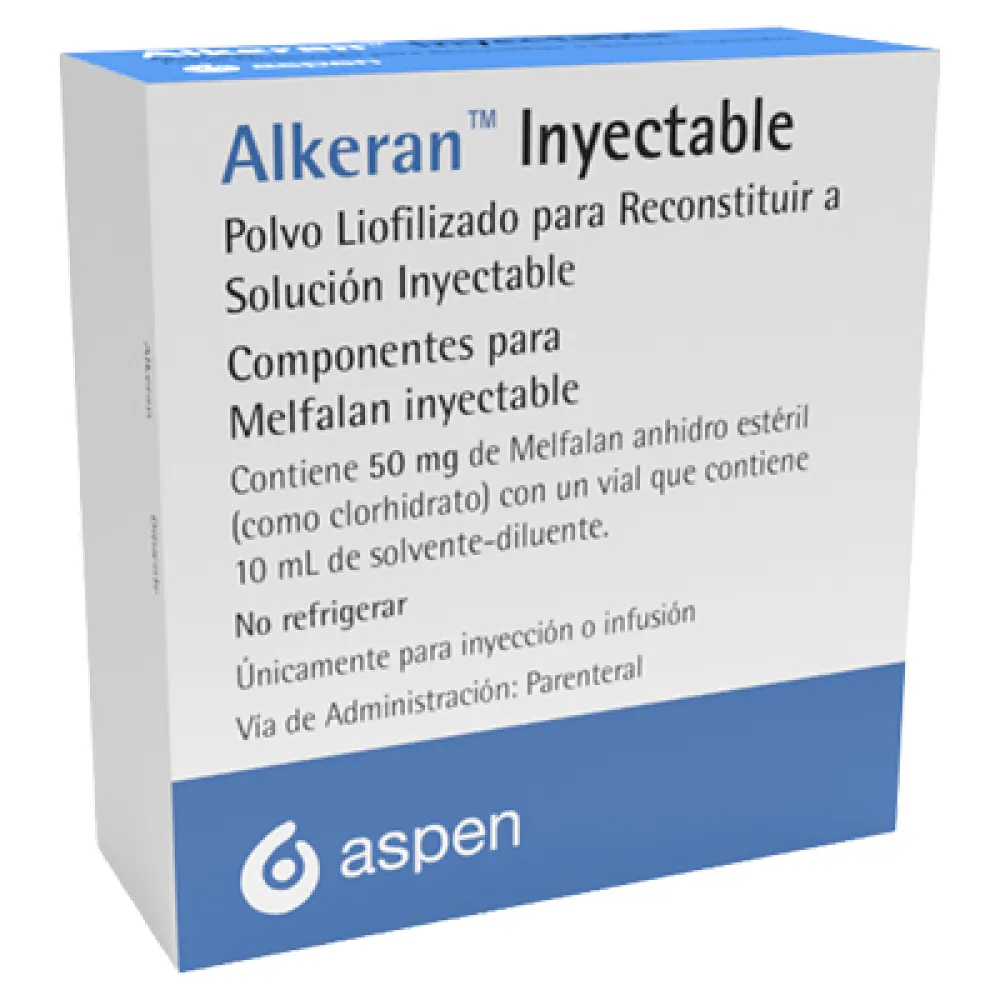
Table of Contents
- Package leaflet: Information for the patient
- ALKERAN 2 mg film-coated tablets
- 1. What ALKERAN is and what it is used for
- 2. What you should know before taking ALKERAN
- 3. How to take ALKERAN
- 4. Possible side effects
- 5. How to store ALKERAN
- 6. Package contents and other information
- 1. What ALKERAN is and what it is used for
- 2. What you should know before taking ALKERAN
- 3. How ALKERAN is administered
- 4. Possible side effects
- 5. How to store ALKERAN
- 6. Package contents and other information
Package leaflet: Information for the patient
ALKERAN 2 mg film-coated tablets
melphalan
Please read this leaflet carefully before taking this medicine because it contains important information for you.
- Keep this leaflet. You may need to read it again.
- If you have any questions, ask your doctor or pharmacist.
- This medicine has been prescribed for you only. Do not give it to others, even if their symptoms are the same as yours, as it could be harmful.
- If you experience any side effects, including those not listed in this leaflet, contact your doctor or pharmacist. See section 4.
Contents of this leaflet:
- What ALKERAN is and what it is used for
- What you need to know before taking ALKERAN
- How to take ALKERAN
- Possible side effects
- How to store ALKERAN
- Contents of the pack and other information
1. What ALKERAN is and what it is used for
ALKERAN contains the active substance melphalan, which belongs to the class of anticancer medicines used in the treatment of various forms of cancer. Melphalan is an alkylating agent belonging to the nitrogen mustard analogues.
ALKERAN 2 mg film-coated tablets are indicated for the treatment of:
- multiple myeloma (a malignant blood disorder affecting plasma cells, which produce antibodies);
- advanced ovarian adenocarcinoma (malignant tumour of the ovary);
- advanced breast carcinoma (malignant tumour of the breast). ALKERAN, alone or in combination with other medicinal products, has a significant therapeutic effect in a proportion of patients with advanced breast carcinoma;
- polycythaemia vera (abnormal increase in red blood cells, sometimes also white blood cells and platelets). ALKERAN is effective in treating a proportion of patients with polycythaemia vera.
2. What you should know before taking ALKERAN
Do not take ALKERAN
- If you are allergic to melphalan or to any of the other ingredients of this medicine (listed in section 6).
- If you are pregnant or breastfeeding (see also section “Pregnancy, breastfeeding and fertility”).
Warnings and precautions
Talk to your doctor or nurse before taking Alkeran if:
- You have recently undergone radiotherapy or chemotherapy;
- You have kidney problems;
- You are about to receive, or have recently received, a vaccination, as some live attenuated vaccines (such as those for polio, measles, mumps and rubella) may cause infection if administered during treatment with melphalan;
- You are taking a combined oral contraceptive (the pill), because there is an increased risk of venous thromboembolism (a blood clot forming in a vein and traveling elsewhere) in patients with multiple myeloma;
- You are planning a pregnancy. This is due to the risk of genetic toxicity (damage to genetic material) and infertility (see section “Pregnancy, breastfeeding and fertility”).
Alkeran may increase the risk of developing other types of tumors (e.g., secondary solid tumors) in a small number of patients, particularly when administered in combination with lenalidomide, thalidomide and prednisone. Your doctor will carefully evaluate the benefits and risks of treatment with Alkeran.
Thromboembolic events
You should receive thromboembolism prophylaxis, especially if you have additional thrombotic risk factors. Your doctor will decide which measures to take after a careful assessment of your pre-existing risk factors.
If you experience a thromboembolic event, inform your doctor immediately, as treatment must be suspended and standard anticoagulant therapy initiated. Your doctor will decide whether to restart treatment with melphalan in combination with lenalidomide and prednisone or thalidomide and prednisone or dexamethasone once thromboembolic events have been managed. You must continue anticoagulant therapy throughout the treatment cycle with melphalan.
Monitoring
Since ALKERAN is a potent myelosuppressive medicine (i.e. it suppresses bone marrow function), careful monitoring of blood cells is essential to avoid excessive myelosuppression (reduced production of blood cells by the bone marrow) and the risk of irreversible aplastic anemia (complete and permanent failure of bone marrow function).
Blood cell counts (number of blood cells) may continue to decrease even after treatment has been stopped; therefore, at the first sign of an abnormally and severely low white blood cell count (leukocytes) or platelet count (essential for blood clotting), treatment must be temporarily interrupted.
ALKERAN should be used with caution if you have recently undergone radiotherapy or chemotherapy, as you are at increased risk of bone marrow toxicity.
Renal impairment
The clearance of ALKERAN (elimination of the medicine through the kidneys) may be reduced if you suffer from renal impairment. If you belong to this patient group, you may also experience uremic bone marrow depression (bone marrow suppression due to kidney failure). Therefore, a dose reduction is necessary (see section “How to take ALKERAN”) and careful monitoring of your health status is required.
Significant transient increases in blood urea nitrogen (BUN) have been observed in the early stages of melphalan therapy in patients with myeloma and kidney damage.
Mutagenesis
Chromosomal aberrations (changes in chromosome structure or number) have been observed in patients treated with this medicine.
Carcinogenesis
Melphalan, like other alkylating agents, has been reported to be leukemogenic (causing leukemia, i.e. tumors affecting white blood cells). Cases of acute leukemia have been reported following melphalan treatment for conditions such as amyloidosis (a disease caused by abnormal protein deposits outside cells in various organs), malignant melanoma (a malignant skin tumor), multiple myeloma (a tumor of plasma cells producing antibodies), macroglobulinemia (a type of myeloma producing IgM antibodies), cryoglobulinemia (antibodies directed against the body itself, activated by cold and destroying red blood cells), and ovarian cancer.
A comparison between patients with ovarian neoplasms treated or not treated with alkylating agents has shown that the use of these agents, including melphalan, significantly increases the incidence of acute leukemia. When considering the use of melphalan, the leukemogenic risk must be weighed against the potential therapeutic benefits.
Therefore, monitoring before and during treatment is necessary to ensure early diagnosis of cancer and, if needed, prompt initiation of appropriate treatment.
Alkeran may increase the risk of developing other types of cancer (e.g., secondary solid tumors) in a small number of patients, particularly when used in combination with lenalidomide, thalidomide and prednisone. When Alkeran is prescribed for you, your doctor must carefully evaluate the benefits and risks.
Teratogenesis
The teratogenic potential (ability to cause birth defects) of ALKERAN has not been studied. Given its mutagenic properties (ability to alter genetic code) and structural similarities to known teratogenic compounds, melphalan may cause congenital defects (present at birth) in offspring of patients treated with this medicine.
Children and adolescents
ALKERAN, within the context of conventional dosing, is only rarely indicated in children and no definitive dosage guidelines can be provided.
Other medicines and ALKERAN
Inform your doctor or pharmacist if you are taking, have recently taken, or might take any other medicines.
In particular:
-
Vaccines. Vaccinations with live organism-derived vaccines are not recommended in immunocompromised individuals (see section “Warnings and precautions”).
-
Nalidixic acid, used to treat bacterial urinary tract infections. The combination of nalidixic acid with high-dose intravenous melphalan has caused death due to hemorrhagic enterocolitis (intestinal inflammation with diarrhea and bleeding) in children.
-
Cyclosporines, immunosuppressive medicines. Renal function abnormalities have been reported in patients undergoing bone marrow transplantation who received conditioning treatment with high-dose intravenous melphalan and were subsequently treated with cyclosporine to prevent transplant rejection.
-
In children, administration of ALKERAN within 24 hours after the last oral dose of busulfan (an antitumor medicine) may result in toxicity.
Pregnancy, breastfeeding and fertility
If you are pregnant, suspect you may be pregnant, planning to become pregnant, or breastfeeding, consult your doctor or pharmacist before taking this medicine.
Pregnancy
Treatment with Alkeran is contraindicated during pregnancy as it may cause permanent harm to the fetus. Do not take Alkeran if you are planning a pregnancy. This applies to both men and women. Adequate and effective contraceptive measures must be adopted to prevent pregnancy when either partner is taking these tablets.
Women of childbearing potential must use adequate and effective contraception during treatment and for six months after treatment ends.
Men must use adequate and effective contraception during treatment and for three months after treatment ends.
If you are already pregnant, it is important to consult your doctor before taking Alkeran. Your doctor will evaluate the risks and benefits of Alkeran treatment for you and your baby.
Breastfeeding
Women receiving Alkeran treatment must not breastfeed. Consult your doctor for further information.
Fertility
Alkeran may affect the ovaries and sperm, causing infertility (inability to have children).
Women may experience absence of menstrual periods (amenorrhea), and men may experience complete absence of viable sperm (azoospermia) following treatment with Alkeran.
Therefore, men are advised to seek counseling about sperm preservation before starting treatment.
Driving and using machines
No data available.
3. How to take ALKERAN
ALKERAN is a cytotoxic medicinal product belonging to the class of alkylating agents. It must be
prescribed only by physicians experienced in the treatment of malignant diseases with such agents.
Since ALKERAN is a myelosuppressive agent (it suppresses bone marrow activity), frequent
haematological monitoring (checking red blood cells, white blood cells, and platelets) is essential
during therapy, and the dose should be adjusted if necessary (see section “Warnings and precautions”).
Adults
Following oral administration, the absorption of ALKERAN is variable. In order to achieve potentially
therapeutic levels, a cautious dose increase may be required until myelosuppression is observed.
Multiple myeloma
The recommended dose is 0.15 mg/kg body weight per day administered orally in divided doses for
4 days, with intervals of 6 weeks between cycles.
Numerous treatment regimens have been used. For detailed information, consult the scientific
literature.
The combination of ALKERAN and prednisone may be more effective than ALKERAN alone.
This combination is usually administered intermittently, although superiority over continuous therapy
has not been demonstrated. In patients who respond to treatment, prolonging therapy beyond one
year does not appear to improve outcomes.
Advanced ovarian adenocarcinoma
The recommended dose is 0.2 mg/kg body weight per day administered orally for 5 days. Treatment
is repeated at intervals of 4–8 weeks, or as soon as the bone marrow has recovered normal function.
Advanced breast cancer
The recommended dose is 0.15 mg/kg body weight or 6 mg/m² body surface area per day for 5 days,
with intervals of 6 weeks between cycles. In case of bone marrow toxicity, the dose may be reduced.
Polycythaemia vera
The recommended dose to induce remission is 6–10 mg per day for 5–7 days, followed by 2–4 mg
per day until satisfactory disease control is achieved. Maintenance therapy consists of 2–6 mg once
weekly. Careful haematological monitoring and dose adjustment based on frequent blood counts are
essential during maintenance therapy.
Use in children
ALKERAN is only rarely indicated in children within the conventional dosage range, and no definite
dosing guidelines can be provided.
Use in the elderly
Although ALKERAN is frequently used at conventional dosages in elderly patients, specific data on
administration in this patient group are not available. Experience with ALKERAN in the elderly is
limited.
If you belong to this patient category, adequate general condition and proper organ function must be
ensured before initiating ALKERAN treatment.
Renal impairment
(See section “Warnings and precautions”)
The clearance of ALKERAN, although variable, is reduced in renal impairment.
Currently available pharmacokinetic data do not indicate an absolute need for dose reduction when
the drug is administered orally. However, it is prudent to initially use a reduced dose.
Instructions for use and handling
Safe handling of ALKERAN Tablets
The use of melphalan preparations must follow recommendations for cytotoxic medicinal products,
in accordance with local regulations.
Provided the outer coating of the tablet is intact, there is no risk in handling ALKERAN.
ALKERAN tablets must not be divided.
Disposal
Any unused ALKERAN tablets must be destroyed in accordance with local regulations for the disposal
of cytotoxic medicinal products.
If you take more ALKERAN than you should
The most common signs of acute overdose following oral administration are gastrointestinal disorders,
such as nausea, vomiting, and diarrhoea.
The main toxic effect is bone marrow suppression (inhibition of bone marrow function), which may
lead to leucopenia (reduced white blood cells), thrombocytopenia (reduced platelets), and anaemia
(reduced red blood cells).
Treatment
If necessary, general supportive measures should be implemented, including appropriate blood and
platelet transfusions. Hospitalization should be considered, along with infection prophylaxis using
antimicrobial agents, and the use of haematopoietic growth factors that stimulate the bone marrow to
produce blood cells.
No specific antidotes are known. Blood counts must be closely monitored for at least 4 weeks after
the overdose, until recovery is evident.
4. Possible side effects
Like all medicines, this medicine can cause side effects, although not everyone experiences them.
The occurrence of side effects may vary depending on the indication, the dose administered, and whether the medicine is given in combination with other therapeutic agents.
Other side effects reported with ALKERAN are listed below, classified by frequency:
Very common (may affect more than 1 in 10 people)
- Bone marrow suppression (reduced bone marrow activity), manifesting as leucopenia (reduced number of white blood cells), thrombocytopenia (reduced number of platelets), and anaemia (reduced number of red blood cells and haemoglobin, a protein in red blood cells that carries oxygen)
- Nausea, vomiting, diarrhoea; stomatitis (inflammation of the mucous membrane of the mouth) at high doses
- Alopecia (hair and body hair loss) at high doses
Common (may affect up to 1 in 10 people)
- Alopecia at conventional doses
- Temporary significant increases in blood urea levels (a blood test indicating kidney function)
Rare (may affect up to 1 in 1,000 people)
- Haemolytic anaemia (a type of anaemia involving destruction of red blood cells)
- Allergic reactions with skin rashes (maculopapular exanthema) and pruritus
- Lung diseases such as interstitial pneumonia and pulmonary fibrosis (including fatal cases)
- Stomatitis (inflammation of the mucous membrane of the mouth) at conventional doses
- Liver disorders with abnormal liver function tests, hepatitis (liver inflammation), and jaundice (yellowing of the skin and eyes)
Not known (frequency cannot be estimated from the available data)
- Secondary acute myeloid leukaemia and myelodysplastic syndrome (blood cell disorders involving white blood cells)
- Azoospermia (absence of spermatozoa)
- Amenorrhoea (absence of menstruation)
- Deep vein thrombosis (formation of a blood clot called thrombus in a deep vein, usually in the legs) and pulmonary embolism (blockage of the main pulmonary artery or its branches by a blood clot that breaks loose and travels to the lung)
- Acute kidney injury – renal failure (a rapid and significant reduction in kidney function)
Allergic reactions to melphalan, such as urticaria (skin rash), oedema (swelling due to fluid accumulation), skin rashes (sudden redness of the skin), and anaphylactic shock (a severe allergic reaction with low blood pressure), have been reported rarely following the first or subsequent administrations, particularly after intravenous administration.
Cardiac arrest has also been reported rarely in association with such events.
Gastrointestinal effects such as nausea and vomiting have occurred in up to 30% of patients treated with oral melphalan at conventional doses.
Reporting of side effects
If you experience any side effect, including those not listed in this leaflet, talk to your doctor or pharmacist. You can also report side effects directly via the national reporting system at:
https://www.aifa.gov.it/content/segnalazioni-reazioni-avverse
By reporting side effects, you can help provide more information on the safety of this medicine.
5. How to store ALKERAN
Keep this medicine out of the sight and reach of children.
Do not use this medicine after the expiry date stated on the packaging after "Exp".
The expiry date refers to the product in its original, unopened packaging, properly stored.
Store between 2-8 °C.
Store in a dry place.
Do not dispose of any medicine via wastewater or household waste. Ask your pharmacist how to dispose of medicines you no longer use. This will help protect the environment.
6. Package contents and other information
- The active substance is melphalan. One film-coated tablet contains 2 mg of melphalan.
- The other components are: Core: microcrystalline cellulose, crospovidone, anhydrous colloidal silica, magnesium stearate. Coating: hypromellose, titanium dioxide, macrogol.
Description of the appearance of ALKERAN and package contents
Film-coated tablets.
ALKERAN 2 mg film-coated tablets, bottle containing 25 tablets.
Marketing Authorization Holder
Aspen Pharma Trading Limited
3016 Lake Drive
Citywest Business Campus
Dublin 24, Ireland
Tel: +39 0687 502 429
Manufacturer
Excella GmbH & Co. KG, Nürnberger Strasse 12, 90537 Feucht, Germany
ALKERAN 50 mg/10 ml powder and solvent for injectable solution
melphalan
Please read this leaflet carefully before you are given this medicine because it contains important information for you.
- Keep this leaflet. You may need to read it again.
- If you have any questions, ask your doctor or pharmacist.
- This medicine has been prescribed for you only. Do not give it to others, even if their symptoms are the same as yours, as it could be harmful.
- If you experience any side effects, including those not listed in this leaflet, contact your doctor or pharmacist. See section 4.
Contents of this leaflet:
- What ALKERAN is and what it is used for
- What you need to know before you are given ALKERAN
- How ALKERAN is administered
- Possible side effects
- How to store ALKERAN
- Package contents and other information
1. What ALKERAN is and what it is used for
Alkeran contains the active substance melphalan, which belongs to a class of anticancer medicines
known as antineoplastic agents, used in the treatment of various forms of cancer. Melphalan is an
alkylating agent belonging to the nitrogen mustard analogs.
ALKERAN powder and solvent for injectable solution, administered via regional arterial perfusion
(through the artery of the affected organ), is indicated for the treatment of:
- Malignant melanoma (malignant skin tumor) localized to the extremities of limbs;
- Soft tissue sarcoma (malignant tumor of fatty tissue, muscles, blood or lymphatic vessels, nerves, ligaments, connective tissues) localized to the extremities of limbs.
ALKERAN, at conventional intravenous dosage, may be used in the treatment of:
- Multiple myeloma (a malignant blood disorder affecting plasma cells, the cells that produce antibodies). ALKERAN, used alone or in combination with other cytotoxic anticancer medicines (which destroy or damage cells), is as effective in treating multiple myeloma as the oral formulation;
- Advanced ovarian carcinoma (ovarian cancer). ALKERAN, administered alone or in combination with other cytotoxic medicines, produces a direct response in approximately 50% of patients with advanced ovarian adenocarcinoma.
ALKERAN, at high-dose intravenous administration, may be used in the treatment of:
- Multiple myeloma. Complete remissions have been achieved in up to 50% of patients treated with high-dose ALKERAN, with or without hematopoietic stem cell transplantation (cells capable of differentiating into blood cells), both as initial treatment and to consolidate response to conventional chemotherapy;
- Advanced neuroblastoma in childhood (a malignant tumor originating from cells of a part of the nervous system). High-dose ALKERAN with hematopoietic stem cell transplantation has been used, either alone or in combination with radiotherapy and/or other cytotoxic medicines, to consolidate response to conventional treatment. In a prospective randomized study, patients treated with ALKERAN showed a significant increase in event-free survival duration compared to those not treated.
2. What you should know before taking ALKERAN
Do not take ALKERAN
- If you are allergic to melphalan or to any of the other ingredients of this medicine (listed in section 6).
- If you are pregnant or breastfeeding (see also section “Pregnancy, breastfeeding and fertility”).
Warnings and precautions
Before starting treatment with Alkeran, inform your doctor if any of the following conditions apply to you:
- You have recently undergone radiotherapy or chemotherapy;
- You have kidney problems;
- You are planning to receive a vaccination or have recently been vaccinated, as some live attenuated vaccines (such as those for polio, measles, mumps, and rubella) may cause infection if administered during treatment with melphalan;
- You are taking a combined oral contraceptive (the pill), because there is an increased risk of venous thromboembolism (a blood clot forming in a vein and traveling elsewhere) in patients with multiple myeloma;
- You are planning a pregnancy. This is due to the risk of genetic toxicity (damage to genetic material) and infertility (see “Pregnancy, breastfeeding and fertility”).
Alkeran may increase the risk of developing other types of tumors (e.g., secondary solid tumors) in a small number of patients, particularly when administered in combination with lenalidomide, thalidomide, and prednisone. Your doctor will carefully evaluate the benefits and risks of treatment with Alkeran.
Thromboembolic events
You should receive prophylaxis for venous thromboembolism, especially if you have additional thrombotic risk factors. Your doctor will decide which measures to take after careful assessment of your pre-existing risk factors.
If you experience a thromboembolic event, inform your doctor immediately, as treatment must be suspended and standard anticoagulant therapy initiated. Your doctor will decide whether to restart treatment with melphalan in combination with lenalidomide and prednisone or thalidomide and prednisone or dexamethasone once the thromboembolic events have been managed. You must continue anticoagulant therapy throughout the treatment cycle with melphalan.
Monitoring
Since ALKERAN is a potent myelosuppressive medicine, meaning it suppresses bone marrow function, it is essential that blood cell counts are closely monitored to avoid excessive myelosuppression (reduced production of blood cells by the bone marrow) and the risk of irreversible bone marrow aplasia (complete and permanent loss of bone marrow function).
Blood cell counts may continue to decline even after treatment has been stopped; therefore, at the first sign of a severe and abnormal drop in white blood cells or platelets, therapy must be temporarily interrupted.
ALKERAN must be used with caution if you have recently undergone radiotherapy or chemotherapy, as you are at increased risk of bone marrow toxicity.
ALKERAN causes suppression of ovarian function in premenopausal women, leading to amenorrhea (absence of menstruation) in a significant number of patients.
Renal impairment
The clearance of ALKERAN (elimination of the drug through the kidneys) may be reduced if you have renal impairment, and you may also develop uremic myelosuppression (bone marrow suppression due to kidney failure). Therefore, a dose reduction is necessary (see section “How to take ALKERAN”) and careful monitoring of your health status is required.
Transient, significant increases in blood urea levels have been observed in the early stages of melphalan therapy in patients with myeloma and kidney damage.
Mutagenesis
Chromosomal aberrations (alterations in chromosome structure or number) have been observed in patients treated with this medicine.
Carcinogenesis
Melphalan, like other alkylating agents, has been reported to be leukemogenic (causing leukemia, cancers of the white blood cells). Cases of acute leukemia have been reported following melphalan treatment for conditions such as amyloidosis (abnormal protein deposits between cells), malignant melanoma (a malignant skin tumor), multiple myeloma (a cancer of plasma cells that produce antibodies), macroglobulinemia (a type of myeloma producing IgM-type antibodies), cryoglobulinemia (antibodies against the body that are activated by cold and destroy red blood cells), and ovarian cancer.
A comparison between patients with ovarian neoplasms who did or did not receive alkylating agents showed that the use of these agents, including melphalan, significantly increases the incidence of acute leukemia.
When considering the use of melphalan, the leukemogenic risk must be weighed against the potential therapeutic benefits.
Therefore, before and during treatment, physicians should always monitor patients using standard procedures to ensure early cancer detection and, if necessary, initiate appropriate treatment.
Alkeran may increase the risk of developing other types of cancer (e.g., secondary solid tumors) in a small number of patients, particularly when used in combination with lenalidomide, thalidomide, and prednisone. When Alkeran is prescribed, your doctor must carefully evaluate the benefits and risks.
Teratogenesis
The teratogenic potential (ability to cause birth defects) of ALKERAN has not been studied. Due to its mutagenic properties (alteration of genetic code) and structural similarities to known teratogenic compounds (substances causing malformations), melphalan may cause congenital defects (present at birth) in offspring of patients treated with the medicine.
Children and adolescents
High doses of ALKERAN, in association with bone marrow transplantation, have been used in childhood neuroblastoma, using dosage guidelines based on body surface area (see section “How ALKERAN is administered – Advanced neuroblastoma in childhood”).
ALKERAN, at conventional dosage regimens, is only rarely indicated in children, and no definitive dosage guidelines can be provided.
Other medicines and ALKERAN
Inform your doctor or pharmacist if you are taking, have recently taken, or might take any other medicines.
In particular:
- Vaccinations. Vaccinations with live organism-derived vaccines are not recommended in immunocompromised individuals (see “Warnings and precautions”).
- Nalidixic acid, used to treat bacterial urinary tract infections. The combination of nalidixic acid with high-dose intravenous melphalan has caused death due to hemorrhagic enterocolitis (intestinal inflammation with diarrhea and blood in stools) in children.
- Cyclosporines, immunosuppressive medicines. Renal function abnormalities have been reported in patients undergoing bone marrow transplantation who received conditioning treatment with high-dose intravenous melphalan and were subsequently treated with cyclosporine to prevent transplant rejection.
- In children, administration of ALKERAN within 24 hours after the last oral dose of busulfan (an antineoplastic medicine) may result in toxicity.
Pregnancy, breastfeeding and fertility
If you are pregnant, suspect you may be pregnant, plan to become pregnant, or are breastfeeding, consult your doctor or pharmacist before taking this medicine.
Pregnancy
Treatment with Alkeran is contraindicated during pregnancy because it may cause permanent harm to the fetus. Do not take Alkeran if you are planning a pregnancy. This applies to both men and women. Adequate and effective contraceptive measures must be used to prevent pregnancy when either partner is receiving this medicine.
Women of childbearing potential must use adequate and effective contraception during treatment and for six months after treatment ends.
Men must use adequate and effective contraception during treatment and for three months after treatment ends.
If you are already pregnant, it is important to consult your doctor before taking Alkeran. Your doctor will assess the risks and benefits of Alkeran treatment for you and your baby.
Breastfeeding
Women receiving ALKERAN treatment must not breastfeed. Consult your doctor for further information.
Fertility
Alkeran may affect the ovaries and sperm, causing infertility (inability to have children).
In women, absence of menstrual periods (amenorrhea) may occur, and in men, complete absence of viable sperm (azoospermia) may be observed following Alkeran treatment.
Therefore, men are advised to seek counseling about sperm preservation before starting treatment.
Driving and using machines
No data available.
This medicine contains 2.32 mmol (53.4 mg) of sodium per vial.
This should be taken into account in patients on a low-sodium diet.
This medicine contains 5% ethanol (alcohol), equivalent to 10 ml of beer or 4.2 ml of wine. It may be harmful to alcoholics. This should be considered in pregnant or breastfeeding women, children, and high-risk groups such as patients with liver disease or epilepsy.
This medicine contains propylene glycol. It may cause symptoms similar to those caused by alcohol.
3. How ALKERAN is administered
ALKERAN is a cytotoxic medicinal product belonging to the general class of alkylating agents. It must
be prescribed only by physicians experienced in the treatment of malignant diseases with such
medicinal products.
Since ALKERAN causes myelosuppression (bone marrow suppression), frequent haematological monitoring (checking red blood cells, white blood cells and platelets) is essential during therapy, and if necessary, the dose should be delayed or adjusted (see section “Warnings and precautions”).
Multiple myeloma
ALKERAN has been used intermittently either alone or in combination with other cytotoxic medicinal products, at doses ranging between 8 and 30 mg/m² of body surface area, administered at intervals of 2 to 6 weeks.
Additionally, prednisone has been included in some treatment regimens. For more precise details on treatment protocols, refer to published literature.
The recommended intravenous dose when used alone is 0.4 mg/kg body weight (16 mg/m² of body surface area), repeated at appropriate intervals (e.g. once every 4 weeks), provided that there has been recovery of the peripheral blood count during this period.
High-dose regimens generally use single intravenous doses ranging between 100 and 200 mg/m² of body surface area (approximately 2.5–5.0 mg/kg body weight), but haematopoietic stem cell transplantation becomes essential following doses exceeding 140 mg/m² of body surface area.
In case of renal impairment, the dose should be reduced by 50% (see section “Renal impairment”).
Due to the risk of severe myelosuppression (severe bone marrow suppression) induced by high doses of ALKERAN, treatment must be carried out only in specialized centres equipped with appropriate facilities and administered solely by experienced clinicians (see section “Warnings and precautions”).
Advanced ovarian adenocarcinoma
When administered intravenously alone, a dose of 1 mg/kg body weight (approximately 40 mg/m² of body surface area) has often been used, administered at 4-week intervals.
When administered in combination with other cytotoxic medicinal products, doses ranging between 0.3 and 0.4 mg/kg body weight (12–16 mg/m² of body surface area) have been used at intervals of 4–6 weeks.
Malignant melanoma
Regional perfusion with ALKERAN combined with hyperthermia (elevated body temperature) has been used as an adjuvant (in combination) to surgery for early-stage malignant melanomas and as palliative treatment (i.e. reduces disease symptoms but does not remove the underlying cause) for advanced but localized forms. For details on perfusion technique and dosage, consult the scientific literature.
Soft tissue sarcoma
Regional perfusion with ALKERAN combined with hyperthermia (elevated body temperature) has been used in the treatment of all stages of localized soft tissue sarcoma, generally in association with surgery.
ALKERAN has also been administered in combination with actinomycin D; refer to the scientific literature for dosing schedules.
Advanced neuroblastoma in childhood
High doses of ALKERAN, ranging between 100 and 240 mg/m² of body surface area (sometimes evenly divided over 3 consecutive days), in association with haematopoietic stem cell transplantation, have been used alone or in combination with radiotherapy and/or other cytotoxic medicinal products.
Use in children
High doses of ALKERAN, in association with bone marrow transplantation, have been used in childhood neuroblastoma, using dosing guidelines based on body surface area (see section “Advanced neuroblastoma in childhood”).
ALKERAN, within the context of conventional dosing, is only rarely indicated in children, and no definitive dosing guidelines can be provided.
Use in the elderly
Although ALKERAN is frequently used at conventional doses in elderly patients, specific information regarding administration in this patient group is limited. Experience with ALKERAN in the elderly is limited. If you belong to this patient group, adequate general health status and organ function must be ensured before administration of ALKERAN.
The pharmacokinetics of intravenous melphalan have shown no correlation between age and melphalan clearance (rate of renal elimination) or terminal elimination half-life (time required to reduce blood concentration of the medicinal product by 50%) of melphalan.
The limited available data do not support specific dose adjustment recommendations for elderly patients receiving intravenous melphalan and suggest that current practice of dose adjustment based on the elderly patient's general condition and degree of myelosuppression occurring during therapy should be maintained.
Renal impairment
(See also section “Warnings and precautions”).
ALKERAN clearance, although variable, may be reduced in patients with renal impairment.
When ALKERAN is administered at conventional intravenous doses (8–40 mg/m² of body surface area), it is recommended that the initial dose be reduced by 50% in patients with moderate to severe renal impairment, and subsequent dosing should be determined according to the degree of myelosuppression (bone marrow suppression).
For high intravenous doses of ALKERAN (100–240 mg/m² of body surface area), the need for dose reduction depends on the degree of renal impairment, whether or not haematopoietic stem cells are reinfused (transplantation of cells capable of developing into blood cells), and therapeutic necessity.
As a general indication, in patients with moderate to severe renal impairment [(51-Cr)-EDTA creatinine clearance of 30–50 ml/min], a 50% dose reduction is typically applied.
Adequate hydration (administration of fluids) and forced diuresis (increased urinary flow) are also required.
High-dose ALKERAN is not recommended in patients with more severe renal impairment (EDTA creatinine clearance less than 30 ml/min).
If you take more ALKERAN than you should
The immediate effects of acute intravenous overdose are nausea and vomiting. Gastrointestinal mucosal damage may also occur, and diarrhoea, sometimes haemorrhagic, has also been reported following overdose. The main toxic effect is bone marrow depression (reduced bone marrow activity), which may lead to leucopenia (reduced white blood cells), thrombocytopenia (reduced platelets) and anaemia (reduced red blood cells and haemoglobin).
Treatment
If necessary, general supportive measures should be instituted, together with appropriate blood and platelet transfusions. Hospitalization should be considered, along with infection prophylaxis (prevention) using antimicrobial agents and the use of haematopoietic growth factors (stimulators of bone marrow to produce blood cells).
There are no specific antidotes. The blood count must be carefully monitored for at least 4 weeks after the overdose until recovery is evident.
4. Possible side effects
Like all medicines, this medicine can cause side effects, although not everyone experiences them.
The occurrence of side effects may vary depending on the indication, the dose received, and whether the medicine is administered in combination with other therapeutic agents.
Other side effects reported with ALKERAN are listed below, classified by frequency.
Very common (may affect more than 1 in 10 people)
- Bone marrow suppression (reduced activity of the bone marrow), manifesting as leucopenia (reduced number of white blood cells), thrombocytopenia (reduced number of platelets), and anaemia (reduced number of red blood cells and haemoglobin, a protein in red blood cells that carries oxygen)
- Nausea, vomiting, diarrhoea; stomatitis (inflammation of the mucous membrane of the mouth) at high doses
- Alopecia (hair and body hair loss) at high doses
- Subjective and transient sensation of warmth and/or tingling
- Following isolated limb perfusion: muscle atrophy (reduction in muscle volume), muscle fibrosis (replacement of muscle tissue with scar tissue)
- Myalgia (muscle pain), increased blood creatine phosphokinase (a blood test that rises when there is muscle or heart damage)
Common (may affect up to 1 in 10 people)
- Alopecia (hair and body hair loss) at conventional doses
- Transient, significant increases in blood urea nitrogen (a blood test indicating kidney function)
- Following isolated limb perfusion: compartment syndrome (a group of symptoms affecting the treated limb)
Rare (may affect up to 1 in 1,000 people)
- Haemolytic anaemia (a type of anaemia involving destruction of red blood cells)
- Allergic reactions with skin rashes (maculopapular exanthema) and pruritus
- Lung diseases such as interstitial pneumonia and pulmonary fibrosis, including fatal cases
- Stomatitis (inflammation of the mucous membrane of the mouth) at conventional doses
- Liver disorders with abnormal liver function tests, hepatitis (liver inflammation), and jaundice (yellowing of the skin and mucous membranes); veno-occlusive disease (blockage of the liver veins) following high-dose treatment
Frequency not known (cannot be estimated from the available data)
- Muscle necrosis (death of muscle fibres), rhabdomyolysis (breakdown of muscle fibres)
- Secondary acute myeloid leukaemia and myelodysplastic syndrome (cancers of white blood cells)
- Azoospermia (absence of sperm)
- Amenorrhoea (absence of menstruation)
- Deep vein thrombosis (formation of a blood clot called thrombus in a deep vein, mainly in the legs) and pulmonary embolism (blockage of the main pulmonary artery or its branches by a blood clot that breaks loose and travels to the lung)
- Acute kidney injury – renal failure (significant reduction in kidney function) occurring rapidly
Allergic reactions to melphalan, such as urticaria (skin rash), oedema (swelling due to fluid accumulation), skin rashes (sudden redness of the skin), and anaphylactic shock (a severe allergic reaction with low blood pressure), have been rarely reported after the first or subsequent administrations, particularly following intravenous administration.
Rarely, cardiac arrest has also been reported in association with such events.
Reporting of side effects
If you experience any side effect, including those not listed in this leaflet, please inform your doctor or pharmacist.
You can also report side effects directly via the national reporting system at www.agenziafarmaco.gov.it/content/come-segnalare-una-sospetta-reazione-avversa.
By reporting side effects, you can help provide more information on the safety of this medicine.
5. How to store ALKERAN
Keep this medicine out of the sight and reach of children.
Do not use this medicine after the expiry date stated on the packaging after "Exp".
The stated expiry date refers to the product stored in its original intact packaging.
Vial before opening: do not store above 30°C.
Protect the medicine from light.
Reconstituted solution for injection: store at room temperature of approximately 25°C.
Do not refrigerate.
Reconstituted and further diluted solution for infusion: store at room temperature of approximately 25°C.
Do not dispose of any medicine via wastewater or household waste. Ask your pharmacist how to dispose of medicines no longer in use. This will help protect the environment.
6. Package contents and other information
- The active substance is melphalan. One vial of powder contains 50 mg of melphalan hydrochloride;
- The other components are: hydrochloric acid, povidone. One vial of solvent-diluent contains: propylene glycol, sodium citrate, ethanol, water for injections.
Description of the appearance of ALKERAN and package contents
Powder and solvent for solution for injection.
ALKERAN 50 mg/10 ml Powder and solvent for solution for injection – 1 vial of powder + 1 vial of 10 ml solvent.
Marketing Authorization Holder
Aspen Pharma Trading Limited
3016 Lake Drive,
Citywest Business Campus,
Dublin 24,
Ireland
Tel: +39 0687 502 429
Manufacturers
GlaxoSmithKline Manufacturing S.p.A. - Strada Provinciale Asolana n. 90 - S. Polo di Torrile - Parma
(Italy)
Cenexi - Laboratories Thissen S.A., Rue de la Papyree 2-4-6, Braine-L’Alleud, 1420, Belgium
…………………………………………………………………………………………………………………..
The following information is intended exclusively for physicians or healthcare professionals:
Method of administration
Parenteral administration.
For regional arterial perfusion, refer to the literature for details on the methodology of use.
Except when regional arterial perfusion is indicated, ALKERAN is intended for intravenous use only.
For intravenous administration, it is recommended that the ALKERAN solution be slowly injected into a rapid infusion solution via a disinfected site.
If direct injection into a rapid infusion is not suitable, the ALKERAN solution may be administered diluted in an infusion bag.
Care must be taken to avoid possible extravasation of ALKERAN, and in cases of difficult peripheral venous access, the use of a central venous catheter should be considered.
When high doses of ALKERAN are administered, with or without autologous bone marrow transplantation, administration via a central venous catheter is recommended.
Incompatibilities
ALKERAN 50 mg/10 ml Powder and solvent for solution for injection is incompatible with infusion solutions containing dextrose, and ONLY 0.9% weight/volume sodium chloride for intravenous infusion is recommended for use.
Preparation of ALKERAN solution
(See also below: Safe handling and disposal of ALKERAN)
The injectable solution of ALKERAN must be prepared at room temperature by reconstituting the lyophilized powder with the solvent-diluent.
If the solvent-diluent is used at low temperature, the lyophilized powder of ALKERAN may not reconstitute properly, with visible undissolved particles.
10 ml of the solvent-diluent must be added all at once, and the vial must be shaken vigorously immediately (for at least 50 seconds) until a clear solution without visible particles is obtained. If diluents are added slowly and immediate shaking is not performed, insoluble particles may form. The shaking process generates a significant number of very small air bubbles. These may persist and require an additional 2 or 3 minutes to disappear. Because the resulting solution is rather viscous, assessing its clarity may be difficult.
The resulting solution contains the equivalent of 5 mg/ml of anhydrous melphalan and has a pH of approximately 6.5.
The ALKERAN solution has limited stability and must be prepared immediately before use. Unused solutions must be discarded (see below: Disposal).
The reconstituted solution must not be refrigerated, as this would cause precipitation.
When diluted in an infusion solution, the stability of the ALKERAN solution is reduced, and the degradation rate increases rapidly with rising temperature. If administration occurs at room temperature of approximately 25°C, the total time between preparation of the reconstituted solution and completion of the infusion must not exceed one and a half hours.
If any cloudiness or crystallization appears in reconstituted or diluted solutions, the preparation must be discarded.
Safe handling of ALKERAN
ALKERAN 50 mg/10 ml Powder and solvent for solution for injection must be prepared for administration by, or under the direct supervision of, pharmacists familiar with its characteristics and with safe handling procedures.
ALKERAN must be prepared for use in a sterile unit of a pharmacy equipped with a suitable vertical laminar airflow cabinet. Where this is not available, a dedicated adjacent room to the hospital ward or outpatient clinic may be used.
Personnel preparing or handling ALKERAN must wear the following protective clothing:
- Disposable latex or polyvinyl chloride surgical gloves of suitable quality (rubber gloves are not suitable);
- Surgical masks of suitable quality;
- Protective goggles, which must be washed with water after use;
- Disposable gowns. In a sterile environment, additional appropriate clothing will be required. Any spillage of solution must be dealt with immediately (by personnel wearing appropriate protective clothing) by cleaning with disposable paper towels, which after use must be placed in disposable containers for high-risk waste disposal in accordance with current regulations.
Contaminated surfaces must be washed with abundant quantities of water.
If the ALKERAN solution comes into contact with the skin, wash immediately with soap and copious amounts of cold water. In such cases, it is prudent to seek medical advice.
In case of eye contact, wash the eyes IMMEDIATELY with irrigation using sodium chloride solution and seek immediate medical advice. If sodium chloride solution is not available, copious amounts of water may be used.
Disposal
ALKERAN solutions must be disposed of in accordance with current regulations. In the absence of regulations, the solution must be disposed of appropriately for toxic chemicals, for example, by high-temperature incineration or deep burial.
Disposal of sharp objects such as needles, syringes, administration sets, and vials must be carried out in rigid containers labeled with appropriate seals for hazardous risk. Personnel involved in disposal must take necessary precautions, and the material must be destroyed, if necessary, by incineration. All disposal operations must comply with current regulations.