Zanetin 1500 mg powder for injection and for infusion EFG
SpainTable of Contents
- Patient Information Leaflet
- Introduction
- **Package leaflet: Information for the user**
- **Package leaflet contents**:
- 1. What Zanetin is and what it is used for
- 2. What you need to know before starting to use Zanetin
- **Do not use cefuroxime:**
- **Warnings and precautions**
- Consult your doctor, nurse, or pharmacist before starting to use Zanetin.
- **If you need blood or urine tests**
- **Use of zanetin with other medicines**
- ? Aminoglycoside antibiotics (for treatment of severe infections),
- ? Probenecid (for treatment of gout or gouty arthritis),
- **Pregnancy, breastfeeding, and fertility**
- Oral contraceptive
- **Driving and Use of Machines**
- 3. How to use Zanetin
- **Use in adults and adolescents**
- **Use in children**
- Newborns (0 - 3 weeks)
- Infants (over 3 weeks) and children
- **Use in patients with kidney problems**
- 4. Possible adverse effects
- **Frequent adverse effects**
- **Uncommon adverse effects**
- **Other adverse effects**
- **Reporting of adverse reactions**
- 5. Storage of Zanetin
- 6. Contents of the pack and other information
- **Appearance of Zanetin and contents of the pack**
- **Marketing Authorization Holder and Manufacturer Responsible**
- **SPAIN This medicinal product is authorized in the Member States of the European Economic Area under the following names:**<img alt="Coat of arms logo of Spain with the inscription Ministry of Health, Social Services and Equality and text at the bottom on a white background" src="ES/images/instructions/zanetin-1500-mg-polvo-para-solucion-inyectable-y-para-perfusion-efg-polvo/zanetin-1500-mg-polvo-para-solucion-inyectable-y-para-perfusion-efg-polvo-2.webp"/>
- **INFORMATION FOR HEALTHCARE PROFESSIONALS**
- For instructions on reconstitution of the medicinal product before administration, see below.
Patient Information Leaflet
Introduction
Package leaflet: Information for the user
Zanetin 750 mg powder for injectable solution and for perfusion EFG
Zanetin 1,500 mg powder for injectable solution and for perfusion EFG
Cefuroxime
Read the entire package leaflet carefully before you start using this medicine, as it contains important information for you.
- Keep this leaflet, as you may need to read it again.
- If you have any questions, consult your doctor, pharmacist, or nurse.
- If you experience any adverse effects, consult your doctor or nurse, even if they are adverse effects not listed in this leaflet. See section 4.
Package leaflet contents:
- What Zanetin is and what it is used for
- What you need to know before using Zanetin
- How to use Zanetin
- Possible side effects
- Storage of Zanetin
- Contents of the pack and other information
1. What Zanetin is and what it is used for
Cefuroxime is an antibiotic used in both adults and children. It works by killing the bacteria that cause infections. It belongs to a group of medicines called cephalosporins.
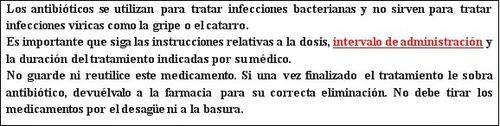
Zanetin is used to treat infections of:
- the lungs or chest,
- the urinary tract,
- the skin and soft tissues,
- the abdomen.
Zanetin is also used to:
prevent infections during surgical procedures.
2. What you need to know before starting to use Zanetin
Do not use cefuroxime:
- if you are allergic to cefuroxime, cephalosporins, or any of the other ingredients of this medicine (listed in section 6),
- if you have ever had a severe allergic (hypersensitivity) reaction to any other beta-lactam antibiotic (penicillins, monobactams, or carbapenems),
- if you have ever developed a severe skin rash, skin peeling, blisters, and/or mouth ulcers after treatment with cefuroxime or any other cephalosporin antibiotic.
Consult your doctor before starting treatment with cefuroxime; if you think this may apply to you, this medicine should not be administered to you.
Warnings and precautions
Consult your doctor, nurse, or pharmacist before starting to use Zanetin.
You should be aware of certain symptoms, such as allergic reactions and gastrointestinal disorders like diarrhea, while receiving cefuroxime. This will reduce the risk of potential complications. See (“Symptoms to be aware of”) in section 4. If you have previously had an allergic reaction to other antibiotics, such as penicillin, you may also be allergic to cefuroxime.
Severe skin reactions, including Stevens-Johnson syndrome, toxic epidermal necrolysis, drug reaction with eosinophilia and systemic symptoms (DRESS), have been reported with cefuroxime treatment. Seek immediate medical attention if you notice any of the symptoms related to these severe skin reactions described in section 4.
If you need blood or urine tests
Cefuroxime may affect test results for glucose in blood and urine tests (Coombs test). If you are having tests:
Inform the person taking the sample that you are receiving cefuroxime.
Use of zanetin with other medicines
Inform your doctor or pharmacist if you are taking, have recently taken, or might need to take any other medicines. This includes medicines obtained without a prescription.
Some medicines may affect the way cefuroxime works, or make it more likely that you may experience adverse effects. These include:
? Aminoglycoside antibiotics (for treatment of severe infections),
- "Medicines used to urinate" (diuretics), such as furosemide,
? Probenecid (for treatment of gout or gouty arthritis),
- Oral anticoagulants (used to treat blood clots).
Consult your doctor if you think this may affect you. You may need additional check-ups to monitor kidney function while you are taking cefuroxime.
Tell your doctor if you are taking the oral contraceptive pill while being treated with cefuroxime, as this medicine may reduce the effectiveness of the oral contraceptive pill (see “Oral contraceptive” in “Pregnancy, breastfeeding and fertility”).
Pregnancy, breastfeeding, and fertility
Inform your doctor before being treated with cefuroxime:
- if you are pregnant, think you might be pregnant, or plan to become pregnant,
- if you are breastfeeding.
Your doctor will assess the benefit of treatment with cefuroxime against the risk to your child.
Oral contraceptive
Cefuroxime may reduce the effectiveness of the oral contraceptive. If you are taking the oral contraceptive while being treated with Zanetin, you should additionally use barrier contraceptive methods (such as, for example, condoms). Consult your doctor for advice.
Driving and Use of Machines
Do not drive or operate machinery if you do not feel well.
Zanetin contains sodium: Patients on sodium-restricted diets should be aware that:
Zanetin 750 mg powder for solution for injection or infusion EFG contains 40.74 mg of sodium per vial, equivalent to 2.037% of the maximum daily recommended sodium intake for an adult.
Zanetin 1,500 mg powder for solution for injection or infusion EFG contains 81.48 mg of sodium per vial, equivalent to 4.075% of the maximum daily recommended sodium intake for an adult.
3. How to use Zanetin
Cefuroxime is normally administered by a doctor or nurse. It can be given as an intravenous infusion (drip) or as an injection directly into a vein or into a muscle.
The usual dose: Your doctor will decide the optimal dose of Zanetin for you, based on: the severity and type of infection, whether you are being treated with other antibiotics, your weight and age, and how well your kidneys are functioning.
Use in adults and adolescents
750 mg to 1,500 mg of Zanetin daily, divided into two, three, or four doses. The maximum dose is 6 g per day.
Use in children
Newborns (0 - 3 weeks)
For each kg of the newborn's body weight, 30 to 100 mg of cefuroxime per day will be administered, divided into two or three doses.
Infants (over 3 weeks) and children
For each kg of the infant's or child's body weight, 30 to 100 mg of cefuroxime per day should be administered, divided into three or four doses.
Use in patients with kidney problems
If you have a kidney problem, your doctor may adjust your dose.
Consult your doctor if you are affected by this condition.
If you have any other questions about the use of this medicine, consult your doctor, pharmacist, or nurse.
4. Possible adverse effects
Like all medicines, this medicine may cause adverse effects, although not everyone experiences them.
Serious adverse effects:
A small number of people who received cefuroxime experienced an allergic reaction or a potentially severe skin reaction. Symptoms of these reactions include:
- Severe allergic reaction. Signs include itchy skin rash, swelling, sometimes of the face or mouth, causing difficulty breathing, skin rash, possibly leading to blisters, resembling small target-like spots (a dark spot in the center surrounded by a lighter area, with a dark ring around the edge).
- Widespread rash across the skin, with blisters and peeling skin. (These may be symptoms of Stevens-Johnson syndrome or toxic epidermal necrolysis.)
- Generalized rash, high body temperature, and enlarged lymph nodes (DRESS syndrome or drug hypersensitivity syndrome).
- Chest pain in the context of allergic reactions, which may be a symptom of allergy-triggered heart attack (Kounis syndrome).
Contact a doctor or nurse immediately if you experience any of these symptoms.
Other potentially serious symptoms to be aware of while taking cefuroxime:
- Fungal infections. Rarely, medicines like cefuroxime may cause overgrowth of fungi (Candida) in the body, leading to fungal infections (such as thrush). This side effect is more likely if you have been treated with cefuroxime for a prolonged period.
- Severe diarrhoea (Pseudomembranous colitis). Medicines like cefuroxime may cause inflammation of the colon (large intestine), resulting in severe diarrhoea, usually with blood and mucus, stomach pain, and fever.
Contact a doctor or nurse immediately if you experience any of these symptoms.
Frequent adverse effects
May affect up to 1 in 10 people:
- pain at the injection site, swelling and redness along the vein.
Contact your doctor if you experience any of these symptoms.
Frequent adverse effects that may appear in blood tests:
- increase in certain substances (enzymes) produced by the liver,
- changes in white blood cell count (neutropenia or eosinophilia),
- low levels of red blood cells (anemia).
Uncommon adverse effects
May affect up to 1 in 100 people:
- skin rash, itching, hives (wheals),
- diarrhea, nausea, stomach pain.
Contact your doctor if you experience any of these symptoms.
Uncommon adverse effects that may appear in blood tests:
- low levels of white blood cells (leukopenia),
- increased bilirubin (a substance produced by the liver),
- positive Coombs test.
Other adverse effects
Frequency unknown (cannot be estimated from available data)
- fungal infections,
- elevated temperature (fever),
- allergic reactions,
- inflammation of the colon (large intestine), causing diarrhea, usually with blood and mucus, stomach pain,
- inflammation in the kidney and blood vessels,
- rapid destruction of red blood cells (hemolytic anemia),
- skin rash, which may form blisters, appearing as small target-like lesions (dark center surrounded by a paler area, with a dark ring around the edge – erythema multiforme)
Contact your doctor if you experience any of these symptoms.
Adverse effects with unknown frequency that may appear in blood tests:
- Decrease in the number of blood platelets (cells that help blood to clot – thrombocytopenia)
- Increased levels of blood urea nitrogen and serum creatinine in the blood.
Reporting of adverse reactions
If you experience any type of adverse reaction, consult your doctor or pharmacist, even if it is a possible adverse reaction not listed in this leaflet. You may also report them directly through the Spanish Pharmacovigilance System for Human Medicinal Products: https://www.notificaRAM.es By reporting adverse reactions, you can help provide more information on the safety of this medicine.
5. Storage of Zanetin
Keep this medicine out of the sight and reach of children.
Do not use this medicine after the expiry date stated on the carton after EXP. The expiry date refers to the last day of the month indicated.
Store below 25°C, in the original packaging.
Immediate use of the reconstituted solution is recommended.
Medicines must not be disposed of via wastewater or household waste. Ask your pharmacist how to dispose of medicines no longer required. These measures will help protect the environment.
6. Contents of the pack and other information
Composition of Zanetin:
- The active substance is cefuroxime 1,500 mg or 750 mg (presented as cefuroxime sodium).
- There are no other components. However, please refer to section 2 for important information regarding one of the ingredients in cefuroxime sodium.
Appearance of Zanetin and contents of the pack
Cefuroxime is a white or almost white to slightly yellowish powder.
Zanetin 750 mg powder for injectable solution or infusion EFG:
Clear type I glass vials with a capacity of 15 ml, sealed with a bromobutyl rubber stopper and an aluminium cap or an aluminium cap with a 'flip-off' plastic seal.
Zanetin 1.500 mg powder for injectable solution or infusion EFG:
Clear type I glass vials with a capacity of 15 ml, sealed with a bromobutyl rubber stopper and an aluminium cap or an aluminium cap with a 'flip-off' plastic seal.
The vials are supplied in cartons containing 1, 10, 50 or 100 vials.
Only certain pack sizes may be marketed.
Marketing Authorization Holder and Manufacturer Responsible
Marketing Authorization Holder
Medochemie Iberia S.A.
Rua Jose Maria Nicolau, nº 6, 7ºB, São Domingos de Benfica
Lisboa 1500-662, Portugal
Manufacturer Responsible
Medochemie Limited (Factory C)
2 Michael Erakleous street, Agios Athanassios, Industrial Area,
4101 Agios Athanassios, Limassol,
Cyprus
Further information on this medicinal product is available upon request by contacting the local representative of the Marketing Authorization Holder:
Medochemie Iberia S.A., Spanish Branch
Avenida de las Águilas, nº 2 B; 5th floor, office 6,
28044 Madrid
SPAIN
SPAIN This medicinal product is authorized in the Member States of the European Economic Area under the following names:
Country | Medicinal Product Name |
Spain | ZANETIN 750 mg and 1.500 mg powder for solution for injection and for infusion EFG |
Portugal | ZOFIREN 750 and 1500 mg powder for injectable solution or for perfusion |
Slovenia | ZANETIN 750 mg and 1500 mg powder for solution for injection/infusion |
Date of the most recent review of this leaflet: May 2023.
Detailed and up-to-date information about this medicine is available on the website of the Spanish Agency of Medicines and Medical Devices (AEMPS) http://www.aemps.gob.es/
INFORMATION FOR HEALTHCARE PROFESSIONALS
The following information is intended exclusively for healthcare professionals.
Route of administration
Cefuroxime should be administered by intravenous injection over a period of 3 to 5 minutes directly into a vein or via infusion over 30 to 60 minutes, or by deep intramuscular injection.
Intramuscular injections should be administered deep into the mass of a relatively large muscle and no more than 750 mg should be injected at a single site. For doses exceeding 1,500 mg, intravenous administration should be used.
For instructions on reconstitution of the medicinal product before administration, see below.
Reconstitution instructions
Volumes for addition and concentrations of the solution, which may be useful when fractional doses are required.
Vial size | Routes of administration | Physical state | Amount of water to add (ml) | Approximate cefuroxime concentration (mg/ml ** |
750 mg powder for injectable solution or infusion | intramuscular | suspension | 3 ml | 216 |
intravenous bolus | solution | at least 6 ml | 116 | |
intravenous infusion | solution | at least 6 ml | 116 | |
1,500 mg powder for injectable solution or infusion | intramuscular | suspension | 6 ml | 216 |
intravenous bolus | solution | at least 15 ml | 94 | |
Intravenous infusion | solution | 15 ml* | 94 |
- Reconstituted solution to be added to 50 or 100 ml of compatible infusion fluid (see compatibility information below)
*** The resulting volume of the cefuroxime solution in the reconstitution medium increases by the drug displacement factor resulting from the concentrations listed in mg/ml.***
Reconstituted solution:
Immediate use of the reconstituted solution is recommended.
Chemical and physical stability has been demonstrated:
- for 5 hours at 25°C and 48 hours at 2–8°C (refrigerated) for solutions reconstituted for intramuscular or intravenous injection;
- for 6 hours at 25°C and 24 hours at 2–8°C (refrigerated) for solutions reconstituted for intravenous infusion.
From a microbiological standpoint, once opened, the product should be used immediately. If not used immediately, the storage times and conditions prior to use are the responsibility of the user and should normally not exceed 24 hours at 2–8°C, unless reconstitution has taken place under controlled and validated aseptic conditions.
Compatibility:
Sodium cefuroxime is compatible with the following infusion fluids. It will retain its potency for up to 6 hours at 25°C and 24 hours at 2–8°C (refrigerated) in:
- 0.18% w/v Sodium Chloride + 4% Dextrose;
- 0.9% Sodium Chloride + 5% Dextrose;
- 0.45% Sodium Chloride + 5% Dextrose;
- 0.225% Sodium Chloride + 5% Dextrose;
- Injectable 1/6 M Sodium Lactate;
- Potassium Chloride (10 and 40 mEq/L) in 0.9% Sodium Chloride;
- Dextrose (glucose);
- Sodium Chloride;
- Ringer's Solution;
- Ringer Lactate.
Sodium cefuroxime is compatible with aqueous solutions containing up to 1% lidocaine hydrochloride.
The freshly prepared solution for IV administration is yellowish, whereas the suspension for IM administration is whitish.
During storage of already prepared solutions, an increase in color intensity may occur, but the change in color intensity of the diluted solution does not affect the safety of administration or the efficacy of the medicinal product.