Repaglinide Combix 1 mg tablets EFG
Spain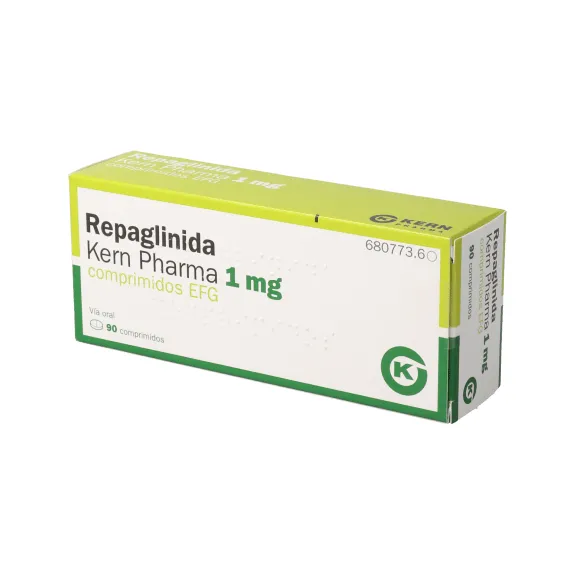
Table of Contents
- Package leaflet: Information for the user
- Introduction
- 1. What Repaglinida Combix is and what it is used for
- 2. What you need to know before taking Repaglinide Combix
- 3. How to take Repaglinida Combix
- 4. Possible adverse effects
- 5. Storage of Repaglinide Combix 1 mg tablets
- 6. Contents of the pack and other information
Package leaflet: Information for the user
Introduction
Package leaflet: Information for the user
Repaglinide Combix 1 mg tablets EFG
Read the entire leaflet carefully before you start taking this medicine because it contains important information for you.
- Keep this leaflet as you may need to read it again.
- If you have any questions, ask your doctor or pharmacist.
- This medicine has been prescribed for you only and must not be given to other people, even if they have the same symptoms as you, because it could harm them.
- If you experience any side effects, talk to your doctor or pharmacist, even if they are side effects not listed in this leaflet. See section 4.
Contents of the leaflet:
- What Repaglinide Combix is and what it is used for
- What you need to know before taking Repaglinide Combix
- How to take Repaglinide Combix
- Possible side effects
- How to store Repaglinide Combix
- Contents of the pack and other information
1. What Repaglinida Combix is and what it is used for
Repaglinida Combix is an oral antidiabetic medicine containing repaglinide, which helps your pancreas produce more insulin and lower your blood sugar (glucose).
Type 2 diabetes is a condition in which the pancreas does not produce enough insulin to control blood sugar levels, or in which the body does not respond normally to the insulin it produces.
Repaglinida Combix is used to manage type 2 diabetes in adults, as an addition to diet and exercise. Treatment should be initiated when diet, physical exercise, and weight reduction alone have not been sufficient to control (or lower) blood sugar levels. Repaglinida Combix may also be given together with metformin, another antidiabetic medicine.
Repaglinida Combix has been shown to reduce blood sugar levels, thereby helping to prevent diabetes-related complications.
2. What you need to know before taking Repaglinide Combix
Do not take Repaglinide Combix
- if you are allergic to repaglinide or to any of the other ingredients of this medicine (listed in section 6)
- if you have type 1 diabetes
- if the acid level in your body has increased (diabetic ketoacidosis)
- if you have severe liver disease
- if you are taking gemfibrozil (a medicine that lowers fat levels in the blood)
Warnings and precautions
Talk to your doctor or pharmacist before taking Repaglinide Combix:
- if you have liver problems. Repaglinide Combix is not recommended in patients with moderate liver disease. Repaglinide Combix must not be taken if you have severe liver disease (see Do not take Repaglinide Combix)
- if you have kidney problems. Repaglinide Combix should be used with caution
- if you are undergoing major surgery or have recently had a serious illness or serious infection. In these circumstances, diabetic control may be difficult to achieve
- if you are under 18 years old or over 75 years old. Repaglinide Combix is not recommended. It has not been studied in these age groups
Consult your doctor if any of the above situations apply to you. Repaglinide Combix may not be suitable for you. Your doctor will advise you.
Children and adolescents
Do not take this medicine if you are under 18 years of age.
If you experience hypoglycaemia (low blood sugar)
You may experience hypoglycaemia if your blood sugar level becomes too low. This may happen if:
- you take too much Repaglinide Combix
- you exercise more than usual
- you take other medicines or have liver or kidney problems (see other sections of section 2. What you need to know before taking Repaglinide Combix)
Warning symptoms of hypoglycaemia may appear suddenly and may include: cold sweat, cold and pale skin, headache, palpitations, nausea, excessive hunger, temporary visual disturbances, fatigue, unusual tiredness and weakness, nervousness or trembling, anxiety, confusion, and difficulty concentrating.
If your blood sugar level is low or if you feel a hypoglycaemic episode coming on: take glucose tablets or a sugary drink or food, and then rest.
Once the symptoms of hypoglycaemia have subsided or when your blood sugar levels have stabilized, continue your treatment with Repaglinide Combix.
Inform others that you are diabetic and that if you lose consciousness due to hypoglycaemia, they should place you in the recovery position and seek immediate medical help. Nothing should be given by mouth, as you could choke:
- if severe hypoglycaemia is not treated, it may cause brain damage (transient or permanent) and even death.
- if a hypoglycaemic episode causes you to lose consciousness or if you experience repeated hypoglycaemic episodes, inform your doctor. Your dose or dosing schedule of Repaglinide Combix, diet, or exercise may need to be adjusted.
If your blood sugar level is very high
Your blood sugar level may become very high (hyperglycaemia). This may occur:
- if you take too little Repaglinide Combix
- if you have an infection or fever
- if you eat more than usual
- if you exercise less than usual
Warning symptoms of high blood sugar appear gradually and include: frequent urination, thirst, dry skin, and dry mouth. Inform your doctor. Your dose of Repaglinide Combix, diet, or exercise may need to be adjusted.
Taking Repaglinide Combix with other medicines
Tell your doctor or pharmacist if you are taking, have recently taken, or might need to take any other medicines.
You may take Repaglinide Combix together with metformin, another medicine for diabetes, if prescribed by your doctor.
Do not take Repaglinide Combix if you are taking gemfibrozil (used to lower fat levels in the blood).
The effect of Repaglinide Combix in your body may change if you take other medicines, especially:
- Monoamine oxidase inhibitors (MAOIs) (for the treatment of depression)
- Beta-blockers (for the treatment of high blood pressure or heart conditions)
- ACE inhibitors (for the treatment of heart conditions)
- Salicylates (e.g. aspirin)
- Octreotide (for the treatment of cancer)
- Non-steroidal anti-inflammatory drugs (NSAIDs) (a type of painkiller)
- Steroids (anabolic steroids and corticosteroids – for anaemia or to treat inflammation)
- Oral contraceptives (to prevent pregnancy)
- Thiazides (diuretics)
- Danazol (for the treatment of breast cysts and endometriosis)
- Thyroid medicines (for the treatment of low thyroid hormone levels)
- Sympathomimetics (for the treatment of asthma)
- Clarithromycin, trimethoprim, rifampicin (antibiotics)
- Itraconazole, ketoconazole (medicines for fungal infections)
- Gemfibrozil (to treat high blood fat levels)
- Cyclosporine (to suppress the immune system)
- Deferasirox (to reduce chronic iron overload)
- Phenytoin, carbamazepine, phenobarbital (used to treat epilepsy)
- St. John’s wort (herbal remedy)
- Clopidogrel (to prevent blood clots)
Taking Repaglinide Combix with alcohol
Alcohol may alter the ability of Repaglinide Combix to lower blood sugar levels.
Remain alert for symptoms of hypoglycaemia.
Pregnancy and breastfeeding
If you are pregnant or breastfeeding, think you may be pregnant, or plan to become pregnant, consult your doctor before using this medicine.
You must not take Repaglinide Combix if you are pregnant or planning to become pregnant.
You must not take Repaglinide Combix if you are breastfeeding.
Driving and using machines
Your ability to drive or operate machinery may be affected if your blood sugar level is too low or too high. Bear in mind that you could put yourself and others at risk. Consult your doctor about whether you may drive a car if:
- you have frequent hypoglycaemic episodes
- you have few or no symptoms of hypoglycaemia, or find it difficult to recognize them.
3. How to take Repaglinida Combix
Follow exactly the instructions provided by your doctor for taking this medicine. If in doubt, consult your doctor again.
Your doctor will determine your dose.
- Normally, the starting dose is 0.5 mg taken just before each main meal. The tablets should be taken with a glass of water just before, or within the 30 minutes prior to, each main meal.
- Your doctor may adjust your dose up to 4 mg, to be taken just before or within the 30 minutes prior to each main meal. The maximum recommended dose is 16 mg per day.
Do not take more Repaglinida Combix than your doctor has prescribed.
If you take more Repaglinida Combix than you should
If you take too many tablets, your blood sugar may become too low, causing hypoglycemia. Please read about what hypoglycemia is and how to treat it in the section If you have hypoglycemia.
In case of overdose or accidental ingestion, contact your doctor or pharmacist immediately or call the Toxicology Information Service at telephone number: 91 562 04 20, stating the medicine and the amount ingested.
If you forget to take Repaglinida Combix
If you forget to take a dose, take the next dose at the usual time. Do not take a double dose to make up for missed doses.
If you stop taking Repaglinida Combix
Please be aware that the desired effect will not be achieved if you stop taking Repaglinida Combix. Your diabetes may worsen. If any change in your treatment is needed, consult your doctor first.
If you have any doubts about how to use this medicine, ask your doctor or pharmacist.
4. Possible adverse effects
Like all medicines, this medicine may cause adverse effects, although not everyone experiences them.
Hypoglycaemia
The most common adverse effect is hypoglycaemia, which may affect up to 1 in 10 people (see If you have hypoglycaemia in section 2). Hypoglycaemic reactions are usually mild or moderate, but occasionally they may lead to loss of consciousness or hypoglycaemic coma. If this occurs, seek immediate medical assistance.
Allergy
Cases of allergy are very rare (may affect up to 1 in 10,000 people). Symptoms such as swelling, difficulty breathing, palpitations, dizziness and sweating may be signs of an anaphylactic reaction. Contact your doctor immediately.
Other adverse effects
Common (may affect up to 1 in 10 people):
- Stomach pain
- Diarrhoea
Rare (may affect up to 1 in 1,000 people):
- Acute coronary syndrome (but this may not be due to the medicine)
Very rare (may affect up to 1 in 10,000 people):
- Vomiting
- Constipation
- Visual disturbances
- Serious liver problems, abnormal liver function such as increased liver enzymes in the blood
Frequency not known (frequency cannot be estimated from available data):
- Hypersensitivity (such as rash, itching, redness and swelling)
- Nausea
If you experience any adverse effects, consult your doctor or pharmacist, even if they are adverse effects not listed in this leaflet.
Reporting of adverse effects
If you experience any type of adverse effect, consult your doctor or pharmacist, even if they are possible adverse effects not listed in this leaflet. You may also report them directly via the Spanish Pharmacovigilance System for Human Medicinal Products: https://www.notificaram.es. By reporting adverse effects, you can help provide more information on the safety of this medicine.
5. Storage of Repaglinide Combix 1 mg tablets
Keep this medicine out of the sight and reach of children.
No special storage conditions are required.
Do not use this medicine after the expiry date stated on the carton and the blister after EXP. The expiry date refers to the last day of the month indicated.
Medicines should not be disposed of via wastewater or household waste. Dispose of empty containers and unused medicines at the SIGRE collection point at your pharmacy. If you have any doubts, ask your pharmacist how to dispose of containers and medicines you no longer need. This will help protect the environment.
6. Contents of the pack and other information
Composition of Repaglinida Combix
- The active substance is repaglinide. Each tablet contains 1 mg of repaglinide.
- The other components are: microcrystalline cellulose (E460i), calcium hydrogen phosphate, gluten-free maize starch, polacrilin potassium, povidone K30, glycerol 99.5% (E422), magnesium stearate (E470b), poloxamer 188, meglumine, and yellow iron oxide (E172).
Appearance of the medicine and contents of the pack
The tablets are yellow, round, biconvex, approximately 6 mm in diameter, and have a score line on one side.
The tablets can be divided into equal doses.
Repaglinida Combix is available in packs of 30, 90, 120 and 270 tablets in blisters, and in bottles containing 90 and 270 tablets.
Some pack sizes may not be marketed.
Marketing Authorization Holder
Laboratorios Combix, S.L.U.
C/ Badajoz 2, Edificio 2
28223 Pozuelo de Alarcón, Madrid
Spain
Manufacturer
PharmaPath S.A.
28is Oktovriou 1,
Agia Varvara, 123 51,
Greece
This medicinal product is authorized in the Member States of the European Economic Area under the following names:
Spain: Repaglinida Combix 1 mg tablets EFG
This leaflet was approved in February 2016
Detailed and up-to-date information on this medicine is available on the website of the Spanish Agency of Medicines and Medical Devices (AEMPS) http://www.aemps.gob.es/