Nitrous oxide medicinal liquid Oxygen Salud, 98%, medicinal cryogenic gas
Spain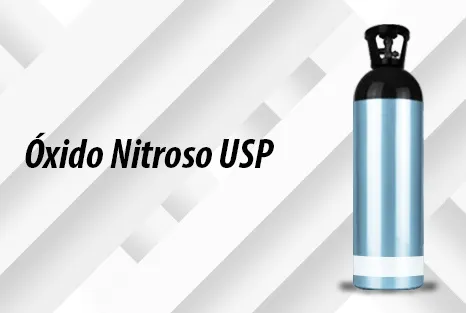
Table of Contents
- Package leaflet: Information for the user
- Introduction
- 1. What ÓXIDO NITROSO MEDICINAL LIQUIDO OXIGEN SALUD is and what it is used for
- 2. What you need to know before using MEDICINAL NITROUS OXIDE LIQUID OXIGEN SALUD
- Pregnancy
- Some data have indicated that short-term use of nitrous oxide during pregnancy does not involve a higher risk of congenital malformations. In isolated cases, nitrous oxide may cause respiratory problems in newborns. Medicinal nitrous oxide should only be used during pregnancy when strictly necessary. Frequent or prolonged use should be avoided.
- Breastfeeding
- 3. How to use MEDICINAL NITROUS OXIDE LIQUID OXYGEN SALUD
- 4. Possible adverse effects
- 5. Storage of MEDICINAL LIQUID NITROUS OXIDE OXIGEN SALUD
- 6. Contents of the pack and other information
Package leaflet: Information for the user
Introduction
Package leaflet: information for the patient
MEDICINAL LIQUID NITROUS OXIDE OXIGEN SALUD, 98.0%, medicinal cryogenic gas
Nitrous oxide
Read the entire leaflet carefully before you start using this medicine, because it contains important information for you.
- Keep this leaflet, as you may need to read it again.
- If you have any questions, consult your doctor or pharmacist.
- If you experience any adverse effects, consult your doctor or pharmacist, even if they are not listed in this leaflet. See section 4.
Leaflet contents
- What ÓXIDO NITROSO MEDICINAL LIQUIDO OXIGEN SALUD is and what it is used for
- What you need to know before using ÓXIDO NITROSO MEDICINAL LIQUIDO OXIGEN SALUD
- How to use ÓXIDO NITROSO MEDICINAL LIQUIDO OXIGEN SALUD
- Possible adverse effects
- How to store ÓXIDO NITROSO MEDICINAL LIQUIDO OXIGEN SALUD
- Contents of the pack and other information
1. What ÓXIDO NITROSO MEDICINAL LIQUIDO OXIGEN SALUD is and what it is used for
Nitrous oxide is a cryogenic gas for inhalation. Treatment with nitrous oxide is indicated in the following cases:
- As an adjunct to general anesthesia, in combination with all intravenous or inhaled anesthetic agents.
- As an adjunct to analgesia in the operating room or in the delivery room.
2. What you need to know before using MEDICINAL NITROUS OXIDE LIQUID OXIGEN SALUD
Do not use MEDICINAL NITROUS OXIDE LIQUID OXIGEN SALUD
-
If you require ventilation with pure oxygen.
-
If there is a risk of air or gas accumulation in the body. This may apply in cases of untreated pneumothorax ("collapsed lung"), vesicular pulmonary emphysema, or decompression illness ("decompression syndrome").
-
Do not use for longer than 24 consecutive hours.
-
If you regularly or continuously inhale medicinal oxygen.
-
If there is a sudden obstruction in the gastrointestinal system.
-
If there is a risk of increased intracranial pressure, characterized by acute headache, blurred vision, increased cerebrospinal fluid pressure, signs of neurological impairment, and loss of consciousness.
-
If there are facial injuries in the area where the anesthetic mask is placed.
-
After an intraocular gas injection (e.g., SF6, C3F8), which may cause an increase in intraocular volume and risk of blindness (the physician must not use medicinal nitrous oxide until sufficient time has elapsed).
-
If there is vitamin B12 deficiency during early pregnancy.
Warnings and precautions
-
If you have heart failure, monitor for possible hypotension (low blood pressure).
-
If you are undergoing surgery on the ear or adjacent air-containing structures.
-
If you have vitamin B12 deficiency, as seen in pernicious anemia (a malignant form of anemia), Crohn's disease (chronic enteric disease), or in vegetarians.
-
If you have sickle cell anemia (a specific blood disorder in which red blood cells are abnormally shaped).
-
If opioid-containing analgesia has been administered during childbirth (combining this type of drug with medicinal nitrous oxide may lead to loss of consciousness).
-
After an intraocular injection (with another agent), sufficient time must elapse before administering medicinal nitrous oxide, otherwise there is a risk of ocular complications (including blindness).
-
When benzodiazepines are administered concurrently (a specific group of drugs with sedative, hypnotic, and/or muscle-relaxant properties), loss of consciousness may occur.
-
If you have received treatment with bleomycin (a medication used in cancer therapy).
Please consult your doctor if you have any of these conditions or have experienced them in the past.
Use of MEDICINAL NITROUS OXIDE LIQUID OXIGEN SALUD with other medicines
Inform your doctor or pharmacist if you are using, have recently used, or might need to use any other medicines.
- It should be noted that nitrous oxide enhances the hypnotic effects of intravenous or inhaled anesthetics (e.g., thiopental, benzodiazepines, morphine, halogenated agents). This allows for a reduction in doses.
- The action of certain muscle relaxants (such as pancuronium, vecuronium) is potentiated by medicinal nitrous oxide.
- The toxicity of sodium nitroprusside (a drug used in the treatment of high blood pressure) and methotrexate (a drug used in cancer treatment) increases because the action of vitamin B12 is inhibited by medicinal nitrous oxide.
- Lung damage caused by bleomycin (a drug used in cancer treatment) may be increased if oxygen administration is elevated (as occurs during treatment with medicinal nitrous oxide).
Pregnancy, breastfeeding, and fertility
If you are pregnant or breastfeeding, think you may be pregnant, or plan to become pregnant, consult your doctor or pharmacist before using this medicine.
It is recommended not to exceed a 50% concentration of nitrous oxide in the inhaled mixture.
Pregnancy
Some data have indicated that short-term use of nitrous oxide during pregnancy does not involve a higher risk of congenital malformations. In isolated cases, nitrous oxide may cause respiratory problems in newborns. Medicinal nitrous oxide should only be used during pregnancy when strictly necessary. Frequent or prolonged use should be avoided.
Breastfeeding
It is not known whether medicinal nitrous oxide is excreted in breast milk. It is not necessary to interrupt breastfeeding after a short period of administration.
Driving and use of machines
Do not drive or operate machinery within 24 hours following anaesthesia in which nitrous oxide has been used.
3. How to use MEDICINAL NITROUS OXIDE LIQUID OXYGEN SALUD
For inhalation use only.
This medicine will be administered by a physician, who will determine the appropriate dose.
The physician will determine the correct dose of Medicinal Nitrous Oxide and will administer it using a system appropriate to your needs (for short-term use in pain relief or in combination with anaesthetic medicines), which will ensure the delivery of an adequate amount of oxygen.
When used for pain relief, it must be administered in combination with oxygen in equal proportions (50% nitrous oxide and 50% oxygen).
Nitrous oxide must always be used in combination with oxygen so that the oxygen concentration is never less than 21%. The equipment used must include a non-return valve device and an alarm system in case of oxygen supply failure.
If you use more MEDICINAL NITROUS OXIDE LIQUID OXYGEN SALUD than you should:
Administration of nitrous oxide will be stopped immediately and the patient will be ventilated with air or oxygen.
If treatment with MEDICINAL NITROUS OXIDE LIQUID OXYGEN SALUD is interrupted:
If administration of medicinal nitrous oxide and medicinal oxygen is interrupted, the patient may experience oxygen deficiency. To prevent this, the patient may temporarily be ventilated with 100% oxygen.
If you have any further questions about the use of this product, ask your doctor or pharmacist.
4. Possible adverse effects
Like all medicines, this medicine can cause adverse effects, although not everyone experiences them.
The observed adverse effects are listed below and have an unknown frequency (cannot be estimated from available data):
- Psychiatric disorders:
Euphoria (feeling of well-being), psychosis (mental disorder).
- Blood and lymphatic system disorders:
Severe blood disorders such as megaloblastic anemia (anemia with abnormally large red blood cells) or agranulocytosis (reduction in white blood cells) have been observed when administered for more than 24 hours.
- Nervous system disorders:
Reduced cerebral blood flow and decreased glucose consumption by the brain. Psychedelic effects may occur even without administration of other anesthetic medicines. Spinal cord disorders, neuropathies, epilepsy, increased intracranial pressure, symptoms of paralysis in both legs with muscle cramps.
Unknown frequency: Generalized seizures.
- Eye disorders:
Slowed eye movements, temporary increase in pressure and/or volume of the eye if nitrous oxide is administered after an injection of a gas-generating medicine into the eye.
- Ear and labyrinth disorders:
Temporary increase in pressure and/or volume in the middle ear cavities.
- Cardiac disorders:
Arrhythmias, cardiac failure, increased pulmonary blood pressure, and systemic hypotension.
- Respiratory, thoracic and mediastinal disorders:
Apnea (respiratory depression), air in the pleural cavity, subcutaneous emphysema, and symptoms resembling a respiratory infection. Hypoxia (lack of oxygen) lasting several minutes after nitrous oxide administration has ended.
- Gastrointestinal disorders:
Nausea and vomiting (very common). Temporary increase in pressure and/or volume in the intestines and abdominal cavity.
- Hepatobiliary and pancreatic disorders:
Jaundice and increased concentration of liver enzymes.
- Temperature-related disorders:
Marked decrease and/or increase in body temperature.
Reporting of adverse effects
If you experience any type of adverse effect, consult your doctor or pharmacist, even if it is a possible adverse effect not listed in this leaflet. You may also report them directly via the Spanish Pharmacovigilance System for Human Medicines: https://www.notificaRAM.es. By reporting adverse effects, you can help provide more information on the safety of this medicine.
5. Storage of MEDICINAL LIQUID NITROUS OXIDE OXIGEN SALUD
Keep this medicine out of the sight and reach of children.
Do not use MEDICINAL NITROUS OXIDE after the expiry date stated on the container.
All regulations concerning the handling of pressurized containers must be followed, as well as the specific instructions for your particular equipment.
The following considerations must be taken into account regarding storage and transport:
- Mobile cryogenic containers must be installed outdoors, in a clean area free from flammable materials, designated exclusively for the storage of medical gases and secured with a lock. Under no circumstances should open flames be used, smoking be permitted, or greasing be carried out in this area. Parking or vehicle transit is also prohibited in the storage area. Risks arising from atmospheric overloading or from clothing becoming charged must be monitored and controlled.
- Mobile cryogenic containers must be protected from impacts, sources of heat or ignition, temperatures above 50°C, and combustible materials.
- Mobile cryogenic containers must never be laid down horizontally.
6. Contents of the pack and other information
Composition of MEDICINAL LIQUID NITROUS OXIDE OXIGEN SALUD
The active substance in MEDICINAL LIQUID NITROUS OXIDE OXIGEN SALUD, 98.0%, medicinal cryogenic gas, is nitrous oxide.
Appearance of the product and contents of the container
Medicinal Liquid Nitrous Oxide OXIGEN SALUD, 98%, medicinal cryogenic gas, is a cryogenic gas packaged in mobile cryogenic containers with a capacity of 20,000 L, measured in liters of water.
Marketing Authorization Holder
OXIGEN SALUD, S.A.
Pere IV, 453
08020 Barcelona
Manufacturer
OXIGEN SALUD
Pere IV, 453
08020 Barcelona
Date of the most recent review of this leaflet: January 2020
Detailed information on this medicinal product is available on the website of the Spanish Agency for Medicines and Health Products (AEMPS): http://www.aemps.gob.es/.
This information is intended exclusively for healthcare professionals.
Instructions for use / handling
- Do not smoke.
- Do not bring a flame near.
- Do not grease.
Primarily, never introduce this gas into any apparatus suspected of containing combustible materials, and especially greasy substances; never clean with flammable products, particularly greasy materials, any apparatus containing this gas, nor keys, seals, linings, closure devices, or valves.
Mobile cryogenic containers for medicinal liquid nitrous oxide are reserved exclusively for medical use.
To prevent any accidents, the following instructions must be strictly observed:
- Check that equipment is in proper condition before use.
- Do not apply greasy products (e.g. vaseline, ointments) to the patient's face.
- Handle equipment with clean, grease-free hands.
- Do not use aerosol generators (hairspray, deodorants, etc.), or solvents (alcohol, gasoline, etc.) on or near the equipment.
- In case of leakage, close the supply valve or tap of the circuit showing a leak. Never use a container showing leakage defects, and check that the auxiliary system functions properly.
- Perform any handling of nitrous oxide containers using clean, appropriate gloves and protective goggles.
- Never touch cold or frozen parts of the equipment.
- In case of cryogenic burns, rinse thoroughly with abundant water.
- Use specific connectors (fittings) for nitrous oxide.
- Mobile cryogenic containers: during use of transfer hoses, never exceed the maximum service pressure; do not bend the hose to an excessively small radius; never leave the hose on the floor; monitor the condition of the outer sheath; and never grease the hose.
- If clothing becomes saturated with liquid nitrous oxide, move away from the source of liquid nitrous oxide and from areas presenting fire hazards. Remove the contaminated clothing immediately.
- Do not use intermediate connectors to join devices that do not fit together.
- Mobile cryogenic containers: open the valve or tap gradually.
- Install overpressure safety devices on each nitrous oxide circuit where there is a risk of liquid becoming trapped between two valves.
- Use flexible connection elements on wall outlets, equipped with specific nozzles for nitrous oxide.