Cilostazol Viatris 100 mg tablets EFG
Spain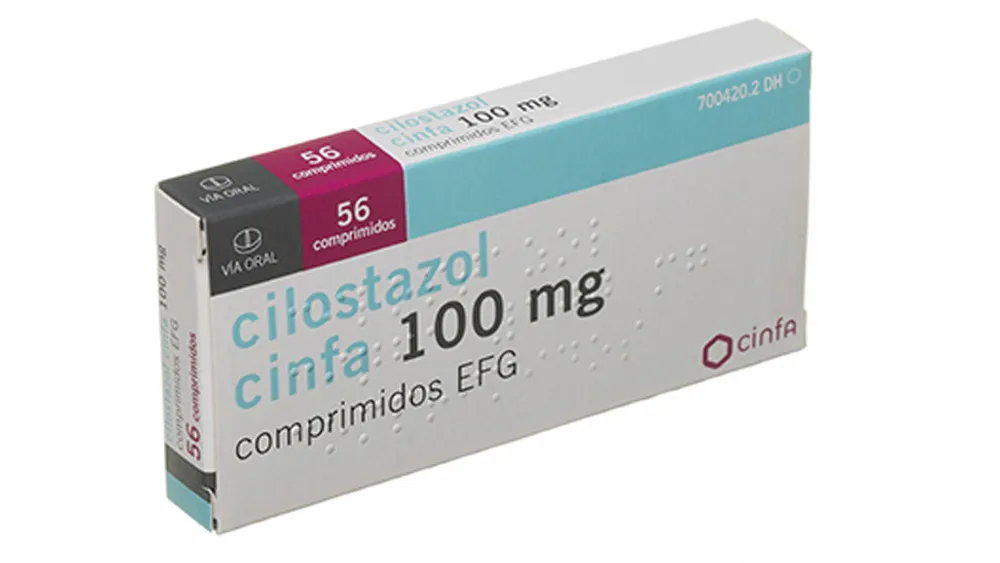
Table of Contents
- Package leaflet: Information for the user
- Introduction
- 1. What Cilostazol Viatris is and what it is used for
- 2. What you need to know before taking Cilostazol Viatris
- 3. How to take Cilostazol Viatris
- 4. Possible adverse effects
- 5. Storage of Cilostazol Viatris
- 6. Contents of the pack and other information
Package leaflet: Information for the user
Introduction
Package leaflet: information for the user
Cilostazol Viatris 100 mg tablets EFG
Read all of this leaflet carefully before you start taking this medicine because it contains important information for you.
- Keep this leaflet. You may need to read it again.
- If you have any questions, ask your doctor or pharmacist.
- This medicine has been prescribed for you only. Do not give it to other people, even if they have the same symptoms as you, because it may harm them.
- If you get any side effects, talk to your doctor or pharmacist, even if they are not listed in this leaflet. See section 4.
Contents of this leaflet:
- What Cilostazol Viatris is and what it is used for
- What you need to know before you take Cilostazol Viatris
- How to take Cilostazol Viatris
- Possible side effects
- How to store Cilostazol Viatris
- Contents of the pack and other information
1. What Cilostazol Viatris is and what it is used for
Cilostazol Viatris belongs to a group of medicines known as type 3 phosphodiesterase inhibitors.
It has several actions, including the dilation of certain blood vessels and the reduction of the clotting activity (aggregation) of certain blood cells called platelets in the blood vessels.
You have been prescribed cilostazol for "intermittent claudication". Intermittent claudication is cramp-like pain in the legs that occurs when walking and is caused by insufficient blood supply to the legs. Cilostazol can increase the distance you are able to walk without pain, as it improves blood circulation in the legs. Cilostazol is recommended only for patients whose symptoms have not improved sufficiently after making lifestyle changes (such as quitting smoking and increasing physical activity) and after other appropriate interventions. It is important that you continue with any lifestyle changes you have made while taking cilostazol.
2. What you need to know before taking Cilostazol Viatris
Do not take Cilostazol Viatris
-
If you are allergic (hypersensitive) to cilostazol or to any of the other ingredients of this medicine (listed in section 6).
-
If you have a condition known as "heart failure".
-
If you have persistent chest pain at rest, or have had a "myocardial infarction" or any heart surgery within the last six months.
-
If you currently have or have previously experienced fainting due to a heart disease or any heart rhythm disorder.
-
If you know you have a disorder that increases the risk of bleeding or bruising, such as:
-
Active stomach ulcers.
-
Stroke (cerebrovascular accident) within the past six months.
-
Eye problems if you have diabetes.
-
Poorly controlled blood pressure.
-
If you are taking acetylsalicylic acid and clopidogrel, or any combination of two or more medicines that may increase the risk of bleeding [consult your doctor or pharmacist if you are unsure].
-
Severe kidney disease or moderate to severe liver disease.
-
If you are pregnant.
Warnings and precautions
Talk to your doctor or pharmacist before starting to take Cilostazol Viatris.
Make sure your doctor knows:
- If you have any serious heart condition or any heart rhythm problems.
- If you have any blood pressure disorders.
While being treated with Cilostazol Viatris, ensure that:
- If you need to undergo any surgical procedure, including dental extractions, inform your doctor or dentist that you are taking cilostazol.
- If you experience easy bruising or bleeding, stop taking cilostazol and inform your doctor.
Taking Cilostazol Viatris with other medicines
Inform your doctor or pharmacist if you are using, have recently used, or might need to use any other medicines, including those obtained without a prescription.
You must specifically inform your doctor if you are taking medicines commonly used to treat painful and/or inflammatory conditions of the muscles or joints, as well as medicines that reduce blood clotting. These include:
- Acetylsalicylic acid.
- Clopidogrel.
- Anticoagulant medicines (e.g., warfarin, dabigatran, rivaroxaban, apixaban, or low molecular weight heparins).
If you are taking any of these medicines together with Cilostazol Viatris, your doctor may need to perform routine blood tests.
Certain medicines may interfere with the effect of cilostazol when taken together. They may increase the adverse effects of cilostazol or reduce its effectiveness. Cilostazol Viatris may also have similar effects on other medicines. Before starting Cilostazol Viatris, inform your doctor if you are taking:
- Erythromycin, clarithromycin, or rifampicin (antibiotics).
- Ketoconazole (used to treat fungal infections).
- Omeprazole (used to treat excess stomach acid).
- Diltiazem (used to treat high blood pressure or chest pain).
- Cisapride (used to treat certain stomach disorders).
- Lovastatin, simvastatin, or atorvastatin (used to treat high blood cholesterol).
- Halofantrine (used to treat malaria).
- Pimozide (used to treat mental disorders).
- Ergot derivatives (used to treat migraines, e.g., ergotamine, dihydroergotamine).
- Carbamazepine or phenytoin (used to treat seizures).
- St. John's wort (Hypericum perforatum, a herbal remedy).
If you have any doubts about whether this applies to the medicines you are taking, consult your doctor or pharmacist.
Before starting Cilostazol Viatris, inform your doctor if you are taking medicines for high blood pressure, as cilostazol may have an additional blood pressure-lowering effect. If your blood pressure drops too much, you may experience an increased heart rate. These medicines include:
- Diuretics (e.g., hydrochlorothiazide, furosemide).
- Calcium channel blockers (e.g., verapamil, amlodipine).
- ACE inhibitors (e.g., captopril, lisinopril).
- Angiotensin II receptor antagonists (e.g., valsartan, candesartan).
- Beta-blockers (e.g., labetalol, carvedilol).
It may be possible to take the above-mentioned medicines together with Cilostazol Viatris. Your doctor will decide whether this is appropriate for you.
Taking Cilostazol Viatris with food and drink
Take the cilostazol tablets 30 minutes before breakfast and dinner.
Always take the tablets with a glass of water.
Pregnancy, breastfeeding, and fertility
DO NOT TAKE cilostazol during pregnancy.
IT IS NOT RECOMMENDED to take cilostazol during breastfeeding.
If you are pregnant or breastfeeding, think you may be pregnant, or are planning to become pregnant, consult your doctor or pharmacist before using this medicine.
Driving and using machines
Cilostazol may cause dizziness. If you feel dizzy after taking cilostazol, DO NOT drive or operate any tools or machinery, and inform your doctor or pharmacist.
3. How to take Cilostazol Viatris
- Follow exactly the instructions for use of this medicine as given by your doctor. If in doubt, consult your doctor or pharmacist again.
- The recommended dose is one 100 mg tablet twice daily (in the morning and at night). This dose does not need to be adjusted for elderly patients. However, your doctor may prescribe a lower dose if you are taking other medicines that could affect cilostazol. Take the Cilostazol Viatris tablets 30 minutes before breakfast and dinner. Always take the tablets with a glass of water.
You may sometimes notice the benefits of taking Cilostazol Viatris within 4 to 12 weeks of treatment. After 3 months of treatment, your doctor will assess your progress and may recommend that you stop taking cilostazol if the treatment effect is insufficient.
Use in children and adolescents
Cilostazol Viatris is not suitable for children.
If you take more Cilostazol Viatris than you should
If for any reason you take more cilostazol tablets than you should, you may experience symptoms such as severe headache, diarrhoea, low blood pressure, and irregular heartbeat.
In case of overdose or accidental ingestion, contact your doctor or pharmacist immediately or call the Toxicology Information Service at 91 562 04 20, indicating the medicine and the amount ingested.
If you forget to take Cilostazol Viatris
Do not worry if you forget to take a dose. Wait until your next scheduled dose, take your next tablet, and continue treatment as normal. DO NOT take a double dose to make up for missed doses.
If you stop taking Cilostazol Viatris
If you stop taking cilostazol, the pain in your legs may return or worsen. Therefore, you should only stop taking cilostazol if you experience adverse effects requiring urgent medical attention (see section 4) or if your doctor advises you to do so.
If you have any further questions about the use of this medicine, ask your doctor or pharmacist.
4. Possible adverse effects
Like all medicines, this medicine can cause adverse effects, although not everybody gets them.
If you experience any of the following adverse effects, you may need urgent medical attention. Stop taking Cilostazol Viatris and contact a doctor or go immediately to the nearest hospital.
- Stroke
- Heart attack
- Heart problems, which may cause difficulty breathing or swelling of the ankles
- Irregular heartbeat (new or worsening)
- Noticeable bleeding
- Easy bruising
- Serious illness with blistering of the skin, mouth, eyes, and genitals
- Yellowing of the skin or whites of the eyes due to liver or blood problems (jaundice)
You should also inform your doctor immediately if you develop fever or sore throat. You may need to have blood tests; your doctor will decide on the appropriate treatment.
The following adverse effects have been reported with cilostazol. If you experience any of these, you should inform your doctor as soon as possible:
Very common adverse effects (may affect more than 1 in 10 people):
- Headache
- Abnormal bowel movements
- Diarrhea
Common adverse effects (may affect up to 1 in 10 people):
- Rapid heartbeat
- Pounding heartbeat (palpitations)
- Chest pain
- Dizziness
- Sore throat
- Runny nose (rhinitis)
- Abdominal pain
- Stomach discomfort (indigestion)
- Feeling unwell (nausea or vomiting)
- Loss of appetite (anorexia)
- Excessive belching or gas (flatulence)
- Swelling of the ankles, feet, or face
- Skin rash or changes in skin appearance
- Itching of the skin
- Irregular bleeding of the skin
- General weakness
Uncommon adverse effects (may affect up to 1 in 100 people):
- Heart attack
- Irregular heartbeat (new or worsening)
- Heart problems that may cause difficulty breathing or swelling of the ankles
- Pneumonia
- Cough
- Chills
- Unexpected bleeding
- Tendency to bleed (e.g., in the stomach, eyes, or muscles, nosebleeds, or blood in sputum or urine)
- Decrease in the number of red blood cells in the blood
- Dizziness upon standing
- Fainting
- Anxiety
- Difficulty falling asleep
- Abnormal dreams
- Allergic reaction
- Pain and discomfort
- Diabetes and increased blood sugar concentration
- Stomach pain (gastritis)
- General malaise
Diabetic patients may be at higher risk of eye bleeding.
Rare adverse effects (may affect up to 1 in 1,000 people):
- Tendency to bleed longer than normal
- Increased platelet concentration in the blood
- Kidney problems
The following adverse effects have been observed during the use of cilostazol, but their frequency is unknown:
- Changes in blood pressure
- Decreased concentration of red blood cells, white blood cells, and platelets in the blood
- Difficulty breathing
- Difficulty moving
- Fever
- Hot flushes
- Eczema and other skin rashes
- Decreased sensation in the skin
- Watery or sticky eyes (conjunctivitis)
- Ringing in the ears (tinnitus)
- Liver problems, including hepatitis
- Changes in urine
Reporting of adverse effects
If you experience any adverse effect, consult your doctor or pharmacist, even if they are possible adverse effects not listed in this leaflet. You can also report them directly via the Spanish Pharmacovigilance System for Human Medicines: https://www.notificaram.es. By reporting adverse effects, you can help provide more information on the safety of this medicine.
5. Storage of Cilostazol Viatris
Keep this medicine out of the sight and reach of children.
Do not use this medicine after the expiry date stated on the cardboard box and blister pack, following "EXP". The expiry date refers to the last day of the month indicated.
Do not use this medicine if you notice any visible signs of deterioration.
This medicine does not require any special storage conditions.
Medicines must not be disposed of via wastewater or household waste. Dispose of packaging and unused medicines at a SIGRE collection point at your pharmacy. If you are unsure, ask your pharmacist how to properly dispose of unused packaging and medicines. This will help protect the environment.
6. Contents of the pack and other information
Composition of Cilostazol Viatris
The active substance is cilostazol. One tablet contains 100 mg of cilostazol.
The other ingredients are corn starch, microcrystalline cellulose, calcium carmellose, hypromellose and magnesium stearate.
Appearance of Cilostazol Viatris and pack contents
The 100 mg tablet of Cilostazol Viatris is white to off-white, round, flat-faced, and marked with "100" on one side.
This medicine is supplied in packs containing 7, 14, 20, 28, 30, 50, 56, 60, 98 and 100 tablets, packaged in PVC/PVDC/aluminum blisters.
Only certain pack sizes may be marketed.
Marketing Authorization Holder and Manufacturer
Marketing Authorization Holder:
Viatris Limited
Damastown Industrial Park
Mulhuddart, Dublin 15
Dublin
Ireland
Manufacturer:
Adamed Pharma S.A.
ul. Marszalka Józefa Pilsudskiego 5,
95-200 Pabianice
Poland
or
Terapia SA
Strada Fabricii nr. 124, Cluj-Napoca
Romania
For more information about this medicine, contact the local representative of the Marketing Authorization Holder:
Viatris Pharmaceuticals, S.L.U.
C/ General Aranaz, 86
28027 - Madrid
Spain
This medicine is authorized in the Member States of the European Economic Area under the following names:
Country | Brand name |
Slovakia | Cilozek 100 mg tablets |
Spain | Cilostazol Viatris 100 mg tablets EFG |
Estonia | Cilozek |
Greece | INCLAUD |
Hungary | Cilozek 100 mg tablet |
Czech Republic | Claudienne 100 mg tablets |
Romania | VELYN 100 mg tablets |
Poland | Cilozek |
Date of the latest revision of this summary: April 2019
Detailed information on this medicinal product is available on the website of the Spanish Agency of Medicines and Medical Devices (AEMPS) http://www.aemps.gob.es/