Botox 100 Units Allergan, powder for solution for injection
Spain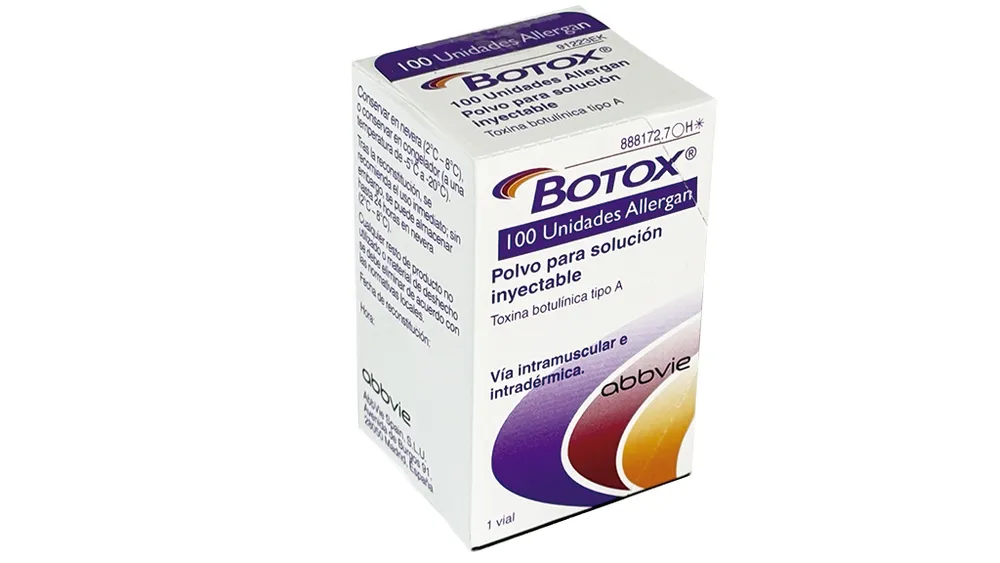
Table of Contents
- Package leaflet: Information for the user
- Introduction
- 1. What BOTOX is and what it is used for
- 2. What you need to know before using BOTOX
- 3. How to use BOTOX
- 4. Possible adverse effects
- ***Injections into the bladder wall for urinary leakage due to overactive bladder in pediatric patients***
- ***Intravesical injections in pediatric patients for urinary leakage due to bladder dysfunction associated with spina bifida, spinal cord injury, or transverse myelitis***
- 5. Storage of BOTOX
- 6. Contents of the pack and other information
Package leaflet: Information for the user
Introduction
Package leaflet: information for the user
BOTOX 50 Units Allergan, powder for solution for injection
BOTOX 100 Units Allergan, powder for solution for injection
BOTOX 200 Units Allergan, powder for solution for injection
botulinum toxin type A
Read the entire leaflet carefully before you start using this medicine, because it contains important information for you.
- Keep this leaflet, as you may need to read it again.
- If you have any questions, ask your doctor or pharmacist.
- This medicine has been prescribed for you only and must not be given to other people, even if they have the same symptoms as you, because it may harm them.
- If you experience any adverse effects, consult your doctor or pharmacist, even if they are adverse effects not listed in this leaflet. See section 4.
Leaflet contents
- What BOTOX is and what it is used for
- What you need to know before using BOTOX
- How to use BOTOX
- Possible adverse effects
- How to store BOTOX
- Contents of the pack and other information
1. What BOTOX is and what it is used for
BOTOX is a muscle relaxant used to treat various conditions in the body. It contains the active substance botulinum toxin type A and is injected into muscles, the bladder wall, or into the skin. It works by partially blocking nerve impulses to the injected muscles, thereby reducing excessive muscle contractions.
When injected into the skin, BOTOX acts on sweat glands to reduce the amount of sweat produced.
When injected into the bladder wall, BOTOX acts on the bladder muscle to reduce urine leakage (urinary incontinence). In the case of chronic migraine, it is believed that BOTOX may block pain signals, indirectly preventing the onset of a migraine. However, the exact mechanism of action of BOTOX in chronic migraine has not been fully established.
-
BOTOX can be injected directly into muscles and can be used in the treatment of the following conditions:
- Persistent muscle spasms in the ankle and foot in children aged two years and older with cerebral palsy who are able to walk. BOTOX is used as an adjunct to rehabilitation therapy.
- Persistent muscle spasms in the wrist and hand of adult patients who have suffered a stroke.
- Persistent muscle spasms in the ankle and foot of adult patients who have suffered a stroke.
- Persistent muscle spasms in the eyelid and face of adult patients.
- Persistent muscle spasms in the neck and shoulders of adult patients.
-
BOTOX is used to reduce symptoms of chronic migraine in adults who experience headaches on 15 or more days per month, with at least eight of those days involving migraine, and who have not responded adequately or are intolerant to preventive migraine medications.
Chronic migraine is a neurological disorder. Typically, patients experience headache, often accompanied by increased sensitivity to bright light, loud noises, or strong smells, as well as nausea, vomiting, or both. These headaches occur on 15 or more days each month.
-
When injected into the bladder walls, BOTOX works on the bladder muscle to reduce urine leakage (urinary incontinence) and manage the following conditions in adults:
- Overactive bladder with urinary leakage, urgent need to empty the bladder, and frequent urination when another medication (known as an anticholinergic) has not been effective.
- Urinary leakage due to bladder disorders associated with spinal cord injury or multiple sclerosis.
-
In adults, BOTOX can be injected deeply into the skin and works on sweat glands to reduce excessive sweating of the armpits that interferes with daily activities, when other treatments are ineffective.
2. What you need to know before using BOTOX
Do not use BOTOX:
- if you are allergic (hypersensitive) to botulinum toxin type A or to any of the other ingredients of this medicine (listed in section 6)
- if you have an infection at the proposed injection site
- if you are being treated for urinary incontinence and have a urinary tract infection or suddenly become unable to empty your bladder (and you do not regularly use a catheter)
- if you are being treated for urinary incontinence and do not wish to start using a catheter if it becomes necessary.
Warnings and precautions
Tell your doctor or pharmacist before using BOTOX:
- if you have ever had difficulty swallowing or if food or liquid has accidentally entered your lungs, especially if you are going to be treated for persistent muscle spasms in the neck and shoulders
- if you are 65 years of age or older and have other serious illnesses
- if you have another muscle disorder or chronic conditions affecting your muscles (such as myasthenia gravis or Lambert-Eaton syndrome)
- if you have certain diseases affecting the nervous system (such as amyotrophic lateral sclerosis or motor neuropathy)
- if you have significant weakness or wasting of the muscles where the medicine will be injected
- if you have had any surgery or injury that may have altered the muscle to be injected
- if you have ever had any problems with injections (such as fainting)
- if you have inflammation of the muscles or the skin area where your doctor will inject the medicine
- if you have a cardiovascular disease (heart or blood vessel disease)
- if you have had or currently have seizures
- if you have an eye condition called angle-closure glaucoma (high pressure in the eye) or have been told you are at high risk of developing this type of glaucoma
- if you are being treated for overactive bladder with urinary incontinence and you are a man with signs and symptoms of urinary obstruction, such as difficulty urinating or a weak or interrupted urine stream.
After receiving BOTOX injections
You or your caregiver should contact your doctor and seek immediate medical attention if you experience any of the following symptoms:
- difficulty breathing, swallowing, or speaking
- hives, swelling (including swelling of the face or throat), wheezing, feeling faint, or shortness of breath (possible symptoms of a severe allergic reaction).
General precautions
As with any injection, you may experience infection, pain, swelling, abnormal skin sensations (e.g., tingling or numbness), reduced sensation in the skin, tenderness, redness, bleeding/bruising at the injection site, low blood pressure, or fainting. These may result from pain and/or anxiety associated with the injection.
Side effects possibly related to the distant spread of botulinum toxin from the injection site (e.g., muscle weakness, difficulty swallowing, or aspiration of food or liquid into the airways) have been reported with botulinum toxin. These side effects can range from mild to severe, may require treatment, and in some cases may be fatal. The risk is greater in patients with underlying conditions that make them more susceptible to these symptoms.
Cases of severe and/or immediate allergic reactions have been reported, with symptoms such as hives, facial or throat swelling, shortness of breath, wheezing, or fainting. Delayed allergic reactions (serum sickness) have also been reported, which may include symptoms such as fever, joint pain, and skin rash.
Cardiovascular side effects, including irregular heartbeat and heart attack, have been reported in patients treated with BOTOX, sometimes with fatal outcomes. However, some of these patients had pre-existing cardiac risk factors.
Seizures have been reported in adults and children treated with BOTOX, mostly in patients with a predisposition to seizures. It is not known whether BOTOX may have caused these seizures. Seizures reported in children mostly occurred in patients with cerebral palsy treated for persistent muscle spasms.
If you receive BOTOX too frequently or at too high a dose, you may experience muscle weakness and side effects related to toxin spread, or your body may start producing antibodies that could reduce the effectiveness of BOTOX.
When BOTOX is used to treat a condition not included in this leaflet, it may lead to serious reactions, especially in patients who have difficulty swallowing or significant muscle weakness.
If you have not exercised much for a long time before receiving BOTOX treatment, you should gradually resume activity after the injections.
It is unlikely that this medicine will improve joint range of motion if the surrounding muscle has lost its ability to stretch.
BOTOX should not be used to treat ankle muscle spasticity following stroke in adults if improvement in function (e.g., walking) or symptoms (e.g., pain) is not expected, or if patient care is not facilitated. If your stroke occurred more than 2 years ago or if the ankle spasticity is less severe, improvement in activities such as walking may be limited. Your doctor will also determine whether this treatment is appropriate for patients who are more likely to fall.
BOTOX should only be used to treat stroke-related muscle spasticity in the ankle and foot after evaluation by healthcare professionals experienced in managing stroke rehabilitation.
When BOTOX is used to treat severe eyelid muscle spasms, it may reduce your blink rate, which could damage the surface of your eyes. To prevent this, you may need treatment with eye drops, ointments, soft contact lenses, or even a protective eye covering. Your doctor will advise you if this is necessary.
When BOTOX is used to control urinary incontinence, your doctor will prescribe antibiotics before and after treatment to prevent urinary tract infections.
You will have a follow-up appointment with your doctor approximately 2 weeks after the injection, especially if you did not use a catheter before the injection. You will be asked to urinate, and an ultrasound will measure the volume of urine remaining in your bladder. Your doctor may ask you to return for repeat testing during the following 12 weeks. Contact your doctor immediately if you are unable to urinate at any time, as you may need a catheter. In patients with urinary incontinence due to bladder problems associated with spinal cord injury or multiple sclerosis, about one-third of patients who did not use a catheter before treatment may need one afterward. In patients with urinary incontinence due to overactive bladder, about 6 out of 100 patients may need to use a catheter after treatment.
Other medicines and BOTOX
Tell your doctor or pharmacist if:
? you are taking any antibiotics (used to treat infections), anticholinesterases, or muscle relaxants. Some of these medicines may increase the effect of BOTOX
? you have recently been injected with a medicine containing botulinum toxin (the active substance in BOTOX), as this may greatly increase the effect of BOTOX
? you are taking antiplatelet agents (aspirin-like medicines) and/or anticoagulants (medicines that make the blood thinner).
Tell your doctor or pharmacist if you are using, have recently used, or might need to use any other medicines.
Pregnancy and breastfeeding
The use of BOTOX is not recommended during pregnancy or in women of childbearing potential who are not using contraception unless clearly necessary. BOTOX is not recommended for use during breastfeeding.
If you are pregnant, breastfeeding, think you may be pregnant, or plan to become pregnant, consult your doctor or pharmacist before using this medicine.
Driving and using machines
BOTOX may cause dizziness, drowsiness, fatigue, or vision problems. If you experience any of these effects, do not drive or operate machinery. If you are unsure, ask your doctor for advice.
BOTOX contains sodium
This medicine contains less than 1 mmol of sodium (23 mg) per vial; essentially, it is “sodium-free.”
3. How to use BOTOX
BOTOX should only be injected by doctors with specific skills and experience in using this medicine.
BOTOX should only be prescribed to you for chronic migraine by a neurologist who is a specialist in this field. BOTOX must be administered under the supervision of a neurologist. BOTOX is not used for acute migraine, chronic tension-type headaches, or for patients with medication-overuse headache.
Method and route of administration
BOTOX is injected into muscles (intramuscularly), into the bladder wall using a specific instrument (cystoscope) for its injection into the bladder, or into the skin (intradermally). It is injected directly into the affected area of your body; your doctor will usually inject BOTOX at several sites within each affected area.
General dosing information
- The number of injections per muscle and the dose vary depending on the indication. Therefore, your doctor will decide how much, how often, and into which muscle(s) BOTOX will be administered. It is recommended that your doctor use the lowest effective dose.
- Doses for elderly patients are the same as for other adults.
The dose of BOTOX and the duration of its effect will vary depending on the condition being treated. The following details apply to each condition.
The safety and efficacy of BOTOX in children/adolescents over 2 years of age have been established for the treatment of persistent muscle spasms in the ankle and foot associated with cerebral palsy.
There is limited information on the use of BOTOX in the following indications in children/adolescents over the ages listed in the table below. A dosing recommendation cannot be made for these indications.
Persistent muscle spasms in the eyelid and face | 12 years |
Persistent muscle spasms in neck and shoulder | 12 years |
Excessive underarm sweating | 12 years (limited experience in adolescents between 12 and 17 years of age) |
Neurogenic detrusor overactivity in pediatric patients | 5 - 17 years |
Overactive bladder in pediatric patients | 12 - 17 years |
Dosage
The dosage of BOTOX and the duration of its effect will vary depending on the condition for which you are being treated. Below are the details corresponding to each condition.
Indication | Maximum dose (Units per affected area) | Maximum dose for subsequent treatments | Minimum time between treatments |
Initial treatment | Subsequent treatments | ||
Chronic muscle spasms in ankle and foot in children with cerebral palsy | Ankle and foot: 4 to 8 Units/kg or 300 Units, whichever is less | When treating ankle and foot in both legs, the maximum dose should not exceed 10 Units/kg or 340 Units, whichever is less | 12 weeks* |
Chronic muscle spasms in wrist and hand in adult patients who have had a stroke | The exact dose and number of injections per wrist/hand is individualized according to individual needs, up to a maximum of 240 Units. | The exact dose and number of injections is individualized according to individual needs, up to a maximum of 240 Units. | 12 weeks |
Chronic muscle spasms in ankle and foot in adult patients who have had a stroke | Your doctor may administer multiple injections into the affected muscles. The total dose is 300 Units to 400 Units divided among up to 6 muscles per treatment session | The total dose is 300 Units to 400 Units divided among up to 6 muscles per treatment session | 12 weeks |
Chronic muscle spasms in eyelids and face | 1.25–2.5 Units per injection site Up to 25 Units per eye for ocular spasms | Up to 100 Units for ocular spasms | 3 months for ocular spasms |
Chronic muscle spasms in neck and shoulders | 200 Units No more than 50 Units should be administered per injection site | Up to 300 Units | 10 weeks |
Headache in adults with chronic migraine | 155 to 195 Units No more than 5 Units per injection site | 155 to 195 Units | 12 weeks |
Overactive bladder with urinary leakage | 100 Units | 100 Units | 3 months |
Urinary leakage due to bladder problems associated with spinal cord injury or multiple sclerosis in adult patients | 200 Units | 200 Units | 3 months |
Excessive underarm sweating | 50 Units per armpit | 50 Units per armpit | 16 weeks |
*Your doctor may select a dose that allows the treatment effect to last up to 6 months.
Time to improvement and duration of effect
For persistent muscle spasms in the ankle and foot in children aged two years and older, improvement normally occurs within the first 2 weeks following injection.
For persistent muscle spasms in the wrist and hand in adult patients after stroke, you will usually notice improvement within 2 weeks after injection. Maximum effect is generally observed 4 to 6 weeks after treatment.
For persistent muscle spasms in the ankle and foot in adult patients after stroke, you may receive repeat treatment when the effect begins to wear off, although not more frequently than every 12 weeks.
For persistent muscle spasms of the eyelids and face, you will usually see improvement within 3 days after injection, and maximum effect is typically seen after 1 or 2 weeks.
For muscle spasms of the neck and shoulders, you will generally notice improvement within 2 weeks after injection. Maximum effect is usually seen 6 weeks after treatment.
For urine leakage due to overactive bladder, you will normally observe improvement within the first 2 weeks after injection. The effect usually lasts approximately 6–7 months after injection.
For urine leakage due to bladder problems associated with spinal cord injury or multiple sclerosis, you will normally observe improvement within the first 2 weeks after injection. The effect usually lasts approximately 8–9 months after injection.
For excessive underarm sweating, you will usually notice improvement during the first week after injection. The effect typically lasts, on average, 7.5 months after the first injection, and approximately 1 in 4 patients still shows effect after one year.
If you have received more BOTOX than you should
Signs of BOTOX overdose may not appear immediately after injection. If you have ingested BOTOX or it has been accidentally injected, you should consult your doctor, who should keep you under observation for several weeks.
If you have received too much BOTOX, you may experience one or more of the following symptoms and should contact your doctor immediately. Your doctor will decide whether you need to go to the hospital:
- Muscle weakness, which may be localized or distant from the injection site
- Difficulty breathing, swallowing, or speaking due to muscle paralysis
- Accidental passage of food or liquid into your lungs, which may lead to pneumonia (lung infection) due to muscle paralysis
- Drooping eyelids, double vision
- Generalized weakness.
If you have any further questions about the use of this medicine, ask your doctor or pharmacist.
4. Possible adverse effects
Like all medicines, this medicine can cause adverse effects, although not everyone will experience them.
In general, adverse effects occur during the first few days following injection. They usually last for a short time, but may last for several months, and, in rare cases, even longer.
Contact your doctor immediately if:
- you experience difficulty breathing, swallowing, or speaking after receiving treatment with Botox
- you develop hives, swelling including swelling of the face or throat, wheezing, dizziness, or shortness of breath.
Adverse effects are classified into the following categories depending on how frequently they occur:
Very common | May affect more than 1 in 10 people |
Common | May affect up to 1 in 10 people |
Uncommon | May affect up to 1 in 100 people |
Rare | May affect up to 1 in 1,000 people |
Very rare | May affect less than 1 in 10,000 people |
Not known | Cannot be estimated from the available data |
The following is a list of adverse effects that vary depending on the part of the body where BOTOX is injected. If any of these adverse effects worsen, or if you experience any adverse effect not listed in this leaflet, inform your doctor or pharmacist.
Injections in children with persistent muscle spasms in the ankle and foot
Frequent | Rash, difficulty walking, ligament sprain or tear, superficial skin wound, injection site pain |
Uncommon | Muscle weakness |
Rare cases of death, sometimes associated with aspiration pneumonia, have been reported spontaneously in children with severe cerebral palsy following treatment with BOTOX.
Injections in the wrist and hand of adult patients who have had a stroke
Common | Pain in the hand and fingers, nausea, swelling of the limbs such as hands or feet, fatigue, muscle weakness |
Injections in the ankle and foot for adult patients who have had a cerebral infarction
Common | Skin rash, joint pain or inflammation, muscle stiffness or pain, muscle weakness, swelling of the extremities such as hands or feet, falls. |
Injections in eyelid and face
Very common | Drooping eyelid |
Common | Localized corneal damage (transparent surface covering the front of the eye), difficulty closing the eye completely, dry eyes, light sensitivity, eye irritation, excessive tearing, bruising under the skin, skin irritation, facial swelling |
Uncommon | Dizziness, weakness of facial muscles, drooping of muscles on one side of the face, corneal inflammation (transparent surface covering the front of the eye), abnormal turning of eyelids outward or inward, double vision, vision problems, blurred vision, rash, fatigue |
Rare | Swelling of the eyelid |
Very rare | Ulcer, damage to the cornea (transparent surface covering the front of the eye) |
Neck and shoulder injections
Very common | Difficulty swallowing, muscle weakness, pain |
Common | Inflammation and irritation inside the nose (rhinitis), nasal congestion or excessive nasal discharge, cough, sore throat, throat itching or irritation, dizziness, increased muscle tension, decreased skin sensitivity, somnolence, headache, dry mouth, nausea, painful or stiff muscles, feeling of weakness, flu-like syndrome, general malaise |
Uncommon | Double vision, fever, drooping eyelid, difficulty breathing, changes in voice. |
Head and neck injections for the treatment of headache in patients with chronic migraine
Common | Headache, migraine and worsening of migraine, weakness of facial muscles, drooping eyelid, skin rash, itching, neck pain, muscle pain, muscle spasm, muscle stiffness, muscle tightness, muscle weakness, pain at the injection site |
Uncommon | Difficulty swallowing, skin pain, jaw pain. |
Unknown | Mefisto sign (elevation of the outer part of the eyebrows) |
Injections into the bladder wall for urinary leakage due to overactive bladder
Very common | Urinary tract infection, painful urination after injection* |
Common | Presence of bacteria in urine, inability to empty the bladder (urinary retention), incomplete bladder emptying, frequent urination during the day, white blood cells in urine, hematuria (blood in urine) after injection** |
- This adverse effect may also be related to the injection procedure.
*** This adverse effect is related only to the injection procedure.***
Injections into the bladder wall for urinary leakage due to overactive bladder in pediatric patients
Common | Urinary tract infection, painful urination after injection*, pain in the urethra (the tube that carries urine from the urinary bladder out of the body)*, abdominal pain, lower abdominal pain. |
*This adverse effect is related solely to the injection procedure.
Injections into the bladder wall of adult patients for urinary leakage due to bladder problems associated with spinal cord injury or multiple sclerosis
Very common | Urinary tract infection, inability to empty the bladder (urinary retention) |
Common | Difficulty sleeping (insomnia), constipation, muscle weakness, muscle spasm, blood in the urine (hematuria) after injection*, painful urination after injection*, bladder wall pouch (vesical diverticulum), fatigue, difficulty walking, possible uncontrolled reflex reaction of your body (e.g., excessive sweating, pounding headache, or increased pulse) around the time of injection (autonomic dysreflexia)*, fall |
*Some of these common side effects may be related to the injection procedure.
Intravesical injections in pediatric patients for urinary leakage due to bladder dysfunction associated with spina bifida, spinal cord injury, or transverse myelitis
Very common | Presence of bacteria in urine |
Common | Urinary tract infection, white blood cells in urine, blood in urine after injection, bladder pain after injection. * |
*This adverse effect is related only to the injection procedure.
Injections for excessive underarm sweating
Very common | Pain at the injection site |
Common | Headache, tingling, hot flushes, increased sweating in areas other than the armpits, abnormal skin odour, itching, development of lumps under the skin, hair loss, pain in the limbs such as hands and fingers, pain, reactions and inflammation, bleeding or burning and increased sensitivity at the injection site, general weakness. |
Uncommon | Nausea, muscle weakness, feeling of weakness, muscle pain, joint problems |
The following list describes additional adverse effects reported for BOTOX in any condition since it has been marketed:
- allergic reaction, including reactions to injection of proteins or serum
- inflammation of deep layers of the skin
- hives, itching
- feeding disorders, loss of appetite
- nerve damage (brachial plexopathy)
- voice and speech problems
- weakness of facial muscles, drooping of muscles on one side of the face
- decreased sensation of the skin
- muscle weakness
- chronic disease affecting muscles (myasthenia gravis)
- difficulty moving the arm and shoulder
- numbness
- pain/numbness/or weakness starting from the spine
- seizures and fainting
- increased intraocular pressure
- strabismus
- blurred vision
- difficulty seeing clearly
- decreased hearing, ringing in the ears, sensation of dizziness or vertigo
- heart problems including heart attack
- aspiration pneumonia (lung inflammation caused by accidental entry of food, drink, saliva, or vomit into the lungs)
- breathing problems, respiratory depression and/or respiratory failure
- abdominal pain, nausea, vomiting
- diarrhea, constipation
- dry mouth
- difficulty swallowing
- hair loss
- various types of skin rashes with red spots
- excessive sweating
- loss of eyelashes/eyebrows
- muscle pain
- loss of innervation/retraction of the injected muscle
- general malaise
- fever
- dry eye (associated with injections around the eyes)
- localized muscle spasms / involuntary muscle contractions
- eyelid swelling
Reporting of adverse effects:
If you experience any type of adverse effect, consult your doctor or pharmacist, even if they are possible adverse effects not listed in this leaflet. You may also report them directly through the Spanish Pharmacovigilance System for Human Medicines: https://www.notificaram.es. By reporting adverse effects, you can help provide more information on the safety of this medicine.
5. Storage of BOTOX
Keep out of the sight and reach of children.
Your doctor must not use BOTOX after the expiry date stated on the container following “EXP”. The expiry date refers to the last day of the month indicated.
Store in a refrigerator (2 °C to 8 °C) or in a freezer (-5 °C to -20 °C).
After reconstitution, immediate use of the solution is recommended; however, the solution may be stored for up to 24 hours under refrigeration (2 °C to 8 °C).
6. Contents of the pack and other information
Composition of BOTOX
- The active substance is: botulinum toxin* type A from Clostridium botulinum. Each vial contains 50, 100, or 200 Allergan Units of botulinum toxin type A.
- The other components are human albumin and sodium chloride.
Nature of the product and contents of the container
BOTOX is presented as a fine white powder which may be difficult to see at the bottom of a clear glass vial. Prior to injection, the product must be reconstituted with sterile 0.9% sodium chloride solution for injection, free of preservatives. Each pack contains 1, 2, 3, or 6 vials. Additionally, the pack sizes containing 50 and 100 Allergan Units of botulinum toxin type A may also be available in packs of 10 vials.
Only certain pack sizes may be marketed.
Marketing Authorization Holder and Manufacturer
Marketing Authorization Holder:
AbbVie Spain, S.L.U.
Avenida de Burgos 91,
28050 Madrid, Spain
Manufacturer:
Allergan Pharmaceuticals Ireland
Castlebar Road
County Mayo
Ireland
Or
AbbVie Deutschland GmbH & Co. KG
Knollstrasse
67061 Ludwigshafen
Germany
Date of the most recent review of this summary: September 2025
Other sources of information
Detailed and up-to-date information on this medicinal product is available on the website of the Spanish Agency for Medicines and Health Products (AEMPS): http://www.aemps.gob.es/
To request a copy of this summary in large print, please contact the local representative of the Marketing Authorization Holder.
The following information is intended exclusively for medical personnel:
Please refer to the Summary of Product Characteristics for complete prescribing information for BOTOX.
Botulinum toxin units are not interchangeable between products. The recommended doses in Allergan Units differ from those of other botulinum toxin-containing products.
BOTOX should only be administered by physicians with appropriate qualifications and experience in treatment and use of the required instrumentation.
Chronic migraine must be diagnosed and BOTOX must be administered exclusively under the supervision of neurologists who are experts in the treatment of chronic migraine.
The safety and efficacy of BOTOX have not been established in pediatric indications other than those described in section 4.1 of the Summary of Product Characteristics. A dosing recommendation cannot be made for indications other than pediatric focal spasticity associated with cerebral palsy. Available data per indication are described in sections 4.2, 4.4, 4.8, and 5.1 of the Summary of Product Characteristics, as shown in the following table.
| 12 years of age (see sections 4.4 and 4.8) |
| 12 years of age (see sections 4.4 and 4.8) |
| 2 years of age (see sections 4.2, 4.4 and 4.8) |
| 12 years of age (limited experience in adolescents between 12 and 17 years of age, see sections 4.4, 4.8 and 5.1) |
| 5 - 17 years of age (see sections 4.8 and 5.1) |
| 12 - 17 years of age (see sections 4.8 and 5.1) |
No specific dose adjustment is required for elderly patients. Initial dosing should start with the lowest recommended dose for each indication. For repeated injections, the lowest effective dose at the longest clinically indicated interval between injections is recommended. Elderly patients with significant medical history and concomitant medication should be treated with caution.
Optimal dose levels and number of injection sites per muscle have generally not been established for all indications. In these cases, the physician should establish an individualized treatment regimen. Optimal dose levels should be determined by individual titration, but the maximum recommended dose should not be exceeded. As with any pharmacological treatment, the initial dose in a new patient should be the lowest effective dose.
Dosage and method of administration (please refer to sections 4.2 and 4.4 of the Summary of Product Characteristics for further information).
Focal spasticity of the lower limb in pediatric patients
The recommended dose for treating pediatric lower limb spasticity is 4 Units/kg to 8 Units/kg of body weight or 300 Units, whichever is lower, divided among the affected muscles. When treating both lower limbs, the total dose should not exceed 10 Units/kg of body weight or 340 Units within a 12-week interval.
Muscles injected | BOTOX 4 Units/kg* (Maximum Units per muscle) | BOTOX 8 Units/kg** (Maximum Units per muscle) | Number of Injection Sites |
Foot and ankle muscles Medial gastrocnemius | 1 Unit/kg (37.5 Units) | 2 Units/kg (75 Units) | 2 |
Lateral gastrocnemius | 1 Unit/kg (37.5 Units) | 2 Units/kg (75 Units) | 2 |
Soleus | 1 Unit/kg (37.5 Units) | 2 Units/kg (75 Units) | 2 |
Posterior tibialis | 1 Unit/kg (37.5 Units) | 2 Units/kg (75 Units) | 2 |
- did not exceed the total dose of 150 Units
** did not exceed the total dose of 300 Units
Focal spasticity of the upper and lower limb secondary to stroke:
BOTOX is a treatment for focal spasticity that has only been studied in association with standard therapy regimens and is not indicated as a substitute for these therapeutic modalities. BOTOX is unlikely to be effective in improving range of motion in a joint affected by fixed contracture.
Focal spasticity of the upper limb secondary to stroke:
Muscle | Recommended dose; number of injection sites |
Forearm Pronator quadratus | 10-50 units; 1 site |
Wrist Flexor carpi radialis Flexor carpi ulnaris | 15-60 units; 1-2 sites 10-50 units; 1-2 sites |
Fingers/hand Flexor digitorum profundus Flexor digitorum superficialis Lumbricals* Interossei* | 15-50 units; 1-2 sites 15-50 units; 1-2 sites 5-10 units; 1 site 5-10 units; 1 site |
Thumb Adductor pollicis Flexor pollicis longus Flexor pollicis brevis Opponens pollicis | 20 units; 1-2 sites 20 units; 1-2 sites 5-25 units; 1 site 5-25 units; 1 site |
*When injecting the lumbrical and/or interosseous muscles, the maximum recommended dose is 50 U per hand.
The recommended dose for the treatment of upper limb spasticity in adults is up to 240 Units, divided among the affected muscles as indicated in the table above. The maximum dose in a single treatment session is 240 Units.
The exact dose and number of injection sites should be individualized based on the size, number, and location of the affected muscles, the severity of spasticity, the presence of muscle weakness, and the patient's prior response to treatment.
Focal lower limb spasticity secondary to stroke:
Muscle | Recommended dose Total dose; number of injection points |
Gastrocnemius Medial head Lateral head | 75 units; 3 points 75 units; 3 points |
Soleus | 75 units; 3 points |
Posterior tibial | 75 units; 3 points |
Flexor hallucis longus | 50 units; 2 points |
Flexor digitorum longus | 50 units; 2 points |
Flexor digitorum brevis | 25 units; 1 point |
The recommended dose for the treatment of lower limb spasticity affecting the ankle and foot in adults is 300 Units to 400 Units divided among up to 6 muscles.
Blepharospasm/Hemifacial spasm:
Muscles | Dose selection |
Medial and lateral orbicularis oculi of the upper eyelid and lateral orbicularis oculi of the lower eyelid. Additional injection sites in the eyebrow area, such as the lateral orbicularis oculi and upper facial area, may be injected if spasms in these areas interfere with vision. Patients with hemifacial spasm or cranial nerve VII disorders should be treated as for unilateral blepharospasm, with additional injections into other affected facial muscles (e.g., zygomaticus major or orbicularis oris) if necessary. | 1.25–2.5 Units into the medial and lateral orbicularis oculi of the upper eyelid and lateral orbicularis oculi of the lower eyelid. The initial dose should not exceed 25 Units per eye. The total dose should not exceed 100 Units every 12 weeks. |
Reduced blinking following injection of botulinum toxin into the orbicularis muscle may lead to corneal pathology. Corneal sensitivity should be carefully assessed in previously operated eyes, injection into the lower eyelid area should be avoided to prevent ectropion, and any epithelial defect should be vigorously treated. This may require protective eye drops, ointments, therapeutic soft contact lenses, or eye closure with a patch or other means.
Cervical dystonia:
Muscles | Dose Selection |
Sternocleidomastoid, levator scapulae, scalene, splenius capitis, semispinalis, longus colli and/or trapezius. | No more than 50 Units should be injected per injection site. No more than 100 Units should be injected into the sternocleidomastoid muscle. No more than 200 Units in total should be administered during the first treatment session, with adjustments in subsequent sessions depending on the initial response. A total dose exceeding 300 Units in a single session should not be exceeded. |
The list of muscles is not exhaustive, as any of the muscles responsible for controlling head position may be involved and therefore may require treatment.
Chronic migraine:
The recommended dose of reconstituted BOTOX for the treatment of chronic migraine is 155 Units to 195 Units, administered intramuscularly using a 30-gauge, 1.25 cm long needle, with 0.1 ml injections (5 Units) at 31 to 39 sites. Injections should be divided among seven specific head and neck muscle areas, as specified in the following table. A 2.5 cm needle may be required in the neck region for patients with particularly thick neck muscles. With the exception of the corrugator muscle, which should be injected at a single site (midline), all other muscles should be injected bilaterally, with half of the injection sites on the left side of the head and neck and the other half on the right side. If there is one or more predominant pain locations, additional injections may be administered on one or both sides, in up to three specific muscle groups (occipital, temporal, and trapezius), up to the maximum dose per muscle as indicated in the following table.
Recommended dosage | |
Head and neck region | Total dosage (number of injection points) |
Corrugator supercilii or glabellar muscleb | 10 Units (2 points) |
Procerus | 5 Units (1 point) |
Frontalisb | 20 Units (4 points) |
Temporalb | 40 Units (8 points) up to 50 Units (up to 10 points) |
Occipitalb | 30 Units (6 points) up to 40 Units (up to 8 points) |
Cervical paravertebral muscle groupb | 20 Units (4 points) |
Trapeziusb | 30 Units (6 points) up to 50 Units (up to 10 points) |
Total dosage range: | 155 Units to 195 Units 31 to 39 points |
aOne IM injection point = 0.1 ml = 5 Units of BOTOX
bDose distributed on both sides.
Urinary incontinence due to overactive bladder:
The recommended dose is 100 Units of BOTOX administered as 0.5 ml injections (5 Units) at 20 sites in the detrusor muscle, avoiding the trigone and base.
Urinary incontinence due to neurogenic detrusor overactivity:
The recommended dose is 200 Units of BOTOX administered as 1 ml injections (approximately 6.7 Units) at 30 sites in the detrusor muscle, avoiding the trigone and base.
Primary axillary hyperhidrosis:
Injection sites | Dose selection |
Multiple separate sites approximately 1-2 centimeters apart within the hyperhidrotic area of each axilla | Doses different from 50 Units per axilla have not been studied and therefore cannot be recommended. |
A clinical history and physical examination, along with any additional required specific complementary tests, should be performed to exclude potential causes of secondary hyperhidrosis (e.g., hyperthyroidism, pheochromocytoma). This will prevent symptomatic treatment of hyperhidrosis without diagnosis and/or treatment of the underlying disease.
For all indications:
Adverse effects related to distant dissemination of the toxin from the injection site have been reported, which have sometimes resulted in death and, in some cases, were associated with dysphagia, pneumonia, and/or significant weakness. The symptoms are consistent with the mechanism of action of botulinum toxin and have been reported from hours to weeks after injection. The risk of such symptoms is likely higher in patients with underlying conditions and comorbidities that may predispose them to these effects, including children and adults treated for spasticity, particularly when receiving high doses.
Patients treated with therapeutic doses may also experience exaggerated muscle weakness.
Pneumothorax has been reported in association with the injection procedure following administration of BOTOX near the thorax. Caution is required when injecting near the lung, particularly at the apices or other vulnerable anatomical structures.
Serious adverse reactions, including fatal outcomes, have been reported in patients who received BOTOX injections outside of approved indications, directly into the salivary glands, oropharyngeal and lingual regions, esophagus, and stomach. Some of these patients had pre-existing dysphagia or significant weakness prior to treatment.
Rare cases of death, sometimes associated with aspiration pneumonia, have been reported in children with severe cerebral palsy following treatment with botulinum toxin, including off-label use (e.g., in the neck area). Extreme caution should be exercised when treating pediatric patients with significant neurological weakness, dysphagia, or a recent history of aspiration pneumonia or pulmonary disease. Treatment should be administered to patients with poor underlying health status only if the potential benefit to the individual patient is considered to outweigh the risks.
Anaphylactic reactions may exceptionally occur following injection of botulinum toxin. Therefore, epinephrine (adrenaline) and other anti-anaphylactic measures should be readily available.
In case of treatment failure after the first treatment session—for example, absence of significant clinical improvement one month after injection—the following steps should be taken:
- Clinical assessment, which may include electromyographic examination by a specialist, to verify the action of the toxin on the injected muscle(s);
- Analysis of the cause of failure, e.g., incorrect selection of muscles to inject, insufficient dosage, improper injection technique, development of fixed contracture, antagonist muscles too weak, formation of neutralizing antibodies to the toxin;
- Re-evaluation of the appropriateness of treatment with botulinum toxin type A;
- In the absence of any undesirable side effects from the first treatment session, proceed with a second treatment as follows: a) adjust the dose based on the analysis of the prior treatment failure, b) use EMG guidance, and c) maintain an interval of 3 months between treatment sessions.
In cases of treatment failure or diminished effect after repeated injections, alternative treatment methods should be considered.
Reconstitution of the medicinal product:
If different vial sizes of BOTOX are used as part of an injection procedure, care must be taken to use the correct amount of diluent when reconstituting a specific number of units per 0.1 ml. The amount of diluent varies between BOTOX 50 Units Allergan, BOTOX 100 Units Allergan, and BOTOX 200 Units Allergan. Each syringe should be appropriately labeled.
It is good practice to perform vial reconstitution and syringe preparation over plastic-backed paper towels to contain any potential spills.
BOTOX must be reconstituted only with sterile 0.9% sodium chloride injection solution without preservatives. Draw up the appropriate amount of diluent (see instructions or dilution table below) using a syringe.
Dilution instructions for the treatment of urinary incontinence due to overactive bladder:
Use of a 100 Unit vial or two 50 Unit vials is recommended, as their reconstitution is more convenient.
Instructions for dilution of two 50 Unit vials |
and gently mix.
|
Instructions for dilution of one 100 Unit vial |
|
Instructions for dilution of one 200 Unit vial |
|
Thus, you will obtain a single 10 ml syringe containing a total of 100 Units of reconstituted BOTOX. Use immediately after reconstitution in the syringe. Discard any unused sodium chloride solution.
This product is for single use only, and any reconstituted product not used must be discarded.
Dilution instructions for the treatment of urinary incontinence due to neurogenic detrusor overactivity:
It is recommended to use one 200-Unit vial or two 100-Unit vials, as this makes reconstitution more convenient.
Instructions for dilution of four 50 Unit vials |
|
Instructions for dilution of two 100 Unit vials |
|
Instructions for dilution of one 200 Unit vial |
|
With this procedure, you will obtain three 10 ml syringes containing a total of 200 Units of reconstituted BOTOX. Use immediately after reconstitution in the syringe. Discard any unused sodium chloride solution.
Dilution table for Allergan BOTOX vials of 50, 100, and 200 Units for all other indications:
Vial of 50 Units | Vial of 100 Units | Vial of 200 Units | |
Resulting Dose (Units per 0.1 ml) | Diluent Volume* in a 50-Unit Vial | Diluent Volume* in a 100-Unit Vial | Diluent Volume* in a 200-Unit Vial |
20 Units | 0.25 ml | 1 ml | 1 ml |
10 Units | 0.5 ml | 1 ml | 2 ml |
5 Units | 1 ml | 2 ml | 4 ml |
2.5 Units | 2 ml | 4 ml | 8 ml |
1.25 Units | 4 ml | 8 ml | N/A |
- 0.9% sterile preservative-free sodium chloride injection solution
This product is for single use; any unused solution remaining must be discarded.
Since BOTOX is denatured by vigorous shaking or bubble formation, the solvent should be injected gently into the vial. Discard the vial if the vacuum does not draw the solvent into the vial. Reconstituted BOTOX is a clear, colourless to slightly yellowish solution, free from particles. The reconstituted solution should be inspected visually before use to ensure it is clear and free from particles. Once reconstituted in the vial, BOTOX may be stored refrigerated (2 °C–8 °C) for up to 24 hours prior to use. If subsequently diluted in a syringe for intradetrusor injection, it must be used immediately.
Potency studies have demonstrated that the product may be stored for up to 5 days at 2 °C–8 °C after reconstitution.
From a microbiological standpoint, the product should be used immediately. If not used immediately, the conditions of storage after reconstitution and prior to use are the responsibility of the user and should not exceed 24 hours at 2 °C–8 °C, unless reconstitution, dilution (etc.) have taken place under controlled and validated aseptic conditions.
Procedure for the safe disposal of vials, syringes, and used materials
Medicines should not be disposed of via wastewater or household waste. For safe disposal, unused vials should be reconstituted with a small amount of water and then autoclaved. All used vials, syringes, and spilled materials, etc., should be autoclaved, or residual BOTOX can be inactivated with a diluted hypochlorite solution (0.5%) for 5 minutes.
Ask your pharmacist how to dispose of medicines and packaging you no longer need. This will help protect the environment.
Product identification
To verify that the BOTOX product is from Allergan, please look for two transparent security seals containing the silver, translucent Allergan logo located on the top and bottom flaps of the BOTOX carton, and a holographic film on the vial label. To see this film, examine the vial under a desk lamp or a source of fluorescent light. Rotate the vial back and forth between your fingers and look for rainbow-coloured horizontal lines on the label, and confirm that the word “Allergan” appears within the rainbow lines.
Do not use the product and contact your local AbbVie office if:
- The rainbow-coloured horizontal lines or the word “Allergan” are not present on the vial label;
- The security seals are not intact or are missing from either carton flap;
- The translucent Allergan logo on the seals is not clearly visible or displays a black circle with a diagonal line (prohibition symbol).
In addition, two removable adhesive labels have been added to the BOTOX vial label, which include the product’s batch number and expiry date. These labels can be removed and affixed to the patient’s record for traceability purposes. Please note that once the labels are removed from the BOTOX vial label, the word “Used” will appear, thus confirming that the product is authentic BOTOX manufactured by Allergan.