Anzupgo 20 mg/g cream
Spain
Table of Contents
Package leaflet: Information for the user
Introduction
Package leaflet: information for the user
Anzupgo 20 mg/g cream
delgocitinib
This medicinal product is subject to additional monitoring, which will allow rapid identification of new information on its safety. You can help by reporting any side effects you may experience. Information on how to report side effects is included at the end of section 4.
Read all of this leaflet carefully before you start using this medicine, because it contains important information for you.
- Keep this leaflet, as you may need to read it again.
- If you have any questions, ask your doctor, pharmacist, or nurse.
- This medicine has been prescribed for you only and must not be given to other people, even if they have the same symptoms as you, because it may harm them.
- If you experience any side effects, consult your doctor, pharmacist, or nurse, even if they are side effects not listed in this leaflet. See section 4.
Contents of the leaflet
- What Anzupgo is and what it is used for
- What you need to know before using Anzupgo
- How to use Anzupgo
- Possible side effects
- How to store Anzupgo
- Contents of the pack and other information
1. What Anzupgo is and what it is used for
Anzupgo contains the active substance delgocitinib. It belongs to a group of medicines known as Janus kinase inhibitors.
Anzupgo is used in adults to treat moderate to severe chronic hand eczema. It is used when topical corticosteroids are not sufficiently effective or cannot be used.
Anzupgo targets different proteins (enzymes) in the body called Janus kinases. It blocks the activity of four specific Janus kinase enzymes, helping to reduce inflammation and immune responses that cause hand eczema. By suppressing these processes, Anzupgo can help improve skin condition and reduce itching and pain. In turn, this may increase the ability to perform daily activities and may improve quality of life.
2. What you need to know before using Anzupgo
Do not use Anzupgo
- if you are allergic to delgocitinib or to any of the other ingredients of this medicine (listed in section 6).
Warnings and precautions
Talk to your doctor, pharmacist, or nurse before starting to use Anzupgo.
Children and adolescents
Do not give this medicine to children and adolescents under 18 years of age, as it has not been studied in this age group.
Other medicines and Anzupgo
Tell your doctor or pharmacist if you are taking, have recently taken, or might need to take any other medicines.
The use of Anzupgo together with other topical medicines on the affected skin area is not recommended, as it has not been studied.
Pregnancy and breastfeeding
If you are pregnant or breastfeeding, think you may be pregnant, or are planning to become pregnant, consult your doctor before using this medicine.
The effects of this medicine in pregnant women are unknown; therefore, it is preferable to avoid using Anzupgo if you are pregnant or think you might be.
It is unknown whether delgocitinib passes into human breast milk, but the body absorbs only very small amounts of this medicine. Therefore, no risk to the baby is expected, and Anzupgo may be used during breastfeeding.
However, if you are breastfeeding, you must avoid direct contact of this medicine with the nipple or any other area where the baby could ingest it during feeding.
If you care for a baby, you should also avoid touching the baby’s skin with your hands immediately after applying Anzupgo. This is a precaution to minimize any unnecessary exposure of the baby to this medicine. In case of accidental transfer of the cream to the baby’s skin, the cream can be wiped off the skin.
Driving and using machines
This medicine is not expected to affect your ability to drive or operate machinery.
Anzupgo contains benzyl alcohol, butylhydroxyanisole, and cetyl stearyl alcohol
This medicine contains 10 mg of benzyl alcohol (E 1519) per gram. Benzyl alcohol may cause allergic reactions or moderate local irritation.
Butylhydroxyanisole (E 320) may cause local skin reactions (such as contact dermatitis) or irritation of the eyes and mucous membranes.
Cetyl stearyl alcohol may cause local skin reactions (such as contact dermatitis).
3. How to use Anzupgo
Follow exactly the administration instructions for this medicine as given by your doctor, pharmacist, or nurse. If in doubt, consult your doctor, pharmacist, or nurse again.
Anzupgo is for topical use only. Avoid contact with the eyes, mouth, or nose. If the cream comes into contact with any of these areas, wipe it off and rinse thoroughly with water.
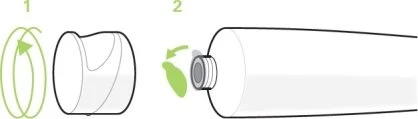
Before first use
- Unscrew the cap.
- Remove the seal from the top end of the tube. Rescrew the cap.
Dosage and method of administration
- Avoid applying other products, such as creams or ointments, to the skin immediately before or after applying Anzupgo.
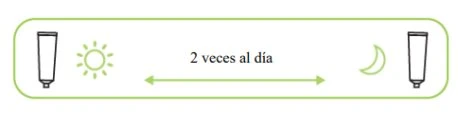
- Apply a thin layer of Anzupgo twice daily to the affected areas of the hands and wrists. Make sure your skin is clean and dry.
If someone else applies this medicine to your skin, they must wash their hands after application.
Duration of treatment with Anzupgo
- You should use Anzupgo until lesions on the skin have disappeared or almost disappeared, or as directed by your doctor.
- When advised by your doctor, you may use Anzupgo again if signs or symptoms of chronic hand eczema reappear.
- If you do not see any improvement after 12 weeks of treatment with Anzupgo, you should speak with your doctor.
If you use more Anzupgo than you should
If too much Anzupgo has been applied, wipe off the excess.
If you forget to use Anzupgo
If you forget to apply the cream at the scheduled time, do so as soon as you remember, and then continue with your normal dosing schedule. Do not apply the cream more than twice a day.
If you have any further questions about the use of this medicine, ask your doctor, pharmacist, or nurse.
4. Possible adverse effects
Like all medicines, this medicine can cause adverse effects, although not everybody gets them.
The following adverse effects have been reported with Anzupgo:
Frequent (may affect up to 1 in 10 people)
- Reactions at the application site (i.e. pain, itching, redness, and tingling sensation)
Reporting of adverse effects
If you experience any type of adverse effect, consult your doctor, pharmacist, or nurse, even if it is a possible adverse effect not listed in this leaflet. You may also report them directly through the national reporting system included in Appendix V.
By reporting adverse effects, you can help provide more information on the safety of this medicine.
5. Storage of Anzupgo
Keep this medicine out of sight and reach of children.
Do not use this medicine after the expiry date stated on the tube and the carton after "EXP". The expiry date refers to the last day of the month indicated.
Do not freeze.
The tube should be discarded 1 year after first opening.
Medicines must not be disposed of via wastewater or household waste. Ask your pharmacist how to dispose of medicines and packaging that you no longer need. This will help protect the environment.
6. Contents of the pack and other information
Composition of Anzupgo
- The active substance is delgocitinib. Each gram of cream contains 20 mg of delgocitinib.
- The other components are benzyl alcohol (E 1519), butylhydroxyanisole (E 320), cetyl stearyl alcohol, citric acid monohydrate (E 330), disodium edetate, hydrochloric acid (E 507) (to adjust pH), liquid paraffin, macrogol cetyl stearyl ether, and purified water (see section 2, "Anzupgo contains benzyl alcohol, butylhydroxyanisole and cetyl stearyl alcohol").
Nature of the product and contents of the pack
Anzupgo is a cream of white to slightly brown colour.
Anzupgo is supplied in tubes containing 15 or 60 grams of cream, or in a multiple pack containing 3 tubes: 2 tubes containing 15 g and 1 tube containing 60 g. Each carton contains one tube. Some pack sizes may not be marketed.
Marketing Authorisation Holder
LEO Pharma A/S
Industriparken 55
DK-2750 Ballerup
Denmark
Manufacturer
LEO Laboratories Ltd.
285 Cashel Road
Crumlin, Dublin 12
Ireland
For further information about this medicinal product, please contact the local representative of the Marketing Authorisation Holder:
Belgium/Belgium/Belgium LEO Pharma N.V./S.A Tel/Tel: +32 3 740 7868 | Lithuania LEO Pharma A/S Tel: +45 44 94 58 88 |
| Luxembourg/Luxembourg LEO Pharma N.V./S.A Tél/Tel: +32 3 740 7868 |
Czech Republic LEO Pharma s.r.o Tel: +420 734 575 982 | Hungary LEO Pharma A/S Tel.: +45 44 94 58 88 |
Denmark LEO Pharma AB Tlf.: +45 70 22 49 11 | Malta LEO Pharma A/S Tel: +45 44 94 58 88 |
Germany LEO Pharma GmbH Tel: +49 6102 2010 | Netherlands LEO Pharma B.V. Tel: +31 205104141 |
Estonia LEO Pharma A/S Tel: +45 44 94 58 88 | Norway LEO Pharma AS Tlf: +47 22514900 |
Greece LEO Pharmaceutical Hellas S.A. Tel: +30 212 222 5000 | Austria LEO Pharma GmbH Tel: +43 1 503 6979 |
Spain Laboratorios LEO Pharma, S.A. Tel: +34 93 221 3366 | Poland LEO Pharma Sp. z o.o. Tel.: +48 22 244 18 40 |
France Laboratoires LEO Tél: +33 1 3014 4000 | Portugal LEO Farmacêuticos Lda. Tel: +351 21 711 0760 |
Croatia LEO Pharma A/S Tel: +45 44 94 58 88 | Romania LEO Pharma A/S Tel: +45 44 94 58 88 |
Ireland LEO Laboratories Ltd Tel: +353 (0) 1 490 8924 | Slovenia LEO Pharma A/S Tel: +45 44 94 58 88 |
Iceland Vistor hf. Tel: +354 535 7000 | Slovakia LEO Pharma s.r.o. Tel: +420 734 575 982 |
Italy LEO Pharma S.p.A. Tel: +39 06 52625500 | Finland LEO Pharma Oy Puh/Tel: +358 20 721 8440 |
Cyprus The Star Medicines Importers Co. Ltd. Tel: +357 2537 1056 | Sweden LEO Pharma AB Tel: +46 40 3522 00 |
Latvia LEO Pharma A/S Tel: +45 44 94 58 88 |
Date of the most recent review of this leaflet:
Detailed information on this medicine is available on the website of the European Medicines Agency: https://www.ema.europa.eu.