Amlodypina/walsartan/hydrochlorotiazyd PensA 10 mg/160 mg/25 mg tabletki powlekane EFG
Hiszpania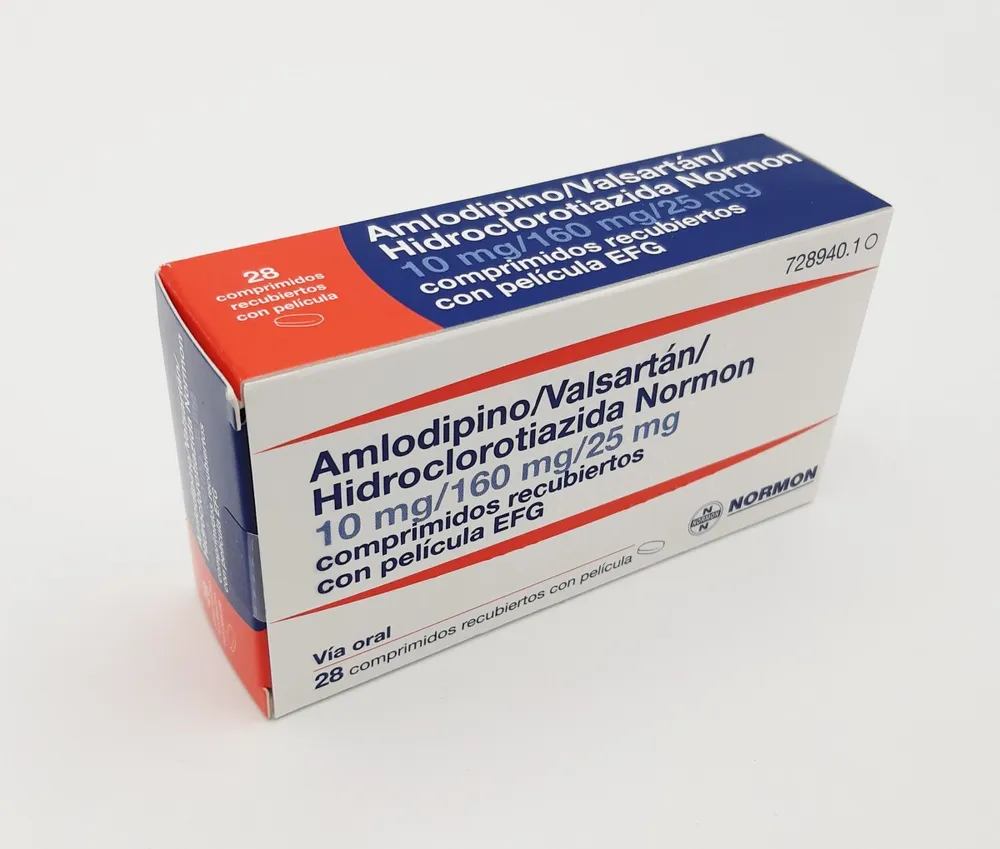
Spis treści
- Ulotka: Informacja dla użytkownika
- Wprowadzenie
- 1. Co to jest Amlodipino/Valsartan/Hydrochlorothiazidum pensa i do czego jest stosowany
- 2. Co należy wiedzieć przed zażyciem Amlodypina/Walsartan/Hydrochlorothiazid pensa
- 3. Jak stosować Amlodipino/Valsartan/Hidroclorotiazida pensa
- 4. Możliwe działania niepożądane
- 5. Zachowanie leku Amlodipine/Valsartan/Hydrochlorothiazide pensa
- 6. Zawartość opakowania i informacja dodatkowa
Ulotka: Informacja dla użytkownika
Wprowadzenie
Ulotka: informacja dla użytkownika
Amlodypina/Walsartan/Hydrochlorothiazid pensa 10 mg/160 mg/25 mg
tabletki powlekane EFG
Przed zaczęciem stosowania tego leku należy dokładnie przeczytać całą ulotkę, ponieważ zawiera ona ważną dla Ciebie informację.
- Zachowaj ulotkę, ponieważ możesz w niej ponownie szukać informacji.
- Jeżeli masz jakiekolwiek pytania, skontaktuj się z lekarzem lub farmaceutą.
- Ten lek został Ci przepisany indywidualnie i nie powinieneś go przekazywać innym osobom, nawet jeśli mają one takie same objawy jak Ty, ponieważ może im zaszkodzić.
- Jeżeli wystąpią u Ciebie działania niepożądane, skontaktuj się z lekarzem lub farmaceutą, nawet jeśli są to działania niepożądane, których nie ma w niniejszej ulotce. Zobacz sekcję 4.
Spis treści ulotki
- Co to jest Amlodypina/Walsartan/Hydrochlorothiazid pensa i w jakim celu stosuje się ten lek
- Co należy wiedzieć przed rozpoczęciem stosowania Amlodypiny/Walsartanu/Hydrochlorothiazidu pensa
- Jak stosować Amlodypina/Walsartan/Hydrochlorothiazid pensa
- Możliwe działania niepożądane
- Jak przechowywać Amlodypina/Walsartan/Hydrochlorothiazid pensa
- Zawartość opakowania i informacje dodatkowe
1. Co to jest Amlodipino/Valsartan/Hydrochlorothiazidum pensa i do czego jest stosowany
Ten lek zawiera trzy substancje czynne: amlodypinę, walzartan i hydrochlorothiazid. Wszystkie te substancje pomagają kontrolować nadciśnienie tętnicze.
- Amlodypina należy do grupy związków zwanych „antagonistami kanałów wapniowych”. Amlodypina zapobiega przenikaniu wapnia do ściany naczynia krwionośnego, co zapobiega zwężaniu się naczyń krwionośnych.
- Walzartan należy do grupy związków zwanych „antagonistami receptora angiotensyny II”. Angiotensyna II jest wytwarzana przez organizm i powoduje zwężanie się naczyń krwionośnych, co prowadzi do podwyższenia ciśnienia tętniczego. Walzartan działa poprzez blokowanie działania angiotensyny II.
- Hydrochlorothiazid należy do grupy związków zwanych „diuretykami tiazydowymi”. Hydrochlorothiazid zwiększa produkcję moczu, co również przyczynia się do obniżenia ciśnienia tętniczego.
W wyniku działania tych trzech mechanizmów naczynia krwionośne rozluźniają się i ciśnienie tętnicze obniża się.
Amlodypina/walzartan/hydrochlorothiazid stosuje się w leczeniu nadciśnienia tętniczego u dorosłych pacjentów, u których ciśnienie tętnicze jest już kontrolowane podczas leczenia amlodypiną, walzartanem i hydrochlorothiazidem, a którzy mogą skorzystać na stosowaniu tabletek zawierających te trzy substancje.
2. Co należy wiedzieć przed zażyciem Amlodypina/Walsartan/Hydrochlorothiazid pensa
Nie zażywaj Amlodypina/Walsartan/Hydrochlorothiazid pensa
- jeśli jesteś w ciąży powyżej 3. miesiąca. (W każdym przypadku zaleca się unikanie stosowania amlodypiny/walsartanu/hydrochlorothiazidu również na początku ciąży – patrz sekcja Ciążą).
- jeśli jesteś uczulony na amlodypinę lub inne leki blokujące kanały wapniowe, walsartan, hydrochlorothiazid, leki pochodne sulfonamidów (stosowane w leczeniu infekcji dróg oddechowych lub układu moczowego), lub którykolwiek z innych składników tego leku (wymienionych w sekcji 6).
Jeśli podejrzewasz uczulenie, nie zażywaj amlodypiny/walsartanu/hydrochlorothiazidu i powiadom lekarza.
- jeśli masz chorobę wątroby, niszczenie drobnych przewodów żółciowych w obrębie wątroby (zwłóknienie dróg żółciowych) prowadzące do gromadzenia się żółci w wątrobie (zastój żółci).
- jeśli masz ciężkie schorzenia nerek lub jesteś poddawany dializie.
- jeśli nie możesz oddawać moczu (anuria).
- jeśli poziom potasu lub sodu we krwi jest zbyt niski mimo leczenia mającego na celu podniesienie poziomu potasu lub sodu we krwi.
- jeśli poziom wapnia we krwi jest zbyt wysoki mimo leczenia mającego na celu obniżenie poziomu wapnia we krwi.
- jeśli masz podagry (kryształy kwasu moczowego w stawach).
- jeśli masz ciężkie obniżenie ciśnienia tętniczego (hipotensję).
- jeśli masz zwężenie zastawki aortalnej (stenozę aortalną) lub wstrząs kardiogenny (stan, w którym serce nie jest w stanie dostarczyć wystarczającej ilości krwi do organizmu).
- jeśli cierpisz na niewydolność serca po zawał serca.
- jeśli masz cukrzycę lub niewydolność nerek i leczony jesteś lekiem obniżającym ciśnienie tętnicze zawierającym aliskiren.
Nie zażywaj Amlodypina/Walsartan/Hydrochlorothiazid pensa i powiadom lekarza, jeśli dotyczy Cię którykolwiek z powyższych przypadków.
Ostrzeżenia i środki ostrożności
Skonsultuj się z lekarzem lub farmaceutą przed rozpoczęciem stosowania amlodypiny/walsartanu/hydrochlorothiazidu:
-
jeśli masz niski poziom potasu lub magnezu we krwi (z objawami lub bez objawów, takimi jak osłabienie mięśni, skurcze mięśni, nieregularne bicie serca).
-
jeśli masz niski poziom sodu we krwi (z objawami lub bez objawów, takimi jak zmęczenie, dezorientacja, skurcze mięśni, drgawki).
-
jeśli masz wysoki poziom wapnia we krwi (z objawami lub bez objawów, takimi jak nudności, wymioty, zaparcia, ból brzucha, częste oddawanie moczu, pragnienie, skurcze mięśni i osłabienie mięśni).
-
jeśli masz problemy z nerkami, przeszczepiono Ci nerki lub poinformowano Cię o zwężeniu tętnic nerkowych.
-
jeśli masz problemy z wątrobą.
-
jeśli masz lub miałeś niewydolność serca lub chorobę wieńcową, szczególnie jeśli przepisano Ci maksymalną dawkę amlodypiny/walsartanu/hydrochlorothiazidu (10 mg/320 mg/25 mg).
-
jeśli miałeś zawał serca. Postępuj zgodnie z instrukcjami lekarza dotyczące ostrożnego rozpoczęcia leczenia. Lekarz może również sprawdzić funkcję nerek.
-
jeśli lekarz poinformował Cię o zwężeniu zastawek serca (tzw. „stenozie aortalnej lub mitralnej”) lub o nieprawidłowym zwiększeniu grubości mięśnia sercowego (tzw. „obstrukcyjnej kardiomiopatii przerostowej”).
-
jeśli cierpisz na aldosteronizm – chorobę, w której gruczoły nadnerczy produkują zbyt dużo hormonu aldosteronu. W takim przypadku nie zaleca się stosowania amlodypiny/walsartanu/hydrochlorothiazidu.
-
jeśli cierpisz na chorobę zwaną toczeniem rumieniowym układowym (tzw. „lupus” lub „SLE”).
-
jeśli masz cukrzycę (wysoki poziom glukozy we krwi).
-
jeśli masz wysoki poziom cholesterolu lub trójglicerydów we krwi.
-
jeśli doświadczasz reakcji skórnych, takich jak wysypka po ekspozycji na słońce.
-
jeśli doświadczyłeś reakcji alergicznej na inne leki obniżające ciśnienie tętnicze lub diuretyki, szczególnie jeśli masz astmę i alergie.
-
jeśli byłeś chory (z wymiotami lub biegunką).
-
jeśli doświadczasz obrzęku, szczególnie twarzy i gardła, podczas stosowania innych leków (w tym inhibitorów enzymu konwertującego angiotensynę). Jeśli wystąpią takie objawy, natychmiast przestań zażywać amlodypinę/walsartan/hydrochlorothiazid i skontaktuj się z lekarzem. Nigdy więcej nie powinieneś brać tego leku.
-
jeśli doświadczasz zawrotów głowy i/lub omdleń podczas leczenia amlodypiną/walsartanem/hydrochlorothiazidem, powiadom lekarza jak najszybciej.
-
jeśli doświadczasz pogorszenia wzroku lub bólu oka. Mogą to być objawy gromadzenia się płynu w naczyniówce oka (wylewu naczyniówki) lub wzrostu ciśnienia w oku i mogą pojawić się w ciągu kilku godzin do tygodnia po podaniu amlodypiny/walsartanu/hydrochlorothiazidu. Jeśli nie zostanie to leczone, może to prowadzić do trwałego pogorszenia wzroku.
-
jeśli przyjmujesz którykolwiek z następujących leków stosowanych w leczeniu nadciśnienia (wysokiego ciśnienia tętniczego):
-
inhibitor enzymu konwertującego angiotensynę (IEC) (np. enalapryl, lizynopryl, ramipryl), szczególnie jeśli masz problemy nerkowe związane z cukrzycą.
-
aliskiren.
-
jeśli miałeś raka skóry lub pojawiła się nieoczekiwana zmiana skórna podczas leczenia. Leczenie hydrochlorothiazidem, szczególnie długotrwałe i w wysokich dawkach, może zwiększyć ryzyko niektórych rodzajów raka skóry i warg (nie-melanoma raka skóry). Chron przed ekspozycją skóry na słońce i promienie UV podczas przyjmowania amlodypiny/walsartanu/hydrochlorothiazidu.
-
Jeśli miałeś problemy z oddychaniem lub płuca (np. zapalenie lub gromadzenie się płynu w płucach) po zażyciu hydrochlorothiazidu w przeszłości. Jeśli pojawia się duszność lub ciężka trudność w oddychaniu po zażyciu X, natychmiast skontaktuj się z lekarzem.
-
jeśli pojawiają się bóle brzucha, nudności, wymioty lub biegunka po zażyciu Amlodypina/Walsartan/Hydrochlorothiazid pensa. Twój lekarz zdecyduje, czy kontynuować leczenie. Nie przerywaj samodzielnie stosowania Amlodypina/Walsartan/Hydrochlorothiazid pensa.
Twój lekarz może okresowo kontrolować funkcję nerek, ciśnienie tętnicze i poziom elektrolitów (np. potasu) we krwi.
Zobacz również informacje w sekcji „Nie zażywaj Amlodypina/Walsartan/Hydrochlorothiazid pensa”.
Powiadom lekarza, jeśli którykolwiek z wymienionych przypadków dotyczy Cię.
Dzieci i nastolatkowie
Nie zaleca się stosowania amlodypiny/walsartanu/hydrochlorothiazidu u dzieci i nastolatków poniżej 18. roku życia.
Osoby starsze (65 lat i więcej)
Amlodypina/walsartan/hydrochlorothiazid może być stosowana u osób w wieku 65 lat i starszych w tej samej dawce, co u innych dorosłych, w taki sam sposób, jak wcześniej stosowano trzy substancje: amlodypinę, walsartan i hydrochlorothiazid. Ciśnienie tętnicze u pacjentów starszych powinno być okresowo kontrolowane, szczególnie u tych, którzy przyjmują maksymalną dawkę amlodypiny/walsartanu/hydrochlorothiazidu (10 mg/320 mg/25 mg).
Stosowanie Amlodypina/Walsartan/Hydrochlorothiazid pensa z innymi lekami
Powiadom lekarza lub farmaceutę, jeśli aktualnie przyjmujesz, ostatnio przyjmowałeś lub możesz potrzebować przyjmować inne leki. Lekarz może być zmuszony dostosować dawkę i/lub podjąć inne środki ostrożności. W niektórych przypadkach może być konieczne odstawienie jednego z leków. Jest to szczególnie ważne, jeśli przyjmujesz którykolwiek z następujących leków:
Nie przyjmować razem z:
- litem (lek stosowany w leczeniu niektórych rodzajów depresji);
- lekami lub substancjami, które mogą zwiększać stężenie potasu we krwi. Obejmują one suplementy potasu lub substytuty soli zawierające potas, leki oszczędzające potas i heparynę;
- IEC lub aliskirenu (zobacz również informacje w sekcjach „Nie zażywaj Amlodypina/Walsartan/Hydrochlorothiazid pensa” i „Ostrzeżenia i środki ostrożności”).
Powinny być stosowane z ostrożnością razem z:
- alkoholem, lekami nasennymi i anestetykami (leki dla pacjentów poddawanych operacjom i innym zabiegom);
- amantadyną (leczenie choroby Parkinsona, stosowane również w leczeniu lub zapobieganiu niektórym chorobom wirusowym);
- lekami antycholinergicznymi (stosowane w leczeniu różnych zaburzeń, takich jak skurcze przewodu pokarmowego, skurcze pęcherza moczowego, astma, zawroty głowy spowodowane ruchem, skurcze mięśni, choroba Parkinsona i jako pomoc w znieczuleniu);
- lekami przeciwpadaczkowymi i stabilizatorami nastroju stosowanymi w leczeniu padaczki i zaburzeń dwubiegunowych (np. karbamazepina, fenobarbital, fenytoina, fosfenofofenofofenofofenofofenofofenofofenofofenofofenofofenofofenofofenofofenofofenofofenofofenofofenofofenofofenofofenofofenofofenofofenofofenofofenofofenofofenofofenofofenofofenofofenofofenofofenofofenofofenofofenofofenofofenofofenofofenofofenofofenofofenofofenofofenofofenofofenofofenofofenofofenofofenofofenofofenofofenofofenofofenofofenofofenofofenofofenofofenofofenofofenofofenofofenofofenofofenofofenofofenofofenofofenofofenofofenofofenofofenofofenofofenofofenofofenofofenofofenofofenofofenofofenofofenofofenofofenofofenofofenofofenofofenofofenofofenofofenofofenofofenofofenofofenofofenofofenofofenofofenofofenofofenofofenofofenofofenofofenofofenofofenofofenofofenofofenofofenofofenofofenofofenofofenofofenofofenofofenofofenofofenofofenofofenofofenofofenofofenofofenofofenofofenofofenofofenofofenofofenofofenofofenofofenofofenofofenofofenofofenofofenofofenofofenofofenofofenofofenofofenofofenofofenofofenofofenofofenofofenofofenofofenofofenofofenofofenofofenofofenofofenofofenofofenofofenofofenofofenofofenofofenofofenofofenofofenofofenofofenofofenofofenofofenofofenofofenofofenofofenofofenofofenofofenofofenofofenofofenofofenofofenofofenofofenofofenofofenofofenofofenofofenofofenofofenofofenofofenofofenofofenofofenofofenofofenofofenofofenofofenofofenofofenofofenofofenofofenofofenofofenofofenofofenofofenofofenofofenofofenofofenofofenofofenofofenofofenofofenofofenofofenofofenofofenofofenofofenofofenofofenofofenofofenofofenofofenofofenofofenofofenofofenofofenofofenofofenofofenofofenofofenofofenofofenofofenofofenofofenofofenofofenofofenofofenofofenofofenofofenofofenofofenofofenofofenofofenofofenofofenofofenofofenofofenofofenofofenofofenofofenofofenofofenofofenofofenofofenofofenofofenofofenofofenofofenofofenofofenofofenofofenofofenofofenofofenofofenofofenofofenofofenofofenofofenofofenofofenofofenofofenofofenofofenofofenofofenofofenofofenofofenofofenofofenofofenofofenofofenofofenofofenofofenofofenofofenofofenofofenofofenofofenofofenofofenofofenofofenofofenofofenofofenofofenofofenofofenofofenofofenofofenofofenofofenofofenofofenofofenofofenofofenofofenofofenofofenofofenofofenofofenofofenofofenofofenofofenofofenofofenofofenofofenofofenofofenofofenofofenofofenofofenofofenofofenofofenofofenofofenofofenofofenofofenofofenofofenofofenofofenofofenofofenofofenofofenofofenofofenofofenofofenofofenofofenofofenofofenofofenofofenofofenofofenofofenofofenofofenofofenofofenofofenofofenofofenofofenofofenofofenofofenofofenofofenofofenofofenofofenofofenofofenofofenofofenofofenofofenofofenofofenofofenofofenofofenofofenofofenofofenofofenofofenofofenofofenofofenofofenofofenofofenofofenofofenofofenofofenofofenofofenofofenofofenofofenofofenofofenofofenofofenofofenofofenofofenofofenofofenofofenofofenofofenofofenofofenofofenofofenofofenofofenofofenofofenofofenofofenofofenofofenofofenofofenofofenofofenofofenofofenofofenofofenofofenofofenofofenofofenofofenofofenofofenofofenofofenofofenofofenofofenofofenofofenofofenofofenofofenofofenofofenofofenofofenofofenofofenofofenofofenofofenofofenofofenofofenofofenofofenofofenofofenofofenofofenofofenofofenofofenofofenofofenofofenofofenofofenofofenofofenofofenofofenofofenofofenofofenofofenofofenofofenofofenofofenofofenofofenofofenofofenofofenofofenofofenofofenofofenofofenofofenofofenofofenofofenofofenofofenofofenofofenofofenofofenofofenofofenofofenofofenofofenofofenofofenofofenofofenofofenofofenofofenofofenofofenofofenofofenofofenofofenofofenofofenofofenofofenofofenofofenofofenofofenofofenofofenofofenofofenofofenofofenofofenofofenofofenofofenofofenofofenofofenofofenofofenofofenofofenofofenofofenofofenofofenofofenofofenofofenofofenofofenofofenofofenofofenofofenofofenofofenofofenofofenofofenofofenofofenofofenofofenofofenofofenofofenofofenofofenofofenofofenofofenofofenofofenofofenofofenofofenofofenofofenofofenofofenofofenofofenofofenofofenofofenofofenofofenofofenofofenofofenofofenofofenofofenofofenofofenofofenofofenofofenofofenofofenofofenofofenofofenofofenofofenofofenofofenofofenofofenofofenofofenofofenofofenofofenofofenofofenofofenofofenofofenofofenofofenofofenofofenofofenofofenofofenofofenofofenofofenofofenofofenofofenofofenofofenofofenofofenofofenofofenofofenofofenofofenofofenofofenofofenofofenofofenofofenofofenofofenofofenofofenofofenofofenofofenofofenofofenofofenofofenofofenofofenofofenofofenofofenofofenofofenofofenofofenofofenofofenofofenofofenofofenofofenofofenofofenofofenofofenofofenofofenofofenofofenofofenofofenofofenofofenofofenofofenofofenofofenofofenofofenofofenofofenofofenofofenofofenofofenofofenofofenofofenofofenofofenofofenofofenofofenofofenofofenofofenofofenofofenofofenofofenofofenofofenofofenofofenofofenofofenofofenofofenofofenofofenofofenofofenofofenofofenofofenofofenofofenofofenofofenofofenofofenofofenofofenofofenofofenofofenofofenofofenofofenofofenofofenofofenofofenofofenofofenofofenofofenofofenofofenofofenofofenofofenofofenofofenofofenofofenofofenofofenofofenofofenofofenofofenofofenofofenofofenofofenofofenofofenofofenofofenofofenofofenofofenofofenofofenofofenofofenofofenofofenofofenofofenofofenofofenofofenofofenofofenofofenofofenofofenofofenofofenofofenofofenofofenofofenofofenofofenofofenofofenofofenofofenofofenofofenofofenofofenofofenofofenofofenofofenofofenofofenofofenofofenofofenofofenofofenofofenofofenofofenofofenofofenofofenofofenofofenofofenofofenofofenofofenofofenofofenofofenofofenofofenofofenofofenofofenofofenofofenofofenofofenofofenofofenofofenofofenofofenofofenofofenofofenofofenofofenofofenofofenofofenofofenofofenofofenofofenofofenofofenofofenofofenofofenofofenofofenofofenofofenofofenofofenofofenofofenofofenofofenofofenofofenofofenofofenofofenofofenofofenofofenofofenofofenofofenofofenofofenofofenofofenofofenofofenofofenofofenofofenofofenofofenofofenofofenofofenofofenofofenofofenofofenofofenofofenofofenofofenofofenofofenofofenofofenofofenofofenofofenofofenofofenofofenofofenofofenofofenofofenofofenofofenofofenofofenofofenofofenofofenofofenofofenofofenofofenofofenofofenofofenofofenofofenofofenofofenofofenofofenofofenofofenofofenofofenofofenofofenofofenofofenofofenofofenofofenofofenofofenofofenofofenofofenofofenofofenofofenofofenofofenofofenofofenofofenofofenofofenofofenofofenofofenofofenofofenofofenofofenofofenofofenofofenofofenofofenofofenofofenofofenofofenofofenofofenofofenofofenofofenofofenofofenofofenofofenofofenofofenofofenofofenofofenofofenofofenofofenofofenofofenofofenofofenofofenofofenofofenofofenofofenofofenofofenofofenofofenofofenofofenofofenofofenofofenofofenofofenofofenofofenofofenofofenofofenofofenofofenofofenofofenofofenofofenofofenofofenofofenofofenofofenofofenofofenofofenofofenofofenofofenofofenofofenofofenofofenofofenofofenofofenofofenofofenofofenofofenofofenofofenofofenofofenofofenofofenofofenofofenofofenofofenofofenofofenofofenofofenofofenofofenofofenofofenofofenofofenofofenofofenofofenofofenofofenofofenofofenofofenofofenofofenofofenofofenofofenofofenofofenofofenofofenofofenofofenofofenofofenofofenofofenofofenofofenofofenofofenofofenofofenofofenofofenofofenofofenofofenofofenofofenofofenofofenofofenofofenofofenofofenofofenofofenofofenofofenofofenofofenofofenofofenofofenofofenofofenofofenofofenofofenofofenofofenofofenofofenofofenofofenofofenofofenofofenofofenofofenofofenofofenofofenofofenofofenofofenofofenofofenofofenofofenofofenofofenofofenofofenofofenofofenofofenofofenofofenofofenofofenofofenofofenofofenofofenofofenofofenofofenofofenofofenofofenofofenofofenofofenofofenofofenofofenofofenofofenofofenofofenofofenofofenofofenofofenofofenofofenofofenofofenofofenofofenofofenofofenofofenofofenofofenofofenofofenofofenofofenofofenofofenofofenofofenofofenofofenofofenofofenofofenofofenofofenofofenofofenofofenofofenofofenofofenofofenofofenofofenofofenofofenofofenofofenofofenofofenofofenofofenofofenofofenofofenofofenofofenofofenofofenofofenofofenofofenofofenofofenofofenofofenofofenofofenofofenofofenofofenofofenofofenofofenofofenofofenofofenofofenofofenofofenofofenofofenofofenofofenofofenofofenofofenofofenofofenofofenofofenofofenofofenofofenofofenofofenofofenofofenofofenofofenofofenofofenofofenofofenofofenofofenofofenofofenofofenofofenofofenofofenofofenofofenofofenofofenofofenofofenofofenofofenofofenofofenofofenofofenofofenofofenofofenofofenofofenofofenofofenofofenofofenofofenofofenofofenofofenofofenofofenofofenofofenofofenofofenofofenofofenofofenofofenofofenofofenofofenofofenofofenofofenofofenofofenofofenofofenofofenofofenofofenofofenofofenofofenofofenofofenofofenofofenofofenofofenofofenofofenofofenofofenofofenofofenofofenofofenofofenofofenofofenofofenofofenofofenofofenofofenofofenofofenofofenofofenofofenofofenofofenofofenofofenofofenofofenofofenofofenofofenofofenofofenofofenofofenofofenofofenofofenofofenofofenofofenofofenofofenofofenofofenofofenofofenofofenofofenofofenofofenofofenofofenofofenofofenofofenofofenofofenofofenofofenofofenofofenofofenofofenofofenofofenofofenofofenofofenofofenofofenofofenofofenofofenofofenofofenofofenofofenofofenofofenofofenofofenofofenofofenofofenofofenofofenofofenofofenofofenofofenofofenofofenofofenofofenofofenofofenofofenofofenofofenofofenofofenofofenofofenofofenofofenofofenofofenofofenofofenofofenofofenofofenofofenofofenofofenofofenofofenofofenofofenofofenofofenofofenofofenofofenofofenofofenofofenofofenofofenofofenofofenofofenofofenofofenofofenofofenofofenofofenofofenofofenofofenofofenofofenofofenofofenofofenofofenofofenofofenofofenofofenofofenofofenofofenofofenofofenofofenofofenofofenofofenofofenofofenofofenofofenofofenofofenofofenofofenofofenofofenofofenofofenofofenofofenofofenofofenofofenofofenofofenofofenofofenofofenofofenofofenofofenofofenofofenofofenofofenofofenofofenofofenofofenofofenofofenofofenofofenofofenofofenofofenofofenofofenofofenofofenofofenofofenofofenofofenofofenofofenofofenofofenofofenofofenofofenofofenofofenofofenofofenofofenofofenofofenofofenofofenofofenofofenofofenofofenofofenofofenofofenofofenofofenofofenofofenofofenofofenofofenofofenofofenofofenofofenofofenofofenofofenofofenofofenofofenofofenofofenofofenofofenofofenofofenofofenofofenofofenofofenofofenofofenofofenofofenofofenofofenofofenofofenofofenofofenofofenofofenofofenofofenofofenofofenofofenofofenofofenofofenofofenofofenofofenofofenofofenofofenofofenofofenofofenofofenofofenofofenofofenofofenofofenofofenofofenofofenofofenofofenofofenofofenofofenofofenofofenofofenofofenofofenofofenofofenofofenofofenofofenofofenofofenofofenofofenofofenofofenofofenofofenofofenofofenofofenofofenofofenofofenofofenofofenofofenofofenofofenofofenofofenofofenofofenofofenofofenofofenofofenofofenofofenofofenofofenofofenofofenofofenofofenofofenofofenofofenofofenofofenofofenofofenofofenofofenofofenofofenofofenofofenofofenofofenofofenofofenofofenofofenofofenofofenofofenofofenofofenofofenofofenofofenofofenofofenofofenofofenofofenofofenofofenofofenofofenofofenofofenofofenofofenofofenofofenofofenofofenofofenofofenofofenofofenofofenofofenofofenofofenofofenofofenofofenofofenofofenofofenofofenofofenofofenofofenofofenofofenofofenofofenofofenofofenofofenofofenofofenofofenofofenofofenofofenofofenofofenofofenofofenofofenofofenofofenofofenofofenofofenofofenofofenofofenofofenofofenofofenofofenofofenofofenofofenofofenofofenofofenofofenofofenofofenofofenofofenofofenofofenofofenofofenofofenofofenofofenofofenofofenofofenofofenofofenofofenofofenofofenofofenofofenofofenofofenofofenofofenofofenofofenofofenofofenofofenofofenofofenofofenofofenofofenofofenofofenofofenofofenofofenofofenofofenofofenofofenofofenofofenofofenofofenofofenofofenofofenofofenofofenofofenofofenofofenofofenofofenofofenofofenofofenofofenofofenofofenofofenofofenofofenofofenofofenofofenofofenofofenofofenofofenofofenofofenofofenofofenofofenofofenofofenofofenofofenofofenofofenofofenofofenofofenofofenofofenofofenofofenofofenofofenofofenofofenofofenofofenofofenofofenofofenofofenofofenofofenofofenofofenofofenofofenofofenofofenofofenofofenofofenofofenofofenofofenofofenofofenofofenofofenofofenofofenofofenofofenofofenofofenofofenofofenofofenofofenofofenofofenofofenofofenofofenofofenofofenofofenofofenofofenofofenofofenofofenofofenofofenofofenofofenofofenofofenofofenofofenofofenofofenofofenofofenofofenofofenofofenofofenofofenofofenofofenofofenofofenofofenofofenofofenofofenofofenofofenofofenofofenofofenofofenofofenofofenofofenofofenofofenofofenofofenofofenofofenofofenofofenofofenofofenofofenofofenofofenofofenofofenofofenofofenofofenofofenofofenofofenofofenofofenofofenofofenofofenofofenofofenofofenofofenofofenofofenofofenofofenofofenofofenofofenofofenofofenofofenofofenofofenofofenofofenofofenofofenofofenofofenofofenofofenofofenofofenofofenofofenofofenofofenofofenofofenofofenofofenofofenofofenofofenofofenofofenofofenofofenofofenofofenofofenofofenofofenofofenofofenofofenofofenofofenofofenofofenofofenofofenofofenofofenofofenofofenofofenofofenofofenofofenofofenofofenofofenofofenofofenofofenofofenofofenofofenofofenofofenofofenofofenofofenofofenofofenofofenofofenofofenofofenofofenofofenofofenofofenofofenofofenofofenofofenofofenofofenofofenofofenofofenofofenofofenofofenofofenofofenofofenofofenofofenofofenofofenofofenofofenofofenofofenofofenofofenofofenofofenofofenofofenofofenofofenofofenofofenofofenofofenofofenofofenofofenofofenofofenofofenofofenofofenofofenofofenofofenofofenofofenofofenofofenofofenofofenofofenofofenofofenofofenofofenofofenofofenofofenofofenofofenofofenofofenofofenofofenofofenofofenofofenofofenofofenofofenofofenofofenofofenofofenofofenofofenofofenofofenofofenofofenofofenofofenofofenofofenofofenofofenofofenofofenofofenofofenofofenofofenofofenofofenofofenofofenofofenofofenofofenofofenofofenofofenofofenofofenofofenofofenofofenofofenofofenofofenofofenofofenofofenofofenofofenofofenofofenofofenofofenofofenofofenofofenofofenofofenofofenofofenofofenofofenofofenofofenofofenofofenofofenofofenofofenofofenofofenofofenofofenofofenofofenofofenofofenofofenofofenofofenofofenofofenofofenofofenofofenofofenofofenofofenofofenofofenofofenofofenofofenofofenofofenofofenofofenofofenofofenofofenofofenofofenofofenofofenofofenofofenofofenofofenofofenofofenofofenofofenofofenofofenofofenofofenofofenofofenofofenofofenofofenofofenofofenofofenofofenofofenofofenofofenofofenofofenofofenofofenofofenofofenofofenofofenofofenofofenofofenofofenofofenofofenofofenofofenofofenofofenofofenofofenofofenofofenofofenofofenofofenofofenofofenofofenofofenofofenofofenofofenofofenofofenofofenofofenofofenofofenofofenofofenofofenofofenofofenofofenofofenofofenofofenofofenofofenofofenofofenofofenofofenofofenofofenofofenofofenofofenofofenofofenofofenofofenofofenofofenofofenofofenofofenofofenofofenofofenofofenofofenofofenofofenofofenofofenofofenofofenofofenofofenofofenofofenofofenofofenofofenofofenofofenofofenofofenofofenofofenofofenofofenofofenofofenofofenofofenofofenofofenofofenofofenofofenofofenofofenofofenofofenofofenofofenofofenofofenofofenofofenofofenofofenofofenofofenofofenofofenofofenofofenofofenofofenofofenofofenofofenofofenofofenofofenofofenofofenofofenofofenofofenofofenofofenofofenofofenofofenofofenofofenofofenofofenofofenofofenofofenofofenofofenofofenofofenofofenofofenofofenofofenofofenofofenofofenofofenofofenofofenofofenofofenofofenofofenofofenofofenofofenofofenofofenofofenofofenofofenofofenofofenofofenofofenofofenofofenofofenofofenofofenofofenofofenofofenofofenofofenofofenofofenofofenofofenofofenofofenofofenofofenofofenofofenofofenofofenofofenofofenofofenofofenofofenofofenofofenofofenofofenofofenofofenofofenofofenofofenofofenofofenofofenofofenofofenofofenofofenofofenofofenofofenofofenofofenofofenofofenofofenofofenofofenofofenofofenofofenofofenofofenofofenofofenofofenofofenofofenofofenofofenofofenofofenofofenofofenofofenofofenofofenofofenofofenofofenofofenofofenofofenofofenofofenofofenofofenofofenofofenofofenofofenofofenofofenofofenofofenofofenofofenofofenofofenofofenofofenofofenofofenofofenofofenofofenofofenofofenofofenofofenofofenofofenofofenofofenofofenofofenofofenofofenofofenofofenofofenofofenofofenofofenofofenofofenofofenofofenofofenofofenofofenofofenofofenofofenofofenofofenofofenofofenofofenofofenofofenofofenofofenofofenofofenofofenofofenofofenofofenofofenofofenofofenofofenofofenofofenofofenofofenofofenofofenofofenofofenofofenofofenofofenofofenofofenofofenofofenofofenofofenofofenofofenofofenofofenofofenofofenofofenofofenofofenofofenofofenofofenofofenofofenofofenofofenofofenofofenofofenofofenofofenofofenofofenofofenofofenofofenofofenofofenofofenofofenofofenofofenofofenofofenofofenofofenofofenofofenofofenofofenofofenofofenofofenofofenofofenofofenofofenofofenofofenofofenofofenofofenofofenofofenofofenofofenofofenofofenofofenofofenofofenofofenofofenofofenofofenofofenofofenofofenofofenofofenofofenofofenofofenofofenofofenofofenofofenofofenofofenofofenofofenofofenofofenofofenofofenofofenofofenofofenofofenofofenofofenofofenofofenofofenofofenofofenofofenofofenofofenofofenofofenofofenofofenofofenofofenofofenofofenofofenofofenofofenofofenofofenofofenofofenofofenofofenofofenofofenofofenofofenofofenofofenofofenofofenofofenofofenofofenofofenofofenofofenofofenofofenofofenofofenofofenofofenofofenofofenofofenofofenofofenofofenofofenofofenofofenofofenofofenofofenofofenofofenofofenofofenofofenofofenofofenofofenofofenofofenofofenofofenofofenofofenofofenofofenofofenofofenofofenofofenofofenofofenofofenofofenofofenofofenofofenofofenofofenofofenofofenofofenofofenofofenofofenofofenofofenofofenofofenofofenofofenofofenofofenofofenofofenofofenofofenofofenofofenofofenofofenofofenofofenofofenofofenofofenofofenofofenofofenofofenofofenofofenofofenofofenofofenofofenofofenofofenofofenofofenofofenofofenofofenofofenofofenofofenofofenofofenofofenofofenofofenofofenofofenofofenofofenofofenofofenofofenofofenofofenofofenofofenofofenofofenofofenofofenofofenofofenofofenofofenofofenofofenofofenofofenofofenofofenofofenofofenofofenofofenofofenofofenofofenofofenofofenofofenofofenofofenofofenofofenofofenofofenofofenofofenofofenofofenofofenofofenofofenofofenofofenofofenofofenofofenofofenofofenofofenofofenofofenofofenofofenofofenofofenofofenofofenofofenofofenofofenofofenofofenofofenofofenofofenofofenofofenofofenofofenofofenofofenofofenofofenofofenofofenofofenofofenofofenofofenofofenofofenofofenofofenofofenofofenofofenofofenofofenofofenofofenofofenofofenofofenofofenofofenofofenofofenofofenofofenofofenofofenofofenofofenofofenofofenofofenofofenofofenofofenofofenofofenofofenofofenofofenofofenofofenofofenofofenofofenofofenofofenofofenofofenofofenofofenofofenofofenofofenofofenofofenofofenofofenofofenofofenofofenofofenofofenofofenofofenofofenofofenofofenofofenofofenofofenofofenofofenofofenofofenofofenofofenofofenofofenofofenofofenofofenofofenofofenofofenofofenofofenofofenofofenofofenofofenofofenofofenofofenofofenofofenofofenofofenofofenofofenofofenofofenofofenofofenofofenofofenofofenofofenofofenofofenofofenofofenofofenofofenofofenofofenofofenofofenofofenofofenofofenofofenofofenofofenofofenofofenofofenofofenofofenofofenofofenofofenofofenofofenofofenofofenofofenofofenofofenofofenofofenofofenofofenofofenofofenofofenofofenofofenofofenofofenofofenofofenofofenofofenofofenofofenofofenofofenofofenofofenofofenofofenofofenofofenofofenofofenofofenofofenofofenofofenofofenofofenofofenofofenofofenofofenofofenofofenofofenofofenofofenofofenofofenofofenofofenofofenofofenofofenofofenofofenofofenofofenofofenofofenofofenofofenofofenofofenofofenofofenofofenofofenofofenofofenofofenofofenofofenofofenofofenofofenofofenofofenofofenofofenofofenofofenofofenofofenofofenofofenofofenofofenofofenofofenofofenofofenofofenofofenofofenofofenofofenofofenofofenofofenofofenofofenofofenofofenofofenofofenofofenofofenofofenofofenofofenofofenofofenofofenofofenofofenofofenofofenofofenofofenofofenofofenofofenofofenofofenofofenofofenofofenofofenofofenofofenofofenofofenofofenofofenofofenofofenofofenofofenofofenofofenofofenofofenofofenofofenofofenofofenofofenofofenofofenofofenofofenofofenofofenofofenofofenofofenofofenofofenofofenofofenofofenofofenofofenofofenofofenofofenofofenofofenofofenofofenofofenofofenofofenofofenofofenofofenofofenofofenofofenofofenofofenofofenofofenofofenofofenofofenofofenofofenofofenofofenofofenofofenofofenofofenofofenofofenofofenofofenofofenofofenofofenofofenofofenofofenofofenofofenofofenofofenofofenofofenofofenofofenofofenofofenofofenofofenofofenofofenofofenofofenofofenofofenofofenofofenofofenofofenofofenofofenofofenofofenofofenofofenofofenofofenofofenofofenofofenofofenofofenofofenofofenofofenofofenofofenofofenofofenofofenofofenofofenofofenofofenofofenofofenofofenofofenofofenofofenofofenofofenofofenofofenofofenofofenofofenofofenofofenofofenofofenofofenofofenofofenofofenofofenofofenofofenofofenofofenofofenofofenofofenofofenofofenofofenofofenofofenofofenofofenofofenofofenofofenofofenofofenofofenofofenofofenofofenofofenofofenofofenofofenofofenofofenofofenofofenofofenofofenofofenofofenofofenofofenofofenofofenofofenofofenofofenofofenofofenofofenofofenofofenofofenofofenofofenofofenofofenofofenofofenofofenofofenofofenofofenofofenofofenofofenofofenofofenofofenofofenofofenofofenofofenofofenofofenofofenofofenofofenofofenofofenofofenofofenofofenofofenofofenofofenofofenofofenofofenofofenofofenofofenofofenofofenofofenofofenofofenofofenofofenofofenofofenofofenofofenofofenofofenofofenofofenofofenofofenofofenofofenofofenofofenofofenofofenofofenofofenofofenofofenofofenofofenofofenofofenofofenofofenofofenofofenofofenofofenofofenofofenofofenofofenofofenofofenofofenofofenofofenofofenofofenofofenofofenofofenofofenofofenofofenofofenofofenofofenofofenofofenofofenofofenofofenofofenofofenofofenofofenofofenofofenofofenofofenofofenofofenofofenofofenofofenofofenofofenofofenofofenofofenofofenofofenofofenofofenofofenofofenofofenofofenofofenofofenofofenofofenofofenofofenofofenofofenofofenofofenofofenofofenofofenofofenofofenofofenofofenofofenofofenofofenofofenofofenofofenofofenofofenofofenofofenofofenofofenofofenofofenofofenofofenofofenofofenofofenofofenofofenofofenofofenofofenofofenofofenofofenofofenofofenofofenofofenofofenofofenofofenofofenofofenofofenofofenofofenofofenofofenofofenofofenofofenofofenofofenofofenofofenofofenofofenofofenofofenofofenofofenofofenofofenofofenofofenofofenofofenofofenofofenofofenofofenofofenofofenofofenofofenofofenofofenofofenofofenofofenofofenofofenofofenofofenofofenofofenofofenofofenofofenofofenofofenofofenofofenofofenofofenofofenofofenofofenofofenofofenofofenofofenofofenofofenofofenofofenofofenofofenofofenofofenofofenofofenofofenofofenofofenofofenofofenofofenofofenofofenofofenofofenofofenofofenofofenofofenofofenofofenofofenofofenofofenofofenofofenofofenofofenofofenofofenofofenofofenofofenofofenofofenofofenofofenofofenofofenofofenofofenofofenofofenofofenofofenofofenofofenofofenofofenofofenofofenofofenofofenofofenofofenofofenofofenofofenofofenofofenofofenofofenofofenofofenofofenofofenofofenofofenofofenofofenofofenofofenofofenofofenofofenofofenofofenofofenofofenofofenofofenofofenofofenofofenofofenofofenofofenofofenofofenofofenofofenofofenofofenofofenofofenofofenofofenofofenofofenofofenofofenofofenofofenofofenofofenofofenofofenofofenofofenofofenofofenofofenofofenofofenofofenofofenofofenofofenofofenofofenofofenofofenofofenofofenofofenofofenofofenofofenofofenofofenofofenofofenofofenofofenofofenofofenofofenofofenofofenofofenofofenofofenofofenofofenofofenofofenofofenofofenofofenofofenofofenofofenofofenofofenofofenofofenofofenofofenofofenofofenofofenofofenofofenofofenofofenofofenofofenofofenofofenofofenofofenofofenofofenofofenofofenofofenofofenofofenofofenofofenofofenofofenofofenofofenofofenofofenofofenofofenofofenofofenofofenofofenofofenofofenofofenofofenofofenofofenofofenofofenofofenofofenofofenofofenofofenofofenofofenofofenofofenofofenofofenofofenofofenofofenofofenofofenofofenofofenofofenofofenofofenofofenofofenofofenofofenofofenofofenofofenofofenofofenofofenofofenofofenofofenofofenofofenofofenofofenofofenofofenofofenofofenofofenofofenofofenofofenofofenofofenofofenofofenofofenofofenofofenofofenofofenofofenofofenofofenofofenofofenofofenofofenofofenofofenofofenofofenofofenofofenofofenofofenofofenofofenofofenofofenofofenofofenofofenofofenofofenofofenofofenofofenofofenofofenofofenofofenofofenofofenofofenofofenofofenofofenofofenofofenofofenofofenofofenofofenofofenofofenofofenofofenofofenofofenofofenofofenofofenofofenofofenofofenofofenofofenofofenofofenofofenofofenofofenofofenofofenofofenofofenofofenofofenofofenofofenofofenofofenofofenofofenofofenofofenofofenofofenofofenofofenofofenofofenofofenofofenofofenofofenofofenofofenofofenofofenofofenofofenofofenofofenofofenofofenofofenofofenofofenofofenofofenofofenofofenofofenofofenofofenofofenofofenofofenofofenofofenofofenofofenofofenofofenofofenofofenofofenofofenofofenofofenofofenofofenofofenofofenofofenofofenofofenofofenofofenofofenofofenofofenofofenofofenofofenofofenofofenofofenofofenofofenofofenofofenofofenofofenofofenofofenofofenofofenofofenofofenofofenofofenofofenofofenofofenofofenofofenofofenofofenofofenofofenofofenofofenofofenofofenofofenofofenofofenofofenofofenofofenofofenofofenofofenofofenofofenofofenofofenofofenofofenofofenofofenofofenofofenofofenofofenofofenofofenofofenofofenofofenofofenofofenofofenofofenofofenofofenofofenofofenofofenofofenofofenofofenofofenofofenofofenofofenofofenofofenofofenofofenofofenofofenofofenofofenofofenofofenofofenofofenofofenofofenofofenofofenofofenofofenofofenofofenofofenofofenofofenofofenofofenofofenofofenofofenofofenofofenofofenofofenofofenofofenofofenofofenofofenofofenofofenofofenofofenofofenofofenofofenofofenofofenofofenofofenofofenofofenofofenofofenofofenofofenofofenofofenofofenofofenofofenofofenofofenofofenofofenofofenofofenofofenofofenofofenofofenofofenofofenofofenofofenofofenofofenofofenofofenofofenofofenofofenofofenofofenofofenofofenofofenofofenofofenofofenofofenofofenofofenofofenofofenofofenofofenofofenofofenofofenofofenofofenofofenofofenofofenofofenofofenofofenofofenofofenofofenofofenofofenofofenofofenofofenofofenofofenofofenofofenofofenofofenofofenofofenofofenofofenofofenofofenofofenofofenofofenofofenofofenofofenofofenofofenofofenofofenofofenofofenofofenofofenofofenofofenofofenofofenofofenofofenofofenofofenofofenofofenofofenofofenofofenofofenofofenofofenofofenofofenofofenofofenofofenofofenofofenofofenofofenofofenofofenofofenofofenofofenofofenofofenofofenofofenofofenofofenofofenofofenofofenofofenofofenofofenofofenofofenofofenofofenofofenofofenofofenofofenofofenofofenofofenofofenofofenofofenofofenofofenofofenofofenofofenofofenofofenofofenofofenofofenofofenofofenofofenofofenofofenofofenofofenofofenofofenofofenofofenofofenofofenofofenofofenofofenofofenofofenofofenofofenofofenofofenofofenofofenofofenofofenofofenofofenofofenofofenofofenofofenofofenofofenofofenofofenofofenofofenofofenofofenofofenofofenofofenofofenofofenofofenofofenofofenofofenofofenofofenofofenofofenofofenofofenofofenofofenofofenofofenofofenofofenofofenofofenofofenofofenofofenofofenofofenofofenofofenofofenofofenofofenofofenofofenofofenofofenofofenofofenofofenofofenofofenofofenofofenofofenofofenofofenofofenofofenofofenofofenofofenofofenofofenofofenofofenofofenofofenofofenofofenofofenofofenofofenofofenofofenofofenofofenofofenofofenofofenofofenofofenofofenofofenofofenofofenofofenofofenofofenofofenofofenofofenofofenofofenofofenofofenofofenofofenofofenofofenofofenofo
3. Jak stosować Amlodipino/Valsartan/Hidroclorotiazida pensa
Postępuj dokładnie zgodnie z instrukcjami lekarza dotyczącymi stosowania tego leku. W razie wątpliwości ponownie skonsultuj się z lekarzem. To pomoże uzyskać najlepsze rezultaty i zmniejszyć ryzyko działań niepożądanych.
Standardowa dawka amlodipiny/valsartanu/hydrochlorothiazidu to jedna tabletka dziennie.
- Tabletkę najlepiej przyjmować o tej samej porze każdego dnia. Najlepszym momentem jest pora ranna.
- Tabletkę należy połknąć całą, wypijając szklankę wody.
- Amlodipinę/valsartan/hydrochlorothiazid można przyjmować z posiłkiem lub na czczo. Nie należy przyjmować amlodipiny/valsartanu/hydrochlorothiazidu z grejpfrutem ani z sokiem grejpfrutowym.
W zależności od odpowiedzi na leczenie lekarz może zalecić wyższą lub niższą dawkę.
Nie przekraczaj przepisanej dawki.
Jeśli przyjmiesz więcej Amlodipino/Valsartan/Hidroclorotiazida pensa niż powinieneś
Jeśli przypadkowo przyjmiesz zbyt wiele tabletek amlodipiny/valsartanu/hydrochlorothiazidu, natychmiast skontaktuj się z lekarzem. Może być potrzebna pomoc medyczna.
Nadmiar płynu może gromadzić się w płucach (wystąpić może obrzęk płuc), co powoduje trudności w oddychaniu – może się to pojawić nawet 24–48 godzin po przyjęciu leku.
W przypadku przedawkowania lub przypadkowego przyjęcia leku natychmiast skontaktuj się z lekarzem lub farmaceutą albo zadzwoń do Krajowego Centrum Informacji Toksykologicznej pod numer telefonu: 91 562 04 20, podając nazwę leku i ilość przyjętych dawek.
Jeśli zapomnisz wziąć Amlodipino/Valsartan/Hidroclorotiazida pensa
Jeśli zapomnisz przyjąć dawkę tego leku, przyjmij ją jak najszybciej po przypomnieniu sobie, a następnie kontynuuj przyjmowanie kolejnej dawki o zwykłej porze. Jeśli do następnej dawki zostało już niewiele czasu, przyjmij tylko następną tabletkę o zwykłej porze. Nie przyjmuj podwójnej dawki (dwóch tabletek naraz), aby uzupełnić pominiętą dawkę.
Jeśli przerwiesz leczenie Amlodipino/Valsartan/Hidroclorotiazida pensa
Przerwanie leczenia amlodipiną/valsartanem/hydrochlorothiazidem może spowodować pogorszenie się choroby. Nie przerywaj przyjmowania leku, chyba że lekarz wyraźnie zaleci Ci jego odstawienie.
Stosuj ten lek zawsze zgodnie z zaleceniem, nawet jeśli czujesz się dobrze
Osoby z nadciśnieniem tętniczym często nie odczuwają żadnych objawów choroby. Wiele z nich czuje się dobrze. Bardzo ważne jest, aby przyjmować ten lek dokładnie zgodnie z zaleceniem lekarza, aby osiągnąć najlepsze rezultaty i zmniejszyć ryzyko działań niepożądanych. Kontynuuj regularne wizyty u lekarza, nawet jeśli czujesz się dobrze.
Jeśli masz jakiekolwiek pytania dotyczące stosowania tego leku, skonsultuj się z lekarzem lub farmaceutą.
4. Możliwe działania niepożądane
Tak jak wszystkie leki, ten lek może powodować działania niepożądane, choć nie u wszystkich pacjentów je występują.
Ponieważ chodzi o kombinację zawierającą trzy substancje czynne, nie można wykluczyć działań niepożądanych związanych z każdym pojedynczym składnikiem. Poniżej wymieniono działania niepożądane obserwowane przy stosowaniu amlodypiny/valsartanu/hydrochlorotiazydu lub jednego z jej trzech składników (amlodypiny, valsartanu i hydrochlorotiazydu), które mogą wystąpić podczas stosowania amlodypiny/valsartanu/hydrochlorotiazydu.
Niektóre działania niepożądane mogą być poważne i wymagają natychmiastowej pomocy medycznej.
Natychmiast skontaktuj się z lekarzem, jeśli po zażyciu tego leku wystąpiły u Ciebie następujące poważne działania niepożądane:
Częste (mogą dotyczyć do 1 na 10 pacjentów):
- zawroty głowy
- obniżone ciśnienie krwi (uczucie osłabienia, zawroty głowy, nagła utrata przytomności)
Niekorzystne (mogą dotyczyć do 1 na 100 pacjentów):
- zmniejszenie ilości wydzielanej moczu (obniżona funkcja nerek)
Rzadkie (mogą dotyczyć do 1 na 1000 pacjentów):
- samoistne krwawienia
- nieregularne bicie serca
- zaburzenia wątroby
Bardzo rzadkie (mogą dotyczyć do 1 na 10 000 pacjentów):
- nagłe świsty podczas oddychania (nagłe świsty), ból w klatce piersiowej, duszność lub trudności z oddychaniem
- obrzęk powiek, twarzy lub warg
- obrzęk języka i gardła powodujący duże trudności z oddychaniem
- poważne reakcje skórne, w tym silne wysypki, pokrzywki, silne zaczerwienienie skóry całego ciała, silne swędzenie, pęcherze, łuszczenie się skóry, zapalenie skóry, zapalenie błon śluzowych (zespołu Stevensa-Johnsona, toksycznej martwicy nabłonka) lub inne reakcje alergiczne
- zawał serca
- zapalenie trzustki, które może powodować silny ból brzucha i ból pleców towarzyszący dużemu uczuciu niedoboru
- osłabienie, siniaki, gorączka i częste infekcje
- sztywność
- Ostra niewydolność oddechowa (objawy obejmują silną duszność, gorączkę, osłabienie i dezorientację)
Inne działania niepożądane mogą obejmować:
Bardzo częste (mogą dotyczyć więcej niż 1 na 10 pacjentów)
- obniżony poziom potasu we krwi
- podwyższenie poziomu lipidów we krwi
Częste (mogą dotyczyć do 1 na 10 pacjentów)
- senność
- kołatanie serca (uczucie uderzeń serca)
- napady gorąca
- obrzęk kostek (obrzęk)
- ból brzucha
- dolegliwości żołądka po jedzeniu
- zmęczenie
- ból głowy
- częste oddawanie moczu
- podwyższony poziom kwasu moczowego we krwi
- obniżony poziom magnezu we krwi
- obniżony poziom sodu we krwi
- zawroty głowy, zawroty głowy przy wstawaniu
- zmniejszony apetyt
- nudności i wymioty
- swędzące wysypki i inne rodzaje wysypek
- niemożność osiągnięcia lub utrzymania erekcji
Niekorzystne (mogą dotyczyć do 1 na 100 pacjentów)
- przyspieszone bicie serca
- uczucie wirującego otoczenia
- zaburzenia wzroku
- dolegliwości żołądka
- ból w klatce piersiowej
- podwyższenie poziomu azotu mocznikowego, kreatyniny i kwasu moczowego we krwi
- podwyższony poziom wapnia, lipidów lub sodu we krwi
- obniżenie poziomu potasu we krwi
- nieprzyjemny zapach z ust
- biegunka
- suchość w ustach
- przyrost masy ciała
- utrata apetytu
- zmieniony smak
- ból pleców
- obrzęk stawów
- skurcze / osłabienie / ból mięśni
- ból kończyn
- niemożność normalnego stania lub chodzenia
- osłabienie
- zaburzona koordynacja
- zawroty głowy przy wstawaniu lub po wysiłku fizycznym
- duszność
- brak energii
- zaburzenia snu
- mrowienie lub zdrętwienie
- neuropatia
- nagła i przejściowa utrata przytomności
- obniżone ciśnienie krwi przy wstawaniu
- kaszel
- duszność
- podrażnienie gardła
- nadmierne pocenie się
- swędzenie
- obrzęk, zaczerwienienie i ból wzdłuż żyły
- zaczerwienienie skóry
- drżenie
- zmiany nastroju
- niepokój
- depresja
- senność
- zaburzenia smaku
- omdlenia
- utrata wrażliwości na ból
- zaburzenia wzroku
- pogorszenie wzroku
- dzwonienie w uszach
- kichanie / wydzielina z nosa spowodowana zapaleniem błony śluzowej nosa (rzewica)
- zaburzenia w pracy jelit
- niestrawność
- wypadanie włosów
- swędzenie skóry
- przebarwienie skóry
- zaburzenia oddawania moczu
- zwiększone potrzebę oddawania moczu w nocy
- zwiększenie liczby oddawania moczu
- dyskomfort lub zwiększenie piersi u mężczyzn
- ból
- uczucie niedoboru
- utrata masy ciała
Rzadkie (mogą dotyczyć do 1 na 1000 pacjentów)
- obniżony poziom płytek krwi we krwi (czasem z krwawieniem lub siniakami pod skórą)
- cukier w moczu
- podwyższony poziom glukozy we krwi
- pogorszenie stanu metabolicznego cukrzycy
- dolegliwości brzuszne
- zaparcia
- zaburzenia wątroby, które mogą występować razem z żółtaczką skóry i oczu lub ciemnym zabarwieniem moczu (anemia hemolityczna)
- zwiększone wrażliwość skóry na działanie promieni słonecznych
- plamy purpurowe na skórze
- zaburzenia nerek
- dezorientacja
Bardzo rzadkie (mogą dotyczyć do 1 na 10 000 pacjentów)
- zmniejszenie liczby białych krwinek we krwi
- zmniejszenie liczby płytek krwi we krwi, które może powodować nietypowe siniaki lub łatwe krwawienie (uszkodzenie czerwonych krwinek)
- zapalenie dziąseł
- obrzęk brzucha (zapalenie żołądka)
- zapalenie wątroby (zapalenie wątroby)
- żółtaczka skóry (żółtaczka)
- podwyższenie aktywności enzymów wątrobowych, które może wpływać na niektóre badania medyczne
- zwiększenie napięcia mięśniowego
- zapalenie naczyń krwionośnych, często z wysypką na skórze
- nadwrażliwość na światło
- zaburzenia polegające na sztywności, drżeniu i/lub zaburzeniach ruchu
- gorączka, ból gardła lub owrzodzenia w jamie ustnej, częstsze infekcje (niski lub bardzo niski poziom białych krwinek)
- blada cera, zmęczenie, duszność, ciemny mocz (anemia hemolityczna, nieprawidłowe zmniejszenie się czerwonych krwinek zarówno w naczyniach krwionośnych, jak i w innych częściach ciała)
- dezorientacja, zmęczenie, skurcze i drgawki mięśni, szybkie oddychanie (alkalosis hipochlorymowa)
- silny ból w górnej części brzucha (zapalenie trzustki)
- trudności z oddychaniem towarzyszone gorączką, kaszlem, świstem, dusznością (niewydolność oddechowa, obrzęk płuc, zapalenie płuc)
- wysypka na twarzy, ból stawów, zaburzenia mięśni, gorączka (toczeń rumieniowaty)
- zapalenie naczyń krwionośnych z objawami takimi jak wysypka, czerwone purpurowe plamy, gorączka (zapalenie naczyń)
- poważna choroba skóry powodująca wysypkę, zaczerwienienie skóry, pęcherze na wargach, oczach lub w jamie ustnej, łuszczenie się skóry, gorączkę (toksyczna martwica nabłonka)
- angioobrzęk jelita: obrzęk jelita, który objawia się bólem brzucha, nudnościami, wymiotami i biegunką
Częstość nieznana (częstość nie może być oszacowana na podstawie dostępnych danych)
- zaburzenia wyników badań funkcji nerek we krwi, podwyższenie potasu we krwi, niska liczba czerwonych krwinek we krwi
- nieprawidłowy wynik badania czerwonych krwinek
- obniżony poziom określonego rodzaju białych krwinek i płytek krwi we krwi
- podwyższenie kreatyniny we krwi
- nieprawidłowy wynik badań czynności wątroby
- znaczne zmniejszenie ilości wydzielanej moczu
- zapalenie naczyń krwionośnych
- osłabienie, siniaki i częste infekcje (anemia aplastyczna)
- pogorszenie wzroku lub ból oczu spowodowany wysokim ciśnieniem wewnątrzgałkowym (możliwe objawy gromadzenia się płynu w warstwie naczyniowej oka (odwarstwienie naczyniówki) lub jaskrą kąta zamkniętego)
- duszność
- silne zmniejszenie ilości wydzielanej moczu (możliwe objawy zaburzeń nerek lub niewydolności nerek)
- poważna choroba skóry powodująca wysypkę, czerwone zaczerwienienie skóry, pęcherze na wargach, oczach lub w jamie ustnej, łuszczenie się skóry, gorączkę (wielopostaciowe rumień)
- skurcze mięśni
- gorączka (pireksja)
- pęcherzyca skóry (objaw choroby zwanej zapaleniem pęcherzykowym skóry)
Powiadamianie o działaniach niepożądanych
Jeśli wystąpiły u Ciebie jakiekolwiek działania niepożądane, skonsultuj się z lekarzem lub farmaceutą, nawet jeśli chodzi o możliwe działania niepożądane, które nie są wymienione w niniejszym ulotce. Możesz również zgłaszać działania niepożądane bezpośrednio za pośrednictwem Hiszpańskiego Systemu Farmakowigilancji Leków Używanych u Ludzi: https://www.notificaram.es. Poprzez zgłaszanie działań niepożądanych możesz przyczynić się do dostarczenia większej liczby informacji na temat bezpieczeństwa tego leku.
5. Zachowanie leku Amlodipine/Valsartan/Hydrochlorothiazide pensa
Przechowuj ten lek poza zasięgiem wzroku i zasięgiem ręki dzieci.
Nie stosuj tego leku po upływie daty ważności wskazanej na opakowaniu i folii po słowie CAD. Data ważności odnosi się do ostatniego dnia wskazanego miesiąca.
Nie przechowuj w temperaturze powyżej 30°C.
Nie stosuj tego leku, jeśli zauważysz, że opakowanie jest uszkodzone lub wykazuje ślady ingerencji.
Leków nie wolno wyrzucać do kanalizacji ani do śmieci. Zwróć puste opakowania i niepotrzebne leki do punktu zbiórki odpadów farmaceutycznych SIGRE w aptece. W razie wątpliwości zapytaj farmaceuty, jak pozbyć się niepotrzebnych opakowań i leków. W ten sposób pomogą Państwo w ochronie środowiska.
6. Zawartość opakowania i informacja dodatkowa
Skład Amlodypina/Walsartan/Wykazan
Substancjami czynnymi tego leku są amlodypina (jako amlodypina besylan), walsartan i wykazan.
Każda tabletka powlekana zawiera 10 mg amlodypiny (jako amlodypina besylan), 160 mg walsartanu i 25 mg wykazanu.
Pozostałe składniki to:
jądro tabletki: celuloza mikrokryształowa, crospowidon, bezwodny krzemionka koloidalna i stearynian magnezu.
powłoka: Opadry żółty (II 85F220127) (alkohol poliwinylowy, polietylenoglikol/makrolog, dwutlenek tytanu (E171), talk, lak aluminiowy FD&C żółty nr 5 / tartrazyna (E102), lak aluminiowy FD&C żółty nr 6 / żółto-pomarańczowy FCF (E110), tlenek żelaza żółty (E-172) i lak aluminiowy FD&C niebieski nr 1 / błyszczący niebieski FCF (E133)).
Wygląd produktu i zawartość opakowania
Tabletki Amlodypina/Walsartan/Wykazan 10 mg/160 mg/25 mg to tabletki powlekane, dwuwypukłe, owalne, podzielone i żółto-brązowe.
Rowek służy wyłącznie do dzielenia i ułatwienia połykania, ale nie do dzielenia na równe dawki.
Amlodypina/Walsartan/Wykazan jest dostępny w opakowaniach zawierających 28 tabletek powlekanych w blisterach z dawkami indywidualnymi.
Właściciel pozwolenia na dopuszczenie do obrotu i producent
Właściciel pozwolenia na dopuszczenie do obrotu
Towa Pharmaceutical, S.A.
C/ de Sant Martí, 75-97
08107 Martorelles (Barcelona)
Hiszpania
Producent
LABORATORIOS CINFA, S.A.
C/Olaz Chipi, 10 – Polígono Industrial Areta
31620 Huarte-Pamplona (Navarra)
Hiszpania
Data ostatniej weryfikacji ulotki: grudzień 2024
Szczegółowe informacje na temat tego leku są dostępne na stronie internetowej Hiszpańskiej Agencji Leków i Produktów Zdrowotnych (AEMPS) http://www.aemps.gob.es/