Zincteral
Ukraine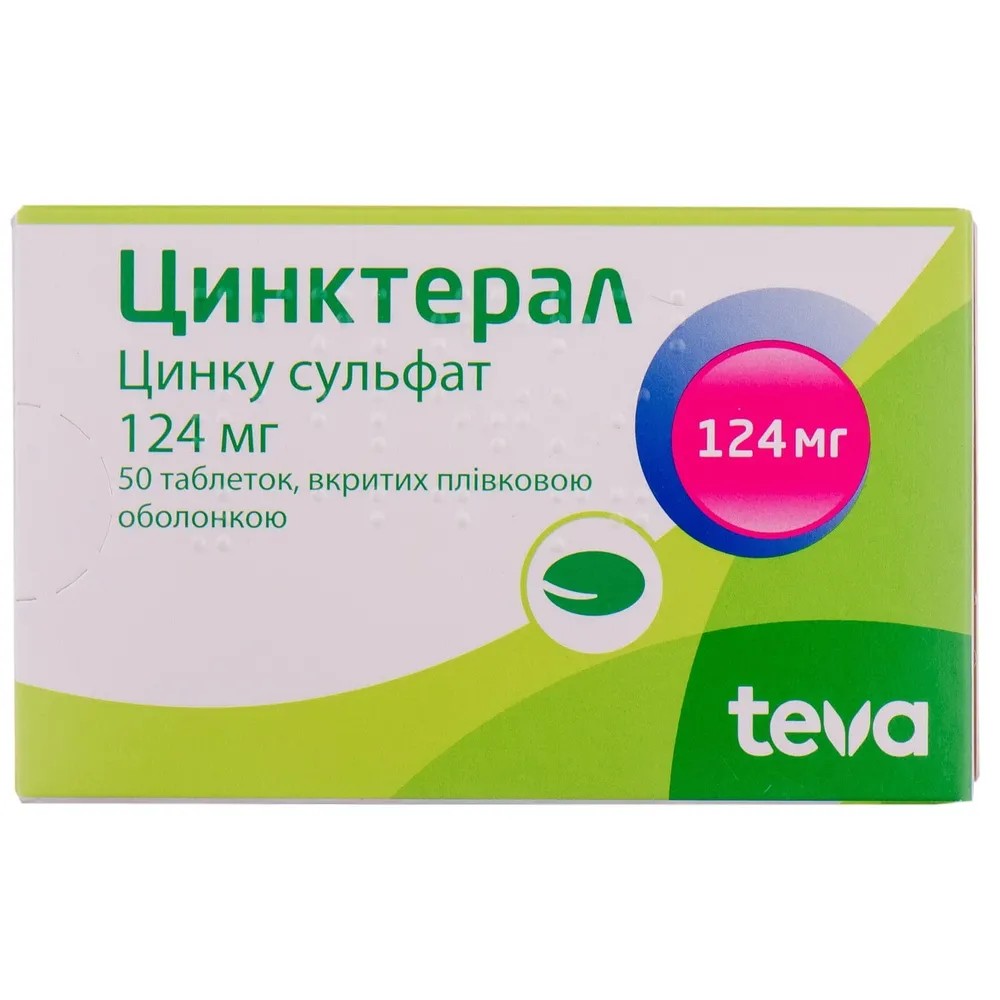
Table of Contents
INSTRUCTIONS FOR MEDICAL USE OF THE MEDICINAL PRODUCT ZINCTERAL (ZINCTERAL)
Composition:
Active substance: zinc sulfate;
1 tablet contains 124 mg of zinc sulfate monohydrate, equivalent to 45 mg of zinc ion;
Excipients: lactose monohydrate, potato starch, povidone, talc, magnesium stearate, hypromellose, titanium dioxide (E 171), polyethylene glycol, azorubine lake (E 122).
Pharmaceutical form. Film-coated tablets.
Main physicochemical characteristics: violet-pink, round, biconvex film-coated tablets with a smooth surface, free from spots and damage.
Pharmacotherapeutic group. Mineral supplements. Zinc preparations. ATC code A12CB01.
Pharmacological Properties.
Pharmacodynamics.
Zinc is one of the most important trace elements, which is a component of numerous enzyme systems regulating key metabolic processes. Specifically, it participates in protein synthesis and carbohydrate metabolism. Zinc is essential for the function of more than 200 metalloenzymes (e.g., carbonic anhydrase, carboxypeptidase A, alcohol dehydrogenase, alkaline phosphatase, RNA polymerase, etc.), as well as for maintaining the proper structure of nucleic acids, proteins, and cellular membranes. Zinc promotes cell growth and development, supports normal immune system function and immunological response, contributes to twilight vision, taste perception, and smell. It helps maintain normal blood levels of vitamin A, prolongs insulin action, and facilitates its storage. In inflammatory skin conditions, zinc exerts both preventive and therapeutic effects.
Zinc deficiency causes difficulties in concentration and memory, poor appetite and distorted taste, reduced cellular and humoral immunity, impaired wound healing, night blindness, carbohydrate imbalance, hypercholesterolemia, hypertension, mental and neurological disorders, prostate hypertrophy, pregnancy complications, growth retardation, hypogonadism in children, and to a significant extent, dermatological disorders (senile alopecia, alopecia areata, acne). In high doses, zinc inhibits copper absorption. Additionally, zinc deficiency increases the absorption of toxic cadmium.
Pharmacokinetics.
Regardless of dietary zinc content, approximately 20–30% of ingested zinc is absorbed in the duodenum and small intestine. Maximum plasma zinc concentration is reached 2 hours after administration. In the body, zinc accumulates predominantly in leukocytes and erythrocytes, as well as in muscles, bones, skin, kidneys, liver, pancreas, prostate gland, and retina. About 60% of zinc binds to albumin, 30–40% to alpha-2-macroglobulin, and 1% to amino acids, primarily histidine and cysteine. Zinc is excreted from the body mainly via feces (90%), to a lesser extent through urine and sweat.
Clinical characteristics.
Indications.
Treatment of zinc deficiency caused by improper nutrition, impaired absorption or utilization of the micronutrient, or increased loss of the micronutrient by the body, observed in conditions such as alcoholism, burns, liver cirrhosis, diabetes mellitus, anorexia, bulimia, post-gastrectomy states, genetic disorders (Down syndrome, enteropathic acrodermatitis, sickle cell anemia, thalassemia), hemodialysis, chronic infections due to reduced immune reactivity, intestinal parasitic infestations, pancreatic insufficiency, cystic fibrosis of the pancreas, kidney diseases (nephrotic syndrome, renal failure), intestinal disorders (celiac disease, Crohn's disease, steatorrhea, ulcerative colitis), short bowel syndrome, skin diseases (exfoliative dermatitis, psoriasis), prolonged stress, trauma, and dietary factors.
Contraindications.
Hypersensitivity to any component of the drug.
Interaction with other medicinal products and other forms of interaction.
Tetracyclines. Zinceteral reduces the absorption of tetracyclines. Therefore, the drug should be administered no sooner than 2 hours after intake of tetracyclines.
Copper preparations. High doses of zinc may inhibit copper absorption (zinc salts should be administered no sooner than 2 hours after intake of these drugs).
Thiazide diuretics enhance urinary excretion of zinc.
Diet rich in fiber (e.g., bran), phosphorus (e.g., dairy products), whole-grain cereal products, and phytates reduces zinc absorption due to formation of non-absorbable complexes. Therefore, the interval between consumption of these foods and administration of zinc preparations should be at least 2 hours.
Folic acid may slightly impair zinc absorption.
Large doses of iron administered orally significantly reduce zinc absorption (the drug should be administered no sooner than 2 hours after intake of these preparations).
Penicillamine and other chelating agents reduce zinc absorption (the drug should be administered no sooner than 2 hours after intake of these agents).
Multivitamin preparations (e.g., complex vitamin preparations with mineral compounds). Concurrent use of multiple products containing zinc may lead to excessively high plasma zinc concentrations.
Quinolones. Zinc reduces the absorption of quinolone/fluoroquinolone drugs (e.g., norfloxacin, ciprofloxacin, ofloxacin). For this reason, at least a 2-hour interval should be maintained between administration of zinc salts and quinolones.
Special precautions for use.
During prolonged use of zinc-containing preparations, the risk of copper deficiency should be considered; therefore, levels of these trace elements should be monitored.
A diet rich in fiber (e.g., bran), phosphates (e.g., dairy products), whole-grain bread products, and phytates reduces zinc absorption due to complex formation. An interval of at least 2 hours should be maintained between consumption of these products and administration of zinc preparations.
The preparation contains lactose and therefore should not be used in patients with hereditary galactose intolerance, Lapp lactase deficiency, or glucose-galactose malabsorption.
Use during pregnancy or breastfeeding.
Pregnancy. Zinc crosses the placental barrier. Adequate and well-controlled studies in pregnant women and in animals have not been conducted. The preparation should be used during pregnancy only if, in the opinion of the physician, the benefit to the mother outweighs the potential risk to the fetus.
Breastfeeding. Zinc is excreted in breast milk. Adequate and well-controlled studies during breastfeeding have not been conducted. The use of the preparation during breastfeeding is not recommended.
Effect on fertility. There are no data regarding the extent to which the use of Zincteral affects fertility.
Ability to influence reaction speed when driving or operating machinery.
Zinc salts do not affect psychomotor reaction speed.
Dosage and Administration
The medication should be administered orally to adults and children aged 4 years and older.
The tablet should not be split or chewed. It is generally recommended to take the medication 1 hour before or 2 hours after meals, as many food products interfere with zinc absorption. If gastrointestinal irritation symptoms occur, the medication may be taken immediately before or during meals; however, in this case, the bioavailability of the medication may be reduced.
For adults: 1–2 tablets daily.
For children aged 4 years and older: 1 tablet daily.
The duration of treatment is determined individually by a physician, depending on the severity of clinically confirmed zinc deficiency and the therapeutic effect achieved.
Children
The medication is indicated for children aged 4 years and older.
Overdose
In case of overdose, symptoms may include burning pain in the mouth and throat, watery or bloody diarrhea, tenesmus (painful defecation urges), belching, hypotension (dizziness), jaundice (yellowing of eyes and skin), pulmonary edema (chest pain, difficulty breathing), vomiting, hematuria, anuria, collapse, seizures, hemolysis, and increased fatigue.
If the above symptoms occur, drink milk or water, followed by intramuscular or intravenous administration of calcium disodium edetate (ethylene-diamine-tetraacetic acid disodium calcium salt) at a dose of 50–75 mg/kg body weight per day, divided into 3–6 doses over 5 days. Inducing vomiting or gastric lavage is not recommended in case of overdose.
Cases of hyperglycemia and fatal outcomes have been reported following oral ingestion of 10 g of zinc sulfate.
Prolonged use of zinc sulfate may lead to copper deficiency.
Adverse reactions
During therapy with zinc sulfate, adverse reactions may occur, categorized by frequency as follows: very common (≥1/10), common (≥1/100 to <1/10), uncommon (≥1/1000 to <1/100), rare (≥1/10000 to <1/1000), very rare (<1/10000), not known (cannot be estimated from available data).
Gastrointestinal disorders
Not known: gastrointestinal disturbances (nausea, vomiting, dyspepsia, heartburn, abdominal pain, diarrhea, gastritis), usually after intake of high doses of zinc.
Blood and lymphatic system disorders
Not known: hematological disorders due to copper deficiency, including leukopenia (elevated body temperature, chills, sore throat), neutropenia (oral and pharyngeal ulcers), sideroblastic anemia (feeling of fatigue, weakness).
Nervous system disorders
Not known: headache, metallic taste in the mouth.
Immune system disorders
Not known: hypersensitivity reactions.
Safety preclinical data
Preclinical data obtained from conventional pharmacological safety studies, repeated-dose toxicity, genotoxicity, potential carcinogenic effects, and reproductive toxicity revealed no special hazard for humans.
Shelf life. 3 years.
Storage conditions. Store at temperatures not exceeding 25 °C, in a place inaccessible to children.
Packaging. 25 tablets per blister. 1 or 2 blisters per carton.
Prescription status.
Prescription only.
Manufacturer.
Teva Operations Poland Sp. z o.o.
Manufacturer's address and place of business.
80 Mogilska Street, 31-546 Kraków, Poland