Trileptal
Ukraine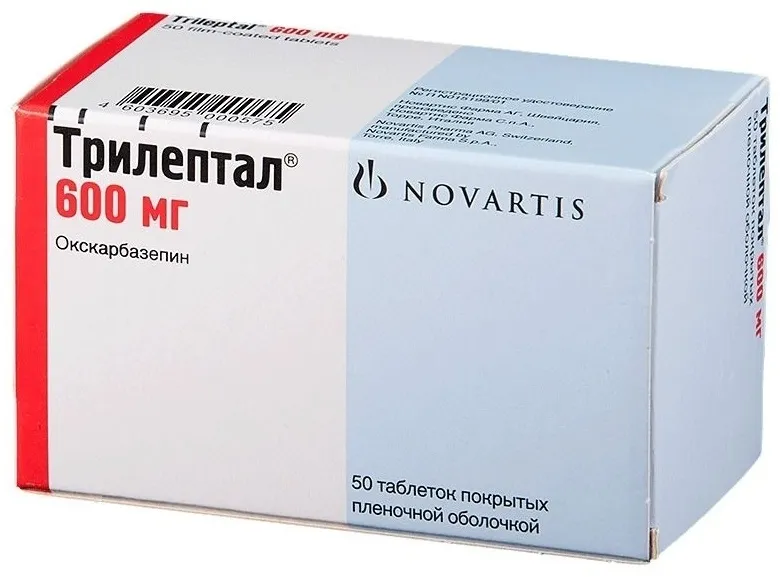
Table of Contents
INSTRUCTIONS FOR MEDICAL USE OF THE MEDICINAL PRODUCT TRILEPTAL (TRILEPTAL®)
Composition:
Active substance: oxcarbazepine;
One tablet contains 300 mg or 600 mg of oxcarbazepine;
Excipients: colloidal anhydrous silicon dioxide, microcrystalline cellulose, hypromellose, crospovidone, magnesium stearate, talc, titanium dioxide (E 171); for 300 mg tablets: macrogol 8000, yellow iron oxide (E 172); for 600 mg tablets: macrogol 4000, red iron oxide (E 172), black iron oxide (E 172).
Pharmaceutical form. Film-coated tablets.
Main physicochemical properties:
300 mg: oval, slightly biconvex yellow tablets with notches on both sides and an imprint: on one side "TE", a line, inverted "TE", on the other side "CG", a line, inverted "CG".
600 mg: oval, slightly biconvex light pink tablets with notches on both sides and an imprint: on one side "TF", a line, inverted "TF", on the other side "CG", a line, inverted "CG".
Pharmacotherapeutic group.
Agents acting on the nervous system. Antiepileptic drugs. Carboxamide derivatives. ATC code N03AF02.
Pharmacological Properties
Pharmacodynamics
The pharmacological activity of oxcarbazepine is primarily due to the action of its metabolite (monohydroxy derivative, MHD). The mechanism of action of oxcarbazepine and MHD is mainly related to blockade of voltage-dependent sodium channels, resulting in stabilization of hyperexcitable neuronal membranes, inhibition of repetitive neuronal firing, and reduction of synaptic impulse propagation. In addition, increased potassium ion conductance and modulation of high-voltage-activated calcium channels may also contribute to the anticonvulsant effects. No significant interactions with brain neurotransmitters or receptor modulator sites have been observed.
Animal studies have shown that oxcarbazepine and its active metabolite (MHD) are potent and effective anticonvulsant agents. They protected animals against generalized tonic-clonic seizures and, to a lesser extent, against clonic epileptic seizures, and suppressed or reduced the frequency of chronic recurrent partial seizures in animals with aluminum implants. With daily treatment of animals for either 5 days or 4 weeks with oxcarbazepine or MHD, no loss of efficacy (i.e., reduction in anticonvulsant activity) was observed with respect to tonic-clonic seizures.
Clinical Efficacy
Trileptal is used as an antiepileptic agent both in monotherapy and in combination therapy and may replace other antiepileptic drugs that do not provide adequate seizure control.
Pharmacokinetics
Absorption
Oxcarbazepine is rapidly absorbed from the gastrointestinal tract. At least 95% is absorbed after administration in the form of film-coated tablets. After oral administration of Trileptal, oxcarbazepine is completely absorbed and extensively metabolized to its pharmacologically active metabolite (MHD).
Following a single 600 mg dose of Trileptal administered to healthy male volunteers under fasting conditions, the mean Cmax of MHD was 31.5 µmol/L, with a corresponding median tmax of 5 hours.
In a human mass balance study, only 2% of total plasma radioactivity was attributed to unchanged oxcarbazepine, approximately 70% to MHD, and the remainder to minor metabolites that are rapidly eliminated.
Food does not affect the rate or extent of oxcarbazepine absorption. Therefore, Trileptal can be administered independently of food intake.
Distribution
The expected volume of distribution of MHD is 49 liters.
Approximately 40% of MHD is protein-bound in plasma, primarily to albumin. Within the therapeutically relevant concentration range, the degree of binding is independent of plasma drug concentration. Oxcarbazepine and MHD do not bind to alpha-1-acid glycoprotein.
Oxcarbazepine and MHD cross the placenta. In one case, MHD concentrations were equal in the plasma of the newborn and the mother.
Biotransformation
Oxcarbazepine is rapidly converted in the liver by cytosolic enzymes to MHD, which is primarily responsible for the pharmacological effect of Trileptal. MHD is subsequently metabolized via conjugation with glucuronic acid. A small portion (4% of the dose) is oxidized to the pharmacologically inactive metabolite (10,11-dihydroxy derivative, DHD).
Elimination
Oxcarbazepine is eliminated from the body mainly as metabolites, predominantly via the kidneys. More than 95% of the dose is excreted in urine, with less than 1% excreted unchanged. Fecal excretion accounts for less than 4% of the administered dose. Approximately 80% of the dose is excreted in urine as glucuronides of MHD (49%) or unchanged MHD (27%), while the inactive DHD accounts for approximately 3%, and conjugates of oxcarbazepine for 13% of the dose.
The elimination half-life of oxcarbazepine is 1.3–2.3 hours, whereas the apparent half-life of MHD in plasma averages 9.3±1.8 hours.
Dose Proportionality
Steady-state plasma concentrations of MHD are achieved within 2–3 days in patients receiving Trileptal twice daily. At steady state, the pharmacokinetics of MHD are linear and demonstrate dose proportionality over the dose range of 300–2400 mg/day.
Special Patient Populations
Patients with Hepatic Impairment
The pharmacokinetics and metabolism of oxcarbazepine and MHD after a single oral 900 mg dose were evaluated in healthy volunteers and in patients with hepatic impairment. Mild to moderate hepatic impairment does not affect the pharmacokinetics of oxcarbazepine or MHD. Trileptal has not been studied in patients with severe hepatic impairment.
Patients with Renal Impairment
There is a linear relationship between creatinine clearance and renal clearance of MHD. After a single 300 mg dose of Trileptal in patients with renal impairment (creatinine clearance < 30 mL/min), the half-life of MHD increases by 60–90% (16–19 hours), and AUC increases twofold compared to adult patients with normal renal function.
Children
The pharmacokinetics of Trileptal were evaluated in clinical trials involving pediatric patients receiving Trileptal at doses ranging from 10–60 mg/kg/day. Body-weight-adjusted clearance of MHD decreases as age and body weight increase, approaching values observed in adult patients. The average clearance in children aged 1 month to 4 years is 93% higher than in adults. Thus, MHD exposure in these children is expected to be approximately twice that in adults receiving a similar dose adjusted for body weight. Body-weight-adjusted clearance in children aged 4 to 12 years is approximately 43% higher than in adult patients. Therefore, the effect of MHD in these children, when treated with similar weight-adjusted doses, is expected to be about two-thirds that in adults. As body weight increases, body-weight-adjusted MHD clearance in patients aged 13 years and older is expected to reach adult levels.
Pregnancy
Data from a limited number of women indicate a gradual decline in plasma MHD levels during pregnancy.
Elderly Patients
After single (300 mg) and repeated (600 mg/day) doses of Trileptal in elderly volunteers (60–82 years), maximum plasma concentrations and AUC values for MHD were 30–60% higher than in younger volunteers (18–32 years). Comparison of creatinine clearance values in younger and elderly volunteers suggests that this difference is related to age-related reduction in creatinine clearance. No specific dosage recommendations are required, as therapeutic doses are individually adjusted.
Gender
No pharmacokinetic differences related to gender have been observed in children, adults, or elderly individuals.
Clinical characteristics.
Indications.
For the treatment of partial seizures with or without secondary generalized tonic-clonic seizures, as monotherapy or adjunctive therapy in adults and children aged 6 years and older.
Contraindications.
Hypersensitivity to oxcarbazepine, eslicarbazepine, or to any of the excipients of the medicinal product.
Interaction with other medicinal products and other forms of interaction.
Enzyme induction
Oxcarbazepine and its pharmacologically active metabolite (monohydroxy derivative, MHD) are weak in vitro and in vivo inducers of the CYP3A4 and CYP3A5 cytochrome P450 enzymes, which are responsible for the metabolism of a large number of drugs, including dihydropyridine calcium channel blockers (e.g., felodipine), immunosuppressants (e.g., cyclosporine, tacrolimus), oral contraceptives (see below), and certain other antiepileptic drugs (e.g., carbamazepine), leading to reduced plasma concentrations of these drugs (Table 1 presents results regarding other antiepileptic drugs).
Oxcarbazepine and MHD are weak inducers in vitro of UDP-glucuronosyltransferases (the effect on specific enzymes within this class is unknown). Therefore, oxcarbazepine and MHD may slightly induce in vivo the metabolism of drugs primarily eliminated via conjugation by UDP-glucuronosyltransferases. Upon initiation of treatment with Trileptal or dose adjustment to achieve a new induction level, 2–3 weeks may be required.
Upon discontinuation of Trileptal therapy, it may be necessary to reduce the dose of concomitantly administered drugs, with decisions based on clinical monitoring and/or plasma drug concentration measurements. Enzyme induction is likely to gradually decrease within 2–3 weeks after stopping treatment.
Hormonal contraceptives. Trileptal has been shown to affect two components of oral contraceptives – ethinylestradiol and levonorgestrel. Mean AUC values of ethinylestradiol and levonorgestrel were reduced by 48–52% and 32–52%, respectively. Other hormonal contraceptives have not been studied. Therefore, concomitant use of Trileptal with hormonal contraceptives may lead to contraceptive failure. An alternative reliable method of contraception should be used.
Enzyme inhibition
Oxcarbazepine and MHD inhibit CYP2C19. Therefore, when Trileptal is co-administered at high doses with drugs primarily metabolized by CYP2C19 (e.g., phenytoin), interaction may occur. Plasma levels of phenytoin increased by 40% when Trileptal doses exceeded 1200 mg/day (Table 1 presents results regarding other antiepileptic drugs). In such cases, dose reduction of concomitantly administered phenytoin may be necessary.
Antiepileptic drugs
Potential interactions between Trileptal and other antiepileptic drugs were evaluated in clinical studies. Information on the effect of these interactions on mean AUC and Cmin values is presented in Table 1.
Table 1
Information on interactions between antiepileptic drugs and Trileptal
| Antiepileptic drug Concomitant administration |
Effect of Trileptal on antiepileptic drug, Cmin |
Effect of antiepileptic drug on MHD** AUC: |
| Carbamazepine |
Decrease by 0–22 % (increase in carbamazepine epoxide levels by 30 %) |
Decrease by 40 % |
| Clobazam |
Not studied |
No effect |
| Felbamate |
Not studied |
No effect |
| Lamotrigine |
No effect (*) |
No effect |
| Phenobarbital |
Increase by 14–15 % |
Decrease by 30–31 % |
| Phenytoin |
Increase by 0–40 % |
Decrease by 29–35 % |
| Valproic acid |
No effect |
Decrease by 0–18 % |
* Does not affect Cmin, AUC, or Cmax)
** MHD: monohydroxy derivative (pharmacologically active metabolite of oxcarbazepine)
In adults, potent inducers of cytochrome P450 enzyme synthesis (i.e., carbamazepine, rifampicin, phenytoin, and phenobarbital) have been shown to reduce plasma levels of MHD by 29–40%. Therefore, monitoring of plasma levels and/or dose adjustment is necessary when one or more of these drugs are used concomitantly with oxcarbazepine. In children aged 6–12 years, MHD clearance increased by approximately 35% when one of three enzyme-inducing antiepileptic drugs was administered, compared to monotherapy. Combination therapy with Trileptal and lamotrigine was associated with an increased risk of adverse events (nausea, somnolence, dizziness, and headache). When Trileptal is used concomitantly with one or more antiepileptic drugs, individual dose adjustment of antiepileptic drugs and/or Trileptal should be considered. This is particularly relevant for pediatric patients receiving lamotrigine concomitantly.
Autoinduction of enzymes was not observed during treatment with Trileptal.
Interactions with other medicinal products
Cimetidine, erythromycin, viloxazine, warfarin, and dextropropoxyphene did not affect the pharmacokinetics of MHD.
An interaction between oxcarbazepine and MAO inhibitors is theoretically possible due to the structural relationship of oxcarbazepine with tricyclic antidepressants.
Tricyclic antidepressants
No clinically significant interactions were observed in clinical studies.
Pharmacodynamic interactions
Combination therapy with lithium and oxcarbazepine may increase neurotoxicity.
Special precautions for use.
Hypersensitivity
Hypersensitivity reactions, including Type I reactions and other hypersensitivity reactions, have been reported during treatment with oxcarbazepine. If such symptoms develop, Trioptal should be discontinued and treatment with another antiepileptic drug should be initiated.
Post-marketing reports have described Type I (immediate) hypersensitivity reactions, including rash, swelling, pruritus, urticaria, dyspnea, bronchospasm, angioedema, and anaphylaxis. Cases of anaphylactic reactions and angioedema involving the larynx, vocal cords, lips, and eyelids have been reported in patients after the first or subsequent doses of Trioptal. If such reactions occur following treatment with Trioptal, the drug should be discontinued and alternative therapy initiated.
Patients who have previously experienced hypersensitivity reactions to carbamazepine should be informed that approximately 25–30% of such patients may develop a hypersensitivity reaction (e.g., severe skin reactions) when taking Trioptal. Therefore, patients should be questioned about prior treatment with carbamazepine before initiating Trioptal therapy. Patients with a history of hypersensitivity to carbamazepine should generally only use Trioptal if the anticipated benefit outweighs the potential risk.
Hypersensitivity reactions, including multi-organ hypersensitivity, have been observed in both adults and children within a close temporal association (mostly within the first 3 weeks, but possibly later) following the initiation of treatment; such reactions may also occur in patients without prior hypersensitivity to carbamazepine. Symptoms varied widely. These reactions may present not only with fever and rash but may also involve the skin, liver, blood and lymphatic systems, and other organs, either individually or together as a systemic reaction. If symptoms suggestive of hypersensitivity reactions occur, Trioptal should be discontinued immediately.
Reports include asthenia, pruritus, arthralgia, joint swelling, lymphadenopathy, splenomegaly, hematological abnormalities (e.g., eosinophilia, thrombocytopenia, neutropenia), pulmonary edema, interstitial lung changes, abnormal liver function tests, hepatitis, proteinuria, oliguria, interstitial nephritis, renal failure, and hepatorenal syndrome. Symptoms may also affect other organs. Some cases required hospitalization, and some were considered life-threatening.
Dermatological effects
Serious skin reactions, including Stevens-Johnson syndrome, toxic epidermal necrolysis (Lyell's syndrome), and erythema multiforme, have been very rarely reported in association with Trioptal use. Patients with serious skin reactions may require hospitalization, as these reactions can be life-threatening and, in very rare cases, fatal. The aforementioned cases associated with Trioptal have been observed in both children and adults. The median time to onset of reaction was 19 days. There have been several isolated reports of recurrence of serious skin reactions upon re-challenge with Trioptal. Patients who develop a skin reaction to Trioptal should be promptly evaluated, and Trioptal should be discontinued immediately, except in cases where a clear lack of association between the rash and drug intake is evident. When discontinuing treatment, consideration should be given to replacing Trioptal with another antiepileptic medication to prevent seizures due to abrupt withdrawal. Trioptal should not be re-administered to patients whose treatment was previously discontinued due to hypersensitivity reactions.
There is increasing evidence that different HLA alleles play a role in immune- and skin-related adverse reactions in susceptible patients.
Association with HLA-B*1502 allele
Retrospective studies involving patients of Chinese or Thai descent have shown a strong correlation between skin reactions SJS/TEN associated with carbamazepine use and the presence of the human leukocyte antigen (HLA)-B*1502 allele. Because the chemical structure of oxcarbazepine is similar to that of carbamazepine, patients carrying the HLA-B*1502 allele are also at increased risk of SJS/TEN skin reactions with oxcarbazepine. Some data also describe such an association with oxcarbazepine.
The prevalence of carriers of this allele is approximately 20% in the Philippines, 13.5% in Vietnam, 2–12% among Han Chinese, at least 8% in Thailand, and 2–6% in Korea and India. In contrast, the prevalence of the HLA-B*1502 allele is low (<1%) in Caucasian, African, Japanese, Native American, and Latin American populations.
The values provided here refer to the prevalence of homozygous allele carriers. The proportion of heterozygotes (and thus individuals with potentially increased risk of skin reactions) is nearly twice as high.
Patients at increased risk of adverse reactions due to their ancestry should be tested before initiating Trioptal therapy to determine whether they carry the HLA-B*1502 allele. Trioptal should not be used in patients who test positive, except when benefits clearly outweigh the risks. When making therapeutic decisions, it should be noted that HLA-B*1502 is also a risk factor for other anticonvulsant drugs. Screening for HLA-B*1502 is not necessary in populations with low allele prevalence. Similarly, screening is not appropriate for patients who have already used Trioptal for a prolonged period, as SJS/TEN typically occurs only within the first few months of therapy.
Association with HLA-A*3101 allele
The human leukocyte antigen (HLA)-A*3101 may be a risk factor for developing adverse skin reactions such as SJS/TEN, drug reaction with eosinophilia and systemic symptoms (DRESS), acute generalized exanthematous pustulosis (AGEP), and maculopapular rash. In particular, data indicate that the HLA-A*3101 allele is associated with an increased risk of skin reactions induced by carbamazepine (SJS/TEN, DRESS, AGEP), as well as maculopapular rash.
The prevalence of this allele varies significantly among different ethnic populations. It is approximately 2–5% in European populations and about 10% in Japanese populations. The estimated prevalence is less than 5% in most populations of Australia, Asia, Africa, and North America.
The values provided here refer to the prevalence of homozygous allele carriers. The proportion of heterozygotes (and thus individuals with potentially increased risk of skin reactions) is nearly twice as high.
Screening for HLA-A*3101 is not recommended in populations with low prevalence. Similarly, screening is not appropriate for patients who have already used Trioptal for a prolonged period, as SJS/TEN, DRESS, AGEP, and maculopapular rash are typically observed only within the first few months of therapy.
Patients of European or Japanese descent who carry the HLA-A*3101 allele may be treated with Trioptal provided that benefits outweigh the risks.
Genetic screening results do not replace appropriate patient monitoring, especially since the risk of serious skin reactions may be increased by other factors (such as concomitant diseases).
Seizure exacerbation risk
There have been reports of seizure exacerbation with the use of Trioptal. The risk of seizure exacerbation primarily exists in children but may also occur in adults. If seizure exacerbation occurs, Trioptal should be discontinued.
Hypopnatremia
Serum sodium levels below 125 mmol/L occurred in 2.7% of patients receiving Trioptal, usually without symptoms and without requiring treatment modification. Clinical trial experience indicates that serum sodium levels return to normal after dose reduction, discontinuation of Trioptal, or conservative management (e.g., fluid restriction). Serum sodium levels should be measured before starting Trioptal in patients with pre-existing renal conditions associated with low sodium levels (e.g., syndrome of inappropriate antidiuretic hormone secretion, SIADH), or in patients receiving concomitant medications that lower sodium levels (e.g., diuretics, desmopressin), as well as NSAIDs (e.g., indomethacin). Subsequently, serum sodium levels should be measured approximately two weeks after initiation and then once monthly during the first three months of therapy, or as clinically indicated. These risk factors may particularly apply to elderly patients. The same approach to sodium level assessment should be followed for patients who start taking sodium-lowering agents during Trioptal therapy. If clinical symptoms suggestive of developing hyponatremia occur during Trioptal therapy, serum sodium measurement should be considered. In other patients, serum sodium assessment may be performed as part of standard laboratory testing.
Clinically significant hyponatremia (Na <125 mmol/L) may very rarely develop during Trioptal therapy. This typically occurred within the first 3 months of treatment, although there were patients in whom serum sodium first dropped below 125 mmol/L one year after therapy initiation. Cases of seizures, disorientation, depressed level of consciousness, encephalopathy, visual disturbances (e.g., blurred vision), vomiting, nausea, and folic acid deficiency have also been reported.
In isolated cases, syndrome of inappropriate antidiuretic hormone secretion (SIADH) may occur during Trioptal therapy.
Pre-existing heart failure
All patients with heart failure or secondary heart failure should be weighed regularly to monitor for fluid retention. If fluid retention or worsening cardiac status occurs, serum sodium levels should be checked. If hyponatremia is observed, fluid restriction is an important therapeutic measure. Since oxcarbazepine may very rarely cause disturbances in cardiac conduction, patients with pre-existing conduction abnormalities (e.g., atrioventricular block, arrhythmia) should be closely monitored.
Hypothyroidism
Hypothyroidism is a very rare adverse effect of oxcarbazepine use. Given the importance of thyroid hormones for child development after birth, thyroid function testing is advisable before initiating Trioptal therapy in pediatric patients, especially in children aged 2 years and older. Monitoring of thyroid function during Trioptal therapy is also recommended in pediatric patients. In patients with hypothyroidism, monitoring of thyroid function is recommended to determine the dose for replacement hormone therapy.
Liver function
Very rare cases of hepatitis, which in most cases resolved with a favorable outcome, have been reported. If liver disease is suspected, liver function should be evaluated and discontinuation of Trioptal should be considered.
Hematological effects
During the post-marketing period, very rare cases of agranulocytosis, aplastic anemia, and pancytopenia have been reported in patients receiving Trioptal. If any signs of severe bone marrow suppression develop, discontinuation of the drug should be considered.
Suicidal behavior
Suicidal thoughts and behavior have been reported in patients treated with antiepileptic drugs for various indications. There is a small increased risk of suicidal thoughts and behavior. The mechanism of this risk is unknown, and available data do not exclude the possibility of increased risk with oxcarbazepine use.
Therefore, patients should be monitored for the emergence of suicidal thoughts and behavior, and appropriate treatment should be considered. Patients (and caregivers) should be advised to seek medical help if suicidal thoughts or behavior occur.
Kidney function
Trioptal therapy should be used with caution in patients with impaired renal function (creatinine clearance below 30 mL/min), particularly regarding initial dosing and dose titration.
There have been reports of decreased bone mineral density leading to overt osteoporosis with fractures after long-term use of Trioptal. The exact mechanism by which oxcarbazepine affects bone metabolism is not yet fully understood.
Hormonal contraceptives
Women of reproductive age should be advised that concomitant use of Trioptal with hormonal contraceptives may lead to contraceptive failure. Alternative contraceptive methods are recommended when using Trioptal.
Vitamin B12 deficiency should be ruled out or treated.
Alcohol
Alcohol consumption during Trioptal therapy may cause a cumulative sedative effect.
Discontinuation of therapy
As with all antiepileptic drugs, Trioptal should be discontinued gradually to minimize the potential for increased seizure frequency or status epilepticus. If abrupt discontinuation of Trioptal is unavoidable, particularly due to severe adverse effects, an appropriate antiepileptic drug should be introduced (e.g., intravenous or rectal diazepam, phenytoin) during the transition period to another antiepileptic agent; the patient's condition should be closely monitored.
Oxcarbazepine has a weaker enzyme-inducing effect than carbamazepine. The dose of other concomitant antiepileptic drugs may need to be reduced.
Fertility
There are no data on effects on fertility in humans. Animal studies did not show impaired fertility but revealed a negative effect on female reproductive parameters; therefore, a risk of impaired female fertility cannot be excluded.
Use during pregnancy or breastfeeding.
Pregnancy
General risk associated with epilepsy and antiepileptic drugs
It has been shown that children born to women with epilepsy have a 2–3 times higher prevalence of congenital malformations compared to the general population, where the rate is approximately 3%. In patients receiving treatment, increased malformation rates were observed with polytherapy, but the extent to which this is due to medication and/or the underlying disease remains unclear.
Moreover, effective antiepileptic therapy should not be interrupted, as disease exacerbation is highly detrimental to both the pregnant woman and the fetus.
Risk associated with oxcarbazepine
The amount of clinical data on drug use during pregnancy remains insufficient to assess the teratogenic potential of oxcarbazepine. The most common congenital malformations occurring during oxcarbazepine therapy include ventricular septal defect, atrioventricular septal defect, cleft lip and palate, Down syndrome, hip dysplasia (unilateral or bilateral), tuberculosis, and congenital ear anomaly. According to the North American Pregnancy Registry, the frequency of major congenital malformations, defined as structural anomalies requiring surgical, medical, or cosmetic intervention diagnosed within 12 weeks of birth, was 2.0% (95% CI, 0.6 to 5.1%) when women received oxcarbazepine monotherapy during the first trimester. Compared to women who did not receive anticonvulsants during pregnancy, the relative risk (RR) of congenital anomaly with oxcarbazepine use during pregnancy was 1.6 (95% CI, 0.46 to 5.7). Animal studies showed increased embryonic mortality, developmental delays, and malformations at dose levels toxic to the maternal organism.
In view of the above, the following should be considered:
- If a woman receiving Trioptal becomes pregnant or plans pregnancy, the use of this drug should be carefully re-evaluated. The lowest effective doses should be prescribed, and monotherapy should be preferred whenever possible, at least during the first three months of pregnancy;
- Patients should be counseled regarding the potential increased risk of developmental abnormalities and offered prenatal screening;
- Effective antiepileptic treatment with oxcarbazepine should not be interrupted during pregnancy, as disease exacerbation is highly detrimental to both the pregnant woman and the fetus.
Monitoring and prevention
Antiepileptic drugs may cause folic acid deficiency, which may affect fetal development. Folic acid supplementation is recommended before and during pregnancy. Since the effectiveness of such supplementation is not proven, specialized prenatal diagnosis may be offered even to women receiving folic acid supplements.
Data from a limited number of women indicate that plasma levels of the active metabolite of oxcarbazepine, 10-monohydroxy derivative (MHD), may gradually decrease during pregnancy. Careful monitoring of clinical response in women receiving Trioptal therapy throughout pregnancy is recommended to ensure adequate seizure control. The need to monitor changes in plasma MHD concentrations should be considered. If drug doses were increased during pregnancy, monitoring of plasma MHD levels in the postpartum period should also be considered.
Newborns
Impaired blood coagulation in newborns has been reported due to antiepileptic drugs. As a preventive measure, vitamin K1 should be administered during the last few weeks of pregnancy and to the newborn.
Rare cases of hypocalcemia have been observed in newborns whose mothers were treated with antiepileptic drugs during pregnancy. These cases were associated with disturbances in calcium phosphate metabolism and bone mineralization.
Women of reproductive age and contraceptive measures
Women of reproductive age should be advised to use highly effective contraceptive methods during Trioptal therapy (preferably non-hormonal, e.g., intrauterine devices). Trioptal may lead to reduced therapeutic efficacy of contraceptives containing oral ethinylestradiol (EE) and levonorgestrel (LNG).
Breastfeeding period
Oxcarbazepine and its active metabolite (MHD) pass into breast milk. For both compounds, the ratio of concentration in breast milk to plasma concentration is 0.5. The effect of Trioptal on the infant via breast milk is unknown. Therefore, if treatment is necessary, breastfeeding should be discontinued.
Ability to affect reaction speed when driving vehicles or operating machinery.
The use of Trioptal has been associated with adverse reactions such as dizziness, somnolence, ataxia, diplopia, blurred vision, visual disturbances, hyponatremia, and decreased consciousness; particularly at the beginning of therapy or in connection with dose adjustments (more frequently during the titration phase). Therefore, patients should be warned about the possible impairment of their physical and/or mental ability to operate machinery or drive vehicles.
Method of Administration and Dosage
In monotherapy and adjunctive therapy, treatment with Trileptal should be initiated with a clinically effective dose divided into two administrations. The dose may be increased depending on the patient's clinical response. When replacing other antiepileptic medicinal products with Trileptal, the dose of the concomitant antiepileptic drug(s) should be gradually reduced at the beginning of Trileptal treatment. Since the total antiepileptic drug load on the patient increases, doses of concomitant antiepileptic drugs may need to be reduced and/or the Trileptal dose increased more slowly.
Trileptal may be administered independently of food intake.
The dosage recommendations below apply to all patients in the absence of renal impairment. There is no need to monitor plasma levels of the drug for the purpose of optimizing Trileptal therapy.
However, monitoring of MHD plasma concentration should be performed during Trileptal treatment to exclude non-compliance with the treatment regimen or in situations where a change in MHD clearance is expected, such as:
- changes in renal function (see "Patients with Renal Impairment" below);
- pregnancy (see "Use in Pregnancy or Breastfeeding" and "Pharmacological Properties");
- concomitant use of enzyme-inducing medicinal products (see "Interaction with Other Medicinal Products and Other Forms of Interaction").
The Trileptal dose may be adjusted in the situations listed above (based on plasma concentration measured 2–4 hours after administration) to maintain maximum MHD plasma concentration <35 mg/L. The body weight-dependent clearance of MHD (L/h/kg) is significantly higher in children than in adults.
The tablets have a score line and can be divided into two halves to facilitate swallowing. However, the tablet cannot be split into two equal doses.
Adults
Monotherapy
Treatment with Trileptal should be initiated at a dose of 600 mg/day (8–10 mg/kg/day), divided into two doses. If clinically indicated, the dose may be increased at approximately weekly intervals by no more than 600 mg/day from the initial dose until the desired clinical response is achieved. Therapeutic effect is observed within the dose range of 600–2400 mg/day.
Controlled monotherapy studies in patients not currently receiving antiepileptic medicinal products have shown that an effective dose is 1200 mg/day. However, a dose of 2400 mg/day has been found effective in more treatment-resistant patients being converted to monotherapy with Trileptal from other antiepileptic medicinal products.
In controlled inpatient conditions, dose escalation to 2400 mg/day was achieved within 48 hours.
Adjunctive Therapy
Treatment with Trileptal should be initiated at a dose of 600 mg/day (8–10 mg/kg/day), divided into two doses. If clinically indicated, the dose may be increased at approximately weekly intervals by no more than 600 mg/day from the initial dose until the desired clinical response is achieved. Therapeutic effects are observed within the dose range of 600–2400 mg/day.
A controlled adjunctive therapy study showed that daily doses from 600 to 2400 mg/day are effective, with most patients responding to a dose of 900 mg/day.
Controlled monotherapy studies in patients who had not previously received antiepileptic drugs demonstrated efficacy of a daily dose of 1200 mg.
Most patients were unable to tolerate a dose of 2400 mg/day without dose reduction of concomitant antiepileptic drugs, primarily due to CNS-related adverse events. Daily doses higher than 2400 mg were not systematically studied in clinical trials.
Older Patients (aged 65 years and older)
Dose adjustment based on age is not recommended, as the therapeutic dose of oxcarbazepine is individually determined.
Dose adjustment is recommended for older patients with renal impairment (creatinine clearance <30 mL/min).
Children
Trileptal is recommended for use in children aged 6 years and older.
For both monotherapy and adjunctive therapy, treatment with Trileptal should be initiated at a dose of 8–10 mg/kg/day, divided into two doses. In adjunctive therapy, therapeutic effects are observed at an average maintenance dose of approximately 30 mg/kg/day. If clinically indicated, the dose may be increased at approximately weekly intervals by no more than 10 mg/kg/day from the initial dose up to a maximum dose of 46 mg/kg/day to achieve the desired clinical response, and this should be achieved within two weeks.
In a study of combination therapy in children and adolescents aged 3 to 17 years, with the treatment goal of achieving a target daily dose of 46 mg/kg/day, the mean daily dose was 31 mg/kg/day (range: 6 to 51 mg/kg/day).
Maximum Recommended Dose
If clinically indicated, the daily dose may be increased at weekly intervals by increments not exceeding 10 mg/kg/day up to a maximum dose of 60 mg/kg/day to achieve the desired effect.
Impact of Body Weight-Dependent MHD Clearance on Pediatric Dosing
In both combination therapy and monotherapy, the clearance of MHD (the active metabolite of oxcarbazepine) is body weight-dependent (L/h/kg) and significantly higher in children (particularly those aged 1 month to 4 years) than in adults. Therefore, children aged 4 to 12 years may require a dose of oxcarbazepine up to 50% higher per kg of body weight.
Impact of Concomitantly Administered Enzyme-Inducing Antiepileptic Drugs on Pediatric Dosing
Older children (≥4 years) receiving enzyme-inducing antiepileptic drugs may require only slightly higher doses per kg of body weight compared to those on monotherapy.
For children unable to swallow tablets or when the required dose cannot be achieved with tablet formulations, oxcarbazepine oral suspension should be used.
All the above dosage recommendations (for adults, older patients, and children) are based on doses studied in clinical trials across all age groups. However, consideration may be given to initiating treatment with lower doses when possible.
Patients with Hepatic Impairment
No dosage adjustment is required for patients with mild to moderate hepatic impairment. Trileptal has not been studied in patients with severe hepatic impairment. Therefore, caution should be exercised when treating patients with severe hepatic impairment.
Patients with Renal Impairment
For patients with renal impairment (creatinine clearance less than 30 mL/min), treatment with Trileptal should be initiated at half the usual starting dose (300 mg/day), which should then be increased at intervals of at least one week until the desired clinical response is achieved.
More careful monitoring may be necessary when increasing the dose in patients with renal impairment.
Patients with hyponatremia require close monitoring of sodium levels.
Children.
Trileptal is not recommended for use in children under 6 years of age, as safety and efficacy have not been adequately established.
Overdose.
Cases of overdose have been reported. The maximum ingested dose was approximately 48,000 mg. All patients recovered following symptomatic treatment. Symptoms of overdose include somnolence, dizziness, nausea, vomiting, hyperkinesia, fatigue, hyponatremia, respiratory depression, QT prolongation, diplopia, miosis, blurred vision, ataxia, nystagmus, tremor, coordination disturbances, seizures, headache, coma, loss of consciousness, dyskinesia, aggression, agitation, confusion, hypotension, and dyspnea. There is no specific antidote. Appropriate symptomatic and supportive treatment should be administered. Consideration should be given to removing the drug by gastric lavage and/or inactivating it with activated charcoal.
Monitoring of vital functions is recommended, with particular attention to disturbances in electrolyte balance, cardiac conduction, and respiration.
Undesirable effects
The most frequently reported adverse reactions were somnolence, headache, dizziness, diplopia, nausea, vomiting, and fatigue, occurring in more than 10% of patients.
The frequency category is defined as follows: very common: ≥ 1/10; common: ≥ 1/100 to < 1/10; uncommon: ≥ 1/1000 to < 1/100; rare: ≥ 1/10000 to < 1/1000; very rare: < 1/10000; not known: cannot be estimated from the available data.
Within each frequency group, adverse reactions are listed in order of decreasing severity.
Table 2
| From blood and lymphatic system |
|
| Uncommon |
Leukopenia |
| Very rare |
Bone marrow depression, aplastic anemia, agranulocytosis, pancytopenia, thrombocytopenia, neutropenia |
| From immune system |
|
| Very rare |
Increased sensitivity (including multiorgan hypersensitivity), characterized by features such as rash and fever. Possible involvement of other organs or systems, such as hematopoietic and lymphatic systems (e.g., eosinophilia, thrombocytopenia, leukopenia, lymphadenopathy, splenomegaly), liver (e.g., abnormal liver function tests, hepatitis), muscles and joints (e.g., joint swelling, myalgia, arthralgia), nervous system (e.g., hepatic encephalopathy), kidneys (e.g., proteinuria, interstitial nephritis, renal failure), lungs (e.g., dyspnea, pulmonary edema, asthma, bronchospasm, interstitial lung disease), angioedema Anaphylactic reactions, hypersensitivity reactions |
| Not known |
DRESS syndrome (drug reaction with eosinophilia and systemic symptoms) |
| From endocrine system |
|
| Common |
Increased body weight |
| Very rare |
Hypothyroidism |
| From metabolism and nutrition |
|
| Common |
Hypotremia, more frequent in elderly patients |
| Very rare |
Clinically significant hyponatremia associated with symptoms such as seizures, confusion, depressed level of consciousness, encephalopathy (additional adverse effects also listed in section “Nervous system disorders”), visual disturbances (e.g., blurred vision), vomiting, nausea† |
| Not known |
Hypothyroidism; syndrome resembling inappropriate ADH secretion with symptoms of lethargy, nausea, dizziness, low serum osmolality, vomiting, headache, confusion or other neurological signs and symptoms |
| From psyche |
|
| Common |
Confusion, depression, apathy, agitation (e.g., nervousness), affective lability, confusion |
| From nervous system |
|
| Very common |
Somnolence, headache, dizziness |
| Common |
Ataxia, tremor, nystagmus, attention disturbance, amnesia |
| Not known |
Speech disorders (including dysarthria); more frequent during dose titration of Oxcarbazepine. |
| From eye organs |
|
| Very common |
Diplopia |
| Common |
Blurred vision, visual disturbance |
| From ear and vestibular system |
|
| Common |
Vertigo |
| Cardiac disorders |
|
| Very rare |
Arrhythmia, atrioventricular block |
| Vascular disorders |
|
| Very rare |
Arterial hypertension |
| From digestive system |
|
| Very common |
Nausea, vomiting |
| Common |
Diarrhea, constipation, abdominal pain |
| Very rare |
Pancreatitis and/or elevated levels of lipase and/or amylase |
| From biliary tract and liver |
|
| Uncommon |
Elevated levels of transaminases and/or alkaline phosphatase |
| Very rare |
Hepatitis |
| Skin disorders |
|
| Common |
Rash, alopecia, acne |
| Uncommon |
Urticaria |
| Very rare |
Angioedema, Stevens-Johnson syndrome, toxic epidermal necrolysis (Lyell's syndrome), angioedema, erythema multiforme, systemic lupus erythematosus |
| Not known |
Skin swelling with eosinophilia and systemic symptoms (DRESS), acute generalized exanthematous pustulosis (AGEP) |
| From musculoskeletal and connective tissue system |
|
| Very rare |
Systemic lupus erythematosus |
| Not known |
Decreased bone mineral density, osteopenia, osteoporosis, fractures (with long-term use) |
| General disorders and administration site conditions |
|
| Very common |
Fatigue |
| Common |
Asthenia |
| Abnormal laboratory test results |
|
| Uncommon |
Elevated liver enzymes, elevated alkaline phosphatase, amylase and lipase in blood |
| Not known |
Decreased T4 (clinical significance unknown) |
| Injury and postoperative complications |
|
| Unknown |
Fall |
* According to the CIOMS III (Council for International Organizations of Medical Sciences) frequency classification.
†Very rarely, clinically significant hyponatremia (Na+ <125 mmol/L) may develop during treatment with Trileptal. It usually occurs within the first 3 months of Trileptal therapy, although cases have been reported in which serum sodium levels first decreased to <125 mmol/L more than 1 year after initiation of treatment.
Expiry date. 3 years.
Storage conditions. Store at temperatures not exceeding 30 °C. Keep out of reach and sight of children.
Packaging. 10 tablets per blister pack, 5 blister packs per cardboard box.
Prescription status. Prescription only.
Manufacturer.
| |
Novartis Farma S.p.A. / Novartis Farma S.p.A. |
| |
Novartis Farmaceutica, S.A. / Novartis Farmaceutica, S.A. |
Manufacturer's location and address of its place of business.
| |
Via Provinciale Schito 131, 80058 Torre Annunziata (NA), Italy. |
| |
Gran Via de les Corts Catalanes 764, Barcelona, 08013, Spain. |