Tecentriq
Ukraine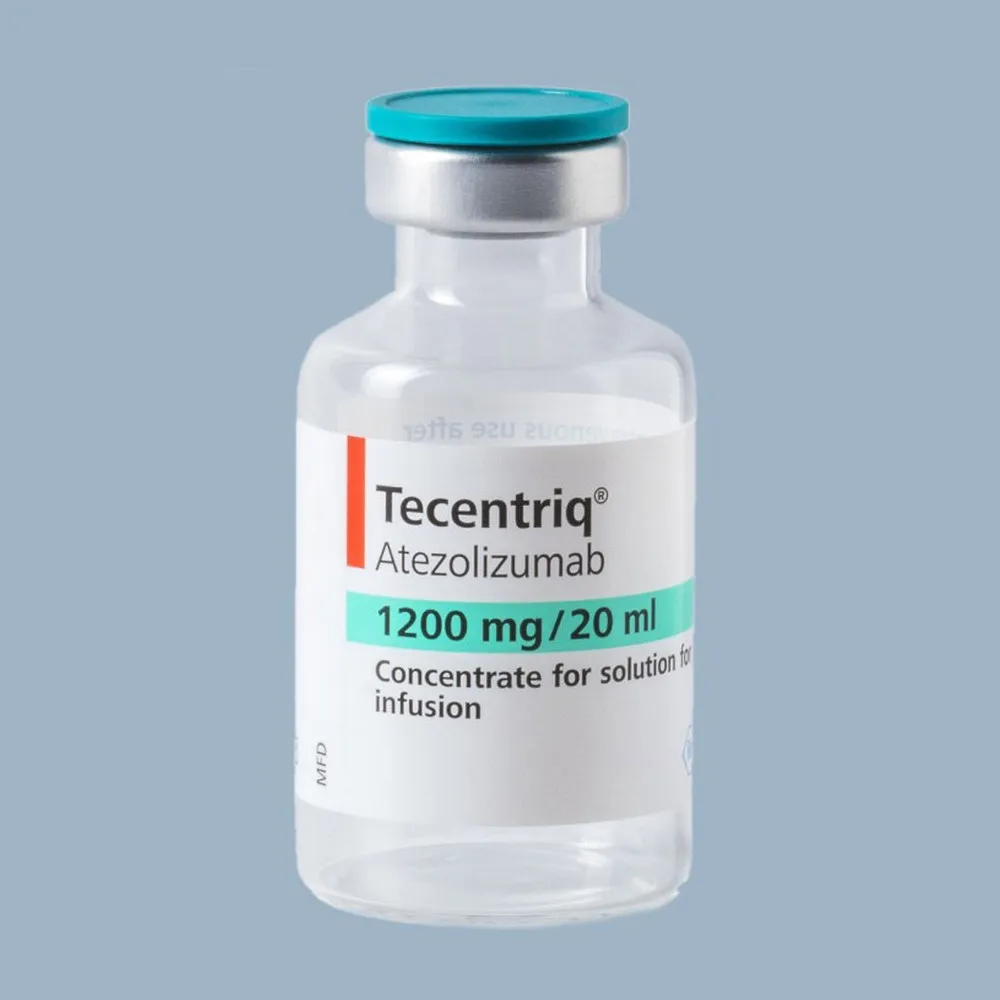
Table of Contents
INSTRUCTIONS for medical use of the medicinal product Tecentriq® (Tecentriq®)
Composition:
Active substance: atezolizumab;
1 vial (20 ml concentrate for infusion solution) contains 1200 mg atezolizumab;
Excipients: L-histidine, glacial acetic acid, sucrose, polysorbate 20, water for injections.
Pharmaceutical form. Concentrate for solution for infusion.
Main physicochemical properties: the preparation is a liquid ranging from colorless to slightly yellow.
Pharmacotherapeutic group.
Antineoplastic agents. Monoclonal antibodies and antibody-drug conjugates. PD-1/PDL-1 (programmed cell death protein 1/ligand 1) inhibitors.
ATC code L01F F05.
Pharmacological properties.
Pharmacodynamics.
Mechanism of action
Atezolizumab is a monoclonal antibody that blocks programmed cell death ligand 1 (PD-L1). Atezolizumab is an Fc-engineered, humanized, non-glycosylated IgG1 kappa immunoglobulin with a calculated molecular mass of 145 kDa.
PD-L1 may be expressed on tumor cells and/or tumor-infiltrating immune cells and may contribute to inhibition of anti-tumor immune responses within the tumor microenvironment.
Binding of PD-L1 to PD-1 and B7.1 receptors expressed on T-cells and antigen-presenting cells leads to suppression of cytotoxic T-cell activity, T-cell proliferation, and cytokine production.
Atezolizumab binds to PD-L1 and blocks its interaction with PD-1 and B7.1 receptors, thereby reversing PD-L1/PD-1–mediated immune suppression, including activation of anti-tumor immune responses, without inducing antibody-dependent cellular cytotoxicity. In syngeneic tumor models in animals, blockade of PD-L1 activity resulted in reduced tumor growth.
The exposure–response relationship and time course of pharmacodynamic response for atezolizumab with regard to safety and efficacy have not been fully characterized.
Clinical efficacy
In all the studies described below, tumor samples were assessed using the VENTANA PD-L1 (SP142) assay at a central laboratory.
Adjuvant treatment of stage II–IIIA NSCLC with PD-L1 expression ≥ 1 %
The efficacy of Tecentriq® was evaluated in the multicenter, randomized, open-label IMpower010 study as adjuvant treatment in patients with NSCLC who underwent complete tumor resection and were eligible for adjuvant cisplatin-based chemotherapy.
At the interim disease-free survival analysis, the study demonstrated a statistically significant improvement in disease-free survival in the population of patients with stage II–IIIA disease and PD-L1 expression on tumor cells ≥ 1 %.
Table 1
Efficacy results from the IMpower010 study in patients with stage II–IIIA NSCLC with PD-L1 expression ≥ 1 % on tumor cells
| Parameter |
Group A: Tecentriq® n = 248 |
Group B: best supportive care n = 228 |
| Disease-free survival |
||
| Number of events (%) |
88 (35) |
105 (46) |
| Median, months |
NR |
35.3 |
| (95 % CI) |
(36.1, NE) |
(29.0, NE) |
| Hazard ratio1 (95 % CI) |
0.66 (0.50, 0.88) |
|
| p-value |
0.004 |
|
CI – confidence interval; NR – not reached; NE – not evaluable.
1 Stratified by stage, sex, and histology.
Metastatic NSCLC, previously untreated with chemotherapy, with high PD-L1 expression
The efficacy of Tecentriq® was evaluated in a multicenter, international, randomized, open-label IMpower110 study.
Table 2
Efficacy results from the IMpower110 study in patients with NSCLC and high PD-L1 expression (≥ 50% tumor cells or ≥ 10% IC) and without genomic tumor aberrations in EGFR or ALK
| Parameter |
Group A: Tecentriq® n = 107 |
Group B: platinum-based chemotherapy n = 98 |
| Overall survival1 |
||
| Deaths (%) |
44 (41%) |
57 (58%) |
| Median, months (95% CI) |
20.2 (16.5, NE) |
13.1 (7.4, 16.5) |
| Hazard ratio2 (95% CI) |
0.59 (0.40, 0.89) |
|
| p-value3 |
0.01064 |
|
1 Based on the interim analysis of overall survival. The median follow-up period for patient survival was 15.7 months.
2 Stratified by sex and ECOG performance status score.
3 Based on the stratified log-rank test compared with group A.
4 Compared with assigned alpha 0.0413 for this interim analysis.
CI – confidence interval; NE – not estimable.
Small cell lung cancer (SCLC)
The efficacy of Tecentriq® in combination with carboplatin and etoposide was evaluated in the IMpower133 study.
Table 3
Efficacy results from the IMpower133 study
| Parameter |
Tecentriq® with carboplatin and etoposide |
Placebo with carboplatin and etoposide |
| Overall survival |
N = 201 |
N = 202 |
| Deaths (%) |
104 (52%) |
134 (66%) |
| Median, months |
12.3 |
10.3 |
| (95% CI) |
(10.8, 15.9) |
(9.3, 11.3) |
| Hazard ratio3 (95% CI) |
0.70 (0.54, 0.91) |
|
| p-value4,5 |
0.0069 |
|
| Progression-free survival1,2 |
N = 201 |
N = 202 |
| Number of events (%) |
171 (85%) |
189 (94%) |
| Median, months |
5.2 |
4.3 |
| (95% CI) |
(4.4, 5.6) |
(4.2, 4.5) |
| Hazard ratio3 (95% CI) |
0.77 (0.62, 0.96) |
|
| p-value4,6 |
0.0170 |
|
| Objective response rate1,2,7 |
N = 201 |
N = 202 |
| Number of patients with response (%) |
121 (60%) |
130 (64%) |
| (95% CI) |
(53, 67) |
(57, 71) |
| Complete response |
5 (2%) |
2 (1%) |
| Partial response |
116 (58%) |
128 (63%) |
| Duration of response1,2,7 |
N = 121 |
N = 130 |
| Median (months) |
4.2 |
3.9 |
| (95% CI) |
(4.1, 4.5) |
(3.1, 4.2) |
1 As defined by investigator assessment.
2 According to RECIST v1.1 (Response Evaluation Criteria in Solid Tumors v1.1).
3 Stratified by sex and baseline ECOG performance status.
4 Based on stratified log-rank test.
5 Compared to the assigned α = 0.0193 for this interim analysis based on 78% information using O'Brien-Fleming boundaries.
6 Compared to the assigned α = 0.05 for this analysis.
7 Confirmed response.
CI – confidence interval.
Hepatocellular carcinoma (HCC)
The efficacy of Tecentriq® in combination with bevacizumab was evaluated in the multicenter, international, open-label, randomized IMbrave150 study in patients with locally advanced unresectable and/or metastatic HCC who had not received prior systemic therapy.
Table 4
Efficacy results from the IMbrave150 study
| Parameter |
Tecentriq® in combination with bevacizumab (n = 336) |
Sorafenib (n = 165) |
| Overall Survival |
||
| Deaths (%) |
96 (29) |
65 (39) |
| Median OS, months (95% CI) |
NE (NE, NE) |
13.2 (10.4, NE) |
| Hazard ratio1 (95% CI) |
0.58 (0.42, 0.79) |
|
| p-value2 |
0.00062 |
|
| Progression-Free Survival3 |
||
| Number of events (%) |
197 (59) |
109 (66) |
| Median PFS, months (95% CI) |
6.8 (5.8, 8.3) |
4.3 (4.0, 5.6) |
| Hazard ratio1 (95% CI) |
0.59 (0.47, 0.76) |
|
| p-value |
< 0.0001 |
|
| Objective response rate3,5, RECIST 1.1 |
||
| Number of patients with response to treatment (%) |
93 (28) |
19 (12) |
| (95% CI) |
(23, 33) |
(7, 17) |
| p-value4 |
< 0.0001 |
|
| Complete response, n (%) |
22 (7) |
0 |
| Partial response, n (%) |
71 (21) |
19 (12) |
| Duration of response3,5, RECIST 1.1 |
||
| (n = 93) |
(n = 19) |
|
| Median duration of response (months) (95% CI) |
NE (NE, NE) |
6.3 (4.7, NE) |
| Range (months) |
(1.3+, 13.4+) |
(1.4+, 9.1+) |
| Overall response rate3,5, mRECIST for HCC |
||
| Number of patients with response to treatment (%) |
112 (33) |
21 (13) |
| (95% CI) |
(28, 39) |
(8, 19) |
| p-value4 |
< 0.0001 |
|
| Complete response, n (%) |
37 (11) |
3 (1.8) |
| Partial response, n (%) |
75 (22) |
18 (11) |
| Duration of response3,5, mRECIST for HCC |
||
| (n=112) |
(n=21) |
|
| Median duration of response (months) (95% CI) |
NE (NE, NE) |
6.3 (4.9, NE) |
| Range (months) |
(1.3+, 13.4+) |
(1.4+, 9.1+) |
1 Stratification by geographic region (Asia, excluding Japan, vs. rest of the world), macrovascular invasion and/or extrahepatic spread (present vs. absent), and baseline alpha-fetoprotein level (< 400 vs. ≥ 400 ng/mL).
2 Based on stratified two-sided log-rank test, compared to a significance level of 0.004 (two-sided) based on 161/312 = 52% information using the OBF method.
3 Based on independent radiological review.
4 Based on two-sided Cochran–Mantel–Haenszel test.
5 Confirmed responses.
- Censored value.
CI – confidence interval; mRECIST for HCC – modified RECIST criteria for assessment of HCC; NE – not estimable; RECIST 1.1 – Response Evaluation Criteria in Solid Tumors, version 1.1.
Pharmacokinetics.
In patients, atezolizumab exposure increased proportionally with dose over the dose range of 1 mg/kg to 20 mg/kg (0.07 to 1.33 times the approved recommended doses), including the 1200 mg dose administered every 3 weeks. Steady state was reached within 6–9 weeks after multiple administrations. The accumulation ratio following administration every 2 weeks and every 3 weeks was 3.3-fold and 1.9-fold, respectively.
Distribution
The steady-state volume of distribution was 6.9 L.
Elimination
Clearance (CV %) was 0.20 L/day (29%) and terminal half-life was 27 days. Atezolizumab clearance decreased over time, with a mean maximal reduction (CV %) from baseline of 17% (41%). However, the decrease in clearance was not considered clinically significant.
Special patient populations
The following factors did not have a clinically meaningful effect on systemic exposure to atezolizumab: age (2–89 years), body weight, sex, albumin level, tumor burden, region, or race; mild or moderate renal impairment (calculated glomerular filtration rate (eGFR) from 30 to 89 mL/min/1.73 m²); mild hepatic impairment (bilirubin level ≤ ULN and AST > ULN, or bilirubin level > 1 to 1.5 × ULN and any AST level); moderate hepatic impairment (bilirubin level > 1.5–3 × ULN and any AST level); PD-L1 expression level; or performance status (by ECOG scale).
Paediatric population
In children aged 2 to <17 years with recurrent or progressive solid tumors and lymphomas who received Tecentriq® at a dose of 15 mg/kg with a maximum dose of 1200 mg every 3 weeks, serum atezolizumab concentrations were comparable to those in adult patients receiving Tecentriq® at a dose of 1200 mg every 3 weeks, although a trend toward lower exposure was observed in children under 12 years of age; this was not considered clinically significant.
Clinical characteristics.
Indications.
Non-small cell lung cancer
Adjuvant treatment as monotherapy following resection and platinum-based chemotherapy in adult patients with stage II–IIIA non-small cell lung cancer (NSCLC) expressing PD-L1 ≥ 1% on tumor cells.
First-line treatment as monotherapy in adult patients with metastatic non-small cell lung cancer (NSCLC) with high PD-L1 expression (PD-L1-stained tumor cells ≥ 50%, or PD-L1-stained tumor-infiltrating immune cells covering ≥ 10% of tumor area) and without tumor genomic aberrations in EGFR or ALK.
First-line treatment in combination with bevacizumab, paclitaxel, and carboplatin in adult patients with metastatic non-squamous NSCLC without tumor genomic aberrations in EGFR or ALK.
First-line treatment in combination with protein-bound paclitaxel and carboplatin in adult patients with metastatic non-squamous NSCLC without tumor genomic aberrations in EGFR or ALK.
Treatment of adult patients with metastatic NSCLC who have experienced disease progression during or after platinum-based chemotherapy. In patients with EGFR- or ALK-genomic tumor aberrations, disease progression on therapy approved for NSCLC with these aberrations must have occurred prior to receiving Tecentriq®.
Small cell lung cancer
First-line treatment in combination with carboplatin and etoposide in adult patients with extensive-stage small cell lung cancer (ES-SCLC).
Hepatocellular carcinoma
Treatment in combination with bevacizumab in patients with unresectable or metastatic hepatocellular carcinoma who have not received prior systemic therapy.
Contraindications.
Hypersensitivity to atezolizumab or to any excipient of the medicinal product.
Interaction with other medicinal products and other forms of interaction.
Formal pharmacokinetic interaction studies of atezolizumab with other medicinal products have not been conducted. Since atezolizumab is eliminated from the bloodstream via catabolism, metabolic interactions between atezolizumab and other medicinal products are not expected.
Special precautions.
Traceability
To improve traceability of biological medicinal products, the trade name and batch number of the administered product should be clearly documented.
Severe and fatal immune-mediated adverse reactions
Tecentriq® is a monoclonal antibody belonging to the class of medicinal products that bind to programmed death receptor-1 (PD-1) or programmed death-ligand 1 (PD-L1), blocking the PD-1/PD-L1 mediated signaling pathway, thereby releasing inhibition of the immune response, potentially disrupting peripheral tolerance and inducing immune-mediated adverse reactions. Important immune-mediated adverse reactions described in the section "Special precautions" may not include all possible severe and fatal immune-mediated reactions.
Immune-mediated adverse reactions, which may be severe or result in death, can occur in any organ system or tissue. Immune-mediated adverse reactions can occur at any time after initiation of PD-1/PD-L1 blocking antibody therapy. Immune-mediated adverse reactions typically occur during treatment with PD-1/PD-L1 blocking antibodies, but may also appear after discontinuation of PD-1/PD-L1 blocking antibodies.
Early detection and treatment of immune-mediated adverse reactions are essential for the safe use of PD-1/PD-L1 blocking antibodies. Careful monitoring of patients for symptoms and signs that may be clinical manifestations of immune-mediated adverse reactions is required. Levels of liver enzymes and creatinine, as well as thyroid function, should be assessed at baseline and periodically during treatment. In case of suspected immune-mediated adverse reactions, appropriate investigations should be initiated to exclude alternative causes, including infection. Prompt initiation of medical treatment is required, including specialist consultation if needed.
Treatment with Tecentriq® should be withheld or permanently discontinued depending on the severity of the adverse reaction (see section "Dosage and administration", Table 6). The general approach is to administer systemic corticosteroid therapy (1–2 mg/kg/day of prednisone or equivalent) if treatment interruption or discontinuation of Tecentriq® is required, until the immune-mediated adverse reaction resolves to Grade 1 or lower. After such resolution is achieved, a gradual tapering of the corticosteroid dose should be initiated and continued for at least 1 month. Consideration should be given to initiating other systemic immunosuppressants if immune-mediated adverse reactions are not controlled with corticosteroid therapy.
Below are recommendations for managing toxicities from adverse reactions that do not necessarily require systemic corticosteroids (e.g., endocrinopathies and dermatologic reactions).
Immune-mediated pneumonitis
Tecentriq® can cause immune-mediated pneumonitis. The incidence of pneumonitis is higher in patients who have received prior radiotherapy to the chest area.
Tecentriq® monotherapy
Immune-mediated pneumonitis occurred in 3% (83/2616) of patients receiving Tecentriq® as monotherapy, including fatal reactions (<0.1%), Grade 4 (0.2%), Grade 3 (0.8%), and Grade 2 (1.1%). Pneumonitis led to permanent discontinuation of Tecentriq® in 0.5% of patients and treatment delay in 1.5% of patients.
Systemic corticosteroid therapy was required in 55% (46/83) of patients with pneumonitis. Pneumonitis symptoms resolved in 69% of the 83 patients. Of the 39 patients who had Tecentriq® permanently discontinued due to pneumonitis, treatment with Tecentriq® was resumed in 25 patients after symptom improvement, with pneumonitis recurrence observed in 4% of these patients.
In the IMpower010 study, immune-mediated pneumonitis occurred in 3.8% (19/495) of patients receiving Tecentriq® as monotherapy, including fatal reactions (0.2%), Grade 4 (0.2%), and Grade 3 (0.6%). Pneumonitis led to permanent discontinuation of Tecentriq® in 2.2% of patients and treatment delay in 0.8% of patients.
Systemic corticosteroid therapy was required in 63% (12/19) of patients with pneumonitis. Pneumonitis symptoms resolved in 84% of the 19 patients.
Immune-mediated colitis
Tecentriq® can cause immune-mediated colitis, which may present as diarrhea, abdominal pain, and lower gastrointestinal (GI) bleeding. Cytomegalovirus (CMV) infection/reactivation has been reported in patients with immune-mediated colitis refractory to corticosteroid therapy. In cases of colitis refractory to corticosteroid therapy, repeat patient evaluation for infection should be considered to exclude alternative etiologies.
Tecentriq® monotherapy
Immune-mediated colitis occurred in 1% (26/2616) of patients receiving Tecentriq® as monotherapy, including Grade 3 (0.5%) and Grade 2 (0.3%) reactions. Colitis led to permanent discontinuation of Tecentriq® in 0.2% of patients and treatment delay in 0.5% of patients.
Systemic corticosteroid therapy was required in 50% (13/26) of patients with colitis. Colitis symptoms resolved in 73% of the 26 patients. Of the 12 patients who had Tecentriq® discontinued due to colitis, treatment with Tecentriq® was resumed in 8 patients after symptom improvement, with colitis recurrence observed in 25% of these patients.
Immune-mediated hepatitis
Tecentriq® can cause immune-mediated hepatitis. Immune-mediated hepatitis occurred in 1.8% (48/2616) of patients receiving Tecentriq® as monotherapy, including fatal reactions (<0.1%), Grade 4 (0.2%), Grade 3 (0.5%), and Grade 2 (0.5%). Hepatitis led to permanent discontinuation of Tecentriq® in 0.2% of patients and treatment delay in 0.2% of patients.
Systemic corticosteroid therapy was required in 25% (12/48) of patients with hepatitis. Hepatitis symptoms resolved in 50% of the 48 patients. Of the 6 patients who had Tecentriq® discontinued due to hepatitis, treatment with Tecentriq® was resumed in 4 patients after symptom improvement, with no recurrence of hepatitis observed in any of them.
Immune-mediated endocrinopathies
Adrenal insufficiency
Tecentriq® can cause primary or secondary adrenal insufficiency. For Grade 2 or higher adrenal insufficiency, symptomatic treatment including hormone replacement therapy should be initiated as clinically indicated. Treatment with Tecentriq® should be withheld or permanently discontinued depending on the severity of the adverse reaction (see section "Dosage and administration", Table 7).
Adrenal insufficiency occurred in 0.4% (11/2616) of patients receiving Tecentriq® as monotherapy, including Grade 3 (<0.1%) and Grade 2 (0.2%) reactions. Adrenal insufficiency led to permanent discontinuation of Tecentriq® in one patient and treatment delay in one patient.
Systemic corticosteroid therapy was required in 82% (9/11) of patients with adrenal insufficiency, of whom 3 remained on systemic corticosteroid therapy. In the single patient in whom Tecentriq® treatment was delayed due to adrenal insufficiency, Tecentriq® was not reinitiated.
In the IMpower010 study, immune-mediated adrenal insufficiency occurred in 1.2% (6/495) of patients receiving Tecentriq® as monotherapy, including Grade 3 (0.4%) reactions. Adrenal insufficiency led to permanent discontinuation of Tecentriq® in 0.6% and treatment delay in 0.2% of patients.
Systemic corticosteroid therapy was required in 83% (5/6) of patients with adrenal insufficiency; of these, 4 continued systemic corticosteroid therapy.
Hypophysitis
Tecentriq® can cause immune-mediated hypophysitis. Hypophysitis may present with acute symptoms, including headache, photophobia, or visual field defects. Hypophysitis may cause hypopituitarism. Hormone replacement therapy should be initiated as clinically indicated. Treatment with Tecentriq® should be withheld or permanently discontinued depending on the severity of the adverse reaction (see section "Dosage and administration", Table 7).
Hypophysitis occurred in <0.1% (2/2616) of patients receiving Tecentriq® as monotherapy, including Grade 2 reactions (1 patient, <0.1%). Hypophysitis led to permanent discontinuation of Tecentriq® in one patient and no treatment delay was required in any patient.
Systemic corticosteroid therapy was required in 50% (1/2) of patients with hypophysitis. Hypophysitis did not resolve in these 2 patients.
Thyroid disorders
Tecentriq® can cause immune-mediated thyroid disorders. Thyroiditis may present with or without endocrinopathy. Hypothyroidism may follow hyperthyroidism. Hormone replacement therapy should be initiated for hypothyroidism or medical treatment for hyperthyroidism as clinically indicated. Treatment with Tecentriq® should be withheld or permanently discontinued depending on the severity of the adverse reaction (see section "Dosage and administration", Table 7).
Thyroiditis
Thyroiditis occurred in 0.2% (4/2616) of patients receiving Tecentriq® as monotherapy, including Grade 2 reactions (<0.1%). Thyroiditis did not lead to permanent discontinuation of Tecentriq® in any of these patients, but caused treatment delay in one patient.
Hormone replacement therapy was required in 75% (3/4) of patients with thyroiditis. Systemic corticosteroid therapy was required in 25% (1/4) of patients with thyroiditis. Thyroiditis symptoms resolved in 50% of patients. In one patient whose Tecentriq® treatment was delayed due to thyroiditis, treatment with Tecentriq® was resumed; no recurrence of thyroiditis was observed in this patient.
In the IMpower010 study, thyroiditis occurred in 1.2% (6/495) of patients receiving Tecentriq® as monotherapy, including Grade 2 (0.4%) reactions. Thyroiditis caused treatment delay in one patient.
Hormone replacement therapy was required in 67% (4/6) of patients with thyroiditis. Systemic corticosteroid therapy was required in 33% (2/6) of patients with thyroiditis. Thyroiditis resolved in 50% of patients.
Hyperthyroidism
Tecentriq® monotherapy
Hyperthyroidism occurred in 0.8% (21/2616) of patients receiving Tecentriq® as monotherapy, including Grade 2 (0.4%) reactions. Hyperthyroidism did not lead to permanent discontinuation of Tecentriq® in any of these patients, but caused treatment delay in 0.1% of patients.
Antithyroid therapy was required in 29% (6/21) of patients with hyperthyroidism. Most of these 6 patients remained on antithyroid therapy. Of the 3 patients who had Tecentriq® discontinued due to hyperthyroidism, treatment with Tecentriq® was resumed in one patient, and no recurrence of hyperthyroidism was observed in this patient.
In the IMpower010 study, hyperthyroidism occurred in 6% (32/495) of patients receiving Tecentriq® as monotherapy, including Grade 3 (0.4%) reactions. Hyperthyroidism led to permanent discontinuation of Tecentriq® in 0.8% and treatment delay in 2.8% of patients.
Antithyroid therapy was required in 38% (12/32) of patients with hyperthyroidism. Most of these 12 patients remained on antithyroid therapy. Of the 14 patients whose treatment with Tecentriq® was delayed due to hyperthyroidism, treatment with Tecentriq® was resumed in 9 patients.
Hypothyroidism
Tecentriq® monotherapy
Hypothyroidism occurred in 4.9% (128/2616) of patients receiving Tecentriq® as monotherapy, including Grade 3 (0.2%) and Grade 2 (3.4%) reactions. Hypothyroidism did not lead to permanent discontinuation of Tecentriq® in any of these patients, but caused treatment delay in 0.6% of patients.
Hormone replacement therapy was required in 81% (104/128) of patients with hypothyroidism. Most patients with hypothyroidism remained on thyroid hormone replacement therapy. Of the 17 patients who had Tecentriq® discontinued due to hypothyroidism, treatment with Tecentriq® was resumed in 8 patients after symptom improvement.
In the IMpower010 study, hypothyroidism occurred in 17% (86/495) of patients receiving Tecentriq® as monotherapy. Hypothyroidism led to permanent discontinuation of Tecentriq® in 1.6% of patients and caused treatment delay in 1.6% of patients.
Hormone replacement therapy was required in 57% (49/86) of patients with hypothyroidism. Most patients with hypothyroidism remained on thyroid hormone replacement therapy. Of the 8 patients whose treatment with Tecentriq® was delayed due to hypothyroidism, treatment with Tecentriq® was resumed in 3 patients after symptom improvement.
Tecentriq® in combination with platinum-based chemotherapy
Hypothyroidism occurred in 11% (277/2421) of patients with NSCLC and SCLC receiving Tecentriq® in combination with platinum-based chemotherapy, including Grade 4 (<0.1%), Grade 3 (0.3%), and Grade 2 (5.7%) reactions. Hypothyroidism led to permanent discontinuation of Tecentriq® in 0.1% of patients and caused treatment delay in 1.6% of patients.
Hormone replacement therapy was required in 71% (198/277) of patients with hypothyroidism. Most patients with hypothyroidism remained on thyroid hormone replacement therapy. Of the 39 patients who had Tecentriq® discontinued due to hypothyroidism, treatment with Tecentriq® was resumed in 9 patients after symptom improvement.
Type 1 diabetes mellitus, which may present with diabetic ketoacidosis
Patients should be monitored for the development of hyperglycemia or other signs and symptoms of diabetes. Insulin therapy should be initiated as clinically indicated. Treatment with Tecentriq® should be withheld or permanently discontinued depending on the severity of the adverse reaction (see section "Dosage and administration", Table 6).
Type 1 diabetes mellitus occurred in 0.3% (7/2616) of patients receiving Tecentriq®, including Grade 3 (0.2%) and Grade 2 (<0.1%) reactions. Type 1 diabetes mellitus led to permanent discontinuation of Tecentriq® in one patient and treatment delay in two patients.
Insulin therapy was required in all patients with confirmed type 1 diabetes mellitus, and insulin therapy was long-term. Of the 2 patients whose treatment with Tecentriq® was delayed due to type 1 diabetes mellitus, treatment with Tecentriq® was resumed in both patients.
Immune-mediated nephritis with renal dysfunction
Tecentriq® can cause immune-mediated nephritis.
Tecentriq® monotherapy
Immune-mediated nephritis with renal dysfunction occurred in <0.1% (1/2616) of patients receiving Tecentriq® as monotherapy, and this adverse reaction was Grade 3 (<0.1%). Nephritis led to permanent discontinuation of Tecentriq® in this patient.
Systemic corticosteroid therapy was required for this patient. Nephritis symptoms did not resolve in this patient.
Immune-mediated skin adverse reactions
Tecentriq® can cause immune-mediated rash or dermatitis. Exfoliative dermatitis, including Stevens-Johnson syndrome, drug reaction with eosinophilia and systemic symptoms (DRESS), and toxic epidermal necrolysis, has occurred with PD-1/PD-L1 blocking antibodies. Topical emollients and/or topical corticosteroids may be sufficient for managing non-exfoliative rashes of mild or moderate severity. Treatment with Tecentriq® should be withheld or permanently discontinued depending on the severity of the adverse reaction (see section "Dosage and administration", Table 7).
Immune-mediated skin adverse reactions occurred in 0.6% (15/2616) of patients receiving Tecentriq® as monotherapy, including Grade 3 (<0.1%) and Grade 2 (0.2%) reactions. Skin adverse reactions led to permanent discontinuation of Tecentriq® in 0.1% of patients and treatment delay in 0.2% of patients.
Systemic corticosteroid therapy was required in 20% (3/15) of patients with skin adverse reactions. Skin adverse reactions resolved in 87% of these 15 patients. In none of the 4 patients whose treatment with Tecentriq® was delayed due to immune-mediated skin adverse reactions was treatment with Tecentriq® resumed.
Hemophagocytic lymphohistiocytosis
Hemophagocytic lymphohistiocytosis, including fatal cases, has been reported in patients receiving atezolizumab (see section "Adverse reactions"). Hemophagocytic lymphohistiocytosis should be considered in cases where cytokine release syndrome manifestations are atypical or prolonged. Patients should be monitored for clinical signs and symptoms of hemophagocytic lymphohistiocytosis. In case of suspected hemophagocytic lymphohistiocytosis, atezolizumab should be permanently discontinued and patients referred to a specialist for further diagnosis and treatment.
Other immune-mediated adverse reactions
The following clinically significant immune-mediated adverse reactions occurred at a frequency of <1% (unless otherwise stated) in patients receiving Tecentriq® or have been reported with other PD-1/PD-L1 blocking antibodies. Some adverse reactions were severe or resulted in death.
Cardiac/vascular system: myocarditis, vasculitis, pericarditis.
Nervous system: meningitis, encephalitis, myelitis and demyelination, myasthenia syndrome/myasthenia gravis (including exacerbation), Guillain-Barré syndrome, nerve paresis, autoimmune neuropathy.
Eyes: uveitis, iritis, and other inflammatory toxicities of the eye may occur. Some cases may be associated with retinal detachment. Visual impairment of varying severity, including blindness, may occur. If uveitis occurs in combination with other immune-mediated adverse reactions, Vogt-Koyanagi-Harada syndrome should be suspected, as this may require systemic corticosteroid therapy to reduce the risk of irreversible vision loss.
Gastrointestinal tract: pancreatitis, including increased serum amylase and lipase levels, gastritis, duodenitis.
Musculoskeletal and connective tissue system: myositis/polymyositis, rhabdomyolysis and associated consequences, including renal failure, arthritis, polymyalgia rheumatica.
Endocrine system: hypoparathyroidism.
Other (blood/immune system): hemolytic anemia, aplastic anemia, hemophagocytic lymphohistiocytosis, systemic inflammatory response syndrome, histiocytic necrotizing lymphadenitis (Kikuchi lymphadenitis), sarcoidosis, immune thrombocytopenic purpura, solid organ transplant rejection, rejection of other transplants (including corneal transplant).
Infusion-related reactions
Tecentriq® can cause severe or life-threatening infusion-related reactions. Patients should be monitored for signs and symptoms of infusion-related reactions. Depending on severity, infusion should be interrupted, infusion rate slowed, or Tecentriq® permanently discontinued (see section "Dosage and administration"). Premedication should be considered for subsequent doses in case of Grade 1 or 2 infusion reactions.
In clinical trials involving 2616 patients with various malignancies receiving Tecentriq® as monotherapy (see section "Adverse reactions"), infusion-related reactions occurred in 1.3% of patients, including Grade 3 reactions (0.2%). The frequency and severity of infusion-related reactions were similar when administered within the recommended dose range (840 mg every 2 weeks to 1680 mg every 4 weeks) of Tecentriq® as monotherapy in patients with various malignancies, and in combination with other anticancer agents in patients with NSCLC and SCLC.
Complications of allogeneic hematopoietic stem cell transplantation after PD-1/PD-L1 inhibition
Serious, including fatal, complications may occur in patients who received allogeneic hematopoietic stem cell transplantation (HSCT) before or after treatment with PD-1/PD-L1 blocking antibodies. Transplant-related complications include hyperacute graft-versus-host disease (GVHD), acute GVHD, chronic GVHD, veno-occlusive liver disease after reduced-intensity conditioning, and febrile syndrome requiring corticosteroid therapy (without identified infectious cause). These complications may occur despite intervening therapy between PD-1/PD-L1 blockade and allogeneic HSCT.
Patients should be carefully monitored for signs of transplant-related complications and appropriate treatment initiated promptly. The benefits and risks of treatment with PD-1/PD-L1 blocking antibodies before or after allogeneic HSCT should be carefully considered.
Embryo-fetal toxicity
Due to its mechanism of action, Tecentriq® may cause harm to the fetus when administered to pregnant women. Data on the use of Tecentriq® in pregnant women are lacking. Animal studies have demonstrated that inhibition of the PD-L1/PD-1 signaling pathway may lead to an increased risk of immune-mediated rejection of the developing fetus and fetal death.
Pregnancy status should be verified in women of reproductive potential prior to initiation of Tecentriq® treatment. Women of reproductive potential should be informed of the potential risk to the fetus. Women of reproductive potential should be advised to use effective contraception during treatment with Tecentriq® and for at least 5 months after the last dose (see section "Pregnancy and breastfeeding").
Pregnancy and breastfeeding
Pregnancy
Due to its mechanism of action, Tecentriq® may cause harm to the fetus when administered to pregnant women. There are no data on the use of Tecentriq® in pregnant women.
Pregnancy status should be verified in women of reproductive potential prior to initiation of Tecentriq® treatment.
Women of reproductive potential should use effective contraception during treatment with Tecentriq® and for at least 5 months after the last dose.
Animal studies have demonstrated that inhibition of PD-L1/PD-1 mediated signaling pathways may lead to an increased risk of immune-mediated rejection of the developing fetus and fetal death. Women of reproductive potential should be informed of the potential risk to the fetus.
In the U.S. general population, the estimated background risk of major birth defects and miscarriage in clinically recognized pregnancies is 2% to 4% and 15% to 20%, respectively.
No animal studies have been conducted to evaluate the effect of Tecentriq® on reproductive function and fetal development. Analysis of published data on reproductive function has demonstrated that the primary function of PD-L1/PD-1 mediated pathways is to maintain pregnancy by supporting maternal immune tolerance to the fetus. Blockade of the PD-L1 mediated signaling pathway, as shown in a mouse model of pregnancy, disrupts fetal tolerance and results in increased fetal loss; therefore, potential risks of Tecentriq® use during pregnancy include increased rates of abortion or stillbirth. As reported in publications, no congenital malformations have been associated with blockade of the PD-L1/PD-1 signaling pathway in offspring of these animals; however, immune-mediated disorders occurred in mice with PD-1 and PD-L1 gene knockouts. Due to the mechanism of action, fetal exposure to atezolizumab may increase the risk of immune-mediated disorders or disruption of normal immune responses.
Breastfeeding
There is no information on the presence of atezolizumab in human breast milk, its effects on breastfed infants, or its effects on lactation. Although human IgG is excreted in breast milk, the likelihood of absorption and harm to the infant is unknown. Considering the potential for serious adverse reactions in breastfed infants, women should be advised not to breastfeed during treatment with Tecentriq® and for at least 5 months after the last dose.
Fertility
Based on animal studies, Tecentriq® may impair fertility in women of reproductive potential during treatment.
Ability to affect reaction speed when driving or operating machinery
No studies on the effect on the ability to drive or operate machinery have been conducted.
Method of administration and dosage.
Patient selection for non-small cell lung cancer treatment
Patients with stage II–IIIA non-small cell lung cancer (NSCLC) should be selected for treatment with Tecentriq® as monotherapy based on results of PD-L1 expression testing on tumor cells.
Patients with metastatic NSCLC should be selected for treatment with Tecentriq® as first-line monotherapy based on results of PD-L1 expression testing on tumor cells or on immune cells infiltrating the tumor.
Recommended dosage
The recommended dose of Tecentriq® as monotherapy for intravenous administration is provided in Table 5.
Table 5
Recommended dosage recommendations for Tecentriq® as monotherapy
| Indications |
Recommended dose of Tecentriq®* |
Duration of treatment |
| Metastatic NSCLC |
1200 mg every 3 weeks |
Until disease progression or unacceptable toxicity |
| Adjuvant treatment of NSCLC |
1200 mg every 3 weeks |
Up to one year, if no disease recurrence or unacceptable toxicity |
*Intravenous infusion over 60 minutes. If the first infusion is well tolerated, all subsequent infusions may be administered over 30 minutes.
Recommendations for intravenous dosing of Tecentriq® when used in combination with other medicinal products are provided in Table 6. If necessary, refer to the dosing recommendations in the instructions for medical use of the respective medicinal products used in combination with Tecentriq®.
Table 6
Dosing recommendations for Tecentriq® when used in combination with other medicinal products
| Indications |
Recommended dose of Tecentriq®* |
Duration of treatment |
| NSCLC |
Tecentriq® should be administered prior to chemotherapy and bevacizumab when administered on the same day. |
Until disease progression or occurrence of unacceptable toxicity |
| SCLC |
Tecentriq® should be administered prior to chemotherapy when administered on the same day. |
|
| HCC |
Tecentriq® should be administered prior to bevacizumab when administered on the same day. Bevacizumab is administered at a dose of 15 mg/kg every 3 weeks. |
*Intravenous infusion over 60 minutes. If the first infusion is well tolerated, all subsequent infusions may be administered over 30 minutes.
Dose modifications in the event of adverse reactions
Dose reduction of Tecentriq® is not recommended. In general, treatment with Tecentriq® is withheld in the event of severe (Grade 3) immune-mediated adverse reactions. Treatment with Tecentriq® is permanently discontinued in the event of life-threatening (Grade 4) immune-mediated adverse reactions, recurrent severe (Grade 3) immune-mediated reactions requiring systemic immunosuppressive therapy, or if corticosteroid dosage cannot be reduced to 10 mg or less prednisone per day (or equivalent) within 12 weeks after initiation of corticosteroid treatment.
Recommendations for dose modifications of Tecentriq® in the event of adverse reactions requiring interventions different from those described in the general recommendations are provided in Table 7.
Table 7
Recommendations for dose modifications in the event of adverse reactions
| Adverse reaction |
Severitya |
Dose modification |
| Immune-mediated adverse reactions (see section "Special precautions") |
||
| Pneumonitis |
Grade 2 |
Withhold treatmentb |
| Grade 3 or 4 |
Permanently discontinue treatment |
|
| Colitis |
Grade 2 or 3 |
Withhold treatmentb |
| Grade 4 |
Permanently discontinue treatment |
|
| Hepatitis without hepatic tumor involvement |
Elevation of AST or ALT to ≥ 3 times and up to ≤ 8 times the upper limit of normal (ULN) or elevation of total bilirubin to ≥ 1.5 times and up to ≤ 3 times the ULN |
Withhold treatmentb |
| AST or ALT > 8 times ULN or total bilirubin > 3 times ULN |
Permanently discontinue treatment |
|
| Hepatitis with hepatic tumor involvementc |
AST or ALT from > 1 to 3 times ULN at baseline increasing to from > 5 to 10 times ULN or AST or ALT from > 3 to 5 times ULN at baseline increasing to from > 8 to 10 times ULN |
Withhold treatmentb |
| AST or ALT increases to > 10 times ULN or total bilirubin > 3 times ULN |
Permanently discontinue treatment |
|
| Endocrinopathies |
Grade 3 or 4 |
Withhold treatment until clinical stabilization or permanently discontinue treatment depending on severity of endocrinopathy |
| Nephritis with renal dysfunction |
Grade 2 or 3 increase in blood creatinine |
Withhold treatmentb |
| Grade 4 increase in blood creatinine |
Permanently discontinue treatment |
|
| Exfoliative skin disorders |
Suspected Stevens-Johnson syndrome, toxic epidermal necrolysis, or drug reaction with eosinophilia and systemic symptoms |
Withhold treatment |
| Confirmed Stevens-Johnson syndrome, toxic epidermal necrolysis, or drug reaction with eosinophilia and systemic symptoms |
Permanently discontinue treatment |
|
| Myocarditis or pericarditis |
Grade 2, 3, or 4 |
Permanently discontinue treatment |
| Neurological toxicity |
Grade 2 |
Withhold treatmentb |
| Grade 3 or 4 |
Permanently discontinue treatment |
|
| Hemophagocytic lymphohistiocytosis |
Suspected hemophagocytic lymphohistiocytosisd |
Permanently discontinue treatment |
| Other adverse reactions |
||
| Infusion reactions (see section "Special precautions") |
Grade 1 or 2 |
Interrupt or slow infusion rate |
| Grade 3 or 4 |
Permanently discontinue treatment |
|
a Common Terminology Criteria for Adverse Events (CTCAE), version 4.0.
b Treatment is resumed in patients with complete or partial resolution of the adverse reaction (grade 0–1) after gradual tapering of corticosteroids. Treatment is permanently discontinued in case of no complete or partial resolution of the adverse reaction within 12 weeks after initiation of corticosteroid therapy or if corticosteroid dose cannot be reduced to 10 mg or less of prednisone per day (or equivalent) within 12 weeks after initiation of corticosteroid therapy.
c If baseline AST and ALT levels are ≤ ULN, delay or permanently discontinue treatment with Tecentriq® according to recommendations for use in hepatitis without liver involvement.
d Regardless of severity.
Warning
Inspect the medicinal product visually for particulate matter and discoloration prior to each administration. Do not use the vial if the solution is cloudy, discolored, or contains visible particulate matter. Do not shake the vial.
Preparation of infusion solution:
- Select the appropriate number of vials depending on the prescribed dose;
- Withdraw the required volume of Tecentriq® from the vial(s) using a sterile needle and syringe;
- Dilute to a final concentration of 3.2–16.8 mg/mL in an infusion bag made of polyvinyl chloride (PVC), polyethylene (PE), or polyolefin (PO) containing 0.9% sodium chloride injection solution;
- Tecentriq® should only be diluted with 0.9% sodium chloride injection solution;
- Mix the diluted solution by gentle inversion; do not shake;
- Dispose of used or empty Tecentriq® vials appropriately.
Storage of infusion solution
The product contains no preservatives.
The prepared solution should be administered immediately. If the diluted Tecentriq® solution is not administered immediately, it may be stored:
- at room temperature for up to 6 hours from the time of preparation; this includes storage at room temperature (≤ 25 °C) of the infusion solution in infusion bags and the time required for infusion;
or
- refrigerated at 2 to 8 °C for up to 24 hours from the time of preparation.
Do not freeze. Do not shake.
Administration
For the first infusion, administer the product over 60 minutes via intravenous infusion with or without an in-line filter. The in-line filter must be sterile, pyrogen-free, and have low protein binding (pore size 0.2–0.22 microns). If the first infusion is well tolerated, all subsequent infusions may be administered over 30 minutes.
Do not administer other drugs through the same infusion line.
Tecentriq® must not be administered as an intravenous bolus or rapid injection.
Special patient populations
Elderly patients
Among 2616 patients with metastatic NSCLC and other tumor types who received Tecentriq® as monotherapy in clinical trials, 49% were aged 65 years or older and 15% were aged 75 years or older.
Among 2421 patients with NSCLC and SCLC who received Tecentriq® in combination with other antineoplastic agents in clinical trials, 48% were aged 65 years or older and 10% were aged 75 years or older.
Overall, no differences in safety and efficacy were observed between patients aged 65 years or older and younger patients.
Renal impairment
Based on population pharmacokinetic analysis, dose adjustment of Tecentriq® is not required in patients with renal impairment.
Hepatic impairment
Based on population pharmacokinetic analysis, dose adjustment of Tecentriq® is not required in patients with mild hepatic impairment. There is no data on the use of Tecentriq® in patients with moderate or severe hepatic impairment.
Children
Solid tumors and lymphomas
The safety and efficacy of Tecentriq® in children have not been established in non-small cell lung cancer, small cell lung cancer, hepatocellular carcinoma, and melanoma.
The safety and efficacy of Tecentriq® were studied but not established in an uncontrolled, multicenter, multi-cohort study (NCT02541604) involving 60 children aged from 7 months to < 17 years with recurrent or progressive solid tumors and lymphomas. No new safety signals were identified in children in this study.
Overdose
There is no information on overdose with Tecentriq®.
Adverse Reactions
The clinically significant adverse reactions listed below are described in more detail in the section "Instructions for Use", see "Severe and fatal immune-mediated adverse reactions, infusion reactions, and complications of allogeneic hematopoietic stem cell transplantation following PD-1/PD-L1 inhibition".
Because clinical trials are conducted under widely varying conditions, the frequency of adverse reactions observed in the clinical trials of a drug cannot be directly compared to those in clinical trials of another drug, and may not reflect the frequency observed in practice.
The data described in the section "Instructions for Use" reflect exposure to Tecentriq® as monotherapy in 2616 patients across two randomized, active-controlled trials (POPLAR, OAK) and three open-label, single-arm trials (PCD4989g, BIRCH, FIR), including 1636 patients with metastatic NSCLC and 980 patients with other tumor types. Tecentriq® was administered intravenously at a dose of 1200 mg every 3 weeks in all studies except PCD4989g. Of the 2616 patients who received Tecentriq® as monotherapy, 36% were treated for more than 6 months and 20% for more than 12 months. Based on data from patients receiving Tecentriq® as monotherapy, the most common adverse reactions (≥20%) were fatigue/asthenia (48%), decreased appetite (25%), nausea (24%), cough (22%), and dyspnea (22%). Additionally, these data reflect exposure to Tecentriq® as monotherapy in the adjuvant setting in 495 patients with early-stage NSCLC enrolled in the randomized trial (IMpower010).
Furthermore, data reflect exposure to Tecentriq® in combination with other antineoplastic agents in 2421 patients with NSCLC (N = 2223) or SCLC (N = 198), enrolled in five randomized, active-controlled trials, including IMpower150, IMpower130, and IMpower133. Of the 2421 patients, 53% received Tecentriq® for more than 6 months and 29% received Tecentriq® for more than 12 months. In the 2421 patients with NSCLC or SCLC who received Tecentriq® in combination with other antineoplastic agents, the most common adverse reactions (≥20%) were fatigue/asthenia (49%), nausea (38%), alopecia (35%), constipation (29%), diarrhea (28%), and decreased appetite (27%).
Hemophagocytic lymphohistiocytosis has also been reported rarely.
Non-small cell lung cancer (NSCLC)
Adjuvant treatment of early-stage NSCLC
Study IMpower010
The safety of Tecentriq® was evaluated in a multicenter, open-label, randomized trial IMpower010 of adjuvant treatment in patients with stage IB (tumors ≥4 cm)–IIIA NSCLC who underwent complete tumor resection and received up to 4 cycles of platinum-based adjuvant chemotherapy. Patients received Tecentriq® 1200 mg every 3 weeks (n = 495) for 1 year (16 cycles) until disease progression or unacceptable toxicity. The median number of cycles was 16 (range: 1–16).
Fatal adverse reactions occurred in 1.8% of patients receiving Tecentriq® and included multiorgan failure, pneumothorax, interstitial lung disease, arrhythmia, acute heart failure, myocarditis, cerebrovascular accident, death from unknown cause, and acute myeloid leukemia (each occurring in one patient).
Serious adverse reactions occurred in 18% of patients receiving Tecentriq®. The most frequent serious adverse reactions (>1%) were pneumonia (1.8%), pneumonitis (1.6%), and pyrexia (1.2%).
Tecentriq® was discontinued due to adverse reactions in 18% of patients; the most common adverse reactions (≥1%) leading to permanent discontinuation of Tecentriq® were pneumonitis (2.2%), hypothyroidism (1.6%), increased aspartate aminotransferase (AST) (1.4%), arthralgia (1.0%), and increased alanine aminotransferase (ALT) (1.0%).
Adverse reactions leading to interruption of Tecentriq® treatment occurred in 29% of patients; the most common (>1%) were rash (3%), hyperthyroidism (2.8%), hypothyroidism (1.6%), increased AST (1.6%), pyrexia (1.6%), increased ALT (1.4%), upper respiratory tract infection (1.4%), headache (1.2%), peripheral neuropathy (1.2%), and pneumonia (1.2%).
Tables 8 and 9 summarize adverse reactions and selected laboratory abnormalities in patients who received Tecentriq® in study IMpower010.
Table 8
Adverse reactions occurring in ≥10% of patients with early-stage NSCLC who received Tecentriq® in study IMpower010
| Adverse reaction* |
Tecentriq® N = 495 |
Best supportive care N = 495 |
|||||
| All grades (%) |
Grade 3–4 (%) |
All grades (%) |
Grade 3–4 (%) |
||||
| Skin and subcutaneous tissue disorders |
|||||||
| Rash1 |
17 |
1.2 |
1.4 |
0 |
|||
| Pruritus |
10 |
0 |
0.6 |
0 |
|||
| Endocrine disorders |
|||||||
| Hypothyroidism2 |
14 |
0 |
0.6 |
0 |
|||
| Respiratory, thoracic and mediastinal disorders |
||||
| Cough3 |
16 |
0 |
11 |
0 |
| General disorders |
||||
| Pyrexia4 |
14 |
0.8 |
2.2 |
0.2 |
| Weakness5 |
14 |
0.6 |
5 |
0.2 |
| Nervous system disorders |
||||
| Peripheral neuropathy4 |
12 |
0.4 |
7 |
0.2 |
| Musculoskeletal and connective tissue disorders |
||||
| Myalgia7 |
14 |
0.8 |
9 |
0.2 |
| Arthralgia8 |
11 |
0.6 |
6 |
0 |
* Severity grading according to NCI CTCAE, version 4.0.
1 Including rash, dermatitis, genital rash, skin desquamation, maculopapular rash, erythematous rash, papular rash, lichen planus, asteatotic eczema, exfoliative dermatitis, hand-foot syndrome, dyshidrotic eczema, eczema, drug eruption, pruritic rash, toxicoderma, acneiform dermatitis.
2 Including hypothyroidism, autoimmune hypothyroidism, primary hypothyroidism, increased blood thyroid-stimulating hormone level.
3 Productive cough, upper respiratory tract cough syndrome, cough.
4 Including fever, increased temperature, hyperthermia.
5 Including weakness, asthenia.
6 Including paresthesia, peripheral neuropathy, peripheral sensory neuropathy, hypoesthesia, polyneuropathy, dysesthesia, neuralgia, axonal neuropathy.
7 Including myalgia, bone pain, back pain, spinal pain, musculoskeletal chest pain, limb pain, neck pain, non-cardiac chest pain, musculoskeletal discomfort, musculoskeletal stiffness, musculoskeletal pain.
8 Including arthralgia, arthritis.
Table 9
Laboratory abnormalities that worsened from baseline in ≥ 20% of patients with early-stage NSCLC who received Tecentriq® in the IMpower010 study
| Laboratory parameter abnormalities1 |
Tecentriq®2 |
Best supportive care2 |
||
| All grades (%) |
Grade 3–4 (%) |
All grades (%) |
Grade 3–4 (%) |
|
| Blood chemistry |
||||
| Increased AST levels |
34 |
2.5 |
18 |
0 |
| Increased ALT levels |
30 |
3.3 |
19 |
0.4 |
| Hyperkalemia |
24 |
3.5 |
15 |
2.5 |
| Increased blood creatinine levels |
31 |
0.2 |
23 |
0.2 |
1 The severity grading was based on NCI CTCAE, version 4.0, except for creatinine elevation, which only included patients with creatinine elevation based on the upper limit of normal for grade 1 events (NCI CTCAE, version 5.0).
2 Denominators used to calculate frequencies ranged from 78–480 in the best supportive care group to 483 in the atezolizumab group, across all tests of interest, based on the number of patients with a baseline value and at least one post-treatment value.
Metastatic NSCLC without prior chemotherapy
Study IMpower110
The safety of Tecentriq® was evaluated in a multicenter, international, randomized, open-label study IMpower110 involving 549 patients with stage IV NSCLC who had not previously received chemotherapy, including patients with tumor genomic aberrations in EGFR or ALK. Patients received Tecentriq® at 1200 mg every 3 weeks (n = 286) or platinum-based chemotherapy consisting of carboplatin or cisplatin in combination with pemetrexed or gemcitabine (n = 263) until disease progression or unacceptable toxicity. Patients enrolled in study IMpower110 had tumors expressing PD-L1 (PD-L1-stained tumor cells ≥ 1% or PD-L1-stained tumor-infiltrating immune cells covering ≥ 1% of tumor area). The median duration of treatment with Tecentriq® was 5.3 months (range: 0–33 months).
Fatal adverse reactions occurred in 3.8% of patients who received Tecentriq®; these included fatal cases (reported as death from unknown cause and death from unspecified cause), aspiration, chronic obstructive pulmonary disease, pulmonary embolism, acute myocardial infarction, cardiac arrest, mechanical intestinal obstruction, sepsis, cerebral infarction, and device occlusion (each occurring in 1 patient).
Serious adverse reactions occurred in 28% of patients receiving Tecentriq®. The most frequent serious adverse reactions (> 2%) were pneumonia (2.8%), chronic obstructive pulmonary disease (2.1%), and pneumonitis (2.1%).
Treatment with Tecentriq® was discontinued due to adverse reactions in 6% of patients; the most common adverse reactions (≥ 2 patients) leading to discontinuation of Tecentriq® were peripheral neuropathy and pneumonitis.
Adverse reactions leading to interruption of Tecentriq® treatment occurred in 26% of patients; the most common adverse reactions (> 1%) were increased ALT (2.1%), increased AST (2.1%), pneumonitis (2.1%), pyrexia (1.4%), pneumonia (1.4%), and upper respiratory tract infection (1.4%).
Tables 10 and 11 summarize adverse reactions and abnormalities in selected laboratory parameters in patients who received Tecentriq® in study IMpower110.
Table 10
Adverse reactions occurring in ≥ 10% of patients with NSCLC who received Tecentriq® in study IMpower110
| Adverse reaction |
Tecentriq® (n=286) |
Platinum-based chemotherapy (n = 263) |
||
| All grades of severity* (%) |
Grade 3–4* (%) |
All grades of severity* (%) |
Grade 3–4* (%) |
|
| Gastrointestinal disorders |
||||
| Nausea |
14 |
0.3 |
34 |
1.9 |
| Constipation |
12 |
1.0 |
22 |
0.8 |
| Diarrhea |
11 |
0 |
12 |
0.8 |
| General disorders |
||||
| Fatigue/asthenia |
25 |
1.4 |
34 |
4.2 |
| Increased temperature |
14 |
0 |
9 |
0.4 |
| Respiratory, thoracic and mediastinal disorders |
||||
| Dyspnea |
14 |
0.7 |
10 |
0 |
| Cough |
12 |
0.3 |
10 |
0 |
| Metabolism and nutrition disorders |
||||
| Decreased appetite |
15 |
0.7 |
19 |
0 |
Definition of severity according to NCI CTCAE, version 4.0.
Table 11
Laboratory test abnormalities that worsened from baseline and were observed in ≥ 20 % of patients who received Tecentriq® in the IMpower110 study
| Pathological change in laboratory parameter |
Tecentriq® |
Platinum-based chemotherapy |
||
| All grades (%) |
Grade 3–4 (%) |
All grades (%) |
Grade 3–4 (%) |
|
| Hematological parameters |
||||
| Anemia |
69 |
1.8 |
94 |
20 |
| Lymphopenia |
47 |
9 |
59 |
17 |
| biochemical parameters |
||||
| Hypoalbuminemia |
48 |
0.4 |
39 |
2 |
| Increased alkaline phosphatase levels |
46 |
2.5 |
42 |
1.2 |
| Hyponatremia |
44 |
9 |
36 |
7 |
| Increased ALT levels |
38 |
3.2 |
32 |
0.8 |
| Increased AST levels |
36 |
3.2 |
32 |
0.8 |
| Hyperkalemia |
29 |
3.9 |
36 |
2.7 |
| Hypocalcemia |
24 |
1.4 |
24 |
2.7 |
| Increased blood creatinine levels |
24 |
0.7 |
33 |
1.5 |
| Hypophosphatemia |
23 |
3.6 |
21 |
2 |
The frequency for each test is based on the number of patients with laboratory results from at least one assessment during the IMpower110 clinical trial: Tecentriq® (range: 278–281), platinum-based chemotherapy (range: 256–260). Assessment according to NCI CTCAE, version 4.0. Elevated blood creatinine levels refer only to patients with test results above the normal range.
Study IMpower150
The safety of Tecentriq® in combination with bevacizumab, paclitaxel, and carboplatin was evaluated in a multicenter, international, randomized, open-label study IMpower150, in which 393 patients with metastatic non-squamous non-small cell lung cancer (NSCLC) who had not previously received chemotherapy received Tecentriq® 1200 mg in combination with bevacizumab (15 mg/kg), paclitaxel (175 mg/m² or 200 mg/m²), and carboplatin (AUC 6 mg/mL/min) administered intravenously every 3 weeks for up to 4 or 6 cycles, followed by continued treatment with Tecentriq® 1200 mg and bevacizumab (15 mg/kg) intravenously every 3 weeks until disease progression or unacceptable toxicity. The median duration of exposure to Tecentriq® was 8.3 months in patients receiving Tecentriq® with bevacizumab, paclitaxel, and carboplatin.
Fatal adverse reactions occurred in 6% of patients receiving Tecentriq® and included: hemoptysis, febrile neutropenia, pulmonary embolism, pulmonary hemorrhage, death, cardiac arrest, acute cerebrovascular accident, pneumonia, aspiration pneumonia, chronic obstructive pulmonary disease, intracranial hemorrhage, abdominal ischemic syndrome, intestinal ischemia, intestinal obstruction, and aortic dissection.
Serious adverse reactions occurred in 44% of patients. The most common serious adverse reactions (>2%) were febrile neutropenia, pneumonia, diarrhea, and hemoptysis.
Tecentriq® treatment was discontinued due to adverse reactions in 15% of patients. The most common adverse reaction leading to discontinuation of Tecentriq® was pneumonitis (1.8%).
Adverse reactions led to interruption of Tecentriq® treatment in 48% of patients; the most common (>1%) were neutropenia, thrombocytopenia, weakness/asthenia, diarrhea, hypothyroidism, anemia, pneumonia, increased temperature, hyperthyroidism, febrile neutropenia, elevated ALT levels, dyspnea, dehydration, and proteinuria.
Tables 12 and 13 summarize adverse reactions and laboratory test abnormalities in patients who received Tecentriq® in combination with bevacizumab, paclitaxel, and carboplatin in study IMpower150.
Table 12
Adverse reactions observed in ≥15% of patients receiving Tecentriq® in study IMpower150
Adverse Reactions |
Tecentriq® plus bevacizumab, paclitaxel and carboplatin, N = 393 |
Bevacizumab, paclitaxel and carboplatin |
||
| All grades* (%) |
All grades 3–4* (%) |
All grades* (%) |
All grades 3–4* (%) |
|
| Nervous system disorders |
||||
| Neuropathy1 |
56 |
3 |
47 |
3 |
| Headache |
16 |
0.8 |
13 |
0 |
| General disorders |
||||
| Weakness/asthenia |
50 |
6 |
46 |
6 |
| Pyrexia |
19 |
0.3 |
9 |
0.5 |
| Skin and subcutaneous tissue disorders |
||||
| Alopecia |
48 |
0 |
46 |
0 |
| Rash2 |
23 |
2 |
10 |
0.3 |
| Musculoskeletal and connective tissue disorders |
||||
| Myalgia/pain3 |
42 |
3 |
34 |
2 |
| Arthralgia |
26 |
1 |
22 |
1 |
| Gastrointestinal disorders |
||||
| Nausea |
39 |
4 |
32 |
2 |
| Diarrhea4 |
33 |
6 |
25 |
0.5 |
| Constipation |
30 |
0.3 |
23 |
0.3 |
| Vomiting |
19 |
2 |
18 |
1 |
| Metabolism and nutrition disorders |
||||
| Decreased appetite |
29 |
4 |
21 |
0.8 |
| Vascular disorders |
||||
| Arterial hypertension |
25 |
9 |
22 |
8 |
| Respiratory, thoracic and mediastinal disorders |
||||
| Cough |
20 |
0.8 |
19 |
0.3 |
| Epistaxis |
17 |
1 |
22 |
0.3 |
| Renal and urinary disorders |
||||
| Proteinuria5 |
16 |
3 |
15 |
3 |
Determination of severity according to NCI CTCAE, version 4.0
1 Including peripheral neuropathy, peripheral sensory neuropathy, hypoesthesia, paresthesia, dysesthesia, polyneuropathy.
2 Including rash, maculopapular rash, drug eruption, eczema, asteatotic eczema, dermatitis, contact dermatitis, erythematous rash, macular rash, pruritic rash, seborrheic dermatitis, psoriasiform dermatitis.
3 Including limb pain, musculoskeletal chest pain, musculoskeletal discomfort, neck pain, back pain, myalgia, and bone pain.
4 Including diarrhea, gastroenteritis, colitis, enterocolitis.
5 Data are presented using preferred terms, as systematic collection of laboratory data on proteinuria was not performed.
Table 13
Worsening laboratory abnormalities compared to baseline and observed in ≥ 20% of patients receiving Tecentriq® in the IMpower150 study
| Pathological laboratory test parameter change |
Tecentriq® plus bevacizumab, paclitaxel and carboplatin |
Bevacizumab, paclitaxel and carboplatin |
||
| All grades (%) |
Grade 3–4 (%) |
All grades (%) |
Grade 3–4 (%) |
|
| Biochemical tests |
||||
| Hyperglycemia |
61 |
0 |
60 |
0 |
| Increased blood urea nitrogen |
52 |
NA1 |
44 |
NA1 |
| Hypomagnesemia |
42 |
2 |
36 |
1 |
| Hypoalbuminemia |
40 |
3 |
31 |
2 |
| Elevated AST levels |
40 |
4 |
28 |
0.8 |
| Hyponatremia |
38 |
10 |
36 |
9 |
| Elevated alkaline phosphatase levels |
37 |
2 |
32 |
1 |
| Elevated ALT levels |
37 |
6 |
28 |
0.5 |
| Elevated thyroid-stimulating hormone levels |
30 |
NA1 |
20 |
NA1 |
| Hyperkalemia |
28 |
3 |
25 |
2 |
| Elevated creatinine levels |
28 |
1 |
19 |
2 |
| Hypocalcemia |
26 |
3 |
21 |
3 |
| Hypophosphatemia |
25 |
4 |
18 |
4 |
| Hypokalemia |
23 |
7 |
14 |
4 |
| Hyperphosphatemia |
25 |
N/A1 |
19 |
N/A1 |
| Blood disorders |
||||
| Anemia |
83 |
10 |
83 |
9 |
| Neutropenia |
52 |
31 |
45 |
26 |
| Lymphopenia |
48 |
17 |
38 |
13 |
The frequency for each test is based on the number of patients with laboratory results available at baseline and at least one assessment during the study: Atezolizumab in combination with bevacizumab, paclitaxel, and carboplatin, range 337–380; bevacizumab, paclitaxel, and carboplatin, range: 337–382. Assessment according to NCI CTCAE, version 4.0.
1 NA – not applicable. The NCI CTCAE criteria do not provide a definition of grade 3–4 for these laboratory parameter abnormalities.
Study IMpower130
The safety of Atezolizumab in combination with protein-bound paclitaxel and carboplatin was evaluated in study IMpower130—a multicenter, international, randomized, open-label trial in which 473 patients with metastatic non-squamous non-small cell lung cancer (NSCLC) who had not previously received chemotherapy were treated with Atezolizumab 1200 mg and carboplatin AUC 6 mg/mL/min administered intravenously on Day 1, and protein-bound paclitaxel 100 mg/m² administered intravenously on Days 1, 8, and 15 of each 21-day cycle for up to 4 or 6 cycles, followed by Atezolizumab 1200 mg intravenously every 3 weeks until disease progression or unacceptable toxicity. In 55% of patients receiving Atezolizumab, the duration of treatment was 6 months or longer, and in 3.5%, it was longer than one year.
Fatal adverse reactions occurred in 5.3% of patients who received Atezolizumab and included pneumonia (1.1%), pulmonary embolism (0.8%), myocardial infarction (0.6%), cardiac arrest (0.4%), pneumonitis (0.4%), sepsis, septic shock, staphylococcal sepsis, aspiration, respiratory distress, cardiac and respiratory arrest, ventricular tachycardia, death (without further specification), and hepatic cirrhosis (0.2% for each adverse reaction).
Serious adverse reactions occurred in 51% of patients receiving Atezolizumab. The most common serious adverse reactions (≥ 2%) were pneumonia (6%), diarrhea (3%), lung infections (3%), pulmonary embolism (3%), exacerbation of chronic obstructive pulmonary disease (2.5%), dyspnea (2.3%), and febrile neutropenia (1.9%).
Treatment with Atezolizumab was discontinued prematurely due to adverse reactions in 13% of patients; the most common adverse reactions leading to discontinuation were pneumonia (0.8%), pulmonary embolism (0.8%), asthenia (0.6%), dysp,nea (0.6%), pneumonitis (0.6%), neutropenia (0.4%), nausea (0.4%), renal failure (0.4%), cardiac arrest (0.4%), and septic shock (0.4%).
Adverse reactions that led to interruption of Atezolizumab treatment occurred in 62% of patients; the most common (>1%) were neutropenia, thrombocytopenia, anemia, diarrhea, fatigue/asthenia, pneumonia, dyspnea, pneumonitis, pyrexia, nausea, acute kidney injury, vomiting, pulmonary embolism, arthralgia, infusion-related reactions, abdominal pain, exacerbation of chronic obstructive pulmonary disease, dehydration, and hypokalemia.
Tables 14 and 15 provide a summary of adverse reactions and laboratory parameter abnormalities in patients who received Atezolizumab with protein-bound paclitaxel and carboplatin in study IMpower130.
Table 14
Adverse reactions occurring in ≥ 20% of patients with NSCLC who received Atezolizumab in study IMpower130
Adverse Reactions |
Tecentriq®, protein-bound paclitaxel, and carboplatin (n = 473) |
Protein-bound paclitaxel and carboplatin |
||
| All grades (%) |
Grade 3–4 (%) |
All grades (%) |
Grade 3–4 (%) |
|
| General disorders |
||||
| Weakness/asthenia |
61 |
11 |
60 |
8 |
| Gastrointestinal disorders |
||||
| Nausea |
50 |
3.4 |
46 |
2.2 |
| Diarrhea1 |
43 |
6 |
32 |
6 |
| Constipation |
36 |
1.1 |
31 |
0 |
| Vomiting |
27 |
2.7 |
19 |
2.2 |
| Musculoskeletal and connective tissue disorders |
||||
| Myalgia/pain2 |
38 |
3 |
22 |
0.4 |
| Neurological disorders |
||||
| Neuropathy3 |
33 |
2.5 |
28 |
2.2 |
| Respiratory, thoracic and mediastinal disorders |
||||
| Dyspnea4 |
32 |
4.9 |
25 |
1.3 |
| Cough |
27 |
0.6 |
17 |
0 |
| Skin and subcutaneous tissue disorders |
||||
| Alopecia |
32 |
0 |
27 |
0 |
| Rash5 |
20 |
0.6 |
11 |
0.9 |
| Metabolism and nutrition disorders |
||||
| Decreased appetite |
30 |
2.1 |
26 |
2.2 |
NCI CTCAE, version 4.0 grading.
1 Includes diarrhea, colitis, and gastroenteritis.
2 Includes back pain, limb pain, myalgia, musculoskeletal chest pain, bone pain, neck pain, and musculoskeletal discomfort.
3 Includes peripheral neuropathy, peripheral sensory neuropathy, hypoesthesia, paresthesia, dysesthesia, and polyneuropathy.
4 Includes dyspnea, dyspnea on exertion, and wheezing.
5 Includes rash, maculopapular rash, eczema, pruritic rash, erythematous rash, dermatitis, contact dermatitis, drug eruption, seborrheic dermatitis, and macular rash.
Table 15
Worsening laboratory abnormalities compared to baseline observed in ≥ 20% of patients receiving Tecentriq® in the IMpower130 study
| Pathological laboratory parameter change |
Tecentriq®, protein-bound paclitaxel, and carboplatin (n = 473) |
Protein-bound paclitaxel and carboplatin (n = 232) |
||
| All grades (%) |
Grade 3–4 (%) |
All grades (%) |
Grade 3–4 (%) |
|
| Blood disorders |
||||
| Anemia |
92 |
33 |
87 |
25 |
| Neutropenia |
75 |
50 |
67 |
39 |
| Thrombocytopenia |
73 |
19 |
59 |
13 |
| Lymphopenia |
71 |
23 |
61 |
16 |
| Biochemical investigations |
||||
| Hyperglycemia |
75 |
8 |
66 |
8 |
| Hypomagnesemia |
50 |
3.4 |
42 |
3.2 |
| Hyponatremia |
37 |
9 |
28 |
7 |
| Hypoalbuminemia |
35 |
1.3 |
31 |
0 |
| Elevated ALT levels |
31 |
2.8 |
24 |
3.9 |
| Hypocalcemia |
31 |
2.6 |
27 |
1.8 |
| Hypophosphatemia |
29 |
6 |
20 |
3.2 |
| Elevated AST levels |
28 |
2.2 |
24 |
1.8 |
| Elevated thyroid-stimulating hormone levels |
26 |
NA1 |
5 |
NA1 |
| Hypokalemia |
26 |
6 |
24 |
4.4 |
| Elevated alkaline phosphatase levels |
25 |
2.6 |
22 |
1.3 |
| Elevated creatinine levels |
23 |
2.8 |
16 |
0.4 |
| Hyperphosphatemia |
21 |
NA1 |
13 |
NA1 |
The frequency for each test is based on the number of patients with available laboratory results at baseline and at least one assessment during the study: Atezolizumab in combination with protein-bound paclitaxel and carboplatin, range 423–467; protein-bound paclitaxel and carboplatin, range: 218–229. Assessment according to NCI CTCAE, version 4.0.
1 NA – not applicable. NCI CTCAE does not provide for grading severity 3–4 for these laboratory abnormalities.
Previously treated metastatic NSCLC
The safety of Atezolizumab was evaluated in the OAK study, a multicenter, international, randomized, open-label study involving patients with metastatic NSCLC who had disease progression during or after platinum-based chemotherapy regardless of PD-L1 expression levels. Overall, 609 patients received Atezolizumab 1200 mg intravenously every 3 weeks until unacceptable toxicity, radiographic or clinical progression, or received docetaxel (n = 578) 75 mg/m² intravenously every 3 weeks until unacceptable toxicity or disease progression. Patients with active or prior autoimmune disease or conditions requiring systemic corticosteroids were not included in the study. Study population characteristics: median age 63 years (range 25 to 85 years), 46% were aged 65 years or older, 62% were male, 71% were White, 20% were Asian, 68% were former smokers, 16% were current smokers, and 63% had an ECOG performance status score of 1. Median duration of exposure was 3.4 months (range 0 to 26 months) in patients receiving Atezolizumab and 2.1 months (range 0 to 23 months) in patients receiving docetaxel.
Fatal adverse reactions occurred in 1.6% of patients and included pneumonia, sepsis, septic shock, dyspnea, pulmonary hemorrhage, sudden death, myocardial ischemia, or renal failure.
Serious adverse reactions occurred in 33.5% of patients. The most frequent serious adverse reactions (>1%) were pneumonia, sepsis, dyspnea, pleural effusion, pulmonary embolism, pyrexia, and respiratory tract infection.
Treatment with Atezolizumab was discontinued due to adverse reactions in 8% of patients. The most common adverse reactions leading to discontinuation of Atezolizumab were asthenia, infections, and dyspnea. Adverse reactions led to interruption of Atezolizumab treatment in 25% of patients; the most common (>1%) were pneumonia, liver function test abnormalities, dyspnea, asthenia, pyrexia, and back pain.
Tables 16 and 17 summarize the adverse reactions and laboratory abnormalities observed in the OAK study, respectively.
Table 16
Adverse reactions observed in ≥10% of patients with NSCLC receiving Atezolizumab**®** in the OAK study
| Adverse reaction |
Tecentriq® 1200 mg every 3 weeks n = 609 |
Docetaxel 75 mg/m² every 3 weeks n = 578 |
||
| All grades (%) |
Grade 3–4 (%) |
All grades (%) |
Grade 3–4 (%) |
|
| General disorders |
||||
| Weakness/asthenia1 |
44 |
4 |
53 |
6 |
| Fever |
18 |
<1 |
13 |
<1 |
| Respiratory system disorders |
||||
| Cough2 |
26 |
<1 |
21 |
<1 |
| Dyspnea |
22 |
2.8 |
21 |
2.6 |
| Musculoskeletal system disorders |
||||
| Myalgia/pain3 |
20 |
1.3 |
20 |
<1 |
| Arthralgia |
12 |
0.5 |
10 |
0.2 |
| Metabolic and nutritional disorders |
||||
| Decreased appetite |
23 |
<1 |
24 |
1.6 |
| Gastrointestinal disorders |
||||
| Nausea |
18 |
<1 |
23 |
<1 |
| Constipation |
18 |
<1 |
14 |
<1 |
| Diarrhea |
16 |
<1 |
24 |
2 |
| Skin disorders |
||||
| Rash4 |
12 |
<1 |
10 |
0 |
NCI CTCAE version 4.0 grading.
1 Including weakness and asthenia.
2 Including cough and exertional cough.
3 Including bone and muscle pain, musculoskeletal stiffness, chest musculoskeletal pain, myalgia.
4 Including rash, erythematous rash, generalized rash, maculopapular rash, papular rash, pruritic rash, pustular rash, pemphigoid.
Table 17
Worsening laboratory abnormalities compared to baseline and observed in ≥ 20% of patients with NSCLC who received Tecentriq**®** in the OAK study
| Pathological change in laboratory parameter |
Tecentriq® 1200 mg every 3 weeks |
Docetaxel 75 mg/m2 every 3 weeks |
||
| Grade |
All grades (%) |
Grade 3–4 (%) |
All grades (%) |
Grade 3–4 (%) |
| Biochemical tests |
||||
| Hypoalbuminemia |
48 |
4 |
50 |
3 |
| Hyponatremia |
42 |
7 |
31 |
6 |
| Elevated alkaline phosphatase levels |
39 |
2 |
25 |
1 |
| Elevated AST levels |
31 |
3 |
16 |
0.5 |
| Elevated ALT levels |
27 |
3 |
14 |
0.5 |
| Hypophosphatemia |
27 |
5 |
23 |
4 |
| Hypomagnesemia |
26 |
1 |
21 |
1 |
| Elevated creatinine levels |
23 |
2 |
16 |
1 |
| Blood disorders |
||||
| Anemia |
67 |
3 |
82 |
7 |
| Lymphopenia |
49 |
14 |
60 |
21 |
The frequency for each test is based on the number of patients with available results for the laboratory parameter both at baseline and at least one measurement during the study: Tecentriq® (range: 546−585) and docetaxel (range: 532−560). Grading was performed according to NCI CTCAE, version 4.0.
Small cell lung cancer (SCLC)
The safety of Tecentriq® in combination with carboplatin and etoposide was evaluated in the IMpower133 study—a randomized, multicenter, double-blind, placebo-controlled trial, in which 198 patients with ES-SCLC received Tecentriq® 1200 mg, carboplatin AUC 5 mg/mL/min on Day 1, and etoposide 100 mg/m² intravenously on Days 1, 2, and 3 of each 21-day cycle for up to 4 cycles, followed by Tecentriq® 1200 mg every 3 weeks until disease progression or unacceptable toxicity. Of the 198 patients who received Tecentriq®, 32% were treated for 6 months or longer and 12% for 12 months or longer.
Fatal adverse reactions occurred in 2% of patients receiving Tecentriq® and included pneumonia, respiratory failure, neutropenia, and death (one fatal case for each adverse reaction).
Serious adverse reactions occurred in 37% of patients receiving Tecentriq®. Serious adverse reactions occurring in >2% of patients were pneumonia (4.5%), neutropenia (3.5%), febrile neutropenia (2.5%), and thrombocytopenia (2.5%).
Treatment with Tecentriq® was discontinued due to adverse reactions in 11% of patients. The most frequent adverse reaction leading to complete discontinuation of Tecentriq® in >2% of patients was infusion reaction (2.5%).
Adverse reactions leading to interruption of Tecentriq® treatment occurred in 59% of patients; the most common (>1%) were neutropenia (22%), anemia (9%), leukopenia (7%), thrombocytopenia (5%), asthenia (4%), infusion reactions (3.5%), pneumonia (2%), febrile neutropenia (1.5%), increased ALT levels (1.5%), and nausea (1.5%).
Tables 18 and 19 provide summaries of adverse reactions and laboratory abnormalities, respectively, in patients who received Tecentriq® with carboplatin and etoposide in the IMpower133 study.
Table 18
Adverse reactions occurring in ≥20% of patients with SCLC who received Tecentriq® in the IMpower133 study
Adverse reactions |
Tecentriq® in combination with carboplatin and etoposide (N = 198) |
Placebo in combination with carboplatin and etoposide (N = 196) |
||
| All grades (%) |
Grade 3–4 (%) |
All grades (%) |
Grade 3–4 (%) |
|
| General disorders |
||||
| Weakness/asthenia |
39 |
5 |
33 |
3 |
| Gastrointestinal disorders |
||||
| Nausea |
38 |
1 |
33 |
1 |
| Constipation |
26 |
1 |
30 |
1 |
| Vomiting |
20 |
2 |
17 |
3 |
| Skin and subcutaneous tissue disorders |
||||
| Alopecia |
37 |
0 |
35 |
0 |
| Metabolism and nutrition disorders |
||||
| Decreased appetite |
27 |
1 |
18 |
0 |
Definition of grades according to NCI CTCAE, version 4.0.
Table 19
Laboratory parameter abnormalities that worsened from baseline and occurred in ≥ 20% of patients with ES-SCLC in the IMpower133 study
| Pathological laboratory parameter change |
Tecentriq® in combination with carboplatin and etoposide |
Placebo in combination with carboplatin and etoposide |
||
| All grades (%) |
Grade 3–4 (%) |
All grades (%) |
Grade 3–4 (%) |
|
| Blood disorders |
||||
| Anemia |
94 |
17 |
93 |
19 |
| Neutropenia |
73 |
45 |
76 |
48 |
| Thrombocytopenia |
58 |
20 |
53 |
17 |
| Lymphopenia |
46 |
14 |
38 |
11 |
| Biochemical investigations |
||||
| Hyperglycemia |
67 |
10 |
65 |
8 |
| Increased alkaline phosphatase |
38 |
1 |
35 |
2 |
| Hypnatremia |
34 |
15 |
33 |
11 |
| Hypoalbuminemia |
32 |
1 |
30 |
0 |
| Decreased thyroid-stimulating hormone level |
28 |
NA1 |
15 |
NA1 |
| Hypomagnesemia |
31 |
5 |
35 |
6 |
| hypocalcemia |
26 |
3 |
28 |
5 |
| Elevated ALT levels |
26 |
3 |
31 |
1 |
| Elevated AST levels |
22 |
1 |
21 |
2 |
| Increased blood creatinine levels |
22 |
4 |
15 |
1 |
| Hyperphosphatemia |
21 |
NA1 |
23 |
NA1 |
| Elevated thyroid-stimulating hormone levels |
21 |
NA1 |
7 |
NA1 |
The frequency for each test is based on the number of patients with available laboratory parameter results both at baseline and at least one measurement during the study: Tecentriq**®** (range: 181–193); placebo (range: 181–196). Grading according to NCI CTCAE, version 4.0.
1 NA – not applicable. These laboratory parameter abnormalities are not included in the NCI CTCAE version 4.0 criteria.
Hepatocellular carcinoma (HCC)
The safety of Tecentriq® in combination with bevacizumab was evaluated in the multicenter, international, randomized, open-label IMbrave150 study in patients with locally advanced or metastatic and/or unresectable HCC who had not received prior systemic therapy. Patients received Tecentriq® 1200 mg intravenously followed by bevacizumab 15 mg/kg (n = 329) on the same day every 3 weeks until loss of clinical benefit or development of unacceptable toxicity, or sorafenib 400 mg (n = 156) orally twice daily until disease progression or development of unacceptable toxicity. The median duration of exposure to Tecentriq® was 7.4 months (range: 0–16 months) and to bevacizumab was 6.9 months (range: 0–16 months).
Fatal adverse reactions occurred in 4.6% of patients receiving Tecentriq® and bevacizumab. The most common adverse reactions leading to fatal outcomes were gastrointestinal hemorrhage and hemorrhage from esophageal varices (1.2%) and infections (1.2%). Serious adverse reactions occurred in 38% of patients receiving Tecentriq® and bevacizumab. The most common serious adverse reactions (≥ 2%) were gastrointestinal hemorrhage (7%), infections (6%), and pyrexia (2.1%).
Adverse reactions leading to discontinuation of Tecentriq® occurred in 9% of patients in the Tecentriq® and bevacizumab group. The most common adverse reactions leading to discontinuation of Tecentriq® were hemorrhage (1.2%), including gastrointestinal, subarachnoid, and pulmonary hemorrhage; increased transaminases or bilirubin (1.2%); infusion reactions/cytokine release syndrome (0.9%); and autoimmune hepatitis (0.6%).
Adverse reactions leading to interruption of Tecentriq® treatment occurred in 41% of patients in the Tecentriq® and bevacizumab group; the most common (≥ 2%) were liver function laboratory abnormalities, including increased transaminases, bilirubin, or alkaline phosphatase (8%), infections (6%), gastrointestinal hemorrhage (3.6%), thrombocytopenia/decreased platelet count (3.6%), hyperthyroidism (2.7%), and pyrexia (2.1%).
Immune-mediated adverse reactions requiring systemic corticosteroid therapy occurred in 12% of patients in the Tecentriq® and bevacizumab group.
Tables 20 and 21 summarize adverse reactions and laboratory parameter abnormalities in patients who received Tecentriq® and bevacizumab in the IMbrave150 study.
Table 20
Adverse reactions occurring in ≥ 10% of patients with HCC who received Tecentriq® in the IMbrave150 study
Adverse reactions |
Tecentriq® in combination with bevacizumab (n = 329) |
Sorafenib (n=156) |
||
| All grades2 (%) |
Grade 3–42 (%) |
All grades2 (%) |
Grade 3–42 (%) |
|
| Vascular disorders |
||||
| Arterial hypertension |
30 |
15 |
24 |
12 |
| General disorders and administration site conditions |
||||
| Fatigue/asthenia1 |
26 |
2 |
32 |
6 |
| Pyrexia |
18 |
0 |
10 |
0 |
| Renal and urinary disorders |
||||
| Proteinuria |
20 |
3 |
7 |
0.6 |
| Investigations |
||||
| Weight decreased |
11 |
0 |
10 |
0 |
| Skin and subcutaneous tissue disorders |
||||
| Pruritus |
19 |
0 |
10 |
0 |
| Rash |
12 |
0 |
17 |
2.6 |
| Gastrointestinal disorders |
||||
| Diarrhea |
19 |
1.8 |
49 |
5 |
| Constipation |
13 |
0 |
14 |
0 |
| Abdominal pain |
12 |
0 |
17 |
0 |
| Nausea |
12 |
0 |
16 |
0 |
| Vomiting |
10 |
0 |
8 |
0 |
| Metabolism and nutrition disorders |
||||
| Decreased appetite |
18 |
1.2 |
24 |
3.8 |
| Respiratory, thoracic and mediastinal disorders |
||||
| Cough |
12 |
0 |
10 |
0 |
| Epistaxis |
10 |
0 |
4.5 |
0 |
| Injury, poisoning and procedural complications |
||||
| Infusion-related reactions |
11 |
2.4 |
0 |
0 |
1 Including fatigue and asthenia.
2 Severity grading according to NCI CTCAE, version 4.0.
Table 21
Laboratory abnormalities worsened from baseline and observed in ≥ 20% of patients receiving Tecentriq® in the IMbrave150 study
| Pathological change in laboratory parameter |
Tecentriq® in combination with bevacizumab (n = 329) |
Sorafenib (n = 156) |
||
| All grades 1 (%) |
Grade 3–41 (%) |
All grades 1 (%) |
Grade 3–41 (%) |
|
| Biochemical parameters |
||||
| Elevated AST levels |
86 |
16 |
90 |
16 |
| Elevated alkaline phosphatase levels |
70 |
4 |
76 |
4.6 |
| Elevated ALT levels |
62 |
8 |
70 |
4.6 |
| Decreased albumin levels |
60 |
1.5 |
54 |
0.7 |
| Decreased sodium levels |
54 |
13 |
49 |
9 |
| Elevated glucose levels |
48 |
9 |
43 |
4.6 |
| Decreased calcium levels |
30 |
0.3 |
35 |
1.3 |
| Decreased phosphorus levels |
26 |
4.7 |
58 |
16 |
| Elevated potassium levels |
23 |
1.9 |
16 |
2 |
| Hypomagnesemia |
22 |
0 |
22 |
0 |
| Hematological parameters |
||||
| Decreased platelet count |
68 |
7 |
63 |
4.6 |
| Decreased lymphocyte count |
62 |
13 |
58 |
11 |
| Decreased hemoglobin levels |
58 |
3.1 |
62 |
3.9 |
| Increased bilirubin levels |
57 |
8 |
59 |
14 |
| Decreased white blood cell count |
32 |
3.4 |
29 |
1.3 |
| Decreased neutrophil count |
23 |
2.3 |
16 |
1.1 |
The frequency for each test is based on the number of patients with a baseline result and at least one result during the study: Tecentriq® plus bevacizumab (222–323) and sorafenib (90–153).
1 NCI CTCAE, version 4.0 grading of severity.
Post-marketing experience
During post-marketing use of Tecentriq®, the following cardiac adverse reactions have been identified: pericarditis, pericardial effusion, cardiac tamponade.
Because these reactions are reported voluntarily from a population of uncertain size, it is not always possible to reliably estimate their frequency or establish a causal relationship to drug exposure.
Immunogenicity
The observed incidence of antibody formation to the drug (ADA) is highly dependent on the sensitivity and specificity of the assay. Differences in assay methods preclude meaningful comparison of the incidence of ADA formation in the studies described below with the incidence of antibodies to other drugs.
During the first year of treatment with Tecentriq® in 8 clinical trials, antibodies to atezolizumab developed in 13–36% of patients. The mean clearance of atezolizumab in patients with positive ADA results was 19% (minimum 18%, maximum 49%) higher compared to clearance in patients without detected ADA. This change in clearance is not expected to be clinically significant.
In the OAK and IMbrave150 studies, a exploratory analysis showed reduced efficacy (impact on overall survival) in the subgroup of patients with detected ADA compared to patients without detected ADA. In the IMpower150 study, the impact of ADA on efficacy was not clinically significant. For other studies, there is insufficient information to characterize the impact of ADA on efficacy.
The presence of drug antibodies had no clinically significant impact on the frequency or severity of adverse reactions.
In clinical trials, neutralizing antibodies were detected at any time after treatment in 4.3% to 27.5% of patients who were tested. The impact of neutralizing antibodies to atezolizumab on exposure and safety was not clinically significant. The impact of neutralizing antibodies to atezolizumab on key efficacy endpoints is unclear due to the small sample size.
Reporting suspected adverse reactions after drug approval is important. It allows for ongoing monitoring of the benefit-risk balance of the drug. Healthcare and pharmaceutical professionals, as well as patients or their legal representatives, should report all suspected adverse reactions and lack of drug efficacy through the Automated Pharmacovigilance Information System at the following link: https://aisf.dec.gov.ua/.
Shelf life.
3 years
Storage conditions.
Store at 2 to 8°C in the original packaging to protect from light. Do not freeze. Do not shake. Keep out of reach of children.
Packaging.
20 ml concentrate for solution for infusion in a vial. One vial in a cardboard box.
Prescription status.
Prescription only.
Manufacturer.
F. Hoffmann-La Roche Ltd
Manufacturer's location and address of place of business.
Wurmsweg, 4303 Kaiseraugst, Switzerland