Sutent
Ukraine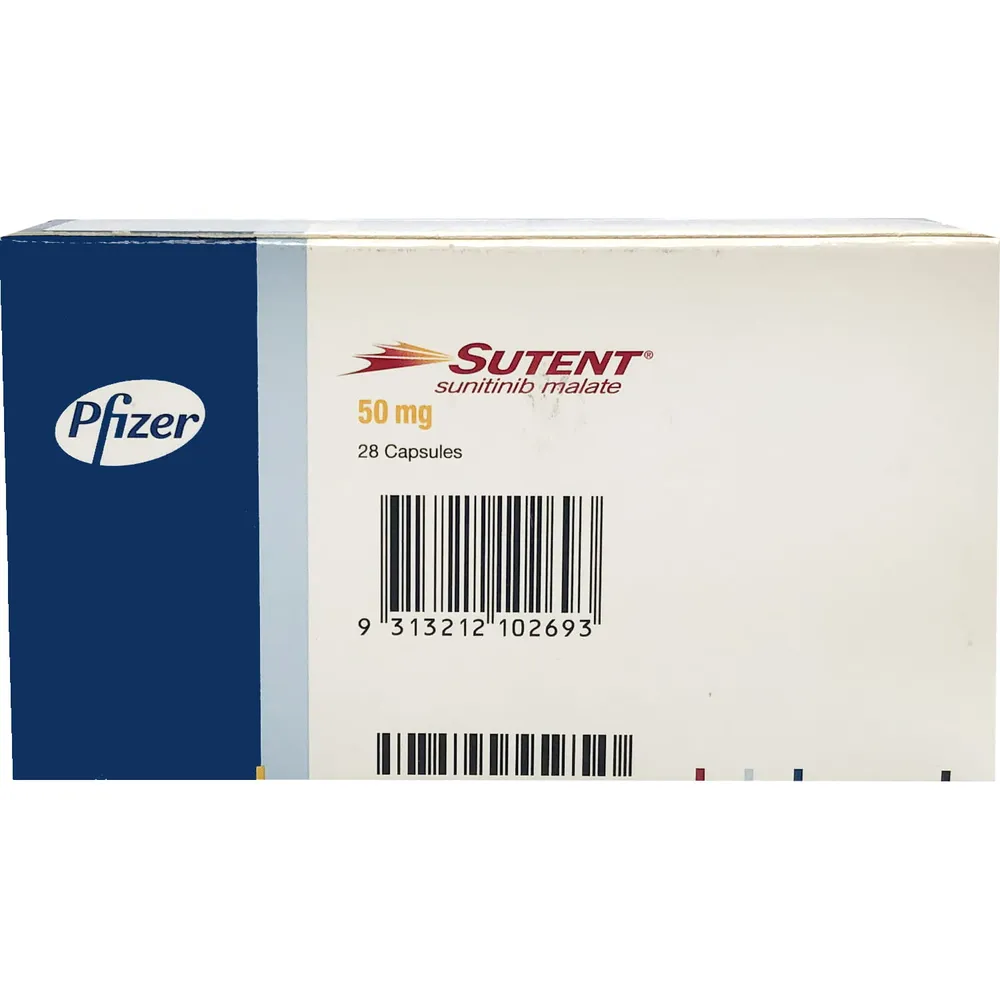
Table of Contents
I N S T R U C T I O N for medical use of the medicinal product SUTENT (SUTENT)
Composition:
Active substance: sunitinib;
1 capsule contains 12.5 mg, 25 mg, 37.5 mg, or 50 mg of sunitinib as malate;
Excipients: capsule contents: mannitol (E 421), sodium croscarmellose, povidone, magnesium stearate; capsule shell: gelatin; for 12.5 mg capsules – titanium dioxide (E 171), red iron oxide (E 172); for 25 mg and 50 mg capsules – titanium dioxide (E 171), black iron oxide (E 172), red iron oxide (E 172), yellow iron oxide (E 172); for 37.5 mg capsules – titanium dioxide (E 171), yellow iron oxide (E 172).
Pharmaceutical form. Capsules.
Main physicochemical properties.
12.5 mg: two-part, opaque, Swedish orange-colored hard gelatin capsules, size 4, containing yellow to orange granules, printed with white ink "Pfizer" on the cap and "STN 12.5 mg" on the body;
25 mg: two-part, opaque, Swedish orange-colored body and caramel-colored cap hard gelatin capsules, size 3, containing yellow to orange granules, printed with white ink "Pfizer" on the cap and "STN 25 mg" on the body;
37.5 mg: two-part, opaque yellow hard gelatin capsules, size 3, containing yellow to orange granules, printed with white ink "Pfizer" on the cap and "STN 37.5 mg" on the body;
50 mg: two-part, opaque, caramel-colored hard gelatin capsules, size 2, containing yellow to orange granules, printed with white ink "Pfizer" on the cap and "STN 50 mg" on the body.
Pharmacotherapeutic group. Antineoplastic agents, protein kinase inhibitors.
ATC code L01EX01.
Pharmacological properties.
Pharmacodynamics.
Mechanism of action
Sunitinib is a small molecule that inhibits multiple receptor tyrosine kinases (RTKs), some of which are associated with tumor growth, pathological angiogenesis, and metastatic progression of cancer. Sunitinib has been evaluated for its inhibitory activity against various kinases (>80 kinases) and has been identified as an inhibitor of the platelet-derived growth factor receptors (PDGFRα and PDGFRβ), vascular endothelial growth factor receptors (VEGFR1, VEGFR2, and VEGFR3), stem cell factor receptor (KIT), Fms-like tyrosine kinase-3 (FLT3), colony-stimulating factor type 1 receptor (CSF-1R), and glial cell line-derived neurotrophic factor receptor (RET). Inhibition of these RTKs by sunitinib has been demonstrated in biochemical and cellular assays, and functional inhibition has been shown in cell proliferation assays. The primary metabolite exhibits similar potency compared to sunitinib in biochemical and cellular assays.
Sunitinib inhibited phosphorylation of several RTKs (PDGFRβ, VEGFR2, KIT) in tumor xenografts expressing these target RTKs in vivo and demonstrated inhibition of tumor growth or tumor regression and/or inhibition of metastases in certain experimental cancer models. Sunitinib demonstrated the ability to inhibit tumor cell growth expressing dysregulated target RTKs (PDGFR, RET, or KIT) in vitro, and to inhibit PDGFRβ- and VEGFR2-dependent tumor angiogenesis in vivo.
Exposure–response relationship
Based on population pharmacokinetic/pharmacodynamic analysis, a relationship was established between changes over time in various pharmacodynamic endpoints (i.e., safety and efficacy endpoints) and plasma exposure to sunitinib.
Cardiac electrophysiology
Sutent may cause dose-dependent QT interval prolongation, which could increase the risk of ventricular arrhythmias, including torsade de pointes (see section "Special precautions for use").
Pharmacokinetics.
The pharmacokinetics of sunitinib and sunitinib malate have been evaluated in healthy subjects and in patients with solid tumors.
Maximum plasma concentration (Cmax) of sunitinib is generally observed within 6–12 hours (time to maximum plasma concentration [Tmax]) after oral administration. Food does not affect the bioavailability of sunitinib. Sutent can be administered independently of food intake.
Protein binding of sunitinib and its primary active metabolite to human plasma proteins in vitro is 95% and 90%, respectively, without concentration dependence within the range of 100–4000 ng/mL. The apparent volume of distribution (Vd/F) for sunitinib is 2230 L. In the dose range of 25–100 mg, AUC and Cmax increase proportionally with dose (0.5 to 2 times higher than corresponding values following the approved recommended daily dose of 50 mg).
Sunitinib is primarily metabolized by CYP3A4 to its primary active metabolite, which is subsequently metabolized by CYP3A4. The primary active metabolite accounts for 23% to 37% of total exposure. Elimination is primarily via feces. In a human mass balance study with [14C]sunitinib, 61% of the dose was excreted in feces and 16% of the administered dose was excreted in urine. Sunitinib and its primary active metabolite were the main compounds detected in plasma, urine, and feces, accounting for 91.5%, 86.4%, and 73.8% of radioactivity in pooled samples, respectively. Minor metabolites were detected in urine and feces, but generally not in plasma. Total oral clearance (C/F) ranged from 34 to 62 L/h, with inter-individual variability of approximately 40%.
After a single oral dose in healthy volunteers, the terminal half-life of sunitinib and its primary active metabolite is approximately 40–60 hours and 80–110 hours, respectively. With repeated daily dosing of sunitinib, 3–4-fold accumulation of sunitinib and 7–10-fold accumulation of the primary metabolite were observed. Steady-state concentrations of sunitinib and its primary active metabolite are reached within 10–14 days. By day 14, the combined plasma concentration of sunitinib and its active metabolite ranged from 62.9 to 101 ng/mL. No significant changes in the pharmacokinetics of sunitinib or its primary active metabolite were observed with repeated daily dosing or during repeated cycles in dosing regimens.
Pharmacokinetics were similar in healthy volunteers and in patient populations with solid tumors included in the study, including patients with GIST (gastrointestinal stromal tumor) and RCC (renal cell carcinoma).
Pharmacokinetics in special patient populations.
Population pharmacokinetic analysis of demographic data indicates no clinically significant effect of age, body weight, creatinine clearance, race, gender, or Eastern Cooperative Oncology Group (ECOG) performance status on the pharmacokinetics of Sutent or its primary active metabolite.
Patients with renal impairment.
No clinically significant differences in the pharmacokinetics of sunitinib or its active metabolite were predicted or observed in patients with mild (CLcr 50–80 mL/min), moderate (CLcr 30–50 mL/min), or severe (CLcr <30 mL/min) renal impairment not on dialysis, compared to patients with normal renal function (CLcr >80 mL/min). Despite sunitinib not being removed by hemodialysis, systemic exposure to sunitinib was 47% lower in patients with end-stage renal disease (ESRD) on hemodialysis compared to patients with normal renal function.
Hepatic impairment.
Sunitinib and its primary metabolite are predominantly metabolized in the liver. Systemic exposures after a single dose of Sutent were similar in patients with mild (Child-Pugh class A) or moderate (Child-Pugh class B) hepatic impairment compared to patients with normal hepatic function. The use of Sutent in patients with severe (Child-Pugh class C) hepatic impairment has not been studied.
Clinical studies.
Gastrointestinal stromal tumor.
Study 1.
Study 1 (NCT # 00075218) was an international, randomized, double-blind, placebo-controlled, two-arm study of Sutent in patients with GIST who had disease progression during prior treatment with imatinib mesylate (imatinib) or who were intolerant to imatinib. The objective was to compare time to tumor progression (TTP) in patients receiving Sutent plus best supportive care versus those receiving placebo plus best supportive care. Secondary objectives included progression-free survival (PFS), objective response rate (ORR), and overall survival (OS). Patients were randomized (2:1) to receive either 50 mg of Sutent or placebo orally once daily on a 4-weeks-on/2-weeks-off schedule until disease progression or withdrawal from the study for other reasons.
Sutent demonstrated a statistically significant advantage over placebo in TTP, the primary endpoint. Efficacy results are presented in Table 1.
Table 1. Efficacy results in GIST from Study 1 (double-blind treatment phase)
| Measure of efficacy |
SUTENT (N = 207) |
Placebo (N = 105) |
p-value |
HR |
| Time to tumor progressiona [median, weeks (95 % CI)] |
27.3 |
6.4 |
< 0.0001* |
0.33 |
| Progression-free survivalb [median, weeks (95 % CI)] |
24.1 |
6.0 |
< 0.0001 |
0.33 |
| Objective response rate (ORR) [% (95 % CI)] |
6.8 |
0 |
0.006c |
*The comparison is considered statistically significant if the p-value < 0.00417 (O'Brien-Fleming early stopping boundary criterion).
Abbreviations: CI – confidence interval; GIST – gastrointestinal stromal tumor; HR – hazard ratio; N – number of patients; PR – partial response.
aTime from randomization to progression; deaths occurring prior to documented progression were censored at the time of the last radiological assessment.
bTime from randomization to progression or death from any cause.
cPearson's chi-square test.
Study 2.
Study 2 was an open-label, multicenter, single-arm dose-escalation study conducted in patients with GIST following disease progression or intolerance to imatinib. After identification of the recommended regimen (50 mg once daily on a 4-weeks-on/2-weeks-off schedule), 55 patients in this study received Sutent 50 mg on a 4/2 treatment schedule. Partial responses (PR) were observed in 5 out of 55 patients (9.1% PR rate, 95% CI: 3.0%, 20.0%).
Renal cell carcinoma (RCC).
Treatment-naïve RCC.
Study 3 (NCT # 00083889) was a multicenter, international, randomized study comparing Sutent monotherapy with interferon-α (IFN-α) in treatment-naïve patients with RCC. The objective was to compare PFS in patients receiving Sutent versus those receiving IFN-α. Other endpoints included ORR, OS, and safety. A total of 750 patients were randomized (1:1) to receive either Sutent 50 mg once daily on a 4-weeks-on/2-weeks-off schedule or subcutaneous IFN-α at a dose of 9 million international units (IU) three times per week. Patients received treatment until disease progression or study withdrawal.
A statistically significant advantage of Sutent over IFN-α was observed for the PFS endpoint (see Table 2). In predefined stratification factors such as lactate dehydrogenase (LDH) (> 1.5 ULN vs. ≤ 1.5 ULN), ECOG performance status (0 or 1), and prior nephrectomy (yes or no), the hazard ratio demonstrated superiority of Sutent over IFN-α. ORR was higher in the Sutent group (see Table 2).
Table 2. Efficacy results in treatment-naïve RCC (interim analysis) from Study 3
| Efficiency parameter |
SUTENT |
IFN-α |
p-value (log-rank test) |
HR |
| Progression-free survivala [median value, weeks (95 % CI)] |
47.3 |
22.0 |
< 0.000001b |
0.415 |
| Objective response ratea |
27.5 (23.0; 32.3) |
5.3 (3.3; 8.1) |
< 0.001c |
NR |
Abbreviations: CI – confidence interval; RR – risk ratio; N – number of patients; IFN-α – interferon-alpha; NA – not applicable; RCC – renal cell carcinoma.
a Assessed by a blinded independent radiology review facility; images from 90 patients were not evaluated at the time of analysis.
b Comparison considered statistically significant if p-value < 0.0042 (O'Brien–Fleming stopping rule).
c Pearson's chi-square test.
Cytokine-refractory RCC.
The use of Sutent as monotherapy in cytokine-refractory RCC was evaluated in two multicenter, single-arm studies. All patients enrolled in these studies had previously failed cytokine therapy. In Study 4 (NCT # 00077974), failure of prior cytokine therapy was defined by radiographic evidence of disease progression according to Response Evaluation Criteria in Solid Tumors (RECIST) or World Health Organization (WHO) criteria within 9 months after completion of one cytokine therapy (IFN-α, interleukin-2, or IFN-α plus interleukin-2); patients who received IFN-α alone must have received treatment for at least 28 days. In Study 5 (NCT # 00054886), failure of prior cytokine therapy was defined as disease progression or unacceptable treatment-related toxicity. The primary endpoint for both studies was ORR. Duration of response (DoR) was also assessed.
A total of 106 patients were enrolled in Study 4 and 63 patients in Study 5. Patients received Sutent 50 mg on a 4-weeks-on/2-weeks-off schedule.
ORR and DoR data from Studies 4 and 5 are presented in Table 3. In Study 4, 36 objective responses were identified by the central radiology review facility, resulting in an ORR of 34.0% (95% CI: 25.0%, 43.8%). In Study 5, 23 objective responses were identified by investigators, resulting in an ORR of 36.5% (95% CI: 24.7%, 49.6%). The majority (> 90%) of objective responses occurred within the first 4 cycles; the latest response recorded was observed in Cycle 10. DoR data in Study 4 are considered preliminary, as only 9 of the 36 responding patients (25%) experienced disease progression or died at the time of data cutoff.
Table 3. Efficacy results in cytokine-refractory RCC from Studies 4 and 5
| Response rate parameter |
Study 4 (N = 106) |
Study 5 (N = 63) |
| Objective response rate |
34.0a |
36.5b |
| Duration of response |
NE* |
54b |
* Data are not reliable for determining the upper limit of the confidence interval.
Abbreviations: CI – confidence interval; N – number of patients; NR – not reached; RCC – renal cell carcinoma.
a Assessed by blinded independent radiology review.
b Assessed by investigators.
Adjuvant Therapy in RCC
The adjuvant regimen of SUTENT was evaluated in S-TRAC (NCT # 00375674), a multicenter, international, randomized, double-blind, placebo-controlled trial involving patients at high risk of recurrence of RCC following nephrectomy. Patients were required to have clear cell histology and to be at high risk of recurrence, defined as tumors ≥ T3 and/or N+. A total of 615 patients were randomized in a 1:1 ratio to receive either SUTENT 50 mg once daily on a 4-weeks-on/2-weeks-off schedule or placebo. Patients received treatment for up to 9 cycles (approximately 1 year) or until disease recurrence, unacceptable toxicity, or withdrawal of consent.
The primary efficacy outcome was disease-free survival (DFS) in patients receiving SUTENT compared with placebo, as assessed by blinded independent central review (BICR). Overall survival was a secondary endpoint. A statistically significant improvement in DFS was observed in patients receiving SUTENT compared with placebo (Table 4). Pre-specified subgroup analyses are presented in Table 5. At the time of the DFS analysis, overall survival data were not mature, with a mortality rate of 141 out of 615 (23%) patients.
Table 4. Disease-free survival results assessed by BICR in the adjuvant RCC setting (treated patient population) from the S-TRAC trial
| Parameter |
SUTENT N = 309 |
Placebo N = 306 |
p-valuea |
HRa (95 % CI) |
| Median PFS [years (95 % CI)] |
6.8 (5.8, NE) |
5.6 (3.8, 6.6) |
0.03 |
0.76 (0.59, 0.98) |
| PFS events |
113 (36.6 %) |
144 (47.1 %) |
||
| PFS rate at 5 years |
59.3 % |
51.3 % |
||
aP-value based on log-rank test stratified by prognostic group of the University of California, Los Angeles (UCLA) Integrated Staging System (UISS); HR is based on Cox proportional hazards model stratified by UISS prognostic group.
Abbreviations: BICR – blinded independent central review; CI – confidence interval; EFS – event-free survival; HR – hazard ratio; N – number of patients; RCC – renal cell carcinoma.
Table 5. Event-free survival by baseline disease characteristics
| Number of events/total n/N |
Median PFS [years (95 % CI)] |
HR |
|||
| SUTENT |
Placebo |
SUTENT |
Placebo |
||
| T3 Intermediateb |
35/115 |
46/112 |
NR (5.2, NR) |
6.4 (4.7, NR) |
0.82 (0.53; 1.28) |
| T3 Highc |
63/165 |
79/166 |
6.8 (5.0, NR) |
5.3 (2.9, NR) |
0.77 (0.55; 1.07) |
| T4/Nodal Presentationd |
15/29 |
19/28 |
3.5 (1.2, NR) |
1.7 (0.4; 3.0) |
0.62 (0.31; 1.23) |
| Abbreviations: CI – confidence interval; PFS – progression-free survival; HR – hazard ratio; N – number of patients; n – number of events; NR – not reached. a HR based on Cox proportional hazards model. b T3 Intermediate: T3, N0 or NX, M0, any Fuhrman grade, ECOG performance status 0 or T3, N0 or NX, M0, Fuhrman grade 1, ECOG performance status > 1. cT3 High: T3, N0 or NX, M0, Fuhrman grade > 2, ECOG performance status > 1. d T4/Nodal Presentation: T4, N0 or NX, M0, any Fuhrman grade, any ECOG performance status or any T, N1-2, M0, any Fuhrman grade, any ECOG performance status. |
|||||
Pancreatic neuroendocrine tumors.
Study 6 (NCT # 00428597) was a multicenter, international, randomized, double-blind, placebo-controlled trial of sunitinib monotherapy in patients with unresectable PNET (pancreatic neuroendocrine tumor). Patients were required to have documented disease progression by RECIST criteria within the prior 12 months; they were randomized (1:1) to receive either sunitinib 37.5 mg (N = 86) or placebo (N = 85) once daily without a planned treatment-free interval. The primary objective was to compare PFS in patients receiving sunitinib versus those receiving placebo. Secondary endpoints included ORR, OS, and safety. The use of somatostatin analogs was permitted in the study.
As recommended by the Independent Data Monitoring Committee, the study was terminated early prior to the prespecified interim analysis. This may have led to an overestimation of the PFS treatment effect. Clinically meaningful improvement in PFS with sunitinib compared to placebo was observed both by investigator assessment and independent review. A favorable hazard ratio for sunitinib was observed across all baseline patient subgroups. OS data were not mature at the time of analysis. There were 9 deaths in the sunitinib group and 21 deaths in the placebo group. A statistically significant difference in OS was observed, indicating superiority of sunitinib compared to placebo. Efficacy results are presented in Table 6.
Table 6. Efficacy results from Study 6 in PNET
| Parameter of efficacy |
SUTENT |
Placebo |
p-value |
HR |
| Progression-free survival [median value, months (95% CI)] |
10.2 |
5.4 |
0.000146a |
0.427 |
| Objective response rate |
9.3 (3.2; 15.4) |
0 |
0.0066b |
NR |
Abbreviations: CI – confidence interval; HR – hazard ratio; N – number of patients; NA – not applicable; pNETs – pancreatic neuroendocrine tumors.
a Two-sided unstratified log-rank test.
b Fisher's exact test.
Clinical characteristics.
Indications.
Gastrointestinal stromal tumor (GIST).
Sutent is indicated for the treatment of gastrointestinal stromal tumor after disease progression or intolerance to imatinib mesylate.
Progressive renal cell carcinoma (RCC).
Sutent is indicated for the treatment of progressive renal cell carcinoma.
Adjuvant therapy of renal cell carcinoma (RCC).
Sutent is indicated for adjuvant therapy in adult patients at high risk of recurrent RCC following nephrectomy.
Progressive pancreatic neuroendocrine tumors (pNET).
Sutent is indicated for the treatment of progressive, well-differentiated pancreatic neuroendocrine tumors in patients with unresectable, locally advanced, or metastatic disease.
Contraindications.
Hypersensitivity to sunitinib malate or to any of the excipients of the product.
Interaction with other medicinal products and other forms of interactions.
Strong CYP3A4 inhibitors.
Strong CYP3A4 inhibitors, such as ketoconazole, may increase plasma concentrations of sunitinib. It is recommended to select an alternative concomitant medication with no or minimal enzyme inhibition potential. Concomitant administration of Sutent with the strong CYP3A4 inhibitor ketoconazole resulted in a 49% and 51% increase in combined (sunitinib + primary active metabolite) Cmax and AUC0–∞ values, respectively, after a single dose of Sutent in healthy volunteers. Concomitant use of Sutent with strong CYP3A4 inhibitors (e.g., ketoconazole, itraconazole, erythromycin, clarithromycin, ritonavir) may increase sunitinib concentrations. Grapefruit juice may also increase plasma concentrations of sunitinib. Dose reduction of Sutent should be considered when co-administered with strong CYP3A4 inhibitors (see section "Dosage and administration").
Strong CYP3A4 inducers.
CYP3A4 inducers, such as rifampicin, may decrease sunitinib plasma concentrations. It is recommended to select an alternative concomitant medication with no or minimal enzyme induction potential. Concomitant administration of Sutent with the strong CYP3A4 inducer rifampicin resulted in a 23% and 46% decrease in combined (sunitinib + primary active metabolite) Cmax and AUC0–∞ values, respectively, after a single dose of Sutent in healthy volunteers. Concomitant use of Sutent with CYP3A4 inducers (e.g., dexamethasone, phenytoin, carbamazepine, rifampicin, phenobarbital, St. John’s wort) may reduce sunitinib concentrations. Dose escalation of Sutent should be considered when co-administered with CYP3A4 inducers (see section "Dosage and administration").
In vitro studies of CYP inhibition and induction.
In vitro studies showed that sunitinib does not induce or inhibit major CYP enzymes. In vitro studies in liver microsomes and hepatocytes assessing the activity of CYP isoenzymes CYP1A2, CYP2A6, CYP2B6, CYP2C8, CYP2C9, CYP2C19, CYP2D6, CYP2E1, CYP3A4/5, and CYP4A9/11 demonstrated that sunitinib and its primary active metabolite do not have any clinically significant drug interactions with agents that may be metabolized by these enzymes.
Medicinal products that prolong the QT interval.
Sutent may prolong the QT interval. In patients requiring treatment with medicinal products that prolong the QT interval, QT interval should be monitored more frequently using ECG.
Special precautions for use.
Hepatotoxicity.
Sutent may cause severe hepatotoxicity, leading to liver failure or death. In the overall safety cohort, liver failure was observed in < 1% of patients in clinical trials. Liver failure includes jaundice, elevated transaminases and/or hyperbilirubinemia in combination with encephalopathy, coagulopathy, and/or renal failure.
Liver function tests (alanine aminotransferase [ALT], aspartate aminotransferase [AST], and bilirubin) should be monitored at the beginning of treatment, during each treatment cycle, and as clinically indicated. Sutent should be withheld in cases of grade 3 hepatotoxicity until improvement to grade ≤ 1 or baseline levels, and then resumed at a reduced dose.
Sutent should be discontinued in patients with grade 4 hepatotoxicity, those who do not recover to grade 3 hepatotoxicity, patients with serious abnormalities in liver function tests, and patients who exhibit other signs and symptoms of liver failure. The safety of Sutent use in patients with ALT or AST levels > 2.5 times the upper limit of normal (ULN), or > 5 times ULN in the presence of liver metastases, has not been established.
Pancreatitis.
In patients with various solid tumors receiving sunitinib, increased serum lipase and amylase activity were observed. Elevated lipase activity was transient and usually not associated with symptoms of pancreatitis in patients with various solid tumors (see section "Adverse reactions").
Serious pancreatic events, some fatal, have been reported. Sunitinib should be discontinued and appropriate supportive treatment initiated in patients presenting symptoms of pancreatitis.
Gastrointestinal disorders.
Diarrhea, nausea/vomiting, abdominal pain, dyspepsia, and stomatitis/oral pain were the most frequently reported gastrointestinal adverse reactions; esophagitis has also been reported (see section "Adverse reactions").
Supportive therapy for gastrointestinal adverse reactions requiring treatment may include antiemetic, antidiarrheal, or antacid medications.
In patients with intra-abdominal malignancies receiving sunitinib, serious, sometimes fatal, gastrointestinal complications including gastrointestinal perforation have been reported.
Cardiovascular disorders.
Cases of cardiovascular disorders, including heart failure, cardiomyopathy, myocardial ischemia, and myocardial infarction, some of which were fatal, have been reported.
In the overall safety cohort, heart failure occurred in 3% of patients; recovery was reported in 71% of patients with heart failure. Fatal heart failure occurred in < 1% of patients.
In the adjuvant renal cell carcinoma (RCC) study, 11 patients experienced grade 2 reduction in ejection fraction (left ventricular ejection fraction [LVEF] of 40–50%, a decrease of 10–19% from baseline). No patient experienced grade 3–4 reduction in ejection fraction. LVEF did not return to ≥ 50% or baseline levels in three of these 11 patients at the time of last measurement. No patient receiving Sutent was diagnosed with congestive heart failure (CHF).
Patients with cardiovascular events within 12 months prior to Sutent treatment, such as myocardial infarction (including severe/unstable angina), coronary/peripheral artery bypass grafting, symptomatic CHF, acute cerebrovascular accident or transient ischemic attack, or pulmonary artery thromboembolism, were excluded from Sutent clinical trials. Patients with prior anthracycline or cardiac radiotherapy were also excluded from some studies. It is unknown whether patients with these comorbidities are at increased risk of left ventricular dysfunction.
Monitoring of LVEF at the start of treatment and periodically thereafter should be considered based on clinical indications. Patients should be closely monitored for clinical signs and symptoms of CHF. Sutent should be discontinued in patients who develop clinical manifestations of CHF. Sutent should be interrupted and/or dose reduced in patients without clinical signs of CHF who experience a decrease in ejection fraction of more than 20% but less than 50% from baseline, or below the lower limit of normal if baseline ejection fraction is not available.
QT interval prolongation and torsades de pointes.
Sutent may cause dose-dependent QT interval prolongation, which may increase the risk of ventricular arrhythmias, including torsades de pointes. Torsades de pointes has been observed in < 0.1% of patients.
Patients at increased risk of QT interval prolongation, including those with a history of QT prolongation, those taking antiarrhythmic drugs, or those with relevant pre-existing cardiac conditions, bradycardia, or electrolyte imbalances, should be monitored. Periodic monitoring of electrocardiograms and electrolytes (e.g., magnesium, potassium) during Sutent treatment should be considered. QT interval should be monitored more frequently when Sutent is used concomitantly with strong CYP3A4 inhibitors or drugs known to prolong the QT interval. Dose reduction of Sutent should be considered (see sections "Dosage and administration", "Interaction with other medicinal products and other forms of interaction").
Arterial hypertension.
Arterial hypertension was observed in 29% of patients in the overall safety cohort. Grade 3 hypertension occurred in 7% of patients and grade 4 in 0.2%.
Blood pressure should be monitored at the beginning of treatment and periodically thereafter as clinically indicated. Antihypertensive therapy should be initiated and/or adjusted as needed. In cases of grade 3 hypertension, Sutent should be withheld until improvement to grade ≤ 1 or baseline levels, then resumed at a reduced dose. Sutent should be discontinued in patients who develop grade 4 arterial hypertension.
Hematological disorders.
Decreased absolute neutrophil and platelet counts have been reported with sunitinib use (see section "Adverse reactions"). These events were not cumulative, usually reversible, and generally did not lead to treatment discontinuation. None of these events were fatal in phase 3 trials, but rare fatal hematological events, including bleeding associated with thrombocytopenia and neutropenic infections, have been reported during post-marketing surveillance.
Anemia occurred both early and late during sunitinib treatment.
A complete blood count should be performed at the beginning of each treatment cycle in patients receiving sunitinib (see section "Adverse reactions").
Venous thromboembolic events.
Venous thromboembolic events related to treatment, including deep vein thrombosis and pulmonary embolism, have been reported in patients receiving sunitinib (see section "Adverse reactions"). Fatal pulmonary embolism has been observed during post-marketing surveillance.
Arterial thromboembolic events.
Arterial thromboembolic events (ATE), sometimes fatal, have been reported in patients receiving sunitinib. The most common events were cerebrovascular accidents, transient ischemic attacks, and cerebral infarction. Risk factors associated with ATE, in addition to underlying malignancy and age ≥ 65 years, included arterial hypertension, diabetes mellitus, and prior thromboembolic disease.
Hypersensitivity / angioedema.
If angioedema occurs due to hypersensitivity, sunitinib treatment should be interrupted and standard medical care provided (see section "Adverse reactions").
Seizures.
Seizures have been reported in clinical trials of sunitinib and during post-marketing use. Patients experiencing seizures or symptoms of reversible posterior leukoencephalopathy syndrome (RPLS), such as hypertension, headache, decreased alertness, cognitive impairment, visual disturbances including cortical blindness, require monitoring and medical treatment, including hypertension control. Temporary discontinuation of sunitinib is recommended; after seizure resolution, treatment with sunitinib may be resumed at the physician’s discretion (see section "Adverse reactions").
Hemorrhagic events and internal organ perforation.
Hemorrhagic events, some fatal, included gastrointestinal, respiratory tract, tumor, urinary tract, and intracranial bleeding. Hemorrhagic events were observed in 30% of patients in the overall safety cohort, including grade 3 or 4 events in 4.2% of patients. The most common hemorrhagic adverse reaction was epistaxis, and gastrointestinal bleeding was the most common grade 3–5 event.
Bleeding related to tumors has been observed in patients receiving Sutent. These events may occur suddenly and, in cases of lung tumors, may present as severe, life-threatening hemoptysis or pulmonary hemorrhage. Pulmonary hemorrhages, some fatal, have been observed in clinical trials in patients receiving Sutent for metastatic RCC, GIST, and metastatic lung cancer. Sutent is not approved for use in lung cancer patients.
Serious, sometimes fatal, gastrointestinal complications, including gastrointestinal perforation, have been reported in patients with intra-abdominal malignancies receiving Sutent.
A series of clinical blood tests and physical examinations should be included in the clinical assessment of bleeding events. Sutent should be withheld in cases of grade 3 or 4 bleeding until improvement to grade ≤ 1 or baseline levels, then resumed at a reduced dose.
Sutent should be discontinued in patients with persistent grade 3 or 4 bleeding.
Tumor lysis syndrome (TLS).
Cases of TLS, sometimes fatal, have been observed in clinical trials and during post-marketing use, primarily in patients with RCC or GIST. Overall, patients with high tumor burden prior to treatment initiation are at risk of TLS. These patients should be monitored for TLS and managed appropriately.
Aneurysms and arterial dissection.
Use of vascular endothelial growth factor pathway inhibitors in patients with or without hypertension may promote the development of aneurysms and/or arterial dissections. The risk should be carefully evaluated before initiating sunitinib in patients with risk factors such as hypertension or history of aneurysm.
Thrombotic microangiopathy.
Thrombotic microangiopathy (TMA), including thrombotic thrombocytopenic purpura and hemolytic uremic syndrome, sometimes leading to renal failure or death, has been observed in clinical studies and post-marketing use of Sutent as monotherapy and in combination with bevacizumab. Sutent is not approved for use in combination with bevacizumab. Sutent should be discontinued in patients who develop TMA. Resolution of TMA effects has been observed after discontinuation of Sutent.
Proteinuria.
Proteinuria and nephrotic syndrome have been observed. Some cases led to renal failure and death. Patients should be monitored for development or worsening of proteinuria. Baseline and periodic urinalysis should be performed during treatment, with 24-hour urine protein measurement as clinically indicated. Sutent should be withheld and dose reduced if 24-hour urinary protein reaches 3 g or more. Sutent should be discontinued in patients with nephrotic syndrome or recurrent episodes of 24-hour urinary protein ≥ 3 g despite dose reduction. The safety of continuing Sutent therapy in patients with moderate to severe proteinuria has not been systematically evaluated.
Skin toxicity.
Serious skin adverse reactions, including erythema multiforme (EM), Stevens-Johnson syndrome (SJS), and toxic epidermal necrolysis (TEN), some fatal, have been reported. Sutent should be permanently discontinued in cases of these serious skin reactions.
Necrotizing fasciitis, including fatal cases, has been reported in patients receiving Sutent, including perineal area involvement and fistula formation. Sutent should be discontinued in patients who develop necrotizing fasciitis.
Reversible posterior leukoencephalopathy syndrome (RPLS).
Cases of RPLS have been reported in < 1% of patients, some fatal. Patients may present with hypertension, headache, decreased alertness, cognitive impairment, and visual disturbances, including cortical blindness. Diagnosis requires magnetic resonance imaging. Sutent should be discontinued in patients who develop RPLS.
Thyroid dysfunction.
Cases of hyperthyroidism, sometimes followed by hypothyroidism, have been reported in clinical trials and post-marketing use of Sutent.
Thyroid function should be monitored at the beginning of treatment, periodically during treatment, and as clinically indicated. All patients should be closely monitored for symptoms of thyroid dysfunction, including hypothyroidism, hyperthyroidism, and thyroiditis, during Sutent treatment. Thyroid dysfunction therapy should be initiated and/or adjusted as needed.
Hypoglycemia.
Sutent may cause symptomatic hypoglycemia, which may lead to loss of consciousness or require hospitalization. Hypoglycemia occurred in 2% of patients in the combined safety population receiving Sutent. Hypoglycemia occurred in 2% of patients receiving Sutent for advanced RCC (Study 3) and GIST (Study 1) (N=577), and in approximately 10% of patients receiving Sutent for pancreatic neuroendocrine tumors (pNET) (Study 6) (N=83). Not all patients who experienced hypoglycemia while receiving Sutent for pNET had pre-existing glucose homeostasis disorders. Hypoglycemia may be more pronounced in patients with diabetes mellitus.
Blood glucose should be checked at the beginning of treatment, regularly during treatment, as clinically indicated, and after discontinuation of Sutent. Patients with diabetes mellitus should have their anti-diabetic therapy evaluated for potential adjustment to minimize hypoglycemia risk.
Osteonecrosis of the jaw (ONJ).
ONJ has been observed in patients receiving Sutent. Concurrent risk factors such as bisphosphonate use or dental disease/invasive dental procedures may increase the risk of ONJ. An oral examination should be performed before starting Sutent and periodically during therapy. Patients should be advised on proper oral hygiene. Sutent treatment should be interrupted, if possible, at least 3 weeks before planned dental surgery or invasive dental procedures. Sutent should be discontinued in patients who develop ONJ until complete healing. The safety of resuming Sutent after ONJ healing has not been established.
Impaired wound healing.
Impaired wound healing has been observed in patients receiving Sutent (see section "Adverse reactions"). Sutent therapy should be interrupted at least 3 weeks before planned major surgery. Sutent should not be administered for at least 2 weeks after major surgery and until adequate wound healing. The safety of resuming Sutent therapy after resolution of wound healing complications has not been established.
Embryo-fetal toxicity.
Based on animal studies and mechanism of action, Sutent may cause fetal harm when administered to pregnant women. Administration of sunitinib to pregnant rats and rabbits during organogenesis resulted in teratogenicity at approximately 5.5 and 0.3 times, respectively, the combined systemic exposure [combined area under the curve (AUC) of sunitinib and its active metabolite] in patients receiving the recommended daily dose (RDD) of 50 mg.
Pregnant women should be informed of the potential risk to the fetus. Women of reproductive potential should be advised to use effective contraception during Sutent treatment and for 4 weeks after the last dose (see section "Use during pregnancy and breastfeeding").
Hyperammonaemic encephalopathy.
Hyperammonaemic encephalopathy has been observed with sunitinib use (see section "Adverse reactions"). In patients who develop unexplained lethargy or altered mental status, ammonia levels should be measured and appropriate supportive treatment initiated.
Pediatric use.
The safety and efficacy of Sutent in children have not been established.
Use in elderly patients.
Among 7527 patients with GIST, RCC (advanced and adjuvant), or pNET who received Sutent, 32% were aged 65 years or older and 7% were aged 75 years or older. The incidence of grade 3 or 4 adverse reactions was higher (67%) in patients aged ≥ 65 years compared to younger patients (60%).
In the GIST study, 73 patients (30%) receiving Sutent were aged ≥ 65 years. In the RCC study, 152 patients (41%) receiving Sutent were aged ≥ 65 years. Overall, no differences in safety or efficacy were observed between these patients and younger patients.
In the pNET study, 22 patients (27%) receiving Sutent were aged ≥ 65 years. Clinical trials of Sutent did not include sufficient numbers of pNET patients aged ≥ 65 years to determine whether they respond differently from younger patients.
Hepatic impairment.
Dose adjustment is not required when administering Sutent to patients with mild or moderate hepatic impairment (Child-Pugh class A or B) (see section "Pharmacokinetics"). The use of Sutent in patients with severe hepatic impairment (Child-Pugh class C) has not been studied.
Renal impairment.
Dose adjustment is not required when administering Sutent to patients without dialysis and with mild (CLcr 50–80 mL/min), moderate (CLcr 30–< 50 mL/min), or severe (CLcr < 30 mL/min) renal impairment (see section "Pharmacokinetics"). Dose adjustment is not required in patients with end-stage renal disease on hemodialysis (see section "Pharmacokinetics").
Cases of renal function impairment, renal failure, and/or acute renal failure, some fatal, have been reported (see section "Adverse reactions").
Risk factors associated with renal impairment/failure in patients receiving sunitinib, in addition to underlying renal cell carcinoma, include advanced age, diabetes mellitus, pre-existing renal dysfunction, heart failure, hypertension, sepsis, dehydration/hypovolemia, and rhabdomyolysis.
The safety of continuing sunitinib treatment in patients with moderate to severe proteinuria has not been systematically evaluated.
Cases of proteinuria and rare cases of nephrotic syndrome have been reported. Baseline urinalysis is recommended, and patients should be monitored for development or worsening of proteinuria. Sunitinib should be discontinued in patients with nephrotic syndrome.
This medicinal product contains less than 1 mmol (23 mg) of sodium per capsule, i.e., essentially sodium-free.
Use during pregnancy or breastfeeding.
Pregnancy.
Summary of risk information.
Based on animal reproductive studies and mechanism of action, Sutent may cause fetal harm when administered to pregnant women (see section "Pharmacodynamics"). There are no data in pregnant women to inform the drug-related risk. In animal developmental and reproductive toxicity studies, oral administration of sunitinib to pregnant rats and rabbits during organogenesis resulted in teratogenic effects (embryonic, craniofacial, and skeletal malformations) at approximately 5.5 and 0.3 times, respectively, the combined AUC (combined systemic exposure of sunitinib plus its active metabolite) in patients receiving the recommended daily dose of 50 mg. Women of reproductive potential should be advised of the potential risk to the fetus.
The expected background risk of major congenital malformations and miscarriage for the indicated populations is unknown. All pregnancies carry a background risk of birth defects, miscarriage, or other adverse outcomes. In the US general population, the estimated background risk of major congenital malformations and miscarriage in clinically recognized pregnancies is 2–4% and 15–20%, respectively.
Lactation.
There is no information on the presence of sunitinib and its metabolites in human breast milk. Sunitinib and its metabolites were excreted in rat milk at concentrations up to 12 times higher than in plasma. Due to the potential for serious adverse reactions in breastfed infants, women who are breastfeeding are advised not to breastfeed during Sutent treatment and for at least 4 weeks after the last dose.
Men and women of reproductive potential.
Sutent may cause fetal harm when administered to pregnant women (see section "Pregnancy").
Pregnancy testing.
Pregnancy testing should be performed in women of reproductive potential before initiating Sutent treatment.
Contraception.
Women. Women of reproductive potential should be advised to use effective contraception during Sutent treatment and for at least 4 weeks after the last dose.
Men. Based on animal reproductive studies, male patients and their female partners of reproductive potential should be advised to use effective contraception during Sutent treatment and for 7 weeks after the last dose.
Infertility.
Based on animal reproductive studies, Sutent may impair fertility in men and women.
Ability to drive and use machines.
Sutent has a minor influence on the ability to drive or operate machinery. Patients should be warned of the possible occurrence of dizziness during sunitinib treatment.
Administration and Dosage.
Recommended dose for GIST and advanced RCC.
The recommended dose of Sutent for GIST and advanced RCC is 50 mg orally once daily on a schedule of 4 weeks on treatment followed by a 2-week break (schedule 4/2), until disease progression or unacceptable toxicity occurs. Sutent can be taken independently of food intake.
Recommended dose for adjuvant therapy of RCC.
The recommended dose of Sutent for adjuvant therapy of RCC is 50 mg orally once daily on a schedule of 4 weeks on treatment followed by a 2-week break (schedule 4/2) for nine 6-week cycles. Sutent can be taken independently of food intake.
Recommended dose for pNET.
The recommended dose of Sutent for pNET is 37.5 mg orally once daily until disease progression or unacceptable toxicity occurs. Sutent can be taken independently of food intake.
Dose modification in the event of adverse reactions
Recommended dose reductions of Sutent in the event of adverse reactions are provided in Table 7. Table 8 provides recommended dose modifications of Sutent in the event of adverse reactions.
| Table 7. Recommended dose reduction of Sutent in the event of adverse reactions |
||||
| Indication |
RCC |
CRCC |
NSAIDs |
|
| Progressive CRCC |
Adjuvant therapy of CRCC |
|||
| First dose reduction |
37.5 mg once daily |
37.5 mg once daily |
37.5 mg once daily |
25 mg once daily |
| Second dose reduction |
25 mg once daily |
25 mg once daily |
N/A |
N/A |
| Table 8. Recommended dose modifications of Sutent in case of adverse reactions |
|||
| Adverse reaction |
Severity |
Sutent dose modifications |
|
| Hepatotoxicity (see section "Special warnings and precautions for use") |
Grade 3 |
|
|
| Grade 4 |
|
||
| Cardiovascular disorders (see section "Special warnings and precautions for use") |
Asymptomatic cardiomyopathy (left ventricular ejection fraction more than 20 % but less than 50 % below baseline or below lower limit of normal if baseline data are unavailable) |
|
|
| Congestive heart failure (CHF) with clinical symptoms |
|
||
| Arterial hypertension (see section "Special warnings and precautions for use") |
Grade 3 |
|
|
| Grade 4 |
|
||
| Bleeding events (see section "Special warnings and precautions for use") |
Grade 3 or 4 |
|
|
| Thrombotic microangiopathy (see section "Special warnings and precautions for use") |
Any grade |
|
|
| Proteinuria or nephrotic syndrome (see section "Special warnings and precautions for use") |
Proteinuria ≥3 grams in 24 hours without nephrotic syndrome |
|
|
| Nephrotic syndrome or recurrent proteinuria ≥3 grams in 24 hours despite dose reduction |
|
||
| Dermatologic toxicity. Erythema multiforme (EM), Stevens-Johnson syndrome (SJS), toxic epidermal necrolysis (TEN), necrotizing fasciitis (see section "Special warnings and precautions for use") |
Any grade |
|
|
| Reversible posterior leukoencephalopathy syndrome (see section "Special warnings and precautions for use") |
Any grade |
|
|
| Osteonecrosis of the jaw (see section "Special warnings and precautions for use") |
Any grade |
|
|
| Impaired wound healing (see section "Special warnings and precautions for use") |
Any grade |
|
|
Dose Modifications Due to Drug Interactions
Strong CYP3A4 Inhibitors
Select an alternative concomitant medication with no or minimal enzyme inhibition potential. If co-administration of Sutent with a strong CYP3A4 inhibitor cannot be avoided, consider reducing the dose of Sutent to the minimum (see section "Interaction with Other Medicinal Products and Other Forms of Interaction"): 37.5 mg orally once daily on a schedule of 4 weeks on treatment followed by 2 weeks off (schedule 4/2) for GIST and RCC, or 25 mg orally once daily for pNET.
Strong CYP3A4 Inducers
Select an alternative concomitant medication with no or minimal enzyme induction potential. If co-administration of Sutent with a strong CYP3A4 inducer cannot be avoided, consider increasing the dose of Sutent to the maximum: 87.5 mg orally once daily on a schedule of 4 weeks on treatment followed by 2 weeks off (schedule 4/2) for GIST and RCC, or 62.5 mg once daily for pNET. If the dose is increased, patients should be closely monitored for signs of adverse reactions (see section "Interaction with Other Medicinal Products and Other Forms of Interaction").
Dose Modifications in Patients with End-Stage Renal Disease on Hemodialysis
No initial dose adjustment is required for patients with ESRD on hemodialysis. However, due to decreased drug exposure in patients with ESRD compared to those with normal renal function, subsequent doses may be gradually increased by up to two-fold based on safety and tolerability data (see section "Pharmacodynamics").
Pediatric Population
The safety and efficacy of Sutent in children have not been established.
Overdose
Management of Sutent overdose should consist of general supportive measures. There is no specific antidote for Sutent overdose. If indicated, elimination of unabsorbed drug should be achieved by inducing emesis or gastric lavage. Cases of accidental overdose have been reported; these cases were associated with adverse reactions consistent with the known safety profile of Sutent or were without adverse reactions. In preclinical studies, mortality was observed at doses of 5 times the daily dose of 500 mg/kg (3000 mg/m²) in rats. Toxicity signs at this dose included impaired muscle coordination, head tremors, hypoactivity, ocular discharge, piloerection, and gastrointestinal disturbances. Mortality and similar toxicity signs were observed at lower doses when administered over a longer duration.
Adverse Reactions
The most important serious adverse reactions (including fatal outcomes) associated with sunitinib use are renal failure, heart failure, pulmonary embolism, gastrointestinal tract perforation, and hemorrhages (e.g., gastrointestinal bleeding, respiratory tract hemorrhage, tumor hemorrhage, urinary tract hemorrhage, or intracranial hemorrhage). The most common adverse reactions of any grade observed in clinical trials involving patients with renal cell carcinoma, gastrointestinal stromal tumors, and progressive pancreatic neuroendocrine tumors include decreased appetite, taste disturbances, arterial hypertension, fatigue, gastrointestinal disorders (i.e., diarrhea, nausea, stomatitis, dyspepsia, and vomiting), skin discoloration, and hand-foot syndrome (palmar-plantar erythrodysesthesia). During continued treatment, the intensity of these symptoms may decrease. Hypothyroidism may develop during treatment. Common drug-related adverse reactions include hematologic system disorders (e.g., neutropenia, thrombocytopenia, and anemia).
Fatal events considered possibly related to sunitinib include multi-organ failure, disseminated intravascular coagulation, peritoneal hemorrhage, adrenal insufficiency, pneumothorax, shock, and sudden death.
Below is a list of adverse reactions reported in patients with gastrointestinal stromal tumors, metastatic renal cell carcinoma, and progressive pancreatic neuroendocrine tumors. Information on these adverse reactions was derived from pooled data of 7115 patients. Adverse reactions are categorized by system organ class, frequency, and severity (according to NCI-CTCAE criteria). The list also includes adverse reactions observed in clinical trials during the post-marketing period. Within each frequency group, adverse reactions are listed in descending order of severity. Frequency is defined as very common (≥1/10), common (≥1/100 to <1/10), uncommon (≥1/1000 to <1/100), rare (≥1/10,000 to <1/1,000), very rare (<1/10,000), and unknown (cannot be estimated from available data).
Adverse Reactions Observed in Clinical Trials
Infections and Infestations
Common: viral infectionsa, respiratory infectionsb*, abscessc, fungal infectionsd, urinary tract infections, skin infectionse (and phlegmon), sepsisf*
Uncommon: necrotizing fasciitis*, bacterial infectionsg
Blood and Lymphatic System Disorders
Very common: neutropenia, thrombocytopenia, anemia, leukopenia
Common: lymphopenia
Uncommon: pancytopenia
Rare: thrombotic microangiopathyh*
Immune System Disorders
Uncommon: hypersensitivity
Rare: angioedema
Endocrine Disorders
Very common: hypothyroidism
Uncommon: hyperthyroidism
rare:* thyroiditis
Metabolism and Nutrition Disorders
Very common: decreased appetitei
Common: dehydration, hypoglycemia
Rare: tumor lysis syndrome*
Psychiatric Disorders
Very common: insomnia
Common: depression
Nervous System Disorders
Very common: dizziness, headache, taste disturbancej
Common: peripheral neuropathy, paresthesia, hypoesthesia, hyperesthesia
Uncommon: intracranial hemorrhage*, stroke*, transient ischemic attack
Rare: reversible posterior encephalopathy syndrome*
Unknown: hyperammonemic encephalopathy
Eye Disorders
Common: periorbital edema, eyelid edema, increased lacrimation
Cardiac Disorders
Common: myocardial ischemiak*, reduced ejection fractionl
Uncommon: congestive heart failure, myocardial infarctionm*, heart failure*, cardiomyopathy*, pericardial effusion, QT interval prolongation on electrocardiogram
Rare: left ventricular dysfunction*, torsades de pointes ventricular tachycardia
Vascular Disorders
Very common: arterial hypertension
Common: deep vein thrombosis, hot flashes, flushing
Uncommon: tumor hemorrhage*
Unknown: aneurysms and arterial dissection*
Respiratory, Thoracic and Mediastinal Disorders
Very common: dyspnea, epistaxis, cough
Common: pulmonary embolism*, pleural effusion*, hemoptysis, exertional dyspnea, mouth and throat painn (also throat and larynx), nasal congestion, dry nasal mucosa
Uncommon: pulmonary hemorrhage*, respiratory failure*
Gastrointestinal Disorders
Very common: stomatitiso, abdominal painp, vomiting, diarrhea, dyspepsia, nausea, constipation
Common: gastroesophageal reflux disease, dysphagia, gastrointestinal hemorrhage*, esophagitis*, abdominal distension, abdominal discomfort, rectal hemorrhage, gingival hemorrhage, oral ulcers, proctalgia, hemorrhoids, cheilitis, glossodynia, mouth pain, dry mouth, flatulence, mouth discomfort, belching
Uncommon: gastrointestinal (and intestinal) perforationq*, pancreatitis, anal fistula, colitisr
Hepatobiliary Disorders
Uncommon: liver failure*, cholecystitiss*, hepatic function abnormality
Rare: hepatitis
Skin and Subcutaneous Tissue Disorders
Very common: skin color changest, palmar-plantar erythrodysesthesia syndrome, rashu, hair color changes, dry skin
Common: skin desquamation, skin reactionsv, eczema, blisters, erythema, alopecia, acne, pruritus, skin hyperpigmentation, skin lesions, hyperkeratosis, dermatitis, nail disordersw
Rare: erythema multiforme*, Stevens-Johnson syndrome*, pyoderma gangrenosum, toxic epidermal necrolysis*
Musculoskeletal and Connective Tissue Disorders
Very common: limb pain, arthralgia, back pain
Common: musculoskeletal pain, muscle spasms, myalgia, muscle weakness
Uncommon: osteonecrosis of the jaw, fistula*
Rare: rhabdomyolysis*, myopathy
Renal and Urinary Disorders
Common: renal failure*, acute renal failure*, chromaturia, proteinuria
Uncommon: urinary tract hemorrhage
Rare: nephrotic syndrome
General Disorders and Administration Site Conditions
Very common: mucosal inflammation, astheniax (and general weakness), edemay (facial edema, edema, and peripheral edema), fever
Common: chest pain, pain, influenza-like illness, chills
Uncommon: impaired healing
Investigations
Common: weight decreased, leukocyte count decreased, lipase increased, platelet count decreased, hemoglobin decreased, amylase increasedz, aspartate aminotransferase increased, alanine aminotransferase increased, blood creatinine increased, blood pressure increased, blood uric acid increased
Uncommon: creatine phosphokinase increased in blood, thyroid-stimulating hormone increased in blood
__________________________________________________________________________________
* Includes fatal cases.
Combined terms:
a Nasopharyngitis and oral herpes.
b Bronchitis, lower respiratory tract infections, pneumonia, and respiratory tract infections.
c Abscess, limb abscess, anal abscess, gingival abscess, liver abscess, pancreatic abscess, perineal abscess, perirectal abscess, rectal abscess, subcutaneous abscess, and dental abscess.
d Esophageal candidiasis and oral candidiasis.
e Cellulitis and skin infections.
f Sepsis and septic shock.
g Intra-abdominal abscess, abdominal sepsis, diverticulitis, and osteomyelitis.
h Thrombotic microangiopathy, thrombotic thrombocytopenic purpura, and hemolytic-uremic syndrome.
i Decreased appetite and anorexia.
j Taste sense alteration, taste loss, and taste disturbance.
k Acute coronary syndrome, angina, unstable angina, coronary artery occlusion, and myocardial ischemia.
l Decreased/abnormal ejection fraction.
m Acute myocardial infarction, myocardial infarction, and asymptomatic myocardial infarction.
n Mouth and throat pain, throat and larynx pain.
o Stomatitis and aphthous stomatitis.
p Abdominal pain, lower and upper abdominal pain.
q Gastrointestinal perforation and intestinal perforation.
r Colitis and ischemic colitis.
s Cholecystitis and acalculous cholecystitis.
t Skin jaundice, skin color change, and pigmentation disorder.
u Psoriasiform dermatitis, exfoliative rash, rash, erythematous rash, follicular rash, generalized rash, macular rash, maculopapular rash, papular rash, and pruritic rash.
v Skin reactions and skin disorders.
w Nail disorders and nail color changes.
x Fatigue and asthenia.
y Facial edema, edema, and peripheral edema.
z Amylase elevation.
Description of Selected Adverse Reactions
Infections and Infestations. Serious infections (with or without neutropenia), including fatal cases, have been reported. Cases of necrotizing fasciitis, including peritonitis, have been reported, some of which were fatal (see section "Special Warnings and Precautions").
Blood and Lymphatic System Disorders. Grade 3 and 4 neutrophil count reductions were reported in 10% and 1.7% of patients, respectively, in the phase 3 GIST study, in 16% and 1.6% of patients in the phase 3 RCC study, and in 13% and 2.4% of patients in the phase 3 pNET study. Grade 3 and 4 thrombocytopenia were observed in 3.7% and 0.4% of patients, respectively, in the phase 3 GIST study, in 8.2% and 1.1% of patients in the phase 3 mRCC study, and in 3.7% and 1.2% of patients in the phase 3 pNET study (see section "Special Warnings and Precautions").
Hemorrhage was reported in 18% of patients receiving sunitinib in the phase 3 GIST study, compared to 17% of placebo recipients. Among patients receiving sunitinib for previously untreated RCC, 39% experienced hemorrhage compared to 11% of interferon-α (IFN-α) recipients. Grade 3 or higher hemorrhage occurred in 17 (4.5%) sunitinib recipients compared to 5 (1.7%) IFN-α recipients. Among patients receiving sunitinib for cytokine-refractory RCC, hemorrhage was observed in 26%. Hemorrhage (excluding epistaxis) was reported in 21.7% of sunitinib recipients in the phase 3 pNET study compared to 9.85% of placebo recipients (see section "Special Warnings and Precautions").
Gastrointestinal bleeding from tumors was observed in approximately 2% of GIST patients in clinical trials.
Immune System Disorders. Hypersensitivity reactions, including angioedema, have been reported (see section "Special Warnings and Precautions").
Endocrine Disorders. Hypothyroidism was reported in 7 patients (4%) receiving sunitinib in two cytokine-refractory RCC studies; in 61 patients (16%) receiving sunitinib and 3 patients (<1%) in the IFN-α group in the previously untreated RCC study.
Additionally, elevated thyroid-stimulating hormone (TSH) levels were recorded in 4 cytokine-refractory RCC patients (2%). Overall, 7% of RCC patients had clinical or laboratory evidence of hypothyroidism during treatment. Acquired hypothyroidism occurred in 6.2% of GIST patients receiving sunitinib compared to 1% in the placebo group. In the phase 3 pNET study, hypothyroidism was recorded in 6 patients (7.2%) receiving sunitinib and 1 patient (1.2%) receiving placebo.
In two studies among breast cancer patients, prospective thyroid function monitoring was conducted; Sutent is not approved for breast cancer treatment. In one study, hypothyroidism occurred in 15 patients (13.6%) receiving sunitinib and 3 (2.9%) receiving standard therapy. Elevated TSH levels were recorded in 1 patient (0.9%) receiving sunitinib and not observed in standard therapy recipients. Hyperthyroidism was not reported in sunitinib recipients and in 1 (1.0%) standard therapy recipient. In another study, hypothyroidism occurred in 31 (13%) sunitinib recipients and 2 (0.8%) capecitabine recipients. Elevated TSH levels were recorded in 12 (5%) sunitinib recipients and not observed in capecitabine recipients. Hyperthyroidism occurred in 4 (1.7%) sunitinib recipients and not in capecitabine recipients. Decreased TSH levels were observed in 3 (1.3%) sunitinib recipients and not in capecitabine recipients. Elevated T4 levels occurred in 2 (0.8%) sunitinib recipients and 1 (0.4%) capecitabine recipient. Elevated T3 levels occurred in 1 (0.8%) sunitinib recipient and not in capecitabine recipients. All thyroid-related reactions were grade 1–2 severity (see section "Special Warnings and Precautions").
Metabolism and Nutrition Disorders. Hypoglycemia occurred more frequently in pNET patients compared to metastatic RCC and GIST patients. However, most such events observed in clinical trials were considered unrelated to study treatment.
Nervous System Disorders. Rare (<1%) reports, some fatal, of seizures and radiological findings consistent with reversible posterior leukoencephalopathy syndrome have been received from sunitinib clinical trials and post-marketing use. Seizures occurred in patients with or without radiological evidence of brain metastases (see section "Special Warnings and Precautions").
Cardiac Function Disorders. In clinical trials, left ventricular ejection fraction (LVEF) reduction ≥20% below the lower limit of normal was reported in approximately 2% of GIST patients receiving sunitinib, 4% of cytokine-refractory RCC patients, and 2% of placebo recipients. These LVEF changes were not progressive and often improved during continued treatment. In the previously untreated RCC study, LVEF reduction below the lower limit of normal occurred in 27% of sunitinib recipients and 15% of IFN-α recipients. Congestive heart failure (CHF) was diagnosed in two patients (<1%) receiving sunitinib.
In GIST patients, heart failure, congestive heart failure, or left ventricular dysfunction were reported in 1.2% of sunitinib recipients and 1% of placebo recipients. In the main phase 3 GIST study (N = 312), fatal cardiac events related to the drug occurred in 1% of patients in each study group (sunitinib and placebo). In a phase 2 study of cytokine-refractory RCC, drug-related fatal myocardial infarction occurred in 0.9% of patients. In a phase 3 study of previously untreated RCC, 0.6% of IFN-α recipients and 0% of sunitinib recipients experienced fatal cardiac events. In the phase 3 pNET study, one (1%) sunitinib recipient experienced fatal heart failure related to the drug.
Vascular Disorders
Hypertension
Hypertension was very commonly reported in clinical trials. Sunitinib dose reduction or temporary interruption occurred in approximately 2.7% of patients due to hypertension. Sunitinib was not permanently discontinued in any of these patients. Severe hypertension (>200 mmHg systolic or 110 mmHg diastolic) occurred in 4.7% of patients with solid tumors. Hypertension occurred in approximately 33.9% of patients receiving sunitinib for previously untreated RCC compared to 3.6% of IFN-α recipients. Severe hypertension occurred in 12% of previously untreated patients and <1% of IFN-α recipients. Hypertension was recorded in 26.5% of sunitinib recipients in the phase 3 pNET study compared to 4.9% of placebo recipients. Severe hypertension was reported in 10% of pNET patients receiving sunitinib and 3% of placebo recipients.
Venous Thromboembolism
Venous thromboembolic events related to the drug were reported in approximately 1.0% of patients with solid tumors receiving sunitinib in GIST and RCC clinical trials.
In the phase 3 GIST study, venous thromboembolism occurred in 7 patients (3%) receiving sunitinib and in none receiving placebo; 5 of 7 had grade 3 deep vein thrombosis (DVT) and 2 had grade 1 or 2. Four of these 7 GIST patients discontinued treatment after the first DVT event.
Thirteen patients (3%) receiving sunitinib in the phase 3 previously untreated RCC study and 4 patients (2%) from two cytokine-refractory RCC studies reported venous thromboembolism. Nine of these patients had pulmonary embolism; one grade 2 and eight grade 4. Eight had DVT; one grade 1, two grade 2, four grade 3, and one grade 4. One patient with pulmonary embolism in the cytokine-refractory RCC study discontinued therapy.
In previously untreated RCC patients receiving IFN-α, 6 (2%) venous thromboembolic events were recorded; one patient (<1%) had grade 3 DVT and five (1%) had grade 4 pulmonary embolism.
Venous thromboembolism was reported in 1 (1.2%) sunitinib recipient and 5 (6.1%) placebo recipients in the phase 3 pNET study. Two placebo recipients had DVT: one grade 2 and one grade 3.
No fatal cases were reported in registration trials for GIST, RCC, and pNET. Fatal cases occurred during post-marketing use.
Pulmonary embolism occurred in approximately 3.1% of GIST patients and 1.2% of RCC patients receiving sunitinib in phase 3 studies. No pulmonary embolism was reported in pNET patients receiving sunitinib in the phase 3 study. Rare fatal cases occurred during post-marketing use.
Patients with pulmonary embolism within the previous 12 months were excluded from sunitinib clinical trials.
In patients receiving sunitinib in phase 3 registration trials, lung disorders (dyspnea, pleural effusion, pulmonary embolism, or pulmonary edema) were recorded in approximately 17.8% of GIST patients, 26.7% of RCC patients, and 12% of pNET patients.
Lung disorders occurred in approximately 22.2% of patients with solid tumors, including GIST and RCC, receiving sunitinib in clinical trials.
Gastrointestinal Disorders. Pancreatitis occurred uncommonly (<1%) in patients receiving sunitinib for GIST or RCC treatment. Pancreatitis related to the drug was not reported in the phase 3 pNET study (see section "Special Warnings and Precautions").
Gastrointestinal hemorrhage with fatal outcome was reported in 0.98% of placebo recipients in the phase 3 GIST study.
Hepatobiliary Disorders. Cases of hepatic function impairment, including abnormal liver function tests, hepatitis, or liver failure, have been reported (see section "Special Warnings and Precautions").
Skin and Subcutaneous Tissue Disorders. Cases of pyoderma gangrenosum, usually reversible upon discontinuation of sunitinib, have been reported (see section "Special Warnings and Precautions").
Musculoskeletal and Connective Tissue Disorders. Cases of myopathy and/or rhabdomyolysis, some associated with acute renal failure, have been reported. Patients with symptoms of muscle toxicity should be managed according to current medical standards.
Cases of fistula formation, sometimes associated with tumor necrosis and regression, occasionally leading to death, have been reported.
Osteonecrosis of the jaw has been reported in patients receiving Sutent, primarily in the presence of risk factors for osteonecrosis of the jaw (e.g., intravenous bisphosphonates and/or history of dental disease requiring invasive dental procedures) (see section "Special Warnings and Precautions").
Investigations. Preclinical data (in vitro and in vivo) at doses exceeding the recommended human dose indicate that sunitinib may inhibit cardiac repolarization processes (e.g., QT interval prolongation).
QTc prolongation >500 msec occurred in 0.5% and changes from baseline >60 msec in 1.1% of 450 patients with solid tumors; both parameters considered potentially significant. Sunitinib at concentrations approximately twice the therapeutic level prolonged QTcF (QT interval corrected by Fridericia's formula).
QTc prolongation was studied in 24 patients aged 20–87 years with advanced malignancies. Results showed sunitinib affected QTc (defined as mean change, placebo-corrected, >10 msec with 90% CI upper limit >15 msec) at therapeutic concentration (day 3) using baseline correction over time and at supratherapeutic concentration (day 9) using both baseline correction methods. No patient had QTc >500 msec. Although QTcF prolongation was observed on day 3, 24 hours after dosing (i.e., at therapeutic plasma concentration expected after the recommended initial dose of 50 mg) using the baseline correction over time method, the clinical significance of this finding is unclear.
Based on comprehensive serial ECG assessment at times corresponding to therapeutic or higher concentrations, no QTc prolongation considered "severe" (i.e., ≥ grade 3 according to Common Terminology Criteria for Adverse Events [CTCAE], version 3.0) was observed in any patient in the evaluable population or the intent-to-treat (ITT) population.
At therapeutic plasma concentrations, the maximum mean difference from baseline in QTcF (Fridericia-corrected) was 9 msec (90% CI: 15.1 msec). At concentrations approximately twice the therapeutic level, the maximum mean difference from baseline in QTcF was 15.4 msec (90% CI: 22.4 msec). Moxifloxacin (400 mg), used as positive control, showed a maximum mean difference from baseline in QTcF of 5.6 msec. No subject experienced QTc effect greater than grade 2 (CTCAE, version 3.0) (see section "Special Warnings and Precautions").
Long-term Safety in RCC Treatment
Long-term safety of sunitinib in RCC patients was analyzed in 9 completed clinical trials conducted in first-line, bevacizumab-refractory, and cytokine-refractory settings involving 5739 patients, of whom 807 (14%) received treatment for 2 to 6 years. In 807 patients receiving long-term sunitinib treatment, most drug-related adverse events (DRAEs) developed within the first 6 months to 1 year and then remained stable or decreased in frequency over time, except for hypothyroidism, which progressively increased over time with new cases occurring throughout the 6-year period. Long-term sunitinib treatment was not associated with new types of DRAEs.
Pediatric Population
A phase I dose-escalation study of oral sunitinib in 35 patients, 30 of pediatric age (3–17 years) and 5 young adults (18–21 years), with refractory solid tumors, mostly with primary brain tumor diagnosis, was conducted. All study participants experienced adverse reactions, most of which were severe (toxicity grade ≥3) and included cardiotoxicity. The most common adverse reactions were gastrointestinal toxicity, neutropenia, increased fatigue, and elevated ALT. The risk of cardiac adverse drug reactions was higher in children previously exposed to cardiac irradiation and anthracyclines compared to those not receiving such treatment. The maximum tolerated dose was established for patients not previously treated with anthracyclines or cardiac irradiation.
Adjuvant RCC Therapy
The safety of Sutent was evaluated in S-TRAC, a randomized, double-blind, placebo-controlled trial in which patients who underwent nephrectomy for RCC received Sutent 50 mg daily on a 4-weeks-on/2-weeks-off schedule (n = 306) or placebo (n = 304). Mean treatment duration was 12.4 months (range: 0.13–14.9) for Sutent and 12.4 months (range: 0.03–13.7) for placebo. Drug discontinuation due to adverse reactions occurred in 28% of Sutent recipients. Adverse reactions leading to drug discontinuation in >2% of patients included hand-foot syndrome and fatigue/asthenia. Treatment interruption occurred in 54% and dose reduction in 46% of Sutent recipients. Table 9 summarizes adverse reactions in S-TRAC.
| Table 9. Adverse reactions reported in ≥ 10% of patients with RCC who received Sutent and more frequently than in patients who received placebo in S-TRAC* |
||||
| Adjuvant therapy of RCC |
||||
| Adverse reaction |
SUTENT (N = 306) |
Placebo (N = 304) |
||
| All grades % |
Grade 3–4 % |
All grades % |
Grade 3–4 % |
|
| Any adverse reaction |
99 |
60 |
88 |
15 |
| Gastrointestinal disorders Mucositis/stomatitis Diarrhea Nausea Dyspepsia Abdominal painb Vomiting Constipation |
61 57 34 27 25 19 12 |
6 4 2 1 2 2 0 |
15 22 15 7 9 7 11 |
0 <1 0 0 <1 0 0 |
| General Fatigue/asthenia Localized edema Pyrexia |
57 18 12 |
8 < 1 < 1 |
34 < 1 6 |
2 0 0 |
| Dermatological Palmar-plantar erythrodysesthesia syndrome Rashd Change in hair color Skin discoloration/yellowing of skin Skin dryness |
50 24 22 18 14 |
16 2 0 0 0 |
10 12 2 1 6 |
< 1 0 0 0 0 |
| Cardiac Arterial hypertensione Edema/peripheral edema |
39 10 |
8 < 1 |
14 7 |
1 0 |
| Neurological Altered taste sensationf Headache |
38 19 |
< 1 < 1 |
6 12 |
0 0 |
| Endocrine system Hypothyroidism/increased TSH |
24 |
< 1 |
4 |
0 |
| Hemorrhage/bleeding Bleeding events, all sites g |
24 |
< 1 |
5 |
< 1 |
| Metabolism/nutrition Anorexia/decreased appetite |
19 |
< 1 |
5 |
0 |
| Musculoskeletal system disorders Limb pain Arthralgia |
15 11 |
< 1 < 1 |
7 10 |
0 0 |
| * National Cancer Institute Common Terminology Criteria for Adverse Events (CTCAE), version 3.0. Abbreviations: AE – adverse events; N – number of patients; RCC – renal cell carcinoma. a Includes mucosal inflammation, aphthous stomatitis, oral mucosal ulceration, tongue ulceration, oropharyngeal pain, and mouth pain. b Includes abdominal pain, lower abdominal pain, and upper abdominal pain. c Includes localized edema, facial edema, eyelid edema, periorbital edema, facial swelling, and eye swelling. d Includes dermatitis, psoriasiform dermatitis, rash with desquamation, genital rash, rash, erythematous rash, follicular rash, generalized rash, macular rash, maculopapular rash, pathological rash, and pruritic rash. e Includes hypertension, increased blood pressure, increased systolic blood pressure, increased diastolic blood pressure, and hypertensive crisis. f Includes ageusia, hypogeusia, and dysgeusia. g Includes epistaxis, gingival bleeding, rectal bleeding, hemoptysis, anal bleeding, upper gastrointestinal hemorrhage, and hematuria. |
||||
| Grade 4 adverse reactions in patients receiving Sutent included palmar-plantar erythrodysesthesia syndrome (1%), fatigue (<1%), abdominal pain (<1%), stomatitis (<1%), and pyrexia (<1%). Grade 3–4 laboratory abnormalities occurring in ≥ 2% of patients receiving Sutent included neutropenia (13%), thrombocytopenia (5%), leukopenia (3%), lymphopenia (3%), increased alanine aminotransferase (2%), increased aspartate aminotransferase (2%), hyperglycemia (2%), and hyperkalemia (2%). |
||||
Post-marketing experience
The adverse reactions listed below have been identified during post-marketing use of Sutent. Because these reactions are reported voluntarily from a population of uncertain size, it is not always possible to reliably estimate their frequency or establish a causal relationship to drug exposure.
Blood and lymphatic system disorders: bleeding associated with thrombocytopenia*.
Gastrointestinal disorders: esophagitis.
Hepatobiliary disorders: cholecystitis, including acalculous cholecystitis.
Immune system disorders: hypersensitivity reactions, including angioedema.
Infections and infestations: serious infections (with or without neutropenia)*. Infections most commonly observed during treatment with Sutent include respiratory tract infections, urinary tract infections, skin infections, and sepsis/septic shock.
Musculoskeletal and connective tissue disorders: fistula formation, sometimes associated with tumor necrosis and/or regression*; myopathy and/or rhabdomyolysis with or without acute kidney injury*.
Renal and urinary disorders: renal dysfunction and/or renal failure*.
Respiratory, thoracic and mediastinal disorders: pulmonary artery thromboembolism*, pleural effusion*.
Skin and subcutaneous tissue disorders: pyoderma gangrenosum, including cases with positive dechallenge.
Vascular disorders: arterial (including aortic) aneurysms, dissections*, and ruptures*; arterial thromboembolic events*. Most common events included acute cerebrovascular accident, transient ischemic attack, and ischemic stroke.
General disorders and administration site conditions: impaired wound healing.
*including some fatal cases
Reporting suspected adverse reactions
Reporting suspected adverse reactions after medicine authorization is important. It allows ongoing monitoring of the benefit-risk balance of the medicine. Healthcare professionals and patients, as well as their legal representatives, should report any suspected adverse reactions and lack of efficacy through the automated pharmacovigilance information system at: https://aisf.dec.gov.ua.
Shelf life: 3 years.
Storage conditions: Keep out of the reach of children. Store at temperatures not exceeding 25 °C.
Packaging: 7 capsules in a blister; 4 blisters in a cardboard box.
Prescription status: Prescription only.
Manufacturer: Pfizer Italia S.r.l. / Pfizer Italia S.r.l.
Manufacturer's address and place of business: Localita Marino del Tronto – 63100 Ascoli Piceno (AP), Italy / Localita Marino del Tronto – 63100 Ascoli Piceno (AP), Italy.