Revold
Ukraine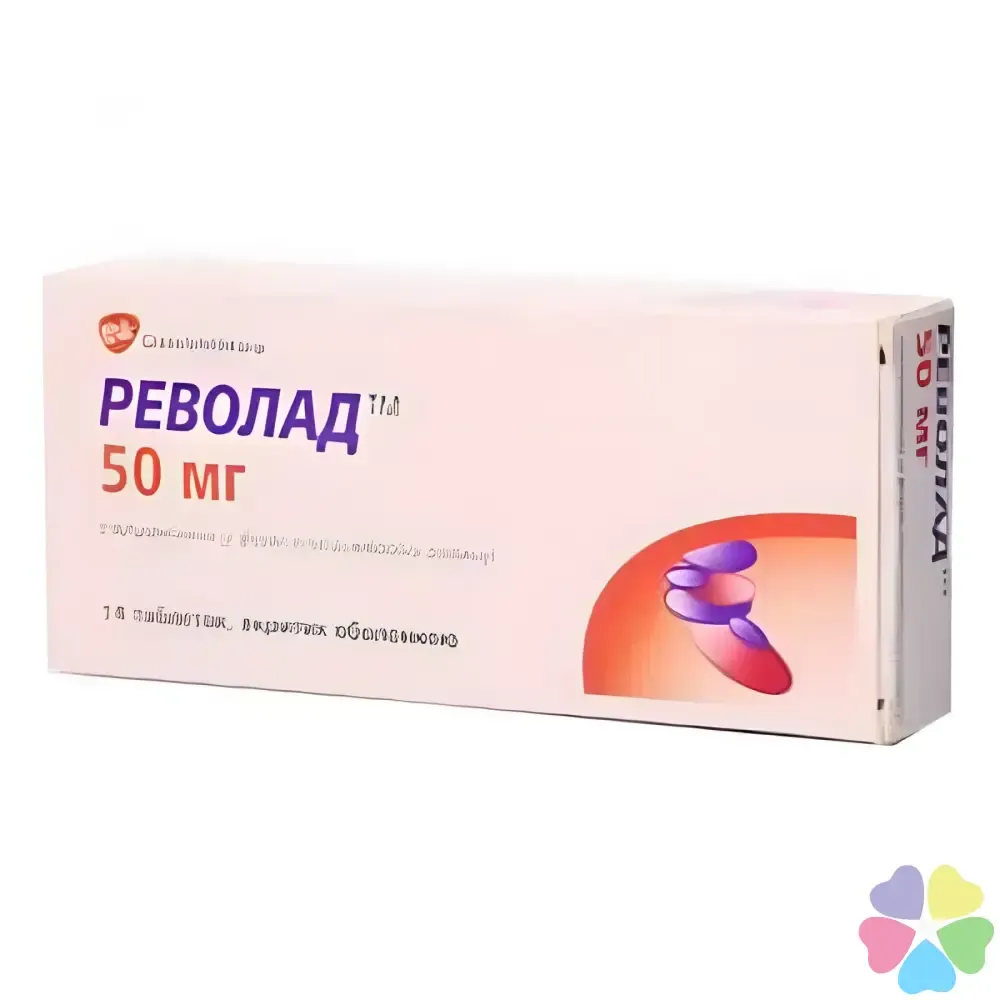
Table of Contents
I N S T R U C T I O N for medical use of the medicinal product REVOLADE™
Composition:
Active substance: eltrombopag;
1 tablet contains 25 or 50 mg of eltrombopag (as eltrombopag olamine);
Excipients: magnesium stearate, mannitol (E 421), microcrystalline cellulose, povidone K30, sodium starch glycolate (type A); coating Opadry White YS-1-7706-G: hypromellose, polyethylene glycol 400, titanium dioxide (E 171), polysorbate 80 (for 25 mg tablets); coating Opadry Brown 03B26716: hypromellose, titanium dioxide (E 171), polyethylene glycol 400, yellow iron oxide (E 172), red iron oxide (E 172) (for 50 mg tablets).
Pharmaceutical form. Film-coated tablets.
Main physicochemical characteristics: 25 mg tablets: white, round, biconvex, film-coated tablets with the imprint GS NX3 and 25 on one side; 50 mg tablets: brown, round, biconvex, film-coated tablets with the imprint GS UFU and 50 on one side.
Pharmacotherapeutic group. Antihemorrhagics, systemic hemostatics.
ATC code B02BX05.
Pharmacological Properties
Pharmacodynamics
Mechanism of action
Thrombopoietin is the primary cytokine involved in the regulation of megakaryopoiesis and platelet production and is the endogenous ligand for thrombopoietin receptors. Eltrombopag interacts with the transmembrane domain of human thrombopoietin receptors and initiates a signaling cascade similar, but not identical, to that triggered by endogenous thrombopoietin, thereby inducing proliferation and differentiation of megakaryocytes from precursor cells in the bone marrow.
Clinical efficacy and safety
Studies in patients with chronic immune (idiopathic) thrombocytopenia (ITP)
Two randomized, double-blind, placebo-controlled Phase III studies, RAISE (TRA102537) and TRA100773B, and two open-label studies, REPEAT (TRA108057) and EXTEND (TRA105325), evaluated the safety and efficacy of eltrombopag in adult patients with previously treated chronic ITP.
No clinical trial comparing eltrombopag with other treatment options (e.g., splenectomy) has been conducted. The long-term safety of eltrombopag should be considered prior to initiating therapy.
Children (aged 1–17 years)
The safety and efficacy of eltrombopag in pediatric patients were evaluated in two studies.
TRA115450 (PETIT2): The primary endpoint was sustained response, defined as the proportion of participants receiving eltrombopag who achieved platelet counts ≥50,000/μL for at least 6 out of 8 weeks (in the absence of rescue therapy) during weeks 5 to 12 of the double-blind, randomized phase. Participants had confirmed chronic ITP lasting at least 1 year and had either failed to respond to at least one prior ITP therapy, experienced a relapse during such therapy, or were unable to continue other ITP therapy for medical reasons, and had platelet counts <30,000/μL. 92% of patients were randomized in a 2:1 ratio to receive eltrombopag (n=63) or placebo (n=29), stratified across three baseline groups. The dose of eltrombopag could be adjusted based on individual patient platelet counts.
Overall, a significantly greater proportion of patients receiving eltrombopag (40%) compared to placebo (3%) achieved the primary endpoint (odds ratio: 18.0 [95% CI: 2.3; 140.9], p <0.001). This result was consistent across all three age groups (Table 1).
Table 1
Sustained platelet response in children with chronic ITP by age
| Groups |
Elrombopag n/N (%) [95% CI] |
Placebo n/N (%) [95% CI] |
| Group 1 (12–17 years) |
9/23 (39%) [20%, 61%] |
1/10 (10%) [0%, 45%] |
| Group 2 (6–11 years) |
11/26 (42%) [23%, 63%] |
0/13 (0%) [CI] |
| Group 3 (1–5 years) |
5/14 (36%) [13%, 65%] |
0/6 (0%) [CI] |
NA — not available
A statistically smaller number of patients receiving eltrombopag required emergency therapy during the randomized period compared to the placebo group (19% [12/63] vs. 24% [7/29], p=0.032).
At baseline, 71% of individuals in the eltrombopag group and 69% in the placebo group reported any bleeding (grade 1–4 according to WHO). After 12 weeks, the proportion of patients receiving eltrombopag who reported any bleeding decreased to half of the baseline level (36%). In comparison, after 12 weeks, 55% of patients receiving placebo reported any bleeding.
Participants were allowed to reduce their baseline ITP therapy only during the open-label phase of the study, and 53% (8/15) of patients were able to reduce (n=1) or discontinue (n=7) their baseline ITP therapy, primarily corticosteroids, without requiring emergency therapy.
TRA108062 (PETIT): The primary endpoint was the proportion of participants achieving a platelet count ≥50,000/µL at least once between weeks 1 and 6 of the randomized period. Patients had failed to respond to at least one prior ITP therapy or experienced relapse during such therapy and had platelet counts <30,000/µL (n=67). During the randomized study period, participants were randomized in a 2:1 ratio to receive eltrombopag (n=45) or placebo (n=22) and stratified into three baseline groups. The dose of eltrombopag could be adjusted based on individual platelet counts.
Overall, a significantly higher proportion of patients receiving eltrombopag (62%) compared to the placebo group (32%) achieved the primary endpoint (odds ratio: 4.3 [95% CI: 1.4; 13.3], p=0.011).
Sustained response was observed in 50% of those who initially responded during 20 out of 24 weeks in the PETIT 2 study and during 15 out of 24 weeks in the PETIT study.
Studies in patients with thrombocytopenia associated with chronic hepatitis C
The efficacy and safety of eltrombopag in treating thrombocytopenia in patients with HCV were evaluated in two randomized, double-blind, placebo-controlled studies. Study ENABLE 1 used peginterferon alfa-2a plus ribavirin for antiviral treatment, while study ENABLE 2 used peginterferon alfa-2b plus ribavirin. Patients did not receive direct-acting antiviral agents.
Severe aplastic anemia
Eltrombopag was studied in a single-center, open-label, single-group trial involving 43 patients with severe aplastic anemia and refractory thrombocytopenia after at least one course of immunosuppressive therapy (IST), with platelet counts ≤30,000/µL.
Most participants, 33 (77%), were considered to have primary refractory disease, defined as lack of adequate response to prior IST by any criterion. In the other 10 participants, there was inadequate platelet response to prior treatment. All 10 had received at least 2 prior IST regimens, and 50% had received at least 3 prior IST regimens. Patients with Fanconi anemia, infection unresponsive to appropriate therapy, or presence of a PNH clone in neutrophils ≥50% were excluded from the study.
At baseline, the median platelet count was 20,000/µL, hemoglobin levels were 8.4 g/dL, absolute neutrophil count (ANC) was 0.58 × 10⁹/L, and absolute reticulocyte count was 24.3 × 0.9/10⁹/L. 86% of patients were red blood cell transfusion-dependent, and 91% were platelet transfusion-dependent. The majority of patients (84%) had received at least 2 prior IST courses. Three patients had cytogenetic abnormalities at baseline.
The primary endpoint was hematologic response assessed after 12 weeks of eltrombopag treatment. Hematologic response was defined as meeting one or more of the following criteria: increase in platelet count by 20,000/µL from baseline or stabilization of platelet count with independence from transfusions for at least 8 weeks; increase in hemoglobin levels by >1.5 g/dL or reduction in red blood cell transfusions by ≥4 units over 8 consecutive weeks; increase in absolute neutrophil count (ANC) by 100% or increase in ANC by >0.5 × 10⁹/L.
The rate of hematologic response was 40% (17/43 patients; 95% CI 25, 56), with most responding on one criterion (13/17, 76%), while 3 responses on two criteria and 1 response on three criteria were observed at 12 weeks. Eltrombopag was discontinued after 16 weeks if hematologic response or transfusion independence was not achieved. Patients who responded continued treatment in the extension phase of the study. A total of 14 patients entered this phase. Nine of these patients achieved responses on multiple criteria, with 4 of the 9 continuing therapy and 5 reducing eltrombopag dose while maintaining response (median follow-up: 20.6 months, range: 5.7 to 22.5 months). The other 5 patients discontinued therapy: three due to relapse during the 3-month extension phase.
During eltrombopag treatment, 59% (23/39) of patients achieved platelet transfusion independence (28 days without transfusion), and 27% (10/37) achieved red blood cell transfusion independence (56 days without transfusion). The longest period of platelet transfusion independence for non-responders was 27 days (median). The longest period of platelet transfusion independence for responders was 287 days (median). The longest period of red blood cell transfusion independence for non-responders was 29 days (median). The longest period of red blood cell transfusion independence for responders was 266 days (median).
Over 50% of responders who were transfusion-dependent at baseline achieved a reduction of >80% in the need for both platelet and red blood cell transfusions compared to baseline.
Preliminary data from a confirmatory study (study ELT116826), an ongoing non-randomized, open-label, single-group phase II trial in patients with refractory SAA, demonstrated consistent results. Data are limited to 21 of the planned 60 patients, with hematologic response reported in 52% of patients at 6 months. Multilineage response was observed in 45% of patients.
Pharmacokinetics.
Pharmacokinetic parameters of eltrombopag when used to treat adults with idiopathic thrombocytopenic purpura (ITP) are as follows: when administered at a dose of 50 mg once daily, the maximum drug concentration (Cmax) is 8.01 µg/mL (6.73; 9.53), and the area under the concentration-time curve (AUC) is 108 µg·h/mL (88; 134). When administered at a dose of 75 mg once daily, Cmax is 12.7 µg/mL (11.0; 14.5), and AUC is 168 µg·h/mL (143; 198).
Pharmacokinetic parameters of eltrombopag when used to treat adults with chronic hepatitis C virus (HCV) are as follows: when administered at a dose of 50 mg once daily, the maximum drug concentration (Cmax) is 9.08 µg/mL (7.96; 10.35), and the area under the concentration-time curve (AUC) is 166 µg·h/mL (143; 192). When administered at a dose of 75 mg once daily, Cmax is 16.71 µg/mL (14.26; 19.58), and AUC is 301 µg·h/mL (250; 363). When administered at a dose of 100 mg once daily, Cmax is 19.19 µg/mL (16.81; 21.91), and AUC is 354 µg·h/mL (304; 411). Thus, when equivalent doses of eltrombopag are administered, its exposure in patients with chronic HCV is higher than in patients with ITP.
Absorption and bioavailability.
Peak concentrations of eltrombopag are reached within 2–6 hours after oral administration. Concomitant administration with antacids and other substances containing polyvalent cations, such as dairy products and mineral supplements, significantly reduces eltrombopag concentrations. In a relative bioavailability study in adults, administration of eltrombopag as an oral suspension powder resulted in an AUC(0–∞) value 22% higher than with tablets. Absolute bioavailability of eltrombopag when administered to humans has not been established. Based on urinary excretion and fecal metabolite elimination, oral absorption of eltrombopag-related material after a single 75 mg dose is approximately 52%.
Distribution.
Eltrombopag is highly bound to human plasma proteins (>99.9%), primarily to albumin. Eltrombopag is a substrate of the breast cancer resistance protein (BCRP), but not a substrate of P-glycoprotein or organic anion transporting polypeptides.
Metabolism.
Eltrombopag is primarily metabolized via cleavage, oxidation, and conjugation with glucuronic acid, glutathione, or cysteine. In a radiolabeled study, eltrombopag accounted for approximately 64% of the plasma radioactivity AUC. Minor metabolites resulting from glucuronidation and oxidation, each accounting for less than 10% of plasma radioactivity, were also detected. Based on data from a human radiolabeled eltrombopag study, approximately 20% of the dose is expected to be metabolized via oxidation. In vitro studies identified that CYP1A2 and CYP2C8 isoenzymes are responsible for oxidative metabolism, UGT1A1 and UGT1A3 uridine diphosphate glucuronosyltransferase isoenzymes are responsible for glucuronidation, and bacteria in the lower gastrointestinal tract may be responsible for the cleavage process of the drug.
Elimination.
Absorbed eltrombopag is extensively metabolized. Eltrombopag is primarily excreted in feces (59%), with 31% of the dose recovered in urine as metabolites. Unchanged eltrombopag is not detected in urine. Unchanged eltrombopag excreted in feces accounts for approximately 20% of the dose. The plasma elimination half-life of eltrombopag is approximately 21–32 hours.
Pharmacokinetic interactions.
Based on studies with radiolabeled eltrombopag, glucuronidation plays a minor role in its metabolism. Studies using human liver microsomes showed that UGT1A1 and UGT1A3 enzymes are responsible for eltrombopag glucuronidation. Eltrombopag was shown to be an inhibitor of several UGT enzymes in vitro. Clinically significant drug interactions involving glucuronidation are not expected due to the limited impact of individual UGT enzymes on eltrombopag glucuronidation and potential concomitant medications.
Approximately 21% of the eltrombopag dose may be metabolized via oxidation. Studies using human liver microsomes showed that CYP1A2 and CYP2C8 enzymes are responsible for eltrombopag oxidation. In vitro and in vivo studies showed that eltrombopag is not an inhibitor of CYP enzymes.
In vitro studies demonstrated that eltrombopag is an inhibitor of OATP1B1 and breast cancer resistance protein (BCRP) transporters; eltrombopag increased exposure to rosuvastatin, an OATP1B1 and BCRP substrate, in a clinical drug interaction study. In clinical studies with eltrombopag, a 50% dose reduction of statins was recommended. Concomitant administration of 200 mg cyclosporine (a BCRP inhibitor) reduced Cmax and AUCinf of eltrombopag by 25% and 18%, respectively. Concomitant administration of 600 mg cyclosporine reduced Cmax and AUCinf of eltrombopag by 39% and 24%, respectively.
Eltrombopag forms chelating complexes with polyvalent cations such as iron, calcium, magnesium, aluminum, selenium, and zinc.
In vitro studies demonstrated that eltrombopag is not a substrate for organic anion transporting polypeptides (OATP1B1), but is an inhibitor of this transporter (IC50 value 2.7 µM [1.2 µg/mL]). In vitro studies also demonstrated that eltrombopag is both an inhibitor and substrate of breast cancer resistance protein (BCRP) transporters (IC50 value 2.7 µM [1.2 µg/mL]).
Special patient populations
Renal impairment.
The pharmacokinetics of eltrombopag were studied after administration to adult patients with renal impairment. After a single 50 mg dose, AUC of eltrombopag decreased by 32% in patients with mild renal impairment, by 36% in those with moderate renal impairment, and by 60% in those with severe renal impairment compared to healthy volunteers. Although plasma concentrations of eltrombopag are generally reduced in patients with renal impairment, there is considerable variability in exposure when comparing patients with renal impairment to healthy volunteers. Eltrombopag should be used with caution in patients with renal impairment and under continuous monitoring, such as serum creatinine measurement and/or urine analysis. The efficacy and safety of eltrombopag in patients with moderate or severe renal impairment and hepatic dysfunction have not been established.
Hepatic impairment.
The pharmacokinetics of eltrombopag were studied after administration to adult patients with hepatic impairment. After a single 50 mg dose, AUC of eltrombopag increased by 41% in patients with mild hepatic impairment, by 80% in those with moderate hepatic impairment, and by 93% in those with severe hepatic impairment compared to healthy volunteers. There is considerable variability in exposure when comparing patients with hepatic impairment to healthy volunteers.
The effect of hepatic impairment on the pharmacokinetics of eltrombopag after repeated administration was studied via population pharmacokinetic analysis involving 28 healthy volunteers and 714 patients with impaired liver function (673 patients with HCV and 41 patients with chronic liver disease of other etiology). Of these 714 patients, 642 had mild liver function impairment, 67 had moderate impairment, and 2 had severe impairment. Patients with mild hepatic impairment had approximately 111% higher (95% CI: 45% to 283%) eltrombopag AUC in plasma, and patients with moderate hepatic impairment had 183% higher (95% CI: 90% to 459%) eltrombopag AUC in plasma compared to healthy volunteers.
Therefore, eltrombopag should not be used to treat patients with ITP and hepatic impairment (Child-Pugh score ≥ 5) unless the expected benefit outweighs the risk of portal vein thrombosis (see sections "Dosage and administration" and "Special precautions").
Eltrombopag should be used with caution in patients with hepatic impairment. For patients with chronic ITP and mild, moderate, or severe hepatic impairment, treatment with eltrombopag should be initiated at a reduced dose of 25 mg once daily.
Race.
The effect of East Asian origin on the pharmacokinetics of eltrombopag was evaluated using population pharmacokinetic analysis in 111 healthy adults (31 East Asian) and 88 patients with ITP (18 East Asian). Population pharmacokinetic analysis in ITP patients of East Asian origin showed that eltrombopag AUC values were approximately 49% higher than in patients of other races, primarily Caucasian (see section "Dosage and administration").
The effect of East/Southeast Asian origin (e.g., Chinese, Japanese, Taiwanese, Korean, or Thai) on the pharmacokinetics of eltrombopag was evaluated using population pharmacokinetic analysis in 635 patients with HCV (145 East Asian and 69 Southeast Asian). Based on population pharmacokinetic analysis estimates, eltrombopag AUC values in patients of East/Southeast Asian origin were approximately 55% higher compared to patients of other races, primarily Caucasian (see section "Dosage and administration").
Sex.
The effect of sex on the pharmacokinetics of eltrombopag was evaluated using population pharmacokinetic analysis in 111 healthy adults (14 women) and 88 patients with ITP (57 women). Population pharmacokinetic analysis in female ITP patients showed that eltrombopag AUC values were approximately 23% higher than in male patients, without body weight adjustment.
The effect of sex on the pharmacokinetics of eltrombopag was evaluated using population pharmacokinetic analysis in 635 patients with HCV (260 women). Modeling results showed that eltrombopag AUC values in women with HCV were approximately 41% higher compared to men.
Age.
The effect of age on the pharmacokinetics of eltrombopag was evaluated using population pharmacokinetic analysis in 28 healthy individuals, 673 patients with HCV, and 41 patients with chronic liver disease of other etiology aged 19 to 74 years. Pharmacokinetic data in patients aged 75 years and older are lacking. Population pharmacokinetic analysis showed that eltrombopag AUC values in elderly patients (> 65 years) were 41% higher compared to younger patients.
Children (1 to 17 years of age)
Clinical study data indicate that plasma clearance of eltrombopag after oral administration increases with increasing body weight. The effects of race and sex on eltrombopag pharmacokinetic parameters in pediatric and adult patients are consistent. Eltrombopag AUC values in plasma in patients of East/Southeast Asian origin were approximately 43% higher compared to patients of other races. Eltrombopag AUC values in plasma in female ITP patients were approximately 25% higher compared to male patients.
Pharmacokinetic parameters of eltrombopag in children with ITP are presented in Table 2.
Table 2
Mean plasma pharmacokinetic parameters of eltrombopag at steady state in children with ITP (50 mg once daily)
| Age |
Cmax (μg/mL) |
AUC(0–τ) (μg×h/mL) |
| 12–17 years (n = 62) |
6.80 (6.17; 7.50) |
103 (91.1; 116) |
| 6–11 years (n = 68) |
10.3 (9.42; 11.2) |
153 (137; 170) |
| 1–5 years (n = 38) |
11.6 (10.4; 12.9) |
162 (139; 187) |
Clinical characteristics.
Indications.
Treatment of patients with chronic immune (idiopathic) thrombocytopenic purpura aged one year and older who are refractory to treatment with other medicinal products (e.g., corticosteroids, immunoglobulins).
Treatment of thrombocytopenia in adult patients with chronic hepatitis C virus infection when the degree of thrombocytopenia is the primary limiting factor preventing initiation or continuation of optimal interferon-based therapy.
Treatment of adult patients with severe acquired aplastic anemia (SAA) who have not been previously treated with immunosuppressive therapy or who are refractory to prior treatment and are not suitable candidates for hematopoietic stem cell transplantation.
Contraindications.
Hypersensitivity to eltrombopag or to any of the excipients.
Interaction with other medicinal products and other forms of interaction.
Effect of eltrombopag on other medicinal products
HMG-CoA (hydroxymethylglutaryl-coenzyme A) reductase inhibitors.
In vitro studies have demonstrated that eltrombopag is not a substrate of organic anion transporting polypeptides (OATP1B1), but is an inhibitor of these transporters. In vitro studies also showed that eltrombopag is a substrate and inhibitor of BCRP. Administration of eltrombopag 75 mg once daily for 5 days with a single 10 mg dose of the OATP1B1 and BCRP substrate rosuvastatin in 39 healthy adult volunteers resulted in a 103% increase in rosuvastatin plasma Cmax (90% confidence interval [CI]: 82%, 126%) and a 55% increase in AUC0–∞ (90% CI: 42%, 69%). Interactions with other HMG-CoA reductase inhibitors, including atorvastatin, fluvastatin, lovastatin, pravastatin, and simvastatin, are also expected. When coadministered with eltrombopag, doses of statins should be reduced and statin-induced adverse reactions should be closely monitored.
OATP1B1 and BCRP substrates.
Eltrombopag should be used with caution when administered concomitantly with other OATP1B1 substrates (e.g., methotrexate) and BCRP substrates (e.g., topotecan and methotrexate).
Cytochrome P450 substrates.
Studies using human liver microsomes showed that eltrombopag (at concentrations up to 100 µM) in vitro does not inhibit the CYP450 enzymes 1A2, 2A6, 2C19, 2D6, 2E1, 4A4/5, or 4A9/11, and inhibits CYP2C8 and CYP2C9 when paclitaxel and diclofenac were used as probe substrates. Administration of 75 mg eltrombopag to 24 healthy male volunteers did not inhibit or induce the metabolism of probe substrates for 1A2 (caffeine), 2C19 (omeprazole), 2C9 (flurbiprofen), or 3A4 (midazolam). No clinically significant interaction is expected when eltrombopag is coadministered with CYP450 substrates.
HCV protease inhibitors.
Dose adjustment is not required when eltrombopag is coadministered with telaprevir or boceprevir. Coadministration of a single 200 mg dose of eltrombopag with 750 mg telaprevir every 8 hours did not alter telaprevir plasma concentrations.
Concomitant administration of a single 200 mg dose of eltrombopag with 800 mg boceprevir every 8 hours did not affect AUC(0–τ), but increased Cmax by 20% and decreased Cmin by 32%. The clinical significance of the Cmin reduction has not been established; careful clinical and laboratory monitoring of HCV suppression is recommended.
Effect of other medicinal products on eltrombopag
Cyclosporine.
In vitro studies have shown that eltrombopag is a substrate and inhibitor of breast cancer resistance protein (BCRP). Reduced exposure to eltrombopag was observed when coadministered with 200 mg and 600 mg cyclosporine (a BCRP inhibitor). Concomitant administration of 200 mg cyclosporine reduced Cmax and AUC0–∞ of eltrombopag by 25% and 18%, respectively. Concomitant administration of 600 mg cyclosporine reduced Cmax and AUC0–∞ of eltrombopag by 39% and 24%, respectively. Dose adjustment of eltrombopag during treatment should be based on the patient’s platelet count. Platelet counts should be monitored at least once weekly for 2–3 weeks after initiating concomitant use of eltrombopag with cyclosporine. Dose increases of eltrombopag may be required based on platelet counts.
Polyvalent cations (chelation binding).
Eltrombopag forms chelating complexes with polyvalent cations such as aluminium, calcium, iron, magnesium, selenium, and zinc. Administration of a single 75 mg dose of eltrombopag with a polyvalent antacid containing cations (1524 mg aluminium hydroxide and 1425 mg magnesium carbonate) reduced plasma AUC0–∞ and Cmax of eltrombopag by 70%. Antacids, dairy products, and other substances containing polyvalent cations, such as mineral supplements, should be taken at least 2 hours before or 4 hours after administration of eltrombopag to prevent significant reduction in eltrombopag absorption due to chelation.
Interaction with food.
Administration of eltrombopag tablets with food high in calcium (e.g., food containing dairy products) significantly reduced AUC0–∞ and Cmax. Conversely, administration of eltrombopag 2 hours before or 4 hours after meals with either high or low calcium content (<50 mg calcium) did not alter eltrombopag plasma exposure to a clinically significant extent.
Administration of a single 50 mg dose of eltrombopag tablet with a high-fat, high-calorie meal including dairy products reduced plasma AUC of eltrombopag by 59% and Cmax by 65%.
Administration of a single 25 mg dose of eltrombopag oral suspension powder with a medium-calorie meal high in calcium and moderate in fat reduced mean plasma AUC0–∞ by 75% and mean Cmax by 79%. This reduction in exposure was attenuated when a single 25 mg dose of eltrombopag oral suspension powder was administered 2 hours before a high-calcium meal (mean AUC0–∞ decreased by 20%, mean Cmax decreased by 14%).
Foods low in calcium (<50 mg calcium), including fruits, lean ham, beef, and unfortified (without added calcium, magnesium, or iron) fruit juice, unfortified soy milk, and unfortified cereals, do not significantly affect eltrombopag plasma exposure, regardless of caloric content or fat content.
Lopinavir/ritonavir.
Coadministration of eltrombopag with lopinavir/ritonavir (LPV/RTV) may reduce eltrombopag concentrations. A study in 40 healthy volunteers showed that coadministration of a single 100 mg dose of eltrombopag with LPV/RTV 400/100 mg twice daily resulted in a 17% reduction in plasma AUC0–∞ of eltrombopag. Therefore, coadministration of eltrombopag with lopinavir/ritonavir should be done with caution. Platelet counts should be closely monitored when initiating or discontinuing concomitant lopinavir/ritonavir therapy to ensure appropriate dose adjustment of eltrombopag.
Inhibitors and inducers of CYP1A2 and CYP2C8.
Eltrombopag is metabolized via multiple pathways, including CYP1A2, CYP2C8, UGT1A1, and UGT1A3. Medicinal products that inhibit or induce a single enzyme are unlikely to have a significant effect on plasma concentrations of eltrombopag; however, medicinal products that inhibit or induce multiple enzymes may potentially increase (e.g., fluvoxamine) or decrease (e.g., rifampicin) eltrombopag concentrations.
HCV protease inhibitors.
Results from a pharmacokinetic interaction study indicate that coadministration of a single 200 mg dose of eltrombopag with multiple doses of boceprevir 800 mg every 8 hours or telaprevir 750 mg every 8 hours does not alter plasma concentrations of eltrombopag to a clinically significant extent.
Medicinal products for the treatment of ITP.
Medicinal products used in combination with eltrombopag in clinical trials for the treatment of ITP include corticosteroids, danazol and/or azathioprine, intravenous immunoglobulin, and anti-D immunoglobulin. Platelet counts should be monitored when eltrombopag is used concomitantly with other ITP treatments to maintain counts within the recommended range (see section "Dosage and administration").
Special precautions for use.
In patients with chronic HCV infection and thrombocytopenia with advanced chronic liver disease, there is an increased risk of adverse reactions, including potentially fatal hepatic failure and thromboembolic complications. This increased risk is defined by low albumin levels ≤ 35 g/L or a Model for End-Stage Liver Disease (MELD) score ≥ 10 during treatment with eltrombopag in combination with interferon therapy. Furthermore, the benefits of treatment in terms of achieving sustained virological response (SVR) compared to placebo in these patients were minimal (especially in patients with baseline albumin levels ≤ 35 g/L). Treatment of these patients with eltrombopag should only be initiated by physicians experienced in managing patients with advanced chronic HCV and only when there is a risk of developing thrombocytopenia or when support for antiviral therapy requires intervention. If treatment is clinically indicated, careful monitoring of these patients is required.
Interaction with direct-acting antiviral agents
The safety and efficacy of combining eltrombopag with direct-acting antiviral agents approved for the treatment of chronic hepatitis C have not been established.
Risk of hepatotoxicity.
Administration of eltrombopag may cause disturbances in liver function and may lead to serious, potentially life-threatening hepatotoxicity (see section "Adverse reactions").
Serum ALT, AST, and bilirubin levels should be measured before initiating eltrombopag treatment, every 2 weeks during dose adjustment, and monthly after the dose regimen has been stabilized. Eltrombopag is an inhibitor of UGT1A1 and OATP1B1, which may lead to the development of indirect hyperbilirubinemia. If bilirubin is elevated, monitoring of direct and indirect bilirubin is recommended. If changes in liver tests occur, repeat testing should be performed within 3–5 days. If abnormalities are confirmed, liver enzyme levels should be monitored until they normalize or stabilize. Treatment with eltrombopag should be discontinued in the event of ALT elevation (≥3 × ULN in patients with normal liver function or ≥3 × baseline level or >5 × ULN, whichever is lower, in patients with elevated transaminases prior to treatment), as well as in the following cases:
- progression of the process;
- persistence of the process for ≥ 4 weeks;
- concomitant elevation of direct bilirubin;
- occurrence of concomitant clinical symptoms of liver dysfunction or signs of hepatic decompensation.
Eltrombopag should be administered with caution in patients with liver disease. Patients with ITP and hepatic impairment should initiate treatment with a reduced dose. Careful monitoring is required when administering eltrombopag to patients with impaired liver function (see section "Dosage and administration").
Hepatic failure (when used in combination with interferon).
Hepatic failure in patients with chronic HCV: patients with low albumin levels (≤ 35 g/L) or a baseline MELD score ≥ 10 should be closely monitored.
In patients with HCV and liver cirrhosis, there is a risk of hepatic decompensation when using alpha-interferon. In two controlled clinical trials in patients with HCV and thrombocytopenia, signs of hepatic failure (ascites, hepatic encephalopathy, variceal bleeding, spontaneous bacterial peritonitis) were reported more frequently in the eltrombopag group (11%) than in the placebo group (6%). Patients with low albumin levels (< 35 g/L) or a MELD score ≥ 10 at baseline had a threefold higher risk of hepatic failure and an increased risk of fatal adverse events compared to those with less advanced liver disease. Furthermore, the benefits of treatment in terms of achieving SVR compared to placebo in these patients were minimal (especially in patients with baseline albumin levels ≤ 35 g/L). Eltrombopag should be prescribed to such patients only after careful consideration of expected benefits versus risks. Close monitoring for signs and symptoms of hepatic failure is required when treating patients with these characteristics. For information on criteria for discontinuation of interferon therapy, refer to the relevant product information. Eltrombopag treatment should be discontinued if antiviral therapy is stopped due to hepatic failure.
Thrombotic/thromboembolic complications.
In controlled trials involving thrombocytopenic patients with HCV receiving interferon therapy (n = 1439), thromboembolic complications (TECs) occurred in 38 of 955 patients (4%) receiving eltrombopag and in 6 of 484 patients (1%) in the placebo group. These thrombotic/thromboembolic complications included both venous and arterial events. Most TECs were non-serious and resolved by the end of the study. Portal vein thrombosis was the most common TEC in both treatment groups (2% of patients receiving eltrombopag vs. <1% of those receiving placebo). No specific temporal relationship between the initiation of treatment and the development of TECs was observed. Patients with low albumin levels (≤ 35 g/L) or MELD ≥ 10 had twice the risk of developing TECs compared to patients with higher albumin levels; patients aged ≥60 years had a twofold higher risk of TECs compared to younger patients. Eltrombopag should be prescribed to such patients only after careful consideration of expected benefits and potential risks. Close monitoring for signs and symptoms of TEC development is required in these patients.
An increased risk of TECs has been observed in patients with chronic liver failure (CLF) when eltrombopag is administered at a dose of 75 mg once daily for two weeks prior to invasive procedures. TECs (all in the portal venous system) occurred in 6 of 143 (4%) adult patients with CLF receiving eltrombopag, compared to 2 of 145 (1%) in the placebo group (one event in the portal venous system and one myocardial infarction). In 5 of 6 patients receiving eltrombopag, thrombotic complications occurred when platelet counts were > 200,000/μL within 30 days after the last dose. Eltrombopag is not indicated for the treatment of thrombocytopenia in patients with chronic liver failure in preparation for invasive procedures.
In clinical trials of eltrombopag in patients with ITP, thromboembolic events were observed even at low and normal platelet counts. Eltrombopag should be used with caution in patients with risk factors for thromboembolism, including inherited (e.g., Factor V Leiden) or acquired risk factors (e.g., antithrombin III deficiency, antiphospholipid syndrome), advanced age, prolonged immobilization, malignancies, contraceptives and hormone replacement therapy, surgery/trauma, obesity, and smoking. Platelet counts should be monitored regularly, and if counts rise above the required level, consideration should be given to reducing the dose or discontinuing eltrombopag treatment (see section "Dosage and administration"). The risk/benefit balance should always be carefully weighed when treating patients at risk of TECs of any etiology.
In clinical trials in refractory aplastic anemia (AA), no cases of TECs were reported; however, the risk of such events cannot be excluded in this patient population due to the limited number of treated patients. Since patients with AA indication receive the maximum approved dose (150 mg/day) and due to the nature of the response, TECs may be expected in this patient population.
Eltrombopag should not be used in patients with moderate to severe hepatic impairment (Child-Pugh ≥ 5) unless the potential benefit outweighs the risk of portal vein thrombosis. If the decision to use the drug is made, eltrombopag should be administered with caution in patients with ITP and hepatic impairment (see sections "Dosage and administration" and "Adverse reactions").
Bleeding after discontinuation of eltrombopag treatment.
After discontinuation of eltrombopag in patients with ITP, thrombocytopenia may recur. In most patients, platelet counts return to baseline levels within 2 weeks after stopping Revolade, increasing the risk of bleeding, which in some cases may lead to hemorrhage. This risk is increased if eltrombopag treatment is discontinued while anticoagulant or antiplatelet agents are being used. When discontinuing eltrombopag therapy, management of idiopathic thrombocytopenic purpura should be resumed according to current clinical guidelines. As additional measures, anticoagulant and/or antiplatelet therapy may be discontinued, and anticoagulation or platelet support may be reviewed. Platelet counts should be monitored weekly for 4 weeks after discontinuation of eltrombopag.
In clinical trials of patients with HCV, after discontinuation of pegylated interferon, ribavirin, and eltrombopag, a higher incidence of gastrointestinal bleeding, including severe and fatal cases, was reported. After discontinuation of therapy, patients should be monitored for symptoms of gastrointestinal bleeding.
Bone marrow reticulin formation and risk of bone marrow fibrosis.
Eltrombopag may increase the risk of new or increased formation of reticulin fibers in the bone marrow. The significance of this, as with other thrombopoietin receptor agonists, has not been fully established.
Prior to initiating eltrombopag treatment, a peripheral blood smear should be carefully examined to establish baseline levels of morphological blood cell abnormalities. After achieving a stable dosing regimen, a complete blood count with differential should be performed monthly. If immature or dysplastic cells appear, a peripheral blood smear should be analyzed to detect new or worsening morphological abnormalities (e.g., red blood cell fragmentation, nucleated red blood cells, immature leukocytes) or cytopenias. If new or worsening morphological abnormalities occur or if cytopenia develops, eltrombopag treatment should be discontinued, and a bone marrow biopsy, including staining for fibrosis, should be considered.
Malignant neoplasms and their progression.
There is a theoretical concern that thrombopoietin receptor (TPO-R) agonists may stimulate the progression of existing hematopoietic neoplasms, such as myelodysplastic syndrome (MDS). Thrombopoietin receptor agonists are growth factors that stimulate the development of thrombopoietic precursor cells, their differentiation, and platelet production. Thrombopoietin receptors are primarily expressed on the surface of myeloid-derived cells.
In clinical trials of thrombopoietin receptor agonists in patients with myelodysplastic syndrome (MDS), transient increases in blast cell counts and progression of MDS to acute myeloid leukemia (AML) have been reported.
The diagnosis of ITP or AA in adults and elderly patients should be confirmed by excluding other conditions presenting with thrombocytopenia, including MDS. Bone marrow aspiration and biopsy should be considered during the course of the disease and treatment, especially in patients aged 60 years or older with systemic symptoms of abnormalities, such as increased peripheral blast cells.
The efficacy and safety of eltrombopag for the treatment of other thrombocytopenic conditions, including MDS or chemotherapy-induced thrombocytopenia, have not been established. Eltrombopag should be used only for approved indications and should not be used for the treatment of thrombocytopenia due to MDS or any other cause.
Chromosomal abnormalities and progression to MDS/AML in patients with AA.
Chromosomal abnormalities are known to occur in patients with AA. It is unknown whether eltrombopag increases the risk of chromosomal abnormalities in these patients. In a phase II clinical trial of eltrombopag at an initial dose of 50 mg/day (with dose escalation every 2 weeks up to a maximum of 150 mg/day) (ELT112523) in patients with refractory AA, new chromosomal abnormalities were observed in 17.1% of adult patients [7/41 (4 with abnormalities in chromosome 7)]. The median time to chromosomal abnormality was 2.9 months.
In a phase II clinical trial of eltrombopag at a dose of 150 mg/day (with adjustments based on ethnicity or age according to indications) (ELT116826) in patients with refractory AA, new chromosomal abnormalities were observed in 22.6% of adult patients [7/31 (3 with abnormalities in chromosome 7)]. All 7 patients had normal baseline cytogenetic parameters. Chromosomal abnormalities were observed in 6 patients by month 3 of eltrombopag treatment and in 1 patient by month 6.
In clinical trials of eltrombopag in patients with AA, 4% of patients (5/133) were diagnosed with MDS. The median time to diagnosis was 3 months from the start of eltrombopag treatment.
For patients with AA who are refractory to or poorly responsive to prior immunosuppressive therapy, bone marrow examination with cytogenetic studies is recommended before starting eltrombopag and then at months 3 and 6 of treatment. If new chromosomal abnormalities are detected, the appropriateness of continuing eltrombopag treatment should be evaluated.
Cataract and other ocular changes
In toxicology studies in animals, cataracts were observed with the use of eltrombopag. In controlled trials in patients with HCV and thrombocytopenia (n = 1439) receiving interferon therapy, progression of pre-existing cataracts or new-onset cataracts occurred in 8% of the eltrombopag group and 5% of the placebo group. Retinal hemorrhages, mostly grade 1 or 2, were reported in patients with HCV receiving interferon, ribavirin, and eltrombopag (2% in the eltrombopag group and 2% in the placebo group). Hemorrhages occurred on the retinal surface (preretinal), under the retina (subretinal), or within retinal tissue. Regular ophthalmologic monitoring is recommended, including screening for cataracts.
QT/QTc interval prolongation.
A study of QTc interval in healthy volunteers receiving 150 mg of eltrombopag daily did not show a clinically significant effect on cardiac repolarization. QTc prolongation has been reported in clinical trials involving patients with ITP and in patients with HCV and thrombocytopenia. The clinical significance of these QTc prolongation events is unknown.
Reduced therapeutic effect of eltrombopag treatment.
If there is a reduction in the therapeutic effect of treatment or an inability to maintain a platelet response within the recommended dose range, potential causative factors should be investigated, including increased reticulin fiber content in the bone marrow.
Children
The above special precautions for the use of eltrombopag in the treatment of ITP should be considered when prescribing the drug to children.
Effect on laboratory test results
Eltrombopag is highly colored and may therefore affect certain laboratory test results. In patients receiving Revolade, changes in serum color and interference with total bilirubin and creatinine levels have been observed. If laboratory results and clinical observations are inconsistent, repeat testing using an alternative method may be performed to confirm result validity.
Sodium content
This medicinal product contains less than 1 mmol sodium (23 mg) per film-coated tablet, i.e., essentially "sodium-free".
Use during pregnancy or breastfeeding.
Pregnancy
There are insufficient data on the use of eltrombopag in pregnant women. Animal studies have shown reproductive toxicity of the drug. The potential risk to humans is unknown.
Revolade is not recommended for use during pregnancy.
Women of reproductive potential / contraception in men and women
Revolade is not recommended for the treatment of women of reproductive potential who are not using contraception.
Breastfeeding
It is unknown whether eltrombopag or its metabolites pass into human breast milk. Animal studies indicate that eltrombopag passes into breast milk; therefore, a risk to the infant cannot be excluded. A decision should be made whether to discontinue breastfeeding or to withhold Revolade treatment, taking into account the expected benefit of treatment for the mother and the potential risk to the infant.
Fertility
Reproductive function in male and female rats was not affected when administered doses comparable to human eltrombopag doses. However, a risk to humans cannot be completely excluded.
Ability to affect reaction speed when driving or operating machinery.
Eltrombopag has a minor influence on the ability to drive or operate machinery. The patient's clinical condition and the adverse reaction profile of eltrombopag, including dizziness and lack of alertness, should be taken into account when assessing the patient's ability to perform tasks requiring concentration and psychomotor speed.
Method of administration and dosage.
Treatment with eltrombopag should be initiated and conducted under the supervision of a physician experienced in the management of hematological disorders or chronic hepatitis C and its complications.
The dosage regimen is individual and is based on the platelet count of each patient. The goal of eltrombopag treatment is not to normalize platelet counts.
Treatment of patients with chronic idiopathic thrombocytopenic purpura (ITP).
To achieve and maintain a platelet count ≥ 50,000/μL, the minimum effective dose of eltrombopag should be used. Dose adjustments are based on changes in platelet counts. Eltrombopag should not be used to normalize platelet counts. In clinical studies, increases in platelet counts were observed within 1–2 weeks after initiation of eltrombopag therapy, and platelet counts decreased within 1–2 weeks after discontinuation of the drug.
Adult patients and children aged 6 to 17 years
The recommended initial dose of eltrombopag is 50 mg once daily. Treatment of patients of East/Southeast Asian ancestry should be initiated at a reduced dose of 25 mg once daily.
Children aged 1 to 5 years
The recommended initial dose of eltrombopag is 25 mg once daily.
Monitoring and dose adjustment.
After initiation of eltrombopag treatment, the dose should be adjusted to achieve and maintain a platelet count ≥ 50,000/μL to reduce the risk of bleeding. The daily dose should not exceed 75 mg.
During treatment with eltrombopag, liver function tests and hematological parameters should be monitored regularly, and the eltrombopag dose should be adjusted based on platelet counts as shown in Table 3. A complete blood count, including platelet count and peripheral blood smear, should be performed weekly until a stable platelet count (≥ 50,000/μL for at least 4 weeks) is achieved. Thereafter, complete blood counts should be performed monthly.
The lowest effective dose of the drug should be used to maintain the required platelet count.
Table 3
Dose adjustment of eltrombopag for patients with ITP
| Platelet count |
Dose |
| < 50000/μL after at least 2 weeks of therapy |
Increase daily dose by 25 mg until the maximum dose of 75 mg per day is reached.* |
| ≥ 50000/μL and ≤ 150000/μL |
Use the lowest effective dose of eltrombopag and/or concomitant ITP medication to maintain platelet levels that prevent or reduce bleeding. |
| > 150000/μL and ≤ 250000/μL |
Decrease daily dose by 25 mg. Wait 2 weeks to assess the effect and further adjust the dose accordingly.** |
| > 250000/μL |
Discontinue eltrombopag, increase platelet monitoring frequency to twice weekly. When platelet count falls to ≤ 100000/μL, restart eltrombopag at a daily dose reduced by 25 mg. |
* For patients receiving eltrombopag therapy at a dose of 25 mg once daily, increase the dose to 25 mg once daily.
** For patients receiving eltrombopag therapy at a dose of 25 mg once daily, consider resuming treatment at a dose of 25 mg every other day.
Eltrombopag may be used in addition to other medicinal products for the treatment of ITP. The doses of concomitant medicinal products for the treatment of ITP should be adjusted according to the patient's clinical condition in order to avoid excessive increase in platelet count during eltrombopag treatment.
At least 2 weeks should be waited after each dose adjustment before making another adjustment, in order to allow assessment of the patient's platelet response to treatment.
The standard increment or decrement for adjusting the daily dose of eltrombopag is 25 mg per day.
Discontinuation of treatment.
Eltrombopag treatment should be discontinued if the platelet count does not increase to a level sufficient to avoid clinically significant bleeding after 4 weeks of treatment with eltrombopag at a dose of 75 mg once daily.
Patients should be periodically clinically evaluated, and decisions regarding continuation of treatment should be made on an individual basis. In patients with an intact spleen, splenectomy should be considered. Thrombocytopenia may recur after discontinuation of treatment.
Treatment of thrombocytopenia in adult patients with chronic HCV.
When eltrombopag is used in combination with antiviral agents, refer to the prescribing information for these agents.
In clinical studies, an increase in platelet count was generally observed within 1 week after initiation of eltrombopag treatment. The goal of treatment should be to achieve the minimum necessary platelet count required to initiate antiviral therapy. During antiviral therapy, the treatment goal should be to maintain platelet count at a level that prevents the risk of bleeding, typically 50,000–75,000/μL. Platelet counts >75,000/μL should be avoided. The lowest effective dose of eltrombopag should be used to achieve and maintain the platelet count necessary to initiate and optimize antiviral therapy. Dose titration is based on platelet count recovery.
Initial dose.
The initial dose of the drug is 25 mg once daily. Dose adjustment is not required for patients of East/Southeast Asian ancestry or for patients with mild hepatic impairment.
Dose monitoring and adjustment.
The dose of eltrombopag should be increased by 25 mg every 2 weeks until the platelet count reaches a level optimal for initiating antiviral therapy. Platelet counts should be monitored weekly prior to initiation of antiviral therapy. Platelet counts may decrease at the start of antiviral therapy; therefore, dose adjustment should not be performed immediately (see Table 3).
During antiviral therapy, the dose of eltrombopag should be adjusted to avoid dose reduction of pegylated interferon, as decreased platelet count increases the risk of bleeding in patients (see Table 4). Platelet counts should be monitored weekly until a stable level is achieved, typically 50,000–75,000/μL. Thereafter, complete blood count, including platelet count and peripheral blood smear, should be monitored monthly.
Consider reducing the dose by 25 mg daily if the platelet count exceeds the required level. The effect of the new dose should be evaluated after 2 weeks, and further dose adjustments decided accordingly.
The dose should not exceed 100 mg per day.
Table 4
Dose adjustment of eltrombopag for patients with chronic hepatitis C during antiviral therapy
| Platelet count |
Dosing |
| < 50000/μL after at least 2 weeks of therapy |
Increase the daily dose by 25 mg, but not exceeding 100 mg per day. |
| ≥ 50000/μL and ≤ 100000/μL |
The lowest eltrombopag dose that allows avoidance of peginterferon dose reduction. |
| ≥ 100000/μL and ≤ 150000/μL |
Reduce the daily dose to 25 mg. After 2 weeks, assess the effect of the new dose and make a decision on further dose adjustment*. |
| > 150000/μL |
Discontinue eltrombopag treatment; increase platelet monitoring frequency to twice weekly. Once platelet count is ≤ 100000/μL, resume therapy at a daily dose reduced by 25 mg**. |
* At the beginning of antiviral therapy, platelet counts may decrease; therefore, immediate dose adjustment is not recommended.
** For patients receiving eltrombopag at a dose of 25 mg once daily, it is recommended to attempt resuming treatment at a dose of 25 mg once daily.
Discontinuation of treatment.
If the required platelet count for initiating antiviral therapy has not been achieved after 2 weeks of treatment with eltrombopag 100 mg, eltrombopag should be discontinued.
Eltrombopag treatment should be discontinued if antiviral therapy is discontinued. Excessive platelet counts or serious abnormalities in liver function tests also require discontinuation of treatment.
Severe aplastic anemia.
Initial dose.
The initial dose of eltrombopag is 50 mg once daily. For patients of East/Southeast Asian ancestry, eltrombopag should be initiated at a dose of 25 mg once daily. Treatment should not be initiated in patients with confirmed cytogenetic abnormalities of chromosome 7.
Dose monitoring and adjustment.
Hematological response requires dose titration, typically up to 150 mg, and may take up to 16 weeks from the start of eltrombopag treatment. The dose of eltrombopag should be adjusted in 50 mg increments every 2 weeks to achieve the required platelet count ≥ 50,000/μL. For patients taking 25 mg once daily, the dose should first be increased to 50 mg per day, followed by further increases in 50 mg increments. The daily dose should not exceed 150 mg. During eltrombopag therapy, clinical hematological parameters and liver function tests should be monitored, and the eltrombopag dose should be adjusted according to platelet counts as specified in Table 5.
Table 5
Dose adjustment of eltrombopag in patients with severe aplastic anemia
| Platelet count |
Dose adjustment or response |
| < 50,000/μL after at least 2 weeks of therapy |
Increase the daily dose by 50 mg up to the maximum dose of 150 mg per day. For patients taking 25 mg once daily, first increase to 50 mg per day, then increase the dose by 50 mg increments. |
| From ≥ 50,000/μL to ≤ 150,000/μL |
Use the lowest eltrombopag dose sufficient to maintain platelet count. |
| From > 150,000/μL to ≤ 250,000/μL |
Decrease the daily dose by 50 mg. Wait two weeks to assess effects and further adjust dosage (if necessary). |
| > 250,000/μL |
Discontinue eltrombopag; for at least one week. Resume therapy when platelet count reaches ≤ 100,000/μL, reducing the daily dose by 50 mg. |
Gradual dose reduction for patients responding in three parameters (white blood cell, red blood cell, and platelet counts).
For patients who have achieved a response in all three parameters, including no need for transfusions for at least 8 weeks: eltrombopag dose may be reduced by 50%.
If blood counts remain stable after 8 weeks at the reduced dose, eltrombopag should be discontinued and blood counts monitored. If platelet count falls to < 30,000/μL, hemoglobin to < 9 g/dL, or absolute neutrophil count to < 0.5 × 10⁹/L, eltrombopag may be restarted at the previously effective dose.
Discontinuation of treatment.
If no hematologic response is observed after 16 weeks of therapy, eltrombopag should be discontinued. If no new cytogenetic abnormalities are detected, consider whether continuing eltrombopag is appropriate. Eltrombopag should be discontinued in case of excessive platelet count increases (as specified in Table 4) or significant deviations in liver function tests from normal values.
Special populations.
Renal impairment.
Dose adjustment is not required. Treatment of patients with renal impairment should be performed with caution, and serum creatinine levels and/or urine tests should be monitored.
Hepatic impairment.
Eltrombopag should not be used to treat patients with ITP and hepatic impairment (Child–Pugh score ≥ 5) unless the anticipated benefit outweighs the identified risk of portal vein thrombosis (see section "Special precautions").
If eltrombopag use is considered necessary for the treatment of idiopathic thrombocytopenic purpura, the initial dose should be 25 mg once daily. Dose escalation in patients with hepatic impairment should not occur earlier than 3 weeks after initiation of therapy.
For patients with chronic HCV and hepatic impairment (Child–Pugh score ≤ 6), dose adjustment is not required. Patients with chronic HCV and patients with severe aplastic anemia and hepatic impairment should initiate eltrombopag at a dose of 25 mg once daily. Dose escalation in patients with hepatic impairment should not occur earlier than 2 weeks after initiation of therapy.
An increased risk of adverse effects, including hepatic decompensation and thromboembolic complications, has been identified in patients with chronic liver disease treated with eltrombopag during preparation for invasive procedures or during antiviral therapy for HCV (see sections "Special precautions" and "Adverse reactions").
Elderly patients.
Data on the use of eltrombopag for the treatment of ITP patients aged 65 years and older are limited, and there is no clinical experience with the use of the drug in ITP patients aged 85 years and older. Overall, clinical studies of eltrombopag have not revealed a substantial difference in safety between patients under 65 years and those 65 years and older. Other clinical observations have not identified differences in therapeutic effect between elderly and younger patients, but increased sensitivity in some elderly patients cannot be ruled out.
Data on the use of eltrombopag in HCV patients aged 75 years and older are limited. The drug should be prescribed with caution to these patients (see section "Special precautions").
Patients of East/Southeast Asian origin.
For pediatric and adult patients from East and Southeast Asian countries, including those with hepatic impairment, the initial dose of eltrombopag should be 25 mg once daily (see section "Pharmacokinetics").
Platelet counts should be monitored and dose adjustments guided by standard criteria.
Children.
Revolade, film-coated tablets, is not recommended for the treatment of children under 1 year of age with chronic ITP due to insufficient data on efficacy and safety.
There are no data on the efficacy and safety of eltrombopag in children and adolescents (< 18 years) with thrombocytopenia associated with chronic HCV or severe aplastic anemia. Data are lacking.
Overdose.
Symptoms.
One case of overdose was reported during clinical trials in ITP patients, where a patient ingested 5000 mg of eltrombopag. Adverse reactions included moderate rash, transient bradycardia, fatigue, and elevated transaminase levels. Liver enzyme levels measured between days 2 and 18 after overdose increased to 1.6 times the upper limit of normal for AST, 3.9 times for ALT, and 2.4 times for total bilirubin. Platelet count was 672,000/μL on day 18 after overdose, with a maximum platelet count of 929,000/μL. All adverse reactions resolved with treatment and without complications.
Treatment.
Overdose may lead to excessive increase in platelet count, potentially causing thrombotic/thromboembolic complications. In case of overdose, oral cation-containing metal preparations such as calcium, aluminum, or magnesium should be administered to form chelates with eltrombopag and limit its absorption. Platelet counts should be closely monitored. Re-initiation of eltrombopag therapy may be considered according to the provided recommendations (see section "Dosage and administration").
Since eltrombopag is not significantly eliminated by the kidneys and is highly protein-bound, hemodialysis is not expected to be an effective method for eltrombopag elimination.
Adverse Reactions
Immune thrombocytopenia in adult and pediatric patients with ITP
The safety of Revolade was evaluated in adult patients (n=763) from pooled double-blind, placebo-controlled studies TRA100773A and B, TRA102537 (RAISE), and TRA113765, in which 403 patients received Revolade and 179 received placebo, in addition to data from completed open-label studies (n=360) TRA108057 (REPEAT), TRA105325 (EXTEND), and TRA112940. Patients received the investigational product for up to 8 years (in EXTEND). The most serious adverse reactions were hepatotoxicity and thrombotic/thromboembolic complications. The most common adverse reactions occurring in at least 10% of patients included: nausea, diarrhea, elevated alanine aminotransferase levels, and back pain.
The safety of Revolade in pediatric patients (aged 1 to 17 years) with previously treated ITP was demonstrated in two studies (n=171). PETIT2 (TRA115450) was a double-blind, open-label, randomized, placebo-controlled study consisting of two parts. Patients were randomized in a 2:1 ratio to receive either Revolade (n=63) or placebo (n=29) for 13 weeks during the randomized phase of the study. PETIT (TRA108062) was an open-label, double-blind, randomized, placebo-controlled, cohort study with delayed enrollment of patients, consisting of 3 parts. Patients were randomized in a 2:1 ratio to receive either Revolade (n=44) or placebo (n=21) for 7 weeks. The adverse reaction profile was comparable to that observed in adults, with additional adverse reactions marked with a "♦" in the table below. The most common adverse reactions in children with ITP aged 1 year and older (≥3% and more frequent than in the placebo group) were upper respiratory tract infection, nasopharyngitis, cough, pyrexia, abdominal pain, oropharyngeal pain, toothache, and rhinorrhea.
Thrombocytopenia associated with hepatitis C virus in adult patients
ENABLE 1 (TPL103922, n=716, n=715 treated with eltrombopag) and ENABLE 2 (TPL108390, n=805) were randomized, double-blind, placebo-controlled, multicenter studies evaluating the safety and efficacy of Revolade in patients with thrombocytopenia associated with hepatitis C virus who would otherwise be eligible to initiate antiviral therapy. In the hepatitis C studies, the safety population consisted of all randomized patients who received the investigational product during the double-blind period in Part 2 of ENABLE 1 (treated with Revolade n=450, placebo n=232) and ENABLE 2 (treated with Revolade n=506, placebo n=252). Patients were analyzed according to the treatment received (overall safety population during the double-blind period: Revolade n=955, placebo n=484).
The most serious adverse reactions identified during the ITP or HCV treatment studies were hepatotoxicity and thrombotic/thromboembolic complications.
The most common adverse reactions (occurring in at least 10% of patients) of any grade in the ITP or HCV treatment studies were headache, anemia, decreased appetite, insomnia, cough, nausea, diarrhea, hyperbilirubinemia, alopecia, pruritus, myalgia, hyperthermia, fatigue, influenza-like illness, asthenia, chills, and peripheral edema.
Severe aplastic anemia in adult patients
The safety of Revolade in severe aplastic anemia was evaluated in an uncontrolled, open-label study involving 43 patients, in which 11 patients (26%) received treatment for >6 months and 7 patients (16%) for >1 year. The most serious adverse reactions were febrile neutropenia and sepsis/infection. The most common adverse reactions occurring in at least 10% of patients included: headache, dizziness, insomnia, cough, dyspnea, oropharyngeal pain, rhinorrhea, nausea, diarrhea, abdominal pain, increased transaminase levels, ecchymosis, arthralgia, muscle spasms, limb pain, fatigue, febrile neutropenia, and pyrexia.
Adverse reactions reported in studies involving 763 adult patients and 171 pediatric patients with ITP, 1520 patients with HCV, 43 patients with SAA, and post-marketing reports are listed below by MedDRA system organ class according to frequency. Within each system organ class, adverse drug reactions are listed in descending order of frequency, starting with the most frequent. The frequency of each adverse reaction is categorized using the following convention (CIOMS III): very common (≥1/10), common (≥1/100 to <1/10), uncommon (≥1/1,000 to <1/100), rare (≥1/10,000 to <1/1,000), very rare (<1/10,000), and not known (cannot be estimated from available data).
Treatment of ITP.
| System organ class |
Frequency |
Adverse reaction |
| Infections and infestations |
very common |
Nasopharyngitis♦, upper respiratory tract infection♦ |
| common |
Pharyngitis, influenza, oral herpes, pneumonia, sinusitis, tonsillitis, respiratory tract infections, gingivitis |
|
| uncommon |
Skin infection |
|
| Benign, malignant and unspecified neoplasms (including cysts and polyps) |
uncommon |
Rectosigmoid colon cancer |
| Blood and lymphatic system disorders |
common |
Anemia, eosinophilia, leukocytosis, thrombocytopenia, decreased hemoglobin levels, decreased white blood cell count |
| uncommon |
Anisocytosis, hemolytic anemia, myelocytosis, increased band neutrophils, presence of myelocytes, increased platelet count, increased hemoglobin levels |
|
| Immune system disorders |
uncommon |
Hypersensitivity |
| Metabolism and nutrition disorders |
common |
Hypokalemia, decreased appetite, increased blood uric acid |
| uncommon |
Anorexia, gout, hypocalcemia |
|
| Psychiatric disorders |
common |
Sleep disorders, depression |
| uncommon |
Apathy, mood changes, tearfulness |
|
| Nervous system disorders |
common |
Paresthesia, hypoesthesia, somnolence, migraine |
| uncommon |
Tremor, balance disorder, dysesthesia, hemiparesis, migraine with aura, peripheral neuropathy, peripheral sensory neuropathy, speech disorder, toxic neuropathy, vascular headache |
|
| Eye disorders |
common |
Dry eyes, blurred vision, eye pain, decreased visual acuity |
| uncommon |
Lenticular opacity, astigmatism, cortical cataract, increased lacrimation, retinal hemorrhages, retinal pigment epitheliopathy, worsening of vision, abnormalities in visual acuity tests, blepharitis and dry keratoconjunctivitis |
|
| Ear and labyrinth disorders |
common |
Ear pain, vertigo |
| Cardiac disorders |
uncommon |
Tachycardia, acute myocardial infarction, cardiovascular disorders, cyanosis, sinus tachycardia, QT interval prolongation on electrocardiogram |
| Vascular disorders |
common |
Deep vein thrombosis, hematoma, hot flushes |
| uncommon |
Embolism, superficial thrombophlebitis, facial redness |
|
| Respiratory, thoracic and mediastinal disorders |
very common |
Cough♦ |
| common |
Oropharyngeal pain♦, rhinorrhea♦ |
|
| uncommon |
Pulmonary embolism, lung infarction, nasal discomfort, development of blisters and pain in oropharynx, nasal sinus complications, sleep apnea syndrome |
|
| Gastrointestinal disorders |
very common |
Nausea, diarrhea |
| common |
Dry mouth, toothache♦, vomiting, abdominal pain*, bleeding in oral cavity, bloating * Very common in children with ITP |
|
| uncommon |
Dry mouth, glossodynia, abdominal tenderness, discoloration of stools, food poisoning, frequent defecation, hematemesis, oral discomfort |
|
| Hepatobiliary disorders |
very common |
Increased alanine aminotransferase† |
| common |
Increased aspartate aminotransferase†, hyperbilirubinemia, liver function abnormalities |
|
| uncommon |
Cholestasis, liver damage, hepatitis, drug-induced liver injury |
|
| Skin and subcutaneous tissue disorders |
common |
Rash, alopecia, hyperhidrosis, generalized pruritus, petechiae |
| uncommon |
Urticaria, dermatosis, cold sweat, erythema, melanosis, pigmentation disorders, skin discoloration, skin exfoliation |
|
| Musculoskeletal and connective tissue disorders |
very common |
Back pain |
| common |
Myalgia, muscle cramps, musculoskeletal pain, bone pain |
|
| uncommon |
Muscle weakness |
|
| Renal and urinary disorders |
common |
Proteinuria, increased blood creatinine, thrombotic microangiopathy with renal failure‡ |
| uncommon |
Renal failure, leukocyturia, lupus nephritis, nocturia, increased blood urea, increased urine protein/creatinine ratio |
|
| Reproductive system and breast disorders |
common |
Menorrhagia |
| General disorders and administration site conditions |
common |
Pyrexia*, chest pain, asthenia * Very common in children with ITP |
| uncommon |
Feeling of warmth, hemorrhage at puncture site, feeling of anxiety, wound inflammation, malaise, foreign body sensation |
|
| Laboratory findings |
common |
Increased blood alkaline phosphatase |
| uncommon |
Increased blood albumin, increased total protein, decreased blood albumin, increased urine pH |
|
| Injury, poisoning and procedural complications |
uncommon |
Sunburn |
♦ Additional adverse reactions observed during pediatric studies (ages 1 to 17 years).
† Increased levels of alanine aminotransferase and aspartate aminotransferase may occur simultaneously, although less frequently.
‡ grouped by preferred terms: acute kidney injury and renal failure
During hepatitis C treatment (in combination with antiviral therapy using interferon and ribavirin).
| System organ class |
Frequency |
Adverse reaction |
| Infections and infestations |
common |
Urinary tract infection, upper respiratory tract infection, bronchitis, nasopharyngitis, influenza, oral herpes |
| uncommon |
Gastroenteritis, pharyngitis |
|
| Benign, malignant and unspecified neoplasms (including cysts and polyps) |
common |
Malignant liver neoplasms |
| Blood and lymphatic system disorders |
very common |
Anemia |
| common |
Lymphopenia |
|
| uncommon |
Hemolytic anemia |
|
| Metabolism and nutrition disorders |
very common |
Decreased appetite |
| common |
Hyperglycemia, pathological weight loss |
|
| Psychiatric disorders |
common |
Depression, restlessness, sleep disorders |
| uncommon |
Disturbance of consciousness, excitement |
|
| Nervous system disorders |
very common |
Headache |
| common |
Dizziness, attention disturbance, dysgeusia, hepatic encephalopathy, lethargy, memory impairment, paresthesia |
|
| Eye disorders |
common |
Cataract, retinal exudates, dry eyes, yellowing of eyes, retinal hemorrhage |
| Ear and labyrinth disorders |
common |
Vertigo |
| Cardiac disorders |
common |
Palpitations |
| Respiratory, thoracic and mediastinal disorders |
very common |
Cough |
| common |
Dyspnea, oropharyngeal pain, exertional dyspnea, productive cough |
|
| Gastrointestinal disorders |
very common |
Nausea, diarrhea |
| common |
Vomiting, ascites, stomach pain, upper abdominal pain, dyspepsia, dry mouth, constipation, bloating, toothache, stomatitis, gastroesophageal reflux disease, hemorrhoids, stomach discomfort, varicose veins |
|
| uncommon |
Esophageal variceal hemorrhage, gastritis, ulcerative stomatitis |
|
| Hepatobiliary disorders |
common |
Hyperbilirubinemia, jaundice, drug-induced liver injury |
| uncommon |
Portal vein thrombosis, hepatic failure |
|
| Skin and subcutaneous tissue disorders |
very common |
Pruritus |
| common |
Rash, dry skin, eczema, pruritic rash, erythema, hyperhidrosis, generalized pruritus, alopecia |
|
| uncommon |
Skin lesions, skin discoloration, skin hyperpigmentation, night sweats |
|
| Musculoskeletal and connective tissue disorders |
very common |
Myalgia |
| common |
Arthralgia, muscle spasms, back pain, limb pain, musculoskeletal pain, bone pain |
|
| Renal and urinary disorders |
uncommon |
Thrombotic microangiopathy with acute kidney injury†, dysuria |
| General disorders and administration site conditions |
very common |
Pyrexia, fatigue, influenza-like illness, asthenia, chills |
| common |
irritability, pain, malaise, injection site reaction, non-cardiac chest pain, swelling, peripheral edema |
|
| uncommon |
Pruritus at injection site, rash at injection site, chest discomfort |
|
| Investigations |
common |
Increased blood bilirubin, weight loss, decreased white blood cell count, decreased hemoglobin levels, neutropenia, increased international normalized ratio, prolonged activated partial thromboplastin time, increased blood glucose, decreased blood albumin |
| uncommon |
QT interval prolongation on electrocardiogram |
†grouped by the preferred terms oliguria, renal failure, and renal function disorders
Study population of TAA.
| System organ class |
Frequency |
Adverse reaction |
| Blood and lymphatic system disorders |
common |
Neutropenia, splenic infarction |
| Metabolism and nutrition disorders |
common |
Iron overload, decreased appetite, hypoglycemia, increased appetite |
| Psychiatric disorders |
common |
Anxiety, depression |
| Nervous system disorders |
very common |
Headache, dizziness |
| common |
Syncope |
|
| Eye disorders |
common |
Dry eyes, cataract, jaundice of the eyes, blurred vision, vision deterioration, floaters |
| Respiratory, thoracic and mediastinal disorders |
very common |
Cough, oropharyngeal pain, rhinorrhea |
| common |
Nosebleeds |
|
| Gastrointestinal disorders |
very common |
Diarrhea, nausea, gum bleeding, stomach pain |
| common |
Mucosal blisters in the mouth, oral pain, vomiting, stomach discomfort, constipation, bloating, dysphagia, discolored stools, tongue swelling, gastrointestinal motility disorder, flatulence |
|
| Hepatobiliary disorders |
very common |
Elevated transaminase levels |
| common |
Elevated blood bilirubin levels (hyperbilirubinemia), jaundice |
|
| unknown |
Drug-induced liver injury* * Cases of drug-induced liver injury have been reported in patients with ITP and HCV |
|
| Skin and subcutaneous tissue disorders |
common |
Petechiae, rash, pruritus, urticaria, skin lesions, maculopapular rash |
| unknown |
Skin color changes, skin hyperpigmentation |
|
| Musculoskeletal and connective tissue disorders |
very common |
Arthralgia, limb pain, muscle spasms |
| common |
Back pain, myalgia, bone pain |
|
| Renal and urinary disorders |
common |
Chromaturia |
| General disorders and administration site conditions |
very common |
Fatigue, pyrexia, chills |
| common |
Asthenia, peripheral edema, malaise |
|
| Investigations |
common |
Elevated blood creatine phosphokinase levels |
Description of some adverse reactions
Thromboembolic complications
In 3 controlled and 2 uncontrolled clinical trials involving 446 adult patients with ITP treated with eltrombopag, 17 patients experienced a total of 19 thromboembolic complications, including (in order of decreasing frequency) deep vein thrombosis (6), pulmonary embolism (6), acute myocardial infarction (2), cerebral infarction (2), and embolism (1) (see section "Special precautions").
In a placebo-controlled clinical trial (228 patients), after 2 weeks of treatment prior to invasive procedures, 7 thromboembolic complications in the portal venous system occurred in 6 out of 143 (4%) adult patients with chronic liver disease treated with eltrombopag, and 3 thromboembolic complications occurred in 2 out of 145 (1%) patients in the placebo group. Thromboembolic complications occurred in 5 out of 6 patients treated with eltrombopag when platelet counts were >200,000/µL.
Except for platelet counts ≥200,000/µL, no other specific patient risk factors for thromboembolic complications were identified.
In controlled trials of patients with thrombocytopenia due to hepatitis C virus (HCV) receiving interferon therapy (n = 1439), thromboembolic complications (TECs) developed in 38 out of 955 (4%) patients receiving eltrombopag and in 6 out of 484 (1%) patients in the placebo group. These thrombotic/thromboembolic complications included both venous and arterial events. Portal vein thrombosis was the most common TEC in both treatment groups (2% of patients receiving eltrombopag vs <1% of those receiving placebo) (see section "Special precautions"). Patients with low albumin levels (≤35 g/L) or MELD ≥10 had twice the risk of developing TECs compared to patients with higher albumin levels; patients aged 60 years or older had twice the risk of TECs compared to younger patients.
Hepatic decompensation (when used with interferon)
HCV-infected patients with liver cirrhosis receiving alpha-interferon therapy are at risk of hepatic decompensation. In 2 controlled clinical trials involving patients with thrombocytopenia and HCV, signs of hepatic decompensation (ascites, hepatic encephalopathy, variceal bleeding, spontaneous bacterial peritonitis) were reported more frequently in the eltrombopag group (11%) than in the placebo group (6%). Patients with low albumin levels (≤35 g/L) or baseline MELD score ≥10 had a threefold higher risk of hepatic decompensation and increased risk of fatal adverse events compared to those with less advanced liver disease. Eltrombopag should be prescribed to such patients only after careful consideration of the expected benefits versus risks. Close monitoring for symptoms of hepatic decompensation is required during treatment of patients with these characteristics (see section "Special precautions").
Hepatotoxicity risk
During controlled clinical trials of eltrombopag for the treatment of chronic ITP, increases in serum levels of ALT, AST, and bilirubin were observed.
These abnormalities were mild (grade 1–2), reversible, and not associated with clinically significant symptoms indicating impaired liver function. Among participants in 3 placebo-controlled ITP treatment trials, one patient in the placebo group and one in the eltrombopag group developed grade 4 liver failure. In two placebo-controlled trials of eltrombopag treatment in children (aged 1 to 17 years) with chronic ITP, ALT levels more than 3 times the upper limit of normal (ULN) were observed in 4.7% and 0% of patients in the eltrombopag and placebo groups, respectively.
In two controlled clinical trials in HCV patients, AST or ALT levels more than 3 times ULN were observed in 34% and 38% of patients in the eltrombopag and placebo groups, respectively. The use of eltrombopag in combination with pegylated interferon/ribavirin is associated with indirect hyperbilirubinemia. Total bilirubin levels ≥1.5 × ULN were observed in 76% and 50% of patients in the eltrombopag and placebo groups, respectively.
In a non-comparative Phase II trial of eltrombopag monotherapy for refractory AA, AST or ALT levels more than 3 times ULN and total (indirect) bilirubin levels more than 1.5 times ULN were observed in 5% of patients. Total bilirubin levels more than 1.5 times ULN were observed in 14% of patients.
Thrombocytopenia after discontinuation of treatment.
Based on data from 3 controlled clinical trials, transient decreases in platelet counts below baseline levels after discontinuation of treatment were observed in 8% of patients in the eltrombopag group and 8% in the placebo group (see section "Special precautions").
Increased reticulin levels in bone marrow.
Clinical trials did not reveal evidence of clinically significant bone marrow disorders or clinical signs indicating impaired bone marrow function. In one patient, treatment with eltrombopag was discontinued due to the appearance of reticulin in the bone marrow (see section "Special precautions").
Cytogenetic abnormalities.
In a Phase II clinical trial of eltrombopag at an initial dose of 50 mg/day (with dose escalation every 2 weeks up to a maximum of 150 mg/day) (ELT112523) in patients with refractory AA, new cytogenetic abnormalities were observed in 17.1% of adult patients (7/41, of whom 4 had chromosome 7 abnormalities). The median time to onset of cytogenetic abnormality was 2.9 months.
In another Phase II clinical trial of eltrombopag at a dose of 150 mg/day (with adjustments based on ethnicity or age according to indications) (ELT116826) in patients with refractory AA, new cytogenetic abnormalities were observed in 22.6% of adult patients (7/31, of whom 3 had chromosome 7 abnormalities). All 7 patients had normal baseline cytogenetic parameters. Cytogenetic abnormalities were observed in six patients at month 3 of eltrombopag treatment and in one patient at month 6.
During an uncontrolled open-label trial in AA, patients underwent bone marrow aspiration and cytogenetic abnormalities were assessed. Eight (19%) patients developed new cytogenetic abnormalities, including 5 patients with chromosome 7 abnormalities. In two ongoing trials (ELT116826 and ELT116643), cytogenetic abnormalities were detected in 4 out of 28 (14%) and 4 out of 62 (6%) patients, respectively.
Hematologic malignancies.
In an uncontrolled open-label trial in AA, MDS was diagnosed in 3 (7%) patients after treatment with eltrombopag. In two ongoing trials (ELT116826 and ELT116643), MDS and AML were diagnosed in 1 out of 28 (4%) and 1 out of 62 (2%) patients, respectively.
Shelf life. 3 years.
Storage conditions.
Store below 30 °C. Keep out of reach of children.
Packaging. 7 tablets per blister pack made of polyamide/aluminum foil/polyvinyl chloride. 4 blisters (for 25 mg tablets) or 2 blisters (for 50 mg tablets) per cardboard box.
Prescription status. Prescription only.
Manufacturers.
- Glaxo Wellcome S.A., Spain/
Glaxo Wellcome S.A., Spain (Batch release);
- Novartis Farmaceutica, S.A., Spain/
Novartis Farmaceutica, S.A., Spain (Batch release)
- Novartis Pharmaceutical Manufacturing LLC, Slovenia/
Novartis Pharmaceutical Manufacturing LLC, Slovenia (Batch release).
Manufacturers' addresses and locations of operations.
- Glaxo Wellcome S.A.,
Avda. Extremadura, 3, Pol. Ind. Allendeduero, Aranda de Duero, Burgos, 09400, Spain/
Glaxo Wellcome S.A.,
Avda. Extremadura, 3, Pol. Ind. Allendeduero, Aranda de Duero, Burgos, 09400, Spain.
- Novartis Farmaceutica, S.A.,
Gran Via de les Corts Catalanes 764, Barcelona, 08013, Spain/
Novartis Farmaceutica, S.A.,
Gran Via de les Corts Catalanes 764, Barcelona, 08013, Spain
- Novartis Pharmaceutical Manufacturing LLC,
Verovskova Ulica 57, Ljubljana, 1000, Slovenia/
Novartis Pharmaceutical Manufacturing LLC,
Verovskova Ulica 57, Ljubljana, 1000, Slovenia.