Polymyxin
Ukraine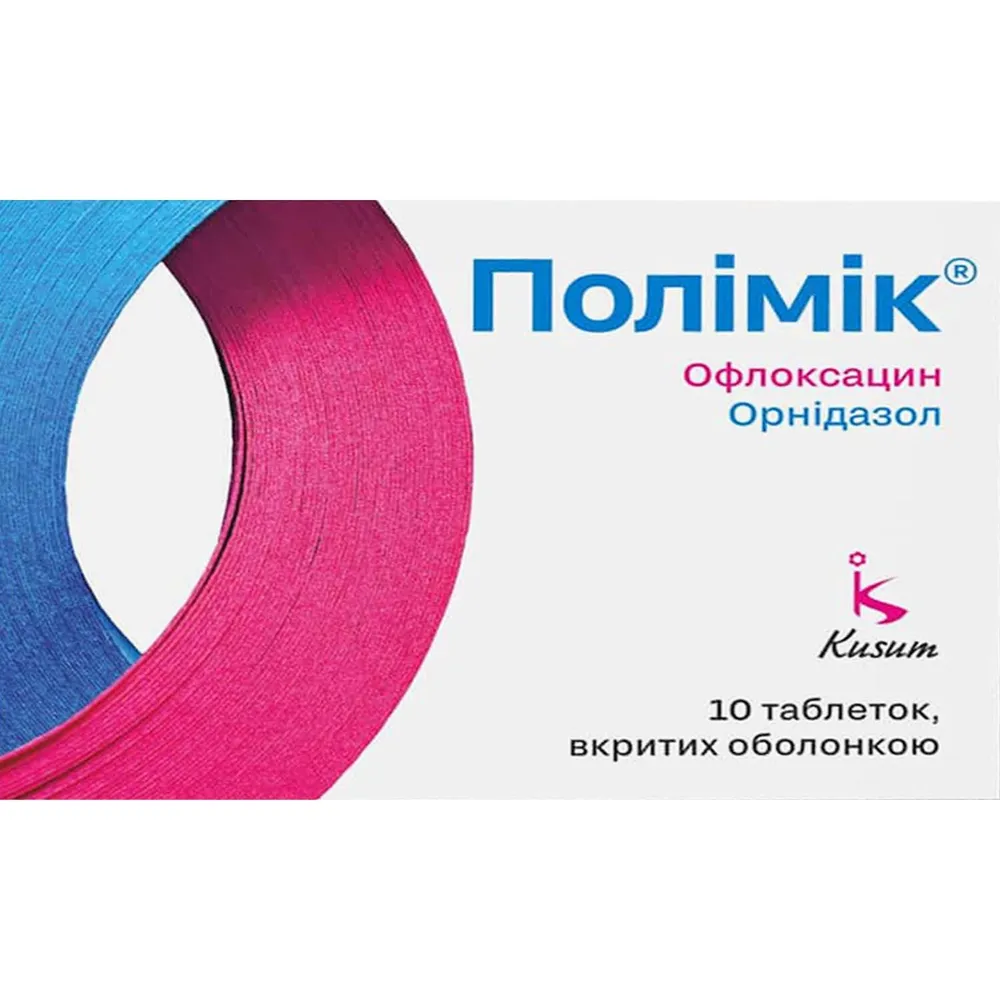
Table of Contents
- INSTRUCTIONS FOR MEDICAL USE OF THE MEDICINAL PRODUCT POLYMICÒ (POLYMICÒ)
- Composition:
- Pharmacological properties.
- Clinical characteristics.
- Special precautions for use.
- Administration and Dosage
- Side effects.
- Composition:
- Pharmacological properties.
- Clinical characteristics.
- Special precautions for use.
- Method of Administration and Dosage
- Side effects.
INSTRUCTIONS FOR MEDICAL USE OF THE MEDICINAL PRODUCT POLYMICÒ (POLYMICÒ)
Composition:
Active substances: 1 tablet contains ofloxacin 200 mg and ornidazole 500 mg;
Excipients: microcrystalline cellulose, sodium starch glycolate (type A), povidone (K-30), magnesium stearate, coating Opadry 03B53217 orange: hypromellose, titanium dioxide (E 171), yellow azorubine (E 110), polyethylene glycol.
Pharmaceutical form. Film-coated tablets.
Main physicochemical properties: capsule-shaped film-coated tablets, orange-colored, with a break line on one side.
Pharmacotherapeutic group.
Combined antibacterial agents. ATC code J01RA.


Pharmacological properties.
Pharmacodynamics.
PolyMik® is a combined antimicrobial and antiprotozoal medicinal product, whose pharmacological activity is determined by the properties of its components: ofloxacin (a derivative of quinolinecarboxylic acid) and ornidazole (a derivative of 5-nitroimidazole).
Mechanism of action of ofloxacin.
Ofloxacin has a broad spectrum of antibacterial activity against both Gram-negative and Gram-positive microorganisms.
The primary mechanism of action of ofloxacin is specific inhibition of DNA gyrase—an enzyme essential for replication, transcription, repair, and recombination of bacterial DNA. Inhibition of this enzyme leads to unwinding and destabilization of the DNA in bacterial cells, resulting in cell death. It has been established that some quinolones, including ofloxacin, exert an additional, RNA-independent effect on bacterial cells, which enhances their bactericidal activity. The nature of this effect is not fully understood.
Pharmacokinetic/pharmacodynamic relationship.
Fluoroquinolones exhibit concentration-dependent bactericidal activity and demonstrate a moderate post-antibiotic effect. For this class of antimicrobial agents, the ratio between the area under the concentration–time curve (AUC) and the minimum inhibitory concentration (MIC), or the ratio of peak concentration (Cmax) to MIC, predicts clinical efficacy.
Mechanism of resistance.
Resistance to ofloxacin develops through stepwise mutations in the target sites of both types of type II topoisomerases—DNA gyrase and topoisomerase IV. Other resistance mechanisms, such as reduced permeability (common in Pseudomonas aeruginosa) and efflux mechanisms, may also affect susceptibility to ofloxacin.
Antibacterial spectrum.
| Naturally susceptible species, including microorganisms with moderate susceptibility |
| Aerobic gram-positive microorganisms: Bacillus anthracis Bordetella pertussis Corynebacteria Streptococci |
| Aerobic gram-negative microorganisms: Campylobacter Enterobacter Haemophilus influenzae Legionella pneumophila Moraxella catarrhalis Morganella morganii Proteus vulgaris Salmonella Shigella Yersinia |
| Other microorganisms: Chlamydia Chlamydophila pneumoniae Mycoplasma hominis Mycoplasma pneumoniae Ureaplasma urealyticum |
| Species that may develop resistance |
| Aerobic gram-positive microorganisms: Staphylococci coagulase-negative Staphylococcus aureus (methicillin-sensitive) Streptococcus pneumoniae |
| Aerobic gram-negative microorganisms: Acinetobacter baumannii Citrobacter freundii Escherichia coli Klebsiella oxytoca Klebsiella pneumoniae Neisseria gonorrhoeae Proteus mirabilis Pseudomonas aeruginosa Serratia |
| Microorganisms with natural resistance to ofloxacin |
| Aerobic gram-positive microorganisms: Enterococci Listeria monocytogenes Nocardia Methicillin-resistant Staphylococci |
| Anaerobic microorganisms: Bacteroides spp. Clostridium difficile |
Therapeutic doses of ofloxacin have no pharmacological effect on the somatic or autonomic nervous system.
Mechanism of action of ornidazole.
Ornidazole is active against Trichomonas vaginalis, Entamoeba histolytica, Giardiasis lamblia (Giardia intestinalis), as well as certain anaerobic bacteria such as Bacteroides, Clostridium spp., Fusobacterium spp., and anaerobic cocci.
Ornidazole acts via a DNA-targeting mechanism with selective activity against microorganisms possessing enzymatic systems capable of reducing the nitro group and catalyzing the interaction of ferredoxin-group proteins with nitro compounds. After penetration into the microbial cell, the mechanism of ornidazole's action involves reduction of the nitro group under the influence of microbial nitroreductases and activity of the already reduced nitroimidazole. The reduction products form complexes with DNA, causing its degradation and disrupting DNA replication and transcription processes. Furthermore, ornidazole metabolites possess cytotoxic properties and interfere with microbial cellular respiration.
Pharmacokinetics.
Not studied.
Clinical characteristics.
Indications.
Treatment of mixed infections caused by pathogens (microorganisms and protozoa) sensitive to the components of the medicinal product:
- Urinary and genital tract diseases: acute pyelonephritis, bacterial prostatitis, uncomplicated cystitis, epididymitis, complicated urinary tract infections.
For treatment of uncomplicated cystitis, Polymik® should be used only when it is considered inappropriate to use antibacterial medicinal products usually recommended for treatment of this infection;
- Sexually transmitted diseases.
Official recommendations regarding appropriate use of antibacterial medicinal products should be taken into account.
Contraindications.
- Hypersensitivity to ofloxacin, ornidazole, other derivatives of fluoroquinolones, nitroimidazole derivatives, or to any other components of the medicinal product;
- History of tendinitis or tendon rupture associated with fluoroquinolone use;
- Epilepsy, including history of epilepsy;
- Lowered seizure threshold;
- Central nervous system disorders (including multiple sclerosis);
- Pediatric age (under 18 years);
- Pregnancy;
- Breastfeeding period;
- Glucose-6-phosphate dehydrogenase deficiency;
- Blood dyscrasias or other hematological disorders;
- QT interval prolongation;
- Uncompensated hypoglycemia;
- Concomitant use of class IA (quinidine, procainamide) or class III (amiodarone, sotalol) antiarrhythmic agents, tricyclic antidepressants, macrolides.
The use of Polymik® should be avoided in patients with a history of serious adverse reactions following administration of drugs containing quinolones or fluoroquinolones (see section "Adverse reactions"). Treatment of such patients with Polymik® should be initiated only when no alternative treatment options are available and after careful assessment of the benefit–risk ratio (see section "Special precautions").
Interaction with other medicinal products and other forms of interactions.
Interactions related to ofloxacin.
Antihypertensive medicinal products
Concomitant use of ofloxacin with antihypertensive agents or under anesthesia with barbiturates may lead to sudden drop in blood pressure. In such cases, monitoring of cardiovascular function is required.
MEDICINAL PRODUCTS THAT PROLONG THE QT INTERVAL.
It is contraindicated to use ofloxacin concomitantly with medicinal products that prolong the QT interval [(antiarrhythmic agents of class IA (quinidine, procainamide) and class III (amiodarone, sotalol), tricyclic antidepressants, macrolides)].
Ofloxacin, like other fluoroquinolones, should be used with caution in patients receiving antipsychotic agents.
Nonsteroidal anti-inflammatory medicinal products (NSAIDs), nitroimidazole derivatives, and methylxanthines.
Concomitant use of ofloxacin with NSAIDs (including phenylpropionic acid derivatives), nitroimidazole derivatives, and methylxanthines increases the risk of nephrotoxic effects and enhances the stimulatory effect on the central nervous system, leading to a lowered seizure threshold. If seizures occur, the medicinal product should be discontinued.
Theophylline.
No pharmacokinetic interaction between ofloxacin and theophylline has been observed.
However, the steady-state serum concentration of theophylline, its elimination half-life, and the risk of theophylline-related adverse reactions may increase during concomitant use. Serum theophylline levels should be carefully monitored and the theophylline dosage adjusted if necessary. Adverse reactions (including seizures) may occur with or without increased serum theophylline levels.
MEDICINAL PRODUCTS THAT REDUCE THE SEIZURE THRESHOLD.
When quinolones are used concomitantly with other drugs that reduce the seizure threshold, such as theophylline, an additive reduction in the brain's seizure threshold may occur.
MEDICINAL PRODUCTS EXCRETED BY TUBULAR SECRETION.
Concomitant use of high-dose ofloxacin with medicinal products excreted by tubular secretion may lead to increased plasma concentrations due to reduced elimination.
MEDICINAL PRODUCTS METABOLIZED BY CYTOCHROME P450.
Since concomitant use of most quinolones, including ofloxacin, inhibits the enzymatic activity of cytochrome P450, concomitant use of ofloxacin with drugs metabolized by this system (cyclosporine, theophylline, methylxanthine, caffeine, warfarin) prolongs the elimination half-life of these medicinal products.
Anticoagulants, including vitamin K antagonists.
Prolongation of bleeding time has been reported with concomitant use of ofloxacin and anticoagulants.
Concomitant use of ofloxacin with vitamin K antagonists (e.g., warfarin) has been associated with increased values in coagulation tests [(prothrombin time (PT)/international normalized ratio (INR)] and/or bleeding, which may be severe. Therefore, coagulation parameters should be monitored in patients receiving concomitant vitamin K antagonists due to possible increased activity of coumarin derivatives (see section "Special precautions").
MEDICINAL PRODUCTS THAT REDUCE OFLOXACIN ABSORPTION.
Concomitant use of Polymik® with antacids containing calcium, magnesium, or aluminum, sucralfate, divalent or trivalent iron, multivitamins containing zinc reduces the extent of ofloxacin absorption. Therefore, the interval between administration of these medicinal products should be at least 4 hours.
Hypoglycemic medicinal products.
Hypoglycemia or hyperglycemia may occur when ofloxacin is used concomitantly with oral hypoglycemic agents or insulin; therefore, monitoring of parameters is necessary for compensation. Ofloxacin may cause a slight increase in serum concentrations of glyburide when used concomitantly; careful monitoring of patients receiving this combination is recommended.
Probenecid, cimetidine, furosemide, and methotrexate.
Concomitant use of ofloxacin with probenecid, cimetidine, furosemide, or methotrexate leads to increased plasma concentrations of ofloxacin and an increased risk of its toxic effects.
MEDICINAL PRODUCTS THAT INCREASE URINE pH.
When used with agents that alkalinize urine (carbonic anhydrase inhibitors, citrates, sodium bicarbonate), the risk of crystalluria and nephrotoxic effects increases.
Laboratory tests.
During ofloxacin therapy, pseudopositive results may occur in testing for opiates or porphyrins in urine. Therefore, more specific methods should be used.
Ofloxacin may inhibit the growth of Mycobacterium tuberculosis and produce falsely negative results in bacteriological testing for diagnosis of tuberculosis.
Interactions related to ornidazole.
Alcohol.
Although ornidazole (unlike other nitroimidazole derivatives) does not inhibit aldehyde dehydrogenase, alcohol consumption should be avoided throughout the course of therapy with Polymik® and for at least 3 days after discontinuation.
Anticoagulants.
Ornidazole potentiates the effect of oral anticoagulants of the coumarin group, increasing the risk of bleeding; therefore, appropriate adjustment of their dosage is required.
Vecuronium bromide.
Ornidazole prolongs the muscle-relaxant effect of vecuronium bromide.
Liver enzyme inducers.
Concomitant use of phenobarbital or other enzyme inducers with ornidazole reduces the serum circulation time of ornidazole.
Liver enzyme inhibitors.
Concomitant use of enzyme inhibitors (e.g., cimetidine) with ornidazole increases the serum circulation time of ornidazole.
Lithium.
Concomitant use of ornidazole with medicinal products containing lithium salts should be accompanied by monitoring of lithium and electrolyte concentrations, as well as serum creatinine levels (see section "Special precautions").
Special precautions for use.
Prior to initiating treatment, the following tests should be performed: culture for microflora and determination of susceptibility to ofloxacin and ornidazole.
In case of adverse effects, particularly those affecting the nervous system, allergic reactions, or severe arterial hypotension, which may occur immediately after the first dose, the medicinal product Polymik® should be discontinued.
When high doses of Polymik® are used or therapy is continued for more than 10 days, clinical and laboratory monitoring is recommended.
The effect of other medicinal products may be enhanced or diminished during treatment with this medicinal product.
Special precautions related to ofloxacin.
Polymik® should be avoided in patients with a history of serious adverse reactions to quinolones or fluoroquinolones (see section "Adverse Reactions"). Treatment with Polymik® in such patients should only be initiated if no alternative treatment options are available and after careful assessment of the benefit-risk ratio (see also section "Contraindications").
Prolonged, disabling and potentially irreversible serious adverse reactions.
Very rare cases of prolonged (lasting several months or years), disabling and potentially irreversible serious adverse reactions affecting various organ systems (musculoskeletal, nervous system, mental health, and sensory organs) have been reported in patients receiving quinolones or fluoroquinolones, regardless of age or existing risk factors. If any signs or symptoms of a serious adverse reaction occur, Polymik® should be discontinued immediately and medical advice should be sought.
Peripheral neuropathy.
Cases of sensory or sensorimotor polyneuropathy, leading to paresthesia, hypoesthesia, dysesthesia, or weakness, have been reported in patients receiving quinolones or fluoroquinolones. Patients taking Polymik® should be advised to inform their physician about the development of neuropathic symptoms such as pain, burning, tingling, numbness, or weakness before continuing treatment to prevent potentially irreversible conditions (see section "Adverse Reactions"). If peripheral neuropathy occurs, treatment should be discontinued.
Patients predisposed to seizures.
Quinolones may lower the seizure threshold and provoke seizures. Polymik® is contraindicated in patients with epilepsy, including those with a history of epilepsy, or a lowered seizure threshold (see section "Contraindications").
Concomitant use of ofloxacin with NSAIDs (including phenylpropionic acid derivatives), nitroimidazole derivatives, and methylxanthines enhances the stimulatory effect on the central nervous system, leading to a reduced seizure threshold (see section "Interaction with other medicinal products and other forms of interaction").
If seizures occur, the medicinal product should be discontinued.
Myasthenia gravis.
Fluoroquinolones, including ofloxacin, block neuromuscular transmission and may provoke muscle weakness in patients with myasthenia gravis. Serious adverse reactions, including fatal cases and the need for respiratory support, reported in the post-marketing period, have been associated with the use of fluoroquinolones in patients with myasthenia gravis. Polymik® is not recommended for use in patients with a history of myasthenia gravis.
Patients with a history of psychotic disorders.
Psychotic reactions have been reported in patients taking fluoroquinolones. In very rare cases, these progressed to suicidal thoughts and self-destructive behavior, including suicide attempts, sometimes after a single dose of ofloxacin (see section "Adverse Reactions"). If such reactions occur, treatment with Polymik® should be discontinued and appropriate measures initiated. The medicinal product should be used with caution in patients with a history of psychotic disorders or psychiatric diseases.
Hypersensitivity reactions and allergic reactions.
Hypersensitivity and allergic reactions have been reported after the first dose of fluoroquinolones. Anaphylactic and anaphylactoid reactions may progress to life-threatening shock, even after the first dose. In such cases, Polymik® should be discontinued immediately and appropriate treatment initiated (e.g., shock management).
Severe bullous reactions.
Cases of severe bullous reactions, such as Stevens-Johnson syndrome or toxic epidermal necrolysis, have been reported with ofloxacin use (see section "Adverse Reactions"). Patients should be advised to seek immediate medical attention if skin reactions and/or mucosal lesions occur before continuing therapy with Polymik®.
Clostridium difficile-associated disease.
Diarrhea, particularly severe, persistent, and/or hemorrhagic, during or after ofloxacin treatment (including several weeks after treatment) may be a symptom of pseudomembranous colitis [caused by Clostridium difficile (CDAD)]. CDAD may range in severity from mild to life-threatening; the most severe form is pseudomembranous colitis (see section "Adverse Reactions"). Therefore, this diagnosis should be considered in patients who develop severe diarrhea during or after treatment with Polymik®. If pseudomembranous colitis is suspected, the medicinal product should be discontinued immediately and appropriate specific antibiotic therapy initiated (e.g., oral vancomycin, oral teicoplanin, or metronidazole). In this clinical situation, medicinal products that inhibit intestinal peristalsis are contraindicated.
Tendinitis and tendon rupture.
Tendinitis and tendon ruptures (particularly of the Achilles tendon), sometimes bilateral, may occur within 48 hours of starting treatment with quinolones or fluoroquinolones or even several months after discontinuation. Elderly patients, patients with renal impairment or transplanted organs, and those taking corticosteroids have an increased risk of developing tendinitis and tendon rupture. Therefore, concomitant use of corticosteroids with Polymik® should be avoided. If early signs of tendinitis (e.g., inflammation, swelling, and pain) occur, the medicinal product should be discontinued and alternative therapy considered. The affected limb(s) should be appropriately managed (e.g., immobilization). Corticosteroids should not be used if signs of tendinopathy occur.
Patients with renal impairment.
Adequate hydration (patients should consume sufficient fluids) should be maintained during treatment with Polymik® to prevent crystalluria.
The medicinal product should be administered with caution in patients with renal impairment (daily dose should not be exceeded), and laboratory monitoring of renal function parameters is necessary. Since ofloxacin is primarily excreted by the kidneys, dosage adjustment of ofloxacin is required in patients with renal impairment.
Patients with hepatic impairment.
Polymik® should be used with caution in patients with hepatic impairment due to the potential for liver injury associated with its use. Cases of fulminant hepatitis leading to liver failure (including fatal cases) have been reported during treatment with fluoroquinolones. Patients should be advised to discontinue treatment and consult a physician if symptoms of liver disease occur, such as anorexia, jaundice, dark urine, pruritus, or abdominal pain (see section "Adverse Reactions").
The average daily dose should not be exceeded in patients with severe liver damage (cirrhosis).
QT interval prolongation.
Very rare cases of QT interval prolongation have been reported with fluoroquinolone use. Polymik® is contraindicated in patients with QT interval prolongation (see section "Contraindications"). The medicinal product should be avoided in patients with risk factors for QT prolongation, elderly patients, those with electrolyte imbalances (hypokalemia, hypomagnesemia), and cardiac conditions (heart failure, myocardial infarction, bradycardia).
Patients receiving vitamin K antagonists.
Since an increase in coagulation test parameters (INR/PT) and/or bleeding may occur in patients taking fluoroquinolones, including ofloxacin, in combination with a vitamin K antagonist (e.g., warfarin), coagulation parameters should be monitored (see section "Interaction with other medicinal products and other forms of interaction").
Prevention of photosensitization.
Cases of photosensitization have been reported with ofloxacin use (see section "Adverse Reactions"). To prevent photosensitization, patients are advised to avoid exposure to strong sunlight or artificial UV radiation sources (e.g., UV lamps, tanning beds) during treatment with Polymik® and for 48 hours after discontinuation.
Superinfection.
As with other antibiotics, prolonged use of ofloxacin may lead to overgrowth of resistant microorganisms; therefore, patients should be monitored periodically during treatment. If a secondary infection develops during treatment with Polymik®, appropriate measures should be taken.
Resistance of some Pseudomonas aeruginosa strains.
During ofloxacin treatment, as with other fluoroquinolones, resistance in some strains of Pseudomonas aeruginosa may develop rapidly.
Methicillin-resistant Staphylococcus aureus (MRSA).
Methicillin-resistant Staphylococcus aureus (MRSA) is highly likely to be resistant to fluoroquinolones, including ofloxacin. Therefore, Polymik® is not recommended for treatment of infections caused or suspected to be caused by MRSA, except when laboratory test results confirm susceptibility of the pathogen to ofloxacin (and use of antibacterial agents typically recommended for MRSA infections is considered inappropriate).
Infections caused by Escherichia coli (E. coli).
Resistance to fluoroquinolones in E. coli (the most common cause of urinary tract infections) varies across different countries of the European Union. Local prevalence of E. coli resistance to fluoroquinolones should be considered when prescribing fluoroquinolones.
Pneumonia caused by pneumococci or mycoplasma, tonsillar angina caused by β-hemolytic streptococci.
Polymik® is not the drug of choice for the treatment of pneumonia caused by pneumococci or mycoplasma, or infections caused by β-hemolytic streptococci.
Infections caused by Neisseria gonorrhoeae.
Due to increasing resistance of N. gonorrhoeae, Polymik® should not be used as empirical antibacterial therapy for suspected gonococcal infection (gonococcal urethritis, pelvic inflammatory disease, epididymo-orchitis), except when the pathogen has been identified and its susceptibility to ofloxacin confirmed. If no clinical improvement is observed after 3 days of treatment, therapy should be re-evaluated.
Disturbances of glucose metabolism.
Changes in blood glucose levels (including both hyperglycemia and hypoglycemia) have been reported with quinolone use, particularly in diabetic patients receiving concomitant oral hypoglycemic agents (e.g., glibenclamide) or insulin. Cases of hypoglycemic coma have been reported. Blood glucose levels should be monitored in diabetic patients (see section "Adverse Reactions").
Patients with glucose-6-phosphate dehydrogenase deficiency.
Patients with latent or manifest deficiency in glucose-6-phosphate dehydrogenase activity may be prone to hemolytic reactions when treated with quinolone antibacterial agents.
Visual disturbances.
If any visual disturbances occur, patients should seek immediate ophthalmological consultation.
Effect on laboratory test results.
In patients receiving ofloxacin, opiate screening in urine may yield false-positive results. Positive opiate test results may require confirmation using more specific methods.
Aortic aneurysm/dissection, valvular regurgitation/insufficiency.
Epidemiological studies have reported an increased risk of aortic aneurysm and dissection, particularly in elderly patients, and aortic and mitral valve regurgitation following fluoroquinolone use.
Cases of aortic aneurysm and dissection, sometimes complicated by rupture (including fatal cases), and valvular regurgitation/insufficiency have been reported in patients receiving fluoroquinolones (see section "Adverse Reactions").
Therefore, fluoroquinolones should be used only after careful benefit-risk assessment and consideration of alternative treatment options in patients with a history of aortic aneurysm or congenital heart valve defects, those with existing aortic aneurysm or dissection or heart valve disease, and in the presence of other risk factors, namely:
- risk factors for both aortic aneurysm/dissection and valvular regurgitation/insufficiency: connective tissue disorders such as Marfan syndrome or vascular Ehlers-Danlos syndrome, Turner syndrome, Behçet's disease, hypertension, rheumatoid arthritis;
- risk factors for aortic aneurysm/dissection: vascular diseases such as Takayasu arteritis or giant cell arteritis, atherosclerosis, Sjögren's syndrome;
- risk factors for valvular regurgitation/insufficiency: infective endocarditis.
The risk of aortic aneurysm/dissection and rupture is increased in patients concomitantly taking corticosteroids.
In case of sudden abdominal, chest, or back pain, patients should seek immediate emergency medical help.
Patients should be advised to seek immediate medical attention if acute dyspnea, new-onset palpitations, or abdominal or lower limb edema occur.
Magnesium-, aluminum-, iron-, zinc-containing products and sucralfate.
Polymik® should not be taken within 4 hours after administration of medicinal products containing magnesium, aluminum, iron, zinc, or sucralfate.
Special precautions related to ornidazole.
Blood disorders.
In patients with a history of blood disorders, leukocyte levels should be monitored, especially during repeated treatment courses.
Central or peripheral nervous system disorders.
Exacerbation of central or peripheral nervous system disorders may occur during ornidazole therapy. Polymik® is contraindicated in patients with central nervous system disorders, including multiple sclerosis (see section "Contraindications").
If peripheral neuropathy, movement coordination disorders (ataxia), dizziness, or confusion occur, the medicinal product should be discontinued.
Candidiasis.
Exacerbation of candidiasis may occur, requiring appropriate treatment.
Hemodialysis.
During hemodialysis, the reduced elimination half-life of ornidazole should be considered, and additional doses of the medicinal product should be administered before or after hemodialysis.
Lithium therapy.
Lithium and electrolyte concentrations, as well as creatinine levels, should be monitored when using medicinal products containing lithium salts.
Patients with hepatic impairment.
Use with caution in patients with hepatic impairment.
Alcohol consumption.
Alcoholic beverages should not be consumed during treatment with Polymik®.
Excipients.
Polymik® contains the azo dye tartrazine (E 110), which may cause allergic reactions.
Use during pregnancy or breastfeeding.
Polymik® is contraindicated during pregnancy or breastfeeding (see section "Contraindications").
If use of the medicinal product is necessary, breastfeeding should be discontinued during treatment.
Ability to affect reaction speed when driving or operating machinery.
Since adverse reactions affecting psychomotor performance may occur during treatment with Polymik®, patients should refrain from driving or operating machinery during therapy.
Administration and Dosage
PolymikÒ should be taken orally, independent of food intake, with a sufficient amount of water. The tablets should not be chewed.
The dosage of the medicinal product and duration of treatment depend on the susceptibility of microorganisms, severity and type of the infectious process.
Dosage for adults: 1 tablet twice daily for up to 5 days. If necessary, treatment should be continued with ofloxacin tablets, taking into account official recommendations regarding their use.
Children
The medicinal product is contraindicated in children (under 18 years of age).
Overdose
Symptoms
Related to ofloxacin
The most important expected signs of acute ofloxacin overdose are symptoms related to the central nervous system, particularly confusion, dizziness, disturbance of consciousness, seizures, QT interval prolongation, as well as gastrointestinal reactions such as nausea and erosive mucosal damage.
During post-marketing studies, the following adverse effects related to the central nervous system have been observed: confusion, convulsions, hallucinations, and tremor.
Related to ornidazole
In case of overdose, possible symptoms include loss of consciousness, headache, dizziness, tremor, convulsions, peripheral neuritis, dyspeptic disorders, and exacerbation of symptoms of other adverse reactions.
Treatment
In case of overdose, appropriate measures are recommended, such as gastric lavage and administration of adsorbents and sodium sulfate, if possible, within the first 30 minutes after overdose. To protect the gastric mucosa, antacids are recommended. Fractions of ofloxacin may be removed from the body by hemodialysis.
Peritoneal dialysis and continuous ambulatory peritoneal dialysis are not effective for elimination of ofloxacin from the body. There is no specific antidote for this medicinal product. Elimination of ofloxacin may be enhanced by forced diuresis.
In case of overdose, symptomatic treatment should be administered. ECG monitoring is required due to possible QT interval prolongation.
In case of seizures, diazepam should be administered.
Side effects.
Infections and infestations: fungal infections, resistance of pathogenic microorganisms, proliferation of other resistant microorganisms, exacerbation of candidiasis.
Immune system disorders: hypersensitivity reactions, including manifestations of skin allergic reactions; anaphylactic/anaphylactoid reactions; shock, including anaphylactic/anaphylactoid shock; angioedema (including tongue, larynx, pharynx swelling, swelling/edema of the face); Stevens-Johnson syndrome; Lyell's syndrome; drug-induced dermatitis; vasculitis, which in rare cases may lead to necrosis; pneumonitis.
Skin and subcutaneous tissue disorders: pruritus, skin rashes, including urticaria, blistering rash, pustular eruptions, erythema multiforme, vasculitic purpura, acute generalized exanthematous pustulosis; hyperhidrosis; photosensitivity reactions, photosensitization, photosensitivity reactions resembling sunburn; skin discoloration; nail separation, skin hyperemia, exfoliative dermatitis.
Cardiovascular system disorders*: flushing; arterial hypotension, collapse; tachycardia, ventricular arrhythmias, torsades de pointes arrhythmia, ventricular flutter-fibrillation (observed predominantly in patients with risk factors for QT interval prolongation), QT interval prolongation on electrocardiogram (see sections "Special precautions" and "Overdose"); cerebral vessel thrombosis; cardiovascular disorders.
Blood and lymphatic system disorders: neutropenia, leukopenia, anemia, hemolytic anemia, eosinophilia, thrombocytopenia, pancytopenia, agranulocytosis, bone marrow suppression, blood dyscrasia of medullary aplasia type, petechiae, ecchymosis (bruising), prolonged prothrombin time, thrombocytopenic purpura, manifestations of bone marrow effects, bone marrow suppression.
Respiratory system disorders: cough, dyspnea (shortness of breath), including severe; bronchospasm, severe wheezing, stridor, nasopharyngitis, pharyngitis; allergic pneumonitis, pulmonary edema.
Gastrointestinal disorders: anorexia (loss of appetite); altered taste sensations (dysgeusia), taste disturbance, ageusia, including metallic taste in mouth, dry mouth, oral mucosal pain, increased salivation, coated tongue; stomatitis, dyspepsia, nausea, vomiting, heartburn, gastralgia (abdominal pain), abdominal pain or cramps; epigastric pain; diarrhea, frequent loose stools, gastrointestinal distress, constipation, enterocolitis, sometimes hemorrhagic enterocolitis, flatulence, dysbiosis, pseudomembranous colitis, pancreatitis.
Hepatobiliary system disorders: signs of hepatotoxicity, including changes in liver function tests; elevated levels of liver enzymes [(alanine aminotransferase (ALT), aspartate aminotransferase (AST), lactate dehydrogenase (LDH), gamma-glutamyl transferase (GGT) and/or alkaline phosphatase (ALP)], increased blood bilirubin levels, jaundice, including cholestatic jaundice; hepatitis (sometimes severe), severe liver damage, including cases of acute liver failure, sometimes fatal, predominantly in patients with impaired liver function (see section "Special precautions").
Nervous system disorders*: headache; dizziness (vertigo); confusion, transient loss of consciousness; sleep disturbances (insomnia or somnolence), disturbing dreams; restlessness, psychomotor agitation; slowed reaction time; increased intracranial pressure, rigidity, seizures; paresthesia, sensory or sensorimotor neuropathy, peripheral sensory disturbances; peripheral neuropathy, extrapyramidal disorders, including tremor, impaired muscle coordination (impaired sense of balance, unsteady gait), ataxia; exacerbation of myasthenia gravis; olfactory disturbances, parosmia, dysphasia, dyskinesia, syncope, fatigue, spatial disorientation.
Psychiatric disorders*: psychomotor agitation (agitation), psychotic disorders, anxiety states, anxiety, nervousness, depression with self-destructive behavior, including suicidal thoughts or suicide attempts, epileptic seizures, hallucinations, delirium (reported with frequency – rare).
Eye disorders*: eye irritation, visual disturbances, photophobia, color blindness, uveitis.
Ear and labyrinth disorders*: vertigo, tinnitus, hearing disturbances, ear noise, hearing loss.
Metabolism and nutrition disorders: hypoglycemia (in patients with diabetes mellitus taking antidiabetic drugs), hyperglycemia, hypoglycemic coma.
Musculoskeletal and connective tissue disorders*: tendinitis, ligament rupture, tendon rupture (including Achilles tendon, which may be bilateral and occur within 48 hours after initiation of treatment); rhabdomyolysis, myopathy, muscle weakness, muscle cramps, myalgia, muscle strain, muscle rupture; arthralgia, arthritis.
Renal and urinary system disorders: impaired kidney function, including urinary retention, anuria, polyuria, hematuria; renal failure, acute renal failure; kidney stone formation; acute interstitial nephritis; darkening of urine color.
Reproductive system disorders: genital pruritus in women, vaginitis, vaginal candidiasis.
Investigations: increased liver enzyme activity (ALT, AST, LDH, GTG, ALP, GGT), increased bilirubin, cholesterol, triglycerides, potassium levels, excessive increase or decrease in glucose levels; prolonged prothrombin time; increased urea and creatinine levels.
Congenital, familial and genetic disorders: porphyria attacks in patients with porphyria.
General disorders*: general weakness (asthenia), fatigue; malaise, chills, elevated body temperature (pyrexia), hot flushes, fever; pain (including back, chest, limb, nasal pain); hiccups.
* In patients receiving quinolones and fluoroquinolones, very rare, prolonged (lasting several months or years), disabling and potentially irreversible serious adverse reactions affecting various organ systems, including sensory organs, have been observed. Such reactions include tendinitis, tendon rupture, arthralgia, limb pain, gait disturbance, neuropathy associated with paresthesia, neuralgia, fatigue, psychiatric symptoms (including sleep disturbances, anxiety, panic attacks, depression and suicidal thoughts), memory and concentration impairment, confusion, hearing, vision, taste and smell disturbances. In some cases, these reactions occurred in patients without risk factors (see section "Special precautions").
** Cases of aneurysms and aortic dissection, sometimes complicated by rupture (including fatal cases), and regurgitation/insufficiency of any heart valve have been reported in patients receiving fluoroquinolones (see section "Special precautions").
Reporting suspected adverse reactions.
Reporting suspected adverse reactions after drug registration is important. It allows continuous monitoring of the benefit-risk balance of the medicinal product. Healthcare professionals and patients or their legal representatives should report all suspected adverse reactions and lack of drug efficacy through the Automated Information System for Pharmacovigilance at the following link: https://aisf.dec.gov.ua
Shelf life. 3 years.
Storage conditions.
Store at a temperature not exceeding 25 °C.
Keep out of the reach of children.
Packaging.
10 tablets per blister; 1 blister per cardboard package.
Prescription status.
Prescription only.
Manufacturer.
KUSUM HEALTHCARE PVT LTD.
Manufacturer's address and place of business.
SP-289 (A), RIICO Industrial area, Chopanki, Bhiwadi, Dist. Alwar (Rajasthan), India.
INSTRUCTIONS
for medical use of the medicinal product
POLYMICÒ
(POLYMICÒ)
Composition:
Active substances: 1 tablet contains ofloxacin 200 mg and ornidazole 500 mg;
Excipients: microcrystalline cellulose, sodium starch glycolate (type A), povidone (K-30), magnesium stearate, coating Oparidy 03B53217 orange: hypromellose, titanium dioxide (E 171), yellow sunset FCF (E 110), polyethylene glycol.
Dosage form. Film-coated tablets.
Main physicochemical properties: capsule-shaped, film-coated tablets of orange color, with a break line on one side.
Pharmacotherapeutic group.
Combined antibacterial agents. ATC code J01RA.
Pharmacological properties.
Pharmacodynamics.
PolyMik® is a combined antimicrobial and antiprotozoal medicinal product, whose pharmacological activity is determined by the properties of its components: ofloxacin (a derivative of quinolinecarboxylic acid) and ornidazole (a derivative of 5-nitroimidazole).
Mechanism of action of ofloxacin.
Ofloxacin has a broad spectrum of antibacterial activity against both Gram-negative and Gram-positive microorganisms.
The primary mechanism of action of ofloxacin is specific inhibition of DNA gyrase—an enzyme essential for replication, transcription, repair, and recombination of bacterial DNA. Inhibition of this enzyme leads to uncoiling and destabilization of bacterial DNA, resulting in bacterial cell death. It has been established that some quinolones, including ofloxacin, exert an additional RNA-independent effect on bacterial cells, which enhances the bactericidal activity. The nature of this effect is not fully understood.
Pharmacokinetic/pharmacodynamic relationship.
Fluoroquinolones exhibit concentration-dependent bactericidal activity and demonstrate a moderate post-antibiotic effect. For this class of antimicrobial agents, the ratio between the area under the concentration-time curve (AUC) and the minimum inhibitory concentration (MIC), or the ratio of peak maximum concentration (Cmax) to MIC, predicts clinical efficacy.
Mechanism of resistance.
Resistance to ofloxacin develops through stepwise mutations in the target sites of both types of type II topoisomerases—DNA gyrase and topoisomerase IV. Other resistance mechanisms, such as reduced permeability (common in Pseudomonas aeruginosa) and efflux mechanisms, may also affect susceptibility to ofloxacin.
Antibacterial spectrum.
| Naturally sensitive species, including microorganisms with moderate sensitivity |
| Aerobic gram-positive microorganisms: Bacillus anthracis Bordetella pertussis Corynebacteria Streptococci |
| Aerobic gram-negative microorganisms: Campylobacter Enterobacter Haemophilus influenzae Legionella pneumophila Moraxella catarrhalis Morganella morganii Proteus vulgaris Salmonella Shigella Yersinia |
| Other microorganisms: Chlamydia Chlamydophila pneumoniae Mycoplasma hominis Mycoplasma pneumoniae Ureaplasma urealyticum |
| Species that may develop resistance |
| Aerobic gram-positive microorganisms: Staphylococci coagulase-negative Staphylococcus aureus (methicillin-sensitive) Streptococcus pneumoniae |
| Aerobic gram-negative microorganisms: Acinetobacter baumannii Citrobacter freundii Escherichia coli Klebsiella oxytoca Klebsiella pneumoniae Neisseria gonorrhoeae Proteus mirabilis Pseudomonas aeruginosa Serratia |
| Microorganisms with natural resistance to ofloxacin |
| Aerobic gram-positive microorganisms: Enterococci Listeria monocytogenes Nocardia Methicillin-resistant Staphylococci |
| Anaerobic microorganisms: Bacteroides spp. Clostridium difficile |
Therapeutic doses of ofloxacin have no pharmacological effect on the somatic or autonomic nervous system.
Mechanism of action of ornidazole.
Ornidazole is active against Trichomonas vaginalis, Entamoeba histolytica, Giardiasis lamblia (Giardia intestinalis), as well as certain anaerobic bacteria such as Bacteroides, Clostridium spp., Fusobacterium spp., and anaerobic cocci.
Ornidazole acts as a DNA-targeting agent with selective activity against microorganisms possessing enzymatic systems capable of reducing the nitro group and catalyzing the interaction of ferredoxin-like proteins with nitro compounds. After penetration into the microbial cell, the mechanism of action of ornidazole involves the reduction of its nitro group by microbial nitroreductases, leading to the formation of active reduced nitroimidazole derivatives. The reduction products form complexes with microbial DNA, causing DNA degradation and disrupting DNA replication and transcription processes. Additionally, ornidazole metabolites exhibit cytotoxic properties and interfere with microbial cellular respiration.
Pharmacokinetics.
Not studied.
Clinical characteristics.
Indications.
Treatment of mixed infections caused by pathogens (microorganisms and protozoa) sensitive to the components of the medicinal product:
- Urinary and genital tract diseases: acute pyelonephritis, bacterial prostatitis, uncomplicated cystitis, epididymitis, complicated urinary tract infections.
For the treatment of uncomplicated cystitis, Polymik® should be used only when it is considered inappropriate to use antibacterial medicinal products usually recommended for the treatment of this infection;
- Sexually transmitted diseases.
Official recommendations regarding the appropriate use of antibacterial medicinal products should be taken into account.
Contraindications.
- Hypersensitivity to ofloxacin, ornidazole, other derivatives of fluoroquinolones, nitroimidazole derivatives, or to any other components of the medicinal product;
- Tendinitis or tendon rupture in medical history associated with the use of fluoroquinolones;
- Epilepsy, including in medical history;
- Lowered seizure threshold;
- Central nervous system disorders (including multiple sclerosis);
- Pediatric age (under 18 years);
- Pregnancy;
- Breastfeeding period;
- Glucose-6-phosphate dehydrogenase deficiency;
- Blood dyscrasias or other hematological disorders;
- QT interval prolongation;
- Uncompensated hypoglycemia;
- Concomitant use of class IA (quinidine, procainamide) or class III (amiodarone, sotalol) antiarrhythmic agents, tricyclic antidepressants, macrolides.
The use of Polymik® should be avoided in patients with a history of serious adverse reactions to medicinal products containing quinolones or fluoroquinolones (see section "Adverse reactions"). Treatment of such patients with Polymik® should be initiated only if no alternative treatment options are available and after careful assessment of the benefit-risk ratio (see section "Special precautions").
Interaction with other medicinal products and other types of interactions.
Interactions related to ofloxacin.
Antihypertensive medicinal products
Concomitant use of ofloxacin with antihypertensive agents or under barbiturate anesthesia may lead to sudden drop in blood pressure. In such cases, monitoring of cardiovascular function is required.
Medicinal products that prolong the QT interval.
Concomitant use of ofloxacin with medicinal products that prolong the QT interval [(antiarrhythmic agents of class IA (quinidine, procainamide) and class III (amiodarone, sotalol), tricyclic antidepressants, macrolides)] is contraindicated.
Ofloxacin, like other fluoroquinolones, should be used with caution in patients receiving antipsychotic agents.
Nonsteroidal anti-inflammatory drugs (NSAIDs), nitroimidazole derivatives, and methylxanthines.
Concomitant use of ofloxacin with NSAIDs (including phenylpropionic acid derivatives), nitroimidazole derivatives, and methylxanthines increases the risk of nephrotoxic effects and enhances the stimulatory effect on the central nervous system, leading to a lowered seizure threshold. If seizures occur, the medicinal product should be discontinued.
Theophylline.
No pharmacokinetic interaction between ofloxacin and theophylline has been detected.
However, the steady-state concentration of theophylline in blood serum, its half-life, and the risk of theophylline-related adverse reactions may increase during concomitant use. The theophylline level in blood serum should be carefully monitored and the dosage adjusted if necessary. Adverse reactions (including seizures) may occur with or without an increase in theophylline serum levels.
Medicinal products that lower the seizure threshold.
When quinolones are used concomitantly with other drugs that lower the seizure threshold, such as theophylline, an additive reduction in the brain's seizure threshold may occur.
Medicinal products excreted via tubular secretion.
Concomitant use of high-dose ofloxacin with medicinal products excreted via tubular secretion may lead to increased plasma concentrations due to reduced elimination.
Medicinal products metabolized via cytochrome P450.
Since concomitant use of most quinolones, including ofloxacin, inhibits the enzymatic activity of cytochrome P450, concomitant use of ofloxacin with drugs metabolized by this system (cyclosporine, theophylline, methylxanthine, caffeine, warfarin) prolongs the half-life of these medicinal products.
Anticoagulants, including vitamin K antagonists.
Prolonged bleeding time has been reported with concomitant use of ofloxacin and anticoagulants.
When ofloxacin is used concomitantly with vitamin K antagonists (e.g., warfarin), increased values in coagulation tests [(prothrombin time (PT)/international normalized ratio (INR)] and/or bleeding, which may be severe, have been reported. Therefore, coagulation parameters should be monitored in patients receiving vitamin K antagonists concurrently due to possible increased activity of coumarin derivatives (see section "Special precautions").
Medicinal products that reduce ofloxacin absorption.
Concomitant use of Polymik® with antacids containing calcium, magnesium, or aluminum, sucralfate, divalent or trivalent iron, multivitamins containing zinc, reduces the extent of ofloxacin absorption. Therefore, the interval between administration of these medicinal products should be at least 4 hours.
Hypoglycemic medicinal products.
Hypoglycemia or hyperglycemia may occur with concomitant use of ofloxacin and oral hypoglycemic agents or insulin; therefore, monitoring is required to compensate for these effects. Ofloxacin may cause a slight increase in serum concentrations of glyburide when used concomitantly; careful monitoring of patients receiving this combination is recommended.
Probenecid, cimetidine, furosemide, and methotrexate.
Concomitant use of ofloxacin with probenecid, cimetidine, furosemide, or methotrexate leads to increased plasma concentrations of ofloxacin and an increased risk of its toxic effects.
Medicinal products that increase urine pH.
When used with agents that alkalinize urine (carbonic anhydrase inhibitors, citrates, sodium bicarbonate), the risk of crystalluria and nephrotic effects increases.
Laboratory tests.
During ofloxacin treatment, pseudopositive results may occur in the detection of opiates or porphyrins in urine. Therefore, more specific methods should be used.
Ofloxacin may inhibit the growth of Mycobacterium tuberculosis and produce false-negative results in bacteriological testing for tuberculosis diagnosis.
Interactions related to ornidazole.
Alcohol.
Although ornidazole (unlike other nitroimidazole derivatives) does not inhibit aldehyde dehydrogenase, alcohol consumption should be avoided throughout the course of Polymik® therapy and for at least 3 days after its discontinuation.
Anticoagulants.
Ornidazole enhances the effect of oral anticoagulants of the coumarin group, increasing the risk of hemorrhage; therefore, appropriate dose adjustment is required.
Vecuronium bromide.
Ornidazole prolongs the muscle-relaxant effect of vecuronium bromide.
Hepatic enzyme inducers.
Concomitant use of phenobarbital or other enzyme inducers with ornidazole reduces its serum circulation half-life.
Hepatic enzyme inhibitors.
Concomitant use of enzyme inhibitors (e.g., cimetidine) with ornidazole increases its serum circulation half-life.
Lithium.
Concomitant use of ornidazole with medicinal products containing lithium salts should be accompanied by monitoring of lithium and electrolyte concentrations, as well as serum creatinine levels (see section "Special precautions").
Special precautions for use.
Prior to initiating treatment, the following tests should be performed: microbial culture and sensitivity testing to ofloxacin and ornidazole.
If adverse effects occur, particularly those affecting the nervous system, allergic reactions, or severe arterial hypotension, which may arise immediately after the first dose, the medicinal product Polymik® should be discontinued.
When using high doses of Polymik® or continuing therapy for more than 10 days, clinical and laboratory monitoring is recommended.
The effect of other medicinal products may be enhanced or diminished during treatment with this medicinal product.
Special precautions related to ofloxacin.
Avoid using Polymik® in patients with a history of serious adverse reactions to quinolones or fluoroquinolones (see section "Adverse Reactions"). Treatment with Polymik® in such patients should only be initiated if no alternative therapeutic options are available and after careful assessment of the benefit-risk ratio (see also section "Contraindications").
Prolonged, disabling, and potentially irreversible serious adverse reactions.
Very rare cases of prolonged (lasting several months or years), disabling, and potentially irreversible serious adverse reactions affecting various organ systems (musculoskeletal, nervous system, mental health, and sensory organs) have been reported in patients receiving quinolones or fluoroquinolones, regardless of age or existing risk factors. If any signs or symptoms of a serious adverse reaction occur, Polymik® should be discontinued immediately and medical advice sought.
Peripheral neuropathy.
Cases of sensory or sensorimotor polyneuropathy, leading to paresthesia, hypaesthesia, dysesthesia, or weakness, have been reported in patients receiving quinolones or fluoroquinolones. Patients taking Polymik® should be advised to inform their physician about the development of neuropathic symptoms such as pain, burning, tingling, numbness, or weakness before continuing treatment to prevent potentially irreversible conditions (see section "Adverse Reactions"). If peripheral neuropathy occurs, treatment should be discontinued.
Patients with a predisposition to seizures.
Quinolones may lower the seizure threshold and provoke seizures. Polymik® is contraindicated in patients with epilepsy, including a history of epilepsy, or reduced seizure threshold (see section "Contraindications").
Concomitant use of ofloxacin with NSAIDs (including phenylpropionic acid derivatives), nitroimidazole derivatives, and methylxanthines enhances the stimulatory effect on the central nervous system, leading to a reduced seizure threshold (see section "Interaction with other medicinal products and other forms of interaction").
If seizures occur, the medicinal product should be discontinued.
Myasthenia gravis.
Fluoroquinolones, including ofloxacin, block neuromuscular transmission and may provoke muscle weakness in patients with myasthenia gravis. Serious adverse reactions reported in the post-marketing period, including fatal cases and the need for respiratory support, have been associated with fluoroquinolone use in patients with myasthenia gravis. Polymik® is not recommended for patients with a history of myasthenia gravis.
Patients with a history of psychiatric disorders.
Psychotic reactions have been reported in patients taking fluoroquinolones. In very rare cases, these progressed to suicidal thoughts and self-destructive behavior, including suicide attempts, sometimes after a single dose of ofloxacin (see section "Adverse Reactions"). If such reactions occur, Polymik® should be discontinued and appropriate measures taken. The medicinal product should be used with caution in patients with psychiatric disorders or a history of psychiatric illness.
Hypersensitivity reactions and allergic reactions.
Hypersensitivity and allergic reactions have been reported after the first dose of fluoroquinolones. Anaphylactic and anaphylactoid reactions may progress to life-threatening shock, even after the first dose. In such cases, Polymik® should be immediately discontinued and appropriate treatment initiated (e.g., shock management).
Severe bullous reactions.
Cases of severe bullous reactions, such as Stevens-Johnson syndrome or toxic epidermal necrolysis, have been reported with ofloxacin use (see section "Adverse Reactions"). Patients should be advised to seek immediate medical attention before continuing Polymik® therapy if skin or mucosal reactions occur.
Clostridium difficile-associated disease.
Diarrhea, especially severe, persistent, and/or hemorrhagic, during or after ofloxacin treatment (including several weeks after treatment) may be a symptom of pseudomembranous colitis [Clostridium difficile-associated disease (CDAD)]. CDAD may range in severity from mild to life-threatening; the most severe form is pseudomembranous colitis (see section "Adverse Reactions"). Therefore, this diagnosis should be considered in patients who develop severe diarrhea during or after Polymik® therapy. If pseudomembranous colitis is suspected, the medicinal product should be discontinued immediately and appropriate specific antibiotic therapy initiated (e.g., oral vancomycin, oral teicoplanin, or metronidazole). In this clinical situation, medicinal products that inhibit intestinal peristalsis are contraindicated.
Tendinitis and tendon rupture.
Tendinitis and tendon ruptures (particularly of the Achilles tendon), sometimes bilateral, may occur within 48 hours of starting quinolone or fluoroquinolone therapy or even several months after discontinuation. Elderly patients, patients with impaired renal function or organ transplants, and those taking corticosteroids have a higher risk of developing tendinitis and tendon rupture. Therefore, concomitant use of corticosteroids with Polymik® should be avoided. If early signs of tendinitis (e.g., inflammation, swelling, and pain) occur, the medicinal product should be discontinued and alternative treatment considered. The affected limb(s) should be appropriately managed (e.g., immobilization). Corticosteroids should not be used if signs of tendinopathy occur.
Patients with impaired renal function.
Adequate hydration (patients should consume sufficient fluids) should be maintained during Polymik® therapy to prevent crystalluria.
The medicinal product should be used with caution in patients with impaired renal function (do not exceed the average daily dose), and laboratory monitoring of renal function parameters is necessary. Since ofloxacin is primarily excreted by the kidneys, dosage adjustment of ofloxacin is required in patients with renal impairment.
Patients with impaired hepatic function.
Polymik® should be used with caution in patients with impaired liver function due to the potential for liver injury. Cases of fulminant hepatitis leading to liver failure (including fatal cases) have been reported during fluoroquinolone therapy. Patients should be advised to discontinue treatment and consult a physician if symptoms of liver disease occur, such as anorexia, jaundice, dark urine, pruritus, or abdominal pain (see section "Adverse Reactions").
Patients with severe liver impairment (cirrhosis) should not exceed the average daily dose.
QT interval prolongation.
Very rare cases of QT interval prolongation have been reported with fluoroquinolone use. Polymik® is contraindicated in patients with QT interval prolongation (see section "Contraindications"). The medicinal product should be avoided in patients with risk factors for QT prolongation, elderly patients, electrolyte imbalances (hypokalemia, hypomagnesemia), and cardiac conditions (heart failure, myocardial infarction, bradycardia).
Patients receiving vitamin K antagonists.
Since increased coagulation test parameters (PT/INR) and/or bleeding may occur in patients taking fluoroquinolones, including ofloxacin, in combination with vitamin K antagonists (e.g., warfarin), coagulation parameters should be monitored (see section "Interaction with other medicinal products and other forms of interaction").
Prevention of photosensitization.
Cases of photosensitization have been reported with ofloxacin use (see section "Adverse Reactions"). To prevent photosensitization, patients are advised to avoid strong sunlight or exposure to artificial UV sources (e.g., UV lamps, tanning beds) during Polymik® therapy and for 48 hours after discontinuation.
Superinfection.
As with other antibiotics, prolonged use of ofloxacin may lead to the overgrowth of resistant microorganisms; therefore, the patient's condition should be monitored periodically during treatment. If a secondary infection develops during Polymik® therapy, appropriate measures should be taken.
Resistance of some Pseudomonas aeruginosa strains.
Resistance in some strains of Pseudomonas aeruginosa may develop rapidly during ofloxacin treatment, as with other fluoroquinolones.
Methicillin-resistant Staphylococcus aureus (MRSA).
Methicillin-resistant Staphylococcus aureus (MRSA) is highly likely to be resistant to fluoroquinolones, including ofloxacin. Therefore, Polymik® is not recommended for treating infections caused or suspected to be caused by MRSA, except when laboratory tests confirm susceptibility to ofloxacin (and use of antibacterial agents typically recommended for MRSA infections is considered inappropriate).
Infections caused by Escherichia coli (E. coli).
Resistance to fluoroquinolones in E. coli (the most common cause of urinary tract infections) varies across European Union countries. Local prevalence of E. coli resistance to fluoroquinolones should be considered when prescribing fluoroquinolones.
Pneumonia caused by pneumococci or mycoplasma, tonsillar angina caused by β-hemolytic streptococci.
Polymik® is not the drug of choice for treating pneumonia caused by pneumococci or mycoplasma, or infections caused by β-hemolytic streptococci.
Infections caused by Neisseria gonorrhoeae.
Due to increasing resistance of N. gonorrhoeae, Polymik® should not be used as empirical antibacterial therapy for suspected gonococcal infection (gonococcal urethritis, pelvic inflammatory disease, epididymo-orchitis), except when the pathogen has been identified and its susceptibility to ofloxacin confirmed. If no clinical improvement is observed after 3 days of treatment, therapy should be re-evaluated.
Disturbances in blood glucose.
Changes in blood glucose levels (including both hyperglycemia and hypoglycemia) have been reported with quinolone use, particularly in diabetic patients receiving concomitant oral hypoglycemic agents (e.g., glibenclamide) or insulin. Cases of hypoglycemic coma have been reported. Blood glucose levels should be monitored in diabetic patients (see section "Adverse Reactions").
Patients with glucose-6-phosphate dehydrogenase deficiency.
Patients with latent or known glucose-6-phosphate dehydrogenase deficiency may be susceptible to hemolytic reactions during treatment with quinolone-class antibacterial agents.
Visual disturbances.
If any visual disturbances occur, patients should seek immediate ophthalmological evaluation.
Effect on laboratory test results.
False-positive results in urine opiate screening may occur in patients receiving ofloxacin. Positive results may require confirmation using more specific methods.
Aneurysm/aortic dissection, valvular regurgitation/insufficiency.
Epidemiological studies have reported an increased risk of aortic aneurysm and dissection, particularly in elderly patients, and aortic and mitral valve regurgitation following fluoroquinolone use.
Cases of aortic aneurysm and dissection, sometimes complicated by rupture (including fatal cases), and valvular regurgitation/insufficiency have been reported in patients receiving fluoroquinolones (see section "Adverse Reactions").
Therefore, fluoroquinolones should only be used after careful benefit-risk assessment and consideration of alternative treatment options in patients with a history of aortic aneurysm or congenital heart valve defects, patients with existing aortic aneurysm or dissection or heart valve disease, and in the presence of other risk factors, namely:
- risk factors for both aortic aneurysm/dissection and valvular regurgitation/insufficiency: connective tissue disorders such as Marfan syndrome or vascular Ehlers-Danlos syndrome, Turner syndrome, Behçet's disease, hypertension, rheumatoid arthritis;
- risk factors for aortic aneurysm/dissection: vascular diseases such as Takayasu arteritis or giant cell arteritis, atherosclerosis, Sjögren's syndrome;
- risk factors for valvular regurgitation/insufficiency: infective endocarditis.
The risk of aortic aneurysm, dissection, and rupture is increased in patients concurrently taking corticosteroids.
If sudden abdominal, chest, or back pain occurs, patients should seek immediate emergency medical care.
Patients should be advised to seek immediate medical attention if acute dyspnea, new-onset palpitations, or abdominal or lower limb edema occur.
Magnesium-, aluminum-, iron-, zinc-, and sucralfate-containing medicinal products.
Polymik® should not be taken within 4 hours of medicinal products containing magnesium, aluminum, iron, zinc, or sucralfate.
Special precautions related to ornidazole.
Blood disorders.
Patients with a history of blood disorders should have leukocyte levels monitored, especially during repeated treatment courses.
Disorders of the central or peripheral nervous system.
Exacerbation of central or peripheral nervous system disorders may occur during ornidazole therapy. Polymik® is contraindicated in patients with central nervous system disorders, including multiple sclerosis (see section "Contraindications").
If peripheral neuropathy, movement coordination disorders (ataxia), dizziness, or altered consciousness occur, the medicinal product should be discontinued.
Candidiasis.
Exacerbation of candidiasis may occur, requiring appropriate treatment.
Hemodialysis.
When hemodialysis is performed, the reduced elimination half-life of ornidazole should be considered, and additional doses of the medicinal product should be administered before or after hemodialysis.
Concomitant lithium therapy.
Lithium and electrolyte concentrations, as well as creatinine levels, should be monitored when using medicinal products containing lithium salts.
Patients with impaired hepatic function.
Use with caution in patients with impaired liver function.
Alcohol consumption.
Alcoholic beverages should not be consumed during treatment with Polymik®.
Excipients.
Polymik® contains the azo dye sunset yellow FCF (E 110), which may cause allergic reactions.
Use during pregnancy or breastfeeding.
Polymik® is contraindicated during pregnancy or breastfeeding (see section "Contraindications").
If use of the medicinal product is necessary, breastfeeding should be discontinued during treatment.
Ability to affect reaction speed when driving or operating machinery.
Since adverse reactions affecting psychomotor reaction speed may occur with Polymik®, patients should refrain from driving or operating machinery during treatment.
Method of Administration and Dosage
PolymikÒ should be taken orally, regardless of food intake, with a sufficient amount of water. The tablets should not be chewed.
The dosage of the medicinal product and duration of treatment depend on the susceptibility of microorganisms, severity and type of the infectious process.
Dosage for adults: 1 tablet twice daily for up to 5 days. If necessary, treatment should be continued with ofloxacin tablets, taking into account official recommendations for their use.
Children.
The medicinal product is contraindicated in children (under 18 years of age).
Overdose.
Symptoms.
Related to ofloxacin.
The most significant expected signs of acute ofloxacin overdose include symptoms related to the central nervous system, particularly confusion, dizziness, impaired consciousness, seizures, QT interval prolongation, as well as gastrointestinal reactions such as nausea and erosive mucosal damage.
During post-marketing studies, the following adverse effects related to the central nervous system were observed: confusion, seizures, hallucinations, and tremor.
Related to ornidazole.
In case of overdose, possible symptoms include loss of consciousness, headache, dizziness, tremor, seizures, peripheral neuritis, dyspeptic disorders, and intensification of symptoms of other adverse reactions.
Treatment.
In case of overdose, appropriate measures are recommended, such as gastric lavage and administration of adsorbents and sodium sulfate, if possible, within the first 30 minutes after overdose. To protect the gastric mucosa, antacids are recommended. Ofloxacin fractions may be removed from the body by hemodialysis.
Peritoneal dialysis and continuous ambulatory peritoneal dialysis are not effective for elimination of ofloxacin from the body. There is no specific antidote for the drug. Elimination of ofloxacin may be enhanced by forced diuresis.
In case of overdose, symptomatic treatment should be administered. ECG monitoring is required due to possible QT interval prolongation.
In case of seizures, diazepam should be administered.
Side effects.
Infections and infestations: fungal infections, resistance of pathogenic microorganisms, proliferation of other resistant microorganisms, exacerbation of candidiasis.
Immune system disorders: hypersensitivity reactions, including skin allergic reactions; anaphylactic/anaphylactoid reactions; shock, including anaphylactic/anaphylactoid shock; angioneurotic edema (including tongue, larynx, pharynx swelling, facial swelling/edema); Stevens-Johnson syndrome; Lyell’s syndrome; drug-induced dermatitis; vasculitis, which in exceptional cases may lead to necrosis; pneumonitis.
Skin and subcutaneous tissue disorders: pruritus, skin rashes, including urticaria, bullous eruptions, pustular eruptions, multiform erythema, vascular purpura, acute generalized exanthematous pustulosis; hyperhidrosis; photosensitivity reactions, photo-sensitization, hypersensitivity manifesting as sunburn erythema; skin discoloration; nail separation, skin hyperemia, exfoliative dermatitis.
Cardiovascular system disorders*: flushing; arterial hypotension, collapse; tachycardia, ventricular arrhythmias, torsades de pointes arrhythmia, ventricular flutter-fibrillation (mainly observed in patients with risk factors for QT interval prolongation), QT interval prolongation on electrocardiogram (see sections "Special precautions" and "Overdose"); cerebral vessel thrombosis; cardiovascular disorders.
Blood and lymphatic system disorders: neutropenia, leukopenia, anemia, hemolytic anemia, eosinophilia, thrombocytopenia, pancytopenia, agranulocytosis, bone marrow suppression, blood dyscrasia of medullary aplasia type, petechiae, ecchymosis (bruising), prolonged prothrombin time, thrombocytopenic purpura, signs of bone marrow effects, bone marrow suppression.
Respiratory system disorders: cough, dyspnea (shortness of breath), including severe cases; bronchospasm, severe wheezing, stridor, nasopharyngitis, pharyngitis; allergic pneumonitis, pulmonary edema.
Gastrointestinal disorders: anorexia (loss of appetite); altered taste sensations (dysgeusia), taste disturbance, ageusia, including metallic taste in mouth, dry mouth, oral mucosal pain, increased salivation, coated tongue; stomatitis, dyspepsia, nausea, vomiting, heartburn, gastralgia (abdominal pain), abdominal pain or cramps; epigastric pain; diarrhea, frequent loose stools, gastrointestinal distress, constipation, enterocolitis, sometimes hemorrhagic enterocolitis, flatulence, dysbacteriosis, pseudomembranous colitis, pancreatitis.
Hepatobiliary system disorders: signs of hepatotoxicity, including changes in liver function tests; elevated levels of liver enzymes [(alanine aminotransferase (ALT), aspartate aminotransferase (AST), lactate dehydrogenase (LDH), gamma-glutamyl transferase (GGT), and/or alkaline phosphatase (ALP)], increased blood bilirubin levels, jaundice, including cholestatic jaundice; hepatitis (sometimes severe), severe liver damage, including cases of acute liver failure, sometimes fatal, primarily in patients with impaired liver function (see section "Special precautions").
Nervous system disorders*: headache; dizziness (vertigo); confusion, transient loss of consciousness; sleep disturbances (insomnia or somnolence), disturbing dreams; restlessness, psychomotor agitation; slowed reaction time; increased intracranial pressure, rigidity, seizures; paresthesia, sensory or sensorimotor neuropathy, peripheral sensory disturbances; peripheral neuropathy, extrapyramidal disorders, including tremor, impaired muscle coordination (disturbance of balance sensation, unsteady gait), ataxia; exacerbation of myasthenia gravis; olfactory disturbances, parosmia, dysphasia, dyskinesia, syncope, fatigue, spatial disorientation.
Psychiatric disorders*: psychomotor agitation, psychotic disorders, anxiety states, anxiety, nervousness, depression with self-destructive behavior, including suicidal thoughts or suicide attempts, epileptic seizures, hallucinations, delirium (reported with frequency – rare).
Eye disorders*: eye irritation, visual disturbances, photophobia, color blindness, uveitis.
Ear and labyrinth disorders*: vertigo, tinnitus, hearing disturbances, ear noise, hearing loss.
Metabolism and nutrition disorders: hypoglycemia (in patients with diabetes mellitus taking antidiabetic drugs), hyperglycemia, hypoglycemic coma.
Musculoskeletal and connective tissue disorders*: tendinitis, ligament rupture, tendon rupture (including Achilles tendon, which may be bilateral and occur within 48 hours after initiation of treatment); rhabdomyolysis, myopathy, muscle weakness, muscle cramps, myalgia, muscle strain, muscle rupture; arthralgia, arthritis.
Renal and urinary system disorders: renal function disturbances, including urinary retention, anuria, polyuria, hematuria; renal failure, acute renal failure; kidney stone formation; acute interstitial nephritis; darkening of urine color.
Reproductive system disorders: genital pruritus in women, vaginitis, vaginal candidiasis.
Laboratory test abnormalities: elevated liver enzyme activity (ALT, AST, LDH, GTG, ALP, GGT), increased bilirubin, cholesterol, triglycerides, potassium levels, excessive increase or decrease in glucose levels; prolonged prothrombin time; elevated urea and creatinine levels.
Congenital, familial and genetic disorders: porphyria attacks in patients with porphyria.
General disorders*: general weakness (asthenia), fatigue; malaise, chills, elevated body temperature (pyrexia), hot flushes, fever; pain (including back, chest, limb, nasal pain); hiccups.
* In patients receiving quinolones and fluoroquinolones, very rare, prolonged (for several months or years), disabling and potentially irreversible serious adverse reactions affecting various organ systems, including sensory organs, have been observed. Such reactions include tendinitis, tendon rupture, arthralgia, limb pain, gait disturbances, neuropathy associated with paresthesia, neuralgia, fatigue, psychiatric symptoms (including sleep disturbances, anxiety, panic attacks, depression, and suicidal thoughts), memory and concentration impairment, confusion, hearing, vision, taste, and smell disturbances. In some cases, these reactions occurred in patients without risk factors (see section "Special precautions").
** Cases of aneurysm and aortic dissection, sometimes complicated by rupture (including fatal cases), and regurgitation/insufficiency of any heart valve have been reported in patients receiving fluoroquinolones (see section "Special precautions").
Reporting suspected adverse reactions.
Reporting suspected adverse reactions after drug registration is important. It allows continuous monitoring of the benefit-risk balance of the medicinal product. Healthcare professionals and patients or their legal representatives should report all suspected adverse reactions and lack of efficacy via the Automated Pharmacovigilance Information System at: https://aisf.dec.gov.ua
Shelf life. 3 years.
Storage conditions.
Store at temperatures not exceeding 25 °C.
Keep out of reach of children.
Packaging.
10 tablets per blister; 1 blister per cardboard package.
Prescription status.
Prescription only.
Manufacturer.
KUSUM HEALTHCARE PVT LTD.
Manufacturer's address and place of business.
Plot No. M-3, Indore Special Economic Zone, Phase-II, Pithampur, Distt. Dhar, Madhya Pradesh, Pin 454774, India