Pantovenol
Ukraine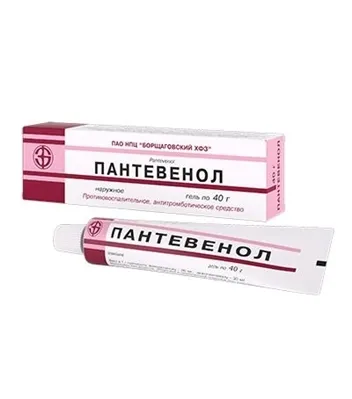
Table of Contents
INSTRUCTIONS FOR MEDICAL USE OF THE MEDICINAL PRODUCT PANTEVENOL (PANTEVENOL)
Composition:
Active substances: venorutinol, dexpanthenol;
1 g of the preparation contains venorutinol – 20 mg, dexpanthenol – 30 mg;
Excipients: propylene glycol, disodium edetate, carbomer, sodium hydroxide, purified water.
Pharmaceutical form. Gel.
Main physico-chemical properties: yellow gel of homogeneous consistency, with a weak specific odor.
Pharmacotherapeutic group. Angioprotectors. Capillary-stabilizing agents. Rutoside, combinations. ATC Code C05C A51.
Pharmacological properties.
Pharmacodynamics.
Pantevenol is a combination of venorutinol and dexpanthenol. Pantevenol exerts venotonic, capillary-strengthening, antioxidant, anti-exudative, hemostatic effects and possesses vitamin P activity. The drug effectively stimulates tissue regeneration processes.
Venorutinol reduces capillary fragility and histamine-induced capillary permeability, improves microcirculation, decreases exudative inflammation in the vascular wall, limits platelet adhesion to its surface, promotes increased oxygen penetration into tissues, participates in redox processes, inhibits hyaluronidase, stabilizes hyaluronic acid in cell membranes, and has anti-edematous and anti-inflammatory effects.
Dexpanthenol (provitamin B5) is a derivative of pantothenic acid (a component of coenzyme A), which accounts for its effect as a stimulator of tissue regeneration processes (alleviating skin dryness and desquamation, improving healing of minor wounds). Dexpanthenol normalizes cellular metabolism, enhances the strength of collagen fibers, and exerts a mild anti-inflammatory effect.
Pharmacokinetics.
Not studied.
Clinical characteristics.
Indications.
- As part of complex treatment of pain and edema syndromes caused by venous insufficiency of the limbs;
- prevention and treatment of varicose vein enlargement (including after surgical interventions), thrombosis;
- closed injuries (including sports-related) with hematomas, contusions, sprains;
- skin injuries (abrasions, fissures, burns, aseptic postoperative wounds, fibrous indurations, trophic ulcers, pressure ulcers, nipple fissures, intertrigo).
Contraindications.
Hypersensitivity to the components of the drug.
Dexpanthenol is contraindicated for application on wounds in patients with hemophilia due to the high risk of bleeding.
Interaction with other medicinal products and other types of interactions.
Venorutinol enhances the effect of ascorbic acid on the structure and permeability of the vascular wall.
Dexpanthenol, a component of Pantevanol, may enhance the action and prolong the effect of depolarizing muscle relaxants (e.g., suxamethonium chloride, decamethonium bromide, succinylcholine) and reduce the effect of non-depolarizing muscle relaxants (e.g., tubocurarine chloride) due to its ability to stimulate acetylcholine synthesis.
If you are taking any other medicinal products, you must inform your doctor.
Special precautions for use.
Apply the gel only to intact skin.
Do not apply to damaged skin areas or infected skin sites (including those with purulent processes), and ensure that the product does not enter the eyes or mucous membranes. The gel may be applied under an occlusive dressing. After application, avoid exposure of the treated skin areas to sunlight.
Patients with chronic venous insufficiency are advised to use the product both at early and advanced stages of the disease (this reduces the sensation of heaviness in the legs, decreases lower limb edema, and improves trophism).
Prolonged use of the product is not recommended in patients with severe renal function impairment.
Treatment of trophic ulcers should be carried out under medical supervision.
If the gel gets into the eyes, they should be rinsed thoroughly with water. In case of accidental ingestion of a large amount of the gel, induce vomiting and seek immediate medical attention.
The gel contains propylene glycol, which may cause skin irritation.
If symptoms of illness do not begin to improve, or if the patient's condition worsens, or if adverse reactions occur, discontinue use of the product and consult a physician.
Use during pregnancy or breastfeeding.
During pregnancy (especially during the first trimester) or breastfeeding, use the product only as prescribed by a physician when the expected benefit outweighs the potential risk. When used for the treatment of nipple fissures during breastfeeding, the gel should be washed off before nursing.
Ability to influence reaction rate while driving or operating machinery.
No effect.
Method of Administration and Dosage.
Apply the medication topically in a thin layer using gentle massaging motions onto the affected or problematic area until fully absorbed 1–3 times daily.
For the treatment of venous disorders, use dressings soaked with Pantevenol.
In varicose ulcers and external inflammatory conditions associated with skin damage (open wounds), apply the gel as a thin layer in the form of a 4 cm wide ring around the affected area. Wounds should be previously treated with an antiseptic.
The duration of treatment depends on the individual course of the disease and is determined individually. If necessary, the treatment course may be repeated.
Children.
There is no clinical experience regarding the use of the medication in children; therefore, Pantevenol is not recommended for use in pediatric patients.
Overdose.
Cases of Pantevenol overdose have not been reported.
In case of accidental ingestion of a large amount of gel, induce vomiting and seek immediate medical attention. If indicated, perform peritoneal dialysis. Symptomatic therapy is recommended.
Adverse reactions.
In individual cases, local hypersensitivity reactions are possible, including allergic reactions, allergic dermatitis, angioedema, urticaria; skin reactions may also occur: hyperemia, skin irritation, itching/burning sensation, rash, including the appearance of small pustules, vesicles or bullae, eczema, erythema, contact dermatitis.
When applied to large areas of skin, systemic adverse reactions are possible. Usually these symptoms resolve spontaneously after discontinuation of the drug.
If any adverse reactions occur, administration of the drug should be discontinued and medical advice sought.
Shelf life. 2 years.
Do not use the drug after the expiry date stated on the packaging!
Storage conditions. In the original packaging at a temperature not exceeding 25 °C.
Keep out of reach of children.
Packaging. 40 g in a tube and carton.
Prescription status. Over-the-counter.
Manufacturer. Public joint-stock company "Scientific and Production Center "Borshchagovskiy Chemical and Pharmaceutical Plant".
Manufacturer's address and place of business.
17 Myru Street, Kyiv, 03134, Ukraine.
INSTRUCTION
for medical use of medicinal product
PANTEVENOL
(PANTEVENOL)
Composition:
Active substances: venorutinol, dexpanthenol;
1 g of the drug contains venorutinol – 20 mg, dexpanthenol – 30 mg;
Excipients: propylene glycol, disodium edetate, carbomer, sodium hydroxide, purified water.
Pharmaceutical form. Gel.
Main physicochemical properties: yellow gel of uniform consistency with a faint specific odor.
Pharmacotherapeutic group. Angioprotectants. Capillary stabilizing agents. Rutinoside, combinations. ATC code C05CA51.
Pharmacological properties.
Pharmacodynamics.
Pantevanol is a combination of venorutinol and dexpanthenol. Pantevanol exerts venotonic, capillary-tonic, antioxidant, anti-exudative, and hemostatic effects, and has vitamin P activity. The drug effectively stimulates tissue regeneration processes.
Venorutinol reduces capillary fragility and histamine-induced capillary permeability, improves microcirculation, reduces exudative inflammation in the vascular wall by limiting platelet adhesion to its surface, promotes increased oxygen penetration into tissues, participates in redox processes, blocks hyaluronidase, stabilizes hyaluronic acid in cell membranes, and has anti-edematous and anti-inflammatory effects.
Dexpanthenol (provitamin B5) is a derivative of pantothenic acid (a component of coenzyme A), which determines its role as a stimulator of tissue regeneration processes (relieves dryness and skin desquamation, improves healing of minor wounds). Dexpanthenol normalizes cellular metabolism, increases the strength of collagen fibers, and exerts mild anti-inflammatory action.
Pharmacokinetics.
Not studied.
Clinical characteristics.
Indications.
- For complex treatment of pain and edema associated with venous insufficiency of limbs;
- Prevention and treatment of varicose vein enlargement (including post-surgical), thrombosis;
- Closed injuries (including sports-related) with hematomas, contusions, sprains;
- Skin injuries (abrasions, fissures, burns, aseptic postoperative wounds, scar indurations, trophic ulcers, pressure sores, nipple fissures, diaper rash).
Contraindications.
Hypersensitivity to the components of the drug.
Dexpanthenol is contraindicated in patients with hemophilia due to high risk of bleeding.
Interaction with other medicinal products and other forms of interaction.
Venorutinol enhances the effect of ascorbic acid on vascular wall structure and permeability.
Dexpanthenol, a component of Pantevanol, may enhance and prolong the effect of depolarizing muscle relaxants (e.g., succinylcholine chloride, decamethonium bromide, succinylcholine) and reduce the effect of non-depolarizing muscle relaxants (e.g., tubocurarine chloride) due to its ability to stimulate acetylcholine synthesis.
If you are taking any other medicinal products, inform your doctor.
Special precautions.
Apply the gel only to intact skin.
Do not apply to damaged skin surfaces, infected skin areas (including purulent processes), and avoid contact with eyes and mucous membranes. May be applied under occlusive dressings. After application, avoid exposure of treated skin areas to sunlight.
Patients with chronic venous insufficiency are advised to use the drug at both early and late stages of the disease (reduces sensation of heaviness in legs, edema of lower limbs, improves trophicity).
Long-term use of the drug is not recommended in patients with severe renal impairment.
Treatment of trophic ulcers should be performed under medical supervision.
If the gel gets into the eyes, rinse thoroughly with water. In case of accidental ingestion of a large amount of gel, induce vomiting and seek medical advice.
The gel contains propylene glycol, which may cause skin irritation.
If symptoms do not improve or worsen, or if adverse reactions occur, discontinue use of the drug and consult a physician.
Use during pregnancy or breastfeeding.
During pregnancy (especially in the first trimester) or breastfeeding, use only as directed by a physician when the benefit outweighs the potential risk. When used to treat nipple fissures during breastfeeding, the product should be washed off before nursing.
Ability to affect reaction speed when driving or operating machinery.
Does not affect.
Method of administration and dosage.
Apply the drug topically in a thin layer with gentle massaging movements to the affected or problematic area until fully absorbed, 1–3 times daily. For treatment of venous disorders, dressings with Pantevanol may be used. For varicose ulcers and external inflammatory processes associated with skin damage (open wounds), apply the gel in a thin layer as a 4 cm wide ring around the affected area. Wounds should be pre-treated with an antiseptic.
Duration of treatment depends on the individual course of the disease and is determined individually. The treatment course may be repeated if necessary.
Children.
There is no clinical experience with the use of this drug in children; therefore, Pantevanol is not used in pediatric patients.
Overdose.
Cases of overdose with Pantevanol have not been reported.
In case of accidental ingestion of a large amount of gel, induce vomiting and seek medical advice. If indicated, perform peritoneal dialysis. Symptomatic therapy.
Adverse reactions.
In individual cases, local hypersensitivity reactions are possible, including allergic reactions, allergic dermatitis, angioedema, urticaria; skin reactions may also occur: hyperemia, skin irritation, itching/burning sensation, rash, including the appearance of small pustules, vesicles or bullae, eczema, erythema, contact dermatitis.
Systemic adverse reactions are possible when applied to large skin areas. These symptoms usually resolve spontaneously after discontinuation of the drug.
If any adverse reactions occur, discontinue use of the drug and consult a physician.
Shelf life. 2 years.
Do not use the drug after the expiry date stated on the packaging!
Storage conditions. In the original packaging at a temperature not exceeding 25 °C.
Keep out of reach of children.
Packaging. 40 g in a tube and carton.
Prescription status. Over-the-counter.
Manufacturer. Public joint-stock company "Scientific and Production Center "Borshchagovskiy Chemical and Pharmaceutical Plant".
Manufacturer's address and place of business.
17 Myru Street, Kyiv, 03134, Ukraine.