Mircera
Ukraine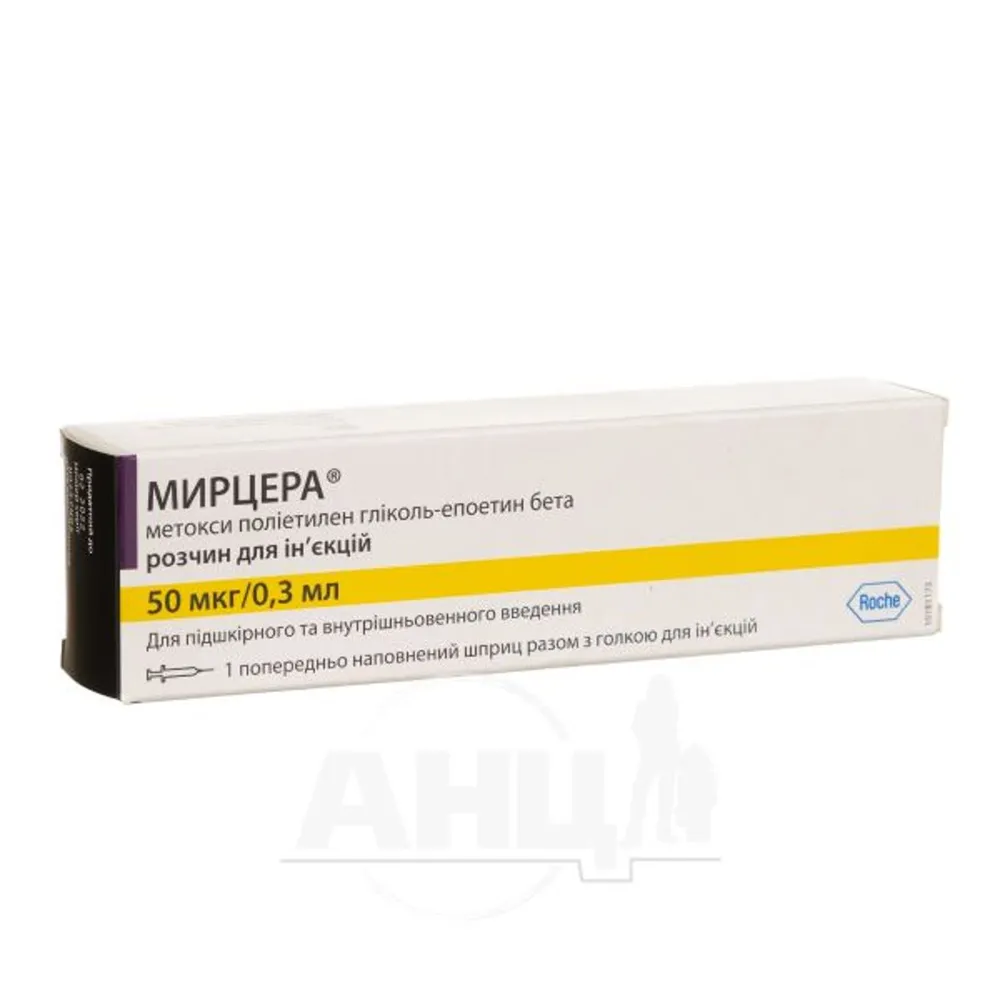
Table of Contents
INSTRUCTIONS FOR MEDICAL USE OF THE MEDICINAL PRODUCT Mircera® (Mircera®)
Composition:
Active substance: methoxy polyethylene glycol-epoetin beta;
One pre-filled syringe containing 0.3 ml of solution for injection contains 50 mcg or 75 mcg of methoxy polyethylene glycol-epoetin beta;
Excipients: L-methionine; sodium sulfate anhydrous; sodium dihydrogen phosphate monohydrate; mannitol (E 421); poloxamer 188; hydrochloric acid diluted or sodium hydroxide solution (q.s. to pH 6.2); water for injections.
Pharmaceutical form. Solution for injection.
Main physicochemical properties: clear, colorless to slightly yellowish liquid.
Pharmacotherapeutic group.
Other antianaemic agents. ATC code B03X A03.
Pharmacological properties.
Pharmacodynamics.
Methoxy polyethylene glycol-epoetin beta stimulates erythropoiesis by interacting with erythropoietin receptors on bone marrow precursor cells. Methoxy polyethylene glycol-epoetin beta, the active substance of Mircera®, is a long-acting erythropoietin receptor activator which, unlike erythropoietin, demonstrates different receptor-level activity characterized by slower association and faster dissociation from the receptor, reduced in vitro specific activity, increased in vivo activity, and a longer elimination half-life. The average molecular mass of methoxy polyethylene glycol-epoetin beta is approximately 60 kDa, including approximately 30 kDa of protein and carbohydrate components.
The dose of the medicinal product refers to the amount of protein in the methoxy polyethylene glycol-epoetin beta molecule, excluding glycosylation. The protein is produced by recombinant DNA technology in Chinese hamster ovary cells and is covalently conjugated with linear polyethylene glycol (PEG).
The natural hormone erythropoietin, the primary growth factor for erythroid development, is produced by the kidneys and released into the bloodstream in response to hypoxia. In response to hypoxia, erythropoietin interacts with erythropoietic precursor cells, leading to increased red blood cell production.
Clinical efficacy
Adults
Results from studies on anemia correction in patients treated with methoxy polyethylene glycol-epoetin beta administered every two weeks or every four weeks show that the hemoglobin response rate at the end of the correction period was high and comparable between the methoxy polyethylene glycol-epoetin beta group and the comparator drug group. The mean time to response was 43 days in the methoxy polyethylene glycol-epoetin beta group and 29 days in the comparator group, with hemoglobin increases during the first 6 weeks averaging 0.2 g/dL/week and 0.3 g/dL/week, respectively.
To date, four randomized controlled studies have been conducted in dialysis patients who were receiving darbepoetin alfa or epoetin at study entry. At study entry, patients were randomized either to continue their previous erythropoietin therapy or to switch to methoxy polyethylene glycol-epoetin beta treatment to maintain stable hemoglobin levels. During the evaluation period (weeks 29–36), the mean and median hemoglobin levels in patients receiving Mircera® were essentially identical to baseline hemoglobin levels.
Methoxy polyethylene glycol-epoetin beta is not approved for the treatment of chemotherapy-induced anemia.
Children
Two studies involving pediatric patients have been conducted: one study with intravenous (IV) administration and one study with subcutaneous (SC) administration of methoxy polyethylene glycol-epoetin beta.
IV administration study: An open-label, uncontrolled, multicenter phase II dose-finding study (NH19707) included 64 children aged 5 to 17 years with chronic kidney disease on hemodialysis, evaluating two conversion factors (Group 1 and Group 2) for switching from maintenance IV epoetin alfa/beta or darbepoetin alfa to IV methoxy polyethylene glycol-epoetin beta every 4 weeks over 20 weeks. Efficacy was assessed based on the change in hemoglobin concentration (g/dL) from baseline to the evaluation period. Adjusted mean change in hemoglobin from baseline to evaluation period was -0.74 g/dL [95% CI: -1.32 to -0.16] in Group 1 and -0.09 g/dL [95% CI: -0.45 to 0.26] in Group 2. Hemoglobin levels were maintained within ±1 g/dL of baseline in 58% and 75% of patients, and within 10–12 g/dL in 75% and 81% of patients in Group 1 and Group 2, respectively. Subgroup analyses by age (5–11 years and 12–17 years) were consistent with observations in the overall population. Patients who completed the 20-week core treatment period and maintained adequate hemoglobin levels were eligible for inclusion in an optional 52-week safety extension period with the same dosing frequency.
SC administration study: An open-label, uncontrolled, multicenter phase II dose-finding study (NH19708) included 40 children (aged 3 months to 17 years) with chronic kidney disease on hemodialysis or not yet on dialysis, evaluating the conversion factor used in Group 2 of the IV study for switching from maintenance SC epoetin alfa/beta or darbepoetin alfa to SC methoxy polyethylene glycol-epoetin beta every 4 weeks over 20 weeks.
The primary efficacy endpoint was the change in hemoglobin concentration (g/dL) from baseline to the evaluation period. The mean change in hemoglobin concentration at the evaluation period was 0.48 g/dL [95% CI: 0.15 to 0.82], which fell within the equivalence range of -1 to +1 g/dL. Results for mean hemoglobin change by age groups (<5 years, 5–11 years, ≥12 years) were consistent with the primary endpoint results during the evaluation period. Patients who completed the 20-week core treatment period and maintained adequate hemoglobin levels were eligible for inclusion in an optional 24-week safety extension period with the same dosing frequency.
In both studies, mean hemoglobin levels remained within the range of 10 to 12 g/dL throughout the evaluation and safety extension periods for most patients. The safety profile observed in children in both studies was consistent with the safety profile observed in adults (see section "Undesirable effects").
Pharmacokinetics.
Adults
The pharmacokinetics of methoxy polyethylene glycol-epoetin beta have been studied in healthy volunteers and in patients with chronic kidney disease and anemia, including those on and not on dialysis.
After subcutaneous administration to patients with chronic kidney disease not receiving dialysis, peak serum concentrations of methoxy polyethylene glycol-epoetin beta were observed at a median of 95 hours after administration. Absolute bioavailability after subcutaneous administration was 54%. The terminal elimination half-life was 142 hours in non-dialysis chronic kidney disease patients.
After subcutaneous administration to dialysis patients with chronic kidney disease, peak serum concentrations of methoxy polyethylene glycol-epoetin beta were observed at a median of 72 hours after administration. Absolute bioavailability after subcutaneous administration was 62%. The terminal elimination half-life was 139 hours in dialysis chronic kidney disease patients.
After intravenous administration to dialysis patients with chronic kidney disease, total systemic clearance was 0.494 mL/h/kg. The elimination half-life of methoxy polyethylene glycol-epoetin beta after intravenous administration was 134 hours.
Comparison of methoxy polyethylene glycol-epoetin beta serum concentrations measured before and after hemodialysis in 41 patients with chronic kidney disease demonstrated that hemodialysis does not affect the pharmacokinetics of Mircera®. Analysis of data from 126 patients with chronic kidney failure showed no difference in pharmacokinetic parameters between patients receiving and not receiving dialysis.
In a single-dose study after intravenous administration, the pharmacokinetics of methoxy polyethylene glycol-epoetin beta were comparable in patients with severe hepatic impairment and healthy volunteers (see section "Dosage and administration").
Children
A population pharmacokinetic analysis was performed based on data from 103 children aged 6 months to 17 years with body weights ranging from 7 to 90 kg and 524 adult patients. Children received methoxy polyethylene glycol-epoetin beta intravenously (all on hemodialysis) or subcutaneously (on peritoneal dialysis, hemodialysis, or not yet on dialysis). Clearance and volume of distribution were found to increase with increasing body weight, and volume of distribution also increased with age. Observed peak and trough serum concentrations of methoxy polyethylene glycol-epoetin beta in children after hemoglobin stabilization were comparable to those in adults for both administration routes (IV and SC).
Clinical characteristics.
Indications.
Treatment of symptomatic anemia associated with chronic kidney disease in adult patients.
Treatment of symptomatic anemia associated with chronic kidney disease in children aged 3 months to 18 years who are switching from another erythropoiesis-stimulating agent after stabilization of hemoglobin levels with that agent.
Contraindications.
Hypersensitivity to methoxy polyethylene glycol-epoetin beta or to any excipient of the medicinal product (see section "Excipients"). Uncontrolled arterial hypertension.
Interaction with other medicinal products and other forms of interaction.
Interaction studies with methoxy polyethylene glycol-epoetin beta have not been conducted. There are no data indicating that Mircera® affects the metabolism of other medicinal products.
Special precautions for use.
The safety and efficacy of methoxy polyethylene glycol-epoetin beta in other indications, including anemia in patients with malignant tumors, have not been established.
Caution should be exercised when increasing doses of methoxy polyethylene glycol-epoetin beta in patients with chronic kidney disease, as high cumulative doses of epoetin may be associated with an increased risk of mortality, serious cardiovascular and cerebrovascular complications. If a patient shows a poor hemoglobin response to epoetin therapy, alternative explanations should be considered (see section "Dosage and administration").
Children. Children, particularly patients aged <1 year, should be carefully evaluated before switching from another erythropoiesis-stimulating agent. Hemoglobin levels should also be stabilized prior to switching. After switching from another erythropoiesis-stimulating agent, hemoglobin monitoring every 4 weeks is recommended.
If the current dose of an erythropoiesis-stimulating agent is <9 mcg/week of darbepoetin alfa or <2000 IU/week of epoetin, the patient should not be switched to methoxy polyethylene glycol-epoetin beta, as the smallest available dose in a pre-filled syringe is 30 mcg. Administration of partial doses from a pre-filled syringe is not recommended.
Iron supplementation is recommended for all patients with serum ferritin levels below 100 mcg/L or transferrin saturation with iron below 20%. Iron levels should be assessed in all patients before and during treatment to ensure effective erythropoiesis.
In case of lack of response to treatment, it is necessary to investigate potential causative factors. Iron, folic acid, and vitamin B12 deficiencies reduce the efficacy of erythropoiesis-stimulating agents; therefore, such deficiencies should be corrected. Concurrent infections, inflammatory processes, trauma, occult blood loss, hemolysis, severe aluminum toxicity, underlying hematologic disorders, and bone marrow fibrosis may also reduce treatment efficacy. Reticulocyte counts should be determined during patient evaluation. If the above conditions are excluded and a sudden decrease in hemoglobin associated with reticulocytopenia and detection of antibodies to erythropoietin occurs, bone marrow examination should be performed to rule out pure red cell aplasia. Upon confirmation of pure red cell aplasia, treatment should be discontinued, and patients should not be switched to other erythropoiesis-stimulating agents.
Upon physician request, Roche will offer testing or retesting of serum samples in a reference laboratory. This service is free of charge in cases of suspected or confirmed antibody-mediated pure red cell aplasia or unexplained loss of treatment effect (e.g., clinically observed as severe anemia with low reticulocyte count).
Pure red cell aplasia associated with antibodies to erythropoietin has been reported during therapy with all erythropoiesis-stimulating agents, including methoxy polyethylene glycol-epoetin beta. Antibodies to erythropoietin have been shown to cross-react with all erythropoiesis-stimulating agents. Patients suspected of or confirmed to have antibodies to erythropoietin should not be switched to methoxy polyethylene glycol-epoetin beta therapy (see section "Side effects").
Pure red cell aplasia in patients with hepatitis C virus: in cases of paradoxical decrease in hemoglobin levels and development of severe anemia associated with low reticulocyte count, treatment with epoetin should be discontinued and patients should be tested for antibodies to erythropoietin. Cases of pure red cell aplasia have been reported in patients with hepatitis C receiving concomitant treatment with interferon and ribavirin along with epoetins. Epoetins are not registered for use in anemia associated with hepatitis C virus.
Blood pressure monitoring: as with other erythropoiesis-stimulating agents, an increase in blood pressure may occur during treatment with Mircera®. Blood pressure should be adequately monitored in all patients before, at the start of, and during treatment with methoxy polyethylene glycol-epoetin beta. If blood pressure cannot be controlled pharmacologically or through diet, the dose of methoxy polyethylene glycol-epoetin beta should be reduced or treatment discontinued (see section "Dosage and administration").
Serious skin reactions, including Stevens-Johnson syndrome (SJS) and toxic epidermal necrolysis (TEN), which may be life-threatening or fatal, have been reported in association with epoetin therapy (see section "Side effects"). More severe cases have occurred during treatment with long-acting epoetins. Patients should be informed about the symptoms of such reactions when the drug is prescribed, and careful monitoring for skin reactions should be performed. If signs suggestive of such reactions appear, methoxy polyethylene glycol-epoetin beta should be immediately discontinued and alternative treatment considered. If a severe skin reaction such as SJS or TEN occurs due to methoxy polyethylene glycol-epoetin beta, erythropoiesis-stimulating agents should not be re-administered to such patients in the future.
Hemoglobin concentration: in patients with chronic kidney disease, hemoglobin concentration should not exceed the upper limit of the target hemoglobin concentration recommended in the section "Dosage and administration." In clinical studies, an increased risk of mortality and serious cardiovascular events, including thrombosis or cerebrovascular events such as stroke, was observed when erythropoiesis-stimulating agents were used to achieve hemoglobin levels above 12 g/dL (7.5 mmol/L) (see section "Side effects").
Controlled clinical trials have not demonstrated significant benefit from using epoetins to increase hemoglobin concentrations beyond the level needed to control anemia symptoms and avoid blood transfusions.
The safety and efficacy of methoxy polyethylene glycol-epoetin beta treatment have not been established in patients with hemoglobinopathies, epileptic seizures, bleeding (including recent bleeding history requiring hemotransfusion), or platelet counts above 500 × 10⁹/L. Therefore, Mircera® should be used with caution in these patient groups.
Effect on tumor growth: methoxy polyethylene glycol-epoetin beta, like other erythropoiesis-stimulating agents, is a growth factor primarily stimulating red blood cell production. Erythropoietin receptors may be expressed on the surface of various tumor cells. It is believed that erythropoiesis-stimulating agents, like other growth factors, may stimulate the growth of any type of malignant tumor. In two controlled clinical trials in which epoetins were administered to patients with various tumors, including head and neck cancer and breast cancer, increased mortality of unclear etiology was observed.
Incorrect use of methoxy polyethylene glycol-epoetin beta in healthy individuals may lead to excessive increases in hemoglobin levels, which may be associated with life-threatening cardiovascular complications.
Traceability: to improve traceability of biological medicinal products, the name and batch number of the administered product should be clearly documented.
The product contains less than 1 mmol of sodium (23 mg) per 1 mL, i.e., the product is considered sodium-free.
Use during pregnancy or breastfeeding.
Pregnancy
There are no data on the use of methoxy polyethylene glycol-epoetin beta in pregnant women.
Animal studies did not reveal any direct harmful effects of Mircera® on pregnancy, embryonal/fetal development, parturition, or postnatal development. However, reversible reduction in fetal weight associated with the use of erythropoiesis-stimulating agents was observed. Mircera® should be used during pregnancy with caution.
Breastfeeding period
It is unknown whether methoxy polyethylene glycol-epoetin beta is excreted in human breast milk. In one animal study, methoxy polyethylene glycol-epoetin beta was shown to be excreted in milk. The decision to continue or discontinue breastfeeding or to continue or discontinue therapy with methoxy polyethylene glycol-epoetin beta should be made taking into account the benefits of breastfeeding for the child and the benefits of treatment with methoxy polyethylene glycol-epoetin beta for the woman.
Fertility
Animal studies did not reveal any signs of impaired fertility. The potential risk in humans is unknown.
Ability to affect reaction speed when driving vehicles or operating machinery.
Methoxy polyethylene glycol-epoetin beta has no effect or has a negligible effect on the ability to drive vehicles or operate machinery.
Method of Administration and Dosage
Treatment should be carried out under the supervision of a physician experienced in managing patients with renal impairment.
Mircera® can be administered subcutaneously or intravenously. Mircera® is administered subcutaneously in the abdominal area, upper arm, or thigh. These sites are equally suitable for subcutaneous administration.
Treatment of symptomatic anemia in patients with chronic kidney disease
Symptoms of anemia and their consequences may vary depending on the patient's age, sex, and overall severity of the disease; therefore, individual assessment of the disease course and patient status by a physician is required.
The drug may be administered subcutaneously or intravenously to increase hemoglobin to levels not exceeding 12 g/dL (7.45 mmol/L). Subcutaneous administration is preferred in patients not undergoing hemodialysis to avoid puncture of peripheral veins.
Due to individual variability, hemoglobin levels may occasionally be higher or lower than the desired target in some patients. This variability can be managed by dose adjustments aimed at maintaining hemoglobin within the target range of 10 g/dL (6.21 mmol/L) to 12 g/dL (7.45 mmol/L). Sustained hemoglobin levels above 12 g/dL (7.45 mmol/L) should be avoided. Recommendations for appropriate dose adjustments when hemoglobin exceeds 12 g/dL (7.45 mmol/L) are provided below.
Rapid increases in hemoglobin should be avoided—specifically, increases exceeding 2 g/dL (1.24 mmol/L) in adults or 1 g/dL (0.62 mmol/L) in children over a 4-week period. If such a rise occurs, the dose of Mircera® should be adjusted accordingly.
Patients should be closely monitored to ensure they receive the lowest approved effective dose of Mircera® required to adequately control symptoms of anemia while maintaining hemoglobin concentration at or below 12 g/dL (7.45 mmol/L).
Caution is advised when increasing the dose of Mircera® in patients with chronic kidney disease. If a patient shows a poor hemoglobin response to Mircera®, alternative explanations should be considered (see section "Special Warnings and Precautions for Use").
Hemoglobin levels should be monitored every 2 weeks until stabilized, followed by periodic monitoring thereafter (see section "Special Warnings and Precautions for Use").
Adult patients not currently receiving erythropoiesis-stimulating agents
For patients not on dialysis, the recommended initial dose is 1.2 mcg/kg body weight once monthly administered subcutaneously, aiming to achieve a hemoglobin level above 10 g/dL (6.21 mmol/L).
Alternatively, the recommended initial dose of 0.6 mcg/kg body weight once every 2 weeks administered subcutaneously or intravenously may be used for patients on dialysis and those not on dialysis.
If the hemoglobin increase is less than 1 g/dL (0.621 mmol/L) during the first month of treatment, the dose of Mircera® may be increased by approximately 25% of the previous dose. Further dose increases of approximately 25% may be made at 1-month intervals until the individual target hemoglobin level is achieved.
If hemoglobin increases by more than 2 g/dL (1.24 mmol/L) during the first month of treatment or reaches 12 g/dL (7.45 mmol/L), the dose of Mircera® should be reduced by approximately 25%. If hemoglobin continues to rise, treatment should be interrupted until hemoglobin begins to decline, after which Mircera® should be restarted at a dose approximately 25% lower than the previous dose. Following interruption, hemoglobin is expected to decrease by approximately 0.35 g/dL (0.22 mmol/L) per week. Dose adjustments should not be made more frequently than once per month.
For patients currently receiving methoxy polyethylene glycol-epoetin beta every 2 weeks and whose hemoglobin exceeds 10 g/dL (6.21 mmol/L), Mircera® may be administered once monthly at a dose equal to twice the previous every-2-week dose.
Adult patients currently receiving erythropoiesis-stimulating agents
Patients currently receiving erythropoiesis-stimulating agents may be switched to therapy with methoxy polyethylene glycol-epoetin beta administered once monthly either intravenously or subcutaneously. The initial dose of methoxy polyethylene glycol-epoetin beta is based on the previous weekly dose of darbepoetin alfa or epoetin administered at the time of transition (Table 1). The first dose should be administered on the day scheduled for the previously used darbepoetin alfa or epoetin.
Table 1
Initial doses of methoxy polyethylene glycol-epoetin beta for adult patients currently receiving erythropoiesis-stimulating agents
| Previous weekly dose of darbepoetin alfa (mcg/week) administered subcutaneously or intravenously subcutaneously or intravenously |
Previous weekly dose of epoetin (IU/week) administered subcutaneously or intravenously |
Monthly dose (mcg/once monthly) of methoxy polyethylene glycol-epoetin beta administered subcutaneously or intravenously |
| < 40 |
< 8000 |
120 |
| 40–80 |
8000–16000 |
200 |
| > 80 |
> 16000 |
360 |
If dose adjustment is required to maintain the target haemoglobin concentration above 10 g/dL (6.21 mmol/L), the monthly dose of the medicinal product may be increased by approximately 25 %.
If haemoglobin levels increase by more than 2 g/dL (1.24 mmol/L) within a month or if haemoglobin levels rise to 12 g/dL (7.45 mmol/L), the dose of Mircera® should be reduced by approximately 25 %. If haemoglobin levels continue to rise, treatment should be interrupted until haemoglobin levels decrease, after which administration of Mircera® should be resumed at a dose approximately 25 % lower than the previous dose. After discontinuation of treatment, haemoglobin levels decrease by approximately 0.35 g/dL (0.22 mmol/L) per week. Dose adjustments should not be made more frequently than once per month.
Due to limited experience in patients undergoing peritoneal dialysis, regular monitoring of haemoglobin levels and strict adherence to dose adjustment recommendations are advised.
Children aged 3 months to 18 years currently receiving treatment with erythropoiesis-stimulating agents
Children whose haemoglobin levels have been stabilised with an erythropoiesis-stimulating agent may be switched to methoxy polyethylene glycol-epoetin beta administered every 4 weeks intravenously or subcutaneously, provided the same route of administration is maintained. The initial dose of methoxy polyethylene glycol-epoetin beta is calculated based on the previous weekly dose of the erythropoiesis-stimulating agent at the time of transition (Table 2).
Table 2
Initial doses of methoxy polyethylene glycol-epoetin beta for children aged 3 months to 18 years currently receiving treatment with erythropoiesis-stimulating agents
| Previous weekly dose of darbepoetin alfa (mcg/week) |
Previous weekly dose of epoetin (units/week) |
Dose (mcg) of methoxy polyethylene glycol-epoetin beta administered every 4 weeks |
| 9 – < 12 |
2000 – < 2700 |
30 |
| 12 – < 15 |
2700 – < 3500 |
50 |
| 15 – < 24 |
3500 – < 5500 |
75 |
| 24 – < 30 |
5500 – < 6500 |
100 |
| 30 – < 35 |
6500 – < 8000 |
120 |
| 35 – < 47 |
8000 – < 10000 |
150 |
| 47 – < 60 |
10000 – < 13000 |
200 |
| 60 – < 90 |
13000 – < 20000 |
250 |
| ≥ 90 |
≥ 20000 |
360 |
Pre-filled syringes are not designed for administration of partial doses. Due to the available doses in pre-filled syringes, children receiving erythropoiesis-stimulating agents at doses of < 9 mcg/week (darbepoetin alfa) or < 2000 IU/week of epoetin should not be switched to methoxy polyethylene glycol-epoetin beta.
If dose adjustment is required to maintain the target hemoglobin concentration above 10 g/dL, the dose of the drug administered every 4 weeks may be adjusted by approximately 25%.
If hemoglobin levels increase by more than 1 g/dL (0.62 mmol/L) within 4 weeks or if hemoglobin levels rise and reach 12 g/dL (7.45 mmol/L), the dose of methoxy polyethylene glycol-epoetin beta should be reduced by approximately 25%.
If hemoglobin levels continue to rise after dose reduction, treatment should be interrupted until hemoglobin levels decrease, after which therapy should be resumed at a dose approximately 25% lower than the previous dose.
Dose adjustments should not be performed more frequently than once every 4 weeks.
Discontinuation of treatment
Treatment is usually long-term. If necessary, treatment may be discontinued at any time.
Missed dose
If a dose of Mircera® is missed, it should be administered as soon as possible. Administration should then be resumed according to the previously established schedule.
Use in children
The efficacy and safety of methoxy polyethylene glycol-epoetin beta in children under 3 months of age have not been established. No data are available.
Dosage recommendations
Elderly patients
In clinical studies, 24% of patients receiving Mircera® were aged 65 to 74 years, and 20% were aged 75 years or older. Dose adjustment is not required for elderly patients over 65 years of age.
Patients with hepatic impairment
No adjustment of the initial dose or dosing regimen of methoxy polyethylene glycol-epoetin beta is required in patients with hepatic impairment.
Storage instructions for the solution
The pre-filled syringe is ready for use. The sterile pre-filled syringe contains no preservatives, and each pre-filled syringe is for single use only. Only one dose should be administered using a pre-filled syringe. Pre-filled syringes are not designed for administration of partial doses. Children (under 18 years of age) must not self-administer Mircera®; administration must be performed by a healthcare professional or a trained adult caregiver. Only clear, colorless or slightly yellowish solution free of visible particles should be used.
Do not shake.
Before administration, allow the solution to reach room temperature. Remove the carton containing Mircera® from the refrigerator. Without removing the syringe from the carton (to protect the drug from light), leave the syringe and needle at room temperature for 30 minutes to allow the medication to warm up. Keep the syringe and needle dry.
- Failure to warm the medication to room temperature may cause discomfort during injection and may make it difficult to depress the plunger.
- Do not heat the syringe by any other means.
Instructions for use of the pre-filled syringe
- Remove the blister pack containing Mircera® from the carton without opening the protective film.
- Wash hands thoroughly with warm water and soap.
- Peel off the protective film from the blister pack and remove the pre-filled syringe and the plastic needle container.
- Holding the needle container, inspect the needle for damage and unscrew the cap by turning it clockwise, as shown in the figure. The needle is fragile—handle with care.
Do not use the needle if:
- The needle has been accidentally dropped.
- Any part of the needle appears damaged.
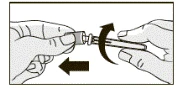
- Holding the pre-filled syringe, remove the rubber tip by bending and pulling it off, as shown in the figure.
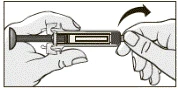
- Holding the clear needle container, firmly insert the needle into the pre-filled syringe, as shown in the figure.
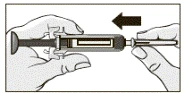
Subcutaneous administration:
- For subcutaneous administration of Mircera®, select one of the recommended injection sites: the abdominal area, the front of the mid-thigh, or the outer aspect of the upper arm. Do not inject into moles, scars, bruises, or areas with swelling, redness, hardening, or other changes, or into areas that may be irritated by belts or clothing.
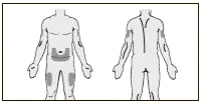
- Cleanse the injection site thoroughly with an alcohol swab. Wait until the area is completely dry. Immediately discard the used alcohol swab after use.
- Carefully hold the pre-filled syringe without pressing the plunger. Carefully remove the needle container. Hold the syringe only by its barrel, as any contact with the safety clips may trigger premature activation of the safety device.
- Pinch the skin at the injection site with two fingers. Insert the needle perpendicularly into the skin fold.
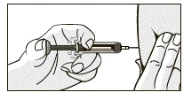
- Slowly inject the entire dose by smoothly depressing the plunger. Do not stop pressing the plunger of the pre-filled syringe until after the needle has been removed from the skin!
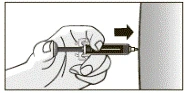
- After administering the full dose, remove the needle from the skin without releasing the plunger of the pre-filled syringe, as shown in the figure.
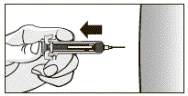
- Upon releasing the plunger, the safety mechanism will activate and cover the needle.
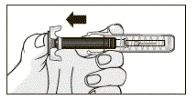
- Apply a cotton swab to the injection site. If necessary, cover the injection site with a plaster. Immediately discard the used alcohol swab after use.
Intravenous administration:
- Prepare the syringe for intravenous administration as described in steps 1–6.
- Clean the venous port of the hemodialysis tubing with an alcohol swab according to the supplier’s or manufacturer’s instructions. Immediately discard the used alcohol swab after use.
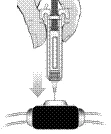
- Insert the needle of the pre-filled syringe into the cleaned venous port (as shown in the figure below). Do not touch the injection site of the venous port.
- Press the plunger with your thumb while holding the syringe with your index and middle fingers until the entire dose is administered (as shown in the figure below).
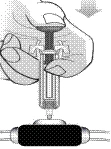
- Remove the pre-filled syringe from the venous port without releasing the plunger.
- Upon releasing the plunger, the safety mechanism will activate and cover the needle.
Disposal of the syringe
- Dispose of used syringes in a sharps container or a puncture-resistant container.
- Do not reuse or re-sterilize the syringe and/or needle.
- Do not attempt to recap or replace the needle cap on a used syringe.
- Do not dispose of used syringes or sharps containers/puncture-resistant containers in household waste, and do not recycle them.
- Dispose of a full sharps container or puncture-resistant container according to local regulations.
Any unused medicinal product or waste material should be disposed of in accordance with local requirements.
Children
The efficacy and safety of methoxy polyethylene glycol-epoetin beta in children under 3 months of age have not been established. No data are available.
Overdose
Methoxy polyethylene glycol-epoetin beta has a wide therapeutic range. Individual response to therapy should be considered at the initiation of treatment. Overdose may lead to an increased pharmacodynamic effect, i.e., excessive erythropoiesis. In case of excessive increase in hemoglobin levels, treatment with methoxy polyethylene glycol-epoetin beta should be temporarily discontinued (see section "Dosage and administration"). Phlebotomy may be recommended if clinically indicated.
Adverse Reactions
The safety database based on clinical trial results includes 3042 adult patients with chronic kidney disease, including 1939 adult patients who received treatment with methoxy polyethylene glycol-epoetin beta and 1103 patients who received treatment with another erythropoiesis-stimulating agent. Adverse reactions occurred in approximately 6% of adult patients treated with methoxy polyethylene glycol-epoetin beta. The most common adverse reaction was arterial hypertension (common adverse reaction).
The following criteria are used to describe the frequency of adverse reactions: very common (≥ 1/10); common (≥ 1/100 and < 1/10); uncommon (≥ 1/1000 and < 1/100); rare (≥ 1/10,000 and < 1/1000); very rare (< 1/10,000); frequency not known (cannot be estimated from the available data).
Adverse reactions associated with methoxy polyethylene glycol-epoetin beta treatment in adult patients with chronic kidney disease
Adverse reactions observed only during post-marketing use are marked with an asterisk (*).
Blood and lymphatic system disorders:
Uncommon: thrombocytopenia*; frequency not known: pure red cell aplasia*.
Immune system disorders:
Rare: hypersensitivity reactions; frequency not known: anaphylactic reaction*.
Nervous system disorders:
Uncommon: headache; rare: hypertensive encephalopathy.
Cardiovascular disorders:
Common: arterial hypertension; uncommon: thrombosis*; rare: flushing, pulmonary embolism*.
Skin and subcutaneous tissue disorders:
Rare: maculopapular rash; frequency not known: Stevens-Johnson syndrome/toxic epidermal necrolysis*.
Injury, poisoning and procedural complications:
Uncommon: vascular access thrombosis.
Description of selected adverse reactions
Adults
Cases of thrombocytopenia have been reported during post-marketing use. In clinical trials, a slight decrease in platelet count within the normal range was observed.
Thrombocytopenia (platelet count less than 100 × 109/L) was observed in 7% of adult patients treated with methoxy polyethylene glycol-epoetin beta and in 4% of adult patients treated with other erythropoiesis-stimulating agents in clinical trials. In a long-term post-marketing safety study with treatment duration up to 8.4 years, platelet counts below 100 × 109/L at baseline were observed in 2.1% of adult patients in the methoxy polyethylene glycol-epoetin beta group and in 2.4% of adult patients in the group receiving other erythropoiesis-stimulating agents. During this study, annual incidence of platelet counts below 100 × 109/L was observed in 1.5–3.0% of adult patients receiving methoxy polyethylene glycol-epoetin beta and in 1.6–2.5% of adult patients receiving other erythropoiesis-stimulating agents.
According to data from controlled clinical trials of epoetin alfa or darbepoetin alfa, stroke was a common adverse reaction. A post-marketing safety study showed a similar incidence of stroke in the methoxy polyethylene glycol-epoetin beta group (6.3%) and in the reference group of erythropoiesis-stimulating agents (epoetin alfa, darbepoetin alfa, and epoetin beta) (7%).
As with other erythropoiesis-stimulating agents, cases of thrombosis, including pulmonary embolism, have been reported during post-marketing use (see section "Special precautions").
Cases of pure red cell aplasia mediated by the development of neutralizing antibodies to erythropoietin have been reported, with frequency not known. If pure red cell aplasia is diagnosed, treatment with methoxy polyethylene glycol-epoetin beta must be discontinued. Patients should not be switched to treatment with other recombinant erythropoietins (see section "Special precautions").
Children
A total of 104 pediatric patients participated in two studies: 12 were under 5 years of age, 36 were aged 5 to 11 years, and 56 were aged 12 to 17 years. The safety profile of methoxy polyethylene glycol-epoetin beta in children included in these two studies was generally consistent with the safety profile in adults, although exposure in these studies was low.
Reporting of adverse reactions after marketing authorization is important. It allows ongoing monitoring of the benefit-risk balance of the medicinal product. Healthcare professionals, pharmacists, patients, and their legal representatives are encouraged to report all suspected adverse reactions and lack of efficacy through the national reporting system (https://aisf.dec.gov.ua).
Shelf life
3 years.
Storage conditions
Keep out of reach and sight of children. Store at 2–8 °C in the original packaging to protect from light. Do not freeze.
The product may be removed from the refrigerator and stored at room temperature (not above 30 °C) for one single period. The product must be used within this period, which should not exceed 1 month.
Incompatibilities
In the absence of compatibility studies, Mircesa® must not be mixed with other medicinal products.
Packaging
50 mcg/0.3 mL or 75 mcg/0.3 mL in a pre-filled syringe. One pre-filled syringe with an injection needle in a cardboard package.
Prescription status
Prescription only.
Manufacturer
Roche Diagnostics GmbH
Manufacturer's address
Sandhofer Strasse 116, 68305 Mannheim, Germany