Metoprolol tartrate
Ukraine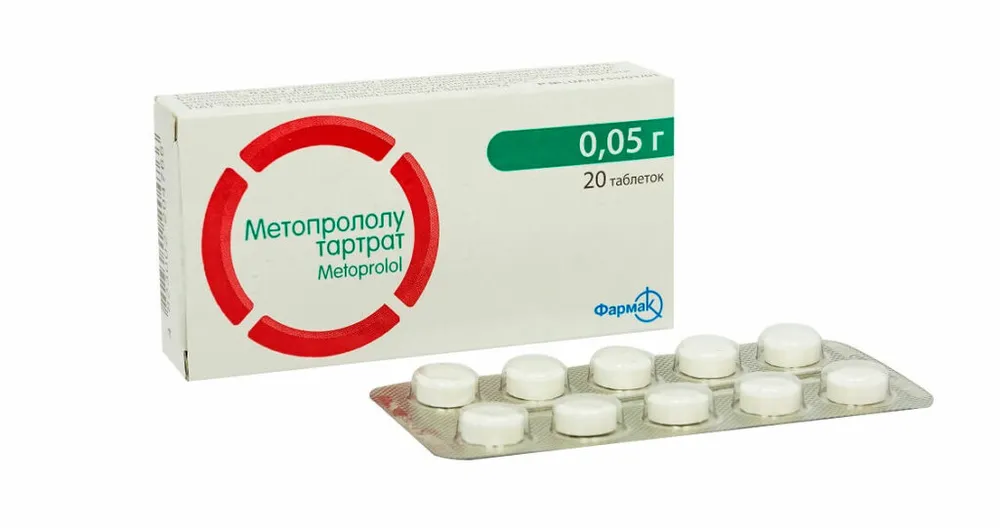
Table of Contents
INSTRUCTION FOR MEDICAL USE OF THE MEDICINAL PRODUCT METOPROLOL TARTRATE (METOPROLOL TARTRATE)
Composition:
Active substance: metoprolol;
1 tablet contains 50 mg (0.05 g) or 100 mg (0.1 g) of metoprolol tartrate, calculated as the anhydrous 100% substance;
Excipients: potato starch, lactose monohydrate, magnesium stearate, colloidal anhydrous silicon dioxide.
Pharmaceutical form. Tablets.
Main physicochemical properties: white tablets with a flat surface, a score line and bevelled edges. Grey speckles on the tablet surface are permissible.
Pharmacotherapeutic group. Selective beta-adrenoreceptor blockers.
ATC code C07AB02.
Pharmacological properties.
Pharmacodynamics.
Metoprolol tartrate is a cardioselective β-adrenoblocker without intrinsic sympathomimetic activity or membrane-stabilizing effects. It predominantly affects β1-adrenergic receptors in the heart and exerts antianginal, antihypertensive, and antiarrhythmic effects. In patients who have suffered myocardial infarction, it reduces the risk of recurrent myocardial infarction, and in patients with arterial hypertension, it decreases the risk of cardiovascular complications (e.g., stroke). Its anti-ischemic action has been demonstrated in cases of painless myocardial ischemia, as well as reduction of left ventricular hypertrophy in patients with arterial hypertension.
The antianginal effect is due to reduced heart rate, myocardial contractility, and systemic arterial pressure, leading to decreased myocardial oxygen demand. Due to diastole prolongation (as a result of the negative chronotropic effect), myocardial perfusion improves.
Unlike non-selective β-adrenoblockers, metoprolol tartrate, when administered in medium therapeutic doses, has less pronounced effects on bronchial smooth muscle and peripheral arteries, insulin release, and carbohydrate and lipid metabolism.
Pharmacokinetics. After oral administration, absorption of metoprolol tartrate from the gastrointestinal tract is nearly complete (90%) and is independent of food intake; however, bioavailability is approximately 50% due to extensive first-pass metabolism in the liver (65–80%). With prolonged use, bioavailability increases due to reduced hepatic blood flow and saturation of hepatic enzymes. Maximum plasma concentration is reached within 1–2 hours, but effects on arterial pressure and heart rate persist (after a single 100 mg dose) for up to 12 hours.
Elimination half-life ranges from 3 to 7 hours. In renal insufficiency, it increases to 27 hours or more. The drug is excreted by the kidneys as metabolites. Accumulation may occur in patients with hepatic insufficiency. Metoprolol tartrate readily penetrates the blood-brain barrier, placental barrier, and is excreted into breast milk. Smoking, alcohol consumption, and concomitant use of certain medications alter the metabolism of metoprolol tartrate (e.g., barbiturates, phenytoin, rifampicin – increase metabolism; chlorpromazine – decreases metabolism). Hepatic biotransformation is reduced in cirrhosis; therefore, dosage reduction is required in such patients, and plasma concentration should be monitored.
Clinical characteristics.
Indications.
Arterial hypertension; angina pectoris (including postinfarction); arrhythmias (including supraventricular tachycardia). Prevention of cardiac death and recurrent myocardial infarction after the acute phase of myocardial infarction. As part of combination therapy in thyrotoxicosis. Prophylaxis of migraine attacks.
Contraindications.
Cardiogenic shock. Sick sinus syndrome. Second- and third-degree atrioventricular block. Decompensated heart failure (pulmonary edema, hypoperfusion, or arterial hypotension); long-term or intermittent inotropic therapy directed at stimulation of beta-receptors. Symptomatic bradycardia or arterial hypotension. Untreated pheochromocytoma.
Metabolic acidosis.
Suspicion of acute myocardial infarction with heart rate < 45 beats/min, PQ interval > 0.24 sec, systolic arterial blood pressure < 100 mm Hg, first-degree heart block and/or severe heart failure. In patients with symptoms of heart failure and repeatedly measured blood pressure values below 100 mm Hg while lying down before initiation of treatment, reassessment is required. Severe peripheral vascular disease with risk of gangrene.
Hypersensitivity to any component of the drug or to other beta-blockers.
Interaction with other medicinal products and other forms of interaction.
Metoprolol is a substrate of the CYP 2D6 enzyme. The plasma concentration of metoprolol may be affected by drugs that inhibit CYP 2D6, such as: quinidine, terbinafine, paroxetine, fluoxetine, sertraline, celecoxib, propafenone, and diphenhydramine. At the start of treatment with these drugs, a reduction in the dose of Metoprolol tartrate may be necessary.
Concomitant use of Metoprolol tartrate with the following medicinal products should be avoided
Barbituric acid derivatives: barbiturates (tested for pentobarbital) stimulate the metabolism of metoprolol via enzyme induction.
Propafenone: in 4 patients receiving metoprolol treatment, plasma concentrations of metoprolol increased 2–5 times after administration of propafenone, and 2 patients developed adverse effects typical of metoprolol. The interaction was confirmed in 8 healthy volunteers. This interaction may be explained by the fact that propafenone, like quinidine, inhibits the metabolism of metoprolol via the cytochrome P450 2D6 system. The result of such a combination is unpredictable because propafenone also has beta-blocking properties.
Verapamil: in combination with beta-blockers (described for atenolol, propranolol, and pindolol), verapamil may cause bradycardia and a decrease in arterial blood pressure. Verapamil and beta-blockers have additive inhibitory effects on atrioventricular conduction and sinus node function.
Concomitant use of Metoprolol tartrate with the following drugs may require dose adjustment
Amiodarone: clinical cases confirm that marked sinus bradycardia may develop in patients taking amiodarone when the drug is used concomitantly with metoprolol. Amiodarone has an extremely long elimination half-life (approximately 50 days), meaning that the interaction may occur for a prolonged period after discontinuation of the drug.
Class I antiarrhythmic agents: class I antiarrhythmics and beta-blockers have additive negative inotropic effects, which may lead to serious hemodynamic adverse effects in patients with impaired left ventricular function. Concomitant use of this combination should also be avoided in sick sinus syndrome and impaired atrioventricular conduction. This interaction is best described for disopyramide.
Nonsteroidal anti-inflammatory/antirheumatic drugs (NSAIDs): NSAIDs have been shown to counteract the antihypertensive effect of beta-blockers. Indomethacin has been primarily studied. This interaction is unlikely with sulindac. A negative interaction has been investigated with diclofenac.
Cardiac glycosides: concomitant use of cardiac glycosides and beta-receptor blockers may increase atrioventricular conduction time and cause bradycardia.
Diphenhydramine: diphenhydramine reduces (by 2.5 times) the metabolism of metoprolol to alpha-hydroxymetoprolol via the CYP 2D6 system in individuals who are rapid hydroxylators. The effects of metoprolol are enhanced.
Diltiazem: diltiazem and beta-receptor blockers have additive inhibitory effects on atrioventricular conduction and sinus node function. Severe bradycardia has been observed during treatment with diltiazem.
Epinephrine: after epinephrine (adrenaline) administration, marked arterial hypertension and bradycardia developed in patients taking nonselective beta-receptor blockers (including pindolol and propranolol) (approximately 10 cases). In addition, it has been suggested that epinephrine present in local anesthetics may trigger these reactions in case of intravascular injection. The risk is likely lower when cardioselective beta-receptor blockers are used.
Phenylpropanolamine: phenylpropanolamine (norephedrine), in a single dose of 50 mg, may cause pathological increase in diastolic arterial blood pressure in healthy volunteers. Propranolol generally counteracts the blood pressure increase caused by phenylpropanolamine. However, beta-blockers may provoke paradoxical hypertensive reactions in patients taking high doses of phenylpropanolamine. Two cases of hypertensive crisis during treatment with phenylpropanolamine alone have been described.
Quinidine: quinidine inhibits the metabolism of metoprolol in so-called "rapid metabolizers," leading to significant increases in plasma levels and enhanced beta-receptor blockade. A similar interaction may occur with other beta-blockers metabolized by the same enzyme (cytochrome P450 2D6).
Clonidine: beta-blockers may potentiate the hypertensive response upon abrupt withdrawal of clonidine. If concomitant clonidine therapy must be discontinued, the beta-blocker should be discontinued several days before stopping clonidine.
Rifampicin: rifampicin may stimulate the metabolism of metoprolol, leading to reduced plasma levels.
Patients receiving other beta-blockers (e.g., eye drops) or monoamine oxidase inhibitors (MAOIs) concomitantly with metoprolol should be closely monitored. Administration of inhalational anesthetics to patients receiving beta-receptor blockers enhances the cardiodepressive effect. Patients receiving beta-blockers may require repeated adjustment of the dose of oral antidiabetic agents. The plasma concentration of metoprolol may increase if cimetidine or hydralazine is administered concomitantly.
The plasma concentration of metoprolol may increase if alcohol is consumed concomitantly.
Patients receiving ganglionic sympathetic blockers concomitantly with metoprolol should be closely monitored.
Metoprolol may impair the elimination of lidocaine.
Metoprolol should be prescribed with caution in patients using β2- and β1-receptor stimulants as well as dihydropyridines.
Additional insulin dose adjustments may be required in patients receiving beta-blockers.
Caution should be exercised when using metoprolol concomitantly with ergotamine.
Combining metoprolol with other antihypertensive agents requires caution.
Special precautions for use
Verapamil should not be administered intravenously to patients receiving beta-blocker therapy.
Metoprolol may cause disturbances in peripheral arterial circulation, such as intermittent claudication. Particular attention should be paid to patients with severe renal impairment, those with serious acute conditions, and patients receiving concomitant treatment with cardiac glycosides.
In patients with Prinzmetal's angina, the frequency and severity of angina attacks may increase due to alpha-receptor-mediated coronary vasoconstriction. Therefore, non-selective beta-blockers should not be prescribed to these patients. Selective β1-blockers should be used with caution.
When treating patients with bronchial asthma or other obstructive lung diseases, adequate bronchodilator therapy should be administered concomitantly. An increase in the dose of β2-receptor agonists may be necessary.
During treatment with metoprolol, the risk of affecting carbohydrate metabolism or causing masked hypoglycemia is lower than with non-selective beta-blockers.
Very rarely, the condition of patients with moderate atrioventricular conduction disturbances may worsen (possibly progressing to atrioventricular block).
Beta-blocker therapy may impair the effectiveness of treatment for anaphylactic reactions. Treatment with adrenaline (epinephrine) in usual doses does not always produce the expected therapeutic effect.
In patients with pheochromocytoma treated with metoprolol tartrate, concomitant administration of an alpha-blocker is required.
Data from controlled clinical trials on the efficacy and safety of the drug in patients with severe, stable, symptomatic heart failure (NYHA class IV) are limited. Treatment of such patients should be initiated only by physicians with special expertise and experience (see section "Dosage and administration").
Patients with symptomatic heart failure associated with acute myocardial infarction and unstable angina were excluded from the study establishing the possibility of using the drug in heart failure. Therefore, the efficacy and safety of treating acute myocardial infarction associated with heart failure have not been documented. Metoprolol tartrate is contraindicated in unstable, uncompensated heart failure.
Abrupt withdrawal of beta-blockers is dangerous, especially in high-risk patients, and may worsen chronic heart failure, as well as increase the risk of myocardial infarction and sudden death. Therefore, discontinuation of metoprolol therapy for any reason should be carried out gradually, if possible, over a period of at least 2 weeks, with the dose reduced by half at each step down to the lowest dose of 12.5 mg (half of a 25 mg tablet). The lowest dose should be taken for at least 4 days before complete discontinuation of the drug. If symptoms recur, it is recommended to slow down the dose reduction.
In case of surgical intervention, the anesthesiologist must be informed that the patient is taking metoprolol tartrate. Discontinuation of beta-blocker therapy in patients undergoing surgery is not recommended. If withdrawal of metoprolol is considered necessary, it should be initiated, if possible, at least 48 hours before general anesthesia. Emergency initiation of high-dose metoprolol in patients after non-cardiac surgery should be avoided, as it has been associated with bradycardia, arterial hypotension, and stroke, including fatal outcomes in patients with cardiovascular risk factors.
However, in some patients, the use of beta-blockers as premedication may be desirable. In such cases, an anesthetic agent with minimal negative inotropic effect should be selected to minimize the risk of myocardial depression.
Hemodynamic status should be carefully monitored in patients with suspected or confirmed myocardial infarction.
Metoprolol may exacerbate mild peripheral circulatory disturbances.
In patients with a history of heart failure or poor cardiac reserve, concomitant diuretic therapy should be considered.
Metoprolol may cause bradycardia in patients.
Metoprolol should be prescribed with caution to patients with first-degree heart block.
Metoprolol may mask early signs of acute hypoglycemia such as tachycardia, as well as symptoms of thyrotoxicosis.
Serious attention should be paid to patients with psoriasis.
When metoprolol is used in patients with labile or type 1 diabetes mellitus, dose adjustment of hypoglycemic agents may be required.
The drug contains lactose; therefore, it should not be administered to patients with hereditary lactase deficiency, galactose intolerance, or glucose/galactose malabsorption.
Use during pregnancy or breastfeeding
Metoprolol tartrate should not be used during pregnancy or breastfeeding unless the physician considers that the benefit outweighs the potential risk to the fetus/child. Beta-blockers reduce placental blood flow, which may lead to intrauterine fetal death, prematurity, and preterm delivery.
Breastfeeding is not recommended. The amount of metoprolol excreted in breast milk should not cause significant beta-blocking effects in newborns if the mother is taking usual therapeutic doses.
Ability to affect reaction speed when driving or operating machinery
Dizziness and fatigue may occur during treatment with metoprolol tartrate. Patients whose activities require heightened attention (e.g., driving a car, operating machinery) should be warned about the possible occurrence of such effects.
Method of Administration and Dosage
The dose of Metoprolol tartrate is individually adjusted. The maximum daily dose is 400 mg. Tablets should be taken orally with a small amount of liquid, without chewing, after meals.
The duration of treatment is individually determined and may last up to 3 years.
For arterial hypertension, the initial dose is 100 mg once daily or divided into two doses (in the morning and evening). If necessary, the daily dose may be increased to 200 mg.
For angina pectoris, 50–100 mg of Metoprolol tartrate is prescribed 2–3 times daily.
For arrhythmias, 50 mg is prescribed 2–3 times daily. If necessary, the daily dose may be increased up to 300 mg, divided into 2–3 doses.
For hyperthyroidism (thyrotoxicosis), 50 mg is prescribed 4 times daily. Once therapeutic effect is achieved, the dose should be gradually reduced.
For myocardial infarction (treatment should ideally begin within the first 12 hours after onset of chest pain): 50 mg every 6 hours for 48 hours, followed by a maintenance recommended daily dose of 200 mg, divided into 2 doses. The treatment course should last at least 3 months.
Prophylaxis of migraine attacks: Metoprolol tartrate is prescribed at a dose of 100–200 mg daily, divided into 2 doses.
Dosage adjustment is required for patients with impaired liver function.
Dosage adjustment is not required for elderly patients or patients with renal insufficiency.
Children. The use of Metoprolol tartrate in children is contraindicated.
Overdose
Toxicity: In adults, ingestion of a 7.5 g dose has resulted in fatal intoxication. Ingestion of 100 mg by a 5-year-old child did not result in symptoms of intoxication after gastric lavage. A dose of 450 mg caused moderate intoxication in a 12-year-old child, while a dose of 1.4 g caused moderate intoxication in an adult. A dose of 2.5 g caused severe intoxication in an adult, and a dose of 7.5 g caused very severe intoxication.
Symptoms: The most important symptoms are cardiovascular, but in some cases—especially in children and young individuals—central nervous system symptoms and respiratory depression may predominate. Bradycardia, atrioventricular block of I–III degree, QT interval prolongation (rare), asystole, hypotension, inadequate peripheral perfusion, heart failure, and cardiogenic shock may occur. Respiratory depression and respiratory arrest may also occur. Other symptoms include fatigue, confusion, loss of consciousness, fine tremor, seizures, sweating, paresthesia, bronchospasm, nausea, vomiting, esophageal spasm, hypoglycemia (especially in children) or hyperglycemia, hyperkalemia. Renal effects may occur. Transient myasthenic syndrome may develop. Concurrent use of alcohol, antihypertensive drugs, quinidine, or barbiturates may worsen the patient's condition. Initial signs of overdose may appear 20 minutes to 2 hours after drug ingestion.
Treatment: If necessary, perform gastric lavage and administer activated charcoal. Atropine (0.25–0.5 mg intravenously for adults, 10–20 mcg/kg body weight for children) should be administered before gastric lavage (due to the risk of vagal stimulation). Intubation and use of a mechanical ventilator may be required; adequate volume resuscitation; glucose infusion; ECG monitoring; repeated intravenous administration of atropine 1–2 mg (mainly for vagal symptoms). In case of myocardial depression: infusion of dobutamine or dopamine and calcium gluconate 9 mg/mL, 10–20 mL. Glucagon 50–150 mcg/kg may be administered intravenously over 1 minute, followed by continuous infusion, as well as amrinone. In some cases, epinephrine (adrenaline) has been effective. Infusion of sodium (chloride or bicarbonate) may be used in case of QRS complex widening and arrhythmias. A cardiac pacemaker may be used. In case of circulatory arrest, resuscitation measures may be required for several hours. For bronchospasm, terbutaline (injection or inhalation) should be administered. Symptomatic therapy is indicated.
Adverse reactions
Adverse reactions occur in approximately 10% of patients and are usually dose-dependent. The adverse reactions associated with the use of metoprolol are listed below by organ class and frequency. Frequency is defined as follows: very common (> 1/10); common (> 1/100 – < 1/10); uncommon (> 1/1000 – < 1/100); rare (> 1/10000 – < 1/1000); very rare (< 1/10000); frequency not known (cannot be estimated from the available data).
| From blood and lymphatic system |
|
| Rare |
Thrombocytopenia |
| Psychiatric disorders |
|
| Uncommon |
Depression, nightmares, sleep disturbances |
| Rare |
Memory impairment, confusion, hallucinations, nervousness, anxiety |
| Frequency unknown |
Reduced concentration |
| From central and peripheral nervous system |
|
| Very common |
Weakness |
| Common |
Dizziness, headache |
| Uncommon |
Paresthesia |
| Rare |
Taste disturbance |
| Frequency unknown |
Muscle cramps |
| From eye disorders |
|
| Rare |
Visual disturbances, dryness and/or eye irritation |
| Frequency unknown |
Symptoms resembling conjunctivitis |
| From ear and labyrinth disorders |
|
| Rare |
Tinnitus |
| Cardiac disorders |
|
| Common |
Cold extremities, bradycardia, palpitations |
| Uncommon |
Transient worsening of heart failure symptoms, cardiogenic shock in patients with acute myocardial infarction |
| Rare |
AV conduction prolongation, cardiac arrhythmia |
| Frequency unknown |
Gangrene in patients with severe peripheral vascular disorders |
| From respiratory system |
|
| Common |
Dyspnea on exertion |
| Uncommon |
Bronchospasm in patients with bronchial asthma or asthmatic conditions |
| Frequency unknown |
Rhinitis |
| From gastrointestinal tract |
|
| Common |
Abdominal pain, nausea, vomiting, diarrhea, constipation |
| Frequency unknown |
Dry mouth |
| From liver and biliary system |
|
| Rare |
Elevated transaminase levels |
| Frequency unknown |
Hepatitis |
| From skin and subcutaneous tissue |
|
| Uncommon |
Skin hypersensitivity reactions |
| Rare |
Worsening of psoriasis, photosensitization, hyperhidrosis, hair loss |
| From musculoskeletal and connective tissue system |
|
| Frequency unknown |
Arthralgia |
| From reproductive system and breast |
|
| Rare |
Reversible libido dysfunction |
| General disorders |
|
| Uncommon |
Chest pain, edema, weight gain |
Also, when using metoprolol, insomnia, drowsiness, amnesia, first-degree atrioventricular block, worsening of existing atrioventricular block, postural disorders (very rarely with syncope), Raynaud's phenomenon, exacerbation of symptoms of intermittent claudication, rash (in the form of psoriasiform urticaria and dystrophic skin lesions), impotence/sexual dysfunction, precordial pain, and appearance of antinuclear antibodies (not associated with systemic lupus erythematosus) may occur.
Shelf life.
3 years.
Do not use the medicinal product after the expiry date stated on the packaging.
Storage conditions.
Store in the original packaging at a temperature not exceeding 25°C.
Keep out of reach of children.
Packaging. 10 tablets per blister. 2 or 5 blisters per carton.
Prescription status. Prescription only.
Manufacturer: JSC "Farmak".
Manufacturer's address and place of business.
74, Kyrylivska Street, Kyiv, 04080, Ukraine.