Kyu-pin 100
Ukraine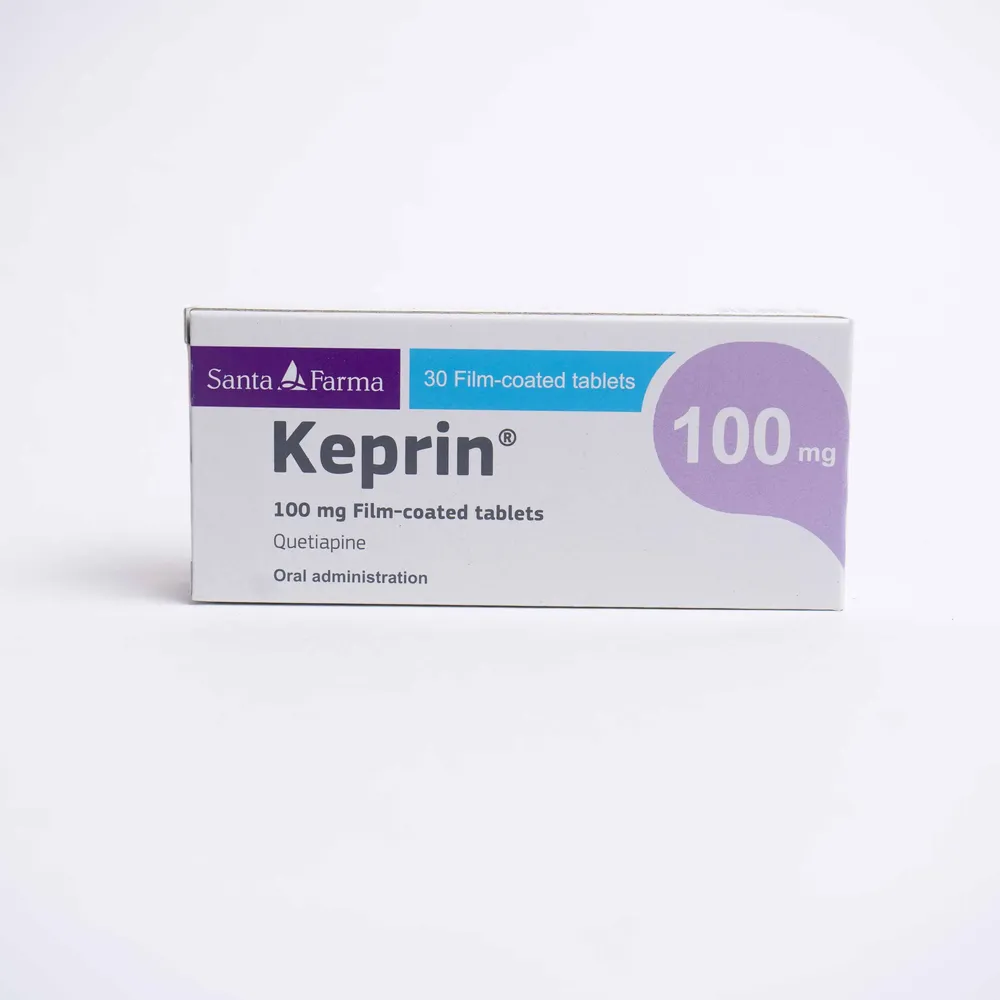
Table of Contents
INSTRUCTION FOR MEDICAL USE OF THE MEDICINAL PRODUCT KIU-PIN 25 KIU-PIN 100 KIU-PIN 200 KIU-PIN 300
Composition:
Active substance: quetiapine;
One tablet contains quetiapine fumarate equivalent to quetiapine 25 mg, 100 mg, 200 mg, or 300 mg;
Excipients:
Tablets of 25 mg: calcium hydrogen phosphate dihydrate, microcrystalline cellulose, lactose monohydrate, sodium starch glycolate (type A), povidone, magnesium stearate; coating Instacoat Universal ICG-U-10251 Brown: hypromellose, polyethylene glycol 400, titanium dioxide (E 171), iron oxide red (E 172), iron oxide yellow (E 172);
Tablets of 100 mg: calcium hydrogen phosphate dihydrate, microcrystalline cellulose, lactose monohydrate, sodium starch glycolate (type A), povidone, magnesium stearate; coating Opadry 03F82788 Yellow: hypromellose, polyethylene glycol 4000, titanium dioxide (E 171), iron oxide yellow (E 172);
Tablets of 200 mg: calcium hydrogen phosphate dihydrate, microcrystalline cellulose, lactose monohydrate, sodium starch glycolate (type A), povidone, magnesium stearate; coating Opadry Y-1-7000H White: hypromellose, polyethylene glycol 400, titanium dioxide (E 171);
Tablets of 300 mg: calcium hydrogen phosphate dihydrate, microcrystalline cellulose, lactose monohydrate, sodium starch glycolate (type A), povidone, magnesium stearate; coating Opadry Y-1-7000H White: hypromellose, polyethylene glycol 400, titanium dioxide (E 171).
Pharmaceutical form. Film-coated tablets.
Main physicochemical properties:
Tablets of 25 mg: round, biconvex film-coated tablets of pink-brown color, with embossing «262» on one side and smooth on the other;
Tablets of 100 mg: round, biconvex film-coated tablets of yellow color, with embossing «261» on one side and smooth on the other;
Tablets of 200 mg: round, biconvex film-coated tablets of white color, with embossing «260» on one side and smooth on the other;
Tablets of 300 mg: capsule-shaped, biconvex film-coated tablets of white color, with embossing «259» on one side and smooth on the other.
Pharmacotherapeutic group.
Psycholeptics. Antipsychotics. Quetiapine. ATC code N05AH04.
Pharmacological properties.
Pharmacodynamics
Quetiapine is an atypical antipsychotic agent. Quetiapine and its active plasma metabolite, N-desalkylquetiapine, interact with multiple neurotransmitter receptors. Quetiapine and N-desalkylquetiapine exhibit affinity for brain serotonin (5HT2) and dopamine D1 and D2 receptors. Quetiapine has greater affinity for serotonin (5HT2) receptors in the brain than for dopamine D1 and D2 receptors. In addition, N-desalkylquetiapine has high affinity for the norepinephrine transporter (NET). Quetiapine and N-desalkylquetiapine also have high affinity for histaminergic and adrenergic α1-receptors, and lower affinity for adrenergic α2-receptors and serotonin 5HT1A receptors. Quetiapine has no significant affinity for muscarinic cholinergic or benzodiazepine receptors.
Quetiapine is active in tests of antipsychotic activity, such as conditioned avoidance response. Quetiapine also blocks the effects of dopamine agonists, as determined by behavioral or electrophysiological methods, and increases the concentration of a dopamine metabolite, a neurochemical index of D2 receptor blockade.
The extent to which the metabolite N-desalkylquetiapine contributes to the pharmacological activity of the drug in humans is unknown.
Pharmacokinetics
After oral administration, quetiapine is well absorbed and extensively metabolized. Food intake does not have a significant effect on the bioavailability of quetiapine. Approximately 83% of quetiapine is bound to plasma proteins. The steady-state peak molar concentration of the active metabolite N-desalkylquetiapine is about 35% of that of quetiapine. The elimination half-lives of quetiapine and N-desalkylquetiapine are approximately 7 and 12 hours, respectively.
Quetiapine is effective when administered twice daily. Studies using positron emission tomography confirming sustained occupancy of 5HT2 and D2 receptors for 12 hours after quetiapine dosing support this dosing regimen.
The pharmacokinetics of quetiapine and N-desalkylquetiapine are linear within the recommended dose range. Quetiapine kinetics do not differ between men and women.
The average clearance of quetiapine in elderly patients is approximately 30–50% lower than in adults aged 18–65 years.
The average plasma clearance of quetiapine was reduced by approximately 25% in patients with severe renal impairment (creatinine clearance less than 30 mL/min/1.73 m²) and in patients with hepatic impairment (stable alcoholic cirrhosis), although individual clearance values remained within the range typical for healthy individuals. Less than 5% of the average molar fraction of the dose of free quetiapine and the active plasma metabolite N-desalkylquetiapine is excreted in urine.
Quetiapine is extensively metabolized in the liver. Studies using radiolabeled quetiapine have shown that less than 5% of quetiapine is excreted unchanged in urine or feces without metabolism. Approximately 73% of the radiolabeled dose is excreted in urine and 21% in feces.
In vitro studies have established that CYP3A4 is the primary enzyme responsible for cytochrome P450-mediated metabolism of quetiapine. N-desalkylquetiapine is primarily formed and eliminated via CYP3A4.
Concomitant administration with ketoconazole increases the maximum concentration and area under the concentration-time curve (AUC) of quetiapine by 235% and 522%, respectively, with a corresponding 84% reduction in mean oral clearance. The mean elimination half-life of quetiapine increased from 2.6 to 6.8 hours, although the mean maximum half-life remained unchanged.
Quetiapine and several of its metabolites (including N-desalkylquetiapine) exhibit weak inhibitory activity against cytochrome P450 enzymes 1A2, 2C9, 2C19, 2D6, and 3A4 in vitro. Inhibition of CYP in vitro is observed only at concentrations approximately 5 to 50 times higher than those observed following doses of 300–800 mg/day in humans. Based on these in vitro findings, concomitant administration of quetiapine with other drugs is not expected to result in clinically significant inhibition of the metabolism of drugs that are substrates of cytochrome P450 enzymes.
Clinical characteristics.
Indications.
Treatment of schizophrenia.
Treatment of bipolar disorders, including:
- moderate to severe manic episodes associated with bipolar disorders;
- major depressive episodes associated with bipolar disorders.
Prevention of relapse in patients with bipolar disorders whose manic episodes have responded to quetiapine treatment.
Contraindications.
Hypersensitivity to any component of the medicinal product.
Concomitant use of inhibitors of the cytochrome P450 3A4 isoenzyme, such as HIV protease inhibitors, azole antifungal agents, erythromycin, clarithromycin, and nefazodone.
Interaction with other medicinal products and other forms of interaction.
Due to quetiapine's primary effect on the central nervous system, this medicinal product should be used with caution in combination with other centrally-acting medicinal products. Quetiapine potentiates the effects of alcohol. Alcohol consumption should be avoided.
The cytochrome P450 CYP3A4 isoenzyme is the main enzyme involved in cytochrome P450-mediated metabolism of quetiapine. In a study involving healthy volunteers to evaluate interaction, concomitant administration of quetiapine (25 mg) and ketoconazole (a CYP3A4 inhibitor) resulted in a 5- to 8-fold increase in AUC for quetiapine. Therefore, quetiapine should not be used during treatment with any CYP3A4 inhibitor.
Quetiapine should not be taken with grapefruit juice.
In a pharmacokinetic study assessing quetiapine after multiple dosing before and during treatment with carbamazepine (a known hepatic enzyme inducer), concomitant use of carbamazepine led to a significant increase in quetiapine clearance. This increased clearance resulted in reduced systemic exposure to quetiapine (as measured by AUC) by an average of 13% compared to quetiapine alone; however, a greater effect was observed in some patients. Due to this interaction, plasma concentrations may decrease, potentially affecting quetiapine's efficacy.
Concomitant administration of quetiapine and phenytoin (other microsomal enzyme inducers) resulted in a significant increase in quetiapine clearance (approximately 450%). For patients taking a hepatic enzyme inducer, quetiapine treatment should only be initiated if the physician considers the benefits of such treatment to outweigh the risks associated with discontinuing the enzyme inducer. It is important that any changes in treatment with such an inducer occur gradually. If necessary, the inducer may be replaced with a medicinal product that does not induce hepatic enzymes (e.g., sodium valproate).
Following concomitant administration of quetiapine and antidepressants such as imipramine (a known CYP2D6 inhibitor) or fluoxetine (a known CYP3A4 and CYP2D6 inhibitor), no significant change in quetiapine pharmacokinetics was observed.
Following concomitant administration of quetiapine and antipsychotics such as risperidone or haloperidol, no significant change in quetiapine pharmacokinetics was observed. However, concomitant administration of quetiapine and thioridazine resulted in an approximately 70% increase in quetiapine clearance.
Quetiapine pharmacokinetics were not altered by concomitant administration of cimetidine.
Lithium pharmacokinetics were not altered by concomitant administration of quetiapine.
No clinically significant change in pharmacokinetics of either drug was observed with concomitant use of valproic acid and quetiapine.
A retrospective study involving children receiving valproate, quetiapine, or both drugs showed a higher incidence of leukopenia and neutropenia in the combination group compared to monotherapy groups.
Formal interaction studies with standard cardiovascular medicinal products have not been conducted. Caution is recommended when concomitantly administering other medicinal products capable of prolonging the QT interval, such as other neuroleptics, class IA and III antiarrhythmics, halofantrine, levomethadyl acetate, mesoridazine, thioridazine, pimozide, sparfloxacin, gatifloxacin, moxifloxacin, dolasetron mesylate, mefloquine, sertindole, or cisapride.
Caution should be exercised when co-administering quetiapine with other medicinal products capable of causing electrolyte imbalance or QT interval prolongation. False positive results in immunoassay testing for methadone and tricyclic antidepressants have been reported in patients taking quetiapine. Confirmation of questionable immunoassay screening results using appropriate chromatographic methods is recommended.
Special precautions for use.
Since quetiapine is indicated for the treatment of several conditions, the safety profile of the drug should be carefully considered in view of the specific diagnosis and dose prescribed to the patient.
Children (under 18 years of age)
Quetiapine is not recommended for use in children (under 18 years of age) due to lack of data in this age group. Clinical trials of quetiapine have shown that, in addition to the known safety profile established in adults, the frequency of certain adverse events is higher in children than in adults (increased appetite, elevated serum prolactin levels, and extrapyramidal symptoms), and an increase in blood pressure, previously not observed in adult studies, has also been reported. In addition, changes in thyroid function parameters have been observed in children.
It should also be noted that the long-term impact of quetiapine treatment on growth and sexual maturation has not been studied beyond 26 weeks. The long-term impact on cognitive and behavioral development is unknown.
During placebo-controlled trials in children, treatment with quetiapine was associated with an increased incidence of extrapyramidal symptoms (EPS) compared to placebo in patients treated for schizophrenia and bipolar mania.
Suicide/suicidal thoughts or clinical worsening
Depression is associated with an increased risk of suicidal thoughts, self-harm, and suicide (suicide-related events). This risk persists until significant remission is achieved. Since improvement may not occur during the first weeks of treatment or longer, patients should be closely monitored until such improvement occurs. According to general clinical experience, the risk of suicide may increase in the early stages of improvement.
In addition, the potential risk of suicide-related events after abrupt discontinuation of quetiapine treatment should be considered due to known risk factors associated with the condition being treated. Other psychiatric disorders for which quetiapine is prescribed may also be associated with an increased risk of suicide-related events. Furthermore, these disorders may coexist with depressive episodes. Therefore, the same precautions should be taken when treating other psychiatric disorders as when treating depressive episodes.
Patients with a history of suicide-related events or those who exhibit a significant degree of suicidal thoughts before starting treatment have a higher risk of suicidal thoughts or suicide attempts and require careful monitoring during treatment. A meta-analysis of placebo-controlled clinical trials involving antidepressant drugs in adult patients with psychiatric disorders showed an increased risk of suicidal behavior with antidepressant treatment compared to placebo in patients under 25 years of age.
Close monitoring of patients, and particularly those at high risk of suicide, should accompany pharmacological therapy, especially at the beginning of treatment and during subsequent dose adjustments. Patients (and caregivers) should be advised to monitor for clinical worsening, suicidal behavior or thoughts, and unusual changes in behavior, and to seek immediate medical attention if symptoms occur.
In short-term placebo-controlled clinical trials in younger adult patients (under 25 years of age) with depressive episodes in bipolar disorder, treatment with quetiapine was associated with an increased risk of suicide-related events compared to placebo (3% vs. 0%, respectively).
Metabolic risk
Due to changes observed during clinical trials in body weight, blood glucose (see hyperglycemia), and lipid parameters, there is a possibility of worsening metabolic risk profile in individual patients (including patients with normal baseline values), which may require appropriate treatment.
Extrapyramidal symptoms
In placebo-controlled trials, quetiapine was associated with an increased incidence of extrapyramidal symptoms (EPS) compared to placebo in patients treated for major depressive episodes associated with bipolar disorder.
The use of quetiapine has been associated with the development of akathisia, characterized by subjective distress or unpleasant restlessness and a compelling need to move, often accompanied by an inability to sit or stand still. These events are more likely to occur during the first few weeks of treatment. Increasing the dose in patients who develop such symptoms may be harmful.
Tardive dyskinesia
If symptoms of tardive dyskinesia occur, consideration should be given to reducing the dose or discontinuing quetiapine. Symptoms of tardive dyskinesia may worsen or even emerge after discontinuation of treatment.
Drowsiness
Treatment with quetiapine is associated with drowsiness and similar symptoms such as sedation. Drowsiness usually occurs within the first 2 weeks of treatment and resolves with continued use of quetiapine. In clinical trials, such symptoms in patients with bipolar depression typically occurred within the first 3 days of treatment and were mostly mild to moderate in intensity. For patients with bipolar depression who experience drowsiness, monitoring for 2 weeks after onset of drowsiness or until symptoms resolve may be necessary, or consideration may need to be given to discontinuing treatment.
Dizziness
Treatment with quetiapine has been associated with orthostatic hypotension and associated dizziness, tachycardia, and syncope in some patients, which, similar to drowsiness, usually occur during the dose titration period. These events may contribute to an increased frequency of accidental injuries (falls), especially in elderly patients. Therefore, patients should be advised to exercise caution until they become accustomed to the potential effects of the drug.
Cardiovascular disorders
Quetiapine should be administered with caution to patients with cardiovascular disease, cerebrovascular disease, or other conditions that may cause arterial hypotension.
Quetiapine may cause orthostatic hypotension, particularly during the initial dose titration period. If this occurs, the dose or the rate of dose escalation should be reduced. A slower titration regimen may be considered for patients with cardiovascular disease.
Seizures
No difference in seizure frequency was observed between patients taking quetiapine and those receiving placebo. There are no data on seizures in patients with epilepsy. As with other antipsychotic drugs, caution is recommended when treating patients with a history of seizures.
Malignant neuroleptic syndrome
Antipsychotic treatment, including treatment with quetiapine, may be associated with the development of malignant neuroleptic syndrome. Clinical manifestations of the syndrome include hyperthermia, altered mental status, muscle rigidity, autonomic instability, and elevated creatine phosphokinase levels. In such cases, quetiapine treatment should be discontinued and appropriate symptomatic treatment initiated.
Severe neutropenia
During quetiapine trials, severe neutropenia (neutrophil count < 0.5×10⁹/L) occurred infrequently. Most cases of severe neutropenia occurred within a few months after starting quetiapine treatment. A clear dose-dependent relationship was not observed. In post-marketing studies, leukopenia and neutropenia resolved after discontinuation of quetiapine. Possible risk factors for the development of neutropenia include a patient's prior history of low white blood cell count and a history of neutropenia caused by any drug. Quetiapine treatment should be discontinued if a patient's neutrophil count falls below 1×10⁹/L. Patients should be monitored for possible signs and symptoms of infection and for neutrophil count (until the count exceeds 1.5×10⁹/L).
Cases of agranulocytosis have been reported in patients without pre-existing risk factors. The possibility of developing neutropenia should be considered in patients with infectious disease, particularly in the absence of obvious predisposing factor(s), or in patients with fever; treatment should be managed according to the specific clinical case.
Interactions
Concomitant use of quetiapine with a strong hepatic enzyme inducer, such as carbamazepine or phenytoin, significantly reduces quetiapine plasma concentrations, which may compromise the effectiveness of quetiapine therapy. Treatment with quetiapine in patients receiving a hepatic enzyme inducer should only be initiated if the physician considers the benefit of quetiapine use to outweigh the risks of discontinuing the enzyme inducer. It is important that any changes in the use of the inducer occur gradually. If necessary, it should be replaced with a non-inducer (e.g., sodium valproate).
Weight gain
Cases of weight gain have been observed in patients treated with quetiapine, and therefore body weight should be monitored and, if clinically necessary, managed according to appropriate recommendations for antipsychotic agents.
Hyperglycemia
Rare cases of hyperglycemia and/or development or worsening of diabetes mellitus, sometimes accompanied by ketoacidosis or coma, have been reported. These events sometimes occurred in patients with increased body weight, which could be a contributing factor. Adequate clinical monitoring should be performed according to appropriate recommendations for antipsychotic agents. Patients receiving any antipsychotic agent, including quetiapine, should be monitored for possible symptoms of hyperglycemia (such as polydipsia, polyuria, and weakness), and patients with diabetes or risk factors for diabetes should be regularly monitored for possible worsening of glucose control. Body weight should be monitored regularly.
Lipids
Cases of increased triglycerides, low-density lipoproteins, and total cholesterol, as well as decreased high-density lipoprotein cholesterol, have been reported. Treatment should be initiated according to clinical indications when lipid levels change.
QT interval prolongation
When used according to instructions, quetiapine administration was not associated with a sustained increase in the absolute QT interval. QT interval prolongation has been observed with therapeutic doses and in cases of overdose. As with other antipsychotics, caution should be exercised when prescribing quetiapine to patients with cardiovascular disease or a family history of prolonged QT interval. Caution is required when quetiapine, like other neuroleptic agents, is prescribed concomitantly with drugs that prolong the QTc interval, especially in elderly patients, patients with congenital long QT syndrome, heart failure, cardiac hypertrophy, hypokalemia or hypomagnesemia, and patients with a family history of QT prolongation.
Cardiomyopathy and myocarditis
Cases of cardiomyopathy and myocarditis have been reported; however, a causal relationship with quetiapine use has not been established. The continued appropriateness of quetiapine use should be re-evaluated in patients suspected of having cardiomyopathy or myocarditis.
Discontinuation of treatment
Abrupt discontinuation of quetiapine may lead to a withdrawal syndrome characterized by insomnia, nausea, headache, diarrhea, vomiting, dizziness, and irritability. The frequency of these reactions significantly decreases within 1 week after discontinuation. Therefore, the drug should be tapered gradually over 1 or 2 weeks.
Elderly patients with psychosis associated with dementia
Quetiapine has not yet been approved for the treatment of patients with psychosis associated with dementia. With the use of some atypical antipsychotics, an approximately threefold increased risk of cerebrovascular adverse events has been observed. The mechanism of this increased risk remains unknown. An increased risk cannot be excluded when other antipsychotics are used or in other patient groups. Quetiapine should be used with caution in patients with risk factors for stroke.
According to meta-analysis data on atypical antipsychotics, elderly patients with psychosis associated with dementia represent a group at increased risk of mortality compared to placebo. However, data from two 10-week quetiapine studies in similar populations (n=710, mean age 83 years, range 56–99 years) showed a mortality rate of 5.5% in patients treated with quetiapine compared to 3.2% in the placebo group. Deaths during the studies were due to various causes, which are expected in this patient population. These data did not establish a causal relationship between quetiapine treatment and mortality in patients with dementia.
Dysphagia
Dysphagia has been reported with quetiapine use. Quetiapine should be used with caution in patients at risk of aspiration pneumonia. An increased frequency of dysphagia with quetiapine compared to placebo was observed only in clinical trials of bipolar depression.
Constipation and intestinal obstruction
Constipation is a risk factor for intestinal obstruction. Cases of constipation and intestinal obstruction have been reported with quetiapine use. Reports of fatal cases have occurred in patients at higher risk of intestinal obstruction, including those receiving concomitant multiple drugs that reduce intestinal motility and/or drugs for which reports of constipation-related symptoms may not have been recorded.
Venous thromboembolism
Cases of venous thromboembolism (VTE) have been reported with antipsychotic use. Since patients taking antipsychotics often have acquired risk factors for VTE, all possible risk factors for VTE should be identified before and during treatment with extended-release quetiapine, and preventive measures should be taken.
Pancreatitis
Cases of pancreatitis have been reported.
Data indicate that many patients had factors known to be associated with pancreatitis, such as elevated triglyceride levels, gallstones, and alcohol abuse.
Additional information
Data on the use of quetiapine in combination with divalproex or lithium in moderate to severe manic episodes are limited; however, combination therapy was well tolerated. These data showed an additive effect by the third week of treatment. There are no data on combination use beyond six weeks.
Lactose
The drug contains lactose monohydrate. This medication is not recommended for patients with rare hereditary conditions of galactose intolerance, lactase deficiency, or glucose-galactose malabsorption.
Use during pregnancy or breastfeeding.
Fertility
Appropriate data have not been obtained.
Pregnancy
The safety and efficacy of quetiapine use for treating pregnant women have not been established. Therefore, the drug should be prescribed during pregnancy only when the expected benefit outweighs the potential risk.
The use of antipsychotic drugs (including quetiapine) in pregnant women during the third trimester may lead to adverse reactions in newborns, including extrapyramidal disorders and/or withdrawal syndrome, which may vary in severity and duration after delivery. Reports include agitation, arterial hypertension, arterial hypotension, drowsiness, respiratory distress syndrome, or feeding disorders. Therefore, newborns should be closely monitored.
Breastfeeding
Women are advised to discontinue breastfeeding during quetiapine treatment. Data exist on the excretion of quetiapine into breast milk, but the extent of excretion is not defined.
Ability to affect reaction speed when driving or operating machinery.
Due to the primary effect of quetiapine on the central nervous system, the drug may affect activities requiring special attention. Patients are advised not to drive or operate machinery until their individual sensitivity to the drug is known.
Method of Administration and Dosage
There are different dosages for each indication. Therefore, patients must receive clear information about the dosage appropriate for their condition.
For oral use.
The medicine can be taken regardless of food intake.
Adults
Treatment of Schizophrenia
Quetiapine should be taken twice daily. The total daily dose during the first 4 days of therapy is 50 mg (Day 1), 100 mg (Day 2), 200 mg (Day 3), and 300 mg (Day 4). Starting from Day 4, the dose should be titrated within the usual effective dose range of 300–450 mg per day. Depending on clinical efficacy and individual tolerability, the dose may be adjusted within the range of 150–750 mg per day.
Treatment of Manic Episodes Associated with Bipolar Disorder
For monotherapy or as adjunctive therapy to mood stabilizers, the total daily dose during the first 4 days of treatment is 100 mg (Day 1), 200 mg (Day 2), 300 mg (Day 3), and 400 mg (Day 4). Further dose escalation up to 800 mg per day by Day 6 should be done gradually, increasing the dose by no more than 200 mg per day.
Depending on the individual patient's clinical response and tolerability, the dose may be adjusted within the range of 200 mg to 800 mg per day. The usual effective dose is between 400 mg and 800 mg per day.
Treatment of Depressive Episodes Associated with Bipolar Disorders
Quetiapine should be administered once daily before bedtime. The total daily dose during the first 4 days of therapy is 50 mg (Day 1), 100 mg (Day 2), 200 mg (Day 3), and 300 mg (Day 4).
The recommended daily dose is 300 mg. Clinical studies did not show additional benefit with the 600 mg dose compared to the 300 mg dose. The 600 mg dose may be effective in some patients. Clinical studies indicate that for some patients experiencing tolerability issues, the dose may be reduced to the minimum of 200 mg. Treatment of depressive episodes associated with bipolar disorder should be initiated by a physician experienced in managing bipolar disorder.
Prevention of Relapse in Patients with Bipolar Disorders
To prevent subsequent manic, depressive, or mixed episodes in bipolar disorder, patients who have responded to quetiapine during acute treatment should continue therapy at the same dose. The dose may be adjusted according to the individual patient's clinical response and tolerability within the daily dose range of 300 mg to 800 mg, administered twice daily. It is important that the lowest effective doses are used for maintenance therapy.
Elderly Patients
Quetiapine, like other antipsychotics and antidepressants, should be prescribed with caution in elderly patients, especially at the beginning of treatment. Therapy in elderly patients should be initiated at a quetiapine dose of 25 mg per day. The dose should be increased daily by 25–50 mg/day until an effective dose is reached. A slower titration of quetiapine dose may be required, and the daily therapeutic dose should be lower than that used in younger patients, depending on the individual patient's clinical response and treatment tolerability.
Mean plasma clearance of quetiapine was reduced by 30–50% in elderly patients compared to younger patients. Treatment in elderly patients should be initiated at a dose of 50 mg/day.
Efficacy and safety have not been evaluated in patients over 65 years of age with depressive episodes in the context of bipolar disorder.
Renal Impairment
Dose adjustment is not required in patients with renal impairment.
Hepatic Impairment
Quetiapine is extensively metabolized in the liver. Therefore, the medicine should be used with caution in patients with known hepatic impairment, particularly during the initial dose titration period. Treatment in patients with hepatic impairment should be initiated at a dose of 50 mg/day. The dose may be increased in increments of 50 mg/day to achieve an effective dose, depending on the individual patient's clinical response and tolerability.
Children
The medicine is not recommended for use in children due to lack of data supporting its use in this age group.
Overdose.
Symptoms. Survival has been reported in clinical trials following acute overdose of up to 30 g of quetiapine. Most patients with overdose did not report adverse events, or such events resolved spontaneously. A fatal outcome was reported in a clinical trial following an overdose of 13.6 g of quetiapine. Reports of quetiapine overdose leading to fatal outcome or coma, or QT interval prolongation, have been very rare even with monotherapy doses as low as 6 g. Additionally, the following events have been observed in cases of quetiapine monotherapy overdose: QT prolongation, seizures, epileptic status, rhabdomyolysis, respiratory depression, urinary retention, confusion, delirium, and/or agitation.
Patients with pre-existing severe cardiovascular disease are at increased risk of overdose effects.
Overall, the signs and symptoms reported were consequences of the enhanced known pharmacological effects of the medicine, such as somnolence and sedation, tachycardia, and arterial hypotension.
Treatment. There is no specific antidote for quetiapine. In cases of severe symptoms, appropriate measures and intensive therapy should be considered, including restoration and maintenance of airway patency, ensuring adequate oxygenation and ventilation, and monitoring and supporting cardiovascular function. Cases have been described in which serious CNS reactions, including coma and delirium, were reversed by intravenous administration of physostigmine (1–2 mg) under continuous ECG monitoring.
In cases of persistent arterial hypotension following quetiapine overdose, appropriate measures should be applied, such as intravenous fluids and/or sympathomimetic agents (adrenaline and dopamine should be avoided, as stimulation of β-adrenergic receptors may worsen hypotension in the presence of α-adrenergic receptor blockade induced by quetiapine).
Since prevention of absorption in overdose has not been studied, consideration should be given to gastric lavage (after intubation if the patient is unconscious) and administration of activated charcoal with a laxative.
Careful medical supervision and monitoring should continue until the patient has fully recovered.
Side effects.
The most common adverse reactions observed during quetiapine administration are somnolence, dizziness, dry mouth, mild asthenia, constipation, tachycardia, orthostatic hypotension, and dyspepsia.
During treatment with quetiapine, as with other antipsychotic agents, cases of weight gain, dizziness, development of neuroleptic malignant syndrome, leukopenia, neutropenia, and peripheral edema have been reported.
Blood and lymphatic system disorders: decreased hemoglobin levels, decreased neutrophil count, leukopenia, eosinophilia, thrombocytopenia, anemia, agranulocytosis, neutropenia.
Immune system disorders: hypersensitivity (including allergic skin reactions), anaphylactic reaction3.
Endocrine disorders: hyperprolactinemia, decreased thyroxine levels, decreased free thyroxine levels, decreased triiodothyronine levels, increased thyroid-stimulating hormone levels in blood, decreased free triiodothyronine levels, hypothyroidism, inappropriate antidiuretic hormone secretion.
Metabolism and nutrition disorders: increased serum triglyceride levels, increased total cholesterol (especially LDL-cholesterol), decreased high-density lipoprotein levels, weight gain, increased appetite, increased blood glucose levels reaching hyperglycemia levels1, hyponatremia, diabetes mellitus3, metabolic syndrome, worsening of pre-existing diabetes.
Psychiatric disorders: unusual dreams or nightmares; suicidal thoughts; suicidal behavior; sleepwalking and related reactions such as sleep talking and sleep-related eating disorders.
Nervous system disorders: dizziness, somnolence, headache, syncope, extrapyramidal symptoms, dysarthria, seizures, epilepsy, restless legs syndrome, tardive dyskinesia3, loss of consciousness.
Eye disorders: blurred vision.
Cardiac disorders: tachycardia, palpitations, orthostatic hypotension, QT interval prolongation, bradycardia2, venous thromboembolism.
Respiratory, thoracic and mediastinal disorders: rhinitis, dyspnea.
Gastrointestinal disorders: dry mouth, constipation, dyspepsia, vomiting, dysphagia, pancreatitis, intestinal obstruction/ileus.
Hepatobiliary disorders: increased transaminase levels (alanine aminotransferase, aspartate aminotransferase), increased gamma-glutamyl transferase levels, jaundice, hepatitis.
Skin and subcutaneous tissue disorders: angioedema3, Stevens-Johnson syndrome3, toxic epidermal necrolysis, erythema multiforme.
Musculoskeletal and connective tissue disorders: rhabdomyolysis.
Renal and urinary disorders: urinary retention.
Pregnancy, puerperium and perinatal conditions: withdrawal syndrome in newborns, neonatal abstinence syndrome.
Reproductive system and breast disorders: sexual dysfunction, priapism, galactorrhea, breast swelling, menstrual disorders.
General disorders and administration site conditions: withdrawal syndrome, mild asthenia, peripheral edema, irritability, pyrexia, neuroleptic malignant syndrome, hypothermia.
Investigations: increased blood creatine phosphokinase levels (not associated with neuroleptic malignant syndrome).
With the use of neuroleptic agents, cases of QT interval prolongation, ventricular arrhythmias, sudden unexplained death, cardiac arrest, and torsades de pointes have been reported. These events are considered adverse effects typical of the entire class of these agents.
1 Fasting glucose level ≥ 126 mg/dL (≥ 7.0 mmol/L) or non-fasting glucose level ≥ 200 mg/dL (≥ 11.1 mmol/L) at least once.
2 May occur during or at the beginning of treatment and may be associated with arterial hypotension and/or syncope. Frequency is based on reports of bradycardia and related events during all clinical trials of quetiapine.
3 Frequency calculation for this adverse reaction was based solely on post-marketing data for quetiapine immediate-release formulation.
Shelf life. 3 years.
Storage conditions.
Store at temperatures not exceeding 25 °C in the original packaging.
Keep out of reach and sight of children.
Packaging.
10 tablets per blister, 1 blister per cardboard pack.
Prescription category. Prescription only.
Manufacturer.
Alkem Laboratories Ltd.
Manufacturer's address and place of business.
167 Mahatma Gandhi, Udhyog Nagar, Dabhel, Daman, 396210, India.