Crinone
Ukraine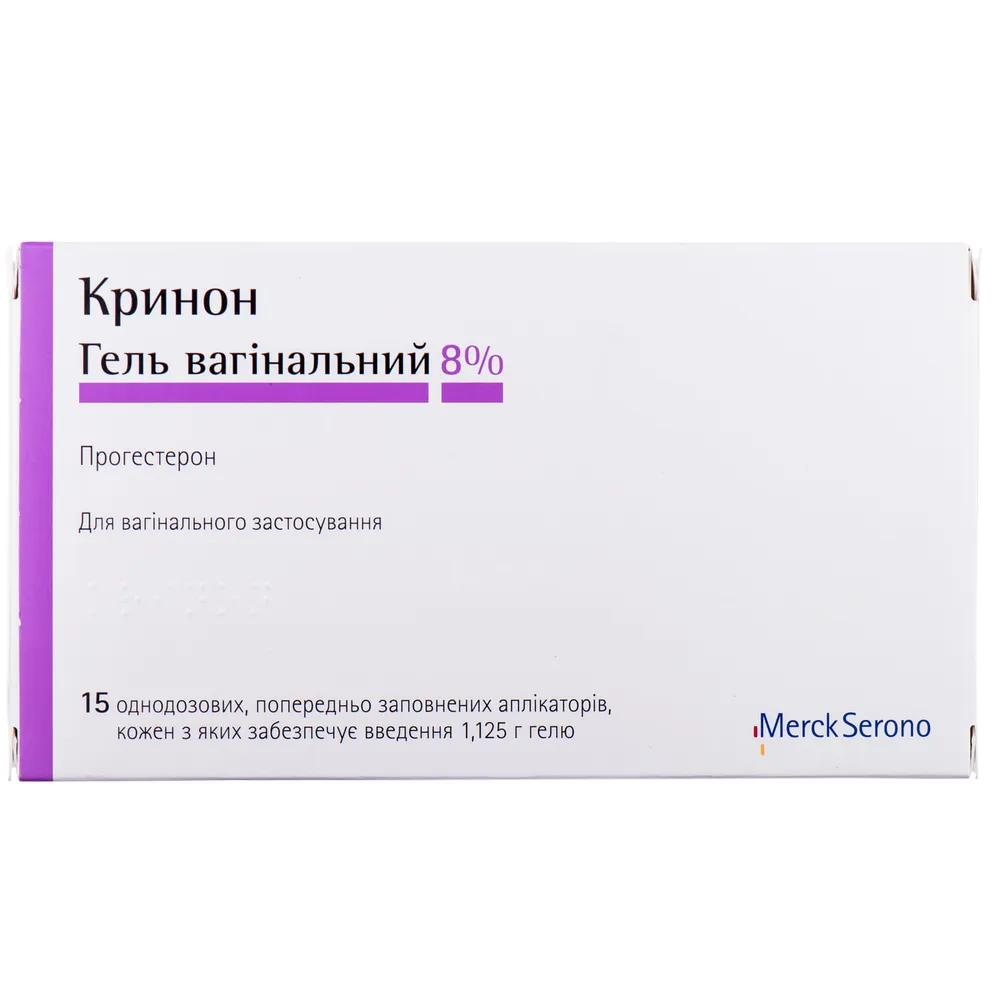
Table of Contents
INSTRUCTIONS FOR MEDICAL USE OF THE MEDICINAL PRODUCT KRYNON® (CRINONE®)
Composition:
Active substance: progesterone;
1 applicator (1.125 g of gel available for administration) contains 90 mg of progesterone (8% w/w);
Excipients: glycerol, light mineral oil, hydrogenated glycerides of palm oil, carbomer 974P, sorbic acid, polycarbophil, sodium hydroxide, purified water.
Pharmaceutical form. Vaginal gel.
Main physicochemical characteristics: the preparation is a homogeneous white or almost white gel with a fatty odor.
Pharmacotherapeutic group. Progestogens. Progesterone.
ATC code G03DA04.
Pharmacological properties.
Pharmacodynamics.
KRINON® is a micronized progesterone preparation formulated as a vaginal gel. Natural progesterone, secreted by the corpus luteum during the second half of the normal menstrual cycle, plays a crucial role in the secretory transformation of the estrogen-stimulated endometrium, thereby making it suitable for implantation of the fertilized oocyte and subsequent support of the implanted embryo in early stages of development.
KRINON® provides controlled and continuous release of progesterone for at least 3 days, achieved due to the presence of the polymer polycarbophil in the formulation.
Pharmacokinetics.
After a single 90 mg dose of progesterone administered vaginally, the mean AUC (area under the serum concentration-time curve) is 502 nmol⋅h/L. The mean peak serum concentration (Cmax), reached approximately 8 hours after administration, is about 26 nmol/L. After administration of 12 consecutive daily doses of 90 mg, the median steady-state serum concentration of progesterone was approximately 29 nmol/L.
Following vaginal administration, progesterone is distributed predominantly to the endometrium. After seven days of vaginal administration of micronized progesterone to women with ovarian insufficiency, progesterone concentrations in serum and endometrium were approximately equal.
Progesterone is metabolized primarily in the liver. The main urinary metabolite of progesterone is the glucuronide of 5β-pregnanediol, which is present in blood serum only in conjugated form. Serum metabolites of progesterone include 5β-pregnenolone and 5α-pregnenolone; after vaginal administration, serum concentrations of these two metabolites are negligible or substantially lower compared to oral administration.
Progesterone is eliminated both via bile and urine: after intravenous administration of radiolabeled progesterone, 50−60% of metabolites were found in urine and only about 10% in bile and feces. Only a small fraction of the administered progesterone dose is excreted unchanged in bile.
Clinical characteristics.
Indications.
- Treatment of infertility due to luteal phase deficiency;
- treatment of infertility within the framework of IVF (in vitro fertilization) procedures in patients with normal ovulatory cycles, when infertility is associated with tubal diseases, endometri游戏副本
Special precautions for use.
Treatment with the drug should be discontinued immediately if any of the following symptoms occur: early signs of thromboembolic conditions (e.g., tension, pain or swelling of extremities, chest pain, dyspnea); first occurrence or worsening of migraine-like headache or increased frequency of extremely severe headache; sudden sensory disturbances (e.g., visual or auditory disturbances, sensory disorders); significant increase in arterial blood pressure; appearance of abnormal liver function tests, cholestatic jaundice, or generalized pruritus; severe epigastric pain or hepatomegaly; confirmed growth of fibroid uterine tumors (myoma).
Sex hormones may increase the risk of developing venous and arterial thromboembolic disorders (such as deep vein thrombosis, pulmonary embolism, myocardial infarction, stroke). Patients should be warned that if symptoms of thromboembolic disorders occur (such as painful swelling in one leg, sudden chest pain, dyspnea, etc.), they must seek immediate medical attention.
Although the risk of thromboembolic events is associated with estrogens, the relationship of such events to progestins remains uncertain. Therefore, in women with established risk factors for thromboembolic disorders, such as personal or family history, treatment with KRIJNON® may further increase this risk. In such women, the benefits of using the drug should be weighed against the existing risks. However, it should be noted that pregnancy itself carries an increased risk of thromboembolic events.
Rarely, during treatment with drugs containing progestins, benign and less frequently malignant liver tumors have been observed, which sometimes led to life-threatening intra-abdominal hemorrhage. If epigastric discomfort, hepatomegaly, or signs of intra-abdominal bleeding occur during treatment, differential diagnosis should be performed to exclude liver tumor.
Prior to initiating treatment, a medical examination of the patient is recommended, with special attention to the condition of the breasts and pelvic organs (including a Pap smear). Before and during treatment, regular gynecological examinations should be performed; in particular, with prolonged therapy, the possibility of endometrial hyperplasia should be excluded.
KRIJNON® is not indicated for use in threatened abortion. In case of inevitable miscarriage, treatment with the drug should be discontinued.
If signs of threatened abortion occur during treatment with KRIJNON®, fetal viability should be assessed by measuring rising titers of hCG (human chorionic gonadotropin) and/or by ultrasound examination.
The drug should be used with caution in patients with severe hepatic impairment.
In cases of breakthrough bleeding, as well as in all cases of irregular vaginal bleeding, non-functional causes should also be considered. In cases of vaginal bleeding of unknown etiology, the source should be investigated using appropriate diagnostic procedures.
Since progesterone may cause some degree of fluid retention, the drug should be administered with caution in patients with epilepsy, migraine, asthma, or cardiac or renal disorders.
When biopsy specimens are taken, the histologist should be informed about ongoing progesterone therapy, as it may affect histological findings in certain organs, e.g., the endometrium.
Patients with a history of depression should be under close medical supervision during treatment; if a severe depressive relapse occurs, the drug should be discontinued.
In some patients, decreased glucose tolerance has been observed during treatment with combined medicinal products containing estrogen and progestin. The mechanism of this phenomenon is unknown. Therefore, diabetic patients should be under close medical supervision during progestin therapy.
Post-marketing surveillance has reported cases of gel clumps in vaginal discharge due to coagulation/accumulation of KRIJNON® gel. These events, usually of mild severity, are characterized by discharge of cream to brownish gel clumps, sometimes opaque white liquid discharge. Such gel accumulation reactions may be accompanied by vaginal irritation, pain, and swelling; in very rare cases, spasms and vaginal bleeding are also possible.
KRIJNON® contains sorbic acid as an excipient, which may occasionally cause local skin reactions (e.g., redness, itching, contact dermatitis) or vaginal irritation.
KRIJNON® vaginal gel is not a contraceptive.
Use during pregnancy or breastfeeding.
Pregnancy
In cases of corpus luteum insufficiency, the drug may be used during the first month of pregnancy.
When deciding on prescribing KRIJNON® during pregnancy, it should be considered that based on available data on the effects of progestogens, it cannot be completely excluded that the use of progestins in early pregnancy may lead to the development of hypospadias in male fetuses; the patient should be informed accordingly.
Breastfeeding
The drug should not be used during breastfeeding.
Influence on ability to drive or operate machinery.
KRIJNON® does not affect the ability to drive a vehicle or operate machinery.
Method of administration and dosage.
Treatment of infertility due to luteal phase deficiency
After confirmed ovulation or alternatively on days 18–21 of the cycle, administer the contents of one applicator (1.125 g of 8% gel) daily.
Use in IVF procedures
After laboratory confirmation of pregnancy, administer the contents of one applicator (1.125 g of 8% gel) daily for 30 days.
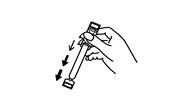
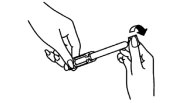
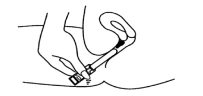
The medication is intended for single-use vaginal administration. Any medication remaining in the applicator after administration must be discarded.
When self-administering KRYNOIN®, carefully read the instructions and follow the recommendations below
The vaginal gel KRYNOIN®, contained in a single-use applicator, is specially designed for vaginal administration and sealed in a multilayered packaging (wrapper). Before administration, remove the applicator from the outer packaging, without breaking off the nozzle tip in the form of a ring.
|
|
|
|
|
|
|
|
|

|
|
|
Children.
KRINON® must not be used in children.
Overdose.
Overdose is not expected because each dose of the drug is administered using a separate single-use applicator. However, in case of overdose, administration of the drug should be discontinued and symptomatic treatment should be initiated.
Side effects
The KRYNON® preparation is generally well tolerated. In clinical studies, the following adverse reactions have been reported during therapy with KRYNON®; most of these could not be distinguished from symptoms typical of early pregnancy.
Adverse reactions observed during clinical trials and associated with the use of the medicinal product can be classified according to their frequency: very common (≥ 1/10), common (≥ 1/100 to < 1/10), uncommon (≥ 1/1,000 to < 1/100), rare (≥ 1/10,000 to < 1/1,000), very rare (< 1/10,000).
Common
Breast tenderness, itching or burning sensation.
Additionally, post-marketing surveillance has reported cases of intermenstrual bleeding (spotting), vaginal irritation, hypersensitivity reactions typically manifesting as skin rash, and other mild local reactions at the application site.
Isolated cases of urticaria and pruritus have been reported.
Reporting of suspected adverse reactions
It is important to report suspected adverse reactions after the medicinal product has been authorized. This enables continued monitoring of the benefit-risk balance of the medicinal product. Healthcare professionals are required to report any suspected adverse reactions.
Shelf life. 3 years.
Storage conditions.
Store at a temperature not exceeding 25 °C. Do not freeze.
Keep out of the reach and sight of children.
Do not use after the expiry date stated on the packaging.
Packaging.
Each single dose contains 1.45 g of vaginal gel (delivering a dose of 1.125 g) in a white polyethylene single-dose vaginal applicator; the applicator is placed in a multilayered packaging made of paper, aluminum foil, and polymer film.
Pack of 6 or 15 single-dose pre-filled vaginal applicators in a cardboard box.
Prescription status.
Prescription only.
Manufacturer.
Central Pharma (Contract Packing) Limited / Dendron Brands Limited.
Manufacturers' addresses.
Caxton Road, Bedford, Bedfordshire, MK41 0XZ, United Kingdom.
94 Rickmansworth Road, Watford, WD18 7JJ, United Kingdom.