Combipril-kv
Ukraine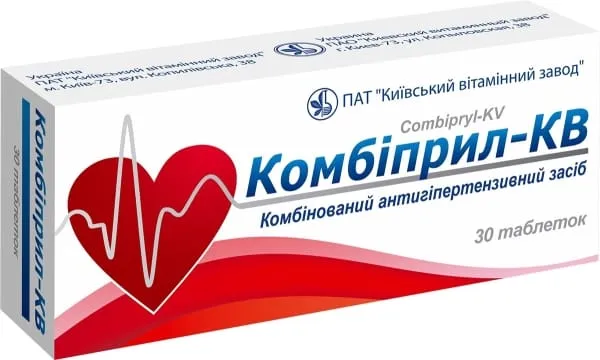
Table of Contents
INSTRUCTION for medical use of the medicinal product COMBIPRYL-KV (COMBIPRYL-KV)
Composition:
Active substances: amlodipine, lisinopril;
1 tablet contains amlodipine 5 mg (as amlodipine besylate 6.94 mg) and lisinopril 10 mg (as lisinopril dihydrate 10.88 mg);
Excipients: microcrystalline cellulose, sodium starch glycolate (type A), magnesium stearate.
Pharmaceutical form. Tablets.
Main physicochemical properties: flat cylindrical tablets with bevel and score line, white or almost white in colour.
Pharmacotherapeutic group. Angiotensin-converting enzyme (ACE) inhibitors in combination with calcium channel blockers. Lisinopril and amlodipine. ATC code C09B B03.
Pharmacological properties.
Pharmacodynamics.
CombiPryl-KV is a fixed-dose combination product containing the active substances lisinopril and amlodipine.
Lisinopril
Lisinopril is an inhibitor of the enzyme peptidyl-dipeptidase. It inhibits angiotensin-converting enzyme (ACE), which catalyzes the conversion of angiotensin I into the vasoconstrictor peptide angiotensin II. Angiotensin II also stimulates aldosterone secretion by the adrenal cortex.
Inhibition of ACE leads to reduced concentrations of angiotensin II, resulting in decreased vasoconstrictor activity and reduced aldosterone secretion. The latter reduction may lead to increased serum potassium levels.
Since the mechanism underlying lisinopril's antihypertensive effect involves suppression of the renin-angiotensin-aldosterone system, lisinopril reduces blood pressure even in patients with low-renin hypertension. ACE is identical to kininase II, the enzyme responsible for bradykinin degradation. Whether increased concentrations of bradykinin, a potent vasodilator peptide, play a role in the therapeutic effects of lisinopril has not yet been established.
Amlodipine.
Amlodipine is a dihydropyridine inhibitor of calcium ion influx (a slow calcium channel blocker or calcium antagonist) that blocks calcium ion entry through cell membranes into myocardial and vascular smooth muscle cells.
The antihypertensive mechanism of amlodipine is due to its direct relaxing effect on vascular smooth muscle.
The exact reasons for the beneficial effect of amlodipine in angina are not fully known; however, it is known that reduction of total ischemic burden occurs via two mechanisms:
- Amlodipine causes dilation of peripheral arterioles, thereby reducing total peripheral vascular resistance (afterload) against which the heart must pump. Since heart rate remains stable, cardiac unloading leads to reduced myocardial energy consumption and oxygen demand.
- The mechanism of action of amlodipine may also include dilation of major coronary arteries and arterioles, both normal and those located in ischemic zones. This leads to increased oxygen delivery to the myocardium in patients with vasospastic angina (Prinzmetal's angina or variant angina).
Daily administration of amlodipine once daily results in clinically significant reduction of blood pressure in patients with arterial hypertension in both supine and upright positions over 24 hours. Due to its slow onset of action, a rapid hypotensive effect does not occur.
In patients with angina, once-daily dosing of amlodipine improves exercise tolerance, increases the time to onset of angina, delays the development of ST-segment depression (by 1 mm), and reduces the frequency of angina attacks and nitroglycerin use.
Amlodipine has no adverse effects on metabolism or plasma lipid concentrations and can be used in the treatment of patients with bronchial asthma, type II diabetes, and gout.
Pharmacokinetics.
Lisinopril
Lisinopril is an orally administered ACE inhibitor that does not contain a sulfhydryl group.
Absorption
After oral administration, peak plasma concentration is reached within 7 hours, although in patients with acute myocardial infarction a slight delay in time to peak serum concentration has been observed. Based on urinary excretion data, the average extent of lisinopril absorption is approximately 25%, with interpatient variability ranging from 6% to 60% within the studied dose range (5 to 80 mg). In patients with heart failure, the absolute bioavailability of lisinopril is reduced to approximately 16%. Absorption of lisinopril is not affected by food intake.
Distribution
Lisinopril does not bind to serum proteins except for circulating ACE. It is known that lisinopril poorly penetrates the blood-brain barrier.
Elimination.
Lisinopril is not metabolized in the body and is excreted unchanged in urine. With repeated administration, the effective half-life of lisinopril is 12.6 hours. Renal clearance of lisinopril in healthy volunteers is approximately 50 ml/min. The decline in serum concentration has a prolonged terminal half-life, which does not favor accumulation of the active substance in the body. This terminal half-life is likely due to saturable binding to ACE and is not dose-dependent.
Pharmacokinetic characteristics in special patient groups.
Hepatic impairment.
Liver dysfunction in patients with hepatic cirrhosis resulted in reduced lisinopril absorption (approximately 30% lower based on urinary excretion data), but its effect was increased (approximately 50% higher) compared to healthy volunteers due to reduced clearance.
Renal impairment.
Renal dysfunction reduces the elimination of lisinopril, which is excreted by the kidneys, but this reduction becomes clinically significant only when glomerular filtration rate is less than 30 ml/min. In mild to moderate renal impairment (creatinine clearance from 30 to 80 ml/min), the mean area under the concentration-time curve (AUC) increases by only 13%,
whereas in severe renal impairment (creatinine clearance from 5 to 30 ml/min), a 4.5-fold increase in mean AUC is observed. Lisinopril can be removed from the body by hemodialysis. After 4 hours of hemodialysis, plasma lisinopril concentration decreases on average by 60%, and dialysis clearance ranges from 40 to 55 ml/min.
Heart failure.
In patients with heart failure, higher plasma concentrations of lisinopril are observed compared to healthy volunteers (mean AUC increased by approximately 125%), but based on urinary excretion data, absorption of lisinopril is reduced by approximately 16% compared to healthy individuals.
Elderly patients.
In elderly patients, higher blood concentrations of lisinopril and higher AUC values (approximately 60% higher) are observed compared to younger patients.
Amlodipine.
Absorption, distribution, plasma protein binding
After administration of therapeutic doses, amlodipine is well absorbed, reaching peak plasma concentration 6–12 hours after administration. Absolute bioavailability is estimated to be between 64% and 80%. Volume of distribution is approximately 21 L/kg. In vitro studies have shown that approximately 97.5% of circulating amlodipine is bound to plasma proteins.
Food intake does not affect the bioavailability of amlodipine.
Biological transformation and elimination.
The terminal half-life in plasma is approximately 35–50 hours, allowing once-daily dosing. Amlodipine is extensively metabolized in the liver to inactive metabolites, with only 10% of the parent compound and 60% of metabolites excreted in urine.
Pharmacokinetic characteristics in special patient groups.
Hepatic impairment.
Clinical data on amlodipine use in patients with hepatic impairment are very limited. In patients with hepatic impairment, clearance of amlodipine is reduced, leading to an increase in half-life and AUC by approximately 40–60%.
Elderly patients.
Time to peak plasma concentration of amlodipine is practically the same in elderly and younger patients. In elderly patients, there is a tendency toward reduced clearance of amlodipine, leading to increased AUC and half-life.
Increases in AUC and half-life in patients with congestive heart failure were consistent with expectations for this age group.
Fixed-dose combination product
No pharmacokinetic interactions between the active components of CombiPryl-KV tablets have been described. Pharmacokinetic parameters (AUC, Cmax, tmax, t1/2) were not different from those observed after administration of the active components separately.
Food intake does not affect the absorption of CombiPryl-KV tablets in the gastrointestinal tract.
Clinical characteristics.
Indications.
Essential arterial hypertension in adults.
For replacement therapy in patients with adequate blood pressure control on concomitant administration of lisinopril and amlodipine at the specified doses.
Contraindications.
Related to lisinopril:
- Hypersensitivity to lisinopril or to any other angiotensin-converting enzyme (ACE) inhibitor;
- Angioedema associated with previous use of an ACE inhibitor;
- Hereditary or idiopathic angioedema;
- Pregnancy or planned pregnancy, breastfeeding period (see section "Use in pregnancy or breastfeeding");
- Concomitant use of the medicinal product Combipril-KV with medicinal products containing aliskiren is contraindicated in patients with diabetes mellitus or renal impairment (glomerular filtration rate < 60 mL/min/1.73 m²) (see section "Interaction with other medicinal products and other forms of interaction");
- Concomitant use with sacubitril/valsartan; initiation of Combipril-KV is not recommended within 36 hours after the last dose of sacubitril/valsartan (see sections "Interaction with other medicinal products and other forms of interaction" and "Special precautions for use").
Related to amlodipine:
- Hypersensitivity to amlodipine or to any other dihydropyridine derivatives;
- Severe arterial hypotension;
- Shock (including cardiogenic shock);
- Obstruction of the left ventricular outflow tract (severe aortic valve stenosis);
- Hemodynamically unstable heart failure following acute myocardial infarction.
Related to the medicinal product Combipril-KV:
- All the above-mentioned contraindications related to the use of individual components also apply to the combination product Combipril-KV;
- Hypersensitivity to any of the excipients of Combipril-KV (see section "Composition").
Interaction with other medicinal products and other forms of interaction.
Interactions related to lisinopril.
Antihypertensive agents
Concomitant administration of lisinopril with other antihypertensive agents (e.g., nitroglycerin and other nitrates or other vasodilators) may result in additional reduction of blood pressure.
Dual blockade of the renin-angiotensin-aldosterone system (RAAS)
Dual blockade of RAAS by concomitant use of ACE inhibitors, angiotensin II receptor blockers (ARBs), or aliskiren is associated with an increased risk of hypotension, hyperkalemia, and renal function impairment (including acute renal failure) compared to monotherapy (see sections "Contraindications" and "Special precautions for use").
Medicinal products that may increase the risk of angioedema
Concomitant use of ACE inhibitors with sacubitril/valsartan is contraindicated due to increased risk of angioedema (see sections "Contraindications" and "Special precautions for use").
Concomitant use of ACE inhibitors with mammalian target of rapamycin (mTOR) inhibitors (e.g., temsirolimus, sirolimus, everolimus), neutral endopeptidase inhibitors (e.g., racecadotril), tissue plasminogen activator, or vildagliptin may increase the risk of angioedema (see section "Special precautions for use").
Diuretics
The antihypertensive effect is usually enhanced when a diuretic is added to lisinopril therapy. In patients already receiving diuretics, particularly those recently treated with diuretics, excessive reduction in blood pressure may occasionally occur when lisinopril is added. The risk of symptomatic hypotension with lisinopril can be minimized by discontinuing diuretic therapy prior to starting lisinopril (see sections "Special precautions for use" and "Dosage and administration").
Potassium-containing dietary supplements or salt substitutes, potassium-sparing diuretics, and other medicinal products that may increase serum potassium levels
Although serum potassium levels usually remain within normal limits during lisinopril therapy, hyperkalemia may occur in some patients. Potassium-sparing diuretics (e.g., spironolactone, triamterene, or amiloride), potassium-containing dietary supplements, or salt substitutes may lead to significant increases in serum potassium, especially in patients with impaired renal function. Caution should be exercised when lisinopril is used concomitantly with other agents that increase serum potassium levels, such as trimethoprim and co-trimoxazole (trimethoprim/sulfamethoxazole), as trimethoprim has effects similar to potassium-sparing diuretics such as amiloride. Therefore, concomitant use of lisinopril with the above-mentioned medicinal products is not recommended. If concomitant use is necessary, the medicinal products should be used with caution and with periodic monitoring of serum potassium levels (see section "Special precautions for use").
Cyclosporine. Concomitant use of ACE inhibitors and cyclosporine may lead to hyperkalemia. Monitoring of serum potassium levels is recommended.
Heparin. Concomitant use of ACE inhibitors and heparin may lead to hyperkalemia. Monitoring of serum potassium levels is recommended.
When lisinopril is administered concomitantly with potassium-sparing diuretics, diuretic-induced hypokalemia may be reduced.
Lithium preparations
Concomitant use of lithium and ACE inhibitors has been associated with reversible increases in serum lithium concentrations and lithium toxicity. Concomitant use of thiazide diuretics may increase the risk of lithium toxicity and may exacerbate lithium toxicity already present during ACE inhibitor therapy. Concomitant use of lisinopril and lithium preparations is not recommended; however, if use of this combination is necessary, serum lithium concentrations should be closely monitored (see section "Special precautions for use").
Non-steroidal anti-inflammatory drugs (NSAIDs), including acetylsalicylic acid
≥ 3 g/day
Concomitant use of ACE inhibitors with NSAIDs (acetylsalicylic acid at anti-inflammatory doses, cyclooxygenase-2 [COX-2] inhibitors, and non-selective NSAIDs) may reduce the antihypertensive effect of ACE inhibitors. Concomitant use of ACE inhibitors and NSAIDs may increase the risk of worsening renal function, including development of acute renal failure, and increased serum potassium levels, particularly in patients with reduced renal function. These effects are reversible. Caution should be exercised when using combination therapy, especially in elderly patients. Patients should receive adequate hydration, and renal function should be closely monitored both at the start of combination therapy and during treatment.
Gold
Nitritoid reactions (vasodilatory symptoms including flushing, nausea, dizziness, and hypotension, which may be severe) after administration of injectable gold-containing preparations (e.g., sodium aurothiomalate) have been reported more frequently in patients receiving ACE inhibitor therapy.
Tricyclic antidepressants/antipsychotics/anesthetics
Concomitant use of certain anesthetics, tricyclic antidepressants, and antipsychotics with ACE inhibitors may lead to further reduction in blood pressure (see section "Special precautions for use").
Sympathomimetics
Sympathomimetics may reduce the antihypertensive effect of ACE inhibitors.
Hypoglycemic agents
It is known that concomitant use of ACE inhibitors and hypoglycemic agents (insulin, oral hypoglycemic agents) may enhance the hypoglycemic effect, increasing the risk of hypoglycemia. This phenomenon most commonly occurs during the first weeks of combination therapy and in patients with renal impairment.
Medicinal products that suppress bone marrow function (immunosuppressants, allopurinol, procainamide)
Concomitant use with lisinopril increases the risk of neutropenia and/or agranulocytosis (see section "Special precautions for use").
Acetylsalicylic acid, thrombolytics, beta-blockers, nitrates
Lisinopril may be used concomitantly with acetylsalicylic acid (at cardiologic doses), thrombolytics, beta-blockers, and/or nitrates.
Interactions related to amlodipine
Effect of other medicinal products on amlodipine
Inhibitors of CYP3A4 isoenzyme
Concomitant use of amlodipine with strong or moderate CYP3A4 inhibitors (protease inhibitors, azole antifungals, macrolides such as erythromycin or clarithromycin, verapamil, or diltiazem) may lead to a significant increase in amlodipine concentration, increasing the risk of hypotension. The clinical manifestations of these pharmacokinetic variations may be more pronounced in elderly patients. Therefore, medical monitoring is recommended, and dose adjustment of amlodipine may be necessary.
Clarithromycin is a CYP3A4 inhibitor. There is an increased risk of hypotension in patients receiving clarithromycin with amlodipine. Strict medical monitoring is recommended when amlodipine is used concomitantly with clarithromycin.
Inducers of CYP3A4 isoenzyme
When used concomitantly with known inducers of CYP3A4 isoenzyme, amlodipine blood concentrations may change. Therefore, blood pressure should be monitored and dose adjustments of the drugs may be required during and after combination therapy, particularly with potent CYP3A4 inducers (such as rifampicin, Hypericum perforatum).
Concomitant intake of amlodipine with grapefruit or grapefruit juice is not recommended, as in some patients this may lead to increased bioavailability of amlodipine, thereby enhancing its hypotensive effect.
Dantrolene (infusion)
In animal studies, ventricular fibrillation and cardiovascular collapse with concomitant hyperkalemia and subsequent death were observed after administration of verapamil and intravenous dantrolene. Due to the risk of hyperkalemia, concomitant use of calcium channel blockers such as amlodipine should be avoided in patients predisposed to malignant hyperthermia and in the treatment of malignant hyperthermia.
Effect of amlodipine on other medicinal products
The hypotensive effect of amlodipine enhances the corresponding effects of other medicinal products with antihypertensive properties.
Tacrolimus
Concomitant use of tacrolimus and amlodipine may lead to increased blood concentrations of tacrolimus; the mechanism of this interaction is not fully understood. To avoid tacrolimus toxicity, blood concentrations of tacrolimus should be monitored during amlodipine therapy, and the dose of tacrolimus should be adjusted if necessary.
Mammalian target of rapamycin (mTOR) inhibitors
mTOR inhibitors such as sirolimus, temsirolimus, and everolimus are substrates of CYP3A. Amlodipine is a weak inhibitor of CYP3A. Concomitant use of amlodipine with mTOR inhibitors may enhance the effects of the latter.
Cyclosporine
No studies on the interaction between cyclosporine and amlodipine have been conducted in healthy volunteers or other populations, except in kidney transplant patients, in whom increased blood concentrations of cyclosporine (on average by 0%–40%) have been observed. Therefore, in such patients, blood concentrations of cyclosporine should be monitored during amlodipine therapy, and the cyclosporine dose should be reduced if necessary.
Simvastatin
Concomitant administration of repeated doses of 10 mg amlodipine and 80 mg simvastatin resulted in a 77% increase in simvastatin concentration compared to simvastatin monotherapy. The simvastatin dose for patients taking amlodipine should be limited to 20 mg daily.
It is known from clinical interaction studies that amlodipine does not affect the pharmacokinetics of atorvastatin, digoxin, or warfarin.
Special precautions for use.
All the special precautions for use listed below, related to the use of individual components, also apply to the combined medicinal product Combipril-KV.
Special precautions related to lisinopril
Symptomatic hypotension
Symptomatic arterial hypotension is rarely observed in patients with uncomplicated arterial hypertension.
A significant decrease in blood pressure may occur in patients with reduced circulating blood volume due to diuretic therapy, a strict low-salt diet, dialysis, diarrhea, or vomiting, as well as in patients with pronounced renin-dependent arterial hypertension (see sections "Interaction with other medicinal products and other forms of interaction" and "Side effects").
Cases of symptomatic hypotension have been reported in patients with heart failure, with or without concomitant renal impairment. Such cases are most likely to occur in patients with more severe degrees of heart failure due to high-dose loop diuretics, hyponatremia, or functional renal impairment. Patients at increased risk of symptomatic arterial hypotension should be monitored for hypotensive effects after the initial dose. These recommendations apply to patients with ischemic heart disease or cerebrovascular disorders, in whom excessive reduction in blood pressure may lead to myocardial infarction or stroke. In the event of arterial hypotension, the patient should be placed in a supine position with elevated lower limbs, and fluid volume should be restored (intravenous administration of normal saline) if necessary. Transient arterial hypotension is not a contraindication for continued use of the drug, and further administration usually does not cause problems after blood pressure increases due to an increase in circulating blood volume.
In some patients with heart failure and normal or low blood pressure, lisinopril may cause additional reduction in systemic arterial pressure. This is a known effect and usually does not require discontinuation of therapy. If hypotension becomes symptomatic, dose reduction or discontinuation of lisinopril may be necessary.
Arterial hypotension in acute myocardial infarction
Treatment with lisinopril should not be initiated in patients with acute myocardial infarction who are predisposed to further serious hemodynamic deterioration following vasodilator therapy. These are patients with systolic blood pressure of 100 mm Hg or lower or with cardiogenic shock. During the first 3 days after myocardial infarction, the dose should be reduced if systolic blood pressure is 120 mm Hg or lower. Maintenance doses should be reduced to 5 mg or temporarily to 2.5 mg if systolic blood pressure is 100 mm Hg or lower. If arterial hypotension persists (systolic blood pressure less than 90 mm Hg for more than 1 hour), lisinopril should be discontinued.
Stenosis of aortic and mitral valves/hypertrophic cardiomyopathy
As with all ACE inhibitors, lisinopril should be administered with caution to patients with mitral valve stenosis and left ventricular outflow tract obstruction, such as aortic stenosis or hypertrophic cardiomyopathy.
Renal impairment
In patients with impaired renal function (creatinine clearance < 80 mL/min), the initial dose of lisinopril should be adjusted according to the patient's creatinine clearance and subsequently based on the patient's response to treatment. Routine monitoring of serum potassium and creatinine concentrations is part of standard medical practice in treating such patients.
In patients with heart failure, arterial hypotension after initiation of ACE inhibitor therapy may lead to further deterioration of renal function. In such cases, acute renal failure, usually reversible, has been reported.
In some patients with bilateral renal artery stenosis or stenosis of the artery of a solitary kidney receiving ACE inhibitors, increased blood urea nitrogen and serum creatinine concentrations may occur, usually reversible upon discontinuation of the drug. This is particularly likely in patients with pre-existing renal impairment.
In patients with concomitant renovascular hypertension, there is an increased risk of severe arterial hypotension and renal failure. In such patients, treatment should be initiated under close medical supervision with low doses and careful dose titration. Since diuretic therapy may promote the development of these conditions, diuretics should be discontinued, and renal function should be monitored during the first weeks of lisinopril therapy.
In some patients with arterial hypertension without pronounced prior renovascular hypertension, increases in blood urea and serum creatinine concentrations have been observed, usually mild and transient, especially when lisinopril is used concomitantly with diuretics. This is particularly likely in patients with pre-existing renal impairment. Dose reduction and/or discontinuation of diuretics and/or lisinopril may be required.
In acute myocardial infarction, treatment with lisinopril should not be initiated in patients with signs of renal impairment defined as serum creatinine concentration exceeding 177 µmol/L and/or proteinuria exceeding 500 mg/24 hours. If renal function impairment develops during lisinopril therapy (serum creatinine concentration > 265 µmol/L or twice the baseline value), the physician should consider discontinuing lisinopril.
Proteinuria
Rare cases of proteinuria have been reported in patients, particularly with reduced renal function or after high doses of lisinopril. In cases of clinically significant proteinuria (exceeding 1 g/day), the drug should be prescribed only after evaluating the benefit-risk ratio and with continuous monitoring of clinical and biochemical parameters.
Increased sensitivity, angioedema
Isolated cases of angioedema of the face, hands, feet, lips, tongue, glottis, and/or larynx have been reported in patients receiving ACE inhibitors, including lisinopril. Angioedema may occur at any time during treatment. In such cases, lisinopril should be discontinued immediately, appropriate treatment initiated, and medical supervision ensured until all symptoms have resolved before discharge. Even in cases of tongue swelling without respiratory distress, patients may require prolonged observation, as treatment with antihistamines and corticosteroids may be insufficient.
Very rare cases of death due to angioedema associated with laryngeal or tongue swelling have been reported. In patients with involvement of the tongue, glottis, or larynx, airway obstruction may occur, particularly in patients who have previously undergone airway surgery. In such cases, immediate emergency medical assistance should be provided, including administration of adrenaline and/or support of airway patency. The patient should remain under close medical supervision until complete and stable resolution of symptoms.
ACE inhibitors cause angioedema more frequently in patients of non-Caucasian race than in patients of other races.
Patients who have previously experienced angioedema unrelated to ACE inhibitor therapy may be more susceptible to developing angioedema when using an ACE inhibitor (see section "Contraindications").
Concomitant use of ACE inhibitors with sacubitril/valsartan is contraindicated due to an increased risk of angioedema. Treatment with sacubitril/valsartan should not be initiated earlier than 36 hours after the last dose of lisinopril. Treatment with lisinopril should not be initiated earlier than 36 hours after the last dose of sacubitril/valsartan (see sections "Contraindications" and "Interaction with other medicinal products and other forms of interaction").
Concomitant use of ACE inhibitors with racecadotril, mTOR inhibitors (e.g., sirolimus, everolimus, temsirolimus), and vildagliptin may increase the risk of angioedema (e.g., airway or tongue swelling with or without respiratory distress) (see section "Interaction with other medicinal products and other forms of interaction"). Patients already receiving ACE inhibitors should initiate treatment with racecadotril, mTOR inhibitors, and vildagliptin with caution.
Anaphylactoid reactions in patients undergoing hemodialysis
Anaphylactoid reactions have been reported in patients undergoing dialysis with high-flux, highly permeable dialysis membranes (e.g., AN 69) while concurrently receiving an ACE inhibitor. Consideration should be given to using a different type of dialysis membrane or an antihypertensive agent from another class in such patients.
Anaphylactoid reactions during low-density lipoprotein (LDL) apheresis
In isolated cases, life-threatening anaphylactoid reactions occurred in patients receiving ACE inhibitors during low-density lipoprotein (LDL) apheresis with dextran sulfate. Such reactions can be avoided by withholding ACE inhibitor therapy before each apheresis session.
Desensitization
Patients receiving ACE inhibitors during desensitization to hymenoptera venom (e.g., Hymenoptera venom) may experience persistent anaphylactoid reactions. Anaphylactoid reactions were avoided in such patients by temporarily discontinuing ACE inhibitors, but recurred after accidental re-administration.
Hepatic impairment
Rarely, ACE inhibitor use has been associated with a syndrome beginning with cholestatic jaundice, progressing to fulminant necrosis, and (sometimes) resulting in death. The mechanism of this syndrome is unclear. Patients receiving lisinopril who develop jaundice or significantly elevated liver enzyme activity should discontinue lisinopril and remain under appropriate medical supervision.
Neutropenia/agranulocytosis
Neutropenia/agranulocytosis, thrombocytopenia, and anemia have been reported in patients receiving ACE inhibitors. Neutropenia is rare in patients with normal renal function and no other complicating factors. Neutropenia and agranulocytosis are reversible and resolve after discontinuation of the ACE inhibitor.
Lisinopril should be used with particular caution in patients with systemic connective tissue diseases, those receiving immunosuppressants, allopurinol, or procainamide, or in those with a combination of these risk factors, especially if there is pre-existing renal impairment. In some of these patients, serious infections occurred, which in several cases were unresponsive to intensive antibiotic therapy. Periodic laboratory testing (blood count with leukocyte formula) is recommended during lisinopril therapy in such patients, and they should be advised to report the first signs of infection.
Dual blockade of the renin-angiotensin-aldosterone system (RAAS)
Concomitant use of ACE inhibitors, angiotensin II receptor blockers (ARBs), or aliskiren increases the risk of arterial hypotension, hyperkalemia, and renal impairment (including acute renal failure). Therefore, dual blockade of RAAS by concomitant use of ACE inhibitors, ARBs, or aliskiren is not recommended (see section "Interaction with other medicinal products and other forms of interaction").
If dual RAAS blockade is absolutely indicated, careful specialist supervision and mandatory monitoring of renal function, fluid-electrolyte balance, and blood pressure are required.
ACE inhibitors and ARBs should not be used concomitantly in patients with diabetic nephropathy.
Race
ACE inhibitors cause angioedema more frequently in patients of non-Caucasian race than in patients of other races. As with other ACE inhibitors, lisinopril may be less effective in lowering blood pressure in patients of non-Caucasian race compared to patients of other races, likely due to the higher prevalence of low-renin states in non-Caucasian patients with arterial hypertension.
Cough
Cough has been reported with ACE inhibitor use. The cough is usually non-productive, persistent, and resolves after discontinuation of the drug. ACE inhibitor-induced cough should be considered in the differential diagnosis of cough.
Surgery/anesthesia
In patients undergoing major surgery or general anesthesia with agents causing arterial hypotension, lisinopril may block the formation of angiotensin II following compensatory renin release. If arterial hypotension develops, likely due to the mechanism described above, correction can be achieved by increasing circulating blood volume.
Hyperkalemia
ACE inhibitors may cause hyperkalemia because they suppress aldosterone secretion. This effect is usually clinically insignificant in patients with normal renal function. However, in patients with impaired renal function, type II diabetes, and/or those taking potassium-containing dietary supplements (including salt substitutes), potassium-sparing diuretics (e.g., spironolactone, triamterene, or amiloride), or other drugs that may increase serum potassium levels (e.g., heparin, trimethoprim, or the combination drug co-trimoxazole [trimethoprim/sulfamethoxazole]), and particularly with aldosterone antagonists or angiotensin receptor blockers, hyperkalemia may develop. Potassium-sparing diuretics and angiotensin receptor blockers should be used with caution in patients taking ACE inhibitors. If concomitant use of these drugs is necessary, regular monitoring of serum potassium levels and renal function is recommended (see section "Interaction with other medicinal products and other forms of interaction").
Patients with diabetes
In patients with diabetes receiving oral hypoglycemic agents or insulin, careful monitoring of glycemia is required during the first month of ACE inhibitor therapy (see section "Interaction with other medicinal products and other forms of interaction").
Lithium preparations
Combination of lithium preparations and lisinopril is not recommended (see section "Interaction with other medicinal products and other forms of interaction").
Special precautions related to amlodipine
The safety and efficacy of amlodipine in hypertensive crisis have not been established.
Heart failure
Amlodipine should be used with caution in patients with heart failure. In a long-term placebo-controlled study involving patients with severe heart failure (NYHA class III and IV), pulmonary edema was reported more frequently in the amlodipine group than in the placebo group.
Calcium channel blockers, including amlodipine, should be used cautiously in patients with congestive heart failure, as they may increase the risk of cardiovascular events and mortality in the future.
Hepatic impairment
In patients with hepatic impairment, a prolonged elimination half-life and increased AUC of amlodipine have been observed, but specific dosing recommendations have not been established. Therefore, amlodipine should be initiated at the lowest dose within the dosing range. Dose initiation and titration should be done cautiously. Slow dose titration and careful monitoring may be required in patients with severe hepatic impairment.
Elderly patients
Dose increases in elderly patients should be done cautiously (see sections "Pharmacokinetics" and "Dosage and administration").
Renal impairment
Amlodipine can be administered to such patients at usual doses. Plasma amlodipine concentrations do not correlate with the degree of renal impairment. Amlodipine is not removed by dialysis.
Special precautions related to Combipril-KV
This medicinal product contains less than 1 mmol (23 mg) of sodium per tablet, i.e., it is practically sodium-free.
Use during pregnancy or breastfeeding.
Pregnancy.
The medicinal product Combipril-KV is contraindicated in pregnant women and women who plan to become pregnant (see section "Contraindications").
There is no adequate and well-controlled clinical experience with the use of lisinopril and amlodipine in pregnant women. However, use of both active substances is not recommended or is contraindicated (see information on active substances in section "Composition").
If pregnancy is confirmed during treatment with Combipril-KV, its use must be discontinued immediately, and if necessary, replaced with another medicinal product approved for use during pregnancy (see section "Special precautions for use").
Initiation of Combipril-KV during pregnancy is not recommended. If continued treatment with Combipril-KV is considered necessary, women planning pregnancy should be switched to alternative antihypertensive agents with a known safety profile during pregnancy.
Use of lisinopril
Epidemiological data on the teratogenic risk associated with ACE inhibitor use during the first trimester of pregnancy are inconclusive, but a slight increase in risk cannot be excluded. If continued ACE inhibitor therapy is considered necessary, women planning pregnancy should be switched to alternative antihypertensive agents with a known safety profile during pregnancy. Upon confirmation of pregnancy, ACE inhibitor therapy should be discontinued immediately, and alternative therapy initiated if necessary.
It is known that ACE inhibitor use during the second and third trimesters of pregnancy induces fetotoxicity (reduced renal function, oligohydramnios, delayed skull ossification) and neonatal toxicity (renal failure, arterial hypotension, hyperkalemia). If an ACE inhibitor has been used from the second trimester of pregnancy, ultrasound assessment of renal and skull function is recommended. Newborns and infants whose mothers received ACE inhibitors should be closely monitored for timely detection of arterial hypotension (see sections "Contraindications" and "Special precautions for use").
Use of amlodipine
The safety of amlodipine use in pregnant women has not been established.
Reproductive toxicity has been observed in animal studies with high doses. Use during pregnancy is possible only if no safer alternative treatment is available and if the underlying condition poses a significant risk to the mother and fetus.
Period of breastfeeding.
Information on the use of lisinopril during breastfeeding is lacking. Amlodipine is excreted in breast milk. The amount of amlodipine received by the infant through breast milk is estimated at an interquartile range of 3–7%, with a maximum of 15%. The effect of amlodipine on the infant has not been evaluated.
The medicinal product Combipril-KV is contraindicated during breastfeeding; alternative agents with established safety profiles should be used, especially when breastfeeding a newborn or preterm infant (see section "Contraindications").
Fertility
There are no data from adequate and well-controlled clinical studies on the effects of lisinopril and amlodipine on fertility.
Use of amlodipine
Reversible biochemical changes in sperm heads have been reported in some patients receiving calcium channel blockers. Clinical data on the potential effect of amlodipine on fertility are insufficient.
Ability to affect reaction speed when driving vehicles or operating machinery.
Related to lisinopril
When driving vehicles or operating machinery, the possible development of dizziness or fatigue should be considered.
Related to amlodipine
Amlodipine may have a slight or moderate effect on the ability to drive vehicles and operate machinery. In patients experiencing dizziness, headache, fatigue, or nausea, reaction ability may be impaired. Caution is recommended, especially at the beginning of treatment.
Accordingly, the medicinal product Combipril-KV may affect the ability to drive vehicles and operate machinery (especially at the beginning of treatment).
Method of Administration and Dosage
Dosage
The recommended dose is 1 tablet per day. The maximum daily dose is 1 tablet.
Fixed-dose combination drugs are generally not suitable for initial therapy.
The medicinal product Combipril-KV, tablets 10 mg/5 mg, is indicated only for patients for whom the individually titrated optimal maintenance doses of lisinopril and amlodipine are 10 mg and 5 mg, respectively. If necessary, the appropriateness of selecting Combipril-KV with different doses of individual components may be considered.
Renal Impairment
For selecting the optimal initial and maintenance doses in patients with renal impairment, dose titration should be performed individually using the separate components of the drug—lisinopril and amlodipine.
During therapy with Combipril-KV, renal function and serum levels of potassium and sodium should be monitored. If renal function worsens, Combipril-KV should be discontinued and replaced with appropriately selected individual components. Amlodipine is not removed by dialysis.
Hepatic Impairment
Dosage recommendations for patients with mild or moderate hepatic impairment have not yet been established; therefore, dose selection in such patients should be done cautiously, starting with the lowest dose within the dosing range (see sections "Pharmacokinetics" and "Special Precautions"). For selecting the optimal initial and maintenance doses in patients with hepatic impairment, dose titration should be performed individually using a free combination of lisinopril and amlodipine.
The pharmacokinetics of amlodipine in severe hepatic impairment have not been studied. Administration of amlodipine to patients with severe hepatic impairment should begin with the lowest dose, and dose titration should be performed slowly.
Elderly Patients (aged 65 years and older)
Combipril-KV should be prescribed to elderly patients with caution.
Clinical studies have not shown any age-related differences in the efficacy and safety profiles of amlodipine or lisinopril. To determine the optimal maintenance dose for elderly patients, dose titration should be performed individually using a free combination of lisinopril and amlodipine.
Method of Administration
Oral administration. Since food does not affect drug absorption, Combipril-KV can be taken independently of meals—before, during, or after food intake.
Children
The safety and efficacy of Combipril-KV in pediatric patients (under 18 years of age) have not been established.
Overdose
There are no data on Combipril-KV overdose in humans.
Overdose of Lisinopril
Data on human overdose are limited. Symptoms associated with angiotensin-converting enzyme (ACE) inhibitor overdose may include arterial hypotension, circulatory shock, electrolyte imbalance, renal failure, hyperventilation, tachycardia, palpitations, bradycardia, dizziness, anxiety, and cough. In case of overdose, intravenous administration of physiological saline is recommended. If arterial hypotension develops, the patient should be placed in a supine position. Infusion of angiotensin II and/or intravenous administration of catecholamines may also be considered.
If drug ingestion was recent, measures to eliminate lisinopril should be initiated (e.g., induction of emesis, gastric lavage, administration of adsorbents and sodium sulfate). Lisinopril can be removed from systemic circulation by hemodialysis (see section "Special Precautions"). In cases of bradycardia unresponsive to medical therapy, implantation of an artificial pacemaker is indicated. Continuous monitoring of vital signs, serum electrolytes, and serum creatinine concentration is required.
Overdose of Amlodipine
Data on intentional overdose in humans are limited.
Symptoms
Overdose may lead to excessive peripheral vasodilation with reflex tachycardia. Profound and prolonged systemic arterial hypotension has been reported, progressing to shock with fatal outcome.
Rare cases of non-cardiogenic pulmonary edema following amlodipine overdose have been reported, which may present with delayed onset (24–48 hours after ingestion) and may require mechanical ventilation. Contributing factors to the development of non-cardiogenic pulmonary edema may include early resuscitation measures (including fluid overload) aimed at maintaining perfusion and cardiac output.
Treatment
In cases of clinically significant arterial hypotension due to amlodipine overdose, active cardiovascular and respiratory support should be initiated, including frequent monitoring of cardiovascular and respiratory parameters, placing the patient in a supine position with legs elevated above the level of the head, and monitoring circulating blood volume and diuresis.
Administration of vasopressors may be required to restore vascular tone and arterial pressure, provided there are no contraindications to their use. Intravenous calcium gluconate may have a beneficial effect in reversing effects caused by calcium channel blockade.
In some cases, gastric lavage may be effective. Studies in healthy volunteers have shown that administration of activated charcoal within 2 hours after ingestion of 10 mg amlodipine reduces the rate of amlodipine absorption.
Since amlodipine is highly protein-bound, dialysis is ineffective.
Overdose of Combipril-KV
Overdose of Combipril-KV may result in excessive peripheral vasodilation with marked arterial hypotension and acute circulatory failure, electrolyte imbalances, renal failure, hyperventilation, tachycardia, palpitations, bradycardia, dizziness, anxiety, and cough. Symptomatic treatment is recommended: place the patient in a supine position, monitor and, if necessary, support cardiovascular and respiratory functions, maintain arterial pressure, circulating blood volume, electrolyte balance, and monitor serum creatinine concentration.
In cases of pronounced arterial hypotension, the patient should be placed in a supine position with legs elevated above the level of the head. If fluid administration is insufficient, supportive therapy with peripheral vasopressors may be required, provided there are no contraindications to their use. Infusion of angiotensin II may also be considered. Intravenous calcium gluconate may exert a beneficial effect in reversing calcium channel blockade-related effects.
Lisinopril can be removed from systemic circulation by hemodialysis. The use of high-flux polyacrylonitrile membranes during dialysis is not recommended.
Adverse reactions
Frequency is defined as follows: very common (≥ 1/10); common (≥ 1/100 to < 1/10); uncommon (≥ 1/1,000 to < 1/100); rare (≥ 1/10,000 to < 1/1,000); very rare (< 1/10,000); frequency not known (cannot be estimated from the available data).
Within each frequency group, adverse reactions are listed in order of decreasing severity.
Adverse reactions observed and recorded during treatment with lisinopril and amlodipine administered separately:
| System Organ Class |
Frequency |
Adverse reactions with lisinopril |
Adverse reactions with amlodipine |
| Blood and lymphatic system disorders |
Uncommon |
Decreased hemoglobin levels, decreased hematocrit |
|
| Rare |
Suppression of bone marrow hematopoiesis, anemia, agranulocytosis (see section "Special warnings and precautions for use"), leukopenia, neutropenia, thrombocytopenia, hemolytic anemia, lymphadenopathy |
Thrombocytopenia, leukopenia |
|
| Immune system disorders |
Rare |
Autoimmune disorders |
Allergic reactions |
| Frequency unknown |
Anaphylactic/anaphylactoid reaction |
||
| Endocrine disorders |
Uncommon |
Syndrome of inappropriate antidiuretic hormone secretion (SIADH) |
|
| Metabolism and nutrition disorders |
Rare |
Hypoglycemia |
Hypoglycemia |
| Psychiatric disorders |
Uncommon |
Mood changes, sleep disturbances, hallucinations |
Insomnia, mood changes (including restlessness), depression |
| Uncommon |
Confusion |
Confusion |
|
| Frequency unknown |
Depression |
||
| Nervous system disorders |
Common |
Dizziness, headache |
Somnolence, dizziness, headache (especially at the beginning of treatment) |
| Uncommon |
Vertigo, paresthesia, dysgeusia |
Syncope, tremor, dysgeusia, hypesthesia, paresthesia |
|
| Uncommon |
Disorders of smell |
||
| Rare |
Hypertonia, peripheral neuropathy |
||
| Frequency unknown |
Syncope |
Extrapyramidal disorders |
|
| Eye disorders |
Common |
Visual disturbances (including diplopia) |
|
| Ear and labyrinth disorders |
Uncommon |
Tinnitus |
|
| Cardiac disorders |
Common |
Palpitations |
|
| Uncommon |
Myocardial infarction, possibly due to excessive hypotension in high-risk patients (see section "Special warnings and precautions for use"), tachycardia, palpitations |
Arrhythmia (including bradycardia, ventricular tachycardia, and atrial fibrillation) |
|
| Rare |
Myocardial infarction |
||
| Vascular disorders |
Common |
Orthostatic effects (including orthostatic hypotension) |
Flushing |
| Uncommon |
Acute cerebrovascular accident (stroke), possibly due to excessive hypotension in high-risk patients (see section "Special warnings and precautions for use"), tachycardia, Raynaud's syndrome |
Arterial hypotension |
|
| Rare |
Vasculitis |
||
| Respiratory, thoracic and mediastinal disorders |
Common |
Cough |
Dyspnea |
| Uncommon |
Rhinitis |
Cough, rhinitis |
|
| Rare |
Bronchospasm, allergic alveolitis/eosinophilic pneumonia, sinusitis |
||
| Gastrointestinal disorders |
Common |
Diarrhea, vomiting |
Abdominal pain, nausea, dyspepsia, defecation disorders (diarrhea and constipation) |
| Uncommon |
Abdominal pain, nausea, dyspepsia |
Vomiting, dry mouth |
|
| Uncommon |
Dry mouth |
||
| Rare |
Pancreatitis, intestinal angioedema |
Pancreatitis, gastritis, gingival hyperplasia |
|
| Hepatobiliary disorders |
Rare |
Liver failure, hepatitis – hepatocellular or cholestatic, jaundice (see section "Special warnings and precautions for use") |
Hepatitis, jaundice, elevated liver enzymes** |
| Skin and subcutaneous tissue disorders |
Uncommon |
Rash, pruritus |
Alopecia, purpura, skin discoloration, hyperhidrosis, pruritus, rash, exanthema, urticaria |
| Uncommon |
Psoriasis, urticaria, alopecia, hypersensitivity / angioedema of face, extremities, lips, tongue, glottis and/or larynx (see section "Special warnings and precautions for use") |
||
| Rare |
Toxic epidermal necrolysis, Stevens-Johnson syndrome, erythema multiforme, pemphigus, sweating, benign lymphadenopathy of the skin* |
Quincke's edema, exfoliative dermatitis, Stevens-Johnson syndrome, erythema multiforme, angioedema, photosensitivity |
|
| Frequency unknown |
Toxic epidermal necrolysis |
||
| Musculoskeletal and connective tissue disorders |
Common |
Ankle swelling (ankle joint), muscle cramps |
|
| Uncommon |
Arthralgia, myalgia, back pain |
||
| Renal and urinary disorders |
Common |
Renal function impairment |
|
| Uncommon |
Urinary disorders, nocturia, increased frequency of urination |
||
| Uncommon |
Acute renal failure, uremia |
||
| Rare |
Oliguria/anuria |
||
| Reproductive system and breast disorders |
Uncommon |
Impotence |
Impotence, gynecomastia |
| Uncommon |
Gynecomastia |
||
| General disorders and administration site conditions |
Very common |
Edema |
|
| Common |
Fatigue, asthenia |
||
| Uncommon |
Fatigue, asthenia |
Chest pain, pain, malaise |
|
| Investigations |
Uncommon |
Increased serum urea and creatinine concentrations, hyperkalemia, increased liver enzyme activity |
Increased body weight, decreased body weight |
| Uncommon |
Increased serum bilirubin, hyponatremia |
*A symptom complex has been reported that may include one or more of the following symptoms: fever, vasculitis, myalgia, arthralgia/arthritis, positive antinuclear antibodies (ANA) reaction, increased erythrocyte sedimentation rate (ESR), eosinophilia and leukocytosis, skin rash, photosensitization, or other skin changes.
**Most frequently associated with cholestasis.
Clinical safety data suggest that lisinopril is generally well tolerated in children and adolescents with hypertension, and the safety profile in this age group is comparable to that in adults.
Reporting of suspected adverse reactions
Reporting of suspected adverse reactions after marketing authorization is important and allows continued monitoring of the benefit-risk balance of the medicinal product. Healthcare professionals are encouraged to report suspected adverse reactions through the national adverse reaction reporting system.
Shelf life. 4 years.
Storage conditions.
Store in the original packaging at a temperature not exceeding 25 °C.
Keep out of the reach and sight of children.
Packaging.
10 tablets in a blister; 3 blisters per carton.
Prescription classification. Prescription only.
Manufacturer: JSC "KYIV VITAMIN PLANT".
Manufacturer's address and site of operations:
38 Kopilivska Street, Kyiv, 04073, Ukraine.
Web-site: www.vitamin.com.ua.