Co-valodip
Ukraine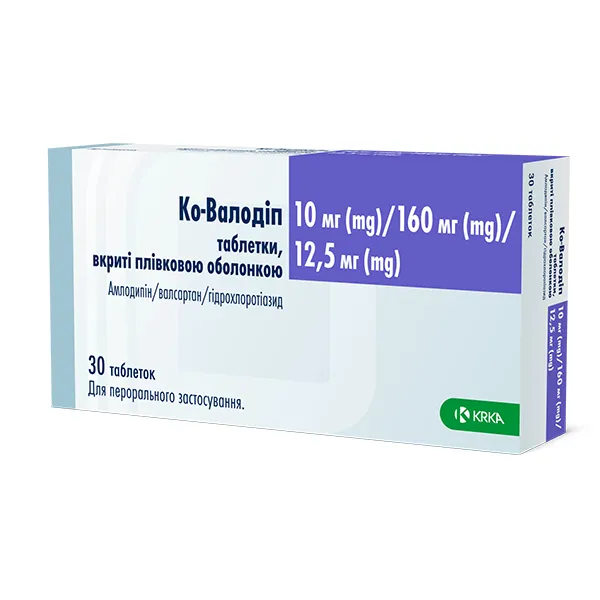
Table of Contents
INSTRUCTIONS FOR MEDICAL USE OF THE MEDICINAL PRODUCT Co-Valodip (Co-Valodip)
Composition:
Active substances: amlodipine as amlodipine besylate, valsartan, hydrochlorothiazide;
One film-coated tablet contains 5 mg amlodipine as amlodipine besylate, 160 mg valsartan and 12.5 mg hydrochlorothiazide, or 10 mg amlodipine as amlodipine besylate, 160 mg valsartan and 12.5 mg hydrochlorothiazide, or 10 mg amlodipine as amlodipine besylate, 160 mg valsartan and 25 mg hydrochlorothiazide;
Excipients: microcrystalline cellulose (type 200), mannitol, magnesium stearate, sodium croscarmellose, povidone K 25, colloidal anhydrous silicon dioxide, sodium lauryl sulfate;
Film coating: polyvinyl alcohol, macrogol 3350, titanium dioxide (E 171), talc, yellow iron oxide (E 172) (only for dosage 10 mg/160 mg/25 mg), red iron oxide (E 172) (only for dosage 10 mg/160 mg/12.5 mg).
Pharmaceutical form. Film-coated tablets.
Main physicochemical properties:
Co-Valodip, film-coated tablets, 5 mg/160 mg/12.5 mg: white or almost white, oval, biconvex film-coated tablets with an engraving "K1" on one side;
Co-Valodip, film-coated tablets, 10 mg/160 mg/12.5 mg: pink, oval, biconvex film-coated tablets with an engraving "K2" on one side;
Co-Valodip, film-coated tablets, 10 mg/160 mg/25 mg: brown-yellow, oval, biconvex film-coated tablets with an engraving "K4" on one side.
Pharmacotherapeutic group.
Angiotensin II antagonists, other combinations. Valsartan, amlodipine and hydrochlorothiazide.
ATC code C09D X01.
Pharmacological Properties.
Pharmacodynamics.
The medicinal product Co-VaLodip contains three antihypertensive agents with complementary mechanisms of blood pressure control in patients with essential hypertension: amlodipine, belonging to the class of calcium channel blockers; valsartan, belonging to the class of angiotensin II antagonists; and hydrochlorothiazide, belonging to the class of thiazide diuretics. The combination of these three components demonstrates mutually complementary antihypertensive effects.
Amlodipine
Amlodipine, a component of Co-VaLodip, inhibits transmembrane influx of calcium ions into cardiac muscle and vascular smooth muscle. The antihypertensive mechanism of amlodipine occurs via direct vasorelaxant effects on vascular smooth muscle, resulting in decreased peripheral vascular resistance and blood pressure.
Experimental data confirm that amlodipine binds at both dihydropyridine and non-dihydropyridine binding sites. Contraction of cardiac and vascular smooth muscle depends on the influx of extracellular calcium into these cells through specific ion channels. Amlodipine at therapeutic doses in patients with arterial hypertension causes vasodilation, leading to reduced blood pressure in both supine and standing positions. This reduction in blood pressure is not accompanied by significant changes in heart rate or plasma catecholamine levels during long-term administration.
Plasma concentrations correlate with effect in both young and elderly patients.
In patients with arterial hypertension and normal renal function, amlodipine at therapeutic doses reduces renal vascular resistance and increases glomerular filtration rate (GFR) and effective renal plasma flow without altering filtration fraction or proteinuria.
As with other calcium channel blockers, hemodynamic measurements of cardiac function at rest and during exercise in patients with normal ventricular function treated with amlodipine generally show a slight increase in cardiac index without significant effects on dP/dt, left ventricular end-diastolic pressure, or volume. Hemodynamic studies using therapeutic doses of amlodipine have not shown negative inotropic effects in intact animals or humans, even when co-administered with beta-blockers in humans.
Amlodipine does not alter sinus node function or atrioventricular conduction in healthy animals or humans. In clinical studies where amlodipine was administered in combination with beta-blockers to patients with arterial hypertension or angina, no changes in electrocardiogram (ECG) parameters were observed.
A positive clinical effect of amlodipine has been observed in patients with chronic stable angina, vasospastic angina, and angiographically confirmed ischemic heart disease.
Valsartan
Valsartan is a potent and specific orally active antagonist of angiotensin II receptors (ARB II). Valsartan acts selectively on the AT1 receptor subtype, which mediates the known effects of angiotensin II.
Administration of valsartan to patients with arterial hypertension leads to reduced blood pressure without affecting pulse rate.
In most patients, after single oral dosing, onset of the antihypertensive effect occurs within 2 hours, and maximum blood pressure reduction is achieved within 4–6 hours. The antihypertensive effect persists for 24 hours after drug administration. With repeated dosing, maximum blood pressure reduction (at all dosage regimens) is typically achieved within 2–4 weeks.
Hydrochlorothiazide
The primary site of action of thiazide diuretics is the distal convoluted tubules of the kidneys. It has been confirmed that high-affinity receptors exist in the renal cortex, which serve as the main binding site for thiazide diuretics and inhibit NaCl transport in the distal convoluted tubules. The mechanism of action of thiazides involves inhibition of Na+Cl– cotransporters, possibly by competing for Cl– binding sites, thereby affecting electrolyte reabsorption mechanisms: directly increasing excretion of sodium and chloride to approximately equivalent degrees, and indirectly, due to diuretic effect, reducing plasma volume, leading to increased plasma renin activity, aldosterone secretion, and urinary potassium excretion, as well as decreased serum potassium levels.
Pharmacokinetics.
Linearity
Amlodipine, valsartan, and hydrochlorothiazide exhibit linear pharmacokinetics.
Amlodipine/Valsartan/Hydrochlorothiazide
After oral administration of the amlodipine/valsartan/hydrochlorothiazide combination to healthy adult volunteers, maximum plasma concentration (Cmax) was reached within 6–8 hours, 3 hours, and 2 hours, respectively. The rate and extent of absorption of amlodipine, valsartan, and hydrochlorothiazide when administered as a fixed-dose combination are similar to those observed when the components are administered as individual medicinal products.
Amlodipine
Absorption. After oral administration of amlodipine alone at therapeutic doses, Cmax is reached within 6–12 hours. Absolute bioavailability ranges from 64% to 80%. Food intake does not affect the bioavailability of amlodipine.
Distribution. The volume of distribution is approximately 21 L/kg. In vitro studies with amlodipine show that approximately 97.5% of the drug in circulating blood is bound to plasma proteins.
Metabolism. Amlodipine is extensively metabolized (approximately 90%) in the liver to inactive metabolites.
Elimination. Amlodipine is eliminated from plasma in a biphasic manner, with a terminal elimination half-life of approximately 30–50 hours. Steady-state plasma concentrations are achieved after 7–8 days of continuous administration. 10% of the initial amlodipine dose and 60% of its metabolites are excreted in urine.
Valsartan
Absorption. After oral administration of valsartan alone, Cmax is reached within 2–4 hours. Mean absolute bioavailability is 23%. Food intake reduces the area under the plasma concentration-time curve (AUC) of valsartan by approximately 40% and Cmax by approximately 50%, although valsartan concentrations are similar in fasting and postprandial groups approximately 8 hours after administration. However, this reduction in AUC is not associated with clinically significant reduction in therapeutic effect; therefore, valsartan can be administered independently of food intake.
Distribution. The steady-state volume of distribution of valsartan after intravenous administration is approximately 17 liters, indicating limited tissue distribution. Valsartan is highly bound to serum proteins (94–97%), primarily to serum albumin.
Metabolism. Valsartan undergoes minimal biotransformation, as only about 20% of the dose is excreted as metabolites. A hydroxymetabolite has been identified in plasma at low concentrations (less than 10% of valsartan AUC). This metabolite is pharmacologically inactive.
Elimination. Valsartan is primarily excreted in feces (approximately 83% of dose) and urine (approximately 13% of dose), mainly as unchanged drug. After intravenous administration, plasma clearance of valsartan is approximately 2 L/hour, and renal clearance is 0.62 L/hour (about 30% of total clearance). The elimination half-life of valsartan is 6 hours.
Hydrochlorothiazide
Absorption. Absorption of hydrochlorothiazide after oral administration is rapid (time to maximum concentration (Tmax) is approximately 2 hours). The increase in mean AUC is linear and proportional to dose within the therapeutic dose range. Any effect of food intake on hydrochlorothiazide absorption is clinically insignificant. Absolute bioavailability of hydrochlorothiazide is 70% after oral administration.
Distribution. Apparent volume of distribution is 4–8 L/kg. Hydrochlorothiazide in circulating blood is bound to plasma proteins (40–70%), primarily to serum albumin. Hydrochlorothiazide also accumulates in erythrocytes at concentrations approximately three times higher than in plasma.
Metabolism. Hydrochlorothiazide is excreted unchanged.
Elimination. Hydrochlorothiazide is eliminated from plasma with a terminal elimination half-life averaging 6 to 15 hours. No changes in hydrochlorothiazide kinetics occur with repeated dosing, and accumulation is minimal with once-daily administration. More than 95% of the absorbed dose is excreted unchanged in urine. Renal clearance involves passive filtration and active tubular secretion.
Special Patient Populations
Children (under 18 years of age)
There are no data on pharmacokinetics in children.
Elderly patients (aged 65 years and older)
Time to reach Cmax of amlodipine is similar in younger and elderly patients. In elderly patients, clearance of amlodipine tends to be reduced, resulting in increased AUC and elimination half-life. Mean systemic AUC of valsartan is 70% higher in elderly patients compared to younger patients; therefore, dose escalation in these patients should be done with caution.
Systemic exposure to valsartan is slightly higher in elderly patients compared to younger patients, but this difference is not clinically significant.
Limited data indicate that systemic clearance of hydrochlorothiazide is reduced in both healthy elderly volunteers and elderly hypertensive patients compared to younger healthy volunteers.
Since all three components of the drug are similarly well tolerated in younger and elderly patients, the recommended standard dosage regimen is applicable (see section "Dosage and Administration").
Renal Impairment
Renal impairment does not significantly affect the pharmacokinetics of amlodipine. As expected for a drug with renal clearance accounting for only 30% of total plasma clearance, no correlation between renal function and systemic exposure to valsartan was observed.
Therefore, patients with mild to moderate renal impairment can be treated with the standard initial dose (see sections "Special Warnings and Precautions for Use" and "Dos游戏副本
Clinical characteristics.
Indications.
Treatment of essential hypertension in adult patients whose blood pressure is adequately controlled with the combination of amlodipine, valsartan, and hydrochlorothiazide, and who are taking three separate medications or two medications, one of which is a combination product.
Contraindications.
- Hypersensitivity to the active substances, other sulfonamides, dihydropyridine derivatives, or to any excipient of the medicinal product.
- Pregnancy or planning for pregnancy (see section "Use in pregnancy or breastfeeding").
- Impaired liver function, biliary cirrhosis, or cholestasis.
- Severe renal impairment (glomerular filtration rate (GFR) <30 mL/min/1.73 m²), anuria, or dialysis.
- Concomitant use with medicinal products containing aliskiren in patients with diabetes mellitus or renal impairment (GFR < 60 mL/min/1.73 m²).
- Refractory hypokalemia, hyponatremia, hypercalcemia, symptomatic hyperuricemia.
- Severe arterial hypotension.
- Shock (including cardiogenic shock).
- Obstruction of the left ventricular outflow tract (e.g. hypertrophic obstructive cardiomyopathy and severe aortic stenosis).
- Hemodynamically unstable heart failure following acute myocardial infarction.
Interaction with other medicinal products and other forms of interaction.
No studies on drug interactions of the combined amlodipine/valsartan/hydrochlorothiazide medicinal product with other drugs have been conducted. This section provides information only on interactions known for each individual active ingredient.
However, it is important to note that the medicinal product Co-Vaolodip may enhance the hypotensive effect of other antihypertensive agents.
Concomitant use not recommended
| Components Co-Vaolodip |
Known interactions with the following medicinal products |
Effect of interaction with other medicinal products |
| Valsartan and hydrochlorothiazide |
Lithium |
Reversible increases in serum lithium concentration and lithium toxicity have been reported during concomitant use of lithium with angiotensin-converting enzyme (ACE) inhibitors, angiotensin II receptor antagonists (ARBs), including valsartan, or thiazide diuretics such as hydrochlorothiazide. Since renal clearance of lithium is reduced by thiazides, the risk of lithium toxicity may be increased when using Co-Vaolodip. Therefore, careful monitoring of serum lithium levels is recommended when these agents are used concomitantly. |
| Valsartan |
Potassium-sparing diuretics, potassium supplements, potassium-containing salt substitutes, and other medicinal products that may increase potassium levels |
If co-administration of a medicinal product affecting potassium levels with valsartan is necessary, frequent monitoring of plasma potassium levels is recommended. |
| Amlodipine |
Grapefruit or grapefruit juice |
Concomitant use of amlodipine with grapefruit or grapefruit juice is not recommended, as it may increase bioavailability in some patients, leading to an enhanced blood pressure-lowering effect. |
Concomitant use requires caution
| Components of Co-Valodipine |
Known interactions with the following medicinal products |
Effect of interaction with other medicinal products |
| Amlodipine |
CYP3A4 inhibitors (such as ketoconazole, itraconazole, ritonavir) |
Concomitant use of amlodipine with strong or moderate CYP3A4 inhibitors (protease inhibitors, azole antifungals, macrolides such as erythromycin or clarithromycin, verapamil or diltiazem) may lead to a significant increase in amlodipine exposure. Clinical manifestations of these pharmacokinetic changes may be more pronounced in elderly patients. Therefore, clinical monitoring and dose adjustment may be required. |
| CYP3A4 inducers (anticonvulsants [such as carbamazepine, phenobarbital, phenytoin, fosphenytoin, primidone], rifampicin, St. John's wort) |
Plasma concentrations of amlodipine may be altered when co-administered with known CYP3A4 inducers. Therefore, blood pressure should be monitored with possible dose adjustment of both drugs during or after their concomitant use, especially with strong CYP3A4 inducers (e.g., rifampicin, St. John's wort). |
|
| Simvastatin |
Repeated doses of 10 mg amlodipine with 80 mg simvastatin result in a 77% increase in simvastatin exposure compared to simvastatin alone. A daily simvastatin dose reduction to 20 mg is recommended for patients taking amlodipine. |
|
| Dantrolene (infusions) |
Lethal cases due to ventricular fibrillations and cardiovascular collapse associated with hyperkalemia have been observed in animals after intravenous administration of verapamil and dantrolene. Due to the risk of hyperkalemia, concomitant use of calcium channel blockers such as amlodipine should be avoided in patients susceptible to malignant hyperthermia and during treatment of malignant hyperthermia. |
|
| Tacrolimus |
There is a risk of increased blood levels of tacrolimus when used concomitantly with amlodipine. To avoid tacrolimus toxicity, monitoring of its blood levels and, if necessary, dose adjustment should be performed during amlodipine treatment. |
|
| Valsartan and hydrochlorothiazide |
Non-steroidal anti-inflammatory drugs (NSAIDs), including selective COX-2 inhibitors, acetylsalicylic acid (>3 g/day), and non-selective NSAIDs |
NSAIDs may reduce the antihypertensive effect of both angiotensin II antagonists and hydrochlorothiazide when used concomitantly. Additionally, concomitant use of the combination product with NSAIDs may lead to impaired renal function and increased serum potassium levels. Therefore, monitoring of renal function at the start of treatment and appropriate patient hydration are recommended. |
| Valsartan |
Uptake transporter inhibitors (rifampicin, cyclosporine) or efflux transporter inhibitors (ritonavir) |
In vitro studies using human liver tissue have shown that valsartan is a substrate of the hepatic uptake transporter OATP1B1 and the hepatic efflux transporter MRP2. Concomitant use of uptake transporter inhibitors (rifampicin, cyclosporine) or efflux transporter inhibitors (ritonavir) may increase systemic exposure to valsartan. |
| Hydrochlorothiazide |
Alcohol, barbiturates, or narcotic drugs |
Concomitant use of thiazide diuretics with substances that also lower blood pressure (e.g., those reducing central nervous system sympathetic activity or causing direct vasodilation) may enhance orthostatic hypotension. |
| Amantadine |
Thiazides, including hydrochlorothiazide, may increase the risk of adverse reactions caused by amantadine. |
|
| Anticholinergic drugs and other drugs affecting gastrointestinal motility |
Bioavailability of thiazide diuretics may be increased by anticholinergic drugs (e.g., atropine, biperiden), likely due to reduced gastrointestinal motility and delayed gastric emptying. Conversely, prokinetic agents such as cisapride may reduce the bioavailability of thiazide diuretics. |
|
| Antidiabetic drugs (e.g., insulin and oral antidiabetic agents) |
Thiazides may alter glucose tolerance. It may be necessary to re-adjust the dose of insulin and oral hypoglycemic agents. |
|
| Metformin |
Metformin should be used with caution due to the risk of lactic acidosis induced by possible functional renal impairment associated with hydrochlorothiazide use. |
|
| Beta-blockers and diazoxide |
Concomitant use of thiazide diuretics, including hydrochlorothiazide, with beta-blockers may enhance the risk of hyperglycemia. Thiazide diuretics, including hydrochlorothiazide, may enhance the hyperglycemic effect of diazoxide. |
|
| Carbamazepine |
Hypotension may develop in patients receiving hydrochlorothiazide concomitantly with carbamazepine. Therefore, patients should be warned about the possibility of hyponatremic reactions and monitored. |
|
| Cyclosporine |
Concomitant treatment with cyclosporine may increase the risk of hyperuricemia and gout-like complications. |
|
| Cytotoxic drugs |
Thiazides, including hydrochlorothiazide, may reduce renal excretion of cytotoxic drugs (e.g., cyclophosphamide, methotrexate) and potentiate their myelosuppressive effect. |
|
| Cardiac glycosides |
Thiazide-induced hypokalemia or hypomagnesemia may occur as adverse effects, predisposing to digoxin-induced cardiac arrhythmias. |
|
| Iodine-containing contrast agents |
There is an increased risk of acute renal failure, especially with high iodine doses, in cases of diuretic-induced dehydration. Rehydration should be performed prior to administration. |
|
| Ion-exchange resins |
Absorption of thiazide diuretics, including hydrochlorothiazide, is reduced by cholestyramine or colestipol, potentially leading to subtherapeutic effects. However, separating the administration of hydrochlorothiazide and the resin so that hydrochlorothiazide is taken at least 4 hours before or 4–6 hours after the resin may minimize this interaction. |
|
| Drugs affecting potassium levels |
The hypokalemic effect of hydrochlorothiazide may be enhanced by potassium-wasting diuretics, corticosteroids, laxatives, adrenocorticotropic hormone (ACTH), amphotericin, carbenoxolone, penicillin G, salicylate derivatives, and antiarrhythmic agents. If such drugs are prescribed with the amlodipine/valsartan/hydrochlorothiazide combination, monitoring of plasma potassium levels is recommended. |
|
| Drugs affecting sodium levels |
The hyponatremic effect of diuretics may be enhanced when used concomitantly with antidepressants, antipsychotics, antiepileptics, etc. Caution is required during prolonged use of these drugs. |
|
| Drugs that may cause «torsades de pointes» |
Due to the risk of hypokalemia, hydrochlorothiazide should be used cautiously with drugs that may cause «torsades de pointes», particularly class Ia and class III antiarrhythmics, and some antipsychotics. |
|
| Drugs used to treat gout (probenecid, sulfinpyrazone, and allopurinol) |
Dose adjustment of uricosuric drugs may be necessary since hydrochlorothiazide may increase serum uric acid levels. Increased doses of probenecid or sulfinpyrazone may be required. Concomitant use of thiazide diuretics, including hydrochlorothiazide, may increase the frequency of hypersensitivity reactions to allopurinol. |
|
| Methyldopa |
Isolated reports of hemolytic anemia have occurred with concomitant use of hydrochlorothiazide and methyldopa. |
|
| Non-depolarizing skeletal muscle relaxants (e.g., tubocurarine) |
Thiazides, including hydrochlorothiazide, potentiate the action of curare derivatives. |
|
| Other antihypertensive drugs |
Thiazides potentiate the antihypertensive effect of other antihypertensive drugs (such as guanethidine, methyldopa, beta-blockers, vasodilators, calcium channel blockers, ACE inhibitors, angiotensin receptor blockers, and direct renin inhibitors). |
|
| Pressor amines (e.g., noradrenaline, adrenaline) |
Hydrochlorothiazide may reduce the response to pressor amines such as noradrenaline. The clinical significance of this effect is uncertain and insufficient to warrant discontinuation of their use. |
|
| Vitamin D and calcium salts |
Concomitant use of thiazide diuretics, including hydrochlorothiazide, with vitamin D or calcium salts may potentiate increased serum calcium levels. Concomitant use of thiazide diuretics may lead to hypercalcemia in predisposed patients (e.g., hyperparathyroidism, malignancies, or vitamin D-mediated states) due to increased tubular reabsorption of calcium. |
Dual blockade of the renin-angiotensin-aldosterone system (RAAS) with ARAs II, ACE inhibitors, or aliskiren
Clinical data have shown that dual blockade of the RAAS by concomitant use of ACE inhibitors, ARAs II, or aliskiren is associated with an increased risk of adverse reactions such as arterial hypotension, hyperkalemia, and renal dysfunction (including acute renal failure), compared to monotherapy with a drug acting on the RAAS (see sections "Pharmacodynamics", "Contraindications", and "Special precautions for use").
Special precautions for use.
The safety and efficacy of amlodipine in hypertensive crisis have not been studied.
Patients with sodium deficiency and dehydration
Excessive arterial hypotension, including orthostatic hypotension, was observed in 1.7% of patients receiving the maximum dose of the combination of amlodipine, valsartan, and hydrochlorothiazide (10 mg/320 mg/25 mg), compared with 1.8% of patients receiving valsartan/hydrochlorothiazide (320 mg/25 mg), 0.4% of patients receiving amlodipine/valsartan (10 mg/320 mg), and 0.2% of patients receiving hydrochlorothiazide/amlodipine (25 mg/10 mg) in a controlled study involving patients with moderate or severe uncomplicated arterial hypertension.
Symptomatic arterial hypotension may occur in patients with salt depletion and/or dehydration who are receiving high-dose diuretics upon initiation of Co-VaLodip. The medicinal product Co-VaLodip may be administered only after correction of salt depletion and/or dehydration.
If marked arterial hypotension occurs during treatment, the patient should be placed in a supine position with legs elevated, and if necessary, intravenous infusion of physiological saline should be administered. Treatment may be continued after stabilization of blood pressure.
Changes in serum electrolyte levels
Amlodipine/valsartan/hydrochlorothiazide
The opposing effects of valsartan 320 mg and hydrochlorothiazide 25 mg on serum potassium levels approximately balance each other in many patients. In other patients, one effect may predominate.
Serum electrolyte levels should be monitored periodically to detect potential electrolyte imbalance.
Periodic determination of serum electrolytes and potassium should be performed at appropriate intervals to prevent possible electrolyte imbalance, especially in patients with risk factors such as renal dysfunction, treatment with other medications, or history of electrolyte imbalance.
Valsartan
Concomitant use with potassium-containing supplements, potassium-sparing diuretics, potassium-containing salt substitutes, or other drugs that may increase potassium levels (e.g., heparin) is not recommended. If necessary, potassium levels should be monitored.
Hydrochlorothiazide
Hypokalemia has been reported during treatment with thiazide diuretics, including hydrochlorothiazide.
Treatment with Co-VaLodip should be initiated only after correction of hypokalemia and any coexisting hypomagnesemia. Thiazide diuretics may cause hypokalemia or exacerbate pre-existing hypokalemia. Thiazide diuretics should be used with caution in patients with conditions involving potassium loss, such as salt-wasting nephropathy and prerenal (cardiogenic) renal dysfunction. If hypokalemia develops during hydrochlorothiazide therapy, the use of the combination product should be discontinued until potassium balance is stably corrected.
Thiazide diuretics may cause hyponatremia and hypochloremic alkalosis or exacerbate existing hyponatremia. Hyponatremia associated with neurological symptoms (nausea, progressive disorientation, apathy) has been observed. Hydrochlorothiazide treatment should be initiated only after correction of existing hyponatremia. In cases of severe or rapidly developing hyponatremia during Co-VaLodip use, treatment should be discontinued until sodium levels normalize. Thiazides, including hydrochlorothiazide, increase urinary magnesium excretion, which may lead to hypomagnesemia. Thiazide diuretics reduce calcium excretion, which may lead to hypercalcemia.
All patients receiving thiazide diuretics require periodic monitoring of electrolyte levels, particularly potassium, sodium, and magnesium.
Renal impairment
Thiazide diuretics may accelerate azotemia in patients with chronic kidney disease.
Periodic monitoring of serum electrolytes (including potassium), creatinine, and uric acid is recommended in patients with renal impairment receiving Co-VaLodip. Co-VaLodip is contraindicated in patients with severe renal impairment, anuria, or those undergoing dialysis.
Dosage adjustment of the combination product is not required in patients with mild to moderate renal impairment (eGFR ≥30 mL/min/1.73m²).
Renal artery stenosis
The product should be used with caution in the treatment of arterial hypertension in patients with unilateral or bilateral renal artery stenosis or stenosis of a solitary kidney, as serum urea and creatinine levels may increase.
Kidney transplantation
There is currently no information on the safety of using the product in patients who have recently undergone kidney transplantation.
Hepatic impairment
Valsartan is primarily excreted unchanged in bile. The elimination half-life of amlodipine is prolonged and AUC is higher in patients with hepatic impairment; dosage recommendations are lacking. For patients with mild to moderate hepatic impairment not associated with cholestasis, the maximum recommended dose of valsartan is 80 mg. Therefore, Co-VaLodip is not recommended for this patient group (see sections "Pharmacokinetics", "Contraindications", and "Dosage and administration").
Angioedema
Angioedema, including laryngeal and glottal edema that may lead to airway obstruction, and/or facial, lip, pharyngeal, and/or tongue swelling, has been observed in patients taking valsartan. Some of these patients had a history of angioedema with other drugs, including ACE inhibitors. Co-VaLodip should be discontinued immediately if angioedema occurs; re-administration is not recommended.
Intestinal angioedema
Intestinal angioedema has been reported in patients receiving angiotensin II receptor antagonists (see section "Adverse reactions"). Symptoms in these patients included abdominal pain, nausea, vomiting, and diarrhea. Symptoms resolved after discontinuation of angiotensin II receptor antagonists. If intestinal angioedema is diagnosed, the medicinal product should be discontinued and appropriate monitoring initiated until complete resolution of symptoms.
Heart failure and coronary artery disease/post-myocardial infarction state
Due to inhibition of the RAAS, renal dysfunction may be expected in sensitive patients. In patients with severe heart failure, in whom renal function may depend on RAAS activity, treatment with ACE inhibitors and ARAs may lead to oliguria and/or progressive azotemia (rarely) with acute renal failure and/or fatal outcomes. Similar outcomes have been reported with valsartan. Evaluation of patients with heart failure or post-myocardial infarction should always include assessment of renal function.
In a long-term placebo-controlled study of amlodipine (PRAISE-2) in patients with NYHA (New York Heart Association) class III and IV non-ischemic heart failure, the incidence of pulmonary edema was higher with amlodipine, despite minimal differences in the development or worsening of heart failure compared to placebo.
Calcium channel blockers, including amlodipine, should be used with caution in patients with congestive heart failure, as they may increase the risk of cardiovascular disease and fatal outcomes.
The product should be prescribed with caution in patients with heart failure and coronary artery disease, especially at the maximum combination dose of 10 mg/320 mg/25 mg, as data on use in this patient group are limited.
Aortic and mitral valve stenosis
As with other vasodilators, the product should be used with particular caution in patients with mild aortic or mitral valve stenosis.
Pregnancy
Treatment with ARAs II should not be initiated during pregnancy. If continued therapy with ARAs II is necessary, patients planning pregnancy should switch to alternative antihypertensive agents with established safety profiles during pregnancy. If pregnancy occurs, ARA II treatment should be discontinued immediately, and alternative therapy initiated if necessary.
Primary hyperaldosteronism
Patients with primary hyperaldosteronism should not be treated with the angiotensin II antagonist valsartan, as the renin-angiotensin system is not activated in these patients. Therefore, Co-VaLodip is not recommended for this patient group.
Systemic lupus erythematosus
Thiazide diuretics, including hydrochlorothiazide, have been reported to exacerbate or activate systemic lupus erythematosus.
Other metabolic disturbances
Thiazide diuretics, including hydrochlorothiazide, may alter glucose tolerance and increase serum cholesterol, triglycerides, and uric acid levels. Dose adjustment of insulin or oral hypoglycemic agents may be necessary in patients with diabetes.
Since Co-VaLodip contains hydrochlorothiazide, it is contraindicated in systemic hyperuricemia. Hydrochlorothiazide may increase serum uric acid levels due to decreased uric acid clearance and may cause exacerbation of hyperuricemia and acute gout attacks in susceptible patients.
Thiazides may reduce urinary calcium excretion and cause transient and slight increases in serum calcium levels in the absence of known calcium metabolism disorders. Co-VaLodip treatment should be discontinued if hypercalcemia develops during therapy. Serum calcium levels should be monitored periodically during thiazide therapy. Marked hypercalcemia may indicate occult hyperparathyroidism. Thiazide use should be discontinued prior to parathyroid function testing.
Photosensitivity
Cases of photosensitivity reactions have been reported with thiazide diuretics (see section "Adverse reactions"). If photosensitivity reactions occur during treatment, discontinuation of therapy is recommended. If resumption of diuretic therapy is considered necessary, protection of exposed skin from sunlight or artificial ultraviolet radiation is recommended.
Choroidal effusion, acute myopia, and secondary angle-closure glaucoma
Sulfonamide or sulfonamide-derived drugs may cause an idiosyncratic reaction leading to choroidal effusion with visual field defects, transient myopia, and acute angle-closure glaucoma. Symptoms include acute onset of decreased visual acuity or eye pain and usually occur within hours to weeks of starting the drug. Untreated angle-closure glaucoma may lead to irreversible vision loss.
Hydrochlorothiazide should be discontinued as soon as possible. If intraocular pressure remains uncontrolled, immediate medical or surgical treatment should be considered. Risk factors for angle-closure glaucoma may include a history of sulfonamide or penicillin allergy.
General
The product should be prescribed with caution in patients who have experienced hypersensitivity to other ARAs II. Hypersensitivity reactions to hydrochlorothiazide are more likely in patients with allergies or asthma.
Elderly patients (aged 65 years and older)
The product should be prescribed with caution, particularly with frequent blood pressure monitoring, in elderly patients, especially at maximum doses of 10 mg/320 mg/25 mg, as data on use in this patient group are limited.
Dual blockade of the RAAS
Evidence indicates that concomitant use of ACE inhibitors, ARAs II, or aliskiren increases the risk of arterial hypotension, hyperkalemia, and renal dysfunction (including acute renal failure).
Therefore, dual blockade of the RAAS by concomitant use of ACE inhibitors, ARAs II, or aliskiren is not recommended.
If dual blockade is required, it should be performed under close specialist supervision with continuous monitoring of renal function, electrolyte levels, and blood pressure. Concomitant use of ACE inhibitors and ARAs II is not recommended in patients with diabetic nephropathy.
Non-melanoma skin cancer
An increased risk of non-melanoma skin cancer (NMSC) [basal cell carcinoma (BCC) and squamous cell carcinoma (SCC)] with increasing cumulative dose of hydrochlorothiazide was observed in two epidemiological studies based on the Danish National Cancer Registry. The photosensitizing effect of hydrochlorothiazide may be a possible mechanism for NMSC development.
Patients taking hydrochlorothiazide should be informed about the risk of NMSC and the need to regularly check their skin for new lesions and promptly report any suspicious skin changes. Preventive measures, such as limiting exposure to sunlight and ultraviolet radiation, and appropriate protection when exposure occurs, should be advised to minimize the risk of skin cancer. Suspicious skin lesions should be promptly evaluated, potentially including histological examination of biopsies. The use of hydrochlorothiazide should also be reconsidered in patients with a history of NMSC (see also section "Adverse reactions").
Acute respiratory toxicity
Very rare cases of acute respiratory toxicity, including acute respiratory distress syndrome (ARDS), have been reported after hydrochlorothiazide administration. Pulmonary edema usually develops within minutes or hours after hydrochlorothiazide intake. Initial symptoms include dyspnea, fever, worsening pulmonary function, and arterial hypotension. If ARDS is suspected, Co-VaLodip should be discontinued and appropriate treatment initiated. Hydrochlorothiazide should not be administered to patients who previously experienced ARDS after hydrochlorothiazide.
Sodium
This product contains less than 1 mmol sodium (23 mg) per film-coated tablet, i.e., essentially sodium-free.
Use during pregnancy or breastfeeding.
Pregnancy
Amlodipine
The safety of amlodipine during pregnancy has not been established. Reproductive toxicity was observed in animal studies at high doses. Use during pregnancy is recommended only if no safer alternative is available and if the condition poses greater risk to the pregnant woman and fetus.
Valsartan
The product is contraindicated during pregnancy or in women planning pregnancy. If pregnancy is confirmed during treatment with this medicinal product, its use must be discontinued immediately and, if necessary, replaced with another agent approved for use during pregnancy.
Epidemiological data on teratogenic risk after ACE inhibitor use during the first trimester of pregnancy are inconclusive; however, a small increased risk cannot be excluded. Although controlled epidemiological data on ARAs II are lacking, a similar risk may exist with drugs of this class.
If pregnancy is confirmed during therapy, the drug should be discontinued immediately and, if necessary, replaced with another agent approved for use during pregnancy.
Exposure to ARAs II during the second and third trimesters is known to have toxic effects on the human fetus (impaired renal function, oligohydramnios, delayed skull ossification) and newborn (renal failure, arterial hypotension, hyperkalemia).
If ARAs II were used starting from the second trimester of pregnancy, ultrasound assessment of fetal renal function and skull ossification is recommended.
Newborns whose mothers took ARAs II should be closely monitored for the development of arterial hypotension (see sections "Contraindications" and "Special precautions for use").
Hydrochlorothiazide
Experience with hydrochlorothiazide use during pregnancy, especially in the first trimester, is limited. Data from animal studies are insufficient.
Hydrochlorothiazide crosses the placenta. The pharmacological mechanism of action of hydrochlorothiazide suggests that its use during the second and third trimesters of pregnancy may impair fetoplacental perfusion and cause fetal and neonatal effects such as jaundice, electrolyte imbalance, and thrombocytopenia, and may also be associated with other adverse reactions observed in adults.
Amlodipine/valsartan/hydrochlorothiazide
There is no experience with the use of the combination product in pregnant women. Available data on the components suggest that Co-VaLodip is contraindicated during pregnancy (see sections "Contraindications" and "Special precautions for use").
Period of breastfeeding
Amlodipine passes into breast milk. The infant's exposure was estimated at an interquartile range of 3–7%, with a maximum of 15% of the maternal dose. The effect of amlodipine on the infant is unknown. Information on the use of valsartan during breastfeeding is lacking. Hydrochlorothiazide is excreted in breast milk in small amounts. High-dose thiazides causing strong diuresis may interfere with breast milk production. The use of Co-VaLodip is contraindicated during breastfeeding. Alternative treatments with better-established safety profiles should be used during breastfeeding, especially when nursing a newborn or preterm infant.
Fertility
There are no clinical studies on fertility with the combined product.
Valsartan
Valsartan had no adverse effect on reproductive function in male or female rats at oral doses up to 200 mg/kg/day. This dose is 6 times the maximum recommended human dose based on mg/m² (calculations assume an oral dose of 320 mg/day for a 60 kg patient).
Amlodipine
Reversible biochemical changes in sperm heads have been reported in some patients receiving calcium channel blockers. Clinical data are insufficient regarding the potential effect of amlodipine on fertility. An adverse effect on male fertility was observed in one rat study.
Ability to influence reaction speed when driving or operating machinery.
Dizziness or weakness may occur in patients taking Co-VaLodip, and patients should take this into account when driving or operating potentially hazardous machinery.
Amlodipine may have a weak or moderate effect on the ability to drive or operate machinery. If patients experience dizziness, headache, fatigue, or nausea during amlodipine treatment, their reaction time may be impaired.
Method of Administration and Dosage
Dosage
The recommended dose of Co-Valodip is 1 tablet per day, preferably in the morning.
Prior to initiating therapy with Co-Valodip, the patient's condition should be stabilized on unchanged doses of individual monotherapy agents taken concomitantly. The dose of Co-Valodip should be based on the doses of the individual components of the combination being used at the time of switching. The maximum recommended dose of the amlodipine/valsartan/hydrochlorothiazide combination is 10 mg/320 mg/25 mg.
Special Patient Groups
Renal Impairment
Since hydrochlorothiazide is a component of the medicinal product, Co-Valodip is contraindicated in patients with anuria and severe renal impairment (GFR <30 mL/min/1.73 m²) (see sections "Pharmacokinetics", "Contraindications", and "Special Warnings and Precautions for Use").
Dosage adjustment is not required in patients with mild to moderate renal impairment.
Hepatic Impairment
Since valsartan is a component of the medicinal product, Co-Valodip is contraindicated in patients with severe hepatic impairment. In patients with mild to moderate hepatic impairment not associated with cholestasis, the maximum recommended dose of valsartan is 80 mg; therefore, Co-Valodip is not recommended for this patient group (see sections "Pharmacokinetics", "Contraindications", and "Special Warnings and Precautions for Use"). Dosage recommendations for amlodipine in patients with mild to moderate hepatic impairment have not been established. When switching patients with arterial hypertension and hepatic impairment to Co-Valodip, the lowest available dose of amlodipine should be used.
Heart Failure and Coronary Artery Disease
Experience with the use of Co-Valodip, particularly at maximum doses, in patients with heart failure and coronary artery disease is limited. Co-Valodip should be used with caution in patients with heart failure and coronary artery disease, especially at the maximum dose of 10 mg/320 mg/25 mg.
Elderly Patients (aged 65 years and older)
Co-Valodip should be prescribed with caution, including frequent monitoring of blood pressure, in elderly patients, particularly at the maximum dose of 10 mg/320 mg/25 mg, due to limited data in this patient population. When switching elderly patients to Co-Valodip, the lowest available dose of amlodipine should be used.
Method of Administration
Co-Valodip may be administered independently of food intake. Tablets should be swallowed whole with water, at the same time each day, preferably in the morning.
Children
There is no appropriate use of Co-Valodip in children under 18 years of age for the indication essential hypertension.
Overdose.
Symptoms
There are no data on overdose with the amlodipine/valsartan/hydrochlorothiazide combination. The main symptom of overdose may be pronounced arterial hypotension accompanied by dizziness. Amlodipine overdose may lead to marked peripheral vasodilation and possibly reflex tachycardia. Severe and potentially prolonged systemic hypotension, including shock with fatal outcome, has been reported with amlodipine use.
Rare cases of non-cardiogenic pulmonary edema have been reported as a consequence of amlodipine overdose, which may present with delayed onset (24–48 hours after ingestion) and may require mechanical ventilation. Early resuscitative measures (including fluid loading) to support perfusion and cardiac output may act as triggering factors.
Treatment
Amlodipine/valsartan/hydrochlorothiazide
Clinically significant arterial hypotension due to overdose requires active cardiovascular support, including continuous monitoring of cardiac and respiratory function, elevation of the lower limbs, monitoring of circulating blood volume, and diuresis. Vasoconstrictors may be appropriate to restore vascular tone and blood pressure, provided there are no contraindications to their use. Intravenous administration of calcium gluconate may be effective in reversing calcium channel blockade effects.
Amlodipine
If only a short time has elapsed since ingestion, induction of emesis or gastric lavage should be considered. Administration of activated charcoal to healthy volunteers immediately or 2 hours after amlodipine intake significantly reduced its absorption.
Amlodipine is unlikely to be removed by hemodialysis.
Valsartan
Valsartan is unlikely to be removed by hemodialysis.
Hydrochlorothiazide
Hydrochlorothiazide overdose is associated with electrolyte depletion (hypokalemia, hypochloremia) and hypovolemia due to excessive diuresis. The most common symptoms of overdose are nausea and drowsiness. Hypokalemia may lead to muscle cramps and/or exacerbation of arrhythmias, particularly in patients receiving concomitant digitalis glycosides or certain antiarrhythmic drugs.
The extent to which hydrochlorothiazide is removed by hemodialysis has not been established.
Adverse reactions
Very common (≥1/10); common (from ≥1/100 to <1/10); uncommon (from ≥1/1000 to <1/100); rare (from ≥1/10000 to <1/1000); very rare (<1/10000); not known (cannot be estimated from the available data).
The safety profile of the amlodipine/valsartan/hydrochlorothiazide combination presented below is based on clinical studies of the medicinal product and the well-known safety profiles of its individual components: amlodipine, valsartan, and hydrochlorothiazide.
The adverse reactions listed in the table below are categorized by system organ classes (MedDRA) and frequency, and are presented for both the amlodipine/valsartan/hydrochlorothiazide medicinal product and each individual component separately.
| MedDRA System Organ Class |
Adverse Reactions |
Frequency |
|||
| amlodipine/ valsartan/ hydrochlorothiazide |
amlodipine |
valsartan |
hydrochloro- thiazide |
||
| Benign, malignant and unspecified neoplasms (including cysts and polyps) |
NMPA (CCB and RAS) |
|
|
|
unknown |
| Blood and lymphatic system disorders |
agranulocytosis, bone marrow depression |
|
|
|
very rare |
| decreased hemoglobin and hematocrit levels |
|
|
unknown |
|
|
| hemolytic anemia |
|
|
|
very rare |
|
| leukopenia |
|
very rare |
|
very rare |
|
| neutropenia |
|
|
unknown |
|
|
| thrombocytopenia, sometimes with purpura |
|
very rare |
unknown |
rare |
|
| aplastic anemia |
|
|
|
unknown |
|
| Immune system disorders |
hypersensitivity |
|
very rare |
unknown |
very rare |
| Metabolism and nutrition disorders |
anorexia |
uncommon |
|
|
|
| hypercalcemia |
uncommon |
|
|
rare |
|
| hyperglycemia |
|
very rare |
|
rare |
|
| hyperlipidemia |
uncommon |
|
|
|
|
| hyperuricemia |
uncommon |
|
|
common |
|
| hyperchloremic alkalosis |
|
|
|
very rare |
|
| hypokalemia |
common |
|
|
very common |
|
| hypomagnesemia |
|
|
|
common |
|
| hyponatremia |
uncommon |
|
|
common |
|
| worsening of metabolic signs of diabetes |
|
|
|
rare |
|
| Psychiatric disorders |
depression |
|
uncommon |
|
rare |
| insomnia/ sleep disturbances |
uncommon |
uncommon |
|
rare |
|
| mood changes |
|
uncommon |
|
||
| disorientation |
|
rare |
|
|
|
| Nervous system disorders |
coordination disorder |
uncommon |
|
|
|
| dizziness |
common |
common |
|
rare |
|
| postural dizziness, effort dizziness |
uncommon |
|
|
|
|
| dysgeusia |
uncommon |
uncommon |
|
|
|
| extrapyramidal syndrome |
|
unknown |
|
|
|
| headache |
common |
common |
|
rare |
|
| hypertension |
|
very rare |
|
|
|
| lethargy |
uncommon |
|
|
|
|
| paraesthesia |
uncommon |
uncommon |
|
rare |
|
| peripheral neuropathy, neuropathy |
uncommon |
very rare |
|
|
|
| sleepiness |
uncommon |
common |
|
|
|
| syncope |
uncommon |
uncommon |
|
|
|
| tremor |
|
uncommon |
|
|
|
| hypoesthesia |
|
uncommon |
|
|
|
| Eye disorders |
vision impairment |
uncommon |
uncommon |
|
rare |
| visual disturbances |
|
uncommon |
|
|
|
| acute angle-closure glaucoma |
|
|
|
unknown |
|
| choroidal effusion |
unknown |
||||
| Ear and labyrinth disorders |
tinnitus |
|
uncommon |
|
|
| vertigo |
uncommon |
|
uncommon |
|
|
| Cardiac disorders |
palpitations |
|
common |
|
|
| tachycardia |
uncommon |
|
|
|
|
| arrhythmia (including bradycardia, ventricular tachycardia, atrial fibrillation) |
|
very rare |
|
rare |
|
| myocardial infarction |
|
very rare |
|
|
|
| Vascular disorders |
flushing |
|
common |
|
|
| arterial hypotension |
common |
uncommon |
|
|
|
| orthostatic hypotension |
uncommon |
|
|
common |
|
| phlebitis, thrombophlebitis |
uncommon |
|
|
|
|
| vasculitis |
|
very rare |
unknown |
|
|
| Respiratory, thoracic and mediastinal disorders |
cough |
uncommon |
very rare |
uncommon |
|
| dyspnea |
uncommon |
uncommon |
|
|
|
| respiratory distress, pulmonary edema, pneumonitis |
|
|
|
very rare |
|
| rhinitis |
|
uncommon |
|
|
|
| throat irritation |
uncommon |
|
|
|
|
| acute respiratory distress syndrome (ARDS) (see section "Special warnings and precautions for use") |
|
|
|
very rare |
|
| Gastrointestinal disorders |
abdominal discomfort, upper abdominal pain |
uncommon |
common |
uncommon |
rare |
| bad breath |
uncommon |
|
|
|
|
| change in defecation frequency |
|
uncommon |
|
|
|
| constipation |
|
|
|
rare |
|
| decreased appetite |
|
|
|
common |
|
| diarrhea |
uncommon |
uncommon |
|
rare |
|
| dry mouth |
uncommon |
uncommon |
|
|
|
| dyspepsia |
common |
uncommon |
|
|
|
| gastritis |
|
very rare |
|
|
|
| gingival hyperplasia |
|
very rare |
|
|
|
| nausea |
uncommon |
common |
|
common |
|
| pancreatitis |
|
very rare |
|
very rare |
|
| vomiting |
uncommon |
uncommon |
|
common |
|
| intestinal angioneurotic edema |
|
|
very rare |
|
|
| Hepatobiliary disorders |
elevated liver enzymes, including elevated serum bilirubin levels |
|
very rare* |
unknown |
|
| hepatitis |
|
very rare |
|
|
|
| intrahepatic cholestasis, jaundice |
|
very rare |
|
rare |
|
| Skin and subcutaneous tissue disorders |
alopecia |
|
uncommon |
|
|
| angioedema |
|
very rare |
unknown |
|
|
| bullous dermatitis |
|
|
unknown |
|
|
| skin reactions similar to lupus erythematosus, reactivation of cutaneous lupus erythematosus |
|
|
|
very rare |
|
| multiform erythema |
|
very rare |
|
unknown |
|
| exanthema |
|
uncommon |
|
|
|
| hyperhidrosis |
uncommon |
uncommon |
|
|
|
| photosensitivity reactions** |
|
very rare |
|
rare |
|
| itching |
uncommon |
uncommon |
unknown |
|
|
| purpura |
|
uncommon |
|
rare |
|
| rash |
|
uncommon |
unknown |
common |
|
| skin color changes |
|
uncommon |
|
|
|
| urticaria |
|
very rare |
|
common |
|
| necrotizing vasculitis and toxic epidermal necrolysis |
|
unknown |
|
very rare |
|
| exfoliative dermatitis |
|
very rare |
|
|
|
| Stevens-Johnson syndrome |
|
very rare |
|
|
|
| Quincke's edema |
|
very rare |
|
|
|
| Musculoskeletal and connective tissue disorders |
arthralgia |
|
uncommon |
|
|
| back pain |
uncommon |
uncommon |
|
|
|
| joint swelling |
uncommon |
|
|
|
|
| muscle cramps |
uncommon |
uncommon |
|
unknown |
|
| muscle weakness |
uncommon |
|
|
|
|
| myalgia |
uncommon |
uncommon |
unknown |
|
|
| limb pain |
uncommon |
|
-- |
|
|
| ankle swelling |
|
common |
-- |
|
|
| Renal and urinary disorders |
elevated serum creatinine levels |
uncommon |
|
unknown |
|
| urination disorder |
|
uncommon |
|
|
|
| nocturia |
|
uncommon |
|
|
|
| polyuria |
common |
uncommon |
|
|
|
| renal dysfunction |
|
|
|
unknown |
|
| acute renal failure |
uncommon |
|
|
unknown |
|
| renal failure and impaired kidney function |
|
|
unknown |
rare |
|
| Reproductive system and breast disorders |
impotence |
uncommon |
uncommon |
|
common |
| gynecomastia |
|
uncommon |
|
|
|
| General disorders and administration site conditions |
abasia, gait disturbance |
uncommon |
|
|
|
| asthenia |
uncommon |
uncommon |
|
unknown |
|
| discomfort, malaise |
uncommon |
uncommon |
|
|
|
| weakness |
common |
common |
uncommon |
|
|
| non-cardiac chest pain |
uncommon |
uncommon |
|
|
|
| swelling |
common |
common |
|
|
|
| pain |
|
uncommon |
|
|
|
| chills |
|
|
|
unknown |
|
| Investigations |
elevated lipid levels |
|
|
|
very common |
| elevated blood urea nitrogen levels |
uncommon |
|
|
|
|
| elevated blood uric acid levels |
uncommon |
|
|
|
|
| glucosuria |
|
|
|
rare |
|
| decreased blood potassium levels |
uncommon |
|
|
|
|
| increased blood potassium levels |
|
|
unknown |
|
|
| increased body weight |
uncommon |
uncommon |
|
|
|
| decreased body weight |
|
uncommon |
|
|
|
* Mainly associated with cholestasis.
** See section "Special precautions" ("Photosensitivity").
Description of selected adverse reactions.
NMSC: based on available epidemiological data, there is a cumulative dose-dependent association between hydrochlorothiazide and NMSC (see section "Special precautions").
Reporting of suspected adverse reactions
Reporting suspected adverse reactions after authorization of the medicinal product is important. It allows continuous monitoring of the benefit/risk balance of the medicinal product. Healthcare professionals and patients, as well as their legal representatives, should report any suspected adverse reactions and lack of efficacy of the medicinal product via the Automated Information System for Pharmacovigilance at the following link: https://aisf.dec.gov.ua
Shelf life.
3 years.
Storage conditions.
No special storage conditions are required for this medicinal product. Keep out of reach and sight of children.
Packaging.
10 tablets per blister, 3 or 9 blisters per cardboard box.
Prescription status.
Prescription-only.
Manufacturer.
KRKA, d.d., Novo mesto, Slovenia / KRKA, d.d., Novo mesto, Slovenia.
Manufacturer's address and location of operations.
Smarjeska cesta 6, 8501 Novo mesto, Slovenia / Smarjeska cesta 6, 8501 Novo mesto, Slovenia.