Imatinib-vista
Ukraine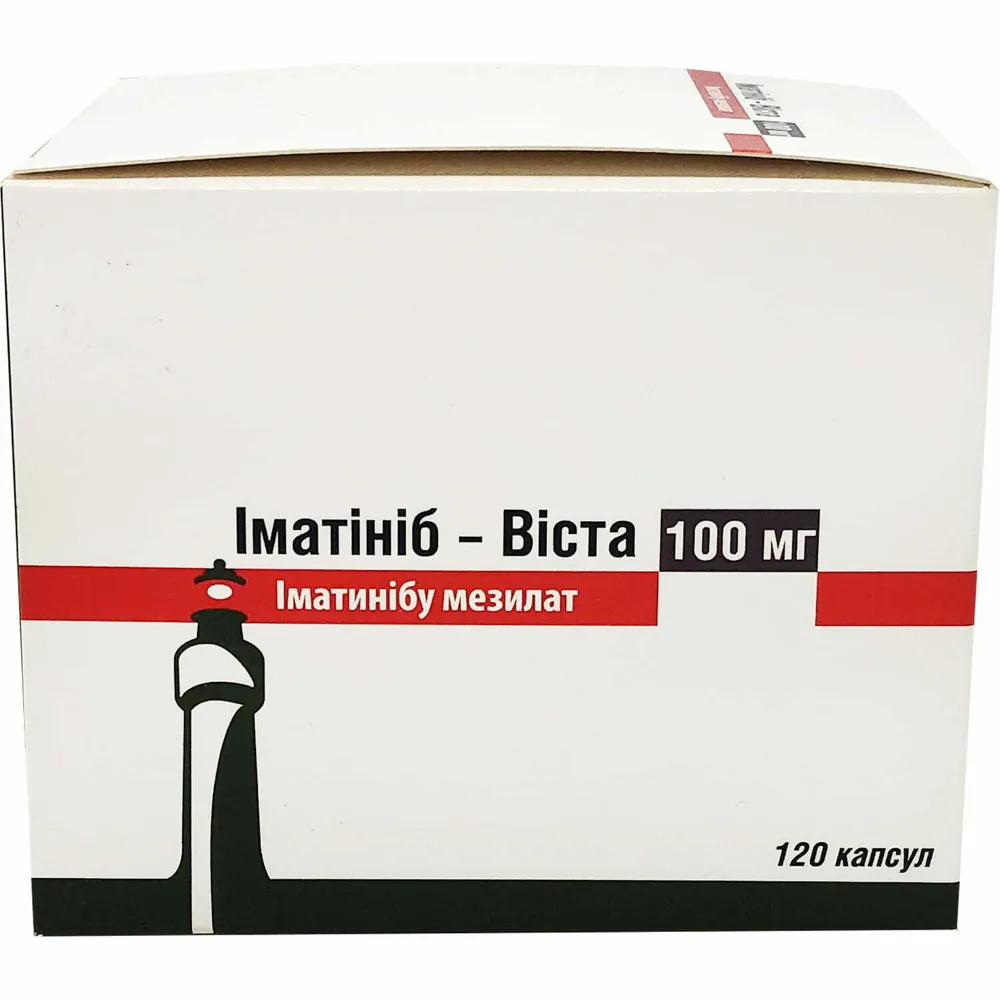
Table of Contents
INSTRUCTIONS FOR MEDICAL USE OF THE MEDICINAL PRODUCT IMATINIB-VISTA (Imatinib-Vista)
Composition:
Active substance: imatinib;
One capsule contains 119.5 mg or 478 mg of imatinib mesylate, equivalent to 100 mg or 400 mg of imatinib, respectively;
Excipients:
100 mg capsules: microcrystalline cellulose, copovidone, crospovidone, sodium stearyl fumarate, colloidal silicon dioxide (hydrophobic), colloidal anhydrous silicon dioxide;
Capsule shell: titanium dioxide (E 171), yellow iron oxide (E 172), red iron oxide (E 172), black iron oxide (E 172), hypromellose; printing ink (shellac, propylene glycol, concentrated ammonia solution, potassium hydroxide, black iron oxide (E 172));
400 mg capsules: microcrystalline cellulose, copovidone, crospovidone, sodium stearyl fumarate, colloidal silicon dioxide (hydrophobic), colloidal anhydrous silicon dioxide;
Capsule shell: titanium dioxide (E 171), yellow iron oxide (E 172), red iron oxide (E 172), black iron oxide (E 172), hypromellose; printing ink (shellac, propylene glycol, 28% ammonium hydroxide, black iron oxide (E 172)).
Pharmaceutical form. Capsules.
Main physicochemical properties:
100 mg capsules: hard capsules of light orange color with black marking "100 mg" on the body of the capsule; capsules contain a light yellow powder;
400 mg capsules: hard capsules of dark orange color with black marking "400 mg" on the body of the capsule; capsules contain a light yellow powder.
Pharmacotherapeutic group. Antineoplastic agents. BCR-ABL tyrosine kinase inhibitors. Imatinib. ATC L01EA01.
Pharmacological Properties.
Pharmacodynamics.
Imatinib is a low-molecular-weight inhibitor of protein-tyrosine kinase that strongly suppresses the activity of tyrosine kinase (TK) Bcr-Abl, as well as certain receptor TKs: stem cell factor receptor Kit, encoded by the c-Kit proto-oncogene, discoidin domain receptors (DDR1 and DDR2), colony-stimulating factor receptor (CSF-1R), and platelet-derived growth factor receptors alpha and beta (PDGFR-alpha and PDGFR-beta). Imatinib may also inhibit cellular processes mediated by activation of these receptor kinases. Imatinib is a protein tyrosine kinase inhibitor that potently inhibits Bcr-Abl tyrosine kinase in vitro at the cellular level and in vivo. This compound selectively inhibits proliferation and induces apoptosis in Bcr-Abl-positive cell lines, as well as in freshly isolated leukemic cells from patients with Philadelphia chromosome-positive chronic myeloid leukemia (Ph+) and acute lymphoblastic leukemia. In vivo, the compound demonstrates antitumor activity as monotherapy in animal models of Bcr-Abl-positive tumor cells. Additionally, imatinib is a potent inhibitor of the tyrosine kinase receptor for platelet-derived growth factor (PDGF) and stem cell factor (SCF), c-Kit, and suppresses PDGF- and SCF-mediated cellular changes. In vitro, imatinib inhibits proliferation and induces apoptosis in gastrointestinal stromal tumor (GIST) cells expressing activated kit mutations.
Constitutive activation of PDGF receptor or Bcr-Abl protein tyrosine kinase results from fusion with various proteins or stimulation of PDGF synthesis, which have been implicated in the pathogenesis of MDS/MPD (myelodysplastic/myeloproliferative disorders), HES/CEL (hypereosinophilic syndrome/chronic eosinophilic leukemia), and DFSP (dermatofibrosarcoma protuberans). Imatinib inhibits signaling leading to cell proliferation associated with activated platelet-derived growth factor and Bcr-Abl tyrosine kinase activity.
The efficacy of the medicinal product Imatinib-Vista is based on conventional hematological and cytogenetic response rates and progression-free survival in CML, conventional hematological and cytogenetic response rates in Ph+ ALL, MDS/MPD (myelodysplastic/myeloproliferative disorders), and objective responses in GIST and DFSP (unresectable dermatofibrosarcoma protuberans).
Pharmacokinetics.
The action of imatinib was studied following administration in doses ranging from 25 to 1000 mg. Plasma pharmacokinetic profiles were analyzed on day 1, as well as on day 7 or 28, when steady-state plasma concentrations were achieved.
Absorption
The mean absolute bioavailability of imatinib is 98%. Considerable variability in plasma AUC of imatinib was observed among patients after oral administration of Imatinib-Vista. When the drug was taken with a high-fat meal, imatinib absorption was minimally reduced (11% decrease in Cmax and prolongation of tmax by 1.5 hours), with a slight reduction in AUC (7.4%) compared to fasting conditions. The effect of prior gastrointestinal surgery on drug absorption has not been studied.
Distribution
In vitro data indicate that at clinically relevant concentrations, imatinib binding to plasma proteins is 95% (mainly to albumin and alpha-1 acid glycoprotein, to a lesser extent to lipoproteins).
Metabolism
The main circulating metabolite in humans is the N-demethylated piperazine derivative, which demonstrates in vitro potency similar to that of the parent compound. Plasma AUC for this metabolite is only 16% of the AUC for imatinib. Plasma protein binding of the N-demethylated metabolite is similar to that of the parent compound. Imatinib and the N-demethylated metabolite together account for approximately 65% of circulating radioactivity (AUC(0–48 h)). The remainder of circulating radioactivity consists of numerous minor metabolites. In vitro results showed that CYP3A4 is the main human P450 enzyme catalyzing imatinib biotransformation. Among a panel of potentially interacting drugs (acetaminophen, acyclovir, allopurinol, amphotericin, cytarabine, erythromycin, fluconazole, hydroxyurea, norfloxacin, penicillin V), only erythromycin (IC50 50 µmol) and fluconazole (IC50 118 µmol) were shown to inhibit imatinib metabolism, which may have clinical significance.
In vitro studies have demonstrated that imatinib is a competitive inhibitor of marker substrates for CYP2C9, CYP2D6, and CYP3A4/5. Ki values in human liver microsomes were 27, 7.5, and 7.9 µmol/L, respectively. Maximum plasma concentrations of imatinib in patients range from 2–4 µmol/L; therefore, inhibition of metabolism of concomitantly administered drugs metabolized by CYP2D6 and/or CYP3A4/5 is possible. The medicinal product Imatinib-Vista does not interfere with biotransformation of 5-fluorouracil but inhibits paclitaxel metabolism due to competitive inhibition of CYP2C8 (Ki = 34.7 µmol/L). This Ki value is significantly higher than the expected plasma concentration of imatinib in patients; therefore, no interaction is expected when 5-fluorouracil or paclitaxel are co-administered with imatinib.
Elimination
Following oral administration of radiolabeled 14C-imatinib, approximately 81% of the dose was excreted within 7 days, with 68% in feces and 13% in urine. About 25% of the dose was excreted unchanged (20% in feces and 5% in urine). The remainder of the drug was excreted as metabolites.
Plasma pharmacokinetics
After oral administration to healthy volunteers, the elimination half-life (t1/2) was approximately 18 hours, supporting once-daily dosing. The increase in mean AUC was linear and dose-proportional over the dose range of 25 mg to 1000 mg of imatinib administered orally. No changes in imatinib kinetics were observed after repeated administration, and accumulation was 1.5–2.5 times greater at steady state with once-daily dosing.
Pharmacokinetics in patients with gastrointestinal stromal tumors
In patients with gastrointestinal stromal tumors (GIST), exposure was 1.5 times higher than in patients with CML when the same dose (400 mg daily) was administered. Based on prior pharmacokinetic analysis, three variables (albumin, leukocytes, and bilirubin) were identified as having a statistically significant relationship with imatinib pharmacokinetics in GIST patients. Decreased albumin levels led to reduced clearance (CL/f), as did higher leukocyte counts, which also resulted in reduced CL/f. However, these factors are not considered clinically significant enough to warrant dose adjustments. In this patient group, the presence of liver metastases may potentially lead to hepatic insufficiency and reduced metabolism.
Pharmacokinetics in special patient populations
Population pharmacokinetic analysis in CML patients showed a minor effect of age on volume of distribution (12% increase in patients >65 years). This change is not considered clinically significant. Body weight was shown to influence imatinib clearance: for example, in a patient weighing 50 kg, mean clearance is estimated at 8.5 L/h, whereas in a patient weighing 100 kg, clearance increases to 11.8 L/h. These changes are not sufficient to justify dose adjustments based on body weight. Imatinib pharmacokinetics are not influenced by sex.
Pharmacokinetics in children
As in adult patients, imatinib is rapidly absorbed after oral administration in phase I and II studies in children. Dosing at 260 mg/m²/day and 340 mg/m²/day in children has the same clinical relevance as 400 mg and 600 mg doses in adult patients. Comparison of AUC(0–24) on day 8 and day 1 after administration of 340 mg/m²/day showed 1.7-fold accumulation after repeated dosing.
Based on a pooled population pharmacokinetic analysis in children with hematological disorders (CML, Ph+ ALL, or other hematological disorders treated with imatinib), imatinib clearance increases with increasing body surface area. After adjusting for body surface area, other factors such as age, body weight, and body mass index do not have a clinically significant impact on imatinib exposure. The analysis confirms that imatinib exposure in children receiving 260 mg/m² once daily (not exceeding 400 mg once daily) or 340 mg/m² (not exceeding 600 mg once daily) is similar to that in adult patients receiving imatinib at 400 mg or 600 mg once daily.
Organ dysfunction
Imatinib and its metabolites are minimally excreted by the kidneys. Patients with mild to moderate renal impairment have higher plasma exposure than patients with normal renal function. The increase is approximately 1.5–2 times, corresponding to a 1.5-fold increase in plasma alpha-1 acid glycoprotein levels, to which imatinib is extensively bound. Imatinib clearance is likely similar in patients with renal impairment and those with normal renal function, as renal excretion is a minor elimination pathway for imatinib.
Although pharmacokinetic analyses showed considerable variability, the mean effect of imatinib was not increased in patients with varying degrees of hepatic dysfunction compared to patients with normal liver function.
Clinical characteristics.
Indications.
Treatment:
- of adults and children with newly diagnosed Philadelphia chromosome-positive (Ph+) (presence of bcr-abl in leukocytes) chronic myeloid leukemia (CML), for whom bone marrow transplantation is not considered as first-line therapy;
- of adults and children with Ph+ CML in chronic phase after failure of therapy with alpha interferon, or in accelerated phase, or in blast crisis phase of the disease;
- in combination chemotherapy of adults and children with newly diagnosed Philadelphia chromosome-positive acute lymphoblastic leukemia (Ph+ ALL) with presence of Philadelphia chromosome in leukocytes;
- as monotherapy in adult patients with acute lymphoblastic leukemia (Ph+ ALL) in relapsed or refractory disease;
- of adult patients with myelodysplastic/myeloproliferative diseases (MDS/MPD) associated with rearrangement of the platelet-derived growth factor receptor (PDGFR) gene;
- of adults with hypereosinophilic syndrome (HES) and/or chronic eosinophilic leukemia (CEL) with FIP1L1-PDGFRα gene rearrangement.
The effect of imatinib in bone marrow transplantation has not been sufficiently studied.
Also indicated for:
- treatment of adult patients with Kit (CD117)-positive, inoperable and/or metastatic malignant gastrointestinal stromal tumors (GIST);
- adjuvant therapy in adult patients who are at high risk of recurrence of Kit (CD117)-positive malignant gastrointestinal stromal tumors (GIST) after resection. Patients at low or minimal risk may not require adjuvant therapy;
- treatment of adult patients with inoperable dermatofibrosarcoma protuberans (DFSP) and adult patients with recurrent and/or metastatic dermatofibrosarcoma (DFSP) that cannot be surgically removed.
Contraindications.
Hypersensitivity to the active substance or to any other component of the medicinal product.
Interaction with other medicinal products and other forms of interaction.
Medicinal products that may increase imatinib plasma concentration Active substances that inhibit the activity of CYP3A4 isoenzymes of the cytochrome P450 system (e.g., indinavir, lopinavir/ritonavir, saquinavir, telaprevir, nelfinavir, boceprevir; antifungal agents including ketoconazole, itraconazole, posaconazole, voriconazole; macrolides such as erythromycin, clarithromycin, telithromycin) may reduce metabolism and increase imatinib plasma concentration. A significant increase in parameters (mean Cmax and AUC of imatinib by 26% and 40%, respectively) was observed in healthy volunteers when imatinib was co-administered with a single dose of ketoconazole (a CYP3A4 inhibitor). Imatinib-Vista should be used with caution when co-administered with CYP3A4 inhibitors.
Medicinal products that may decrease imatinib plasma concentration Active substances that are inducers of CYP3A4 activity (e.g., dexamethasone, phenytoin, carbamazepine, rifampicin, phenobarbital, fosphenytoin, primidone, or Hypericum perforatum, also known as St. John’s wort) may significantly reduce imatinib plasma concentration, potentially increasing the risk of treatment inefficacy. When multiple doses of rifampicin (600 mg) were administered prior to a single dose of Imatinib-Vista 400 mg, a reduction in maximum concentration (Cmax) and area under the concentration-time curve from 0 to ∞ (AUC0-∞) by 54% and 74%, respectively, was observed compared to values without rifampicin. Similar results were observed in patients with malignant glioma receiving Imatinib-Vista while taking enzyme-inducing antiepileptic drugs such as carbamazepine, oxcarbazepine, and phenytoin. The AUC of imatinib in plasma was reduced by 73% compared to patients not receiving enzyme-inducing antiepileptic drugs. Concomitant use of rifampicin or other potent CYP3A4 inducers with imatinib should be avoided.
Medicinal products whose plasma concentration may be altered when using Imatinib-Vista
Imatinib increases the mean Cmax and AUC of simvastatin (a CYP3A4 substrate) by 2 and 3.5 times, respectively, indicating inhibition of CYP3A4 by imatinib. Therefore, Imatinib-Vista should be used with caution together with CYP3A4 substrates that have a narrow therapeutic window (e.g., cyclosporine or pimozide, tacrolimus, sirolimus, ergotamine, dihydroergotamine, fentanyl, alfentanil, terfenadine, bortezomib, docetaxel, quinidine).
Imatinib-Vista may increase plasma concentrations of other medicinal products metabolized by CYP3A4 (such as triazole-benzodiazepines, dihydropyridine calcium channel blockers, certain HMG-CoA reductase inhibitors, particularly statins).
Due to the known increased risk of bleeding associated with imatinib use (hemorrhage), patients requiring anticoagulants should receive low-molecular-weight or standard heparin rather than coumarin derivatives such as warfarin. In vitro, Imatinib-Vista inhibits the activity of the CYP2D6 isoenzyme of cytochrome P450 at concentrations similar to those affecting CYP3A4 activity. Imatinib at a dose of 400 mg twice daily exerts an inhibitory effect on CYP2D6-mediated metabolism of metoprolol, increasing the Cmax and AUC of metoprolol by approximately 23% (90% CI [1.16–1.30]). Dose adjustment is apparently not required when imatinib is co-administered with CYP2D6 substrates, but caution is recommended with CYP2D6 substrates having a narrow therapeutic window, such as metoprolol. For patients taking metoprolol, clinical monitoring should be considered.
In vitro, Imatinib-Vista inhibits O-glucuronidation of paracetamol (Ki 58.5 µmol/L). This inhibition was not observed in vivo after administration of 400 mg Imatinib-Vista and 1000 mg paracetamol. The use of high doses of Imatinib-Vista and paracetamol has not been studied. Therefore, caution is required when high doses of Imatinib-Vista and paracetamol are used concomitantly.
In patients after thyroidectomy taking levothyroxine, plasma exposure to levothyroxine may decrease when Imatinib-Vista is co-administered. Caution is recommended in such cases. However, the mechanism of this interaction is currently unknown.
There is clinical experience with concomitant use of Imatinib-Vista and chemotherapy in patients with Ph+ ALL, but the interaction characteristics between imatinib and chemotherapy regimens are not fully defined. Adverse effects of imatinib may be enhanced, particularly hepatotoxicity, myelosuppression, or others; concurrent use of L-asparaginase has also been reported to enhance liver toxicity. Therefore, use of Imatinib-Vista in combination requires precautionary measures.
Special precautions for use.
When prescribing the medicinal product Imatinib-Vista concomitantly with other medicinal products, there is a potential risk of interaction. Caution should be exercised when using Imatinib-Vista with protease inhibitors, azole antifungals, certain macrolides (see section "Interaction with other medicinal products and other forms of interaction"), substrates of CYP3A4 with a narrow therapeutic window (such as cyclosporine, pimozide, tacrolimus, sirolimus, ergotamine, dihydroergotamine, fentanyl, alfentanil, terfenadine, bortezomib, docetaxel, quinidine), or warfarin and other coumarin derivatives.
Concomitant administration of imatinib with medicinal products that induce CYP3A4 (e.g., dexamethasone, phenytoin, carbamazepine, rifampicin, phenobarbital, or St. John's wort) may significantly reduce exposure to Imatinib-Vista, potentially increasing the risk of treatment failure. Therefore, concomitant use of strong CYP3A4 inducers and imatinib should be avoided.
Hypothyroidism
Clinical cases of hypothyroidism have been reported in patients following thyroidectomy who were receiving levothyroxine replacement therapy during treatment with Imatinib-Vista. In such patients, thyroid-stimulating hormone (TSH) levels should be carefully monitored.
Hepatotoxicity
Metabolism of Imatinib-Vista occurs primarily in the liver, with only 13% metabolized by the kidneys. In patients with hepatic dysfunction (mild, moderate, or severe), peripheral blood counts and liver enzymes should be closely monitored. It should be noted that patients with GIST may have liver metastases, which could lead to hepatic failure. Liver damage, including hepatic failure and hepatic necrosis, has been observed. Serious liver function abnormalities have been reported during combined therapy with Imatinib-Vista and high-dose chemotherapy agents. Liver function should be carefully monitored, as imatinib in combination with chemotherapy may cause liver dysfunction.
Fluid retention
Cases of marked fluid retention (pleural effusion, edema, pulmonary edema, ascites, superficial edema) have been reported in approximately 2.5% of patients with newly diagnosed CML who received imatinib. Therefore, regular monitoring of patients' body weight is recommended. In case of sudden rapid weight gain, a thorough patient evaluation should be performed and appropriate supportive and therapeutic measures initiated if necessary. During clinical trials, an increased frequency of such events was observed in elderly patients and patients with a history of cardiovascular disease. Therefore, caution is advised in patients with cardiac dysfunction.
Patients with heart disease
Patients with heart disease, risk factors for heart failure, or a history of renal insufficiency should be closely monitored. Patients exhibiting any signs or symptoms suggestive of cardiac or renal failure should be thoroughly evaluated and appropriate therapy initiated.
In patients with hypereosinophilic syndrome (HES) with occult myocardial infiltration by HES cells, isolated cases of cardiogenic shock/left ventricular dysfunction associated with HES cell degranulation have been observed prior to initiation of imatinib therapy. These events were reversible with systemic steroids, hemodynamic support measures, and temporary discontinuation of imatinib. Cardiac adverse reactions during imatinib treatment have been infrequent. Before initiating therapy, a careful benefit-risk assessment of imatinib treatment should be performed in the HES/CEL population. Myelodysplastic/myeloproliferative disorders with PDGFR gene rearrangement may be associated with high levels of eosinophilia. Patients with HES/CEL and patients with MDS/MPD associated with high levels of eosinophilia require cardiology consultation, echocardiography, and serum troponin level determination before starting imatinib therapy. If pathological reactions occur, cardiology monitoring and prophylactic use of systemic steroids (1–2 mg/kg) for 1–2 weeks as concomitant therapy with imatinib during the initial treatment phase are recommended.
Gastrointestinal hemorrhage
During studies in patients with unresectable and/or metastatic GIST, gastrointestinal and intratumoral hemorrhages were reported. Based on available data, no predisposing factors (e.g., tumor size and location, coagulation disorders) have been identified that increase the risk of any type of hemorrhage in patients with GIST. Since increased vascularity and tendency to bleeding are part of the clinical presentation and course of GIST, standard monitoring practices and procedures for managing all patients with hemorrhage should be applied. Additionally, during post-marketing surveillance in patients with CML, ALL, and other disorders, vascular ectasias in the gastric antrum have been reported as a rare cause of gastrointestinal hemorrhage. If necessary, discontinuation of Imatinib-Vista may be considered.
Tumor lysis syndrome
Due to the potential occurrence of tumor lysis syndrome, correction of clinically evident dehydration and elevated uric acid levels is recommended prior to initiation of Imatinib-Vista therapy.
Hepatitis B reactivation
- Reactivation of hepatitis B has occurred in patients who are chronic carriers of the virus after receiving BCR-ABL tyrosine kinase inhibitors.
- In some cases, this has led to acute liver failure or fulminant hepatitis requiring liver transplantation or resulting in fatal outcomes. Before initiating treatment, patients should be tested for HBV infection.
- Patients with positive serological tests for hepatitis B (including those with active disease) and patients with confirmed HBV infection should be referred for consultation with infectious disease specialists and hepatologists experienced in managing hepatitis B. Patients who are hepatitis B virus carriers and require treatment with Imatinib-Vista should be carefully monitored for signs of active hepatitis B infection during treatment and for several months after completion of therapy.
Photosensitivity
Exposure to direct sunlight should be avoided or minimized due to the risk of photosensitivity associated with imatinib intake. Patients should be advised to use protective measures such as protective clothing and sunscreen with a high sun protection factor (SPF).
Thrombotic microangiopathy
The use of BCR-ABL tyrosine kinase inhibitors has been associated with thrombotic microangiopathy (TMA), including isolated reports during imatinib use (see section "Adverse reactions"). If patients receiving Imatinib-Vista develop laboratory or clinical signs suggestive of TMA, treatment should be discontinued and a thorough evaluation for TMA should be performed, including ADAMTS13 activity and anti-ADAMTS13 antibody testing. If elevated anti-ADAMTS13 antibodies are found in combination with low ADAMTS13 activity, Imatinib-Vista treatment should not be continued.
Laboratory tests
Complete blood counts should be performed regularly during therapy with Imatinib-Vista. Treatment of patients with chronic myeloid leukemia with Imatinib-Vista is associated with the development of neutropenia or thrombocytopenia. However, the occurrence of these cytopenias depends on the disease stage at which treatment is initiated and is more frequent in patients with CML in the accelerated phase or blast crisis phase compared to patients with CML in the chronic phase. Treatment with Imatinib-Vista may be interrupted or the dose reduced in case of neutropenia or thrombocytopenia (see section "Method of administration and dosage").
Liver function (transaminases, bilirubin, alkaline phosphatase) should be regularly monitored in patients receiving Imatinib-Vista.
Patients with impaired renal function have higher plasma exposure to imatinib than those with normal renal function, possibly due to increased plasma levels of alpha-1 acid glycoprotein, a protein that binds imatinib. Patients with impaired renal function should receive the minimum initial dose. Caution should be exercised when treating patients with severe renal impairment. The dose should be reduced in case of intolerance (see section "Method of administration and dosage").
Prolonged use of imatinib may be associated with clinically significant worsening of renal function. Renal function should be assessed before initiation of imatinib therapy and monitored during treatment, with particular attention to patients who have risk factors for renal dysfunction. If renal dysfunction occurs, treatment should be administered according to standard guidelines.
Children
Cases of growth delay have been reported in children, including those of prepubertal age, receiving imatinib. Current data from an observational study in children with CML showed statistically significant reductions (but of uncertain clinical significance) in the mean standard deviation score for height at 12 and 24 months of treatment in two small subgroups, regardless of patient sex or pubertal status. The long-term impact of prolonged imatinib treatment on children's development is unknown. Therefore, careful monitoring of growth in children receiving imatinib is recommended.
In adults and children, the efficacy of Imatinib-Vista is based on data regarding overall hematologic and cytogenetic response rates and progression-free survival in CML, hematologic and cytogenetic response rates in Ph+ ALL, MDS/MPD, hematologic response rates in HES/CEL, and objective response rates in adult patients with unresectable and/or metastatic malignant gastrointestinal stromal tumors and dermatofibrosarcoma protuberans, as well as progression-free survival in adjuvant treatment of patients with malignant gastrointestinal stromal tumors. Experience with the use of Imatinib-Vista in patients with MDS/MPD associated with PDGFR gene rearrangement is very limited. Except for newly diagnosed chronic phase CML, controlled studies demonstrating clinical benefit or increased survival in these conditions have not been conducted.
Important information on excipients
One capsule of 100 or 400 mg of the medicinal product contains less than 1 mmol of sodium, i.e., Imatinib-Vista is practically sodium-free.
Use during pregnancy or breastfeeding.
Pregnancy. There are no adequate data on the use of Imatinib-Vista in pregnant women. In the post-marketing period, spontaneous abortions and congenital defects in newborns whose mothers used imatinib have been reported. Animal studies have shown reproductive toxicity, and the potential risk to the fetus is unknown. Imatinib-Vista should not be used during pregnancy except in life-threatening situations. If Imatinib-Vista is prescribed during pregnancy, the patient should be informed of the potential risk to the fetus.
Women of childbearing potential should be advised to use effective contraception during treatment and for at least 15 days after discontinuation of Imatinib-Vista.
Breastfeeding. Information on the excretion of imatinib into breast milk is limited. Studies in two breastfeeding women showed that imatinib and its active metabolite can pass into breast milk. The ratio of drug concentration in plasma to breast milk, studied in one patient, was 0.5 for imatinib and 0.9 for the metabolite, indicating a more pronounced distribution of the metabolite into breast milk. Considering the combined concentration of imatinib and its metabolite and the maximum daily intake of breast milk by an infant, total exposure would be low (approximately 10% of the therapeutic dose). However, since the impact of low-dose imatinib exposure on infants is unknown, women receiving Imatinib-Vista should not breastfeed during treatment and for at least 15 days after discontinuation of Imatinib-Vista.
Fertility. In preclinical studies, fertility in male and female animals was not impaired, although effects on reproductive parameters were observed. Studies in patients receiving Imatinib-Vista to evaluate the drug's effect on fertility and gametogenesis have not been conducted. If a patient has concerns about the effect of Imatinib-Vista on fertility, they should consult their physician.
Ability to affect reaction speed when driving or operating machinery.
Patients should be aware of the possibility of developing adverse effects such as dizziness, blurred vision, or somnolence during imatinib treatment. Therefore, patients should be advised to exercise caution when driving or operating machinery.
Method of Administration and Dosage.
Treatment should be administered by a physician experienced in the management of patients with hematologic malignancies and malignant sarcomas depending on the specific diagnosis.
For drug doses of 400 mg and higher (see dosing recommendations below), use 400 mg capsules.
For drug doses other than 400 mg and 800 mg (see dosing recommendations below), use 100 mg capsules.
The prescribed doses should be taken orally with food and a large glass of water to minimize the risk of gastrointestinal irritation. The 400 mg or 600 mg doses should be administered once daily, whereas the 800 mg dose should be administered as 400 mg twice daily, in the morning and evening.
For patients (including children) unable to swallow capsules, the contents may be dispersed in a glass of still water or apple juice. The suspension should be consumed immediately after preparation. Due to data on reproductive toxicity and the potential risk to human fertility, women of reproductive age who open capsules should exercise caution to avoid contact of the drug with skin and mucous membranes. Hands must be washed immediately after handling the opened capsule.
Dosage in Chronic Myeloid Leukemia (CML) in Adult Patients.
The recommended dose of Imatinib-Vista for adult patients with CML in chronic phase is 400 mg daily. Chronic phase CML is defined by meeting all of the following criteria: blast count <15% in blood and bone marrow, basophils in peripheral blood <20%, platelets >100×10⁹/L. The recommended dose of Imatinib-Vista for adult patients in the accelerated phase is 600 mg/day. The accelerated phase is defined by the presence of any of the following criteria: blasts ≥15% but <30% in blood or bone marrow, blasts and prolymphocytes ≥30% in blood or bone marrow (provided blasts <30%), basophils in peripheral blood ≥20%, platelets <100×10⁹/L regardless of treatment. The recommended dose of Imatinib-Vista for adult patients with blast crisis is 600 mg/day. Blast crisis is defined by blasts ≥30% in blood or bone marrow or the presence of extramedullary disease manifestations, excluding hepatosplenomegaly.
Duration of treatment: In clinical studies, treatment with Imatinib-Vista continued until disease progression. The effect of discontinuing treatment after achieving complete cytogenetic response has not been studied.
Dose escalation from 400 mg to 600 mg or 800 mg for patients in chronic phase, or from 600 mg to a maximum of 800 mg (administered as 400 mg twice daily) for patients in accelerated phase or blast crisis, may be considered in the absence of severe adverse reactions and severe non-leukemia-related neutropenia or thrombocytopenia under the following circumstances: disease progression (at any time); lack of adequate hematologic response after at least 3 months of treatment; lack of cytogenetic response after 12 months of treatment; or loss of previously achieved hematologic and/or cytogenetic response. After dose escalation, patients require close monitoring due to the increased likelihood of adverse reactions with higher doses.
Dosage in Chronic Myeloid Leukemia (CML) in Pediatric Patients.
Dosing in children is based on body surface area (mg/m²). For children with CML in chronic or progressive phase, the recommended dose is 340 mg/m²/day (not exceeding a maximum daily dose of 800 mg). The drug may be administered once daily or the total daily dose may be divided into two doses, in the morning and evening. The recommended doses are currently based on experience in a limited number of pediatric patients. There is no experience with the use of Imatinib-Vista in children under 2 years of age.
Dose escalation from 340 mg/m² to 570 mg/m² (without exceeding a total dose of 800 mg) in children may be considered in the absence of severe adverse reactions and severe non-leukemia-related neutropenia or thrombocytopenia under the following circumstances: disease progression (at any time); lack of adequate hematologic response after at least 3 months of treatment; lack of cytogenetic response after 12 months of treatment; or loss of previously achieved hematologic and/or cytogenetic response. After dose escalation, patients require close monitoring due to the increased likelihood of adverse reactions with higher doses.
Dosage in Philadelphia chromosome-positive Acute Lymphoblastic Leukemia (Ph+ALL) in Adult Patients.
The recommended dose of Imatinib-Vista for the treatment of adult patients with Ph+ALL is 600 mg daily. Treatment for this condition should be managed by a hematologic oncology expert throughout all phases of therapy. Treatment regimen: Based on available data, Imatinib-Vista at a dose of 600 mg/day in combination with chemotherapy has demonstrated efficacy and safety during induction, consolidation, and maintenance phases of chemotherapy in adult patients with newly diagnosed Ph+ALL. The duration of Imatinib-Vista therapy may vary depending on the chosen treatment protocol, but longer treatment duration generally leads to better outcomes.
For adult patients with relapsed or refractory Ph+ALL, monotherapy with Imatinib-Vista at 600 mg/day is safe and effective and may be continued until disease progression.
Dosage in Philadelphia chromosome-positive Acute Lymphoblastic Leukemia (Ph+ALL) in Pediatric Patients.
Dosing in children is based on body surface area (mg/m²). The recommended daily dose for children with Philadelphia chromosome-positive acute lymphoblastic leukemia (Ph+ALL) is 340 mg/m²/day (not exceeding a maximum daily dose of 600 mg).
Dosage in Myelodysplastic/Myeloproliferative Disorders (MDS/MPD).
The recommended dose of Imatinib-Vista for the treatment of patients with MDS/MPD is 400 mg daily.
Duration of treatment: Only one study has been completed to date; treatment with Imatinib-Vista continued until disease progression. At the time of analysis, the median duration of treatment was 47 months (range: 24 days to 60 months).
Dosage in Hypereosinophilic Syndrome and/or Chronic Eosinophilic Leukemia (HES/CEL).
The recommended dose of Imatinib-Vista for the treatment of patients with HES/CEL is 100 mg daily. Dose escalation from 100 mg to 400 mg may be considered in the absence of adverse reactions or in case of suboptimal response to treatment. Treatment should continue as long as the patient continues to benefit.
Dosage for Patients with Kit (CD117)-Positive Unresectable and/or Metastatic Malignant Gastrointestinal Stromal Tumors (GIST) and for Adjuvant Therapy in Adult Patients at High Risk of Recurrence of Kit (CD117)-Positive Malignant Gastrointestinal Stromal Tumors (GIST) after Resection.
The recommended dose of Imatinib-Vista for the treatment of adult patients with unresectable and/or metastatic malignant gastrointestinal stromal tumors is 400 mg daily. Data on dose escalation from 400 mg to 600 mg or 800 mg in patients with disease progression on lower doses are limited.
Duration of treatment: In clinical trials involving patients with gastrointestinal stromal tumors, treatment with Imatinib-Vista continued until disease progression. At the time of analysis, the median duration of treatment was 7 months (range: 7 days to 13 months). The effect of discontinuing treatment after achieving response has not been studied.
The recommended dose of Imatinib-Vista for adjuvant treatment of adult patients after resection of gastrointestinal stromal tumors is 400 mg daily. The optimal duration of treatment has not yet been established. In clinical trials supporting the use of the drug for this indication, the treatment duration was 36 months.
Dosage for the Treatment of Patients with Unresectable Dermatofibrosarcoma Protuberans (DFSP) and Adult Patients with Recurrent and/or Metastatic Dermatofibrosarcoma (DFSP) not amenable to surgical removal.
The recommended dose of Imatinib-Vista for the treatment of adult patients with DFSP is 800 mg daily.
Dose Modifications in the Event of Adverse Effects
Non-hematologic Adverse Effects
In the event of severe non-hematologic adverse effects during treatment with Imatinib-Vista, therapy should be interrupted until improvement. Treatment may then be resumed at a reduced dose depending on the severity of previously observed adverse effects. In case of bilirubin levels more than 3 times the upper limit of normal (ULN), or liver transaminase levels more than 5 times ULN, the drug should be withheld until bilirubin decreases to less than 1.5 times ULN and transaminases to less than 2.5 times ULN. Treatment with Imatinib-Vista may then be resumed at a reduced daily dose. For adults, the dose should be reduced from 400 to 300 mg/day, from 600 to 400 mg/day, or from 800 to 600 mg/day. For pediatric patients, the dose should be reduced from 340 to 260 mg/m²/day.
Hematologic Adverse Effects.
In the event of severe neutropenia or thrombocytopenia, dose reduction or treatment interruption is recommended as outlined in Table 1.
Table 1
| Indications |
Parameters |
Recommendations |
| CML/Ph+ ALL (initial dose 100 mg) |
ANC <1.0 x 10⁹/L and/or platelets <50 x 109/L |
|
| Chronic phase CML, MDS/MPD, GIST (initial dose 400 mg) CML/Ph+ ALL (at dose 400 mg) |
ANC <1.0 x 10⁹/L and/or platelets <50 x 109/L |
300 mg. |
| Children with chronic phase CML (at dose 340 mg/m2) |
ANC <1.0 x 10⁹/L and/or platelets <50 x 109/L |
|
| Accelerated phase and blast crisis of CML, Ph+ ALL (initial dose 600 mg) |
ANC <0.5 x 10⁹/L and/or platelet count <10 x 109/L |
|
| Accelerated phase or blast crisis of CML in pediatric patients (initial dose 340 mg/m2) |
ANC <0.5 x 10⁹/L and/or platelet count <10 x 109/L |
|
| Unresectable, recurrent, and/or metastatic dermatofibrosarcoma protuberans (DFSP) not amenable to surgery (at dose 800 mg) |
ANC <1.0 x 10⁹/L and/or platelet count <50 x 109/L |
|
ANC = absolute neutrophil count.
Observed at least one month after initiation of treatment.
Special populations
Hepatic impairment
Imatinib is primarily metabolized in the liver. For patients with mild, moderate, and severe hepatic impairment, the drug should be administered at the minimum recommended daily dose of 400 mg. The dose may be reduced if not tolerated.
Classification of hepatic impairment.
Table 2
| Hepatic function impairment |
Liver function tests |
| Mild |
Total bilirubin >1.5 ULN; AST > ULN (may be normal or < ULN if total bilirubin > ULN) |
| Moderate |
Total bilirubin >1.5–3.0 ULN; AST – any value |
| Severe |
Total bilirubin >3–10 ULN; AST – any value |
ULN – upper limit of normal, as established by the medical institution.
AST – aspartate aminotransferase.
Renal impairment.
For patients with renal impairment or those undergoing dialysis, the drug should be administered at the minimum recommended initial dose of 400 mg once daily. However, the drug should be used with caution in such patients. The dose may be reduced in case of drug intolerance or increased in case of insufficient efficacy.
Elderly patients.
The pharmacokinetics of imatinib in elderly patients have not been specifically studied. In clinical trials involving patients, 20% of whom were aged 65 years and older, no age-related differences in the pharmacokinetics of the drug were observed. No special dosage recommendations are required for elderly patients.
Children.
There is no experience with the use of Imatinib-Vista in children under 2 years of age with CML, or in children under 1 year of age with Ph+ ALL. Experience in treating children with MDS/MPD, dermatofibrosarcoma protuberans (DFSP), GIST, and EMS/HES is very limited. The safety and efficacy of imatinib in children (under 18 years of age) with MDS/MPD, DFSP, GIST, and EMS/HES have not been established in clinical trials. Currently available published data do not allow for dosage recommendations.
Overdose.
Information regarding cases of drug intake exceeding the recommended therapeutic doses is limited. Cases of imatinib overdose have been reported (spontaneously or mentioned in publications). The following events have been reported at various dose ranges.
Symptoms.
Overdose in adults. 1200 to 1600 mg (duration 1 to 10 days): nausea, vomiting, diarrhea, rash, erythema, edema, swelling, fatigue, muscle cramps, thrombocytopenia, pancytopenia, abdominal pain, headache, decreased appetite. 1800 to 3200 mg (6 days of treatment at 3200 mg per day): weakness, myalgia, elevated creatine phosphokinase, elevated bilirubin, gastrointestinal pain.
6400 mg (single dose): in one patient (data from publications), nausea, vomiting, abdominal pain, fever, facial swelling, decreased neutrophil count, elevated transaminase levels were observed.
8 to 10 g (single dose): vomiting and gastrointestinal pain.
Overdose in children. In a 3-year-old boy who took a single dose of 400 mg, vomiting, diarrhea, and anorexia were observed; in another 3-year-old boy after a single dose of 980 mg – decreased white blood cell count, diarrhea.
Treatment. In case of overdose, the patient should be evaluated and appropriate supportive and symptomatic therapy should be administered.
Adverse Reactions
Patients with terminal-stage malignancy may be in a condition where it is difficult to assess the causal relationship of adverse effects due to the presence of numerous symptoms from the underlying disease, its progression, and concomitant administration of multiple drugs.
In clinical studies involving patients with CML, discontinuation of the medicinal product due to adverse drug reactions occurred in 2.4% of newly diagnosed patients, in 4% of patients in late chronic phase after failure of interferon therapy, in 4% of patients in the accelerated phase after failure of interferon therapy, and in 5% of patients with blast crisis after failure of interferon therapy. In the case of GIST, the investigational drug was discontinued due to drug-related adverse reactions in 4% of patients.
Adverse reactions were generally similar across all indications, with two exceptions. In patients with CML, higher incidences of myelosuppression were observed compared to patients with gastrointestinal stromal tumors, likely due to the underlying disease. During a study in patients with unresectable and/or metastatic gastrointestinal stromal tumors, grade 3–4 gastrointestinal hemorrhage according to Common Toxicity Criteria (CTC) occurred in 7 (5%) patients, including intratumoral hemorrhage (3 patients) or both (1 patient). The tumor site may be the source of gastrointestinal bleeding. Gastrointestinal and tumor hemorrhages can be serious and sometimes fatal. For both diseases, the most frequently reported (≥10%) drug-related adverse reactions included mild nausea, vomiting, diarrhea, abdominal pain, fatigue, myalgia, muscle spasms, and rash. Superficial edema was common across all studies and was predominantly described as periorbital edema or edema of the lower limbs. However, these edemas were rarely severe and could be managed with diuretics, other supportive measures, or dose reduction of imatinib. When imatinib was used in combination with high-dose chemotherapy in patients with Ph+ ALL, signs of hepatotoxicity were observed, including elevated transaminase levels and hyperbilirubinemia. Given the limited safety data, adverse reactions reported so far in children are consistent with the safety profile observed in adult patients with Ph+ ALL. The safety profile for children with Ph+ ALL remains very limited, but no new safety signals have been identified.
Various adverse reactions such as pleural effusion, ascites, pulmonary edema, and rapid weight gain with or without superficial edema may collectively be described as fluid retention. These reactions can usually be managed by temporary interruption of Imatinib-Vista or by using diuretics and other appropriate supportive measures. However, occasionally these reactions may be serious or life-threatening, and some cases occurring in patients with blast crisis have been fatal (with pleural effusion, congestive heart failure, and renal failure noted in the patient's clinical history). No specific safety-related events were observed during pediatric studies. Adverse reactions occurring more frequently than isolated cases are classified by organ system classes and frequency using the following categories: very common (≥1/10); common (≥1/100, <1/10); uncommon (≥1/1000, <1/100); rare (≥1/10000, <1/1000); very rare (<1/10000); frequency not known (cannot be estimated from available data).
Adverse reactions and their frequencies are listed in Table 3.
Table 3
| Infections and parasitic diseases |
|
| Uncommon |
Herpes zoster, herpes simplex, nasopharyngitis, pneumonia1, sinusitis, cellulitis, upper respiratory tract infections, influenza, urinary tract infections, gastroenteritis, sepsis |
| Rare |
Fungal infection |
| Frequency unknown |
Reactivation of hepatitis B* |
| Benign, malignant and unspecified neoplasms (including cysts and polyps) |
|
| Rare |
Tumour lysis syndrome |
| Frequency unknown |
Tumour haemorrhage/necrosis* |
| Immune system disorders: |
|
| Frequency unknown |
Anaphylactic shock* |
| Blood and lymphatic system disorders: |
|
| Very common |
Neutropenia, thrombocytopenia, anaemia |
| Common |
Pancytopenia, febrile neutropenia |
| Uncommon |
Thrombocytopenia, lymphopenia, bone marrow suppression, eosinophilia, lymphadenopathy |
| Rare |
Haemolytic anaemia, thrombotic microangiopathy. |
| Metabolism and nutrition disorders: |
|
| Common |
Anorexia |
| Uncommon |
Hypokalaemia, increased appetite, hypophosphataemia, decreased appetite, dehydration, gout, hyperuricaemia, hypercalcaemia, hyperglycaemia, hyponatraemia |
| Rare |
Hyperkalaemia, hypomagnesaemia |
| Psychiatric disorders: |
|
| Common |
Insomnia |
| Uncommon |
Depression, decreased libido, anxiety |
| Rare |
Confusion |
| Nervous system disorders: |
|
| Very common |
Headache2 |
| Common |
Dizziness, paraesthesia, taste disturbance, hypoaesthesia |
| Uncommon |
Migraine, somnolence, syncope, peripheral neuropathy, memory impairment, sciatica, restless legs syndrome, tremor, intracranial haemorrhage |
| Rare |
Increased intracranial pressure, seizures, optic neuritis |
| Frequency unknown |
Brain oedema* |
| Eye disorders: |
|
| Common |
Periorbital oedema, increased lacrimation, conjunctival haemorrhage, conjunctivitis, dry eyes, blurred vision |
| Uncommon |
Eye irritation, eye pain, orbital oedema, scleral haemorrhage, retinal haemorrhage, blepharitis, macular oedema |
| Rare |
Cataract, glaucoma, optic disc oedema |
| Frequency unknown |
Vitreous haemorrhage* |
| Ear and labyrinth disorders: |
|
| Uncommon |
Vertigo, tinnitus, hearing loss |
| Cardiac disorders: |
|
| Uncommon |
Palpitations, tachycardia, congestive heart failure3, pulmonary oedema |
| Rare |
Arrhythmia, atrial fibrillation, cardiac arrest, myocardial infarction, angina pectoris, pericardial effusion |
| Frequency unknown |
Pericarditis*, cardiac tamponade* |
| Vascular disorders4: |
|
| Common |
Hyperaemia, haemorrhage |
| Uncommon |
Arterial hypertension, haematoma, cold sensation in extremities, subdural haematoma, arterial hypotension, Raynaud's syndrome |
| Frequency unknown |
Thrombosis/embolism* |
| Respiratory, thoracic and mediastinal disorders: |
|
| Common |
Dyspnoea, epistaxis, cough |
| Uncommon |
Pleural effusion5, throat and larynx pain, pharyngitis |
| Rare |
Pleuritic pain, pulmonary fibrosis, pulmonary hypertension, pulmonary haemorrhage |
| Frequency unknown |
Acute respiratory failure11*, interstitial lung disease* |
| Gastrointestinal disorders: |
|
| Very common |
Nausea, diarrhoea, vomiting, dyspepsia, abdominal pain6 |
| Common |
Flatulence, abdominal distension, gastroesophageal reflux, constipation, dry mouth, gastritis |
| Uncommon |
Stomatitis, oral ulceration, gastrointestinal haemorrhage7, eructation, melena, oesophagitis, ascites, gastric ulcer, haematemesis, cheilitis, dysphagia, pancreatitis |
| Rare |
Colitis, intestinal obstruction, inflammatory bowel disease |
| Frequency unknown |
Intestinal obstruction/intestinal obstruction*, gastrointestinal perforation*, diverticulitis*, gastric antral vascular ectasia (GAVE)* |
| Hepatobiliary disorders: |
|
| Common |
Elevated liver enzymes |
| Uncommon |
Hyperbilirubinaemia, hepatitis, jaundice |
| Rare |
Hepatic failure8, liver necrosis |
| Skin and subcutaneous tissue disorders: |
|
| Very common |
Periorbital oedema, dermatitis/eczema/rash |
| Common |
Pruritus, facial oedema, dry skin, erythema, alopecia, night sweats, photosensitivity reaction |
| Uncommon |
Pustular rash, bruising, increased sweating, urticaria, ecchymosis, increased tendency to bruising, hypotrichosis, hypopigmentation of the skin, exfoliative dermatitis, brittle nails, folliculitis, petechiae, psoriasis, purpura, hyperpigmentation of the skin, bullous rashes, panniculitis (including erythema nodosum) |
| Rare |
Acute febrile neutrophilic dermatosis (Sweet's syndrome), nail discoloration, angioneurotic oedema, vesicular rash, erythema multiforme, leukocytoclastic vasculitis, Stevens-Johnson syndrome, acute generalized exanthematous pustulosis (AGEP), pemphigus* |
| Frequency unknown |
Palmoplantar erythrodysesthesia syndrome*, lichenoid keratosis*, erythema annulare centrifugum*, toxic epidermal necrolysis*, drug rash with eosinophilia and systemic symptoms (DRESS)*, pseudoporphyria* |
| Musculoskeletal and connective tissue disorders: |
|
| Very common |
Muscle spasms and cramps, musculoskeletal pain, including myalgia9, arthralgia, bone pain10 |
| Common |
Joint swelling |
| Uncommon |
Joint and muscle stiffness, osteonecrosis* |
| Rare |
Muscle weakness, arthritis, rhabdomyolysis/myopathy |
| Frequency unknown |
growth retardation in children* |
| Renal and urinary system disorders: |
|
| Uncommon |
Renal pain, haematuria, acute renal failure, increased frequency of urination |
| Frequency unknown |
Chronic renal failure |
| Reproductive system and breast disorders: |
|
| Uncommon |
Gynaecomastia, erectile dysfunction, menorrhagia, irregular menstrual cycle, sexual dysfunction, nipple pain, breast enlargement, scrotal oedema |
| Rare |
Hemorrhagic corpus luteum cyst/hemorrhagic ovarian cyst |
| General disorders and administration site reactions: |
|
| Very common |
Fluid retention and oedema, fatigue |
| Common |
Weakness, increased body temperature, anasarca, chills, shivering |
| Uncommon |
Chest pain, malaise |
| Laboratory findings: |
|
| Very common |
Increased body weight |
| Common |
Decreased body weight |
| Uncommon |
Elevated blood creatinine, elevated blood creatine phosphokinase, elevated blood lactate dehydrogenase, elevated blood alkaline phosphatase |
| Rare |
Elevated blood amylase |
* These types of reactions were observed primarily during the post-marketing period of imatinib-containing products. They include spontaneous case reports as well as serious adverse effects observed during long-term studies, expanded access programs, clinical pharmacology studies, and off-label use trials. Because these reactions were reported in populations of uncertain size, it is often not possible to reliably estimate their frequency or establish a causal relationship to imatinib use.
1 Pneumonia was reported more frequently in patients with transformed CML and patients with gastrointestinal stromal tumors (GIST).
2 Headache was reported most frequently in patients with gastrointestinal stromal tumors (GIST).
3 Based on patient-year calculations, cardiac dysfunction, including congestive heart failure, was observed more frequently in patients with transformed CML than in patients with chronic-phase CML.
4 Flushing was observed most frequently in patients with gastrointestinal stromal tumors (GIST), while hemorrhage (hematomas, hemorrhages) was most frequent in patients with gastrointestinal stromal tumors (GIST) and transformed CML (CML-AP and CML-BC).
5 Pleural effusion was reported more frequently in patients with gastrointestinal stromal tumors (GIST) and patients with transformed CML (CML-AP and CML-BC) than in patients with chronic-phase CML.
6,7 Abdominal pain and gastrointestinal hemorrhage were most frequent in patients with gastrointestinal stromal tumors (GIST).
8 There have been reports of fatal cases of hepatic failure and liver necrosis.
9 Musculoskeletal pain has been observed during imatinib treatment or after its discontinuation in the post-marketing period.
10 Musculoskeletal pain and similar reactions were observed more frequently in patients with CML than in patients with gastrointestinal stromal tumors (GIST).
11 Fatal cases have been reported in patients with advanced disease stages, severe infections, severe neutropenia, and other serious concomitant disorders.
Laboratory test abnormalities.
Complete blood count.
In CML, cytopenia, particularly neutropenia and thrombocytopenia, was consistent across all studies, with higher frequency at higher doses ≥750 mg (phase I studies). However, it should be noted that the occurrence of neutropenia also has a clear correlation with disease stage; the frequency of grade 3 or 4 neutropenia (ANC <1.0×10⁹/L) and thrombocytopenia (platelet count <50×10⁹/L) was 4–6 times higher in blast crisis and acceleration phase (59–64% and 44–63% for neutropenia and thrombocytopenia, respectively) compared to patients with newly diagnosed chronic-phase CML (16.7% neutropenia and 8.9% thrombocytopenia). In patients with newly diagnosed chronic-phase CML, grade 4 neutropenia (ANC <0.5×10⁹/L) and thrombocytopenia (platelet count <10×10⁹/L) occurred in 3.6% and <1% of patients, respectively. The median duration of neutropenic and thrombocytopenic episodes ranged from 2 to 3 weeks and 3 to 4 weeks, respectively. These events are usually manageable by dose reduction or temporary interruption of imatinib therapy, although in rare cases they lead to permanent discontinuation of treatment. In pediatric patients with CML, grade 3 or 4 cytopenias, including neutropenia, thrombocytopenia, and anemia, are the most common manifestations of toxicity. These events mostly occur during the first few months of therapy.
In a study of patients with unresectable and/or metastatic gastrointestinal stromal tumors (GIST), grade 3 and 4 anemia was observed in 5.4% and 0.7% of patients, respectively, and in at least some of these patients may have been related to gastrointestinal or intratumoral hemorrhage. Grade 3 or 4 neutropenia was observed in 7.5% and 2.7% of patients, respectively, and grade 3 thrombocytopenia in 0.7% of patients. No patient developed grade 4 thrombocytopenia. Decreases in white blood cell and neutrophil counts occurred predominantly during the first six weeks of therapy; thereafter, values remained relatively stable.
Blood biochemistry.
Marked elevations in transaminases (<5%) or bilirubin (<1%) were observed in CML patients and were mostly managed by dose reduction or treatment interruption (median duration of these episodes was approximately one week). Treatment was permanently discontinued due to abnormal liver function test results in less than 1% of CML patients. In patients with gastrointestinal stromal tumors (study B2222), 6.8% of patients experienced grade 3 or 4 elevation in ALT (alanine aminotransferase) levels and 4.8% experienced grade 3 or 4 elevation in AST (aspartate aminotransferase) levels. Bilirubin elevation was reported in less than 3% of patients. Cases of hepatocellular and cholestatic hepatitis and hepatic failure, some fatal, have been reported, including in one patient who used high doses of paracetamol.
Description of selected adverse reactions.
Hepatitis B reactivation.
There have been reports of hepatitis B reactivation in patients following administration of BCR-ABL tyrosine kinase inhibitors (TKIs). In some cases, this led to acute liver failure or fulminant hepatitis requiring liver transplantation or resulting in fatal outcomes.
Reporting of suspected adverse reactions
Reporting of adverse reactions after drug registration is of great importance. It enables ongoing monitoring of the benefit-risk balance of the medicinal product. Healthcare professionals, pharmacists, as well as patients or their legal representatives, should report all suspected adverse reactions and lack of efficacy through the automated pharmacovigilance information system at the following link: https://aisf.dec.gov.ua/.
Shelf life. 2 years.
Storage conditions. Store in the original packaging in a dry place protected from moisture at a temperature not exceeding 25 °C. Keep out of reach of children.
Packaging.
100 mg capsules: 10 capsules in a blister; 3 or 12 blisters in a cardboard box.
400 mg capsules: 10 capsules in a blister; 3 blisters in a cardboard box.
Prescription status. Prescription only.
Manufacturer.
Sindan Pharma S.R.L.
Manufacturer's address and location of its business operations.
Bd. Ion Mihalache, 11, Sector 1, 011171, Bucharest, Romania.