Ilaris
UkraineTable of Contents
INSTRUCTIONS FOR MEDICAL USE OF THE MEDICINAL PRODUCT ILARIS (ILARIS®)
Composition:
Active substance: canakinumab;
1 vial contains 150 mg of canakinumab;
Excipients: mannitol, L-histidine, L-histidine hydrochloride monohydrate, polysorbate 80, water for injections.
Pharmaceutical form. Solution for injection.
Main physicochemical characteristics: solution from colorless to slightly yellowish-brown.
Pharmacotherapeutic group. Antineoplastic and immunomodulating agents. Immunosuppressants. Interleukin inhibitors. ATC code L04A C08.
Pharmacological Properties
Pharmacodynamics
Mechanism of action
Canakinumab is a fully human monoclonal antibody of IgG1/κ isotype directed against interleukin-1 beta (IL-1 beta). Canakinumab specifically binds with high affinity to human IL-1 beta and neutralizes the biological activity of human IL-1 beta by blocking its interaction with IL-1 receptors, thereby preventing IL-1 beta-induced gene activation and production of inflammatory mediators.
Pharmacodynamic effects
Periodic fever syndromes associated with cryopyrin (CAPS), tumor necrosis factor receptor-associated periodic syndrome (TRAPS), hyperimmunoglobulinemia D syndrome (HIDS)/mevalonate kinase deficiency (MKD), familial Mediterranean fever (FMF)
In clinical studies of patients with periodic fever syndromes associated with cryopyrin (CAPS), tumor necrosis factor receptor-associated periodic syndrome (TRAPS), hyperimmunoglobulinemia D syndrome (HIDS)/mevalonate kinase deficiency (MKD), and familial Mediterranean fever (FMF), in whom uncontrolled release of IL-1 beta occurs, a rapid response to canakinumab therapy was observed. Laboratory markers such as elevated C-reactive protein (CRP) and serum amyloid A (SAA), increased neutrophil and platelet counts, and leukocytosis rapidly normalized.
Adult-onset Still’s disease (including adult-onset Still’s disease (AOSD) and systemic juvenile idiopathic arthritis (SJIA))
Adult-onset Still’s disease and systemic juvenile idiopathic arthritis are severe inherited autoinflammatory disorders driven by proinflammatory cytokines, with IL-1 beta playing a key role.
The main features of systemic juvenile idiopathic arthritis include fever, rash, hepatosplenomegaly, lymphadenopathy, polyserositis, and arthritis.
Treatment with canakinumab resulted in rapid and sustained reduction of both joint and systemic manifestations of systemic juvenile idiopathic arthritis, with significant reduction in the number of inflamed joints, resolution of fever, and decrease in acute-phase reactants in most patients.
Gouty arthritis
Gouty arthritis flare is caused by urate crystals (monosodium urate monohydrate) in joints and surrounding tissues, which activate resident macrophages to produce IL-1 beta via the NALP3 inflammasome complex. Activation of macrophages and the consequent increased release of IL-1 beta lead to an acute painful inflammatory response. Other activators of the innate immune system, such as endogenous toll-like receptor agonists, may contribute to transcriptional activation of the IL-1 beta gene, initiating a gouty arthritis flare. After treatment with canakinumab, inflammatory markers such as C-reactive protein (CRP) and serum amyloid A (SAA), along with signs of acute inflammation (e.g., pain, swelling, redness) in the affected joint, rapidly resolve.
Clinical efficacy and safety
Periodic fever syndromes associated with cryopyrin (CAPS)
The efficacy and safety of Ilaris have been demonstrated in patients with varying disease severity and phenotypes (including severe forms of familial cold autoinflammatory syndrome/familial cold urticaria, Muckle-Wells syndrome, and neonatal-onset multisystem inflammatory disease/chronic infantile neurologic cutaneous and articular syndrome). Only patients with confirmed NLRP3 mutation were included in the pivotal study.
In the Phase I/II study, Ilaris demonstrated a rapid onset of action: symptoms disappeared or significantly diminished within one day. Laboratory markers such as CRP and SAA levels, neutrophil and platelet counts, rapidly normalized within several days after administration of Ilaris.
The pivotal 48-week multicenter study consisted of three parts: an 8-week open period (Part I), a 24-week randomized, double-blind, placebo-controlled withdrawal period (Part II), and a 16-week open period (Part III). The objective of the study was to evaluate the efficacy, safety, and tolerability of Ilaris (150 mg or 2 mg/kg every 8 weeks) in patients with cryopyrin-associated periodic syndromes.
- Part I: Complete clinical and biomarker response to Ilaris (defined as physician’s global assessment of autoinflammatory disease and skin disease ≤ minimum and CRP or SAA value < 10 mg/L) was observed in 97% of patients and occurred within 7 days of treatment initiation. Significant improvement was observed in physician’s clinical assessment of autoinflammatory activity: global assessment of autoinflammatory disease activity, assessment of skin disease (urticaria, skin rash), joint pain, myalgia, headache/migraine, conjunctivitis, fatigue/malaise, assessment of other related symptoms, and patient’s symptom assessment.
- Part II: During the withdrawal phase of the main study, the primary endpoint was defined as the proportion of patients experiencing disease relapse/recurrent flare: 0% of patients relapsed while receiving Ilaris compared to 81% of patients randomized to placebo.
- Part III: Patients who received placebo in Part II and experienced relapse maintained clinical and serological response after entering the open-label extension phase of the Ilaris study.
Table 1. Efficacy in the Phase III pivotal placebo-controlled withdrawal period (Part II)
| Parameter |
Canakinumab N = 15 n (%) |
Placebo N = 16 n (%) |
p-value |
| Primary endpoint (flare) Number of patients with disease flare in part II |
0 (0 %) |
13 (81 %) |
< 0.001 |
| Inflammatory markers* C-reactive protein, mg/L Serum amyloid A, mg/L |
1.10 (0.40) 2.27 (-0.20) |
19.93 (10.50) 71.09 (14.35) |
< 0.001 0.002 |
| *Mean change from start of part II |
|||
Two open-label, uncontrolled, long-term phase III studies were conducted. One evaluated the safety, tolerability, and efficacy of canakinumab in patients with cryopyrin-associated periodic syndromes. The total treatment duration ranged from 6 months to 2 years. The other was an open-label study of canakinumab to assess efficacy and safety in Japanese patients with cryopyrin-associated periodic syndromes, lasting 24 weeks with an extension phase up to 48 weeks. The primary objective was to evaluate the proportion of patients without relapse at week 24, including those whose dose was increased.
In the combined efficacy analysis of these two studies, 65.6% of patients previously untreated with canakinumab achieved complete response at a dose of 150 mg or 2 mg/kg, while 85.2% of patients achieved complete remission at any dose. Among patients receiving 600 mg or 8 mg/kg (or even higher), 43.8% achieved complete response. The proportion of patients aged 2 to 4 years achieving complete response (57.1%) was lower compared to older children and adult patients. Among patients who achieved complete response, 89.3% maintained response without relapse.
Experience in individual patients who achieved complete response after dose escalation to 600 mg (8 mg/kg) every 8 weeks indicates that a higher dose may be beneficial for patients who did not achieve complete response or who do not maintain complete response at the recommended doses (150 mg or 2 mg/kg for patients with body weight ≥ 15 kg to ≤ 40 kg). The higher dose was more frequently administered to patients aged 2 to 4 years and to patients with NOMID/CINCA symptoms compared to those with FCAS or MWS.
A 6-year registry study was conducted to obtain data on the long-term safety and efficacy of canakinumab treatment in pediatric and adult patients with cryopyrin-associated periodic syndromes under routine clinical practice. The study included 243 patients with cryopyrin-associated periodic syndromes (including 85 patients under 18 years of age). Disease activity was assessed as absent or mild/moderate in more than 90% of patients at all time points after the initial study period, and mean serological inflammatory markers (CRP and SAA) were within normal limits (< 10 mg/liter) at all time points after baseline. Although approximately 22% of patients receiving canakinumab required dose adjustments, only a small percentage of patients (1.2%) discontinued canakinumab due to lack of therapeutic effect.
Pediatric population
In studies of cryopyrin-associated periodic syndromes, a total of 80 pediatric patients aged 2 to 17 years participated (approximately half of them received weight-based dosing). Overall, no clinically meaningful differences in efficacy, safety, or tolerability profile of Ilaris were observed in pediatric patients compared to the overall population. The majority of pediatric patients achieved improvement in clinical symptoms and objective markers of inflammation (e.g., SAA and CRP).
The efficacy, safety, and tolerability of Ilaris were evaluated in an open-label, 56-week study in children (≤ 4 years of age) with cryopyrin-associated periodic syndromes. Seventeen patients (including 6 patients under 2 years of age) were evaluated, using initial doses based on body weight – 2–8 mg/kg. The study also assessed the impact of canakinumab on the immune response to standard childhood vaccines. No differences in safety or efficacy were observed in patients under 2 years of age compared to those aged 2 years and older. All patients who received inactivated standard childhood vaccines (N = 7) developed protective antibody levels.
TNF receptor-associated periodic syndrome (TRAPS), hyperimmunoglobulinemia D syndrome (HIDS)/mevalonate kinase deficiency (MKD), familial Mediterranean fever (FMF)
The efficacy and safety of canakinumab for the treatment of TNF receptor-associated periodic syndrome (TRAPS), hyperimmunoglobulinemia D syndrome (HIDS)/mevalonate kinase deficiency (MKD), and familial Mediterranean fever (FMF) were demonstrated in a phase III pivotal study consisting of four parts (N2301), including three separate disease cohorts.
- Part I: Participants from each patient group aged 2 years and older entered a 12-week screening period during which they were evaluated for disease flare.
- Part II: Patients with disease flare were randomized into a 16-week double-blind, placebo-controlled treatment period, during which they received subcutaneous canakinumab 150 mg (2 mg/kg for patients with body weight ≤ 40 kg) or placebo every 4 weeks. Patients aged 28 days but < 2 years were allowed to participate directly in the open-label part of Part II as non-randomized patients (they were excluded from the primary efficacy analysis).
- Part III: Patients who completed the 16-week treatment period and were classified as responders (those who responded to treatment) were re-randomized into a 24-week double-blind withdrawal period, during which they received subcutaneous canakinumab 150 mg (2 mg/kg for patients with body weight ≤ 40 kg) or placebo every 8 weeks.
- Part IV: All patients from Part III who received canakinumab were eligible to participate in a 72-week open-label extension treatment period.
In total, 185 patients aged 28 days and older were enrolled, and 181 patients aged 2 years and older were randomized in Part II of the study.
The primary efficacy endpoint of the randomized treatment period (Part II) was the proportion of responders in each group who achieved a reduction in disease flare index by Day 15 and did not experience a new flare during the remainder of the 16-week treatment period (defined as complete response). Reduction in disease flare index was defined as a physician’s global assessment (PGA) of disease activity < 2 ("minimal or no disease") and CRP within normal limits (≤ 10 mg/l) or a reduction ≥ 70% from baseline. A new flare was defined as a PGA score ≥ 2 ("mild, moderate, or severe disease") and CRP ≥ 30 mg/l. Secondary endpoints based on Week 16 outcomes (end of Part II) included the proportion of patients achieving PGA < 2, the proportion with serological remission (defined as CRP ≤ 10 mg/l), and the proportion with normalized SAA levels (defined as SAA ≤ 10 mg/l).
For the primary efficacy endpoint, canakinumab was superior to placebo in all three disease groups. Canakinumab also demonstrated superior efficacy compared to placebo in the secondary endpoints of PGA < 2 and CRP ≤ 10 mg/l in all three groups. A greater proportion of patients normalized SAA (≤ 10 mg/l) at Week 16 with canakinumab treatment compared to placebo in all three groups, with a statistically significant difference observed in patients with TRAPS.
Table 2. Efficacy in the phase III pivotal randomized placebo-controlled study during the treatment period (Part II)
| Parameter |
Canakinumab, n/N (%) |
Placebo, n/N (%) |
p-value |
| Primary endpoint (flare) Number of patients who had a flare index on Day 15 and did not experience a new flare during the remaining 16-week treatment period |
|||
| FMF HID syndrome/MKD TRAP syndrome |
19/31 (61.29) 13/37 (35.14) 10/22 (45.45) |
2/32 (6.25) 2/35 (5.71) 2/24 (8.33) |
< 0.0001* 0.0020* 0.0050* |
| Secondary endpoint (disease activity and inflammatory markers) |
|||
| Physician’s Global Assessment < 2 FMF HID syndrome/MKD TRAP syndrome |
20/31 (64.52) 17/37 (45.95) 10/22 (45.45) |
3/32 (9.38) 2/35 (5.71) 1/24 (4.17) |
<0.0001** 0.0006** 0.0028** |
| C-reactive protein ≤ 10 mg/L FMF HID syndrome/MKD TRAP syndrome |
21/31 (67.74) 15/37 (40.54) 8/22 (36.36) |
2/32 (6.25) 2/35 (5.71) 2/24 (8.33) |
<0.0001** 0.0010** 0.0149** |
| Serum amyloid A ≤ 10 mg/L FMF HID syndrome/MKD TRAP syndrome |
8/31 (25.81) 5/37 (13.51) 6/22 (27.27) |
0/32 (0.00) 1/35 (2.86) 0/24 (0.00) |
0.0286 0.0778 0.0235* |
| n – number of responders; N – number of evaluated patients. *Indicates statistical significance (one-sided) at the 0.025 level based on Fisher’s exact test. **Indicates statistical significance (one-sided) at the 0.025 level based on logistic regression model with treatment group and baseline PGA, CRP, or SAA as appropriate as explanatory variables for each group. |
|||
Dose Titration
In Part II of the study, patients receiving canakinumab who had persistent disease activity received an additional dose of 150 mg (or 2 mg/kg for patients with body weight ≤ 40 kg) within the first month. This additional dose could be administered as early as 7 days after the first treatment dose. All patients requiring dose titration remained on the higher dose regimen of 300 mg (or 4 mg/kg for patients with body weight ≤ 40 kg) every 4 weeks.
During the exploratory analysis of the primary endpoint, it was observed that patients with an inadequate response after the first dose showed additional improvement in flare control, reduction of disease activity, and normalization of CRP and SAA levels when the dose was increased within the first month to 300 mg (or 4 mg/kg) every 4 weeks.
Paediatric Patients
Two non-randomized patients with HID syndrome/MKD aged >28 days to <2 years were included in the study and received canakinumab. One patient achieved resolution of the flare index by Day 15 after receiving a single dose of canakinumab 2 mg/kg, but discontinued treatment after this first dose due to serious adverse reactions (pancytopenia and hepatic failure). Prior to study entry, this patient had a history of immune thrombocytopenic purpura and an active medical condition with impaired liver function. The second patient received an initial dose of canakinumab 2 mg/kg, an additional dose of 2 mg/kg at Week 3, and dose titration to 4 mg/kg at Week 5, which was administered every 4 weeks until the end of Part II of the study. Resolution of disease flare was achieved by Week 5, and the patient did not experience new flares until the end of Part II (Week 16).
Still’s Disease (Adult-Onset Still’s Disease (AOSD) and Systemic Juvenile Idiopathic Arthritis (SJIA))
Systemic Juvenile Idiopathic Arthritis
The efficacy of Ilaris for the treatment of active systemic idiopathic juvenile arthritis was evaluated in two pivotal studies (G2305 and G2301). Patients included in the studies were aged 2 to 20 years (mean age 8.5 years and mean disease duration of 3.5 years at study initiation) and had active disease defined by the presence of ≥2 joints with active arthritis, fever, and elevated CRP.
Study G2305
G2305 was a randomized, double-blind, placebo-controlled, 4-week study. It evaluated the short-term efficacy of Ilaris in 84 patients randomized to receive a single dose of 4 mg/kg (up to 300 mg) of Ilaris or placebo. The primary objective was to determine the proportion of patients achieving a minimum 30% improvement according to the paediatric American College of Rheumatology (ACR) criteria. These criteria were adapted to allow inclusion of patients without fever. Treatment with Ilaris improved all ACR criteria compared to placebo on Day 15 and Day 29 (Table 3).
Table 3. Paediatric ACR Criteria and Disease Status on Day 15 and Day 29
| Parameter |
Day 15 |
Day 29 |
||
| Ilaris N=43 |
Placebo N=41 |
Ilaris N=43 |
Placebo N=41 |
|
| ACR30 |
84 % |
10 % |
81 % |
10 % |
| ACR50 |
67 % |
5 % |
79 % |
5 % |
| ACR70 |
61 % |
2 % |
67 % |
2 % |
| ACR90 |
42 % |
0 % |
47 % |
2 % |
| ACR100 |
33 % |
0 % |
33 % |
2 % |
| Inactive disease |
33 % |
0 % |
30 % |
0 % |
| Treatment difference was significant for all ACR outcomes (p ≤ 0.0001) |
||||
Results of adapted pediatric ACR criteria, which included systemic and arthritic components, were consistent with overall ACR criteria outcomes. On Day 15, the mean change from baseline in the number of joints with active arthritis and limited range of motion was −67% and −73%, respectively, for Ilaris (N = 43) compared to a median change of 0% and 0% in the placebo group (N = 41). The mean change in patient pain score (0–100 mm visual analog scale) on Day 15 was −50.0 mm for Ilaris (N = 43) compared to +4.5 mm for placebo (N = 25). Mean change in patient pain score was consistent on Day 29.
Study G2301
G2301 was a randomized, double-blind, placebo-controlled study evaluating Ilaris for flare prevention. The study consisted of two parts with two independent primary endpoints (steroid reduction success and time to flare). In Part I (open-label), 177 patients were enrolled and received 4 mg/kg (up to 300 mg) of Ilaris administered every 4 weeks for up to 32 weeks. Patients in Part II (double-blind) received either Ilaris 4 mg/kg or placebo every 4 weeks until observation of 37 flares.
Reduction of corticosteroid dose
Of the 128 patients receiving corticosteroids who participated in Part I of the study, 92 patients attempted corticosteroid dose reduction. Fifty-seven (62%) of these successfully achieved significant corticosteroid dose reduction, and 42 (46%) discontinued corticosteroid use.
Time to first flare
Patients receiving Ilaris in Part II of the study experienced a 64% reduction in the risk of disease flare compared to the placebo group (hazard ratio 0.36; 95% CI: 0.17–0.75; p = 0.0032). Sixty-three of the 100 patients enrolled in Part II of the study in either the placebo or canakinumab group did not experience a disease flare during the observation period (up to 80 weeks).
Health-related outcomes and quality of life results from G2305 and G2301 studies
Treatment with Ilaris was associated with clinically meaningful improvements in physical function and quality of life. In study G2305, based on the Pediatric Quality of Life Inventory, least squares mean improvement was 0.69 in the Ilaris group compared to placebo, exceeding the minimal clinically important difference of 0.19 by 3.6 times (p = 0.0002). Mean improvement from baseline at the end of Part II of study G2301 was 0.88 (79%). Statistically significant improvements in Pediatric Quality of Life Inventory PF50 scores were observed in the Ilaris group compared to placebo in study G2305 (physical functioning p = 0.0012; psychosocial well-being p = 0.0017).
Combined efficacy analysis
Data from the first 12 weeks of Ilaris treatment from studies G2305, G2301, and an extension study were pooled to assess efficacy. These data demonstrate consistent improvements from baseline in adapted pediatric ACR criteria and their components by Week 12 compared to those observed in the placebo-controlled study (G2305). At Week 12, adapted pediatric ACR30, 50, 70, 90, and 100 response rates were 70%, 69%, 61%, 49%, and 30%, respectively, while 28% of patients achieved inactive disease (N = 178).
Although limited, clinical trial data suggest that patients who do not respond to treatment with tocilizumab or anakinra may respond to canakinumab therapy.
Study G2306
Study G2306 was an open-label study evaluating maintenance of response with reduced canakinumab dose (2 mg/kg every 4 weeks) or extended dosing interval (4 mg/kg every 8 weeks) in patients with systemic juvenile idiopathic arthritis who were receiving canakinumab 4 mg/kg every 4 weeks. Seventy-five patients aged 2 to 22 years who maintained inactive disease status for at least 6 consecutive months (clinical remission) on canakinumab monotherapy, including patients who discontinued concomitant corticosteroids and/or methotrexate for at least 4 weeks, were randomized to receive either canakinumab 2 mg/kg every 4 weeks (N = 38) or canakinumab 4 mg/kg every 8 weeks (N = 37). After 24 weeks, 71% (27/38) of patients receiving the reduced dose (2 mg/kg every 4 weeks) and 84% (31/37) of patients on the extended interval (4 mg/kg every 8 weeks) maintained inactive disease status over 6 months. Among patients who remained in clinical remission and continued further dose reduction (1 mg/kg every 4 weeks) or extended dosing interval (4 mg/kg every 12 weeks), 93% (26/28) and 91% (30/33), respectively, maintained inactive disease status over 6 months. Patients who maintained inactive disease status for an additional 6 months at this minimal dosing regimen were allowed to discontinue canakinumab. Overall, 33% (25/75) of patients randomized to dose reduction or extended dosing interval were able to discontinue canakinumab and maintain inactive disease status for 6 months. The adverse event rate in both treatment groups was similar to that observed in patients receiving canakinumab 4 mg/kg every 4 weeks.
Adult-onset Still's disease (AOSD)
The efficacy of canakinumab 4 mg/kg (up to a maximum of 300 mg) administered every 4 weeks in patients with AOSD was evaluated in a randomized, double-blind, placebo-controlled study involving 36 patients (aged 22 to 70 years) and was similar to that observed in SJIA patients. In study GDE01T, a greater proportion of patients (12/18, 66.7%) in the canakinumab group compared to placebo (7/17, 41.2%) achieved improvement from baseline in Disease Activity Score 28 based on erythrocyte sedimentation rate (DAS28-ESR) > 1.2 at Week 12, which did not reach statistical significance (odds ratio 2.86, treatment difference [%] 25.49 [95% CI: 9.43, 55.80]). By Week 4, 7 of 18 patients (38.9%) receiving canakinumab achieved DAS28-ESR remission compared to 2 of 17 patients (11.8%) receiving placebo.
These data are consistent with results from a combined efficacy analysis of 418 SJIA patients, which showed that the efficacy of canakinumab in the SJIA subgroup aged 16 to <20 years (n = 34) was comparable to that observed in patients under 16 years of age (n = 384).
Gouty arthritis
The efficacy of Ilaris for the treatment of acute gouty arthritis flares was demonstrated in two multicenter, randomized, double-blind, active-controlled studies in patients with frequent gouty arthritis flares (3 or more flares in the previous 12 months) who were unable to use NSAIDs or colchicine (due to contraindications, intolerance, or inadequate efficacy). The studies lasted 12 weeks with a subsequent 12-week double-blind extension. A total of 225 patients received subcutaneous Ilaris 150 mg and 229 patients received intramuscular triamcinolone acetonide (TA) 40 mg at study initiation and upon flare recurrence. The mean number of gouty arthritis flares in the previous 12 months was 6.5. More than 85% of patients had comorbid conditions, including arterial hypertension (60%), diabetes mellitus (15%), ischemic heart disease (12%), and chronic kidney disease stage ≥3 (25%). Approximately one-third of patients enrolled in the study (76 [33.8%] in the Ilaris group and 84 [36.7%] in the triamcinolone group) were unable to use NSAIDs and colchicine (due to intolerance, contraindications, or lack of response). Concomitant urate-lowering therapy (ULT) was used by 42% of patients at study entry.
Primary efficacy endpoints were: (I) intensity of pain due to gouty arthritis (measured by visual analog scale, VAS) at 72 hours after dosing and (II) time to first new gouty arthritis flare.
In the overall study population, pain intensity was statistically significantly lower with Ilaris 150 mg compared to triamcinolone acetonide at 72 hours. Ilaris also reduced the risk of subsequent flares (see Table 4).
Efficacy results in the subgroup of patients unable to use NSAIDs and colchicine, and those receiving ULT, not responding to ULT, or contraindicated to ULT (N = 101), were consistent with the overall study population, showing statistically significant differences compared to triamcinolone acetonide in pain intensity at 72 hours (−10.2 mm, p = 0.0208) and reduced risk of subsequent flares (hazard ratio 0.39, p = 0.0047 at Week 24).
Efficacy results for the smaller subgroup limited to patients receiving ULT (N = 62) are presented in Table 4. Treatment with Ilaris reduced pain and the risk of subsequent flares in patients receiving ULT who cannot use NSAIDs and colchicine, although the treatment difference compared to triamcinolone acetonide was less pronounced than in the overall study population.
Table 4. Efficacy in the overall study population and in the subgroup of patients receiving ULT who cannot use NSAIDs or colchicine
| Primary efficacy endpoint |
Overall study population N = 454 |
Patients unable to use NSAIDs and colchicine receiving ULT N = 62 |
| Treatment of acute gouty arthritis (pain intensity (VAS) at 72 hours) |
||
| Least squares mean difference estimate for triamcinolone acetonide CI p-value, 1-sided |
−10.7 (−15.4, −6.0) p < 0.0001* |
−3.8 (−16.7, 9.1) p = 0.2798 |
| Reduction in risk of subsequent gouty arthritis flares assessed by time to first flare (24 weeks) |
||
| Hazard ratio for triamcinolone acetonide CI p-value, 1-sided |
0.44 (0.32, 0.60) p < 0.0001* |
0.71 (0.29, 1.77) p = 0.2337 |
| *Denotes significant p-value ≤0.025. |
||
The safety study results showed an increased number of adverse events following canakinumab compared to triamcinolone acetonide: 66% versus 53% of patients experiencing any adverse events, and 20% versus 10% of patients experiencing infections, over 24 weeks.
Elderly patients
Overall, the efficacy, safety, and tolerability profile of Ilaris in elderly patients (≥65 years) was comparable to that in patients under 65 years of age.
Patients on urate-lowering therapy (ULT)
Ilaris was safely used concomitantly with ULT in clinical studies. In the overall study population, patients on ULT showed a less pronounced reduction in pain and a lower reduction in the risk of subsequent gouty arthritis flares compared to patients not receiving ULT.
Immunogenicity
No anaphylactic reactions were observed in patients receiving Ilaris.
Antidrug antibodies to Ilaris were observed in approximately 1.5%, 3%, and 2% of patients receiving Ilaris for the treatment of cryopyrin-associated periodic syndromes (CAPS), systemic juvenile idiopathic arthritis (SJIA), and gouty arthritis, respectively.
Antibodies against canakinumab were not observed in patients with TRAPS, HID/MKD, or FMF who received doses of 150 mg and 300 mg over 16 weeks of treatment.
Paediatric population
The applicant has completed four paediatric investigation plans for canakinumab (for CAPS, SJIA, FMF–HID/MKD, and TRAPS, respectively). This medicinal product information has been updated to include the results of studies on canakinumab in the paediatric population.
The European Medicines Agency has waived the obligation to submit the results of studies with Ilaris in all subgroups of the paediatric population for gouty arthritis.
Pharmacokinetics
Cryopyrin-associated periodic syndromes (CAPS)
Absorption
Peak serum concentration of canakinumab (Cmax) was observed approximately 7 days after a single subcutaneous dose of 150 mg in adult CAPS patients. The mean elimination half-life was 26 days. Mean Cmax and AUCinf values after a single 150 mg subcutaneous dose in a typical adult CAPS patient (70 kg) were 15.9 µg/mL and 708 µg*day/mL, respectively. Absolute bioavailability following subcutaneous administration of canakinumab is estimated to be 66%. Exposure parameters (e.g., AUC and Cmax) increased proportionally with dose in the range of 0.30 to 10.0 mg/kg administered as intravenous infusion, or 150 to 600 mg as subcutaneous injection. Predicted steady-state exposure values (Cmin,ss, Cmax,ss, AUC,ss,8w) after subcutaneous administration of 150 mg (or 2 mg/kg) every 8 weeks were slightly higher in patients with body weight 40–70 kg (6.6 µg/mL, 24.3 µg/mL, 767 µg*day/mL) compared to those with body weight <40 kg (4.0 µg/mL, 19.9 µg/mL, 566 µg*day/mL) and >70 kg (4.6 µg/mL, 17.8 µg/mL, 545 µg*day/mL). The predicted accumulation coefficient was 1.3-fold after 6 months of subcutaneous administration of 150 mg canakinumab every 8 weeks.
Distribution
Canakinumab binds to IL-1 beta in blood serum. The volume of distribution (Vss) of canakinumab varies with body weight. It is estimated to be 6.2 L in CAPS patients with a body weight of 70 kg.
Elimination
Apparent clearance (CL/F) of canakinumab increases with body weight. It is estimated to be 0.17 L/day in CAPS patients with a body weight of 70 kg and 0.11 L/day in systemic juvenile idiopathic arthritis patients with a body weight of 33 kg.
There were no signs of accelerated clearance or time-dependent changes in the pharmacokinetic properties of canakinumab after repeated administration. After correction for body weight, no pharmacokinetic differences were observed based on patient sex or age.
TRAPS, HID/MKD, and FMF
Bioavailability in patients with TRAPS, HID/MKD, and FMF was not determined separately. Apparent clearance (CL/F) in the population with TRAPS, HID/MKD, and FMF at a body weight of 55 kg (0.14 L/day) was comparable to that in the CAPS population at a body weight of 70 kg (0.17 L/day). Apparent volume of distribution (V/F) was 4.96 L at a body weight of 55 kg.
After repeated subcutaneous administration of 150 mg every 4 weeks, the minimum concentration of canakinumab at week 16 (Cmin) was estimated at 15.4±6.6 µg/mL. The estimated steady-state AUCtau was 636.7 ± 260.2 µg*day/mL.
Still’s disease (systemic juvenile idiopathic arthritis (SJIA) and adult-onset Still’s disease (AOSD))
Bioavailability in SJIA patients was not determined separately. Apparent clearance per kilogram of body weight (CL/F per 1 kg) was compared between SJIA and CAPS patient groups (0.004 L/day/kg). Apparent volume of distribution per kilogram of body weight (V/F per kg) was 0.14 L/kg.
After repeated dosing of 4 mg/kg every 4 weeks, the accumulation coefficient of canakinumab was 1.6-fold higher in SJIA patients. Steady state was achieved by day 110. Overall predicted mean values (±SD) of Cmin,ss, Cmax,ss, and AUC,ss4w were 14.7±8.8 µg/mL, 36.5±14.9 µg/mL, and 696.1±326.5 µg*day/mL, respectively.
By age groups, AUCss4w was 692, 615, 707, and 742 µg*day/mL in patients aged 2–3, 4–5, 6–11, and 12–19 years, respectively. Stratification by body weight showed a lower (30–40%) median exposure of Cmin,ss (11.4 vs. 19 µg/mL) and AUCss (594 vs. 880 µg*day/mL) in the lower body weight category (≤40 kg) compared to patients with higher body weight (>40 kg).
Based on population pharmacokinetic modeling analysis, the pharmacokinetics of canakinumab in young adult SJIA patients aged 16 to 20 years was similar to that in patients under 16 years. Predicted steady-state exposure to canakinumab at a dose level of 4 mg/kg (maximum 300 mg) in patients aged 20 years and older was comparable to that in SJIA patients under 20 years.
Patients with gouty arthritis
Bioavailability in patients with gouty arthritis was not determined. Apparent clearance per kilogram of body weight (CL/F per 1 kg) was compared between gouty arthritis and CAPS patient groups (0.004 L/day/kg). Mean exposure in a typical gouty arthritis patient (93 kg) after a single 150 mg subcutaneous dose (Cmax: 10.8 µg/mL and AUCinf: 495 µg*day/mL) was lower than in typical CAPS patients with a body weight of 70 kg (15.9 µg/mL and 708 µg*day/mL). This is consistent with the observed increase in CL/F with body weight.
The expected accumulation coefficient was 1.1-fold higher after subcutaneous administration of canakinumab 150 mg every 12 weeks.
Children
Peak concentration of canakinumab was reached within 2–7 days after a single subcutaneous dose of 150 mg or 2 mg/kg in pediatric patients aged 4 years and older. The half-life ranged from 22.9 to 25.7 days, similar to that in adults. Based on pharmacokinetic modeling analysis, the pharmacokinetics of canakinumab in children aged 2 to 4 years was analogous to that in patients aged 4 years and older.
It was determined that the extent of absorption after subcutaneous administration decreases with age and is accelerated in younger patients. Accordingly, Tmax was shorter (3.6 days) in younger SJIA patients (2–3 years) compared to older SJIA patients (12–19 years; Tmax: 6 days). No negative impact on bioavailability (AUCss) was observed.
Additional pharmacokinetic analysis showed that the pharmacokinetics of canakinumab in 6 patients under 2 years of age with CAPS was similar to that in children aged 2–4 years. Population pharmacokinetic modeling indicates that predicted exposure levels after a 2 mg/kg dose were comparable in pediatric patients with CAPS, but 40% lower in patients with very low body weight (e.g., 10 kg) compared to adult patients (150 mg dose). This is consistent with higher exposure levels in CAPS patient groups with higher body weight.
Pharmacokinetics are similar in children with CAPS, TRAPS, HID/MKD, FMF, and SJIA.
Elderly patients
No changes in pharmacokinetic parameters based on clearance or volume of distribution were observed in elderly patients compared to adult patients under 65 years of age.
Preclinical safety data
Preclinical data did not indicate specific hazards for humans based on cross-reactivity studies, repeated-dose toxicity, immunotoxicity, reproductive and juvenile toxicity studies conducted with canakinumab or murine anti-murine IL-1 beta antibodies.
Since canakinumab binds to both animal (C. jacchus) and human IL-1 beta with similar affinity, the safety of canakinumab was studied in animals. No adverse effects of canakinumab were observed after administration to animals twice weekly for 26 weeks or in embryofetal development toxicity studies in pregnant animals. Plasma concentrations well tolerated in animals exceeded at least 42 times (Cmax) and 78 times (CAVG) the plasma concentrations in pediatric CAPS patients (body weight 10 kg) receiving clinical doses of canakinumab up to 8 mg/kg subcutaneously every 8 weeks. Furthermore, antibodies to canakinumab were not detected in these studies. No nonspecific tissue cross-reactivity was demonstrated after application of canakinumab to healthy human tissues.
Formal carcinogenicity studies with canakinumab were not conducted.
In animal embryofetal development studies, canakinumab showed no toxic effect on the maternal organism, embryotoxicity, or teratogenic effects when administered during organogenesis.
No adverse effects were observed with murine anti-murine IL-1 beta antibodies in a series of reproductive and juvenile animal studies. Anti-murine IL-1 beta antibodies showed no adverse effects on the fetus or newborn growth when administered to the mother during late pregnancy, delivery, and breastfeeding. The high doses used in these studies were maximally effective in suppressing IL-1 beta activity.
Immunotoxicological studies in mice with murine anti-murine IL-1 beta antibodies showed that neutralization of IL-1 beta had no effect on immunological parameters and did not cause immune dysfunction in mice.
Clinical characteristics.
Indications.
Periodic fever syndromes
Ilaris is indicated for the treatment of the following periodic autoinflammatory fever syndromes in adults, adolescents, and children aged 2 years and older.
Cryopyrin-associated periodic syndromes (CAPS)
Treatment of cryopyrin-associated periodic syndromes in adults, adolescents, and children aged 2 years and older with body weight of 7.5 kg or higher, including:
- Muckle–Wells syndrome;
- Neonatal-onset multisystem inflammatory disease / chronic infantile neurological cutaneous and articular syndrome;
- Severe forms of familial cold autoinflammatory syndrome / familial cold urticaria with symptoms not typical of cold-induced urticaria.
Tumor necrosis factor receptor-associated periodic syndrome (TRAPS).
Hyperimmunoglobulinemia D syndrome (HIDS) / mevalonate kinase deficiency (MKD).
Familial Mediterranean fever (FMF).
Should be used in combination with colchicine, if necessary.
Ilaris is also indicated for the treatment of the following conditions:
Still’s disease
Ilaris is indicated for the treatment of active Still’s disease, including adult-onset Still’s disease (AOSD) and systemic juvenile idiopathic arthritis (SJIA) in patients aged 2 years and older who have had an inadequate response to prior therapy with nonsteroidal anti-inflammatory drugs (NSAIDs) and systemic corticosteroids. Ilaris may be used as monotherapy or in combination with methotrexate.
Gouty arthritis
Symptomatic treatment of adult patients with frequent gouty arthritis flares (at least 3 flares within the previous 12 months) when nonsteroidal anti-inflammatory drugs (NSAIDs) and colchicine are contraindicated, not tolerated, or do not provide adequate control, and when repeated courses of corticosteroid therapy are not considered acceptable.
Contraindications.
Hypersensitivity to the active substance or to any of the excipients. Active, severe infections.
Interaction with other medicinal products and other forms of interaction.
Interactions of canakinumab with other medicinal products have not been evaluated in formal studies.
An increased incidence of serious infections has been associated with the use of another IL-1 blocker in combination with tumor necrosis factor (TNF) inhibitors. The concomitant use of canakinumab with TNF inhibitors is not recommended, as it may increase the risk of serious infections.
The activity of hepatic CYP450 enzymes may be suppressed by cytokines involved in chronic inflammation, such as interleukin-1 beta (IL-1 beta). Therefore, CYP450 activity may change during potent cytokine-inhibiting therapy, such as with canakinumab. This is clinically relevant for CYP450 substrates with a narrow therapeutic index, where the dose is individually adjusted. When initiating canakinumab therapy with such medicinal products, therapeutic monitoring of effect or active substance concentration is recommended, and the dose should be adjusted if necessary.
There are no data on the effect of live vaccines or secondary transmission of infection from live vaccines in patients receiving canakinumab. Therefore, live vaccines should not be administered concurrently with Ilaris, except when the benefits clearly outweigh the risks. If live vaccination is planned after initiation of canakinumab therapy, a waiting period of at least 3 months after the last canakinumab injection is recommended before vaccination and before the next scheduled injection.
Results from a study in healthy adult volunteers showed that a single 300 mg dose of Ilaris did not affect the induction or maintenance of antibody response following influenza or meningococcal glycoconjugate vaccination.
Results from a 56-week open-label study in patients with cryopyrin-associated periodic syndromes (CAPS) aged up to 4 years showed that all patients who received inactivated vaccines included in routine pediatric vaccination schedules developed protective antibody levels.
Special precautions.
Traceability
To improve traceability of biological medicinal products, the name and batch number of the administered product should be clearly documented.
Infections
Use of canakinumab has been associated with an increased incidence of serious infections. Therefore, patients should be closely monitored for signs and symptoms of infection during and after treatment with canakinumab. Physicians should exercise caution when administering canakinumab to patients with infections, recurrent infections in their medical history, or underlying conditions that may predispose to infections.
Treatment of periodic syndromes associated with cryopyrin (CAP syndromes), TRAPS, HID/MKD, FMF, and Still's disease (SJIA and AOSD)
Canakinumab should not be administered during active infection requiring medical intervention.
Treatment of gouty arthritis
Canakinumab should not be administered during active infection.
Concomitant use of Ilaris with tumour necrosis factor (TNF) inhibitors is not recommended, as it may increase the risk of serious infections (see section "Interaction with other medicinal products and other forms of interaction").
Isolated cases of unusual or opportunistic infections (including aspergillosis, atypical mycobacterial infections, and herpes zoster) have been reported during treatment with canakinumab. However, a causal relationship between canakinumab and these events cannot be excluded.
Tuberculosis screening
Approximately 12% of patients with cryopyrin-associated periodic syndromes tested positive in the tuberculin skin test (PPD) in clinical trials while receiving canakinumab, without clinical evidence of latent or active tuberculosis infection.
It is unknown whether the use of interleukin-1 (IL-1) inhibitors such as canakinumab increases the risk of tuberculosis reactivation. Prior to initiating therapy, all patients should be evaluated for both active and latent tuberculosis. The physician should carefully review the patient's medical history. Appropriate screening tests (e.g., tuberculin skin test, interferon-gamma release assay, or chest X-ray) should be performed in all patients (local guidelines may apply). Patients should be closely monitored for signs and symptoms of tuberculosis during and after treatment with canakinumab. Patients should be informed that if symptoms suggestive of tuberculosis (e.g., persistent cough, weight loss, low-grade fever) develop during therapy with canakinumab, they must seek medical advice immediately. If the Mantoux test is positive, especially in patients at high risk, alternative methods for screening tuberculosis infection should be considered.
Neutropenia and leukopenia
Neutropenia (absolute neutrophil count [ANC] < 1.5 × 10⁹/L) and leukopenia have been observed with IL-1 inhibitors, including canakinumab. Canakinumab therapy should not be initiated in patients with neutropenia or leukopenia. It is recommended to assess white blood cell counts, including neutrophil counts, before starting treatment and at 1 and 2 months after initiation. For patients undergoing chronic treatment or repeat therapy, periodic assessment of white blood cell counts during treatment is also recommended. If a patient develops neutropenia or leukopenia, close monitoring of white blood cell counts is advised, and discontinuation of treatment should be considered.
Malignant neoplasms
Malignant neoplasms have been reported in patients receiving canakinumab. The risk of developing malignancies with anti-IL-1 agents is unknown.
Hypersensitivity reactions
Cases indicating hypersensitivity reactions have been reported with canakinumab. Most of these cases were mild in severity. During clinical development of Ilaris in over 2,600 patients, anaphylactoid or anaphylactic reactions were not observed. However, the risk of severe hypersensitivity reactions, which are not uncommon with protein-based injections, cannot be excluded.
Liver function
Liver function
Transient and asymptomatic elevations in serum transaminases or bilirubin levels have been reported in clinical trials.
Vaccination
Data on the risk of secondary transmission of infection from live (attenuated) vaccines in patients receiving canakinumab are lacking. Therefore, live vaccines should not be administered concurrently with canakinumab, except when the benefits clearly outweigh the risks.
Prior to initiating canakinumab therapy, adults and children should be recommended to receive all necessary vaccinations, including pneumococcal and inactivated influenza vaccines, if needed (see section "Interaction with other medicinal products and other forms of interaction").
NLRP3 gene mutation in patients with cryopyrin-associated periodic syndromes
Clinical experience in patients with cryopyrin-associated periodic syndromes without confirmed NLRP3 gene mutation is limited.
Macrophage activation syndrome in patients with Still's disease
Macrophage activation syndrome is a known life-threatening condition that may develop in patients with rheumatic diseases, including those with Still's disease. If macrophage activation syndrome develops or is suspected, prompt evaluation and treatment should be initiated. Physicians should remain vigilant for signs of infection or worsening of Still's disease, known triggers for macrophage activation syndrome. Clinical trial data suggest that canakinumab is unlikely to increase the risk of macrophage activation syndrome in patients with Still's disease, but definitive conclusions cannot be drawn.
Drug reaction with eosinophilia and systemic symptoms (DRESS)
Rarely, drug reactions with eosinophilia and systemic symptoms (DRESS) have been reported in patients receiving Ilaris, predominantly in those with systemic juvenile idiopathic arthritis (SJIA). Patients with DRESS may require hospitalization, as this condition can be fatal. If signs and symptoms of DRESS are present and no alternative etiology can be established, Ilaris should not be re-administered; alternative treatments should be considered.
Use during pregnancy or breastfeeding.
Women of childbearing potential
Women should use effective contraception during treatment with canakinumab and for 3 months after the last dose.
Pregnancy
Data on the use of Ilaris in pregnant women are limited. Animal studies do not indicate direct or indirect adverse effects on reproductive performance. The risk to the fetus/mother is unknown. Therefore, pregnant women or women planning to become pregnant should only use the drug after careful assessment of benefit versus potential risk.
Animal studies show that canakinumab crosses the placenta and is detected in the fetus. There are no human data, but since canakinumab is an immunoglobulin G (IgG1), transplacental passage is expected. The clinical significance of this is unknown. However, live vaccines should not be administered to newborns exposed to canakinumab in utero within 16 weeks after the last dose of canakinumab received by the mother before delivery. Women who received canakinumab during pregnancy should be instructed to inform the newborn's physician before any vaccination of the infant.
Breastfeeding
It is unknown whether canakinumab is excreted in human breast milk. The use of Ilaris in breastfeeding women should only be considered if the expected benefit to the woman outweighs any potential risk to the infant.
Fertility
Studies on the potential effect of Ilaris on human fertility have not been conducted.
Canakinumab had no effect on fertility parameters in male animals (C. jacchus). Mouse anti-mouse IL-1 beta antibodies had no adverse effect on fertility in male or female mice.
Ability to affect driving and use of machines.
Ilaris has a minor influence on the ability to drive or use machines. Treatment with Ilaris may lead to dizziness/vertigo or asthenia (see section "Adverse reactions"). Patients experiencing these symptoms during treatment with Ilaris should wait until symptoms resolve before driving or operating machinery.
Administration and Dosage
Cryopyrin-Associated Periodic Syndromes (CAPS), Tumor Necrosis Factor Receptor-Associated Periodic Syndrome (TRAPS), Hyperimmunoglobulinemia D Syndrome (HIDS)/Mevalonate Kinase Deficiency (MKD), Familial Mediterranean Fever (FMF), and Still’s Disease
Treatment should be initiated under the supervision and prescription of a physician experienced in the diagnosis and management of the respective conditions.
After appropriate training in injection techniques, patients or their caregivers may self-administer Ilaris, if deemed appropriate and medically necessary by the physician.
Recommended initial doses of Ilaris for adults, adolescents, and children aged 2 years and older with cryopyrin-associated periodic syndromes (CAPS):
Adults and children aged 4 years and older:
- 150 mg for patients with body weight > 40 kg;
- 2 mg/kg for patients with body weight ≥ 15 kg and ≤ 40 kg;
- 4 mg/kg for patients with body weight ≥ 7.5 kg and < 15 kg.
Children aged 2 to 4 years:
- 4 mg/kg for patients with body weight ≥ 7.5 kg.
These doses are administered every eight weeks as a single dose via subcutaneous injection.
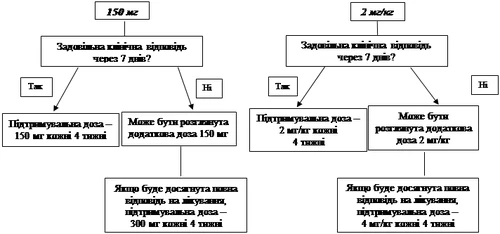
If an adequate clinical response (resolution of rash and other systemic symptoms) is not achieved within 7 days after the initial dose of 150 mg or 2 mg/kg, administration of a second dose of Ilaris 150 mg or 2 mg/kg may be considered. If a clinical response is achieved, maintenance therapy should continue with an intensified dosing regimen of 300 mg or 4 mg/kg every 8 weeks. If an adequate clinical response is not achieved within 7 days after this dose increase, administration of a third dose of Ilaris 300 mg or 4 mg/kg may be considered. Upon achieving a complete clinical response, maintenance therapy should continue with an intensified dosing regimen of 600 mg or 8 mg/kg every 8 weeks, based on individual clinical assessment.
If an adequate clinical response is not achieved within 7 days after the initial dose of 4 mg/kg, administration of a second dose of Ilaris 4 mg/kg may be considered. Upon achieving a complete clinical response, maintenance therapy should continue with an intensified dosing regimen of 8 mg/kg every 8 weeks, based on individual clinical assessment.
Clinical experience with dosing intervals shorter than 4 weeks and with doses exceeding 600 mg or 8 mg/kg is limited.


 |
Still's Disease (SJIA and AOSD)
The recommended dose of Ilaris for patients with Still's disease (adult-onset Still's disease (AOSD) and systemic juvenile idiopathic arthritis) with a body weight ≥ 7.5 kg is 4 mg/kg (maximum 300 mg) every four weeks by subcutaneous injection. The decision on continuing Ilaris treatment in patients without clinical improvement should be made by the physician.
Gouty Arthritis
Treatment should be administered under the supervision of physicians experienced in the diagnosis and treatment of gouty arthritis and in the use of biopharmaceuticals. The medicinal product Ilaris must be administered by a healthcare professional.
Treatment of hyperuricemia should be initiated with appropriate therapy to lower or optimize urate concentrations (ULT). Canakinumab should be used as on-demand therapy for the treatment of gouty arthritis flares.
Control of hyperuricemia with appropriate urate-lowering therapy is required. Ilaris should be used as on-demand therapy for the treatment of gouty arthritis.
The recommended dose of Ilaris for adult patients with gouty arthritis is 150 mg subcutaneously as a single dose during a flare. To achieve maximum efficacy, Ilaris should be administered as soon as possible after the onset of a gouty arthritis flare.
Patients who did not respond to initial treatment should not be re-treated with Ilaris. For patients who responded and require repeat treatment, the interval between doses should be at least 12 weeks.
Special Populations
Geriatric Patients
Dose adjustment is not required.
There are no significant differences in the safety profile observed in patients aged over 65 years.
Hepatic Impairment
Data on the use of Ilaris in patients with hepatic dysfunction are lacking.
Renal Impairment
Dose adjustment is not required for patients with renal impairment. However, clinical experience with the use of the drug in such patients is limited.
Method of Administration
For subcutaneous administration.
Injection sites: upper thigh, abdomen, shoulder, or buttocks. It is recommended to select a different injection site each time the drug is administered to avoid discomfort. Areas with damaged skin, bruises, or rashes should be avoided. Injection into scar tissue should be avoided, as this may reduce the effect of canakinumab.
Each vial is intended for single use for individual administration of one dose. After proper training in correct injection techniques, patients or their caregivers may administer canakinumab if the physician determines it appropriate, and under continued medical supervision.
Instructions for Use
Ilaris, solution for injection 150 mg/mL, is supplied in a single-use vial for individual administration.
Before injection, warm the vial to room temperature. The solution should be free of visible particles and clear or opalescent. The solution should be colorless but may have a slight brownish-yellow tint. Using an 18 G or 21 G × 2 inch (50 mm) needle (or similar, as available on the market), carefully fill a 1 mL syringe with the required amount of solution according to the administered dose.
After filling the syringe with the required amount of solution, cover the cap, detach the filling needle from the syringe, attach a 27 G × 0.5 inch (13 mm) needle (or similar, as available on the market), and immediately administer the solution subcutaneously.
Disposal
Unused medicine or waste should be disposed of according to local requirements.
Patients or their caregivers should be instructed on the disposal of vials, syringes, and needles according to local requirements.
Children.
Periodic syndromes associated with cryopyrin (CAP syndromes), TRAPS, HID/MKD, and FMF
The safety and efficacy of Ilaris in patients under 2 years of age with periodic syndromes associated with cryopyrin, TRAPS, HID/MKD, and FMF have not been established. Available data are described in sections "Pharmacokinetics", "Pharmacodynamics", "Adverse Reactions", but no dosage recommendations can be made.
Systemic Juvenile Idiopathic Arthritis (SJIA)
The safety and efficacy of Ilaris in patients under 2 years of age with systemic juvenile idiopathic arthritis have not been established.
Gouty Arthritis
There is no experience with the use of Ilaris in children for the indication of gouty arthritis.
Overdose.
Information regarding overdose is limited. During early studies, patients and healthy volunteers received doses up to 10 mg/kg intravenously or subcutaneously without any signs of acute toxic effects of the drug.
In case of overdose, patients should be monitored, and appropriate symptomatic treatment should be initiated immediately if necessary.
Side effects
Approximately 2300 patients were enrolled in open-label and blinded clinical trials, including about 250 pediatric patients (aged 2 to 17 years) diagnosed with cryopyrin-associated periodic syndromes, systemic juvenile idiopathic arthritis, gouty arthritis, or other IL-1 beta-mediated diseases, as well as healthy volunteers. The most commonly observed adverse reactions were infections (e.g., upper respiratory tract infections). Most reactions were mild or moderate in severity. Long-term treatment did not affect the type or frequency of adverse reactions.
Cases of hypersensitivity reactions have been observed in patients treated with Ilaris.
Opportunistic infections have been reported during treatment with Ilaris.
Cryopyrin-associated periodic syndromes
A total of 211 adult and pediatric patients (with diagnoses including familial cold autoinflammatory syndrome/familial cold urticaria, Muckle-Wells syndrome, and neonatal-onset multisystem inflammatory disease/chronic infantile neurologic cutaneous and articular syndrome) were enrolled in clinical trials. The safety of Ilaris was compared with placebo in a phase III pivotal study consisting of an 8-week open-label period (part 1), a 24-week randomized, double-blind, placebo-controlled withdrawal period (part 2), and a 16-week open-label period with Ilaris (part 3). All patients received 150 mg of Ilaris subcutaneously or 2 mg/kg body weight for patients with body weight ≥ 15 kg and ≤ 40 kg.
Systemic juvenile idiopathic arthritis
A total of 201 patients aged 2 to 20 years with systemic juvenile idiopathic arthritis were enrolled in Ilaris clinical trials. The safety of Ilaris was compared with placebo in two phase III pivotal studies.
Gouty arthritis
More than 700 patients with gouty arthritis were enrolled in randomized, double-blind, active-controlled clinical trials of up to 24 weeks' duration, receiving doses ranging from 10 mg to 300 mg. Over 250 patients received the recommended dose of 150 mg in phase II and III trials.
Adverse reactions are listed below by MedDRA system organ class and frequency. Within each system organ class, adverse reactions are categorized by frequency, with the most frequent listed first. Frequency categories are defined as follows: very common (≥ 1/10); common (≥ 1/100 to < 1/10); uncommon (≥ 1/1000 to < 1/100); rare (≥ 1/10,000 to < 1/1000); very rare (< 1/10,000); not known (frequency cannot be estimated from available data). Within each frequency group, adverse reactions are listed in order of decreasing severity.
Table 5. Adverse reactions
| Organ system classes |
CAP syndrome, TRAP syndrome, HID syndrome/MKD, FMF, systemic juvenile idiopathic arthritis, gouty arthritis |
| Infections and infestations |
|
| Very common |
Respiratory tract infections (including pneumonia, bronchitis, influenza, viral infections, sinusitis, rhinitis, pharyngitis, tonsillitis, nasopharyngitis, upper respiratory tract infections) Ear infections Cellulitis Gastroenteritis Urinary tract infections |
| Common |
Vulvovaginal candidiasis |
| Nervous system disorders |
|
| Common |
Dizziness/vertigo |
| Gastrointestinal disorders |
|
| Very common |
Abdominal pain (upper)1 |
| Uncommon |
Gastroesophageal reflux disease2 |
| Skin and subcutaneous tissue disorders |
|
| Very common |
Injection site reactions |
| Musculoskeletal and connective tissue disorders |
|
| Very common |
Arthralgia1 |
| Common |
Musculoskeletal pain1 Back pain2 |
| General disorders |
|
| Common |
Fatigue/asthenia2 |
| Investigations |
|
| Very common |
Decreased creatinine renal clearance1,3 Proteinuria1,4 Leukopenia1,5 |
| Common |
Neutropenia |
| Uncommon |
Decreased platelet count |
| 1In systemic juvenile idiopathic arthritis. 2In gouty arthritis. 3According to estimated creatinine clearance, most cases were transient. 4Most cases were either transient traces or test strip protein reactions at 1+ level. 5See additional information below. |
|
In a subset of young adult patients with systemic juvenile idiopathic arthritis aged 16 to 20 years (n = 31), the safety profile of canakinumab was consistent with that observed in patients with systemic juvenile idiopathic arthritis under 16 years of age. Based on published reports, the safety profile in adult-onset Still’s disease patients is expected to be similar to that in patients with systemic juvenile idiopathic arthritis.
Long-term study data and laboratory abnormalities in patients with cryopyrin-associated periodic syndromes
During clinical trials of Ilaris in patients with cryopyrin-associated periodic syndromes, mean hemoglobin values increased, while levels of white blood cells, neutrophils, and platelets decreased.
Elevations in transaminase levels were observed rarely.
Asymptomatic and mild elevations in serum bilirubin levels without concomitant increases in transaminases were reported in patients with cryopyrin-associated periodic syndromes treated with canakinumab.
In long-term open-label dose-escalation studies, infections (gastroenteritis, respiratory tract infections, upper respiratory tract infections), vomiting, and dizziness occurred more frequently in the 600 mg or 8 mg/kg dose group compared to other dose groups.
Laboratory abnormalities in patients with TRAPS, HIDS/MKD, and FMF
Neutrophils
Although grade ≥2 neutrophil decreases occurred in 6.5% of patients (frequent), and grade 1 decreases occurred in 9.5% of patients, these decreases were generally transient, and infection associated with neutropenia was not identified as an adverse reaction.
Platelets
Although platelet count reductions (grade ≥2) occurred in 0.6% of patients, bleeding was not reported as an adverse reaction. Mild and transient grade 1 platelet reductions occurred in 15.9% of patients without any bleeding-related adverse reactions.
Laboratory abnormalities in patients with systemic juvenile idiopathic arthritis
Hematology
Within the overall treatment program for systemic juvenile idiopathic arthritis, transient decreases in white blood cell counts ≤ 0.8 × ULN were observed in 33 patients (16.5%). Transient decreases in absolute neutrophil count (ANC) to levels below 1 × 10⁹/L were observed in 12 patients (6.0%). Transient platelet count reductions (< ULN) were observed in 19 patients (9.5%).
ALT/AST
Within the overall treatment program for systemic juvenile idiopathic arthritis, elevated ALT and/or AST levels (more than 3 times the upper limit of normal [ULN]) were observed in 19 patients (9.5%).
Laboratory abnormalities in patients with gouty arthritis
Hematology
White blood cell count reductions ≤ 0.8 × ULN (lower limit of normal) were recorded in 6.7% of patients treated with canakinumab, compared to 1.4% of patients treated with triamcinolone acetonide. Reductions in absolute neutrophil count (ANC) to levels below 1 × 10⁹/L were observed in 2% of patients in comparative trials. Isolated cases of ANC levels < 0.5 × 10⁹/L were also observed.
Mild (< ULN and > 75 × 10⁹/L) and transient platelet count reductions occurred more frequently (12.7%) after canakinumab administration in active-controlled clinical trials compared to the comparator (7.7%) in patients with gouty arthritis.
Uric acid
Elevations in uric acid levels (0.7 mg/dL at 12 weeks and 0.5 mg/dL at 24 weeks) were observed after canakinumab treatment in comparative trials in patients with gouty arthritis. In another study in patients receiving ULT, no increase in uric acid levels was observed. Increases in uric acid levels were not observed in clinical trials in patient groups without gouty arthritis.
ALT/AST
Mean and median increases in alanine aminotransferase (ALT) of 3.0 U/L and 2.0 U/L, respectively, and aspartate aminotransferase (AST) of 2.7 U/L and 2.0 U/L, respectively, compared to baseline were observed at the end of the study in both the canakinumab and triamcinolone acetonide groups. However, the frequency of clinically significant changes (≥ 3 × ULN) was higher in patients receiving triamcinolone acetonide (2.5% for both AST and ALT) compared to the canakinumab treatment group (1.6% for ALT and 0.8% for AST).
Triglycerides
In active-controlled clinical trials involving patients with gouty arthritis, mean triglyceride levels increased by 33.5 mg/dL in the canakinumab treatment group compared to a slight decrease of −3.1 mg/dL in the triamcinolone acetonide group. The frequency of triglyceride elevations > 5 × ULN was 2.4% for canakinumab and 0.7% for triamcinolone acetonide. The clinical significance of this observation is unknown.
Long-term observational study data
In a long-term study (mean exposure to canakinumab of 3.8 years), canakinumab was administered to patients with systemic juvenile idiopathic arthritis (85 pediatric patients aged ≥2 to ≤17 years and 158 adult patients aged ≥18 years) in routine clinical practice. The safety profile of canakinumab observed after long-term treatment under these conditions was consistent with that observed in interventional studies in patients with systemic juvenile idiopathic arthritis.
Pediatric population
The study included 80 pediatric patients aged 2–17 years with cryopyrin-associated periodic syndromes. Overall, there were no clinically significant differences in safety and tolerability profile of Ilaris in pediatric patients compared to the overall population of patients with cryopyrin-associated periodic syndromes (including adult and pediatric patients, N = 211), including regarding the overall frequency and severity of infectious episodes. Upper respiratory tract infections were the most common infectious events.
Additionally, 6 pediatric patients under 2 years of age were evaluated in a small open-label clinical study. The safety profile of Ilaris was similar to that in patients aged 2 years and older.
During a 16-week study, 102 patients with TRAPS, HIDS/MKD, and FMF (aged 2–17 years) received canakinumab. Overall, there were no clinically significant differences in the safety and tolerability profile of canakinumab in pediatric patients compared to the overall population.
Shelf life. 3 years.
Storage conditions.
Store at 2–8°C in the original packaging to protect from light.
Do not freeze. Keep out of reach of children.
Incompatibility.
Due to lack of compatibility studies, this medicinal product must not be mixed with other medicinal products.
Packaging.
1 ml in a vial; 1 vial in a carton.
Prescription category. Prescription only.
Manufacturer.
- Novartis Pharma GmbH (batch release).
- Lek Pharmaceuticals d.d. (secondary packaging, batch release).
- Novartis Farmacéutica, S.A. (batch release).
Manufacturer’s name and address.
- Roonstrasse 25, Goestenhof, Nuremberg, Bavaria, 90429, Germany.
- Verovškova 57, Ljubljana, 1526, Slovenia.
- Gran Vía de les Corts Catalanes 764, Barcelona, 08013, Spain.