Gliaf
UkraineTable of Contents
INSTRUCTIONS for medical use of the medicinal product Gliaf (Gliaf)
Composition:
active substance: empagliflozin;
1 tablet contains empagliflozin 10 mg or 25 mg;
excipients: lactose monohydrate; microcrystalline cellulose (type PH 101), hydroxypropylcellulose, sodium croscarmellose, microcrystalline cellulose (type PH 102), colloidal anhydrous silicon dioxide, magnesium stearate;
film coating for 10 mg tablets: Opadry Yellow 03B220113 – hypromellose (hydroxypropylmethylcellulose) (type 2910), talc, polyethylene glycol (type 400), titanium dioxide (E 171), iron oxide yellow (E 172);
film coating for 25 mg tablets: Opadry Yellow 03B220114 – hypromellose (hydroxypropylmethylcellulose) (type 2910), talc, polyethylene glycol (type 400), titanium dioxide (E 171), iron oxide yellow (E 172).
Pharmaceutical form. Film-coated tablets.
Main physicochemical properties:
10 mg tablets: pale-yellow, round (approximately 9.1 mm in diameter), biconvex film-coated tablets, with "10" imprinted on one side;
25 mg tablets: pale-yellow, oval (approximately 11.1 mm × 5.6 mm), biconvex film-coated tablets, with "25" imprinted on one side.
Pharmacotherapeutic group
Medicinal products used in diabetes mellitus, sodium-glucose cotransporter 2 inhibitors (SGLT2 inhibitors). ATC code A10B K03.
Pharmacological Properties
Pharmacodynamics
Mechanism of Action
Empagliflozin is a potent (IC50 1.3 nmol), reversible, and highly selective competitive inhibitor of sodium-glucose cotransporter 2 (SGLT2). Empagliflozin does not inhibit other glucose transporters that play an important role in glucose delivery to peripheral tissues and is 5000-fold more selective for SGLT2 than for SGLT1, the primary transporter responsible for glucose absorption in the intestine. SGLT2 is highly expressed in the kidneys, whereas expression in other tissues is absent or very low. As the main transporter, it mediates reabsorption of glucose from the tubular lumen back into the bloodstream. In patients with type 2 diabetes and hyperglycemia, increased amounts of glucose are filtered and reabsorbed.
Empagliflozin improves glycemic control in patients with type 2 diabetes by reducing renal glucose reabsorption. The amount of glucose excreted by the kidneys via this glucuretic mechanism depends on blood glucose concentration and glomerular filtration rate (GFR). Inhibition of SGLT2 in patients with type 2 diabetes and hyperglycemia leads to increased urinary glucose excretion. In addition, empagliflozin increases sodium excretion, resulting in osmotic diuresis and reduction in intravascular volume.
In patients with type 2 diabetes, glucose excretion increased immediately after the first dose of empagliflozin and persisted throughout the 24-hour dosing interval. Increased urinary glucose excretion was maintained at the end of the 4-week treatment period, averaging approximately 78 g/day. Increased urinary glucose excretion led to an immediate reduction in plasma glucose levels in patients with type 2 diabetes.
Empagliflozin improves plasma glucose levels both fasting and postprandial. The mechanism of action of empagliflozin is independent of β-cell function and insulin signaling pathways, thereby reducing the risk of hypoglycemia. Improvement in β-cell function markers, including homeostatic model assessment of β-cell function (HOMA-β), has been observed. Furthermore, urinary glucose excretion leads to caloric loss associated with fat reduction and decreased body weight. The glucosuria observed with empagliflozin is accompanied by diuresis, which may contribute to sustained and moderate reduction in blood pressure.
Empagliflozin also reduces sodium reabsorption and increases sodium delivery to the distal tubules. This may influence several physiological functions, including increased tubuloglomerular feedback and reduced intraglomerular pressure, reduced pre-/post-load on the heart and prevention of sympathetic activation, as well as reduced left ventricular wall stress, as evidenced by lower NT-proBNP levels, which may have beneficial effects on cardiac remodeling, filling pressures, and diastolic function, and preservation of kidney structure and function. Other effects, such as increased hematocrit, reduced body weight, and reduced blood pressure, may further contribute to benefits for the heart and kidneys.
Clinical Efficacy and Safety
Type 2 Diabetes
Improvement of glycemic control and reduction in cardiovascular disease and mortality are integral components of treatment for type 2 diabetes.
Treatment with empagliflozin, either as monotherapy or in combination with metformin, pioglitazone, sulfonylureas, DPP-4 inhibitors, or insulin, resulted in clinically meaningful improvements in HbA1c levels, fasting plasma glucose, body weight, systolic and diastolic blood pressure. With empagliflozin 25 mg, a higher proportion of patients achieved the target HbA1c level of less than 7%, and fewer patients required additional glucose-lowering therapy, compared to empagliflozin 10 mg and placebo. The greater the baseline HbA1c level, the greater the reduction observed with the drug.
In addition, empagliflozin as an add-on to standard therapy reduces the rate of cardiovascular mortality and cardiovascular events in patients with type 2 diabetes.
Cardiovascular Outcomes
The double-blind, placebo-controlled EMPA-REG OUTCOME trial compared the efficacy of empagliflozin 10 mg and 25 mg versus placebo, as add-on to standard therapy, in patients with type 2 diabetes and established cardiovascular disease.
Empagliflozin was superior to placebo in preventing cardiovascular death, non-fatal myocardial infarction, or non-fatal stroke. The effect was driven by a significant reduction in the risk of cardiovascular death, without significant changes in non-fatal myocardial infarction or non-fatal stroke. The reduction in cardiovascular mortality was comparable with empagliflozin 10 mg and 25 mg (see Figures 1–4 below) and was confirmed by improved overall survival (see Table 1).
The effect of empagliflozin on the primary composite endpoint of cardiovascular death, non-fatal myocardial infarction, or non-fatal stroke was largely independent of glycemic control or kidney function, with eGFR generally ≥30 mL/min/1.73 m² across all patient categories in the EMPA-REG OUTCOME trial.
The efficacy in preventing cardiovascular death has not been definitively established in patients taking empagliflozin concomitantly with DPP-4 inhibitors or in non-Caucasian racial groups, due to limited representation of these subgroups in the EMPA-REG OUTCOME trial.
Table 1
Treatment effect on major efficacy outcomes, their components, and mortality rates a
| Measure of efficacy |
Placebo N = 2333 |
Empagliflozin N = 4687 |
| Time to first cardiovascular death, non-fatal myocardial infarction, or non-fatal stroke, N (%) |
282 (12.1) |
490 (10.5) |
| Hazard ratio compared with placebo (95.02 % confidence interval (CI))* |
0.86 (0.74; 0.99) |
|
| p-value for superiority |
0.0382 |
|
| Cardiovascular death, N (%) |
137 (5.9) |
172 (3.7) |
| Hazard ratio compared with placebo (95 % CI) |
0.62 (0.49; 0.77) |
|
| p-value |
< 0.0001 |
|
| Non-fatal myocardial infarction, N (%) |
121 (5.2) |
213 (4.5) |
| Hazard ratio compared with placebo (95 % CI) |
0.87 (0.70; 1.09) |
|
| p-value |
0.2189 |
|
| Non-fatal stroke, N (%) |
60 (2.6) |
150 (3.2) |
| Hazard ratio compared with placebo (95 % CI) |
1.24 (0.92; 1.67) |
|
| p-value |
0.1638 |
|
| Total mortality, N (%) |
194 (8.3) |
269 (5.7) |
| Hazard ratio compared with placebo (95 % CI) |
0.68 (0.57; 0.82) |
|
| p-value |
< 0.0001 |
|
| Non-cardiovascular mortality, N (%) |
57 (2.4) |
97 (2.1) |
| Hazard ratio compared with placebo (95 % CI) |
0.84 (0.60; 1.16) |
a Data from treated patients (i.e., patients who received at least one dose of the investigational medicinal product).
b Combined doses of empagliflozin 10 mg and 25 mg.
* Since the study results were included in an interim analysis, a two-sided 95.02% confidence interval applies, corresponding to p < 0.0498 for significance.
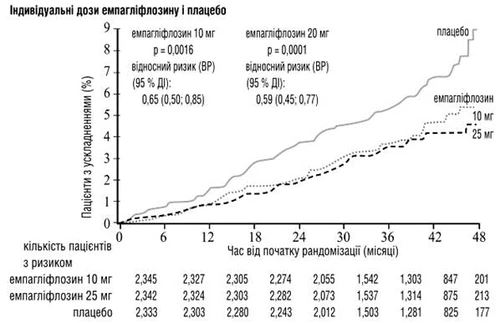
Fig. 1. Time to cardiovascular death in the EMPA-REG OUTCOME study
Heart failure requiring hospitalization
In the EMPA-REG OUTCOME study, empagliflozin reduced the risk of heart failure requiring hospitalization compared with placebo (empagliflozin group – 2.7%; placebo group – 4.1%; HR 0.65; 95% CI 0.50, 0.85).
Nephropathy
In the EMPA-REG OUTCOME study, the time to first episode of nephropathy showed a HR of 0.61 (95% CI 0.53; 0.70) in the empagliflozin group (12.7%) compared with the placebo group (18.8%).
Additionally, empagliflozin increased the risk (HR 1.82; 95% CI 1.40; 2.37) of developing sustained normo- or microalbuminuria (49.7%) in patients with macroalbuminuria at baseline compared with placebo (28.8%).
Heart failure
Use of empagliflozin in patients with heart failure and reduced ejection fraction
A randomized, double-blind, placebo-controlled study (EMPEROR-reduced) was conducted in 3,730 patients with chronic heart failure (NYHA classes II–IV) and reduced left ventricular ejection fraction (LVEF ≤ 40%) to evaluate the efficacy and safety of empagliflozin 10 mg once daily as an add-on to standard heart failure therapy. The primary endpoint was time to first occurrence of cardiovascular (CV) death or hospitalization for heart failure. The slope of change in confirmed hospitalizations (first and recurrent) and eGFR (CKD-EPI) from baseline were included in the confirmatory testing. Heart failure therapy at baseline included use of ACE inhibitors / angiotensin II receptor blockers / angiotensin receptor-neprilysin inhibitors (88.3%), beta-blockers (94.7%), mineralocorticoid receptor antagonists (71.3%), and diuretics (95.0%).
A total of 1,863 patients were randomized to the empagliflozin 10 mg group (placebo – 1,867). The median duration of treatment was 15.7 months. 76.1% of the study population were male and 23.9% female, with a mean age of 66.8 years (range 25–94 years); 26.8% of patients were over 75 years of age. 70.5% of the study population were Caucasian, 18.0% Asian, and 6.9% Black/African American. At randomization, 75.1% of patients had NYHA class II heart failure, 24.4% had NYHA class III heart failure, and 0.5% had NYHA class IV heart failure. The mean LVEF was 27.5%. At baseline, the mean eGFR was 62.0 mL/min/1.73 m², and the mean urinary albumin-to-creatinine ratio (UACR) was 22 mg/g. In approximately half of the patients (51.7%), eGFR was ≥ 60 mL/min/1.73 m², in 24.1% it was 45 to < 60 mL/min/1.73 m², in 18.6% it was 30 to < 45 mL/min/1.73 m², and in 5.3% it was 20 to < 30 mL/min/1.73 m².
Empagliflozin demonstrated significant efficacy in reducing the risk of the primary composite endpoint of CV death or hospitalization for heart failure compared with placebo. Furthermore, empagliflozin significantly reduced the risk of hospitalization for heart failure (first and recurrent), and significantly slowed the rate of eGFR decline (Table 2).
Table 2
Treatment effect on the primary composite endpoint, its components, and two key secondary endpoints included in the pre-specified confirmatory test
| Parameter |
Placebo |
Empagliflozin 10 mg |
| N |
1867 |
1863 |
| Time to first confirmed event of CV death or hospitalization for HF, N (%) |
462 (24.7) |
361 (19.4) |
| Hazard ratio compared with placebo (95% CI)* |
0.75 (0.65, 0.86) |
|
| p-value for superiority |
< 0.0001 |
|
| CV death, N (%)* |
202 (10.8) |
187 (10.0) |
| Hazard ratio compared with placebo (95% CI) |
0.92 (0.75, 1.12) |
|
| Hospitalization for HF (first event), N (%) |
342 (18.3) |
246 (13.2) |
| Hazard ratio compared with placebo (95% CI) |
0.69 (0.59, 0.81) |
|
| Hospitalization for HF (first and recurrent events), number of events |
553 |
388 |
| Hazard ratio compared with placebo (95% CI)* |
0.70 (0.58, 0.85) |
|
| p-value |
0.0003 |
|
| Slope of eGFR (CKD EPI)cr change, rate of decline (mL/min/1.73m²/year) |
-2.28 |
-0.55 |
| Difference between treatment arms compared with placebo (95% CI) |
1.73 (1.10, 2.37) |
|
| p-value |
p < 0.0001 |
CV – cardiovascular, HF – heart failure, eGFR – estimated glomerular filtration rate, CKD EPI – Chronic Kidney Disease Epidemiology Collaboration
* Cardiovascular death and hospitalization for heart failure were determined by an independent clinical events committee and adjudicated in a blinded fashion based on the randomized set.
** Estimated glomerular filtration rate was analyzed based on the treated set. The offset was -0.95 mL/min/1.73 m² with placebo and -3.02 mL/min/1.73 m² with empagliflozin. The offset represents the acute effect on estimated glomerular filtration rate, whereas the slope represents the long-term effect.
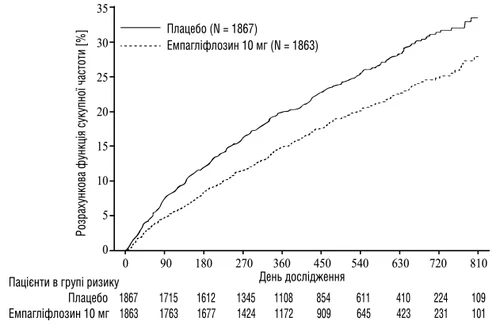
Figure 2. Time to first confirmed event of cardiovascular death or hospitalization for heart failure
Results for the primary composite endpoint were consistent with a risk ratio (RR) below 1 across all pre-specified subgroups, including patients with heart failure with or without type 2 diabetes and with or without impaired kidney function (eGFR not below 20 mL/min/1.73 m²).
Use of empagliflozin in patients with heart failure and preserved ejection fraction
A randomized, double-blind, placebo-controlled trial (EMPEROR-Preserved) was conducted in 5,988 patients with chronic heart failure (NYHA class II–IV) and preserved left ventricular ejection fraction (LVEF > 40%) to evaluate the efficacy and safety of empagliflozin 10 mg once daily as an add-on to standard therapy. The primary endpoint was time to first occurrence of cardiovascular death or first confirmed hospitalization for heart failure (HF). Confirmed hospitalizations for HF (first and recurrent) and the slope of change in eGFR (CKD-EPI) from baseline were included in the pre-specified confirmatory testing. Background therapy included ACE inhibitors / angiotensin receptor blockers / angiotensin receptor-neprilysin inhibitors (80.7%), beta-blockers (86.3%), mineralocorticoid receptor antagonists (37.5%), and diuretics (86.2%).
Empagliflozin demonstrated significant efficacy in reducing the risk of the primary composite endpoint—cardiovascular death or hospitalization for heart failure—compared with placebo. Additionally, empagliflozin significantly reduced the risk of hospitalization for HF (first and recurrent) and significantly slowed the rate of eGFR decline.
Table 3
Treatment effect on the primary composite endpoint, its components, and two key secondary endpoints included in the pre-specified confirmatory testing
| Parameter |
Placebo |
Empagliflozin, 10 mg |
| N |
2991 |
2997 |
| Time to first confirmed episode of cardiovascular death or hospitalization for heart failure, N (%) |
511 (17.1) |
415 (13.8) |
| Hazard ratio compared to placebo (95% CI)* |
0.79 (0.69, 0.90) |
|
| p-value for superiority |
0.0003 |
|
| Cardiovascular death, N (%) * |
244 (8.2) |
219 (7.3) |
| Hazard ratio compared to placebo (95% CI) |
0.91 (0.76, 1.09) |
|
| Hospitalization for heart failure (first episode), N (%) |
352 (11.8) |
259 (8.6) |
| Hazard ratio compared to placebo (95% CI) |
0.71 (0.60, 0.83) |
|
| Hospitalization for heart failure (first and recurrent), number of events |
541 |
407 |
| Hazard ratio compared to placebo (95% CI)* |
0.73 (0.61, 0.88) |
|
| p-value |
0.0009 |
|
| Slope of change in eGFR (CKD EPI)cr, decline rate (mL/min/1.73 m²/year) |
-2.62 |
-1.25 |
| Difference between treatment groups compared to placebo (95% CI) |
1.36 (1.06, 1.66) |
|
| p-value |
p < 0.0001 |
CV – cardiovascular, HF – heart failure, eGFR – estimated glomerular filtration rate, CKD EPI – Chronic Kidney Disease Epidemiology Collaboration.
* Death from cardiovascular disease and hospitalization for heart failure were determined by an independent endpoint committee and adjudicated based on the randomized set.
** Estimated glomerular filtration rate was analyzed based on the treated set. The offset was -0.95 mL/min/1.73 m² with placebo and -3.02 mL/min/1.73 m² with empagliflozin. The offset represents the acute effect on estimated glomerular filtration rate, whereas the slope represents the long-term effect.
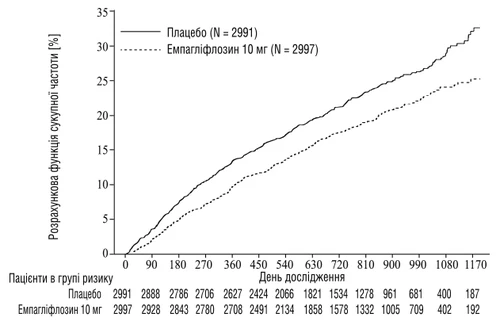
Fig. 3 Time to first confirmed event of cardiovascular death or hospitalization for heart failure
Results for the primary composite endpoint were consistent across each of the pre-specified subgroups, categorized, for example, by LVEF, diabetes status, or kidney function (down to 20 mL/min/1.73 m²).
Chronic kidney disease
A randomized, double-blind, placebo-controlled trial of empagliflozin 10 mg once daily (EMPA-KIDNEY), as add-on to standard of care, was conducted in 6609 patients with chronic kidney disease (eGFR ≥ 20 to < 45 mL/min/1.73 m² or eGFR ≥ 45 to < 90 mL/min/1.73 m² with urine albumin-to-creatinine ratio (UACR) ≥ 200 mg/g) to evaluate cardiorenal outcomes. The primary endpoint was time to first occurrence of kidney disease progression (sustained reduction of ≥ 40% in eGFR from randomization, sustained eGFR < 10 mL/min/1.73 m², end-stage kidney disease, or death from kidney disease) or cardiovascular death. First hospitalization for heart failure or cardiovascular death, hospitalization for any cause (first and recurrent), and all-cause death were included in the pre-specified confirmatory testing.
Background therapy at study initiation included use of a RAS inhibitor (85.2% ACE inhibitor / angiotensin II receptor blocker).
3304 patients were randomized to the empagliflozin 10 mg group (placebo – 3305). Median duration of treatment was 24.3 months. 66.8% of the study population were men and 33.2% were women, with a mean age of 63.3 years (range 18–94 years), and 23.0% of patients were over 75 years of age. 58.4% of the study population were Caucasian, 36.2% were Asian, and 4.0% were Black (African American).
At baseline, mean eGFR was 37.3 mL/min/1.73 m², with 21.2% of patients having eGFR ≥ 45 mL/min/1.73 m², 44.3% between 30 and < 45 mL/min/1.73 m², and 34.5% < 30 mL/min/1.73 m², including 254 patients with eGFR < 20 mL/min/1.73 m². Mean urine albumin-to-creatinine ratio (UACR) was 329 mg/g, with 20.1% of patients having UACR < 30 mg/g, 28.2% between 30 and ≤ 300 mg/g, 51.7% > 300 mg/g, and 41.1% < 200 mg/g. The main causes of CKD were diabetic nephropathy/diabetic kidney disease (31%), glomerular disease (25%), hypertensive/renovascular disease (22%), and other/unknown causes (22%).
Empagliflozin was superior to placebo in reducing the risk of the primary composite endpoint, which included kidney disease progression or cardiovascular death (see Table 4). Additionally, empagliflozin significantly reduced the risk of hospitalization for any cause (first and recurrent).
Table 4
Treatment effects for the primary composite endpoint and key secondary endpoints included in the pre-specified confirmatory testing, and their components
| Placebo |
Empagliflozin, 10 mg |
|
| N |
3,305 |
3,304 |
| Time to first occurrence of kidney disease progression (sustained eGFR decrease ≥ 40 % from randomization, sustained eGFR < 10 mL/min/1.73 m², end-stage kidney disease* [ESKD] or death from kidney disease) or cardiovascular death, N (%) |
558 (16.9) |
432 (13.1) |
| Hazard ratio compared to placebo (99.83 % CI) |
0.72 (0.59; 0.89) |
|
| p-value for demonstration of non-inferiority |
< 0.0001 |
|
| Sustained eGFR decrease ≥ 40 % from randomization, N (%) |
474 (14.3) |
359 (10.9) |
| Hazard ratio compared to placebo (95 % CI) |
0.70 (0.61; 0.81) |
|
| p-value |
< 0.0001 |
|
| ESKD* or sustained eGFR < 10 mL/min/1.73 m², N (%) |
221 (6.7) |
157 (4.8) |
| Hazard ratio compared to placebo (95 % CI) |
0.69 (0.56; 0.84) |
|
| p-value |
0.0003 |
|
| Death from kidney disease, N (%)** |
4 (0.1) |
4 (0.1) |
| Hazard ratio compared to placebo (95 % CI) |
||
| p-value |
||
| Cardiovascular death, N (%) |
69 (2.1) |
59 (1.8) |
| Hazard ratio compared to placebo (95 % CI) |
0.84 (0.60; 1.19) |
|
| p-value |
0.3366 |
|
| ESKD* or cardiovascular death, N (%)# |
217 (6.6) |
163 (4.9) |
| Hazard ratio compared to placebo (95 % CI) |
0.73 (0.59; 0.89) |
|
| p-value |
0.0023 |
|
| All-cause hospitalization rate (first and recurrent), N events |
1,895 |
1,611 |
| Hazard ratio compared to placebo (99.03 % CI) |
0.86 (0.75; 0.98) |
|
| p-value |
0.0025 |
CV – cardiovascular, eGFR – estimated glomerular filtration rate.
* End-stage kidney disease (ESKD) is defined as the initiation of maintenance dialysis or receipt of a kidney transplant.
** Too few kidney disease deaths were observed to calculate the appropriate hazard ratio.
Pre-specified as one of two stopping criteria in a pre-planned interim analysis.
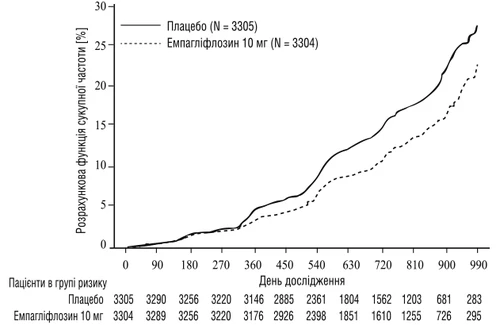
Fig. 4. Time to first kidney disease progression or predicted CV death event, cumulative incidence function
Results of the primary composite endpoint were consistent across each of the pre-specified subgroups categorized by eGFR, primary cause of kidney disease, diabetes status, or use of RAS inhibitors. Treatment benefits were more pronounced in patients with high levels of albuminuria.
During treatment, eGFR declined more slowly in the empagliflozin group compared to the placebo group. Empagliflozin slowed the annual rate of eGFR decline by 1.37 mL/min/1.73 m²/year (95% CI 1.16, 1.59), based on results from a prior analysis of all eGFR measurements taken from the 2-month visit to the final follow-up visit. In patients receiving empagliflozin, an initial decline in eGFR was observed, which returned to baseline levels after discontinuation of treatment, as demonstrated in several empagliflozin studies, confirming that hemodynamic changes play a role in the acute effect of empagliflozin on eGFR.
Children
Type 2 diabetes
The clinical efficacy and safety of empagliflozin (10 mg with possible dose increase to 25 mg) and linagliptin (5 mg) once daily were evaluated in children and adolescents aged 10 to 17 years with type 2 diabetes in a placebo-controlled trial (DINAMO) over 26 weeks with a safety extension up to 52 weeks.
Background therapy as an adjunct to diet and exercise included metformin (51%), combination of metformin and insulin (40.1%), insulin (3.2%), or neither (5.7%).
The adjusted mean change in HbA1c at week 26 between empagliflozin (N=52) and placebo (N=53), which was -0.84%, was clinically and statistically significant (95% CI -1.50, -0.19; p = 0.0116).
Additionally, treatment with empagliflozin compared to placebo resulted in a clinically significant adjusted mean change in fasting plasma glucose level of -35.2 mg/dL (95% CI -58.6, -11.7) (-1.95 mmol/L (-3.25, -0.65)).
Heart failure and chronic kidney disease
The European Medicines Agency has waived the obligation to submit the results of studies with the reference medicinal product in all pediatric subgroups with chronic kidney disease and heart failure (information on pediatric use can be found in section "Dosage and administration").
Pharmacokinetics
Absorption
The pharmacokinetics of empagliflozin have been extensively characterized in healthy volunteers and patients with type 2 diabetes. After oral administration, empagliflozin was rapidly absorbed, with peak plasma concentration reached at a median tmax of 1.5 hours post-dose. Thereafter, plasma concentration declined in a biphasic manner, with a rapid distribution phase followed by a relatively slow terminal phase. Mean steady-state area under the concentration-time curve (AUC) and maximum plasma concentration (Cmax) values were 1870 nmol/L·h and 259 nmol/L, respectively, with 10 mg empagliflozin, and 4740 nmol/L·h and 687 nmol/L, respectively, with 25 mg empagliflozin once daily. Systemic exposure to empagliflozin increased dose-proportionally. Pharmacokinetic parameters at steady state after single-dose administration were similar, indicating time-linear pharmacokinetics. There was no clinically relevant difference in empagliflozin pharmacokinetics between healthy volunteers and patients with type 2 diabetes.
Administration of 25 mg empagliflozin following a high-calorie, high-fat meal resulted in a modest reduction in its exposure: AUC decreased by approximately 16% and Cmax by approximately 37%, compared to fasting conditions. This food effect on empagliflozin pharmacokinetics is not considered clinically significant. Empagliflozin can be administered independently of food intake.
Distribution
The volume of distribution at steady state is 73.8 L. Following administration of an oral solution of [14C]-empagliflozin to healthy volunteers, blood cell partitioning was approximately 37% and plasma protein binding was 86%.
Biotransformation
Major metabolites of empagliflozin were not detected in human plasma. The most common metabolites were three glucuronide conjugates (2-, 3-, and 6-O-glucuronide). Systemic exposure to each metabolite was less than 10% of total drug exposure. In vitro studies indicate that the primary metabolic pathway of empagliflozin in humans is glucuronidation by uridine 5'-diphosphate-glucuronosyltransferases UGT2B7, UGT1A3, UGT1A8, and UGT1A9.
Elimination
The terminal half-life of empagliflozin is 12.4 hours, and the apparent oral clearance is 10.6 L/h. Inter-subject and residual variability in oral empagliflozin clearance were 39.1% and 35.8%, respectively. With once-daily dosing, steady-state plasma concentrations of empagliflozin are achieved by the fifth dose. Based on the half-life, approximately 22% accumulation (relative to plasma AUC) was observed at steady state. After administration of an oral solution of [14C]-empagliflozin to healthy volunteers, approximately 96% of the administered radioactivity was recovered in feces (41%) and urine (54%). The majority of the radioactivity was excreted unchanged in feces, and about half of the radioactivity was excreted unchanged in urine.
Special patient populations
Patients with renal impairment
In patients with mild, moderate, or severe renal impairment (eGFR <30 to <90 mL/min/1.73 m²) and in patients with renal failure/end-stage kidney disease (ESKD), empagliflozin AUC increased by approximately 18%, 20%, 66%, and 48%, respectively, compared to subjects with normal renal function. Peak empagliflozin plasma levels were similar in patients with moderate renal impairment and in patients with renal failure/ESKD compared to subjects with normal renal function. Peak empagliflozin plasma levels were approximately 20% higher in patients with mild and severe renal impairment compared to subjects with normal renal function. Population pharmacokinetic analysis showed that apparent oral clearance of empagliflozin decreased with decreasing eGFR, resulting in enhanced drug exposure.
Patients with hepatic impairment
In patients with mild, moderate, and severe hepatic impairment according to Child-Pugh classification, empagliflozin AUC increased by approximately 23%, 47%, and 75%, and Cmax increased by approximately 4%, 23%, and 48%, respectively, compared to subjects with normal hepatic function.
Body mass index
Body mass index (BMI) had no clinically significant effect on empagliflozin pharmacokinetics. AUC was 5.82%, 10.4%, and 17.3% lower in patients with BMI of 30, 35, and 45 kg/m², respectively, compared to patients with BMI of 25 kg/m².
Sex
Sex had no clinically significant effect on empagliflozin pharmacokinetics.
Race
AUC was 13.5% higher in Mongoloid race patients with BMI of 25 kg/m² compared to patients of other races with BMI of 25 kg/m².
Elderly patients
Patient age had no clinically significant effect on empagliflozin pharmacokinetics.
Children
Clinical studies of empagliflozin in children aged 10–18 years with type 2 diabetes have been initiated. Available pharmacokinetic and pharmacodynamic data are comparable to those in adults.
A phase 3 pediatric study evaluated the pharmacokinetics and pharmacodynamics (change in HbA1c from baseline) of 10 mg empagliflozin with possible dose increase to 25 mg in children and adolescents aged 10 to 17 years with type 2 diabetes. The observed exposure-response relationship was generally comparable between adults, children, and adolescents. Oral administration of empagliflozin resulted in exposure within the range observed in adult patients.
Observed geometric mean trough concentrations and geometric mean concentrations at 1.5 hours post-dose at steady state were 26.6 nmol/L and 308 nmol/L with 10 mg empagliflozin once daily, and 67.0 nmol/L and 525 nmol/L with 25 mg empagliflozin once daily.
Clinical characteristics
Indications
Type 2 diabetes mellitus
Gliaf is indicated in adults and children aged 10 years and older for the treatment of inadequately controlled type 2 diabetes mellitus as an adjunct to diet and exercise:
- as monotherapy when treatment with metformin is considered not feasible due to intolerance to the medicinal product;
- in addition to other medicinal products for the treatment of type 2 diabetes mellitus.
For study results on combination therapy, effects on glycemic control, cardiovascular and renal events, and studied populations, see sections "Special warnings and precautions for use", "Interaction with other medicinal products and other forms of interaction", and "Pharmacodynamics".
Heart failure
Gliaf is indicated in adults for the treatment of symptomatic chronic heart failure.
Chronic kidney disease
Gliaf is indicated in adults for the treatment of chronic kidney disease.
Contraindications
Hypersensitivity to the active substance or to any of the excipients.
Interaction with other medicinal products and other forms of interaction
Pharmacodynamic interactions
Diuretics
Empagliflozin may enhance the diuretic effect of thiazide and loop diuretics and increase the risk of dehydration and hypotension (see section "Special warnings and precautions for use").
Insulin and insulin secretagogues
Insulin and insulin secretagogues, such as sulfonylureas, may increase the risk of hypoglycemia. Dose reduction of insulin or insulin secretagogue may be recommended when used in combination with empagliflozin to reduce the risk of hypoglycemia (see sections "Posology and method of administration" and "Undesirable effects").
Pharmacokinetic interactions
Effect of other medicinal products on empagliflozin
In vitro data indicate that the primary route of empagliflozin metabolism in humans is glucuronidation by uridine-5’-diphospho-glucuronosyltransferases UGT1A3, UGT1A8, UGT1A9, and UGT2B7. Empagliflozin is a substrate of human uptake transporters OAT3, OATP1B1, and OATP1B3, but not of OAT1 and OCT2. Empagliflozin is a substrate of P-glycoprotein (P-gp) and breast cancer resistance protein (BCRP).
Concomitant administration of empagliflozin with probenecid, an inhibitor of uridine-diphospho-glucuronosyltransferase (UGT) enzymes and OAT3, resulted in a 26% increase in peak plasma concentration (Cmax) and a 53% increase in AUC of empagliflozin. These changes were not considered clinically significant.
The effect of UGT induction (including induction by rifampicin or phenytoin) on empagliflozin has not been studied. Concomitant use with known inducers of UGT enzymes is not recommended due to the potential risk of reduced efficacy. If a UGT enzyme inducer must be co-administered, monitoring of glycemic control to assess response to Gliaf is advisable.
A drug interaction study with gemfibrozil, an in vitro inhibitor of OAT3 and OATP1B1/1B3 transporters, showed that after concomitant administration, Cmax of empagliflozin increased by 15% and AUC increased by 59%. These changes were not considered clinically significant.
Inhibition of OATP1B1/1B3 transporters with concomitant administration of rifampicin led to a 75% increase in Cmax and a 35% increase in AUC of empagliflozin. These changes were not considered clinically significant.
The effect of empagliflozin when co-administered with verapamil, a P-gp inhibitor, was similar. This indicates that inhibition of P-gp does not have a clinically significant effect on empagliflozin.
Drug interaction studies conducted in healthy volunteers indicate that the pharmacokinetics of empagliflozin are not affected by concomitant administration of metformin, glimepiride, pioglitazone, sitagliptin, linagliptin, warfarin, verapamil, ramipril, simvastatin, torasemide, and hydrochlorothiazide.
Effect of empagliflozin on other medicinal products
Empagliflozin may increase renal excretion of lithium and reduce serum lithium levels. Serum lithium concentrations should be monitored more frequently after initiation of empagliflozin and after dose changes. The patient should be referred to the physician who prescribed lithium-containing medications for monitoring of serum lithium concentrations.
In vitro data indicate that empagliflozin does not inhibit, inactivate, or induce CYP450 isoenzymes. Empagliflozin does not inhibit UGT1A1, UGT1A3, UGT1A8, UGT1A9, or UGT2B7. Drug interactions involving major CYP450 or UGT isoenzymes with empagliflozin and concomitantly administered substrates of these enzymes are considered unlikely.
Empagliflozin does not inhibit P-gp at therapeutic doses. In vitro data suggest that empagliflozin is unlikely to cause interactions with active substances that are P-gp substrates. Concomitant administration of digoxin, a P-gp substrate, and empagliflozin resulted in up to a 6% increase in AUC and a 14% increase in Cmax of digoxin. These changes were not considered clinically significant.
Empagliflozin does not inhibit human uptake transporters such as OAT3, OATP1B1, and OATP1B3 in vitro at clinically relevant serum concentrations; therefore, drug interactions with substrates of these uptake transporters are considered unlikely.
Drug interaction studies conducted in healthy volunteers indicate that empagliflozin has no clinically significant effect on the pharmacokinetics of metformin, glimepiride, pioglitazone, sitagliptin, linagliptin, simvastatin, warfarin, ramipril, digoxin, diuretics, and oral contraceptives.
Children
Drug interaction studies have been performed only in adults.
Special precautions for use
Empagliflozin should not be used in patients with type 1 diabetes mellitus (see below, "Ketoacidosis").
Ketoacidosis
Cases of ketoacidosis, including life-threatening and fatal events, have been reported in patients with diabetes mellitus treated with SGLT2 inhibitors (including empagliflozin). In several cases, ketoacidosis presented atypically with only moderate elevation of blood glucose levels (below 14 mmol/L [250 mg/dL]). It is unknown whether increasing the dose of empagliflozin affects the likelihood of developing ketoacidosis. Although ketoacidosis is less likely in patients without diabetes mellitus, cases have been reported in such patients.
The risk of ketoacidosis should be considered in the presence of nonspecific symptoms such as nausea, vomiting, anorexia, abdominal pain, excessive thirst, dyspnea, confusion, unusual fatigue, or drowsiness. If these symptoms occur, patients should be immediately evaluated for ketoacidosis regardless of blood glucose levels.
If ketoacidosis is suspected or diagnosed, empagliflozin should be discontinued immediately.
Treatment with empagliflozin should be interrupted in patients hospitalized for major surgical procedures or in cases of serious acute illness. In such patients, monitoring for ketones is recommended. Urine ketone testing is preferred over blood ketone measurement. Empagliflozin treatment may be resumed once ketone levels normalize and the patient's condition stabilizes.
Prior to initiating empagliflozin, patient history should be reviewed for factors that may predispose to ketoacidosis.
Prolonged ketoacidosis and prolonged glucosuria have been observed with empagliflozin use.
Due to the elimination half-life of empagliflozin, ketoacidosis may persist after discontinuation of the drug. Factors independent of empagliflozin use (such as insulin deficiency) may prolong the duration of ketoacidosis.
Patients at high risk of ketoacidosis include those with low β-cell function (e.g., type 2 diabetes with low C-peptide levels, latent autoimmune diabetes in adults, or history of pancreatitis); patients with conditions leading to restricted food intake or severe dehydration; patients whose insulin dose is reduced; and patients with increased insulin requirements due to acute illness, surgery, or alcohol abuse. SGLT2 inhibitors should be used with caution in these patients.
Reinitiating SGLT2 inhibitor therapy in patients who previously experienced ketoacidosis during SGLT2 inhibitor treatment is not recommended unless another precipitating factor has been clearly identified and corrected.
Glyaf should not be used in patients with type 1 diabetes mellitus. Clinical trial data in patients with type 1 diabetes showed an increased incidence of ketoacidosis with empagliflozin 10 mg and 25 mg as adjunct to insulin compared to placebo.
Renal impairment
Due to limited experience, initiation of empagliflozin therapy is not recommended in patients with eGFR < 20 mL/min/1.73 m².
For patients with eGFR < 60 mL/min/1.73 m², the recommended daily dose of empagliflozin is 10 mg (see section "Dosage and administration").
The glucose-lowering efficacy of empagliflozin depends on renal function and decreases in patients with eGFR < 45 mL/min/1.73 m² and is likely absent in patients with eGFR < 30 mL/min/1.73 m² (see sections "Dosage and administration", "Pharmacodynamics", and "Pharmacokinetics").
Monitoring of renal function
Assessment of renal function is recommended as follows:
- before initiating empagliflozin and periodically during treatment, at least once a year (see sections "Dosage and administration", "Adverse reactions", "Pharmacodynamics", and "Pharmacokinetics");
- before initiating any concomitant medication that may adversely affect renal function.
Use in patients at risk of reduced extracellular fluid volume
Due to the mechanism of action of SGLT2 inhibitors, osmotic diuresis accompanying glucosuria may lead to a slight reduction in blood pressure (see section "Pharmacodynamics"). The drug should be used with caution in patients for whom blood pressure reduction due to empagliflozin may pose a risk, such as patients with cardiovascular disease, patients on antihypertensive medications and with a history of hypotension, or patients aged 75 years and older.
In the event of conditions that may lead to fluid loss (e.g., gastrointestinal disorders), careful monitoring of extracellular fluid volume (e.g., physical examination, blood pressure measurement, laboratory tests including hematocrit) and electrolyte replacement are recommended in patients receiving empagliflozin. Temporary discontinuation of empagliflozin therapy should be considered until fluid loss is resolved.
Elderly patients
The effect of empagliflozin on urinary glucose excretion is associated with osmotic diuresis, which may affect hydration status. Patients aged 75 years and older have an increased risk of reduced extracellular fluid volume. Most such patients receiving empagliflozin experienced adverse reactions related to reduced extracellular fluid volume compared to placebo group patients (see section "Adverse reactions"). Therefore, special attention to extracellular fluid volume is required when co-administering medications that may lead to its reduction (e.g., diuretics, ACE inhibitors).
Complicated urinary tract infections
Cases of complications including urinary tract infections such as pyelonephritis and urosepsis have been reported in patients receiving empagliflozin (see section "Adverse reactions"). Temporary discontinuation of empagliflozin therapy should be considered in patients with complicated urinary tract infections.
Necrotizing fasciitis of the perineum (Fournier’s gangrene)
Cases of necrotizing fasciitis of the perineum (also known as Fournier’s gangrene) have been reported in men and women with diabetes mellitus treated with SGLT2 inhibitors, including empagliflozin. Fournier’s gangrene is a rare but serious and potentially life-threatening infection requiring urgent surgical intervention and antibiotic therapy.
Patients should be advised to seek immediate medical attention if they experience symptoms such as pain, tenderness, erythema, or swelling in the genital or perineal area, accompanied by fever or malaise. It should be noted that genital urinary infection or perineal abscess may precede necrotizing fasciitis. If Fournier’s gangrene is suspected, Glyaf should be discontinued and prompt treatment initiated (including antibiotics and surgical debridement of the affected area).
Lower limb amputations
In a study with another SGLT2 inhibitor, an increased incidence of lower limb amputations (primarily of the toe) was observed. It is unknown whether this effect is a class effect of these medications. Patients with diabetes should be advised to practice preventive foot care.
Liver impairment
Cases of liver injury have been reported during clinical trials with empagliflozin. A causal relationship between empagliflozin use and liver injury has not been established.
Elevated hematocrit
Increased hematocrit has been observed during empagliflozin treatment (see section "Adverse reactions"). Patients with marked increases in hematocrit should be monitored and evaluated for underlying hematological disorders.
Chronic kidney disease
Patients with albuminuria may derive greater benefit from empagliflozin treatment.
Infiltrative disease or Takotsubo cardiomyopathy
The use of empagliflozin in patients with infiltrative disease or Takotsubo cardiomyopathy has not been specifically studied. Therefore, efficacy in such patients has not been established.
Urine laboratory tests
In patients taking Glyaf, urine glucose tests will be positive due to the drug's mechanism of action.
Interference with 1,5-anhydroglucitol (1,5-AG) levels
Monitoring of glycemic control using 1,5-AG levels is not recommended, as 1,5-AG measurements are unreliable for assessing glycemic control in patients taking SGLT2 inhibitors. Alternative methods for glycemic monitoring are recommended.
Lactose
This medicinal product contains lactose. Patients with rare hereditary problems of galactose intolerance, total lactase deficiency, or glucose-galactose malabsorption should not take this medicinal product.
Sodium
One tablet of the medicinal product contains less than 1 mmol sodium (23 mg), i.e., this medicinal product is essentially "sodium-free".
Use during pregnancy or breastfeeding
Pregnancy
Data on the use of empagliflozin in pregnant women are lacking. Animal studies show that empagliflozin crosses the placenta only minimally in late pregnancy and do not indicate direct or indirect harmful effects on early embryonic development. However, animal studies have shown adverse effects on postnatal development. As a precautionary measure, it is advisable to avoid using Glyaf during pregnancy.
Breastfeeding period
It is unknown whether empagliflozin passes into human breast milk. Glyaf should not be used during breastfeeding.
Fertility
Studies on the effect of Glyaf on human fertility have not been conducted.
***Ability to influence reaction speed when driving or operating machinery ***
Glyaf has negligible influence on the ability to drive or operate machinery. However, patients should be informed of the risk of hypoglycemia if Glyaf is used in combination with sulfonylureas and/or insulin.
Dosage and Administration
Dosage
Type 2 Diabetes Mellitus
The recommended starting dose is 10 mg of empagliflozin once daily as monotherapy or in combination with other antidiabetic medicinal products. For patients who tolerate empagliflozin 10 mg once daily and who have eGFR ≥ 60 mL/min/1.73 m² and require tighter glycemic control, the dose may be increased to 25 mg once daily. The maximum recommended daily dose is 25 mg (see information below and section "Special Warnings and Precautions for Use").
Heart Failure
The recommended dose is 10 mg of empagliflozin once daily.
Chronic Kidney Disease
The recommended dose is 10 mg of empagliflozin once daily.
All Indications
When empagliflozin is used in combination with a sulfonylurea or insulin, consideration should be given to using a lower dose of the sulfonylurea or insulin to reduce the risk of hypoglycemia (see sections "Interaction with Other Medicinal Products and Other Forms of Interaction" and "Adverse Reactions").
If a dose is missed, it should be taken as soon as the patient remembers, but a double dose should not be taken on the same day.
Special Patient Populations
Patients with Renal Impairment
Due to limited experience, initiation of empagliflozin treatment is not recommended in patients with eGFR < 20 mL/min/1.73 m².
For patients with eGFR < 60 mL/min/1.73 m², the daily dose of empagliflozin is 10 mg.
In patients with type 2 diabetes, the glucose-lowering efficacy of empagliflozin decreases when eGFR is < 45 mL/min/1.73 m² and is likely absent when eGFR is < 30 mL/min/1.73 m². Therefore, if eGFR is below 45 mL/min/1.73 m², additional glucose-lowering therapy should be considered, if needed (see sections "Special Warnings and Precautions for Use", "Adverse Reactions", "Pharmacodynamics", and "Pharmacokinetics").
Patients with Hepatic Impairment
Dose adjustment is not required in patients with hepatic impairment. The effect of empagliflozin is enhanced in patients with severe hepatic impairment. Experience with empagliflozin in patients with severe hepatic impairment is limited; therefore, the use of empagliflozin is not recommended in this patient population (see section "Pharmacological Properties").
Elderly Patients
Dose adjustment based on age is not required. In patients aged 75 years and older, the increased risk of intravascular volume depletion should be considered (see sections "Special Warnings and Precautions for Use" and "Adverse Reactions").
Administration
Tablets can be taken with or without food, swallowed with water, without chewing.
Children
The recommended starting dose is 10 mg of empagliflozin once daily. For patients who tolerate empagliflozin 10 mg once daily and require additional glycemic control, the dose may be increased to 25 mg once daily (see sections "Pharmacodynamics" and "Pharmacokinetics"). There are no data on use in children with eGFR < 60 mL/min/1.73 m² or in children under 10 years of age.
The safety and efficacy of empagliflozin for the treatment of heart failure or chronic kidney disease in children (under 18 years of age) have not been established. The medicinal product is not recommended for use in this patient population.
Overdose
Symptoms
In controlled clinical studies, single doses of up to 800 mg of empagliflozin in healthy volunteers and multiple daily doses of up to 100 mg of empagliflozin in patients with type 2 diabetes did not result in any toxic effects. Empagliflozin increased urinary glucose excretion, leading to increased urine volume. The observed increase in urine volume was not dose-dependent and was not clinically significant. There is no experience with doses higher than 800 mg in humans.
Treatment
In the event of overdose, treatment should be initiated based on the patient's clinical condition. Elimination of empagliflozin by hemodialysis has not been studied.
Adverse Reactions
Type 2 diabetes
The most common adverse reaction was hypoglycaemia when empagliflozin was used in combination with sulphonylureas or insulin.
Heart failure
The EMPEROR trials included patients with heart failure and reduced left ventricular ejection fraction (N = 3,726) and preserved ejection fraction (N = 5,985), who received empagliflozin 10 mg or placebo. Approximately half of these patients had type 2 diabetes. The most common adverse reaction based on combined data from the EMPEROR-Reduced and EMPEROR-Preserved trials was hypovolemia (empagliflozin 10 mg – 11.4%, placebo – 9.7%).
Chronic kidney disease
The EMPA-KIDNEY trial included patients with chronic kidney disease (N = 6,609) who received 10 mg of empagliflozin or placebo. Approximately 44% of patients had type 2 diabetes.
The most common adverse reactions in the EMPA-KIDNEY trial were gout (empagliflozin – 7.0%, placebo – 8.0%) and acute kidney injury (empagliflozin – 2.8%, placebo – 3.5%), which were reported more frequently in patients receiving placebo.
The overall safety profile of the medicinal product Gliaf was generally consistent across all investigated indications.
Adverse reactions are classified by system organ classes (according to MedDRA) and frequency of occurrence. Frequency is defined as very common (> 1/10), common (> 1/100 to < 1/10), uncommon (> 1/1,000 to < 1/100), rare (> 1/10,000 to < 1/1,000), very rare (< 1/10,000), or not known (cannot be estimated from available data).
Adverse reactions (from placebo-controlled trials)
Infections and infestations
Common: vaginal candidiasis, vulvovaginitis, balanitis and other genital infectionsa, urinary tract infections (including pyelonephritis and urosepsis)a.
Rare: necrotizing fasciitis of the perineum (Fournier’s gangrene)*.
Metabolism and nutrition disorders
Very common: hypoglycaemia (when used with sulphonylurea agents or insulin)a.
Common: thirst.
Uncommon: ketoacidosis*.
Gastrointestinal disorders
Common: constipation.
Skin and subcutaneous tissue disorders
Common: pruritus (general), rash.
Uncommon: urticaria, angioedema.
Vascular disorders
Very common: decreased intravascular volumea.
Renal and urinary disorders
Common: increased urinationa.
Uncommon: dysuria.
Rare: tubulointerstitial nephritis.
Investigations
Common: increased blood lipidsa.
Uncommon: increased blood creatinine / decreased glomerular filtration ratea, increased haematocrita.
a See subsections below for additional information.
* See section "Special warnings and precautions for use".
Description of selected adverse reactions
Hypoglycaemia
The frequency of hypoglycaemia depended on background therapy during the respective trials and was similar when empagliflozin and placebo were used as monotherapy, as add-on to metformin, as add-on to pioglitazone with or without metformin, as add-on to linagliptin and metformin, and when the combination of empagliflozin with metformin was used in treatment-naïve patients compared to patients previously receiving empagliflozin and metformin as separate components. Increased frequency of mild hypoglycaemia was observed when empagliflozin and placebo were added to metformin and a sulphonylurea (empagliflozin 10 mg – 16.1%, empagliflozin 25 mg – 11.5%, placebo – 8.4%) and when added to basal insulin with or without metformin and with or without a sulphonylurea agent (empagliflozin 10 mg – 19.5%, empagliflozin 25 mg – 28.4%, placebo – 20.6% during the first 18 weeks of treatment when insulin dose could not be adjusted; empagliflozin 10 mg – 36.1%, empagliflozin 25 mg – 36.1%, placebo – 35.3% in the 78-week trial), and as add-on to insulin in a prefilled pen with or without metformin (empagliflozin 10 mg – 39.8%, empagliflozin 25 mg – 41.3%, placebo – 37.2% during the first 18 weeks when insulin dose could not be adjusted; empagliflozin 10 mg – 51.1%, empagliflozin 25 mg – 57.7%, placebo – 58% in the 52-week trial).
In the EMPEROR heart failure trials, a similar frequency of hypoglycaemia was observed when the drug was added to sulphonylurea or insulin (empagliflozin 10 mg – 6.5%, placebo – 6.7%).
Severe hypoglycaemia (hypoglycaemia requiring treatment)
An increased frequency of severe hypoglycaemia was not observed with empagliflozin compared to placebo when used as monotherapy, as add-on to metformin, as add-on to metformin and a sulphonylurea, as add-on to pioglitazone with or without metformin, as add-on to linagliptin and metformin, and as add-on to standard therapy, or when the combination of empagliflozin with metformin was used in treatment-naïve patients compared to patients previously receiving empagliflozin and metformin as separate components. Increased frequency of severe hypoglycaemia was observed when empagliflozin and placebo were added to basal insulin with or without metformin and with or without a sulphonylurea agent (empagliflozin 10 mg – 0%, empagliflozin 25 mg – 1.3%, placebo – 0% during the first 18 weeks when insulin dose could not be adjusted; empagliflozin 10 mg – 0%, empagliflozin 25 mg – 1.3%, placebo – 0% in the 78-week trial) and as add-on to insulin in a prefilled pen with or without metformin (empagliflozin 10 mg – 0.5%, empagliflozin 25 mg – 0.5%, placebo – 0.5% during the first 18 weeks when insulin dose could not be adjusted; empagliflozin 10 mg – 1.6%, empagliflozin 25 mg – 0.5%, placebo – 1.6% in the 52-week trial).
In the EMPEROR heart failure trials, a similar frequency of hypoglycaemia was observed in diabetic patients treated with empagliflozin and placebo as add-on to sulphonylurea or insulin (empagliflozin 10 mg – 2.2%, placebo – 1.9%).
Vaginal candidiasis, vulvovaginitis, balanitis and other genital infections
Vaginal candidiasis, vulvovaginitis, balanitis and other genital infections occurred more frequently with empagliflozin (empagliflozin 10 mg – 4.0%, empagliflozin 25 mg – 3.9%) compared to placebo (1.0%). These infections occurred more frequently in women receiving empagliflozin compared to the placebo group; the difference in frequency was less pronounced in men. Genital infections were mostly mild or moderate in severity.
In the EMPEROR heart failure trials, the frequency of these infections was higher in patients with type 2 diabetes (empagliflozin 10 mg – 2.3%, placebo – 0.8%) than in patients without diabetes (empagliflozin 10 mg – 1.7%, placebo – 0.7%) when treated with empagliflozin compared to placebo.
Cases of phimosis/acquired phimosis associated with genital infections were reported, and circumcision was required in some cases.
Increased urination
Increased urination (including predefined terms: pollakiuria, polyuria, and nocturia) was more frequently observed in patients receiving empagliflozin (empagliflozin 10 mg – 3.5%, empagliflozin 25 mg – 3.3%) compared to the placebo group (1.4%). Increased urination was mostly mild or moderate in severity. The frequency of nocturia was similar between placebo and empagliflozin (< 1%).
In the EMPEROR heart failure trials, increased urination was observed at a similar frequency in patients receiving empagliflozin and placebo (empagliflozin 10 mg – 0.9%, placebo – 0.5%).
Urinary tract infections
The overall frequency of urinary tract infections reported as adverse events was similar in patients receiving empagliflozin 25 mg and placebo (7.0% vs. 7.2%) and higher with empagliflozin 10 mg (8.8%). Compared to placebo, urinary tract infections occurred more frequently with empagliflozin in patients with a history of chronic or recurrent urinary tract infections. The severity (mild, moderate, severe) of urinary tract infections was similar in patients receiving empagliflozin and those in the placebo group. Urinary tract infections occurred more frequently in women receiving empagliflozin compared to women in the placebo group; no difference was observed in men.
Decreased intravascular volume
The overall frequency of decreased intravascular volume (including predefined terms: decreased blood pressure (outpatient), decreased systolic blood pressure, dehydration, hypotension, hypovolemia, orthostatic hypotension, and syncope) was similar in patients receiving empagliflozin (empagliflozin 10 mg – 0.6%, empagliflozin 25 mg – 0.4%) and those in the placebo group (0.3%). The frequency of decreased intravascular volume was increased in patients aged 75 years and older receiving empagliflozin 10 mg (2.3%) or 25 mg (4.3%) compared to those receiving placebo (2.1%).
Increase in blood creatinine / decrease in glomerular filtration rate
The overall frequency of increased blood creatinine and decreased glomerular filtration rate was similar with empagliflozin and placebo (increased blood creatinine: empagliflozin 10 mg – 0.6%, empagliflozin 25 mg – 0.1%, placebo – 0.5%; decreased glomerular filtration rate: empagliflozin 10 mg – 0.1%, empagliflozin 25 mg – 0%, placebo – 0.3%).
Generally, in patients receiving empagliflozin, initial increases in creatinine and decreases in glomerular filtration rate during long-term treatment were transient or reversible upon discontinuation of therapy.
In the EMPA-REG OUTCOME trial, patients receiving empagliflozin showed an initial decrease in eGFR (mean value 3 mL/min/1.73 m²). After this, eGFR remained stable during continuous treatment. The average eGFR returned to baseline values after discontinuation of treatment, suggesting that haemodynamic effects may play a role in these renal function changes. This phenomenon was also observed in the EMPEROR heart failure trial and the EMPA-KIDNEY trial.
Increase in serum lipid levels
The mean percentage increase from baseline with empagliflozin 10 mg and 25 mg compared to placebo was: total cholesterol 4.9% and 5.7% vs. 3.5%; HDL-cholesterol 3.3% and 3.6% vs. 0.4%; LDL-cholesterol 9.5% and 10.0% vs. 7.5%; triglycerides 9.2% and 9.9% vs. 10.5%.
Increase in haematocrit
Mean changes in haematocrit from baseline were 3.4% and 3.6% with empagliflozin 10 mg and 25 mg, respectively, compared to 0.1% with placebo. In the EMPA-REG OUTCOME trial, haematocrit levels returned to baseline within 30 days after discontinuation of treatment.
Paediatric population
In the DINAMO trial, 157 children aged 10 years and older with type 2 diabetes were treated, of whom 52 received empagliflozin, 52 received linagliptin, and 53 received placebo (see section "Pharmacodynamics"). During the placebo-controlled phase, the most common adverse reaction was hypoglycaemia, with a higher overall incidence in the empagliflozin group compared to the placebo group (empagliflozin 10 mg and 25 mg combined – 23.1%, placebo – 9.4%). None of these cases were severe or required treatment.
Overall, the safety profile in children was similar to that observed in adults with type 2 diabetes.
Reporting suspected adverse reactions
Reporting of suspected adverse reactions after medicinal product authorization is important. It allows continued monitoring of the benefit-risk balance of the medicinal product. Healthcare professionals and pharmacists, as well as patients or their legal representatives, should report all suspected adverse reactions and lack of efficacy via the Automated Pharmacovigilance Information System at: https://aisf.dec.gov.ua.
Shelf life. 2 years.
Storage conditions
The medicinal product does not require special storage conditions.
Keep out of the reach of children.
Packaging. 10 tablets in a blister; 3 blisters in a cardboard pack.
Prescription status. Prescription only.
Manufacturer. PharmaPas S.A. / PharmaPath S.A.
Manufacturer's address and location of operations
28 Octovriou 1, Agia Varvara, 123 51, Greece / 28is Oktovriou 1, Agia Varvara, 123 51, Greece.