Fluconazole
Ukraine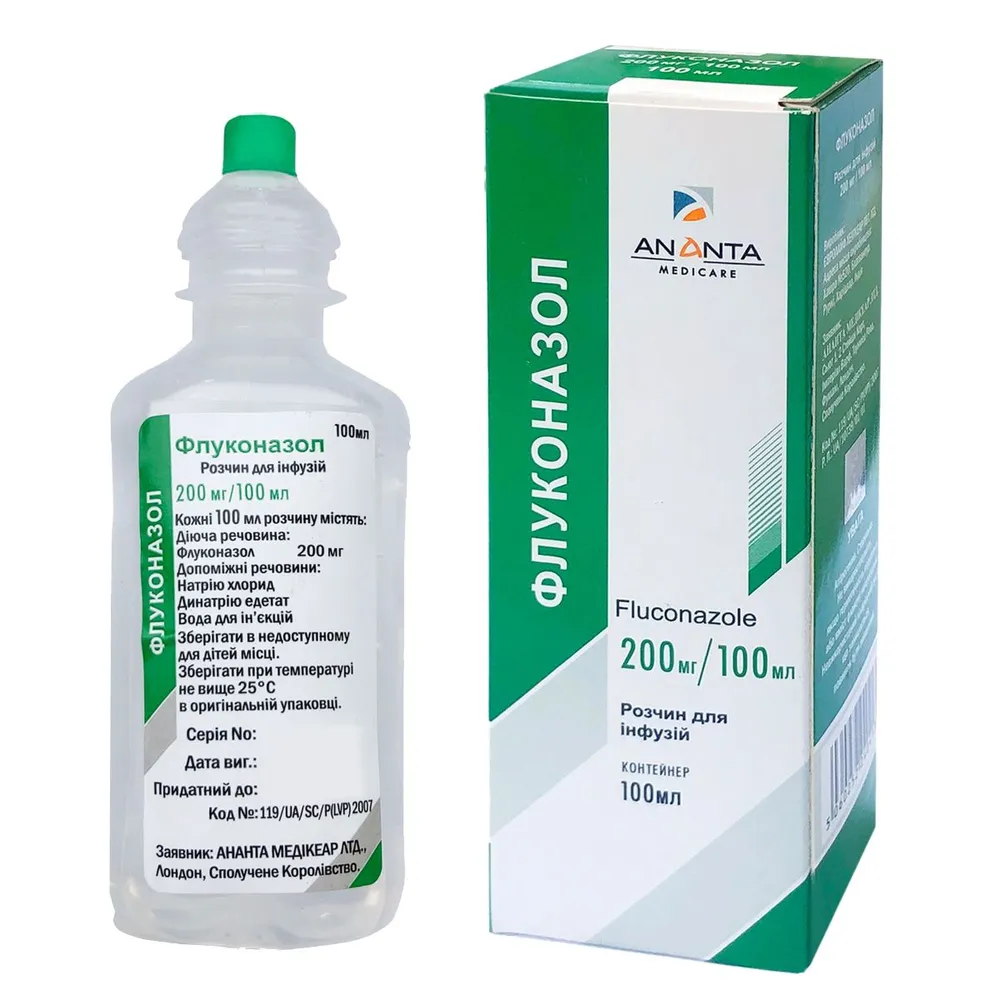
Table of Contents
INSTRUCTIONS FOR MEDICAL USE OF THE MEDICINAL PRODUCT FLUCONAZOLE (FLUCONAZOLE)
Composition:
active substance: fluconazole;
1 ml of solution contains 2 mg of fluconazole;
excipients: sodium chloride, water for injections.
Pharmaceutical form. Infusion solution.
Main physicochemical properties: clear, colorless solution.
Pharmacotherapeutic group. Antifungal agents for systemic use. Triazole derivatives. ATC code J02A C01.
Pharmacological Properties.
Pharmacodynamics.
Mechanism of Action
Fluconazole is an antifungal agent of the triazole class. Its primary mechanism of action is the inhibition of fungal 14-alpha-lanosterol-demethylation, mediated by cytochrome P450, an essential step in the biosynthesis of fungal ergosterol. Accumulation of 14-alpha-methyl-sterols correlates with subsequent loss of ergosterol from the fungal cell membrane and may account for the antifungal activity of fluconazole. Fluconazole is more selective for fungal cytochrome P450 enzymes than for various cytochrome P450 enzyme systems in mammals.
Administration of fluconazole at a dose of 50 mg once daily for 28 days does not affect plasma testosterone levels in men or endogenous steroid levels in women of reproductive age. Fluconazole at doses of 200–400 mg daily does not exhibit clinically significant effects on endogenous steroid levels or on the response to adrenocorticotropic hormone (ACTH) stimulation in healthy male volunteers.
Studies investigating interactions with antipyrine demonstrated that single or repeated administration of 50 mg fluconazole does not affect antipyrine metabolism.
In vitro Susceptibility
Fluconazole demonstrates in vitro antifungal activity against the most commonly encountered Candida species (including C. albicans, C. parapsilosis, C. tropicalis). C. glabrata shows reduced susceptibility to fluconazole, while C. krusei and C. auris are resistant to fluconazole.
Minimum inhibitory concentrations (MICs) and the epidemiological cut-off value (ECOFF) according to EUCAST for fluconazole against C. guilliermondii are higher than those for C. albicans.
Fluconazole also demonstrates in vitro activity against Cryptococcus neoformans and Cryptococcus gattii, as well as against endemic dimorphic fungi including Blastomyces dermatitidis, Coccidioides immitis, Histoplasma capsulatum, and Paracoccidioides brasiliensis.
Pharmacokinetic/Pharmacodynamic Relationships
According to animal studies, there is a correlation between MIC and efficacy against experimental models of infections caused by Candida species. Clinical studies have shown a linear relationship between the area under the concentration-time curve (AUC) and fluconazole dose (approximately 1:1). There is also a direct, but suboptimal, relationship between AUC or dose and positive clinical response in the treatment of oral candidiasis and, to a lesser extent, candidemia. Similarly, treatment outcomes for infections caused by strains with high MIC values for fluconazole are less favorable.
Mechanisms of Resistance
Candida species exhibit multiple mechanisms of resistance to azole antifungal agents. Fluconazole shows high MIC values against fungal strains possessing one or more resistance mechanisms, which negatively impacts its in vivo efficacy and clinical effectiveness.
In normally susceptible Candida species, the most common resistance mechanism involves alterations in the azole target enzymes responsible for ergosterol biosynthesis. Resistance may result from mutations, increased enzyme production, drug efflux mechanisms, or development of compensatory metabolic pathways.
Cases of breakthrough Candida spp. infections caused by species other than C. albicans, often exhibiting reduced susceptibility (e.g., C. glabrata) or resistance to fluconazole (e.g., C. krusei, C. auris), have been reported. Alternative antifungal agents should be used for the treatment of such infections.
Resistance mechanisms are not yet fully understood in certain intrinsically resistant species (e.g., C. krusei) or newly emerging species (e.g., C. auris).
EUCAST Breakpoints (according to recommendations of the European Committee on Antimicrobial Susceptibility Testing)
Based on analysis of pharmacokinetic/pharmacodynamic data, in vitro susceptibility, and clinical response, EUCAST has defined breakpoints for fluconazole against Candida species (see accompanying explanatory document EUCAST for fluconazole (2020) – version 3; European Committee on Antimicrobial Susceptibility Testing, Antifungal agents, tables of MIC breakpoints for interpretation, version 10.0, effective 04.02.2020). These breakpoints are categorized into non-species-related breakpoints, primarily determined based on pharmacokinetic/pharmacodynamic data and not dependent on MIC distributions across species, and species-specific breakpoints, typically associated with human infections. These breakpoints are listed below.
| Antifungal agent |
Species-specific breakpoints S ≤ / R > in mg/l |
Non-species-related breakpointsα S ≤ / R > in mg/l |
|||||
| Candida albicans |
Candida dubliniensis |
Candida glabrata |
Candida krusei |
Candida parapsilosis |
Candida tropicalis |
||
| Fluconazole |
2/4 |
2/4 |
0.001*/16 |
-- |
2/4 |
2/4 |
2/4 |
S – susceptible;
R – resistant;
α – breakpoints not related to a specific species, which are primarily determined based on pharmacokinetic/pharmacodynamic information and do not depend on species-specific MIC distributions. These were evaluated only in microorganisms lacking a species-specific breakpoint;
-- – susceptibility testing is not recommended, as the given species is not a target for drug therapy;
* All C. glabrata isolates fall within the I category. MICs against C. glabrata should be interpreted as resistant when they exceed 16 mg/L. The susceptible category (≤ 0.001 mg/L) is used solely to prevent misclassification of I strains as S strains. I – susceptible with increased exposure: a microorganism is categorized as "susceptible with increased exposure" when there is a high probability of therapeutic success due to elevated drug exposure achieved by adjusting the dosing regimen or increasing drug concentration at the site of infection.
Pharmacokinetics.
The pharmacokinetic properties of fluconazole are similar following intravenous and oral administration.
Absorption
Fluconazole is well absorbed after oral administration, and plasma drug levels and systemic bioavailability exceed 90% of the fluconazole plasma levels achieved after intravenous administration. Concomitant food intake does not affect absorption following oral administration. Peak plasma concentration is reached within 0.5–1.5 hours after dosing on an empty stomach. Plasma drug concentration is proportional to dose. Steady-state 90% concentration is achieved by day 4–5 of once-daily therapy. A 90% steady-state concentration is reached by day 2 when a loading dose twice the normal daily dose is administered on the first day.
Distribution
The volume of distribution approximates total body water. Plasma protein binding is low (11–12%).
Fluconazole penetrates well into all investigated body fluids. Fluconazole levels in saliva and sputum are similar to plasma concentrations. In patients with fungal meningitis, fluconazole concentrations in cerebrospinal fluid reach 80% of plasma levels.
High fluconazole concentrations in skin, exceeding serum levels, are achieved in the stratum corneum, epidermis, dermis, and sweat. Fluconazole accumulates in the stratum corneum. After a daily dose of 50 mg, fluconazole concentration in the stratum corneum reaches 73 µg/g after 12 days of treatment and remains at 5.8 µg/g 7 days after treatment ends. With a weekly dose of 150 mg, the concentration on day 7 of treatment is 23.4 µg/g; 7 days after the next dose, the concentration remains at 7.1 µg/g.
Fluconazole concentration in nails after 4 months of weekly 150 mg dosing was 4.05 µg/g in healthy volunteers and 1.8 µg/g in patients with nail disease; fluconazole was detectable in nail samples up to 6 months after therapy completion.
Biotransformation
Fluconazole is minimally metabolized. After administration of radiolabeled fluconazole, only 11% of the drug is excreted in urine as metabolites. Fluconazole is a moderate inhibitor of CYP2C9 and CYP3A4 isoenzymes and a potent inhibitor of the CYP2C19 isoenzyme.
Elimination
The plasma elimination half-life of fluconazole is approximately 30 hours. The majority of the drug is excreted by the kidneys, with 80% of the administered dose recovered unchanged in urine. Fluconazole clearance is proportional to creatinine clearance. No circulating metabolites have been identified.
The prolonged plasma elimination half-life allows for single-dose administration in vaginal candidiasis and once-weekly dosing for other indications.
Renal impairment
In patients with severe renal impairment (glomerular filtration rate < 20 mL/min), the elimination half-life increases from 30 hours to 98 hours. Therefore, fluconazole dosage must be reduced in this patient group. Fluconazole is removed by hemodialysis and, to a lesser extent, by peritoneal dialysis. A 3-hour hemodialysis session reduces plasma fluconazole levels by approximately 50%.
Lactation
Fluconazole concentrations in maternal plasma and breast milk were evaluated over 48 hours after a single 150 mg dose in a pharmacokinetic study involving 10 breastfeeding women who temporarily or permanently discontinued breastfeeding. In breast milk, fluconazole was detected at an average concentration of approximately 98% of that in maternal plasma. The mean peak concentration in breast milk was 2.61 mg/L, reached 5.2 hours after dosing. The daily fluconazole dose ingested by an infant via breast milk (assuming average milk intake of 150 mL/kg/day), calculated based on the mean peak milk concentration of 0.39 mg/kg/day, corresponds to approximately 40% of the dose recommended for neonates (age < 2 weeks) or 13% of the dose recommended for infants for treatment of mucosal candidiasis.
Children
Pharmacokinetic data were evaluated in 113 children across 5 studies: 2 single-dose studies, 2 multiple-dose studies, and 1 study in preterm neonates.
After administration of 2–8 mg/kg fluconazole to children aged 9 months to 15 years, AUC was approximately 38 µg*h/mL per 1 mg/kg dose. Following multiple dosing, the mean plasma elimination half-life ranged between 15 and 18 hours; the volume of distribution was 880 mL/kg. A longer half-life of approximately 24 hours was observed after single-dose administration. This value is comparable to the plasma elimination half-life of fluconazole after a single 3 mg/kg intravenous dose in children aged 11 days to 11 months. The volume of distribution in this age group was approximately 950 mL/kg.
Experience with fluconazole use in neonates is limited to pharmacokinetic studies in 12 preterm infants with a gestational age of approximately 28 weeks. The mean age at first dose was 24 hours (range 9–36 hours); mean birth weight was 900 g (range 750–1100 g). The study protocol was completed in 7 patients. Up to 5 intravenous doses of fluconazole 6 mg/kg were administered every 72 hours. The mean elimination half-life was 74 hours (44–185) on day 1, decreasing to 53 hours (30–131) on day 7 and 47 hours (27–68) on day 13. The area under the curve (µg*h/mL) was 271 (173–385) on day 1, increased to 490 (292–734) on day 7, then decreased to 360 (167–566) on day 13. The volume of distribution (mL/kg) was 1183 (1070–1470) on day 1, increased to 1184 (510–2130) on day 7, and to 1328 (1040–1680) on day 13.
Elderly patients
A pharmacokinetic study was conducted in 22 patients (aged ≥65 years) who received 50 mg oral fluconazole. Ten patients were concurrently receiving diuretics. Cmax was 1.54 µg/mL, reached within 1.3 hours after fluconazole administration. Mean AUC was 76.4±20.3 µg*h/mL. Mean elimination half-life was 46.2 hours. These pharmacokinetic parameters are higher than those observed in younger healthy volunteers. Concomitant diuretic use had no significant effect on Cmax or AUC. Additionally, creatinine clearance (74 mL/min), percentage of unchanged fluconazole excreted in urine (0–24 hours, 22%), and renal fluconazole clearance (0.124 mL/min/kg) in this age group were lower than in younger volunteers. Therefore, pharmacokinetic changes in elderly patients are likely dependent on renal function parameters.
Clinical characteristics.
Indications.
Fluconazole is indicated for the treatment of the following fungal infections in adults (see section "Pharmacological properties"):
- cryptococcal meningitis (see section "Special precautions for use");
- coccidioidomycosis (see section "Special precautions for use");
- invasive candidiasis;
- mucosal candidiasis, including oropharyngeal candidiasis and esophageal candidiasis, candiduria, chronic mucocutaneous candidiasis;
- chronic atrophic oral candidiasis (denture stomatitis) when oral hygiene or topical therapy is ineffective.
Fluconazole is indicated for prophylaxis of the following conditions in adults:
- prevention of recurrence of cryptococcal meningitis in patients at high risk of developing it;
- prevention of recurrence of oropharyngeal or esophageal candidiasis in HIV-infected patients at high risk of developing it;
- prophylaxis of candidiasis in patients with prolonged neutropenia (e.g., patients with hematological malignancies receiving chemotherapy or patients undergoing hematopoietic stem cell transplantation) (see section "Pharmacological properties").
Fluconazole is indicated in children from birth for the treatment of mucosal candidiasis (oropharyngeal candidiasis, esophageal candidiasis), invasive candidiasis, cryptococcal meningitis, and for prophylaxis of candidiasis in immunocompromised patients. The drug may be used as maintenance therapy to prevent recurrence of cryptococcal meningitis in children at high risk of developing it (see section "Special precautions for use").
Treatment with fluconazole may be initiated before the results of culture and other laboratory tests are available; however, antimicrobial therapy should be adjusted accordingly once results are obtained.
Contraindications.
- Hypersensitivity to fluconazole, other azole compounds, or to any of the excipients listed in the section "Composition".
- Concomitant use of fluconazole and terfenadine in patients receiving fluconazole repeatedly at doses of 400 mg/day or higher (based on multiple-dose interaction study results).
- Concomitant use of fluconazole and other medicinal products that prolong the QT interval and are metabolized by the CYP3A4 enzyme (e.g., cisapride, astemizole, pimozide, quinidine, and erythromycin) (see sections "Special precautions for use" and "Interaction with other medicinal products and other forms of interaction").
Interaction with other medicinal products and other forms of interaction.
Concomitant use of fluconazole and the following medicinal products is contraindicated
Cisapride: cases of cardiac adverse reactions, including torsades de pointes ventricular tachycardia, have been reported in patients receiving fluconazole and cisapride concomitantly. A controlled study demonstrated that concomitant administration of 200 mg fluconazole once daily and 20 mg cisapride four times daily resulted in a significant increase in plasma levels of cisapride and QT interval prolongation. Concomitant use of fluconazole and cisapride is contraindicated (see section "Contraindications").
Terfenadine: due to cases of severe cardiac arrhythmias caused by QTc interval prolongation in patients receiving azole antifungal agents concomitantly with terfenadine, interaction studies between these agents were conducted. In one study, administration of fluconazole at a dose of 200 mg daily did not result in QTc interval prolongation. Another study using fluconazole at doses of 400 mg and 800 mg daily demonstrated that fluconazole at doses of 400 mg daily or higher significantly increased plasma levels of terfenadine when administered concomitantly. Concomitant use of fluconazole at doses of 400 mg or higher with terfenadine is contraindicated (see section "Contraindications"). When fluconazole is administered at doses below 400 mg daily concomitantly with terfenadine, careful patient monitoring is required.
Astemizole: concomitant use of fluconazole and astemizole may reduce astemizole clearance. This increase in astemizole plasma concentration may lead to QT interval prolongation and, rarely, to torsades de pointes ventricular tachycardia. Concomitant use of fluconazole and astemizole is contraindicated (see section "Contraindications").
Pimozide and quinidine: concomitant use of fluconazole and pimozide or quinidine may lead to inhibition of pimozide or quinidine metabolism, although appropriate in vitro and in vivo studies have not been conducted. Increased plasma concentrations of pimozide or quinidine may cause QT interval prolongation and, rarely, lead to torsades de pointes ventricular tachycardia. Concomitant use of fluconazole and pimozide or quinidine is contraindicated (see section "Contraindications").
Erythromycin: concomitant use of erythromycin and fluconazole may increase the risk of cardiotoxicity (QT interval prolongation, torsades de pointes ventricular tachycardia) and, consequently, sudden cardiac death. The use of this combination is contraindicated (see section "Contraindications").
Concomitant use of fluconazole and the following medicinal products is not recommended
Halofantrine: fluconazole may increase halofantrine plasma concentrations by inhibiting CYP3A4. Concomitant use of these medicinal products may increase the risk of cardiotoxicity (QT interval prolongation, torsades de pointes ventricular tachycardia) and, consequently, sudden cardiac death. The combination should be avoided (see section "Special precautions for use").
Concomitant use of fluconazole and the following medicinal products requires caution
Amiodarone: concomitant use of fluconazole with amiodarone may lead to QT interval prolongation. Fluconazole should be used with caution together with amiodarone, especially when high-dose fluconazole (800 mg) is prescribed.
Concomitant use of fluconazole and the following medicinal products requires caution and dose adjustment
Effect of other medicinal products on fluconazole
Interaction studies have demonstrated that oral administration of fluconazole together with food, cimetidine, antacids, or total body irradiation for bone marrow transplantation does not have a clinically significant effect on fluconazole absorption.
Rifampicin: concomitant use of fluconazole and rifampicin resulted in a 25% decrease in AUC and a 20% reduction in the half-life of fluconazole. Therefore, for patients receiving rifampicin, consideration should be given to increasing the dose of fluconazole.
Hydrochlorothiazide: in a pharmacokinetic interaction study, multiple concomitant use of hydrochlorothiazide in healthy volunteers receiving fluconazole increased fluconazole plasma concentration by 40%. Such interaction parameters do not require changes in fluconazole dosing regimen for patients receiving diuretics concomitantly.
Effect of fluconazole on other medicinal products
Fluconazole is a moderate inhibitor of cytochrome P450 (CYP) isoenzymes 2C9 and 3A4. Fluconazole is a potent inhibitor of isoenzyme CYP2C19. In addition to observed/documented interactions described below, there is a risk of increased plasma concentrations of other compounds metabolized by CYP2C9, CYP2C19, and CYP3A4 when used concomitantly with fluconazole. Therefore, such combinations should be used with caution; careful monitoring of patients is required. The inhibitory effect of fluconazole on enzymes persists for 4–5 days after administration due to its long half-life (see section "Contraindications").
Abrocitinib: fluconazole (inhibitor of CYP2C19, 2C9, 3A4) increased exposure to the active moiety of abrocitinib by 155%. When used concomitantly with fluconazole, the dose of abrocitinib should be adjusted according to the abrocitinib prescribing information.
Alfentanil: during concomitant administration of alfentanil at a dose of 20 µg/kg and fluconazole at a dose of 400 mg in healthy volunteers, a twofold increase in AUC was observed, possibly due to inhibition of CYP3A4. Dose adjustment of alfentanil may be necessary.
Amitriptyline, nortriptyline: fluconazole enhances the effect of amitriptyline and nortriptyline. Measurement of 5-nortriptyline and/or S-amitriptyline concentrations is recommended at the beginning of combination therapy and after 1 week. Dose adjustment of amitriptyline/nortriptyline may be necessary.
Amphotericin B: concomitant use of fluconazole and amphotericin B in immunocompetent and immunocompromised infected mice resulted in: a slight additive antifungal effect in systemic C. albicans infection, no interaction in intracranial Cryptococcus neoformans infection, and antagonism between the two drugs in systemic Aspergillus fumigatus infection. The clinical significance of these findings is unknown.
Anticoagulants: as with other azole antifungal agents, cases of bleeding (hematomas, epistaxis, gastrointestinal bleeding, hematuria, and melena) associated with prolonged prothrombin time have been reported with concomitant use of fluconazole and warfarin. A twofold increase in prothrombin time was observed with concomitant use of fluconazole and warfarin, likely due to inhibition of warfarin metabolism via CYP2C9. Prothrombin time should be carefully monitored in patients receiving coumarin anticoagulants or indanediones concomitantly. Dose adjustment of the anticoagulant may be necessary.
Short-acting benzodiazepines, e.g., midazolam, triazolam: administration of fluconazole after oral administration of midazolam resulted in a significant increase in midazolam concentration and enhanced psychomotor effects. Concomitant use of fluconazole at a dose of 200 mg and midazolam at a dose of 7.5 mg orally increased AUC and half-life of midazolam by 3.7 and 2.2 times, respectively. Administration of fluconazole at a dose of 200 mg/day and 0.25 mg triazolam orally increased AUC and half-life of triazolam by 4.4 and 2.3 times, respectively. Potentiation and prolongation of triazolam effects were observed with concomitant use of fluconazole and triazolam. If benzodiazepines must be administered concomitantly to a patient undergoing fluconazole therapy, the dose of benzodiazepines should be reduced and appropriate patient monitoring established.
Carbamazepine: fluconazole inhibits carbamazepine metabolism and causes a 30% increase in serum carbamazepine levels. There is a risk of carbamazepine toxicity. Dose adjustment of carbamazepine may be necessary depending on its concentration and effect.
Calcium channel blockers: some calcium antagonists (nifedipine, isradipine, amlodipine, and felodipine) are metabolized by the CYP3A4 enzyme. Fluconazole may potentially increase systemic exposure to calcium channel blockers. Careful monitoring for adverse reactions is recommended.
Celecoxib: concomitant use of fluconazole (200 mg daily) and celecoxib (200 mg) increased Cmax and AUC of celecoxib by 68% and 134%, respectively. When celecoxib is used concomitantly with fluconazole, a reduction in celecoxib dose by half may be necessary.
Cyclophosphamide: concomitant use of cyclophosphamide and fluconazole leads to increased serum bilirubin and creatinine levels. These drugs can be used concomitantly, but the risk of increased serum bilirubin and creatinine levels should be considered.
Fentanyl: a fatal case of fentanyl intoxication due to a possible interaction between fentanyl and fluconazole has been reported. In addition, a study in healthy volunteers demonstrated that fluconazole significantly slowed fentanyl elimination. Increased fentanyl concentration may lead to respiratory depression; therefore, careful patient monitoring is required. Dose adjustment of fentanyl may be necessary.
HMG-CoA reductase inhibitors: concomitant use of fluconazole and HMG-CoA reductase inhibitors metabolized by CYP3A4 (atorvastatin and simvastatin), or HMG-CoA reductase inhibitors metabolized by CYP2C9 [fluvastatin (reduced hepatic metabolism of statin)], increases the risk of myopathy and rhabdomyolysis (dose-dependent). If concomitant use of these drugs is necessary, careful monitoring for symptoms of myopathy and rhabdomyolysis and monitoring of creatine kinase levels are required. If creatine kinase levels are significantly elevated, or if myopathy/rhabdomyolysis is diagnosed or suspected, HMG-CoA reductase inhibitors should be discontinued. Dose reduction of HMG-CoA reductase inhibitors may be necessary as indicated in the statin prescribing information.
Ibrutinib: moderate CYP3A4 inhibitors (e.g., fluconazole) increase plasma concentrations of ibrutinib and may increase the risk of toxicity. If combination cannot be avoided, the ibrutinib dose should be reduced to 280 mg once daily (2 capsules) to continue therapy, with continuous clinical monitoring.
Ivacaftor (as monotherapy or in combination with drugs of the same therapeutic class): concomitant use with ivacaftor, a cystic fibrosis transmembrane conductance regulator (CFTR) modulator, increases exposure to ivacaftor by 3 times and to hydroxymethylivacaftor (M1) by 1.9 times. Dose reduction of ivacaftor (as monotherapy or in combination) is required as specified in the ivacaftor prescribing information (as monotherapy or in combination).
Olaparib: moderate CYP3A4 inhibitors such as fluconazole increase plasma concentrations of olaparib; their concomitant use is not recommended. If such combination cannot be avoided, olaparib intake should be limited to 200 mg twice daily.
Immunosuppressants (e.g., cyclosporine, everolimus, sirolimus, and tacrolimus)
Cyclosporine: fluconazole significantly increases cyclosporine concentration and AUC. With concomitant use of fluconazole at a dose of 200 mg/day and cyclosporine at a dose of 2.7 mg/kg/day, an 1.8-fold increase in cyclosporine AUC was observed. These drugs can be used concomitantly provided cyclosporine dose is reduced based on its concentration.
Everolimus: although in vitro and in vivo studies have not been conducted, it is known that fluconazole may increase everolimus serum concentration by inhibiting CYP3A4.
Sirolimus: fluconazole increases sirolimus plasma concentration, likely by inhibiting sirolimus metabolism by the CYP3A4 enzyme and P-glycoprotein. These drugs can be used concomitantly provided sirolimus dose is adjusted based on concentration and drug effects.
Tacrolimus: fluconazole may increase tacrolimus serum concentrations up to 5 times with oral administration due to inhibition of tacrolimus metabolism by the CYP3A4 enzyme in the intestine. No significant changes in pharmacokinetics were observed with intravenous administration of tacrolimus. Increased tacrolimus levels are associated with nephrotoxicity. The oral dose of tacrolimus should be reduced based on tacrolimus concentration.
Losartan: fluconazole inhibits the metabolism of losartan to its active metabolite (E-3174), which accounts for most of the angiotensin II receptor antagonism during losartan use. Continuous monitoring of blood pressure in patients is recommended.
Lurasidone: moderate CYP3A4 inhibitors such as fluconazole may increase plasma concentrations of lurasidone. If concomitant use cannot be avoided, the lurasidone dose should be reduced as specified in the lurasidone prescribing information.
Methadone: fluconazole may increase methadone serum concentration. Dose adjustment of methadone may be necessary with concomitant use.
Nonsteroidal anti-inflammatory drugs (NSAIDs): with concomitant use of fluconazole, Cmax and AUC of flurbiprofen increased by 23% and 81%, respectively, compared to administration of flurbiprofen alone. Similarly, with concomitant use of fluconazole and racemic ibuprofen (400 mg), Cmax and AUC of the pharmacologically active isomer S-(+)-ibuprofen increased by 15% and 82%, respectively, compared to administration of racemic ibuprofen alone.
Although specific studies have not been conducted, fluconazole is capable of increasing systemic exposure to other NSAIDs metabolized by CYP2C9 (e.g., naproxen, lornoxicam, meloxicam, diclofenac). Periodic monitoring for adverse reactions and toxic effects associated with NSAIDs is recommended. Dose adjustment of NSAIDs may be required.
Phenytoin: fluconazole inhibits hepatic metabolism of phenytoin. Repeated concomitant administration of 200 mg fluconazole and 250 mg phenytoin intravenously increases AUC24 of phenytoin by 75% and Cmin by 128%. Monitoring of phenytoin serum concentration is required with concomitant use of these drugs to avoid phenytoin toxicity.
Prednisone: a case was reported of acute adrenal insufficiency in a liver transplant patient receiving prednisone, which occurred after discontinuation of a three-month course of fluconazole therapy. Discontinuation of fluconazole likely caused increased CYP3A4 activity, leading to accelerated prednisone metabolism. Patients receiving fluconazole and prednisone concomitantly for a prolonged period should be carefully monitored to prevent adrenal insufficiency after stopping fluconazole.
Rifabutin: fluconazole increases rifabutin serum concentration, resulting in up to an 80% increase in rifabutin AUC. Cases of uveitis have been reported with concomitant use of fluconazole and rifabutin. Symptoms of rifabutin toxicity should be considered when using this combination.
Saquinavir: fluconazole increases AUC and Cmax of saquinavir by approximately 50% and 55%, respectively, due to inhibition of saquinavir metabolism in the liver by the CYP3A4 enzyme and inhibition of P-glycoprotein. Interaction between fluconazole and saquinavir/ritonavir has not been studied and may be more pronounced. Dose adjustment of saquinavir may be necessary.
Sulfonylurea derivatives: concomitant use of fluconazole prolongs the half-life in serum of oral sulfonylurea derivatives (chlorpropamide, glyburide, glipizide, and tolbutamide) in healthy volunteers. Frequent blood glucose monitoring and appropriate dose reduction of sulfonylurea derivatives are recommended when used concomitantly with fluconazole.
Theophylline: in a placebo-controlled interaction study, administration of fluconazole 200 mg for 14 days resulted in an 18% decrease in the average plasma clearance of theophylline. Patients receiving high-dose theophylline or those at increased risk of theophylline toxicity for other reasons should be monitored for signs of theophylline toxicity. Therapy should be modified if signs of toxicity appear.
Tofacitinib: the effect of tofacitinib increases with concomitant use of medicinal products causing moderate inhibition of CYP3A4 and potent inhibition of CYP2C19 (e.g., fluconazole). Therefore, it is recommended to reduce the tofacitinib dose to 5 mg once daily when used in combination with these drugs.
Vasopressin receptor antagonists (tolvaptan): exposure to tolvaptan significantly increased (200% AUC, 80% Cmax) when tolvaptan, a CYP3A4 substrate, was administered concomitantly with fluconazole, a moderate CYP3A4 inhibitor, with a significantly increased risk of adverse reactions, including marked diuresis, dehydration, and acute renal failure. If co-administered, the tolvaptan dose should be reduced according to the prescribing information and the patient should be regularly monitored for any adverse reactions related to tolvaptan.
Vinca alkaloids: although appropriate studies have not been conducted, fluconazole, likely through inhibition of CYP3A4, may increase plasma concentrations of vinca alkaloids (e.g., vincristine and vinblastine), leading to neurotoxic effects.
Vitamin A: cases have been reported of central nervous system (CNS) adverse reactions (pseudotumor cerebri) in a patient receiving all-trans retinoic acid (acid form of vitamin A) and fluconazole concomitantly; this effect resolved after discontinuation of fluconazole. These medicinal products can be used concomitantly, but the risk of CNS adverse reactions should be considered.
Voriconazole (inhibitor of CYP2C9, CYP2C19, and CYP3A4): concomitant oral administration of voriconazole (400 mg every 12 hours for 1 day, then 200 mg every 12 hours for 2.5 days) and fluconazole (400 mg on day 1, then 200 mg every 24 hours for 4 days) in 8 healthy male volunteers resulted in an average increase in Cmax and AUCτ of voriconazole by 57% (90% CI: 20%, 107%) and 79% (90% CI: 40%, 128%), respectively. It is unknown whether reducing the dose and/or frequency of voriconazole or fluconazole eliminates this effect. When voriconazole is used after fluconazole, monitoring for voriconazole-related adverse effects is required.
Zidovudine: fluconazole increases Cmax and AUC of zidovudine by 84% and 74%, respectively, due to a decrease in zidovudine clearance of approximately 45% with oral administration. The half-life of zidovudine was also prolonged by approximately 128% after administration of the fluconazole-zidovudine combination. Patients receiving this combination should be monitored for zidovudine-related adverse reactions. Dose reduction of zidovudine may be considered.
Azithromycin: in an open-label, randomized, three-way crossover study involving 18 healthy volunteers, the effect of azithromycin and fluconazole on each other's pharmacokinetics was evaluated after single oral doses of 1200 mg and 800 mg, respectively. No significant pharmacokinetic interactions were observed.
Oral contraceptives: two multiple-dose pharmacokinetic studies of fluconazole and combined oral contraceptives were conducted. At a fluconazole dose of 50 mg, no effect on hormone levels was observed, whereas at a fluconazole dose of 200 mg daily, AUC of ethinylestradiol increased by 40% and levonorgestrel by 24%. This suggests that multiple-dose administration of fluconazole at these doses is unlikely to affect the efficacy of combined oral contraceptives.
Special precautions for use.
Dermatophytosis
According to clinical studies evaluating fluconazole for the treatment of dermatophytosis in children, fluconazole is not superior to griseofulvin in efficacy, with an overall efficacy rate of less than 20%. Therefore, fluconazole should not be used for the treatment of dermatophytosis.
Cryptococcosis
There is insufficient evidence of fluconazole efficacy for the treatment of cryptococcosis at other sites (e.g., pulmonary cryptococcosis and cutaneous cryptococcosis); therefore, dosage recommendations for the treatment of these infections are not available.
Deep endemic mycoses
There is insufficient evidence of fluconazole efficacy for the treatment of other forms of endemic mycoses, such as paracoccidioidomycosis, histoplasmosis, and cutaneous-lymphatic sporotrichosis; therefore, dosage recommendations for the treatment of these infections are not available.
Renal function
Fluconazole should be administered with caution in patients with impaired renal function (see section "Dosage and administration").
Adrenal insufficiency
Ketoconazole is known to cause adrenal insufficiency, and this may also apply to fluconazole, although it is rare. Adrenal insufficiency associated with concomitant prednisone therapy is described in the section "Interaction with other medicinal products and other forms of interaction. Effect of fluconazole on other medicinal products".
Hepatobiliary system
Fluconazole should be used with caution in patients with hepatic impairment. Rare cases of severe hepatotoxicity, including fatal outcomes, have been reported with fluconazole use, primarily in patients with serious underlying conditions. In cases where hepatotoxicity was associated with fluconazole, there was no clear dependence on the total daily dose, duration of therapy, sex, or age of the patient. Hepatotoxicity caused by fluconazole is usually reversible, and symptoms resolve after discontinuation of therapy.
Patients who develop abnormal liver function test results during fluconazole treatment should be closely monitored for the development of more severe liver injury.
Patients should be informed about symptoms that may indicate serious liver effects (marked asthenia, anorexia, persistent nausea, vomiting, and jaundice). In such cases, fluconazole should be discontinued immediately and medical advice sought.
Cardiovascular system
Some azoles, including fluconazole, are associated with QT interval prolongation on electrocardiogram. Fluconazole prolongs the QT interval by inhibiting the rectifying potassium channel (Ikr). QT interval prolongation caused by other medicinal products (e.g., amiodarone) may be potentiated by inhibition of the CYP3A4 enzyme of cytochrome P450. Very rare cases of QT interval prolongation and torsades de pointes ventricular tachycardia have been reported with fluconazole use. These reports involved patients with serious underlying diseases and multiple risk factors, such as structural heart disease, electrolyte disturbances, and concomitant use of other medicinal products affecting the QT interval.
Patients with hypokalemia and progressive heart failure are at increased risk of life-threatening ventricular arrhythmias and torsades de pointes.
Fluconazole should be used with caution in patients at risk of developing arrhythmias. Concomitant use with medicinal products that prolong the QTc interval and are metabolized by the CYP3A4 enzyme of cytochrome P450 is contraindicated (see sections "Contraindications" and "Interaction with other medicinal products and other forms of interaction").
Halofantrine
Halofantrine is a substrate of the CYP3A4 enzyme and prolongs the QTc interval when used at recommended therapeutic doses. Concomitant use of halofantrine and fluconazole is not recommended (see section "Interaction with other medicinal products and other forms of interaction").
Dermatological reactions
Exfoliative skin reactions such as Stevens-Johnson syndrome and toxic epidermal necrolysis have been rarely reported during fluconazole use.
Drug reaction with eosinophilia and systemic symptoms (DRESS) has been reported.
Patients with AIDS are more susceptible to developing severe skin reactions when using many medicinal products. If a patient with superficial fungal infection develops a rash that may be related to fluconazole use, further treatment with the drug should be discontinued. If a patient with invasive/systemic fungal infection develops a skin rash, careful monitoring is required, and fluconazole treatment should be discontinued in case of bullous eruptions or erythema multiforme.
Hypersensitivity
Anaphylactic reactions have been reported rarely (see section "Contraindications").
Cytochrome P450
Fluconazole is a moderate inhibitor of CYP2C9 and CYP3A4 enzymes. It is also a potent inhibitor of the CYP2C19 enzyme. Patients receiving concomitant fluconazole and medicinal products with a narrow therapeutic window that are metabolized by CYP2C9, CYP2C19, and CYP3A4 should be closely monitored (see section "Interaction with other medicinal products and other forms of interaction").
Terfenadine
Careful monitoring of the patient is required when terfenadine is used concomitantly with fluconazole at doses below 400 mg per day (see sections "Contraindications" and "Interaction with other medicinal products and other forms of interaction").
Candidiasis
Studies have shown an increased prevalence of infections caused by Candida species other than C. albicans. These species are often naturally resistant (e.g., C. krusei and C. auris) or demonstrate reduced susceptibility to fluconazole (C. glabrata). Such infections may require alternative antifungal therapy after treatment failure. Therefore, physicians are advised to consider the prevalence of resistance among different Candida species to fluconazole.
Excipients
This medicinal product contains:
15.4 mmol (or 354 mg) of sodium per 200 mg dose (100 ml), which corresponds to 17.7% of the WHO recommended maximum daily intake of 2 g sodium for adults;
the maximum daily dose of this product is equivalent to 71% of the WHO recommended maximum daily sodium intake.
Fluconazole 2 mg/ml infusion solution is considered a high-sodium-content solution. This should be particularly considered when prescribing the product to patients on a low-salt diet.
Use during pregnancy or breastfeeding.
Women of childbearing potential
Before initiating treatment, the patient should be informed about the potential risk to the fetus.
After a single dose of fluconazole, a washout period of 1 week (corresponding to 5–6 elimination half-lives) should be observed before attempting conception (see section "Pharmacological properties. Pharmacokinetics").
For prolonged treatment courses, women of childbearing potential should consider using contraception throughout the entire treatment period and for 1 week after the last dose.
Pregnancy
Observational studies indicate an increased risk of spontaneous abortion in women who received fluconazole during the first and/or second trimester of pregnancy compared to women who did not use fluconazole or used topical azoles during the same period.
Data from several thousand pregnant women who received cumulative fluconazole doses ≤ 150 mg during the first trimester of pregnancy indicate no increased overall risk of fetal malformations. In one large observational cohort study, oral fluconazole use during the first trimester of pregnancy was associated with a small increase in the risk of musculoskeletal malformations, corresponding to approximately 1 additional case per 1000 women receiving cumulative doses ≤ 450 mg, compared to women who received topical azoles, and approximately 4 additional cases per 1000 women receiving cumulative doses > 450 mg. The adjusted relative risk was 1.29 (95% CI 1.05–1.58) for 150 mg of oral fluconazole and 1.98 (95% CI 1.23–3.17) for fluconazole doses greater than 450 mg.
Available epidemiological studies on the risk of congenital heart defects following fluconazole use during pregnancy have yielded conflicting results. However, a meta-analysis of 5 observational studies, including several thousand pregnant women who received fluconazole during the first trimester of pregnancy, found a possible 1.8–2-fold increased risk of congenital heart defects in infants compared to infants whose mothers did not use fluconazole and/or used topical azoles.
Cases of congenital malformations have been reported in infants whose mothers received high-dose fluconazole (400–800 mg/day) during pregnancy for more than 3 months for the treatment of coccidioidomycosis. Congenital malformations observed in these children included brachycephaly, ear dysplasia, enlarged anterior fontanelle, femoral bowing, and radiohumeral synostosis. A causal relationship between fluconazole use and congenital malformations has not been established.
Standard doses of fluconazole and short-term fluconazole treatment should not be used during pregnancy unless absolutely necessary.
High-dose fluconazole and/or prolonged fluconazole treatment should not be used during pregnancy except for the treatment of life-threatening infections.
Breastfeeding
Fluconazole passes into breast milk and reaches concentrations similar to those in plasma (see section "Pharmacological properties. Pharmacokinetics"). Breastfeeding may continue after a single dose of the standard 150 mg fluconazole.
Breastfeeding is not recommended with repeated administration of fluconazole or with high doses. The benefit of breastfeeding for the child's development and health, the mother's clinical need for fluconazole, and any potential adverse effects of the drug or the mother's underlying condition on the breastfed infant should be carefully evaluated.
Fertility
Fluconazole had no effect on fertility in male and female rats.
Ability to influence reaction rate while driving or operating machinery.
Studies on the effect of fluconazole on the ability to drive or operate machinery have not been conducted.
Patients should be informed about the possibility of developing dizziness or seizures (see section "Adverse reactions") during fluconazole treatment. If such symptoms occur, driving or operating machinery is not recommended.
Method of Administration and Dosage
The dose of fluconazole depends on the type and severity of the fungal infection.
If repeated administration of the drug is required, treatment of infections should be continued until clinical and laboratory signs of fungal infection activity have disappeared. Inadequate duration of treatment may lead to recurrence of active infection.
Fluconazole should be administered either orally (capsules) or by intravenous infusion (infusion solution), depending on the pharmaceutical form. The route of administration depends on the patient's clinical condition. There is no need to adjust the daily dose of fluconazole when switching from oral to intravenous administration or vice versa.
The infusion solution should be administered at a rate not exceeding 10 ml/min.
Drug Compatibility
Fluconazole infusion solution is compatible with the following solutions:
- 20% glucose solution (prepared from 40% glucose and water for injections);
- 5% glucose solution;
- Ringer’s solution;
- Hartmann’s solution;
- potassium chloride in glucose solution;
- 4.2% and 5% sodium bicarbonate solutions;
- 0.9% sodium chloride solution.
Fluconazole may be administered through the same infusion system as one of the above-listed solutions. Although cases of nonspecific incompatibility with other agents have not been reported, mixing fluconazole with other drugs prior to infusion is not recommended.
The intravenous infusion solution is intended for single use only. Dilution must be performed under aseptic conditions. The solution should be inspected visually for the presence of foreign particles and discoloration. The solution should be used only if it is clear and free of particulate matter. Any unused portion of the drug must be discarded.
Adults
Cryptococcosis
- Treatment of cryptococcal meningitis: loading dose is 400 mg on the first day. Maintenance dose – 200–400 mg once daily. The duration of treatment is usually at least 6–8 weeks. For life-threatening infections, the daily dose may be increased up to 800 mg.
- Maintenance therapy to prevent recurrence of cryptococcal meningitis in patients at high risk: the recommended dose is 200 mg once daily for an indefinite duration.
Coccidioidomycosis. The recommended dose is 200–400 mg once daily. The duration of treatment is 11–24 months or longer, depending on the patient's condition. For certain forms of infection, particularly meningitis, a dose of 800 mg/day may be appropriate.
Invasive Candidiasis. Loading dose is 800 mg on the first day. Maintenance dose – 400 mg once daily. The recommended duration of treatment for candidemia is usually 2 weeks after the first negative blood culture results and resolution of signs and symptoms of candidemia.
Oropharyngeal and Mucosal Candidiasis
- Oropharyngeal candidiasis: loading dose is 200–400 mg on the first day, maintenance dose – 100–200 mg once daily. The duration of treatment is 7–21 days (until remission is achieved), but may be extended for patients with severe immunodeficiency.
- Esophageal candidiasis: loading dose is 200–400 mg on the first day, maintenance dose – 100–200 mg once daily. The duration of treatment is 14–30 days (until remission is achieved), but may be extended for patients with severe immunodeficiency.
- Candiduria: the recommended dose is 200–400 mg once daily for 7–21 days. The duration of treatment may be extended in patients with severe immunodeficiency.
- Chronic atrophic candidiasis: the recommended dose is 50 mg once daily for 14 days.
- Chronic cutaneous and mucosal candidiasis: the recommended dose is 50–100 mg once daily. The duration of treatment is up to 28 days, but may be extended depending on the severity and type of infection or degree of immunosuppression.
Prevention of Recurrent Mucosal Candidiasis in HIV-Infected Patients at High Risk of Recurrence
Oropharyngeal candidiasis, esophageal candidiasis: the recommended dose is 100–200 mg once daily or 200 mg three times weekly. The duration of treatment is indefinite in immunocompromised patients.
Prophylaxis of Candidiasis in Patients with Prolonged Neutropenia
The recommended dose is 200–400 mg once daily. Treatment should be initiated several days before the expected onset of neutropenia and continued for 7 days after neutrophil counts rise above 1000/mm³.
Geriatric Patients
Dosage should be adjusted according to renal function (see "Patients with Renal Impairment" below).
Patients with Renal Impairment
Fluconazole is primarily excreted unchanged in urine. Dose adjustment is not required after a single dose. In patients (including children) with impaired renal function requiring multiple doses, an initial dose of 50–400 mg should be administered on the first day of treatment, depending on the recommended daily dose for the indication. Thereafter, the daily dose (depending on the indication) should be adjusted according to the table below:
| Creatinine clearance (ml/min) |
Percentage of recommended dose |
| > 50 |
100 % |
| ≤ 50 (without hemodialysis) |
50 % |
| Hemodialysis |
100 % after each hemodialysis |
Patients undergoing hemodialysis should receive 100% of the recommended dose after each hemodialysis session. On days when dialysis is not performed, the patient should receive a dose adjusted according to creatinine clearance.
Patients with hepatic impairment
Fluconazole should be administered with caution to patients with hepatic dysfunction, as there is insufficient information regarding the use of fluconazole in this patient population (see sections "Special precautions for use" and "Side effects").
Children
The maximum daily dose of 400 mg should not be exceeded.
As with similar infections in adults, the duration of treatment depends on clinical and mycological response. Fluconazole should be administered once daily.
Dosage recommendations for children with renal impairment are provided in the section "Patients with renal impairment".
The pharmacokinetics of fluconazole have not been studied in children with renal impairment (see below information regarding use in neonates, in whom renal immaturity is frequently observed).
Children aged 12 years and older
Depending on body weight and pubertal development, the physician should assess whether the adult or pediatric dosage is optimal for the patient. Clinical data indicate that fluconazole clearance is higher in children than in adults. Administration of 100, 200, and 400 mg doses in adults and 3, 6, and 12 mg/kg doses in children results in comparable systemic exposure.
Children aged 28 days to 11 years
- Mucosal candidiasis: initial dose is 6 mg/kg/day, maintenance dose is 3 mg/kg once daily. The initial dose may be administered on the first day to achieve steady-state concentration more rapidly.
- Invasive candidiasis, cryptococcal meningitis: dosage is 6–12 mg/kg once daily depending on the severity of the disease.
- Maintenance therapy to prevent recurrence of cryptococcal meningitis in children at high risk: dosage is 6 mg/kg once daily depending on the severity of the disease.
- Prophylaxis of candidiasis in immunocompromised patients: dosage is 3–12 mg/kg once daily depending on the severity and duration of induced neutropenia (see adult dosing recommendations).
Children from birth to 27 days of age
In neonates, fluconazole is eliminated slowly from the body. Pharmacokinetic data supporting dosing recommendations for term neonates, specified below, are provided in the section "Pharmacological properties. Pharmacokinetics".
- Term neonates aged 0 to 14 days: doses equivalent to those specified above for children aged 28 days to 11 years should be administered every 72 hours. The maximum dose should not exceed 12 mg/kg every 72 hours.
- Term neonates aged 15 to 27 days: doses equivalent to those specified above for children aged 28 days to 11 years should be administered every 48 hours. The maximum dose should not exceed 12 mg/kg every 48 hours.
Children
The drug can be administered to children from birth; see section "Dosage and administration".
Overdose
Cases of fluconazole overdose have been reported; hallucinations and paranoid behavior have been reported concurrently.
In case of overdose, symptomatic and supportive treatment should be initiated, and gastric lavage should be performed if necessary.
Fluconazole is predominantly excreted in urine; forced diuresis may enhance drug elimination. A 3-hour hemodialysis session reduces plasma fluconazole levels by approximately 50%.
Side effects.
Summary of safety profile
Drug reaction with eosinophilia and systemic symptoms (DRESS) has been reported with fluconazole treatment (see section "Special precautions").
The most commonly reported adverse reactions were: headache, abdominal pain, diarrhoea, nausea, vomiting, increased alanine aminotransferase (ALT) levels, increased aspartate aminotransferase (AST) levels, increased alkaline phosphatase levels in blood, rash.
The following classification is used to assess the frequency of adverse reactions: very common (≥ 1/10), common (≥ 1/100 to < 1/10), uncommon (≥ 1/1000 to < 1/100), rare (≥ 1/10000 to < 1/1000), very rare (< 1/10000), frequency not known (cannot be estimated from available data).
Blood and lymphatic system disorders
Uncommon: anaemia.
Rare: agranulocytosis, leucopenia, thrombocytopenia, neutropenia.
Immune system disorders
Rare: anaphylaxis.
Metabolism and nutrition disorders
Uncommon: decreased appetite.
Rare: hypercholesterolaemia, hypertriglyceridaemia, hypokalaemia.
Psychiatric disorders
Uncommon: insomnia, somnolence.
Nervous system disorders
Common: headache.
Uncommon: seizures, paraesthesia, dizziness, taste disturbances.
Rare: tremor.
Ear and labyrinth disorders
Uncommon: vertigo.
Cardiac disorders
Rare: paroxysmal ventricular tachycardia of the torsades de pointes type, QT interval prolongation (see section "Special precautions").
Gastrointestinal disorders
Common: abdominal pain, nausea, diarrhoea, vomiting.
Uncommon: constipation, dyspepsia, flatulence, dry mouth.
Hepatobiliary disorders
Common: increased alanine aminotransferase (ALT) levels, increased aspartate aminotransferase (AST) levels, increased alkaline phosphatase levels (see section "Special precautions").
Uncommon: cholestasis, jaundice, increased bilirubin levels (see section "Special precautions").
Rare: hepatic failure, hepatocellular necrosis, hepatitis, hepatocellular injury (see section "Special precautions").
Skin and subcutaneous tissue disorders
Common: rash (see section "Special precautions").
Uncommon: drug eruption (including fixed drug eruption), urticaria, pruritus, increased sweating (see section "Special precautions").
Rare: toxic epidermal necrolysis, Stevens-Johnson syndrome, acute generalized exanthematous pustulosis, exfoliative dermatitis, angioneurotic oedema, facial swelling, alopecia (see section "Special precautions").
Not known: drug reaction with eosinophilia and systemic symptoms (DRESS).
Musculoskeletal and connective tissue disorders
Uncommon: myalgia.
General disorders
Uncommon: increased fatigue, malaise, asthenia, fever.
Children
The frequency and nature of adverse reactions and laboratory test abnormalities observed in clinical trials involving children are comparable to those in adults.
Reporting suspected adverse reactions
Reporting suspected adverse reactions after medicine authorization is important. It allows continuous monitoring of the benefit-risk balance of the medicine. Medical and pharmaceutical professionals, as well as patients or their legal representatives, should report all cases of suspected adverse reactions and lack of efficacy of the medicine via the Automated Information System for Pharmacovigilance at the following link: https://aisf.dec.gov.ua.
Shelf life. 2 years.
Storage conditions.
Store at temperature not exceeding 25°C in the original packaging. Keep out of reach of children.
Incompatibility.
The medicinal product should not be mixed with other medicinal products in the same container, except as specified in the section "Dosage and administration".
Packaging.
100 ml in a polymer bottle; 100 ml in a polymer bottle, 1 bottle in a cardboard box.
Prescription status. Prescription only.
Manufacturer.
TOV "Yuria-Farm".
Manufacturer's address and place of business.
108, Kobzarska Street, Cherkasy, Cherkasy region, Ukraine. Tel.: (044) 281-01-01.